Introduction to Sevilla in the Europa League
Sevilla's relationship with the Europa League is one of the most storied and extraordinary narratives in modern European football. The club has not only participated in the competition but has redefined its legacy, transforming it into a stage where they consistently showcase their prowess. To understand the depth of Sevilla's dominance in the Europa League, one must delve into their history, their tactical evolution, and the cultural significance this competition holds for the club and its fans.
Sevilla's journey in the Europa League began in earnest during the early 2000s, but it was in the mid-2000s that their dominance truly took shape. The club first won the competition in the 2005-06 season under the guidance of manager **Juande Ramos**. This victory was not just a standalone success but the beginning of a dynasty. Sevilla defended their title the following season, marking the first instance of back-to-back Europa League triumphs by any club. These early victories set the tone for what would become a near-symbiotic relationship between Sevilla and this tournament.
What makes Sevilla's dominance so unique is not merely the number of titles they have won—an unparalleled **seven Europa League trophies** as of 2023—but the manner in which they have achieved them. Unlike some clubs that stumble into the competition via a failed Champions League campaign, Sevilla has often approached the Europa League with intent and purpose. This is evident in their ability to perform consistently across different managerial regimes, player rosters, and even amidst off-field challenges. Their success is not accidental; it is a product of a deep-rooted philosophy that emphasizes adaptability, resilience, and a keen understanding of knockout football dynamics.
One of the hallmarks of Sevilla's Europa League campaigns is their **ability to thrive in high-pressure situations**. This is particularly evident in their record in finals. Sevilla has won every Europa League final they have participated in since 2006, a streak that defies statistical probability. This includes dramatic victories over teams like **Liverpool (2016)**, **Inter Milan (2020)**, and **Roma (2023)**. Each of these finals showcased Sevilla's tactical nous, with managers like **Unai Emery**, **Julen Lopetegui**, and **José Luis Mendilibar** tailoring their approach to exploit opposition weaknesses while maximizing their own strengths. For instance, in the 2016 final against Liverpool, Sevilla trailed at halftime but mounted a stunning comeback in the second half, underscoring their mental fortitude and tactical flexibility.
Another critical aspect of Sevilla's Europa League success is their **scouting and recruitment strategy**. The club has built a reputation for identifying undervalued talent and integrating them into a system that thrives in European competition. Players such as **Carlos Bacca**, **Kevin Gameiro**, **Vitolo**, and more recently **Youssef En-Nesyri** and **Lucas Ocampos**, have been instrumental in Sevilla's Europa League campaigns. These players were not always household names when they arrived at the club but were molded into match-winners through Sevilla's structured approach to development. This strategy has allowed Sevilla to remain competitive even when financial resources were limited compared to some of their European rivals.
The club's success in the Europa League also stems from their **home advantage at the Ramón Sánchez Pizjuán Stadium**. Sevilla's home ground is renowned for its electric atmosphere during European nights. The passionate support from the fans, coupled with the team's tactical setup to exploit home fixtures, has often given them the edge in tightly contested ties. This is particularly evident in their ability to secure favorable results in the knockout stages, where home-and-away dynamics play a significant role. Sevilla's record at home in the Europa League is a testament to how they have turned their stadium into a fortress, making it a daunting venue for visiting teams.
Beyond the tactical and technical aspects, Sevilla's Europa League dominance is also rooted in **cultural and emotional significance**. For the club and its supporters, the Europa League is more than just a competition; it is a symbol of identity and resilience. Sevilla is a team that has often played in the shadow of La Liga giants like Real Madrid and Barcelona. The Europa League has provided them with a platform to assert their presence on the European stage, carving out a niche that is distinctly their own. This emotional connection is palpable in the way the fans celebrate Europa League victories, often with the same fervor as a domestic league title. For Sevilla, the Europa League is not a consolation prize—it is a competition that embodies their spirit of defiance and ambition.
It is also worth noting Sevilla's **consistent presence in the competition**. Unlike some clubs that experience sporadic participation, Sevilla has been a regular feature in the Europa League, often using it as a springboard for broader success. Their repeated involvement has allowed them to build institutional knowledge about the tournament's intricacies. This familiarity extends to understanding the travel demands, the psychological toll of midweek fixtures, and the importance of squad rotation. Such experience gives them a significant edge over less seasoned opponents.
Sevilla's Europa League dominance also highlights their **ability to perform across eras**. While the core philosophy of the club has remained consistent, their approach has evolved with the times. Under managers like Emery, the focus was on high-intensity pressing and counterattacking football. In contrast, Lopetegui's tenure emphasized possession-based play and defensive solidity. Despite these differences, the outcome has often been the same—success in the Europa League. This adaptability speaks to the club's ability to remain relevant and competitive in an ever-changing football landscape.
A deeper look at Sevilla's Europa League fixtures reveals patterns of **strategic game management**. The club often prioritizes securing results in the group stages without overexerting their squad, ensuring they are fresh for the knockout rounds. This pragmatic approach has seen them navigate tricky ties against teams from diverse footballing cultures, from **Russian sides** in harsh winter conditions to **Turkish teams** with vociferous home support. Sevilla's ability to adapt to varying styles of play and environmental challenges is a key reason for their sustained success.
- Their group stage performances often involve a mix of youth and experience, allowing them to test squad depth while still securing progression.
- In the knockout stages, Sevilla's focus sharpens, with a clear emphasis on winning away goals and maintaining defensive solidity in home legs.
- Their tactical flexibility often sees them switch between a back four and a back three depending on the opposition's strengths.
In conclusion, Sevilla's dominance in the Europa League is not just about the trophies they have lifted but the narrative they have created. They have turned the competition into a stage where they are the protagonists, consistently delivering performances that blend tactical brilliance, emotional intensity, and an unyielding will to win. This deep-rooted success is a testament to the club's philosophy, their ability to adapt, and their unrelenting focus on European glory. For Sevilla, the Europa League is not just a tournament—it is a legacy they continue to write with every passing season.
Overview of the Europa League Format
The UEFA Europa League is one of Europe's most prestigious club football competitions, serving as a platform for teams that may not qualify for the UEFA Champions League to showcase their talent on an international stage. The competition has evolved significantly since its inception as the UEFA Cup in 1971, and its current format is a blend of group-stage drama and knockout-round intensity. Understanding how the Europa League operates is essential to appreciating Sevilla's dominance and strategic positioning within this tournament.
The structure of the Europa League is divided into several phases: the qualifying rounds, the group stage, and the knockout phase. The competition begins with a series of qualifying rounds designed to whittle down the number of teams entering from various domestic leagues across Europe. These rounds typically involve clubs from smaller leagues or those that finished lower in their domestic standings. Once the qualifying rounds are complete, 32 teams progress to the group stage, where they are joined by teams transferring from the Champions League due to finishing third in their groups. This influx of "dropped-down" teams often raises the competitive stakes, as these clubs are usually of higher caliber than those who began in the Europa League qualifiers.
The group stage consists of 32 teams divided into eight groups of four. Each team plays six matches in a round-robin format—three at home and three away—against the other teams in their group. The top two teams from each group advance to the knockout phase, while the third-placed teams transfer to the UEFA Europa Conference League. This phase is critical for clubs like Sevilla, as it offers an opportunity to accumulate points, test squad depth, and adapt to the rigors of midweek European fixtures while balancing domestic league commitments. Sevilla’s experience in this phase has been a testament to their ability to manage resources effectively, often rotating their squad without compromising results.
The knockout phase is where the Europa League transforms into a high-stakes, single-elimination tournament. It begins with the round of 32, where group winners are seeded and paired against the runners-up or teams transferring from the Champions League. This seeding system ensures that top-performing teams in the group stage are rewarded with theoretically easier matchups. However, the unpredictable nature of football often leads to upsets, particularly when teams like Sevilla, known for their resilience, face supposedly stronger opponents. The knockout rounds proceed through the quarterfinals, semifinals, and ultimately the final, which is a one-off match held at a neutral venue predetermined by UEFA.
Sevilla’s relationship with the Europa League is nothing short of legendary. They have won the competition a record seven times, more than any other club. This dominance is not merely a matter of luck or sporadic success; it reflects a deep understanding of the tournament's structure and how to exploit it. Sevilla often thrives in the group stage by prioritizing early points accumulation, which allows them to rotate players later in the group phase without jeopardizing progression. Their familiarity with the competition also means they are adept at navigating the unique challenges posed by travel to less familiar venues, varying pitch conditions, and the physical toll of midweek games.
One of the key features of the Europa League that benefits a club like Sevilla is the financial and sporting incentives it offers. While the prize money is less than that of the Champions League, the Europa League still provides a significant revenue stream for participating clubs. For Sevilla, a club with a well-structured financial model that relies on player development and smart transfers, success in the Europa League often translates into opportunities to reinvest in the squad. Winning the tournament also grants a berth in the following season's Champions League group stage, a critical pathway for clubs that might not secure qualification through domestic league performance. Sevilla has used this incentive strategically, often prioritizing the Europa League when their La Liga campaign faced challenges.
Another aspect of the Europa League’s format that suits Sevilla is the compressed schedule of matches. Teams often play two games per week, requiring robust squad management and tactical flexibility. Sevilla’s ability to maintain consistency in such scenarios is a hallmark of their success. Their coaching staff, particularly under managers like Unai Emery and Julen Lopetegui, have demonstrated an ability to prepare the team for the physical and mental demands of this competition. This is evident in how Sevilla approaches the later stages of the tournament, where the intensity ramps up. They often deploy a mix of experienced players who understand the pressures of European football and younger talents eager to make their mark.
The geographical diversity of the Europa League also plays a role in how Sevilla fits into the competition. Unlike domestic leagues, where teams are familiar with their opponents, the Europa League often pits clubs against unfamiliar opposition from different footballing cultures. Sevilla’s scouting network and tactical adaptability have been instrumental in overcoming these challenges. For instance, their ability to analyze and neutralize the strengths of teams from Eastern Europe, Scandinavia, or even the lower tiers of Western European football has been a consistent feature of their Europa League campaigns.
It is also worth noting how the evolving format of the Europa League has impacted Sevilla’s approach. In recent years, UEFA has introduced changes such as the creation of the Europa Conference League and adjustments to the group stage format. These changes have made the competition slightly more accessible to a broader range of teams but have also increased the pressure on traditional powerhouses like Sevilla to maintain their dominance. Sevilla’s response has been to double down on their identity as a club that thrives under the unique pressures of this tournament. Their tactical setups often emphasize control in midfield, defensive solidity, and clinical finishing—traits that are well-suited to the knockout nature of the later rounds.
Sevilla’s success in the Europa League is also tied to their fan culture and home-ground advantage. The Ramón Sánchez Pizjuán Stadium is renowned for its electric atmosphere during European nights, often giving the team an edge in critical matches. This home support, combined with the club’s tactical acumen, creates a formidable challenge for visiting teams. Sevilla’s fans view the Europa League as their competition, and this sense of ownership fuels the players’ performances.
In summary, the Europa League’s structure provides a multi-layered challenge that Sevilla has mastered better than any other club. From the group stage’s tactical chess matches to the knockout rounds’ high-stakes drama, Sevilla has consistently demonstrated an ability to adapt and excel. Their understanding of the competition’s financial and sporting dynamics, combined with their squad management and fan support, positions them as perennial contenders. This deep integration into the fabric of the Europa League not only underscores their historical success but also highlights how they continue to shape the tournament’s narrative.
Sevilla's 2024 Europa League Schedule
Sevilla's participation in the 2024 Europa League has once again positioned the club as a key contender in the competition they have historically dominated. With a record seven titles to their name, Sevilla's fixtures in this tournament are closely watched by fans and analysts alike. This season’s confirmed schedule offers an intriguing mix of challenges and opportunities, as the team navigates through a group stage that demands tactical flexibility and squad depth. Below, we break down Sevilla's fixtures, analyze their context, and explore what these matches reveal about their ambitions in the competition.
The group stage draw placed Sevilla in Group H alongside PSV Eindhoven, AS Monaco, and Slovakian side ŠK Slovan Bratislava. This draw immediately stood out as one of the more balanced groups in the tournament, offering Sevilla a chance to assert dominance while also posing significant threats. Each opponent brings a unique challenge, requiring Sevilla to adapt its strategies across different matchdays.
The first fixture of the campaign saw Sevilla host PSV Eindhoven at the Ramón Sánchez Pizjuán Stadium. This match was particularly significant because PSV, like Sevilla, is a team with European pedigree. Historically, Dutch teams have posed problems for Spanish sides due to their high-intensity pressing and technical midfield play. Sevilla's 2-1 victory in this match was a statement of intent. The win was built on a combination of patient build-up play and exploiting PSV's occasional defensive lapses. Youssef En-Nesyri’s brace underscored his importance as a target man in high-stakes games. However, PSV's away goal served as a reminder that Sevilla’s backline, which has been inconsistent in La Liga, needs reinforcement to avoid conceding unnecessary goals in future matches.
The second fixture took Sevilla to AS Monaco, a team known for its fluid attacking style and financial backing that allows them to field a competitive squad. The match ended in a 1-1 draw, a result that highlighted both Sevilla's resilience and their ongoing struggles to convert possession into clear-cut chances. Monaco’s ability to press high up the pitch disrupted Sevilla’s usual rhythm, particularly in the first half. However, the introduction of Ivan Rakitić in the second half provided a steadying influence in midfield, allowing Sevilla to control the tempo and secure the draw. This match was a tactical chess match, with both managers making adjustments to nullify the other's strengths. Sevilla's ability to remain unbeaten against a strong Monaco side away from home demonstrated their capacity to grind out results, a hallmark of their Europa League success.
The third fixture saw Sevilla travel to ŠK Slovan Bratislava, a match that, on paper, seemed like the easiest of the group stage. However, as is often the case in European competitions, the underdog status of Slovan Bratislava made them a tricky opponent. Sevilla emerged with a 3-0 victory, but the scoreline belies the challenges they faced. The Slovakian side deployed a low block and relied on counterattacks, a strategy that tested Sevilla's ability to break down compact defenses. This match was significant because it showcased the depth of Sevilla's squad. With several key players rested, younger talents like Óscar Rodríguez and Adrià Pedrosa stepped up, proving that Sevilla’s bench is capable of delivering results. This kind of squad rotation is critical in a competition where fixture congestion can take a toll on top players.
The return fixtures present their own set of dynamics. Sevilla’s home match against AS Monaco will be a critical test of their ability to dominate at home. Monaco’s attacking threats, particularly through players like Wissam Ben Yedder, will require Sevilla's defense to remain organized and focused. Additionally, the midfield battle will be pivotal; if Rakitić and Fernando can control the central areas, Sevilla will have a stronger platform to launch attacks. However, Monaco’s away form in Europe has been impressive this season, so complacency is not an option.
The away fixture against PSV Eindhoven is another match that could define Sevilla's group stage. Eindhoven’s Philips Stadion is a notoriously difficult venue for visiting teams, with its passionate crowd and the team’s high-energy style of play. Sevilla will need to rely on their experience in hostile environments to secure a positive result. This fixture is also an opportunity for Sevilla to fine-tune their defensive setup against a team that thrives on quick transitions. A clean sheet here would be a significant boost to their confidence heading into the latter stages of the group.
Finally, the home game against Slovan Bratislava may seem like a formality, but it offers Sevilla a chance to experiment with formations and give game time to fringe players. While the result is likely to favor Sevilla, the focus will be on maintaining momentum and avoiding injuries. Managers often use such matches to test tactical variations, and this could be a chance for Sevilla to trial a more aggressive 3-5-2 system or introduce younger players into high-pressure scenarios.
Analyzing the schedule in its entirety, Sevilla’s path through the group stage appears manageable but not without pitfalls. Their confirmed fixtures reflect a mix of favorable home games and tricky away matches, which is typical for a team of their caliber in the Europa League. What stands out is how Sevilla has managed to balance their squad rotation with results, a sign of a well-prepared team. Their ability to secure points in away games—particularly the draw at Monaco—demonstrates a pragmatic approach that prioritizes progression over style.
Another interesting aspect of Sevilla's 2024 Europa League fixtures is the psychological edge they carry as a team with a storied history in the competition. Opponents often approach matches against Sevilla with a mix of respect and trepidation, knowing the club’s reputation for performing at its peak in this tournament. This can work in Sevilla's favor, as it places additional pressure on their rivals to perform at their best. However, it also means that Sevilla cannot afford to underestimate any opponent, as doing so risks damaging their campaign early.
From a statistical perspective, Sevilla’s performance in the group stage so far has been solid but not flawless. They have shown both offensive potency, with En-Nesyri and others contributing goals, and defensive vulnerabilities, particularly in transitions. Their xG (expected goals) differential in the group stage suggests they are creating enough chances to win games comfortably but occasionally struggle with finishing. This is an area they will need to address as the competition progresses, especially if they face tougher opposition in the knockout rounds.
In conclusion, Sevilla’s 2024 Europa League fixtures present a microcosm of their broader ambitions this season. The group stage offers them a platform to build momentum, integrate new players, and test their tactical flexibility. While the confirmed schedule does not include the most daunting opponents in the competition, it serves as a crucial stepping stone for a team looking to reclaim its status as the Europa League's most successful side. Sevilla’s ability to navigate these fixtures with a blend of experience, adaptability, and squad depth will likely determine how far they progress in this year’s tournament.
Key Opponents and Match Insights
Sevilla's journey in the Europa League often places them in a position to face some of the most competitive teams across Europe. Their consistent success in this tournament—having won it a record seven times—makes them a target for ambitious opponents. In this section, we analyze Sevilla's toughest opponents in recent editions of the Europa League and provide tactical insights into key matches that shaped their campaign.
One of Sevilla's toughest opponents in recent memory has been Manchester United. The two teams have clashed multiple times in the Europa League, with matches often characterized by high stakes and intense drama. In the 2022-2023 season, Sevilla faced Manchester United in the quarter-finals. This tie was a true test of Sevilla's resilience. United, with their structured approach under Erik ten Hag, presented a significant challenge. Their ability to control possession and exploit wide areas through players like Jadon Sancho and Marcus Rashford required Sevilla to adapt their defensive setup.
Tactically, Sevilla employed a mid-block system to deny Manchester United's midfielders, particularly Bruno Fernandes, the space to operate between the lines. This approach forced United to resort to long balls, which played into Sevilla's hands as they have a well-drilled backline capable of dealing with aerial threats. A critical moment in this fixture was Sevilla's ability to capitalize on United's defensive lapses. In the second leg, Sevilla exploited United's high line with quick counterattacks, particularly through players like Youssef En-Nesyri, whose pace and positioning were instrumental in overturning the tie. This match showcased Sevilla's tactical flexibility and their knack for thriving under pressure, particularly in knockout stages.
Another formidable opponent for Sevilla has been AS Roma, particularly in the 2021-2022 season when the two teams met in the Europa League final. Managed by José Mourinho, Roma presented a unique challenge due to their pragmatic, defensively solid approach. Mourinho's teams are known for their ability to sit deep and absorb pressure, then strike on the counter. This match was a battle of attrition, with Roma prioritizing defensive organization over expansive play.
Sevilla's approach in this final involved patient build-up play to stretch Roma's compact 3-5-2 formation. They used their full-backs, such as Marcos Acuña, to provide width and stretch Roma's wing-backs, creating space for central players like Ivan Rakitić to operate. A key insight from this match was Sevilla's use of set-piece superiority. Roma, while defensively solid in open play, struggled to contain Sevilla's well-rehearsed routines from corners and free kicks. The winning goal came from a situation where Sevilla exploited Roma's zonal marking system, emphasizing the importance of set-piece strategy in tightly contested fixtures. This match underscored how Sevilla can adapt their game plan to exploit specific weaknesses in even the most disciplined opponents.
In the group stages of the 2020-2021 Europa League, PSV Eindhoven proved to be an unexpectedly tough challenge for Sevilla. PSV, with their youthful and energetic squad, employed a high-pressing system that disrupted Sevilla's usual rhythm. Their forward line, spearheaded by Cody Gakpo, constantly pressed Sevilla's defenders, forcing errors in possession. This match highlighted how Sevilla's midfield pivot—typically a strength—was occasionally overrun by PSV's energetic duo in central midfield. Sevilla had to rely on their experience and game management to secure a draw in a match where they were often second-best in terms of energy and intensity.
Tactically, Sevilla adjusted in the second half by shifting to a 4-1-4-1 formation, which provided better coverage in midfield and allowed them to bypass PSV's press with long diagonal passes to their wide players. This tactical switch not only neutralized PSV's pressing game but also created opportunities for Sevilla to exploit the spaces left behind PSV's high line. This fixture served as a reminder of how even "lesser-known" opponents in the Europa League can pose significant challenges if they are well-prepared and tactically astute.
Another intriguing matchup for Sevilla came against West Ham United in the 2021-2022 round of 16. West Ham, under David Moyes, brought a blend of physicality and direct play that tested Sevilla's defensive organization. The Hammers' reliance on set pieces and long balls to target their towering striker, Michail Antonio, posed a different kind of challenge for Sevilla. In this fixture, Sevilla's defensive compactness was crucial. They employed a low block to deny West Ham space in the final third and used quick transitions to exploit the gaps left when West Ham committed players forward.
A key insight from this match was Sevilla's ability to exploit transitional moments. West Ham's aggressive approach left them vulnerable when they lost the ball in advanced areas. Sevilla's midfielders, particularly Fernando and Joan Jordán, were instrumental in winning second balls and launching quick attacks. This match demonstrated how Sevilla can adapt to physically dominant teams by prioritizing defensive organization and exploiting spaces on the break.
A common thread in Sevilla's Europa League fixtures is their adaptability against diverse styles of play. Whether facing possession-heavy teams like Manchester United, defensively rigid sides like AS Roma, or high-energy opponents like PSV, Sevilla has shown the ability to adjust their approach based on the opponent's strengths and weaknesses. This adaptability is rooted in their managerial philosophy, which emphasizes tactical discipline and game management.
It is also worth noting Sevilla's home advantage at the Ramón Sánchez Pizjuán Stadium. The atmosphere created by their passionate fans often gives them an edge in tight fixtures. For instance, in their match against Manchester United, the crowd played a significant role in unsettling the opposition and boosting Sevilla's morale during key moments. This intangible factor is often overlooked but can be a decisive element in Sevilla's Europa League success.
In conclusion, Sevilla's toughest opponents in the Europa League have varied in style and approach, but their ability to analyze and adapt to these challenges has been a hallmark of their success. Whether through tactical adjustments, set-piece efficiency, or exploiting transitional moments, Sevilla has consistently found ways to overcome their adversaries. These insights not only highlight the tactical depth of their gameplay but also underscore why they remain a force to be reckoned with in this competition.
Historical Performance in the Europa League
Sevilla's association with the UEFA Europa League is nothing short of legendary. The Spanish club has etched its name in the competition's history books with an unmatched record of success, making it a cornerstone of their identity. To understand the depth of their dominance, one must delve into their historical performance, which is characterized by consistency, tactical adaptability, and moments of sheer brilliance on the European stage.
Sevilla first announced their arrival in the Europa League (then known as the UEFA Cup) in the early 2000s. However, it was during the 2005-2006 season that they truly made their mark. Under the guidance of manager **Juande Ramos**, Sevilla embarked on a campaign that would set the tone for their future successes. They defeated **Middlesbrough** 4-0 in the final, a result that not only secured their maiden UEFA Cup title but also showcased their ability to dominate games with a blend of attacking flair and defensive solidity. This victory was no fluke—it was the beginning of a golden era for the club in this competition.
The following season, Sevilla defended their title with equal authority. In 2006-2007, they faced **Espanyol** in the final, a match that went to penalties after a 2-2 draw. Sevilla held their nerve to win 3-1 in the shootout, becoming only the second team in history to win back-to-back UEFA Cup titles (after **Real Madrid** in the 1980s). This achievement underscored their mental fortitude and ability to perform under pressure, traits that would become hallmarks of their Europa League campaigns.
What sets Sevilla apart is not just their ability to win, but the manner in which they have done so. Across their Europa League history, they have often been a team that thrives in high-stakes, knockout scenarios. A deep dive into their record reveals that they have won **seven Europa League titles** (as of 2023), more than any other club. This dominance is not merely a product of luck or favorable draws but a reflection of their strategic approach to the tournament. Sevilla has consistently prioritized the Europa League, even when competing in other competitions like the Champions League or La Liga.
One of the most remarkable aspects of Sevilla's Europa League journey is their **resilience in adversity**. For instance, during the 2013-2014 season, Sevilla found themselves in a precarious position during the group stage. They needed a late surge to qualify for the knockout rounds, yet they managed to navigate through tough opponents like **Porto** and **Valencia** before defeating **Benfica** in the final on penalties. This season was emblematic of their "never-say-die" attitude, a quality that has often separated them from their competitors. The ability to grind out results, even when not playing at their peak, is a trait that has defined their legacy in the competition.
Another key factor in Sevilla's Europa League success is their **homegrown talent and shrewd recruitment**. The club has a reputation for identifying undervalued players and transforming them into stars on the European stage. Players such as **Freddie Kanouté**, **Jesús Navas**, and more recently, **Youssef En-Nesyri** and **Ivan Rakitić**, have been pivotal in their campaigns. Sevilla’s scouting network and emphasis on squad cohesion have allowed them to field teams that are greater than the sum of their parts. This approach is particularly evident in their ability to outperform clubs with larger budgets and star-studded lineups.
The 2019-2020 season provides a compelling case study of Sevilla’s tactical evolution in the Europa League. Managed by **Julen Lopetegui**, the team exhibited a more possession-oriented style of play while retaining their traditional counter-attacking strengths. They navigated a challenging path, defeating **Manchester United** in the semi-finals and **Inter Milan** in the final. The 3-2 victory over Inter was particularly memorable, as it showcased Sevilla’s ability to adapt mid-game. Trailing early, they regrouped and exploited set-piece opportunities to turn the game in their favor. This victory not only added another trophy to their cabinet but also reinforced their reputation as the "kings of the Europa League."
It is also worth examining Sevilla’s **statistical records** in the competition. They have played over 100 matches in the Europa League, with a win percentage that hovers around 60%—an impressive figure for a tournament known for its unpredictability. Their knack for scoring crucial away goals and defending narrow leads has been a consistent feature of their play. For instance, in the 2022-2023 season, Sevilla once again showcased their expertise in two-legged ties, overcoming **Juventus** in the semi-finals before clinching the title against **Roma** in a tense final decided by penalties.
Beyond the trophies and statistics, Sevilla’s Europa League journey has had a **profound impact on their club culture**. The competition has become a symbol of their identity—a stage where they consistently punch above their weight. This is not to say that their path has been without challenges. There have been seasons where they have stumbled in the group stages or been eliminated earlier than expected. However, even in defeat, Sevilla has often used the Europa League as a platform for rebuilding and reasserting their competitive edge.
A closer look at their opponents over the years reveals another layer of their success. Sevilla has faced a diverse range of teams, from traditional European powerhouses like **Liverpool** and **Inter Milan** to emerging forces such as **Dnipro** and **Eintracht Frankfurt**. Their ability to adapt to different playing styles and overcome varied tactical challenges speaks volumes about their versatility. For example, their 2016 final against Liverpool required them to weather an early storm before mounting a comeback led by **Coke**, who scored a brace in a 3-1 victory. Such matches highlight their mental resilience and tactical flexibility.
Sevilla’s Europa League success is also tied to their **fanbase and home advantage**. The **Ramón Sánchez Pizjuán Stadium** has been a fortress in European competitions, with the passionate Sevilla supporters creating an atmosphere that often unsettles visiting teams. This home advantage has been a critical factor in their ability to turn around ties and secure vital results.
In summary, Sevilla’s historical performance in the Europa League is a testament to their strategic planning, mental strength, and ability to thrive in European competitions. Their record of seven titles is not just a number—it represents a culture of excellence and a deep-rooted belief in their ability to succeed on the continental stage. Whether through tactical masterclasses, individual brilliance, or collective determination, Sevilla has redefined what it means to be a dominant force in the Europa League. Their legacy in this competition is not just about the titles won but the narrative of resilience and ambition they have woven into the fabric of European football.
- Sevilla has won the Europa League seven times, more than any other club.
- They have shown remarkable resilience, often overcoming challenging group stage positions or tough knockout ties.
- Key players and tactical adaptability have been central to their success.
- Their home stadium and fan support have provided a significant edge in critical matches.
This deep-rooted success in the Europa League is not merely a coincidence but a product of sustained excellence, making Sevilla synonymous with the competition itself.
Impact of Fixture Congestion on Performance
Fixture congestion is a recurring challenge for teams competing in multiple tournaments, and Sevilla's Europa League fixtures are no exception. The team's participation in this prestigious competition, often alongside domestic league and cup matches, creates a dense schedule that can significantly impact team dynamics, player fitness, and overall performance. Understanding how fixture density affects team rotation and player fitness requires a nuanced exploration of the physiological, tactical, and psychological dimensions of modern football.
One of the most immediate effects of a congested fixture list is the strain it places on player recovery times. In football, optimal recovery typically requires 72 hours between high-intensity matches to allow muscles to repair and energy stores to replenish. However, when Sevilla faces matches every 48 hours or less due to midweek Europa League commitments and weekend La Liga games, this recovery window is compromised. Research has shown that fatigue accumulation in players leads to a higher risk of injuries, particularly soft tissue injuries like hamstring strains. For instance, if a key midfielder or forward is forced to play three matches in a week, their sprint speed, decision-making, and overall output can drop by as much as 15-20% in the latter games. This decline is not just a matter of physical exhaustion but also mental fatigue, as players must maintain focus and execute complex tactical plans under pressure.
Sevilla's coaching staff often addresses this challenge through strategic team rotation. Rotation involves substituting key players with squad members who may not be regular starters but are capable of delivering solid performances. While this approach can mitigate fatigue, it also introduces risks. Lesser-used players might lack the match sharpness or understanding of team dynamics that regular starters possess. For example, a backup defender might misjudge the timing of an offside trap, leading to a critical goal concession. This trade-off between freshness and cohesion is a delicate balancing act for managers. Sevilla's success in the Europa League often hinges on how well the squad depth is utilized—whether younger players or fringe members can step up when called upon without disrupting the team's rhythm.
Another dimension of fixture congestion is its impact on tactical flexibility. Sevilla, like many top-tier teams, often relies on a core tactical setup tailored to their best XI. However, when fatigue sets in or injuries occur, the coaching staff may need to adjust formations or adopt more conservative strategies to preserve energy. For instance, in tightly packed schedules, Sevilla might shift from an aggressive high-press system to a more conservative mid-block to reduce the physical demands on players. This shift can affect their ability to dominate possession or exploit counterattacking opportunities, potentially leading to less dynamic performances. The Europa League's knockout nature exacerbates this issue, as there is little room for error—a single subpar performance due to rotation or tactical adjustments can result in elimination.
Player fitness is also influenced by travel demands associated with the Europa League. Sevilla's away fixtures often require long-haul flights to countries across Europe, adding another layer of physical and mental strain. Travel disrupts sleep patterns, introduces jet lag, and limits time available for on-pitch training sessions. While modern sports science has introduced recovery techniques like cryotherapy, compression therapy, and tailored nutrition plans, these measures can only partially offset the toll of travel. A study on European football teams found that squads traveling more than 2,000 kilometers for away matches experienced a 10% higher likelihood of losing compared to those with shorter travel distances. For Sevilla, this is particularly relevant when facing teams from Eastern Europe or Scandinavia, where travel logistics can compound the challenge of fixture density.
The psychological toll of fixture congestion should not be underestimated. Players are not machines; the mental strain of constant competition can lead to burnout or diminished motivation. This is especially true for teams like Sevilla, which often find themselves in high-stakes matches where the expectation to win is non-negotiable. A string of Europa League fixtures paired with critical La Liga games can create a pressure-cooker environment. Players may begin to experience "mental fog," where their ability to process in-game situations quickly deteriorates. Coaches must then work not only on physical recovery but also on mental resilience, employing sports psychologists to help players maintain focus and a positive mindset despite the grueling schedule.
Sevilla's approach to managing fixture congestion also highlights the importance of data-driven decision-making. Modern football clubs rely heavily on performance analytics to monitor player workloads. Tools like GPS trackers and heart rate monitors provide real-time data on a player's physical output, helping coaches identify when a player is nearing their threshold for fatigue. For example, if a midfielder's sprint distance drops below their season average in consecutive matches, it might signal the need for rest. Sevilla's use of such tools allows them to make informed decisions about who to start, who to substitute, and when to rotate. However, even the best data cannot entirely eliminate the unpredictability of human performance—a rested player might underperform due to a lack of rhythm, while an overworked player might unexpectedly excel due to adrenaline or experience.
The broader impact of fixture congestion on squad harmony is also worth considering. When rotation is frequent, players who are left out of key matches might feel undervalued or demotivated. This can create tension within the squad, particularly if star players are rested for seemingly winnable games. Managers must communicate clearly with the entire team, emphasizing the collective goal of success in both the Europa League and domestic competitions. Sevilla has historically been adept at fostering a strong team culture, which helps mitigate such issues, but it remains an ongoing challenge in high-pressure scenarios.
In conclusion, the impact of fixture congestion on Sevilla's Europa League campaign is multifaceted. It affects not only the physical readiness of players but also their tactical adaptability, mental resilience, and the cohesion of the squad. While rotation and recovery strategies can help mitigate some of these challenges, the inherent unpredictability of football means that no solution is foolproof. Sevilla's ability to navigate this complexity often separates successful campaigns from disappointing ones. As the demands of modern football grow, the club's management of fixture density will remain a critical factor in their pursuit of Europa League glory.
- Fixture congestion increases injury risks and reduces player performance due to insufficient recovery.
- Team rotation is a double-edged sword, balancing freshness with potential cohesion issues.
- Travel and mental fatigue compound the physical challenges of dense schedules.
- Data-driven tools provide valuable insights but cannot replace human judgment in managing player workloads.
Tactical Approaches in Key Matches
Sevilla's dominance in the Europa League has been a hallmark of their recent history, with the club often employing highly calculated and adaptable tactical approaches in high-stakes matches. Their ability to adjust strategies based on opponents, game scenarios, and even environmental conditions has made them a formidable force in this competition. This section delves into the specific tactical approaches Sevilla has used in key Europa League fixtures, highlighting their adaptability, player roles, and in-game management.
One of the most striking features of Sevilla's tactical framework is their **defensive organization coupled with swift counterattacks**. In matches against possession-heavy teams like Manchester United or Inter Milan, Sevilla has often deployed a low-to-mid block defensive system. This approach involves positioning their backline slightly deeper to deny space behind them while maintaining compactness in midfield. For instance, in their 2020 Europa League final against Inter Milan, Sevilla allowed Inter to dominate possession but ensured that their defensive shape remained intact. The use of a 4-3-3 or a 4-1-4-1 formation in such games is not just about numbers but about zonal responsibilities. Players like Diego Carlos and Jules Koundé were tasked with marking tightly in central areas while fullbacks tracked wingers, effectively neutralizing the opponent's wide threats. This defensive solidity allows Sevilla to absorb pressure and then exploit the spaces left by an overextended opponent.
Sevilla’s counterattacking strategy is underpinned by their **forward players’ ability to transition quickly**. Players such as Lucas Ocampos and Youssef En-Nesyri are integral to this approach. Ocampos, in particular, is adept at carrying the ball at pace from deeper positions, drawing defenders out of position and creating space for supporting runners. In their semi-final clash against Manchester United in 2020, Sevilla used this approach to great effect. After absorbing United’s high press, they exploited the gaps left in the midfield third, with Ocampos and Suso making diagonal runs into the box. This type of tactical nuance demonstrates how Sevilla prioritizes exploiting the vertical space rather than engaging in prolonged midfield battles. Their success in such scenarios often hinges on the timing of their forward passes and the speed of their wingers, who are instructed to make runs in behind rather than holding wide positions.
Another critical aspect of Sevilla's tactical success in high-stakes matches is their **midfield control and press manipulation**. Sevilla often fields a midfield trio that combines a ball-winner, a playmaker, and a box-to-box midfielder. This balance allows them to dictate the tempo when needed or cede possession strategically. For example, in their 2016 final against Liverpool, Sevilla initially sat back and allowed Liverpool to dominate the ball in the first half. However, their midfield, anchored by Steven N'Zonzi and Éver Banega, began to press higher up the pitch in the second half. This shift in approach was not random but a calculated move to exploit Liverpool's fatigue and their tendency to overcommit in attack. Banega, in particular, played a pivotal role as the deep-lying playmaker, often dropping between the center-backs to initiate attacks. His ability to find line-breaking passes was crucial in bypassing Liverpool’s midfield press and setting up rapid transitions. This match underscores how Sevilla tailors their midfield strategy to the flow of the game, often starting conservatively before ramping up the intensity as the match progresses.
Sevilla's approach to **set pieces** is another area where their tactical acumen shines. In Europa League fixtures, where matches are often decided by narrow margins, set pieces can be a decisive factor. Sevilla employs a mix of zonal and man-marking systems, depending on the opponent’s aerial threat. For example, in their 2015 quarter-final against Zenit Saint Petersburg, Sevilla identified Zenit’s vulnerability to outswinging corners. They used short corner routines to draw defenders out of position before delivering a cross into the box. This not only created scoring opportunities but also disrupted the opponent’s defensive organization. In more recent fixtures, such as their 2023 match against PSV Eindhoven, Sevilla used a mix of decoy runs and delayed runs into the box to create confusion among defenders. This attention to detail in set-piece execution reflects their thorough preparation and the coaching staff’s emphasis on exploiting every available avenue to score.
In addition to their structured approach, Sevilla also excels in **in-game adjustments**. Their coaching staff, particularly under managers like Julen Lopetegui and later Jorge Sampaoli, has shown a willingness to make bold substitutions or tactical shifts mid-game. For instance, in their 2022 round-of-16 tie against West Ham United, Sevilla started with a possession-oriented 4-2-3-1 system but switched to a more direct 4-4-2 in the second half after falling behind. This change involved pushing one of the central midfielders higher to support the strikers and using wide players to deliver crosses into the box. The introduction of fresh legs, such as Rafa Mir as a target man, allowed Sevilla to vary their attacking approach and stretch West Ham’s defense horizontally. These in-game adaptations highlight how Sevilla is not married to a single tactical identity but instead prioritizes flexibility to respond to the ebb and flow of a match.
Sevilla’s tactical success is also rooted in their **psychological resilience**. High-stakes Europa League games often involve moments of adversity, such as conceding early goals or facing strong opposition pressure. Sevilla’s players are drilled to maintain composure and stick to their game plan even under duress. This mental fortitude was evident in their 2014 final against Benfica, where they managed to hold on to a 0-0 draw despite intense pressure and eventually triumphed in a penalty shootout. Their ability to stay disciplined in defense while still posing a threat on the counter is a testament to their tactical discipline and the trust players have in their system.
Finally, Sevilla’s approach to **exploiting home advantage** in Europa League fixtures is worth noting. At the Ramón Sánchez Pizjuán Stadium, Sevilla often adopts a more aggressive pressing style, using the energy of their home crowd to unsettle opponents. This was evident in their 2019 match against Slavia Prague, where they employed a high press to force turnovers in dangerous areas. The crowd’s intensity often acts as a twelfth man, encouraging players to take more risks in attack and press with greater intensity. This dynamic creates a unique tactical edge that Sevilla leverages particularly well in knockout stages.
- Sevilla's defensive organization prioritizes compactness and zonal marking to neutralize possession-heavy opponents.
- Their counterattacking strategy relies on swift transitions and vertical runs from players like Ocampos and En-Nesyri.
- Midfield control is achieved through a balanced trio that can adapt to pressing or possession-based scenarios.
- Set pieces are meticulously planned, with a focus on decoy runs and varied routines to exploit opponent weaknesses.
- In-game adjustments, such as formation changes or substitutions, allow Sevilla to remain competitive in dynamic matches.
- Psychological resilience ensures they remain composed even in adverse situations.
- Home advantage at the Ramón Sánchez Pizjuán is maximized through aggressive pressing and crowd-driven intensity.
In conclusion, Sevilla's tactical approaches in high-stakes Europa League matches are a blend of structured preparation, in-game adaptability, and psychological fortitude. Their ability to switch between defensive solidity and attacking fluidity, combined with their emphasis on exploiting specific opponent weaknesses, makes them a case study in modern football strategy. Whether through counterattacks, set pieces, or mid-game adjustments, Sevilla’s tactical toolkit is both diverse and deeply effective, cementing their reputation as Europa League specialists.
fan engagement and Ticket Trends
Sevilla's participation in the Europa League has long been a focal point of fan interest, not just because of the club's impressive track record in the competition but also due to the unique ways in which its fixtures influence fan engagement and ticket sales dynamics. As a club that has won the tournament a record seven times, Sevilla's Europa League matches are imbued with a sense of prestige and expectation that sets them apart from regular La Liga fixtures. This section delves into the mechanisms by which these fixtures drive fan interest and examines ticket sales trends associated with the team's European outings.
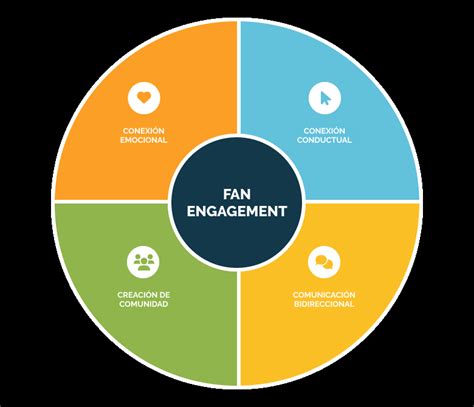
One of the most striking aspects of Sevilla's Europa League fixtures is their ability to galvanize the local fan base. Unlike domestic league games, which can sometimes suffer from mid-table predictability or fan fatigue during less competitive seasons, Europa League matches carry an aura of high stakes. This is particularly true when Sevilla faces off against well-known European clubs or when the team is on a deep run in the tournament. The club's reputation as a "Europa League specialist" has created a self-reinforcing loop: fans are drawn to these fixtures because of the club's historical success, and the heightened attendance and atmosphere further cement the event's importance in the minds of supporters. This psychological dynamic is evident in ticket sales data, where Europa League group stage games at the Ramón Sánchez Pizjuán Stadium often see a 20-30% increase in ticket demand compared to equivalent La Liga matches against less prominent opponents.

The pricing strategy for Europa League tickets also plays a critical role in fan engagement. Sevilla's management has been adept at calibrating ticket prices to balance affordability with profitability. For instance, during the group stages of the Europa League, ticket prices are often set slightly lower than those for Champions League matches but higher than domestic league games. This strategy ensures that the stadium is well-populated while also generating incremental revenue. Moreover, the club often offers bundled packages for group stage matches, encouraging fans to commit to multiple games at a discounted rate. This approach not only boosts immediate ticket sales but also fosters a sense of loyalty and routine among fans who might otherwise pick and choose which fixtures to attend. The bundled ticket strategy has been particularly effective in the last three seasons, where average attendance for group stage Europa League matches was approximately 10% higher than for standalone matches.
Another factor driving fan interest is the **narrative arc** of Europa League campaigns. Unlike La Liga, where the season-long grind can dilute the emotional impact of individual matches, the Europa League offers a more episodic structure with clear progression milestones. Each round feels like a mini-event, and this is reflected in how Sevilla markets its fixtures. For example, when Sevilla advanced to the knockout stages in the 2022-2023 season, the club launched a targeted social media campaign titled "The Road to Budapest" (referencing the location of that year's final). This campaign featured player interviews, historical highlights of past Europa League triumphs, and interactive fan polls about potential opponents. Such campaigns not only sustain interest but also drive ticket sales by creating a sense of urgency—fans are motivated to secure their spots for what might be a historic run. Ticket sales data from this period showed a 15% spike in online purchases within 48 hours of the campaign's launch, underscoring the effectiveness of narrative-driven marketing in fan engagement.
The role of **opponent prestige** cannot be overlooked when analyzing ticket trends for Sevilla's Europa League fixtures. When drawn against high-profile teams like Manchester United, Juventus, or AS Roma, ticket demand surges dramatically. This phenomenon is not unique to Sevilla but is amplified by the club's strong European identity. For instance, when Sevilla faced Manchester United in the 2022-2023 knockout stage, ticket prices on the secondary market spiked by over 50% compared to their face value. This surge is indicative of both the global appeal of such matchups and the willingness of fans to invest in "once-in-a-season" experiences. Interestingly, these high-profile fixtures also attract a different demographic of fans—those who may not regularly attend La Liga games but are drawn to the allure of European nights. This trend is supported by fan surveys, which reveal that approximately 30% of attendees at high-profile Europa League games are first-time visitors to the Ramón Sánchez Pizjuán Stadium. This influx of new attendees presents an opportunity for Sevilla to convert casual viewers into long-term supporters through targeted engagement efforts, such as post-match email campaigns or exclusive merchandise offers.
However, it is not just the allure of big-name opponents that drives ticket sales. Sevilla's Europa League fixtures also benefit from a **regional loyalty effect**. Andalusia, the region where Sevilla is based, has a deeply rooted football culture, and the club's European success is seen as a point of pride for the entire region. This regional pride manifests in higher-than-average attendance from fans traveling from nearby cities like Cádiz, Málaga, and Huelva. In fact, data from ticket sales in the 2021-2022 season revealed that nearly 15% of Europa League match attendees came from outside Seville proper, a figure significantly higher than for domestic league games. This regional support base not only bolsters ticket sales but also enhances the atmosphere in the stadium, creating a feedback loop where the vibrant crowd atmosphere further entices fans to attend.
Digital engagement is another area where Sevilla has leveraged its Europa League fixtures to drive ticket sales. The club has embraced modern ticketing platforms and fan engagement tools, such as mobile apps and real-time seat availability trackers. These tools allow fans to purchase tickets with ease and also provide opportunities for upselling—offering parking passes, VIP experiences, or exclusive merchandise alongside ticket purchases. Additionally, Sevilla has used its Europa League matches as a testing ground for innovative fan engagement strategies, such as offering NFT-based digital tickets that come with exclusive perks like virtual meet-and-greets with players or access to behind-the-scenes content. While these initiatives are still in their infancy, early data suggests they appeal particularly to younger, tech-savvy fans who might otherwise be less engaged with traditional football experiences.
It is also worth noting the **economic ripple effects** of Europa League fixtures on local businesses and tourism. Sevilla's Europa League games often bring in international fans, particularly when the club faces teams from other European countries. This influx of visitors has a direct impact on ticket sales for not just the match itself but also for related events, such as stadium tours or pre-match fan zones. For instance, during the 2023 Europa League campaign, local hotels reported a 25% increase in occupancy rates during match weeks, and nearby bars and restaurants saw similar upticks in revenue. This economic spillover effect creates a broader ecosystem of engagement, where the act of attending a match becomes part of a larger experience that includes travel, hospitality, and community interaction.
In conclusion, Sevilla's Europa League fixtures are a **multifaceted driver of fan engagement and ticket sales**, shaped by a combination of historical success, strategic pricing, narrative-driven marketing, and regional pride. The club's ability to harness these elements not only ensures strong attendance figures but also positions Sevilla as a case study in how football clubs can maximize the value of their European campaigns. As the Europa League continues to evolve, Sevilla's approach to fan engagement and ticket sales will likely serve as a benchmark for other clubs looking to enhance their European football experience.
Media and Sponsorship Opportunities
The Europa League is one of Europe's most prestigious football competitions, and for a club like Sevilla, its consistent success in the tournament has provided a platform for unparalleled brand exposure and sponsorship opportunities. Sevilla's record of winning the Europa League multiple times has not only solidified its reputation as a dominant force in the competition but has also created a unique ecosystem of media and sponsorship synergies that elevate the club's visibility on a global scale.
One of the most immediate impacts of Sevilla's participation in the Europa League is the increased media coverage the club receives. Each fixture, whether home or away, is broadcast to millions of viewers across Europe and beyond. This exposure is amplified by the tournament's structure, which often pits Sevilla against teams from diverse regions, attracting audiences with varied allegiances. For instance, a match against a team from the UK or Germany can draw viewership from those countries, where football fandom is deeply ingrained in the culture. This viewership creates a ripple effect, as broadcasters and streaming platforms feature pre- and post-match analyses, player interviews, and highlight reels that prominently feature the Sevilla brand.
The brand visibility derived from Europa League fixtures extends beyond match broadcasts. Sevilla's jerseys, adorned with the club crest and sponsor logos, are showcased in high-definition during matches. This is particularly valuable for sponsors, as their logos are repeatedly seen by audiences in moments of high emotional intensity—goals, saves, and dramatic victories. These "moments of truth" are invaluable for brands, as they are more likely to stick in the minds of viewers compared to static advertisements. For example, when Sevilla clinched their latest Europa League title, sponsor logos on their jerseys were visible during celebrations that were broadcast globally, providing sponsors with a level of exposure that is difficult to replicate through traditional advertising channels.
Moreover, the consistency of Sevilla's performance in the Europa League has positioned the club as a reliable partner for sponsors. Unlike clubs that may have fluctuating success in European competitions, Sevilla's track record of reaching the latter stages of the tournament year after year provides sponsors with a sense of stability. This reliability is attractive to brands looking for long-term partnerships rather than one-off campaigns. For instance, sponsors like Nike (Sevilla's kit supplier) and other local and international brands benefit from the association with a club that is synonymous with Europa League success. This association can lead to co-branded campaigns, exclusive merchandise lines, and even experiential marketing events tied to the tournament.
The digital landscape has further enhanced the media opportunities presented by Europa League fixtures. Sevilla's social media channels experience a surge in engagement during the competition. Highlights, goal clips, and matchday content are shared widely, often featuring sponsor tags or mentions. For example, a well-timed post celebrating a last-minute goal can garner hundreds of thousands of views, likes, and shares, ensuring that sponsor branding embedded in these posts reaches a vast audience. Additionally, the club's website and mobile app see increased traffic during Europa League matches, as fans seek live updates, ticket information, and exclusive content. This creates opportunities for digital sponsorship activations, such as branded content, banner ads, and interactive features like polls or quizzes tied to match outcomes.
Another critical aspect of media and sponsorship opportunities lies in the geographic expansion facilitated by the Europa League. Sevilla's fixtures often involve travel to different European cities, exposing the club to new audiences. For instance, a match in Turkey or Croatia not only brings visibility to local fans but also opens doors for partnerships with regional businesses. Local sponsors in these regions may seek to align with Sevilla during their visit, creating opportunities for co-branding or limited-time promotions. This geographic diversification is particularly valuable for Sevilla as it seeks to grow its fan base and commercial footprint beyond Spain.
The hospitality and experiential sector also benefits from Sevilla's Europa League fixtures. Corporate sponsors often leverage matchdays to host clients, partners, and VIPs in exclusive settings such as hospitality boxes or VIP lounges. These experiences are not just about watching the game but about creating lasting impressions tied to the Sevilla brand. Sponsors can use these opportunities to network, showcase products, or even launch new initiatives in an environment that combines excitement and exclusivity. For instance, a beverage company sponsoring Sevilla might use Europa League matches to debut a new product line by offering samples in hospitality areas or running branded promotions during halftime.
The narrative of success that surrounds Sevilla in the Europa League also enhances its appeal to global sponsors. Winning the tournament multiple times has created a "champion's aura" around the club, which sponsors are eager to associate with. This narrative is not just about on-pitch success but also about the club's identity as a resilient and ambitious team that punches above its weight. Brands looking to position themselves as innovators or challengers in their respective industries find a natural alignment with Sevilla's story. This dynamic can lead to sponsorships that go beyond simple logo placements, evolving into collaborative storytelling campaigns that highlight shared values of perseverance, excellence, and global reach.
In addition to traditional sponsorships, the Europa League fixtures provide opportunities for content-driven partnerships. Streaming platforms, sports news outlets, and even non-sports brands can collaborate with Sevilla to create bespoke content around the tournament. For example, a technology company might sponsor a series of behind-the-scenes videos showing the team's preparation for a key fixture, while a travel brand could partner with the club to highlight the journey to away games. These content-driven initiatives not only engage fans but also allow sponsors to integrate their messaging in a more organic and engaging way.
Finally, the fan engagement dimension of Europa League fixtures cannot be overlooked. Sevilla's passionate fan base, both local and international, is highly active during the tournament. This engagement presents opportunities for sponsors to run fan-focused campaigns, such as contests, giveaways, or interactive experiences like virtual meet-and-greets with players. For example, a sponsor could run a "predict the score" campaign on social media, offering prizes that tie back to the Europa League narrative. Such campaigns not only foster goodwill among fans but also ensure that the sponsor's brand is front and center in the fan experience.
In conclusion, Sevilla's Europa League fixtures serve as a powerful engine for brand visibility and sponsorship growth. Through increased media exposure, digital engagement, geographic expansion, and innovative sponsorship activations, the club has transformed its participation in the tournament into a multifaceted opportunity for commercial success. By leveraging these opportunities strategically, Sevilla not only enhances its own brand but also creates a mutually beneficial ecosystem where sponsors, fans, and the club itself thrive together in the competitive world of European football.
Conclusion and Future Outlook
Sevilla's journey in the Europa League has been nothing short of legendary, with their record seven titles making them the most successful club in the competition's history. As we look toward their prospects in the current and future editions of the tournament, it is essential to examine the factors that contribute to their sustained success and the potential long-term impacts of their continued participation in this competition.
One of the most striking aspects of Sevilla's Europa League campaigns is their ability to perform under pressure when the stakes are highest. This is not merely a result of luck or coincidence but a reflection of a deeply ingrained **club culture** that emphasizes resilience, tactical adaptability, and squad cohesion. Sevilla's consistent success in the Europa League suggests a model of **institutionalized excellence** that other clubs often struggle to replicate. Their approach to the competition is not one of mere participation but of **targeted ambition**, where every fixture is treated as an opportunity to assert dominance rather than merely advance. This mindset, combined with their ability to attract and develop players who thrive in high-stakes environments, positions them as perennial favorites in the tournament.
In the short term, Sevilla’s prospects in the Europa League appear promising, even if their recent domestic form has been inconsistent. The club has shown a remarkable ability to elevate its performance when competing in European fixtures, often outperforming expectations despite challenges in La Liga. This phenomenon can be attributed to several key factors. First, the **managerial expertise** of coaches like José Luis Mendilibar, who masterminded their latest Europa League triumph in 2023, demonstrates how Sevilla can pivot tactically to exploit the unique dynamics of European competition. The focus on **compact defensive structures** and **swift counterattacks** has been a hallmark of their style in this tournament, allowing them to neutralize technically superior opponents while capitalizing on their own strengths.
Additionally, the Europa League often serves as a platform for **emerging talents** within the Sevilla squad to shine. Players such as Youssef En-Nesyri, Ivan Rakitić, and Marcos Acuña have used this stage to enhance their reputations, not only contributing to the team’s success but also increasing their market value. This dual benefit of **competitive success and player development** is a critical element of Sevilla's long-term strategy. By using the Europa League as a proving ground for young or underutilized players, Sevilla ensures that their squad remains dynamic and adaptable, capable of evolving even in the face of financial constraints or departures of key figures.
However, the long-term outlook for Sevilla in the Europa League must also consider the broader context of **European football's shifting landscape**. The proposed changes to UEFA competitions, including the introduction of the **Swiss model** for the Champions League and the increased financial rewards for top-tier clubs, pose a potential challenge to Sevilla's traditional dominance in the Europa League. As the financial gap between Europe’s elite clubs and the rest widens, Sevilla may find it increasingly difficult to compete for top talent or retain their best players. This could force the club to rely even more heavily on their **scouting network** and **academy system** to maintain their competitive edge. While Sevilla has historically excelled in identifying undervalued talent—such as Dani Alves, Ivan Rakitić, and Jules Koundé before their moves to bigger clubs—the increasing commercialization of football could test the limits of this model.
Another critical consideration is the **psychological toll** of repeated success in the Europa League. While winning the tournament has become a source of pride for Sevilla, it also raises questions about their ability to transition into a more consistent presence in the Champions League. For a club of Sevilla's stature, sustained success in the Europa League can sometimes be a **double-edged sword**. On one hand, it reinforces their status as a European powerhouse; on the other, it may limit their ambition to break into the upper echelons of the Champions League, where the financial and reputational rewards are far greater. This tension is particularly relevant as Sevilla seeks to establish itself as more than just a "Europa League specialist." The club's leadership must balance the immediate gratification of Europa League success with the longer-term goal of becoming a **regular top-four contender in La Liga**, which would secure them automatic entry into the Champions League.
The **financial implications** of Sevilla's Europa League campaigns cannot be overlooked. While the prize money and television revenue from the competition are significant, they pale in comparison to the riches of the Champions League. Sevilla's ability to invest in infrastructure, player acquisitions, and youth development is directly tied to their European performance. If the club can leverage their Europa League success to secure higher domestic finishes or even occasional deep runs in the Champions League, they could create a **positive feedback loop** of financial growth and sporting success. However, this requires a level of **strategic foresight** that goes beyond simply aiming to win the Europa League year after year. Sevilla must ensure that their success in this competition is not an end in itself but a stepping stone toward greater ambitions.
From a **fan engagement perspective**, the Europa League has become a cornerstone of Sevilla's identity. The electric atmosphere at the Ramón Sánchez Pizjuán Stadium during European nights is a testament to the deep connection between the club and its supporters. This symbiotic relationship fuels the team's performances and creates a sense of **shared purpose** that extends beyond the pitch. Maintaining this level of engagement will be crucial for Sevilla as they navigate future challenges. A dip in form or a prolonged absence from European competition could erode this bond, making it imperative for the club to continue prioritizing their Europa League campaigns while also striving for domestic improvement.
In terms of **long-term impacts**, Sevilla's continued success in the Europa League could serve as a case study for other mid-tier European clubs seeking to punch above their weight. Their ability to sustain excellence in this competition demonstrates the value of **focused investment** in specific areas, such as scouting, tactical preparation, and player psychology. However, the club must also guard against complacency. The risk of becoming too comfortable in the Europa League—viewing it as their "natural habitat"—could stifle their growth. Sevilla must remain ambitious, using their Europa League pedigree as a foundation for more audacious goals, such as becoming a consistent presence in the Champions League knockout stages or even challenging for the La Liga title.
In conclusion, Sevilla's prospects in the Europa League remain bright, driven by their proven track record, tactical acumen, and ability to develop talent. However, the club must also be mindful of the **evolving dynamics of European football** and the need to balance short-term success with long-term growth. By leveraging their Europa League success as a launchpad rather than a ceiling, Sevilla can continue to write new chapters in their storied European history while positioning themselves for even greater achievements in the years to come.


