Introduction to Signal Iduna Park
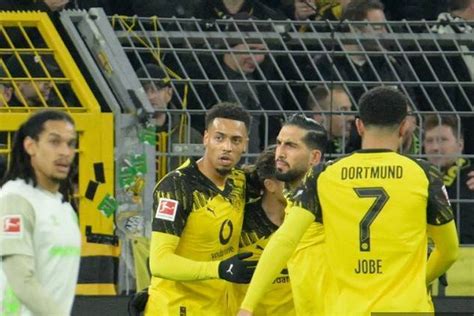
Signal Iduna Park, located in the city of Dortmund, Germany, is not merely a stadium; it is a symbol of passion, history, and the enduring spirit of German football. Known officially as the Westfalenstadion until 2005, this iconic venue has become synonymous with the Bundesliga and the fervent support of borussia dortmund, one of Germany's most successful and beloved football clubs. Its distinctive yellow wall—the Südtribüne, the largest free-standing grandstand in Europe—has made it a pilgrimage site for football enthusiasts worldwide. To understand the significance of Signal Iduna Park, one must delve into its origins, its role in Dortmund’s identity, and its impact on the broader landscape of German football.
The stadium was constructed in the early 1970s as part of Germany's preparations to host the 1974 FIFA World Cup. Dortmund was chosen as one of the host cities, reflecting its growing prominence as a football hub in the industrial Ruhr region. The original Westfalenstadion was designed to hold around 54,000 spectators, a number that has since grown significantly through expansions and modernizations. Its location in Dortmund is particularly strategic. Nestled in the heart of the Ruhr Valley, an area historically defined by coal mining and steel production, the stadium serves as a beacon of pride and resilience for a region that faced economic challenges during the decline of heavy industry. The stadium represents more than a sports venue; it is a unifying force for a community that has often looked to football as a source of hope and collective identity.
One of the most remarkable aspects of Signal Iduna Park is its architectural evolution. Initially built with a capacity of 54,000, the stadium underwent major expansions in the 1990s to accommodate over 68,000 for domestic matches and 81,365 for international games (with some standing areas converted to seating for UEFA compliance). This transformation was not merely about increasing numbers but about enhancing the atmosphere. The Südtribüne, with a capacity of 25,000 standing spectators, is a marvel of fan engagement. It is often referred to as the "Yellow Wall" due to the sea of yellow and black that dominates the stand during matches. This grandstand is not just a physical structure but a psychological one—it embodies the unwavering support of Dortmund fans, whose chants, songs, and energy can often feel like an additional player on the pitch. The atmosphere created here is widely regarded as one of the most intimidating for visiting teams and electrifying for home supporters.
The significance of Signal Iduna Park in German football extends beyond its physical attributes. It has been the stage for some of the most memorable moments in Bundesliga history. Borussia Dortmund’s rise to prominence in the 1990s and early 2000s, under managers like Ottmar Hitzfeld and later Jürgen Klopp, was closely tied to the energy of this stadium. Key matches, such as the 1997 Champions League victory that preceded a homecoming celebration at the Westfalenstadion, and the intense Revierderby clashes against local rivals Schalke 04, have cemented the venue’s place in football folklore. Additionally, the stadium has hosted critical international fixtures, including matches during the 2006 FIFA World Cup, further solidifying its status as a venue of global importance.
The economic and cultural impact of Signal Iduna Park on Dortmund and the surrounding region is profound. Football in Germany is deeply embedded in the social fabric, and the stadium serves as a major economic driver for the city. On matchdays, the area around the stadium buzzes with activity as fans flock to local businesses, from pubs and food stalls to merchandise shops. Dortmund itself, a city of approximately 600,000 people, sees an influx of visitors who contribute significantly to the local economy. Beyond commerce, the stadium has become a cultural touchstone. It is not uncommon for families to pass down season tickets through generations, reinforcing a sense of belonging and tradition. For many, a visit to Signal Iduna Park is not just about watching a game; it is about participating in a communal experience that transcends sport.
Another unique aspect of the stadium is its role in fostering youth development and community outreach. Borussia Dortmund has one of the most successful youth academies in Germany, and the proximity of the stadium to the club's training facilities reinforces a sense of continuity between the first team and the next generation of players. The club’s community initiatives, often centered around the stadium, include programs aimed at promoting social inclusion, education, and sportsmanship among local youth. This focus on community ties the stadium not only to the club but also to the broader societal role that football plays in Germany.
The modernization of Signal Iduna Park has also kept it relevant in an era of increasingly sophisticated sports venues. Technological upgrades, such as high-definition video screens, improved lighting, and state-of-the-art sound systems, ensure that the stadium meets the expectations of contemporary fans while retaining its historic charm. Moreover, the stadium has been at the forefront of sustainability efforts in German football. Initiatives like the use of renewable energy sources and waste reduction programs demonstrate a commitment to environmental responsibility, aligning the venue with broader societal trends toward sustainability.
Signal Iduna Park’s global recognition is another testament to its importance. It is not just a local or national treasure but a venue that resonates with football fans worldwide. The stadium has been featured in numerous documentaries, travel guides, and even video games, where its vibrant atmosphere and unique architecture are celebrated. For many international visitors, attending a match at Signal Iduna Park is a bucket-list experience, a chance to witness the raw energy of German football culture firsthand. This global appeal has also made the stadium a valuable asset for Borussia Dortmund in terms of brand building and international fan engagement.
In summarizing its significance, Signal Iduna Park is more than a venue for football matches; it is a living monument to the sport’s power to unite, inspire, and endure. Its location in Dortmund ties it intrinsically to the city’s identity, while its architectural and cultural contributions have made it a cornerstone of German football. Whether viewed through the lens of history, economics, or sheer passion, the stadium stands as a testament to how a sports venue can transcend its primary function to become a symbol of collective pride and shared experience. For fans of Borussia Dortmund and for football enthusiasts in general, Signal Iduna Park is not just a place—it is an emotion, a story, and a legacy that continues to grow with every match played under its lights.
- The stadium was originally built for the 1974 FIFA World Cup and has since undergone significant expansions.
- The Südtribüne, or "Yellow Wall," is the largest free-standing grandstand in Europe and a defining feature of the stadium.
- Signal Iduna Park has hosted pivotal matches in both domestic and international football, including the 2006 FIFA World Cup.
- The venue serves as an economic and cultural hub for Dortmund, driving local business and fostering community spirit.
- Modernization efforts have ensured the stadium remains a top-tier venue while embracing sustainability.
This blend of history, architecture, and cultural resonance makes Signal Iduna Park a cornerstone of German football and a beacon of what a stadium can represent to its city and its people.
Historical Background
The origins of Signal Iduna Park, known initially as Westfalenstadion, are deeply rooted in the post-World War II reconstruction of Germany and the burgeoning passion for football in the city of Dortmund. The stadium was conceived as a symbol of resilience and community rebuilding in the aftermath of widespread destruction. Dortmund, a city with a strong industrial backbone, particularly in coal and steel, saw football as a unifying force for its people during a period of economic and social upheaval. The decision to build a large stadium was driven not only by the city's love for the sport but also by the need to provide a venue that could host major events and foster local pride.
The stadium's construction began in 1971, and it was officially opened on December 2, 1974. This was a time when German football was undergoing significant transformation, with the Bundesliga having been established only a few years prior in 1963. Westfalenstadion was part of a wave of modern stadium projects across Germany aimed at elevating the quality of football infrastructure. The initial design featured a capacity of around 54,000 spectators, with a mix of seating and standing areas, which was typical of stadiums of that era. The oval shape and open corners were deliberate choices to accommodate large crowds while maintaining visibility and atmosphere—a design philosophy that would later play a crucial role in the stadium's legendary acoustics.
One of the most significant early milestones in the stadium's history was its role in hosting matches during the 1974 FIFA World Cup. This global event showcased Westfalenstadion to an international audience and marked Dortmund as a city capable of hosting high-profile sporting events. However, the stadium's true transformation began in the 1990s, when Borussia Dortmund, the primary tenant of the venue, started to achieve remarkable success on the European stage. This period coincided with the club's golden era, including their UEFA Champions League victory in 1997. The growing popularity of the team and the increasing demand for tickets necessitated significant expansions to the stadium's capacity.
The first major redevelopment came in preparation for the 2006 FIFA World Cup, hosted by Germany. Signal Iduna Park underwent extensive renovations to meet modern standards and increase its capacity. The most visible change was the addition of the iconic "Yellow Wall," the Südtribüne, which is the largest free-standing grandstand in Europe, capable of holding over 25,000 standing spectators. This stand has since become synonymous with the intense atmosphere of Borussia Dortmund matches, often cited as one of the most intimidating and electrifying experiences in world football. The redevelopment increased the stadium's total capacity to over 80,000, making it the largest stadium in Germany.
The name change to Signal Iduna Park occurred in 2005 as part of a lucrative naming rights deal with Signal Iduna, a German insurance company. This marked a shift in how football stadiums were monetized, reflecting the growing commercialization of the sport. While purists initially resisted the change, the name has since become widely accepted, and the stadium's identity remains firmly tied to the city and its club.
Over time, Signal Iduna Park has not only been a venue for football but also a site of cultural and historical significance. It played a pivotal role during the 2006 World Cup, hosting several matches, including a semifinal. The stadium's design and infrastructure were praised for blending modern amenities with the traditional vibrancy of German football culture. Its ability to balance large-scale events with an intimate, fan-focused experience has made it a model for stadium development worldwide.
The stadium's development over the decades also reflects broader trends in sports infrastructure. Initially built with a focus on functionality and affordability, it evolved to incorporate luxury suites, modern media facilities, and sustainable energy practices. For instance, in recent years, the stadium has adopted solar panels and energy-efficient systems, aligning with Germany's broader push for environmental sustainability. These upgrades demonstrate how Signal Iduna Park has adapted to changing expectations for sports venues while retaining its core identity as a bastion of fan culture.
Key milestones in the stadium's history include not just its physical evolution but also its symbolic role in moments of triumph and adversity. For instance, during Borussia Dortmund's financial struggles in the early 2000s, the stadium served as a reminder of the club's enduring connection to its community. Fans rallied around the team, and the stadium became a rallying point for collective support. This period underscored how deeply intertwined the stadium is with the identity of both the club and the city.
Another key milestone was the integration of technology into the stadium experience. Signal Iduna Park was among the early adopters of digital ticketing systems, high-definition video screens, and Wi-Fi connectivity for fans. These innovations enhanced the matchday experience while also catering to a new generation of tech-savvy supporters. The stadium has also been at the forefront of using data analytics to optimize crowd management and safety, ensuring that its legacy as a fan-first venue continues into the digital age.
The stadium's role in fostering community extends beyond football. It has hosted concerts, charity events, and even served as a vaccination center during the COVID-19 pandemic. These uses highlight how Signal Iduna Park has become more than just a sports venue—it is a multifaceted space that reflects the values and needs of the people it serves. This adaptability is a testament to the thoughtful planning and forward-looking vision that have guided its development over time.
- The stadium was originally built as a symbol of post-war recovery and community pride.
- It played a significant role in the 1974 FIFA World Cup, establishing Dortmund on the global football map.
- The 1990s and early 2000s saw expansions driven by Borussia Dortmund's success and growing fanbase.
- The 2006 FIFA World Cup brought further modernization and the creation of the "Yellow Wall," a defining feature of the stadium.
- The naming rights deal with Signal Iduna marked a shift toward commercialization while preserving the stadium's essence.
In summary, Signal Iduna Park's historical background is a rich tapestry of innovation, adaptation, and cultural significance. From its humble beginnings as a post-war project to its status as one of the most iconic football venues in the world, the stadium's journey mirrors the evolution of Dortmund itself—a city that has transformed from an industrial hub to a modern, dynamic community. Its story is not just about bricks and mortar but about the people, the matches, and the moments that have shaped its legacy.
Architectural Features
The **Signal Iduna Park**, located in Dortmund, Germany, is not just a stadium but a marvel of modern architectural ingenuity. Known for being the home of Borussia Dortmund, one of the most electrifying football clubs in Europe, the stadium's design reflects both functionality and aesthetic brilliance. Its architectural features are a testament to how sports venues can be designed to enhance fan experience while accommodating large capacities and maintaining structural integrity.
The stadium was originally built for the 1974 FIFA World Cup and has since undergone several renovations to keep it at the forefront of stadium design. Its current design is a blend of its original structure and modern updates, making it one of the most recognizable football venues in the world. At the heart of its architectural brilliance is the balance between practicality and innovation.
One of the most striking aspects of **Signal Iduna Park** is its **capacity**. With a seating capacity of over 81,000 for Bundesliga matches and around 66,000 for international fixtures (due to UEFA regulations on all-seater stadiums), it is the largest stadium in Germany and one of the biggest in Europe. This massive capacity is not merely about numbers; it is about how the space is utilized to create an **intimate atmosphere** despite its size. The stands are steeply inclined, which brings spectators closer to the pitch compared to many other large stadiums. This design choice ensures that even fans in the upper tiers feel connected to the action on the field, amplifying the energy and passion synonymous with Dortmund matches.
The **roof structure** of Signal Iduna Park is another unique feature that sets it apart. The stadium boasts a partially retractable roof, a design element that was added during its renovation in the early 2000s. Unlike fully enclosed stadiums, this roof does not completely cover the pitch but is designed to provide cover for the majority of the seating areas. This semi-open structure allows for natural light to illuminate the field while providing protection from adverse weather conditions. The use of **translucent materials** in parts of the roof ensures that even on cloudy days, the playing surface receives adequate light, which is critical for maintaining grass quality. This thoughtful integration of natural and artificial elements demonstrates how the stadium balances the needs of players, spectators, and groundskeeping staff.
The **South Stand**, often referred to as the **"Yellow Wall"**, is perhaps the most iconic structural element of the stadium. This is the largest free-standing grandstand in Europe, capable of holding approximately 25,000 standing spectators. The sheer scale of this stand is awe-inspiring, and its design is rooted in creating a wall of sound and support for the team. The lack of individual seats in this section fosters a sense of unity among fans, who stand shoulder to shoulder, creating a sea of yellow and black that is both visually and acoustically impactful. The **acoustic properties** of this stand are no accident; its steep incline and close proximity to the pitch make it a natural amplifier of crowd noise. This feature has become a hallmark of Signal Iduna Park, contributing to its reputation as one of the most intimidating venues for visiting teams.
Another fascinating aspect of the stadium’s design is its **modular construction approach**. When the stadium was originally built, it was designed with expansion in mind. This forward-thinking approach allowed for subsequent renovations to increase capacity without wholesale demolition. For instance, the addition of upper tiers and the enhancement of seating arrangements were done in a way that preserved the original framework while modernizing the facilities. This modularity is a lesson in sustainable stadium design—a concept that many modern venues are now trying to emulate.

The **entry and exit points** of Signal Iduna Park are also worth examining. The stadium features a network of wide concourses and multiple access points designed to facilitate the smooth flow of large crowds. Given the high attendance numbers, the architects prioritized **crowd management** by incorporating spacious walkways, clearly marked signage, and dedicated areas for food and merchandise stalls. These design elements not only enhance the fan experience but also serve as a safety measure, ensuring that large groups of people can move in and out of the venue efficiently, particularly during high-stakes matches or events.
A deeper look at the **structural materials** used in the stadium reveals a blend of durability and aesthetics. The primary construction materials include **reinforced concrete** for the foundational elements and **steel frameworks** for the towering stands and roof supports. These materials were chosen for their ability to withstand the test of time and the dynamic loads associated with large crowds. Additionally, the use of **glass panels** in certain areas of the façade adds a modern touch, allowing natural light to filter into the concourses and creating a sense of openness. This interplay of industrial materials and sleek design elements contributes to the stadium's unique character.
One of the more **innovative structural elements** of Signal Iduna Park is its **integration of digital technology** into its physical design. Large LED screens are strategically placed around the stadium to provide real-time updates, replays, and advertisements. These screens are not merely functional but are also integrated into the stadium's overall visual appeal. For instance, the placement of screens in areas that are visible from multiple vantage points ensures that fans do not miss out on key moments, even if they are not directly facing the main scoreboard. This thoughtful placement demonstrates how technology can be woven into the fabric of a stadium without compromising its architectural integrity.
The stadium’s **external façade** is another area where its design shines. While many modern stadiums opt for flashy, futuristic exteriors, Signal Iduna Park maintains a somewhat understated yet imposing presence. The use of **dark-toned cladding** and **linear design patterns** gives the stadium a grounded, timeless look. This design choice aligns with the city of Dortmund’s industrial heritage, reflecting a sense of resilience and grit that mirrors the ethos of its home team. At night, the stadium is illuminated with **dynamic lighting systems** that can change colors to reflect the mood of the event or celebrate victories, further enhancing its visual appeal.
From a **logistical perspective**, the stadium’s location and design also contribute to its efficiency. Situated in a relatively urban area, the architects had to consider not only the stadium’s internal features but also its interaction with the surrounding environment. The inclusion of **dedicated parking areas**, public transport links, and pedestrian pathways ensures that the venue is accessible without causing undue strain on the local infrastructure. These considerations highlight how the stadium was designed with both the fans and the broader community in mind.
Finally, the **legacy and adaptability** of Signal Iduna Park’s design cannot be overlooked. While it was initially built for football, the stadium has hosted a variety of events, including concerts, corporate functions, and even matches for other sports. This versatility is a direct result of its well-thought-out design, which allows for easy reconfiguration of spaces to suit different purposes. For instance, temporary stages and seating arrangements can be set up without compromising the structural integrity of the venue.
In conclusion, the architectural features of **Signal Iduna Park** are a masterclass in stadium design. Its ability to combine **massive capacity** with an **intimate atmosphere**, innovative roof structures, iconic stands like the Yellow Wall, and thoughtful integration of modern technology showcases how sports venues can be both functional and awe-inspiring. Each element of its design serves a purpose, whether it is to enhance the spectator experience, support the team, or adapt to the evolving needs of a dynamic sports and entertainment landscape. This stadium is not just a place to watch football—it is a monument to the art of architectural excellence.
Association with Borussia Dortmund
The relationship between Signal Iduna Park and Borussia Dortmund is one of the most iconic and symbiotic in modern football. Established in 1974 as the Westfalenstadion and later renamed Signal Iduna Park in 2005 due to a sponsorship agreement, the stadium has become more than just a venue; it is an intrinsic part of Borussia Dortmund's identity. This section delves into how the stadium serves as the physical and emotional home of the club, influencing its culture, fan base, and even its on-field success.
At its core, Signal Iduna Park embodies the ethos of Borussia Dortmund. With a seating capacity of over 81,000—making it the largest stadium in Germany—it is a colossus that reflects the club's ambition and scale. This vastness is not merely a logistical feat but a symbolic one. Dortmund, a city with a population of just over 580,000, has a football team that consistently commands one of the highest average attendances in European football. This speaks to the stadium's role in fostering a sense of community and collective pride. Every match day, the stadium becomes a microcosm of the city itself, pulsating with energy as fans from all walks of life gather to support their team. The sheer size of Signal Iduna Park ensures that Borussia Dortmund's matches are not just sporting events but communal spectacles that reinforce the club's deep-rooted connection to its supporters.
One of the most striking features of Signal Iduna Park is the "Yellow Wall"—the Südtribüne, a massive single-tier stand that holds approximately 25,000 standing spectators. This stand is not just a physical structure but a living, breathing embodiment of Dortmund's fan culture. The "Yellow Wall" is renowned for its intensity, with fans creating an atmosphere that is both intimidating for opponents and inspiring for the home team. The visual and acoustic impact of this stand is unparalleled in European football. Chants, flags, and tifos cascade down in waves, creating an environment where players often remark on feeling an almost supernatural surge of motivation. This stand has become a symbol of Borussia Dortmund's fan-first philosophy, emphasizing that the club is not just about results on the pitch but about the shared experience of its supporters.
The stadium's role in shaping Borussia Dortmund's identity as a "people's club" cannot be overstated. Unlike some of Europe's more globally commercialized teams, Dortmund has retained a grassroots appeal that is deeply tied to its home ground. Signal Iduna Park is not located in a sprawling metropolitan area or surrounded by luxury developments; instead, it is embedded in Dortmund's urban fabric, accessible and relatable to its local fan base. This accessibility fosters a sense of ownership among fans, who view the stadium not as a distant spectacle but as a part of their everyday lives. The affordable ticket pricing policies of Borussia Dortmund further cement this connection, ensuring that the stadium remains a space for the people rather than an exclusive domain for the elite. This ethos is reflected in the club's motto, "Echte Liebe" (True Love), which resonates through every cheer and chant echoed within the stadium's walls.
From a strategic and competitive standpoint, Signal Iduna Park has played a pivotal role in Borussia Dortmund's success. The stadium's atmosphere has often been credited as a "twelfth man" for the team. Studies and anecdotal evidence from players and coaches suggest that the energy of the crowd can influence match outcomes. For instance, Dortmund's home record in the Bundesliga and UEFA Champions League often outperforms their away performance, a trend that underscores the psychological and tactical advantage provided by playing at Signal Iduna Park. The club has leveraged this home-field advantage to secure numerous titles, including eight Bundesliga championships and a UEFA Champions League victory in 1997. The stadium's design, with its steep stands and close proximity of fans to the pitch, amplifies this effect, making it a fortress for the team.
Beyond its functional role, Signal Iduna Park has become a beacon of Borussia Dortmund's brand identity. The stadium is not just a place to watch football; it is a destination that encapsulates the club's narrative. Visitors to the stadium are immersed in Dortmund's history through museum exhibits, guided tours, and fan experiences. These elements serve to deepen the emotional connection between the club and its supporters, transforming Signal Iduna Park into a living archive of the team's triumphs and struggles. This branding extends to the global stage, where the stadium is often featured in media coverage and football documentaries, further embedding Borussia Dortmund's name in the minds of international audiences. For many fans around the world, the sight of the "Yellow Wall" or the floodlit silhouette of Signal Iduna Park is synonymous with the club itself.
The stadium also plays a role in economic and social sustainability for the club. The revenue generated from match-day ticket sales, sponsorships, and events hosted at Signal Iduna Park provides Borussia Dortmund with financial stability, enabling it to compete with wealthier clubs despite operating on a comparatively modest budget. This economic model is a testament to how the stadium serves as more than a venue—it is a revenue engine that supports the club's ambitions. Moreover, the stadium hosts community initiatives, youth training programs, and local events, reinforcing its role as a hub for social engagement beyond football.
Signal Iduna Park has also been a witness to Borussia Dortmund's evolution. From its early days as a symbol of post-war recovery in the 1970s to its transformation into a modern, commercially viable venue in the 2000s, the stadium has mirrored the club's journey. The transition from Westfalenstadion to Signal Iduna Park reflects not just a name change but a broader shift in how football clubs balance tradition with commercial imperatives. Yet, even as the stadium has modernized, it has retained its essence—a place where the club's history and future coexist. This balance is evident in how the club has preserved key elements of the stadium, such as the terraced standing areas, while incorporating state-of-the-art facilities to meet contemporary demands.
In examining the impact of Signal Iduna Park on Borussia Dortmund's global appeal, it is clear that the stadium has elevated the club's profile beyond Germany. The electric atmosphere of matches broadcast worldwide has turned Signal Iduna Park into a must-visit venue for football enthusiasts. This global recognition has, in turn, attracted top talents to the club, as players are drawn not just by the team's competitive ambitions but by the allure of playing in front of such a passionate crowd. The stadium has thus become a recruitment tool, a stage where players can etch their names into football folklore.
In conclusion, Signal Iduna Park is far more than a venue for Borussia Dortmund; it is a living symbol of the club's identity, values, and ambitions. It shapes the way the team plays, how fans engage, and how the world perceives Dortmund. Through its architecture, atmosphere, and history, the stadium has become an indelible part of the Borussia Dortmund story—a story that continues to unfold with every roar of the crowd and every goal celebrated on its hallowed turf.
Cultural and Social Impact
The Signal Iduna Park, home to Borussia Dortmund, is more than a stadium; it is a cultural cornerstone that has deeply shaped the local culture, fan traditions, and community engagement in Dortmund and beyond. This iconic venue, with its capacity of over 81,000 spectators, serves as a living symbol of the city's identity, uniting people across social and economic divides through the shared passion for football. Its influence extends well beyond match days, embedding itself into the fabric of the community and redefining how a sports venue can act as a catalyst for social cohesion and cultural expression.
One of the most striking ways Signal Iduna Park has influenced local culture is through its role as a symbol of pride for Dortmund. The city, historically known for its industrial heritage, particularly in coal and steel, faced significant economic challenges during the late 20th century as these industries waned. The rise of Borussia Dortmund as a football powerhouse, coupled with the stadium's prominence, provided a new narrative for the city. The stadium became a beacon of hope and resilience, representing Dortmund's ability to reinvent itself. For locals, it is not merely a place to watch football but a space where collective memories are created—victories celebrated, defeats mourned, and a sense of belonging reinforced. This emotional connection has made the stadium a focal point for cultural events, including concerts, public viewings of international tournaments, and even non-sporting gatherings that draw on its magnetic aura.
The stadium has also profoundly shaped fan traditions, many of which are now synonymous with Borussia Dortmund's identity. The "Yellow Wall," the stadium's South Stand, is the largest free-standing grandstand in Europe, holding nearly 25,000 passionate fans. This section has become legendary for its tifo displays, chants, and unrelenting support. The traditions born here have seeped into the broader football culture, inspiring other clubs to prioritize fan engagement and atmosphere. For instance, the synchronized chanting and flag-waving that characterize the Yellow Wall have influenced how modern stadiums approach fan involvement. This tradition is not accidental but a result of deliberate efforts by the club and local fans to create an inclusive and vibrant experience. The Yellow Wall is not just a physical structure but a cultural phenomenon that embodies the ideals of collective energy and loyalty. Fans who gather here often describe it as a quasi-spiritual experience, where individual voices merge into a roaring chorus that symbolizes the unity of the Dortmund community.
Community engagement is another area where Signal Iduna Park has left an indelible mark. Dortmund is a city with a diverse demographic, including a significant immigrant population. The stadium has been instrumental in fostering social integration through various initiatives. For example, Borussia Dortmund's foundation regularly organizes programs that use the stadium as a venue for youth workshops, anti-racism campaigns, and educational events aimed at bridging divides. These efforts are particularly impactful because they leverage the emotional connection fans have with the stadium to promote messages of inclusivity and solidarity. For instance, the "leuchte auf" (light up) initiative uses the stadium's platform to highlight social causes, from supporting local food banks to providing opportunities for underprivileged children to experience live matches. Such programs demonstrate how the stadium is not just a commercial entity but a vehicle for meaningful social impact.
The stadium's influence is also evident in how it has transformed economic and social dynamics in the surrounding area. On match days, the streets around Signal Iduna Park are bustling with vendors, food stalls, and local businesses that thrive on the influx of visitors. This economic ripple effect supports small enterprises and creates a sense of vibrancy in the neighborhood. However, it is not just about commerce; the stadium has also become a space for dialogue and collaboration. Local organizations often partner with the club to host events that address pressing community issues, such as youth unemployment or environmental sustainability. These collaborations demonstrate how Signal Iduna Park acts as a neutral ground where diverse groups can come together, transcending traditional barriers of class, ethnicity, or political affiliation.
Another unique insight into the stadium's cultural impact lies in its role as a symbol of continuity and change. While it preserves the traditions of Borussia Dortmund—such as the passionate support and the club's working-class roots—it also adapts to modern demands. The integration of state-of-the-art facilities, including hospitality suites and digital engagement tools, ensures that the stadium remains relevant to younger, tech-savvy generations. This balance between tradition and innovation is a microcosm of how Dortmund as a city navigates its own evolution. The stadium serves as a physical manifestation of this duality, where the echoes of historic triumphs coexist with the anticipation of future glories.
Fan traditions at Signal Iduna Park also extend to rituals that bind the community. For example, the pre-match gathering at local pubs and public spaces near the stadium is a cherished tradition. These spaces become informal forums for fans to discuss tactics, share stories, and build camaraderie. The walk to the stadium, often accompanied by chants and songs, is as much a part of the experience as the game itself. This ritualistic approach to match days reinforces a sense of belonging that is rare in modern, commercialized sports environments. It is this grassroots connection that sets Signal Iduna Park apart from many other stadiums, where the focus is often more on revenue generation than on fostering authentic fan experiences.
Moreover, the stadium has played a role in shaping Dortmund's global image. Visitors from around the world who come to experience a match at Signal Iduna Park often leave with a deep appreciation for the city's culture and values. This international exposure has indirectly boosted Dortmund's tourism industry, with fans traveling not just for the football but to immerse themselves in the local atmosphere. The stadium's reputation as one of the most electric venues in world football has made it a pilgrimage site for sports enthusiasts, further embedding Dortmund into global football lore.
In summary, Signal Iduna Park is more than a venue for sporting events; it is a cultural and social institution that reflects and reinforces the values of its community. Through its influence on local traditions, its role in fostering social cohesion, and its ability to serve as a platform for broader societal engagement, the stadium exemplifies how sports infrastructure can transcend its primary purpose. It stands as a testament to the power of football to unite, inspire, and transform, making it not just a part of Dortmund's landscape but a vital thread in its cultural tapestry.

Major Events Hosted
Signal Iduna Park, located in Dortmund, Germany, is one of the most iconic football stadiums in Europe. Known for its electric atmosphere and the famous "Yellow Wall" (the largest free-standing grandstand in Europe), the stadium has hosted a wide array of significant events over the years. This section delves into the notable matches, tournaments, and non-sporting events that have taken place within its walls, underscoring its role as a venue of international importance.
The stadium, home to Borussia Dortmund, has been a central figure in football history, hosting matches that have etched themselves into the annals of the sport. One of the most memorable occasions was the 2001 UEFA Cup Final between Liverpool and Alavés. This match is often remembered for its dramatic conclusion, with Liverpool clinching the title in extra time thanks to a golden goal. The stadium's capacity to hold over 68,000 spectators provided a fitting backdrop for this high-stakes encounter, which showcased the intensity of European club competition. The atmosphere generated by the passionate Dortmund crowd added an extra layer of drama to the event, illustrating how the stadium’s design amplifies fan engagement.
Another landmark moment in the stadium’s history was its role as a host venue for the 2006 FIFA World Cup. During this global tournament, Signal Iduna Park hosted four group-stage matches, a Round of 16 game, and the semi-final between Germany and Italy. This semi-final is particularly notable for its nail-biting conclusion. Italy secured a 2-0 victory in extra time, with goals in the 119th and 120th minutes, denying Germany a chance to advance to the final in front of their home crowd. The emotional intensity of this match, combined with the stadium's acoustics and the sheer volume of the crowd, made it one of the most talked-about games of the tournament. The event not only highlighted the stadium’s ability to host world-class football but also showcased its adaptability in meeting FIFA’s stringent standards for international competitions.
Beyond international football, Signal Iduna Park has been pivotal in hosting domestic football milestones. The stadium has been the site of numerous Bundesliga title-deciding matches for Borussia Dortmund. For instance, the 2011-2012 season saw Dortmund clinch the Bundesliga title in a home match against Borussia Mönchengladbach. The stadium was awash in a sea of yellow and black as fans celebrated their team’s dominance. Such matches underline the stadium’s deep connection to the local community and its importance as a symbol of regional pride. Moreover, the venue has hosted DFB-Pokal (German Cup) finals, further solidifying its status as a premier football destination in Germany.
While football is the primary focus of Signal Iduna Park, the stadium has also played host to non-sporting events that showcase its versatility. One of the most unexpected transformations occurred when the venue was used for large-scale music concerts. Artists such as The Rolling Stones and Coldplay have performed here, drawing tens of thousands of fans. These events required extensive logistical planning to convert the pitch into a concert space while ensuring the turf was protected for future football matches. The stadium’s acoustics and expansive seating made it an ideal choice for such performances, proving that it can cater to diverse audiences beyond sports enthusiasts.
In addition to music, Signal Iduna Park has hosted charity events and community gatherings. For example, the stadium has been used for fundraisers and awareness campaigns, such as those related to children’s health and education initiatives. These events often involve collaborations with local organizations and Borussia Dortmund’s own community outreach programs, leveraging the stadium’s symbolic value to bring attention to important causes. This demonstrates how the venue serves as more than a sports arena—it is a platform for social engagement and collective action.
Another intriguing aspect of the stadium’s event history is its role in esports. In recent years, Signal Iduna Park has ventured into hosting esports tournaments, reflecting the growing intersection of sports and gaming culture. For instance, it has been a venue for FIFA esports competitions, where players compete in simulated matches using the virtual representation of the stadium itself. This crossover between traditional sports and digital entertainment highlights how Signal Iduna Park is adapting to contemporary trends and expanding its appeal to younger, tech-savvy audiences.
The stadium has also been a part of historical and cultural commemorations. For instance, during the COVID-19 pandemic, Signal Iduna Park was used as a vaccination center, showcasing its utility in times of national need. The vast space and efficient infrastructure made it a suitable location for mass vaccination drives, underlining the stadium’s adaptability in serving the community in non-traditional ways. Such instances reveal how the venue can transcend its primary purpose and become a symbol of resilience and solidarity.
On the international stage, the stadium has been a part of UEFA Champions League history. Borussia Dortmund’s run to the 2013 UEFA Champions League final included several thrilling home matches at Signal Iduna Park. Notably, the quarter-final second leg against Málaga CF ended in a dramatic 3-2 victory for Dortmund, with two goals scored in stoppage time. The euphoria of that night, amplified by the raucous support of the home crowd, remains a defining moment for both the club and the stadium.
Additionally, the stadium has hosted youth tournaments and friendly matches that foster the development of emerging talent. For example, it has been a venue for UEFA European Under-21 Championship matches, where future stars of the game have had the opportunity to shine. These events not only serve as a platform for young athletes but also emphasize the stadium’s role in nurturing the next generation of football talent.
Signal Iduna Park’s versatility extends to its use in corporate and private events. The stadium’s conference facilities, VIP lounges, and panoramic views of the pitch have made it a popular choice for business conferences, product launches, and even wedding receptions. This diversification of use reflects the stadium’s ability to remain economically viable and culturally relevant beyond its primary sporting functions.
In summary, Signal Iduna Park has been the site of iconic football matches, global tournaments, and diverse non-sporting events that showcase its multifaceted role in the world of entertainment and community engagement. From the drama of World Cup semi-finals to the spectacle of rock concerts, the stadium has proven itself as a dynamic venue capable of hosting events that resonate far beyond the realm of sports. Its ability to adapt to varied needs while maintaining its identity as a football mecca is a testament to its enduring significance.
Economic Contributions
Signal Iduna Park, located in Dortmund, Germany, is not merely a venue for football matches but a significant economic engine for the city and the surrounding region. As the home stadium of Borussia Dortmund, one of the most successful football clubs in the Bundesliga, the stadium has carved out a niche as a hub for tourism, commerce, and event-driven economic activity. Evaluating its role in boosting local and regional economies requires a detailed look at how its operations intersect with tourism, event hosting, and ancillary businesses.
One of the most direct ways Signal Iduna Park contributes to the local economy is through **tourism**. On match days, the stadium attracts over 80,000 spectators, a significant portion of whom travel from outside Dortmund. These visitors often book accommodations in local hotels, dine in nearby restaurants, and use public transportation or other services. According to studies on sports-related tourism, a single high-profile match can generate millions of euros in revenue for the host city. Dortmund, a city of approximately 600,000 residents, sees a marked spike in visitor numbers during the football season, with many fans arriving from other parts of Germany, Europe, and even internationally. This influx not only supports the hospitality industry but also stimulates retail businesses, as fans purchase merchandise, food, and beverages both within and outside the stadium.
The **multiplier effect** of this tourism is particularly noteworthy. For instance, when fans stay overnight, they contribute to the hotel sector, which in turn creates jobs for housekeeping staff, front desk employees, and maintenance workers. Small businesses, such as local cafes and souvenir shops, also see increased patronage. A 2019 economic impact study estimated that Borussia Dortmund's home games contribute approximately €200 million annually to the regional economy. This figure includes not just direct spending by fans but also indirect benefits such as increased demand for local suppliers who provide goods and services to the stadium and its surrounding businesses.
Beyond football matches, Signal Iduna Park serves as a **versatile venue for events**, further amplifying its economic impact. The stadium has hosted concerts by international artists, corporate events, and even esports tournaments. For example, when global acts like Coldplay or Ed Sheeran perform at the venue, it draws audiences that might not otherwise visit Dortmund. These events often require extended stays, as fans may arrive a day early or leave a day later, thereby increasing the economic footprint. Event organizers also hire local labor for setup, security, catering, and logistics, providing temporary but impactful job opportunities. Moreover, the reputation of Signal Iduna Park as a world-class venue enhances Dortmund's brand as a city capable of hosting large-scale, high-profile gatherings, which can attract future investments in infrastructure and tourism development.
Another layer of economic contribution comes from the **synergistic relationship between the stadium and local businesses**. Signal Iduna Park is not an isolated entity; it collaborates with a network of suppliers, service providers, and vendors. For example, food and beverage vendors within the stadium often source products from local suppliers, whether it is craft beer from regional breweries or snacks from nearby producers. This creates a ripple effect where the stadium's operational needs indirectly support agricultural and manufacturing sectors in the region. Additionally, the stadium management frequently contracts local companies for maintenance, cleaning, and technical services, ensuring that a portion of its operational budget circulates within the local economy.
The stadium also plays a role in **urban regeneration and branding**. Dortmund, once heavily reliant on its coal and steel industries, has undergone significant economic transformation in recent decades. Signal Iduna Park is a symbol of this shift, representing the city's pivot toward service-oriented industries like tourism, entertainment, and sports. The stadium's presence has helped redefine Dortmund as a destination rather than just an industrial city. This rebranding effect attracts not only sports enthusiasts but also businesses looking to associate with a vibrant, dynamic urban area. Real estate in the vicinity of the stadium has seen increased demand, as businesses and investors recognize the value of proximity to such a high-traffic area. New hotels, office spaces, and even residential developments have sprung up, further embedding the stadium into Dortmund's economic fabric.
In terms of **job creation**, the stadium is a major employer in the region. Beyond the direct employment of stadium staff—such as ticketing agents, security personnel, and groundskeepers—there are indirect employment opportunities in sectors like transportation. Taxis, ride-sharing services, and public transit systems experience surges in demand on event days. For instance, Dortmund's local transport authority often schedules additional services to accommodate the crowds, generating revenue for the city's public transit system while also employing more drivers and support staff. This interconnected web of job creation underscores how the stadium serves as a linchpin for economic activity in the region.
It is also important to consider the **long-term economic sustainability** provided by Signal Iduna Park. Unlike some sports venues that struggle to remain profitable outside of their primary use, this stadium has demonstrated adaptability. Its ability to host diverse events ensures that it remains a revenue-generating asset year-round. Furthermore, Borussia Dortmund's strong fan base and the club's consistent performance in European competitions, such as the UEFA Champions League, ensure a steady stream of high-profile matches that draw international attention. These matches not only fill seats but also generate broadcasting rights revenue and sponsorship deals, some of which trickle down to local businesses through increased visibility and patronage.
However, it is worth noting that the economic benefits are not without challenges. For instance, the strain on local infrastructure during major events—such as traffic congestion and increased waste management needs—can lead to higher municipal costs. While these are often offset by the economic gains, city planners must carefully manage the balance to ensure that the stadium's contributions do not come at the expense of residents' quality of life. Additionally, there is an ongoing need to invest in the stadium's facilities to maintain its appeal as a top-tier venue, which requires public or private funding that could otherwise be allocated elsewhere.
In conclusion, Signal Iduna Park is more than a football stadium; it is a **catalyst for economic growth** in Dortmund and the surrounding region. Through its role in tourism, event hosting, local business support, job creation, and urban regeneration, the stadium has proven to be a vital asset. Its ability to draw large crowds, foster collaboration with local businesses, and serve as a symbol of Dortmund's transformation underscores its importance. While challenges exist, the overall economic contributions of Signal Iduna Park demonstrate how sports infrastructure can be leveraged as a tool for sustainable regional development.
Technological Innovations
Signal Iduna Park, home to Borussia Dortmund, is not just a stadium but a beacon of modern technological innovation in sports venues. Its commitment to integrating cutting-edge features has positioned it as a model for how technology can elevate the fan experience, optimize operations, and redefine stadium management. This section delves into the stadium's modern features, focusing on lighting, sound systems, and fan engagement technologies that make Signal Iduna Park a leader in its field.
One of the most striking technological features of Signal Iduna Park is its **dynamic lighting system**. The stadium employs a state-of-the-art LED lighting setup that goes beyond mere illumination. Unlike traditional systems, these LEDs are capable of producing a wide spectrum of colors and intensities, enabling the stadium to create immersive light shows synchronized with team events, goals, or even pre-match rituals. For instance, during night games, the LEDs can bathe the stadium in Dortmund's signature yellow and black hues, amplifying the emotional connection fans feel with their team. This system is not just about aesthetics; it also contributes to energy efficiency. LEDs consume significantly less power compared to conventional lighting, and their longer lifespan reduces maintenance costs. Moreover, the lighting can be adjusted dynamically based on weather conditions or broadcast requirements, ensuring optimal visibility for both live audiences and television viewers. This adaptability underscores how technology at Signal Iduna Park is designed with both fan experience and operational efficiency in mind.
Complementing the visual spectacle is the **advanced sound system** installed throughout the stadium. The sound design at Signal Iduna Park is tailored to create an acoustically balanced environment that enhances the atmosphere without overwhelming individual sections. High-definition speakers are strategically placed to distribute sound evenly, ensuring that chants, announcements, and music are heard with clarity across the 81,000-seat capacity. What sets this system apart is its use of **directional audio technology**, which minimizes sound spillage into surrounding neighborhoods—a common challenge for large stadiums. This thoughtful implementation ensures compliance with local noise regulations while maintaining the electrifying energy within the stadium. Additionally, the sound system is integrated with real-time analytics tools that monitor crowd noise levels. This data is used to fine-tune the audio output during matches, ensuring that the roar of the crowd—famously known as the "Yellow Wall" in the South Stand—remains a central part of the experience without distorting other sounds like referee whistles or player communication.
Fan engagement technologies at Signal Iduna Park are equally innovative and cater to the modern, tech-savvy audience. The stadium has embraced **mobile app integration** as a core component of its fan experience strategy. Through the official Borussia Dortmund app, fans can access features such as digital ticketing, seat upgrades, and real-time match statistics. A particularly unique feature is the app's **augmented reality (AR) functionality**, which allows fans to point their smartphones at various parts of the stadium to learn about its history, view player profiles, or even participate in interactive games during halftime. This use of AR not only entertains but also deepens fans' connection to the club by providing contextual information in an engaging format.
Another standout feature is the **cashless payment system** implemented across the stadium. Signal Iduna Park was among the first in Europe to adopt a fully cashless model for concessions and merchandise. This system not only speeds up transaction times but also provides valuable data insights into fan purchasing behavior. Stadium operators can use this data to optimize inventory, tailor promotions, and even predict crowd flow patterns to reduce bottlenecks at food stalls or restrooms. The cashless system also aligns with broader trends in digital transformation, making the stadium experience more seamless for fans who increasingly expect convenience and speed in their interactions.
The stadium also leverages **Internet of Things (IoT) technologies** to enhance operational efficiency and fan comfort. IoT sensors are deployed throughout the venue to monitor crowd density, air quality, and even restroom usage. For example, IoT-enabled systems can alert cleaning staff when a restroom requires attention, ensuring hygiene standards are maintained even during peak times. Similarly, crowd density sensors help manage ingress and egress flows, reducing congestion and improving safety during high-attendance events. These technologies are part of a broader push toward **smart stadium management**, where data-driven decisions optimize both the fan experience and backend operations.
Signal Iduna Park also stands out for its **personalized fan engagement initiatives**. The stadium has experimented with **AI-driven chatbots** that provide fans with instant answers to queries about parking, seating, or event schedules. These chatbots are integrated into the stadium's app and social media channels, ensuring fans can get assistance without the need for human intervention. This not only reduces operational overhead but also ensures fans receive consistent and timely responses. Additionally, the stadium has piloted **virtual reality (VR) experiences** that allow fans to "step onto the pitch" or relive iconic moments in Borussia Dortmund's history. These VR setups, available in designated fan zones, offer a glimpse into how immersive technologies can create new avenues for engagement beyond the traditional matchday experience.
A unique aspect of Signal Iduna Park's technological approach is its emphasis on **accessibility for all fans**. The stadium has implemented features like **inductive loop systems** for hearing-impaired attendees, ensuring they can clearly hear announcements and commentary. Moreover, the app includes accessibility-focused features such as navigational aids for visually impaired fans and multilingual support to cater to Dortmund's diverse fanbase. These efforts demonstrate how technology at Signal Iduna Park is not just about spectacle but also about inclusivity, ensuring that every fan, regardless of their needs, can fully participate in the matchday experience.
The stadium's approach to **sustainability through technology** is another area worth noting. For instance, the LED lighting system is part of a broader effort to reduce the stadium's carbon footprint. Additionally, the integration of renewable energy sources, such as solar panels installed on parts of the stadium roof, showcases how Signal Iduna Park is aligning its technological advancements with environmental responsibility. Even the sound system's energy-efficient design contributes to this goal, reflecting a holistic approach to innovation that balances performance with sustainability.
In summary, the technological innovations at Signal Iduna Park exemplify how a sports venue can harness modern tools to create a dynamic, efficient, and inclusive environment. From the dazzling light shows and immersive soundscapes to the data-driven fan engagement strategies and sustainability initiatives, the stadium serves as a benchmark for what is possible when technology is thoughtfully integrated into the fabric of a sports facility. These features not only enhance the matchday experience for fans but also position Signal Iduna Park as a forward-thinking institution that is redefining the role of stadiums in the 21st century.
Challenges and Future Prospects
The Signal Iduna Park, home to Borussia Dortmund, is one of Europe's most iconic football stadiums. With a seating capacity of over 81,000, it is not only the largest stadium in Germany but also a symbol of the city's passion for football. However, like any major infrastructure project, the stadium faces a range of operational challenges that require continuous attention to maintain its status as a world-class venue. Additionally, as the demands of modern sports and entertainment evolve, the management must consider plans for upgrades or expansions to meet future needs.
One of the most pressing operational challenges is the management of crowd dynamics. On match days, the influx of tens of thousands of fans creates logistical bottlenecks, particularly in terms of entry and exit points. Despite the stadium's well-designed layout, which includes multiple access points and wide concourses, peak times often lead to congestion. This is exacerbated by the stadium's location in a densely populated urban area, where traffic flow and public transportation systems are stretched to their limits. While Dortmund has a robust public transport network, the sheer volume of attendees often outpaces the system's capacity, leading to delays and frustration among fans. Addressing this requires a combination of real-time data analytics to predict crowd movement and the implementation of dynamic crowd management systems, such as adjustable entry barriers and AI-driven queue optimization tools.
Another challenge is the maintenance of aging infrastructure. The stadium was originally opened in 1974 and has undergone several renovations, most notably for the 2006 FIFA World Cup. However, even with these upgrades, certain areas of the structure are beginning to show signs of wear and tear. For instance, the roof structure, which is a defining feature of the stadium, requires regular inspection and maintenance to ensure its integrity. The retractable elements of the roof, designed to provide shelter while maintaining an open-air feel, are particularly susceptible to weather-related stress. Ongoing maintenance is not only costly but also disruptive, as certain sections of the stadium may need to be closed for safety reasons during repair work. To mitigate this, the management has started exploring predictive maintenance technologies, such as IoT-enabled sensors that can monitor structural health in real time and flag potential issues before they become critical.
The energy efficiency of the stadium is also a growing concern. As environmental regulations tighten and public expectations for sustainability increase, Signal Iduna Park must adapt to reduce its carbon footprint. The stadium currently consumes significant energy for lighting, heating, and digital displays. While LED lighting has been installed in many areas, older systems still contribute to inefficiency. A forward-looking approach would involve the integration of renewable energy sources, such as solar panels on the roof or nearby facilities, and the use of energy storage systems to optimize power usage during events. Additionally, water management is an area where improvements can be made. Large-scale events generate substantial waste and water usage, and implementing greywater recycling systems or more efficient sanitation technologies could reduce the stadium’s environmental impact.
In terms of fan experience, the stadium faces the challenge of meeting the expectations of a digitally connected audience. Modern fans demand high-speed Wi-Fi, seamless mobile ticketing, and immersive in-stadium experiences, such as augmented reality (AR) features or personalized content delivery. While Signal Iduna Park has made strides in this area—such as offering mobile apps for ticket purchases and in-seat food delivery—there is room for further innovation. For example, the introduction of 5G connectivity could support AR overlays that enhance the viewing experience or provide real-time statistics and replays directly to fans' devices. These upgrades, however, require significant investment and must be balanced against the need to maintain affordability for the average fan.
Looking toward the future, there are ambitious plans for upgrades or expansions that could redefine the stadium's role in the sports and entertainment landscape. One potential avenue is the expansion of premium seating and hospitality areas. With the global rise of corporate sponsorship and VIP experiences, there is a growing demand for luxury suites, exclusive lounges, and high-end catering services. Expanding these offerings could not only increase revenue streams for Borussia Dortmund but also position the stadium as a premier venue for non-sporting events, such as concerts or esports tournaments. However, such expansions must be carefully planned to avoid compromising the stadium's unique atmosphere, which is deeply tied to its history and the passion of its fans.
Another area of focus is the integration of smart stadium technologies. This involves not just enhancing the digital infrastructure but also rethinking how the stadium interacts with its environment. For instance, the implementation of autonomous shuttle services to and from parking areas or nearby transit hubs could alleviate traffic congestion. Similarly, the use of biometric ticketing systems—where fans can enter the stadium using facial recognition or fingerprint scanning—could streamline entry processes while enhancing security. These technologies, while promising, come with their own set of challenges, including privacy concerns and the need for robust cybersecurity measures to protect sensitive data.
The long-term viability of Signal Iduna Park also depends on its ability to remain competitive in a rapidly changing sports market. As newer stadiums are built with state-of-the-art facilities, older venues like Signal Iduna Park must continuously reinvent themselves to stay relevant. This could involve not only physical upgrades but also partnerships with technology providers to create a "smart ecosystem" around the stadium. For example, collaborations with local startups could lead to the development of apps that provide fans with personalized travel routes, real-time parking availability, or even gamified experiences tied to matchday activities.
Finally, the community role of the stadium cannot be overlooked. Beyond its function as a sports venue, Signal Iduna Park is a symbol of Dortmund's identity and a hub for local engagement. Plans for the future must consider how the stadium can serve as a multi-use facility that supports community events, youth sports programs, and cultural initiatives. This approach not only strengthens the bond between the club and its supporters but also ensures that the stadium remains a central part of the city’s social fabric.
In conclusion, while Signal Iduna Park faces significant operational challenges in terms of crowd management, infrastructure maintenance, and energy efficiency, its management has the opportunity to address these issues through innovative solutions. Whether through predictive maintenance, renewable energy integration, or the adoption of smart stadium technologies, the stadium can position itself for a sustainable and dynamic future. By balancing the need for modernization with the preservation of its unique character, Signal Iduna Park can continue to be a beacon for football enthusiasts and a cornerstone of Dortmund's identity for decades to come.
Conclusion and Legacy
Signal Iduna Park, home to Borussia Dortmund, stands as a towering symbol of football passion, architectural ingenuity, and community spirit. Its enduring legacy is not merely confined to its role as a venue for sporting events but extends into the cultural, historical, and emotional fabric of global sports. To understand its place in history, one must delve into the interplay of its design, its atmosphere, and the moments it has hosted that have resonated far beyond the boundaries of Dortmund or even Germany.
One of the most striking aspects of Signal Iduna Park's legacy is its unparalleled atmosphere. Known to fans as the "Yellow Wall," the Süd Tribune is the largest free-standing grandstand in Europe, capable of holding over 25,000 spectators. This sheer scale creates a visual and acoustic phenomenon that few stadiums can rival. The coordinated chants, synchronized flag-waving, and the sea of yellow and black are not just displays of fandom but a testament to the power of collective identity. This atmosphere has made the stadium a pilgrimage site for football enthusiasts worldwide. It is not uncommon for neutral fans or even rival supporters to acknowledge the unique energy that Signal Iduna Park exudes during matches, particularly in high-stakes games like the Der Klassiker against Bayern Munich. This atmosphere has redefined what it means to experience live football, setting a benchmark for how stadiums can amplify the emotional connection between a team and its supporters.
From a historical perspective, the stadium has been a silent witness to some of the most iconic moments in football history. Constructed for the 1974 FIFA World Cup, it has since undergone several renovations to adapt to modern standards while retaining its core character. Its role in hosting games during the 2006 FIFA World Cup, including a quarter-final match, reinforced its status as a venue capable of handling global events with ease. Beyond international tournaments, the stadium has been the backdrop for Borussia Dortmund's most triumphant and heartbreaking moments. The 1997 and 2023 UEFA Champions League campaigns, where Dortmund clinched the title and reached the final respectively, are etched into the stadium's lore. These events highlight how Signal Iduna Park is more than a physical space—it is a repository of memories that have shaped the narrative of one of Europe's most beloved clubs.
The architectural evolution of Signal Iduna Park also contributes to its legacy. Originally known as the Westfalenstadion, the stadium was designed with functionality and capacity in mind, reflecting post-war Germany's pragmatic approach to infrastructure. However, as football transitioned into a global entertainment industry, the stadium adapted without losing its essence. The addition of modern facilities, improved seating, and enhanced safety measures ensured that it remained relevant in the 21st century. Yet, unlike many modern "cookie-cutter" stadiums, Signal Iduna Park retains a sense of intimacy and connection to its roots. This balance between tradition and innovation is a rare feat in stadium design, making it a model for how sports venues can evolve while preserving their identity.
Another dimension of its legacy lies in its role as a community hub. Unlike stadiums in some other parts of the world that are seen as isolated commercial entities, Signal Iduna Park is deeply embedded in the life of Dortmund and its people. The stadium is not just a place where football is played; it is a symbol of the city's resilience and pride. Dortmund, a former industrial hub that faced economic decline in the late 20th century, has found a unifying force in its football team and its home ground. The stadium serves as a space where societal divides are momentarily bridged, where people from diverse backgrounds come together under a shared passion. This community aspect is part of what makes Signal Iduna Park a unique entity in global sports—it is not merely a venue but a living, breathing part of the city's identity.
The stadium's legacy also extends into the economic impact it has had on Dortmund and the broader region. Hosting regular sell-out crowds of over 80,000 spectators, Signal Iduna Park is a significant driver of local commerce. From ticket sales and merchandise to the influx of visitors who patronize nearby hotels, restaurants, and transport services, the stadium's operations generate substantial revenue. Moreover, its success has inspired other clubs and cities to invest in their own sports infrastructure, recognizing the potential for stadiums to act as economic catalysts. This ripple effect underscores how Signal Iduna Park is not just a local phenomenon but a case study in how sports venues can contribute to urban development and regional growth.
On a global scale, Signal Iduna Park occupies a distinct place in the annals of sports history because of its role in popularizing the "fan-first" approach to stadium experiences. While many modern stadiums prioritize luxury boxes and corporate sponsorships, Signal Iduna Park has maintained a focus on affordability and accessibility for its core fanbase. This approach has not diminished its commercial success but rather enhanced it, proving that a stadium can be both a people's ground and a profitable enterprise. This philosophy has influenced stadium management practices worldwide, particularly in leagues where fan engagement is a critical metric of success.
In the context of global sports history, Signal Iduna Park represents a microcosm of how sports venues can transcend their primary purpose. It is not just a place where goals are scored and matches are won; it is a space where cultures collide, where emotions run high, and where the human spirit is celebrated. Its legacy is intertwined with the broader story of football's evolution from a local pastime to a global phenomenon. The stadium has hosted not just games but moments of unity—such as the emotional return of football after the COVID-19 pandemic, where the Yellow Wall once again reminded the world of the irreplaceable value of shared experiences in physical spaces.
To fully appreciate its legacy, one must also consider the symbolism of Signal Iduna Park in the digital age. In an era where virtual experiences often threaten to replace physical ones, the stadium stands as a reminder of the irreplaceable value of being present in the moment. Its ability to draw fans from across the globe, to create a sense of belonging even for those watching remotely, speaks to its enduring relevance. This duality—of being deeply rooted in tradition while embracing modernity—ensures that Signal Iduna Park will remain a touchstone for future generations of sports enthusiasts.
In conclusion, Signal Iduna Park's legacy is multi-faceted. It is a beacon of architectural innovation, a cultural icon for Dortmund and Germany, and a global symbol of football's unifying power. Its place in global sports history is secured not just by the matches it has hosted or the records it has witnessed but by the intangible qualities it embodies—passion, community, and resilience. As the world of sports continues to evolve, Signal Iduna Park will undoubtedly remain a cornerstone of what it means to experience football at its most authentic and exhilarating.
- Its atmosphere redefines live football experiences.
- It balances tradition and modern stadium design.
- It serves as a community hub and economic driver.
- It symbolizes football's global unifying power.
These facets collectively ensure that Signal Iduna Park is not just a stadium but a lasting legacy in the world of sports.