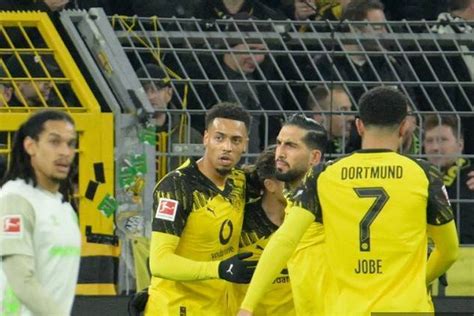
Introduction to Signal Iduna Park
Signal Iduna Park, located in the heart of Dortmund, Germany, is not merely a stadium—it is a symbol of passion, history, and the unwavering spirit of its home team, borussia dortmund. Officially known as the "Westfalenstadion" until a sponsorship deal in 2005 renamed it, the stadium has become an iconic venue in European football. Its reputation extends far beyond the city limits, drawing fans, tourists, and sports enthusiasts alike to experience its unique atmosphere and storied legacy.
The stadium's location in Dortmund, a city in the North Rhine-Westphalia region, is strategically significant. Dortmund is deeply rooted in Germany's industrial history, particularly coal mining and steel production, and this blue-collar ethos is mirrored in the working-class identity of Borussia Dortmund. The stadium sits in the southern part of the city, easily accessible via public transport networks like the Dortmund U-Bahn and local bus services. This accessibility ensures that matchdays see a diverse influx of locals and visitors, reinforcing the stadium's role as a communal hub. Signal Iduna Park is surrounded by ample parking spaces and is neighbored by the Westfalenhallen, a convention center that often complements the stadium's events, creating a vibrant sports and entertainment district.
Signal Iduna Park's architectural design is another key aspect of its identity. Originally opened in 1974 for the FIFA World Cup, the stadium was part of a nationwide effort to modernize Germany's sports infrastructure. Its initial capacity of around 54,000 was impressive for the time, but subsequent renovations—particularly for the 2006 World Cup—expanded its seating to over 81,000 for domestic matches. One of its most striking features is the "Yellow Wall," the stadium's South Stand, which is Europe's largest free-standing grandstand. This imposing structure can hold approximately 25,000 standing spectators, creating an awe-inspiring wall of sound and color during matches. The Yellow Wall is not just a physical feature but a cultural phenomenon, embodying the fervor of Borussia Dortmund's supporters who chant, wave flags, and create an atmosphere that is often described as one of the most electrifying in world football.
The stadium's role as the home of Borussia Dortmund is central to its identity. Borussia Dortmund, founded in 1909, has a rich history intertwined with the city's dynamics. The club has experienced highs, such as winning the UEFA Champions League in 1997 and multiple Bundesliga titles, and lows, including financial struggles in the early 2000s. Signal Iduna Park has been a constant throughout these fluctuations, serving as a fortress where the team has celebrated triumphs and endured defeats. The stadium is more than a venue for football matches; it is a stage where the club's philosophy of "Echte Liebe" (True Love) is enacted. This motto reflects the deep emotional connection between the team, the fans, and the city, and Signal Iduna Park is the physical manifestation of this bond.
What sets Signal Iduna Park apart from many other stadiums is its atmosphere during matches. Studies and fan surveys often rank it among the loudest and most vibrant venues in Europe. This is no accident—it is the result of deliberate design choices and fan culture. The steep incline of the stands ensures that spectators are close to the pitch, intensifying the sense of involvement and energy. The acoustics of the stadium amplify the cheers, chants, and songs of the "Schwarzgelben" (Black and Yellows) supporters. On matchdays, the stadium transforms into a cauldron of sound, with the Yellow Wall acting as the epicenter of this energy. This unique environment has even influenced Borussia Dortmund’s style of play, as players often cite the crowd's support as a motivating factor during challenging games.
The stadium also plays a broader role in Dortmund's economy and community. On non-matchdays, Signal Iduna Park hosts tours, events, and even corporate functions, making it a versatile space that contributes to the local economy. The tours are particularly popular, offering fans a chance to explore the locker rooms, walk through the player tunnel, and stand pitch-side, immersing themselves in the ambiance of the venue. These activities not only generate revenue but also strengthen the emotional connection between the club and its global fanbase. Furthermore, the stadium has been a site for major international events, including concerts by world-renowned artists and large-scale exhibitions, showcasing its versatility beyond football.
Signal Iduna Park has also been a witness to pivotal moments in football history. It hosted matches during the 1974 and 2006 World Cups, as well as the 2001 UEFA Cup Final. These events have etched the stadium's name into the annals of global football. For Borussia Dortmund specifically, the stadium has seen legendary matches, such as the 3-2 victory over Malaga in the 2013 Champions League quarterfinals, a game often remembered for its dramatic last-minute goals. Such moments are not just victories for the team but shared experiences that unite the city and its people.
Another unique aspect of Signal Iduna Park is its integration with modern technology and sustainability efforts. In recent years, the stadium has undergone upgrades to enhance fan experience, such as improved Wi-Fi connectivity, state-of-the-art lighting systems, and digital ticketing solutions. Sustainability is also a growing focus, with initiatives to reduce waste, implement energy-efficient practices, and promote public transport usage among fans. These efforts reflect a forward-thinking approach to maintaining the stadium's relevance in an era where environmental consciousness is increasingly important.
The stadium's impact extends beyond football. It symbolizes resilience, particularly in a city that has undergone significant transformation since its industrial heyday. Dortmund’s shift from an industrial hub to a modern city with a focus on services, technology, and culture is mirrored in the evolution of Signal Iduna Park. The stadium has adapted to the times while retaining its essence, much like the city itself. This duality of tradition and modernity is a key reason why Signal Iduna Park remains a beacon for Dortmund and its people.
In summary, Signal Iduna Park is more than a venue for sporting events—it is a living entity that encapsulates the spirit of Borussia Dortmund and its supporters. From its strategic location and awe-inspiring architecture to its role as a communal and economic asset, the stadium is a microcosm of the city's identity. Its ability to blend history, modernity, and raw emotion makes it a landmark not just in Dortmund but in the global football landscape. For anyone seeking to understand the soul of Borussia Dortmund, a visit to Signal Iduna Park is an essential pilgrimage.
Historical Background
The **Signal Iduna Park** in Dortmund, Germany, is not just a stadium; it is a symbol of the city's passion for football and a cornerstone of its cultural identity. To understand its historical background, we must delve into its origins, the factors that shaped its development, and the key milestones that have defined its legacy. This exploration reveals how the stadium evolved from a modest facility into one of the most iconic venues in European football.
The origins of the stadium trace back to the early 20th century when football began to take root as a popular sport in Germany. Dortmund, a city with a rich industrial history, saw football clubs emerge as a reflection of community pride and solidarity. **Ballspiel-Verein Borussia 1909 e.V. Dortmund (BVB)**, founded in 1909, was one such club. Initially, BVB played in smaller venues like Weiße Wiese, a makeshift ground with limited infrastructure. However, as the club grew in stature and fan base, the need for a proper stadium became evident. This demand for a more permanent and larger facility laid the groundwork for what would eventually become the Signal Iduna Park.
The stadium's development can be traced to **1971**, when the city of Dortmund was selected as one of the host cities for the 1974 FIFA World Cup. This selection was a pivotal moment, as it required Dortmund to provide a venue capable of hosting international matches. The original stadium, known as the **Westfalenstadion**, was constructed for this purpose. Its design was influenced by the need to accommodate large crowds while adhering to the functional and cost-effective principles of post-war German architecture. The stadium was built with a capacity of around 54,000 spectators, featuring open terraces that were characteristic of stadiums of that era. The name "Westfalenstadion" was chosen to honor the region of Westphalia, emphasizing the local identity of the venue.
The inaugural match at the Westfalenstadion took place on **2 April 1974**, when Borussia Dortmund faced Schalke 04 in a friendly. This event marked not only the beginning of the stadium's operational history but also a new chapter for BVB, as the club now had a world-class venue to call home. However, the stadium's development did not stop there. Over the decades, it underwent several transformations to keep pace with the growing demands of modern football and the club's ambitions.
One of the most significant milestones in the stadium's history came in the **1990s**, a period of rapid change for German football. The **reunification of Germany** in 1990 and the subsequent award of the 2006 FIFA World Cup to Germany in 2000 created a renewed focus on stadium infrastructure. The Westfalenstadion was expanded and modernized to meet the standards required for hosting such a global event. A key feature of this modernization was the introduction of **all-seater stands**, replacing the open terraces to comply with safety regulations. This shift not only increased comfort for spectators but also reduced the overall capacity, emphasizing quality over sheer size. Despite this, the stadium retained its electric atmosphere, a hallmark of Borussia Dortmund's matches.
The 2006 FIFA World Cup was another turning point. The Westfalenstadion hosted several matches, including the **semi-final between Germany and Italy**, which is remembered as one of the tournament's most dramatic games. The global exposure during this event elevated the stadium's profile, cementing its reputation as a venue capable of hosting high-stakes international fixtures. This period also saw the introduction of the stadium's now-famous **Yellow Wall**—the Südtribüne, the largest free-standing grandstand in Europe, capable of holding over 25,000 standing spectators. This section of the stadium became synonymous with Dortmund's passionate fan culture, creating an intimidating yet awe-inspiring environment for visiting teams.
In **2005**, a significant commercial development occurred when the stadium was renamed **Signal Iduna Park** as part of a sponsorship agreement with Signal Iduna, a German insurance company. While such renaming deals are common in modern sports, this change was met with mixed reactions from fans. Many purists lamented the loss of the Westfalenstadion name, which held deep sentimental value. However, the sponsorship deal provided much-needed financial support for the club and the venue, enabling further upgrades and maintenance. The renaming also symbolized the increasing commercialization of football, a trend that Dortmund navigated while striving to preserve its grassroots identity.
The stadium's development has also been marked by **technological advancements**. Over time, Signal Iduna Park has incorporated state-of-the-art facilities, including modernized seating, improved lighting systems, and digital infrastructure to enhance the fan experience. For instance, the installation of high-definition video screens and upgraded sound systems has ensured that the stadium remains competitive in an era where fan engagement is as much about the in-stadium experience as the game itself. These upgrades reflect a broader trend in sports venues to blend tradition with innovation.
Throughout its history, Signal Iduna Park has been the site of numerous **key sporting moments**. Beyond its role in World Cup matches, the stadium has witnessed Borussia Dortmund's triumphs, including their **UEFA Champions League victory in 1997** and domestic league titles. These events have added layers of historical significance to the venue. The stadium has also been a backdrop for cultural events, such as concerts by international artists, further solidifying its place as a multifaceted facility that serves the community beyond football.
Another unique aspect of the stadium's history is its role during **financial crises** faced by Borussia Dortmund. In the early 2000s, the club experienced severe financial difficulties, and the stadium became a symbol of resilience. The revenue generated from matches and events at Signal Iduna Park played a crucial role in stabilizing the club's finances. This period underscored the symbiotic relationship between the stadium and the club, as each supported the other in times of need.
The stadium's journey also reflects broader **societal changes** in Germany. From its inception during a period of post-war recovery to its role in a unified Germany hosting the World Cup, Signal Iduna Park embodies the resilience and adaptability of both Dortmund and German football. Its evolution mirrors the transformation of football from a local pastime to a global industry, with the stadium serving as a microcosm of this shift.
In summary, the historical background of Signal Iduna Park is a tale of growth, adaptation, and enduring significance. From its humble beginnings as a response to the need for a World Cup venue to its current status as a world-renowned football arena, the stadium has continually evolved. Its development over time has been shaped by global events, technological progress, and the unwavering support of Borussia Dortmund's fans. Through each phase of its history, Signal Iduna Park has remained a beacon of pride for Dortmund, symbolizing the city's spirit and the enduring power of football as a unifying force.
Architectural Features
The **Signal Iduna Park** in Dortmund, Germany, is not just a stadium; it is a marvel of modern sports architecture that combines functionality, aesthetics, and a deep connection to the culture of football. Originally opened in 1974 as the Westfalenstadion for the FIFA World Cup, the stadium has undergone significant renovations and expansions over the years to become one of the most iconic venues in European football. Its architectural features are a blend of practical design, fan-centric elements, and innovative engineering that cater to both the players and the passionate supporters of Borussia Dortmund.
The **design philosophy** of Signal Iduna Park is rooted in creating an intimate yet expansive atmosphere. The stadium's seating arrangement is a prime example of this. With a capacity of **81,365 spectators** for Bundesliga matches (reduced to around 66,099 for international fixtures due to UEFA's all-seater policy), it is the largest stadium in Germany. This vast capacity is achieved without compromising the sense of closeness between the fans and the pitch. The stands are steeply inclined, particularly in the southern terrace, often referred to as the **"Yellow Wall"**—a name synonymous with the fervent support of Dortmund's fans. This design choice ensures that even the spectators in the highest rows feel connected to the action on the field, enhancing the acoustics and creating an almost overwhelming wave of sound during matches.
The **roof structure** of Signal Iduna Park is another standout feature. The partially transparent roof is supported by a network of steel trusses that span the entire stadium. This design not only provides cover for the majority of the seats but also allows natural light to filter onto the pitch, maintaining favorable conditions for the grass while giving the venue an open, airy feel. The choice of materials and the partially transparent nature of the roof also help to reduce the visual weight of the structure, blending it more harmoniously with the surrounding urban landscape. This is a deliberate architectural move to integrate the stadium into Dortmund's cityscape rather than isolating it as a standalone monolith.
One of the stadium's most **unique elements** is the **Südtribüne**, or the southern stand, which holds the distinction of being the largest free-standing grandstand in Europe. With a capacity of approximately 25,000 standing fans, this area is the beating heart of the stadium. The standing terraces are a deliberate nod to the traditional football culture of Germany, where fan engagement and collective energy are prioritized over luxury seating. The "Yellow Wall" is not just a physical structure but a symbol of unity and passion, where fans stand shoulder to shoulder, creating a visual and auditory spectacle that is unrivaled in European football. The design of this stand also incorporates safety measures, such as robust railings and calculated spacing, to accommodate the high-energy environment without compromising spectator security.
The **seating layout** is another aspect worth exploring. Unlike many modern stadiums that prioritize uniformity, Signal Iduna Park integrates a variety of seating options to cater to diverse fan needs. There are premium seating areas, corporate boxes, and general admission sections, all designed with careful attention to sightlines. The architects ensured that every seat offers an unobstructed view of the pitch, a feature that requires meticulous planning in a stadium of this size. The inclusion of **wide concourses** and strategically placed entry points also enhances crowd flow, minimizing congestion during high-attendance events. This focus on practicality reflects the designers' understanding of the logistical challenges posed by a venue of this scale.

The **acoustics of the stadium** are a result of both intentional design and the natural behavior of its massive crowds. The enclosed nature of the stands, combined with their steep incline, creates a "sound trap" that amplifies the noise generated by fans. Studies have shown that the decibel levels during critical matches can reach levels comparable to a jet engine, making it one of the loudest stadiums in the world. This feature is not accidental; it is a byproduct of the architectural choices that prioritize fan experience. For instance, the close proximity of the stands to the pitch and the lack of significant buffer zones between seating areas and the field contribute to this phenomenon. For players, this can be both exhilarating and intimidating, as the roar of the crowd often feels like an additional player on the field.
Another **distinctive feature** of Signal Iduna Park is its **modular construction approach**, which has allowed for phased expansions over the years. When the stadium was first built, it had a capacity of around 54,000. However, as Borussia Dortmund's popularity grew and the demand for tickets surged, the stadium underwent multiple renovations, most notably for the 2006 FIFA World Cup. During this time, the stadium's capacity was increased significantly, and modern amenities such as VIP lounges, improved media facilities, and enhanced accessibility features were added. This modularity is a testament to the forward-thinking nature of the original design, which anticipated the need for scalability without requiring a complete rebuild.
The **lighting system** of the stadium is also worth noting. In recent years, Signal Iduna Park has incorporated state-of-the-art LED lighting technology, which not only provides superior illumination for evening matches but also allows for dynamic light shows. These light displays are often used to celebrate goals, player introductions, or key moments in the match, adding a layer of spectacle to the overall experience. The use of LEDs is also energy-efficient, aligning with broader sustainability goals that are becoming increasingly important in stadium design.
From a **structural perspective**, the stadium is built to withstand the rigors of heavy usage and the region's climatic conditions. Dortmund experiences a range of weather patterns, including heavy rains and strong winds. The materials used in the construction—high-grade steel, reinforced concrete, and weather-resistant cladding—ensure the stadium's durability. Additionally, the drainage system beneath the pitch is designed to handle significant rainfall, preventing waterlogging and ensuring playability even in adverse weather. This attention to detail in the stadium's engineering underscores the importance of creating a venue that is not only visually impressive but also highly functional.
Signal Iduna Park also incorporates **fan-focused amenities** that go beyond the structural elements. The inclusion of wide, well-lit concourses, numerous food and beverage outlets, and clear signage reflects a user-centered design approach. These features are particularly important given the stadium's high attendance rates, as they help manage the flow of tens of thousands of fans efficiently. Moreover, the stadium has embraced modern technology, offering features like **high-speed Wi-Fi**, digital ticketing systems, and interactive screens to enhance the fan experience.
In conclusion, the **architectural features** of Signal Iduna Park are a blend of tradition and innovation. Its design emphasizes fan engagement, acoustic brilliance, and functional scalability while respecting the cultural and environmental context of Dortmund. From the towering "Yellow Wall" to the meticulously engineered roof and pitch, every element of the stadium is a testament to the idea that a sports venue can be more than just a place to watch a game—it can be an experience, a symbol of community, and a benchmark for what modern stadium architecture can achieve.
Role in Football Culture
The Signal Iduna Park in Dortmund, officially known as the Westfalenstadion until its naming rights were sold, is not merely a venue for football matches—it is a living, breathing embodiment of football culture in Germany and a symbol of its influence on the global stage. This stadium, home to Borussia Dortmund, one of Germany's most successful and beloved clubs, serves as a microcosm of how football transcends sport to become a cultural phenomenon that unites communities, inspires passion, and shapes identities.
At the heart of its contribution to football culture is the unique atmosphere that Signal Iduna Park generates during matches. With a seating capacity of over 81,000, it is the largest stadium in Germany and one of the most iconic in Europe. What sets it apart is not just its size but the energy that its fans bring to every game. The Yellow Wall—the stadium’s famous Süd Tribune, a standing terrace that accommodates nearly 25,000 fans—is widely regarded as one of the most intimidating and electrifying fan sections in world football. This sea of yellow and black, chanting in unison, waving flags, and creating a cacophony of sound, exemplifies the communal spirit of German football culture. The Wall is not just a physical space; it is a metaphor for the collective power of fans to influence the game’s tempo and psyche, both for their team and the opposition. This atmosphere has made the stadium a pilgrimage site for football enthusiasts worldwide, who come not just to watch a match but to experience the raw, unfiltered passion that German football is known for.
Signal Iduna Park also plays a pivotal role in shaping fan engagement and inclusivity within the sport. Borussia Dortmund has long prided itself on being a "people’s club," and the stadium reflects this ethos. Ticket prices at the stadium are relatively affordable compared to other top-tier European venues, ensuring that working-class fans can still attend games. This accessibility fosters a sense of belonging and loyalty among fans, reinforcing the idea that football is for everyone. Moreover, the club’s active engagement with local communities, including youth programs and initiatives to support underprivileged groups, is often anchored in the stadium. Events hosted at Signal Iduna Park, such as charity matches and inclusive fan days, demonstrate how the venue is not just a space for elite sport but a platform for social integration and community building. This aspect of the stadium’s role is particularly significant in a country like Germany, where football has historically been a unifying force in post-war reconstruction and societal cohesion.
On a global scale, Signal Iduna Park has become a symbol of German football’s resurgence and excellence in the modern era. The stadium has hosted some of the most memorable matches in football history, including key games during the 2006 FIFA World Cup, where it served as a venue for several matches, including a thrilling round-of-16 clash between Germany and Sweden. These high-profile events have showcased not only the technical brilliance of the teams but also the unique cultural flavor that German stadiums bring to international football. The global broadcast of matches from Signal Iduna Park, with its roaring crowds and visually stunning fan displays, has reinforced the idea that stadiums are not just neutral venues but active participants in the narrative of the sport. This has inspired other nations and clubs to invest in creating similarly immersive fan experiences, making the stadium a benchmark for what a modern football venue should aspire to be.
Another aspect of its influence on football culture is its role in elevating the tactical and emotional dimensions of the game. The intense support at Signal Iduna Park often acts as a "12th man" for Borussia Dortmund, providing players with an extra surge of motivation. This phenomenon has been studied and emulated by clubs worldwide, as they seek to replicate the stadium's ability to turn home-field advantage into a near-tangible force. For instance, the synchronized chants and rhythmic clapping of Dortmund fans are not mere expressions of support—they are calculated to disrupt opposing players and create a psychological edge. This interplay between fans and performance has deepened the understanding of how stadiums can be leveraged as strategic assets in football, a concept that has permeated coaching philosophies and stadium design globally.
Signal Iduna Park is also a cultural export that embodies the German approach to football as a blend of tradition and modernity. While the stadium is steeped in history—having been opened in 1974 and expanded multiple times to meet the demands of a growing fanbase—it incorporates cutting-edge technology and amenities. From state-of-the-art lighting systems that enhance the visual spectacle of night games to sustainable practices like energy-efficient operations, the stadium represents a fusion of the old and the new. This duality mirrors the broader narrative of German football, which respects its roots while constantly innovating. For instance, the integration of digital ticketing systems and fan-focused apps at Signal Iduna Park has set a precedent for how technology can enhance the matchday experience without diluting the traditional communal spirit of football.
The stadium’s influence extends beyond the pitch to shaping the identity of Borussia Dortmund as a global brand. The team’s success, often showcased in the cauldron of Signal Iduna Park, has turned the club into a cultural ambassador for German football. The stadium’s iconic status means that it features prominently in media coverage, merchandise, and even popular culture. For example, video games like FIFA often highlight the stadium’s unique features, ensuring that even those who have never visited can experience its atmosphere vicariously. This global visibility has not only bolstered Borussia Dortmund’s brand but has also elevated the status of the Bundesliga as a league that offers something distinct from its counterparts in England, Spain, or Italy.
Additionally, the stadium serves as a platform for storytelling and memory-making within football culture. Historic moments, such as Dortmund’s 1997 UEFA Champions League victory or their intense rivalry matches against Bayern Munich, are etched into the collective memory of fans and are inseparable from the backdrop of Signal Iduna Park. These moments are not just about the outcomes of games but about the shared experiences of thousands of fans who gather to witness them. This storytelling aspect of the stadium reinforces the idea that football is not just a game but a repository of collective memory and emotion, a place where history is made and relived.
In conclusion, Signal Iduna Park is more than a physical structure; it is a cornerstone of football culture in Germany and a beacon for the sport globally. Through its atmosphere, inclusivity, technological innovation, and role in shaping narratives, the stadium embodies the essence of what makes football a unifying and transformative force. It is not merely where matches are played—it is where the spirit of the game is celebrated, challenged, and perpetuated for generations of fans and players alike.
Major Events Hosted
Signal Iduna Park in Dortmund, Germany, is one of the most iconic football stadiums in Europe. Beyond its primary function as the home ground of Borussia Dortmund, the venue has played host to a wide array of major events that have cemented its reputation as a versatile and globally recognized facility. This section delves into the most significant matches, tournaments, and non-sporting events that have taken place within its walls, showcasing its multifaceted role in the world of sports and entertainment.
One of the most defining features of Signal Iduna Park is its association with high-stakes football matches. The stadium has been a key venue for major **Bundesliga** fixtures, particularly those involving Borussia Dortmund. Games against rivals such as Bayern Munich have drawn record-breaking crowds, with the atmosphere often described as electric due to the "Yellow Wall" — the stadium's famed South Stand, which accommodates over 25,000 standing fans. This stand is not just a visual spectacle but a tactical advantage for Dortmund, as the sheer intensity of the crowd has been credited with influencing match outcomes. A notable example is the 2013 Bundesliga match where Borussia Dortmund triumphed over Bayern Munich in a 3-0 victory, a result that underscored the stadium's role as a fortress for the home team. Such matches are not merely games but cultural events that draw global attention to the stadium's unique energy.
On the international stage, Signal Iduna Park has been a chosen venue for **UEFA Champions League** fixtures. Among the most memorable was the 2013 Champions League quarter-final clash between Borussia Dortmund and Málaga CF. The match is etched in football history for its dramatic conclusion, with Dortmund scoring two goals in stoppage time to secure a 3-2 win. The euphoria of that moment exemplified the stadium's ability to host moments of high drama, where the line between victory and defeat is razor-thin. Additionally, the stadium hosted matches during the **2006 FIFA World Cup**, including the thrilling Round of 16 match between Germany and Sweden, where the home team's 2-0 victory was celebrated with a sea of German flags waving in unison. These international events highlight the stadium's capacity to handle the logistical and emotional weight of global tournaments, making it a preferred choice for organizers.
Beyond football, Signal Iduna Park has also been a venue for **major tournaments** that extend beyond club football. The stadium was part of the hosting roster for the **2001 UEFA Cup Final**, where Liverpool faced Deportivo Alavés in a match that ended in a dramatic 5-4 victory for Liverpool after extra time. This event not only showcased the stadium's ability to accommodate international club finals but also highlighted its adaptability to different styles of play and fan expectations. Furthermore, the stadium was selected as one of the venues for the **2011 Women's World Cup**, hosting matches that brought attention to women's football at a time when the sport was gaining significant global traction. These events illustrate how Signal Iduna Park serves as a platform for elevating both men's and women's football on the world stage.
The versatility of Signal Iduna Park extends to **non-sporting events**, which have diversified its profile. One of the most notable examples is its use as a concert venue. In 2001, the stadium hosted **Tina Turner** during her "Twenty Four Seven" tour, drawing tens of thousands of fans. The logistical challenge of transforming a football pitch into a concert arena was met with precision, demonstrating the stadium's adaptability. Similarly, **AC/DC** performed at the venue in 2016 as part of their "Rock or Bust" tour, with the event attracting fans from across Europe. These concerts are significant not only for their entertainment value but also for their economic impact on Dortmund, as they bring in tourists and generate revenue for local businesses. The stadium's ability to host such large-scale events underscores its importance as a cultural hub beyond sports.
Another intriguing aspect of Signal Iduna Park's event history is its role in **community and charity initiatives**. For instance, the stadium has been used for events like the "Dortmund Peace Festival," which combines music, speeches, and community engagement to promote unity and social causes. These events often bring together people from diverse backgrounds, reinforcing the stadium's role as a unifying space. Additionally, the venue has been utilized for **corporate events** and product launches, leveraging its vast seating capacity and state-of-the-art facilities to accommodate business gatherings. For example, automotive companies have chosen the stadium to unveil new models, capitalizing on its reputation and the visual appeal of hosting an event in such a storied location.
Signal Iduna Park has also been part of **historical and symbolic moments** in German sports history. During the COVID-19 pandemic, the stadium was repurposed as a testing and vaccination center, a testament to its adaptability in times of crisis. This transformation was not just a logistical feat but also a symbolic gesture of how sports venues can contribute to public welfare. Such moments highlight the stadium's deep integration into the fabric of Dortmund and its ability to serve the community in ways that extend beyond entertainment.
The stadium's role in **youth and grassroots sports** events is also worth noting. It has hosted tournaments for amateur teams and youth leagues, providing a platform for aspiring athletes to experience the thrill of playing in a world-class venue. These events are often tied to Borussia Dortmund's community outreach programs, emphasizing the stadium's commitment to fostering the next generation of talent. This aspect of Signal Iduna Park's event history is often overlooked but is crucial in understanding its broader impact on sports culture in Germany.
In summary, Signal Iduna Park's event portfolio is as diverse as it is impressive. From hosting some of the most dramatic matches in football history to serving as a stage for global superstars in music, the stadium has proven its worth as a multifunctional venue. Its ability to transition seamlessly between sporting and non-sporting events demonstrates a level of versatility that few venues can match. Whether it is the roar of 80,000 fans during a Champions League match, the spectacle of a rock concert, or the quiet dignity of a community event, Signal Iduna Park stands as a beacon of what a modern stadium can achieve. This rich tapestry of events not only showcases the venue's physical and operational excellence but also its enduring cultural and economic significance to Dortmund and beyond.
Economic Impact on Dortmund
The Signal Iduna Park in Dortmund, home to the renowned football club Borussia Dortmund, is more than just a sports venue; it is a cornerstone of the city's economic framework. As one of the largest stadiums in Germany, with a seating capacity of over 81,000, it serves as a hub of activity that reverberates far beyond match days. This section delves into the profound economic impact the stadium has on Dortmund, focusing on its role in bolstering the local economy and driving tourism in the region.
One of the most immediate and visible contributions of Signal Iduna Park to Dortmund's economy is through direct revenue generation on match days. Each home game attracts tens of thousands of spectators, many of whom travel from other cities or even countries to attend. These visitors spend heavily on tickets, merchandise, food, and beverages within the stadium. However, the economic ripple effect extends well beyond the stadium walls. Local businesses, such as restaurants, bars, and hotels, experience a surge in patronage during home games. For instance, hotels in Dortmund often report occupancy rates exceeding 90% on match weekends, with room prices adjusted to reflect the heightened demand. This phenomenon not only boosts the hospitality sector but also creates temporary employment opportunities for local residents, from waitstaff to ride-share drivers.

The stadium also plays a pivotal role in attracting international tourism to Dortmund. Borussia Dortmund, as one of Europe's most popular football clubs, has a global fan base. The allure of watching a match in one of the most electric atmospheres in world football draws visitors from Asia, the Americas, and other parts of Europe. Many of these international tourists extend their stay to explore Dortmund and its surroundings, contributing to the broader tourism industry. According to regional tourism data, match-related tourism accounts for a significant portion of Dortmund’s annual visitor numbers, particularly during high-profile games or European competitions. This influx of international visitors supports not only local businesses but also cultural attractions like museums, galleries, and historic sites in the city, amplifying Dortmund’s reputation as a destination worth visiting beyond football.
Another critical aspect of the stadium’s economic impact is its role as a venue for non-football events. Signal Iduna Park frequently hosts concerts, corporate events, and other large-scale gatherings. Artists such as Coldplay and Ed Sheeran have performed at the stadium, drawing audiences that might not otherwise visit Dortmund. These events bring in diverse demographics, further diversifying the economic benefits. For example, a major concert can result in increased sales for local vendors, public transport usage, and even long-term brand exposure for Dortmund as a city capable of hosting world-class events. The versatility of the stadium as a multi-purpose venue ensures a steady stream of economic activity throughout the year, reducing its reliance on the football season alone.
The infrastructure development spurred by the presence of Signal Iduna Park is another key factor in its economic contribution. The stadium is located in the southern part of Dortmund, an area that has seen significant urban development tied to its existence. Improved transport links, such as enhanced rail services and road networks, were implemented to accommodate the influx of visitors on match days. These infrastructure improvements benefit not just the stadium but the entire region, making Dortmund more accessible to businesses and tourists alike. Additionally, the stadium has acted as a catalyst for real estate development in its vicinity. Hotels, retail spaces, and even residential projects have been built to cater to the growing demand generated by the stadium’s activities.
From a branding perspective, Signal Iduna Park is intrinsically linked to Dortmund’s identity. The stadium is a symbol of the city’s global recognition, often featured in media coverage of Borussia Dortmund’s matches. This visibility enhances Dortmund’s profile as a dynamic and vibrant city, which can attract not only tourists but also businesses looking to invest in the region. Companies are more likely to set up operations in a city with a strong international presence, and the stadium’s role in fostering this image cannot be understated. Moreover, the association of Dortmund with a successful football club and a world-class venue can lead to increased sponsorship deals and partnerships, both for the club and the city, further fueling economic growth.
It is also worth considering the indirect economic benefits that stem from the stadium’s operations. For example, the employment generated by the stadium extends to a wide range of sectors. Beyond the obvious jobs in ticketing, security, and event management, there are less visible roles in logistics, marketing, and even local supply chains. Small businesses that supply goods and services to the stadium—such as food vendors, cleaning companies, and equipment providers—rely heavily on its operations for their livelihood. These indirect contributions are harder to quantify but are no less significant in sustaining the local economy.
To quantify the impact, studies have shown that major football clubs and their stadiums can contribute upwards of €100 million annually to their host cities. While precise figures for Signal Iduna Park are not always publicly disclosed, its scale and popularity suggest that its economic footprint is substantial. For instance, the revenue generated from ticket sales alone for a season of Borussia Dortmund home games can run into tens of millions of euros. When combined with the ancillary spending by fans and visitors, the total economic impact easily surpasses this baseline figure.
However, it is important to acknowledge some challenges and limitations in this economic model. The seasonal nature of football means that the stadium’s economic activity is not evenly distributed throughout the year. Additionally, the benefits are not always evenly distributed across the local population. For instance, while large hotels and established businesses may thrive, smaller or less centrally located enterprises might struggle to capture a share of the economic windfall. Addressing these disparities requires deliberate policy interventions, such as promoting local vendors or encouraging stadium-related initiatives that benefit a wider demographic.
In conclusion, the Signal Iduna Park is a linchpin of Dortmund’s economic and cultural landscape. Its ability to attract both domestic and international visitors, support diverse industries, and serve as a symbol of the city’s global identity underscores its importance. While the stadium’s primary purpose is to host football matches, its economic contributions extend into tourism, infrastructure, and branding, making it a vital asset for Dortmund. By continuing to leverage the stadium as a multifaceted economic engine, Dortmund can ensure that the benefits of this iconic venue are maximized for the city and its residents.
Fan Experience and Atmosphere
Signal Iduna Park in Dortmund, home to Borussia Dortmund, is not just a stadium; it is a living, breathing entity fueled by one of the most passionate fan bases in the world. The atmosphere within its walls is often described as electric, awe-inspiring, and unmatched in intensity. This can largely be attributed to the unique traditions upheld by the fans and the iconic presence of "The Yellow Wall," which stands as a symbol of collective fervor and unwavering support. To truly understand what makes the fan experience at Signal Iduna Park so distinctive, one must delve into the rituals, visual elements, and emotional undercurrents that define matchdays in Dortmund.
At the heart of the stadium's atmosphere is The Yellow Wall, officially known as the Südtribüne. This standing terrace is the largest of its kind in Europe, accommodating over 25,000 fans. Its sheer size and the energy it generates are unparalleled. Unlike seated areas that compartmentalize spectators, The Yellow Wall creates a unified mass of supporters who move, chant, and react as one. This physical closeness amplifies the collective voice of the crowd, creating a wall of sound that can be heard reverberating throughout the stadium and even in nearby neighborhoods. The visual impact is equally striking—waves of yellow and black flags, banners, and flares paint a vivid picture of loyalty and pride. The Yellow Wall is not merely a space for watching football; it is a platform for expression, where fans become active participants in the spectacle of the game.
One of the most striking features of the fan experience at Signal Iduna Park is the tradition of pre-match rituals. Long before the players take to the field, the atmosphere begins to build. Fans gather in the surrounding areas, often at local pubs or fan zones, to sing club anthems and share stories of past glories. Inside the stadium, the buildup to kickoff is marked by the singing of "You'll Never Walk Alone," a song that has become synonymous with Borussia Dortmund. The collective singing, accompanied by the swaying of scarves and banners, creates an emotional crescendo that unites fans across generations. This ritual is not just about supporting the team; it is a moment of communal belonging, where the identity of the club is reaffirmed through shared voices and emotions.
Another unique aspect of the atmosphere is the role of organized fan groups in curating the matchday experience. Groups like The Unity and Desperados are instrumental in coordinating chants, displays, and tifo presentations. These groups work tirelessly to design intricate banners and choreographies that often carry deep symbolic meaning related to the club's history or current events. For instance, a tifo might depict a historic moment in Borussia Dortmund's journey or send a message of solidarity to the team during challenging times. The level of detail and coordination in these displays reflects a deep-seated passion and a sense of ownership among the fans, who view themselves as stewards of the club's legacy.
The interaction between players and fans further enhances the atmosphere. Borussia Dortmund has a tradition of players acknowledging the crowd, particularly The Yellow Wall, after matches—regardless of the result. This mutual respect fosters a sense of unity between the team and its supporters. Players often speak of the motivation they draw from the energy of the crowd, particularly during high-stakes games. This dynamic creates a feedback loop where the fans' passion inspires the players, and the players' performances, in turn, fuel the fans' enthusiasm. It is not uncommon to see players pointing to The Yellow Wall after scoring a goal, a gesture that symbolizes gratitude and shared triumph.
The atmosphere is also shaped by specific matchday traditions unique to Dortmund. One such tradition is the use of synchronized clapping and chanting sequences, which are led by capo (fan leaders) stationed at the front of The Yellow Wall. These leaders use megaphones to guide the crowd in unison, creating rhythmic patterns of sound that can intimidate visiting teams. The chants often have a historical or cultural significance, referencing Dortmund's industrial roots or the working-class ethos that underpins the club's identity. For example, chants like "Borussia, komm spiel für uns" (Borussia, come play for us) resonate with the idea of the team representing the spirit of the city and its people.
The impact of technology and modern enhancements has also played a role in elevating the fan experience while preserving its traditional essence. LED light shows, synchronized with chants or key moments in the game, add a contemporary layer to the atmosphere without overshadowing the organic energy of the crowd. For instance, during night games, the stadium is bathed in yellow and black lights, creating a visually stunning backdrop that complements the roar of the fans. This blend of tradition and innovation ensures that the atmosphere remains dynamic and relevant while staying true to its roots.
What sets Signal Iduna Park apart from many other stadiums is the emotional intensity of the fans' connection to the team. Dortmund is a city with a strong working-class identity, and the club has long been seen as a symbol of resilience and community. This sentiment is palpable in the stands, where fans celebrate not just victories but also the grit and determination shown by the team in adversity. The emotional peaks and troughs experienced during a match are shared collectively, creating an environment where every goal, save, or near-miss feels like a personal experience for those in attendance. This emotional investment is what transforms a simple football match into a deeply moving event.
The visitor experience at Signal Iduna Park is also worth noting. Away fans, while often outnumbered and overwhelmed by the sheer volume of the home support, frequently comment on the respectful and vibrant nature of the atmosphere. The club has made efforts to ensure that visiting supporters are accommodated well, with designated areas that allow them to enjoy the game while experiencing the unique energy of the stadium. This inclusivity adds to the stadium's reputation as a place where football is celebrated in its purest form.
Finally, the global appeal of The Yellow Wall and the overall fan culture has turned Signal Iduna Park into a pilgrimage site for football enthusiasts. Fans from across the world travel to Dortmund not just to watch a game but to be part of an experience that transcends sport. The Yellow Wall has become a symbol of how football can unite people, regardless of background or nationality. This global recognition is a testament to the power of the atmosphere created in Dortmund—an atmosphere that is as much about the people as it is about the sport itself.
- The Yellow Wall is the largest standing terrace in Europe, creating a unified mass of sound and movement.
- Pre-match rituals, such as singing "You'll Never Walk Alone," build emotional anticipation.
- Organized fan groups design elaborate tifo displays that reflect the club's history and values.
- The interaction between players and fans fosters a sense of mutual respect and motivation.
- Matchday traditions, like synchronized chants, highlight Dortmund's working-class identity.
- Modern enhancements, such as LED light shows, complement rather than replace traditional elements.
- The emotional intensity of the fans reflects the club's role as a symbol of community resilience.
In summary, the atmosphere at Signal Iduna Park is a harmonious blend of tradition, innovation, and raw emotion. It is a space where the collective energy of 25,000 voices on The Yellow Wall can lift a team and intimidate opponents. The rituals, visual displays, and unwavering passion of the fans make every matchday an unforgettable experience, cementing Signal Iduna Park's reputation as one of the most iconic football venues in the world.
Sustainability and Modernization
The modernization and sustainability efforts at Signal Iduna Park in Dortmund represent a compelling case study in how a historic sports venue can adapt to the demands of the 21st century while maintaining its cultural and architectural significance. As one of Germany's largest and most iconic football stadiums, Signal Iduna Park has undergone significant transformations to align with contemporary standards of environmental responsibility and operational efficiency. These efforts are not merely superficial upgrades but represent a deep-rooted commitment to balancing the needs of fans, the environment, and the club's long-term viability.
One of the most visible aspects of modernization at Signal Iduna Park is the integration of **energy-efficient technologies**. The stadium has invested heavily in LED lighting systems, which consume significantly less energy compared to traditional halogen or metal halide lights. LED systems not only reduce energy consumption by up to 70% but also offer greater flexibility in terms of brightness and color adjustments. This has enhanced the visual experience for spectators during night matches and events, while simultaneously lowering the stadium's carbon footprint. Furthermore, the adoption of **smart energy management systems** allows for real-time monitoring and optimization of energy use across various zones of the stadium. These systems ensure that power is only used where and when it is needed, reducing wastage and improving overall efficiency.
In addition to energy efficiency, **water conservation initiatives** have played a critical role in the stadium's sustainability strategy. Signal Iduna Park has implemented rainwater harvesting systems to collect and reuse water for irrigation of the pitch and other non-potable needs. This approach not only reduces the strain on local water resources but also demonstrates a practical application of circular economy principles within a high-demand facility. The pitch itself has been upgraded with hybrid grass technology, which combines natural grass with synthetic fibers to improve durability and reduce the need for frequent replanting. This innovation not only supports sustainable land use but also ensures a consistent playing surface, which is crucial for professional football matches.
Another area of focus has been the **waste management system**. The stadium has introduced comprehensive recycling programs that segregate waste at the source into categories such as paper, plastic, glass, and organic material. This initiative is supported by clear signage and educational campaigns aimed at fans, encouraging them to participate in sustainable practices. Moreover, the introduction of **compostable food packaging** and the phasing out of single-use plastics are steps toward minimizing the environmental impact of large-scale events. These measures are particularly significant given the stadium's capacity of over 80,000 spectators, which generates substantial waste during match days and other events.
The modernization of Signal Iduna Park also extends to **mobility and accessibility improvements**. The stadium has worked closely with local authorities to enhance public transportation links, promoting the use of buses, trams, and trains as the primary mode of access for fans. This initiative reduces the reliance on private car travel, which is a major source of emissions associated with large events. Additionally, the installation of **bicycle parking facilities** and the introduction of e-scooter sharing services cater to fans who prefer eco-friendly alternatives. These efforts are part of a broader strategy to embed the stadium within a sustainable urban mobility framework, making it a model for other sports venues in Germany and beyond.
A less visible but equally important aspect of sustainability at Signal Iduna Park is its **architectural upgrades aimed at improving thermal efficiency**. The stadium's older sections have been retrofitted with better insulation materials and energy-efficient windows to minimize heat loss during the colder months and reduce the need for excessive heating. These upgrades not only lower energy costs but also improve the comfort of spectators and staff. Additionally, the incorporation of **green roofs** in certain areas of the stadium provides natural insulation, supports biodiversity, and mitigates the urban heat island effect.
The **community engagement dimension** of Signal Iduna Park's sustainability strategy deserves special mention. The stadium has partnered with local organizations and educational institutions to promote environmental awareness among fans and the wider community. For instance, workshops and campaigns are held to educate visitors about the importance of recycling, energy conservation, and sustainable living practices. These initiatives not only reinforce the stadium's role as a community hub but also help to foster a culture of sustainability that extends beyond match days.

A particularly innovative aspect of the modernization process is the **use of digital technologies** to enhance both operational efficiency and fan experience. The stadium has implemented a **smart ticketing system** that reduces the need for paper tickets, replacing them with digital alternatives accessible via mobile devices. This not only streamlines entry processes but also reduces waste associated with traditional ticketing. Similarly, the installation of **high-speed Wi-Fi networks** throughout the venue supports a more connected fan experience while also enabling the stadium to collect data on usage patterns, which can inform future sustainability initiatives.
It is also worth noting that Signal Iduna Park has embraced **renewable energy sources** as part of its modernization efforts. The stadium has explored partnerships with local energy providers to incorporate **solar panels** into its infrastructure. While the scale of solar energy generation is currently limited due to the stadium's design constraints, these pilot projects demonstrate a willingness to experiment with alternative energy sources. Additionally, the stadium has expressed interest in exploring wind energy options in collaboration with regional renewable energy initiatives, signaling a forward-looking approach to energy independence.
The modernization and sustainability efforts at Signal Iduna Park are not without challenges. For instance, the sheer scale of the venue and the high volume of events it hosts make it difficult to achieve complete carbon neutrality. However, the stadium's management has been transparent about these challenges and has set **measurable goals** to track progress. These include reducing overall energy consumption by a specific percentage within a defined timeframe and increasing the proportion of waste diverted from landfills. Such transparency fosters accountability and allows fans and stakeholders to see tangible results of the sustainability initiatives.
In conclusion, the efforts to modernize and incorporate sustainable practices at Signal Iduna Park are a testament to the potential of sports venues to lead by example in environmental stewardship. Through a combination of **energy efficiency, waste management, mobility improvements, and community engagement**, the stadium has positioned itself as a pioneer in sustainable sports infrastructure. These initiatives not only enhance the stadium's operational performance but also reinforce its role as a symbol of innovation and responsibility in the sports world. As Signal Iduna Park continues to evolve, it serves as a model for how large-scale facilities can balance tradition with the imperative to adapt to a rapidly changing world.
Comparison with Other Iconic Stadiums
Signal Iduna Park, home to Borussia Dortmund, is one of the most iconic football stadiums in the world. Its reputation as a fortress of passionate support and a hub of footballing excellence invites comparisons with other legendary venues. To truly understand its standing, we must evaluate it in terms of size, atmosphere, and legacy when placed alongside other globally recognized stadiums such as Camp Nou, Wembley Stadium, Old Trafford, and Maracanã.
Starting with size, Signal Iduna Park boasts a capacity of approximately 81,000 spectators for league matches, making it the largest stadium in Germany. This figure is impressive, but it falls short of Camp Nou in Barcelona, which can accommodate over 99,000 fans. Wembley Stadium in London also surpasses it with a seating capacity of 90,000 for football matches. However, what sets Signal Iduna Park apart is not merely raw capacity but its efficient use of space to create an intimate yet expansive environment. Unlike Camp Nou, where the sheer scale can sometimes dilute the closeness between fans and the pitch, Signal Iduna Park’s steep stands and compact design ensure that even the furthest seats feel connected to the action. This quality is a deliberate architectural choice to enhance acoustics and fan proximity, which feeds into its unparalleled atmosphere.
The atmosphere of Signal Iduna Park is often cited as its most defining feature. The South Stand, known as the Südtribüne or "Yellow Wall," is Europe's largest free-standing grandstand, holding around 25,000 standing fans. This area is the heartbeat of the stadium, generating a wall of sound that has become synonymous with Borussia Dortmund home games. In comparison, while Old Trafford (capacity ~74,000) is steeped in history and has its own passionate fanbase, its atmosphere is often criticized for being subdued, particularly in less high-stakes matches. Wembley, as a neutral venue for many fixtures, lacks the consistent tribal energy of a club-specific stadium. Maracanã in Rio de Janeiro, with its 78,000 capacity, can rival Signal Iduna Park in noise levels during major international fixtures, particularly when Brazil plays. However, the cultural context differs; the Yellow Wall is a weekly phenomenon driven by club loyalty rather than sporadic national fervor. The coordinated chants, tifos, and the visual impact of a sea of yellow and black make Signal Iduna Park not just a venue but a living entity during matches. This organic energy is hard to replicate in other stadiums, even those with greater capacities.
When it comes to legacy, Signal Iduna Park’s history is intertwined with Borussia Dortmund’s rise as a European football powerhouse. Opened in 1974, it was one of the venues for the 1974 FIFA World Cup and has since hosted key matches in subsequent international tournaments, including the 2006 World Cup. However, its legacy is not as ancient as that of Wembley, which dates back to 1923 (though the current stadium was rebuilt in 2007), or Maracanã, which opened in 1950 and was the site of the infamous "Maracanazo" when Uruguay defeated Brazil in the World Cup final. These older venues carry a weight of history that Signal Iduna Park, as a relatively younger stadium in global terms, cannot yet match. However, its legacy is defined by modern football culture rather than antiquity. For instance, its role in hosting the 1997 and 2013 UEFA Champions League finals underscores its importance in contemporary European football. Moreover, the stadium’s association with Borussia Dortmund’s "heavy metal football" philosophy under managers like Jürgen Klopp has cemented its place as a symbol of attacking, fan-driven football. In this sense, its legacy is less about age and more about cultural impact in the 21st century.
Camp Nou, by contrast, has a legacy rooted in both club and national triumphs. As the home of FC Barcelona, it has seen iconic players like Lionel Messi and historic moments such as the 1992 Olympics. Yet, its atmosphere is often described as more subdued compared to Signal Iduna Park, partly due to the more relaxed fan culture in Spain. Similarly, Old Trafford’s "Theatre of Dreams" moniker reflects its storied past, particularly during the eras of Sir Matt Busby and Sir Alex Ferguson. However, its atmosphere has waned in recent years amid Manchester United’s inconsistent performances. This decline highlights a key difference: Signal Iduna Park’s atmosphere remains vibrant even during less successful seasons because the fans’ passion is deeply rooted in the club’s identity rather than purely results.
Another dimension of comparison is the architectural evolution of these stadiums. Signal Iduna Park underwent significant renovations for the 2006 World Cup, modernizing its facilities while retaining its distinctive character. In this regard, it mirrors Wembley’s post-2007 rebuild, which aimed to blend tradition with cutting-edge design. However, Signal Iduna Park’s renovations were less about starting anew and more about enhancing what already worked—preserving the intimate feel of the stands while adding modern amenities. This approach contrasts with Maracanã, which has faced criticism for losing some of its original charm during its own modernizations. The balance Signal Iduna Park strikes between tradition and innovation makes it a model for how stadiums can evolve without losing their soul.
A less discussed but critical aspect is the community impact of these stadiums. Signal Iduna Park is deeply embedded in Dortmund’s identity, serving not just as a sports venue but as a symbol of the city’s resilience and pride. This contrasts with Camp Nou, which is often seen as a global brand ambassador for Barcelona rather than a strictly local symbol. Wembley, as a national stadium, serves a different purpose altogether, hosting diverse events from football to concerts, which dilutes its club-specific identity. Old Trafford, while a Manchester icon, has faced challenges in balancing commercialization with community connection. Signal Iduna Park, by contrast, remains a grassroots symbol of Dortmund, where the club and stadium are inseparable from the city’s fabric.
In terms of global recognition, all the stadiums mentioned have etched their names into football lore. However, Signal Iduna Park stands out for its distinct identity. While Wembley and Maracanã are often associated with historic moments in international football, and Camp Nou with Barcelona’s tiki-taka legacy, Signal Iduna Park is synonymous with the raw, unfiltered passion of club football. Its atmosphere is not a product of occasional glory but a consistent output of energy week after week.
To summarize, Signal Iduna Park holds its own when compared to other iconic stadiums. While it may not surpass Camp Nou in sheer size or Wembley in historical weight, it excels in creating a unique blend of intimacy, intensity, and modern football culture. Its standing is not just about numbers or age but about the experiential quality it offers—an unrelenting energy that few venues can match. This makes it not only a stadium but a living testament to the power of football as a unifying force.
- Signal Iduna Park’s size is optimized for intimacy despite slightly lower capacity compared to Camp Nou or Wembley.
- Its atmosphere, driven by the Yellow Wall, is unmatched in weekly club football settings.
- Its legacy is rooted in modern football culture rather than ancient history, making it a symbol of 21st-century fan passion.
- The stadium’s community impact ties it uniquely to Dortmund’s identity, setting it apart from more globally branded venues.
In essence, Signal Iduna Park is not just a place to watch football—it is a manifestation of the sport’s emotional core, setting a standard for what a stadium can mean to its fans and city.
Conclusion and Future Prospects
The Signal Iduna Park in Dortmund stands as a beacon of modern sports architecture and a symbol of the city's deep-rooted passion for football. As the home of Borussia Dortmund, one of Germany's most successful and beloved football clubs, the stadium has carved out a unique place in the global sports landscape. With a seating capacity of over 81,000, it is the largest stadium in Germany and among the most iconic venues in European football. Its distinctive "Yellow Wall," the South Stand that accommodates 25,000 standing fans, is not just a structural marvel but a living testament to the electric atmosphere that defines matches held here. This section explores the current state of the stadium and ventures into its future prospects in sports and entertainment.
At present, Signal Iduna Park is more than just a venue for football matches. It is a multi-functional facility that hosts a range of events, from international friendlies and UEFA Champions League fixtures to concerts and corporate gatherings. The stadium's infrastructure supports its versatility, with state-of-the-art facilities such as high-definition video screens, premium hospitality suites, and advanced acoustics that amplify crowd noise to create an unparalleled experience. The venue also benefits from its strategic location in Dortmund, a city that is well-connected by rail and road networks, making it accessible to both local and international visitors. This accessibility, combined with the city's affordable cost of living compared to other major European cities, has made the stadium a preferred choice for event organizers.
However, the stadium's current status is not without challenges. Like many large venues, it faces the dual pressures of maintaining its aging infrastructure while meeting the evolving expectations of modern audiences. For instance, while the stadium's seating and standing areas are well-maintained, there is growing demand for enhanced digital integration. Fans now expect features such as high-speed Wi-Fi, cashless payment systems, and augmented reality experiences to enrich their visits. Furthermore, as sustainability becomes a critical concern in sports, the stadium must adapt to greener practices. Initiatives like solar panel installations, rainwater harvesting systems, and waste management programs are areas where Signal Iduna Park can further solidify its reputation as a forward-thinking venue.
Looking to the future, Signal Iduna Park has the potential to redefine its role in sports and entertainment. One promising avenue is the integration of **smart stadium technology**. This involves the use of IoT (Internet of Things) devices to enhance the fan experience. For example, smart seating could allow fans to order food and merchandise directly to their seats via mobile apps, while sensors throughout the venue could monitor crowd density and optimize security measures. Such innovations would not only improve customer satisfaction but also streamline operations for the stadium management team.
Another area of opportunity lies in **esports and hybrid events**. As esports continue to grow in popularity, particularly among younger demographics, the stadium could position itself as a hub for competitive gaming events. Its large screens and acoustics are already well-suited for such purposes, and with minor adaptations, it could host tournaments that draw international audiences. Hybrid events, which combine in-person and virtual participation, are also a growing trend. Signal Iduna Park could experiment with live-streaming matches or concerts in immersive VR formats, allowing fans who cannot attend physically to still feel part of the action.
The stadium's role in **community engagement and social impact** is another dimension worth exploring. While it is primarily associated with Borussia Dortmund, the venue could expand its influence by hosting more inclusive events. For instance, it could become a center for youth sports development programs, offering training camps and workshops for underprivileged children. Additionally, the stadium could serve as a platform for cultural festivals, art exhibitions, and charity events, reinforcing its connection to the local community beyond football. Such initiatives would not only diversify its revenue streams but also enhance its social capital, making it a symbol of unity and inclusivity in Dortmund.
From a **commercial perspective**, the stadium's future could involve deeper collaborations with global brands and tech companies. Partnerships with companies specializing in AI, AR/VR, and blockchain could lead to innovative ticketing systems, immersive fan experiences, and even tokenized memorabilia for collectors. For example, blockchain-based tickets could provide fans with proof of attendance for historic matches, which could be traded or displayed as digital collectibles. These collaborations would not only generate new revenue streams but also position the stadium as a pioneer in the intersection of sports and technology.
On the **environmental front**, Signal Iduna Park could take a leadership role in promoting sustainability within the sports industry. While some German stadiums have already adopted green energy solutions, Signal Iduna Park could go further by setting ambitious targets, such as becoming carbon-neutral within the next decade. This could involve retrofitting the facility with energy-efficient lighting, transitioning to electric vehicle charging stations in parking areas, and partnering with local businesses to create a circular economy around waste management. Such efforts would not only align with global sustainability goals but also enhance the stadium's brand image as a responsible and innovative entity.
The **legacy of the Yellow Wall** also offers an interesting avenue for exploration. As one of the most iconic features of the stadium, the South Stand could inspire a new generation of fan-centric designs in stadiums worldwide. Future renovations or expansions might prioritize creating similar standing areas in other parts of the venue, ensuring that the vibrant atmosphere remains a defining characteristic of the venue. However, this must be balanced with accessibility and inclusivity, ensuring that the stadium remains welcoming to fans of all ages and physical abilities.
In terms of **global positioning**, Signal Iduna Park has the potential to become a model for how traditional sports venues can evolve in the 21st century. Its blend of history, modernity, and community spirit makes it a unique case study for other stadiums looking to adapt to changing times. For instance, as sports tourism grows, the stadium could market itself as a destination for international fans, offering guided tours, interactive museums, and even themed hotel packages in collaboration with local businesses. This would not only boost Dortmund's economy but also solidify the stadium's reputation as a must-visit location for sports enthusiasts.
In conclusion, Signal Iduna Park is at a crossroads where its rich history meets the demands of a rapidly changing world. While its current status as a premier football venue is secure, its future lies in embracing innovation, sustainability, and inclusivity. Whether through smart technology, esports, or community-focused initiatives, the stadium has the potential to remain not just a symbol of Borussia Dortmund's success but a trailblazer in the broader landscape of sports and entertainment. By leveraging its strengths and addressing its challenges, Signal Iduna Park can continue to inspire and captivate audiences for decades to come.