Introduction: The Significance of Son's Return
Son Heung-min's return to Tottenham Hotspur is more than just the reintegration of a star player into the squad; it represents a pivotal moment for the team's ambitions in a season fraught with challenges and opportunities. To understand the true significance of Son's return, one must delve into his multifaceted role at Tottenham, which extends beyond his prolific goal-scoring ability. His presence on and off the pitch has become a cornerstone of the club's identity, and his temporary absence—whether due to injury, international duty, or other circumstances—has often exposed the vulnerabilities in Tottenham's structure and strategy.
At the heart of Son's importance is his consistent excellence as a forward. Since joining Tottenham in 2015, he has established himself as one of the Premier League's most dynamic and versatile attackers. With over 150 goals for the club across all competitions, Son is not merely a goal scorer but a player who embodies adaptability. He can operate on the left wing, as a central striker, or even in a supporting role behind the main forward. This versatility allows Tottenham to adjust their tactical approach depending on the opposition and the availability of other key players. For instance, when Harry Kane was the focal point of the attack, Son's ability to stretch defenses with his blistering pace and precise finishing provided the perfect complement. Now, in a post-Kane era under manager Ange Postecoglou, Son has taken on an even more central role, both literally and figuratively, as the team seeks to redefine its attacking philosophy.
The tactical flexibility Son offers is especially critical in the current Tottenham setup. Postecoglou's system emphasizes high pressing, fluid movement, and quick transitions from defense to attack. These are all areas where Son excels. His off-the-ball movement is exceptional; he often drags defenders out of position, creating space for teammates to exploit. This was evident in Tottenham's matches earlier in the season, where Son's runs behind the defensive line were a key feature of their attacking play. Without him, the team can struggle to maintain the same level of dynamism, as seen in games where his absence has led to a more static and predictable attack. His return not only restores this dynamic element but also alleviates pressure on other attacking players like Richarlison, who has faced criticism for inconsistent performances, and Dejan Kulusevski, who benefits from Son's ability to draw defensive attention.
Beyond his on-field contributions, Son's leadership and mentality are invaluable to Tottenham. As club captain following Hugo Lloris's reduced role, Son has taken on the responsibility of guiding a relatively young and evolving squad. His calm demeanor, coupled with his infectious work ethic, sets a standard for professionalism within the team. This is particularly important in a season where Tottenham is undergoing a transitional phase. The departure of long-serving players like Kane and Lloris, combined with the introduction of new signings and a shift in playing style under Postecoglou, has created a period of adjustment. Son's return from any absence provides a sense of stability and reassurance to both players and fans. His vocal presence in the dressing room and his ability to lead by example on the field reinforce his status as a talismanic figure for the club.
Another dimension of Son's significance lies in his global impact and fan connection. As one of the most recognizable faces in Asian football, Son has a massive following, particularly in South Korea and across the continent. His popularity transcends football and has a tangible effect on Tottenham's brand visibility and commercial success. The club has seen a surge in its Asian fanbase, with merchandise sales, sponsorships, and international viewership all benefiting from Son's presence. When he is unavailable, there is a noticeable dip in the energy surrounding these aspects of the club's operations. His return not only boosts the team's performance but also reignites the enthusiasm of a global fanbase that views him as a symbol of hope and excellence.
It is also worth considering the psychological boost Son's return provides to the squad. Football is as much a mental game as it is a physical one, and the presence of a player of Son's caliber can have a profound effect on team morale. When he is on the pitch, there is an inherent belief among his teammates that they can turn a game around or secure a result, even in the most challenging circumstances. This belief is rooted in his track record of delivering in clutch moments—be it a last-minute winner, a crucial goal in a high-stakes match, or a moment of individual brilliance that shifts the momentum. For a team like Tottenham, which has often been accused of lacking the mental fortitude to sustain a title challenge, Son's return symbolizes a return to confidence and ambition.
The context of Tottenham's current season further amplifies the importance of Son's presence. The Premier League is more competitive than ever, with traditional powerhouses like Manchester City, Arsenal, and Liverpool vying for the title, while ambitious clubs such as Newcastle and Aston Villa are pushing for European spots. Tottenham, under Postecoglou, has shown glimpses of promise, but their campaign has been marred by inconsistency and a lack of depth in certain areas. Injuries to key players, including Son, have exposed the fragility of their squad. His return is not just about adding goals or assists; it is about restoring balance to a team that has often looked disjointed without him. Whether it is his ability to link up with midfielders like James Maddison or provide an outlet for defenders under pressure, Son's return plugs critical gaps in Tottenham's gameplay.
Furthermore, Son's return has implications for Tottenham's long-term strategy. In a league where player turnover is high and loyalty is a rare commodity, Son represents a rare constant. His commitment to the club, despite interest from other top European teams over the years, speaks volumes about his character and dedication. This loyalty fosters a sense of continuity and identity for Tottenham, which is essential as the club seeks to build a new era under Postecoglou. His return is not just a short-term fix for immediate results but a reaffirmation of the values and ethos that Tottenham aims to uphold in the years to come.
In summary, Son Heung-min's return to Tottenham is a multi-faceted event that impacts the team on tactical, psychological, and strategic levels. His ability to influence games, inspire teammates, and connect with fans makes him an irreplaceable asset. As Tottenham navigates a season of transition and ambition, Son's presence is not just welcome—it is essential for the club to realize its potential and compete at the highest level. His return is not merely a moment of relief for Spurs supporters; it is a reminder of what the team can achieve when its most influential figure is back where he belongs.
Historical Performance Overview
Son Heung-min's journey at Tottenham Hotspur has been nothing short of remarkable, with the South Korean forward establishing himself as one of the most consistent and impactful players in the Premier League. His return to Tottenham, whether from injury, international duty, or speculation about his future, always carries weight due to the indelible mark he has left on the club. To understand the significance of his return, it is essential to delve into his **historical performance overview**, which showcases the evolution of his role, his statistical brilliance, and the moments that have defined his legacy at Spurs.
Son joined Tottenham in **2015** from Bayer Leverkusen for a reported fee of £22 million, a move that initially raised eyebrows given the club's mixed history with Asian players. However, he quickly silenced any doubts. In his debut season, he scored **10 goals across all competitions**, a modest yet promising start. What stood out even then was his versatility; Son was deployed on the wing, as a second striker, and occasionally in a central role. His willingness to adapt and his explosive pace made him a tactical asset for then-manager Mauricio Pochettino.
The 2016-17 season marked a turning point. Son netted **21 goals in all competitions**, becoming the highest-scoring Asian player in Premier League history, a record he has since extended significantly. This season also saw one of his **most memorable performances**—a brace in a 4-0 victory over Stoke City, where his goals showcased his ability to combine speed, precision, and composure. This was not just a statistical achievement but a statement of intent; Son was no longer a promising signing but a key contributor to Tottenham's ambitions.
The **2018-19 season** further elevated Son's status. With **20 goals and 10 assists** in all competitions, he played a pivotal role in Tottenham's run to the **UEFA Champions League final**. One of the standout moments of this campaign was his performance in the **round of 16 against Manchester City**, where he scored twice in the first leg to secure a 1-0 win at Tottenham's new stadium. His second goal, a curled effort from the edge of the box, exemplified his ability to deliver in high-pressure situations. This season also highlighted his chemistry with Harry Kane; their partnership became one of the most feared attacking duos in Europe, with Son's direct running and Kane's playmaking complementing each other seamlessly.
In the **2019-20 season**, Son continued to impress despite Tottenham's struggles under Pochettino and later José Mourinho. He scored **18 goals**, including a stunning solo effort against **Burnley** that is often cited as one of the greatest Premier League goals of all time. Picking up the ball near his own penalty area, Son sprinted the length of the pitch, evading multiple defenders before slotting the ball home. This goal was not just about individual brilliance but also a symbol of his relentless work ethic and determination to make an impact even when the team was underperforming.
The **2020-21 season** saw Son reach new heights. He formed a lethal partnership with Kane, with the duo setting a **Premier League record for the most goal combinations in a single season (14)**. Son scored **17 league goals** and provided **10 assists**, finishing the campaign as Tottenham's joint-top scorer. This season was also marked by his improved efficiency in front of goal; his conversion rate improved noticeably, reflecting not just natural talent but a growing understanding of the tactical demands of the league. His ability to score from outside the box, cut inside from the left to unleash curling shots, and make late runs into the box made him a nightmare for defenders.
Beyond statistics, Son's impact is best understood through **memorable moments** that resonate with fans. One such instance was his role in Tottenham's **4-1 victory over Manchester City in 2021**, where he opened the scoring with a clinical finish after a well-timed run. This victory underscored his ability to rise to the occasion against top-tier opposition. Another standout moment was his **hat-trick against Leicester City in 2022**, a performance that demonstrated his hunger for goals even when coming off the bench. This hat-trick, completed in just 13 minutes, showcased his killer instinct and underlined his importance as a game-changer.
What makes Son's historical performance particularly compelling is his **consistency across different managers and systems**. Under Pochettino, he thrived in a high-pressing, possession-based system. Under Mourinho, he adapted to a more counter-attacking style, often relied upon to provide the cutting edge in tight games. Even under **Antonio Conte**, who demanded defensive contributions from his forwards, Son adjusted his game to balance his attacking output with defensive responsibilities. This adaptability speaks volumes about his professionalism and footballing intelligence.
Son's influence extends beyond goals and assists. A deeper look at **underlying metrics** reveals his impact in other areas. For instance, his **expected assists (xA)** and **progressive carries** per 90 minutes consistently rank among the top wingers in the league. His off-the-ball movement, particularly his ability to stretch defenses and create space for teammates, is often underappreciated. This aspect of his game is crucial in breaking down compact defenses, a common challenge in the Premier League.
It is also worth noting Son's **durability and availability**. Unlike many star players who are prone to extended absences due to injury, Son has been remarkably consistent in his availability. Over the years, he has missed relatively few games due to fitness issues, a testament to his physical conditioning and professionalism. This reliability has made him a manager's dream, as he can be counted on to deliver week in and week out.
Another dimension of Son's historical performance is his **leadership and emotional connection with the club**. While not officially a captain, he has often worn the armband in the absence of others and is widely regarded as a role model within the squad. His humility, work ethic, and positive demeanor have made him a unifying figure in the dressing room and a fan favorite. Moments like his tearful apology after a poor performance or his visible joy in celebrating with teammates reflect a player who is deeply invested in the club's success.
From a tactical perspective, Son's versatility has allowed Tottenham to experiment with different formations. Whether operating as part of a front two, a wide forward in a 4-3-3, or even as a lone striker in certain scenarios, his adaptability has been a consistent theme. This flexibility has been especially valuable during periods of transition or squad rotation.
In summary, Son Heung-min's historical performance at Tottenham is a blend of **statistical excellence, unforgettable moments, and unwavering commitment**. From his early days as a promising talent to becoming a club legend, his journey is a testament to his growth as a player and his impact on Tottenham's identity. His return, no matter the context, is not just about the player stepping back onto the pitch but about rekindling the energy, goals, and moments of magic that have defined his time in North London.
- Son has scored over **150 goals** for Tottenham across all competitions, making him one of the club's all-time greats.
- He has been named in the **PFA Team of the Year** and has won the **Premier League Golden Boot (2021-22)**, sharing it with Mohamed Salah.
- His partnership with Harry Kane has produced **43 goal combinations**, a Premier League record.
These achievements and moments illustrate why Son's return is not just a routine event but a cause for celebration among Spurs fans, as it signals the re-emergence of a player who has consistently delivered when it matters most.
Injury and Absence: Impact on Team Dynamics
Son Heung-min's absence due to injury was a significant blow to Tottenham Hotspur, not just because of his individual brilliance but due to the ripple effects his non-availability had on the team's structure, morale, and overall performance. To understand the full extent of this impact, it is necessary to delve into how his role as a key attacker, leader, and tactical lynchpin shaped Tottenham's gameplay and results during his time away.
First and foremost, Son's absence disrupted Tottenham's attacking fluidity. As a forward who combines pace, clinical finishing, and intelligent movement, Son provides a unique dimension to Spurs' attack. His partnership with Harry Kane has been one of the most prolific in the Premier League, creating a dynamic where Kane often drops deep to orchestrate play while Son exploits the space left behind with his runs. Without Son, Tottenham's attack became more predictable. Opposing defenses could focus more on marking Kane or limiting the influence of other wingers like Dejan Kulusevski or Richarlison, knowing that the threat of Son's explosive counterattacks was no longer present. This predictability often led to stalled attacks and fewer goal-scoring opportunities, particularly in matches where Spurs faced compact, defensively organized teams.
Moreover, the psychological impact of Son's absence cannot be understated. Football is as much a mental game as it is physical, and Son's presence on the pitch serves as a morale booster for his teammates. Known for his infectious energy and work ethic, he often leads by example, pressing defenders, tracking back, and showing resilience even in challenging situations. When he was sidelined, there was a noticeable dip in the team's intensity. Players like Kane and Pierre-Emile Højbjerg, who are also vocal leaders, had to shoulder more of the burden of motivating the squad. This added responsibility sometimes came at the cost of their own on-field focus. For instance, in games where Tottenham struggled to break down opponents, the lack of Son's relentless pressing and ability to win back possession high up the pitch was evident. The team often looked less cohesive, with players appearing hesitant or disjointed in their movements.

From a tactical perspective, Son's injury forced manager Antonio Conte (and later interim managers) to make adjustments that did not always align with the team's optimal setup. Tottenham's system under Conte often relied on wing-backs providing width while the forwards—Son, Kane, and a third attacker—operated in central and half-space areas. Without Son, the team lacked a natural left-sided attacker who could stretch defenses and create gaps for others to exploit. This led to a heavier reliance on Kulusevski or Bryan Gil, neither of whom could fully replicate Son's two-way impact. In some matches, Tottenham shifted to a more conservative approach, prioritizing defensive solidity over attacking flair. While this may have been a pragmatic choice given the circumstances, it also exposed the team's over-reliance on Son as a game-changer.
The results during Son's absence tell their own story. Tottenham experienced a mixed bag of outcomes, but there was a clear dip in consistency. While they managed to secure some wins, these were often hard-fought and lacked the swagger of performances with Son in the lineup. For example, in games where Spurs faced mid-table or lower-ranked teams, they struggled to impose themselves, often conceding early goals and then scrambling to salvage points. This was in stark contrast to their form with Son, where they were more likely to take the lead early and control the tempo of the game. The drop in points per game during his absence was not just a statistical anomaly but a reflection of how integral he is to the team's ability to dominate matches.
Another aspect worth considering is how Son's absence exposed the lack of depth in Tottenham's squad. While the club has invested in attacking options like Richarlison and Lucas Moura (before his departure), these players have not consistently delivered at Son's level. Richarlison, for instance, has had difficulty adapting to the high-pressure environment at Tottenham, often looking isolated or out of sync with the team's style of play. This highlighted a structural issue: Tottenham's over-reliance on a small core of star players, with Son being one of the most irreplaceable. When one of these key players is unavailable, the team's vulnerabilities become glaringly obvious. This is a lesson for the club's management in terms of squad-building strategy—ensuring that backups are not just competent but capable of maintaining the team's identity and momentum.
The long-term effects of Son's absence also extended to fan morale and external perceptions. Tottenham fans, known for their passionate support, felt the absence of their talisman acutely. Social media and fan forums were rife with discussions about how much the team missed his influence. This external pressure can seep into the dressing room, adding to the mental strain on players. When a team is perceived as weaker without a specific individual, it can create a self-fulfilling prophecy where players subconsciously expect poorer results. This dynamic may have contributed to some of the lackluster performances during Son's recovery period.
On a more positive note, Son's absence did provide opportunities for other players to step up, even if the results were inconsistent. For instance, players like Ivan Perišić and Ryan Sessegnon were given more game time on the left flank, and while their contributions were not as impactful as Son's, it allowed them to gain experience and integrate further into the team's system. This could be seen as a silver lining, as it forced the squad to adapt and explore alternative strategies, which might prove useful in future scenarios where key players are unavailable.
In conclusion, Son Heung-min's absence highlighted both his importance to Tottenham and the areas where the team needs to improve. His injury exposed tactical limitations, revealed the psychological dependence of the squad on his presence, and underscored the need for better squad depth. While Tottenham managed to navigate this period without catastrophic consequences, the experience served as a stark reminder of how much the team relies on Son not just for goals and assists but for the intangible qualities he brings—energy, leadership, and the ability to elevate those around him. As he returns, Tottenham will undoubtedly benefit from his reintegration, but the lessons learned during his absence should serve as a roadmap for building a more resilient and adaptable squad moving forward.
Tactical Adjustments Post-Return
The return of Son Heung-min to Tottenham Hotspur's lineup is not merely a boost in attacking firepower; it represents a significant opportunity for tactical recalibration. Son’s versatility, pace, and goal-scoring instincts make him a linchpin in Tottenham’s system. His integration back into the squad will likely prompt manager Ange Postecoglou to explore new tactical avenues or refine existing strategies to maximize Son's impact while ensuring cohesion across the team.
Positioning and Role Flexibility One of the immediate implications of Son's return is the flexibility he offers in positioning. While traditionally deployed as a left-winger, Son has proven effective as a central striker, particularly when tasked with exploiting space behind defenses. With Tottenham often operating in a 4-2-3-1 or 4-3-3 formation under Postecoglou, Son’s return could see him either reclaim his spot on the left or take up a more central role, depending on the availability and form of other players like Richarlison or Brennan Johnson. This fluidity allows Postecoglou to rotate formations mid-game, potentially shifting from a wide attacking approach to a more centralized, high-pressing system when needed.
For instance, if Son is positioned centrally, his movement off the ball can create space for other attacking players like Dejan Kulusevski or James Maddison to exploit. This dynamic interplay can unsettle opponents who are accustomed to marking Son as a wide threat. Conversely, if he remains wide, his ability to cut inside onto his stronger right foot can open channels for overlapping full-backs like Destiny Udogie to push forward, adding another layer of unpredictability to Tottenham’s attack.
High-Pressing Dynamics Tottenham’s high-pressing game is a cornerstone of Postecoglou’s philosophy, and Son’s energy and work rate are perfectly suited to this system. However, his return may require adjustments in how the press is coordinated. When Son is on the pitch, his instinct to chase down loose balls and press defenders can sometimes leave gaps if not synchronized with the midfield. This is particularly relevant given Tottenham’s reliance on a double pivot in midfield, where players like Yves Bissouma and Pape Matar Sarr are expected to cover ground and provide defensive balance.
To accommodate Son’s aggressive pressing style, Postecoglou may need to fine-tune the midfield's positioning. A potential solution is to have one of the central midfielders drop slightly deeper when Son initiates a high press, ensuring that the backline is not exposed during transitions. This adjustment could also involve clearer communication between Son and the full-backs, as their forward runs must be timed to avoid leaving the defensive line vulnerable when the press is bypassed.
Integration with Maddison The burgeoning partnership between Son and James Maddison is another area of intrigue. Maddison’s playmaking ability and penchant for threading through balls align well with Son’s off-the-ball movement. With Son back, Tottenham can experiment with quicker transitions from defense to attack, leveraging Maddison’s vision to release Son into space. This combination could see Tottenham adopt a more direct style of play in certain phases, particularly against teams that sit deep and prioritize compactness.
A tactical example of this could involve Maddison dropping into a deeper role to collect the ball and then launching diagonal passes to Son, who can exploit the channels between a full-back and center-back. This approach not only stretches the opposition's defensive shape but also creates opportunities for Son to either shoot or set up teammates in the box.
Impact on Set Pieces Son’s return also has implications for Tottenham’s set-piece strategy. While he is not the tallest player, his timing and aerial ability make him a viable target for crosses, especially from wide free kicks or corners. Additionally, his delivery from set pieces can be an asset, particularly when Maddison is closely marked. Postecoglou might look to diversify set-piece routines to incorporate Son as both a scorer and a creator, adding another dimension to Tottenham’s attack.
Managing Workload and Rotations While Son’s return is undoubtedly positive, it also raises questions about workload management. Tottenham’s busy schedule, coupled with Son’s recent international duties and recovery from injury, means that Postecoglou must carefully manage his minutes. This could lead to a rotational strategy where Son is used as an impact substitute in certain games or rested entirely in lower-priority fixtures. Such a strategy would also allow younger players like Johnson or even Alejo Veliz to step up and gain experience, ensuring long-term squad depth.
Moreover, Son’s return might prompt Postecoglou to experiment with a "false nine" system in specific scenarios, especially if Richarlison continues to struggle for form. This system would see Son operate as a withdrawn striker, dropping into midfield to link play while still posing a goal threat. This setup could be particularly effective against teams that deploy a high defensive line, as Son’s speed and intelligence make him a nightmare to track in such situations.
Defensive Implications Son’s return is not without its defensive considerations. His forward runs, while exhilarating in attack, can leave space behind him that opponents might exploit on the counter. This is where the role of the holding midfielders becomes critical. Postecoglou might need to instruct players like Bissouma to adopt a more conservative approach when Son is higher up the pitch, ensuring that the team retains a solid defensive shape even during periods of high offensive intensity.
Additionally, the full-backs will need to be more disciplined in their positioning. While Tottenham’s system encourages overlapping runs, the presence of a player like Son, who naturally drifts inside, could lead to overlaps becoming less frequent but more purposeful. This shift would require the full-backs to choose their moments wisely, focusing on quality rather than quantity in their forward forays.
Long-Term Tactical Evolution Beyond the immediate adjustments, Son’s return could signal a broader evolution in Tottenham’s tactical identity. Postecoglou has shown a willingness to adapt his systems based on player availability, and Son’s skill set could inspire a shift toward a more fluid, positionally dynamic style of play. This might involve greater emphasis on interchanging roles among the front three, with Son, Kulusevski, and Maddison all capable of drifting into central areas or hugging the touchline as the situation demands.
In conclusion, Son Heung-min’s return is not just about plugging a gap in the lineup; it is about unlocking new tactical possibilities for Tottenham. Whether through enhanced pressing dynamics, deeper integration with Maddison, or a reimagined approach to transitions, Son’s presence will likely catalyze a period of experimentation and refinement in Tottenham’s approach. As Postecoglou navigates these adjustments, the challenge will be to balance Son’s individual brilliance with the collective cohesion required to sustain Tottenham’s ambitions in both domestic and European competitions.
Son's Role in Team Strategy
Son Heung-min's return to Tottenham Hotspur after any absence, whether due to injury, international duty, or other factors, invariably sparks discussions about his pivotal role in the team's strategy. His position, playstyle, and tactical adaptability are deeply intertwined with Tottenham's broader game plan, making him one of the most influential figures in the squad. To fully appreciate Son's impact, it is essential to dissect his specific contributions within the framework of Tottenham's evolving strategies under various managers and their tactical philosophies.
Son primarily operates as a wide forward, often deployed on the left flank of Tottenham's attack. This position allows him to exploit his exceptional pace, dribbling ability, and lethal left foot. However, what sets Son apart is not merely his technical proficiency but his versatility. While he is nominally a winger, he frequently drifts into central areas, acting as a secondary striker or even dropping deeper to link play. This fluidity is a cornerstone of Tottenham's attacking strategy, as it disrupts the opposition's defensive organization. When Son cuts inside from the left, he creates space for overlapping full-backs—a tactic that has been a staple of Tottenham's play for years. This interplay between Son and players like Sergio Reguilón or Ryan Sessegnon enhances the team's width and provides multiple avenues of attack.
The South Korean's playstyle can best be described as a blend of explosiveness and efficiency. Unlike players who rely on intricate dribbling in tight spaces, Son thrives on quick transitions and direct runs. His ability to accelerate past defenders in one or two touches makes him a nightmare for backlines that are not well-coordinated. This style dovetails perfectly with Tottenham's counter-attacking DNA. Under managers like Mauricio Pochettino and Antonio Conte, Spurs have often prioritized verticality in their build-up play, using quick outlet passes to release players like Son into space. His knack for timing runs behind the defensive line is complemented by his clinical finishing—Son boasts one of the highest shot-conversion rates among forwards in the Premier League. This efficiency ensures that Tottenham can capitalize on limited opportunities, a critical trait in tightly contested matches.
Another dimension of Son's role is his off-the-ball movement. While much attention is given to his goals and assists, his ability to create space for teammates is equally significant. For instance, when paired with Harry Kane, Son's runs often draw defenders away from the English striker, allowing Kane to drop deep and dictate play. This dynamic duo has been one of the most prolific partnerships in modern football, and Son's willingness to stretch defenses—whether by hugging the touchline or making diagonal runs—enables Tottenham to maintain a multi-faceted attack. In games where Kane is marked out of the match, Son's ability to step up as the primary goal threat has been invaluable. His hat-tricks and match-winning performances in Kane's absence underscore his importance as a standalone focal point of the attack.
Under Conte's tenure, Son's role took on additional layers due to the Italian's preference for a 3-4-3 or 3-5-2 system. In this setup, the wide forwards are expected to contribute both offensively and defensively. Son's defensive work rate, often underrated, aligns well with this demand. He tracks back to support the wing-backs, pressing high up the pitch to force turnovers. This defensive contribution is particularly crucial when Tottenham face possession-heavy teams like Manchester City or Arsenal. By disrupting the opposition's rhythm in the final third, Son not only protects his own goal but also sets the stage for quick counter-attacks—a scenario where he excels. His stamina and tactical discipline in this regard highlight his evolution from a pure attacker to a more rounded player capable of fitting into a system that demands versatility.
Son's ability to complement different tactical setups also deserves mention. While he thrives in systems that emphasize counter-attacking, he has also adapted to possession-based approaches. For instance, under managers who prioritize ball retention, such as Nuno Espírito Santo's brief stint, Son demonstrated his capacity to operate in tighter spaces and contribute to intricate passing sequences. His close control and vision allow him to participate in build-up play, even if this is not his primary strength. This adaptability ensures that Son remains a key figure regardless of the system in place, a trait that few players in world football can claim.
Beyond his individual attributes, Son's presence has a psychological impact on Tottenham's overall strategy. Opposing teams often design specific defensive plans to neutralize him, which indirectly benefits his teammates. For example, doubling up on Son can leave spaces for players like Dejan Kulusevski or Richarlison to exploit. This ripple effect of his threat makes him a force multiplier in Tottenham's attack. Moreover, his consistency—exemplified by his Golden Boot-winning campaign in the 2021-22 season—instills confidence in the squad. Teammates are more likely to play risky passes or attempt ambitious through balls when they know Son's reliability in converting chances.
From a statistical perspective, Son's numbers speak volumes about his role in Tottenham's strategy. Over the past few seasons, he has consistently ranked among the top contributors in both goals and assists. However, what is often overlooked is his non-penalty xG (expected goals) and xGA (expected goals against) impact. These advanced metrics reveal that Son not only scores at an elite level but also contributes to reducing the opposition's opportunities by pressing effectively and forcing defensive errors. This dual impact—offensive productivity and defensive solidity—makes him an integral part of Tottenham's bid for top-four finishes and European competition.
Finally, Son's role in big-game scenarios cannot be overstated. His performances against top-six rivals, including memorable goals against Manchester City and Arsenal, highlight his ability to rise to the occasion. These matches often require a blend of tactical discipline and individual brilliance, and Son has repeatedly demonstrated his capacity to deliver under pressure. His speed and directness are particularly effective against high defensive lines, while his composure in one-on-one situations ensures that Tottenham can exploit transitional moments against even the best teams.
- Son's versatility allows him to operate as a winger, secondary striker, or even a false nine when required.
- His off-the-ball movement creates space for teammates like Harry Kane and other midfielders.
- His defensive contributions, particularly in pressing, align with modern tactical demands.
- His psychological impact on opponents often shapes the dynamics of the game.
In conclusion, Son Heung-min's role in Tottenham's strategy is multifaceted and indispensable. He is not merely a goalscorer or a winger but a tactical linchpin whose presence elevates the team's overall effectiveness. Whether through his explosive runs, defensive work rate, or ability to adapt to various systems, Son embodies the modern forward who can influence games in multiple ways. His return to the team invariably strengthens Tottenham's hand, not just because of his individual brilliance but because of how seamlessly he integrates into and enhances the collective strategy.
Fan and Media Reactions
The return of Son Heung-min to Tottenham Hotspur after any hiatus—be it due to injury, international duty, or a brief dip in form—always sparks a significant wave of reactions from fans and media alike. As one of the club's most beloved and high-performing players, Son’s presence on the pitch is not just a tactical advantage but also an emotional catalyst for supporters. This section delves into the nuanced public and media sentiment surrounding his return, focusing on the interplay between fan excitement, expert analysis, and the broader narrative of his impact on Tottenham’s fortunes.
One of the most striking aspects of fan reactions to Son’s return is the palpable sense of collective relief and excitement. Tottenham supporters have long viewed Son as a talismanic figure, not only for his goal-scoring prowess but also for his infectious energy and humility off the field. When he is absent, particularly during a string of poor results or a period of underperformance by the team, fans often attribute the lack of spark to his absence. Social media platforms like Twitter and Reddit light up with posts tagged #SonIsBack, featuring montages of his best goals, heartfelt messages, and even humorous memes celebrating his return. This level of engagement underscores how deeply fans associate Son with Tottenham’s identity as a club that strives for attacking flair and resilience.
Fan forums and supporter group discussions often reveal a deeper psychological dimension to this excitement. For instance, during the 2022-2023 season when Son experienced a temporary goal drought, his eventual return to form was met with a mix of elation and introspection among fans. Some expressed how his struggles mirrored their own emotional investment in the team’s journey, emphasizing how his ability to bounce back served as a metaphor for perseverance. This sentiment was particularly evident in the way fan-made content—such as YouTube compilations titled “The Return of the King”—framed his comeback not just as a sporting event but as a narrative of redemption. Such fan-driven storytelling highlights how Son’s return is not merely a tactical boon but a unifying moment for a fanbase that thrives on shared emotional highs.
The media, meanwhile, often frames Son’s return through a more analytical lens, though it is not devoid of emotional undertones. Sports journalists frequently emphasize Son’s statistical impact when discussing his reintegration into the team. For example, after his return from a facial injury in early 2022, analysts pointed out how his presence immediately improved Tottenham’s attacking output, citing data such as increased chances created and improved link-up play with Harry Kane. These insights are often accompanied by expert opinions from former players and pundits who laud Son’s versatility and work ethic. Figures like Gary Neville and Jamie Carragher have been quoted describing Son as “the perfect modern winger” whose return invariably elevates Tottenham’s tactical flexibility.
However, the media narrative is not uniformly celebratory. Some outlets have been critical of the over-reliance on Son as a symbol of Tottenham’s attacking identity. In-depth articles from publications like The Athletic have explored how the team’s dependence on individual brilliance—whether from Son, Kane, or others—can mask systemic issues within the squad. This perspective is particularly prevalent when Son returns during a period of managerial transition or mid-season turmoil. For instance, when he came back during Antonio Conte’s tenure amid rumors of dressing room unrest, the media questioned whether his presence alone could paper over deeper structural problems. Such critiques add a layer of complexity to the public sentiment, suggesting that while fans celebrate Son’s return as a panacea, experts often use it as a moment to scrutinize the club’s broader strategy.
Another fascinating aspect of media reactions is the way Son’s return is often contextualized within the global appeal of the Premier League. As one of the most prominent Asian players in European football, his return is not just a domestic story but an international one. South Korean media outlets, in particular, provide extensive coverage of his return, often framing it as a moment of national pride. This global attention can amplify the excitement among Tottenham’s international fanbase, particularly in Asia, where Son’s popularity transcends football. The ripple effect of this is evident in increased viewership numbers for Tottenham matches in markets like South Korea and China whenever he is back in the lineup.
Expert opinions also shed light on how Son’s return impacts the dynamics within the squad. Analysts have noted that his reintegration often has a motivational effect on teammates, particularly younger players who look up to him as a role model. This was evident during his return from international duty at the 2022 FIFA World Cup, where his calm demeanor and immediate contribution on the field were seen as stabilizing factors during a chaotic period for the club. Former Tottenham players like Ledley King have commented on how Son’s professionalism and positivity serve as a benchmark for the team’s culture, particularly in moments of adversity.
Fan and media reactions also intersect in their focus on the narrative of resilience. When Son has returned from injuries or personal setbacks, both groups have highlighted how his attitude exemplifies the values of hard work and humility. This narrative is particularly resonant in an era where footballers are increasingly seen as role models beyond the pitch. For instance, when Son returned wearing a protective mask after his facial injury, the imagery of him playing through discomfort was widely celebrated as a symbol of dedication. Media outlets ran features on how this act of resilience inspired not just Tottenham fans but also young athletes globally, reinforcing his status as a figure who embodies more than just footballing talent.
It is also worth noting the role of social media in shaping and amplifying these reactions. Platforms like Instagram and Twitter allow for real-time engagement between fans, players, and even the club itself. Tottenham’s official accounts often post videos of Son’s first training sessions back with the team, accompanied by captions that play into the excitement. These posts are met with thousands of comments, ranging from ecstatic expressions of support to detailed tactical analyses from armchair pundits. This dynamic creates a feedback loop where fan enthusiasm is validated and amplified by the club’s own messaging, further cementing Son’s importance in the collective imagination.
In summary, the reactions to Son Heung-min’s return to Tottenham are a fascinating blend of emotional exuberance and critical analysis. Fans view his return as a moment of rejuvenation for the team, often framing it within personal and communal narratives of hope and perseverance. The media, while celebratory in many respects, also uses his return as an opportunity to explore deeper questions about the team’s reliance on individual brilliance and its long-term strategy. Together, these reactions paint a picture of a player whose impact extends far beyond the boundaries of the pitch, embodying the hopes and aspirations of a global fanbase and a club seeking to redefine its identity in a competitive era.
Comparison with Peers in the Premier League
When evaluating Son Heung-min's return to Tottenham Hotspur following injury, international duty, or a slump in form, it is essential to contextualize his impact within the framework of how other top forwards in the Premier League have fared in similar circumstances. This comparison allows us to isolate Son's unique qualities and understand how his influence stacks up against the league's elite attackers, such as Erling Haaland, Mohamed Salah, Harry Kane, and Kevin De Bruyne, who are often considered benchmarks for performance and consistency.
One of the critical aspects to consider is post-return goal contributions. Son has demonstrated a remarkable ability to hit the ground running after absences. For instance, after his return from international duty at the 2022 FIFA World Cup, Son scored in back-to-back Premier League games within a week. This immediate impact is a characteristic shared with Erling Haaland, who has shown a propensity to score almost immediately after minor injuries or rotational absences. However, where Son distinguishes himself is in his versatility. Unlike Haaland, whose influence is heavily tied to being the central focal point in Manchester City's system, Son can operate across the front line—be it as a winger, second striker, or even in a central role when required. This adaptability makes his post-return contributions more nuanced and less positionally constrained.
Another interesting comparison can be drawn with Mohamed Salah, whose return performances often hinge on Liverpool's broader system stability. After the 2021 African Cup of Nations, Salah took a few games to regain his scoring rhythm, even though Liverpool's system was designed to funnel opportunities his way. In contrast, Son's return performances often occur in less stable environments, particularly during Tottenham's transitional phases under varying managerial styles. For example, after Tottenham's managerial change from Nuno Espírito Santo to Antonio Conte in the 2021-22 season, Son adapted quickly to a new tactical setup, contributing both goals and assists in high-pressure matches. This highlights Son's ability to thrive in less predictable systems compared to forwards like Salah, whose output benefits from Liverpool's well-oiled attacking machine.
The role of team reliance is another area where Son stands out. Harry Kane, a former teammate of Son at Tottenham, is often seen as the primary focal point for his teams, whether at Spurs or Bayern Munich. When Kane returned from injuries in past seasons, his influence was immediate but often isolated; the team's play revolved around him to an extent that stifled the development of secondary attacking threats. Son, however, provides a different dynamic. His return often catalyzes the entire team’s attacking cohesion rather than monopolizing the attack. This is evident in his link-up play with other midfielders and wingers, such as Dejan Kulusevski or Richarlison, which distributes the attacking burden more evenly. This is a stark contrast to forwards like Kane or even Kevin De Bruyne, whose returns often see their teams overly dependent on their creative output.
In terms of consistency after returns, it is worth examining how Son compares to players who have experienced dips in form before their comebacks. For example, during the first half of the 2022-23 season, Son experienced a goal drought that saw critics question his sharpness. However, upon his "return to form" in the second half of the season, he scored crucial goals, including a hat-trick against Leicester City. This ability to bounce back from a slump is not unique, but it is worth noting how he compares to Raheem Sterling or Darwin Núñez, both of whom have faced criticism for inconsistency after underwhelming patches. Sterling's return performances for Chelsea after injury or poor form have often been marred by a lack of service or integration into a struggling team. Núñez, on the other hand, has shown flashes of brilliance upon his returns but has struggled with finishing consistency. Son, by comparison, often provides a higher floor of performance, contributing assists or creating space for teammates even when he is not directly scoring.
Another dimension to explore is the psychological impact of returns. Son's return to the pitch often carries an emotional weight for Tottenham fans, particularly given his status as a fan favorite and leader. This is comparable to Cristiano Ronaldo’s returns to Manchester United, where the psychological boost to the team and fanbase was palpable. However, unlike Ronaldo, whose influence waned as the team’s structure struggled to accommodate his aging profile, Son’s returns are less about nostalgia and more about tangible contributions. For instance, after returning from a facial injury in early 2023, Son’s energy and pressing set a tone for the team, even if his individual output took a few games to fully recover. This blend of emotional and practical impact is a rare trait among Premier League forwards.
It is also worth considering the nature of the opposition faced upon return. Some forwards, like Jamie Vardy, have historically excelled against lower- or mid-table teams upon their comebacks, leveraging their pace and directness in counterattacking setups. Son, however, has often returned to face tougher opponents. For example, in the 2020-21 season, Son scored against Manchester City in a high-stakes match shortly after recovering from a hamstring injury. This propensity to perform against top-tier opposition distinguishes him from many peers who may need a "softer" reintroduction to the league to regain confidence.
A final point of comparison lies in durability and workload management. While players like Haaland and Kane have occasionally struggled with recurring injuries that affect their post-return consistency, Son has generally been more robust. His ability to maintain a high level of fitness and avoid extended layoffs gives him an edge in delivering reliable performances. This reliability is particularly evident when compared to players like Dominic Calvert-Lewin or Bukayo Saka, who have faced questions about their ability to sustain peak performance after injuries or heavy workloads.
- Immediate Impact: Son’s ability to score or assist shortly after returning is on par with Haaland but stands out due to his positional flexibility.
- System Dependency: Unlike Salah or De Bruyne, Son thrives in less stable tactical environments, showcasing a higher degree of adaptability.
- Team Dynamics: Unlike Kane or Ronaldo, whose returns often centralize the team’s focus, Son’s influence is more distributed, enhancing team cohesion.
- Mental Resilience: Son’s emotional impact on the team and fans is comparable to Ronaldo’s but is backed by more consistent on-field output.
- Opposition Quality: Son’s ability to deliver in high-pressure games against top opponents sets him apart from players like Vardy or Núñez.
In conclusion, Son Heung-min’s returns to Tottenham reveal a player whose influence is multifaceted and often underappreciated when compared to his peers. While other forwards may excel in specific areas—such as Haaland’s raw goal output or Salah’s system-driven efficiency—Son combines versatility, resilience, and team-oriented play in a way that few in the Premier League can match. This holistic approach to his role makes his post-return performances not just impactful but also emblematic of his broader value to Tottenham and the league as a whole.
Expected Short-Term Outcomes
Son Heung-min's return to Tottenham Hotspur after a brief absence, whether due to injury, international duty, or rest, is poised to inject a dynamic shift into the team’s short-term prospects. His immediate impact can be analyzed through several dimensions, including tactical flexibility, morale boost, and goal-scoring potential. Each of these factors plays a critical role in shaping how Tottenham might perform in their upcoming matches and, by extension, their position in the league standings.
One of the most direct short-term outcomes of Son’s return is the enhancement of Tottenham's attacking potency. As a player who has consistently delivered high goal and assist tallies, Son’s presence on the field creates a dual threat that opposition defenses must account for. This season, even amid occasional dips in form, Son has shown his ability to exploit spaces behind defensive lines with his pace and intelligent movement. His return means that Tottenham can revert to a more fluid attacking setup, especially in games where they face compact defenses. For instance, in matches against mid-table or lower-tier teams that prioritize sitting deep, Son’s runs in behind can stretch the opposition and create gaps for players like Richarlison or Kulusevski to operate in central areas. This tactical dimension is particularly important in the Premier League, where even ostensibly "easier" fixtures can turn into frustrating stalemates without a clinical edge.
Another immediate impact of Son’s return is the psychological boost he provides to the squad. Tottenham have often been criticized for their inconsistency and vulnerability under pressure, especially in high-stakes matches or during periods of fixture congestion. Son, as the captain and a talismanic figure, brings not only his skillset but also a sense of calm and belief to the team. His mere presence can lift the energy levels of his teammates, making them more assertive in their play. This psychological edge is particularly valuable in the aftermath of a poor result or during a tightly contested period in the season. For example, if Tottenham are coming off a loss or a draw in a key fixture, Son’s return can serve as a reset button, helping the team refocus and approach the next match with renewed determination. This intangible factor can often tip the balance in closely fought games, particularly when the margin for error is slim.
In terms of specific upcoming matches, Son’s return could be a game-changer in scenarios where Tottenham face opponents with distinct defensive vulnerabilities. Consider a fixture against a team like Nottingham Forest or Brentford, both of whom have shown susceptibility to quick counterattacks and players who can exploit wide areas. Son’s ability to drift into wide positions and cut inside on his favored right foot makes him a nightmare for fullbacks who are either slower or less disciplined in their positioning. His link-up play with Tottenham’s midfield, particularly players like James Maddison or Yves Bissouma, can create overloads in the final third. This is especially relevant in games where Tottenham are expected to dominate possession; Son’s return ensures that their possession is not sterile but instead translates into meaningful chances. Moreover, his set-piece delivery and knack for scoring from distance add another layer of unpredictability to Tottenham’s attack, which can unsettle even well-organized defenses.
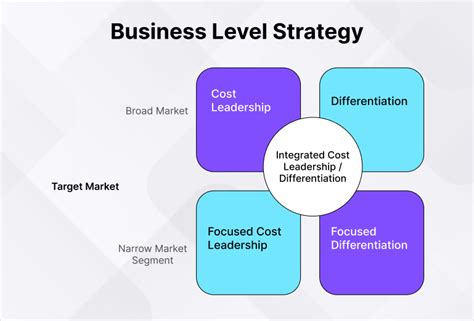
Another area where Son’s return has a measurable impact is in bolstering Tottenham’s standings in the short term. The premier league table is often decided by fine margins, especially in the race for European spots or title contention. If Tottenham are within striking distance of the top four or looking to consolidate a position in the upper echelons of the table, Son’s goals and assists in the next few matches could be the difference between gaining three points or dropping points. For instance, if Tottenham are scheduled to play a series of games against teams in the bottom half of the table, Son’s involvement could turn potential draws into wins. A run of three consecutive victories propelled by Son’s contributions might see Tottenham leapfrog one or two rivals, especially if those rivals stumble in their own fixtures. Conversely, without Son, Tottenham might struggle to convert chances, as seen in certain matches this season where their attack lacked a cutting edge in his absence.
It is also worth considering how Son’s return affects managerial decision-making. Ange Postecoglou, or any manager at the helm, is likely to structure the team differently when Son is available. His versatility allows for tactical tweaks that might not be possible with other players. For example, Son can operate as a central striker in a false-nine role if needed, particularly if Tottenham are without a traditional number nine due to injury or rotation. This flexibility can be crucial in matches where the opposition deploys a high press, as Son’s ability to drop deep and link play can disrupt pressing systems. Additionally, his return might allow Postecoglou to rotate other key players, such as Richarlison or Brennan Johnson, without a significant drop in attacking quality. This rotational advantage is particularly important during periods of fixture congestion, such as the Christmas schedule or cup runs, where squad depth is tested.
From a statistical perspective, Son’s return often correlates with an uptick in Tottenham’s expected goals (xG) and actual goals scored. Analyzing historical data, Tottenham’s xG tends to rise when Son is on the field, particularly in games where he occupies advanced positions. His movement off the ball creates opportunities not just for himself but for his teammates, as defenders are drawn to mark him tightly. This creates space for others, a phenomenon that can be particularly impactful in games where Tottenham need to break down stubborn defenses. For instance, in matches where Tottenham have struggled to convert possession into goals—such as their recent draws against defensively solid teams—Son’s return could see them convert more of their half-chances into tangible results.
However, it is important to temper expectations with a note of caution. While Son’s return is undoubtedly a positive, his immediate form and fitness must be factored into the equation. If he is returning from injury, there is always the risk of rustiness or a lack of match sharpness, which could limit his effectiveness in the first one or two games. Managers often ease star players back into the fold gradually, which might mean Son starts on the bench or plays limited minutes initially. This could temper his impact in the very next match but would likely see him regain full sharpness for subsequent fixtures. Teams must also be wary of over-relying on Son, as this can sometimes lead to a lack of cohesion if the team becomes too Son-centric in their approach.
- Son’s return enhances Tottenham’s ability to break down deep-lying defenses with his pace and movement.
- His psychological impact can help stabilize the team during periods of pressure or poor results.
- Tactical flexibility allows Postecoglou to experiment with formations and player roles.
- Statistical trends suggest an uptick in Tottenham’s attacking output when Son is involved.
- Rotation options provided by his presence can help manage squad fatigue during busy periods.
In conclusion, Son Heung-min’s return is likely to have an immediate and multifaceted impact on Tottenham’s short-term outcomes. From a tactical standpoint, he offers the team greater attacking variety and the ability to exploit specific weaknesses in upcoming opponents. Psychologically, his presence can galvanize the squad and provide a much-needed boost in confidence. In terms of results, his involvement could be the catalyst for turning potential draws into wins, thereby improving Tottenham’s position in the league table. However, his effectiveness will also depend on his fitness and integration back into the team dynamic. If these factors align, Tottenham could see a noticeable improvement in their performance and standings in the immediate future.
Long-Term Implications for Tottenham
Son Heung-min's return to Tottenham Hotspur after injury or international duty is more than just a boost to the starting lineup—it carries profound long-term implications for the club's trajectory in the current season and beyond. As one of Tottenham's most influential players, Son embodies not only technical skill but also a psychological and emotional presence that can shape the team's ambitions, transfer market dynamics, and the club's legacy in the Premier League and European football.
First and foremost, Son's return has an immediate impact on Tottenham's season goals. The South Korean forward is not just a prolific scorer but also a player who elevates the performance of those around him. His ability to stretch defenses with his pace, coupled with his clinical finishing and tendency to deliver in high-pressure situations, makes him a linchpin in Tottenham's attacking setup. This season, Tottenham has set its sights on re-establishing itself as a top-four contender in the Premier League and potentially mounting a deep run in European competitions. Without Son, the burden of goal-scoring often falls disproportionately on Harry Kane or other attacking players, which can limit the team's tactical flexibility. With Son back, Tottenham regains a player who can operate effectively in multiple roles—whether as a wide forward cutting inside, a false nine, or even as part of a fluid front three. This versatility gives manager Ange Postecoglou more options to experiment with formations and strategies, particularly in games where breaking down a low block or exploiting counterattacks is critical.
In the context of transfer strategies, Son's return and sustained form could influence Tottenham's approach in upcoming transfer windows. Historically, Tottenham has been cautious in the transfer market, often relying on a core group of players to deliver results rather than making high-profile signings. However, Son's importance highlights a potential vulnerability: the team's over-reliance on a small number of star players. If Son were to suffer another injury or experience a dip in form, Tottenham's lack of depth in attacking positions could be exposed. This realization might push the club to invest in versatile wingers or attacking midfielders who can provide cover and competition for Son. Additionally, his presence might encourage the club to prioritize players who complement his style—fast, technically gifted individuals who can thrive in a high-pressing, possession-oriented system. For instance, Tottenham might look to sign players who can operate in the half-spaces, allowing Son to exploit the wider areas where he is most effective. This strategic shift could also extend to reinforcing the midfield, as Son's effectiveness is often linked to the quality of service he receives from deeper positions.
Beyond the tactical and personnel considerations, Son's return also has a psychological dimension that could shape Tottenham's season. His leadership qualities and positive demeanor are well-documented, and his presence in the dressing room can inspire confidence among teammates. In moments of adversity—such as a string of poor results or a challenging fixture list—having a player of Son's caliber and mentality can serve as a stabilizing force. This intangible quality is particularly important for a team like Tottenham, which has often been criticized for its inconsistency in maintaining a title challenge or capitalizing on key moments in the season. Son's return could act as a catalyst for renewed belief, particularly if he quickly finds form and starts contributing goals and assists. This psychological boost can extend to the fanbase as well, as Son is a beloved figure whose performances often galvanize supporters and create a sense of unity and optimism around the club.
Looking at the broader legacy of Son's time at Tottenham, his return also has implications for how the club is perceived both domestically and internationally. Son is not just a player for Tottenham; he is a global ambassador for the club, particularly in Asia, where his popularity transcends football. His return signals to fans, sponsors, and potential recruits that Tottenham is a club committed to retaining and nurturing world-class talent. This is particularly important as the club seeks to redefine its identity in the post-Pochettino era. Under new management, Tottenham is attempting to balance short-term competitiveness with long-term sustainability. Son's return reinforces the narrative that Tottenham is not just a stepping stone for players but a destination where careers can flourish and legacies can be built. This perception can influence future transfer targets, particularly those who might see Tottenham as a platform to achieve both individual and collective success.
Moreover, Son's return could play a role in shaping Tottenham's long-term playing philosophy. The club has often oscillated between styles of play—sometimes prioritizing defensive solidity, other times embracing a more attacking ethos. Son's skill set aligns with a dynamic, high-energy approach that emphasizes pressing, quick transitions, and fluid movement in the final third. His presence could encourage Tottenham to double down on this style of play, particularly under a manager like Postecoglou, who values attacking intent and creativity. If Son continues to thrive in this system, it could set a precedent for the type of players Tottenham seeks to recruit in the future—players who are not only technically gifted but also adaptable to a high-tempo, aggressive style of football. This could help Tottenham carve out a distinct identity in the Premier League, distinguishing itself from rivals who may prioritize different tactical approaches.
Finally, it is worth considering how Son's return fits into the narrative of his own legacy at Tottenham. As one of the club's all-time greats, Son is at a stage in his career where he is not only playing for immediate success but also for his place in Tottenham's history books. A strong return could see him surpass personal milestones, such as climbing higher in the list of Tottenham's all-time goal-scorers or leading the team to a major trophy. These achievements would cement his status as a club legend and could even influence his own career decisions—whether to remain at Tottenham for the long term or seek new challenges elsewhere. For the club, retaining Son as a symbol of excellence and continuity could be as important as any transfer acquisition, as it sends a message of stability and ambition to the wider football world.
In conclusion, Son Heung-min's return to Tottenham is not merely a short-term fix for the team's immediate needs. It carries weighty implications for the club's season goals, transfer strategies, and legacy. From enabling tactical flexibility and inspiring confidence to shaping transfer market priorities and reinforcing Tottenham's identity, Son's presence is a cornerstone of the club's present and future. His impact extends beyond the pitch, influencing how Tottenham is perceived by fans, rivals, and the broader football ecosystem. In this sense, Son's return is not just about the here and now—it is about laying the foundation for what Tottenham can become in the seasons to come.
Conclusion: The Bigger Picture
The return of Son Heung-min to Tottenham Hotspur is not merely a narrative of a star player rejoining his club after international duty or injury recovery. It represents a convergence of sporting, cultural, and commercial dynamics that extend far beyond the boundaries of one club or one league. To fully grasp the broader significance of Son's return, we must examine the multifaceted impact he has on Tottenham, the Premier League, and even the global football ecosystem.
At the most immediate level, Son's return bolsters Tottenham's on-field capabilities in a way few players can match. As one of the most prolific attackers in the Premier League, his presence injects a level of dynamism and unpredictability into Tottenham's forward line. His ability to score from a variety of positions—whether cutting in from the left, playing centrally, or exploiting space on the counterattack—makes him an invaluable asset. This season, Tottenham has struggled at times with consistency in attack, particularly in the absence of a fully fit attacking unit. With Son back, the team regains not just a goal scorer but a player whose movement and off-the-ball intelligence open opportunities for others. This is particularly critical in a league as competitive as the Premier League, where even a slight edge in attacking efficiency can be the difference between a top-four finish and mid-table obscurity.
However, Son's return is not just about individual brilliance; it is about the psychological lift he provides to the team and its supporters. Tottenham Hotspur has often been described as a club that thrives on momentum and emotional energy. In recent years, Son has emerged as a talismanic figure, embodying the resilience and work ethic that fans associate with the club's identity. When he is on the pitch, his infectious enthusiasm and unwavering commitment serve as a rallying point for teammates and fans alike. This intangible quality—often referred to as "team spirit"—can be just as influential as technical skill in close contests. For a club like Tottenham, which has faced criticism for its inconsistency and occasional lack of cohesion, Son's return symbolizes a return to stability and a reaffirmation of collective purpose.
Beyond Tottenham, Son's presence has a ripple effect across the Premier League that is worth exploring. As one of the league's most marketable and globally recognized players, he is a key figure in the Premier League's strategy to maintain its status as the most-watched football league in the world. The South Korean market, in particular, has become a lucrative audience for Premier League broadcasters and sponsors, largely due to Son's popularity. His return ensures that matches involving Tottenham continue to draw significant viewership from Asia, which has a direct impact on television rights deals and sponsorship revenues. This commercial dimension underscores how individual players like Son are not just athletes but also ambassadors for the league's global brand. In an era where leagues are competing for international eyeballs, Son's return is a reminder of how player-driven narratives can sustain and grow the Premier League's appeal in non-European markets.
There is also a cultural dimension to Son's significance that extends beyond the purely commercial. As one of the few Asian players to achieve superstar status in European football, his success challenges long-standing stereotypes about the capabilities of Asian athletes in global sports. His return to Tottenham is not just a personal achievement but a symbol of progress for diversity and representation in football. Young players in South Korea, Japan, China, and beyond see in Son a blueprint for what is possible. This cultural impact is amplified when he performs on the Premier League stage, as it reinforces the idea that the league is a space where talent from all corners of the world can thrive. In this sense, Son's return is not just a win for Tottenham but a reaffirmation of the Premier League's identity as a melting pot of global footballing excellence.
Another layer to consider is the tactical evolution Son's return might catalyze within Tottenham and the league. Managers and analysts often discuss how top-tier players force teams to adapt their strategies. Son’s versatility means he can be deployed in multiple systems, whether as part of a front two, a wide forward in a 4-3-3, or even as a false nine in more experimental setups. His return not only gives Tottenham's manager tactical flexibility but also prompts opposing teams to prepare differently. This tactical ripple effect extends to the broader Premier League, where the presence of elite players like Son raises the overall standard of play. Coaches and players are pushed to innovate and improve to counteract the threat posed by such individuals, which contributes to the league's reputation for high-quality, competitive football.
From a long-term perspective, Son's return also has implications for Tottenham's project under its current leadership. The club has been at a crossroads in recent years, with questions about its ability to compete consistently at the highest level. While Son alone cannot address all of Tottenham's structural challenges—such as squad depth, managerial stability, and transfer strategy—his return serves as a reminder of what the club can achieve when its best players are available. It also places a spotlight on how Tottenham must build around him to ensure sustainable success. This is particularly relevant in the context of the Premier League's financial arms race, where clubs like Manchester City, Liverpool, and Arsenal are investing heavily in squad depth and infrastructure. Son’s return can be seen as a call to action for Tottenham to strengthen its supporting cast and ensure that his talents are complemented by a well-rounded team capable of challenging for major honors.
On a macro level, Son’s return also reflects the growing interdependence between individual players and the global football economy. His influence extends to merchandise sales, social media engagement, and even tourism. When Son plays, Tottenham’s stadium often sees an influx of South Korean visitors, contributing to local economies and reinforcing London’s status as a global football destination. This interplay between player and place is a microcosm of how modern football operates as a business. It is no longer enough for a player to perform well; their presence must also contribute to the broader ecosystem of revenue generation and fan engagement. In this regard, Son’s return is a case study in how star players are integral to the financial health of clubs and leagues in the 21st century.
Lastly, we must consider the narrative potential of Son's return in the context of the Premier League's storytelling. The league thrives on storylines—rivalries, comebacks, underdog tales—that captivate audiences. Son's journey, from his early struggles in Europe to becoming one of the league's most beloved figures, is a compelling arc that adds depth to the Premier League's appeal. His return is not just a moment in time but part of a larger story about perseverance, excellence, and the global nature of modern football. This narrative richness ensures that his presence on the pitch is not just a tactical or commercial asset but a cultural touchstone that enriches the league's identity.
In conclusion, Son Heung-min's return to Tottenham is a microcosm of the interconnectedness of modern football. It is a story of individual brilliance, team dynamics, commercial strategy, cultural representation, and the Premier League's ongoing quest to remain the pinnacle of global football. While his immediate impact will be felt on the pitch, the broader significance of his return lies in how it symbolizes the confluence of sport, business, and culture in the contemporary football landscape. For Tottenham, the Premier League, and the global audience, Son's return is a reminder of why football remains one of the most powerful and unifying forces in the world.