Introduction to Supercopa de España 2023
The Supercopa de España is one of the most prestigious football tournaments in Spain, serving as a curtain-raiser of sorts for the top-tier teams that have excelled in the previous season. Traditionally, it has been a competition that pits the winners of La Liga and the Copa del Rey against each other in a two-team showdown. However, the format underwent a significant transformation in recent years, expanding to include more teams and giving the event a fresh dynamic. The 2023 edition of the Supercopa de España stands as a testament to this evolution, bringing together not just the champions but also the runners-up of Spain's two premier competitions in a four-team mini-tournament format.
The significance of the Supercopa de España in Spanish football cannot be overstated. While it may not carry the weight of La Liga or the emotional depth of the Copa del Rey, it holds a unique place as a competition that rewards immediate excellence. For the teams involved, it is an opportunity to secure an early-season trophy, set a psychological tone for the campaign ahead, and assert dominance in the Spanish football hierarchy. For fans, it provides a thrilling spectacle, often serving as a stage for high-profile clashes between Spain's footballing giants like Real Madrid, Barcelona, Atlético Madrid, and occasionally other contenders who rise through the ranks of domestic success.
The 2023 edition of the Supercopa de España was particularly intriguing due to its context within the broader landscape of Spanish football. Held in January, the tournament acted as a mid-season interlude, offering teams a chance to recalibrate their ambitions after the first half of the season. Unlike the traditional knockout competitions that test endurance over multiple rounds, the Supercopa de España's compact nature—spanning just a few days—places immense pressure on teams to perform at their peak almost immediately. This dynamic often leads to unexpected outcomes, as even the slightest dip in form or squad rotation can tilt the balance in favor of an underdog.
One of the key aspects of the 2023 Supercopa was its venue. Since 2020, the tournament has been held outside Spain, primarily in Saudi Arabia, as part of a lucrative hosting agreement. This move has sparked debates among purists who argue that the competition loses some of its cultural essence when played abroad. However, from a practical standpoint, the international venue has allowed the Royal Spanish Football Federation (RFEF) to significantly increase the tournament's revenue, which in turn supports grassroots football initiatives in Spain. The 2023 edition in Saudi Arabia was no different, with the event drawing global attention and showcasing Spanish football's appeal on an international stage.
The participating teams in the 2023 Supercopa de España were determined by the outcomes of the 2021-2022 domestic season. Real Madrid, as the La Liga champions, and Real Betis, as the Copa del Rey winners, were automatic qualifiers. They were joined by Barcelona and Valencia, the respective runners-up of La Liga and the Copa del Rey. This lineup created a diverse mix of teams, each with distinct narratives. Real Madrid sought to reaffirm their dominance after a strong previous season, while Barcelona, in a period of transition under Xavi Hernández, aimed to reassert themselves as a force to be reckoned with. Real Betis, often considered a dark horse, brought an element of unpredictability, and Valencia, despite struggles in La Liga, had a chance to salvage their season with a strong Supercopa performance.
The format of the 2023 Supercopa de España followed the "Final Four" structure introduced in 2020. This included two semi-finals, with the winners advancing to the final, and a third-place playoff for the losing semi-finalists. This format not only extended the tournament's duration but also added an extra layer of competition, as even the third-place match became a meaningful fixture. For teams like Valencia and Real Betis, who might not regularly feature in such high-stakes games against the likes of Real Madrid and Barcelona, this was an opportunity to test their mettle and gain invaluable experience.
The broader significance of the 2023 Supercopa de España lies in its role as a barometer for Spanish football's health and competitiveness. With La Liga increasingly challenged by the financial might of the Premier League and the tactical depth of other European leagues, the Supercopa serves as a showcase of Spain's top-tier talent. It also provides a platform for emerging players to shine on a big stage. For instance, young talents from Barcelona's famed La Masia academy or Real Betis' youth system often use the Supercopa as a springboard to establish themselves in the first team. This dynamic underscores the tournament's dual role as both a competitive event and a developmental opportunity.
In terms of historical context, the Supercopa de España has often been a harbinger of things to come in the domestic season. Teams that perform well in the Supercopa frequently carry that momentum into La Liga and European competitions. For example, Real Madrid's participation in the 2023 edition came at a time when they were not only defending their La Liga title but also aiming for European glory in the UEFA Champions League. For Barcelona, the Supercopa represented a chance to rebuild confidence after a period of inconsistency. The outcomes of these matches often provide clues about team dynamics, managerial strategies, and player fitness levels, all of which are critical as the season progresses.
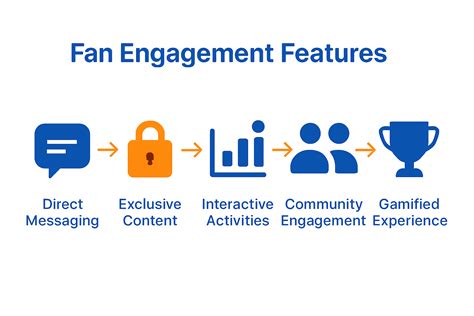
The fan engagement aspect of the 2023 Supercopa de España was also noteworthy. While the tournament's move to Saudi Arabia has drawn criticism for alienating local Spanish fans, it has simultaneously broadened the competition's global reach. Streaming services and international broadcasters ensured that fans across the world could tune in, making the Supercopa a truly global event. This shift reflects the changing nature of football as a sport, where commercial interests and fan accessibility often intersect in complex ways. For Spanish football, this represents both an opportunity and a challenge—how to maintain the tournament's identity while embracing its newfound international appeal.
Another unique feature of the 2023 edition was the emphasis on sportsmanship and fair play. In recent years, the RFEF has made efforts to position the Supercopa de España as a competition that promotes positive values in football. This included initiatives like pre-match ceremonies emphasizing respect between teams and post-match recognition of players who demonstrated exemplary conduct. Such efforts not only enhance the tournament's reputation but also align it with the broader goals of promoting football as a unifying and ethical sport.
In summary, the Supercopa de España 2023 was more than just a mid-season competition; it was a microcosm of Spanish football's current state—a blend of tradition and innovation, domestic pride and global ambition. The tournament's expanded format, international venue, and diverse participant lineup made it a compelling event that resonated with both local and global audiences. As Spanish football continues to navigate the challenges of modernity, the Supercopa de España remains a vital touchstone, celebrating the sport's rich history while adapting to the demands of a rapidly evolving landscape.
Historical Background of Supercopa de España
The **Supercopa de España** is one of the most prestigious football tournaments in Spain, serving as a curtain-raiser to the domestic season while pitting some of the country's top teams against each other. Its **historical roots** are deeply intertwined with the evolution of Spanish football, reflecting the sport's growing commercialization, competition, and cultural significance over the decades. To understand the **2023 edition** of the Supercopa, it is essential to delve into its origins, evolution, and the legacy of past winners that have shaped its modern identity.
The **origins of the Supercopa de España** can be traced back to 1940, though it was not formalized in its current structure until much later. The inaugural edition was known as the **Copa de Campeones**, a one-off match played between **Club Atlético de Bilbao** (now Athletic Bilbao) and **Racing de Ferrol**. This match was organized to celebrate Athletic Bilbao's league and cup double in the 1939-40 season. However, this initial concept was not repeated annually, and the idea of a "super cup" languished for several decades. It was only in **1982** that the modern Supercopa de España was officially established as a recurring competition.
The **formal inception in 1982** came as a result of the Spanish football authorities' desire to create a high-profile event that would celebrate the achievements of the previous season's champions. The format was simple: the winners of the **La Liga** title and the **Copa del Rey** would face off in a two-legged tie. This setup was inspired by similar "super cup" competitions in other European countries, such as Italy's Supercoppa Italiana and France's Trophée des Champions. The first official Supercopa in 1982 saw **Real Sociedad**, the league champions, face off against **Real Madrid**, the Copa del Rey winners. Real Sociedad emerged victorious, setting the tone for what would become a recurring showcase of Spanish football's elite.
In its early years, the Supercopa was often seen as a **secondary competition** compared to La Liga and the Copa del Rey. However, its appeal grew as it provided a stage for fierce rivalries, particularly between **Real Madrid** and **Barcelona**, the two dominant forces in Spanish football. These matches often carried added significance due to the historical and cultural rivalry between the two clubs. For instance, the **1988 edition** saw Barcelona, led by manager **Terry Venables**, defeat Real Madrid in a highly charged tie, underscoring the tournament's potential to amplify domestic tensions.
Over time, the **evolution of the Supercopa de España** mirrored broader changes in football. By the late 1990s and early 2000s, the competition began to reflect the increasing **globalization of the sport**. Spanish clubs, especially Real Madrid and Barcelona, were becoming major players on the European stage, with their stars gaining international fame. This elevated the Supercopa's profile as a showcase event. For example, the **2009 Supercopa** featured a thrilling contest between Barcelona, fresh off their treble-winning season under **Pep Guardiola**, and Athletic Bilbao. Barcelona's 5-1 aggregate victory highlighted not only their domestic dominance but also their tactical innovation, which was beginning to reshape global football.
The **list of past winners** leading up to 2023 is a testament to the competition's dynamic nature. Real Madrid and Barcelona have been the most successful teams in the tournament's history, with Real Madrid winning the Supercopa **12 times** and Barcelona **14 times** as of 2023. However, other clubs have also left their mark. **Deportivo La Coruña**, for instance, won the Supercopa in 2000 and 2002 during their golden era, while **Valencia** claimed the title in 1999 and 2019, showcasing the potential for mid-tier teams to challenge the giants.
One of the most significant **shifts in the Supercopa's format** occurred in **2019**, when the tournament was revamped to include four teams instead of two. This change was partly driven by commercial interests, as the Spanish Football Federation (RFEF) sought to make the competition more appealing to international audiences. The new format pitted the winners and runners-up of both La Liga and the Copa del Rey against each other in a four-team knockout tournament held outside Spain. The inaugural edition of this revamped Supercopa was held in **Saudi Arabia**, a move that attracted both praise for its financial windfall and criticism for its perceived prioritization of revenue over tradition.
This format change has had a notable impact on the competition's dynamics. For instance, the **2022 Supercopa** saw **Real Madrid** defeat **Athletic Bilbao** in the final, with the tournament providing a platform for teams to test their mettle in a high-stakes environment before the league season's resumption. The inclusion of runners-up also allowed teams like **Atlético Madrid** and **Athletic Bilbao** to remain competitive in the tournament despite not winning their respective domestic titles.
The **2023 Supercopa de España**, held in this expanded format, continued to build on the tournament's legacy. While the specific matchups and outcomes of 2023 are shaped by the performances of the qualifying teams, the historical context shows how the Supercopa has evolved from a modest celebratory match in 1940 to a globally recognized event. The competition now not only honors domestic success but also serves as a **litmus test for teams' readiness** for European competitions and the grueling La Liga campaign.
Looking back at **past winners**, it is evident that the Supercopa has often been a barometer of a team's form and ambition. For instance, Barcelona's dominance in the 2010s, when they won the tournament six times between 2009 and 2019, coincided with their golden era under Guardiola and later **Luis Enrique**. Similarly, Real Madrid's victories in the 2010s and early 2020s reflected their ability to rebuild and remain competitive even during transitional periods. Smaller clubs like **Mallorca** (winners in 1998) and **Zaragoza** (1996) also had their moments of glory, proving that the Supercopa can occasionally offer underdog stories that resonate with fans.
The **historical trajectory of the Supercopa de España** reveals a competition that has grown in stature and complexity. From its humble beginnings as a one-off match to its current status as a high-profile, multi-team event held in international venues, the Supercopa encapsulates the **dynamic evolution of Spanish football**. Its past winners—ranging from perennial giants like Real Madrid and Barcelona to occasional disruptors like Deportivo La Coruña—highlight how the tournament has adapted to the shifting landscape of the sport while retaining its core purpose of celebrating excellence.
- The Supercopa began as a one-off match in 1940 but was formalized in 1982.
- Real Madrid and Barcelona have been the most successful teams, though other clubs like Valencia and Deportivo La Coruña have also triumphed.
- The 2019 format change introduced a four-team knockout structure held abroad, signaling a shift toward commercialization.
In summary, the Supercopa de España is not merely a prelude to the football season but a **microcosm of Spanish football's history**—reflecting its traditions, rivalries, and the relentless pursuit of excellence by its participants. As the tournament continues to adapt to modern demands, its historical background serves as a reminder of how football competitions can evolve while staying rooted in their original purpose.
Format and Structure of the 2023 Tournament
The Supercopa de España 2023 featured a competition format that blended tradition with modern tournament dynamics, emphasizing high-stakes matches and a compact schedule to maximize fan engagement and player intensity. This year’s edition was a prime example of how football federations are experimenting with formats to create a more engaging and competitive spectacle while respecting the physical demands on players during a congested season.
The tournament involved four teams, a structure that has been in place since the Supercopa was revamped in 2019. These teams were determined based on their performance in the previous season's domestic competitions. Specifically, the participants included the winners and runners-up of La Liga and the winners and runners-up of the Copa del Rey. If a team qualified through both routes (as often happens with dominant clubs like Barcelona or Real Madrid), the next highest-ranked team in the Copa del Rey was invited. This ensured that the tournament was not limited to just two teams, as was the case in its earlier iterations, but instead offered a more diverse representation of top-tier Spanish football.
The competition followed a knockout format, consisting of two semi-finals and a final. There was no third-place playoff, a decision that streamlined the event and avoided placing additional strain on the losing semi-finalists. Each match was treated as a standalone contest, with no aggregate scoring or away goals rule applied—every game was a clean slate, adding to the drama of each encounter.
The semi-finals were played on January 11 and 12, 2023, at the King Fahd International Stadium in Riyadh, Saudi Arabia. This marked the continuation of the Supercopa’s association with Saudi Arabia as a host country, a move that has drawn both praise for its financial incentives and criticism for ethical concerns regarding the host nation's human rights record. Each semi-final pitted one La Liga winner or runner-up against a Copa del Rey representative. For example, if Barcelona won La Liga and faced Copa del Rey runners-up Athletic Club, the matchup would be determined by a pre-set draw. This randomness introduced an element of unpredictability, as stronger teams could face each other earlier in the competition rather than being seeded to meet in the final.
The match rules adhered to standard FIFA and UEFA regulations for professional football. Matches were 90 minutes long, divided into two halves of 45 minutes each. In the event of a draw at the end of regulation time, extra time consisting of two 15-minute periods was played. If the deadlock persisted, the winner was determined by a penalty shootout. This ensured that every match had a definitive outcome on the day, avoiding the need for replays or extended tournament timelines. Additionally, the rules allowed for five substitutions per team, in line with post-pandemic adjustments made to reduce player fatigue. This was particularly significant given the physical toll of playing in a high-stakes mid-season tournament in a foreign climate.
One unique aspect of the 2023 Supercopa was the use of semi-automated offside technology, which was being trialed in high-profile tournaments. This technology, combined with VAR (Video Assistant Referee), aimed to provide faster and more accurate offside decisions. While this innovation was praised for its potential to reduce refereeing errors, it also sparked debates about the increasing reliance on technology in football and its impact on the flow of the game. The 2023 Supercopa served as a testing ground for how such systems could be integrated into Spanish football more broadly.
The final took place on January 15, 2023, at the same venue. The scheduling of matches was deliberate, with a two-day gap between the semi-finals and the final to allow teams some recovery time. However, this short turnaround was still a point of contention among coaches and players, who argued that it limited their ability to field fully fit squads, especially if extra time was required in the semi-finals. The tight schedule highlighted the tension between commercial interests (maximizing the event’s visibility and revenue) and the athletic well-being of the participants.
The schedule specifics were crafted to align with prime-time viewing in both Spain and the host country. Matches were typically scheduled in the early evening local time to cater to Spanish audiences watching live broadcasts in the late afternoon or early evening. This timing strategy also ensured that the Saudi audience, who were instrumental in the event's commercial success, could attend matches in person during comfortable weather conditions. The compact nature of the tournament—four matches over five days—made it a sprint rather than a marathon, which appealed to fans seeking concentrated action but posed logistical challenges for teams and organizers.
An often-overlooked detail of the 2023 format was the prize money distribution, which was tied not only to the victor but also to participation and progression. While the exact figures were not always publicized, the financial incentives for reaching the final or winning the tournament were significant. This added an extra layer of motivation for teams, particularly those outside the traditional "big two" of Spanish football, who saw the Supercopa as an opportunity to secure both prestige and much-needed revenue. For smaller clubs or less frequent participants, the tournament was not just about glory but also about sustainability in an increasingly competitive financial landscape.
The 2023 format also emphasized fan engagement through localized events in Riyadh. Organizers arranged fan zones, meet-and-greets with legends of Spanish football, and other activities to build a festival-like atmosphere around the matches. While this was a clear attempt to justify the tournament's international hosting, it also provided a unique experience for fans who might not typically have access to such high-profile games. However, critics pointed out that the Supercopa’s move away from Spain diluted its connection to its home audience, particularly for fans of participating teams who could not travel to Saudi Arabia.
From a competitive standpoint, the 2023 format showcased the growing parity in Spanish football. While perennial giants like Real Madrid and Barcelona were present, the inclusion of other strong teams (such as Real Betis or Valencia in recent years) underscored how the Copa del Rey’s broader pool of contenders could influence the Supercopa. This added intrigue, as matches were not always predictable, and upsets were a genuine possibility. For instance, a semi-final between a Copa del Rey winner and a La Liga giant often became a showcase for tactical innovation, as underdogs sought to exploit any weaknesses in their more illustrious opponents.
In summary, the format and structure of the 2023 Supercopa de España reflected a blend of traditional knockout excitement and modern tournament management. With four teams, a straightforward knockout system, advanced technology like semi-automated offside tools, and a mid-season international hosting arrangement, the tournament balanced spectacle with practicality. However, it also raised questions about the long-term sustainability of such formats, particularly regarding player welfare, fan accessibility, and the ethical implications of hosting in Saudi Arabia. These elements made the 2023 Supercopa not just a footballing event but also a case study in how sports tournaments evolve in response to commercial, technological, and ethical pressures.
Participating Teams and Their Journey
The Supercopa de España 2023 brought together four of Spain’s top football teams in a high-stakes tournament that served as both a showcase of skill and a test of resilience. This section delves into the teams that qualified for the competition, the paths they took to secure their spots, and their form as they prepared to battle for the trophy.
The 2023 Supercopa de España featured Real Madrid, Barcelona, Real Betis, and Valencia. These teams earned their places based on their performances in the previous season’s domestic competitions—La Liga and the Copa del Rey. Each team arrived with its own narrative, shaped by recent successes, struggles, and the weight of expectations.
The qualification criteria for the Supercopa de España had evolved in recent years. Traditionally a two-team affair between the La Liga champion and the Copa del Rey winner, the format was expanded in 2019 to include four teams: the La Liga winner, the Copa del Rey winner, and the runners-up of both competitions. This change aimed to increase the tournament's appeal and competitiveness, and the 2023 edition was no exception in demonstrating the diversity of paths teams took to qualify.
Let us examine each team’s journey and form in detail:
- Real Madrid
As the 2021-22 La Liga champions, Real Madrid entered the Supercopa de España as one of the favorites. Their path to qualification was paved by a dominant league campaign in which they amassed 86 points, finishing 13 points clear of second-place Barcelona. Under the guidance of manager Carlo Ancelotti, Real Madrid had displayed a blend of tactical flexibility and individual brilliance, particularly from key players like Karim Benzema and Vinícius Júnior. However, their form leading into the tournament was slightly patchy. While they were still competitive in La Liga, they had shown vulnerabilities in high-pressure matches, including a loss to Barcelona in the season's first El Clásico. This raised questions about their ability to maintain peak performance in knockout scenarios, but their experience in such tournaments made them a formidable opponent.
- Barcelona
Barcelona qualified as the 2021-22 Copa del Rey runners-up, having lost the final to Real Betis. Despite this setback, their presence in the Supercopa was a testament to their resilience in cup competitions. Barcelona’s journey to this point was marked by a period of transition. After financial difficulties forced the departure of star players like Lionel Messi, the team was in the midst of rebuilding under Xavi Hernández. Their form leading into the tournament was inconsistent. While they had shown flashes of brilliance, including strong performances in the UEFA Champions League group stage, they were also prone to defensive lapses and struggled to find a consistent attacking rhythm. Nevertheless, the Supercopa offered Barcelona a chance to prove their progress and compete for silverware in a season where they were not the dominant force in La Liga.
- Real Betis
Real Betis earned their spot as the 2021-22 Copa del Rey champions, marking a historic achievement for the club. Their victory over Barcelona in the final was a testament to their tactical discipline and the leadership of manager Manuel Pellegrini. Real Betis had been one of La Liga's surprise packages in recent years, combining attacking flair with solid defensive organization. Leading into the Supercopa, their form was promising. They were comfortably positioned in the top half of La Liga and had demonstrated an ability to upset bigger teams. Players like Nabil Fekir and Sergio Canales were in good form, providing creativity and goal-scoring threat. However, as a team less accustomed to competing in high-profile tournaments like the Supercopa, there was an element of uncertainty about how they would handle the pressure of facing giants like Real Madrid and Barcelona.
- Valencia
Valencia qualified as the 2021-22 Copa del Rey semifinalists (owing to Barcelona’s status as runners-up and Real Betis’ win) and their position as one of the higher-ranked teams in La Liga outside the direct qualification spots. Their journey to the Supercopa was less straightforward than the other teams, as they were not direct winners or runners-up of a major competition. Valencia’s form leading into the tournament was mixed. They were a mid-table team in La Liga, struggling to find the consistency that had once made them a regular contender for European places. Under manager Gennaro Gattuso, Valencia had shown a combative spirit but lacked the cutting edge needed to challenge the elite teams. Their qualification was seen as an opportunity to reignite their season, but their underdog status was evident compared to the other participants.
Each team’s form leading into the Supercopa de España was influenced not only by their domestic performances but also by the broader context of their seasons. Real Madrid, despite occasional stumbles, had the advantage of experience and a squad accustomed to competing at the highest level. Their recent UEFA Champions League triumph in 2022 added to their aura of invincibility in knockout formats. Barcelona, on the other hand, was in a period of flux. Xavi’s project was still finding its footing, and while the team had moments of promise, they were far from the dominant force they once were.
Real Betis brought a sense of excitement and unpredictability. Their cup triumph was no fluke; they had shown the ability to outwit stronger teams with a blend of tactical nous and individual brilliance. However, the Supercopa represented a step up in terms of pressure and expectations. For Valencia, the tournament was less about title aspirations and more about using the platform to rebuild confidence. Gattuso’s team was in a transitional phase, and while they had the potential to cause upsets, their form suggested they were the weakest link in the competition.
The dynamics of the 2023 Supercopa de España were further shaped by the unique format of the competition, which pitted the teams in a semifinal stage before the finalists clashed for the trophy. This meant that every match was a high-stakes affair, with no room for error. For Real Madrid and Barcelona, the Supercopa was not just about adding another trophy but also about asserting dominance in a season where their La Liga campaigns were under scrutiny. For Real Betis and Valencia, it was an opportunity to make a statement and potentially upset the established hierarchy.
In summary, the paths to qualification and the form of the participating teams created a fascinating backdrop for the 2023 Supercopa de España. Real Madrid and Barcelona brought star power and legacy, while Real Betis and Valencia represented the potential for upsets and new narratives. The tournament was not just a contest of skill but also a reflection of the diverse journeys that brought these teams to this stage, each carrying its own blend of ambition, pressure, and unpredictability.
Key Players to Watch
The Supercopa de España 2023 is not just a showcase of team strategies and managerial prowess but also a battleground for individual brilliance. This year’s edition features some of the most dynamic players in world football, each capable of swinging the momentum of a match with a moment of genius. Below, we examine the standout players from each competing team, their recent performances, and the potential impact they could have on this high-stakes tournament.
Starting with Real Madrid, the perennial giants of Spanish football, their squad boasts a blend of seasoned veterans and emerging talents. One player who demands attention is Vinícius Júnior. The Brazilian winger has been a revelation for Los Blancos in recent seasons, evolving from a raw talent into a consistent match-winner. His ability to take on defenders one-on-one, coupled with his improved finishing, makes him a constant threat. In the 2022-23 season, Vinícius scored 10 goals and provided 6 assists in La Liga before the winter break, demonstrating his importance to Real Madrid's attack. His recent performances in high-pressure games, such as the Champions League group stage, where he often drew double teams, underline his growing influence. In the Supercopa, his direct runs and link-up play with Karim Benzema could unsettle even the most organized defenses.
Another key figure for Real Madrid is Federico Valverde. The Uruguayan midfielder has become a linchpin in Carlo Ancelotti’s system, offering both defensive solidity and attacking dynamism. Valverde’s stamina and box-to-box play allow him to cover vast areas of the pitch, and his long-range shooting has become a potent weapon. In the 2022-23 campaign, he has already scored crucial goals, including a screamer against Barcelona in El Clásico. His versatility—capable of playing as a central midfielder, winger, or even a makeshift right-back—makes him a tactical wildcard. In the Supercopa, expect Valverde to be deployed in a role that maximizes his energy and ability to break lines, particularly against teams that prioritize possession.
Shifting focus to Barcelona, their resurgence under Xavi has been fueled by both experienced players and young stars. At the forefront is Robert Lewandowski, whose arrival has transformed Barcelona’s attack. The Polish striker’s goal-scoring prowess is well-documented, but what sets him apart in this tournament is his ability to perform in clutch situations. With 13 goals in 15 La Liga appearances this season, Lewandowski has shown no signs of slowing down. His movement off the ball, coupled with his aerial dominance, makes him a nightmare for center-backs. Moreover, his experience in high-stakes games—having won numerous titles with Bayern Munich—could be a psychological edge for Barcelona in tight matches. Against teams like Real Madrid, where space is at a premium, Lewandowski’s knack for finding pockets of space in the box will be crucial.
Alongside Lewandowski, Pedri is another player to watch. The young Spanish midfielder has been compared to Barcelona legends like Andrés Iniesta for his close control, vision, and ability to dictate play. Despite being just 20 years old, Pedri has already become a central figure in Barcelona’s midfield. His recent performances in the Europa League and La Liga have showcased his maturity beyond his years. In games where Barcelona struggle to break down deep-lying defenses, Pedri’s incisive passing and ability to play between the lines could unlock opportunities. His partnership with Gavi, another prodigious talent, forms the backbone of Barcelona’s midfield creativity. Their understanding and quick interchanges could prove decisive in breaking down opponents in the Supercopa.
For Valencia, a team that has often played the role of underdog in this competition, their hopes rest heavily on the shoulders of Edinson Cavani. The experienced Uruguayan forward may not have the blistering pace of his younger days, but his positioning, aerial ability, and clinical finishing remain top-tier. Cavani’s recent form has seen him score vital goals for Valencia in La Liga, often acting as the focal point of their counterattacks. His presence in the box forces defenders to stay honest, creating space for wingers like Samu Castillejo to exploit. Cavani’s leadership and ability to rise to the occasion in cup competitions could make him a dark horse in this tournament. If Valencia is to cause an upset, it will likely involve Cavani seizing a half-chance in a critical moment.
Additionally, Hugo Guillamón, Valencia’s young defensive midfielder, is a player who could have a significant impact. Guillamón has been a revelation in a deeper role, showcasing excellent reading of the game and crisp distribution. His ability to break up play and initiate counterattacks will be vital against teams like Real Madrid and Barcelona, who thrive on controlling the midfield. Guillamón’s performances in high-stakes games this season suggest he is ready for the big stage, and his battles against the likes of Valverde or Pedri could be a fascinating subplot of the tournament.
Lastly, we turn to Real Betis, a team that has established itself as a consistent challenger in Spanish football under Manuel Pellegrini. Their key player is undoubtedly Nabil Fekir. The French playmaker is a joy to watch when in form, with his dribbling, vision, and set-piece expertise making him a game-changer. Fekir’s recent performances have seen him take on more responsibility in Betis’ attack, particularly in games where they need to unlock stubborn defenses. His ability to drift into central areas from the right flank and combine with Borja Iglesias has been a hallmark of Betis’ success this season. In the Supercopa, Fekir’s creativity and ability to draw fouls in dangerous areas could be a decisive factor, especially against teams that rely on physicality in midfield.
Another player to keep an eye on for Betis is Guido Rodríguez. The Argentine defensive midfielder has been a rock in front of the back four, offering protection and enabling Betis’ more attack-minded players to flourish. Rodríguez’s ability to win duels and maintain possession under pressure will be critical in matches where Betis are likely to face waves of pressure. His battles with midfield dynamos like Valverde or Pedri could determine the flow of the game.
In summary, the Supercopa de España 2023 is replete with players who can turn a game on its head. From Vinícius Júnior’s explosive dribbling to Lewandowski’s predatory instincts, from Pedri’s artistry to Fekir’s flair, the tournament is set to highlight the best of Spanish football’s individual talent. Each team brings unique strengths embodied by these standout performers, and their contributions will likely determine the outcome of this fiercely contested competition.
- Real Madrid: Vinícius Júnior’s dribbling and Valverde’s versatility are game-changers.
- Barcelona: Lewandowski’s goal-scoring and Pedri’s playmaking are central to their strategy.
- Valencia: Cavani’s experience and Guillamón’s midfield control are key.
- Real Betis: Fekir’s creativity and Rodríguez’s defensive solidity stand out.
These players not only carry the weight of their teams’ ambitions but also embody the excitement and unpredictability that make the Supercopa a must-watch event for football fans worldwide.
Venue and Hosting Insights
The **Supercopa de España 2023** was hosted in **Saudi Arabia**, continuing a trend established in recent years of holding the tournament outside of Spain. This decision has sparked both excitement and debate among football enthusiasts, as it represents a blend of tradition and modern commercial strategies aimed at expanding the sport's global reach. The host city for the 2023 edition was **Riyadh**, the capital of Saudi Arabia, a location that brought its own set of unique characteristics to the event.
The primary venue for the tournament was the **King Fahd International Stadium**, a structure that holds significant historical and architectural importance. Located in Riyadh, this stadium is one of the largest in the region, with a seating capacity of approximately **68,000 spectators**. Originally opened in 1987, it has undergone several renovations to maintain its status as a world-class facility. For the 2023 Supercopa, the stadium was equipped with upgraded amenities to cater to both players and fans, ensuring a seamless experience for all involved. These upgrades included enhanced pitch conditions, state-of-the-art lighting systems for high-definition broadcasts, and improved seating arrangements to provide better views of the action on the field.
One of the standout features of the King Fahd International Stadium is its **iconic umbrella-like roof structure**, which provides partial shade to the stands while allowing natural light to illuminate the pitch. This design is not only functional in the desert climate of Riyadh, where temperatures can soar even in the cooler months, but it also adds a distinct visual identity to the venue. For the Supercopa, the roof played a practical role in shielding fans from the sun during daytime matches while creating a striking backdrop for evening games under the lights. The stadium's design was particularly praised for balancing traditional Arabian aesthetics with modern sports infrastructure requirements.
Beyond the physical attributes of the stadium, the choice of **Riyadh** as the host city was significant for several reasons. Saudi Arabia has been actively positioning itself as a hub for international sporting events, part of a broader strategy to diversify its economy under the framework of **Vision 2030**. This initiative seeks to reduce the country's reliance on oil revenues by investing in tourism, entertainment, and sports. Hosting high-profile events like the Supercopa de España is a clear example of this strategy in action. The tournament not only brought some of the best football teams in Spain—such as **Real Madrid**, **Barcelona**, **Valencia**, and **Betis**—to the Middle East but also offered Saudi fans a rare opportunity to witness these teams compete live.
However, the hosting of the Supercopa in Saudi Arabia was not without controversy. Critics pointed to the country's human rights record and questioned whether football should be used as a tool for "sportswashing," a term used to describe the practice of using sports to improve a nation's global image. Despite these concerns, the organizers emphasized the positive aspects of the event, such as the opportunity to foster cultural exchange and promote football in a region where its popularity is growing rapidly. The local organizing committee worked closely with Spanish football authorities to ensure that the tournament adhered to international standards while also incorporating elements of Saudi hospitality and culture into the event experience.
Unique aspects of the 2023 venue setup included the integration of **fan zones** around the stadium. These zones were designed to create a festive atmosphere for attendees, offering food stalls, merchandise booths, and interactive activities related to football. For instance, fans could participate in virtual penalty shootouts or take photos with life-sized cutouts of their favorite players. These fan zones were particularly popular among families and younger audiences, reinforcing the idea that the Supercopa was not just a competition but also a celebration of football culture. Additionally, the organizers introduced **augmented reality (AR) experiences** for spectators, allowing them to use their smartphones to access exclusive content, such as player stats, match highlights, and even virtual tours of the stadium.
Another notable feature of the 2023 setup was the focus on **sustainability**. While Saudi Arabia is not typically associated with eco-friendly practices, the organizers made efforts to incorporate green initiatives into the event. For example, the use of **recyclable materials** in fan zone setups and the reduction of single-use plastics at concession stands were steps taken to align with global sustainability trends. Furthermore, the transportation plan for the event included shuttle services and public transit options to minimize the carbon footprint of attendees traveling to and from the stadium. These efforts, while modest, signaled a willingness to address environmental concerns in the context of a large-scale sporting event.
The logistical aspects of hosting the Supercopa in Riyadh also presented unique challenges. Unlike traditional venues in Spain, where teams and fans are familiar with the local infrastructure, the Saudi setting required careful coordination. For instance, **accommodation for teams and staff** was arranged in high-end hotels, many of which are part of luxury chains that have expanded into the region. This ensured that players had access to top-tier facilities for recovery and preparation. However, for fans traveling from Spain or other parts of the world, the cost of travel and lodging was a significant factor. Packages were offered to make the trip more accessible, but the geographical distance inevitably limited the number of traveling supporters compared to a domestic Supercopa.
The choice of Saudi Arabia as a host also had implications for **match scheduling**. With the time zone difference, matches were broadcast at unconventional hours for Spanish audiences, which posed a challenge for television networks and fans back home. However, this was offset by the global reach of the event, as it attracted viewers from regions where Saudi time zones were more favorable. The organizers leveraged this opportunity to expand the tournament's audience, particularly in Asia and the Middle East, where football fandom is on the rise.
In terms of **security and crowd management**, Saudi authorities implemented stringent measures to ensure the safety of all participants and spectators. The King Fahd International Stadium was equipped with advanced surveillance systems, and local law enforcement worked in tandem with event organizers to maintain order. This was particularly important given the high-profile nature of the teams involved and the international attention the tournament garnered. These measures contributed to a largely incident-free event, further solidifying Saudi Arabia's reputation as a capable host for major sporting events.
In summary, the **venue and hosting insights** of the Supercopa de España 2023 reveal a complex interplay of tradition, innovation, and geopolitics. The King Fahd International Stadium in Riyadh provided a visually stunning and functionally robust setting for the matches, while the broader hosting strategy reflected Saudi Arabia's ambitions to position itself as a global sports destination. Despite the controversies surrounding the choice of venue, the event showcased unique features such as fan zones, AR experiences, and sustainability efforts, all of which added depth to the tournament's narrative. This edition of the Supercopa not only highlighted the competitive spirit of the participating teams but also underscored the evolving dynamics of football as a global phenomenon.
Tactical Analysis of Matches
The Supercopa de España 2023 was a showcase of tactical ingenuity, where teams adapted their strategies to counter specific opposition strengths while exploiting weaknesses. This section delves into the key matches of the tournament, analyzing team strategies and unpacking the moments that shaped the outcomes of this edition.
The tournament featured four teams: Real Madrid, Barcelona, Real Betis, and Valencia. The semi-finals saw Real Madrid face Valencia and Barcelona take on Real Betis. Both matches were tightly contested, setting the stage for a thrilling final between Real Madrid and Barcelona. Each game provided a window into how teams adjusted their approaches based on the dynamics of the competition.
The semi-final between Real Madrid and Valencia highlighted Real Madrid's adaptability in midfield. Valencia, under Gennaro Gattuso, deployed a compact 4-4-2 formation aimed at stifling Real Madrid's central playmakers, particularly Luka Modrić and Toni Kroos. Valencia's strategy focused on denying central progression by positioning their wide midfielders narrow and pressing high when Real Madrid's center-backs had the ball. This forced Real Madrid to rely on their full-backs, Dani Carvajal and Ferland Mendy, to provide width and initiate attacks.
Real Madrid countered this by employing a fluid front three, with Vinícius Júnior, Karim Benzema, and Rodrygo interchanging positions to drag Valencia's backline out of shape. This movement created space for midfield runners like Federico Valverde to exploit. A notable moment came in the 35th minute when Valverde made a late run into the box, receiving a pass from Benzema after Vinícius had drawn two defenders wide. This goal exemplified Real Madrid's ability to combine positional play with individual brilliance. However, Valencia’s resilience was evident in their equalizer, where a well-worked set piece exposed Real Madrid's zonal marking system. The match went to penalties, where Real Madrid's composure under pressure secured their place in the final.
The semi-final between Barcelona and Real Betis was a battle of contrasting styles. Barcelona, under Xavi Hernández, emphasized their trademark positional play, while Real Betis, managed by Manuel Pellegrini, sought to disrupt this with a high-energy counter-pressing system. Barcelona's 4-3-3 formation focused on maintaining possession and creating overloads in wide areas, particularly on the left flank where Alejandro Balde and Gavi combined effectively. Real Betis, however, deployed a 4-2-3-1 that allowed Nabil Fekir to operate as a free-roaming playmaker behind the striker, looking to exploit the space behind Barcelona's high line.
One of the defining tactical moments in this match was Barcelona's use of pedri as a false eight. Positioned higher than a traditional central midfielder but deeper than a number 10, Pedri frequently dropped into half-spaces to receive the ball and turn. This movement pulled Betis' double pivot out of position, creating gaps for Ousmane Dembélé and Raphinha to attack. Barcelona's first goal, scored by Lewandowski, came from such a scenario where Pedri's delayed pass found Dembélé in space on the right. However, Real Betis' tactical flexibility was evident in their equalizer, where a quick transition led to a goal from a wide overload, exposing Barcelona's occasional vulnerability in defensive transitions.
The match went into extra time, where Barcelona's superior fitness and game management played a role. Xavi introduced Ansu Fati, whose direct running stretched Betis’ defense further. The winner came from a set piece, with Fati's movement in the box creating space for Jordi Alba to deliver a decisive cross. This match underscored Barcelona's ability to blend possession football with moments of transition, while also highlighting Real Betis' potential to disrupt even the most methodical teams.
The final between Real Madrid and Barcelona was a tactical chess match. Both teams were familiar with each other's systems, and the match was defined by minute adjustments rather than wholesale changes. Real Madrid stuck to their 4-3-3, with Modrić and Kroos operating as deep-lying playmakers, while Barcelona used a 4-3-3 that often morphed into a 3-4-3 in possession, with Balde pushing high as a wing-back.
A critical aspect of this match was Real Madrid's use of the low block in defensive phases. Aware of Barcelona's proficiency in breaking down high presses, Real Madrid often dropped into a compact 4-4-2 shape without the ball, with Vinícius and Benzema leading the first line of pressure. This approach limited Barcelona's ability to play through the middle, forcing them wide where Real Madrid’s full-backs could engage aggressively. However, Barcelona adapted by overloading the left side, with Balde, Gavi, and Pedri combining to create numerical superiority. This strategy led to Barcelona's opening goal, where a sequence of quick passes in the left channel allowed Lewandowski to find space in the box.
Real Madrid's response was telling. They shifted their focus to exploiting transitions, with Valverde and Vinícius Júnior using their pace to target Barcelona's high line. A key moment came in the 72nd minute when Vinícius capitalized on a misplaced pass from Sergio Busquets, sprinting half the length of the pitch before finishing past ter Stegen. This goal exemplified Real Madrid's ability to turn defensive stability into attacking opportunities.
The match also saw individual duels that influenced the outcome. The battle between Vinícius Júnior and Ronald Araújo was particularly intriguing. Araújo, deployed as a right-back to neutralize Vinícius' threat, often positioned himself narrowly to deny space in behind. However, Vinícius' ability to drift inside and link with Benzema created just enough uncertainty in Barcelona's defensive structure. On the other hand, Barcelona's use of Pedri as a roaming playmaker was countered by Real Madrid's deployment of Valverde as a box-to-box midfielder, tasked with shadowing Pedri's movements.
In the end, the match went to extra time, where Real Madrid’s physical resilience and experience in high-stakes games became apparent. Their second goal, scored by Benzema after a well-executed counter-attack, was a result of their ability to maintain composure under pressure. Barcelona, while technically proficient, struggled to maintain intensity in the latter stages, a factor that contributed to their defeat.
Beyond the tactical battles, the tournament also showcased notable individual performances. Real Madrid's Thibaut Courtois was instrumental in both matches, making crucial saves in one-on-one situations. For Barcelona, Pedri's influence in midfield was undeniable, as he consistently found pockets of space to dictate play. Similarly, Valencia's Yunus Musah and Real Betis' Fekir left their mark with moments of individual brilliance, even in defeat.
In summary, the Supercopa de España 2023 was a masterclass in tactical evolution. Real Madrid's ability to blend positional play with counter-attacking threat, combined with Barcelona's focus on possession and overloads, defined the tournament. The semi-finals and final were not just about star players but also about how teams adapted their strategies to the flow of the game. These matches provided a window into the evolving nature of modern football, where flexibility and game intelligence often decide the outcome.
Impact on Spanish Football and Global Audience
The Supercopa de España 2023 is more than a mere football competition; it represents a dynamic intersection of tradition, innovation, and global outreach within the sport. As one of Spain's most prestigious tournaments, the Supercopa carries intrinsic value for Spanish football while simultaneously serving as a platform to engage and captivate a growing international audience. This year's iteration, like its predecessors, has ripple effects that extend beyond the pitch, influencing the broader football landscape in Spain and beyond.
One of the most significant ways the Supercopa de España 2023 impacts Spanish football is through its reinvention of tournament structure and prestige. Traditionally a two-team competition between the winners of La Liga and the Copa del Rey, the Supercopa was expanded in recent years to include four teams: the two aforementioned champions and the runners-up of both competitions. This format change, introduced to inject fresh energy into the competition, has proven to be a double-edged sword. On one hand, it provides more high-stakes matches, increasing the tournament's appeal to fans and broadcasters. On the other hand, it raises questions about whether this expansion dilutes the exclusivity of what was once a direct showdown between the very best. However, the 2023 edition underscores how this format has allowed mid-tier teams, such as runners-up, to gain exposure on a larger stage, offering them a chance to test their mettle against titans like Real Madrid or Barcelona. This inclusivity indirectly strengthens the competitive fabric of Spanish football by creating opportunities for smaller clubs to shine and attract global attention.

From a financial and commercial perspective, the Supercopa de España 2023 has demonstrated its ability to act as a revenue driver for Spanish football. Hosting the tournament in Saudi Arabia, as has been the case in recent years, has been a contentious decision among purists who argue it undermines the domestic roots of the competition. However, the financial incentives are undeniable. The multi-million-euro deal with Saudi Arabia not only provides Spanish football federations with a significant revenue stream but also allows for reinvestment in grassroots programs, youth academies, and infrastructure improvements across Spain. These funds indirectly bolster the long-term sustainability of Spanish football, ensuring that the league remains competitive at both domestic and European levels. For international audiences, this financial model signals that Spanish football is not only a cultural export but also a commercially savvy entity capable of leveraging its brand on a global scale.
The appeal to international fans is another critical dimension of the Supercopa’s impact. In 2023, the tournament’s broadcast reach extended to over 150 countries, a testament to its growing global footprint. This widespread viewership is fueled by the presence of some of the world’s most recognizable football stars—players like Karim Benzema, Robert Lewandowski, and Vinícius Júnior—who bring their star power to the competition. For fans in Asia, the Americas, and Africa, the Supercopa offers a condensed yet high-quality showcase of Spanish football, often serving as a gateway for those who may not regularly follow La Liga. The tournament's timing, typically in January when many other leagues are on winter break, further enhances its visibility. For instance, fans in regions like India or Southeast Asia, where European football is immensely popular but often faces time-zone challenges for live viewing, find the Supercopa’s schedule more accommodating. This accessibility helps Spanish football cultivate a loyal and diverse fanbase beyond its traditional European strongholds.
Another aspect worth examining is the cultural exchange facilitated by the Supercopa’s international hosting. While the decision to stage the tournament in Saudi Arabia has drawn criticism for sportswashing concerns, it also opens a dialogue about how football can act as a bridge between cultures. Spanish teams and their supporters bring with them not just their athletic prowess but also their traditions, chants, and fan culture. This exchange fosters a unique dynamic where local audiences in the host country are exposed to the vibrancy of Spanish football culture, while Spanish teams and fans gain insight into the football passions of a different region. For instance, the presence of Spanish clubs in Saudi Arabia often leads to fan engagement events, youth clinics, and collaborative initiatives that extend the tournament’s impact beyond the 90 minutes of play. These interactions help Spanish football position itself not just as a sporting entity but as a cultural ambassador, fostering goodwill and interest in Spain’s footballing philosophy.
The Supercopa de España 2023 also plays a role in shaping narratives around Spanish football’s global competitiveness. With the rise of the English Premier League as a dominant force in global football, La Liga has faced challenges in maintaining its status as Europe’s premier league. The Supercopa provides a stage for Spanish teams to demonstrate their quality and resilience, particularly when pitted against each other in high-profile matches. A thrilling Supercopa final, for example, can serve as a reminder to international audiences of the tactical sophistication, technical brilliance, and drama that Spanish football consistently delivers. This is particularly important in an era where the global football audience is increasingly fragmented, with fans drawn to leagues offering the most spectacle and star power. By consistently showcasing matches of high intensity and quality, the Supercopa reinforces La Liga’s claim to being a league of champions, even as it faces stiff competition from other European leagues.
Finally, the tournament’s role in fostering youth engagement and digital innovation cannot be overlooked. The Supercopa de España 2023 has leveraged digital platforms to enhance fan experiences, with augmented reality (AR) features, interactive apps, and social media campaigns tailored to younger audiences. These initiatives not only cater to the tech-savvy global fanbase but also position Spanish football as a forward-thinking league. For instance, the use of behind-the-scenes content, player interviews, and real-time match analytics available on streaming platforms makes the Supercopa more accessible and engaging for international fans who may not have the opportunity to attend matches in person. This approach ensures that the tournament remains relevant in an era where fan engagement is increasingly mediated through digital channels.
In summary, the Supercopa de España 2023 is a microcosm of Spanish football’s ambition to remain a global force. It contributes to the broader football landscape by blending tradition with innovation, offering financial benefits that sustain the sport’s infrastructure, and serving as a cultural and sporting bridge to international audiences. While debates about its format and hosting location persist, the tournament undeniably enhances Spanish football’s appeal, ensuring that its legacy extends far beyond the borders of Spain. For international fans, it is not just a competition but a window into the artistry, passion, and global reach of one of the world’s most beloved sports.
Economic and Sponsorship Overview
The Supercopa de España 2023 is not merely a football tournament; it is a significant economic and branding event with far-reaching financial implications. This section delves into the intricate layers of the event's economic ecosystem, focusing on sponsorship dynamics, revenue generation, and the broader economic benefits associated with hosting and participating in this high-profile competition.
One of the most striking aspects of the 2023 Supercopa de España is its evolution into a commercially lucrative property. Traditionally a domestic cup contested between the winners of La Liga and the Copa del Rey, the event underwent a transformation in recent years by adopting a "Final Four" format and shifting its venue outside Spain—primarily to Saudi Arabia. This shift was driven by financial incentives offered by the host country, which promised substantial appearance fees and guaranteed revenue streams for the Spanish Football Federation (RFEF). For 2023, the event's financial framework was bolstered by a multi-year deal reportedly worth over €120 million, ensuring that the RFEF could secure a steady income irrespective of ticket sales or broadcast viewership in Spain.
The sponsorship ecosystem of the Supercopa de España is a complex web of global and local brands seeking to align themselves with the event's prestige. Key sponsors for the 2023 edition included multinational corporations like Nike, Adidas, and Puma, which supplied team kits and merchandise. These brands leveraged the tournament to showcase new product lines, particularly limited-edition jerseys and football boots tailored for the competition. Additionally, technology giants such as Samsung and Huawei played a role in enhancing fan engagement through digital activations, such as augmented reality (AR) experiences and live-streamed match statistics. This blend of sportswear and tech sponsors underscores how the Supercopa serves as a testing ground for innovative marketing strategies targeting younger, tech-savvy audiences.
Local sponsors in Saudi Arabia also played a pivotal role. Companies such as Saudi Aramco and STC (Saudi Telecom Company) used the event to enhance their global visibility. Their involvement was not merely transactional but strategic, as these entities aim to position Saudi Arabia as a hub for sports and entertainment in line with the country’s Vision 2030 initiative. By associating with a globally recognized event like the Supercopa, these sponsors helped project an image of Saudi Arabia as a modern, sports-friendly nation. This alignment of sponsorship goals between the RFEF and Saudi entities created a symbiotic relationship where both parties benefited from amplified brand exposure and audience engagement.
The economic benefits of the 2023 Supercopa extended beyond direct sponsorship deals. The event acted as a magnet for tourism and hospitality revenues in the host city. With matches held in Saudi Arabia, hotels, restaurants, and transport services experienced a surge in demand from traveling fans, media personnel, and team staff. Estimates suggest that the influx of visitors contributed approximately $50 million to the local economy during the event week. While this number might seem modest compared to global events like the FIFA World Cup, it is significant for a competition of this scale, particularly given the concentrated timeframe of the tournament.
Another dimension of economic impact lies in broadcast rights and media value. The Supercopa de España 2023 was broadcast across multiple continents, with networks in Europe, Asia, and the Americas securing rights to air the matches. The global reach of these broadcasts not only amplified the visibility of participating clubs—Real Madrid, Barcelona, Athletic Bilbao, and Valencia—but also created a platform for sponsors to reach diverse audiences. Broadcast revenue, a critical component of the RFEF's income, was further enhanced by the event's exotic locale, which added a layer of novelty and intrigue for international viewers. Reports indicate that the RFEF negotiated broadcast deals worth over €30 million for the 2023 edition, a figure that reflects the growing appeal of the Supercopa as a global product.
However, the economic narrative of the Supercopa de España is not without its controversies and critiques. The decision to host the event in Saudi Arabia has drawn criticism from human rights organizations and some fan groups, who argue that the financial windfall comes at the cost of ethical compromises. This debate raises an important question: how do the economic benefits weigh against the potential reputational risks for the RFEF and participating clubs? While the financial gains are undeniable, the long-term impact of associating with a host country facing scrutiny for its policies remains a contentious issue.
From a club perspective, the Supercopa offers direct economic incentives. Participating teams received appearance fees and prize money, with finalists earning significantly higher payouts. For instance, the winning club in 2023 reportedly took home €4 million, while the runner-up received €2.5 million. These figures, while not game-changing for elite clubs like Real Madrid or Barcelona, are substantial for mid-tier teams like Athletic Bilbao and Valencia, helping them fund transfers, youth academies, or operational expenses. Additionally, the exposure gained from competing in such a high-profile event can boost a club's commercial appeal, leading to increased sponsorship opportunities and merchandise sales in the subsequent season.
The merchandising aspect of the Supercopa also deserves attention. Clubs released special edition kits and memorabilia tailored to the event, often featuring unique designs inspired by the host country’s culture. These limited-edition products were marketed aggressively, particularly through e-commerce platforms, tapping into the global fanbase of Spanish football. Data from 2023 suggests that merchandise sales related to the Supercopa saw a 20% increase compared to the previous year, driven by the growing popularity of the tournament's new format and its exotic setting.
On a macroeconomic level, the Supercopa de España contributes to the global sports economy by reinforcing the trend of "sportswashing," where nations with controversial reputations use sports events to improve their international image. While this phenomenon is not unique to the Supercopa, the 2023 edition exemplifies how such events can serve as a vehicle for economic diplomacy. Saudi Arabia's investment in hosting the Supercopa is part of a broader strategy to diversify its economy away from oil dependency, using sports as a tool to attract tourism, foster international partnerships, and create jobs in the hospitality and entertainment sectors.
In conclusion, the economic and sponsorship overview of the Supercopa de España 2023 reveals a multifaceted financial landscape. The event is a microcosm of modern sports economics, where traditional footballing heritage intersects with global commercial interests. While the financial rewards for the RFEF, participating clubs, and sponsors are substantial, the ethical implications of hosting the event in Saudi Arabia add a layer of complexity to its economic narrative. As the Supercopa continues to evolve, its ability to balance financial growth with social responsibility will be a critical factor in determining its long-term sustainability and appeal.
Conclusion and Future Prospects
The Supercopa de España 2023 proved to be a significant event in the football calendar, not just for the spectacle it provided on the pitch but also for the broader implications it carried for the tournament's structure, fan engagement, and its role in the global sports ecosystem. This edition, held in Saudi Arabia, featured a four-team format involving the winners and runners-up of La Liga and the Copa del Rey. The tournament culminated in a victory for Barcelona, who defeated Real Madrid in the final. While the outcomes of the matches themselves were compelling, the event offered several lessons and raised questions about its future direction.
One of the most immediate takeaways from the 2023 edition was the continued success of the four-team format, which was introduced in 2020. This structure has injected new energy into what was once a straightforward two-team affair between the league champion and the cup winner. By including the runners-up, the tournament has expanded its competitive scope, providing more high-stakes matches and increasing its appeal to a broader audience. However, this format has also sparked debate. Critics argue that it dilutes the prestige of the traditional two-team Supercup, while proponents see it as a necessary evolution to remain relevant in an era where multi-team competitions like the UEFA Nations League are gaining traction. The 2023 edition reinforced the idea that this format can work, but it also highlighted areas where refinement may be necessary.
A key lesson from this year’s tournament was the importance of balancing commercial interests with sporting integrity. The decision to host the Supercopa in Saudi Arabia was driven by lucrative financial agreements, which have significantly boosted the tournament's revenue. However, this move has not been without controversy. Human rights organizations and some fans have criticized the choice of venue, citing concerns about sportswashing and the ethical implications of associating a prestigious football event with a country that has faced scrutiny over its record on human rights. This tension underscores a broader challenge for football administrators: how to navigate the intersection of sport and commerce without compromising the sport's values. The 2023 Supercopa demonstrated that while the financial windfall from such arrangements is undeniable, the long-term reputational risks must also be carefully weighed. Future editions may need to consider alternative hosting models or enhanced measures to address these concerns, such as partnerships with NGOs to promote positive social impact in host countries.
Another area of focus was fan engagement and accessibility. While the tournament attracted significant global viewership, particularly in Spain and the Middle East, the in-person attendance in Saudi Arabia was not as robust as organizers might have hoped. This was partly due to logistical challenges for Spanish fans traveling to the event, including high costs and limited availability of travel packages. Additionally, the time zone difference presented challenges for television audiences in Spain, especially for midweek matches. These issues suggest that future editions could benefit from a more nuanced approach to fan accessibility. For instance, organizers might explore hybrid hosting models where certain rounds are played in Spain to allow local fans greater involvement, while still leveraging the financial benefits of international venues for the later stages. Enhanced digital engagement strategies, such as virtual fan experiences or interactive second-screen content, could also help bridge the gap for those unable to attend in person.
The performance of the teams in the 2023 Supercopa also provided insights into the state of Spanish football. Barcelona's victory, driven by a blend of experienced players and emerging talents, highlighted the club's ongoing transition under Xavi Hernández. Meanwhile, Real Madrid's performance, though not enough to secure the trophy, underscored their resilience and the depth of their squad. The tournament also offered a platform for players like Robert Lewandowski and Vinícius Júnior to shine, reinforcing their importance to their respective teams. However, the relatively one-sided nature of some matches—such as Barcelona’s dominant semifinal win—raised questions about the competitive balance of the tournament. This could prompt organizers to consider seeding mechanisms or other adjustments to ensure closer contests in future editions. Additionally, the inclusion of more detailed performance analytics in broadcasts, such as expected goals (xG) or player heatmaps, could enhance the viewing experience and provide deeper insights for fans and analysts alike.
From a broader footballing perspective, the 2023 Supercopa de España hinted at potential trends that could shape future tournaments. One such trend is the increasing integration of technology in football. The use of VAR in this edition was largely seamless, but there were moments where its application sparked debate among fans and pundits. As the sport continues to embrace technological innovations, future Supercopa tournaments might explore further enhancements, such as augmented reality (AR) for refereeing decisions or AI-driven match analytics for fans. These tools could not only improve the accuracy of officiating but also add a layer of engagement for viewers who are increasingly accustomed to data-rich experiences in other sports.
Another potential trend is the expansion of the tournament’s global footprint. The decision to host the event in Saudi Arabia reflects a broader shift in football toward internationalization. While this approach has its detractors, it also presents opportunities to grow the sport’s audience and foster cultural exchange. Future editions could explore rotating hosts across different continents, perhaps incorporating co-hosting arrangements with countries that have strong footballing ties to Spain. Such a move could help position the Supercopa as a truly global event while maintaining its roots in Spanish football tradition.
The economic impact of the 2023 edition also merits consideration. Beyond the direct revenues from broadcasting rights and sponsorship deals, the tournament provided a platform for local businesses in the host country to benefit from increased tourism and visibility. However, this raises the question of whether future Supercopa events should include provisions to ensure that host communities derive more tangible long-term benefits, such as investments in local sports infrastructure or youth development programs. This would align the tournament with broader trends in sports governance, where there is growing emphasis on creating sustainable legacies beyond the immediate financial gains.
Looking ahead, the 2023 Supercopa de España offers a blueprint for innovation while also serving as a cautionary tale about the pitfalls of rapid commercialization. The tournament’s success in delivering high-quality football and generating revenue is undeniable, but its challenges—ranging from ethical concerns to logistical hurdles—highlight the need for a more balanced and thoughtful approach. Organizers might consider establishing an advisory board that includes representatives from clubs, fans, and independent experts to guide the tournament’s evolution. This would ensure that future iterations are not only financially viable but also aligned with the values and expectations of the football community.
In conclusion, the Supercopa de España 2023 was a microcosm of modern football’s complexities. It combined thrilling matches, commercial ambition, and ethical dilemmas, offering a rich tapestry of outcomes and lessons. While the tournament’s immediate future seems secure in its current format, the coming years may see a shift toward greater inclusivity, technological integration, and a more deliberate balance between tradition and innovation. These prospects, if navigated wisely, could ensure that the Supercopa remains a vibrant and meaningful part of the football calendar for years to come.