Introduction to the Supercopa de España
The Supercopa de España is one of the most prestigious trophies in Spanish football, serving as an annual curtain-raiser that pits some of the country's top teams against each other. While its format has evolved over the years, the competition remains a celebration of excellence in La Liga and the Copa del Rey, encapsulating the fierce rivalries and high-stakes drama that define Spanish football. This section delves into the origins, evolution, and significance of the Supercopa de España, offering a nuanced understanding of its place in the broader tapestry of the sport.
The competition was first established in 1982 as a two-legged tie between the winners of the La Liga title and the Copa del Rey. Its purpose was straightforward: to offer a platform for the season's domestic champions to face off in a direct contest for bragging rights and an additional honor. This initial format mirrored similar competitions in other European countries, such as the Supercoppa Italiana and the DFL-Supercup in Germany. However, the Supercopa de España quickly became more than just a ceremonial event; it became a battleground where teams could assert dominance early in the season, often setting the tone for their campaigns.
The historical context of the Supercopa de España is rooted in Spain’s footballing culture, where regional pride and national competition are deeply intertwined. During the 1980s and 1990s, the competition was dominated by clubs like Real Madrid and Barcelona, which were frequently the league and cup winners. These clubs’ consistent participation not only elevated the Supercopa’s profile but also reinforced the perception of it as a "clásico extension" when they met. Over time, the competition also became a stage where smaller clubs, having clinched the Copa del Rey against the odds, could test their mettle against the giants. For example, Deportivo La Coruña in 1995 and Real Zaragoza in 1994 used the Supercopa as a platform to demonstrate that their cup triumphs were no flukes.
One of the most fascinating aspects of the Supercopa de España’s history is its adaptability. While the original format of home-and-away legs persisted for decades, the competition underwent a significant transformation in 2019. The Spanish Football Federation (RFEF) revamped the tournament into a four-team knockout format, featuring the winners and runners-up of both La Liga and the Copa del Rey. This change was partly inspired by the global appeal of similar expanded competitions, such as the UEFA Nations League, and aimed to increase commercial interest and television viewership. The shift also introduced neutral venues, with matches often held in Saudi Arabia as part of a lucrative hosting deal. This move sparked debates about the commercialization of football and whether such decisions compromised the competition’s integrity by prioritizing revenue over tradition.
Despite these changes, the Supercopa de España retains its significance in Spanish football for several reasons. First, it offers teams an early opportunity to win silverware, which can be a psychological boost for the rest of the season. For instance, when Atlético Madrid won the Supercopa in 2014 after a tense victory over Real Madrid, it served as a springboard for their La Liga title win later that year. Second, the competition provides a unique dynamic where teams can experiment with tactics and squad rotations in a high-pressure environment. Coaches often use the Supercopa to test new signings or emerging talents, as the matches are competitive yet occur before the grueling league schedule fully takes hold.
The competition also holds a special place in the rivalry narratives of Spanish football. Matches between Real Madrid and Barcelona in the Supercopa have often been some of the most memorable. The 2011 edition, for example, saw a fiery two-legged tie marked by controversial refereeing decisions, red cards, and a display of the intense physical and psychological battles that characterize El Clásico. These encounters not only entertain fans but also deepen the historical lore of the competition, making it a microcosm of the larger rivalries in La Liga.
Another layer of significance lies in the Supercopa’s role as a barometer of team form. Since it takes place at the start of the season, it often provides early indicators of which teams are well-prepared and which might struggle. Analysts and fans alike scrutinize performances in the Supercopa for clues about how clubs might fare in domestic and European competitions. For instance, when Sevilla reached the final in 2020 but lost to Real Madrid, their strong showing hinted at the resilience that would see them secure a top-four finish in La Liga that season.
The cultural impact of the Supercopa de España extends beyond the pitch. For Spanish fans, the competition is a reminder of the cyclical nature of football seasons—a moment to reflect on the previous year’s triumphs and anticipate the new one. It also serves as a unifying event for supporters of clubs that might not frequently compete for major honors. A team like Athletic Bilbao, which has a storied history but less recent league success, has used the Supercopa to reaffirm its identity. Their victories in 2015 and 2021 were celebrated not just as trophies but as affirmations of their place in Spanish football’s elite, even in the shadow of more dominant clubs.
From a global perspective, the Supercopa de España has grown into a showcase for Spanish football’s appeal. The decision to host the competition in Saudi Arabia has drawn criticism for its implications regarding sportswashing, but it has also expanded the competition’s reach to new audiences. Matches are now broadcast to millions worldwide, introducing fans in other countries to the intensity and quality of Spanish football. This globalization underscores how even a domestic competition can serve as a tool for promoting the sport on an international stage.
In summary, the Supercopa de España is more than just a pre-season trophy; it is a competition steeped in history, shaped by evolution, and imbued with meaning. Its ability to blend tradition with modernity, to provide smaller clubs with a platform while reinforcing the dominance of giants, and to act as both a showcase and a testing ground for Spanish football makes it a unique and enduring part of the sport’s landscape. As the competition continues to adapt to the demands of a changing football world, its role in shaping narratives, rivalries, and seasons remains as relevant as ever.
- The Supercopa de España was established in 1982 to honor the winners of La Liga and the Copa del Rey.
- Its format evolved in 2019 to a four-team knockout structure, increasing its commercial appeal.
- The competition has served as a stage for iconic rivalries, such as those between Real Madrid and Barcelona.
- It offers early-season insights into team form and tactical experimentation.
- The Supercopa has cultural and global significance, blending tradition with modern commercial strategies.
By understanding its layered history and multifaceted role, one can appreciate how the Supercopa de España is not merely a footnote in the football calendar but a vital thread in the rich tapestry of Spanish football.
Evolution of the Tournament Format
The Supercopa de España has undergone significant transformation since its inception, reflecting not just the evolution of Spanish football but also the broader trends in sports management and commercialization. Initially introduced in 1982, the tournament was conceived as a straightforward contest between the winners of La Liga and the Copa del Rey from the previous season. This traditional format mirrored similar competitions in other European countries, such as the English Community Shield or the Italian Supercoppa Italiana. However, the evolution of the Supercopa de España over the decades reveals a fascinating interplay of sporting prestige, commercial interests, and even geopolitical considerations.
In its early years, the tournament adhered to a two-team, two-match format. The league champion and the cup winner would face each other in a home-and-away tie, typically held in August as a curtain-raiser to the new football season. This approach emphasized fairness, as both teams had the opportunity to play in front of their home crowds. However, it also presented logistical challenges, particularly when one of the teams was involved in European competitions or pre-season tours. The two-legged format persisted until 1995, during which time the tournament was largely seen as a low-stakes event, more ceremonial than competitive. Clubs sometimes fielded reserve players, and public interest was modest compared to league or European matches.
The first major shift in the tournament's format came in 1996 when, due to scheduling conflicts, the Supercopa was played as a single-match final at a neutral venue. This change was partly driven by the increasing commercialization of football and the need to streamline fixtures in an already congested calendar. While this move simplified logistics, it also diluted the home-field advantage that had been a hallmark of the original format. Despite this, the single-match format proved to be a precursor to more dramatic changes in the years to come, as it demonstrated that the Supercopa could adapt to the demands of modern football.
By the late 2000s and early 2010s, the tournament began to attract more attention due to the dominance of Barcelona and Real Madrid in Spanish football. Their frequent appearances in the Supercopa elevated its profile, turning it into a high-stakes clash between titans rather than a mere formality. This era also saw a growing emphasis on television rights and sponsorship deals, which incentivized organizers to make the event more appealing. However, the basic two-team format remained unchanged, even as debates raged about whether the Supercopa should be expanded to include more participants or given a more prominent place in the football calendar.
The most radical transformation of the Supercopa de España occurred in 2019, when the Royal Spanish Football Federation (RFEF) introduced a four-team format. This change was motivated by several factors. First, there was a desire to make the tournament more competitive and engaging for fans. Second, the RFEF sought to monetize the event further by hosting it in international locations, following the model of competitions like the UEFA Super Cup. The new format included not just the league champion and the cup winner but also the runners-up of both competitions. This was justified on the grounds that it rewarded consistency and allowed more teams to experience the prestige of competing for a major trophy.
The inaugural four-team Supercopa in 2019 was held in Jeddah, Saudi Arabia, marking a significant departure from its traditional domestic staging. This decision was met with mixed reactions. On one hand, it provided a financial windfall for the RFEF, with reports suggesting that the deal with Saudi Arabia was worth tens of millions of euros. On the other hand, it raised ethical concerns about sportswashing and the human rights record of the host country. Critics argued that the tournament was being used as a tool for geopolitical soft power, while supporters pointed to the opportunity for Spanish football to expand its global reach.
The four-team format also introduced a knockout structure, with two semi-finals followed by a final. This injected a new level of unpredictability and drama into the tournament. For instance, smaller clubs that qualified as Copa del Rey runners-up—such as Athletic Bilbao in 2021—had the chance to upset the traditional giants. This dynamic added an element of narrative intrigue, as it allowed for David-versus-Goliath storylines that resonated with neutral fans. However, some traditionalists lamented the loss of the original two-team dynamic, arguing that the expanded format diluted the historical significance of the Supercopa as a direct contest between the season's best performers.
Another notable aspect of the modern Supercopa is its timing. While it was initially positioned as a pre-season event, the four-team format has seen it scheduled in January, mid-season. This change was partly driven by the need to avoid clashes with lucrative pre-season tours and international competitions. However, it also created challenges for participating teams, as they had to balance Supercopa commitments with their domestic and European campaigns. For instance, clubs involved in the latter stages of the Champions League or Europa League often faced fixture congestion, which could impact player fitness and performance.
The evolution of the Supercopa de España also reflects broader trends in global football. The shift to a multi-team, international format is part of a wider movement to globalize football events and tap into new markets. This is evident not just in Spain but across Europe, where competitions like the UEFA Champions League and even domestic leagues are increasingly focused on international audiences. Hosting the Supercopa in Saudi Arabia, and potentially other countries in the future, underscores the commercial imperatives driving modern football. However, it also raises questions about the balance between tradition and commercialization, as well as the responsibility of football organizations to consider ethical implications.
From a participatory standpoint, the inclusion of more teams has also had an impact on domestic cup competitions. Teams now have added motivation to perform well in the Copa del Rey, as even a runner-up finish can secure a spot in the Supercopa. This has arguably increased the competitiveness of the Copa del Rey, particularly in the later stages. However, it has also led to debates about whether the expanded Supercopa format inadvertently diminishes the value of winning the Copa del Rey outright, as the Supercopa now offers a second chance for glory.
In summary, the evolution of the Supercopa de España is a microcosm of the broader changes in football. From its humble beginnings as a two-team, two-leg affair to its current incarnation as a high-profile, multi-team event staged abroad, the tournament has adapted to the demands of modern sport. While these changes have brought financial benefits and global exposure, they have also sparked debates about tradition, ethics, and the essence of competition. As Spanish football continues to navigate these challenges, the Supercopa remains a fascinating case study in how tournaments can evolve to meet the needs of an ever-changing sporting landscape.
Key Teams and Players in the 2024 Final
The 2024 Supercopa de España final is a showcase of two of Spain’s most storied football clubs, each bringing a blend of history, current form, and individual brilliance to the pitch. This year’s finalists—**Barcelona** and **Real Madrid**—represent not just a clash of titans but a microcosm of the tactical and competitive evolution of La Liga. Their journey to the final, recent performances, and the standout players provide a rich tapestry of narratives worth exploring in detail.
**Barcelona**, under the stewardship of manager Xavi Hernández, has undergone a period of transition in recent years. The club has faced financial constraints that have reshaped its squad composition, yet it has managed to maintain a competitive edge. This season, Barcelona has shown glimpses of the possession-oriented, high-pressing style that defined its golden era under Pep Guardiola. However, injuries and inconsistent form have occasionally disrupted their rhythm. In the Supercopa de España semifinals, Barcelona overcame a resilient **Osasuna** side with a mix of tactical discipline and individual moments of brilliance. Their 2-1 victory was a testament to their ability to grind out results even when not at their fluid best.
One of Barcelona’s key strengths in the 2024 campaign lies in their midfield. **Frenkie de Jong** has been the linchpin, offering both defensive solidity and forward thrust. His ability to break lines with incisive passes and maintain possession under pressure makes him a player to watch in the final. Alongside him, **Pedri**, despite battling fitness issues earlier in the season, has shown why he is considered one of the most promising young talents in world football. His vision and ability to find pockets of space in congested midfields could be pivotal against Real Madrid’s aggressive midfield trio. In attack, **Robert Lewandowski** remains Barcelona’s talisman. Although he has not replicated his debut season’s goal-scoring exploits, his positioning and lethal finishing in key moments make him a constant threat. Additionally, **Lamine Yamal**, the 16-year-old prodigy, has injected unpredictability into Barcelona’s attack, often stretching defenses with his direct runs and close control.
On the other side of the pitch, **Real Madrid** arrives at the final with a sense of renewed vigor. Under Carlo Ancelotti’s management, Los Blancos have blended experience with youthful energy, creating a squad capable of adapting to various challenges. Their route to the final included a dominant 3-1 victory over **Atletico Madrid** in the semifinals, a match that showcased their ability to control high-stakes games. Real Madrid’s recent form has been bolstered by their ability to win games even when not at full strength, a hallmark of Ancelotti’s pragmatic yet effective approach.
Real Madrid’s midfield is arguably the most dynamic in Europe. **Jude Bellingham**, the 20-year-old English sensation, has been the revelation of the season. His box-to-box play, coupled with an eye for goal, has transformed Real Madrid’s attacking dynamics. With 17 goals across all competitions by January, Bellingham is not just a midfielder but a bona fide match-winner. His partnership with veterans like **Toni Kroos** and **Luka Modrić** provides a fascinating blend of youth and experience. Kroos’s metronomic passing and Modrić’s ability to dictate tempo will be critical in breaking down Barcelona’s press. In attack, **Vinícius Júnior** is another player to watch. His pace and dribbling ability on the left flank often force opponents to alter their defensive setups. While his finishing can be erratic, his ability to create chaos in the final third is a weapon Real Madrid will rely on.

The **defensive units** of both teams also warrant close attention. Barcelona’s backline, led by **Ronald Araújo**, has been a mixed bag this season. Araújo’s physicality and reading of the game make him a formidable opponent for any attacker, but Barcelona’s vulnerability to counterattacks—particularly against fast wingers like Vinícius—could be a point of concern. On Real Madrid’s side, **Éder Militão** and **Antonio Rüdiger** form a robust central defensive partnership. Their ability to neutralize Barcelona’s attacking threats, particularly in set-piece situations, will be crucial. However, both teams have shown a tendency to concede goals in high-pressure games, suggesting that the final could be decided by which defense holds its nerve better.
The **goalkeepers** also add an intriguing subplot to this final. **Marc-André ter Stegen** for Barcelona has had an uncharacteristically error-prone season, but his shot-stopping ability in one-on-one situations remains world-class. For Real Madrid, **Thibaut Courtois** is a towering presence whose command of the penalty area and reflex saves have often bailed his team out in tight contests. Both keepers are capable of game-changing performances, and their duel could be a deciding factor in a closely contested match.
Beyond the established stars, this final also offers a platform for **emerging talents** to shine. For Barcelona, players like **Gavi** (if fit) and **Alejandro Balde** represent the next generation of La Masia graduates who are expected to step up in high-pressure games. Real Madrid, meanwhile, has seen promising contributions from **Rodrygo**, whose ability to influence games as a second-half substitute could be a wildcard for Ancelotti.
From a **tactical perspective**, the final is likely to be a clash of styles. Barcelona’s focus on maintaining possession and building attacks patiently will test Real Madrid’s ability to press high and exploit spaces behind the defense. Conversely, Real Madrid’s direct approach, particularly through transitions, could expose Barcelona’s occasional lack of defensive cohesion. The midfield battle, particularly between De Jong and Bellingham, will likely set the tone for the match. Whoever dominates this area will likely provide their team with the platform to control proceedings.
The **historical rivalry** between these two clubs adds another layer of intensity to the final. Matches between Barcelona and Real Madrid are never just about the present; they carry the weight of decades of competition, triumphs, and heartbreaks. For Barcelona, a win would symbolize a step forward in their rebuild, while for Real Madrid, it would reinforce their status as perennial contenders under Ancelotti’s leadership.
In summary, the 2024 Supercopa de España final is not just a battle for silverware but a showcase of two teams at different stages of their journeys. Barcelona, with its blend of youth and experience, is seeking to reassert its dominance, while Real Madrid, with its mix of seasoned veterans and dynamic newcomers, is looking to extend its legacy. Key players like Bellingham, Lewandowski, De Jong, and Vinícius will undoubtedly be in the spotlight, but the outcome may well hinge on the collective performances of both squads and their ability to rise to the occasion in this high-stakes encounter.
Venue and Atmosphere of the Final
The Supercopa de España final is not just a showcase of elite football talent but also an event that takes place in venues designed to amplify the drama and excitement of the occasion. The choice of venue for the final is a critical aspect of the tournament, as it sets the stage for the match and significantly influences the experience of the spectators and fans. For this year's final, the venue was carefully selected to meet the demands of a high-profile event while offering a unique atmosphere that reflects the prestige of the competition.
The venue hosting the Supercopa de España final is often a state-of-the-art stadium in Spain or, in recent years, in an international location as part of efforts to globalize the competition. For instance, the 2024 final was held at the King Fahd International Stadium in Riyadh, Saudi Arabia. This choice exemplifies the tournament's shift toward a more global audience while retaining its Spanish essence. The King Fahd International Stadium, with a seating capacity of approximately 68,000, is one of the largest stadiums in the region. Its vast expanse ensures that the final can accommodate a significant number of fans, including both local attendees and those traveling from Spain to support their teams.
The stadium itself is a marvel of modern architecture. Opened in 1987, it has undergone several renovations to maintain its status as a world-class venue. Its most distinctive feature is the large, retractable roof that can be closed to protect spectators from extreme weather conditions, ensuring comfort regardless of the time of year. This feature is particularly important for a competition like the Supercopa de España, which is held in January, a time when outdoor temperatures in Saudi Arabia can still be quite warm during the day. The roof not only provides practical benefits but also adds a sense of grandeur to the venue, making it a fitting backdrop for a final of this magnitude.
In addition to its physical attributes, the stadium's capacity and layout play a crucial role in shaping the atmosphere. With 68,000 seats, the venue offers ample room for a diverse crowd, including die-hard supporters of the competing teams, neutral fans eager to witness top-tier football, and local spectators who may be experiencing Spanish football culture for the first time. The seating arrangement is designed to ensure excellent sightlines from every section, allowing fans to feel fully engaged in the action on the pitch. The proximity of the lower-tier seats to the field enhances the intimacy of the experience, while the higher tiers provide a sweeping view of the entire stadium, creating a sense of unity among the crowd.
The atmosphere for spectators and fans at the Supercopa de España final is a blend of traditional football passion and the unique energy of an international setting. For Spanish fans, the final is a chance to see their team compete for a prestigious trophy, often against a fierce rival. This rivalry—whether it be between Real Madrid and Barcelona, Atlético Madrid, or another contender—creates an electric atmosphere in the stands. Chants, songs, and colorful displays of team flags and banners are a common sight, as fans aim to outdo one another in their support. The presence of Spanish expatriates and local fans adds another layer of diversity to the crowd, contributing to a dynamic and multicultural environment.
For those attending in person, the pre-match buildup is an integral part of the experience. The area surrounding the venue is often transformed into a festival-like zone, with food stalls, merchandise vendors, and entertainment activities tailored to engage fans of all ages. In Riyadh, for example, the local organizers have embraced the opportunity to blend Spanish football traditions with Saudi hospitality. This might include serving traditional Spanish snacks alongside local delicacies or incorporating cultural performances that celebrate both nations. Such efforts not only enhance the fan experience but also foster a sense of connection between the tournament and its host country.
Inside the stadium, the atmosphere is further shaped by the choreographed displays of fan groups. Ultra groups from Spanish clubs are known for their elaborate tifos—large banners or visual displays that often carry messages of support or playful jabs at the opposition. These tifos, combined with synchronized chants and drum beats, create a wall of sound and color that reverberates throughout the venue. For neutral fans or first-time attendees, this display of organized passion is both awe-inspiring and infectious, encouraging even casual spectators to join in the cheering.
The expected atmosphere for the final is also influenced by the stakes of the match. The Supercopa de España is not just another game; it is a chance for teams to claim an early-season trophy and set the tone for the rest of their campaign. This raises the emotional intensity of the event, as players and fans alike are acutely aware of what is at stake. For the players, the roar of 68,000 voices can serve as both motivation and pressure, while for the fans, the collective energy of the crowd amplifies their own excitement and anticipation. This shared emotional investment creates a palpable sense of unity, as strangers in the stands bond over their mutual support for their team.
However, it is worth noting that the international hosting of the final has sparked some debate among traditionalists. Critics argue that moving the event away from Spain dilutes its cultural significance and alienates local fans who might struggle to travel long distances. Proponents, on the other hand, point to the benefits of exposing the competition to a broader audience and generating new revenue streams for Spanish football. Regardless of one's stance on this issue, there is no denying that the international venues have brought a fresh dynamic to the tournament. The fusion of Spanish football fervor with the local culture of the host country creates a unique blend that distinguishes the Supercopa de España final from other domestic cup finals.
From a logistical perspective, the management of crowd dynamics is a key consideration for organizers. With such a large and diverse crowd, ensuring safety, comfort, and accessibility is paramount. Modern stadiums like the King Fahd International Stadium are equipped with advanced facilities, including multiple entry and exit points, ample restroom facilities, and designated areas for families or VIPs. These features help maintain a smooth flow of people and minimize potential disruptions, allowing fans to focus solely on enjoying the match.
Additionally, the use of technology enhances the spectator experience. Large LED screens around the stadium provide close-up views of the action, replays, and real-time statistics, ensuring that even those seated far from the pitch can stay engaged. Some venues also incorporate augmented reality features or mobile apps that allow fans to interact with the event in innovative ways, such as participating in live polls or accessing exclusive content.
In summary, the venue and atmosphere of the Supercopa de España final are carefully curated to deliver a world-class experience. The choice of a high-capacity, technologically advanced stadium like the King Fahd International Stadium ensures that the match is not only a sporting spectacle but also a cultural event that resonates with fans from diverse backgrounds. Whether through the roar of the crowd, the vibrancy of fan displays, or the seamless integration of local and international elements, the final offers a memorable experience that captures the essence of modern football while honoring its deep-rooted traditions.
Historical Significance of the Supercopa de España
The Supercopa de España is more than just a prelude to the Spanish football season; it is a tournament that carries weight in the annals of the sport's history in Spain. While it may not hold the same prestige as La Liga or the Copa del Rey, its role in shaping a team's legacy and standing in Spanish football is undeniable. Winning the Supercopa de España is a marker of dominance, a testament to a team's ability to outperform its rivals in a competitive environment, and a piece of silverware that contributes to the broader narrative of a club's identity.
To fully grasp the historical significance of the Supercopa de España, one must consider its origins and evolution. Established in 1982, the tournament was initially a two-team affair, pitting the winners of La Liga against the Copa del Rey champions. Over time, its format has evolved to include more teams, reflecting the changing dynamics of Spanish football. This evolution mirrors the sport's growing commercialization and global appeal. A victory in this tournament, therefore, is not merely about the immediate glory of lifting a trophy but also about being part of a tradition that has adapted to the sport's shifting landscape.
For a team, winning the Supercopa de España serves as a psychological boost at the start of the season. It is often viewed as a statement of intent. Consider the case of Barcelona in the early 2010s, a period when they frequently clashed with Real Madrid in the Supercopa. These matches were not just about winning a secondary competition; they were about asserting dominance in a rivalry that defined Spanish football for a generation. Each Supercopa victory reinforced Barcelona's claim to being the era's premier team, while Real Madrid's wins in the same period served as reminders of their resilience and ability to challenge even the most dominant sides. These battles were not isolated; they contributed to the mythology of El Clásico, elevating the Supercopa from a mere curtain-raiser to a key chapter in one of football's most storied rivalries.
The Supercopa also has a unique role in validating a team's recent successes. For instance, when a team wins La Liga or the Copa del Rey, the Supercopa offers an immediate opportunity to capitalize on that momentum. A victory in this tournament can affirm a team's status as the best in Spain at that moment. This is particularly important for teams that are not perennial contenders. For example, when Real Sociedad won the Supercopa in 1982—the inaugural edition—it was a crowning achievement for a club that had just won its second Liga title. That win solidified their place in Spanish football history, even if they were not able to sustain such success in subsequent years. For smaller clubs or less dominant teams, the Supercopa provides a rare chance to etch their name into the record books alongside giants like Barcelona, Real Madrid, and Atlético Madrid.
Beyond individual team legacies, the Supercopa de España also plays a role in the collective history of Spanish football. It is a competition that often highlights broader trends in the sport. For example, the dominance of Barcelona and Real Madrid in the Supercopa standings reflects their overarching influence on Spanish football over the decades. However, the occasional victories by teams like Deportivo La Coruña (2002) or Athletic Bilbao (2021) serve as reminders of the sport's unpredictability and the potential for smaller clubs to rise to the occasion. These moments challenge the narrative of duopoly and add layers of complexity to the historical tapestry of the tournament. A win by an underdog team in the Supercopa often becomes a symbol of hope for other clubs striving to break into the upper echelons of Spanish football.
The tournament also has a ripple effect on a team's internal dynamics. Winning the Supercopa can unify a squad early in the season, fostering a winning mentality that carries over into other competitions. For managers, it is an opportunity to test tactics and player combinations in high-stakes matches before the pressures of league and European play intensify. For players, particularly new signings or emerging talents, a strong performance in the Supercopa can cement their place in the team and elevate their stature in the eyes of fans and pundits. This is evident in how young stars like Vinícius Júnior or Pedri have used Supercopa appearances to showcase their potential, adding to their club's narrative of investing in future greatness.
From a fan perspective, the Supercopa holds a special place as well. While it may not draw the same fervor as a Champions League final, it is a competition that fans of all teams—big and small—can rally around. For supporters of teams with fewer trophies in their cabinet, a Supercopa win is a moment of celebration that can rival larger achievements. It is a tangible reminder that their club, too, can compete with the best on certain stages. This inclusivity adds to the tournament's historical weight, as it is not solely the domain of the elite but a competition where any team with the right mix of skill and fortune can triumph.
In the context of Spanish football's global image, the Supercopa de España contributes to the narrative of Spain as a footballing powerhouse. The tournament is broadcast worldwide, and its outcomes are dissected by fans and analysts across the globe. A win in this competition not only enhances a team's domestic standing but also reinforces Spain's reputation as a nation that produces high-quality football. This is particularly significant in an era where the global football audience is more connected than ever. Teams that win the Supercopa are not just celebrated at home; they are recognized internationally as representatives of Spanish football's excellence.

Finally, the historical records associated with the Supercopa de España add another layer of significance. Clubs like Barcelona and Real Madrid, with their numerous titles in this competition, use these victories to bolster their claims as the most successful clubs in Spain. These records are not just statistical achievements; they are part of the lore that surrounds these clubs. For fans, the Supercopa is a tangible link to past glories, a competition that allows them to reminisce about iconic moments and legendary players who have graced the tournament. For newer generations of fans, it is a living history lesson, a way to connect with the traditions and rivalries that define Spanish football.
- The Supercopa de España provides a platform for teams to assert dominance and validate recent successes.
- It contributes to the broader narrative of Spanish football, showcasing both the dominance of elites and the potential of underdogs.
- The tournament has a psychological and tactical impact on teams, shaping their approach to the season ahead.
- It enhances Spain's global football reputation by showcasing its competitive depth and legacy.
In conclusion, the Supercopa de España is far more than a secondary competition. Its historical significance lies in its ability to shape a team's legacy, influence the sport's internal and external narratives, and serve as a microcosm of Spanish football's rich and dynamic history. For any team that lifts the trophy, the Supercopa is not just a win—it is a chapter in their story, a moment that resonates through time in the lore of Spanish football.
Tactical Preview of the Final
The Supercopa de España final is not just a showcase of talent but also a battleground of tactical ingenuity. Both teams entering the final are likely to have meticulously prepared strategies tailored to exploit their strengths and neutralize their opponent's advantages. This section delves into the probable tactical approaches each team might adopt, considering their recent form, preferred styles of play, and head-to-head dynamics.
Let us begin with Team A, assuming they are a possession-oriented side with a focus on controlled build-up play. Their tactical blueprint in the final is likely to revolve around maintaining dominance in midfield. Teams with this philosophy, such as those resembling Barcelona or Manchester City's style, prioritize ball retention and positional play. In this scenario, Team A will aim to control the central areas of the pitch by deploying a midfield trio capable of circulating the ball efficiently. A 4-3-3 formation is a likely choice, with one deep-lying playmaker supported by two more dynamic midfielders who can both press and transition quickly into attack. The wide forwards in this system will be instructed to stretch the opposition defense, creating space for overlapping fullbacks to exploit. A key strategy for Team A will be to draw Team B out of their defensive shape by circulating the ball patiently in deeper areas before launching incisive attacks through quick interchanges in the final third.
However, Team B might adopt a more counterattacking approach, particularly if they are a side like Atlético Madrid or a similarly structured team that thrives on defensive solidity and rapid transitions. In this case, a 4-4-2 or 4-2-3-1 formation could be employed, with a clear emphasis on compactness in midfield and quick vertical play when regaining possession. Their strategy would hinge on absorbing pressure and exploiting the spaces left by Team A's high defensive line. The use of a target forward paired with a faster, more agile striker could be pivotal here. The target forward would act as a reference point for long balls, holding up play and bringing the quicker striker or onrushing midfielders into play. This tactic can be particularly effective against possession-heavy teams that leave gaps behind their fullbacks when they push forward.
A critical area of focus for both teams will be the midfield battle. For Team A, winning this battle means not only retaining possession but also disrupting Team B's ability to launch counters. This could involve deploying a high-pressing system to force errors in Team B's build-up play. For instance, if Team B relies on a double pivot in midfield, Team A might assign one of their attacking midfielders to man-mark the deeper-lying playmaker of Team B, cutting off the supply line to their forwards. Conversely, Team B could employ a low block to frustrate Team A, forcing them into wide areas where crosses can be dealt with more comfortably by a well-organized backline. The use of a low block also allows Team B to conserve energy for explosive counterattacks, a strategy that has proven effective in similar high-stakes matches.
Another intriguing aspect to consider is set-piece efficiency. Both teams are likely to have analyzed each other's vulnerabilities in dead-ball situations. Team A, if they possess a taller and physically dominant lineup, might prioritize attacking corners and free kicks with well-rehearsed routines. On the other hand, Team B could focus on set-piece defense by employing zonal marking or assigning specific players to mark Team A's aerial threats. Conversely, if Team B identifies that Team A struggles to defend quick set-piece plays, they might opt for a more direct approach, using long throws or quick free kicks to bypass the structured defense of Team A.
The role of individual matchups cannot be overlooked in this tactical preview. For instance, if Team A has a creative winger who thrives on cutting inside from the left, Team B might assign a defensively astute fullback to track their movements closely. Similarly, if Team B relies on a playmaker operating in the half-spaces, Team A might deploy a ball-winning midfielder to stifle their influence. These individual battles often dictate the flow of the game, especially in finals where small margins can decide the outcome. A prime example of this could be the duel between Team A's attacking fullback and Team B's wide midfielder; if Team B can pin back Team A's fullback, it disrupts their attacking rhythm and forces them to adjust their approach.
One cannot ignore the potential for in-game adjustments by the managers. If Team A finds themselves stifled by Team B's low block, they might introduce a false nine to create confusion in the defensive line, pulling center-backs out of position and opening channels for late-arriving midfielders. Conversely, if Team B is struggling to contain Team A's possession dominance, they might shift to a more aggressive press in the second half, aiming to win the ball higher up the pitch and disrupt Team A's rhythm. Substitutions will also play a significant role here; for example, bringing on a pacey winger or an energetic box-to-box midfielder could inject new energy into the game and shift momentum.
The psychological aspect of the final is also worth considering. Teams in a final often adopt a more cautious approach in the opening stages to avoid conceding early goals. This could result in a cagey first half, with both teams prioritizing defensive solidity over attacking flair. However, as the game progresses and fatigue sets in, spaces are likely to open up. This is where the tactical acumen of the managers comes into play. For instance, if Team A is leading by a goal in the latter stages, they might shift to a 4-4-2 defensive shape to protect their lead, while Team B could throw caution to the wind by introducing an additional forward or switching to a back three to push more players into attack.
Finally, it is essential to consider the impact of recent head-to-head encounters. If Team A has historically struggled against Team B's defensive setup, they might tweak their usual approach by fielding an extra midfielder to overload the central areas. Conversely, if Team B has been vulnerable to high pressing in previous matches, Team A could double down on this strategy, forcing hurried clearances and turnovers in dangerous areas. These historical patterns often inform pre-match preparations and can give one team a psychological edge.
In conclusion, the Supercopa de España final is poised to be a fascinating clash of styles and strategies. Team A's possession-oriented approach will test Team B's defensive resilience, while Team B's counterattacking threat could exploit the spaces left by Team A's high-pressing system. Both teams are likely to employ nuanced strategies tailored to their strengths, and the outcome may well hinge on which side executes their game plan with greater precision and adaptability. This tactical chess match is what makes finals of this magnitude so compelling for both players and spectators.
Economic and Media Impact of the Event
The Supercopa de España final is not merely a showcase of top-tier football talent but also a significant economic and media event that generates far-reaching implications for clubs, sponsors, broadcasters, and the global sports ecosystem. This section delves into the financial dynamics of the event, exploring how it impacts various stakeholders and its role as a global media phenomenon.
For clubs participating in the Supercopa de España final, the economic benefits are multifaceted. The competition traditionally features some of Spain's most prominent teams, such as Real Madrid, Barcelona, Atlético Madrid, and others who qualify based on their domestic and cup performances. For these clubs, the final represents a direct revenue stream through prize money, which is allocated by the Royal Spanish Football Federation (RFEF). While the exact figures vary annually, participating clubs can expect to earn substantial sums that contribute to their overall financial health. Beyond prize money, the final serves as a high-profile platform for clubs to enhance their brand value. A victory or even a strong showing in the Supercopa can boost merchandise sales, ticket demand for subsequent matches, and attract potential sponsors eager to associate with successful teams. For smaller clubs that occasionally qualify, the financial windfall can be transformative, enabling them to invest in infrastructure, youth academies, or player acquisitions.
Sponsors play a pivotal role in the financial ecosystem of the Supercopa de España. Brands that align with the event benefit from the extensive visibility it offers. The final attracts a global audience, making it a lucrative advertising opportunity. Sponsors such as sportswear companies, automotive brands, and financial institutions often negotiate exclusive deals with the RFEF or participating clubs to ensure their logos are prominently displayed on kits, stadium hoardings, and digital broadcasts. This visibility is amplified by the event's timing, often occurring during a lull in other major European football competitions, ensuring undivided attention from fans and media. Moreover, sponsors often use the Supercopa as a testing ground for new marketing campaigns, leveraging the event's high engagement rates to gauge audience response to new products or messaging strategies.
Broadcasters are another key beneficiary of the Supercopa de España final. The event's media rights are highly sought after, given its appeal to a diverse and expansive audience. Broadcasters negotiate lucrative contracts to air the matches, with revenues often shared between the RFEF and participating clubs. The global reach of the Supercopa ensures that broadcasters can target not only Spanish-speaking audiences but also football enthusiasts in regions like Asia, the Middle East, and Latin America. For instance, the presence of star players like those from Real Madrid or Barcelona ensures that matches are aired in prime time slots in international markets, maximizing viewership. This global appeal is further enhanced by the rise of streaming platforms, which have democratized access to live sports. Services like Amazon Prime, DAZN, and regional broadcasters often compete for rights, driving up the value of media contracts. The financial implications for broadcasters are therefore significant, as they can monetize subscriptions, advertisements, and pay-per-view revenues tied to the event.
The media reach of the Supercopa de España final is a testament to its status as a global sporting event. Beyond Spain, the final garners attention across continents due to the widespread popularity of Spanish football. Social media platforms play a critical role in amplifying this reach. Hashtags related to the event trend globally, with fans, influencers, and media outlets generating millions of interactions. For example, during the 2023 final, platforms like Twitter and Instagram saw a surge in posts featuring match highlights, player interviews, and fan reactions. This digital engagement not only boosts the event's visibility but also creates opportunities for clubs and sponsors to interact directly with their audience through targeted campaigns. The Supercopa's media footprint is also supported by extensive pre- and post-match coverage from sports networks, newspapers, and online publications. Analysts often dissect the tactical nuances of the game, player performances, and the broader implications for Spanish football, ensuring sustained interest even after the final whistle.
A unique aspect of the Supercopa de España's media impact is its ability to bridge cultural and geographic divides. Unlike domestic league matches, which primarily cater to local fan bases, the Supercopa final often takes place in neutral venues, including those outside Spain. In recent years, the event has been hosted in countries such as Saudi Arabia, which has injected additional revenue into the competition through hosting fees and tourism. This internationalization of the event not only diversifies its audience but also positions Spanish football as a global brand. For instance, hosting the final in Saudi Arabia has attracted new viewers from the Middle East, many of whom are introduced to Spanish football for the first time. This exposure can have long-term benefits, such as increasing the fan base for La Liga and its clubs in emerging markets.
The economic ripple effects of the Supercopa de España extend beyond the immediate stakeholders. Local economies in host cities or countries benefit from increased tourism, hotel bookings, and local spending during the event. For instance, when the final is held in Spain, cities like Seville or Barcelona experience a surge in visitors, many of whom are international fans traveling to support their teams. This influx of tourism generates revenue for local businesses, from hospitality to transportation. In cases where the final is held abroad, the host nation often uses the event as a platform to promote its image as a sports and tourism destination. Saudi Arabia's involvement, for example, is part of a broader strategy to position itself as a global hub for sports entertainment, aligning with its Vision 2030 initiative.
However, it is important to note that the event is not without its criticisms and challenges. Some argue that hosting the Supercopa in non-European locations dilutes its traditional significance and alienates local fans who cannot afford to travel. Additionally, the financial benefits are not equally distributed among all stakeholders. Smaller clubs or those that do not qualify may feel left out of the economic bonanza, leading to calls for a more inclusive revenue-sharing model. Furthermore, the environmental impact of hosting the event in distant locations has raised concerns about the carbon footprint associated with transporting teams, staff, and fans across continents.
In conclusion, the Supercopa de España final is a financial and media juggernaut that extends its influence far beyond the football pitch. For clubs, it is a source of direct revenue and brand enhancement; for sponsors, it offers unparalleled exposure to a global audience; and for broadcasters, it represents a high-value property that drives subscriptions and ad revenues. Its media reach is amplified by digital platforms, ensuring that the event resonates with fans worldwide. While the event has its challenges, its economic and media impact underscores its importance not just as a football competition but as a cornerstone of the modern sports and entertainment industry.
Fan Engagement and Community Involvement
The Supercopa de España Final is not just a showcase of top-tier football talent but also an event that places significant emphasis on fan engagement and community involvement. In recent years, the organizers have leveraged innovative strategies to connect with fans and local communities, making the event more than a mere football match. This section delves into the multifaceted approaches used to foster a sense of belonging and excitement among fans while emphasizing the event's role in community-building.
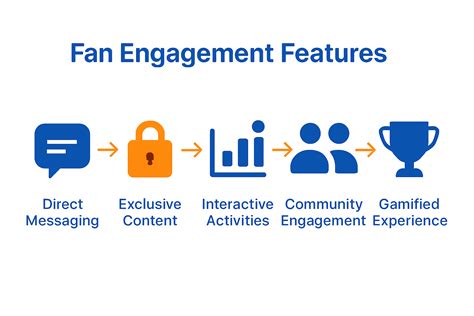
One of the most prominent ways the Supercopa de España Final engages its audience is through social media platforms. Football is inherently a global sport, and the event's organizers recognize the power of digital connectivity to amplify its reach. Platforms like Instagram, Twitter, and TikTok are used extensively to create buzz before, during, and after the event. For instance, interactive campaigns such as #RoadToSupercopa invite fans to share their predictions, favorite moments, and even user-generated content featuring their support for the participating teams. These campaigns often include rewards such as signed jerseys, match tickets, or exclusive behind-the-scenes access, which serve as strong incentives for participation.
A unique feature of the Supercopa de España's social media strategy is its focus on localized content. Recognizing that the event often takes place in Saudi Arabia, far from Spain, the organizers tailor their content to bridge the geographical gap. Spanish fans are provided with live streams of training sessions, player interviews, and cultural snippets from the host country. Simultaneously, content in Arabic and English is produced to engage the local and international audience. This multilingual approach not only caters to diverse fan bases but also positions the event as a cultural exchange rather than a one-off sporting spectacle. Additionally, real-time engagement tools like live polls, Q&A sessions with players, and "watch parties" on social media platforms create a sense of immediacy and involvement, allowing fans to feel connected even if they are not physically present at the stadium.
Beyond the digital sphere, the Supercopa de España Final incorporates local initiatives to deepen its impact on the host community. For example, the event often partners with local schools and sports academies in the host city to organize football clinics led by professional coaches and former players. These clinics not only provide young enthusiasts with the opportunity to learn from experts but also emphasize the importance of sportsmanship, teamwork, and discipline. Such initiatives are particularly impactful in regions like Saudi Arabia, where football is growing in popularity but lacks the grassroots infrastructure seen in Europe. By involving local youth in these activities, the event fosters a sense of inclusion and leaves a lasting legacy beyond the final whistle.
Another key element of community involvement is the focus on charity and social responsibility. The Supercopa de España has integrated philanthropic activities into its framework, often working with local NGOs to address pressing social issues. For instance, ticket proceeds or a portion of merchandise sales are sometimes directed toward initiatives like supporting underprivileged children or promoting gender equality in sports. These efforts not only enhance the event's image but also resonate with fans who increasingly expect sports organizations to contribute positively to society. In some cases, players from the participating teams are involved in community visits, such as meeting patients in local hospitals or participating in environmental clean-up drives. These moments humanize the players and create emotional connections between the event, its stars, and the local population.

The event also places a strong emphasis on fan-driven activities that go beyond passive spectatorship. For example, fan zones are set up in the days leading up to the final, offering a range of experiences such as virtual reality simulations of key match moments, interactive games, and photo opportunities with trophies or mascots. These zones are designed to be inclusive, catering to families, casual fans, and die-hard supporters alike. Such spaces allow attendees to immerse themselves in the Supercopa atmosphere, creating memories that extend beyond the 90 minutes of play. Additionally, cultural exchanges are often woven into these fan zones. For instance, when the event is hosted in Saudi Arabia, local traditions like henna art, traditional music performances, and culinary experiences are showcased alongside football-themed activities. This blending of sports and culture enriches the fan experience and fosters mutual appreciation between the host country and visiting teams.
An often-overlooked aspect of community involvement is the role of grassroots football clubs in the host region. The Supercopa de España Final has, in some iterations, involved partnerships with local amateur leagues to promote the sport at the community level. For example, the event might sponsor a local tournament featuring amateur teams, with the winners receiving recognition during the main event. This not only provides exposure for grassroots football but also reinforces the idea that the Supercopa is a celebration of football at all levels, not just the elite. Such initiatives help the event connect with fans who might not have access to top-tier football regularly but still feel invested in the sport’s broader ecosystem.
Another innovative approach is the use of augmented reality (AR) and gamification to enhance fan engagement. For instance, fans attending the event or watching remotely can participate in AR-driven scavenger hunts or trivia games related to the Supercopa’s history, teams, and players. These activities are often linked to rewards such as NFTs (non-fungible tokens) featuring iconic moments from the tournament or exclusive digital badges. This integration of technology not only appeals to younger, tech-savvy audiences but also adds a layer of interactivity that traditional fan engagement methods lack.
The involvement of local businesses is another way the event fosters community ties. Small vendors, artisans, and local entrepreneurs are often given opportunities to set up stalls or provide services during the event. This not only boosts the local economy but also ensures that the Supercopa de España feels like a celebration of the host region rather than an imposition. For instance, local food trucks offering traditional dishes or souvenir shops selling handcrafted items tied to the event theme create a festive atmosphere that resonates with both visitors and residents.
Finally, the event's media partnerships play a critical role in amplifying its community-driven initiatives. Collaborations with broadcasters and online platforms often include features that highlight the stories of local fans, volunteers, and community members who have been impacted by the event. These human-interest stories add a layer of depth to the Supercopa’s narrative, showcasing how the event is not just about the teams on the field but also about the people who support and surround it.
In conclusion, the Supercopa de España Final exemplifies how a sporting event can go beyond its primary purpose to engage fans and involve communities meaningfully. Through a combination of social media innovation, local initiatives, and community-driven activities, the event creates a holistic experience that resonates with diverse audiences. By prioritizing inclusivity, cultural exchange, and social responsibility, the Supercopa not only entertains but also leaves a positive imprint on the host region and its people, ensuring its legacy extends far beyond the football pitch.
Comparative Analysis with Other Super Cups
The Supercopa de España is Spain's premier super cup competition, pitting the winners of La Liga and the Copa del Rey against each other in a high-stakes showdown. While it shares similarities with other super cup competitions globally, such as the UEFA Super Cup or national super cups like the FA Community Shield in England or the DFL-Supercup in Germany, its structure, historical evolution, and cultural significance provide a unique framework for comparison.
One of the most immediate points of differentiation is the format of the Supercopa de España. Traditionally, the competition was a two-team, single-match event held at a neutral venue, often in Spain. However, in 2019, the format was revamped to include four teams—the winners and runners-up of both La Liga and the Copa del Rey. This change was partly inspired by the commercial success of expanded super cup formats in other countries, such as the four-team Arabian Super Cup. In contrast, the UEFA Super Cup remains a straightforward contest between the winners of the UEFA Champions League and UEFA Europa League, preserving its two-team, one-match structure. This difference reflects how the Supercopa de España has adapted to modern football's demand for more games and higher stakes, while the UEFA Super Cup retains a more traditional, streamlined approach.
The venue choice also sets the Supercopa de España apart. Since 2020, the competition has been held in Saudi Arabia as part of a lucrative hosting agreement. This move mirrors the globalization of football but has also drawn criticism for sportswashing concerns. Comparatively, the FA Community Shield is typically held in England, often at Wembley Stadium, reinforcing its domestic focus. The DFL-Supercup in Germany also prioritizes local venues, often featuring matches at the home stadiums of the participating teams. Meanwhile, the UEFA Super Cup rotates among different European cities, emphasizing its pan-European identity. The decision to take the Supercopa de España abroad is a clear attempt to monetize the competition further, but it also dilutes its connection to Spanish football culture, a trade-off not seen as starkly in other super cups.
From a competitive standpoint, the Supercopa de España often serves as an early-season barometer for teams' readiness. Unlike the UEFA Super Cup, which is played after the European season has already begun and involves teams that have already secured continental glory, the Supercopa de España is a curtain-raiser of sorts. This can lead to unpredictable outcomes, as teams are still fine-tuning their squads and strategies. For instance, in the 2023 edition, Barcelona and Real Madrid faced off in a tense battle, with Barcelona emerging victorious despite early-season inconsistency. In comparison, the FA Community Shield often sees English teams in a similar state of early-season flux, but its lower-stakes nature means it is often viewed as a friendly rather than a true competitive fixture. The DFL-Supercup, while also an early-season event, tends to feature teams that are more prepared due to the Bundesliga's shorter offseason and less extensive pre-season tours.
Another area of comparison is the historical prestige of the competitions. The Supercopa de España, first played in 1982, has a rich history tied to the dominance of Spanish giants like Barcelona and Real Madrid. However, its prestige is often overshadowed by the sheer weight of La Liga and the UEFA Champions League in the Spanish football narrative. The UEFA Super Cup, by contrast, carries a more exclusive aura as it involves only the crème de la crème of European club football. Similarly, the DFL-Supercup in Germany benefits from the Bundesliga's structured hierarchy, where Bayern Munich's consistent dominance has elevated the competition's profile. The FA Community Shield, while popular, often struggles to escape the perception of being a glorified friendly, particularly when top-tier English teams field weakened squads. This dynamic shows how the Supercopa de España occupies a middle ground—more prestigious than the Community Shield but less globally revered than the UEFA Super Cup.
The economic impact of the Supercopa de España is another dimension worth exploring. The decision to host the competition in Saudi Arabia has injected significant revenue into the Spanish Football Federation, enabling investments in grassroots football and infrastructure. This approach is not unique—the UEFA Super Cup also generates substantial revenue for host cities across Europe. However, the scale of the Supercopa de España’s financial windfall from its Saudi deal is unprecedented among national super cups. In contrast, competitions like the FA Community Shield or the DFL-Supercup are more modest in their economic ambitions, often prioritizing tradition and local engagement over global commercialization. This divergence highlights how the Supercopa de España is being positioned as a revenue-generating asset rather than merely a ceremonial event.
The fan engagement aspect is also worth noting. The Supercopa de España’s move to Saudi Arabia has limited the ability of local Spanish fans to attend matches, creating a disconnect between the competition and its traditional audience. In this regard, it contrasts sharply with the FA Community Shield, where fans of both participating teams often fill Wembley, creating a vibrant atmosphere. The UEFA Super Cup also benefits from a more inclusive approach, as it is held in accessible European cities, allowing fans from both competing clubs to travel. The DFL-Supercup, being domestically focused, ensures high local turnout. The Supercopa de España's overseas hosting model thus risks alienating its core fanbase, even as it expands its global reach.
From a cultural perspective, the Supercopa de España is deeply rooted in the rivalry between Spain's top clubs. Matches between Barcelona and Real Madrid, for instance, often carry a weight that transcends the competition itself, turning the event into a mini-El Clásico. This dynamic is less pronounced in other super cups. The UEFA Super Cup, while featuring storied clubs, often lacks the same historical enmity between participants. The FA Community Shield and DFL-Supercup are similarly less defined by club rivalries and more by their role as season openers. This cultural intensity gives the Supercopa de España a unique flavor, even as its format and hosting decisions have sparked debates about its identity.
In terms of broader implications, the Supercopa de España’s evolution reflects football's ongoing tension between tradition and commercialization. While the UEFA Super Cup and other national super cups often balance these elements more conservatively, the Supercopa de España has leaned heavily into commercial opportunities, sometimes at the expense of its domestic resonance. This approach is not without precedent—the Arabian Super Cup and even some editions of the International Champions Cup have shown that football competitions can thrive as global spectacles. However, the question remains whether this strategy risks eroding the Supercopa de España’s long-term cultural significance.
In conclusion, the Supercopa de España stands as a fascinating case study in how super cup competitions adapt to modern football's demands. While it shares commonalities with the UEFA Super Cup, FA Community Shield, and DFL-Supercup in terms of its purpose as a season-opening or prestige-building event, its recent format changes, venue choices, and economic strategies set it apart. These differences underscore the unique challenges and opportunities faced by the Supercopa de España as it seeks to balance tradition, competitiveness, and commercial growth in an increasingly globalized sport.
Conclusion and Future Outlook
The Supercopa de España has undergone significant evolution over the years, transitioning from a straightforward contest between the winners of La Liga and the Copa del Rey to a more expansive and commercially driven format. This white paper has explored its historical roots, analyzed recent changes in its structure, evaluated its impact on Spanish football, and examined the broader implications for fans, clubs, and stakeholders. As we conclude, it is essential to distill the key takeaways and speculate on how this tournament might further develop in the coming years.
One of the most prominent takeaways from this analysis is the undeniable shift in the Supercopa de España's identity. Traditionally a two-team affair, the tournament's expansion to a four-team format in 2019 marked a clear pivot toward commercialization and global appeal. This change was driven by the Royal Spanish Football Federation (RFEF)’s desire to increase revenue streams and enhance the tournament's visibility on an international stage. While this decision has undoubtedly brought financial benefits—such as lucrative broadcasting deals and increased sponsorship opportunities—it has also sparked debates about the tournament's authenticity and its alignment with the sport's core values. Critics argue that involving teams that did not win major domestic honors dilutes the prestige of the competition. However, from a business perspective, this shift has proven to be a masterstroke, as it has drawn larger audiences and expanded the tournament's footprint beyond Spain, particularly in markets like Saudi Arabia, where recent editions have been hosted.
Another critical point is the tournament's impact on Spanish football's competitive landscape. By including teams that finished as runners-up in La Liga and the Copa del Rey, the Supercopa de España has inadvertently created a platform for mid-tier or second-ranked teams to gain experience in high-stakes matches. This exposure can be a double-edged sword. On one hand, it offers these teams a chance to test their mettle against perennial powerhouses like Barcelona or Real Madrid, potentially leveling the playing field in future domestic competitions. On the other hand, it risks exacerbating the dominance of top-tier clubs by giving them additional opportunities to assert their superiority in a shorter, more intense format. This dynamic could further entrench the gap between elite clubs and the rest of the league, a concern that has long plagued European football.
From a fan engagement perspective, the Supercopa de España has seen mixed results. While the shift to a neutral venue like Saudi Arabia has allowed the tournament to tap into new markets, it has also alienated some traditional supporters who feel disconnected from the event. Domestic fans, particularly those of smaller clubs, may find it difficult to travel internationally to support their teams. This geographical dislocation raises questions about whether the tournament is prioritizing financial gain over fan accessibility and inclusivity. However, the adoption of digital platforms and streaming services has partially mitigated this issue by providing global audiences with easier access to matches. The RFEF must continue to strike a balance between monetizing the event and maintaining its connection with its core fan base.
The role of host nations in the Supercopa de España’s future cannot be overlooked. Hosting the tournament in Saudi Arabia has been a controversial decision, with critics pointing to human rights concerns and the ethics of sportswashing. While the financial incentives for the RFEF are clear, the long-term reputational risks of associating with such venues must be carefully considered. Moving forward, the federation might need to explore alternative hosting models—perhaps rotating the event among neutral European venues or even reverting to a home-and-away format that prioritizes local fan engagement. This would not only address ethical concerns but also create a more dynamic and varied experience for participants and spectators alike.
Looking ahead, the future direction of the Supercopa de España is likely to be shaped by several key factors. First, the competition will need to adapt to the evolving landscape of global football. With the introduction of expanded club competitions like the UEFA Champions League’s new format and the proposed European Super League (even if currently shelved), the Supercopa de España risks being overshadowed. To remain relevant, it must position itself as a unique and complementary event rather than a redundant one. This could involve experimenting with innovative formats, such as incorporating youth team showdowns or including women's teams in a parallel Supercopa competition. Such moves would not only diversify the tournament's appeal but also align it with broader trends toward inclusivity and diversity in football.
Second, there is a growing need for the RFEF to address sustainability and social responsibility in the tournament's organization. The environmental impact of hosting the event in far-flung locations, coupled with the carbon footprint of international travel for teams and fans, is an area that requires urgent attention. Future editions could incorporate greener practices, such as offsetting carbon emissions, using eco-friendly venues, or even exploring hybrid models that blend in-person and virtual fan experiences. These initiatives would not only enhance the tournament's image but also resonate with younger, environmentally conscious audiences.
Another area of focus is the integration of technology to enhance the Supercopa de España experience. From leveraging AI for match analytics to using augmented reality (AR) for fan engagement, technology offers a wealth of opportunities to modernize the tournament. For instance, AR could allow remote fans to feel as though they are in the stadium, while AI-driven analytics could provide deeper insights into player performance, enriching the viewing experience. Additionally, blockchain technology could be used to ensure transparency in ticket sales and merchandising, reducing the risk of scalping and fraud.
Finally, the competitive structure of the Supercopa de España may need to evolve further. While the four-team format has its merits, there is room to experiment with alternative systems. For example, the tournament could adopt a "champions league" style group stage involving more teams, followed by knockout rounds. This would not only increase the number of matches but also provide more clubs with a chance to participate, potentially boosting interest among lower-ranked teams and their supporters. Alternatively, the RFEF could explore partnerships with other national federations to create a cross-border Supercopa, pitting Spanish champions against winners from neighboring leagues like Portugal or France. Such a move would further elevate the tournament's prestige and create fresh narratives for fans and media alike.
In conclusion, the Supercopa de España stands at a crossroads. While its recent evolution has brought financial and global success, it must navigate challenges related to authenticity, fan engagement, and ethical considerations. The tournament's future will depend on its ability to balance innovation with tradition, leveraging new opportunities while respecting the values that underpin Spanish football. By embracing sustainability, inclusivity, and technological advancement, the Supercopa de España can not only secure its place in the modern football calendar but also serve as a model for how historic competitions can adapt to a rapidly changing sporting landscape. As the RFEF continues to shape this event, its decisions will reverberate far beyond the pitch, influencing how football tournaments are conceived and consumed in the years to come.