Introduction to the 50 Plus 1 Rule
The 50 plus 1 rule is a regulatory framework that has become a cornerstone of European football, particularly in Germany, where it is most prominently enforced. This rule is designed to ensure that football clubs maintain majority ownership and control by their members, rather than being entirely controlled by external investors or entities. At its core, the rule mandates that at least 51% of a club’s voting rights must be held by the club’s members or supporters, thereby preserving the democratic structure of the organization. This has significant implications for how football clubs are governed, financed, and operated in a competitive and increasingly commercialized sports environment.
The origins of the 50 plus 1 rule can be traced back to the German Football Association (DFB) and its desire to protect the integrity of the sport in the late 20th century. In the 1990s, as football began to transition from a largely amateur or semi-professional activity into a globalized, profit-driven industry, there were growing concerns about the potential for wealthy individuals or corporations to take over clubs and prioritize profit over tradition, community, and fan welfare. To counter this, the DFB introduced the 50 plus 1 rule as part of its licensing regulations for clubs participating in the Bundesliga and lower divisions. The idea was simple yet profound: by ensuring that the majority of voting rights remain in the hands of the club's members, the rule would prevent external entities from wielding disproportionate influence over the club’s direction and identity.
This regulatory approach stands in stark contrast to other football leagues around the world, particularly in England, where clubs like Manchester City and Chelsea have been acquired by state-backed entities or ultra-wealthy individuals who exert near-total control. These examples highlight the fundamental difference in philosophy between German football and its global counterparts. The 50 plus 1 rule embodies a deep-rooted belief that football clubs are not just businesses but cultural institutions tied to their local communities. This belief is rooted in the history of German football, which has long emphasized fan involvement and grassroots support as central to the sport’s ethos.
The significance of the 50 plus 1 rule in European football lies in its ability to balance commercial interests with the preservation of club identity and fan influence. For instance, in Germany, clubs like Bayern Munich, borussia dortmund, and FC St. Pauli operate under this rule, ensuring that their members—often composed of tens of thousands of fans—have a say in major decisions such as ticket pricing, club partnerships, and even the appointment of key personnel. This democratic structure has helped German football maintain a reputation for affordability and accessibility, particularly in comparison to leagues where ticket prices and merchandise costs have skyrocketed under investor-driven models. Fans in Germany can reasonably expect that their voices will be heard, even if they do not hold the purse strings of the club’s financial operations.
However, the 50 plus 1 rule is not without its complexities and controversies. One of the most notable exceptions to the rule involves clubs like Bayer Leverkusen, Wolfsburg, and Hoffenheim, which were granted exemptions due to their unique histories. Bayer Leverkusen, for example, was originally founded by employees of the pharmaceutical company Bayer, and Wolfsburg has close ties to Volkswagen. These clubs were allowed to operate under modified ownership structures because their affiliations with corporate entities predated the introduction of the 50 plus 1 rule. This has led to debates about whether such exceptions dilute the rule’s intent or whether they represent a pragmatic compromise in cases where the club’s identity is already intertwined with a specific corporate sponsor.
Another point of contention is the rule’s impact on competitiveness. Critics argue that the 50 plus 1 rule may limit the ability of German clubs to attract the kind of investment needed to compete at the highest levels of European football, particularly in the UEFA Champions League. While Bayern Munich has consistently performed well on the European stage, some suggest that this success is an outlier rather than the norm for German clubs. The rule can deter deep-pocketed investors who might otherwise be willing to inject significant capital into a club, potentially stifling its growth. Proponents of the rule counter this by pointing out that German football’s financial stability and long-term sustainability are better served by maintaining the rule, even if it means forgoing short-term competitive advantages.
From a broader perspective, the 50 plus 1 rule also reflects a philosophical divide in how sports are viewed in different cultures. In Germany, football is seen as a community asset, with clubs often serving as symbols of local pride and identity. This contrasts with the more transactional view of sports in countries like the United States, where franchises are often treated as business assets that can be relocated or rebranded based on market demand. The 50 plus 1 rule thus serves as a bulwark against the commodification of football, emphasizing the sport’s role as a unifying force rather than a mere vehicle for profit.
The rule has also sparked interest beyond Germany, particularly in the wake of high-profile events like the failed European Super League proposal in 2021. This abortive attempt by several elite clubs to form a breakaway competition underscored the growing tension between commercialization and fan empowerment in modern football. Supporters of the 50 plus 1 rule pointed to it as a model for how football could resist the pressures of unchecked commercialization. They argued that had such a rule been in place across Europe, the Super League might never have been proposed, as member-controlled clubs would have been less likely to alienate their fan bases by joining such a venture.
Despite its strengths, the 50 plus 1 rule is not immune to evolution. There have been calls within Germany to revisit or even abolish the rule in light of the increasing financial pressures on clubs. Some argue that a more flexible approach could allow German football to attract the kind of investment needed to remain competitive in an era where state-funded clubs like Paris Saint-Germain and Manchester City dominate the landscape. However, any such changes would likely face strong resistance from fans, who view the rule as a safeguard against the kind of disenfranchisement seen in other leagues.
In summary, the 50 plus 1 rule is more than just a regulatory mechanism; it is a statement about the values that underpin European football, particularly in Germany. It represents a commitment to preserving the sport’s democratic roots and ensuring that clubs remain accountable to their supporters rather than to profit-driven entities. While the rule has its limitations and has sparked debates about competitiveness and commercial viability, its enduring presence highlights a fundamental truth: football is not just a game but a shared cultural experience, one that must be protected against the forces of unchecked commercialization. This makes the 50 plus 1 rule not only a legal framework but also a symbol of resistance in an increasingly globalized and monetized sporting world.
- The rule ensures majority ownership by club members, protecting democratic governance.
- It originated in the 1990s as a response to the commercialization of football.
- Exceptions like Bayer Leverkusen and Wolfsburg highlight the rule's nuanced application.
- The rule balances financial growth with community-focused values.
- It has become a symbol of resistance against the over-commercialization of football.
By examining its origins, implications, and ongoing relevance, the 50 plus 1 rule emerges as a critical element in understanding how European football navigates the tension between tradition and transformation.
Historical Context and Evolution
The **50 plus 1 rule** is a regulation that has shaped the ownership structure of football clubs in certain regions, most notably in Germany. To understand its historical context and evolution, we must delve into the socio-economic and sporting landscape that gave rise to this rule, as well as the specific challenges it sought to address. This section will trace the origins of the rule, its development over time, and the rationale behind its implementation in leagues like the Bundesliga.
The genesis of the **50 plus 1 rule** can be traced back to the post-World War II era in Germany. After the war, German football was in a state of disarray. Clubs were re-establishing themselves amidst widespread economic hardship and societal rebuilding. During this period, football was seen not merely as a sport but as a communal activity that could help foster unity and national identity. Many clubs were structured as **member-owned associations**, where the primary stakeholders were the fans and local communities rather than private investors or corporations. This model was deeply rooted in the idea of football as a **social good** rather than a purely commercial enterprise.
In the 1960s, as professional football began to take shape in Germany, there was a growing recognition that clubs needed to maintain their community-oriented ethos while also adapting to the pressures of commercialization. The German Football Association (DFB) and later the Deutsche Fußball Liga (DFL) were tasked with creating a framework that would balance these competing interests. The **50 plus 1 rule** was formalized as part of this framework in the 1990s, though its principles had been informally observed for decades prior. The rule stipulates that a football club must hold a majority of its own voting rights—meaning that at least 50% of the club’s shares, plus one additional share, must be controlled by the club’s members rather than external investors. This ensures that decisions about the club's future remain primarily in the hands of its members rather than being dictated by profit-driven entities.
The implementation of this rule was a direct response to **concerns about the commercialization of football**. By the late 20th century, football clubs across Europe were increasingly being bought by wealthy individuals or corporations. This trend was particularly evident in leagues like the English Premier League, where clubs such as Manchester United and Chelsea were acquired by billionaires who prioritized financial returns and global brand-building over the interests of local fans. In Germany, there was a strong resistance to this model. The fear was that if clubs were fully privatized, they could be subjected to decisions that prioritized short-term financial gain—such as selling off assets, relocating stadiums, or inflating ticket prices—at the expense of their traditional fan bases.
The rule was also shaped by Germany’s broader **legal and cultural framework**. German law has historically emphasized the concept of **Mitbestimmung** (co-determination), which ensures that employees and other stakeholders have a say in corporate governance. This principle extended into sports, where member-owned clubs were seen as a way to uphold democratic values within the sporting world. The **50 plus 1 rule** can thus be viewed as an extension of Germany’s commitment to maintaining a balance between capitalism and communal ownership.
However, the rule was not without its **exceptions and controversies**. One notable exception is **Bayer 04 Leverkusen** and **VfL Wolfsburg**, both of which were allowed to operate outside the 50 plus 1 framework due to their unique histories. Bayer 04 Leverkusen is owned by the pharmaceutical company Bayer, while VfL Wolfsburg is owned by Volkswagen. These clubs were granted exemptions because their corporate owners had been involved in supporting the clubs for more than 20 years before the rule was formally codified. This exception highlighted the pragmatic compromises that were sometimes necessary to accommodate clubs with long-standing corporate ties.
Another significant development in the evolution of the rule was the case of **TSG 1899 Hoffenheim**, a club that became a point of contention due to its association with billionaire Dietmar Hopp. Hopp, a co-founder of software giant SAP, had invested heavily in Hoffenheim, transforming it from a lower-league club to a Bundesliga contender. While Hopp did not technically own the club outright, his influence and financial backing raised questions about whether the 50 plus 1 rule was being undermined. This case exposed the **tensions between tradition and modernization** within German football. Critics argued that allowing wealthy benefactors to exert disproportionate influence could erode the rule's effectiveness, while supporters of such investments pointed to the competitive advantages they brought to smaller clubs.
The rule’s evolution also reflects broader **economic and competitive pressures** within European football. As the sport became more globalized, the financial disparities between clubs grew. The rise of superclubs like Real Madrid, Barcelona, and Manchester City—fueled by vast commercial revenues and state-backed investments—put immense pressure on leagues like the Bundesliga to remain competitive. Some German clubs began to question whether the 50 plus 1 rule was a **hindrance to their ability to attract investment** and compete at the highest level. For instance, RB Leipzig, a club owned by energy drink company Red Bull, has been criticized for exploiting loopholes in the rule to maintain a form of quasi-ownership that skirts its spirit if not its letter.
Despite these challenges, the **50 plus 1 rule has endured** because it aligns with the cultural identity of German football. Surveys and polls consistently show that a majority of German fans value the rule as a safeguard against the kind of commercial excesses seen in other leagues. For instance, the fan-led protests against the proposed European Super League in 2021 underscored the deep-seated belief among German supporters that football should remain accessible, affordable, and rooted in local communities. The rule has also been credited with fostering a more **sustainable financial model** for clubs, as it discourages the kind of debt-fueled spending that has plagued other leagues.
From a **global perspective**, the 50 plus 1 rule is often viewed as a unique and somewhat idealistic approach to football governance. While it has its detractors—particularly among those who see it as a barrier to investment—it has also been upheld as a model for how football can resist the forces of hyper-commercialization. In regions like South America or smaller European leagues, there has been some interest in adopting similar principles to protect clubs from predatory ownership.
In summary, the **50 plus 1 rule** is not just a regulatory mechanism but a reflection of Germany’s historical and cultural priorities. It emerged from a post-war desire to keep football rooted in its community origins, evolved as a response to the commercial pressures of modern sport, and continues to be a point of debate as the football landscape shifts. Its historical development reveals a delicate balancing act between preserving tradition and adapting to the realities of a globalized, profit-driven sport.
- The rule originated in post-WWII Germany as a way to maintain football as a communal activity.
- It was formalized in the 1990s to resist the trend of privatization seen in other leagues.
- Exceptions like Bayer 04 Leverkusen and VfL Wolfsburg highlight pragmatic compromises.
- Controversies, such as the case of Dietmar Hopp and RB Leipzig, reveal the rule's ongoing tensions.
- The rule is seen as a bulwark against the hyper-commercialization of football, even as it faces challenges in a globalized era.
By understanding its historical roots and evolution, we can appreciate why the **50 plus 1 rule** remains a cornerstone of German football’s identity—and why its legacy continues to influence debates about the future of the sport worldwide.
Core Principles of the Rule
The "50 plus 1" rule is a distinctive feature of German football governance, designed to ensure that football clubs retain their identity as member-driven organizations rather than becoming wholly commercialized entities controlled by external investors. This rule is rooted in the principle that a club's members should hold the majority of voting rights, thereby safeguarding the club's traditions, culture, and long-term interests against the potential exploitation of profit-driven external stakeholders. To understand the core principles of the 50 plus 1 rule, it is essential to explore the nuances of majority ownership and decision-making control as they relate to the structure and ethos of football clubs in Germany.
At its most fundamental level, the 50 plus 1 rule mandates that a football club must hold a majority of the voting rights in its professional team, even if the team operates as a separate legal entity, such as a GmbH (limited liability company) or AG (stock corporation). This ensures that the club's members—comprising fans, supporters, and other stakeholders who are part of the broader association—retain ultimate control over key decisions affecting the club. The "plus 1" aspect of the rule signifies that, even if an external investor owns 49% of the voting shares, the club itself must always have at least 51% control. This structural safeguard is intended to prevent scenarios where a wealthy individual or corporate entity could unilaterally dictate the club's direction, including decisions on ticket pricing, player recruitment, or even the club's long-term strategy.
One of the primary motivations for implementing this rule is to preserve the **democratic nature of football clubs**. Unlike many other sports leagues globally, particularly in countries like England or Spain, where clubs can be fully owned and operated by private investors or corporations, the 50 plus 1 rule enshrines a model of collective ownership. This approach aligns with the historical roots of German football, where clubs were traditionally formed as associations of local members who shared a passion for the sport. By maintaining this structure, the rule reinforces the idea that football is not merely a business but a community-driven activity that serves the interests of its supporters. This distinction is critical because it ensures that clubs are not solely beholden to the financial bottom line but also to the cultural and social expectations of their fan base.

However, the rule is not without its complexities. A key challenge lies in **balancing financial viability with member control**. In an era where the cost of operating a competitive football team has skyrocketed—driven by player salaries, transfer fees, and stadium infrastructure—clubs often need external investment to remain competitive. The 50 plus 1 rule acknowledges this tension by allowing certain exceptions. For instance, an investor who has continuously and significantly supported a club for more than 20 years may be granted an exemption, enabling them to hold a majority stake. This provision has been utilized by clubs like Bayer Leverkusen (owned by pharmaceutical company Bayer) and VfL Wolfsburg (owned by Volkswagen). These exceptions illustrate that while the rule is strict in principle, it allows for flexibility in cases where long-term, stable investment has proven beneficial to the club's development without undermining its democratic structure.
Another critical aspect of the rule is its role in **preserving competitive balance within the league**. By ensuring that no single entity can dominate a club's decision-making process, the 50 plus 1 rule mitigates the risk of financial disparities that can arise when wealthy owners pump unlimited funds into a club. This is a stark contrast to leagues like the English Premier League, where clubs such as Manchester City and Chelsea have been transformed by the deep pockets of state-backed or billionaire owners. While such investments can lead to short-term success, they often create an uneven playing field, where smaller or less financially endowed clubs struggle to compete. The 50 plus 1 rule, by contrast, fosters a more level playing field by emphasizing sustainable growth and member-driven oversight. This principle has been credited with contributing to the Bundesliga's reputation for having a competitive and unpredictable league structure, where multiple clubs have a realistic chance of success in any given season.
The rule also has implications for **decision-making transparency and accountability**. Because the members hold the majority of voting rights, they are directly involved in significant decisions, such as electing the club's board, approving budgets, and determining strategic priorities. This level of involvement can act as a check against mismanagement or corruption. For example, if a club's leadership proposes a controversial sponsorship deal or an unsustainable financial strategy, the members have the power to veto such decisions. This structure not only empowers fans but also instills a sense of responsibility among club officials, who must justify their actions to a broad and often passionate constituency. In this way, the 50 plus 1 rule serves as a mechanism for **internal accountability**, reinforcing the idea that football clubs are public trusts rather than private fiefdoms.
Despite its merits, the 50 plus 1 rule has faced criticism, particularly from those who argue that it can **limit a club's ability to attract large-scale investment**. Some contend that the rule makes German clubs less attractive to high-net-worth individuals or global corporations who might otherwise be willing to inject significant capital. This criticism is particularly relevant in the context of the global football market, where the financial arms race has escalated dramatically. Clubs that operate under the 50 plus 1 model may find it difficult to compete with teams in other leagues that are unconstrained by such regulations. However, proponents of the rule counter that the focus on member control ensures long-term stability and prevents the kind of financial mismanagement or over-leveraging that has plagued clubs in other countries. For instance, the financial collapse of clubs like Leeds United in the early 2000s serves as a cautionary tale of what can happen when ownership prioritizes short-term gains over sustainable management.
It is also worth noting that the 50 plus 1 rule has a **symbolic significance** that extends beyond its practical implications. By prioritizing member control, the rule embodies the idea that football belongs to the people. This ethos resonates deeply with German football culture, where the sport is seen as a unifying force rather than a commodity to be bought and sold. The rule reflects a broader societal value placed on collective ownership and democratic principles, which are deeply embedded in the country's post-war reconstruction and its approach to community-focused institutions. In this sense, the 50 plus 1 rule is not merely a regulatory framework but a statement about the role of football in society—a role that prioritizes inclusivity, tradition, and the preservation of local identity.
From a practical perspective, the rule also has **operational implications for club management**. Clubs must navigate the challenge of maintaining member engagement while also making decisions that are commercially viable. For instance, members may vote against initiatives that are financially sound but unpopular, such as raising ticket prices or entering into controversial sponsorship agreements. Clubs must therefore strike a delicate balance between respecting the democratic will of their members and ensuring the financial health of the organization. This dynamic often leads to heated debates within clubs, as members grapple with the tension between idealism and pragmatism. However, this tension is also a strength of the system, as it forces clubs to remain grounded in their values and accountable to their supporters.
In summary, the core principles of the 50 plus 1 rule revolve around **majority ownership by club members, decision-making control, and the protection of football's communal and cultural essence**. While it imposes certain limitations on external investment, the rule is a deliberate choice to prioritize sustainability, competitive balance, and the democratic involvement of fans. It is a rule that reflects not only the unique structure of German football but also a broader commitment to preserving the sport as a shared experience rather than a commercial enterprise. By embedding these principles into the fabric of the Bundesliga, the 50 plus 1 rule ensures that football clubs remain tethered to their roots, even as the sport evolves in an increasingly globalized and commercialized landscape.
Impact on Competitive Balance
The "50 plus 1" rule, a regulatory framework primarily associated with German football leagues, stipulates that a club's members must retain majority ownership of its decision-making rights. This rule has been a cornerstone of the Bundesliga's governance structure, designed to ensure that clubs remain rooted in their communities and are not entirely overtaken by external investors or commercial entities. When analyzing its **impact on competitive balance**, it becomes evident that the rule serves as a mechanism to curb the potential for monopolistic control by wealthy owners or entities, thereby fostering a more level playing field across the league.
One of the most significant ways the "50 plus 1" rule affects competitive balance is by **limiting the influence of billionaire owners** who might otherwise inject exorbitant sums of money into a club to dominate the league. In leagues without such a rule, such as the English Premier League, we have seen instances where clubs like Manchester City and Chelsea have been transformed into powerhouses through the financial backing of ultra-wealthy owners. While this has elevated the global appeal of these teams, it has also contributed to a **widening gap between top-tier clubs and mid-to-lower table teams**, as the financial disparity allows wealthier clubs to outspend their competitors on player transfers, wages, and infrastructure. The "50 plus 1" rule inherently prevents such scenarios in the Bundesliga, as it restricts the ability of an external party to unilaterally control a club's resources and decision-making.
This restriction has a direct effect on **player acquisition and wage structures**. Clubs operating under the "50 plus 1" framework are less likely to engage in the kind of financial arms race seen in other leagues. For instance, while a club like Paris Saint-Germain can afford to pay exorbitant transfer fees and wages due to its Qatari ownership, German clubs are more constrained by their reliance on member-driven governance and revenue streams that are tied to organic growth, such as ticket sales, merchandise, and local sponsorships. This creates a scenario where clubs must prioritize **sustainable spending** rather than speculative investments, which can lead to financial instability in the long term. As a result, the rule promotes a system where clubs are incentivized to develop talent internally through academies and youth programs rather than relying solely on purchasing established stars. This not only maintains competitive balance but also ensures that the league as a whole benefits from a steady pipeline of homegrown talent.
Another dimension of the rule's impact lies in its **psychological and cultural implications** for league dynamics. When fans and members retain a majority stake in their club, there is a stronger sense of **community ownership and accountability**. This dynamic discourages short-term, profit-driven decisions that might destabilize a club's long-term competitiveness. For example, in leagues without such a rule, owners may prioritize immediate success by overspending on marquee players or engaging in risky financial practices, which can lead to **boom-and-bust cycles**. In contrast, the "50 plus 1" rule encourages clubs to adopt a **consensus-driven approach** to financial planning, where decisions are made with the broader interests of the club and its supporters in mind. This can prevent scenarios where a club becomes overly reliant on a single benefactor, only to face collapse if that benefactor withdraws support.
However, it is important to acknowledge that the rule is not without its **critics and limitations**. Some argue that it can inadvertently stifle the ability of German clubs to compete on the European stage, where financial firepower often determines success. For instance, clubs like Bayern Munich have managed to dominate the Bundesliga in part because of their size and revenue generation capabilities, while other clubs struggle to keep pace due to the rule's restrictions on external investment. This has led to a somewhat **imbalanced domestic competition**, where Bayern's financial and organizational superiority often overshadows other teams. Yet, this critique must be weighed against the broader benefits of the rule in preventing the kind of monopolistic control seen in other leagues, where a small cadre of clubs can exert disproportionate influence over the entire competitive landscape.
The rule also has an interesting effect on **market dynamics within the league**. Because external investors are limited in their ability to take over clubs, there is less likelihood of a "superclub" emerging that can outspend all competitors year after year. This creates a more **fluid competitive environment**, where teams have a better chance of challenging for titles or European qualification based on smart management, effective scouting, and strategic development. For example, clubs like Borussia Dortmund have been able to remain competitive by focusing on efficient squad building and player development, even without the kind of financial resources that would be available to them in a less regulated league. This fluidity is a key factor in maintaining long-term interest among fans, as the unpredictability of outcomes keeps the league engaging and less predictable than those dominated by a few financially dominant clubs.
From a **macroeconomic perspective**, the "50 plus 1" rule can be seen as a countermeasure to the broader trend of **commercialization and globalization** in football. Wealthy entities, such as state-backed organizations or multinational corporations, often view football clubs as assets to be leveraged for branding, geopolitical influence, or profit maximization. While this can drive short-term growth and global visibility for certain clubs, it risks alienating local fan bases and eroding the sport's traditional communal roots. The "50 plus 1" rule acts as a **safeguard against this trend**, ensuring that clubs remain tethered to their local identities and fan bases. This not only preserves the integrity of competition but also reinforces the idea that football is a sport rooted in community and tradition rather than purely commercial interests.
The rule's impact on **competitive balance can also be viewed through the lens of league-wide resilience**. In leagues where a few clubs dominate due to external investment, there is a risk of **fan disengagement** among supporters of less competitive teams. If the outcome of a league season feels predetermined—as has been the case in some instances where a "big six" dynamic emerges—fans of smaller clubs may feel disillusioned. The "50 plus 1" rule mitigates this risk by ensuring that no single entity can monopolize resources to the point of rendering competition moot. Instead, it fosters a system where **mid-table and lower-table clubs have a fighting chance** to improve their standing through good governance and strategic planning rather than simply being outspent.
- The rule prevents external investors from taking full control, ensuring member-driven governance.
- It promotes sustainable spending and reduces the risk of financial instability.
- It fosters a more fluid competitive environment, keeping the league dynamic.
- It maintains the sport's communal identity, countering the commercialization trend.
In conclusion, the "50 plus 1" rule plays a critical role in **preserving competitive balance** within leagues by limiting the potential for monopolistic control. While it may impose certain constraints on the ability of clubs to attract external investment, it ensures that football remains a sport where success is not solely determined by financial might. This creates a more equitable and sustainable competitive environment, one that prioritizes long-term stability, community engagement, and the organic growth of clubs. In an era where football is increasingly shaped by global capital, the "50 plus 1" rule stands as a model for how leagues can maintain their integrity and balance in the face of commercial pressures.
Case Studies: Success Stories and Challenges
The "50 plus 1" rule, a regulation in German football that requires a club's members to hold a majority of voting rights, has long been a subject of debate. While it is often lauded for preserving fan ownership and preventing external takeovers, its implementation has yielded both success stories and challenges. This section delves into specific case studies to explore how the rule has shaped clubs' trajectories—both positively and negatively.
One of the most prominent success stories under the "50 plus 1" rule is **Bayern Munich**. The club has consistently dominated the Bundesliga and achieved international success in the UEFA Champions League. Bayern's model demonstrates how the rule can coexist with commercial success. By maintaining a strong fan base and member involvement, Bayern has cultivated a sense of community that supports both its on-field and off-field goals. The club has leveraged its brand loyalty to secure lucrative sponsorship deals with companies like Adidas, Allianz, and Audi. These partnerships are not merely financial but are rooted in a shared identity with the club's traditions. This demonstrates that the "50 plus 1" rule does not inherently stifle commercial growth; instead, it can channel resources in a way that aligns with long-term stability rather than short-term profit-seeking.
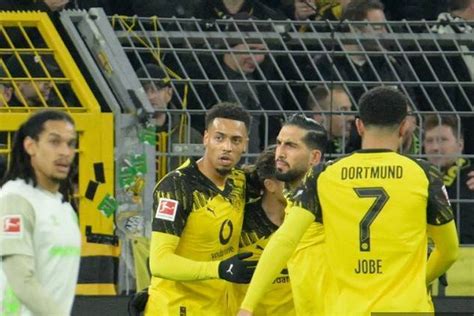
Another example of success is **Borussia Dortmund**, which has thrived despite operating within the constraints of the rule. Dortmund has built a reputation for its focus on youth development and shrewd transfer strategies. Under the guidance of managers like Jürgen Klopp, the club has won multiple Bundesliga titles and reached the Champions League final in 2013. The "50 plus 1" rule has ensured that Dortmund remains closely tied to its supporters, many of whom view the club as an extension of their local identity. This supporter-centric approach has enabled Dortmund to weather financial challenges, such as near-bankruptcy in the early 2000s, by fostering a resilient fan base willing to invest in season tickets and club merchandise. The rule here serves as a safeguard against external investors who might prioritize short-term gains over the club's cultural identity.
However, the rule is not without its challenges. One of the most notable controversies involves **RB Leipzig**, a club often criticized for circumventing the spirit of "50 plus 1." Founded in 2009 by energy drink giant Red Bull, RB Leipzig technically adheres to the rule by allowing a small number of members to hold voting rights—but these members are largely affiliated with the company. This has led to accusations that RB Leipzig exemplifies how the rule can be exploited. While the club has achieved rapid success, including consistent top-four finishes in the Bundesliga and a Champions League semifinal appearance in 2020, its rise has been divisive. Critics argue that RB Leipzig's model undermines the rule's intent by prioritizing corporate interests over genuine fan ownership. This case highlights how the "50 plus 1" rule can sometimes fail to fully protect clubs from external influence when creative loopholes are exploited.
Another instance of challenges arises with **Hamburger SV (HSV)**, a historic club that has struggled in recent years. Despite the "50 plus 1" rule, HSV has faced financial instability and poor on-field performance, leading to its relegation from the Bundesliga in 2018—the first time in the club's history. While the rule ensured that members retained control, it did not prevent mismanagement. The club's internal governance issues, including a lack of strategic vision and over-reliance on short-term fixes, illustrate that the "50 plus 1" rule is not a panacea for poor leadership. In this case, the rule may have inadvertently insulated the club from the kind of external investment or restructuring that could have provided a fresh direction. This example underscores the need for clubs to pair the rule with strong internal governance to truly benefit from its protective framework.
A more nuanced challenge is seen in **Werder Bremen**, a club that has experienced both highs and lows under the "50 plus 1" rule. Werder Bremen has a rich history, including Bundesliga titles and a UEFA Cup Winners' Cup victory in 1992. However, the club has faced financial pressures in recent years, exacerbated by its inability to attract significant external investment due to the "50 plus 1" rule. While this has preserved its identity as a community-focused club, it has also limited its ability to compete with wealthier rivals. Some argue that Werder Bremen's situation demonstrates the rule's double-edged nature: while it prevents takeover by profit-driven entities, it can also restrict a club's ability to scale operations or modernize facilities without significant fan-driven fundraising efforts.
The contrasting experiences of **TSG Hoffenheim** provide another lens through which to view the rule's impact. Hoffenheim, a relatively small club from a village of fewer than 4,000 people, rose to prominence largely due to the backing of billionaire Dietmar Hopp. While Hopp was a former player and local supporter, his substantial investments allowed Hoffenheim to bypass some of the financial limitations faced by other "50 plus 1" clubs. This has sparked debate over whether the rule should allow for exceptions in cases where an investor has a genuine, long-standing connection to the club. Hoffenheim's success—including a Champions League qualification in 2018—has been seen as both a triumph of localized investment and a potential challenge to the rule's uniform application.
These case studies reveal a complex interplay between the "50 plus 1" rule and the broader football ecosystem. On one hand, clubs like Bayern Munich and Borussia Dortmund showcase how the rule can foster sustainable growth rooted in community support. On the other hand, examples like RB Leipzig and HSV highlight the vulnerabilities of the rule when governance is weak or when loopholes are exploited. Additionally, the cases of Werder Bremen and Hoffenheim demonstrate that the rule’s rigidity can sometimes limit a club's ability to adapt to modern football's financial demands.
From a broader perspective, the "50 plus 1" rule often serves as a double-edged sword. While it protects clubs from becoming pawns of billionaire owners or faceless corporations, it also imposes constraints that can hinder their ability to scale competitively in an era where football is increasingly globalized and commercialized. The rule’s effectiveness depends heavily on how clubs manage their internal structures and whether they can balance tradition with innovation. For instance, Dortmund’s success in youth development and fan engagement suggests that clubs can thrive by leveraging the rule as a foundation rather than a limitation.
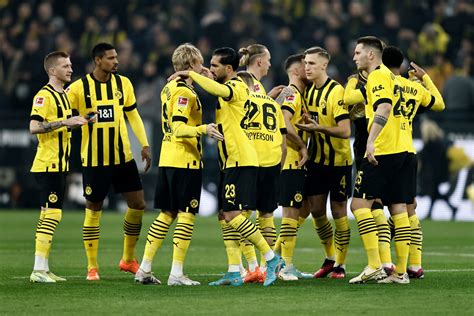
In conclusion, the "50 plus 1" rule has produced both triumphs and tribulations. While it has allowed clubs like Bayern Munich and Borussia Dortmund to maintain their identity and achieve success, it has also exposed weaknesses in clubs like HSV and Werder Bremen, where mismanagement or financial constraints have posed significant challenges. The controversies surrounding RB Leipzig further illustrate the rule's limitations in preventing corporate influence when exploited. Ultimately, the rule’s value lies in its ability to foster a sense of community and long-term stability, but its application must be accompanied by robust governance and strategic foresight to ensure clubs can navigate the complexities of modern football.
Criticism and Opposition to the Rule
The "50 plus 1" rule, a regulation predominantly associated with German football, mandates that a club’s members must retain a majority of voting rights, effectively ensuring that external investors cannot take full control of a team. While the rule has been lauded for preserving fan ownership and the traditional ethos of football clubs, it has also faced significant criticism, particularly in the context of modern sports economics. This section explores the key criticisms of the rule, focusing on how it is perceived to stifle investment, limit growth, and create inefficiencies in the increasingly commercialized world of sports.
One of the most prominent criticisms of the "50 plus 1" rule is its perceived role in stifling investment. In an era where football clubs are increasingly viewed as global brands and commercial enterprises, the rule is seen as a barrier to attracting significant capital from deep-pocketed investors or corporations. For instance, clubs in other European leagues, such as the English Premier League or Spain's La Liga, have been able to leverage substantial external investment to enhance their infrastructure, sign top-tier talent, and expand their global reach. Critics argue that by limiting the ability of external entities to gain majority control, the rule deters potential investors who might otherwise inject transformative levels of funding into German football. This dynamic can place German clubs at a competitive disadvantage in European competitions, where they often face rivals with more robust financial backing.
The rule also raises concerns about limiting growth in terms of revenue generation and global expansion. Modern football is not merely a sport but a multi-billion-dollar industry driven by broadcasting rights, sponsorships, merchandising, and other revenue streams. Investors often seek to maximize these areas by implementing aggressive commercial strategies, such as expanding into new markets or rebranding clubs to appeal to international audiences. However, the "50 plus 1" rule can create friction in this process. External investors, particularly those with experience in other industries, may be hesitant to commit resources to clubs where their influence is restricted. This hesitation can slow down the pace of innovation and commercial growth within German football. For example, clubs might struggle to adopt cutting-edge technologies or marketing strategies that require significant upfront investment because the rule inherently limits the scope of control and decision-making for those with the expertise to drive such changes.
Another area of contention is the creation of inefficiencies in modern sports economics. The rule can lead to situations where clubs are less agile in responding to market dynamics. For example, in an increasingly competitive transfer market, clubs need to act swiftly and decisively to secure players or negotiate contracts. A governance structure where members retain majority control can introduce delays or complications in decision-making. This is particularly problematic when clubs face time-sensitive opportunities, such as signing a highly sought-after player or negotiating lucrative sponsorship deals. Critics argue that the rule can create a bottleneck, where the need for consensus among members slows down processes that require speed and precision in a fast-moving industry. This inefficiency can be particularly damaging in an environment where other clubs, unencumbered by such restrictions, can act more nimbly to seize competitive advantages.
Furthermore, the rule has been criticized for perpetuating financial disparities within the league. While it aims to maintain a level playing field by preventing the concentration of power in the hands of a few wealthy owners, it also inadvertently reinforces the dominance of clubs that already have significant resources or historical advantages. For instance, clubs like Bayern Munich, which have established themselves as financial powerhouses within the German football ecosystem, are better positioned to navigate the constraints of the "50 plus 1" rule compared to smaller or less affluent clubs. This can result in a scenario where the rule protects traditional fan ownership at the cost of deepening the gap between elite clubs and the rest of the league. Smaller clubs may find it harder to attract the kind of investment needed to close this gap, further entrenching the hierarchical structure of the league.
Critics also point to anomalies and exceptions to the rule as evidence of its inconsistency and potential flaws. Notable examples include clubs like Bayer Leverkusen, RB Leipzig, and Wolfsburg, which have been able to sidestep the rule due to unique historical or legal circumstances. For instance, RB Leipzig operates under a structure where the majority of its voting members are employees or affiliates of its parent company, Red Bull. This has led to accusations that the "50 plus 1" rule is not uniformly applied and can be manipulated by entities willing to exploit loopholes. Such exceptions undermine the integrity of the rule and fuel arguments that it is an outdated mechanism in a sport that is increasingly shaped by global economic forces.
From a broader perspective, the rule can be seen as misaligned with the realities of modern sports economics. Football has become a globalized industry where success often hinges on the ability to operate as a commercially viable entity rather than merely a community-driven organization. While the rule embodies the romantic ideal of football as a sport rooted in local identity and fan ownership, it can clash with the pragmatic demands of operating in a highly competitive and capital-intensive environment. Critics argue that this misalignment places German clubs in a paradoxical position: they are expected to compete at the highest level of European football while operating under a governance model that may not be optimized for such competition. This tension is particularly evident when German clubs struggle to match the financial muscle of clubs from leagues where external investment is not similarly restricted.
There is also a philosophical debate about whether the rule prioritizes tradition over pragmatism. While fan ownership is a cherished ideal, some argue that it is not always the most effective way to ensure the long-term sustainability of a club. In an era where clubs face mounting financial pressures—ranging from the impact of the COVID-19 pandemic to the rising costs of player wages and infrastructure—the "50 plus 1" rule can be seen as a constraint on exploring alternative models of ownership and funding. For example, a more flexible approach might allow clubs to attract investment while still maintaining some level of fan representation, striking a balance between tradition and commercial viability. Critics suggest that clinging to the rule without adaptation risks romanticizing an ideal at the expense of practical solutions to the challenges facing modern football.
Lastly, there is the argument that the rule can limit innovation in club management. External investors often bring not only capital but also expertise in areas such as stadium development, fan engagement, and digital transformation. By restricting their influence, the rule may prevent German clubs from benefiting from the kind of innovative practices that have revolutionized other sports leagues. For instance, the use of data analytics, fan-centric apps, and stadium experiences tailored to modern audiences are often driven by entities with a strong commercial focus. The "50 plus 1" rule can act as a deterrent to such innovation, potentially leaving German football lagging behind in areas where technological and managerial advancements are reshaping the industry.
In summary, while the "50 plus 1" rule is rooted in noble intentions of preserving the democratic and communal spirit of football, its critics argue that it is increasingly out of step with the demands of modern sports economics. By stifling investment, limiting growth, and creating inefficiencies, the rule may inadvertently hinder the ability of German football to compete on a global stage. As the sport continues to evolve into a highly commercialized and globalized industry, the debate around the rule is likely to persist, with growing pressure to find a middle ground that preserves its core principles while adapting to the economic realities of contemporary football.
Comparison with Other Governance Models
The "50 plus 1" rule, a distinctive feature of German football governance, is a regulation that ensures football clubs retain majority ownership and control over their operations. This means that at least 51% of the voting rights in a club must be held by its members, effectively preventing external investors from taking full control. This model has long been a subject of debate, particularly when compared to alternative ownership and governance structures in other sports leagues around the world. To understand its implications and effectiveness, it is instructive to compare the 50 plus 1 rule with models employed in leagues such as the Premier League, Major League Soccer (MLS), and the National Football League (NFL).
In the Premier League, ownership is largely driven by private investment, often from wealthy individuals or consortiums. Clubs like Manchester City (owned by the Abu Dhabi United Group) and Chelsea (previously owned by Roman Abramovich) exemplify this model. The lack of a 50 plus 1-style restriction allows for significant external investment, which has fueled the league's global popularity and financial growth. However, this approach has trade-offs. Clubs can become heavily indebted or overly reliant on their owners' financial backing, as seen in cases where owners withdraw support or face sanctions. For instance, Chelsea experienced operational challenges when Abramovich was sanctioned, highlighting the vulnerability of this model to external geopolitical or economic pressures. While the Premier League's open ownership structure has enabled clubs to attract top talent and achieve commercial success, it has also led to concerns about financial sustainability and the erosion of fan influence in decision-making.
In contrast, the MLS operates under a single-entity structure, where the league itself owns all teams and grants operational rights to investor-operators. This centralized model is designed to ensure financial stability and equitable competition. Unlike the 50 plus 1 rule, which prioritizes member control, MLS emphasizes league-wide growth and brand management. The single-entity model has advantages, such as preventing the financial collapse of individual teams and fostering a more predictable business environment. However, it limits the autonomy of individual clubs and can stifle local identity or innovation. For example, while MLS has seen steady growth, especially in terms of attracting younger audiences and expanding into new markets, its centralized control can sometimes alienate fans who crave the traditional, community-driven ethos of football clubs seen in the 50 plus 1 model. This dichotomy underscores how the MLS model prioritizes league-wide cohesion over individual club autonomy, a sharp contrast to the member-driven ethos of the 50 plus 1 rule.
The NFL presents yet another governance model, one that combines elements of centralized control with private ownership. While NFL teams are privately owned, the league operates with strict revenue-sharing agreements and centralized decision-making on key issues like broadcasting rights and salary caps. This model ensures a degree of parity among teams, which is a stark contrast to the Premier League's more laissez-faire approach. The NFL's governance promotes financial stability and competitive balance, which has contributed to its status as one of the most profitable sports leagues in the world. However, the NFL's model lacks the grassroots member involvement that characterizes the 50 plus 1 rule. Fans in the NFL have little to no direct influence over club decisions, as ownership is concentrated in the hands of billionaire proprietors. While this has not hindered the NFL's commercial success, it raises questions about whether the league adequately represents the interests of its broader fan base, a criticism often leveled at leagues without member-driven governance like the 50 plus 1 rule.
The 50 plus 1 rule offers a unique counterpoint to these models by embedding fan ownership and influence at the core of club operations. In Germany, clubs like Bayern Munich and Borussia Dortmund are deeply rooted in their communities, with members having a direct say in major decisions. This model fosters a sense of loyalty and tradition that is often missing in leagues where ownership is dictated by profit-driven investors. However, the 50 plus 1 rule is not without its challenges. Critics argue that it limits the ability of German clubs to compete financially on the global stage, particularly when compared to the Premier League's open investment model. For instance, while the Premier League has attracted vast sums of foreign investment, German clubs are often constrained by the need to maintain member control, which can slow down decision-making and limit financial flexibility. This trade-off is evident in the comparative revenue and global reach of the Premier League versus the Bundesliga.
One of the most striking differences between the 50 plus 1 rule and these alternative models is the balance between commercial success and community connection. The Premier League's open ownership structure prioritizes financial growth, often at the expense of fan representation and long-term sustainability. MLS, with its centralized structure, ensures stability but at the cost of local identity and autonomy. The NFL achieves competitive balance and financial success but lacks the direct fan involvement seen in the 50 plus 1 model. In this light, the 50 plus 1 rule can be seen as a middle path—prioritizing fan ownership and community ties while still allowing for competitive success, as demonstrated by Bayern Munich's consistent presence in European competitions.
However, the 50 plus 1 rule is not immune to evolution or criticism. Some German clubs, such as RB Leipzig, have found ways to circumvent the rule by structuring their membership in ways that effectively concentrate power in the hands of a single investor. This has led to debates about whether the rule is still fit for purpose in a globalized football landscape. Similarly, the Premier League's financial dominance has prompted some German football stakeholders to reconsider whether greater external investment might be necessary to remain competitive. These tensions highlight how no governance model is perfect, and each must adapt to the pressures of modern sports economics.
Another dimension to consider is the role of financial regulations within these models. While the 50 plus 1 rule emphasizes member control, it is complemented by UEFA's Financial Fair Play (FFP) regulations, which aim to ensure clubs operate within their means. In leagues like the Premier League, where external investment often drives spending, FFP has had limited success in curbing financial excesses. Meanwhile, the NFL's salary cap and revenue-sharing model provide a more rigid framework for financial control, which some argue is more effective than the 50 plus 1 rule in maintaining parity. MLS, with its single-entity structure, also benefits from centralized financial oversight, ensuring that no team can overextend itself financially.
In summary, the 50 plus 1 rule stands out as a governance model that prioritizes fan ownership and community identity over profit-driven external investment. While it fosters a unique sense of tradition and loyalty, it faces challenges in competing with the financial firepower of leagues like the Premier League. The MLS and NFL models, by contrast, offer stability and financial oversight but at the cost of reduced local autonomy and fan influence. Each model reflects the priorities of its respective league—whether it is commercial growth, competitive balance, or community connection. The 50 plus 1 rule serves as a compelling alternative that underscores the importance of preserving football's roots even as the sport becomes increasingly commercialized on a global scale.
Legal and Regulatory Implications
The "50 plus 1 rule," a regulation predominantly associated with German football, mandates that a club’s members must retain majority ownership of its decision-making rights. This ensures that commercial investors cannot hold more than 49% of the voting shares, preserving the club's autonomy and connection to its fan base. While this rule has been celebrated for maintaining the traditional ethos of football clubs, it also raises significant **legal and regulatory implications**, particularly when examined through the lens of **EU competition laws** and broader sports governance frameworks.
One of the central **legal challenges** of the 50 plus 1 rule lies in its potential conflict with principles of free market competition. Under EU competition law, particularly Articles 101 and 102 of the Treaty on the Functioning of the European Union (TFEU), restrictions that limit market access or create anti-competitive barriers are scrutinized. The 50 plus 1 rule could be interpreted as a restriction on investment opportunities for external stakeholders, potentially stifling the ability of clubs to attract capital and grow their commercial operations. For instance, clubs in other European leagues, such as the English Premier League, have thrived by allowing significant external investment, which has enabled them to secure top-tier players, facilities, and global broadcasting deals. The absence of a similar rule in these leagues creates a competitive imbalance, where German clubs might argue they are at a disadvantage in European competitions due to limited financial resources.
However, defenders of the rule argue that it serves a legitimate objective under EU law by promoting **non-economic benefits** such as social cohesion, cultural identity, and fan engagement. These objectives can be aligned with the EU's recognition of sports as a unique sector under the Treaty of Lisbon, which acknowledges the "specific nature of sport" in its social and educational functions. This recognition allows for some flexibility in applying competition law to sports, provided the restrictions are proportionate and serve a clear public interest. The German Football Association (DFB) has long maintained that the 50 plus 1 rule ensures the sustainability of clubs by preventing them from becoming entirely dependent on investor whims, as seen in cases like Malaga CF or Rangers FC, where over-reliance on a single investor led to financial collapse.
From a **regulatory perspective**, the compatibility of the 50 plus 1 rule with EU law has been tested in isolated cases. A notable example is the situation involving RB Leipzig, a club often criticized for circumventing the rule through creative ownership structures. RB Leipzig is majority-owned by the energy drink company Red Bull, which has used a network of affiliated entities to maintain de facto control while technically adhering to the letter of the rule. This has led to accusations of the rule being inconsistently applied and raises questions about its enforceability in a globalized sports economy. If the rule is seen as too rigid or poorly enforced, it risks being challenged in courts as an arbitrary barrier rather than a well-defined regulatory measure. Such challenges could prompt the European Commission to intervene, particularly if a club or investor alleges that the rule unfairly limits their ability to operate within the EU's internal market.
Another dimension of the legal framework is the potential for **antitrust litigation**. Investors or clubs that feel disadvantaged by the 50 plus 1 rule could bring cases before the European Court of Justice (ECJ), arguing that it constitutes a **restraint of trade**. While German courts have generally upheld the rule as a matter of domestic sports policy, the ECJ might take a different view if the case is framed as a violation of EU competition principles. Precedents such as the Meca-Medina case, where the ECJ ruled that sports regulations with economic effects must comply with EU competition law, suggest that the 50 plus 1 rule could face similar scrutiny. This underscores the need for the DFB and other stakeholders to ensure that the rule is not only justifiable in principle but also robust in its implementation.

The **regulatory frameworks** surrounding the 50 plus 1 rule also extend to its interaction with German national law. The rule is enshrined in the statutes of the DFB, which operates as a private association. This status provides some insulation from direct legal challenges, as private associations have significant leeway in setting their own rules. However, this autonomy is not absolute. If the DFB’s application of the rule is seen as discriminatory or inconsistent—for example, by allowing exceptions for certain clubs like Bayer Leverkusen and Wolfsburg due to their historical ties to corporate owners—it could open the door to legal disputes. Such exceptions risk undermining the rule's legitimacy and creating a perception of favoritism, which could erode trust in the regulatory system.
From an **international perspective**, the 50 plus 1 rule contrasts sharply with the regulatory approaches of other football associations. In leagues like the Premier League or La Liga, there is no equivalent rule, and clubs are free to pursue investment models that prioritize commercial growth over fan ownership. This divergence creates a fragmented regulatory landscape within European football, where German clubs may struggle to compete on equal footing in UEFA competitions. While the rule has fostered a more egalitarian structure within the Bundesliga, it also raises the question of whether such a model is sustainable in an era where football is increasingly commercialized and globalized. The European Club Association (ECA) has occasionally critiqued such national-level rules for creating disparities in competitive balance, suggesting that a harmonized approach might be necessary to address these disparities at the EU level.
Additionally, the **regulatory tension** between national and EU-level frameworks could lead to calls for reform. Some stakeholders argue that the 50 plus 1 rule could be adapted to allow for **hybrid models** that balance investor involvement with fan oversight. For instance, clubs could designate certain decision-making areas—such as ticketing policies or community outreach—as exclusively under fan control, while permitting investors to influence commercial strategies. Such a compromise might address the legal vulnerabilities of the rule while preserving its core ethos. However, any reform would need to navigate the complex interplay of national sports policies, EU competition law, and the expectations of fans, who view the rule as a safeguard against the perceived excesses of modern football.
In summary, the **legal and regulatory implications** of the 50 plus 1 rule are multifaceted and fraught with challenges. While it serves as a bulwark against the commercialization of football, its compatibility with EU competition laws remains uncertain. The rule's enforceability, its exceptions, and its potential to create competitive imbalances all warrant careful examination. Stakeholders must consider whether the rule can evolve to meet the demands of a changing sports landscape without compromising its foundational principles. Ultimately, the future of the 50 plus 1 rule may depend on its ability to strike a balance between preserving the cultural heritage of German football and adapting to the economic realities of a globalized industry.
- The rule's alignment with EU competition law hinges on its justification as serving non-economic public interests.
- Exceptions and inconsistent enforcement could undermine its legal standing.
- Hybrid models might offer a middle ground between tradition and commercial growth.
These considerations highlight the need for a nuanced approach to the 50 plus 1 rule, one that accounts for both its historical significance and its place in a rapidly evolving regulatory environment.
Future of the 50 Plus 1 Rule
The "50 plus 1" rule, a cornerstone of German football governance, mandates that a club's members must retain a majority of voting rights to prevent external investors from gaining control. This rule has long been celebrated for preserving the integrity of club ownership, ensuring that decisions are driven by the collective interests of fans rather than profit-maximizing entities. However, as football becomes increasingly globalized and commercialized, the sustainability of this rule is being questioned. In this section, we explore the challenges posed by globalization, commercial pressures, and shifting fan expectations, and speculate on whether the rule can endure in its current form or evolve to meet these new realities.
One of the most immediate threats to the 50 plus 1 rule comes from globalization. Football is no longer confined to local or national boundaries; it is a global spectacle with immense financial stakes. Clubs in other leagues, particularly in England, Spain, and France, have embraced foreign investment, often from sovereign wealth funds, oligarchs, or multinational corporations. These investments have fueled a financial arms race, where clubs with external backing can outspend their competitors on players, facilities, and marketing. German clubs, bound by the 50 plus 1 rule, risk being left behind in this competitive landscape. For instance, while Bayern Munich has managed to remain competitive through strategic partnerships and consistent success, other Bundesliga clubs struggle to attract top-tier talent or generate the revenues needed to compete on the European stage. This disparity could lead to a situation where German football is marginalized in global competitions, reducing its appeal and economic viability.
However, the commercial pressures are even more nuanced. The 50 plus 1 rule has traditionally limited the inflow of external capital, which can be both a blessing and a curse. On one hand, it prevents clubs from becoming playthings of wealthy individuals or entities whose interests may not align with the long-term health of the club. On the other hand, it restricts the ability of clubs to access the kind of funding that could enable them to modernize infrastructure, expand their global brand, or invest in youth development programs. In an era where commercial success is increasingly tied to global reach—through digital platforms, international sponsorships, and overseas fan engagement—clubs may find it difficult to compete without the kind of financial muscle that external investment can provide. For example, while Borussia Dortmund has thrived under the 50 plus 1 model due to its strong fan base and shrewd management, smaller clubs may find it increasingly untenable to operate without external support.
Another critical factor is the evolving fan expectations. Historically, the 50 plus 1 rule has been seen as a way to protect the "soul" of football clubs, ensuring they remain rooted in their communities and responsive to their members. Yet, fan expectations are not static. Younger generations of fans, influenced by the globalized and commercial nature of modern football, may prioritize success and entertainment over traditional club values. These fans are more likely to consume football through streaming services, social media, and international tournaments rather than local matches. They may also be more tolerant—or even supportive—of external investment if it leads to higher-quality football, better facilities, or greater chances of winning trophies. This shift in fan sentiment could erode the consensus that has long underpinned the 50 plus 1 rule. Clubs might face growing internal dissent, with some members advocating for a relaxation of the rule to enable greater financial flexibility.
At the same time, there are countervailing forces that could bolster the rule's sustainability. The German football culture is deeply rooted in principles of fairness, inclusivity, and collective ownership. These values resonate not only with older generations of fans but also with a significant portion of the broader public. The backlash against clubs like RB Leipzig, which circumvent the spirit of the 50 plus 1 rule through creative ownership structures, demonstrates that many fans remain deeply attached to the rule's ethos. Moreover, the rule has proven to be a safeguard against some of the excesses seen in other leagues, such as the financial instability of over-leveraged clubs or the controversies surrounding state-owned teams. In this sense, the 50 plus 1 rule can be seen as a bulwark against the kind of volatility that has plagued other football ecosystems.
That said, the rule is not immune to adaptive evolution. Rather than being abandoned outright, it could be modified to strike a balance between tradition and modernity. For instance, the German Football Association (DFB) could explore mechanisms that allow for limited external investment while still preserving member control. This might involve creating a tiered system where smaller clubs are permitted to accept a higher degree of external funding to remain competitive, while larger clubs like Bayern Munich or Borussia Dortmund maintain stricter adherence to the rule. Alternatively, the DFB could introduce safeguards that require any external investor to meet stringent criteria, such as demonstrating a long-term commitment to the club's community or agreeing to revenue-sharing arrangements that benefit grassroots football. Such measures would allow the rule to adapt to the pressures of globalization and commercialization without entirely sacrificing its core principles.
Another avenue for sustaining the rule lies in leveraging fan power. The rise of organized fan movements, both in Germany and globally, suggests that supporters are increasingly willing to mobilize to protect the integrity of the sport. In countries like England, fan protests against the European Super League demonstrated the potential for collective action to influence club policies. German fans, known for their vocal and organized presence, could play a similar role in shaping the future of the 50 plus 1 rule. If clubs can effectively communicate the long-term benefits of the rule—such as financial stability, community engagement, and resistance to exploitative ownership models—they may find that fans are more willing to support its continuation, even in the face of external pressures.
However, the biggest wildcard in this debate is the role of European and global football governance. Institutions like UEFA and FIFA have historically been ambivalent about rules like 50 plus 1, as they often prioritize market liberalization and commercial growth over localized ownership structures. If these bodies were to introduce regulations that incentivize or mandate foreign investment—or if they allowed breakaway leagues like the ill-fated European Super League to emerge—the 50 plus 1 rule could face existential challenges. In such a scenario, German football would need to decide whether to double down on its unique model or seek compromises that allow it to remain part of the global football ecosystem without compromising its identity.
In conclusion, the future of the 50 plus 1 rule is fraught with uncertainty but also opportunity. While globalization, commercial pressures, and evolving fan expectations pose significant challenges, they also present an opportunity for German football to redefine its role in the global game. By embracing adaptability and innovation, the rule could be preserved in a form that balances tradition with the realities of modern football. Whether this involves modest reforms, stronger fan engagement, or a broader rethinking of football governance, the 50 plus 1 rule will need to evolve to remain relevant. Its sustainability ultimately depends on its ability to navigate these competing forces while staying true to the values that have made it a defining feature of German football.
Conclusion: Balancing Tradition and Modernization
The '50 plus 1' rule, a cornerstone of German football governance, has long been heralded as a mechanism to maintain the democratic spirit of club ownership. This rule ensures that a majority of voting rights in a club remain in the hands of its members, thereby preventing external investors from gaining complete control. While this principle has preserved the unique identity and fan-centric ethos of German football, the contemporary landscape of sports—marked by globalization, commercialization, and increasing financial pressures—poses challenges to its continued relevance. In this conclusion, we explore the need for a **balanced approach** that respects the rule's traditional intent while adapting to the evolving demands of modern sports dynamics.
One of the primary **takeaways** from the analysis of the '50 plus 1' rule is its role as a safeguard against the over-commercialization of football. By prioritizing member control, the rule has helped German clubs maintain affordable ticket prices, strong community ties, and a sense of loyalty that is often diluted in leagues where profit maximization takes precedence. For instance, the Bundesliga's average ticket prices remain significantly lower than those in the English Premier League, a direct result of clubs not being entirely beholden to profit-driven owners. This underscores the rule's **success in preserving accessibility and inclusivity**, values that are increasingly under threat in other football ecosystems.
However, the rule is not without its **limitations**. Critics argue that it restricts the ability of German clubs to compete on an international stage, particularly in competitions like the UEFA Champions League, where financial muscle often determines success. Clubs in other leagues, unencumbered by similar restrictions, can attract significant investment, enabling them to acquire world-class players and facilities. This disparity has led to scenarios where German teams, despite their rich traditions and passionate fan bases, struggle to keep pace with financially doped competitors. The example of RB Leipzig, which has leveraged a legal loophole to bypass the rule, highlights how the current framework can sometimes be circumvented, creating an uneven playing field even within the Bundesliga itself.
This tension between tradition and modernization necessitates a **nuanced reevaluation** of the rule rather than outright abolition or rigid adherence. A balanced approach would involve preserving the core intent of '50 plus 1'—protecting clubs from predatory ownership and maintaining their connection to their communities—while introducing **flexible adaptations** that allow for greater competitiveness and sustainability. For example, clubs could be permitted to seek **minority investments** from external stakeholders under strict conditions that ensure the members' majority control is not undermined. Such a model would enable clubs to access capital for infrastructure development, youth academies, and player acquisitions without ceding control to entities solely motivated by financial returns.
Another critical area of focus is the **globalization of football**. The modern sports industry is no longer confined to national boundaries. Broadcasting rights, sponsorship deals, and player transfers now operate in a global marketplace. While the '50 plus 1' rule has helped German football retain its distinct character, it must also evolve to engage with these global forces. One possible adaptation could involve **collaborative commercial ventures** that pool resources across clubs while maintaining the rule's principles. For instance, a league-wide initiative to negotiate broadcasting deals or sponsor partnerships could enhance revenue generation without sacrificing member control. This cooperative approach would align with the rule's intent while equipping German football to thrive in an increasingly interconnected world.
Moreover, the rule must address the **aspirations of younger generations** of fans, who often view football through a more globalized and digitized lens. While traditional fans value the rule for its historical significance, younger audiences may prioritize the visibility, success, and star power that come with greater investment. To remain relevant, German football must find ways to **engage these audiences** without compromising its core values. This could involve leveraging technology to enhance fan experiences—such as virtual fan participation or digital memberships—while still upholding the democratic ethos enshrined in the rule. In doing so, the '50 plus 1' framework can serve as a bridge between tradition and innovation, rather than a barrier to progress.
A **comparative analysis** with other sports models can also provide valuable insights. The Premier League, for instance, has seen immense financial growth due to its open investment policies, but this has come at the cost of affordability and fan representation. On the other hand, Major League Soccer (MLS) in the United States employs a franchise model that prioritizes commercial growth but often lacks the deep-rooted community ties seen in German football. The '50 plus 1' rule offers a middle ground—a model that can inspire other leagues to consider how member involvement can coexist with commercial success. However, for this model to remain effective, it must be willing to **adapt incrementally** rather than cling dogmatically to its original form.
The **risks of stagnation** are also worth considering. If the rule is applied too rigidly, it risks alienating potential investors and innovators who could bring fresh ideas and resources to German football. Conversely, if it is diluted too much, it could erode the very qualities that make the Bundesliga unique. Therefore, the key lies in **iterative reform**—small, deliberate changes that test the waters of modernization without abandoning the rule's foundational principles. This could include pilot programs where select clubs experiment with new ownership structures under league supervision, allowing for data-driven decisions about broader policy changes.
Finally, the debate around the '50 plus 1' rule reflects a broader question about the **purpose of sports in society**. Is football primarily a business, or is it a cultural institution that serves as a unifying force for communities? The answer, arguably, lies in a **dual mandate**—football must be financially viable to sustain itself, but it must also remain accessible, inclusive, and rooted in its social purpose. The '50 plus 1' rule embodies this dual mandate, and its preservation requires a commitment to finding solutions that honor both dimensions. This means resisting the temptation to view tradition and modernization as opposing forces and instead framing them as **complementary elements** of a thriving sports ecosystem.
In conclusion, the '50 plus 1' rule is not an immutable relic of the past but a **living framework** that can and should evolve. By embracing a balanced approach, German football can preserve the rule's intent—protecting clubs from external exploitation and maintaining their democratic character—while also adapting to the financial and cultural realities of contemporary sports. This requires bold yet measured steps: exploring controlled investment opportunities, leveraging global commercial platforms, and prioritizing fan engagement in new ways. In doing so, the rule can continue to serve as a beacon of how sports can balance tradition with progress, ensuring that German football remains both a competitive and community-driven force in the global arena.