Introduction to the 50+1 Rule
The 50+1 rule is a distinctive and often debated regulation within the governance structure of the Bundesliga, Germany's top-tier football league. At its core, this rule is designed to ensure that football clubs—and by extension, their fans—retain majority ownership and control over their teams. This provision has shaped the Bundesliga's identity, fostering a unique environment where commercial interests are balanced against the principles of community ownership and fan influence. To fully understand the 50+1 rule, it is essential to explore its origins, its intended purpose, and how it has evolved within the broader landscape of European football.
The rule's foundation lies in the German Football Association's (DFB) commitment to preserving the sport's integrity and accessibility. Introduced in 1998 as part of the DFB's licensing regulations, the 50+1 rule stipulates that a football club must hold a majority of its own voting rights, even if external investors or entities contribute financially. This means that while private investors can own up to 49% of a club's economic assets, the club itself—typically structured as a non-profit organization—must maintain at least 51% of the voting shares. The intention behind this is clear: to prevent clubs from becoming wholly owned subsidiaries of corporations or individuals who might prioritize profit over the sport's cultural and communal values.
To contextualize this within the historical framework of German football, it is important to recognize that most Bundesliga clubs originated as local sports associations or community-based organizations. Unlike in other countries where football clubs were often established as for-profit enterprises, German clubs were rooted in the idea of Vereinswesen—the tradition of member-driven associations. These clubs were not merely sporting entities but social institutions that fostered a sense of belonging and identity among fans. The 50+1 rule emerged as a formal mechanism to safeguard this ethos in an era when European football was increasingly commercialized, with clubs in other leagues being bought out by wealthy individuals or corporations.
One of the key drivers for the rule was the desire to maintain competitive balance within the league. By limiting the extent of external ownership, the DFB aimed to avoid scenarios where a single investor could bankroll a club to the point of creating an uneven playing field. This approach contrasts sharply with leagues like the English Premier League, where wealthy owners can exert near-total control over clubs, often leading to inflated transfer markets and financial disparities. The 50+1 rule, therefore, acts as a countermeasure to such dynamics, ensuring that clubs cannot be entirely subsumed by the ambitions of a single stakeholder.
However, the rule is not without its nuances and exceptions. There are cases where clubs have been granted exemptions, typically due to long-term investment structures that predate the rule's formal introduction. For instance, Bayer Leverkusen and VfL Wolfsburg are owned by pharmaceutical giant Bayer and car manufacturer Volkswagen, respectively. These clubs were allowed to maintain their ownership structures because their corporate backers had been involved for decades, effectively establishing the clubs as part of their corporate identity before the rule was codified. Another notable exception is TSG 1899 Hoffenheim, which benefits from the financial backing of software entrepreneur Dietmar Hopp. In such cases, the DFB has allowed for flexibility, provided that the investors demonstrate a long-standing commitment to the club rather than being opportunistic newcomers.
The 50+1 rule also reflects a broader cultural ethos in German football, where fan engagement and affordability are prioritized. Ticket prices in the Bundesliga are generally lower than in other top European leagues, a direct result of clubs being less beholden to profit-maximization pressures. This affordability fosters a vibrant matchday atmosphere, with stadiums often filled with passionate, local supporters rather than corporate spectators. The rule has thus become a symbol of the Bundesliga's commitment to its fans, who view themselves as stakeholders rather than mere consumers of a product.
Despite its noble intentions, the 50+1 rule has faced criticism and challenges over the years. Some argue that it limits the Bundesliga's ability to compete financially with leagues like the Premier League or La Liga, where unrestricted investment has enabled clubs to attract top talent and generate global revenue streams. Critics point to the dominance of Bayern Munich—a club that, while adhering to the rule, benefits from its immense commercial success and partnerships—as evidence that the rule may inadvertently stifle competition by failing to address structural inequalities within the league itself. Others suggest that the rule might deter potential investors who could bring much-needed capital and expertise to smaller or less affluent clubs.
Proponents of the rule, however, emphasize its role in protecting the Bundesliga's identity. They argue that the rule has contributed to the league's reputation for producing homegrown talent, as clubs are less likely to rely on expensive foreign imports when financial resources are constrained. Additionally, the rule has helped maintain a sense of fair play, with clubs largely operating within their means rather than engaging in the kind of speculative spending that has led to financial crises in other leagues.
The global football landscape has also influenced perceptions of the 50+1 rule. The rise of super clubs backed by state-affiliated wealth—such as Paris Saint-Germain and Manchester City—has intensified debates about the sustainability of the Bundesliga's model. While some fans view the rule as a bulwark against the commercial excesses of modern football, others fear that it might leave German clubs at a disadvantage in the race for European dominance. This tension underscores the delicate balance the DFB must strike between tradition and adaptation in an era of rapid globalization and financialization of the sport.
From a legal and regulatory standpoint, the 50+1 rule has also been scrutinized. In 2017, the German Competition Authority raised questions about whether the rule could be considered anticompetitive, potentially violating European Union laws. While no significant legal challenges have overturned the rule, these discussions highlight the ongoing tension between the Bundesliga's unique governance model and the pressures of operating within a globalized, profit-driven sports industry.
In summary, the 50+1 rule is more than just a regulatory framework; it is a reflection of the Bundesliga's values and history. It represents a deliberate choice to prioritize community ownership, fan involvement, and competitive balance over unchecked commercialization. While the rule has its limitations and faces mounting pressures in a changing football environment, it remains a defining feature of the Bundesliga's identity. Understanding its historical context and implications provides insight into why the Bundesliga stands apart in the world of professional football, even as it grapples with the challenges of modernity.
- The rule ensures clubs retain majority voting rights, preserving fan influence.
- It was introduced to balance commercialization with community values.
- Exceptions exist for long-standing corporate-backed clubs like Bayer Leverkusen and VfL Wolfsburg.
- The rule fosters affordability and fan-centric experiences in German football.
- Critics argue it may limit financial competitiveness in a global market.
By examining the 50+1 rule in depth, we gain a clearer understanding of how it shapes not just the Bundesliga but the broader conversation about the role of governance in modern sports.
Origins and Purpose of the Rule
The 50+1 rule in the Bundesliga is one of the most distinctive and debated regulations in European football. Its origins are rooted in the unique approach Germany has taken to preserve the essence of football as a sport for the people rather than a commercial enterprise controlled by private investors. This rule ensures that football clubs, which operate as member associations, retain majority ownership of their professional teams. To understand its purpose, it is essential to delve into the historical and cultural context that gave rise to this regulation.
The 50+1 rule was formally introduced in 1998 as part of the German Football Association's (DFB) licensing requirements for clubs participating in the Bundesliga. However, its conceptual roots stretch back further, reflecting Germany's broader post-war philosophy of democratization and community ownership. After World War II, Germany sought to rebuild its institutions in a way that emphasized collective ownership and minimized the risks of concentrated power. Sports clubs, including football teams, were no exception. Most German football clubs were structured as Vereine—member-driven associations where individuals could join, participate in decision-making, and have a say in the club's direction. This structure was seen as a safeguard against the potential for exploitation or mismanagement by external parties.
In the decades leading up to the formalization of the 50+1 rule, German football clubs were primarily amateur or semi-professional entities. Even as professional leagues like the Bundesliga were established in 1963, there was a strong resistance to commercialization that might undermine the democratic ethos of these clubs. The rule was a natural extension of this ethos, designed to ensure that clubs remained accountable to their members rather than becoming pawns in the hands of wealthy individuals or corporations. Under the 50+1 rule, a club must hold a majority of voting rights in its professional team, even if external investors provide financial support. This means that while investors can own up to 49% of a club's professional arm, the remaining 51% must be controlled by the club's members, who are typically fans.
The intent of the rule is multifaceted. At its core, it is about protecting the identity and traditions of football clubs. By ensuring that members retain control, the rule prevents clubs from being subjected to the whims of profit-driven owners who might prioritize short-term financial gains over long-term sporting success or community engagement. For example, a private owner with a majority stake might decide to relocate a club, change its name, or sell its stadium to the highest bidder—actions that could alienate fans and damage the club's legacy. The 50+1 rule acts as a bulwark against such scenarios, embedding clubs within their local communities and fostering a sense of belonging among supporters.
Another critical aspect of the rule is its role in maintaining competitive balance within the Bundesliga. In many European leagues, private ownership models have led to significant disparities in resources, with wealthy clubs dominating the competition while smaller teams struggle to keep up. The 50+1 rule, by limiting the influence of deep-pocketed investors, aims to level the playing field. This has contributed to the Bundesliga's reputation for being one of the most unpredictable and competitive leagues in Europe, where clubs like Freiburg and Union Berlin can challenge traditional powerhouses like Bayern Munich and borussia dortmund despite having smaller budgets. While this competitive balance is not solely attributable to the 50+1 rule, it undoubtedly plays a role in preventing the kind of financial polarization seen in leagues like the English Premier League.
However, the origins of the rule also reflect a pragmatic concern for financial stability. German football faced significant economic challenges in the 1990s, with several clubs experiencing financial distress due to overexpansion or mismanagement. The 50+1 rule was, in part, a response to these issues. By ensuring that clubs retained control over their professional teams, the DFB sought to create a system where financial decisions were made with the long-term interests of the club in mind. Members, as stakeholders with a vested interest in the club's survival, were seen as more likely to prioritize sustainable growth over reckless spending. This focus on financial prudence has contributed to the Bundesliga's reputation for being one of the most financially stable leagues in Europe, with relatively few instances of clubs going into administration compared to other countries.
The 50+1 rule also aligns with Germany's broader cultural emphasis on social responsibility and inclusivity. Football in Germany is viewed not just as a business but as a communal activity that brings people together. The rule reinforces this view by ensuring that clubs remain rooted in their supporter base. For instance, fan groups in Germany are highly organized and vocal, often influencing club policies on ticket prices, stadium atmosphere, and even player transfers. This active participation by fans is a direct result of the member-ownership model facilitated by the 50+1 rule. In contrast, leagues where private ownership dominates often see fans as customers rather than stakeholders, which can lead to a disconnect between the club and its community.
Despite its noble intentions, the rule has not been without controversy. Some critics argue that it places German clubs at a disadvantage in the increasingly globalized and commercialized football landscape. For example, clubs like RB Leipzig have found ways to circumvent the rule by structuring their ownership in a manner that technically complies with the regulations while still allowing significant influence from a single investor (in this case, Red Bull). This has led to debates about whether the rule is still fit for purpose in a world where football is increasingly driven by global capital. However, defenders of the rule point out that its existence has preserved a unique football culture in Germany, one that values tradition, accessibility, and fan engagement over profit maximization.
It is also worth noting that the 50+1 rule is not an isolated phenomenon. Other sports in Germany, such as handball and basketball, have similar ownership structures that prioritize member control. This consistency across German sports underscores the rule's alignment with national values rather than being a football-specific quirk. Furthermore, the rule has inspired discussions in other countries about whether similar measures could help address issues of inequality and disenfranchisement in their own football ecosystems.
In summary, the origins of the 50+1 rule lie in post-war Germany's commitment to democratization and community-driven institutions. Its purpose is to preserve the member-driven ownership model of football clubs, ensuring they remain accountable to their fans and rooted in their local communities. While the rule has faced challenges and criticisms, its enduring legacy is a testament to the Bundesliga's distinct identity as a league that prioritizes tradition, fairness, and inclusivity over unchecked commercialization. This deep-rooted philosophy continues to shape the Bundesliga's character, making it a unique case study in the broader landscape of global football governance.
- The rule was formalized in 1998 but has roots in post-war democratization efforts.
- It ensures clubs retain majority voting rights, even with external investment.
- The intent includes protecting club identity, maintaining competitive balance, and promoting financial stability.
- The rule aligns with Germany's cultural emphasis on social responsibility and inclusivity.
Impact on Club Ownership Structure
The "50+1 rule" in the Bundesliga is a distinctive regulation that governs the ownership structure of football clubs in Germany. It ensures that club members retain majority ownership and control of their teams, even if external investors are involved. This rule is a cornerstone of the Bundesliga's identity, setting it apart from other leagues where external investors or corporations often wield significant or even majority control over clubs. The rule has profound implications for how club ownership is structured and operates, particularly in terms of maintaining the democratic ethos of German football.
At its core, the 50+1 rule mandates that a club must hold at least 50% of the voting rights in its professional team, plus one additional vote. This means that no external entity, such as a private investor or corporate sponsor, can gain a controlling stake in the club. While external investors can still contribute financially and hold up to 49% of the shares, the rule ensures that the club's members—typically fans organized as a non-profit association—retain ultimate decision-making power. This structure is designed to protect clubs from becoming tools for profit-driven motives at the expense of their community roots and long-term sustainability.
One of the most significant impacts of the 50+1 rule is its role in preserving fan influence and club identity. Unlike in other leagues, such as the English Premier League or Serie A, where clubs can be bought outright by wealthy individuals or investment groups, Bundesliga clubs are largely insulated from this dynamic. For instance, in England, clubs like Manchester City and Chelsea have seen transformative—and sometimes controversial—changes under the ownership of state-backed entities or oligarchs. These takeovers often lead to rapid financial injections but can also result in tensions between the club's traditional fan base and its new ownership. In contrast, the 50+1 rule ensures that German clubs remain closely tied to their local communities and fan bases, fostering a sense of continuity and loyalty that is often absent in more commercially driven leagues.
This ownership structure also has a direct effect on financial sustainability and competitive balance. Because external investors cannot take full control, clubs are less likely to engage in high-risk financial behavior, such as overspending on player transfers or salaries, which is often seen in leagues without similar protections. The 50+1 rule promotes a more cautious approach to club finances, as decisions must be approved by a member-driven board rather than a profit-maximizing owner. This has contributed to the Bundesliga's reputation for having some of the healthiest financial practices in European football. While there are exceptions—such as the highly leveraged operations of certain clubs—the rule generally discourages speculative spending that could jeopardize a club's long-term viability.
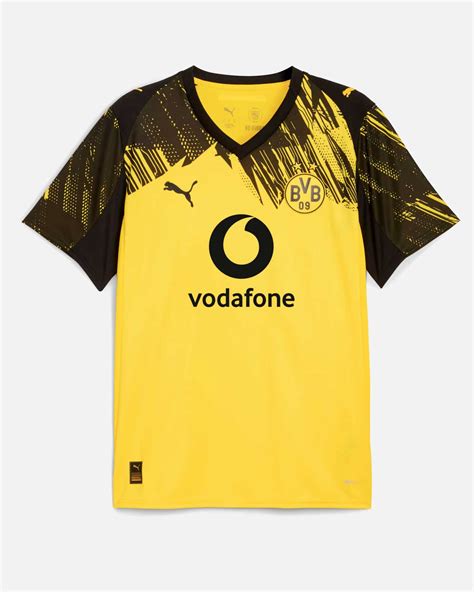
However, the rule is not without its critics and challenges. Some argue that it limits the potential for rapid growth and global competitiveness of Bundesliga clubs. For example, clubs in other leagues can attract massive investments from external sources, enabling them to compete at the highest levels of European football. The 50+1 rule, by design, slows down such opportunities. A notable case is RB Leipzig, which has faced criticism for its ownership model. The club is backed by energy drink company Red Bull, which found a way to navigate the rule by structuring ownership in a manner that technically complies with the 50+1 requirement but effectively grants Red Bull significant influence. This has led to debates about whether the rule is being undermined or whether it needs further clarification to prevent such loopholes.
Another dimension of the 50+1 rule's impact is its effect on attracting external investment. While the rule protects clubs from predatory ownership, it can also deter some high-profile investors who seek full control over their assets. For instance, investors accustomed to the ownership models of other leagues might find the Bundesliga's structure restrictive. This can limit the league's ability to attract the kind of global capital that has fueled the rapid expansion of other football leagues. However, this limitation is often seen as a feature rather than a bug by proponents of the rule, who argue that it ensures football remains a sport driven by passion rather than profit.
The rule also has implications for club governance and accountability. With members holding the majority of voting rights, clubs are more directly accountable to their fan bases. This can lead to more transparent decision-making processes, as fans are likely to prioritize the club's long-term health and community ties over short-term financial gains. For example, if a club were considering a controversial sponsorship deal or a risky financial venture, the members could veto it to protect the club's reputation or stability. This level of accountability is rare in leagues where ownership is concentrated in the hands of a few powerful stakeholders.
There are also philosophical underpinnings to the 50+1 rule that reflect broader cultural values in Germany. The rule embodies a commitment to egalitarianism and community ownership, which are deeply rooted in the country's social and economic frameworks. This contrasts sharply with the more capitalist-driven approaches seen in other football markets, where the pursuit of profit often takes precedence over fan welfare or club heritage. By embedding this principle into the fabric of the Bundesliga, the 50+1 rule reinforces the idea that football clubs are not just businesses but cultural institutions with a responsibility to their supporters and local communities.
Despite its benefits, the rule has been tested in recent years by changing dynamics in global football. The rise of super leagues, state-funded clubs, and the increasing commercialization of the sport have put pressure on the Bundesliga to reconsider its stance. Some clubs and stakeholders argue that the rule places German football at a disadvantage in the global market. However, any attempt to modify or abolish the rule would likely face significant resistance from fans, who view it as a critical safeguard against the commercial excesses seen elsewhere. This tension highlights the delicate balance between tradition and modernization in the Bundesliga.
In summary, the 50+1 rule profoundly shapes club ownership in the Bundesliga by preventing majority control by external investors and ensuring that clubs remain rooted in their communities. While it imposes certain limitations on financial growth and global competitiveness, it also fosters a unique environment where fan influence, financial stability, and long-term sustainability are prioritized. This structure not only distinguishes the Bundesliga from other leagues but also reinforces its identity as a league that values its cultural and social responsibilities over unchecked commercial expansion. As global football continues to evolve, the rule remains a critical—and often contentious—element of the Bundesliga's framework.
Economic Implications for Bundesliga Clubs
The 50+1 rule in the Bundesliga is a unique ownership model that requires clubs to hold a majority of their voting rights, effectively preventing external investors from gaining full control of a club. This regulation is designed to preserve the democratic nature of club governance and prioritize fan interests over profit-driven agendas. However, the rule introduces significant economic trade-offs for Bundesliga clubs, particularly in terms of revenue generation and global competitiveness. Understanding these trade-offs requires an analysis of how the 50+1 rule shapes financial strategy, limits external investment, and impacts clubs' ability to compete on an international stage.
One of the most immediate economic implications of the 50+1 rule is its effect on revenue diversification. Clubs in other leagues, such as the Premier League or La Liga, often benefit from external investors—wealthy individuals or state-backed entities—who inject substantial capital into their operations. These funds can be used to enhance stadium infrastructure, acquire high-profile players, or develop youth academies. Without similar access to such deep pockets, Bundesliga clubs are often constrained in their ability to make large-scale investments that could drive revenue growth. For instance, while a club like Manchester City has leveraged its association with the Abu Dhabi United Group to build a global brand and generate non-football-related income (e.g., through sponsorships and real estate ventures), Bundesliga clubs must rely more heavily on traditional revenue streams such as ticket sales, merchandise, and broadcasting rights.
This reliance on conventional revenue models creates a structural revenue ceiling for many Bundesliga clubs. While broadcasting rights in Germany are lucrative, they are not as globally competitive as those of the Premier League, which commands higher international fees due to its widespread appeal. Bundesliga clubs are thus at a disadvantage when it comes to monetizing their brand on a global scale. The 50+1 rule indirectly reinforces this limitation because it discourages the kind of aggressive commercial expansion that external ownership often enables. For example, clubs might struggle to secure high-value sponsorships or establish themselves in emerging markets where investor-backed clubs can outspend them in marketing and player acquisition.
Another critical trade-off lies in the area of player acquisition and wages. The 50+1 rule inherently limits the ability of clubs to offer exorbitant salaries to attract top-tier talent. While this can foster a more sustainable wage structure and prevent the kind of financial overreach seen in other leagues (e.g., the financial fair play violations of some clubs), it also means that Bundesliga clubs often lose out on signing elite players who command premium wages. This dynamic can have a ripple effect on a club’s competitiveness in European competitions like the UEFA Champions League. Without the ability to field squads comparable to those of investor-driven clubs, Bundesliga teams may find it harder to progress deep into these tournaments, which are a significant source of revenue. Success in the Champions League not only brings direct prize money but also enhances a club’s global profile, attracting better sponsorship deals and higher broadcasting revenues in subsequent seasons. The 50+1 rule, therefore, can create a self-reinforcing cycle where limited investment leads to reduced competitiveness, which in turn restricts revenue growth.
However, the 50+1 rule also offers economic advantages that should not be overlooked. By maintaining majority control, clubs are less likely to fall into the kind of financial distress seen in other leagues where external owners prioritize short-term gains over long-term stability. This stability can translate into more predictable cash flow and reduced risk of insolvency. Bundesliga clubs are generally run with a focus on sustainability, which can appeal to sponsors and partners looking for reliable, ethically managed organizations. For instance, clubs like Borussia Dortmund and Bayern Munich have cultivated strong local and regional fan bases, which provide a steady stream of income through season tickets and merchandise sales. These fan-centric models can be seen as a counterbalance to the high-risk, high-reward strategies of investor-driven clubs, where financial success is often tied to the whims of a single owner or entity.
The 50+1 rule also forces clubs to be more innovative in their economic strategies. Without the safety net of unlimited external funding, clubs must find creative ways to maximize revenue. This has led to initiatives such as expanding digital fan engagement platforms, enhancing the matchday experience to boost attendance, and leveraging partnerships with local businesses. For example, some Bundesliga clubs have invested in e-sports teams or developed apps that offer exclusive content to fans, creating new revenue streams that are independent of traditional football economics. These efforts demonstrate how the 50+1 rule can encourage clubs to think beyond conventional methods of monetization, fostering a more diversified and resilient economic model.
On the flip side, the rule can lead to regional disparities in competitiveness within the Bundesliga itself. Clubs like Bayern Munich, which have a larger fan base and more extensive commercial opportunities due to their historical success, are better positioned to thrive under the 50+1 framework. Smaller clubs, particularly those without a similar legacy or regional economic advantage, may find it harder to close the gap. This disparity can make the league less competitive overall, as the same few teams dominate the top positions year after year. While this is not a direct outcome of the 50+1 rule alone, the rule’s limitations on external investment exacerbate the challenge for smaller clubs to compete on equal footing.
From a global competitiveness perspective, the 50+1 rule presents a paradox. On one hand, it ensures that Bundesliga clubs remain rooted in their communities and avoid the kind of financial excess that can lead to instability. On the other hand, it arguably restricts their ability to challenge the global hegemony of leagues like the Premier League or even Ligue 1 (with its state-backed clubs like Paris Saint-Germain). This paradox is particularly evident when Bundesliga clubs face off against teams with virtually unlimited resources in European competitions. While the rule protects the Bundesliga’s identity and long-term health, it also raises questions about whether German football can sustain its position as a top-tier league in the face of increasing financial polarization across European football.
In summary, the 50+1 rule creates a complex economic landscape for Bundesliga clubs. While it enforces financial discipline and preserves the democratic ethos of German football, it also imposes limitations on revenue growth and global competitiveness. Clubs must navigate these trade-offs by focusing on innovative revenue strategies and leveraging their community-driven ethos to remain viable in an increasingly commercialized sport. The rule’s long-term economic implications will depend on how well Bundesliga clubs can balance tradition with the need for modernity in a rapidly evolving football ecosystem.
Comparison with Other Leagues
The Bundesliga's **50+1 rule** is one of the most distinctive ownership structures in global football, setting it apart from the frameworks seen in other major leagues such as the Premier League, La Liga, and Serie A. This rule mandates that club members—typically the fans—must retain a majority of voting rights in their club, ensuring that external investors cannot take full control. This approach has been lauded for preserving the democratic essence of German football clubs while also drawing criticism for potentially limiting financial growth. To understand its significance, it is essential to compare the Bundesliga's model with the ownership dynamics of other leagues, particularly those in England and Spain.
In the **Premier League**, ownership structures are largely defined by a free-market approach. Clubs are treated as commercial entities, often owned by private individuals, consortiums, or corporations. This has led to a surge in foreign investment, particularly from the United States, the Middle East, and Asia. For example, Manchester City is owned by the Abu Dhabi United Group, while Newcastle United recently came under Saudi ownership. These investors often pump vast sums of money into their clubs to achieve success, which has fueled the Premier League's dominance as the most-watched and commercially successful football league in the world. However, this model has also created a stark disparity between clubs with wealthy backers and those without. Smaller clubs struggle to compete financially, and the focus on profit maximization sometimes overshadows community engagement. The absence of a rule like 50+1 in the Premier League means that fan influence is minimal, often relegated to symbolic supporter trusts or fan forums rather than meaningful control over club decisions. This has led to controversies, such as the European Super League proposal in 2021, which was widely opposed by fans but backed by several club owners seeking greater commercial returns.
The **La Liga** model offers a middle ground. While Spanish clubs like Real Madrid and Barcelona operate as member-owned organizations (socios) similar to the Bundesliga’s ethos, the majority of La Liga clubs are run as limited companies (SADs, or Sociedades Anónimas Deportivas). These SADs allow for private investment and ownership, albeit with some restrictions to protect clubs from hostile takeovers. For instance, while Real Madrid and Barcelona retain their socios structure, clubs like Atlético Madrid and Valencia are SADs with significant external ownership. This hybrid approach gives La Liga a blend of traditional fan involvement and modern commercial flexibility. However, even in this system, there are notable disparities. The "big two" (Real Madrid and Barcelona) dominate not just in sporting terms but also in revenue generation due to their global brands and historic fan bases. The lack of a strict 50+1-style rule means that clubs in Spain are more susceptible to financial mismanagement or being leveraged for profit by owners, as seen in cases like Málaga CF under Qatari ownership.
The **Bundesliga's 50+1 rule**, by contrast, creates a more egalitarian environment. By ensuring that members hold the majority of voting rights, the rule prevents clubs from being turned into profit-driven entities at the expense of their traditional fan base. This model has fostered a strong sense of community and affordability in German football. Ticket prices in the Bundesliga are notably lower than those in the Premier League, reflecting a commitment to accessibility for average fans. Additionally, the rule has helped maintain competitive balance to some extent. While Bayern Munich has dominated the league due to its superior infrastructure and management, other clubs like Borussia Dortmund and RB Leipzig have still managed to challenge for titles without the need for billionaire owners. However, the rule is not without its challenges. Critics argue that it can deter significant investment, as seen in the case of RB Leipzig, which has faced criticism for circumventing the spirit of 50+1 by structuring its membership in a way that effectively centralizes control in the hands of its parent company, Red Bull.
One of the most striking differences between the Bundesliga and the Premier League lies in the **financial sustainability** of clubs. The 50+1 rule inherently limits the amount of debt clubs can take on, as member-owners are less likely to approve risky financial ventures. In the Premier League, clubs like Chelsea and Manchester United have often operated with significant debt under owners who prioritize short-term success over long-term stability. This has occasionally led to financial crises, such as Leeds United's relegation in the early 2000s after over-leveraging in pursuit of Champions League qualification. In the Bundesliga, such scenarios are rare because the member-driven governance model prioritizes fiscal prudence over speculative spending.
In **La Liga**, the hybrid structure has allowed for some degree of financial innovation, such as Barcelona and Real Madrid's ability to negotiate their own broadcasting deals until the centralization of rights in 2015. This gave these clubs a financial edge but also deepened inequalities within the league. The Bundesliga, on the other hand, has a centralized broadcasting model that distributes revenue more equitably among clubs, further reinforcing the egalitarian principles of the 50+1 rule. While this approach supports mid-table and lower-tier clubs, it can also be seen as a limiting factor for clubs aspiring to break into the elite tier without significant external investment.
Another area of comparison is the **relationship between owners and fans**. In the Premier League, fan protests against ownership decisions are not uncommon. For instance, Manchester United fans have repeatedly expressed dissatisfaction with the Glazer family's ownership, citing high debt levels and perceived lack of investment in the club's infrastructure. In the Bundesliga, such scenarios are less likely because the 50+1 rule ensures that fans have a direct say in major decisions. However, this does not mean the Bundesliga is immune to tensions. The rise of RB Leipzig, with its corporate-backed structure, has sparked debates about whether the 50+1 rule is being undermined. Some argue that the rule should be more strictly enforced to preserve its original intent.
From a **global perspective**, the 50+1 rule can be seen as a barrier to the kind of rapid commercialization witnessed in the Premier League. The English league's open-market approach has attracted massive broadcast deals and sponsorship revenues, propelling it to the forefront of global football. However, this comes at the cost of fan alienation and club identity erosion. In Spain, the socios model for clubs like Barcelona and Real Madrid offers a romanticized vision of fan ownership, but the financial struggles of these clubs in recent years—such as Barcelona's need to offload players to meet La Liga's salary cap—highlight the vulnerabilities of this system without stricter financial oversight.
The **Bundesliga's 50+1 rule** stands out as a model that prioritizes fan sovereignty and long-term sustainability over unchecked commercial growth. While it may not produce the same level of global revenue or star-studded ownership as the Premier League, it fosters a unique football culture where clubs are deeply rooted in their local communities. In La Liga, the mix of member-ownership and SAD structures creates a more flexible but less consistent framework. Ultimately, the Bundesliga's model serves as a counterpoint to the commercial excesses of other leagues, offering a vision of football that is less about profit maximization and more about preserving the sport's essence as a communal experience.
- The Premier League prioritizes commercial success, often at the expense of fan influence.
- La Liga blends fan involvement with private ownership, leading to a mix of tradition and commercial ambition.
- The Bundesliga's 50+1 rule ensures fan control but can limit external investment opportunities.
In conclusion, while the Bundesliga's 50+1 rule may not be perfect—particularly in its vulnerability to creative workarounds like those seen with RB Leipzig—it offers a compelling alternative to the profit-driven models of the Premier League and the hybrid structures of La Liga. It underscores the philosophical divide in how football is perceived: as a business, a community asset, or somewhere in between.

Exceptions to the Rule
The "50+1 rule" in the Bundesliga is a regulation designed to ensure that football clubs retain majority ownership of their teams, thereby maintaining the integrity of the sport by prioritizing fan interests over commercial exploitation. Under this rule, a club must hold more than 50% of the voting rights in its professional team, preventing external investors from gaining full control. However, as with many regulations, there are exceptions to the rule, and some clubs have found ways to navigate or even bypass this requirement. This section delves into these exceptions, focusing on high-profile cases such as RB Leipzig and others that challenge the traditional spirit of the 50+1 rule.
One of the most prominent examples of an exception to the 50+1 rule is RB Leipzig. The club, owned by energy drink conglomerate Red Bull, has often been criticized for exploiting a loophole in the rule. While the 50+1 rule explicitly requires that the majority of voting rights remain with club members, RB Leipzig has structured its membership in a way that effectively centralizes power within Red Bull. The club limits its membership to a small, select group of individuals, most of whom are affiliated with Red Bull. This creates a situation where, while technically the club adheres to the letter of the 50+1 rule, the spirit of fan-driven ownership is undermined. Critics argue that this setup allows Red Bull to exert near-total control over the club's decision-making processes, from player acquisitions to long-term strategy. This case has sparked widespread debate about whether such arrangements should be permissible under the 50+1 framework.
Another key aspect of the RB Leipzig case is how it highlights the economic disparity the 50+1 rule seeks to mitigate. By pouring significant financial resources into the club, Red Bull has enabled RB Leipzig to rise rapidly through the ranks of German football, achieving Bundesliga status and even competing in European tournaments. This rapid ascent has drawn ire from traditional clubs and their supporters, who see it as an example of how external investment can distort competition. However, defenders of RB Leipzig argue that their model is simply an innovative approach to modern football economics, one that other clubs could emulate if they had similar resources. This tension between tradition and commercial pragmatism underscores the complexity of the 50+1 rule's application.
Beyond RB Leipzig, there are other instances where the 50+1 rule has been adapted or challenged. For instance, Bayer 04 Leverkusen and VfL Wolfsburg operate under exceptions due to their unique historical ties to corporate entities. Bayer Leverkusen is owned by pharmaceutical giant Bayer, while Wolfsburg is backed by Volkswagen. These clubs were granted exemptions because their corporate owners have supported them for over 20 years, a provision explicitly allowed under the 50+1 rule. This "long-standing sponsorship" clause is intended to accommodate clubs with deep-rooted corporate partnerships that predate the rule's formalization. While these clubs do not face the same level of criticism as RB Leipzig, their situations still illustrate how the rule can be bent to accommodate historical and economic realities.
The legal and ethical questions surrounding these exceptions are worth examining. For instance, is it fair for clubs like RB Leipzig to exploit the letter of the law while disregarding its intent? Some argue that such cases demonstrate the need for a more rigid enforcement of the 50+1 rule to preserve its original purpose. Others contend that the rule itself is outdated in a globalized, commercialized football landscape where clubs must compete with entities like Manchester City (backed by Abu Dhabi's wealth) or Paris Saint-Germain (funded by Qatar). This debate often pits purists who value the Bundesliga's fan-first ethos against pragmatists who believe that German football must adapt to remain competitive in a financially aggressive sport.
Another lesser-known but significant example is TSG 1899 Hoffenheim, a club that has also benefited from external investment. Dietmar Hopp, a co-founder of software company SAP, has heavily invested in Hoffenheim, enabling the small-town club to rise from the lower divisions to the Bundesliga. While Hopp does not own the club outright, his influence and financial support have raised similar concerns to those seen with RB Leipzig. However, the German Football Association (DFB) has allowed this arrangement because Hopp's involvement is framed as a personal, philanthropic endeavor rather than a corporate takeover. This nuanced distinction shows how the DFB evaluates exceptions on a case-by-case basis, often leading to inconsistencies in how the rule is applied.
These exceptions point to a broader issue within the Bundesliga: the tension between tradition and modernization. The 50+1 rule is a cherished part of German football culture, emphasizing community ownership and resisting the kind of commercial overreach seen in other leagues like the English Premier League. However, as the global football market becomes increasingly monetized, the pressure on German clubs to attract investment grows. This has led to calls for a reevaluation of the rule, with some suggesting that exceptions should be formalized into a more transparent framework. For instance, could clubs be allowed to seek external investment under specific conditions, such as maintaining a cap on voting rights or requiring community reinvestment?
The impact of these exceptions on the competitive balance of the Bundesliga cannot be ignored. While RB Leipzig, Hoffenheim, and other exception-based clubs have brought excitement and new talent to the league, they have also created a divide. Traditional clubs with more modest resources often struggle to keep pace, leading to accusations of an uneven playing field. This dynamic is particularly evident when comparing the financial clout of exception-based clubs to mid-table or lower-tier teams that strictly adhere to the 50+1 rule.
It is also worth noting that the fan response to these exceptions has been mixed. While many supporters of traditional clubs view the exceptions as a betrayal of the Bundesliga's values, some younger or more commercially minded fans see them as a necessary evolution. This generational divide reflects broader societal shifts in how people view sports—not just as a community activity but as a global entertainment product. Clubs like RB Leipzig have tapped into this shift, building a brand that appeals to a new demographic of supporters while alienating traditionalists.
In conclusion, the exceptions to the 50+1 rule reveal the complexities of balancing tradition, fairness, and commercial viability in modern football. Cases like RB Leipzig, Bayer Leverkusen, Wolfsburg, and Hoffenheim demonstrate that while the rule is a cornerstone of the Bundesliga's identity, it is not immutable. As the football landscape continues to evolve, the exceptions may serve as a testing ground for how German football can adapt without losing its soul. Whether these exceptions are seen as necessary compromises or dangerous precedents depends largely on one's perspective—but they undeniably shape the ongoing narrative of the 50+1 rule and its place in the future of the sport.
Criticism and Controversies
The 50+1 rule in the Bundesliga has long been a point of pride for German football, emphasizing fan ownership and democratic control over clubs. However, this rule has not been immune to criticism, particularly from those who argue that it imposes barriers to investment and limits the potential for growth in German football compared to other European leagues. These criticisms, while not universally accepted, are rooted in concerns about competitiveness, financial disparities, and the global evolution of the sport.
One of the most significant criticisms of the 50+1 rule is that it limits the influx of external investment into German clubs. Under the rule, a club must retain majority ownership of its football division, effectively preventing external investors from gaining full control. While this ensures that clubs remain tethered to their fan bases and community roots, it also deters wealthy individuals or corporations from pouring significant capital into Bundesliga teams. Critics argue that this creates a competitive disadvantage when compared to leagues like the English Premier League or Spain’s La Liga, where clubs such as Manchester City, Paris Saint-Germain, and Newcastle United have benefited from substantial investment by state-backed entities or billionaire owners. These investments often enable clubs to attract top-tier talent, build world-class facilities, and expand their global brand presence—opportunities that are more constrained under the 50+1 framework.
For instance, RB Leipzig has faced backlash for its unconventional structure, where the energy drink company Red Bull has significant influence despite the 50+1 rule. While technically compliant, RB Leipzig’s model has been criticized as a loophole that undermines the spirit of the rule. This case highlights how the rule can drive clubs to find creative—and sometimes controversial—ways to secure investment, which can exacerbate tensions within German football. Critics suggest that rather than fostering a level playing field, the rule may inadvertently push clubs to adopt structures that strain the integrity of the system.
Another point of contention is the impact on club revenues and marketability. The Bundesliga has struggled to compete with the Premier League in terms of global broadcasting deals and commercial revenues. While the Premier League’s open-market approach has allowed clubs to secure lucrative sponsorship and ownership deals, the Bundesliga’s adherence to 50+1 may limit similar opportunities. For example, a club fully owned by a wealthy investor might be better positioned to negotiate high-value partnerships or expand into emerging markets. Critics argue that the rule, while preserving tradition, may inadvertently stifle the Bundesliga’s ability to grow its international footprint. This is particularly concerning as the global sports market becomes increasingly competitive, with leagues in the United States, Asia, and the Middle East vying for viewership and sponsorships.
However, it is important to note that the 50+1 rule is not solely a financial inhibitor; it is also a philosophical choice about how football should be structured. Proponents of the rule argue that its primary purpose is to prioritize fan interests over profit-driven models. Yet, critics counter that this idealism can come at a cost. For instance, the rule may limit the ability of smaller or less prestigious clubs to attract the kind of investment needed to compete at the highest level. While the Bundesliga has a reputation for parity—a feature often attributed to the 50+1 rule—this parity can also mean that German clubs are less likely to dominate in European competitions like the UEFA Champions League. Critics suggest that the lack of mega-rich owners or state-backed entities in German football may contribute to a "glass ceiling" for Bundesliga teams when facing financially superior opponents from other leagues.
There are also concerns about the long-term sustainability of the Bundesliga’s model. The global football landscape is shifting rapidly, with new revenue streams emerging through digital platforms, esports, and international fan engagement. Critics argue that the 50+1 rule could make German clubs less agile in adapting to these changes. For example, clubs in other leagues have leveraged their financial freedom to invest in digital transformation, data analytics, and fan-engagement technologies. Without similar flexibility, Bundesliga clubs may risk falling behind in areas that are increasingly critical to the sport’s future. This is not to suggest that the rule inherently prevents innovation, but rather that it may create a slower and more cautious approach to adopting new strategies due to the need for collective decision-making among stakeholders.
Another layer of criticism comes from the perception of inconsistency in how the rule is applied. While most Bundesliga clubs adhere strictly to 50+1, there are notable exceptions like Bayer Leverkusen, Wolfsburg, and Hoffenheim, which are tied to corporate entities or individuals due to historical circumstances. These exceptions are often seen as evidence that the rule is not as rigid or equitable as it purports to be. For instance, Bayer Leverkusen’s connection to pharmaceutical company Bayer and Wolfsburg’s affiliation with Volkswagen allow these clubs to operate with financial advantages that other teams cannot access. Critics argue that this creates a two-tiered system within the Bundesliga, where some clubs benefit from external support while others are bound more strictly by the rule. This inconsistency fuels debates about whether the 50+1 rule is truly serving its intended purpose or whether it is being selectively enforced to favor certain clubs.
From a broader perspective, the globalization of football has also brought new challenges to the 50+1 model. As leagues around the world pursue commercial growth, the Bundesliga risks being seen as outdated or overly restrictive. Critics point to the rise of "super clubs" backed by vast financial resources and question whether German football can remain relevant without similar levels of investment. While the 50+1 rule ensures that clubs are not entirely beholden to profit-driven agendas, it also means that German football may lack the financial firepower to keep pace with leagues that prioritize commercial success above all else. This tension is particularly evident when considering the Bundesliga’s relatively modest revenues compared to the Premier League, despite Germany’s strong football culture and large fan base.
On the other hand, some argue that the criticisms of the 50+1 rule are overstated. They point out that the rule has contributed to the Bundesliga’s reputation for affordability, fan engagement, and grassroots development. However, these arguments often fail to address the opportunity cost of adhering to the rule. While fan-centric policies are laudable, they may come at the expense of greater financial competitiveness and global influence. Critics suggest that a more nuanced approach—such as allowing limited exceptions for strategic investments while maintaining core principles of fan ownership—could strike a better balance between tradition and growth.
In conclusion, the criticisms of the 50+1 rule are multifaceted and reflect a broader debate about the future of German football. While the rule has preserved a unique and fan-focused model, it has also been accused of limiting investment, stifling growth, and creating inconsistencies within the league. As the sport continues to evolve in a globalized and highly competitive environment, the Bundesliga may need to reexamine whether the 50+1 rule can be adapted to meet the demands of modern football without sacrificing its core values. This tension between tradition and progress remains one of the most contentious issues in German football today.
Supporter Perspectives
The 50+1 rule in the Bundesliga is a unique regulation that has long defined the German football landscape. At its core, the rule ensures that club members—the fans—retain majority ownership of their teams, preventing external investors from gaining full control. This structure has shaped not only the operational dynamics of Bundesliga clubs but also the way supporters perceive their role in the sport. For fans, the 50+1 rule is more than a legal framework; it is a symbol of their collective power and a safeguard for the identity and traditions of their clubs.
One of the most significant ways fans view the 50+1 rule is as a bulwark against the commercialization and homogenization of football. In an era where many European leagues, particularly the English Premier League, have seen clubs become playthings of billionaire owners or state-backed entities, the Bundesliga stands apart. Fans argue that the rule ensures their clubs remain tied to their local communities and rooted in the values that made them beloved in the first place. For instance, clubs like FC St. Pauli are celebrated not just for their on-pitch performances but for their progressive stances on social issues, something that might be diluted or erased under profit-driven ownership models.
The preservation of club identity is a recurring theme in fan discussions about 50+1. Supporters often point to examples like Borussia Dortmund, where the vibrant "Yellow Wall" at Signal Iduna Park epitomizes the deep connection between the club and its community. This stand, with its 25,000-strong capacity, is more than a seating area—it is a physical manifestation of the fans' collective spirit. The 50+1 rule, fans believe, helps protect such traditions by keeping decision-making power in the hands of those who genuinely care about the club’s heritage rather than short-term financial gains. Without this rule, there is a fear that clubs could be rebranded, stadiums renamed, or ticket prices hiked to levels that alienate the average supporter. These concerns are not hypothetical; they are rooted in what fans have observed happening in other leagues where external ownership has led to a disconnect between clubs and their traditional fan bases.
However, the 50+1 rule is not without its critics, even among fans. Some argue that it can stifle ambition, particularly for smaller clubs that might benefit from significant external investment to compete at higher levels. Yet, even these voices often concede that the rule fosters a sense of democratic participation that is rare in modern sports. For instance, fan representatives often have a direct line to club management in Bundesliga teams, ensuring that supporter concerns are heard. This participatory model is seen as a way of preserving the "soul" of football—an intangible but vital aspect of why fans feel so attached to their teams. Supporters often recount how this sense of ownership manifests in matchday experiences, where chants, rituals, and even protest banners are expressions of a fan base that feels genuinely involved in the club's journey.
Another perspective from fans is the role of the 50+1 rule in maintaining affordable access to football. Bundesliga ticket prices are notably lower than those in other top-tier leagues, a fact often credited to the rule’s influence. Fans argue that because clubs are not solely focused on maximizing profits for external stakeholders, they can prioritize accessibility. This affordability ensures that football remains a sport for the masses rather than an exclusive entertainment product for the wealthy. For many, this affordability is a direct result of the collective ownership model, where fans' interests align with keeping the sport accessible rather than turning it into a luxury experience.

The rule also plays a psychological role in how fans perceive their relationship with their clubs. In an age of increasing commercialization, where players and even entire teams can feel distant or commodified, the 50+1 rule reinforces the idea that fans are not just consumers but stakeholders. This dynamic creates a sense of pride and responsibility among supporters. For example, when clubs face financial difficulties or controversies, fans often rally together not as passive observers but as active participants in finding solutions. The 50+1 rule emboldens this mindset, as it suggests that the club belongs to its people rather than a distant boardroom.
That said, there are instances where the 50+1 rule has been tested, and these moments offer insights into its perceived limitations. The case of RB Leipzig is often cited as a point of contention. While the club technically adheres to the rule, its structure—where a small group of members closely tied to the energy drink company Red Bull hold majority ownership—has been criticized as a loophole. This has led to accusations that the rule can be manipulated, leaving some fans questioning whether it is robust enough to truly protect club traditions. Such cases highlight the tension between idealism and pragmatism in how the rule is applied, but they also underscore how deeply fans care about maintaining its spirit.
Beyond the structural implications, there is an emotional dimension to how fans view the 50+1 rule. For many, it represents a rejection of the "big money" ethos that has come to dominate other football cultures. Supporters often express a sense of resistance to the idea that football should be dictated by the highest bidder. This sentiment is particularly strong among older generations of fans who remember a time when football was more closely tied to local identity and community. For them, the 50+1 rule is not just a practical measure but a symbolic stand against the erosion of those values.
Interestingly, younger fans also find value in the rule, though their perspective is sometimes shaped by a globalized view of football. While they may admire the financial power and star-studded lineups of clubs in other leagues, many still see the 50+1 rule as a way of ensuring that the Bundesliga remains distinct. They recognize that while the rule might limit certain opportunities for rapid growth, it also creates a league where stories like Union Berlin’s rise—a club built on fan labor and collective effort—are possible. These narratives resonate deeply with fans who value the romantic, grassroots aspects of the sport over sterile, corporate success stories.
In summary, the 50+1 rule is seen by fans as a critical element in preserving the Bundesliga’s unique character. It is not merely a regulatory detail but a reflection of the values that German football stands for: community, tradition, and accessibility. While it has its challenges and limitations, the rule is deeply intertwined with how supporters view their role in the sport. For them, it is a reminder that football is more than a business—it is a shared passion, a cultural touchstone, and a collective legacy that must be protected. Through this lens, the 50+1 rule is not just about ownership; it is about ensuring that the heart of the game continues to beat in the hands of those who love it most.
The Future of the 50+1 Rule
The 50+1 rule in the Bundesliga has long been a cornerstone of German football, ensuring that club members retain majority ownership and control over their teams. This rule has fostered a sense of community, affordability, and sustainability in the league, distinguishing it from other European leagues where commercial entities often dominate ownership. However, as modern football faces increasing commercial pressures, questions about the rule's future have grown more urgent. Clubs, investors, and even some fans are beginning to challenge whether the rule can remain intact in its current form without jeopardizing the Bundesliga's competitiveness on the global stage.
One of the most significant pressures on the 50+1 rule comes from the desire for increased investment in clubs. While the rule has protected clubs from the kind of financial mismanagement seen in other leagues, it has also limited the scale of external funding available. Wealthy investors and commercial entities, particularly those from outside Germany, often view the rule as a barrier to entry. They argue that without the ability to take full control of a club, their ability to inject transformative capital is restricted. This has led to instances where clubs, such as RB Leipzig and Hoffenheim, have found ways to work around the rule—often to the chagrin of traditionalists who see these exceptions as eroding the rule's intent.
The rise of superclubs in other leagues, such as the Premier League and La Liga, has also intensified the debate. These clubs, fueled by massive commercial revenues and often backed by state-linked entities, are able to outspend Bundesliga teams in player acquisitions and infrastructure development. This has created a growing gap in competitive balance, with Bundesliga teams struggling to keep pace in European competitions like the UEFA Champions League. Critics of the 50+1 rule suggest that it places German clubs at a disadvantage, as they cannot tap into the kind of unrestricted funding that has propelled teams like Manchester City or Paris Saint-Germain to the top of European football.
However, reforming the 50+1 rule is not without risks. Any relaxation of the rule could open the door to increased financial inequality within the Bundesliga. Currently, the rule helps maintain a relatively level playing field, where clubs like Bayern Munich and Borussia Dortmund can dominate domestically but still face challenges from well-managed mid-table teams. If the rule were to be significantly altered, there is a real possibility that a small number of clubs could attract disproportionate investment, creating a scenario where the Bundesliga mirrors the "top-heavy" nature of the Premier League. This could alienate fans who value the league's competitive balance and affordability, two factors that have made it a unique and appealing product.
One potential reform being discussed is the introduction of a tiered approach to the 50+1 rule. Under this model, clubs could be allowed to seek external majority ownership if they meet certain criteria, such as a minimum period of financial stability or a proven track record of community engagement. This would allow clubs in dire need of investment—perhaps those facing relegation or infrastructure challenges—to access external capital while still protecting the majority of clubs from predatory ownership models. Such a reform could strike a balance between preserving the rule's core principles and adapting to the realities of modern football economics.
Another avenue for change lies in strengthening the Bundesliga's commercial appeal as a collective entity rather than altering the 50+1 rule itself. The league could focus on increasing its media rights revenues, improving its global branding, and fostering partnerships with international sponsors. By doing so, it could provide clubs with additional revenue streams that reduce the perceived need for external ownership. This approach would require coordinated effort across the league, but it could reinforce the Bundesliga’s identity as a league that prioritizes sustainability and fan-centric values over short-term financial gains.
There is also a growing recognition of the fan-driven backlash that could accompany any significant reform. The 50+1 rule is deeply ingrained in the Bundesliga's identity, and many supporters view it as a non-negotiable aspect of their football culture. Any attempt to dilute the rule could provoke widespread protests, as seen in the backlash against RB Leipzig's ownership model. Clubs and league officials must therefore tread carefully, ensuring that any changes are accompanied by robust consultation with fan groups and clear communication about the rationale behind reforms. Failure to do so could risk alienating the very supporters who are the lifeblood of the league.
On the other hand, some argue that the globalization of football necessitates a more flexible approach. As the sport becomes increasingly commercialized, with digital platforms and international audiences driving revenue growth, the Bundesliga risks being left behind if it adheres too rigidly to the 50+1 rule. Clubs may need the ability to form partnerships with global brands or investors to expand their reach and secure long-term financial viability. For example, a reformed rule could allow for minority stakes from non-EU investors while still requiring clubs to maintain majority ownership among their members. This compromise could attract much-needed capital without completely dismantling the rule’s protective framework.
A related consideration is the role of technology and innovation in reshaping how clubs generate revenue. The Bundesliga could explore new models, such as direct-to-consumer streaming services or partnerships with tech companies, to diversify income sources. If clubs can harness these opportunities effectively, they may find that the 50+1 rule is less of a financial constraint and more of a strategic advantage, as it allows them to experiment with fan-driven initiatives that other leagues cannot easily replicate.
Ultimately, the future of the 50+1 rule will depend on how the Bundesliga navigates the tension between tradition and modernization. While the rule has served as a bulwark against some of the excesses seen in other leagues, it is not immune to the pressures of a globalized, profit-driven sport. Potential reforms must balance the need for increased investment with the preservation of the league's unique identity. This could involve pilot programs for selective rule adjustments, greater emphasis on collective league growth, or even a rethinking of what "ownership" means in the modern era. Whatever path is chosen, it is clear that the 50+1 rule will remain a central topic in discussions about the future of German football, as it embodies the delicate interplay between commercial ambition and community-driven values.
- The rule protects against financial mismanagement but limits external funding opportunities.
- Superclubs in other leagues highlight the Bundesliga's competitive disadvantage.
- A tiered approach or focus on collective league commercialization could offer solutions.
- Fan backlash is a significant risk if reforms are not carefully managed.
- Innovations in revenue generation could reduce the need for rule changes.
In conclusion, while the 50+1 rule faces mounting pressure amid modern football's commercial evolution, its future is not necessarily one of outright abolition. Instead, thoughtful reforms that respect its foundational principles while adapting to new realities could allow the Bundesliga to thrive without losing its soul. The challenge lies in crafting changes that are both pragmatic and palatable to the diverse stakeholders who make the Bundesliga what it is today.
Conclusion and Recommendations
The 50+1 rule in the Bundesliga has long been a cornerstone of German football, ensuring that club members retain majority ownership and control over their teams. This rule has fostered a sense of community, financial sustainability, and long-term stability within the league. However, as the global football landscape evolves, driven by commercialization, private investment, and the rise of superclubs, the 50+1 rule faces increasing scrutiny. Stakeholders must carefully consider its future trajectory to balance tradition with the need for growth and competitiveness in an increasingly globalized sport.
One of the key insights from analyzing the 50+1 rule is its dual-edged nature. On one hand, it has successfully insulated Bundesliga clubs from the kind of financial mismanagement and over-leveraging seen in other European leagues, such as La Liga or the Premier League. Clubs like Schalke 04 and Borussia Dortmund have been able to maintain a strong connection with their fan bases, cultivating loyalty and a sense of identity that is often lost when clubs are fully privatized. This community-oriented model has also contributed to affordable ticket prices and high stadium attendance, making the Bundesliga one of the most fan-friendly leagues in the world. However, on the other hand, the rule has arguably limited the ability of Bundesliga clubs to attract significant private investment, which is crucial for competing with the financial might of clubs in the Premier League or Ligue 1.
Another insight is the emerging tension between tradition and commercial pragmatism. While the 50+1 rule has preserved the Bundesliga's unique identity, it has also created a glass ceiling for German clubs in European competitions. For instance, the financial disparity between Bundesliga teams and those backed by state-owned entities or billionaire owners (e.g., Manchester City or Paris Saint-Germain) has made it increasingly difficult for German teams to consistently challenge for top honors in the UEFA Champions League. This has led to debates about whether the rule is inadvertently stifling the league's global competitiveness. Furthermore, younger generations of fans and stakeholders may view the rule as an outdated mechanism in a world where football is increasingly seen as a global entertainment product rather than a community-driven sport.
From a revenue generation perspective, the 50+1 rule has also limited the scope for innovative commercial partnerships. Clubs in leagues without such restrictions can leverage private ownership to secure lucrative sponsorship deals, stadium naming rights, and global brand expansion. While Bundesliga clubs have managed to generate substantial revenue through merchandising and broadcast rights, they often lag behind in terms of equity-driven investments that could fuel long-term infrastructure development, youth academies, and even competitive salaries for top-tier talent. This creates a scenario where the Bundesliga risks becoming a "feeder league" for wealthier competitions, with top talents leaving for better-funded clubs abroad.
Despite these challenges, completely dismantling the 50+1 rule is not a recommended course of action. Its erosion could lead to a scenario where football becomes overly commodified, alienating the very fan bases that have sustained the Bundesliga's identity. Instead, a nuanced evolution of the rule is necessary to strike a balance between preserving its core principles and enabling clubs to thrive in a competitive global market.
One actionable recommendation is to introduce a hybrid model that allows for limited exceptions to the 50+1 rule under specific conditions. For instance, clubs could be permitted to bypass the rule if they can demonstrate that private investment will be used exclusively for non-football-related infrastructure, such as training facilities, youth development programs, or community outreach initiatives. This approach would ensure that the core ethos of fan ownership remains intact while giving clubs the flexibility to grow their operations in ways that do not directly impact on-field competitiveness. Such a model has precedents in other sports leagues, where certain carve-outs are made for strategic growth without compromising foundational principles.
Another recommendation is to enhance transparency and accountability mechanisms for clubs that seek to explore private investment opportunities. The German Football Association (DFB) and the Deutsche Fußball Liga (DFL) could establish a regulatory body tasked with evaluating proposed investments to ensure they align with the league's long-term goals. This body could assess factors such as the source of funding, the intended use of capital, and the potential impact on fan engagement. By doing so, the Bundesliga can mitigate risks associated with unchecked commercialization while still opening the door for strategic growth.
Additionally, education and engagement with fans should be prioritized. Many supporters view the 50+1 rule as a non-negotiable aspect of their club's identity, but they may not fully understand the trade-offs involved in maintaining this structure. Stakeholders, including club boards and league officials, should launch campaigns to educate fans about the financial realities of modern football and the potential benefits of targeted reforms. This could involve town hall meetings, digital platforms for fan input, and case studies of how other leagues have navigated similar challenges. By involving fans in the conversation, the league can foster a sense of shared ownership in its future direction.
A further recommendation is to leverage technology and innovation to offset some of the financial disadvantages posed by the 50+1 rule. For example, Bundesliga clubs could explore blockchain-based fan tokens or digital membership programs that provide new revenue streams while deepening fan engagement. These tools can help clubs monetize their global fan bases without diluting the principles of the 50+1 rule. Similarly, clubs could invest in data analytics and sports science to maximize the efficiency of their operations, creating a competitive edge that does not rely solely on financial firepower.
Finally, the Bundesliga could explore collaborative initiatives with other European leagues that face similar challenges. For instance, forming alliances with leagues like Serie A or the Eredivisie to advocate for fairer revenue distribution from UEFA competitions could help level the playing field. Such collaboration would not only support the Bundesliga's position but also emphasize the importance of preserving football's diverse ecosystem in the face of homogenizing forces driven by wealth concentration.
In conclusion, the 50+1 rule remains a vital part of the Bundesliga's identity, but it must evolve to address the pressures of modern football. By adopting a hybrid model, enhancing transparency, engaging fans, leveraging technology, and seeking collaborative opportunities, the league can ensure its long-term sustainability without losing its soul. These recommendations are not about abandoning tradition but about adapting it to a world where football is as much a business as it is a passion. Stakeholders must act with both pragmatism and care to ensure that the Bundesliga continues to thrive as a unique and vibrant part of global football.


