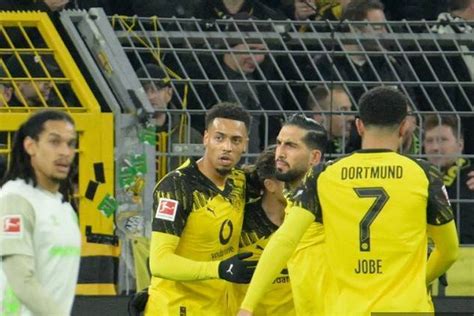
Introduction to the 50+1 Rule
The **50+1 rule** is a cornerstone of football governance in Germany, serving as a regulatory framework that governs the ownership structure of football clubs in the country. At its core, the rule mandates that a football club must retain majority ownership of its professional team, ensuring that the club's members—typically fans—hold at least 50% of the voting rights plus one additional vote. This unique model has deep implications for how German football operates, distinguishing it from other European leagues where private ownership and commercial interests often dominate.
The rule is rooted in the principle of **democratic control** over football clubs. In Germany, most professional football teams began as sports clubs with a wide array of athletic activities, from gymnastics to handball. Over time, as football became more commercialized and lucrative, there was a risk that external investors could take over clubs, prioritizing profit over the interests of the community or the sport itself. The 50+1 rule was introduced as a safeguard to prevent this. It ensures that clubs remain tethered to their original purpose: serving their members and communities rather than becoming vehicles for profit-driven entities.
This governance model has significant implications for **stability and identity** within German football. By requiring clubs to maintain majority control, the 50+1 rule helps to insulate them from the volatility associated with private ownership. For instance, in leagues like the English Premier League, clubs are often subject to the whims of wealthy owners who may prioritize short-term gains, leading to scenarios where clubs are heavily indebted or face existential crises when financial backers withdraw support. The 50+1 rule mitigates such risks by ensuring that clubs are anchored in their fan bases, which tend to have a long-term view of the club's success and sustainability. This creates a more stable environment where clubs are less likely to face sudden financial collapse or drastic changes in direction due to external pressures.
Another key aspect of the 50+1 rule is its role in **preserving fan culture**. German football is renowned for its vibrant and passionate supporter culture, where fans feel a deep sense of ownership and connection to their clubs. This is not merely symbolic; under the 50+1 rule, fans have a tangible say in how their clubs are run. Decisions about ticket prices, stadium policies, and even the hiring of key personnel often involve member input. This participatory approach fosters a sense of community and loyalty that is increasingly rare in modern football, where many fans in other countries feel alienated by soaring ticket prices, commercialization, and the perception that their voices are ignored.
The rule also has **economic implications** that are worth exploring. Critics argue that the 50+1 rule puts German clubs at a competitive disadvantage in European competitions, where clubs backed by wealthy owners—such as Paris Saint-Germain or Manchester City—can spend exorbitant amounts on player transfers and wages. However, proponents of the rule point out that this limitation fosters a more **level playing field** within the Bundesliga. Without the unchecked financial power of a few ultra-rich owners, German clubs are forced to adopt more sustainable financial practices. This often leads to better financial health across the league, as clubs are less likely to overspend and accumulate unsustainable debts. In the long term, this can create a more competitive and resilient football ecosystem, even if it means German clubs might not always dominate the highest echelons of European football.
It is also worth noting that the 50+1 rule is not without its **exceptions and controversies**. There are instances where clubs have been allowed to deviate from the rule under specific conditions. For example, clubs like Bayer Leverkusen, Wolfsburg, and Hoffenheim operate under exemptions because their majority owners—Bayer AG, Volkswagen, and Dietmar Hopp, respectively—have demonstrated long-term, substantial support for the clubs over many years. These exceptions are often criticized for creating an uneven playing field within the Bundesliga itself, as these clubs can benefit from the financial muscle of their corporate backers. However, the German Football Association (DFB) has maintained that such exceptions are rare and are only granted when there is a clear history of support that predates the commercialization of football.
The significance of the 50+1 rule extends beyond Germany, as it serves as a **case study in football governance** for other leagues and associations. In an era where football is increasingly seen as a global business, the rule offers a counter-narrative to the prevailing trend of commercialization and privatization. It raises important questions about the role of football in society: Should football clubs prioritize financial success at all costs, or should they serve as community institutions that uphold values of inclusivity, sustainability, and fan engagement? These questions are particularly relevant in the wake of controversies like the failed European Super League proposal, which underscored the tension between commercial interests and fan-driven football.
From a **legal and regulatory perspective**, the 50+1 rule has faced challenges. Some critics argue that it restricts free-market principles and could be seen as anti-competitive under European Union law. However, the German model has so far withstood such scrutiny, with proponents arguing that the rule is essential for maintaining the unique character of German football. The European Court of Justice has yet to directly challenge the rule, but its existence continues to spark debates about whether similar measures could or should be adopted elsewhere. For instance, could a modified version of the 50+1 rule help address some of the financial and cultural issues plaguing other leagues, such as the growing gap between elite and smaller clubs?
In practice, the 50+1 rule also has **limitations**. While it protects clubs from external takeovers, it does not entirely prevent internal mismanagement or financial struggles. Some German clubs have still faced difficulties, particularly when poor decision-making by club leadership—often influenced by member votes—has led to unsustainable spending or strategic blunders. This highlights that while the rule provides a framework for stability, it is not a panacea for all the challenges facing modern football.
In summary, the 50+1 rule is a unique and deeply ingrained feature of German football governance. It represents a deliberate choice to prioritize **community ownership, fan engagement, and long-term sustainability** over the allure of unchecked commercialization. While it has its critics and limitations, the rule stands as a powerful example of how football can resist the pressures of globalization and remain rooted in its local and cultural identity. For those examining the future of football governance, the 50+1 rule offers both inspiration and a cautionary tale about the complexities of balancing tradition, democracy, and competitiveness in a rapidly evolving sport.
- The rule ensures clubs retain majority voting rights for their members, preserving democratic control.
- It fosters financial stability by discouraging over-reliance on external investors.
- The rule helps maintain vibrant fan culture and community ties.
- Exceptions to the rule, while limited, highlight its potential inconsistencies.
- It serves as a global case study in balancing commercial and community interests in football.
As football continues to evolve in the 21st century, the 50+1 rule remains a vital—and often debated—component of how the sport navigates its dual identity as both a business and a cultural institution.
Historical Context of the 50+1 Rule
The **50+1 rule** is a distinctive feature of German football governance that has long set the Bundesliga apart from other major European leagues. To fully understand its historical context, one must delve into the origins of this rule, its implementation within the framework of German football, and its deep-seated connection to fan-centric club management. This rule has roots in post-war Germany, a period of rebuilding and redefining the role of sports in society, and it represents a philosophical stance on how football clubs should operate in a way that prioritizes community over commercialization.
The **origins of the 50+1 rule** can be traced back to the early 20th century, but its formal codification occurred in the 1990s. After World War II, Germany was in a state of reconstruction, and football clubs played a significant role in community rebuilding. Many clubs were reconstituted as member-run associations, emphasizing inclusivity and collective ownership. This structure ensured that clubs were not merely profit-driven entities but were deeply embedded in their local communities. These associations were legally required to be non-profit organizations under German law, which reinforced the idea that football should prioritize social and cultural values over financial gain.
However, the emergence of professional football and the commercialization of the sport in the latter half of the 20th century posed a challenge to this model. By the 1990s, as the Bundesliga transitioned into a fully professional league, there was concern that external investors might take over clubs, prioritizing profit at the expense of fan interests. This led to the formal introduction of the **50+1 rule** in 1998 by the Deutsche Fußball Liga (DFL). The rule stipulates that a football club must hold a majority of its own voting rights, ensuring that members—typically fans—retain control of the club. The "50+1" phrasing means that at least 50% of the club’s shares, plus one additional share, must be owned by the club’s members or association, preventing external entities from gaining a controlling stake. Exceptions to this rule are rare and are granted only under specific circumstances, such as when an investor has continuously supported the club for over 20 years (as seen with Bayer Leverkusen and VfL Wolfsburg).
The **implementation of the 50+1 rule in German football** was not merely a regulatory decision but a reflection of Germany's broader socio-political ethos. In Germany, there is a long-standing tradition of Mitbestimmung (co-determination), where stakeholders, including workers and community members, are given a voice in organizational decision-making. This principle extended naturally to football clubs, where fans were seen as integral to the identity and success of the team. Unlike in other European leagues, such as England’s Premier League or Spain’s La Liga, where clubs are often owned by wealthy individuals or corporations, the 50+1 rule ensured that German clubs remained anchored in their local communities. This approach has fostered a sense of loyalty and belonging among fans, as they feel they have a tangible stake in their club’s governance.
One of the most striking aspects of the 50+1 rule's implementation is its **impact on ticket prices and accessibility**. Because clubs are not solely driven by profit motives, ticket prices in the Bundesliga have historically been lower than in other top European leagues. This affordability has made football more accessible to a broader demographic, reinforcing the idea that the sport is for everyone, not just the wealthy elite. Additionally, the rule has helped maintain competitive balance within the league. With fewer clubs falling into the hands of ultra-wealthy owners who can outspend rivals, the Bundesliga has seen a more level playing field compared to leagues where financial disparities are stark. For instance, while the English Premier League has a "Big Six" dominated by billionaire-owned clubs, the Bundesliga has seen relatively smaller clubs like Freiburg and Union Berlin compete at high levels without the need for massive external investment.
The **fan-centric nature of the 50+1 rule** is perhaps its most profound and unique contribution to German football culture. In Germany, fans are not just spectators; they are active participants in the life of the club. Many clubs have robust fan organizations that hold regular meetings with club management to discuss issues ranging from ticket pricing to stadium amenities. This dynamic fosters a sense of accountability, as club leaders are directly answerable to the people who fill the stands week after week. For example, when clubs have considered unpopular decisions—such as moving to a new stadium or changing the club crest—fan backlash, enabled by the 50+1 structure, has often led to these plans being reconsidered or abandoned altogether. This level of fan influence is almost unheard of in other major football leagues, where decisions are often made in boardrooms far removed from the supporters’ voices.
The rule also has its **roots in the broader European sports model**, which contrasts sharply with the more commercialized "American model" of sports ownership. In the United States, for instance, franchises are often seen as businesses first and community assets second. By contrast, the European model, and particularly the German interpretation through the 50+1 rule, emphasizes the idea that sports clubs are cultural institutions that serve a higher purpose beyond entertainment. This philosophy aligns with Germany’s historical emphasis on Vereinsleben (club life), where local associations—whether for sports, music, or other activities—are seen as pillars of community identity.
However, the rule is not without its **critics and challenges**. Some argue that it limits the ability of German clubs to compete financially on the global stage. For example, while clubs like Bayern Munich have thrived under the 50+1 system, they have also been criticized for relying on partnerships with major corporations like Adidas and Audi to maintain their dominance. Smaller clubs, without such lucrative sponsorships, sometimes struggle to keep up. Additionally, there have been calls to relax the rule to attract more foreign investment, particularly as the financial gap between the Bundesliga and leagues like the Premier League continues to grow. Clubs like RB Leipzig have tested the boundaries of the rule by structuring their ownership in ways that technically comply with 50+1 but still allow significant influence from a single investor (Red Bull). These challenges highlight the tension between tradition and modernity in German football.
Despite these challenges, the **historical significance of the 50+1 rule** lies in its ability to preserve the essence of what many see as the "soul" of football. It is a rule born out of a desire to protect football from the excesses of unchecked capitalism, ensuring that the sport remains a communal experience rather than a corporate product. This principle is particularly poignant in an era where football is increasingly seen as a global commodity. The 50+1 rule stands as a bulwark against the full-scale commercialization that has reshaped other leagues, reminding the world that football’s roots are in the people, not the profit margins.
In conclusion, the **50+1 rule's historical context** is deeply intertwined with Germany’s post-war reconstruction, its socio-political values, and its commitment to fan-centric club management. It is a rule that embodies the belief that football clubs are more than businesses—they are community assets that must remain accessible, inclusive, and representative of the people who support them. While the rule faces ongoing scrutiny and adaptation in the face of modern football’s challenges, its origins and implementation serve as a testament to the enduring power of community in shaping one of the world’s most beloved sports.
How the 50+1 Rule Works
The 50+1 rule is a distinctive regulation in German football that has shaped the ownership structure of clubs in the Bundesliga and lower divisions. This rule is designed to ensure that football clubs maintain their identity as member-driven organizations rather than becoming fully privatized entities controlled by external investors. The mechanics of the rule are rooted in a simple yet powerful principle: clubs must retain majority ownership of their voting rights, even if external investors contribute financially to the club's operations. This section delves into the specifics of how the 50+1 rule operates, its implications for club governance, and the rationale behind its implementation.
At its core, the 50+1 rule requires that a football club must hold more than 50% of its voting rights. This means that even if an external party, such as a wealthy individual or a corporation, invests in a club and acquires a significant stake, they cannot gain controlling power over the club’s decision-making processes. The rule is rooted in the idea of democratic governance within sports organizations. In Germany, most football clubs are structured as associations (Vereine) with a membership base. These members elect representatives to the club’s board and have a say in major decisions. By mandating that the club retains more than half of its voting rights, the 50+1 rule ensures that these members—typically fans—retain ultimate control over the club's direction.
To understand the mechanics of the 50+1 rule, it is essential to distinguish between two types of club structures in German football: association-based clubs and corporation-based clubs. Most Bundesliga clubs operate as corporations (Kapitalgesellschaften) for financial and operational flexibility, but these corporations are subsidiaries of the parent association. For instance, Bayern Munich operates as a corporation, but the parent club, FC Bayern München e.V., retains more than 75% of the voting rights in the corporation. This setup complies with the 50+1 rule because the association, which represents the club's members, has the majority say in how the club is run. The rule effectively draws a line between financial investment and operational control, ensuring that financial backers cannot override the collective will of the club’s traditional stakeholders.
The rationale behind this rule is deeply tied to the cultural and historical context of German football. Unlike leagues in other countries where clubs are often fully privatized and run as businesses, German football has long emphasized the idea of clubs as community institutions. The 50+1 rule protects this ethos by preventing clubs from becoming tools for profit-maximization at the expense of their fans and local identity. Without this rule, there is a risk that external investors could prioritize short-term financial gains—such as selling off assets, hiking ticket prices, or rebranding the club—over the long-term interests of the membership base and the broader fan community. This is particularly relevant in an era where football has become a globalized industry with increasing commercial pressures.

However, the rule is not without exceptions, which add complexity to its mechanics. A club can bypass the 50+1 rule under specific circumstances. One notable exception applies to investors who have "continuously and substantially" supported a club for more than 20 years. This provision allows certain clubs to grant investors majority control of voting rights if the investor has demonstrated a long-term commitment to the club’s success. An example of this is Bayer 04 Leverkusen, which is owned by pharmaceutical giant Bayer, and VfL Wolfsburg, which is owned by Volkswagen. Both clubs are allowed to operate outside the standard 50+1 framework because their corporate owners have been involved for decades, effectively making them integral to the club’s identity. While these exceptions exist, they are rare and tightly regulated, ensuring that the rule’s spirit is not undermined wholesale.
The practical implications of the 50+1 rule are far-reaching. For one, it creates a more level playing field within the Bundesliga compared to leagues where billionaire owners can heavily influence team dynamics. In England’s Premier League, for example, clubs like Manchester City and Chelsea have seen transformative success due to the deep pockets of their owners, often at the expense of financial sustainability and competitive balance. The 50+1 rule mitigates this risk in Germany by ensuring that clubs cannot be bought outright and turned into vehicles for speculative investment. This has a stabilizing effect on the league, as clubs are less likely to experience the boom-and-bust cycles associated with heavy external financing.
Another implication is the preservation of affordable ticket prices and fan-centric policies. Because members retain control, they can prioritize fan experience over revenue maximization. For instance, Bundesliga ticket prices are notably lower than those in other top European leagues, a direct result of clubs being accountable to their membership base rather than profit-driven owners. This fan-first approach has helped German football maintain its reputation as one of the most accessible and community-oriented sports environments in the world.
Critics of the 50+1 rule, however, argue that it can limit investment in German football. In an era where clubs in other leagues can attract massive capital injections from private investors or state-backed entities, some believe the 50+1 rule places German clubs at a competitive disadvantage on the European stage. For example, clubs like Paris Saint-Germain and Manchester City have leveraged significant external funding to build world-class squads, something that is harder to achieve under the constraints of 50+1. Proponents of the rule counter this by pointing out that German clubs, such as Bayern Munich and borussia dortmund, have still achieved considerable success in UEFA competitions while operating within the framework of 50+1. They argue that sustainable growth and a focus on youth development can be just as effective as heavy investment, even if it takes longer to bear fruit.
The legal and ethical dimensions of the rule are also worth exploring. From a legal standpoint, the 50+1 rule has faced challenges. Some investors and clubs have questioned whether it violates European Union competition laws, which generally frown upon restrictions on market entry and ownership. However, the German Football Association (DFB) and the German Football League (DFL) have defended the rule as a necessary measure to preserve the unique structure of German football. Courts have largely upheld the rule, viewing it as a justifiable exception to competition law because of its role in maintaining the sport’s integrity and cultural significance.
From an ethical perspective, the 50+1 rule embodies a broader debate about the purpose of football in modern society. Is it primarily a business, or is it a community-driven activity? The rule firmly positions German football in the latter camp, emphasizing the idea that clubs exist to serve their fans and communities first and foremost. This stance has won the rule widespread support among German fans, even as it invites criticism from those who see football as a global business where profit should take precedence.
In summary, the 50+1 rule is a mechanism that ensures clubs retain their democratic and community-oriented character in the face of increasing commercialization. By requiring clubs to maintain majority ownership of their voting rights, the rule enshrines the principle that football is, at its heart, a collective endeavor rather than a private enterprise. While it has its limitations and exceptions, the rule remains a cornerstone of German football’s identity, offering a model of governance that prioritizes sustainability, fan engagement, and long-term stability over unchecked commercial ambition. This nuanced approach underscores why the 50+1 rule is both celebrated and scrutinized, serving as a case study in how sports can balance tradition and modernity.
Benefits of the 50+1 Rule
The 50+1 rule is a distinctive regulation in German football that mandates a club must hold a majority of its voting rights, ensuring that external investors cannot take full control of a club. This rule has been a cornerstone of the Bundesliga's structure and is often cited as a key reason for the league's unique character. While it has its critics, particularly from those who see it as a barrier to large-scale investment, the rule offers several tangible and intangible benefits that reinforce its value within the football ecosystem. This section explores these advantages in depth, focusing on how the 50+1 rule promotes fan involvement, preserves club identity, and ensures financial sustainability.
Promoting Fan Involvement is one of the most celebrated aspects of the 50+1 rule. Unlike in leagues where clubs are often owned by wealthy individuals or corporations with little connection to the fan base, the 50+1 rule ensures that fans have a direct say in the governance of their club. This is because the majority of voting rights are held by club members—ordinary supporters who pay a membership fee to be part of the organization. This structure creates a sense of ownership among fans, fostering a deep emotional connection to the team. For instance, clubs like FC St. Pauli and Union Berlin are known for their vibrant fan cultures, where supporters actively contribute to decision-making processes. This level of involvement not only strengthens fan loyalty but also encourages a grassroots approach to club management. Fans can influence ticket pricing, stadium policies, and even broader club strategies, ensuring that the club remains aligned with the community it represents. In an era where football is increasingly commercialized, this fan-first approach is a refreshing counterpoint to the profit-driven models seen elsewhere.
Another critical benefit is the preservation of club identity. Football clubs are more than businesses; they are cultural institutions embedded in the history and traditions of their local communities. The 50+1 rule acts as a safeguard against the homogenization of clubs under the influence of global investors who might prioritize branding or marketability over the club's heritage. For example, consider the case of RB Leipzig, a club often criticized for circumventing the 50+1 rule by structuring its membership in a way that limits fan influence. While RB Leipzig has achieved sporting success, it has faced backlash for its perceived lack of authentic connection to its community. In contrast, traditional clubs like Borussia Dortmund and Bayern Munich, which adhere to the 50+1 rule, are seen as bastions of authenticity. These clubs have maintained their unique identities, rooted in their local regions, and have avoided the kind of rebranding or disconnection from their roots that can occur when ownership is entirely external. This preservation of identity not only resonates with fans but also enhances the global appeal of the Bundesliga as a league that values tradition and community over pure commercialism.
The financial sustainability of clubs is another area where the 50+1 rule provides significant advantages. By ensuring that clubs are primarily controlled by their members, the rule discourages reckless spending and speculative financial practices that can lead to insolvency. External investors in other leagues often prioritize short-term success, pouring money into player transfers and wages without regard for long-term financial health. This approach has led to high-profile financial crises in other leagues, such as the collapse of clubs like Bury FC in England or the financial troubles of Barcelona in Spain. The 50+1 rule mitigates this risk by anchoring clubs to a more sustainable model of growth. For example, German clubs are generally required to operate within their means, avoiding the kind of debt-fueled spending sprees that can destabilize a club. This focus on financial prudence has allowed the Bundesliga to maintain a relatively stable financial environment, with fewer instances of clubs facing existential financial threats. Moreover, the rule encourages clubs to explore alternative revenue streams, such as youth development programs and community partnerships, which can provide long-term benefits without over-reliance on external funding. This sustainable approach not only protects individual clubs but also contributes to the overall health of the league, making it less susceptible to the boom-and-bust cycles seen in other football ecosystems.
Beyond these direct benefits, the 50+1 rule also fosters a competitive balance within the league. While critics argue that the rule limits the ability of German clubs to compete with the financial might of teams in the Premier League or Ligue 1, it also prevents the kind of monopolization seen in other leagues. In England, for instance, the dominance of a few wealthy clubs has created a significant gap between the top tier and the rest of the league. The 50+1 rule helps to level the playing field in Germany by ensuring that no single club can be entirely bought out and transformed into a financial juggernaut overnight. This balance allows for more unpredictable and exciting competition, as seen in the Bundesliga's history of surprise title challenges from clubs like Wolfsburg or Stuttgart. Such unpredictability is not only good for fans but also for the league's broader appeal, as it keeps the competition dynamic and engaging.
Additionally, the rule has implications for social responsibility within football. Clubs governed by the 50+1 rule are often more attuned to their role as community institutions. Because members have a say in club governance, there is a natural inclination to prioritize initiatives that benefit the local community, such as youth academies, charitable programs, and inclusive fan engagement. This socially responsible approach aligns football with broader societal values, making clubs more than just entertainment businesses—they become pillars of their communities. For instance, clubs like Borussia Dortmund have extensive programs aimed at integrating refugees and promoting diversity, initiatives that are more likely to flourish in an environment where fan influence is prioritized over profit maximization.
It is also worth noting that the 50+1 rule contributes to the long-term viability of the Bundesliga as a whole. By maintaining a structure where clubs are deeply rooted in their communities and financially stable, the league ensures its appeal to a wide range of stakeholders, including broadcasters, sponsors, and international fans. The Bundesliga's reputation as a league that values its fans and traditions enhances its brand, making it attractive to partners who see it as a more ethical and sustainable option compared to leagues dominated by billionaire owners or state-backed clubs. This reputation is a competitive advantage in an increasingly globalized football market.
However, it is important to acknowledge that the 50+1 rule is not without its challenges. Some argue that it restricts the ability of German clubs to attract the kind of investment needed to compete at the highest level of European football. Yet, this criticism often overlooks the rule's role in fostering innovation. Clubs operating within the constraints of 50+1 have been forced to think creatively about how to grow their revenue and compete. For example, Bayern Munich's partnerships with global brands and its focus on youth development are examples of how clubs can thrive within this framework. Rather than being a limitation, the rule can be seen as a catalyst for sustainable growth strategies that prioritize long-term success over short-term gains.
In conclusion, the benefits of the 50+1 rule extend far beyond its immediate regulatory framework. By promoting fan involvement, preserving club identity, and ensuring financial sustainability, the rule creates a football environment that is unique, resilient, and deeply connected to its roots. While it may not offer the same level of financial firepower as other models, it provides something arguably more valuable: a league that is competitive, community-focused, and built to last. In an era where football is increasingly defined by commercial excess, the 50+1 rule stands as a testament to the idea that the sport can still be governed by principles that prioritize people over profit.
Criticisms and Challenges of the 50+1 Rule
The 50+1 rule in European football, particularly in Germany, is a regulation that mandates clubs must hold a majority of their own voting rights, ensuring that members—typically fans—retain control over key decisions. While this rule is lauded for preserving the democratic and community-oriented nature of football clubs, it has faced mounting criticisms, particularly from those who argue it hinders commercial growth and competitiveness in the modern, globalized landscape of the sport. This section delves into the nuanced criticisms of the 50+1 rule, offering a detailed examination of how it impacts clubs' ability to scale commercially and compete at the highest levels.
One of the most prominent criticisms of the 50+1 rule is that it limits the influx of private investment into football clubs. In an era where football has become a multi-billion-euro industry, private investors and commercial entities often seek significant influence or even outright ownership of clubs to maximize returns. The rule effectively acts as a deterrent for such investors, as they are unlikely to commit substantial resources to a club where their decision-making power is capped at 49% of the voting rights. This stands in stark contrast to leagues like the English Premier League, where clubs like Manchester City and Chelsea have benefited immensely from private ownership models that prioritize aggressive commercialization and global brand building. Without similar access to private capital, German clubs governed by the 50+1 rule often struggle to match the financial muscle of their European counterparts, particularly when it comes to player acquisitions, stadium development, and global marketing campaigns.
Another challenge posed by the rule is its potential to restrict revenue diversification. Clubs operating under the 50+1 framework are often more reliant on traditional revenue streams such as ticket sales, local sponsorships, and broadcasting rights. While these are stable sources of income, they pale in comparison to the innovative and expansive commercial strategies employed by privately owned clubs. For example, clubs like Paris Saint-Germain (PSG) under Qatari ownership have leveraged their ties to state-backed entities to secure lucrative sponsorship deals and expand into non-traditional markets. This ability to operate as a global brand rather than a community-centered organization allows such clubs to outspend and outmaneuver their German rivals in the transfer market and beyond. Critics argue that the 50+1 rule effectively anchors German clubs to a model of financial conservatism, which can be detrimental in a sport where financial firepower often translates directly to on-field success.
The rule also raises questions about competitive imbalance within European football. While it is intended to foster fairness and prevent the monopolization of clubs by billionaire owners, it inadvertently creates a different kind of inequality on the continental stage. German clubs are often at a disadvantage when competing in the UEFA Champions League or Europa League against teams with virtually unlimited financial backing. For instance, Bayern Munich, one of the most successful German clubs, has managed to remain competitive due to its exceptional management and strong domestic revenue base. However, other Bundesliga clubs often find themselves outmatched by teams from leagues where private ownership models permit higher spending. This competitive disparity can lead to a cyclical problem: reduced success in European competitions diminishes the global visibility of German football, which in turn limits sponsorship opportunities and commercial growth. Critics suggest that the 50+1 rule, while well-intentioned, creates a scenario where German clubs are stuck in a self-reinforcing cycle of financial and competitive stagnation compared to their peers in other leagues.
Another point of contention is the perceived inconsistency in the application of the 50+1 rule. Exceptions to the rule, such as those granted to clubs like Bayer Leverkusen, Wolfsburg, and Hoffenheim, have drawn criticism for creating an uneven playing field within the Bundesliga itself. These exceptions allow clubs with historical ties to corporate entities (such as Bayer Leverkusen's association with the pharmaceutical company Bayer) to operate outside the strict confines of the rule. This has led to accusations that the 50+1 rule is not only a barrier to growth but also a source of institutional unfairness, as some clubs are afforded advantages that others cannot access. For example, RB Leipzig has been a particular target of criticism for its creative interpretation of the rule, where Red Bull's influence is evident despite the club's formal adherence to the 50+1 structure. Such inconsistencies undermine the rule's credibility and open it up to accusations of being more of a symbolic gesture than a practical safeguard for football's integrity.
There is also the argument that the 50+1 rule discourages innovation in club management and operations. Privately owned clubs often have the flexibility to experiment with new business models, such as leveraging data analytics for fan engagement, expanding into eSports, or creating multi-faceted entertainment experiences around matchdays. The 50+1 rule, by prioritizing fan control, can sometimes stifle the entrepreneurial spirit needed to explore such avenues. For instance, while clubs like Barcelona and Real Madrid (which operate under member-ownership structures similar to 50+1) have managed to remain competitive, they are anomalies rather than the norm. Their success is often attributed to their unique cultural and historical significance rather than the sustainability of the model itself. Critics suggest that the rule might be better suited to an earlier era of football, before the sport became a global entertainment product driven by aggressive commercial strategies.
From a broader perspective, the 50+1 rule is also seen as a hindrance to attracting top-tier talent. High-profile players and managers are increasingly drawn to clubs that can offer not only competitive salaries but also the prestige and resources associated with private investment. While German clubs have produced world-class talent and maintained strong youth academies, the lack of financial clout can make it difficult to retain top players when offers from wealthier clubs come calling. This challenge is particularly acute for mid-tier Bundesliga teams, which may struggle to compete for even second-tier European talent when their budgets are constrained by the rule's limitations.
Finally, it is worth considering the philosophical tension between the 50+1 rule and the broader commercialization of football. The rule embodies a commitment to football as a community-driven, fan-first sport, but this ideal often clashes with the reality of football as a global business. Critics argue that the rule is anachronistic in a world where football is increasingly seen as entertainment rather than a purely sporting endeavor. The rise of multi-club ownership models, where entities like City Football Group operate teams across multiple leagues, further highlights the gap between the 50+1 ethos and the direction in which the sport is heading. Some suggest that rather than clinging to the 50+1 rule, German football should explore hybrid models that balance fan involvement with the need for commercial growth, such as capping private ownership stakes at a higher threshold or introducing stricter governance mechanisms to prevent exploitation.

In conclusion, while the 50+1 rule is a noble attempt to preserve the traditional values of football, it faces significant challenges in the modern era. Its limitations on investment, revenue diversification, and competitive parity make it a polarizing topic in discussions about the future of European football. As the sport continues to globalize and commercialize, the rule may need to evolve to strike a better balance between maintaining football's soul and enabling its clubs to thrive in an increasingly competitive and financially driven environment.
Exceptions to the 50+1 Rule
The 50+1 rule is a cornerstone of German football governance, ensuring that club members retain majority ownership of their teams. This rule is designed to protect the democratic nature of club management and prevent external investors from taking full control of football clubs. However, as with any regulation, there are exceptions to the 50+1 rule that have been granted under specific circumstances. These exceptions are both controversial and illuminating, as they reveal how German football has navigated the tension between tradition and commercial interests. In this section, we will explore the cases of Bayer Leverkusen, Wolfsburg, and RB Leipzig to understand how and why these clubs have been allowed to operate outside the standard framework of the 50+1 rule.
The first and perhaps most well-known exception is Bayer Leverkusen, often referred to as "the pharmaceutical club." The origins of this exception lie in the club's deep historical ties to Bayer AG, the multinational pharmaceutical company. Established in 1904 by employees of Bayer, the club was initially a works team for the company. Over the decades, Bayer AG maintained an unbroken relationship with the club, providing financial support and infrastructure. When the 50+1 rule was formalized in the 1990s, Bayer Leverkusen was granted an exception because Bayer AG had been the club's principal backer for over 20 years—a duration that met the "long-standing association" criterion outlined in the rule's provisions. This precedent allowed Bayer Leverkusen to maintain its unique ownership structure, where the company effectively controls the club. Critics argue that this creates an uneven playing field, as Bayer Leverkusen benefits from the resources of a global corporation without the risk of external takeovers that other clubs face. However, proponents point out that this arrangement predates the formalization of the 50+1 rule and was grandfathered in as a practical compromise.
Similarly, Wolfsburg is another club that benefits from an exception due to its corporate backing. The club is intrinsically linked to Volkswagen, the automotive giant headquartered in the city of Wolfsburg. Like Bayer Leverkusen, Wolfsburg's origins are rooted in a works team—this time for Volkswagen employees. The company has been the club's primary sponsor and supporter since its inception in 1945. When the 50+1 rule was introduced, Wolfsburg was able to secure an exception because Volkswagen had been the club's exclusive sponsor for more than 20 years. This "historical continuity" argument has been central to Wolfsburg's case. However, this exception has sparked debates about whether it undermines the spirit of the 50+1 rule. While the rule is intended to safeguard clubs from becoming playthings of wealthy individuals or entities, Wolfsburg's connection to Volkswagen arguably places it in a position of financial privilege compared to clubs reliant on member contributions and ticket sales. This has led some to question whether such exceptions dilute the competitive balance of the Bundesliga, as clubs with corporate backing can invest more freely in player acquisitions and infrastructure.
The case of RB Leipzig is perhaps the most contentious and widely discussed exception to the 50+1 rule. Unlike Bayer Leverkusen or Wolfsburg, RB Leipzig is a relatively new club, founded in 2009 by Red Bull GmbH. The energy drink company sought to establish a football team in Germany as part of its global sports branding strategy, which includes teams in Formula 1, soccer, and ice hockey. To comply with the 50+1 rule, RB Leipzig technically has a membership structure. However, the club has implemented a highly restrictive membership model that effectively concentrates power in the hands of Red Bull. For instance, RB Leipzig limits the number of members who can join and vote, ensuring that the majority of decision-making power remains with Red Bull executives. This has led to accusations that the club is circumventing the 50+1 rule in spirit, if not in letter. Critics argue that this model effectively allows Red Bull to control the club while technically adhering to the rule. The German Football Association (DFB) has faced significant backlash for permitting this arrangement, with many fans and rival clubs accusing RB Leipzig of "buying their way" into the Bundesliga. However, defenders of the club argue that their approach is innovative and has brought investment and success to a region of Germany that previously lacked a top-tier football presence.
These three cases highlight the nuances of the 50+1 rule and the challenges of maintaining its integrity in a rapidly commercializing sport. The exceptions for Bayer Leverkusen and Wolfsburg are rooted in historical precedent, where long-standing corporate support was deemed sufficient to warrant special treatment. In both cases, the clubs were able to demonstrate that their ownership structures were not a recent manipulation of the rule but rather a continuation of established practices. This has set a precedent that other clubs with similar historical ties to corporations might seek to exploit, though such cases are rare due to the unique circumstances of these two clubs.
On the other hand, RB Leipzig's case represents a more modern challenge to the rule. Unlike Bayer Leverkusen and Wolfsburg, RB Leipzig was created explicitly as a vehicle for corporate branding. This has led many to view the club as a test case for how far the 50+1 rule can be stretched before it loses its intent. The restrictive membership model employed by RB Leipzig has been described as a "loophole" that undermines the democratic ideals of the rule. This has prompted calls for the DFB to revisit and potentially tighten the criteria for exceptions, particularly to prevent other corporate entities from replicating RB Leipzig's approach. However, such reforms are politically and logistically complex, as they risk alienating powerful stakeholders and discouraging investment in German football.
It is also worth noting that these exceptions are not without their trade-offs. While Bayer Leverkusen and Wolfsburg have enjoyed stability and success due to their corporate backing, they are often viewed with skepticism by fans of other clubs who see them as "artificial" entities propped up by external interests. RB Leipzig, in particular, has faced intense hostility from rival supporters, who see the club as a symbol of commercial overreach. This hostility has sometimes manifested in boycotts, protests, and even refusals by some ultra groups to acknowledge RB Leipzig as a legitimate part of German football culture.
From a broader perspective, these exceptions reveal the limitations of the 50+1 rule in a globalized football landscape. While the rule is lauded for preserving the identity and community ownership of clubs, it is also seen as a potential barrier to attracting significant investment. Clubs like Bayer Leverkusen, Wolfsburg, and RB Leipzig demonstrate that the rule can be flexible when historical or regional factors align, but this flexibility can also create tensions within the football ecosystem. For instance, the financial advantages enjoyed by these clubs can lead to a competitive imbalance, as they are often better positioned to attract top talent and invest in facilities.
In summary, the exceptions to the 50+1 rule for clubs like Bayer Leverkusen, Wolfsburg, and RB Leipzig illustrate the complex interplay between tradition, commercial interests, and the evolving nature of football governance. While these cases provide valuable insights into how the rule can be adapted, they also highlight the need for clear boundaries to ensure that the rule continues to serve its intended purpose. As German football grapples with the pressures of modernization and global competition, the debate around the 50+1 rule and its exceptions is likely to remain a central topic in discussions about the future of the sport.
Comparison with Other Football Models
The 50+1 rule in German football is a unique ownership model that ensures clubs retain majority control over their operations, even when external investors are involved. This rule mandates that at least 51% of the voting rights in a club must be held by its members, effectively preventing any single entity from gaining complete ownership. This structure is often lauded for preserving fan influence and maintaining competitive balance within the Bundesliga. However, to understand its significance and implications fully, it is essential to compare it with ownership structures in other prominent football leagues, such as the Premier League and La Liga.
The Premier League operates under a largely free-market ownership model. Clubs are treated as private entities, and there are no formal restrictions on who can own them or what proportion of shares they can hold. This has led to a proliferation of billionaire owners, including state-backed entities like Manchester City (owned by the Abu Dhabi United Group) and Newcastle United (backed by Saudi Arabia's Public Investment Fund). These ownership structures have enabled clubs to invest heavily in players, facilities, and infrastructure, often creating a financial arms race. While this has boosted the Premier League's global appeal and revenue, it has also introduced significant disparities between clubs. Wealthier teams can outspend their competitors, leading to a concentration of success among a small group of "super clubs."
This model contrasts sharply with the 50+1 rule in several ways. In the Bundesliga, the rule ensures that clubs are anchored in their local communities and are less susceptible to the whims of a single owner. For instance, fan membership directly influences key decisions, such as ticket pricing or significant club policies. In contrast, Premier League clubs often prioritize commercial success over fan engagement, as their primary accountability is to their owners and shareholders rather than their supporters. This can lead to controversial decisions, such as the attempted European Super League in 2021, which was driven by profit-oriented motives and faced vehement backlash from fans. The 50+1 model would have likely prevented such a scenario in Germany, as fan representatives would have vetoed any proposal that undermined the club's identity or community ties.
However, the Premier League's approach has undeniable benefits. Its open ownership model attracts significant investment, enabling clubs to compete at the highest level of European football. This has contributed to the league's status as the most-watched and highest-earning football league globally. For example, the Premier League's broadcast rights deals dwarf those of the Bundesliga, providing clubs with greater financial resources to attract top talent. While the 50+1 rule fosters sustainability and fan-driven governance, it can limit the financial ceiling of German clubs, as seen in the relative lack of Bundesliga teams winning the UEFA Champions League compared to Premier League sides in recent years.
In La Liga, the ownership model is a hybrid of member-controlled clubs and privately owned entities. Unlike the Bundesliga's uniform 50+1 structure, La Liga features a mix of clubs like Real Madrid and Barcelona, which are member-owned socios, and others like Atlético Madrid, which have transitioned to private ownership. This duality creates an interesting dynamic. Clubs with socios, such as Barcelona and Real Madrid, are similar to the 50+1 model in that members (fans) have voting rights and significant influence over club policies. However, these clubs are also highly commercialized, leveraging their global brands to secure lucrative sponsorship deals and TV rights.
La Liga's hybrid model allows for a degree of financial flexibility that the 50+1 rule does not always permit. For example, Real Madrid and Barcelona have been able to secure massive loans and sponsorship deals to fund marquee signings, such as Barcelona's acquisition of players like Neymar and Robert Lewandowski, despite their financial challenges. This is partly because their socios structure provides a buffer of accountability to fans while still enabling aggressive financial strategies. However, this flexibility can also lead to unsustainable spending, as seen in Barcelona's well-documented financial struggles in recent years. The 50+1 model, by comparison, tends to enforce stricter financial discipline, as clubs are less likely to over-leverage themselves when members have a direct say in financial decisions.
One of the key criticisms of La Liga's model is its economic centralization. The league's TV revenue distribution has historically been skewed in favor of Real Madrid and Barcelona, creating a financial gulf between them and smaller clubs. This is less pronounced in the Bundesliga, where the 50+1 rule indirectly supports more equitable revenue sharing. German clubs are required to reinvest a portion of their revenue into youth development and community programs, which fosters long-term sustainability and competitive balance. While La Liga has recently moved toward more centralized revenue distribution to address this issue, the disparity remains more pronounced than in Germany.
Another dimension to consider is the role of state-backed ownership in football. Both the Premier League and La Liga have seen the rise of clubs funded by sovereign wealth funds or state entities. For instance, Paris Saint-Germain (though in Ligue 1, it shares similarities with La Liga's hybrid model) and Manchester City have used state-backed funding to dominate their respective leagues. This phenomenon is virtually nonexistent in the Bundesliga due to the 50+1 rule, which acts as a safeguard against such external control. Critics of state-backed ownership argue that it undermines the competitive integrity of football, as these clubs often operate with financial resources that are not replicable by traditional member-owned or privately owned clubs. The 50+1 model ensures that German football remains insulated from this trend, even if it comes at the cost of reduced global competitiveness.
A unique insight into this comparison is the cultural difference in how football is perceived in these countries. In Germany, football is deeply rooted in community and fan culture, which aligns naturally with the 50+1 rule. In England and Spain, football is increasingly seen as a global entertainment product, where success and profitability often take precedence over traditional fan ownership. This cultural shift explains why the Premier League and La Liga have embraced models that prioritize commercial growth, even if it comes at the expense of fan influence.
Another point of comparison is the regulatory enforcement of these models. The 50+1 rule is strictly enforced in Germany, with limited exceptions (such as Bayer Leverkusen and Wolfsburg, which were grandfathered in due to their unique corporate histories). In contrast, both the Premier League and La Liga have more fluid structures, where enforcement of ownership rules can vary. For example, La Liga has occasionally intervened in club finances through salary caps, while the Premier League has minimal restrictions on ownership beyond a "fit and proper person" test, which has been criticized for being too lenient.
In conclusion, while the 50+1 rule prioritizes fan ownership, community ties, and financial sustainability, it limits the commercial potential of German clubs compared to the Premier League's free-market approach or La Liga's hybrid model. Each structure reflects the priorities of its respective league: the Bundesliga emphasizes tradition and fan influence, the Premier League focuses on global commercial dominance, and La Liga blends fan accountability with financial ambition. These differences highlight how football governance is shaped not only by economic factors but also by cultural and historical contexts unique to each league.
Impact of the 50+1 Rule on Competitiveness
The 50+1 rule, a regulation predominantly associated with German football, mandates that a club must hold a majority of its voting rights, ensuring that members—rather than external investors—retain control of the club's decision-making. This rule has been a cornerstone of the Bundesliga's identity, often cited as a mechanism to preserve the "soul" of football by prioritizing fan ownership and community ties over profit-driven commercialization. However, the rule’s impact on competitiveness in leagues, player development, and club finances is multifaceted and warrants a deeper exploration.
From a competitive balance perspective, the 50+1 rule can be seen as both a stabilizer and a potential bottleneck. In leagues like the Bundesliga, where the rule is strictly enforced, it limits the ability of clubs to be fully owned or controlled by wealthy individuals or corporations. This inherently caps the extent to which a club can be financially doped—a scenario where an investor injects massive sums of money to outspend rivals. While this prevents the emergence of "superclubs" that dominate the league due to unlimited spending (as seen in leagues like the Premier League with Manchester City or Paris Saint-Germain in Ligue 1), it also creates a ceiling for how competitive mid-tier or smaller clubs can become without significant grassroots innovation or organic growth.
One argument in favor of the 50+1 rule is that it promotes a more level playing field within the league. Because no single club can amass disproportionate financial power through external ownership, the competition tends to remain closer among the top-tier clubs. This is evident in the Bundesliga, where, despite Bayern Munich's consistent dominance, the gap between the second-tier clubs and the leaders is not as stark as in leagues dominated by state-backed or billionaire-owned clubs. However, this comes at a cost: the lack of extreme financial disparity can sometimes stifle the kind of high-stakes, high-reward competition that draws global audiences. For instance, the Premier League's global appeal is partly fueled by its unpredictability—smaller clubs occasionally upsetting giants due to massive financial injections. The 50+1 rule, by contrast, ensures a more egalitarian structure but may inadvertently reduce the spectacle of "giant-killing" moments that drive fan engagement.

The rule also has a direct influence on player development, particularly in how clubs approach youth academies and long-term strategies. With limited ability to outspend competitors on ready-made talent, clubs under the 50+1 framework are incentivized to focus on homegrown talent. This has been a boon for German football, as evidenced by the country’s strong performance in youth development and the success of the national team in international competitions. Clubs like Borussia Dortmund and RB Leipzig (the latter being a controversial case due to its Red Bull association, which skirts the spirit of 50+1) have excelled in nurturing young players through well-structured academies. This focus on development aligns with the rule's underlying philosophy: clubs must operate sustainably rather than relying on short-term spending sprees. However, this approach can also create a ceiling for clubs that lack the infrastructure or resources to compete in player development with wealthier rivals. Without the cushion of external investment, smaller clubs may struggle to retain top talents once they reach a certain level, as these players are often poached by bigger clubs with deeper pockets—both domestically and internationally.
From a financial standpoint, the 50+1 rule has a dual effect. On one hand, it enforces a degree of financial prudence. Clubs are less likely to overextend themselves with unsustainable debt or speculative spending because they are answerable to their members, who prioritize long-term stability over short-term success. This has helped German clubs maintain relatively healthy financial profiles compared to some of their European counterparts. For example, while many clubs in Spain’s La Liga or Italy’s Serie A have faced insolvency or financial crises due to over-leveraging, German clubs under the 50+1 rule have generally avoided such pitfalls. However, this financial conservatism can also act as a constraint. Clubs may find it challenging to attract high-profile players or compete in the transfer market against teams backed by sovereign wealth funds or ultra-wealthy owners. This can result in a talent drain, where the best players are lured away to leagues with fewer financial restrictions, reducing the overall quality of the league and potentially diminishing its global competitiveness.
Another dimension to consider is the globalization of football and how the 50+1 rule fits within this landscape. As football becomes increasingly commercialized and globalized, the rule can be seen as a barrier to attracting the kind of investment that could elevate a league’s profile. For instance, leagues like the Premier League and Serie A have benefited from significant foreign investment, which has boosted their visibility and revenue streams. While the Bundesliga remains popular, particularly in Europe, its strict adherence to the 50+1 rule may limit its ability to compete with these leagues in terms of revenue generation and marketability. This is not to say that the rule is inherently flawed—it aligns with German football's ethos of fan-centric governance—but it does mean that clubs operating under this framework must find alternative ways to remain competitive in a global market. This could include innovative sponsorship deals, digital engagement strategies, or partnerships that do not compromise the rule but still enhance financial sustainability.
The 50+1 rule also raises questions about long-term viability in an era where football is becoming more polarized. Leagues without such restrictions are seeing a concentration of power among a few clubs with access to near-unlimited funds. This creates a scenario where the rich get richer, and the competitive gap widens. While the 50+1 rule resists this trend in Germany, it also means that German clubs may find it harder to keep up with the financial arms race happening elsewhere. For example, if UEFA competitions like the Champions League become dominated by clubs from leagues without similar restrictions, German teams might face an uphill battle to remain relevant on the European stage. This could, over time, erode the Bundesliga's standing as one of Europe's top leagues.
Additionally, the rule has implications for fan engagement and identity. One of the rule's most celebrated aspects is its preservation of clubs as community institutions rather than profit-driven enterprises. This fosters a sense of belonging and loyalty among fans, which can be a competitive advantage in terms of local support and grassroots enthusiasm. However, it also means that clubs may struggle to adapt to the commercial pressures of modern football, where revenue generation often requires compromises that clash with traditional values. For instance, the rise of digital platforms and global fan bases presents opportunities for monetization, but clubs constrained by the 50+1 rule might hesitate to pursue aggressive commercial strategies that could alienate their member base.
In conclusion, the 50+1 rule has a profound impact on the competitive balance in leagues by promoting financial stability, encouraging youth development, and preserving the communal identity of clubs. However, it also imposes limitations on how competitive smaller or mid-tier clubs can be in a globalized football landscape dominated by financial heavyweights. While the rule ensures that German football retains its unique character, it also poses challenges in maintaining the Bundesliga's standing amidst leagues that prioritize commercial growth over traditional governance structures. The rule’s influence on player development and club finances is a double-edged sword: it fosters sustainability and innovation but can also restrict the ability of clubs to scale quickly in response to external competition. As football continues to evolve, the 50+1 rule will remain a fascinating case study in balancing tradition, competitiveness, and modernity.
Future of the 50+1 Rule
The 50+1 rule is a cornerstone of German football, ensuring that club members retain majority ownership and control of their teams. This regulation has long been hailed as a bulwark against the commercial excesses seen in other leagues, such as the Premier League, where billionaire owners and state-backed entities often dominate. However, as football becomes increasingly globalized and commercialized, the future of the 50+1 rule is a topic of intense debate. While some argue for its preservation as a symbol of fan-centric governance, others advocate for reforms or even its abolition to allow German clubs to compete on a more level playing field with their European counterparts.
One of the key potential reforms being discussed is the introduction of exceptions to the rule for certain types of investors. Currently, the rule allows for exceptions in cases where an individual or entity has substantially supported a club for over 20 years, as seen with Bayer Leverkusen (owned by Bayer AG) and Wolfsburg (owned by Volkswagen). Some stakeholders propose expanding this exception to include long-term strategic partnerships with investors who can demonstrate a commitment to the club's heritage and community values. This approach might allow German clubs to access the kind of capital needed to fund state-of-the-art training facilities, youth academies, and infrastructure without fully ceding control to external parties. However, this idea is not without its critics, who fear it could open the door to a slippery slope where clubs gradually lose their autonomy to profit-driven entities.
Another area of reform being explored is the relaxation of the rule for clubs in financial distress. In recent years, some lower-tier German clubs have struggled to maintain financial stability while adhering to the 50+1 rule. Advocates for modification argue that allowing temporary waivers or investor-led bailouts could prevent clubs from going bankrupt, preserving jobs and community institutions. For example, if a club like Schalke 04—which faced relegation and financial woes—were allowed to accept majority investment from a benevolent investor under strict conditions, it might recover more quickly. However, this approach risks creating a two-tiered system where financially weaker clubs are forced to compromise their principles to survive, potentially eroding the egalitarian ethos of the Bundesliga.
The debate about abolishing the 50+1 rule is perhaps the most contentious. Proponents of abolition argue that the rule places German clubs at a competitive disadvantage in European competitions. For instance, clubs like Manchester City and Paris Saint-Germain, backed by state-affiliated wealth, can outspend their German rivals on player transfers, wages, and infrastructure. This financial disparity has been cited as a reason for the relative underperformance of German teams in the UEFA Champions League compared to their English and Spanish counterparts. Abolishing the rule could, in theory, allow German clubs to attract the same level of investment, enabling them to build squads capable of challenging for European glory consistently. However, this argument often overlooks the intangible costs of such a move. The fan culture and community-driven ethos that the 50+1 rule fosters are integral to the Bundesliga’s identity. Abolishing the rule could alienate fans, many of whom view their clubs as more than just businesses—they are community assets.
On the other hand, those who support retaining the rule in its current form point to its long-term sustainability. The Bundesliga remains one of the most profitable leagues in Europe, with relatively low ticket prices, high stadium attendance, and a strong emphasis on youth development. These factors are often attributed to the 50+1 rule, which ensures that clubs prioritize long-term stability over short-term profit. For instance, the success of Borussia Dortmund and Bayern Munich in developing world-class talent through their academies demonstrates that financial prudence and fan-focused governance can coexist with sporting success. Moreover, the rule has helped insulate German football from some of the more dubious practices seen in other leagues, such as the involvement of politically motivated state actors or speculative financial bubbles. Advocates for sustainability argue that the rule is not merely a legal framework but a philosophical commitment to keeping football rooted in its grassroots origins.
However, the sustainability of the 50+1 rule in modern football is not guaranteed. The economics of the sport are changing rapidly, with broadcasting rights, sponsorship deals, and player transfer fees reaching unprecedented levels. In this environment, some German clubs may find it increasingly difficult to compete without access to the kind of capital that more flexible ownership structures could provide. For example, the rise of digital platforms and the growing importance of global fanbases mean that clubs need to invest heavily in marketing, content production, and digital infrastructure. These areas often require significant upfront investment, which the current 50+1 model may not easily accommodate. This tension has led to calls for a hybrid model, where clubs could retain majority control while also creating avenues for strategic minority investments that do not compromise their identity.
One potential compromise could involve the creation of a regulatory framework that enforces strict conditions on any modifications to the 50+1 rule. For instance, any investor seeking a majority stake in a club could be required to pass a "fit and proper person" test, demonstrate a long-term commitment to the club’s community, and agree to reinvest a certain percentage of profits into youth development or local infrastructure. Such a framework could allow German football to benefit from external capital while preserving the rule’s core principles. This approach would require careful design and enforcement to avoid the kind of controversies seen in other leagues, where regulatory oversight has sometimes failed to curb the excesses of wealthy owners.
Another angle to consider is the role of fan activism in shaping the future of the 50+1 rule. German football fans are among the most vocal and organized in Europe, and their protests have historically influenced key decisions in the sport. For example, fan opposition played a significant role in thwarting the European Super League proposal, which many viewed as a threat to the sport's inclusivity and tradition. If there is a genuine push to reform or abolish the 50+1 rule, it is likely that fan groups will mobilize to defend it, potentially forcing a referendum or legal challenge. This dynamic underscores the need for any reforms to be transparent and inclusive, with fans involved in the decision-making process to ensure their voices are heard.
In conclusion, the future of the 50+1 rule is at a crossroads. While it has served German football well for decades, the pressures of modern football—increased commercialization, global competition, and the need for sustainable growth—are challenging its viability. Potential reforms, such as expanding exceptions or creating hybrid models, could help German clubs adapt to these pressures without abandoning their principles. However, any changes must be approached with caution, as the rule’s symbolic and practical value extends beyond mere ownership structures. Ultimately, the sustainability of the 50+1 rule will depend on whether German football can strike a balance between tradition and adaptation in an era of unprecedented change.
Conclusion and Takeaways
The '50+1 rule' is a cornerstone of German football, serving as a regulatory framework that has shaped the dynamics of club ownership and management within the Bundesliga. This rule mandates that a football club must hold a majority of its own voting rights, ensuring that the members—fans and supporters—retain control over key decisions. While this structure has been celebrated for preserving the traditional ethos of football as a community-driven sport, it has also sparked debates about its compatibility with the growing commercial pressures of modern football. In this conclusion, we distill the key insights from the paper and explore how the 50+1 rule embodies a delicate balance between tradition and commercial interests, offering lessons for the broader football landscape.
One of the most significant takeaways from our analysis is the role of the 50+1 rule in safeguarding fan ownership and influence. Unlike leagues such as the English Premier League, where clubs are often wholly or majority-owned by private investors or corporations, the 50+1 rule ensures that German clubs are not entirely at the mercy of external stakeholders. This arrangement has created a unique environment where fans feel a direct connection to their clubs. Decisions regarding ticket prices, stadium atmosphere, and even player recruitment are influenced by the collective will of the membership rather than profit-maximizing entities. This principle has helped maintain affordable ticket pricing and vibrant matchday experiences, which are often cited as hallmarks of the Bundesliga. However, this comes at a cost—clubs may find it challenging to compete financially with teams in leagues where ownership structures are more flexible and investment-driven.
Another critical aspect of the 50+1 rule is its impact on competitive balance within the league. By limiting the extent to which a single investor can dominate a club, the rule has helped prevent the emergence of a "superclub" monopoly in the Bundesliga. This is in stark contrast to leagues like La Liga, where the financial dominance of Real Madrid and Barcelona has often overshadowed smaller clubs. While this competitive equilibrium is admirable, it also raises questions about the trade-offs involved. Critics argue that the rule may inadvertently cap the potential growth of German clubs on the European stage, as they are less able to attract the kind of transformative investment seen at clubs like Manchester City or Paris Saint-Germain. This tension between egalitarianism and elite performance is a recurring theme in the discourse surrounding the rule.
The economic implications of the 50+1 rule cannot be overlooked. While it has protected clubs from over-leveraging or becoming financially dependent on a single benefactor, it has also limited their ability to attract high-net-worth individuals or institutional investors who might otherwise inject significant capital. This dynamic has led to a paradox: while the rule ensures long-term financial stability for most clubs, it also restricts their ability to rapidly scale operations or infrastructure in response to global football's commercial arms race. For instance, RB Leipzig—a club often criticized for circumventing the spirit of the 50+1 rule through its association with Red Bull—has demonstrated how external investment can fast-track success. Yet, this success is viewed with skepticism by traditionalists who see it as a dilution of the rule's intent. This example underscores the duality of the rule: it is both a protective shield and a potential bottleneck for growth.
From a sociocultural perspective, the 50+1 rule serves as a bulwark against the homogenization of football. In an era where the sport is increasingly driven by global branding, sponsorship deals, and media rights, the rule ensures that German football retains its distinct identity. Supporters are not mere consumers but active stakeholders in the club's ethos and decision-making processes. This has fostered a sense of community and loyalty that is often eroded in more commercially driven leagues. However, this sociocultural preservation comes with its own challenges. As football becomes more globalized, clubs must navigate the tension between maintaining local traditions and appealing to an international audience. The 50+1 rule, while rooted in German football's unique history, may need to evolve to accommodate these shifting dynamics without losing its essence.
It is also worth considering the global applicability of the 50+1 model. While the rule is deeply embedded in Germany's football culture, its adoption in other leagues or regions would require significant contextual adaptation. For instance, in countries where football clubs are often seen as assets for profit rather than community institutions, implementing a similar rule could face resistance. Nonetheless, the 50+1 rule offers a compelling case study in how regulatory frameworks can be used to balance commercial growth with community values. Other leagues might consider hybrid models that incorporate elements of the rule—such as capping investor influence or mandating fan representation on boards—while tailoring these measures to their specific contexts. This adaptability is a testament to the rule's underlying philosophy rather than its rigid structure.
The future of the 50+1 rule is another area of contemplation. As commercial interests in football continue to grow, there is mounting pressure on German football to reconsider the rule's strictness. Some clubs have already sought exceptions or workarounds, such as Bayer Leverkusen and Wolfsburg, which are owned by corporations due to historical exemptions. These exceptions highlight the rule's potential for flexibility, but they also raise concerns about erosion of its core principles. Any reform to the 50+1 rule must carefully weigh the risks of alienating fans against the benefits of greater financial competitiveness. A middle ground might involve retaining the rule's essence while allowing for controlled investment under strict conditions, ensuring that clubs can grow without compromising their identity.
Finally, the rule's broader implications for football governance are worth noting. The 50+1 rule is not just a German quirk; it is a statement about the kind of sport football should be. It challenges the prevailing narrative that football must succumb entirely to market forces and instead posits that tradition, community, and inclusivity can coexist with commercial success. This perspective is particularly relevant in light of recent controversies, such as the failed European Super League proposal, which underscored the dangers of prioritizing profit over heritage. The 50+1 rule stands as a counterpoint to such trends, reminding stakeholders that football's soul lies in its connection to the people who love it.
In summary, the 50+1 rule is a nuanced and multifaceted framework that reflects the ongoing struggle to balance tradition with commercial interests in football. It has succeeded in preserving the Bundesliga's unique identity and fostering a sense of community among fans, but it also presents challenges in terms of global competitiveness and financial growth. As football evolves, the rule may need to adapt, but its core philosophy—that football clubs are more than businesses—remains a powerful and relevant message. Whether viewed as a restrictive measure or a principled stance, the 50+1 rule serves as a reminder that the sport's future must be shaped with care, ensuring that its commercial ambitions do not come at the expense of its soul.
- The rule prioritizes fan ownership and influence, fostering a strong connection between clubs and their communities.
- It promotes competitive balance within the Bundesliga, preventing monopolistic dominance by a few clubs.
- While it ensures financial stability, it limits rapid commercial scaling and investment opportunities.
- The rule embodies a sociocultural preservation of football's identity amidst global commercialization.
- Its adaptability offers lessons for other leagues seeking to balance tradition and growth.
Ultimately, the 50+1 rule is not just a regulatory mechanism; it is a philosophy that challenges the football world to rethink the relationship between sport and commerce. Its enduring relevance lies in its ability to provoke debate, inspire innovation, and uphold the idea that football belongs to the people.