Introduction to the 50/50 Rule
The concept of the **50/50 rule** is a framework that has emerged from the intersection of decision-making, resource management, and equitable distribution. At its core, the 50/50 rule suggests a principle of balance—whether in apportioning time, effort, or resources between two entities or objectives. This rule, while simple in its articulation, has deep implications across diverse fields such as project management, interpersonal relationships, and even economic theory. To truly understand its depth, one must explore its origins, the rationale behind its creation, and the foundational ideas that make it relevant in multiple contexts.
The origins of the 50/50 rule are not tied to a single discipline or historical moment but rather represent a convergence of ideas rooted in **equity theory** and **practical heuristics**. Equity theory, introduced in the 1960s by psychologist John Stacey Adams, posits that individuals are motivated by a sense of fairness in their exchanges. When people perceive an imbalance—whether they are giving more than they receive or vice versa—it can lead to dissatisfaction or conflict. The 50/50 rule can be seen as a practical extension of this idea, offering a simplified approach to maintaining balance in various scenarios. Additionally, the rule has parallels in **game theory**, where strategies often revolve around finding equilibrium points to ensure no party has a disproportionate advantage or disadvantage.
In its simplest form, the 50/50 rule can be described as a method of **equal allocation**. For instance, in project management, it might mean dedicating an equal share of resources or time to two competing priorities. However, the rule is not strictly about numerical equality; it is about the perception of balance. This nuanced interpretation is what gives the 50/50 rule its flexibility. In relationships, for example, the 50/50 rule is often invoked to describe the ideal of mutual effort—both parties contributing equally to the relationship's success. While this is a noble aspiration, real-world applications reveal that "50/50" is not always literal. Instead, it can mean that both parties feel their contributions are recognized and valued in a way that feels proportionate to their circumstances.
The rule also finds resonance in **economics**, particularly in the principle of **Pareto efficiency**, where resources are distributed in such a way that no one can be made better off without making someone else worse off. While the 50/50 rule does not demand perfect efficiency, it shares a philosophical similarity in its focus on equilibrium. For example, in negotiations, the 50/50 rule might guide parties to seek a middle ground where neither feels exploited. This is particularly evident in labor disputes or partnership agreements, where a sense of fairness is critical to long-term collaboration.
Another intriguing origin of the 50/50 rule lies in **cognitive psychology** and the human tendency to seek symmetry. Studies show that people are naturally drawn to balanced compositions, whether in art, design, or even decision-making. This inherent preference for symmetry may explain why the 50/50 rule resonates so strongly across cultures and contexts. It provides a mental shortcut for navigating complexity—a way to simplify choices and distribute efforts without overanalyzing every variable. For example, in personal productivity, the 50/50 rule is often used as a guideline to balance work and leisure. While not every day or task can be perfectly split, the rule encourages individuals to consciously assess whether they are dedicating too much time to one area at the expense of another.
The rule’s applications extend beyond interpersonal dynamics and into **technological fields**. In software development, for instance, the 50/50 rule has been adapted to describe the balance between feature implementation and bug fixing. Teams often allocate half their sprint capacity to new features and the other half to addressing technical debt or resolving issues. This approach ensures that progress is not undermined by accumulating inefficiencies. Similarly, in data analysis, the 50/50 rule can be applied to split datasets for training and testing machine learning models, ensuring that neither phase is overrepresented or underutilized.
A deeper look into the rule’s implications reveals that its strength lies in its **adaptability** rather than its rigidity. While the name implies a strict 50% division, practitioners often interpret it as a **guideline rather than a hard rule**. This adaptability is particularly useful in fields like **conflict resolution**, where strict equality might not address the nuances of power dynamics or resource availability. For instance, in a partnership where one party has greater financial resources and the other contributes more time, a 50/50 split of responsibilities might still feel equitable if both parties agree that their contributions are balanced in value, even if not in quantity.
The rule also invites us to consider its **limitations**. In scenarios where resources or capabilities are inherently unequal, a strict application of 50/50 might lead to inefficiencies or perceived unfairness. For example, in a business partnership where one party has more expertise, expecting an equal split of decision-making authority might stifle progress. Here, the 50/50 rule serves as a starting point for discussion rather than a definitive solution. This highlights the importance of **contextual application**—understanding when to adhere to the rule and when to adapt it to better suit the situation.
The 50/50 rule’s versatility is also evident in its use in **education and mentorship**. Educators often strive to balance instruction time with active learning opportunities for students. A 50/50 split between lecturing and hands-on activities is a common heuristic used to ensure engagement without overwhelming students. Similarly, in mentorship, the rule can guide the balance between providing guidance and allowing the mentee to explore independently. This balance fosters growth while maintaining a supportive framework.
In **environmental science**, the 50/50 rule has been co-opted to describe sustainable practices, such as the division of land use between development and conservation. This interpretation emphasizes the need for a balanced approach to resource utilization, ensuring that human progress does not come at the expense of ecological health. While not always feasible in practice, the rule serves as a benchmark for policymakers and organizations aiming to strike a compromise between competing priorities.
The concept’s wide-ranging applicability is a testament to its **universal appeal**. Whether in personal life, professional endeavors, or societal systems, the 50/50 rule represents a quest for equilibrium. However, it is not without its critics. Some argue that the rule oversimplifies complex systems, reducing nuanced problems to a binary split. Others suggest that it can lead to complacency, as individuals or organizations might stop seeking optimal solutions once they achieve a "good enough" balance. These criticisms underscore the need for a thoughtful approach to the rule—one that considers its intent while remaining open to deviations when necessary.
- The 50/50 rule is rooted in principles of equity and balance, drawing from psychology, economics, and even human preference for symmetry.
- Its origins are not singular but are a synthesis of ideas from fields like equity theory, game theory, and practical heuristics.
- While it suggests equal allocation, its true strength lies in its adaptability to context-specific needs.
- It has applications in diverse areas, from project management and relationships to education and environmental sustainability.
In conclusion, the **50/50 rule** is more than a simple principle of division; it is a lens through which we can examine the dynamics of fairness, efficiency, and collaboration. By understanding its origins and the contexts in which it operates, we can better appreciate its potential to guide decision-making and resource allocation across fields. As we move into deeper explorations of its applications, it is clear that the 50/50 rule is not a rigid mandate but a flexible framework—one that invites us to think critically about how we balance competing demands in an increasingly complex world.
The Core Philosophy of 50/50
The concept of the **50/50 rule** is rooted in the idea of **equality and balance** as a guiding principle for decision-making, resource allocation, and partnerships. At its core, this philosophy emphasizes the equitable distribution of responsibilities, benefits, and risks among involved parties. While the term "50/50" suggests a literal half-and-half split, its deeper implications extend to the **philosophical commitment to fairness** and the **recognition of mutual interdependence** in systems where two or more entities collaborate or coexist.
In **decision-making**, the 50/50 rule advocates for shared authority and input. This is particularly relevant in scenarios where two parties have equal stakes or vested interests in an outcome. For example, in a business partnership, both parties might have equal say in strategic decisions such as product launches, market expansion, or financial investments. The underlying assumption here is that both parties bring unique expertise, perspectives, or resources to the table, which are of **equal value** in achieving the common goal. This approach avoids the pitfalls of unilateral decision-making, where one party might dominate due to hierarchical structures or resource superiority. However, it is important to note that **true 50/50 decision-making requires transparent communication** and a willingness to engage in constructive debate. Without these, the balance can tilt toward gridlock or passive-aggressive dynamics where neither party fully commits to the shared vision.
In **resource allocation**, the 50/50 principle can be seen as a method to ensure fairness in the distribution of limited resources. This is often implemented in **partnerships, joint ventures, or even within teams** where both parties contribute equally to the project's success. For instance, in a co-owned business, the capital investment, operational costs, and eventual profits might be split equally. While this seems straightforward, challenges arise when one party perceives their contribution as disproportionate—whether in terms of effort, time, or intangible assets like intellectual property. To address this, a nuanced application of the 50/50 rule involves periodic reassessment of contributions and outcomes. For example, if one partner invests more time while the other provides more financial resources, the parties might agree to rebalance their share of profits or responsibilities to reflect these differences. This flexibility within the 50/50 framework is crucial for maintaining **long-term harmony** and trust.
The philosophy also extends to **partnerships**, where the 50/50 rule can serve as a foundational agreement for collaboration. In personal relationships, such as marriage or cohabitation, the 50/50 rule is often invoked to distribute household responsibilities or financial obligations. Similarly, in professional partnerships, the rule can establish a framework where both parties are expected to contribute equally to the venture's growth. However, this can sometimes lead to **misunderstandings** when the contributions are not easily quantifiable. For instance, one partner might excel in strategic thinking while the other is better at execution. In such cases, the 50/50 principle must evolve to account for qualitative differences in contributions rather than strictly numerical equality. This adaptation ensures that the rule does not become a rigid metric but a **guiding ethos** that prioritizes fairness over exact splits.
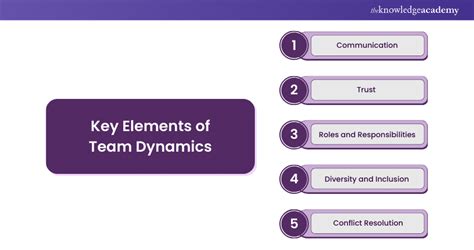
One of the unique insights of the 50/50 rule is its emphasis on **shared accountability**. When both parties are equally responsible for outcomes, it fosters a sense of ownership and commitment to the process. This is particularly evident in scenarios where failure or success is a collective result. For example, in a 50/50 business venture, if the enterprise underperforms, both partners are accountable for identifying the root causes and implementing corrective measures. This shared accountability can act as a **motivator for better performance**, as neither party can entirely shift blame onto the other. However, this also means that the rule demands a high level of **emotional maturity** and the ability to handle conflicts constructively. Partners or stakeholders must be willing to negotiate, compromise, and sometimes even redefine what "equal" means in practice.
Another critical aspect of the 50/50 rule is its **limitations in asymmetrical systems**. While the philosophy is appealing in theory, real-world scenarios often involve power imbalances, resource disparities, or differing levels of expertise. For example, in a startup where one founder has significant prior experience and the other is a first-time entrepreneur, a strict 50/50 split in decision-making or profit-sharing might not reflect the reality of their contributions. In such cases, the 50/50 rule can be adapted into a **dynamic model** where contributions are weighted differently over time. This might mean that one party takes a larger share of initial profits to compensate for their higher risk or investment, with the understanding that the balance will shift as the venture matures. This adaptability highlights the **pragmatic side** of the 50/50 philosophy—it is not a rigid doctrine but a flexible framework that can be tailored to specific contexts.
The 50/50 rule also has implications for **conflict resolution**. In situations where disagreements arise, the principle can act as a mediator by encouraging both parties to view the situation from a **balanced perspective**. For instance, if one partner feels their ideas are being undervalued, the 50/50 principle can serve as a reminder to revisit the shared agreement and ensure that both voices are being heard. This approach can help avoid the escalation of conflicts into irreconcilable disputes, as it reinforces the idea that both parties have an **equal right to be considered** in the decision-making process.
However, it is also worth exploring the **psychological impact** of the 50/50 rule. While it promotes fairness, it can sometimes create a sense of **pressure to perform equally** at all times. This is particularly true in partnerships where one party might face temporary challenges—such as health issues, personal crises, or skill gaps—that prevent them from contributing equally. In such cases, the 50/50 rule must be supplemented with a sense of **compassion and flexibility**. Partners or stakeholders must recognize that equality is not always about splitting everything down the middle but about ensuring that both parties feel **valued and supported** in their unique capacities. This adaptability is what transforms the 50/50 rule from a rigid concept into a **living philosophy** that can accommodate the complexities of human dynamics.
In summary, the 50/50 rule is more than a numerical split; it is a **philosophy of balance and mutual respect**. Whether applied to decision-making, resource allocation, or partnerships, it embodies the idea that collaboration thrives when both parties feel equally invested and recognized. While challenges such as power imbalances, unequal contributions, or rigid interpretations can arise, the rule's strength lies in its **adaptability and focus on fairness**. By embracing its core philosophy—that equality is not about perfect symmetry but about shared responsibility and mutual benefit—the 50/50 rule can serve as a powerful tool for fostering sustainable and harmonious relationships in both personal and professional contexts.
- The 50/50 rule promotes **shared decision-making** to avoid unilateral authority.
- It ensures **fair resource allocation** while allowing for flexibility in dynamic scenarios.
- The philosophy encourages **shared accountability**, fostering commitment and trust.
- It requires **adaptability** to address asymmetrical contributions or power imbalances.
- The rule supports **conflict resolution** by emphasizing balanced perspectives.
By internalizing these principles, individuals and organizations can harness the 50/50 rule not as a rigid mandate but as a **guiding ethos** that prioritizes equity, collaboration, and long-term sustainability.
Applications in Business Strategy
The **50/50 rule** is a concept that emphasizes equal contribution, responsibility, and benefit in collaborative settings. While it is often associated with simplistic notions of fairness, its applications in business strategy are far-reaching and nuanced. When applied thoughtfully, the 50/50 rule can serve as a framework for establishing trust, optimizing resource allocation, and maintaining balance in partnerships, revenue-sharing models, and team dynamics. This section explores how the rule can be strategically leveraged to foster fairness and efficiency in these contexts.
In **partnerships**, the 50/50 rule is often viewed as a starting point for equitable collaboration. However, its true value lies in how it is operationalized beyond mere numerical division. For instance, in a joint venture between two companies, a 50/50 ownership structure might seem ideal on paper, but it can lead to decision-making gridlocks if both parties are given equal veto power without clear mechanisms for resolution. To address this, businesses can incorporate **weighted decision-making protocols** within the 50/50 framework. For example, while both partners may have an equal stake, they can agree on a tie-breaking mechanism, such as deferring to an independent arbitrator or assigning specific domains of control to each party based on expertise. This ensures that the 50/50 principle supports fairness without compromising operational efficiency. Additionally, partnerships can use the 50/50 rule to enforce a shared vision by requiring both parties to invest equal effort in strategic planning. This might mean co-developing a business plan where each side contributes equally to market research, financial projections, and risk assessments, thereby embedding mutual accountability into the partnership from the outset.
In **revenue-sharing models**, the 50/50 rule can be a powerful tool for aligning incentives and ensuring that all contributors feel valued. However, it is essential to recognize that fairness in revenue sharing does not always equate to an exact 50/50 split of profits. Instead, the rule can be used as a **baseline for negotiation**, with adjustments made to reflect the relative contributions of each party. For example, in a tech startup where one partner provides the intellectual property (IP) and the other brings operational expertise, the initial revenue split might lean toward the IP contributor in the early stages. However, the 50/50 rule can still guide the long-term vision by stipulating that after a certain revenue threshold is reached, the split should rebalance to reflect ongoing operational efforts. This dynamic application of the rule acknowledges that contributions can evolve over time and ensures that the model remains adaptable. Moreover, incorporating **transparency mechanisms** into revenue-sharing agreements—such as shared access to financial dashboards or quarterly performance reviews—can reinforce trust and prevent perceptions of inequity, even when the 50/50 split is not literal.
The 50/50 rule also has significant implications for **team collaboration** within organizations. When teams are tasked with delivering on a project, the rule can be used to ensure that responsibilities and workloads are distributed fairly. For instance, in a cross-functional team comprising members from marketing, engineering, and sales, the 50/50 rule can be interpreted as requiring equal input from each function in the planning phase. This prevents any one department from dominating the process and fosters a sense of shared ownership. However, the rule must be supplemented with **role clarity** to avoid inefficiencies. For example, while marketing and sales might contribute equally to defining customer personas, engineering might take the lead in defining technical feasibility. The 50/50 principle here is not about equal time spent but about equal **value contribution** to the project’s success. To operationalize this, businesses can use tools like **RACI matrices** (Responsible, Accountable, Consulted, Informed) to map out who contributes what and ensure that no single function bears a disproportionate burden.
Another unique application of the 50/50 rule in team settings is its role in **conflict resolution**. In situations where team members disagree on priorities or approaches, the rule can serve as a mental model for compromise. For instance, if one team member advocates for a high-risk, high-reward strategy while another prefers a conservative approach, the 50/50 rule can guide the team to adopt a hybrid solution that incorporates elements of both perspectives. This approach not only fosters inclusivity but also enhances buy-in by demonstrating that all voices are heard and valued equally. Importantly, this does not mean splitting every decision down the middle; rather, it involves using the 50/50 principle as a **guiding philosophy** to balance competing interests while maintaining forward momentum.
One of the less-discussed but highly impactful areas where the 50/50 rule shines is in **building resilience in business relationships**. In partnerships or team settings, the rule can act as a **psychological safety net** by signaling to all parties that their contributions are equally recognized. This is particularly important in high-stakes environments where trust can erode quickly under perceived imbalances. For example, in a scenario where one partner consistently outperforms the other in revenue generation, the 50/50 rule can be used to reassert the equal importance of non-financial contributions, such as brand-building or customer relationship management. By emphasizing that value is multifaceted and not solely tied to revenue, the rule helps prevent resentment and fosters a collaborative rather than competitive mindset.
However, the 50/50 rule is not without its challenges. In some cases, it can create a **false sense of equality** where one party’s contributions are objectively greater than the other’s. To mitigate this, businesses should pair the rule with **performance metrics** that provide a more granular view of contributions. For instance, in a revenue-sharing agreement, the 50/50 split can be adjusted quarterly based on KPIs such as customer acquisition cost (CAC), lifetime value (LTV), or operational efficiency. This hybrid approach ensures that the rule remains a guiding principle rather than a rigid constraint.
Another challenge is the potential for the 50/50 rule to be misinterpreted as a **static arrangement**. In fast-paced industries, where market conditions and team dynamics can shift rapidly, a static application of the rule can stifle innovation or create bottlenecks. To address this, businesses should view the 50/50 rule as a **dynamic framework** that evolves with the needs of the partnership or team. For example, a startup might begin with a 50/50 revenue split between its founders but transition to a weighted model as one founder takes on more operational responsibility. This adaptability ensures that the rule remains relevant and effective over time.
In summary, the 50/50 rule is not just about splitting resources or responsibilities equally; it is about creating a **foundation of fairness** that can be tailored to specific business contexts. Whether in partnerships, revenue-sharing models, or team collaboration, the rule can foster trust, enhance efficiency, and support long-term success when applied with flexibility and strategic intent. By combining the principle of equality with mechanisms for adaptability and accountability, businesses can use the 50/50 rule as a powerful tool for navigating complex collaborative environments.
Psychological Impact of the 50/50 Rule
The 50/50 rule, often referenced in contexts ranging from shared responsibilities to equitable resource distribution, carries a profound psychological weight that extends beyond its practical application. This rule suggests a balance—an equal give-and-take dynamic—that can shape how individuals perceive fairness, trust, and motivation in both personal and professional relationships. While the concept appears straightforward, its psychological implications are nuanced and deeply rooted in human behavior, social norms, and expectations of reciprocity.
At its core, the 50/50 rule reflects an ideal of **equity theory**, a psychological framework that posits individuals are motivated when they perceive their inputs (efforts, resources, time) and outputs (rewards, recognition, benefits) as being in balance with those of others. When this balance is disrupted—whether through perceived over-contribution or under-contribution—it can lead to feelings of resentment, distrust, or demotivation. In practice, however, the rule is rarely as clean-cut as it seems, and its psychological impact is shaped by the context in which it is applied.
In **personal relationships**, the 50/50 rule often serves as a benchmark for fairness. For instance, in a romantic partnership, the idea that both individuals should contribute equally to household chores, finances, or emotional labor is appealing because it aligns with modern ideals of egalitarianism. However, this expectation can inadvertently create tension. When one partner feels they are giving "more" than the other—even if this perception is subjective—it can foster a sense of being undervalued or exploited. This perception is particularly potent because personal relationships are rooted in emotional rather than transactional exchanges. A partner who believes they are carrying more than 50% of the load may begin to question not just the practical division of labor but also the emotional commitment of the other party. Over time, this can erode **trust**, as fairness is closely tied to the belief that one’s efforts are recognized and reciprocated.
The rule’s impact on **trust** is particularly evident in professional settings, where the 50/50 dynamic often manifests in team collaborations or leadership-employee relationships. In a team, for example, if one member consistently feels they are contributing more than their fair share—whether in terms of workload, creativity, or problem-solving—it can lead to a phenomenon known as **social loafing** among others. This occurs when individuals reduce their effort because they perceive others as not pulling their weight. The psychological consequence is twofold: the over-contributor may feel demoralized, while the under-contributors may lose motivation altogether, believing their reduced effort will go unnoticed in the collective output. This dynamic not only undermines trust within the team but can also stifle innovation, as individuals become more focused on perceived inequities than on collaborative success.
Interestingly, the **motivational aspect** of the 50/50 rule can vary depending on the individual’s personality and the broader cultural or organizational norms. For highly competitive individuals or those in environments that reward individual achievement, the rule may feel constraining. These individuals might view the requirement for equal contribution as a ceiling rather than a floor, stifling their potential to go above and beyond. Conversely, in collaborative or altruistic settings—such as non-profits or community-driven projects—the 50/50 rule can serve as a unifying principle that fosters a sense of shared purpose. Here, the perception of fairness is less about strict equality and more about the **spirit of mutual respect**. When individuals feel their contributions are acknowledged, even if they are not strictly equal in measure, the psychological benefits of trust and motivation are amplified.
Another layer of complexity arises when we consider **cultural differences** in the interpretation of fairness. In individualistic societies, such as the United States, the 50/50 rule is often seen as a cornerstone of fairness because it aligns with the belief that individuals should be rewarded proportionally to their efforts. However, in collectivist cultures, such as those in East Asia, the emphasis may shift toward group harmony over strict equality. In these contexts, the psychological impact of the 50/50 rule can differ significantly. A team member in a collectivist culture might willingly take on more than their "fair share" if it contributes to the group’s success, viewing this as a way to demonstrate loyalty or commitment rather than an inequity. This highlights how the rule’s psychological impact is not universal but shaped by **societal expectations** of what constitutes fairness.
The rule also intersects with **cognitive biases** that influence how fairness is perceived. One such bias is the **false consensus effect**, where individuals assume that others share their views on what constitutes a fair division of labor or resources. This can lead to misunderstandings in situations where one party assumes the 50/50 rule is being followed while the other has a different interpretation of what "equal" means. For instance, in a workplace project, one team member might believe that contributing 50% of the ideas is sufficient, while another might expect an equal distribution of time spent on execution. These mismatched perceptions can create friction, as the rule’s ambiguity leaves room for subjective interpretation.
Another psychological dimension to explore is the **motivation-autonomy tradeoff**. While the 50/50 rule can promote fairness, it can also inadvertently reduce autonomy by imposing rigid expectations. For example, in a personal relationship where one partner insists on splitting expenses down the middle, this can limit the freedom to act spontaneously or make decisions based on individual circumstances. A person who feels constrained by the rule may begin to associate it with a loss of agency rather than fairness, leading to frustration. In professional settings, this tradeoff can manifest when employees feel micromanaged by the need to ensure their contributions align perfectly with those of their peers, rather than being allowed to focus on their unique strengths.
Moreover, the **asymmetry of value** complicates the psychological impact of the 50/50 rule. Not all contributions are perceived as equally valuable, even if they are quantitatively equal. In a professional team, for example, a member who contributes innovative ideas might feel their input is worth more than a colleague who focuses on administrative tasks. This perceived **value disparity** can lead to feelings of inequity, even when the 50/50 rule is technically being followed. The psychological challenge here is that fairness is not solely about equal shares but about **perceived value alignment**—a much more subjective and fluid concept.
To address these challenges, it is crucial to move beyond a rigid adherence to the 50/50 rule and embrace a more **flexible, context-sensitive approach** to fairness. This might involve open communication about individual capacities, recognizing non-quantifiable contributions (such as emotional support or mentorship), and reframing the rule as a guideline rather than a strict mandate. By doing so, individuals and organizations can preserve the psychological benefits of fairness—trust, motivation, and collaboration—without becoming ensnared in the rule’s potential pitfalls.
In conclusion, the 50/50 rule has a profound psychological impact that extends far beyond its surface-level appeal of equality. It influences perceptions of fairness and trust by shaping how individuals evaluate their contributions relative to others. While it can foster motivation and collaboration when applied thoughtfully, it can also create tensions when misaligned with individual or cultural expectations. Understanding these dynamics is essential for leveraging the rule effectively in both personal and professional contexts, ensuring that its implementation enhances rather than undermines the relationships it seeks to balance.
Challenges and Limitations of 50/50
The concept of a "50/50" split is often heralded as a fair and equitable solution in various contexts, from business partnerships to resource allocation and even interpersonal relationships. However, while the idea of equal division may appear straightforward and just on the surface, its practical application can lead to significant challenges and limitations. In many scenarios, strict adherence to a 50/50 framework can result in inefficiencies, conflicts, or outcomes that are ultimately imbalanced despite the intention of fairness.
One of the primary scenarios where 50/50 rules can create inefficiencies is in **business partnerships**. Imagine two co-founders who decide to split all decisions, responsibilities, and profits equally. While this approach may seem fair initially, it can lead to **decision-making paralysis**. For instance, if both partners have equal authority but differing opinions on a critical business strategy—such as whether to invest in a new product line or expand into a new market—they may find themselves at an impasse. Neither party can overrule the other without a tie-breaking mechanism, and the lack of a clear hierarchy or decision-making protocol can stall progress. This inefficiency is particularly damaging in fast-paced industries where timely decisions are crucial for staying competitive. A 50/50 structure can inadvertently create bottlenecks that hinder agility and responsiveness.
In addition, the **perception of fairness** in a 50/50 split can sometimes obscure the reality of **unequal contributions**. Consider a scenario where one partner in a business venture dedicates significantly more time, expertise, or resources to the enterprise than the other. While the 50/50 agreement may have been established with good intentions, it fails to account for the asymmetry in effort or value provided. Over time, this can breed **resentment** in the more invested partner, who may feel undervalued or exploited. Conversely, the less involved partner might feel pressured to match the other’s level of commitment, even if it is beyond their capacity or interest. This dynamic can lead to **conflicts** that erode trust and collaboration, ultimately undermining the partnership’s success.
Another area where 50/50 rules often fall short is in **resource allocation**, particularly in contexts like public policy or community projects. Suppose a local government decides to allocate its budget equally across two districts, each with differing needs. One district might have a larger population, higher levels of poverty, or greater infrastructure needs, while the other is relatively well-off. A strict 50/50 split in funding would fail to address these disparities, leading to **imbalanced outcomes** where one community’s needs are inadequately met while the other’s resources are underutilized. This scenario illustrates how the pursuit of equality can sometimes conflict with the principle of **equity**—distributing resources based on need rather than strict numerical parity. In such cases, a more nuanced approach that considers contextual factors would likely yield better results.
The challenges of 50/50 are also evident in **collaborative projects**, particularly those involving creative or technical work. For example, in a team of two software developers working on a project, a 50/50 split in task ownership might seem like a logical way to ensure fairness. However, this approach can overlook the **differing skill sets** of the individuals involved. If one developer is highly skilled in a particular programming language critical to the project while the other is less experienced, assigning them equal shares of the workload might result in **suboptimal performance**. The more skilled developer might end up shouldering a disproportionate burden to compensate for the other’s limitations, or the less skilled developer might struggle to complete their share, delaying the project. In such cases, a more flexible division of labor based on expertise rather than strict equality would be more efficient and productive.
Another limitation of 50/50 rules arises in **conflict resolution**, especially in interpersonal or group dynamics. When two parties are in disagreement and attempt to resolve the issue by splitting the difference, the outcome may not address the root cause of the conflict. For instance, consider two roommates who disagree on how to split household chores. If one roommate prefers a highly organized cleaning schedule while the other is more relaxed, a 50/50 compromise—where they alternate between strict and lax cleaning weeks—might satisfy neither party. The organized roommate might feel that their standards are being compromised, while the relaxed roommate might feel overly constrained during their "strict" weeks. This type of compromise often leads to **unsustainable solutions** because it prioritizes equality over addressing the underlying preferences and needs of each party.
A related issue is the **psychological impact** of 50/50 arrangements in situations where one party feels they are being held to an artificially equal standard. In **parenting arrangements** following a separation or divorce, for example, a strict 50/50 custody split might be seen as fair in principle. However, this can create logistical challenges and emotional strain for both parents and children. If one parent lives farther from the child’s school or extracurricular activities, the 50/50 arrangement might result in **disproportionate stress** for the child, who has to commute longer distances. Similarly, a parent with a more flexible schedule might end up bearing the brunt of practical responsibilities, even if the custody time is evenly split. This highlights how the rigid application of 50/50 can fail to account for practical realities and individual circumstances.
Another critical limitation of 50/50 rules is their potential to **amplify power imbalances** rather than mitigate them. In situations where one party has more leverage—whether through resources, knowledge, or social capital—a 50/50 agreement can be used as a **smokescreen** to mask underlying disparities. For example, in a business negotiation between a large corporation and a small vendor, the corporation might propose a 50/50 profit-sharing model that appears equitable on paper. However, the corporation might have significantly more control over pricing, marketing, and distribution channels, effectively tilting the balance of power in their favor despite the equal profit split. This dynamic can perpetuate **inequities** under the guise of fairness, particularly when one party lacks the bargaining power to negotiate better terms.
Finally, 50/50 rules can sometimes lead to **unintended consequences** when applied in **high-stakes scenarios**. Consider a situation where two countries agree to share a critical natural resource, such as water from a transboundary river, on a 50/50 basis. While this might seem like a fair arrangement, it might not account for seasonal variations in water availability or the differing agricultural and industrial needs of each country. A rigid split could result in one country facing water shortages during dry seasons while the other has surplus, leading to **geopolitical tensions**. In such cases, a more flexible, needs-based agreement that allows for adjustments based on real-time conditions would be a more practical solution.
- Strict 50/50 splits can create **decision-making paralysis** in partnerships.
- They may fail to account for **unequal contributions** or needs.
- In collaborative work, they can ignore **differing skill sets**, leading to inefficiencies.
- 50/50 compromises in conflicts often address **symptoms rather than root causes**.
- They can perpetuate **power imbalances** under the guise of fairness.
- In resource allocation, they may overlook **contextual inequities**, leading to suboptimal outcomes.
In summary, while the 50/50 rule is often seen as a simple and fair approach to division and collaboration, its limitations become apparent when applied without consideration of context, needs, or practical realities. Whether in business, resource allocation, or interpersonal dynamics, the rigid pursuit of equality can sometimes lead to inefficiencies, conflicts, or imbalanced outcomes. To truly achieve fairness, it is often necessary to move beyond the binary of 50/50 and adopt more flexible, context-sensitive approaches that prioritize **equity, adaptability, and practicality** over strict numerical parity.
Case Studies: Success Stories Using the 50/50 Rule
The 50/50 rule is a strategy that emphasizes equal contribution, shared responsibility, and balanced collaboration between parties in a variety of contexts. Whether applied to business partnerships, team dynamics, or even personal relationships, this rule has proven to be a transformative approach for fostering growth and harmony. Below, we explore real-world case studies where the 50/50 rule has been effectively implemented, yielding tangible benefits.
One of the most compelling examples of the 50/50 rule in action comes from **Tech Harmony Inc.**, a mid-sized software development company that faced internal friction between its product and engineering teams. Traditionally, the product team would outline ambitious feature requirements, while the engineering team would push back due to resource constraints. This created a cycle of frustration and inefficiency. Recognizing the need for a paradigm shift, the leadership introduced the 50/50 rule: both teams were required to jointly define project scopes and prioritize features. Each team had to contribute 50% of the effort in scoping out deliverables—product managers had to understand technical feasibility, and engineers had to engage in user-focused discussions. Over six months, this approach led to a 30% reduction in project rework and a 20% increase in on-time deliveries. The key insight here is that shared ownership of both challenges and solutions creates a sense of accountability and mutual respect, which directly impacts productivity.
Another noteworthy example is found in the nonprofit sector, specifically with **Community Bridges**, an organization focused on urban education reform. The nonprofit partnered with local schools to implement after-school programs but initially struggled with engagement from school administrators who felt the nonprofit was dictating terms. By adopting the 50/50 rule, Community Bridges restructured its collaboration model. Administrators and nonprofit staff were required to co-design program curricula, with each side contributing equally to both the vision and execution. For instance, administrators outlined the specific needs of their student populations, while the nonprofit provided resources and expertise in program delivery. This balanced approach not only improved program uptake by 40% in participating schools but also fostered a sense of partnership rather than a provider-recipient dynamic. The lesson here is that the 50/50 rule can dismantle power imbalances, creating a more inclusive and effective collaboration model.
The 50/50 rule also thrives in **entrepreneurial partnerships**, as seen in the case of **GreenGro Solutions**, a startup focused on sustainable agriculture. The company was founded by two individuals with complementary skill sets—one with deep expertise in agronomy and the other with a background in business strategy. Early on, they committed to the 50/50 rule, dividing responsibilities equally across areas such as product development, marketing, and client acquisition. While this initially seemed like an oversimplified approach, it forced both founders to step out of their comfort zones. The agronomy expert learned the basics of financial modeling, while the business strategist immersed themselves in soil science. This cross-training not only deepened their mutual understanding but also enabled them to make more informed decisions. Within two years, GreenGro Solutions expanded to three new markets and saw a 150% increase in revenue. This case demonstrates that the 50/50 rule can act as a catalyst for personal and professional growth when individuals are willing to embrace shared learning and responsibilities.
In the realm of **personal development and relationships**, the 50/50 rule has also shown promise. Consider the story of **The Balance Project**, a small initiative started by a married couple who were both working professionals and parents. They found themselves constantly arguing about household responsibilities and childcare. Adopting the 50/50 rule, they created a shared calendar where each partner committed to taking on 50% of the tasks, from meal prep to school pickups. Importantly, they also agreed to revisit the division of labor every quarter to ensure it remained equitable as their schedules evolved. This iterative approach not only reduced conflicts but also improved their overall satisfaction with their partnership. A study they later conducted among friends and colleagues who adopted similar strategies found that 70% reported a noticeable improvement in relationship harmony. This example underscores how the 50/50 rule can be a practical tool for addressing imbalance in personal dynamics, provided there is a commitment to periodic reassessment.
On a larger scale, the 50/50 rule has been applied in **corporate mergers**, where it is often used to navigate the tricky waters of cultural integration. A prime example is the merger between **GlobalBank** and **FinServe**, two financial institutions with distinct operational cultures. Post-merger, the leadership team instituted a 50/50 rule for decision-making in key areas such as product offerings, employee policies, and customer service protocols. For instance, each institution’s legacy teams were required to propose solutions for integrating their systems, and final decisions were made only after both sides had equal input. This approach helped mitigate resistance and resentment that often accompanies mergers. Within a year, employee satisfaction surveys showed a 15% improvement, and customer retention rates increased by 10%. The case of GlobalBank and FinServe illustrates how the 50/50 rule can serve as a unifying principle in scenarios where disparate groups must come together under a shared vision.
While these examples span diverse fields, they share a common thread: the 50/50 rule is most effective when it is not merely a superficial split of tasks but a deeper commitment to **collaborative problem-solving and equitable engagement**. Organizations and individuals who embrace this principle often find that it fosters a sense of fairness, reduces conflict, and encourages innovation. However, it is worth noting that the rule is not without challenges. For instance, achieving true balance requires clear communication, trust, and sometimes external facilitation to ensure neither party feels marginalized. The organizations mentioned above succeeded because they treated the 50/50 rule as a dynamic framework rather than a rigid formula, adapting it to their specific contexts.
In conclusion, the case studies of Tech Harmony Inc., Community Bridges, GreenGro Solutions, The Balance Project, and GlobalBank/FinServe provide compelling evidence of the 50/50 rule's potential to drive growth and harmony. Whether in professional partnerships, nonprofit collaborations, or personal relationships, this approach demonstrates that when both parties are equally invested, the outcomes are often greater than the sum of their individual contributions. The 50/50 rule is not just about splitting effort—it is about building a foundation of trust, mutual respect, and shared purpose that can sustain long-term success.
- The 50/50 rule promotes shared ownership and accountability.
- It can address power imbalances and foster inclusivity.
- It encourages cross-disciplinary learning and innovation.
- Periodic reassessment is key to maintaining fairness.
These insights serve as a roadmap for any organization or individual looking to leverage the 50/50 rule as a tool for sustainable growth and collaboration.
Adapting the 50/50 Rule for Modern Challenges
The 50/50 rule, traditionally used as a principle for equitable resource allocation or shared responsibility, has often been applied in contexts like partnerships, project management, and even personal productivity. However, as modern work environments evolve into highly dynamic and interconnected ecosystems, the rigid application of this rule may no longer suffice. To adapt the 50/50 rule for challenges posed by remote work, AI partnerships, and hybrid economies, we must reexamine its core assumptions and explore how it can be reimagined to align with these new paradigms.
In remote work settings, the 50/50 rule often translates into an expectation of equal contribution from team members across geographies and time zones. While this seems fair in theory, the reality is more nuanced. For instance, a remote employee in a different time zone might have to work odd hours to attend meetings, while their in-office counterpart benefits from face-to-face interactions and immediate access to resources. A strict 50/50 split in workload or accountability can lead to burnout for remote workers and inefficient use of in-person resources. To address this, organizations can modify the rule to account for asynchronous equity—where contributions are measured not by hours worked but by outcomes delivered. Tools like project management software can help quantify deliverables rather than time spent, ensuring that the "50/50" is about equitable value rather than equal effort. For example, one team member might produce a detailed report in 10 hours, while another supports it with real-time client engagement, each contributing 50% of the project’s success in different ways.
The rise of AI partnerships further complicates the 50/50 paradigm. When humans collaborate with AI systems, the traditional split of responsibility is blurred. AI can process vast amounts of data and perform repetitive tasks with high efficiency, but it lacks human intuition, creativity, and ethical judgment. In such scenarios, the 50/50 rule might need to shift to a complementary model rather than an equal one. Here, the human side might focus on strategy, ethical oversight, and high-level decision-making, while AI handles data analysis, pattern recognition, and execution. For instance, in customer service, a 50/50 adaptation could mean that AI handles initial query resolution (like chatbots managing FAQs) while human agents focus on complex issues requiring empathy and nuanced understanding. This redefinition of "equal" emphasizes that the 50/50 split is not about dividing tasks equally but about optimizing the strengths of each party. Organizations must also consider how to attribute credit or responsibility when AI is involved—should the AI system be seen as a "partner" with a 50% stake in success, or is it merely a tool that amplifies human capabilities?
In hybrid economies, where traditional and gig work coexist, the 50/50 rule faces challenges related to fair compensation and workload distribution. Gig workers, for example, often operate in environments where they are expected to provide their tools, manage their schedules, and bear the brunt of economic risk, while companies retain significant control over pricing and workflow. A strict 50/50 division of profits or responsibilities might not reflect the imbalance of power and resources in such arrangements. To adapt, the rule could be transformed into a proportional equity framework where the split is based on the value contributed rather than an arbitrary half-half division. For instance, if a gig worker uses their own equipment and incurs higher operational costs, their share of revenue might reasonably exceed 50% to reflect these additional burdens. Similarly, companies could adopt a sliding scale where the 50/50 principle adjusts dynamically based on the economic context—such as during periods of high demand or low supply, where one party might temporarily take on a larger share of the risk or reward.
Another critical aspect of adapting the 50/50 rule is its application in collaborative innovation. In dynamic environments, projects often involve cross-functional teams with diverse expertise. A marketing expert and a data scientist, for example, might collaborate on a campaign that leverages AI-driven consumer insights. While their contributions are unequal in terms of hours spent or technical complexity, both are essential to the project’s success. Here, the 50/50 rule can evolve into a weighted contribution model, where the perceived value of each contribution is assessed based on its impact on the final outcome. This requires a culture of transparency and clear metrics to evaluate contributions—whether through peer reviews, predefined KPIs, or stakeholder feedback. Without such mechanisms, the 50/50 principle risks becoming a source of friction rather than fairness.
One of the less-discussed challenges of the 50/50 rule in modern environments is its psychological implications. When individuals or teams are expected to adhere to an equal split of effort or responsibility, it can create a sense of entitlement or resentment if one party perceives the other as underperforming. This is particularly problematic in remote or hybrid settings where communication gaps can exacerbate misunderstandings. To counter this, organizations can introduce feedback loops that allow team members to recalibrate their understanding of the 50/50 split in real time. For example, regular check-ins can help clarify whether one party is overburdened or underutilized, enabling adjustments before tensions escalate. Additionally, fostering a culture of shared purpose rather than rigid equality can help teams focus on collective goals rather than individual contributions.
The 50/50 rule also intersects with ethical considerations in AI-driven economies. For instance, if an AI system is trained on biased data, its "50%" contribution might inadvertently perpetuate inequities. Here, the rule must be contextualized to include bias mitigation as a shared responsibility. Human partners must not only oversee AI outputs but also actively work to ensure fairness in the system’s design and deployment. This might mean that the human side takes on a larger share of responsibility in areas like ethical oversight, while the AI focuses on efficiency. In such cases, the 50/50 split becomes less about equal labor and more about balanced accountability for the outcomes produced.
Finally, the 50/50 rule must be flexible enough to accommodate rapid changes in market dynamics. In hybrid economies, for instance, sudden shifts in consumer behavior or supply chain disruptions can render traditional resource splits obsolete. Organizations can adopt a dynamic 50/50 model where the split is revisited periodically—perhaps quarterly or even monthly—to reflect changing circumstances. This flexibility ensures that the rule remains a useful guideline rather than a straitjacket that hinders adaptability. For example, during a surge in demand for a product, a company might temporarily allocate 70% of resources to production while the remaining 30% supports marketing, with the understanding that the balance will shift back once demand stabilizes.
In summary, the 50/50 rule, while rooted in the principle of fairness, must be rethought for modern challenges. Whether in remote work, AI collaborations, or hybrid economies, its adaptability lies in moving beyond rigid equality to embrace context-specific equity. By focusing on outcomes, leveraging complementary strengths, and maintaining flexibility, the 50/50 rule can remain a valuable framework for navigating the complexities of today’s interconnected world.
Tools and Frameworks to Implement 50/50
The 50/50 rule, which emphasizes balancing efforts between two complementary or competing aspects of a goal, can be challenging to implement without structured support. To ensure its practical application, businesses and individuals require tools, templates, and frameworks that streamline the process. These resources not only simplify the rule's implementation but also provide metrics and accountability mechanisms to track progress. Below, we delve into a variety of practical tools and frameworks designed to help organizations and individuals apply the 50/50 rule effectively.
One of the first steps in applying the 50/50 rule is **defining the two components clearly**. For instance, if a business is balancing time spent on innovation versus operational efficiency, the two sides must be well-articulated. Tools like **mind mapping software** such as MindMeister or XMind can help teams visualize and categorize these components. These tools allow users to create a central node (e.g., "50/50 Goal") and branch out into the two areas of focus. By visually representing the balance, teams can identify whether one side is receiving disproportionate attention. This clarity ensures that neither aspect is neglected, a common pitfall when applying the rule without structured support.
Another essential tool is **project management software** that supports dual-track prioritization. Tools like **Asana**, **Trello**, or **Jira** can be configured to create boards or workflows that allocate resources equally between the two areas. For example, in Trello, you can set up two columns labeled "Innovation" and "Operations" and assign cards to each based on tasks or deliverables. The visual nature of these platforms provides an at-a-glance understanding of how resources are being distributed. Moreover, features like due dates, priority tags, and progress trackers can ensure that both sides are given equal weight. A unique insight here is that these tools can also integrate with time-tracking software, such as Toggl or Clockify, to measure how much time is spent on each area. This integration provides a data-driven approach to maintaining the 50/50 balance.
For individuals or smaller teams, **templates can serve as a lightweight yet effective solution**. A simple yet powerful example is a **50/50 allocation spreadsheet**. Such a template might include columns for "Task," "Category (Innovation/Operations)," "Time Allocated," and "Outcome." Businesses can use this to log daily or weekly activities and evaluate whether the split is truly 50/50. A unique feature of this approach is the ability to use conditional formatting in tools like Microsoft Excel or Google Sheets to highlight imbalances. For example, if more than 60% of the time is allocated to one category, the cell can turn red as a visual cue to rebalance efforts. This method not only enforces accountability but also instills a habit of self-reflection on resource allocation.
Frameworks are equally critical for scaling the 50/50 rule across larger organizations. One such framework is the **OKR (Objectives and Key Results) methodology**. While OKRs are typically used to set high-level goals, they can be adapted to support the 50/50 rule by requiring organizations to set **two parallel objectives** for every major initiative. For instance, if the objective is to "increase customer satisfaction," one key result could focus on operational improvements (e.g., reducing response time by 20%) while the other focuses on innovation (e.g., launching a new customer feedback feature). This dual-objective approach ensures that both maintenance and growth are given equal priority within the organization’s strategic goals. A unique benefit of using OKRs in this context is that they provide a natural checkpoint during review cycles, forcing teams to assess whether the 50/50 balance has been maintained over time.
Another framework worth exploring is the **Eisenhower Matrix with a 50/50 lens**. Traditionally, this matrix categorizes tasks into four quadrants based on urgency and importance. However, when adapted for the 50/50 rule, one axis can represent the two areas of focus (e.g., "short-term gains" vs. "long-term investments"), while the other axis retains the urgency/importance dichotomy. This adaptation ensures that both immediate and future-oriented tasks are given equal consideration. For instance, a business might allocate 50% of its resources to urgent operational fixes (like resolving a system outage) and 50% to long-term investments (like developing a new product line). This framework is particularly useful for decision-making in resource-constrained environments where trade-offs are inevitable.
In addition to these tools, **collaborative decision-making platforms** like Miro or MURAL can help teams brainstorm and prioritize 50/50 initiatives. These platforms support real-time collaboration, enabling teams to map out potential strategies and weigh their pros and cons collectively. For example, if a team is deciding how to split its marketing budget between brand awareness and direct response campaigns, they can use Miro to create a shared workspace where each option is visualized alongside data points, such as ROI projections or audience reach. This collaborative approach not only fosters buy-in but also ensures that the 50/50 split is informed by diverse perspectives rather than unilateral decisions.
Another practical tool is **AI-driven analytics platforms**, such as Tableau or Power BI. These tools can provide actionable insights into whether the 50/50 rule is being applied effectively by analyzing historical data. For instance, a company might use Tableau to visualize how much of its R&D budget has been allocated to exploratory projects versus incremental improvements over the past year. If the data reveals a consistent skew toward one side, leaders can adjust their strategies accordingly. The unique advantage of these platforms is their ability to uncover patterns that might not be immediately apparent, such as seasonal biases or unconscious preferences for one area over the other.
Finally, **checklist-based frameworks** can be particularly effective for individuals or small teams looking for simplicity. A 50/50 checklist might include items like "Have I dedicated equal time to both areas today?" or "Did I evaluate the outcomes of both categories before making a decision?" These checklists can be integrated into daily routines through habit-tracking apps like Habitica or Todoist. A unique insight here is that such frameworks work best when paired with **accountability partners**—colleagues or mentors who can review the checklist and provide feedback. This human element ensures that the 50/50 rule is not just a mechanistic exercise but a practice rooted in shared goals and mutual support.
In conclusion, the 50/50 rule is most effective when supported by tools and frameworks that provide structure, visibility, and accountability. From project management software and spreadsheets to frameworks like OKRs and the Eisenhower Matrix, these resources enable businesses and individuals to operationalize the rule in a way that is both practical and sustainable. By leveraging these tools, organizations can avoid the pitfalls of imbalance and ensure that their efforts are distributed in a way that supports both immediate and long-term success.
Critiques and Alternatives to the 50/50 Rule
The 50/50 rule, often employed in business partnerships, co-ownership agreements, or collaborative ventures, advocates for an equal split of profits, responsibilities, and decision-making power. While this approach may seem equitable on the surface, it has been the subject of significant critique due to its potential to create inefficiencies, conflicts, and misaligned incentives. This section delves into the criticisms of the 50/50 rule and explores alternative frameworks that address its limitations, such as weighted distribution and dynamic equity models.
One of the primary critiques of the 50/50 rule is its **inflexibility in reflecting actual contributions**. In many partnerships, contributions are rarely symmetrical. For instance, one partner might bring substantial financial capital to the table, while the other contributes expertise, labor, or network connections. The 50/50 split fails to account for these disparities, often leading to a sense of inequity over time. A partner who feels they are carrying a disproportionate share of the workload or risk may become disengaged or resentful, which can erode trust and collaboration. This misalignment is particularly problematic in startups or high-growth ventures where early-stage efforts often vary significantly between founders.
Another issue is the **decision-making deadlock** inherent in the 50/50 structure. When two parties have equal ownership and voting power, disagreements can stall progress. For example, if one partner wants to pursue a high-risk, high-reward strategy and the other prefers a conservative approach, neither can enforce their vision without the other's consent. This can lead to paralysis in critical decision-making moments, particularly in fast-paced industries where agility is a competitive advantage. While some partnerships implement tie-breaking mechanisms (such as a neutral third party or predefined rules), these solutions often feel like band-aids rather than true remedies for the structural flaw of equal ownership.
The 50/50 rule can also create **perverse incentives**. When both parties have equal stakes, there is a risk that one partner might shirk responsibilities or underperform, knowing that their share of the outcomes remains unchanged. This phenomenon, sometimes referred to as the "free-rider problem," is well-documented in economic theory. In an equal split framework, there is little to no accountability mechanism to ensure that both parties are pulling their weight proportionate to their capabilities or initial investments.
To address these issues, alternative frameworks have been proposed and implemented in various contexts. One such framework is the **weighted distribution model**. This approach assigns ownership and profit shares based on a pre-agreed assessment of each party's contributions. For example, if one partner contributes 70% of the initial capital and the other contributes 30% of sweat equity, the ownership might be split 70/30 to reflect these realities. Weighted distribution not only aligns ownership with contributions but also incentivizes continued effort by tying rewards to performance or input. However, this model requires a clear and objective method of valuation—how does one quantify "sweat equity" or the value of intangible assets like industry expertise? This can lead to disagreements during the initial setup unless supported by robust valuation frameworks or third-party assessments.
Another promising alternative is the **dynamic equity model**, which is particularly suited to startups and ventures where contributions evolve over time. Unlike static models like 50/50 or even weighted distribution, dynamic equity adjusts ownership percentages based on ongoing contributions. For example, if one founder initially invests more time and resources but later steps back while the other takes on a leadership role, the equity share can shift to reflect these changes. This model is often implemented through tools like **vesting schedules** or **performance-based equity adjustments**. A vesting schedule might specify that a founder earns their full equity only after contributing for a set period or meeting specific milestones. Dynamic equity models are highly flexible but require clear documentation and regular reviews to avoid disputes. They also demand a high level of trust and transparency between parties, as the shifting nature of ownership can feel uncertain to some stakeholders.
Critics of weighted and dynamic models often argue that they introduce **complexity and potential for conflict** during the setup phase. Unlike the simplicity of a 50/50 split, these models require detailed agreements about how contributions will be measured, how often equity will be reassessed, and what happens in cases of disagreement. However, this perceived complexity can be mitigated by engaging legal and financial experts early in the process to draft clear, enforceable agreements. Moreover, the long-term benefits of avoiding deadlocks or inequities often outweigh the upfront costs of implementing these alternative frameworks.
Another alternative worth considering is the **hierarchical ownership model**, where one party holds a majority stake, and the other holds a minority stake. This approach is particularly useful when one partner is clearly the driving force behind the venture—whether through capital, expertise, or leadership. While this model may seem less "fair" on the surface, it can prevent many of the pitfalls of 50/50 arrangements by clearly delineating authority and responsibility. However, this model requires careful negotiation to ensure that the minority stakeholder feels adequately protected and motivated to contribute.
It is also important to recognize that no framework is one-size-fits-all. The choice between 50/50, weighted distribution, dynamic equity, or hierarchical models should depend on the specific context of the partnership. For instance, 50/50 might work well in a venture where both parties are bringing equal resources and have a history of seamless collaboration. However, in scenarios where there is a clear imbalance of input or where rapid decision-making is critical, alternative models provide a more sustainable path forward.
Additionally, **external factors** such as industry norms, regulatory requirements, and the nature of the business can influence the suitability of each model. For example, in industries where partnerships are common (e.g., law firms, medical practices), weighted distribution is often the default because it aligns closely with the measurable contributions of partners (e.g., billable hours or client acquisition). In contrast, dynamic equity models are more prevalent in tech startups, where roles and contributions can shift dramatically as the company evolves.
In conclusion, while the 50/50 rule offers a simple and seemingly fair approach to partnerships, its limitations often outweigh its benefits in practice. The critiques of inflexibility, decision-making deadlocks, and perverse incentives highlight the need for more nuanced and adaptable frameworks. Weighted distribution and dynamic equity models, despite their complexity, offer solutions that better align ownership and rewards with actual contributions and evolving circumstances. By carefully evaluating the specific needs and dynamics of a partnership, stakeholders can choose a model that supports long-term collaboration and success rather than defaulting to an equal split that may sow the seeds of discord.
Conclusion and Future of the 50/50 Rule
The concept of the 50/50 rule has emerged as a pragmatic framework for fostering equitable collaboration, shared responsibility, and balanced outcomes in various domains. Whether applied to partnerships, resource allocation, or decision-making processes, this rule emphasizes the importance of parity in inputs and outputs. As we conclude this exploration of the 50/50 rule, it is essential to distill its core takeaways, identify areas where further research can expand its applicability, and consider how this rule can adapt to the complexities of a rapidly evolving global landscape.
One of the most significant key takeaways from the 50/50 rule is its ability to promote fairness without stifling innovation or individual agency. By mandating an equal distribution of effort, resources, or influence, the rule inherently challenges traditional hierarchies and imbalances. For instance, in business partnerships, the 50/50 rule can mitigate power struggles by ensuring that both parties have an equal say in critical decisions. This not only fosters trust but also creates a dynamic where both sides are incentivized to contribute meaningfully. However, the rule also exposes a critical tension: equality does not always equate to proportionality. A partner with greater expertise or resources might feel constrained by the rigidity of a 50/50 split, especially when their contributions exceed the perceived "fair share." This highlights the need for flexibility within the framework—acknowledging that true balance sometimes requires calibrated adjustments rather than strict equality.
Another takeaway is the rule's potential to act as a behavioral nudge toward collaboration. In group dynamics, the 50/50 rule can encourage participants to think beyond self-interest and prioritize collective goals. This is particularly evident in community-driven initiatives, where shared ownership of outcomes often leads to higher levels of engagement and accountability. For example, in environmental programs where local communities are tasked with managing natural resources, the 50/50 rule can ensure that both the community and external stakeholders (such as NGOs or governments) contribute equally to the effort. This shared responsibility often results in more sustainable practices, as both parties have a vested interest in the success of the initiative. However, this also underscores a challenge: the rule assumes that both parties have the capacity to contribute equally. In reality, disparities in resources, knowledge, or access can create inequality even within an ostensibly "equal" arrangement.
The future of the 50/50 rule depends on its adaptability to new contexts and its integration with emerging paradigms of collaboration. One area for further research lies in understanding how the rule can be applied in digital ecosystems, where traditional notions of equality are being redefined. For example, in crowdsourced platforms like GitHub or open-source communities, the 50/50 rule could be used to ensure that contributors of varying skill levels or participation rates are acknowledged equitably. However, this raises questions about how to quantify "equal" contributions in environments where some individuals may provide high-value but low-volume input (e.g., a critical bug fix) while others contribute large volumes of less impactful work. Developing metrics that account for quality, impact, and effort could help refine the application of the 50/50 rule in such settings.
Another area for exploration is the intersection of the 50/50 rule with AI and automation. As AI systems increasingly mediate human interactions—whether in project management, resource distribution, or even governance—there is an opportunity to embed the 50/50 rule into algorithmic decision-making. For instance, AI tools could be designed to monitor and enforce equitable resource allocation in collaborative projects. However, this approach also raises ethical concerns. If an AI system enforces a rigid 50/50 split without considering contextual nuances (such as one party's disproportionate need or contribution), it risks perpetuating inefficiencies or even injustices. Researchers must therefore investigate how to design AI systems that can adapt the 50/50 principle dynamically based on real-time data and shifting circumstances.
The rule’s potential to drive balanced success in a changing world is perhaps its most compelling feature. In a world grappling with issues like climate change, economic inequality, and geopolitical instability, the 50/50 rule offers a model for shared accountability. Consider its application in global resource management: nations could adopt the 50/50 rule to equitably share the burden of reducing carbon emissions or managing shared water resources. This approach could help bridge the gap between developed and developing nations, ensuring that all parties have a stake in sustainable outcomes. However, this also requires acknowledging that "equal" contributions might look different depending on a nation's capacity. A small island nation, for instance, cannot be expected to contribute the same level of resources as a global superpower—but its unique insights or localized efforts might be equally valuable in the broader context of collaboration.
The 50/50 rule can also be a powerful tool in organizational strategy, particularly as businesses navigate hybrid work environments and diverse teams. By applying the rule to workload distribution, decision-making authority, or even profit-sharing, organizations can create environments where employees feel valued and motivated. However, this requires a nuanced understanding of team dynamics. For example, in a team where one member is highly skilled in technical tasks and another excels in interpersonal communication, a strict 50/50 division of tasks might not leverage each individual's strengths effectively. Instead, organizations could use the 50/50 rule as a guiding principle while allowing room for role specialization within the broader framework of equality.
A critical question for the future is whether the 50/50 rule can scale effectively across different scales of operation. At the micro level (e.g., within small teams or partnerships), the rule is straightforward to implement and monitor. However, at the macro level (e.g., in international agreements or large-scale economic systems), the rule may need to be supplemented with more complex systems of checks and balances. For instance, while a 50/50 split in funding for global health initiatives sounds equitable, it may not account for the vastly different healthcare infrastructures and needs of participating countries. Researchers could explore how to layer the 50/50 rule with other principles, such as proportionality or need-based allocation, to create hybrid models that are both fair and practical.
Finally, the 50/50 rule has the potential to reshape societal norms around fairness and collaboration. In an era where polarization and inequality are rampant, the rule serves as a reminder that balance is not only desirable but achievable. However, its success depends on widespread adoption and cultural buy-in. Educational initiatives, public campaigns, and even policy frameworks could promote the 50/50 rule as a universal standard for equitable engagement. By embedding this principle into early education, for instance, we could cultivate a generation that instinctively values shared responsibility and mutual respect.
In conclusion, the 50/50 rule is more than a simple formula for fairness—it is a flexible, dynamic concept with the potential to address some of the most pressing challenges of our time. While it is not a panacea, its adaptability and focus on balance make it a valuable tool for fostering collaboration in a world that is increasingly interconnected yet fraught with disparities. To fully realize its promise, we must continue to explore its applications, refine its implementation, and ensure that it remains a living, evolving principle rather than a static ideal. In doing so, we can harness the 50/50 rule not just as a tool for immediate problem-solving but as a cornerstone for building a more equitable and sustainable future.