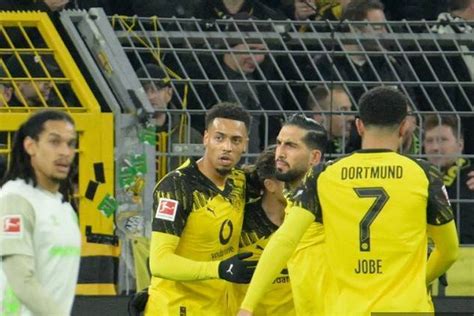
Introduction to Gegenpressing
Gegenpressing, often referred to as "counter-pressing," is a tactical approach in football that has revolutionized the way teams approach both attack and defense. At its core, gegenpressing is the strategy of immediately pressing the opponent after losing possession of the ball, aiming to regain it as quickly as possible rather than retreating into a defensive shape. This method is characterized by high intensity, coordinated team movement, and a relentless commitment to disrupting the opposition's build-up play. Unlike traditional defensive setups that prioritize positional stability after losing the ball, gegenpressing is proactive, aggressive, and inherently risky—but when executed well, it can be one of the most effective tools in modern football.
The origins of gegenpressing can be traced back to the tactical evolution of European football, particularly in Germany and the Netherlands during the late 20th century. While pressing itself is not a new concept—teams have long understood the value of applying pressure to win the ball back—gegenpressing as a defined system gained prominence under coaches like Rinus Michels and Johan Cruyff, who emphasized the importance of maintaining control of the game through possession and quick recovery. However, it was in the 21st century, under the stewardship of coaches such as Ralf Rangnick and later Jürgen Klopp, that gegenpressing became a clearly identifiable and widely adopted philosophy. Rangnick, often dubbed the "godfather of gegenpressing," implemented this system at clubs like Hoffenheim and RB Leipzig, emphasizing the idea that the period immediately after losing the ball is the most opportune moment to win it back. This is because the opposition is typically in the process of transitioning from defense to attack and is therefore less organized.
The term "gegenpressing" itself is German, with "gegen" meaning "against" or "counter." This linguistic root encapsulates the essence of the tactic: to counter the opponent's attempt to transition by applying immediate and overwhelming pressure. What sets gegenpressing apart from other pressing systems is its focus on collective action. It is not merely about one or two players chasing the ball; it is a synchronized effort where the entire team moves as a unit to close down space, cut passing lanes, and force mistakes. This requires a high level of fitness, tactical intelligence, and trust among players, as even a single individual failing to press with the required intensity can break the system.
Gegenpressing has become a cornerstone of modern football tactics for several reasons. First, the evolution of the game has seen a shift toward more fluid and attack-oriented styles of play. Teams are now expected to not only defend solidly but also transition quickly from defense to attack. Gegenpressing facilitates this by ensuring that the moment of transition is not a phase where the team passively reorganizes but instead one where they aggressively seek to reassert control. For instance, in the Premier League, Jürgen Klopp's Liverpool has exemplified how gegenpressing can be used to dominate games. By winning the ball high up the pitch, Liverpool often bypasses the need for long, structured build-ups, creating goal-scoring opportunities in areas where the opposition is most vulnerable.
Another reason gegenpressing has gained prominence is its alignment with the physical and tactical demands of modern football. The sport has become faster and more dynamic, with players expected to cover greater distances at higher intensities. Gegenpressing exploits this by turning the physical exertion required in football into a weapon. A well-executed gegenpress can force opponents into errors, leading to quick turnovers that are psychologically demoralizing. For example, a defender who is pressed within seconds of receiving the ball is more likely to make a hasty pass or lose possession, which can create a cascading effect of panic within the opposing team.
The success of gegenpressing also lies in its adaptability to different types of players and systems. While it is often associated with high-energy, physically robust teams, gegenpressing can be tailored to suit teams with technical players who excel in tight spaces. For instance, Pep Guardiola's Manchester City employs a form of gegenpressing that relies less on brute physicality and more on positional awareness and quick interchanges. This demonstrates that gegenpressing is not a one-size-fits-all approach but a flexible tactic that can be molded to fit a team's strengths and weaknesses.
One of the most fascinating aspects of gegenpressing is its psychological dimension. By relentlessly pressing the opposition, a team sends a clear message: "We are here to dominate, not just react." This can unsettle even technically superior teams, as the constant pressure disrupts their rhythm and forces them into making uncharacteristic mistakes. However, gegenpressing is not without its risks. If the press is broken—for instance, through a well-placed long ball or a moment of individual brilliance—the team can be left exposed, particularly if they have committed too many players forward. This is why gegenpressing requires not only physical commitment but also a deep understanding of when to press and when to retreat.
The widespread adoption of gegenpressing has also influenced how football is coached and analyzed. Training sessions now often include drills specifically designed to improve a team's ability to press as a unit. Video analysis tools are used to identify moments when gegenpressing can be most effective, such as when an opponent has a slow build-up or when their players are positioned in ways that make them susceptible to being overloaded. This emphasis on gegenpressing has also elevated the role of data in football, with metrics like PPDA (passes allowed per defensive action) becoming key indicators of a team's pressing effectiveness.
In summary, gegenpressing is more than just a tactical system—it is a philosophy that embodies the modern game's emphasis on intensity, proactivity, and control. Its origins in the tactical experiments of visionary coaches have evolved into a widely accepted approach that has shaped how football is played at the highest levels. Whether through the high-octane pressing of Klopp's Liverpool or the positional mastery of Guardiola's Manchester City, gegenpressing represents a fundamental shift in how teams view the relationship between attack and defense. It is not merely about winning the ball back; it is about asserting dominance, seizing momentum, and dictating the flow of the game. As football continues to evolve, gegenpressing will likely remain a central tenet of tactical innovation, a testament to its enduring relevance and impact.
- Gegenpressing is rooted in the idea of regaining possession immediately after losing it.
- It requires high levels of fitness, coordination, and tactical understanding.
- Its success lies in its ability to disrupt opponents and create scoring opportunities.
- While risky, it can be adapted to suit different team styles and strengths.
By understanding the principles and implications of gegenpressing, one gains insight into why this tactic has become not just a trend but a transformative element of football strategy in the modern era.
Historical Evolution of Gegenpressing
The concept of gegenpressing in football, often referred to as "counter-pressing," has evolved significantly over the decades, transforming from a tactical experiment into a cornerstone of modern football strategy. Its roots can be traced back to the mid-20th century, but its rise to prominence is deeply intertwined with the evolution of pressing systems, tactical innovation, and the influence of specific coaches and teams.
The earliest inklings of gegenpressing can be seen in the **total football** philosophy of the 1970s, pioneered by the Dutch national team and Ajax under Rinus Michels and later Johan Cruyff. While not explicitly labeled as gegenpressing at the time, the underlying idea of regaining possession immediately after losing the ball was a key feature of their approach. Total football emphasized fluidity and positional interchange, but it also required players to press aggressively when out of possession. This early form of pressing laid the groundwork for what would later become gegenpressing, though it was more about collective positioning and less about the immediacy of counter-pressing as we understand it today.
The 1980s and 1990s saw the gradual emergence of more structured pressing systems in European football. Teams like AC Milan under Arrigo Sacchi began to emphasize a high defensive line and coordinated pressing to disrupt opponents' build-up play. Sacchi’s Milan was not necessarily practicing gegenpressing in its purest form, but their focus on pressing as a collective unit and their high work rate off the ball were precursors to the gegenpressing ethos. Sacchi’s insistence on reducing space and time for opponents when they had the ball was a significant step toward making pressing a proactive, rather than reactive, strategy.
However, the true genesis of gegenpressing as a defined tactic can be attributed to the late 1990s and early 2000s in Germany. Coaches like Ralf Rangnick and Jürgen Klopp played pivotal roles in its development. Rangnick, often dubbed the "professor" of German football, is credited with popularizing the term and the philosophy. His work at clubs like SSV Ulm and later Hoffenheim emphasized the importance of winning the ball back within seconds of losing it. This was not merely about defensive solidity but about turning defense into attack with lightning speed. Rangnick’s gegenpressing was rooted in the idea that the moment an opponent loses the ball, they are most vulnerable because their players are out of position and unprepared for immediate defensive actions.
The rise of Jürgen Klopp at Mainz and later borussia dortmund brought gegenpressing into the spotlight. Klopp’s interpretation of the tactic was more dynamic and aggressive than Rangnick’s. He described it as “a playground for the players” where energy, intensity, and speed were paramount. At Dortmund, Klopp’s gegenpressing system was characterized by a high-octane style where players swarmed the opponent immediately after losing possession. This approach was not just about regaining the ball but about creating goal-scoring opportunities in transition. Klopp’s success with Dortmund in the Bundesliga and later in the UEFA Champions League showcased gegenpressing as a viable and effective strategy for teams that might lack the financial resources to dominate through individual talent alone.
The 2010s marked the global proliferation of gegenpressing, largely due to the influence of coaches like Pep Guardiola and the widespread adoption of data analytics in football. Guardiola, while not a strict proponent of gegenpressing in the Kloppian sense, incorporated elements of immediate pressing into his possession-based philosophy at Barcelona, Bayern Munich, and Manchester City. His teams were adept at pressing high up the pitch to win the ball back in advanced areas, aligning with the gegenpressing principle of minimizing the opponent's time on the ball. The availability of advanced tracking data and performance metrics further refined gegenpressing, allowing coaches to measure and optimize the physical and tactical demands of the system.
Another critical development in this era was the role of **RB Leipzig** and the Red Bull football network. The Red Bull teams, under the guidance of Ralf Rangnick and later coaches like Julian Nagelsmann, became laboratories for gegenpressing. These clubs emphasized youth, athleticism, and a high-tempo style of play that made gegenpressing their default mode of operation. Leipzig’s success in the Bundesliga and European competitions demonstrated how gegenpressing could be scaled across different leagues and adapted to varying levels of competition.
In the present day, gegenpressing has become a ubiquitous feature of elite football. Teams like Liverpool under Klopp, Manchester City under Guardiola, and even the German national team have integrated it into their identity. However, its application has become more nuanced. Modern gegenpressing is not just about raw intensity but about contextual intelligence. Teams now use pressing triggers—specific moments, such as a poor pass or a player receiving the ball with their back to goal—to decide when to press. This evolution reflects the growing sophistication of the tactic, where pressing is not a constant but a calculated response to the opponent’s behavior.
The globalization of gegenpressing has also led to its adaptation in non-European contexts. For instance, teams in South America and Asia have begun incorporating gegenpressing principles, albeit with cultural and stylistic modifications. In Brazil, for example, gegenpressing is often blended with the traditional flair and technical emphasis of Brazilian football, creating hybrid systems that prioritize both intensity and creativity.
The historical evolution of gegenpressing also highlights its relationship with the broader trends in football. The increasing physical demands of the game, driven by better sports science and conditioning, have made gegenpressing more feasible. Players today are fitter and more capable of sustaining the high-energy requirements of gegenpressing over 90 minutes. Moreover, the tactical landscape has shifted to favor proactive systems over reactive ones, with gegenpressing embodying this shift.
In summary, the journey of gegenpressing from its nascent stages in total football to its current status as a defining feature of elite football is a testament to the dynamic nature of the sport. It has been shaped by visionary coaches, technological advancements, and the global exchange of ideas. While its core principle—regaining possession quickly to exploit vulnerabilities—remains unchanged, the way it is implemented continues to evolve. Gegenpressing is no longer just a tactic; it is a philosophy that reflects the relentless pursuit of efficiency and control in modern football.
- The origins of gegenpressing can be linked to total football’s emphasis on proactive play.
- Ralf Rangnick formalized the concept in the German football context.
- Jürgen Klopp popularized it as an aggressive and dynamic system.
- Globalization and sports science have refined and diversified its application.
This deep dive into its historical evolution reveals that gegenpressing is not merely a product of one era or one coach but a synthesis of ideas, adapted and refined across generations of football.
Core Principles of Gegenpressing
Gegenpressing, often referred to as "counter-pressing," is a high-intensity tactical approach in football that has been popularized by coaches like Jürgen Klopp and Pep Guardiola. At its core, gegenpressing is not merely about chasing the ball after losing possession but is a meticulously planned system of regaining control through immediate, coordinated action. This section delves into the core principles of gegenpressing, focusing on the tactical nuances that make it a game-changing strategy when executed effectively.
The first and most fundamental principle of gegenpressing is immediate counter-pressing. Unlike traditional systems where a team might retreat into a defensive shape after losing the ball, gegenpressing demands that players react instantly to the loss of possession. This reaction is rooted in the belief that the moments immediately following a turnover are the most advantageous for regaining the ball. The opposition is often in a disorganized state, having just transitioned from defense to attack, and their players are not yet positioned to fend off a coordinated press. By applying immediate pressure, the gegenpressing team disrupts the opponent's buildup and forces errors in tight spaces. This principle hinges on players being hyper-aware of their positioning relative to the ball and their teammates. For instance, if a midfielder loses the ball, nearby forwards and wingers must instantly close down passing lanes, while central defenders adjust to cut off deeper options. The speed of this reaction is what distinguishes gegenpressing from a more passive approach to regaining possession.
Another critical aspect is coordinated team movement. Gegenpressing is not the work of a lone player hustling to win the ball back; it is a synchronized effort involving the entire team. When one player initiates the press, their teammates must move in unison to support the action. This involves creating a "pressing trap"—a specific area of the pitch where the team aims to force the opponent to play. For example, if the ball is lost in the midfield, the gegenpressing team might funnel the opponent toward the touchline, where their options are limited. This requires players to anticipate the opponent's likely next move and adjust their positions accordingly. A winger might sprint to block a pass to the opposing full-back, while a central midfielder shifts laterally to deny a through ball to the striker. The success of this coordinated movement depends on clear communication and an understanding of each player's role within the system. Without this cohesion, gegenpressing can leave gaps in the defense that skilled opponents can exploit.

A unique insight into gegenpressing lies in its reliance on player roles and spatial awareness. Each player in a gegenpressing system has a specific responsibility that extends beyond their designated position. For example, a striker in this system is not just tasked with scoring goals but also with leading the initial press. Their job is to harry the opposition's central defenders, forcing hurried clearances or mistakes. Similarly, full-backs in a gegenpressing team often act as "wide disruptors," cutting off wide passing options and ensuring the opponent cannot easily switch play. This redistribution of roles requires players to be versatile and tactically intelligent. A midfielder might find themselves momentarily playing as a makeshift defender to cover for a teammate who has pushed higher up the pitch to press. This fluidity in roles is one of the reasons gegenpressing demands a high level of fitness and mental acuity from players.
Another key principle is the emphasis on compactness and recovery runs. Gegenpressing teams aim to maintain a compact shape both vertically and horizontally, even when they lose the ball. This compactness ensures that if the initial press is broken, the team can quickly revert to a solid defensive block. Recovery runs are a vital component of this principle. Players who are out of position after an attacking move must sprint back to close gaps and support their teammates in regaining structure. For example, if a full-back has overlapped during an attack and the ball is lost, they must immediately track back to prevent the opponent from exploiting the space left behind. This balance between aggressive forward pressing and disciplined recovery is what makes gegenpressing sustainable over the course of a match. Without efficient recovery runs, the team risks being exposed to counterattacks, which is the Achilles' heel of gegenpressing when poorly executed.
The concept of transition phases is also central to gegenpressing. Football matches are often decided in the transitions between attack and defense or vice versa. Gegenpressing capitalizes on the attacking transition by turning the moment of losing possession into an opportunity to win it back quickly and launch another attack. This is why gegenpressing teams often play with a high defensive line and a compact midfield—they want to reduce the time and space the opponent has to organize their attack. However, this approach also demands that players be comfortable in rapidly switching between offensive and defensive mindsets. A winger who was moments ago making a forward run must instantly revert to a defensive role if the ball is lost. This duality in player responsibilities is a hallmark of gegenpressing and is what makes it such a dynamic and exhausting system to implement.
A less discussed but equally important principle is the role of psychological pressure in gegenpressing. By relentlessly pursuing the ball immediately after losing it, gegenpressing teams aim to impose a sense of panic on the opposition. This psychological effect can lead to rushed decisions, poor passes, or even turnovers in dangerous areas. For instance, a defender who is closed down by two or three players in quick succession is more likely to misplace a pass or clear the ball aimlessly, giving the pressing team another opportunity to attack. This psychological edge is particularly effective against teams that are not accustomed to high-pressure systems or lack the technical ability to play out from the back under pressure.
Finally, gegenpressing requires a high level of physical conditioning. The system is energy-intensive, as players are expected to sprint, close down spaces, and recover repeatedly throughout the match. This is why gegenpressing teams often rotate their squads frequently and emphasize fitness in their training regimens. Players must be able to perform at peak intensity for sustained periods, which is why gegenpressing is often associated with younger, athletically gifted squads. However, even with physical prowess, the system's success depends on the players' ability to read the game and make split-second decisions. Tactical drills that simulate gegenpressing scenarios—such as small-sided games with an emphasis on quick ball recovery—are essential for ingraining these habits in players.
In summary, the core principles of gegenpressing revolve around immediate counter-pressing, coordinated team movement, player roles and spatial awareness, compactness and recovery runs, transition phases, psychological pressure, and physical conditioning. These elements work together to create a system that is both aggressive and calculated, aiming not just to win the ball back but to do so in a manner that puts the team in a position to launch immediate attacks. When executed with precision, gegenpressing can be a potent weapon, turning the chaos of a lost ball into a structured opportunity for dominance. However, its success lies in the fine balance between aggression and discipline, making it one of the most demanding yet rewarding tactical systems in modern football.
Teams and Coaches That Popularized Gegenpressing
Gegenpressing, often described as "counter-pressing," has become one of the most influential tactical approaches in modern football. This method, which emphasizes immediate pressure on the opponent after losing possession, has been popularized by several teams and managers who have not only mastered its execution but also elevated it to an art form. In this section, we will delve into the key figures and teams that have shaped the gegenpressing philosophy, with a particular focus on their unique contributions and the impact of their strategies on the broader footballing landscape.
One of the most prominent figures associated with gegenpressing is Jürgen Klopp, whose implementation of this approach at Borussia Dortmund and later at Liverpool has made him synonymous with the tactic. At Dortmund, Klopp’s team was a relentless machine, using gegenpressing to dominate the Bundesliga in the early 2010s. His philosophy, often summarized as "heavy metal football," was characterized by high-energy play, rapid transitions, and an almost manic desire to win the ball back within seconds of losing it. Klopp’s Dortmund side, featuring players like Robert Lewandowski, Marco Reus, and Ilkay Gündogan, exemplified gegenpressing by suffocating opponents in their own half. The team’s success in the 2010-11 and 2011-12 Bundesliga seasons, as well as their run to the 2013 Champions League final, demonstrated the effectiveness of this approach when executed with precision and cohesion.
At Liverpool, Klopp refined his gegenpressing system further, adapting it to the physical and technical demands of the Premier League. The trio of Sadio Mané, Mohamed Salah, and Roberto Firmino became the embodiment of his philosophy, using their speed, work rate, and tactical intelligence to press opponents into submission. Liverpool’s 2019-20 Premier League title win, ending a 30-year drought, was a testament to how gegenpressing could be adapted to achieve long-term success in one of the most competitive leagues in the world. What sets Klopp apart is his ability to instill a collective belief in his players, making gegenpressing not just a tactic but a cultural identity for his teams. As he once famously said, "No playmaker in the world can be as good as a good gegenpressing situation." This quote underscores how he views the tactic not merely as a defensive tool but as a means of creating attacking opportunities.
Another manager who has left an indelible mark on gegenpressing is Pep Guardiola, albeit with a slightly different interpretation. While Klopp’s gegenpressing is often associated with raw intensity and verticality, Guardiola’s approach at Barcelona, Bayern Munich, and Manchester City incorporates a more possession-oriented style. Guardiola’s teams are known for their ability to maintain the ball for extended periods, but when possession is lost, they transition into a high-pressing unit with remarkable speed. This version of gegenpressing is less about frantic energy and more about controlled aggression. At Barcelona, for instance, Guardiola’s team would use players like Sergio Busquets, Xavi, and Andres Iniesta to close down spaces immediately after losing the ball, ensuring that their opponents had little time or room to launch counterattacks. This method, often referred to as "positional play with pressing," demonstrated how gegenpressing could be integrated into a system that prioritized ball retention and spatial control.
At Manchester City, Guardiola has continued to evolve this approach. His use of players like Kevin De Bruyne, Bernardo Silva, and Phil Foden in a high-pressing system showcases how gegenpressing can coexist with intricate passing patterns. A key insight here is that Guardiola’s gegenpressing is not just about winning the ball back but also about maintaining the team’s shape and dominance in specific zones of the pitch. This nuanced interpretation has allowed Guardiola to achieve remarkable success, including multiple Premier League titles and a Champions League victory in 2023.
Beyond Klopp and Guardiola, Ralf Rangnick deserves mention as one of the earliest proponents of gegenpressing in German football. Often referred to as the "godfather of gegenpressing," Rangnick’s work at clubs like Hoffenheim and RB Leipzig laid the groundwork for its widespread adoption. His teams were built on the principle of "gegenpressing as the best playmaker," emphasizing rapid ball recovery and immediate vertical attacks. Rangnick’s influence extends beyond his own teams; he has mentored a generation of coaches, including Julian Nagelsmann and Thomas Tuchel, who have carried forward the gegenpressing philosophy in their own ways. For example, Nagelsmann’s work at RB Leipzig and later at Bayern Munich showcased a hybrid approach that blended high pressing with flexible defensive structures, while Tuchel’s success at Chelsea demonstrated how gegenpressing could be adapted to a more pragmatic, counterattacking style in high-stakes matches.
The impact of gegenpressing is also evident in the rise of teams like Ajax under Erik ten Hag. While Ajax’s historical identity is rooted in total football, ten Hag incorporated gegenpressing as a means of modernizing their approach. During their remarkable run to the 2019 Champions League semi-finals, Ajax’s young squad—featuring players like Frenkie de Jong and Matthijs de Ligt—used gegenpressing to disrupt more established teams like Real Madrid and Juventus. This was a clear example of how gegenpressing could be adapted by teams with limited resources to compete against financial powerhouses.
It is also worth noting how gegenpressing has influenced national teams. Germany under Joachim Löw during their 2014 World Cup triumph incorporated elements of gegenpressing, particularly in their high-energy group stage matches. The team’s ability to win the ball high up the pitch and launch quick attacks was a direct reflection of the growing prominence of this tactic in elite football.
Looking at these examples, it is clear that gegenpressing is not a one-size-fits-all approach. While Klopp’s version thrives on chaos and emotional intensity, Guardiola’s is more calculated and positionally disciplined. Rangnick’s early innovations provided the blueprint, while managers like ten Hag and Tuchel have shown how the tactic can be tailored to different contexts and team profiles. What unites these coaches is their shared belief in the idea that regaining possession quickly is not just a defensive act but a means of dictating the flow of the game.
In conclusion, the popularization of gegenpressing can be attributed to a handful of visionary managers and teams who saw its potential to revolutionize football tactics. From Klopp’s emotional, all-out pressing to Guardiola’s controlled aggression, and from Rangnick’s foundational work to the adaptations by newer coaches, gegenpressing has become a defining feature of modern football. Its evolution across different leagues, teams, and managerial philosophies highlights its versatility and enduring relevance in the sport.
The Role of Player Fitness in Gegenpressing
Gegenpressing, a tactical approach popularized by coaches like Jürgen Klopp and Ralf Rangnick, is a high-intensity system that requires players to relentlessly press the opposition immediately after losing possession. This style of play is not merely about physical exertion; it demands a unique blend of physical endurance, mental sharpness, and tactical awareness. To truly understand the role of player fitness in gegenpressing, we must delve into the physical and mental challenges it imposes and the specific attributes players must cultivate to thrive in such a system.
The physical demands of gegenpressing are among the most rigorous in modern football. A gegenpressing team operates on the principle of "counter-pressing," where the objective is to win the ball back within seconds of losing it, ideally in the opponent's half. This requires players to maintain an extraordinarily high work rate throughout the match. Unlike traditional pressing systems that may focus on structured, intermittent pressing, gegenpressing is continuous and reactive. Players must be able to sprint repeatedly, often covering short, explosive distances to close down opponents. For example, a winger in a gegenpressing setup might need to sprint 20 meters to close down a defender, only to immediately shift into a recovery run if the press fails. This sequence of high-intensity efforts is repeated dozens of times in a game, making aerobic and anaerobic fitness critical.
Aerobic fitness is essential because gegenpressing demands sustained energy output over 90 minutes. Players must recover quickly between high-intensity actions to be ready for the next pressing trigger. Studies have shown that teams employing gegenpressing often record higher total distance covered and more sprints per game compared to teams using less intensive systems. For instance, Liverpool under Klopp has consistently ranked among the top teams in the Premier League for distance covered and high-intensity sprints. However, anaerobic fitness is equally vital because the short bursts of sprinting and rapid changes in direction place immense strain on the body's fast-twitch muscle fibers. Without proper conditioning, players risk fatigue, which can lead to slower reaction times and a higher likelihood of errors in pressing situations.
To support this physical load, players in a gegenpressing system often undergo specialized training regimens. These include interval training to simulate the stop-start nature of the game, plyometric exercises to enhance explosive power, and small-sided games designed to replicate the chaotic, high-intensity scenarios of gegenpressing. Additionally, recovery protocols such as cryotherapy, compression therapy, and tailored nutrition plans are integral to ensuring players can sustain this level of output over an extended season.
While the physical demands are immense, the mental demands of gegenpressing are equally significant and often underestimated. Gegenpressing is not just about running; it is about intelligent running. Players must read the game quickly to identify the optimal moments to press. For example, a gegenpressing team might target specific triggers, such as a defender receiving the ball with his back to play or a poor first touch by an opponent. Recognizing these moments requires acute spatial awareness and the ability to process information rapidly under pressure. A lapse in concentration can result in the team being caught out of position, leaving gaps for the opposition to exploit on the counterattack.
Mental resilience is another key factor. Gegenpressing can be frustrating, especially when the system fails to yield immediate results. Players must maintain their focus and commitment even when fatigue sets in or when the opposition successfully bypasses the press. This mental fortitude is often what separates top gegenpressing teams from those that struggle to implement the system effectively. Coaches play a crucial role here, instilling a collective belief in the system and ensuring players understand that temporary setbacks are part of the process. Mental conditioning exercises, such as visualization techniques and mindfulness training, are increasingly being integrated into training programs to help players cope with the psychological strain.
Another aspect of mental fitness is the need for team cohesion and communication. Gegenpressing is a collective effort; it requires all players to move in synchrony. If one player fails to press with intensity or mistimes their run, the entire system can collapse. This demands a high level of trust and understanding among teammates. For instance, when a forward initiates a press, the midfielders and defenders must adjust their positions to support the press and cover potential passing lanes. This synchronization is not innate; it is developed through repetitive drills and clear communication on the field. Teams that excel at gegenpressing often spend significant time in training working on these coordinated movements, ensuring that every player understands their role in the system.
The interplay between physical and mental fitness is perhaps most evident in the later stages of a match. As players tire, their decision-making can suffer, leading to poor pressing angles or delayed reactions. This is why gegenpressing teams often emphasize squad rotation and depth. Managers like Klopp frequently rotate their squads to keep players fresh, particularly during congested fixture periods. Even the fittest players can struggle to maintain gegenpressing intensity over 90 minutes, which is why substitutes often play a pivotal role. A fresh pair of legs entering the game in the 70th minute can reinvigorate the press and exploit the fatigue of the opposition.
It is also worth noting that gegenpressing can take a cumulative toll on players over the course of a season. The relentless physical and mental strain increases the risk of injuries, particularly muscle strains and joint issues. This is why player monitoring systems, such as GPS trackers and heart rate monitors, are widely used in modern football. These tools allow coaching staff to track player workloads and identify signs of overtraining or fatigue before they lead to injury. Balancing the physical output required for gegenpressing with the need for player longevity is a delicate task for coaches and sports scientists.
In conclusion, the role of player fitness in gegenpressing extends far beyond raw athleticism. It encompasses a combination of explosive physical conditioning, mental sharpness, and tactical discipline. Players must be equipped not only to endure the physical intensity of the system but also to think and react quickly in high-pressure situations. The success of gegenpressing relies on a holistic approach to player development, where physical training, mental resilience, and tactical understanding are all prioritized. Without these elements working in harmony, the gegenpressing system risks becoming a liability rather than a weapon. As the demands of modern football continue to evolve, the importance of player fitness in sustaining such a high-octane system will only grow.
Gegenpressing vs. Other Tactical Systems
Gegenpressing, often associated with high-intensity football pioneered by coaches like Jürgen Klopp and Ralf Rangnick, is a tactical system that prioritizes immediate pressure on the opponent after losing possession. This approach seeks to disrupt the opponent's build-up play and regain the ball in advanced areas of the pitch, ideally leading to quick transitions and scoring opportunities. However, when compared to other tactical systems such as possession-based play or counter-attacking football, gegenpressing reveals both its unique strengths and its situational limitations. This section delves into how gegenpressing contrasts with these systems in terms of philosophy, execution, and suitability for different team compositions and match contexts.
One of the most striking differences between gegenpressing and possession-based play lies in their core philosophies. Possession-based systems, epitomized by teams like Barcelona under Pep Guardiola or Manchester City, emphasize control of the ball as a means of dominating the game. The idea is to suffocate the opposition by retaining possession, moving the ball patiently, and probing for weaknesses in the defensive structure. In contrast, gegenpressing thrives on chaos rather than control. While possession teams aim to minimize risk by keeping the ball, gegenpressing accepts the inevitability of losing the ball and prepares for that moment as an opportunity. This difference is not merely stylistic but also psychological; possession play rewards patience and composure, whereas gegenpressing demands aggression and relentless energy.
From a practical standpoint, gegenpressing often requires a higher physical workload compared to possession-based systems. Players in a gegenpressing setup must cover large distances at high intensity to close down opponents quickly after losing the ball. This is in stark contrast to possession teams, where players can conserve energy by maintaining structured passing patterns and limiting sprints to moments of transition or pressing in specific zones. For instance, a team like Liverpool under Klopp might see their fullbacks and midfielders expend significant energy to maintain a compact shape and press collectively, while a possession-oriented team like Barcelona might focus on conserving energy by recycling the ball among technically adept players. This difference often makes gegenpressing less sustainable over the course of a season unless teams have exceptional fitness levels and squad depth.
Another key comparison is with counter-attacking football, a system that also relies on transitions but in a more selective manner. Counter-attacking teams often cede possession to the opposition, inviting them to commit players forward before exploiting space left behind with rapid, direct attacks. This is a reactive approach, whereas gegenpressing is proactive. A counter-attacking team might sit deep in a low block, absorbing pressure and waiting for the right moment to strike. Gegenpressing, on the other hand, does not wait for the opponent to advance; it seeks to win the ball back as soon as possible, often in the opponent's half. This difference in initiation is critical—counter-attacking football is about exploiting the opponent's overcommitment, while gegenpressing is about denying the opponent the chance to build coherent attacks in the first place.
The effectiveness of gegenpressing can also be analyzed in terms of pitch geography. In a possession-based system, the focus is often on maintaining control in the middle and final thirds, with players like deep-lying playmakers or false nines dictating the tempo. Counter-attacking teams, by contrast, prioritize the use of wide areas and the space behind the defensive line during transitions. Gegenpressing, however, operates most effectively in the middle third and the immediate areas around the ball. The objective is to win the ball high up the pitch, where the distance to the opponent's goal is shortest. This makes gegenpressing particularly effective against teams that are not adept at playing out from the back, as they are more likely to make mistakes under pressure. However, against teams skilled in possession—like Guardiola’s Manchester City—gegenpressing can struggle because these teams are comfortable retaining the ball under high pressure and can bypass the press with precise passing and positional play.
Another dimension to consider is the personnel requirements of each system. Gegenpressing demands a specific type of player—athletic, intelligent, and tactically disciplined. Midfielders and forwards must be capable of quick decision-making and synchronized pressing, while defenders need to be comfortable playing in a high line to compress space. In contrast, possession-based systems often prioritize technical proficiency over physicality, with players like Xavi or Kevin De Bruyne excelling due to their vision and ball control. Counter-attacking teams, meanwhile, benefit from players with blistering pace and clinical finishing, such as Kylian Mbappé or Cristiano Ronaldo in their prime. This distinction means that gegenpressing may not suit teams with a squad primarily composed of slower, more technical players or those lacking the stamina for high-intensity play.
The context of the match also plays a significant role in determining the effectiveness of gegenpressing compared to other systems. In high-stakes games where the opposition is likely to sit deep and prioritize defensive solidity, gegenpressing can be a double-edged sword. While it can overwhelm a team that is uncomfortable in possession, it can also leave spaces behind if the press is broken, especially against skilled counter-attacking opponents. Possession play, by contrast, can be more effective in such scenarios as it allows a team to patiently probe for openings without exposing themselves defensively. Similarly, in matches where the opponent is physically dominant or adept at breaking lines with long balls, gegenpressing can become a liability if players are unable to sustain the press or recover quickly after being bypassed.
A nuanced point of comparison is the psychological impact of these systems on both the pressing team and their opponents. Gegenpressing can be mentally exhausting for the team employing it, as the constant demand for high-intensity actions can lead to fatigue and lapses in concentration. However, it can also be demoralizing for opponents who are constantly harried and unable to settle into their rhythm. Possession play, by contrast, can frustrate opponents by denying them the ball, but it can also invite criticism if the team fails to convert dominance into goals. Counter-attacking football, while efficient, can sometimes be seen as "boring" or overly cautious, particularly when teams park the bus for extended periods.
In summary, while gegenpressing is a highly effective system when executed well, it is not a one-size-fits-all solution. Its emphasis on intensity and immediate ball recovery contrasts sharply with the control-oriented approach of possession-based play and the reactive nature of counter-attacking football. Each system has its ideal scenarios and inherent challenges. Gegenpressing excels in matches where the opponent is vulnerable under pressure and the team has the physical and tactical tools to sustain the approach. However, its limitations become apparent when faced with technically superior opponents or when the physical demands of the system take their toll. Understanding these dynamics is crucial for coaches and analysts looking to implement or counter gegenpressing in modern football.
Challenges and Limitations of Gegenpressing
Gegenpressing, often hailed as one of the most dynamic and aggressive tactical systems in modern football, has revolutionized how teams approach both attacking and defensive phases of play. Popularized by coaches like Jürgen Klopp and Ralf Rangnick, this strategy emphasizes immediate pressure on the opponent after losing possession, aiming to win the ball back high up the pitch and create quick scoring opportunities. However, like any tactical system, gegenpressing is not without its challenges and limitations. A deeper analysis reveals areas where this aggressive approach can falter, particularly when confronted with specific defensive setups or physical constraints.
One of the most significant challenges gegenpressing faces is its vulnerability to deep-block defenses. Teams that deploy a low defensive block—often referred to as "parking the bus"—can nullify the effectiveness of gegenpressing by denying space in behind their defensive line. The core premise of gegenpressing is to exploit transitions, where opponents are most disorganized. However, a well-organized deep block minimizes these transitional moments. When the opposition sits deep, they reduce the playing area and force gegenpressing teams to engage in prolonged possession in front of their block. This scenario often leads to frustration, as players accustomed to quick, high-energy regains find themselves unable to penetrate compact defenses. For instance, teams like Atlético Madrid under Diego Simeone have repeatedly stymied gegenpressing sides by maintaining disciplined positioning and forcing play into wide areas where pressing intensity can be managed more easily.
Another critical issue arises from the physical toll gegenpressing imposes on players. This system demands an extraordinary level of fitness, as players are required to sprint repeatedly to close down opponents, often within seconds of losing the ball. The high-intensity nature of gegenpressing can lead to player fatigue, particularly in the later stages of matches or during congested fixture schedules. Research has shown that teams employing gegenpressing as a primary strategy often experience a higher rate of muscle injuries compared to those using more conservative systems. This is because the constant acceleration, deceleration, and change of direction required in gegenpressing can strain players' hamstrings, calves, and knees. For example, Liverpool under Klopp has occasionally struggled with injuries to key pressing players like Sadio Mané and Roberto Firmino during intense periods of the season, highlighting how gegenpressing can test the limits of even the fittest athletes.
The risk of overcommitting players forward is another Achilles' heel of gegenpressing. While the system thrives on aggressive forward pressure, it can leave teams exposed at the back if the ball is not won back quickly. A well-timed long ball or a swift counterattack can exploit the spaces left behind by advancing full-backs and midfielders. This vulnerability is particularly pronounced against teams with fast, direct attackers who can bypass the initial press and exploit the gaps in a stretched defense. A classic example of this was seen in Bayern Munich's 2020 Champions League victory over Barcelona, where Barcelona's high pressing left them exposed to Bayern's rapid counterattacks, resulting in a lopsided scoreline. In such scenarios, gegenpressing can become a double-edged sword, as the very aggression that defines the system can lead to self-sabotage.
Moreover, gegenpressing requires a high degree of tactical discipline and cohesion among players, which can be difficult to maintain over the course of a season. The system relies on players understanding their roles in a synchronized manner—knowing when to press, when to hold, and how to cover for teammates. Any lapse in communication or positioning can create openings for the opposition. This is especially true when new players are integrated into a gegenpressing setup mid-season or when younger, less experienced players are involved. For instance, teams like RB Leipzig have occasionally struggled when key gegenpressing players were injured or sold, as their replacements often took time to adapt to the system's demands. This highlights how gegenpressing is not merely a plug-and-play strategy but one that requires consistent training, clear communication, and experienced personnel to function optimally.
Another limitation worth considering is the psychological impact on players when gegenpressing fails to yield results. Football is as much a mental game as it is a physical one, and the relentless nature of gegenpressing can lead to frustration when opponents successfully resist the press. Players may begin to second-guess their efforts, leading to a drop in intensity or a shift toward more passive play. This is particularly evident in teams that are not culturally attuned to gegenpressing or when results are not forthcoming. A losing streak while employing gegenpressing can create a negative feedback loop, where players lose confidence in the system and revert to less structured approaches, further undermining the team's overall cohesion.
Additionally, gegenpressing can be less effective against teams that are adept at playing through the press. Highly skilled midfielders and defenders who excel in ball retention and precise passing can bypass the press with ease, turning gegenpressing into a futile exercise. Teams like Manchester City under Pep Guardiola have demonstrated how a possession-oriented approach combined with intelligent positioning can neutralize gegenpressing. By maintaining a high level of composure under pressure and using quick, vertical passing to break lines, such teams can render the gegenpress ineffective. This forces gegenpressing teams to adapt mid-game, often abandoning their preferred style in favor of a more reactive approach, which can disrupt their rhythm and confidence.
From a strategic perspective, gegenpressing can also struggle in scenarios where the opposition deliberately concedes possession. Some teams opt for a low-block, counterattacking strategy, willingly giving up the ball to gegenpressing sides and inviting them to expend energy chasing shadows. This tactic not only conserves the energy of the defending team but also lures gegenpressing sides into expending their resources in areas of the pitch where they are less likely to create meaningful chances. Over time, this can lead to a sense of futility, as the gegenpressing team dominates possession and territory without tangible rewards, potentially demoralizing players and fans alike.
Finally, it is important to consider the contextual limitations of gegenpressing based on squad composition. Not every squad is built to execute this system effectively. Gegenpressing thrives with players who are quick, agile, and technically proficient, as well as those who possess a high footballing IQ to read the game and anticipate moments of transition. Teams with slower defenders or less mobile midfielders may find it difficult to implement gegenpressing without exposing themselves to counterattacks. Similarly, squads with limited depth may struggle to maintain the system's intensity over a full season, as injuries or fatigue force less suitable players into key roles.
In conclusion, while gegenpressing is a highly effective and aesthetically pleasing tactical approach when executed well, it is not a one-size-fits-all solution. Its vulnerability to deep-block defenses, the physical and mental toll on players, the risk of overcommitting, and the need for specific squad characteristics all present significant challenges. Teams that wish to employ gegenpressing must weigh these limitations carefully and consider how to adapt the system to their unique circumstances. Only through thoughtful application and a clear understanding of its constraints can gegenpressing truly shine as a sustainable and effective strategy in the modern game.
Gegenpressing in Different Football Leagues
Gegenpressing, a tactical approach pioneered and popularized by coaches like Jürgen Klopp and Ralf Rangnick, has become a defining feature of modern football. This high-intensity strategy involves immediate pressing after losing possession to regain the ball in advanced areas of the pitch. However, its implementation varies significantly across different football leagues due to the distinct playing styles, cultural influences, and tactical traditions in each league. This section explores how gegenpressing is adapted in the Premier League, Bundesliga, and La Liga, highlighting key differences and nuances in its execution.
In the Premier League, gegenpressing has been embraced with a blend of physicality and pace that characterizes English football. The league is known for its high tempo and physical battles, which naturally lend themselves to gegenpressing's core principles. Teams like Liverpool under Klopp have exemplified how gegenpressing can thrive in this environment. The Premier League’s emphasis on athleticism means that players are often well-suited to the physical demands of gegenpressing. However, the league's unpredictability and the variety of playing styles—ranging from possession-heavy teams like Manchester City to more direct, counter-attacking sides like Burnley—require adaptations. For instance, gegenpressing in the Premier League often needs to account for long balls and second balls, as many teams use direct play to bypass the press. This has led to a hybrid approach where teams prioritize winning aerial duels and quickly reorganizing to press after the ball is played long. Additionally, the Premier League's packed fixture schedule and physical toll on players sometimes limit the consistency with which gegenpressing can be applied across 90 minutes, prompting coaches to rotate squads or vary the intensity of their press in certain matches.
In contrast, the Bundesliga provides a more natural habitat for gegenpressing due to its historical emphasis on high-energy football and youth development. The league has been a breeding ground for gegenpressing, with German clubs like Borussia Dortmund and RB Leipzig exemplifying its principles. The Bundesliga’s emphasis on technical proficiency and tactical discipline allows for a more structured and cohesive implementation of gegenpressing. Teams in this league are often built with gegenpressing in mind, with players trained from a young age to maintain compact shapes and press as a unit. Furthermore, the Bundesliga’s relatively open style of play—where teams are more willing to commit players forward—creates opportunities for gegenpressing to flourish. A key feature in the Bundesliga is the synchronization between pressing triggers and the spatial awareness of players. For example, a lost ball in the final third often prompts an immediate swarm of players to close down passing lanes, a tactic facilitated by the league's focus on high lines of engagement. However, the Bundesliga also presents challenges, particularly against deep-defending teams that aim to frustrate the press by sitting back and absorbing pressure. This has led to innovations, such as varying the press's intensity based on the opponent's setup, to avoid overexertion.

In La Liga, gegenpressing takes on a more nuanced form, shaped by Spain's tactical emphasis on possession and positional play. While gegenpressing is not as ubiquitous in La Liga as in the Premier League or Bundesliga, its adoption by teams like Barcelona under certain managers (e.g., Quique Setién’s brief tenure) and Atlético Madrid under Diego Simeone (in specific scenarios) demonstrates its adaptability. La Liga’s slower pace and focus on technical precision often mean that gegenpressing is less about raw physicality and more about intelligent positioning and timing. Spanish teams tend to prioritize maintaining possession, which can make gegenpressing less necessary when a team is dominant in ball retention. However, when possession is lost, the focus shifts to immediate recovery in zones where the opponent is vulnerable. A distinctive feature of gegenpressing in La Liga is its integration with positional play. For instance, teams may use gegenpressing not just to win the ball back but to force the opponent into pre-determined zones where they can be exploited. This tactical subtlety is often seen in matches involving Barcelona or Real Madrid, where gegenpressing is used selectively to disrupt counter-attacks rather than as a default system. Moreover, the technical quality of La Liga players means that the press is often executed with a higher degree of finesse, relying on intercepting passes or baiting opponents into mistakes rather than sheer physical domination.
One of the key differentiators across these leagues is the role of cultural and tactical traditions. In the Premier League, gegenpressing is often a tool to impose physical dominance and exploit the league's fast-paced nature. In the Bundesliga, it is a natural extension of the league's youth-focused, high-energy philosophy, making it easier to implement as a default system. In La Liga, gegenpressing is more of a situational tactic, tailored to specific match scenarios rather than being a pervasive feature of a team's identity. These differences are also influenced by the stadium atmospheres and fan expectations. For example, the vocal and intense crowds in the Premier League often demand high-energy performances, reinforcing gegenpressing as a crowd-pleasing strategy. In La Liga, where technical artistry is highly valued, gegenpressing must coexist with a team's broader commitment to possession and control.
Another factor is the player profiles prevalent in each league. The Premier League’s reliance on physically robust athletes means that gegenpressing often involves players who can cover ground quickly and win duels. In the Bundesliga, the emphasis is on well-rounded players who combine technical ability with tactical discipline, enabling them to execute gegenpressing as part of a cohesive system. La Liga, with its focus on technical skill, often sees gegenpressing executed by players who excel in reading the game and intercepting passes rather than engaging in constant physical duels.
The impact of gegenpressing on league dynamics is also worth noting. In the Premier League, its widespread adoption has contributed to a more chaotic and end-to-end style of play, as teams often look to win the ball high up the pitch and launch immediate attacks. In the Bundesliga, gegenpressing has fostered a more structured and fluid style of football, with teams like Bayern Munich using it to sustain dominance over extended periods. In La Liga, its selective use has allowed teams to maintain their identity as possession-oriented sides while adding a layer of defensive resilience. This diversity highlights how gegenpressing is not a one-size-fits-all tactic but a flexible approach that must be tailored to the league's unique characteristics.
In summary, gegenpressing’s adaptation across the Premier League, Bundesliga, and La Liga reflects the interplay between tactical innovation and the inherent traits of each league. While its core principles remain consistent—regaining possession quickly to disrupt opponents—the execution varies based on physical demands, technical priorities, and cultural expectations. This dynamic illustrates how modern football tactics are not static but evolve in response to the specific challenges and opportunities presented by different footballing environments.
Case Studies: Successful Implementation of Gegenpressing
Gegenpressing, a tactical approach pioneered and popularized by coaches like Jürgen Klopp, is a high-intensity strategy where a team immediately seeks to win back possession after losing the ball, rather than retreating to a defensive shape. This section explores case studies of teams that have effectively implemented gegenpressing to achieve remarkable success, highlighting the nuances of their execution and the impact of this approach on their performances.
One of the most iconic examples of gegenpressing in action is **Liverpool under Jürgen Klopp**. When Klopp took charge in 2015, he inherited a team that lacked cohesion and identity. He quickly instilled gegenpressing as the cornerstone of Liverpool's play. A key example of its success can be seen in their 2019-20 Premier League title-winning season. Liverpool's gegenpressing was built around a relentless forward line comprising Sadio Mané, Mohamed Salah, and Roberto Firmino. These players were not only goal scorers but also the first line of defense. Their ability to harry opponents into mistakes high up the pitch was instrumental in breaking down teams that preferred to play out from the back. For instance, against teams like Manchester City, Liverpool's pressing forced errors in the build-up phase, leading to quick transitions and goals. The statistics back this up: in that season, Liverpool had one of the highest ball recovery rates in the opponent's half among European teams. This was no accident—Klopp's training sessions emphasized small-sided games that simulated gegenpressing scenarios, conditioning players to react instinctively in matches. The success of this system also relied on a well-coordinated midfield trio, often featuring Jordan Henderson, Fabinho, and Georginio Wijnaldum, who provided the energy and spatial awareness required to sustain the press over 90 minutes.
Another compelling case study is **RB Leipzig under Ralf Rangnick and later Julian Nagelsmann**. Leipzig’s rise in German football has been closely tied to their adoption of gegenpressing as a core philosophy. Rangnick, often referred to as the "godfather of gegenpressing," implemented this system with a focus on youth and athleticism. Leipzig’s squad was designed to execute gegenpressing with precision—players like Timo Werner, Emil Forsberg, and Christopher Nkunku were not just attackers but also the first wave of the press. A standout season for this approach was 2019-20, when Leipzig finished third in the Bundesliga and reached the Champions League semifinals. A notable match was their 3-0 victory over Tottenham Hotspur in the Champions League round of 16. Tottenham, a team that relied on patient build-up play, was overwhelmed by Leipzig's aggressive counter-pressing. The key to Leipzig's success was their ability to maintain a compact shape while pressing. Unlike Liverpool, who often pressed with a slightly wider formation to stretch opponents, Leipzig compressed space in central areas, forcing opponents into wide zones where their full-backs could aggressively close down passing lanes. This method not only disrupted opponents' rhythm but also created opportunities for quick vertical passes to their dynamic forwards. Leipzig's gegenpressing was also supported by an innovative use of data analytics. The coaching staff used advanced metrics to identify the moments when opponents were most vulnerable to pressing, such as immediately after a turnover or during goal kicks. This blend of tactical theory and data-driven insights made their gegenpressing both effective and adaptable.
In Spain, **Barcelona under Pep Guardiola** provides an interesting twist on gegenpressing. While Guardiola’s Barcelona is often associated with tiki-taka possession football, their high-pressing system was a form of gegenpressing tailored to their style. Barcelona’s pressing was less about intensity and more about control. For example, in their 2008-09 treble-winning season, Barcelona’s pressing was triggered by their positional play. When an opponent received the ball in a zone where Barcelona had numerical superiority, they would swarm the player to win the ball back instantly. A famous example is their 2-6 victory over Real Madrid at the Santiago Bernabéu. In this match, Barcelona’s forwards, particularly Lionel Messi, Thierry Henry, and Samuel Eto'o, pressed Madrid’s defenders into rushed clearances or errors. This was complemented by midfielders like Xavi and Andrés Iniesta, who were masters of intercepting passes and maintaining possession after winning the ball. The gegenpressing here was subtler but no less effective—it was a calculated approach to deny opponents the time to launch counterattacks, a critical aspect of their dominance in that era. This case highlights how gegenpressing can be adapted to suit a team’s overarching philosophy, showing that it is not solely the domain of high-energy, direct teams.
Shifting focus to a less conventional example, **Ajax under Erik ten Hag in the 2018-19 season** demonstrated how gegenpressing could be blended with a possession-based style to stunning effect. Ajax’s young squad, featuring players like Frenkie de Jong, Matthijs de Ligt, and Donny van de Beek, used gegenpressing as a tool to dominate games in the Champions League. Their memorable victories over Real Madrid and Juventus showcased gegenpressing as a means to disrupt technically superior teams. Ajax’s approach was unique because their pressing was often initiated in deeper areas of the pitch, where they would bait opponents into playing into crowded zones before pouncing. Their gegenpressing was particularly effective because of the spatial intelligence of players like De Jong, who could read passing lanes and anticipate movements. This system allowed Ajax to maintain possession after regaining the ball, transitioning seamlessly into their trademark attacking play. The success of this approach was underpinned by ten Hag’s emphasis on collective understanding—every player knew their role in the press, from the forwards cutting off passing options to the defenders stepping up to compress space. Ajax’s gegenpressing was a testament to how smaller teams can use this tactic to level the playing field against financially stronger opponents.
Finally, **Borussia Dortmund under Klopp in the early 2010s** offers another compelling example. During their back-to-back Bundesliga title wins in 2010-11 and 2011-12, Dortmund’s gegenpressing was at its most raw and aggressive. Klopp’s young team, featuring players like Robert Lewandowski, Marco Reus, and Shinji Kagawa, embodied the physical and mental demands of this system. Dortmund’s gegenpressing was characterized by their ability to win the ball in midfield and launch lightning-fast counterattacks. A key feature of their success was their high defensive line, which worked in tandem with the press to suffocate opponents. In their 5-2 victory over Bayern Munich in the 2012 DFB-Pokal final, Dortmund’s gegenpressing forced Bayern into numerous mistakes in their own half, leading to quick goals. What set Dortmund apart was their relentless energy—players were conditioned to sustain the press even in the latter stages of games, a testament to Klopp’s focus on physical conditioning and team spirit.
These case studies demonstrate that gegenpressing is not a one-size-fits-all tactic. Its success depends on factors such as player profiles, coaching philosophy, and the specific challenges posed by opponents. Whether it is Liverpool’s high-octane approach, Leipzig’s data-driven precision, Barcelona’s controlled pressing, Ajax’s hybrid model, or Dortmund’s relentless energy, gegenpressing has proven adaptable across different leagues and team structures. These examples illustrate how gegenpressing can be a transformative strategy when implemented with clarity, discipline, and the right personnel.
Conclusion and Future of Gegenpressing
The concept of gegenpressing, or "counter-pressing," has become one of the most influential tactical frameworks in modern football. Its enduring relevance lies in its ability to disrupt opposition play, create high-tempo transitions, and maintain control of the game. While gegenpressing is often associated with teams like Liverpool under Jürgen Klopp or the earlier Borussia Dortmund sides, its principles extend far beyond specific managers or clubs. This section will explore why gegenpressing remains a cornerstone of football strategy and speculate on how it might evolve in the future.
At its core, gegenpressing is about **regaining possession immediately after losing the ball**, often in the opponent's half. This approach capitalizes on the disorganized state of the opposition during transitions, a moment when they are most vulnerable. The tactic is not merely about physical exertion but also about **collective intelligence, spatial awareness, and rapid decision-making**. These attributes have made gegenpressing a versatile tool for teams across different leagues and levels of play. Even as football tactics evolve, gegenpressing’s emphasis on **proactive rather than reactive play** ensures its place in the tactical lexicon.
One of the reasons gegenpressing has endured is its **adaptability to different systems and player profiles**. While it is often linked to high-energy, physically dominant teams, gegenpressing can also be implemented by technically gifted sides that prioritize ball retention. For example, Manchester City under Pep Guardiola uses gegenpressing selectively, focusing on **pressing traps** rather than all-out intensity. This demonstrates that the tactic is not monolithic; it can be tailored to suit a team’s strengths, whether that involves aggressive full-backs, a high defensive line, or a compact midfield.
Another factor contributing to gegenpressing’s longevity is its **compatibility with data-driven football analysis**. Modern football is increasingly shaped by analytics, and gegenpressing provides measurable outcomes that align with key performance indicators (KPIs). Metrics like **passes per defensive action (PPDA)**, which quantify the intensity of a team's press, allow coaches to assess and refine their gegenpressing strategies. Additionally, advancements in tracking technology enable teams to analyze player movement patterns during pressing sequences, identifying areas for improvement. This data-centric approach has not only enhanced gegenpressing but also made it a more **scientific and scalable tactic**.
However, gegenpressing is not without its challenges. Teams that rely heavily on this approach often face issues related to **physical fatigue and squad rotation**. The high-intensity nature of gegenpressing demands peak fitness levels, which can lead to burnout over the course of a long season. This has prompted some coaches to experiment with **hybrid pressing systems** that alternate between high-intensity gegenpressing and more conservative mid-block setups. Such adaptations suggest that the future of gegenpressing may involve **greater tactical flexibility**, allowing teams to modulate their pressing intensity based on game states, opponent strengths, and player availability.
Speculating on the evolution of gegenpressing, we can foresee its integration with **positional play (juego de posición)** principles. While gegenpressing traditionally emphasizes immediate regains, future iterations might prioritize **deliberate positioning during the press** to control space rather than solely chasing the ball. This evolution could see teams using gegenpressing not just to win the ball back but to **manipulate the opposition into specific areas of the pitch**, creating opportunities for structured attacks. For instance, a team might press in a way that forces the opposition to play long balls, which are easier to defend against.
Another area of potential evolution is the role of **artificial intelligence (AI) and machine learning** in refining gegenpressing strategies. AI tools can process vast amounts of match data to predict opponent behaviors and identify optimal pressing triggers. For example, an AI system might analyze an opponent’s tendency to play square passes in their defensive third and recommend specific pressing patterns to exploit this weakness. This could lead to a more **dynamic and opponent-specific application of gegenpressing**, where teams adjust their approach not just based on general principles but on real-time insights into the opposition’s vulnerabilities.
The rise of **younger, technically proficient players** in football also bodes well for gegenpressing’s future. Modern academies are increasingly focused on developing players who are comfortable in high-pressing environments from a young age. This trend ensures a steady pipeline of players who are not only physically capable of executing gegenpressing but also technically adept at **playing out from regained possession**. As a result, gegenpressing may become even more intertwined with **possession-based football**, creating teams that are both aggressive in their pressing and composed in their buildup play.
It is also worth considering how gegenpressing might adapt to **changes in football's rules and officiating**. For instance, recent rule changes around handball and offside interpretations have influenced how teams press. A stricter enforcement of fouls or a greater emphasis on player safety might require gegenpressing teams to adopt **less aggressive pressing styles** to avoid conceding free kicks in dangerous areas. Conversely, if rules are adjusted to favor attacking play—such as limiting back-passes to the goalkeeper—gegenpressing could become even more central to a team’s strategy, as the ball would spend more time in contested areas of the pitch.
Finally, the global spread of gegenpressing highlights its **universal appeal and adaptability**. Once a niche tactic associated with a few innovative coaches in Europe, gegenpressing has been adopted by teams in South America, Africa, and Asia. This diffusion suggests that gegenpressing is not just a trend but a **fundamental shift in how the game is played**. Its principles are now embedded in coaching education programs worldwide, ensuring that future generations of players and managers will continue to build on its foundations.
In conclusion, gegenpressing’s enduring relevance stems from its ability to blend **physical intensity, tactical sophistication, and adaptability**. While its core principles remain consistent, the tactic is not static. Its evolution will likely involve greater integration with data analytics, AI, and positional play, as well as adaptations to changing player profiles and football regulations. As football continues to evolve, gegenpressing will remain a **dynamic and influential force**, shaping not only how teams defend and attack but also how the sport itself is understood and played at the highest levels.