Introduction to the Midfield Maestro Concept
The concept of a "midfield maestro" in Fortnite is a nuanced and strategic role that emerges from the interplay of positioning, resource management, and battlefield awareness. Unlike traditional battle royale roles that focus solely on aggressive engagement or stealthy survival, the midfield maestro embodies a hybrid approach that prioritizes control over the central zones of the map. This role is not explicitly defined within the game mechanics but is a player-created archetype that has proven effective in high-level play. To understand its significance, we must dissect the components of this role and how it integrates into broader battle strategies.
The term "midfield" in Fortnite refers to the central areas of the map, typically between the initial drop zones and the final storm circle. These zones are often highly contested because they serve as transitional spaces where players from multiple directions converge. A midfield maestro is a player who excels at operating within this volatile environment, balancing aggression with caution while maintaining a tactical advantage over opponents. Their primary objective is to control the flow of the game by dictating the pace of engagements, securing advantageous positions, and providing support to teammates.
One of the key characteristics of a midfield maestro is their ability to read the battlefield. This involves a deep understanding of the game's meta, including common drop patterns, loot distribution, and the likely routes players will take as the storm closes. For example, a midfield maestro might anticipate that a group of players landing at a high-tier loot location like Tilted Towers will move toward the center of the map once they have geared up. By positioning themselves in a central, elevated location—such as a hill or a build with clear sightlines—they can intercept these players before they fully prepare for late-game combat. This predictive element of their role requires not just game knowledge but also an intuitive grasp of player psychology.
Another critical aspect of the midfield maestro's role is resource management. Fortnite is a game where resources—such as weapons, healing items, and building materials—are finite and must be carefully allocated. A midfield maestro often operates with the understanding that they may not always have the best loot early in the game. Instead, they rely on their ability to outmaneuver opponents and use the environment to their advantage. For instance, instead of engaging in a direct firefight with a fully equipped opponent, they might use natural cover, such as trees or rocks, to delay the engagement until they can secure better positioning or wait for the opponent to overextend. This judicious use of resources ensures that they remain a persistent threat without prematurely depleting their arsenal.
Significance in Battle Strategies The midfield maestro plays a pivotal role in team-based strategies, particularly in squad or duo modes. In these contexts, their ability to hold the center of the map allows teammates to rotate safely from the periphery. For example, if one teammate is pinned down by an enemy squad on the outskirts of the storm, the midfield maestro can act as a flanking force, drawing attention away from the trapped teammate or providing suppressing fire to create an escape route. This dynamic is particularly effective in endgame scenarios where the storm circle is small, and rotational options are limited. A well-positioned midfield maestro can serve as both a defensive anchor and an offensive catalyst, ensuring that their team maintains control of the critical zones.
The role also has a psychological dimension. In Fortnite, as in many competitive games, the ability to project dominance can be as important as actual combat prowess. A midfield maestro who consistently holds key central positions sends a clear message to opponents: this area is under control, and any attempt to challenge it will be met with resistance. This can discourage enemy squads from attempting to breach the center, effectively funneling them into less favorable positions or forcing them to take riskier rotations. This psychological pressure can be a decisive factor in high-stakes matches, where even a small advantage in positioning can snowball into a significant lead.
The midfield maestro's role is also deeply tied to the concept of map control. In Fortnite, map control refers to the ability to influence where and how engagements occur. By holding the midfield, a maestro can limit the mobility of opposing teams, forcing them into predictable patterns. For example, if a midfield maestro secures a central high ground, they can use their elevated position to scout enemy movements and relay this information to teammates. This real-time intelligence gathering is invaluable in coordinating team rotations, setting up ambushes, or avoiding unfavorable confrontations. In this way, the midfield maestro becomes not just a combatant but a strategic linchpin for their team.
It is worth noting that the midfield maestro role is not without its challenges. Operating in the center of the map often means being surrounded by potential threats from all directions. This requires exceptional situational awareness and the ability to quickly adapt to changing circumstances. For instance, if a midfield maestro spots two enemy squads converging on their position, they must decide whether to engage one squad while evading the other, retreat to a safer position, or use their building skills to create a defensive structure that can withstand multiple angles of attack. These split-second decisions are what separate an effective midfield maestro from an average player.
Additionally, the midfield maestro must be adept at building. Fortnite's building mechanics are a core part of its gameplay, and the midfield maestro often relies on creative and efficient building strategies to maintain their central position. This might involve constructing a small fortress with overlapping sightlines to deter flanking attempts or quickly erecting staircases and walls to block incoming fire. Their building style is typically more pragmatic than elaborate, focusing on functionality over aesthetics to ensure they can respond to threats without being bogged down in construction.
To summarize, the midfield maestro in Fortnite is a role that combines strategic positioning, resource management, and psychological pressure to control the central areas of the map. This role is significant because it allows a team to dictate the pace of the game, secure advantageous rotations, and maintain a strong presence in the most contested areas of the battlefield. While it requires a blend of skills—ranging from predictive analysis to building proficiency—the midfield maestro is a cornerstone of advanced battle strategies, offering both offensive and defensive value in the pursuit of victory.
- The midfield maestro anticipates player movements and intercepts them strategically.
- They excel at resource management, using the environment and limited loot effectively.
- Their presence provides teammates with safer rotational options and tactical support.
- They project dominance through positioning, influencing opponent behavior.
- Map control is a key element of their strategy, enabling coordinated team actions.
By mastering this role, players can elevate their impact in Fortnite matches, turning the chaotic midfield into a zone of calculated control and opportunity.
Historical Context of Tactical Play in Fortnite
The evolution of tactical roles in Fortnite's competitive scene is a fascinating study of how player strategy and game mechanics have intertwined to shape the meta over time. Tactical roles, such as the "midfield maestro," did not emerge in a vacuum; they are the product of a dynamic interplay between individual skill, team dynamics, and the shifting landscape of Fortnite’s mechanics. To understand how such a role came into prominence, we must delve into the historical trajectory of tactical play within the game.
In Fortnite's early competitive days, the game was largely dominated by individualistic playstyles. The concept of "solos" was the primary focus for most players, and team-based events were more about individual contributions than cohesive strategies. Players who excelled were those who could outbuild, outshoot, and outmaneuver their opponents in 1v1 scenarios. However, as the competitive scene matured, particularly with the advent of squad-based tournaments like the Fortnite World Cup in 2019, the need for coordinated teamplay became evident. This shift was not merely about having four skilled players on a team; it was about assigning specific roles to maximize efficiency in high-pressure situations.
The term "midfield maestro" borrows from traditional sports, particularly soccer, where a midfielder acts as the linchpin of the team, orchestrating plays, distributing the ball, and maintaining control of the game's tempo. In Fortnite, this role translates into a player who occupies a middle ground—literally and figuratively—between aggressive frontline players (often called "entry fraggers") and defensive anchor players (commonly referred to as "shot-callers" or "supports"). The midfield maestro’s primary responsibility is to bridge the gap between offense and defense, ensuring that the team maintains spatial control and rotational efficiency.
This role began to take shape as players and teams analyzed the meta and realized that raw aggression or pure defense was not sustainable in high-level play. Early competitive matches often saw teams either over-committing to fights or playing too passively, leading to suboptimal results. For instance, during the early seasons of Fortnite Championship Series (FNCS), teams that relied solely on "rush-and-eliminate" strategies often found themselves out of position during endgame scenarios, where map control and resource management became critical. The midfield maestro role emerged as a solution to this problem, providing teams with a player who could manage mid-game rotations, secure advantageous positions, and support teammates without over-exposing themselves.
One of the key enablers of this role was the introduction and refinement of in-game mechanics like siphon (health and shield gain upon eliminating opponents) and material caps. These features encouraged a more deliberate approach to engagements. A midfield maestro could use siphon to sustain their team’s health pool during skirmishes while positioning themselves to rotate teammates safely to the next zone. Similarly, material caps forced teams to think about resource efficiency, and the midfield maestro often became the player responsible for scavenging mats for the team or ensuring that no one ran out of building materials during critical moments.
The evolution of map design also played a significant role in shaping this role. Epic Games has consistently iterated on Fortnite’s map, introducing new Points of Interest (POIs), mobility items, and zone mechanics that required teams to adapt their strategies. For example, the addition of Ballers, Choppas, and later cars meant that mobility became a central aspect of competitive play. A midfield maestro had to not only manage their own positioning but also coordinate their team’s movements across the map. This required an acute understanding of zone predictions, which are influenced by Fortnite’s storm mechanics. A midfielder who could predict zone shifts and position their team accordingly often gave their squad a significant advantage in late-game scenarios.
Another critical factor in the development of the midfield maestro role was the rise of shot-calling as a structured team dynamic. Early on, shot-calling was often ad-hoc, with the most vocal or experienced player taking charge. However, as teams became more professionalized—with coaches, analysts, and structured practice regimens—the role of the midfield maestro evolved to include a secondary shot-calling function. This player would often serve as the "eyes and ears" of the team, relaying critical information about enemy positions, resource availability, and rotation paths. Their position in the "midfield" allowed them to have a broader view of the battlefield compared to frontline players who were often engaged in close-range combat.
The competitive meta also saw the influence of loadout optimization on role specialization. A midfield maestro typically prioritized weapons and items that supported their team rather than focusing on high-damage output. For instance, while an entry fragger might favor shotguns and SMGs for aggressive pushes, a midfield maestro might carry a medium-range weapon like a tactical AR or a healing item like a med mist to support their teammates. This loadout choice underscores the supportive nature of the role, emphasizing sustainability and team enablement over personal glory.
It is also worth noting how the community and professional players contributed to the formalization of this role. Prominent players and content creators began analyzing gameplay footage, breaking down strategies, and coining terms like "midfield maestro" to describe specific playstyles. This not only helped standardize the language around competitive Fortnite but also provided aspiring players with a framework for understanding team dynamics. For example, during post-game analyses of FNCS matches, commentators would often highlight how a team’s midfield maestro enabled a clutch rotation or saved a teammate from a precarious situation, further cementing the importance of this role in the competitive narrative.
The midfield maestro role also reflects broader trends in esports, where specialization has become a cornerstone of team success. Just as traditional sports have seen the rise of highly specialized positions (e.g., a playmaker in basketball or a libero in volleyball), Fortnite’s competitive scene has embraced the idea that not every player needs to excel at everything. A midfield maestro might not top the elimination leaderboard, but their ability to control space, manage resources, and facilitate team rotations often determines whether a team secures a Victory Royale.
In summary, the "midfield maestro" role in Fortnite is a testament to how the game’s competitive scene has evolved from a free-for-all skirmish environment to a highly strategic and team-oriented esport. This role encapsulates the fusion of individual skill, game mechanics, and team strategy, showcasing how Fortnite has grown into a nuanced competitive landscape. As the game continues to evolve, it is likely that new tactical roles will emerge, but the midfield maestro will remain a cornerstone example of how thoughtful role specialization can elevate team performance in the ever-competitive world of Fortnite.
- Early competitive Fortnite emphasized individual skill over team strategy.
- The introduction of mechanics like siphon and material caps incentivized more deliberate playstyles.
- Map and mobility changes required better rotational coordination, a key responsibility of the midfield maestro.
- Professionalization of teams brought structured shot-calling, with midfield maestros often acting as secondary shot-callers.
- The role exemplifies the shift toward specialization in esports, where not every player must excel at every aspect of the game.
Core Skills of a Midfield Maestro
The role of a "midfield maestro" in Fortnite is a nuanced and strategic position that requires a blend of mechanical skill, tactical awareness, and adaptability. This position is not explicitly defined within the game but can be likened to a playmaker in traditional sports—someone who controls the flow of the game, supports teammates, and ensures efficient use of resources. To excel in this role, players must master three essential skills: building, positioning, and resource management. Each of these skills is interconnected and serves as a pillar for effective gameplay in this role.
The first core skill, building, is perhaps the most iconic aspect of Fortnite and a critical component of the midfield maestro's toolkit. Building in Fortnite is not just about creating structures for defense or offense; it is about using them strategically to influence the battlefield. A midfield maestro must prioritize efficiency over extravagance. Unlike aggressive rushers or defensive campers, the midfield maestro uses building to control space rather than dominate it outright. For example, low-ground retakes are a signature move for this role. Instead of immediately countering a high-ground opponent with a vertical push, the midfield maestro might construct a pyramid-ramp-wall combo to gain incremental advantages while staying unpredictable. This requires an understanding of prefabs—pre-built structures that can be deployed quickly to outmaneuver opponents. Additionally, the midfield maestro must be adept at editing. Quick and precise edits, such as creating windows for shots or doors for escapes, allow this player to maintain fluidity in chaotic situations. A midfield maestro often avoids overbuilding, as excessive structures can slow down rotations or make them a target for enemies with explosive weapons.
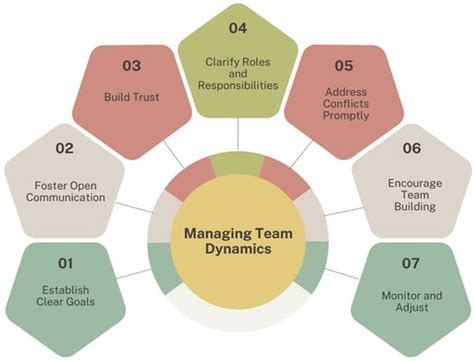
The second core skill, positioning, is where the midfield maestro truly shines. Positioning in Fortnite is not just about where you stand but how you anticipate and dictate the flow of engagements. This role often operates in the mid-range of the battlefield, serving as a bridge between aggressive frontliners and cautious backliners. A midfield maestro must have a deep understanding of zone mechanics. They need to predict where the next storm circle will close and position themselves in a way that allows easy rotation while maintaining a vantage point over key areas. For instance, when the storm pushes players into a central zone, the midfield maestro might position themselves on a mid-tier hill or a low-profile ridge rather than a highly visible high ground. This allows them to support teammates without becoming the primary target. Furthermore, positioning involves map awareness. The midfield maestro must constantly scan their surroundings, using audio cues like footsteps and gunfire to gauge enemy locations. They also need to understand rotation paths—knowing the most efficient ways to move between POIs (Points of Interest) while avoiding chokepoints. This skill is particularly important in squad-based gameplay, where the midfield maestro often acts as the "glue" that keeps the team connected and coordinated.
The third core skill, resource management, is often overlooked but is no less critical. Fortnite is a game of limited resources—materials, weapons, shields, and healing items must all be carefully managed to maintain effectiveness throughout the match. A midfield maestro must be a master of economy. Unlike aggressive players who might expend materials recklessly in early-game fights, the midfield maestro prioritizes conserving materials for mid-to-late game scenarios. This means using natural cover (such as trees, rocks, or buildings) whenever possible and only building when absolutely necessary. Resource management also extends to loot prioritization. A midfield maestro should focus on versatile loadouts, such as a balanced mix of shotguns for close-range encounters, assault rifles for mid-range support, and utility items like grenades or shockwave grenades for repositioning teammates or disrupting enemy setups. They should also be adept at sharing resources with teammates. For example, if a teammate is low on materials during a critical fight, the midfield maestro might transfer some of their own materials to ensure the team can hold a position. This selflessness is a hallmark of the role and underscores the idea that the midfield maestro is a team-first player.

An often-underestimated aspect of resource management is time efficiency. The midfield maestro must make split-second decisions about when to engage, when to disengage, and when to rotate. For instance, if an enemy is pushing with a high-ground advantage, the midfield maestro might choose to disengage by using a shockwave grenade to reposition rather than wasting materials in a prolonged build battle. This kind of calculated decision-making is what sets apart an average player from a true midfield maestro.
Another layer to consider within these skills is the mental fortitude required to excel as a midfield maestro. This role demands a high level of situational awareness and adaptability. Unlike roles that are more straightforward (like a dedicated fragger or a passive camper), the midfield maestro must constantly switch between supporting teammates, contesting enemies, and preparing for endgame scenarios. This can be mentally taxing, as the player must remain calm under pressure while juggling multiple responsibilities. For example, in a late-game scenario where the team is spread thin, the midfield maestro might need to prioritize healing a downed teammate while simultaneously building a defensive wall to block incoming fire. This multitasking is a testament to the complexity of the role.
Finally, it is worth noting that the midfield maestro's success is deeply tied to team dynamics. While the skills of building, positioning, and resource management are individual proficiencies, their effectiveness is magnified in a coordinated team setting. A midfield maestro must communicate clearly and often, using tools like pings, voice chat, or even non-verbal cues (such as building patterns) to signal intentions to teammates. For instance, placing a ramp in a specific direction can indicate to a teammate where to push or rotate. This level of synergy elevates the midfield maestro from a solo operator to a lynchpin of team strategy.
In summary, the role of a midfield maestro in Fortnite is multifaceted and demanding. It requires mastery of building for controlled space management, positioning to influence the battlefield without overextending, and resource management to sustain effectiveness across the match. These skills, combined with mental resilience and team coordination, make the midfield maestro a linchpin in high-level Fortnite gameplay. Players aspiring to this role must not only hone their mechanical abilities but also develop a deep understanding of the game's meta, map dynamics, and teamplay fundamentals.
Positioning and Map Awareness
In the fast-paced world of Fortnite, where split-second decisions can mean the difference between victory and defeat, the concept of a "midfield maestro" emerges as a strategic archetype. This player excels not by being the most aggressive or the most elusive but by mastering the art of **positioning and map awareness**. These elements are the cornerstone of their ability to control the game flow, dictate engagements, and secure advantages over opponents. To understand how midfield maestros achieve this dominance, we must delve into their approach to map control and positioning, analyzing the nuanced strategies that set them apart.
The term "midfield maestro" borrows from traditional sports like soccer, where a midfielder orchestrates play by being positioned between defense and attack. In Fortnite, this translates to players who operate in the **mid-zones of the map**—areas that are neither too close to the storm's edge nor too deep in the safe zone. These zones are critical because they offer a blend of mobility options, resource availability, and line-of-sight opportunities. A midfield maestro understands that controlling these mid-zones provides them with a **tactical advantage** over players who are either too committed to early rotations or too static in their positioning.
One of the key aspects of map control for a midfield maestro is **rotational awareness**. Unlike aggressive players who might chase eliminations or passive players who camp in isolated spots, midfield maestros prioritize understanding the **dynamic flow of the storm circle**. They analyze the storm's movement patterns and predict where the next safe zone will likely be. This predictive ability is not based on guesswork but on a deep familiarity with Fortnite's map design and storm mechanics. For instance, they might recognize that certain points on the map (like elevated terrain or centrally located POIs) are more likely to fall within future zones due to the game's zone randomization algorithm. This foresight allows them to position themselves in areas that offer both **proximity to the next zone** and **escape routes** in case of an unfavorable storm shift.
Another critical element of their map awareness is **resource management**. Midfield maestros are meticulous about gathering materials, weapons, and utility items while staying cognizant of their surroundings. They often opt for **mid-tier loot spots** rather than high-traffic hot drops, as this allows them to gather resources without immediately engaging in high-stakes fights. Their focus is on accumulating **shields, healing items, and enough building materials** to sustain prolonged map control. By doing so, they ensure that they are prepared for both offensive and defensive scenarios, which is a hallmark of their playstyle.
Positioning is where the midfield maestro truly shines. Unlike players who might camp in a single structure or aggressively push opponents, the midfield maestro adopts a **dynamic positioning strategy**. They prioritize **high ground** whenever possible, as it offers superior visibility and control over engagements. However, they are not rigid in this approach—if high ground is contested or impractical, they will instead position themselves in **ambush-friendly locations** such as ridgelines, corners of buildings, or natural cover like trees and rocks. This adaptability ensures that they are not easily flanked or overwhelmed.
A midfield maestro’s positioning is also informed by **line-of-sight management**. They are experts at using the map's terrain and structures to their advantage, ensuring they have clear sightlines to potential threats while minimizing their own exposure. For example, they might position themselves on the edge of a hill where they can see into a valley below without being fully exposed to players above or behind them. This balance of visibility and concealment is a subtle but powerful tool in their arsenal.
Another layer to their positioning strategy is **proximity to rotational chokepoints**. Midfield maestros are acutely aware of where other players are likely to rotate through as the storm closes. These chokepoints—such as bridges, narrow passages, or the edges of named locations—become prime areas for them to set up. By positioning themselves near these points, they can **intercept rotating players**, often catching them off-guard or in suboptimal positions. This tactic is particularly effective because it allows them to engage opponents who are low on materials or health after a long rotation, giving the midfield maestro a significant edge in combat.
The concept of **tempo control** is also central to their dominance. Midfield maestros are not reactive players; they are proactive in shaping the game's flow. They use their positioning to **influence where fights happen** and when. For instance, they might build a small fortress or set up a defensive perimeter in a mid-zone area, forcing other players to either avoid the zone entirely or engage them on their terms. This control over the tempo of the match allows them to conserve resources, pick their battles, and avoid being dragged into chaotic early-game skirmishes that could deplete their supplies.
An often-overlooked aspect of their map awareness is their ability to **read opponent behavior**. Midfield maestros are skilled at observing how other players move across the map. For example, they might notice a pattern where a particular squad consistently rotates through a specific area or tends to avoid certain zones. This insight allows them to **anticipate enemy movements** and prepare accordingly. If they notice a squad rotating predictably, they might set up an ambush or rotate slightly ahead of them to gain the upper hand in the next engagement. This level of awareness requires not only map knowledge but also a deep understanding of human behavior within the game's constraints.
Their approach to **late-game positioning** is equally methodical. As the safe zone shrinks and the number of players dwindles, midfield maestros focus on **consolidating their map control**. They aim to position themselves in areas that offer both **defensive stability** and **offensive flexibility**. This might mean securing a position on the edge of the final circle with a clear view of incoming players or finding a **centralized location** that allows them to react to threats from multiple directions. Their ability to remain adaptable while maintaining control over key areas of the map ensures that they are rarely caught off-guard in the endgame.
In summary, the midfield maestro's mastery of **positioning and map awareness** is a blend of foresight, adaptability, and tactical precision. They use the map as a chessboard, carefully positioning themselves to control the flow of the game while staying one step ahead of their opponents. By understanding the interplay between storm mechanics, terrain features, and opponent behavior, they create a playstyle that is both **strategic and proactive**. This deep understanding of Fortnite's spatial dynamics allows them to dominate the game flow, making them a formidable presence in any match. Their success is not born of brute force or sheer luck but of a calculated approach to the battlefield that leaves little to chance.
- They prioritize mid-zones for optimal map control.
- Rotational awareness helps them predict zone shifts.
- Dynamic positioning combines high ground and ambush tactics.
- Proximity to chokepoints enables interception of rotating players.
- Tempo control allows them to shape the game's pace.
- Reading opponent behavior enhances their strategic edge.
- Late-game positioning balances defense and offense.
Through these methods, midfield maestros exemplify how spatial intelligence and strategic thinking can elevate a player's performance in Fortnite, turning the chaotic battlefield into a carefully orchestrated symphony of control and dominance.
Weapon Choices and Loadout Optimization
In Fortnite, the concept of a "midfield maestro" refers to a player who excels in controlling the central zones of the map, balancing aggressive plays with tactical positioning. This playstyle demands a nuanced approach to weapon selection and loadout optimization, as the midfield maestro must adapt to a variety of combat scenarios—ranging from close-quarters skirmishes to mid-range engagements and even long-range support. The key to success lies in choosing weapons that complement mobility, versatility, and the ability to control space effectively.
A midfield maestro’s primary objective is to maintain map dominance by being a jack-of-all-trades in combat. This means their loadout must include weapons that allow them to transition seamlessly between different ranges while maintaining the upper hand. Here’s a detailed breakdown of the optimal weapon choices and how they support this playstyle:
The Assault Rifle (AR) is the cornerstone of any midfield maestro's arsenal. Specifically, the standard Assault Rifle or the Suppressed Assault Rifle is ideal for mid-range encounters. These weapons offer consistent damage output and accuracy, allowing players to engage enemies at medium distances without overextending. The versatility of the AR is critical because midfield maestros often find themselves in situations where they must hold down a position or push an opponent who is slightly out of range. The ability to land headshots with an AR can quickly turn the tide of a fight, especially when paired with a controlled playstyle that avoids reckless rushing.
For close-range combat, the Shotgun is a non-negotiable choice. However, the type of shotgun depends on personal preference and playstyle subtleties. The Combat Shotgun is excellent for midfield maestros because of its semi-automatic nature, allowing for rapid follow-up shots. This is particularly useful when holding a central position, as enemies may attempt to flank or rush. On the other hand, the Pump Shotgun offers higher burst damage, which can be devastating in 1v1 scenarios where positioning and timing are critical. A midfield maestro should prioritize shotguns with quick reload times and high damage potential to ensure they can eliminate threats before they close the gap entirely. This is especially important in midfield zones where space is limited, and quick reflexes often determine the victor.
Another essential weapon for midfield maestros is the SMG (Submachine Gun), particularly the Rapid Fire SMG or P90 variants. These weapons are incredibly effective in close-to-mid-range fights, especially when enemies are grouped or when clearing structures. The high fire rate of an SMG allows for suppression and area denial, which is crucial when holding the center of the map. A midfield maestro can use the SMG to spray down opponents who attempt to push aggressively or to finish off weakened enemies after an initial engagement. However, it’s important to manage ammo efficiently, as SMGs can burn through resources quickly. Pairing an SMG with a shotgun creates a one-two punch strategy, where the SMG is used to weaken opponents at medium range before switching to the shotgun for the final blow.
For long-range support, a Sniper Rifle or a Designated Marksman Rifle (DMR) can be a game-changer. While midfield maestros are not typically snipers, having a semi-automatic DMR or a Bolt-Action Sniper allows them to control sightlines and dissuade enemies from advancing into their territory. The DMR, in particular, is highly effective because it offers a balance between range and fire rate, enabling quick follow-up shots without the steep learning curve of a bolt-action sniper. This weapon is particularly useful for midfield maestros who want to zone opponents or provide overwatch for teammates pushing from adjacent areas. A well-placed shot from a DMR can force enemies to rethink their approach, buying time for the midfield maestro to reposition or rotate safely.
The utility of explosive weapons should not be overlooked. Grenades, Rocket Launchers, or Shockwave Grenades can play a pivotal role in a midfield maestro’s loadout. These tools are not just for dealing damage but for area control and mobility. For instance, shockwave grenades can be used to quickly reposition to higher ground or escape a sticky situation. A well-timed rocket can flush out campers or destroy structures that opponents are using for cover. This adds a layer of unpredictability to the midfield maestro’s playstyle, making them harder to pin down. However, it’s important to use explosives sparingly to avoid wasting inventory slots or alerting nearby enemies unnecessarily.
A balanced inventory setup for a midfield maestro might look like this:
- Assault Rifle (AR): For mid-range dominance and consistent DPS.
- Shotgun (Combat or Pump): For close-range engagements and finishing fights.
- SMG (Rapid Fire or P90): For high fire rate and area denial.
- DMR or Sniper Rifle: For long-range support and zoning.
- Utility Item (Grenades/Shockwave Grenades): For mobility and map control.
This loadout ensures that the midfield maestro is equipped for any situation. The AR and DMR provide versatility at mid and long ranges, while the shotgun and SMG handle close-quarters combat. The utility item acts as a wildcard, giving the player options for mobility or disruption.
Another factor to consider is weapon rarity and upgrades. Midfield maestros should prioritize higher-tier weapons whenever possible. A Legendary Assault Rifle or Epic Shotgun can significantly outperform their lower-tier counterparts in terms of damage, accuracy, and magazine size. Investing in weapon upgrades at upgrade benches or looting high-tier chests in central areas like Tilted Towers or Mega City can give a midfield maestro the edge they need to outgun opponents. Additionally, maintaining a healthy stock of ammo is crucial; running out of ammo mid-fight can be disastrous, especially when holding a central position where engagements are frequent.
Finally, synergy between weapons and playstyle is what truly defines a midfield maestro’s success. For instance, a player who prefers aggressive midfield control might lean more heavily on SMGs and shotguns, using their mobility to outmaneuver opponents in tight spaces. Conversely, a more passive midfield maestro might focus on ARs and DMRs, maintaining a safe distance while picking off enemies who venture too close. Both approaches are valid, but the key is to adapt the loadout to the map and the match flow. For example, in a highly contested zone like the center of the storm circle, prioritizing SMGs and shotguns might be more effective, whereas in a more spread-out map with long sightlines, ARs and DMRs become indispensable.
In conclusion, a midfield maestro’s loadout must be a carefully curated toolkit that supports their playstyle of control, versatility, and adaptability. By focusing on weapons that excel in mid-range combat, supplementing with close-range options, and incorporating utility for mobility and zone control, a midfield maestro can dominate the central areas of the map and dictate the flow of the game. This strategic approach to weapon selection is what separates an average player from a true maestro in Fortnite.
Team Dynamics and Communication
In the high-stakes environment of Fortnite, where every decision can mean the difference between victory and defeat, the role of a **midfield maestro** is often underappreciated yet crucial. This player operates in the **mid-zone**, a dynamic and volatile area of the map where control is contested by multiple squads. Their ability to coordinate with teammates and maintain mid-zone control is not just about mechanical skill but also about **team dynamics and communication**, which serve as the foundation for their effectiveness. To explore this in-depth, we must examine how midfield maestros interact with their squad members, adapt to changing scenarios, and utilize communication tools to orchestrate mid-zone dominance.
The **midfield maestro** acts as the linchpin of a squad's spatial strategy. Unlike edge players who focus on aggressive pushes or backline defenders who prioritize survival and resource management, the midfield maestro must balance **offensive support** and **defensive positioning**. This requires a **proactive communication style** that informs teammates of threats, opportunities, and strategic pivots in real time. For instance, when a midfield maestro spots an enemy squad moving laterally across the mid-zone, they must quickly relay this information with precise details—such as the number of enemies, their elevation, and their likely objective. A simple "three coming from the west at mid-height" can allow teammates to reposition effectively, whether that means flanking, setting up a crossfire, or retreating to higher ground.
One of the most critical aspects of the midfield maestro's role is **resource sharing and delegation**. In Fortnite, resources like materials, weapons, and healing items are finite, and a well-coordinated team knows how to distribute them optimally. The midfield maestro often serves as the **quarterback of resource allocation**, ensuring that the player engaging in a close-range fight has enough materials for rapid builds, while the sniper on the high ground is equipped with sufficient ammo. This is achieved through **clear and concise callouts**. For example, a midfield maestro might say, "I’m low on mats, can you drop me 300?" or "Sniper, you take the high ground; I’ll hold mid with SMG cover." Such directives not only clarify roles but also prevent resource conflicts that could disrupt squad cohesion.
Another layer of their effectiveness lies in **non-verbal communication**. While voice chat is the primary medium for coordination, experienced midfield maestros also rely on **contextual cues** within the game environment. For example, building a specific structure—like a ramp leading to a high point—can signal to teammates that they should follow or provide cover fire. Similarly, breaking a wall to create a line of sight can indicate that the maestro is setting up for a crossfire opportunity. These non-verbal cues are particularly valuable in high-pressure situations where verbal communication might be delayed or overwhelmed by the chaos of battle. A midfield maestro who can seamlessly blend verbal and non-verbal cues creates a squad dynamic where actions and intentions are aligned without excessive chatter.
The concept of **rotations** is another area where midfield maestros shine in team dynamics. Mid-zone control often involves managing **rotational chokepoints**—areas of the map where squads are funneled during storm cycles. A midfield maestro must anticipate these chokepoints and guide their team through them with minimal conflict or, when conflict is inevitable, with a clear plan of engagement. For instance, they might call out, "Storm’s pushing us to the east; we need to secure the ridge before the next zone forms." This kind of forward-thinking not only prevents the squad from being caught in a vulnerable position but also ensures they can dictate the pace of the game rather than reacting to enemy movements. Effective rotations require the midfield maestro to have a **deep understanding of map geography**, storm mechanics, and the likely behaviors of other squads.
Communication is not a one-way street for a midfield maestro. They must also be adept at **listening and adapting** to input from their teammates. A squad is most effective when all members feel heard and can contribute to the strategy. For example, if a teammate spots an enemy flanking from an unexpected angle, the midfield maestro must be willing to adjust their initial plan and reallocate resources or positions based on this new information. This adaptability is a hallmark of high-level play, as it demonstrates not just individual skill but also a **collaborative mindset**. In this sense, the midfield maestro is both a leader and a team player, someone who can take charge when needed but also step back to let others shine in their roles.
The use of **in-game tools** like pings and markers further enhances the midfield maestro's ability to maintain mid-zone control. Fortnite provides players with the ability to place map markers, ping locations, and even highlight specific items or enemies. A skilled midfield maestro uses these tools to supplement their verbal communication, particularly in situations where quick reactions are needed. For example, marking an enemy squad's position on the map while saying, "Enemy squad at the marked location—I’ll push from below, you flank from above," gives teammates a clear visual and auditory reference point. This dual-channel communication ensures that even if one method is missed, the other can still convey the necessary information.
Beyond immediate combat scenarios, the midfield maestro also plays a role in **long-term strategic planning**. Maintaining mid-zone control is not just about the current fight but also about setting up the squad for success in future zones. This involves **predicting storm movements**, identifying advantageous high-ground positions, and ensuring the squad has the resources needed to sustain prolonged engagements. A midfield maestro might say, "We need to hold this ridge for the next zone—it gives us a clear view of the center and lets us rotate safely." Such foresight requires not only game knowledge but also the ability to communicate these plans in a way that keeps the squad motivated and focused.
Finally, the midfield maestro must navigate the **psychological aspect of team dynamics**. Fortnite is a game of high stress and rapid decision-making, and tensions can run high when things go wrong. A midfield maestro who can maintain a **calm and collected demeanor**—even in the face of setbacks—helps keep the squad focused and resilient. For instance, instead of blaming a teammate for a missed shot, they might say, "It’s okay, we’ve got this. Let’s regroup and push again." This kind of positive reinforcement fosters trust and encourages teammates to perform at their best, even under pressure.
In summary, the role of a midfield maestro in Fortnite is deeply intertwined with **team dynamics and communication**. Their ability to coordinate with teammates, delegate resources, utilize both verbal and non-verbal cues, anticipate rotations, and maintain a calm presence makes them indispensable in maintaining mid-zone control. By acting as both a strategist and a communicator, they ensure that the squad operates as a cohesive unit, capable of adapting to the ever-changing battlefield. In the world of Fortnite, where chaos reigns and split-second decisions are the norm, the midfield maestro stands out as a beacon of order and coordination, proving that victory is as much about teamwork as it is about individual skill.
Countering Common Midfield Threats
In Fortnite, the concept of a "midfield maestro" refers to players who excel at controlling the central areas of the map, managing resources, and dictating the flow of the game. These players often become the linchpins of their team's strategy, coordinating pushes, securing high ground, and ensuring rotational safety. However, their prominence also makes them a prime target for opponents looking to disrupt team cohesion. When midfield maestros are under high-pressure scenarios, their ability to counter threats effectively can mean the difference between victory and defeat. This section explores advanced strategies to neutralize these threats and maintain control in the midfield.
One of the most common tactics opponents use against midfield maestros is **aggressive box-fighting**. Skilled players will attempt to corner the maestro in their defensive structure, using rapid edits, shotgun bursts, and well-timed shockwave grenades to break their position. To counter this, midfield maestros must prioritize **structural integrity and mobility**. A key strategy is to build **multi-layered boxes with staggered walls**. Instead of relying on a simple 1x1 structure, maestros should create a 2x2 or even a 3x3 fortified base. This provides more angles to defend and makes it harder for opponents to predict edit points. Additionally, incorporating **cone edits and pyramid placements** can confuse attackers, as these shapes are less intuitive to breach under pressure. Using shockwave hammer jumps or impulse grenades to reposition quickly can also force the opponent to reset their approach, buying valuable seconds to rethink the engagement.
Another threat comes from **rotational denial**, where opponents aim to cut off a midfield maestro's ability to move safely across the map. This is particularly effective in zone-heavy scenarios where the maestro must rotate to avoid storm damage. To counter this, maestros should focus on **pre-planning rotations** by analyzing the storm circle early. Utilizing **cracked walls or natural cover** (like hills, trees, or rocks) can provide safer pathways compared to open rotations. Additionally, using mobility items like grapplers, launch pads, or the newly introduced hop flowers can allow maestros to bypass chokepoints entirely. For example, if an opponent is camping a nearby high ground to deny rotation, maestros can use a grappler to flank them from an unexpected angle, turning the pressure back onto the aggressor.
A third common strategy employed against midfield maestros is **resource depletion**. Skilled opponents may intentionally target the maestro’s mats, ammo, and healing items by engaging in prolonged skirmishes or baiting unnecessary trades. This can leave the maestro vulnerable in late-game scenarios where resource management is critical. To mitigate this, maestros should adopt a conservative engagement philosophy in the early to mid-game. Instead of engaging every opponent they see, they should focus on map awareness and passive farming. Tools like the Business Turret or **deployable cover** can allow maestros to farm materials without exposing themselves to unnecessary risk. Furthermore, using utility items like slurp juice or chili splash can offset the need for excessive healing item usage, keeping the inventory lean and efficient.
A less obvious but equally dangerous threat is **psychological pressure**. Midfield maestros often bear the brunt of their team's expectations, which can lead to decision-making errors when opponents intentionally create chaos. For instance, an opponent might repeatedly rush the maestro’s position, even if they don’t intend to secure a kill, just to force hasty edits or panicked shots. To counter this, maestros must cultivate **mental resilience and a methodical playstyle**. One effective approach is to prioritize communication with teammates. By delegating responsibilities—such as having a teammate watch for flanks or handle lower-ground threats—the maestro can focus on their core role without being overwhelmed. Additionally, practicing deliberate breathing techniques during intense moments can help maintain focus. For example, taking a brief pause to assess the situation before making an edit or engaging in a fight can prevent costly mistakes.
In high-pressure scenarios, **team synergy** becomes a critical countermeasure. Midfield maestros should actively coordinate with their squad to establish zone control and layered defenses. For example, if the maestro is being targeted by a duo or trio, their teammates can provide **cross-map sniping support** or **low-ground sweeps** to divert attention. A well-placed sniper shot or a surprise flank from a teammate can force the opponent to abandon their pressure on the midfield, redistributing their focus. Additionally, using ping systems or voice chat to call out enemy positions ensures that the maestro isn’t fighting alone in their central role.
Another advanced strategy to counter midfield threats is **baiting overcommitment**. Many opponents targeting a midfield maestro will overcommit their resources in an attempt to secure a decisive victory. Maestros can exploit this by feigning weakness—for instance, allowing their structure to appear slightly damaged or retreating slightly to give the impression of being cornered. When the opponent pushes aggressively, the maestro can counter-push with a pre-built tunnel system or a well-timed boogie bomb, turning the engagement in their favor. This tactic works particularly well when combined with area-denial tools like grenades or sticky grenades, which can trap overzealous opponents in unfavorable positions.
Finally, **adapting to meta shifts** is essential for staying ahead of midfield threats. Fortnite’s dynamic nature means that new weapons, items, and mechanics are frequently introduced, altering how midfield control is contested. For example, if a new meta favors close-range shotgun play, maestros might need to prioritize building vertical structures to maintain a height advantage. Conversely, if long-range weaponry like the Heavy Sniper becomes dominant, a midfield maestro should focus on controlling sightlines with walls and cones to limit the opponent’s ability to snipe effectively. Staying informed about patch notes and community strategies ensures that maestros can adjust their playstyle to remain effective against evolving threats.
In summary, countering common midfield threats in Fortnite requires a combination of strategic building, resource management, team coordination, and psychological resilience. By pre-planning rotations, leveraging mobility tools, and baiting opponents into overcommitment, midfield maestros can maintain their dominance even under intense pressure. Furthermore, staying adaptable to meta changes ensures that these players remain the central pillars of their team’s success, turning high-pressure scenarios into opportunities for tactical brilliance.
Case Studies of Successful Midfield Maestros
In the dynamic and ever-evolving world of Fortnite, the term "midfield maestro" refers to players who excel in the mid-game phase, where strategy, adaptability, and precision become the defining factors for survival and success. These players are not just skilled at building and shooting but also demonstrate an uncanny ability to control the flow of the game, positioning themselves as linchpins in high-stakes scenarios. This section delves into case studies of top Fortnite players who have mastered this role, showcasing their key moments and unique approaches that set them apart.
One of the most prominent examples of a midfield maestro is Bugha, the winner of the 2019 Fortnite World Cup. Bugha’s gameplay during the tournament exemplified the qualities of a midfield maestro. In the finals, he showcased exceptional map awareness and rotational strategies. During the mid-game, when many players were scrambling to secure high ground or avoid the storm, Bugha maintained a calm demeanor, choosing his engagements carefully. His ability to predict enemy rotations allowed him to position himself in zones where he could ambush opponents. A key moment came in Game 2 of the finals, where he used a combination of quick edits and well-timed shotgun shots to eliminate three players in rapid succession while maintaining control of a central position. This not only boosted his placement points but also sent a psychological message to his competitors: he was in charge of the battlefield. Bugha’s success lies in his ability to balance aggression with patience, a hallmark of a midfield maestro who dictates the tempo of the game rather than being dictated by it.
Another noteworthy midfield maestro is Mongraal, known for his aggressive yet calculated playstyle. Unlike Bugha, who often adopts a more methodical approach, Mongraal thrives on high-energy gameplay that keeps opponents on their toes. His key strength lies in his ability to dominate the mid-game by leveraging his impeccable building mechanics and fast-paced decision-making. A standout example of Mongraal’s midfield mastery occurred during the Fortnite Champion Series (FNCS) in Chapter 2, Season 4. In one match, he found himself in a tight spot as the storm circle began to close, with multiple opponents converging on the same area. Instead of retreating or engaging blindly, Mongraal used his superior mechanical skills to build a complex structure that provided both cover and high ground. He then baited his opponents into overextending their builds, picking them off one by one. This moment highlighted how a midfield maestro can turn a seemingly unfavorable situation into an opportunity by staying one step ahead of the competition. Mongraal’s ability to maintain momentum in the mid-game while keeping his resource management in check is a lesson in efficiency and adaptability.
A third example comes from Zayt, a player renowned for his strategic brilliance. Zayt may not always be the flashiest player in terms of mechanical prowess, but his understanding of Fortnite’s meta and his ability to read the game make him a quintessential midfield maestro. During the Chapter 2 Season 2 FNCS, Zayt demonstrated how mid-game rotations can be a game-changer. In one particular match, he identified a pattern in how opponents were rotating through a specific POI (point of interest). Instead of contesting the area directly, he chose to position himself on the outskirts, using the natural terrain and his knowledge of the storm’s movement to outmaneuver his rivals. This decision allowed him to avoid early-game skirmishes and enter the late-game with full health, shields, and optimal positioning. Zayt’s approach underscores the idea that a midfield maestro doesn’t always need to be in the thick of the action to control the game. Sometimes, the smartest play is to let others make mistakes while you capitalize on their missteps.
The concept of a midfield maestro also extends beyond individual brilliance to team dynamics, as seen in the duo of Aqua and Nyhrox, the winners of the 2019 Fortnite Duos World Cup. Their synergy in the mid-game was a defining factor in their victory. Aqua, in particular, played the role of the orchestrator during critical mid-game moments. In one memorable match, Aqua and Nyhrox were caught in a high-pressure situation where they had to rotate through an open field with little cover. While other teams rushed or exposed themselves, Aqua used his building skills to create a safe pathway for Nyhrox, ensuring they could move without drawing unnecessary attention. This coordinated play not only kept them alive but also positioned them for a late-game advantage. Their success as a duo highlights how a midfield maestro can elevate their team’s performance by acting as the glue that holds strategies together.
What sets these players apart is not just their individual skill but their ability to thrive in the mid-game, a phase often overlooked in favor of early-game looting or late-game endgame strategies. A deeper analysis of their playstyles reveals several common traits:
- They prioritize map control, ensuring they are rarely caught off-guard by the storm or enemy movements.
- They excel at resource management, knowing when to conserve materials and when to spend them aggressively.
- They demonstrate psychological dominance, often forcing opponents into reactive rather than proactive play.
Another unique insight into the role of a midfield maestro is their mastery of zoning. This involves using builds, terrain, and even the storm to create areas of influence where they can control the pace of the game. For instance, Bugha’s ability to hold central positions and Mongraal’s knack for forcing opponents into unfavorable engagements are prime examples of how zoning can tilt the odds in a player’s favor. Zayt, on the other hand, uses zoning more subtly, often choosing paths of least resistance to conserve energy for the final stages of the match.
The mid-game is also where teamwork and communication shine brightest, particularly in duo or squad matches. Players like Aqua and Nyhrox exemplify how a midfield maestro can synchronize their actions with teammates to maintain a cohesive strategy. This is a stark contrast to solo play, where the midfield maestro must rely entirely on their own wits and mechanics. However, even in solos, players like Bugha and Zayt show how self-awareness and adaptability can mimic the benefits of teamwork.
In conclusion, the role of a midfield maestro in Fortnite is a blend of strategy, mechanical skill, and game sense. Players like Bugha, Mongraal, Zayt, and duo specialists like Aqua showcase how this role can be the difference between a top placement and an early exit. Their ability to control the mid-game—whether through aggressive plays, calculated rotations, or subtle zoning—demonstrates the depth and nuance of Fortnite as a competitive esport. These case studies not only highlight their individual brilliance but also serve as a blueprint for aspiring players looking to master this critical phase of the game.
Training and Practice Regimen for Aspiring Maestros
To become a "midfield maestro" in Fortnite, players must develop a unique blend of strategic awareness, mechanical skill, and adaptability. The term "midfield maestro" is borrowed from soccer, where it describes a player who controls the flow of the game from the center of the field. In Fortnite, this translates to a player who excels at mid-range engagements, map control, and rotational efficiency. This section will explore actionable tips and drills to help aspiring players master these capabilities and elevate their gameplay.
The foundation of a midfield maestro lies in map awareness and positioning. Unlike aggressive rushers or passive campers, midfield maestros thrive in the "in-between" zones of the map. They control high-traffic areas, anticipate enemy movements, and maintain a balance between offense and defense. To cultivate this skill, players should start with reconnaissance drills:
- Map Control Challenges: Drop into less-populated areas of the map and practice looting efficiently while staying aware of nearby zones and enemy hotspots. Use in-game markers to track your positioning relative to the storm circle and key landmarks. Repeat this exercise across multiple matches to internalize how different zones interact with player flow.
- Rotation Simulations: Use creative mode or playgrounds to practice rotating between points of interest (POIs) under simulated storm pressure. Set a timer and aim to reach specific locations while avoiding open areas where snipers might lurk. This drill sharpens your ability to predict optimal paths and minimizes panic decisions during real matches.
Another critical skill for midfield maestros is mid-range combat proficiency. Unlike close-quarters specialists who rely on shotguns or long-range snipers, midfield maestros must dominate the 20-50 meter range. This requires mastery of weapons like the assault rifle, suppressed SMG, and tactical shotgun for versatility. Here are drills to hone these skills:
- Target Transition Practice: In creative mode, set up moving target dummies at varying distances (15m, 30m, 50m). Practice switching between them rapidly while maintaining accuracy. This drill improves your muscle memory for adjusting aim based on distance and movement speed.
- Weapon Pairing Exercises: Equip a mid-range weapon (e.g., an assault rifle) and a close-range option (e.g., a shotgun). In a custom match, simulate mid-range duels that transition into close-range fights by moving toward the target. This helps you practice the decision-making needed to switch weapons seamlessly when an enemy closes the gap.
A midfield maestro must also excel in resource management, including health, shields, and materials. Unlike aggressive players who often overcommit and deplete resources early, maestros maintain a steady reserve to outlast opponents in extended engagements. To practice this:
- Health and Shield Management Drills: Enter team rumble or creative mode and set a personal rule to maintain at least 50% health and shield at all times. If you drop below this threshold, focus on retreating to heal rather than engaging further. This habit trains you to prioritize survival over unnecessary risks.
- Material Farming Efficiency: Time yourself in creative mode to gather 999 materials within 3 minutes while staying aware of your surroundings. Use this exercise to identify efficient farming routes and practice building small defensive structures (like a single wall or ramp) without overbuilding and wasting resources.
Rotations are a hallmark of a midfield maestro’s gameplay. Successful rotations require not just speed but also strategic foresight. To develop this, players should focus on:
- Storm Circle Prediction: Study the storm behavior across multiple matches. Note how the circle tends to favor certain quadrants of the map based on its starting position. Use this knowledge to position yourself in areas likely to be within the next safe zone. Over time, this practice improves your ability to anticipate rotations before the circle even updates.
- Escape Route Planning: During matches, consciously identify at least two escape routes from your current position before engaging in fights. This ensures you’re never cornered, a key trait of midfield maestros who always have a backup plan.
Communication and team synergy are often overlooked aspects of midfield mastery, especially in squad-based modes. A midfield maestro acts as the "playmaker," coordinating their team’s movements and ensuring optimal positioning. To improve in this area:
- Callout Practice: In squad matches, actively call out enemy positions, rotations, and loot opportunities. Use clear and concise language like "Enemy at 2 o'clock near gas station" instead of vague phrases. Regularly practicing callouts improves both your awareness and your team’s cohesion.
- Support Role Drills: Instead of always taking the lead in fights, practice playing a support role where your goal is to provide cover fire, share resources, and set up walls or ramps for teammates. This helps you understand how to influence the battle without always being the centerpiece.
Lastly, mental resilience is a trait every midfield maestro must cultivate. Fortnite is a game of highs and lows, where even the best players face unexpected eliminations or storm mishaps. To build this resilience:
- Loss Analysis: After every match, review your gameplay (using replays if possible) to identify mistakes. Focus on moments where you could have rotated sooner, positioned better, or conserved resources. This habit instills a growth mindset and helps you learn from every session.
- Stress Management Techniques: Incorporate short breaks between matches to reset your focus. Techniques like deep breathing or reviewing your goals for the session can prevent frustration from snowballing into poor performance.
In summary, becoming a midfield maestro in Fortnite is a multi-faceted journey that requires deliberate practice across several dimensions of gameplay. From mastering mid-range combat and resource management to honing rotation strategies and team communication, the path to mastery is paved with consistent effort and focused drills. By implementing these tips and maintaining a disciplined practice regimen, aspiring players can transform into the kind of player who controls the battlefield with precision and poise, embodying the essence of a true midfield maestro.
Conclusion and Future of Tactical Roles in Fortnite
The concept of the "midfield maestro" in Fortnite represents a nuanced approach to gameplay that blends strategic positioning, resource management, and team coordination. Throughout this white paper, we have explored how the midfield maestro role evolved from a loosely defined support function into a critical tactical element in high-level Fortnite matches. By analyzing its origins, key strategies, and the tools that enable its effectiveness—such as map control, rotational decision-making, and zone prediction—we have established that the midfield maestro is not merely a passive participant but a dynamic force shaping the flow of battle.
The midfield maestro's primary role is to act as the linchpin of a squad, bridging the gap between aggressive frontliners and more passive backliners. This position requires a player to possess exceptional situational awareness, adaptability, and an ability to read both the immediate and long-term battlefield dynamics. In squads or duos, the midfield maestro ensures that teammates are supported during engagements, supplied with resources like shields and ammo, and positioned to outmaneuver opponents. Their ability to control the "midfield" space—the area between the storm and the safe zone—is what often determines whether a team can successfully rotate, secure high ground, or ambush unsuspecting adversaries.
One of the most striking insights from this analysis is how the midfield maestro's role has adapted to the changing meta of Fortnite. With the introduction of new items, weapons, and map updates, the strategies employed by midfield maestros have had to evolve. For instance, the addition of mobility items like Shockwave Hammers or the removal of certain rotational tools (like Rift-to-Gos in certain seasons) has forced players to rethink how they manage space. A midfield maestro must now not only predict the zone but also account for how their team can leverage or counter new mechanics. This adaptability underscores the importance of the role as a microcosm of Fortnite's ever-changing competitive landscape.
Another critical aspect explored in this paper is the interplay between individual skill and team dynamics. While the midfield maestro often operates as a support figure, their effectiveness is deeply tied to the synergy of their team. A midfield maestro who cannot communicate effectively or anticipate the needs of their squad is unlikely to succeed. This highlights a broader truth about Fortnite: while mechanical skill (aim, building, editing) is essential, the game increasingly rewards players who can think strategically and work cohesively within a team framework. The midfield maestro is a testament to this shift, embodying the idea that Fortnite is as much a game of minds as it is of reflexes.
Looking ahead, the future of midfield maestro strategies is likely to be shaped by several key factors. First, the continued evolution of Fortnite's meta will demand even greater adaptability from players in this role. Epic Games has a history of introducing disruptive changes—be it new weapons, vehicles, or map overhauls—that force players to reassess their approaches. For example, if future updates introduce terrain-altering mechanics or more dynamic storm behavior, midfield maestros may need to develop entirely new methods of zone control and rotational planning. These changes could push the role toward even greater emphasis on predictive analytics, where players must not only respond to the zone but also anticipate how opponents might exploit new features.
Second, the rise of AI and data-driven tools in gaming could provide midfield maestros with unprecedented insights. As Fortnite grows as an esport, players and teams are increasingly turning to analytics platforms to dissect their performance. Tools that track resource usage, zone tendencies, and even individual player heatmaps could allow midfield maestros to fine-tune their strategies with surgical precision. Imagine a scenario where a midfield maestro has access to real-time data showing where their team is most vulnerable during rotations or which areas of the map are statistically safer. This level of granular insight could redefine how the role is played, making it more methodical and less reliant on instinct alone.
Third, the growing emphasis on collaboration in esports will likely elevate the midfield maestro's role further. As Fortnite continues to professionalize, we are seeing a shift toward highly structured team compositions. Organizations are investing in coaches, analysts, and even psychologists to optimize team performance. In this context, the midfield maestro could become a more formalized role with dedicated training regimens. Teams might experiment with hybrid roles where a midfield maestro not only supports their squad but also takes on temporary aggressive or defensive duties depending on the situation. This flexibility could make the role even more dynamic and central to a team's success.
Fourth, the influence of cross-game tactical learning should not be underestimated. As esports grow more interconnected, players are borrowing strategies from other titles like Valorant, Apex Legends, and League of Legends. For example, the concept of "shot calling" in Valorant—where one player directs the team’s movements and engagements—has parallels to the midfield maestro's role in Fortnite. Future midfield maestros might adopt more structured shot-calling practices, using clear communication frameworks to guide their team through complex scenarios. This cross-pollination of ideas could lead to a more sophisticated understanding of tactical roles in Fortnite, with the midfield maestro serving as a bridge between different gaming philosophies.
Finally, we must consider the impact of community-driven innovation. Fortnite's player base is one of the most creative and experimental in gaming. From custom maps to unofficial tournaments, the community often pioneers strategies that later become mainstream. Midfield maestros might benefit from community-created tools, such as custom scrimmage maps designed to practice rotational strategies or zone-control drills. Additionally, the rise of content creators who specialize in tactical breakdowns could inspire new generations of midfield maestros to experiment with unconventional approaches, such as using unconventional drop spots or adopting highly aggressive midfield playstyles to disrupt traditional meta patterns.
In conclusion, the midfield maestro role in Fortnite is a testament to the game's strategic depth and its ability to reward players who think beyond raw mechanical skill. As we have seen, this role is not static; it evolves in response to changes in the game’s design, the competitive landscape, and the broader esports ecosystem. Looking forward, we can expect the midfield maestro to become even more integral to team success, driven by advancements in technology, team dynamics, and cross-game learning. While the specifics of how this role will evolve are uncertain, one thing is clear: the midfield maestro is here to stay, continuing to shape the tactical fabric of Fortnite and redefining what it means to play strategically in a game that thrives on chaos and creativity.
- The midfield maestro role exemplifies the blend of strategy and adaptability required in modern Fortnite.
- Future innovations in tools, meta changes, and team structures will push this role to new heights.
- Community and cross-game influences could inspire unconventional and highly effective midfield strategies.
As Fortnite continues to grow as both a casual and competitive phenomenon, the midfield maestro stands as a symbol of how games can reward not just individual brilliance but also the ability to think, plan, and execute as part of a cohesive unit. This evolution is not just about surviving the storm—it is about mastering the space between chaos and order, where tactical brilliance can turn the tide of battle.