Introduction to Champions League Spots
Qualifying for the UEFA Champions League is one of the most coveted achievements for Premier League clubs, as it represents more than just a spot in Europe's premier club competition. It is a marker of success, a gateway to financial prosperity, and a platform for global recognition. In this section, we will explore the multi-faceted importance of Champions League qualification for Premier League clubs, delving into its **financial implications**, **prestige**, and **competitive edge** in the modern football landscape.
The **financial windfall** of Champions League participation is perhaps the most immediate and tangible benefit for Premier League clubs. The competition is backed by UEFA’s lucrative broadcasting and sponsorship deals, which translate into significant revenue for participating clubs. For the 2023/24 season, for instance, clubs received a base fee of €15.64 million simply for qualifying for the group stage. Additional prize money is distributed based on performance, with each win in the group stage earning €2.8 million and a draw €900,000. Clubs that progress to the knockout stages earn even more, with the winner potentially taking home over €85 million in prize money alone. For Premier League clubs, this revenue is often reinvested into player acquisitions, infrastructure, and youth development programs, creating a self-reinforcing cycle of competitiveness.
However, the financial implications extend beyond direct UEFA payouts. Champions League qualification enhances a club's **commercial appeal**. Sponsors are more inclined to partner with clubs that have a presence in the competition, as it offers unparalleled exposure to a global audience. Brands are willing to pay a premium for shirt sponsorships, stadium naming rights, and other commercial deals when a club is consistently competing at the highest level. This is particularly important for mid-table Premier League clubs like Newcastle United or Aston Villa, who might use Champions League qualification as a springboard to attract high-profile sponsors and reposition themselves as top-tier contenders. Even the allure of potential Champions League football can influence transfer negotiations, as top players are more likely to join a club that offers them the chance to compete against Europe’s elite.
Beyond the financial aspect, **prestige** plays a significant role in the quest for Champions League spots. The Premier League is widely regarded as the most competitive domestic league in the world, and securing one of its four (or occasionally five, depending on UEFA coefficient adjustments) Champions League berths is a badge of honor. It signifies that a club has outperformed many of its peers in a grueling 38-game season. For clubs like Manchester City, Liverpool, and Arsenal, regular Champions League participation reinforces their status as perennial title contenders. For others, such as Tottenham Hotspur or Chelsea, falling out of the top four can be seen as a regression, leading to internal scrutiny and external criticism. This prestige is not just about the club's reputation but also about maintaining the loyalty of their fanbase. Supporters of Premier League clubs expect their teams to compete in Europe, and failure to do so can lead to declining season ticket sales, reduced merchandise revenue, and even protests against club management.
The **competitive edge** offered by Champions League football is another critical dimension. Participation in the tournament allows Premier League clubs to test themselves against the best teams from other leagues, such as Real Madrid, Bayern Munich, and Paris Saint-Germain. This exposure is invaluable for player development, as it challenges athletes to perform under intense pressure and adapt to different playing styles. Young talents at clubs like Manchester United or Chelsea often use the Champions League as a proving ground to showcase their abilities on a bigger stage, which can lead to national team call-ups and higher transfer valuations. Moreover, the tactical and managerial experience gained from competing in the Champions League can influence a club’s overall approach to the game. Managers often implement more sophisticated strategies and formations when facing top-tier European opposition, which can trickle down to improve domestic performances as well.
From a **strategic perspective**, Champions League qualification also impacts a club’s long-term planning. The Premier League operates in an environment of intense financial competition, where missing out on the Champions League can have cascading effects. For example, clubs that fail to qualify may struggle to retain their best players, who are often lured away by rivals offering the promise of European football. This was evident when Liverpool lost key players like Luis Suarez and Philippe Coutinho after seasons without Champions League football. On the flip side, consistent participation can help clubs build a stable squad, as players are more likely to commit to long-term contracts when they see a clear pathway to competing at the highest level. Additionally, the prestige of Champions League football can attract top-tier managers, who are often judged by their ability to deliver European success.
It is also worth noting the **psychological impact** of Champions League qualification on a club’s culture. For players, coaches, and staff, the competition represents a chance to be part of footballing history. The anthem, the floodlit nights, and the global audience create an atmosphere that is unmatched in domestic football. This intangible factor can galvanize a team, fostering a winning mentality that extends beyond European matches into league and cup competitions. For instance, Leicester City’s unexpected run in the 2016/17 Champions League, following their Premier League title win, not only boosted their global profile but also instilled a sense of belief and unity within the squad that carried over into their league performances.
From a broader perspective, Champions League spots are also a reflection of the **evolving dynamics of the Premier League**. The competition for these spots has become fiercer in recent years, with clubs outside the traditional "Big Six" (Manchester City, Liverpool, Manchester United, Chelsea, Arsenal, and Tottenham Hotspur) mounting serious challenges. Newcastle United’s resurgence under new ownership and Brighton & Hove Albion’s impressive climb up the table demonstrate how the financial and competitive landscape of the Premier League is shifting. This increased competition adds another layer of significance to Champions League qualification—it is no longer just about the elite clubs but also about the aspirants looking to disrupt the established order.
In summary, Champions League qualification for Premier League clubs is not merely about playing in Europe; it is a multi-dimensional objective with far-reaching implications. Financially, it provides the resources needed to sustain and grow a club’s ambitions. Prestige-wise, it solidifies a club’s reputation and maintains its standing among fans and stakeholders. Competitively, it offers a platform for players and managers to develop and shine on the world stage. As the Premier League continues to evolve, the fight for these coveted spots will only grow more intense, underscoring their critical role in shaping the league’s ecosystem.
Historical Overview of Top Four Finishes
The concept of "top four finishes" in the Premier League has become a defining metric of success for clubs, rooted in the league's structure and its association with European football. The top four spots in the premier league table grant qualification to the UEFA Champions League, a tournament that not only offers prestige but also significant financial rewards. This section delves into the evolution of the top four dynamic, tracing its origins, the teams that have dominated these positions, and the shifts in competition over time.
The Premier League was established in 1992, succeeding the old First Division. Initially, the top four spots were not as explicitly tied to Champions League qualification as they are today. The European Cup, the predecessor of the Champions League, was a more exclusive competition, often limited to league champions. However, as UEFA expanded the Champions League format in the mid-to-late 1990s, the Premier League's top-performing teams began to benefit from multiple slots. By the 1999-2000 season, England was regularly awarded four Champions League berths, cementing the "top four" as a critical objective for clubs.
In the early years of the Premier League, the top four spots were largely dominated by a small group of clubs that established themselves as powerhouses. Manchester United, under the stewardship of Sir Alex Ferguson, was the most consistent performer. Between 1992 and 2003, the Red Devils secured the top four in every season, often winning the league outright. Their dominance was complemented by Arsenal, who under Arsène Wenger became a perennial contender. Arsenal's "Invincibles" season in 2003-04 highlighted their ability not just to finish in the top four but to challenge for the title. These two clubs set the benchmark for consistency, creating a narrative of the "Big Two" in the league's formative years.
However, the landscape was not entirely static. Liverpool, despite not matching Manchester United's title haul during this period, frequently occupied a top-four position. The Reds' European pedigree—bolstered by their Champions League victory in 2005—underscored their ability to punch above their domestic consistency. Similarly, Chelsea began to emerge as a force in the early 2000s, particularly after Roman Abramovich's takeover in 2003. The injection of financial resources allowed Chelsea to break into the top four with regularity, often displacing traditional contenders like Liverpool or Newcastle United, who had sporadic success in the late 1990s and early 2000s but struggled to maintain their position amid rising competition.
The mid-2000s marked a period of increased stratification in the Premier League. The "Big Four" moniker came into common usage, referring to Manchester United, Arsenal, Chelsea, and Liverpool. These four teams occupied the Champions League spots with remarkable regularity from around 2004 to 2009. This era saw a clear hierarchy: Manchester United and Chelsea were often battling for the title, while Arsenal and Liverpool jostled for third and fourth. The financial disparity between these clubs and the rest of the league began to widen, with the top four benefiting from both Champions League revenue and the ability to attract top-tier talent.
A significant shift occurred in the late 2000s and early 2010s. Manchester City, buoyed by their own financial injection following the 2008 takeover by the Abu Dhabi United Group, began to challenge the established order. Their first top-four finish in 2010-11 signaled a new era of competition. Tottenham Hotspur also started to assert themselves as a consistent top-four challenger around this time, particularly under managers like Harry Redknapp. Spurs' back-to-back Champions League qualifications in 2010 and 2011 disrupted the dominance of the traditional Big Four, hinting at a broader competitive landscape.
This disruption was not merely a blip but a harbinger of greater volatility in the top four. The 2010s saw the "Big Four" concept gradually erode, replaced by a more fluid "Big Six" that included Manchester City, Tottenham, and, at times, Leicester City. Leicester's remarkable title win in 2015-16, coupled with their ability to secure top-four finishes in other seasons, highlighted how smaller clubs could occasionally break through. This period also saw Everton and West Ham United occasionally threaten the established elite, though they often fell short of sustained top-four finishes due to resource limitations.
Another critical factor in the evolution of top-four dynamics has been the increasing competitiveness of mid-table teams. While the financial gap between the "Big Six" and the rest of the league remains significant, the introduction of mechanisms like Financial Fair Play (FFP) and the growing influence of data-driven recruitment have allowed clubs like Wolverhampton Wanderers and Brighton & Hove Albion to challenge for European places. Although these teams rarely secure top-four spots, their occasional forays into the upper echelons of the table have added unpredictability to the race.
Notable trends in the 2020s include the resurgence of Liverpool and Manchester City as the dominant forces. Liverpool's return to consistent top-four finishes under Jürgen Klopp, beginning with their Champions League victory in 2019, marked a revival of their European ambitions. Meanwhile, Manchester City's near-monopoly on the league title has made a top-four finish almost a given for them. However, the emergence of Newcastle United as a potential disruptor, following their 2021 takeover, suggests that the top-four battle may become even more diverse in the coming years.
It is also worth noting how European performance has influenced the top-four race. Teams that excel in the Champions League or Europa League often gain momentum domestically, while those that falter in Europe may see their league form suffer due to fixture congestion. For instance, Chelsea's Champions League win in 2021 came during a season where their league form was inconsistent, yet their European success underscored the importance of balancing both competitions.
A look at the historical data reveals some intriguing patterns. For example, Arsenal's decline from a top-four staple to a team struggling for European qualification in the late 2010s illustrates how managerial transitions, financial constraints, and squad evolution can impact a club's standing. Conversely, Tottenham's ability to remain competitive despite limited transfer spending highlights the role of shrewd management and tactical consistency.
In summary, the top four spots in the Premier League have evolved from being a predictable domain of a select few clubs to a more dynamic and contested space. While traditional powerhouses like Manchester United, Liverpool, and Arsenal laid the foundation for the importance of these positions, the rise of clubs like Manchester City and Tottenham has redefined what it means to compete at the highest level. The Premier League's top-four race remains one of the most compelling narratives in global football, shaped by a blend of financial power, managerial ingenuity, and the relentless pursuit of European glory.
Current Season Dynamics
The race for Champions League spots in the Premier League is one of the most fiercely contested battles in European football. With only four slots available for the prestigious tournament, the stakes are high for teams aiming to secure their place among Europe's elite. This season has been no different, with a dynamic mix of traditional powerhouses, ambitious upstarts, and resurgent mid-table teams all vying for a coveted top-four finish. The current season dynamics reveal not only the competitive nature of the league but also the tactical and psychological factors influencing the standings.
At the time of this analysis, the Premier League table shows Manchester City, Liverpool, Arsenal, and Tottenham Hotspur occupying the top four positions. However, the margins are slim, and the likes of Manchester United, Newcastle United, and Aston Villa are within striking distance. This tight cluster of teams creates an environment where every match carries weight, and even a single misstep can have significant repercussions. The dynamics of this season are shaped by several key trends, including the resurgence of certain teams, the impact of managerial decisions, and the role of standout individual performances.
One of the most striking aspects of the current season is the dominance of Arsenal and their title aspirations. While their primary focus may be on challenging for the league title, their consistent form has also cemented their position as a strong contender for a Champions League spot. Arsenal’s early-season victories, particularly against fellow top-four rivals like Tottenham and Manchester United, have been defining moments. Their 3-1 win over Tottenham in the North London derby showcased their ability to perform under pressure, with goals from key players like Bukayo Saka and Martin Ødegaard. These matches not only provided Arsenal with crucial points but also dealt psychological blows to their direct competitors.
Liverpool’s campaign, meanwhile, has been a blend of brilliance and inconsistency. After a challenging previous season, the Reds have shown glimpses of their old dominance, particularly in their attacking play. However, defensive vulnerabilities and a lack of midfield control in certain matches have left them vulnerable. A 3-3 draw against Brighton and a surprising 1-0 loss to Nottingham Forest highlighted their occasional lapses. Despite these setbacks, Liverpool’s ability to grind out results in high-stakes games, such as their 2-0 win over Newcastle, has kept them in the hunt. Their reliance on Mohamed Salah’s goal-scoring form and the integration of new signings like Dominik Szoboszlai has been a critical factor in their pursuit of a top-four finish.
Manchester City, as the defending champions, are expected to secure one of the spots with relative ease. However, their season has not been without challenges. Injuries to key players like Kevin De Bruyne and the occasional dip in form of their usually imperious defense have tested their depth. Yet, their ability to win even when not at their best—as seen in their narrow 1-0 victories over Crystal Palace and Brentford—underscores their championship pedigree. Pep Guardiola’s tactical adjustments, such as deploying John Stones in a hybrid role and relying on Erling Haaland’s prolific scoring, have been instrumental in maintaining their position at the top.
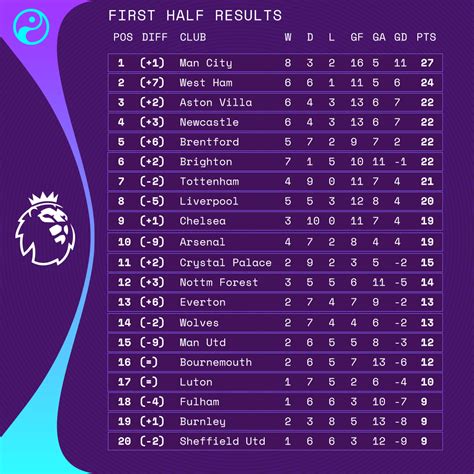
Tottenham Hotspur’s resurgence under Ange Postecoglou has been one of the season’s most intriguing storylines. After years of inconsistency, Spurs have adopted a more attacking and cohesive style of play. Their early-season form, including a 2-0 win over Manchester United and a high-scoring draw with Arsenal, suggested they could sustain a top-four challenge. However, injuries to key players like James Maddison and Micky van de Ven exposed their lack of squad depth. A series of draws and losses in December highlighted the fragility of their position, making their upcoming fixtures against direct rivals critical to their Champions League ambitions.
Outside the current top four, Manchester United and Newcastle United are teams with the potential to disrupt the status quo. Manchester United’s season has been marred by inconsistency, with their attack often misfiring and their defense prone to errors. A 3-0 defeat to Manchester City and a 3-1 loss to Arsenal exposed their vulnerabilities, but their ability to grind out narrow wins against lower-table teams has kept them in contention. Erik ten Hag’s management has been under scrutiny, particularly regarding his rotation policy and the integration of new signings like Rasmus Højlund. Newcastle, on the other hand, has struggled with injuries and fixture congestion due to their involvement in multiple competitions. Their 4-1 loss to Tottenham and a draw against Wolves highlighted their struggles to maintain the form that saw them finish in the top four last season.
Aston Villa, under Unai Emery, has been the season’s dark horse. Currently sitting just outside the top four, Villa has shown remarkable improvement, particularly in their home form. Their victory over Manchester City and strong performances against other top-half teams have made them a genuine threat. Emery’s tactical discipline and the form of players like Ollie Watkins and Douglas Luiz have transformed Villa into a team capable of upsetting the traditional hierarchy.
Key matches have often served as turning points in the race for Champions League spots. For instance, Arsenal’s 1-0 win over Manchester City in October was a statement victory that not only boosted their confidence but also disrupted City’s early-season momentum. Similarly, Tottenham’s inability to hold onto leads in games like their 2-2 draw with United and their 4-1 defeat to Chelsea exposed their defensive frailties and cost them valuable points. These matches illustrate how fine the line is between success and failure in such a competitive environment.
The role of individual brilliance cannot be overlooked. Players like Erling Haaland for Manchester City, Bukayo Saka for Arsenal, and Mohamed Salah for Liverpool have often been the difference-makers in tightly contested matches. At the same time, the emergence of younger talents, such as Alejandro Garnacho for Manchester United and Destiny Udogie for Tottenham, has added an element of unpredictability to the season.
In addition to on-field dynamics, external factors like injuries, fixture congestion, and European commitments have played a role. Teams like Newcastle and Manchester United, involved in European competitions, have found it challenging to balance their resources. This has occasionally led to dropped points in the league, particularly in matches following midweek fixtures. In contrast, teams like Aston Villa, with a lighter schedule, have been able to maintain focus and consistency.
As the season progresses, the importance of head-to-head clashes between the top contenders will only grow. Fixtures such as Arsenal vs. Liverpool, Tottenham vs. Manchester United, and Manchester City vs. Aston Villa will likely shape the final standings. These matches are not just about points but also about momentum and psychological advantage.
In conclusion, the race for Champions League spots in the Premier League this season is a microcosm of the league’s competitive nature. While traditional powerhouses like Manchester City and Liverpool are expected to feature, the emergence of teams like Aston Villa and the resilience of Arsenal and Tottenham add layers of intrigue. Every match, every goal, and every tactical decision could be the difference between glory and disappointment in this high-stakes battle.
Impact of European Performance
The interplay between a team's performance in European competitions and their domestic campaign in the Premier League is a nuanced dynamic that often determines the success or failure of their quest for a top-four finish. While the prestige and financial rewards of competing in the Champions League or Europa League are undeniable, the physical and psychological toll these competitions exact can have a profound impact on a team's ability to maintain consistency in the league.
One of the most direct consequences of European involvement is the **increased fixture congestion**. Teams participating in the Champions League or Europa League often face midweek matches that are interspersed with weekend Premier League fixtures. This compressed schedule demands a higher level of squad depth and rotation to avoid player fatigue. However, not all teams in the Premier League are equally equipped to handle this. For instance, clubs like Manchester City or Liverpool, with their deep squads and world-class bench options, can absorb the demands of midweek games without a significant drop in domestic performance. In contrast, teams with thinner squads, such as those that qualify for Europe after a surprise top-six finish, often struggle to balance the two competitions. The result is a visible dip in league form, characterized by inconsistent results or outright poor performances in games following European travel.
The **travel and recovery factor** is another critical element. European competitions often require teams to travel long distances, sometimes to different time zones, which can disrupt players' circadian rhythms and recovery routines. A midweek trip to a far-flung location in the Europa League, for example, might mean arriving back in England only a day or two before the next Premier League match. This can lead to reduced training time, as managers prioritize rest over tactical preparation. Teams that fail to adapt their training schedules or rotate effectively often find themselves conceding points in matches where they would otherwise be favorites. A clear example of this was seen in the 2020-21 season when Leicester City, while excelling in the Europa League group stage, dropped crucial points in the league during the latter half of the campaign, ultimately missing out on a top-four spot.
Another dimension to consider is the **psychological impact of European success or failure**. A strong run in the Champions League, marked by high-profile victories against elite opposition, can imbue a team with confidence that carries over into their domestic matches. For example, Tottenham Hotspur's run to the Champions League final in 2019 was accompanied by a surge in domestic form during key stretches of the season. The adrenaline and belief generated by such performances can elevate a team's morale and cohesion. However, the flip side of this is equally potent. A humiliating defeat or early elimination from European competition can demoralize a squad, leading to a loss of focus in league games. This was evident when Arsenal, after being knocked out of the Europa League semifinals in 2021, appeared lackluster in subsequent Premier League matches, as the psychological blow seemed to linger.
The **financial incentives of European success** also play a subtle but significant role. While the Premier League itself is a lucrative competition, the additional revenue from progressing deep into the Champions League or Europa League can provide clubs with the financial flexibility to invest in their squads mid-season. This is particularly relevant for teams on the cusp of the top four. A good European run can fund January transfer window signings that bolster a team's domestic campaign. However, this is a double-edged sword. If a team prioritizes European progression at the expense of league form—perhaps by fielding a weaker side in certain Premier League fixtures—they risk falling behind in the tightly contested race for Champions League spots.
It is also worth noting the **strategic trade-offs managers make** when juggling both competitions. Some managers explicitly prioritize one over the other, particularly when their squad is stretched thin. For instance, during the 2016-17 season, José Mourinho openly de-emphasized Manchester United's league position while focusing on winning the Europa League, which offered a direct route into the Champions League. This approach can be a calculated gamble, especially for teams that see European success as a more achievable goal than breaking into the Premier League's top four through domestic consistency alone. However, such prioritization can alienate fans and stakeholders who view a top-four finish as the more prestigious objective.
The **impact of injuries and squad management** cannot be overstated. The physical demands of playing two high-stakes competitions often lead to an increased risk of injuries. Players are more prone to muscular injuries when fatigued, and the absence of key players for extended periods can derail a team's Premier League campaign. A case in point is Chelsea during the 2019-20 season. While their involvement in the Champions League was a source of pride, the toll it took on their squad—combined with injuries to key players like N'Golo Kanté—contributed to a dip in league form that saw them finish fourth by a narrow margin.
From a **statistical perspective**, there is evidence to suggest that teams involved in Europe tend to have slightly lower points-per-game averages in the Premier League compared to those solely focused on domestic football. However, this is not a universal rule. Elite teams with strong rotational policies and tactical flexibility, such as Manchester City under Pep Guardiola, often buck this trend by maintaining high levels of performance across both fronts. For mid-table teams breaking into Europe for the first time, the learning curve is steep, and the lack of experience in managing such a schedule often results in a drop in league standings.
Finally, the **reputation and prestige of European competition** can indirectly affect a team's domestic aspirations. Competing in the Champions League elevates a club's profile, making them a more attractive destination for top-tier talent. This can have a long-term effect on a team's ability to consistently challenge for top-four spots. Conversely, prolonged absence from European competition can lead to a decline in a club's standing, as seen with teams like Everton, who have struggled to regain a foothold in the top-six race after years without European football.
- Fixture congestion and squad depth are critical factors that test a team's ability to balance European and domestic commitments.
- Travel and recovery pose logistical challenges that can disrupt training and match preparation.
- Psychological effects of success or failure in Europe can ripple into Premier League performances.
- Financial rewards from European progress can enable mid-season squad improvements.
- Injuries and fatigue are heightened risks for teams competing on multiple fronts.
In conclusion, while European performance can enhance a team's domestic ambitions by boosting morale, finances, and squad quality, it also presents significant challenges in terms of physical and psychological endurance. The ability to navigate this balancing act often separates the teams that secure Champions League spots from those that fall short. As the Premier League continues to grow in competitiveness, the interplay between domestic and European performance will remain a defining factor in the race for top-four finishes.
Financial Rewards of Champions League Qualification
Securing a top-four spot in the Premier League and, by extension, qualification for the UEFA Champions League is not just a matter of prestige for clubs—it is a financial game-changer. The monetary benefits of Champions League participation are multifaceted, encompassing prize money, enhanced sponsorship opportunities, and amplified global exposure. These rewards are so significant that they often influence club strategies, transfer budgets, and even managerial decisions. Below, we explore each of these financial dimensions in detail to understand why Champions League qualification is a coveted achievement for Premier League clubs.
The most direct and measurable benefit of Champions League qualification is the prize money distributed by UEFA. The Champions League operates on a complex revenue-sharing model that includes fixed payments, performance bonuses, and market pool allocations. For the 2023/24 season, simply participating in the group stage guaranteed a club around €15.64 million. Additional payments were made for each win (€2.8 million) and draw (€930,000) in the group stage. Advancing to the knockout stages brought even higher rewards—reaching the round of 16 earned €9.6 million, the quarter-finals €10.6 million, the semi-finals €12.5 million, and the final €15.5 million. The winner of the tournament pocketed an extra €4.5 million on top of the prize for reaching the final. For a club like Manchester City or Liverpool, these figures represent a substantial boost to their annual revenue. Even for smaller clubs, such as Newcastle United or Brighton, who might secure a top-four spot unexpectedly, this prize money can be transformative, allowing them to reinvest in squad depth or infrastructure.
However, the prize money is only the starting point. Increased sponsorship revenue is another key financial driver for clubs that qualify for the Champions League. Sponsors are drawn to the prestige and visibility of Europe's premier club competition. Brands want their logos associated with high-profile matches broadcast globally, and Champions League participation often triggers renegotiations of existing sponsorship deals or attracts new partners. For example, when Tottenham Hotspur consistently qualified for the Champions League under Mauricio Pochettino, they were able to secure a lucrative kit sponsorship deal with Nike. Similarly, clubs like Leicester City saw their commercial appeal skyrocket after their surprise top-four finish in 2016. Sponsors are not just attracted by the matches themselves but also by the club's elevated status in European football. This elevated status often leads to long-term partnerships that sustain revenue streams even if the club fails to qualify in subsequent seasons. Clubs also benefit from UEFA’s centralized sponsorship model, where a portion of revenue from global sponsors like Heineken, Mastercard, and Pepsi is shared among participating clubs, further sweetening the deal.
Another critical financial aspect is the increased global exposure that comes with Champions League participation. Matches in the competition are broadcast in over 200 countries, reaching an audience of billions. This exposure is particularly valuable for Premier League clubs, which already enjoy a strong international fanbase. For instance, when Arsenal returned to the Champions League in 2023 after a six-year absence, their social media engagement metrics surged during European matchweeks. Clubs can monetize this exposure by growing their international fanbase, which in turn drives merchandise sales and membership subscriptions in markets outside the UK. A club like Manchester United, with its vast global following, can leverage Champions League appearances to sell jerseys and other branded products in regions such as Asia and North America. This exposure also benefits players, making them more marketable and increasing their transfer value—an indirect financial benefit for the club.
The commercial ripple effects of Champions League qualification extend to matchday revenue as well. While Premier League clubs already enjoy high attendance figures, Champions League nights bring an added layer of excitement and spending. Ticket prices for these matches are often higher than for domestic league games, and the allure of European nights attracts more corporate hospitality bookings. Clubs also see increased revenue from concessions and merchandise sales on these special matchdays. For example, when Chelsea hosted Real Madrid in the 2021 Champions League semi-finals, Stamford Bridge saw record-high revenue from hospitality packages. Even for clubs with smaller stadiums, such as Brentford or Fulham (should they ever qualify), the opportunity to host elite European teams creates a financial windfall that far exceeds typical Premier League matchdays.
Beyond the immediate financial gains, there is a strategic long-term impact of Champions League qualification. Qualifying clubs often find it easier to attract top-tier talent in the transfer market. Players are more inclined to join a club that offers the promise of competing at the highest level. This is evident in how clubs like Chelsea and Manchester City used their consistent Champions League appearances to build squads capable of challenging for domestic and European titles. The prospect of playing against teams like Bayern Munich, Real Madrid, and Paris Saint-Germain is a strong incentive for players who might otherwise opt for clubs in Spain, Germany, or Italy. This ability to attract better players not only improves on-field performance but also enhances the club’s brand value over time, creating a self-reinforcing cycle of success.
It is also worth considering the indirect financial benefits related to broadcasting rights. While the Premier League's domestic and international broadcasting deals are already lucrative, Champions League participation can indirectly boost a club’s share of these revenues. Clubs that perform well in Europe often see their domestic matches receive higher viewership, which can lead to better placement in broadcast schedules. For instance, when Liverpool were a mainstay in the Champions League under Jürgen Klopp, their Premier League matches were frequently selected for high-profile time slots, increasing their share of broadcast revenue. Moreover, the visibility gained in the Champions League can lead to better positioning in future Premier League TV rights negotiations, as the league benefits from having strong European performers among its ranks.

However, it is important to note that the financial rewards are not evenly distributed among all clubs. The market pool allocation, a portion of UEFA's revenue distribution based on the value of a country's TV rights, often favors clubs from nations with more lucrative broadcasting deals. For Premier League clubs, this is a significant advantage. England's broadcasting rights are among the most valuable in Europe, meaning that even a fourth-placed Premier League team often receives a larger market pool share than a champion from a smaller league like the Netherlands or Portugal. This dynamic underscores why Premier League clubs are so fiercely competitive for top-four spots—their financial upside is amplified by the strength of the league’s TV deals.
In summary, the financial rewards of Champions League qualification for Premier League clubs are profound and wide-ranging. From the direct infusion of prize money to the less tangible but equally valuable benefits of global exposure and enhanced sponsorship opportunities, the competition serves as a financial catalyst. It not only bolsters a club’s immediate revenue streams but also sets the stage for long-term growth and competitiveness. For Premier League clubs, the top-four race is not just about sporting glory—it is a high-stakes financial endeavor that can shape their future for years to come.
Tactical Approaches of Contenders
The pursuit of Champions League spots in the Premier League is a high-stakes endeavor that demands not only exceptional talent but also meticulous tactical planning. The top teams vying for these coveted positions often distinguish themselves through their ability to adapt strategies to the unique challenges of a grueling season. This section delves into the tactical approaches, with a focus on squad rotation and in-game management, that define the campaigns of contenders.
One of the most critical elements of securing a top-four finish is squad rotation. The Premier League's congested fixture list, compounded by domestic cup competitions and European engagements for elite teams, places immense physical and mental strain on players. Managers must strike a delicate balance between fielding their strongest XI and ensuring that key players are not overburdened. For instance, Manchester City under Pep Guardiola has mastered this art by employing a deep squad with versatile players who can slot into multiple roles. This approach allows Guardiola to keep his team fresh while maintaining a high level of performance. A notable example is the use of players like Bernardo Silva and Phil Foden, who are deployed in various positions—wide, central, or even as false nines—depending on the game's demands. This flexibility not only mitigates fatigue but also keeps opponents guessing about City's setup.
Liverpool, under Jürgen Klopp, provides another compelling case study in squad rotation. Klopp's heavy-metal football, characterized by high pressing and intense counter-attacks, is energy-intensive. To sustain this style over a season, Klopp has increasingly relied on squad depth, particularly in wide areas. The signing of players like Luis Díaz and Diogo Jota has supplemented the established front three of Salah, Mané (before his departure), and Firmino. These rotational options allow Liverpool to maintain their aggressive style without a significant drop-off in quality. Moreover, Klopp's trust in young talents such as Harvey Elliott and Curtis Jones reflects a long-term strategy of integrating academy products into the first-team rotation, ensuring sustainability while competing for Champions League spots.
Beyond physical management, tactical flexibility within squad rotation is equally important. Arsenal, under Mikel Arteta, has demonstrated this by tailoring their squad usage to specific phases of the season. During the 2022-2023 campaign, Arteta rotated between a double pivot in midfield (Partey and Xhaka) and a more attacking setup with Ødegaard as the focal point when chasing games. This adaptability was key in Arsenal's title challenge, even if it ultimately fell short. The ability to switch between a possession-based approach and a more direct style when chasing points showcases how top teams use rotation not just as a tool for rest but as a means to adapt to the ebb and flow of the season.
In addition to squad rotation, in-game management plays a pivotal role in the tactical arsenal of contenders. The ability of a manager to influence the outcome of a match through substitutions, formation shifts, and tactical instructions can often be the difference between securing a win and dropping points. Chelsea, for example, under Thomas Tuchel and later Graham Potter, showcased the importance of adaptive in-game management. Tuchel's use of a back-three system provided defensive solidity, but his willingness to switch to a back-four mid-game when chasing a result highlighted his proactive approach. Similarly, Tottenham under Antonio Conte has often relied on in-game adjustments, particularly when trailing. Conte's preference for a 3-4-3 formation allows for a natural transition to a 3-5-2 when more control in midfield is required. This flexibility has been instrumental in securing points in tightly contested matches, a hallmark of Spurs' recent campaigns.
Another aspect of in-game management is the use of targeted substitutions. Manchester United, despite their inconsistency in recent years, has occasionally leveraged this tactic effectively. Under Erik ten Hag, the introduction of players like Alejandro Garnacho late in games has provided a much-needed spark. Garnacho's pace and directness often unsettle tired defenses, exemplifying how substitutions can alter the dynamics of a match. This contrasts with teams that fail to utilize their bench effectively—a common pitfall for mid-table sides but a rarity among Champions League contenders. The best managers view their bench not as a Plan B but as an extension of their tactical plan, ready to address specific challenges posed by the opposition or the flow of the game.
The interplay between data-driven decision-making and in-game management is also worth noting. Premier League teams now have access to advanced analytics that provide real-time insights into player performance, opposition weaknesses, and match states. For instance, Liverpool's use of data to monitor pressing intensity and player workload has informed Klopp's decisions on when to substitute key players like Mohamed Salah or Virgil van Dijk. Similarly, Manchester City's reliance on analytics to identify moments of vulnerability in opponents has allowed Guardiola to make precise substitutions that exploit these gaps. This marriage of traditional managerial instinct and modern data is a hallmark of top-tier tactical approaches in the Premier League.
It is also worth considering how psychological factors intertwine with tactical strategies. The pressure of competing for Champions League spots often leads to high-stakes scenarios where mental resilience is tested. Teams like Arsenal have struggled in past seasons with "bottling" leads due to a lack of experience in managing expectations. However, Arteta's emphasis on building a cohesive unit with clear roles has helped address this. In contrast, Manchester City's squad exudes calmness under pressure, a trait cultivated by Guardiola's emphasis on process over outcome. This psychological edge often manifests in their ability to close out games effectively, even when the opposition mounts late pressure.
Finally, the role of set-piece specialization as part of in-game management deserves mention. Set pieces are an increasingly significant avenue for goals in the Premier League, and top teams invest heavily in this area. Liverpool's success with set-piece goals under the guidance of throw-in coach Thomas Grønnemark and their proficiency in corner routines underscores this point. Similarly, Tottenham's reliance on dead-ball situations to break down stubborn defenses reflects how managers use these moments to gain an edge in tight contests.
In summary, the tactical approaches of Premier League contenders in their pursuit of Champions League spots are multifaceted. Squad rotation ensures physical and tactical longevity, while in-game management provides the tools to adapt to the unpredictable nature of matches. Whether through the depth of Manchester City's squad, Liverpool's integration of youth, Arsenal's tactical flexibility, or Tottenham's reliance on set-piece prowess, these strategies collectively define what it takes to compete at the highest level. As the league becomes more competitive, the ability to blend these elements seamlessly will likely separate the true contenders from the pretenders.
Challenges Faced by Mid-Table Teams
The Premier League is widely regarded as one of the most competitive football leagues in the world, with its top-tier teams vying for the coveted Champions League spots. While the "big six" clubs—Manchester City, Liverpool, Arsenal, Chelsea, Manchester United, and Tottenham Hotspur—have historically dominated these positions, the challenge for mid-table teams to break into this elite group is immense. This section delves into the specific challenges faced by these teams and examines the factors that could potentially enable them to compete at this level.
One of the primary challenges for mid-table teams is the financial disparity between them and the traditional "big six." The revenue streams of the top clubs are significantly bolstered by consistent participation in European competitions, particularly the Champions League. This participation not only provides direct financial rewards but also enhances sponsorship deals, merchandise sales, and global brand visibility. For instance, Manchester City's annual revenue often exceeds £600 million, while a mid-table team like Brighton & Hove Albion or Brentford might operate on a budget closer to £150-200 million. This financial gulf creates a self-perpetuating cycle: the "big six" can afford higher wages, better facilities, and more extensive scouting networks, which in turn help them attract and retain top-tier talent. Mid-table teams, even when they perform well in a season, struggle to match this level of investment consistently, limiting their ability to sustain a challenge over multiple campaigns.
Another critical factor is the recruitment and retention of players. Mid-table teams often rely on identifying undervalued talent or developing young players through their academies. While this approach can yield success stories—such as Leicester City's title-winning squad in 2015-16—it is not a reliable long-term strategy for breaking into the top four. Players who excel at mid-table clubs are frequently poached by bigger teams with deeper pockets. For example, Brighton has seen key players like Ben White, Marc Cucurella, and Leandro Trossard move to top clubs after standout performances. This "sell-to-survive" dynamic hampers mid-table teams' ability to build a cohesive, competitive squad over time. Even when these teams invest in young talent, the pressure to sell for profit often outweighs the desire to retain players for long-term growth.
The intensity of competition in the Premier League further complicates the path for mid-table teams. Unlike other leagues where a small group of teams consistently dominates, the Premier League boasts a high level of competition across its spectrum. Teams like Newcastle United, Aston Villa, and West Ham United have shown flashes of brilliance and even threatened the top-four positions in recent seasons. However, the depth of quality in the league means that even a run of poor form—whether due to injuries, managerial changes, or tactical missteps—can derail a campaign. For example, in the 2021-22 season, West Ham was in contention for a Champions League spot for much of the season but ultimately fell short due to a combination of fixture congestion and squad depth issues. The relentless nature of the Premier League schedule, compounded by domestic cup competitions and European involvement for some mid-table teams, leaves little room for error.
Mid-table teams also face tactical and strategic limitations when attempting to challenge the "big six." Many of these teams adopt a pragmatic approach to stay competitive, focusing on defensive solidity and counter-attacking football rather than the expansive, possession-based styles often seen at the top level. While this can lead to success against similarly resourced teams, it often falls short against the tactical sophistication and squad depth of the top clubs. For instance, mid-table teams may struggle to break down a "big six" side that can rotate world-class players across multiple positions. This strategic gap is not just about player quality but also about the coaching and analytical resources available. The "big six" teams often employ large backroom staff, including data analysts, sports scientists, and tactical specialists, giving them an edge in preparation and in-game adjustments.
Despite these challenges, there are factors that could help mid-table teams compete for Champions League spots. One such factor is strategic investment in infrastructure and youth development. Teams like Brighton and Brentford have demonstrated that a well-run academy and a data-driven recruitment model can punch above their weight. Brighton's use of analytics to identify undervalued players in lesser-known leagues has allowed them to build a competitive squad without overspending. Similarly, Brentford's focus on set-piece optimization and squad cohesion has enabled them to compete effectively despite limited resources. These approaches suggest that mid-table teams can find success by being innovative rather than attempting to replicate the spending patterns of the "big six."
Another potential enabler is the increasing unpredictability of the Premier League. The financial fair play regulations and the financial struggles of some traditional "big six" clubs—such as Chelsea's recent transition under new ownership or Manchester United's inconsistent performances—have created opportunities for other teams to capitalize. Newcastle United's rise under new ownership is a case in point; their strategic investments in players like Bruno Guimarães and Alexander Isak have propelled them into the top-four conversation. This demonstrates that with the right combination of financial backing, astute management, and a clear vision, mid-table teams can bridge the gap.
Additionally, managerial stability and a clear footballing philosophy can play a pivotal role. Teams like Leicester City under Brendan Rodgers and Brighton under Roberto De Zerbi have shown that a cohesive vision and consistent approach can yield results even without the financial clout of the top clubs. These managers prioritize long-term development over short-term gains, fostering a sense of identity and purpose within their squads. This stability can help mid-table teams weather the ups and downs of a season and build momentum over time.
Finally, the globalization of football and the growing appeal of the Premier League as a product can create new opportunities for mid-table teams. With the league's increasing revenue from broadcasting rights and international partnerships, even teams outside the "big six" are benefiting from higher revenues. If these funds are reinvested wisely—into player development, infrastructure, and fan engagement—mid-table teams can begin to close the gap. For example, Aston Villa's recent resurgence under Unai Emery has been partly attributed to their ability to attract quality players and improve their training facilities, signaling a shift in how mid-table teams can approach the challenge.
In conclusion, while the path for mid-table teams to secure a top-four spot in the Premier League is fraught with difficulties, it is not insurmountable. The financial, tactical, and competitive barriers are significant, but innovative strategies, prudent investments, and a clear vision can provide a way forward. As the league continues to evolve, the emergence of new challengers may become more frequent, reshaping the traditional hierarchy and offering fresh narratives in one of the world’s most exciting football competitions.
Role of Transfers and Squad Depth
The quest for a Champions League spot in the Premier League is one of the most competitive and high-stakes battles in European football. While tactical acumen, managerial strategies, and player form are often highlighted as key determinants of success, the underlying role of **squad depth**, **transfer window strategies**, and **injury management** cannot be overstated. These elements form the backbone of a team's ability to sustain performance over a grueling 38-game season, often punctuated by domestic cup runs and European fixtures for top-tier clubs.
To begin with, **squad depth** is the linchpin of a team's consistency in the Premier League. Unlike lower-table teams that may focus on a core group of players to achieve survival, teams aiming for Champions League qualification must rotate their squads effectively without a significant drop in quality. This is particularly critical given the physical demands of the league, where fixtures are often clustered during the winter months or around international breaks. A team like Manchester City, for instance, has demonstrated how a deep bench allows them to maintain intensity even when key players are rested or unavailable. Their ability to field players like Phil Foden, Julian Alvarez, or Kalvin Phillips as substitutes without a marked decline in performance is a testament to their squad-building strategy. In contrast, teams with shallower squads often suffer "mid-season slumps" when injuries or fatigue take their toll. This was evident in Arsenal's title challenge in the 2022/23 season, where a lack of cover in midfield and defense exposed vulnerabilities during the run-in.
The **transfer window** plays a pivotal role in shaping a team's depth and adaptability. Successful transfer strategies are not just about signing star players but also about identifying squad players who can provide cover across multiple positions. For example, Liverpool's acquisition of players like Diogo Jota and Luis Diaz in recent years was not merely about bolstering their attack but also about ensuring they had versatile forwards who could step in for Mohamed Salah or Sadio Mane without a significant drop in output. Similarly, Chelsea's transfer policy under Thomas Tuchel, although criticized for its volume of signings, showcased how targeted acquisitions like Marc Cucurella and Conor Gallagher added depth to their full-back and midfield options. However, a misstep in transfer strategy can be costly. Tottenham Hotspur's over-reliance on Harry Kane and Son Heung-min in recent seasons has often been attributed to their failure to secure adequate backup options in the final third, leaving them vulnerable when injuries strike or when key players are out of form.

Another dimension of transfer strategy is the **timing of signings**. Teams that address squad gaps early in the window often benefit from having new players integrated into the squad during pre-season. This was evident in Manchester United's signing of Casemiro in the summer of 2022, which provided immediate stability to their midfield. Conversely, teams that leave their business late—or rely heavily on deadline-day deals—risk disrupting team cohesion. Everton's last-minute scramble for players in the 2023 summer window left them with a disjointed squad that struggled to find form early in the season, a factor that jeopardized their ambitions of competing for European spots.
In addition to squad depth and transfer strategies, **injury management** is a critical yet often underappreciated aspect of maintaining a Champions League-worthy campaign. The Premier League's intensity means that injuries are not a matter of if but when. Teams with robust medical and sports science departments often outperform those that lack such infrastructure. Liverpool, under Jürgen Klopp, has been a case study in injury management. Despite suffering a spate of injuries during the 2020/21 season, including long-term absences for Virgil van Dijk and Joe Gomez, the club's emphasis on recovery protocols and rotation allowed them to recover and secure a top-four spot the following season. In contrast, teams like Newcastle United in their pre-takeover era often faltered when injuries to key players exposed a lack of resources and medical expertise.
Effective injury management is also about **preventative measures** rather than reactive solutions. This includes tailored training regimens, workload monitoring, and the use of data analytics to predict and mitigate injury risks. For instance, Manchester City's use of GPS tracking and fatigue analysis has been instrumental in keeping their players available for selection across multiple competitions. Their ability to rotate players like Rúben Dias and John Stones without compromising defensive solidity is a direct result of such meticulous planning.
Moreover, the interplay between **transfer strategies and injury management** is evident in how clubs approach the January transfer window. Teams on the cusp of Champions League qualification often use this window to address glaring weaknesses caused by injuries or poor early-season form. For example, Arsenal's signing of Leandro Trossard in January 2023 provided them with a versatile attacking option to cover for the injured Gabriel Jesus, helping them sustain their title push. However, the January window is a double-edged sword; poorly thought-out signings can disrupt team dynamics or fail to address the root causes of underperformance.
It is also worth considering how **financial fair play (FFP) regulations** influence these factors. Teams with smaller budgets must be more judicious in their transfer spending and squad-building efforts. This often forces them to prioritize youth development or loan signings to supplement their squads. For example, Brighton & Hove Albion's ability to secure Champions League qualification contention in recent years has been underpinned by their shrewd use of the transfer market, identifying undervalued talent like Moisés Caicedo and Alexis Mac Allister. Their success demonstrates that squad depth does not always require lavish spending but rather a keen eye for talent and a focus on long-term development.
Additionally, **the mental aspect of squad depth** should not be ignored. A deep squad not only provides cover for injuries but also fosters internal competition, which can drive players to perform at their peak. When players know that their position is not guaranteed—as seen in Pep Guardiola's rotation policy at Manchester City—it often results in higher levels of effort and focus. However, this can backfire if not managed well; excessive rotation can disrupt player confidence and team cohesion, as seen in Tottenham's struggles under certain managers who failed to establish a clear pecking order.
In summary, the ability to secure a Champions League spot in the Premier League is a multifaceted challenge that goes beyond on-pitch performance. Squad depth enables teams to weather the physical and tactical storms of a long season. Transfer window strategies must be precise, addressing both immediate needs and long-term goals while avoiding the pitfalls of overspending or poor timing. Finally, injury management is not merely about recovery but about creating a system where players are protected, prepared, and ready to contribute when called upon. Teams that excel in these areas are not just competing for top-four finishes—they are building sustainable models of success that can endure the relentless pressures of modern football.
Fan and Media Perspectives
The race for Champions League spots in the Premier League is one of the most closely watched and hotly debated narratives in modern football. For fans and media outlets, this top-four battle is not merely about securing a place in Europe's most prestigious club competition—it represents prestige, financial windfalls, and the validation of a club's ambitions. The **intensity of the top-four race** is amplified by the global reach of the Premier League, where every match is dissected in real time, and narratives are shaped by both passionate supporters and an ever-hungry media ecosystem.
From a **fan perspective**, the top-four race often carries an emotional weight that transcends the objective goal of qualifying for the Champions League. For supporters of clubs like Manchester United, Arsenal, or Liverpool—teams with storied histories in European competition—falling short of a top-four finish can feel like a **failure of identity**. These clubs are expected to compete not just for domestic honors but also to uphold their legacies on the continental stage. Fans of such teams often express frustration or even anger when their side falters, particularly when rivals like Tottenham Hotspur or Newcastle United—clubs without the same historical European dominance—threaten to take their place. This creates a **psychological pressure cooker** where every dropped point is magnified, and every victory is celebrated as a step toward redemption. Social media platforms like Twitter and Reddit serve as arenas where fans vent, debate, and rally around their teams, often creating viral hashtags or memes that encapsulate the emotional rollercoaster of the season.
The **media's role** in shaping the top-four race cannot be understated. Major outlets like Sky Sports, BBC Sport, and The Athletic craft detailed analyses of fixtures, form, and squad depth, often framing matches as "must-win" or "season-defining." For instance, a late-season clash between two top-four contenders is frequently billed as a "Champions League decider," even if the mathematical permutations allow for other outcomes. This framing serves to heighten the stakes and draw in viewers, but it also places **immense pressure on managers**. A single poor result can lead to a barrage of criticism, with pundits and former players offering scathing commentary on tactical decisions, player selections, and even the perceived "mental strength" of the squad. Managers like Mikel Arteta or Erik ten Hag are often subjected to this scrutiny, with every post-match interview parsed for signs of confidence, deflection, or resignation.
One of the most fascinating aspects of the top-four race is how **media narratives shift based on recent results**. A team on a winning streak, such as Arsenal during their 2022-2023 title challenge, can be heralded as a model of consistency and ambition. However, a dip in form—even temporary—can lead to a **complete reversal of perception**. The same team might then be labeled as "bottlers" or "not ready for the big stage," with pundits questioning whether the manager has the tactical acumen to navigate high-pressure situations. This creates a **feedback loop** where fan sentiment is influenced by media coverage, and media outlets, in turn, feed off the emotional energy of fan bases. For example, during the 2021-2022 season, when Tottenham overtook Arsenal for fourth place in the final weeks, the media narrative focused heavily on Arsenal's "collapse" rather than Tottenham's resilience. This kind of framing often fuels rivalries and adds an extra layer of drama to the competition.
The **specific narratives surrounding key matches** are another area where fan and media perspectives converge. For instance, a fixture like Liverpool vs. Manchester United is not just a top-four battle—it is a clash of historical giants with global fan bases. The media hypes such matches as opportunities for one club to assert dominance over the other, both in the short term (Champions League qualification) and the long term (bragging rights). Fans, meanwhile, often view these games as **proxy wars** for broader club ambitions. A victory in such a match can feel like a statement of intent, while a defeat can lead to soul-searching and calls for change. For instance, after Liverpool's 7-0 thrashing of Manchester United in the 2022-2023 season, the media framed the result as a **turning point** for Liverpool's faltering season and a **humiliation** that could destabilize Manchester United's top-four aspirations. This kind of hyperbolic coverage not only fuels fan discussions but also impacts the morale of players and managers, who must navigate the psychological fallout of such high-profile results.
Another layer of complexity comes from the **financial implications** of Champions League qualification. The media frequently highlights the monetary rewards of finishing in the top four, with estimates suggesting that participation in the Champions League can be worth upwards of £50 million in revenue for a club. This financial angle is particularly significant for clubs like Newcastle United or West Ham, who are seen as "challengers" rather than perennial contenders. Fans of these clubs often embrace the **underdog narrative**, relishing the opportunity to disrupt the established order. Media outlets, however, sometimes frame this as a **threat to the traditional hierarchy**, which can lead to polarized coverage. For instance, when Leicester City secured a top-four spot in 2021, the narrative was split between celebrating their achievement and questioning whether they could sustain it amidst the financial might of clubs like Chelsea or Manchester City. This dynamic adds a **class dimension** to the top-four race, where the media often pits the "plucky underdogs" against the "big-spending elites."
The **pressure on managers** is perhaps the most visible consequence of the top-four race. Fan bases and media outlets alike demand not just results but also a sense of **progression and ambition**. A manager who secures Champions League qualification is often lauded as a visionary, while one who falls short can face calls for dismissal. This is particularly true for clubs with high expectations, such as Chelsea or Tottenham, where even a fifth-place finish can be seen as a disappointment. The media's tendency to frame the top-four race as a **zero-sum game**—where only four teams can succeed and the rest are failures—creates a **toxic environment** for managers who are judged on short-term outcomes rather than long-term development. This is evident in the way figures like Frank Lampard or Nuno Espírito Santo were quickly criticized when their teams struggled to maintain consistency in the race.
From a **fan perspective**, the top-four race is also deeply personal. Supporters invest not just their time but their emotional energy into following their team's journey. This is evident in the way fans celebrate key victories or agonize over defeats that could derail their team's chances. Social media amplifies this, with platforms like TikTok and Instagram allowing fans to create and share content that reflects their hopes and frustrations. For instance, after Arsenal's dramatic late-season collapse in 2022, fan-made videos analyzing "what went wrong" garnered millions of views, showcasing how deeply the top-four race resonates with supporters.
In summary, the top-four race in the Premier League is a **multi-faceted drama** that plays out not just on the pitch but in the minds of fans and the narratives spun by media outlets. The pressure on managers, the emotional investment of fans, and the financial stakes all contribute to making this battle one of the most compelling aspects of the football season. Whether through the lens of a die-hard supporter or the analytical gaze of a journalist, the top-four race is a story of ambition, identity, and the relentless pursuit of excellence in one of the world's most competitive leagues.
Conclusion and Future Outlook
The race for Champions League spots in the Premier League is not merely a contest for prestige and financial gain; it is a microcosm of the league's broader competitive dynamics and a barometer for how football is evolving in the modern era. This section delves into the broader significance of this race and speculates on its potential evolution in the coming years, focusing on the interplay of financial incentives, competitive balance, and external factors like UEFA regulations and global football trends.
The financial stakes of securing a Champions League spot are immense. For Premier League clubs, participation in Europe's premier club competition can mean hundreds of millions of pounds in revenue, including prize money, broadcast rights, and increased sponsorship opportunities. For instance, the difference between finishing fourth and fifth in the league table can often translate to a financial swing of over £50 million. This disparity has a ripple effect on club operations, from player recruitment and retention to infrastructure investments. Clubs outside the "Big Six" (Manchester City, Liverpool, Chelsea, Manchester United, Arsenal, and Tottenham) often see a Champions League berth as a transformative opportunity—one that can help them bridge the gap to the elite tier. However, this financial incentive also exacerbates the divide between the haves and have-nots. Smaller clubs that occasionally break into the top four, such as Leicester City in 2016 or Newcastle United in recent seasons, must navigate the challenge of sustaining their success against clubs with far greater resources. This dynamic suggests that the race for Champions League spots is not just about individual club ambition but also about the structural inequalities embedded in the Premier League's economic model.
From a competitive balance perspective, the Premier League is often lauded as the most unpredictable and entertaining league in the world. However, the concentration of Champions League spots among a small group of clubs raises questions about whether this competition is as open as it seems. Over the past decade, the "Big Six" have dominated the top four positions, with only occasional intrusions by smaller clubs. This trend is not unique to the Premier League—similar patterns are observed in La Liga, Serie A, and the Bundesliga. However, in the Premier League, the sheer financial might of mid-table clubs like Aston Villa, West Ham, and Brighton has started to challenge this hegemony. These clubs are leveraging shrewd recruitment, data analytics, and progressive coaching to punch above their weight. In the future, we might see a more fluid top-four race as clubs outside the traditional elite invest in innovative strategies to close the gap. The rise of clubs like Newcastle, backed by state-linked ownership, also points to how external financial injections can reshape the competitive landscape. This trend could lead to a scenario where the "Big Six" becomes a "Big Eight" or even a "Big Ten," making the race for Champions League spots even more intense and unpredictable.
Another critical factor shaping the future of this competition is UEFA's evolving structure. Recent changes to the Champions League format, such as the introduction of the "Swiss model" from the 2024-25 season, will expand the number of games and potentially alter how clubs qualify. Under this model, more teams will have access to the group stage, and performance in domestic leagues will carry even greater weight in determining entry. For Premier League clubs, this could mean that finishing in the top four might no longer be the sole gateway to European football's top table. Instead, UEFA's emphasis on historical coefficients and expanded access for high-performing teams from smaller leagues might create new pressures. For instance, if a mid-table Premier League team consistently performs well in Europe (like West Ham in the Europa League), they might earn a "safety net" entry into the Champions League, even if they finish outside the top four domestically. This evolution could incentivize Premier League clubs to prioritize European performance over domestic consistency, adding a new layer of complexity to the race for top-four spots.
The globalization of football is another dimension to consider. The Premier League's global audience and commercial appeal have made it a magnet for investment from around the world. Ownership models are diversifying, with state-backed entities, private equity firms, and billionaire individuals all vying for a piece of the action. This influx of capital has raised the stakes of the Champions League race, as clubs are no longer just competing for sporting glory but also for the validation of their business models. In this context, the race for Champions League spots is not just about football; it is about global branding, market share, and geopolitical influence. Clubs like Manchester City and Newcastle United, with their state-linked ownership, exemplify how football success is increasingly intertwined with broader economic and political strategies. In the coming years, we might see more clubs embracing this model, further intensifying the competition for European qualification.
One potential evolution of the competition is the increased role of technology and analytics in shaping the race for Champions League spots. The use of advanced metrics, such as expected goals (xG), player tracking data, and machine learning models, is already transforming how clubs scout players, develop tactics, and manage resources. Clubs that can effectively harness these tools may find themselves better equipped to challenge the established order. For example, Brighton & Hove Albion's rise under Graham Potter and later Roberto De Zerbi has been fueled by a data-driven approach to recruitment and gameplay. As these tools become more accessible and sophisticated, we might see a democratization of success, where smaller clubs can consistently challenge for top-four finishes. However, this also raises the question of whether the Premier League will introduce measures to ensure competitive balance, such as stricter financial fair play (FFP) rules or revenue-sharing mechanisms.
On a sociocultural level, the race for Champions League spots also reflects the Premier League's role as a global entertainment product. The drama of the final matchday, where multiple teams often vie for the last Champions League berth, has become a hallmark of the league's appeal. This narrative-driven aspect of the competition is likely to be amplified in the future, as broadcasters and streaming platforms seek to monetize the league's unpredictability. We might see innovations in how matches are scheduled, promoted, and consumed, with greater emphasis on creating "win-or-bust" scenarios that captivate audiences worldwide. Additionally, the Premier League's push into new markets—such as the United States, India, and Africa—could see clubs tailor their strategies to appeal to international fan bases, further globalizing the stakes of the top-four race.
Finally, we must consider the long-term implications of the Premier League's dominance in European football. While the league's financial and competitive strength is a boon for its clubs, it also raises concerns about the broader health of football. The concentration of power and resources in a few leagues and clubs could lead to a scenario where the Champions League becomes even more exclusive, with only a handful of teams from across Europe realistically competing for the trophy. This could prompt UEFA or other governing bodies to consider more radical reforms, such as a European Super League (albeit in a different guise than the failed 2021 proposal) or caps on spending to preserve some semblance of parity. For the Premier League, the challenge will be to balance its commercial success with its responsibility to the wider football ecosystem.
In conclusion, the race for Champions League spots in the Premier League is a multifaceted phenomenon with far-reaching implications. It is not just about who finishes in the top four each season but about the evolving nature of football as a sport, business, and cultural institution. As the competition intensifies, driven by financial incentives, technological advancements, and global trends, we can expect the Premier League to remain at the forefront of this evolution. However, the league must also grapple with the challenges of maintaining competitive balance and ensuring that its success does not come at the expense of the sport's broader integrity. The future of the Champions League race in the Premier League is poised to be as thrilling and unpredictable as the matches themselves, with far-reaching consequences for the global football landscape.