Introduction to FC Köln Jerseys
FC Köln, officially known as 1. Fußball-Club Köln 01/07 e.V., is a storied football club based in Cologne, Germany. Established in 1948, the club has a rich history that intertwines with the cultural and sporting identity of the city. FC Köln has competed in Germany's top-tier football league, the Bundesliga, for much of its existence, and its legacy is marked by moments of triumph, resilience, and a deep connection with its fan base. The club's jerseys, beyond being mere sportswear, serve as a visual and symbolic representation of this identity, carrying weight far beyond the pitch.
The significance of FC Köln's jerseys lies in their role as a unifying emblem for fans, players, and the city itself. In football culture, jerseys are not just functional attire but are imbued with meaning that reflects a club's ethos, history, and aspirations. For FC Köln, the jersey design often incorporates elements that resonate with the club's roots and its supporters' pride. One of the most iconic features of FC Köln jerseys is the inclusion of the billy goat mascot, known as "Hennes." This symbol has become synonymous with the club and is prominently displayed on the jerseys, serving as a direct nod to the club's folklore and its enduring character.
The billy goat mascot originates from a humorous yet endearing incident in 1950 when a circus gifted a live goat to the club during Carnival celebrations. This goat, named Hennes, became the team's mascot, and subsequent generations of goats have carried the name. The presence of Hennes on the jersey underscores FC Köln's unique blend of tradition and humor, setting it apart from other clubs whose mascots might lean towards more conventional symbols like lions or eagles. This distinctiveness makes the jersey not just a piece of merchandise but a storytelling device that communicates the club's personality and history to fans and opponents alike.
Another aspect of FC Köln jerseys is their design evolution over the years, which mirrors broader trends in football fashion while retaining club-specific elements. Early jerseys were simple, often featuring stripes or solid colors that emphasized practicality and team visibility on the field. However, as football grew into a global spectacle with significant commercial interests, FC Köln's jerseys began to incorporate more intricate designs, sponsor logos, and technological advancements in fabric. Despite these changes, the club has consistently ensured that its jerseys remain rooted in its identity. For instance, the use of the club's traditional colors—red and white—has remained a constant. These colors are not arbitrary; they symbolize the vibrancy and passion of Cologne, a city known for its lively Carnival celebrations and strong community spirit.
The jerseys also play a pivotal role in fostering a sense of belonging among fans. FC Köln supporters, often referred to as "Effzeh" (a colloquial abbreviation of "FC"), view wearing the jersey as a badge of honor. This is particularly evident during match days, where the sea of red and white in the stands at the RheinEnergieStadion creates a visually striking display of unity. The jersey is a medium through which fans express their loyalty, regardless of the team's performance on the field. This phenomenon is not unique to FC Köln but is particularly pronounced due to the club's reputation for having one of the most passionate and vocal fan bases in German football. The jersey becomes a shared language, a non-verbal way for fans to communicate solidarity and support, even in challenging seasons.
Beyond their symbolic value, FC Köln jerseys have also been at the center of merchandising and brand-building strategies. In modern football, jerseys are a critical revenue stream for clubs, and FC Köln is no exception. The club collaborates with sportswear manufacturers to produce jerseys that appeal not only to hardcore supporters but also to casual fans and collectors. Limited-edition jerseys, retro designs, and special kits for cup competitions are examples of how FC Köln leverages its jerseys to expand its brand presence. These initiatives are not merely commercial but also serve to deepen the emotional connection between the club and its global audience. A well-designed jersey can evoke nostalgia, celebrate milestones, or even act as a collector's item, further embedding the club in the cultural fabric of football.
The jerseys also carry a narrative of resilience that mirrors FC Köln's own journey as a club. Over the years, FC Köln has experienced highs, such as winning the Bundesliga title in 1978, and lows, including relegation battles. During periods of struggle, the jersey takes on an even greater significance as a symbol of hope and perseverance. Fans don the jersey not just to support the team in its current form but to reaffirm their belief in the club's potential to rise again. This dynamic is particularly poignant in football, where the emotional investment of supporters often outweighs the immediacy of results. The jersey, in this context, becomes a constant—a reminder of the club's enduring legacy and its place in the hearts of its followers.
Moreover, FC Köln's jerseys have a broader cultural resonance that extends beyond football. Cologne is a city with a vibrant arts and music scene, and the club's identity often intersects with these cultural elements. Local artists and designers have, at times, reimagined the jersey in creative ways, blending football with art to produce limited-edition pieces that appeal to a wider audience. This interplay between sport and culture elevates the jersey from a functional item to a piece of wearable art, further solidifying its place in the annals of football culture.
In addition, the jerseys have been part of globalization trends in football. As the Bundesliga has grown in international viewership, FC Köln jerseys have found their way into markets far beyond Germany. Supporters clubs in countries like the United States, Japan, and Brazil often sport the red and white with pride, showcasing how the jersey serves as a bridge between local traditions and global fandom. This global reach is a testament to how football jerseys, including those of FC Köln, transcend their original purpose to become ambassadors of a club's identity on an international stage.
In summary, FC Köln jerseys are far more than sportswear; they are a tapestry of the club's history, culture, and identity. From the whimsical origins of the Hennes mascot to the strategic use of design and color, the jerseys encapsulate what it means to be part of the FC Köln community. They are a medium of expression for fans, a tool for brand expansion, and a symbol of resilience in the face of sporting challenges. In the broader context of football culture, FC Köln's jerseys stand as a testament to how a simple piece of fabric can carry the weight of tradition, passion, and collective memory.
- The billy goat mascot "Hennes" is a unique and iconic feature of the jerseys.
- The red and white colors symbolize the vibrancy of Cologne and its community.
- Jerseys serve as a unifying element for fans and a narrative of the club's resilience.
- FC Köln leverages jerseys for merchandising while maintaining cultural significance.
This deep connection between the club, its fans, and its jerseys illustrates why FC Köln's kits are not just worn but celebrated—an enduring emblem of football culture in one of Germany's most dynamic cities.
Historical Evolution of FC Köln Kits
The historical evolution of FC Köln jerseys is a fascinating journey that reflects not only the club's identity but also broader trends in football kit design and cultural influences over the decades. From its inception in 1948, FC Köln has maintained a distinctive visual presence on the pitch, with its kits evolving in response to changing fashions, sponsorships, and the club's own narrative. This section delves into the key design milestones of FC Köln's jerseys, tracing their transformation from humble beginnings to the modern-day aesthetic.
At its foundation, FC Köln adopted a simple yet bold design that emphasized the club's connection to its home city. The earliest kits featured a red and white color scheme, which remains a cornerstone of the club's identity to this day. The red symbolized passion and energy, while the white represented purity and a clean slate—an apt metaphor for a newly established club. Early jerseys were plain, often featuring a solid red shirt with white trim or vice versa. These minimalist designs were a product of the post-war era, where resources were limited, and football kits were functional rather than fashionable. However, even in this simplicity, the club's crest—featuring the iconic billy goat, a symbol of Cologne—began to take prominence, signaling the importance of local pride in the club's ethos.
The 1960s and 1970s marked a period of significant change for FC Köln, both on and off the field. This era saw the club achieve its first major successes, including winning the Bundesliga in 1964. With growing attention and fanbase, the kits began to evolve in both design and material. The introduction of vertical stripes in red and white became a defining feature of FC Köln jerseys during this period. These stripes were not merely aesthetic but also symbolic of the club's ambition to stand out in a competitive league. The use of stripes was influenced by broader European football trends, where patterned jerseys were gaining popularity as a way to differentiate teams visually. Additionally, the club began experimenting with collar designs, transitioning from traditional crew necks to polo-style collars, which added a touch of elegance to the kits. This era also saw the integration of the first major sponsors on jerseys, a trend that would grow in subsequent decades.
The 1980s ushered in a more experimental phase for FC Köln's kits. As synthetic materials became the standard in sportswear, jerseys became more lightweight and allowed for greater design flexibility. During this time, FC Köln embraced diagonal patterns and subtle gradients in their red and white palette. One of the most iconic kits from this era featured a red base with white diagonal streaks, a bold departure from the traditional vertical stripes. This design was not only eye-catching but also indicative of the club's willingness to innovate while staying true to its roots. Furthermore, the club's crest underwent subtle refinements, becoming more streamlined and modern. The billy goat remained central, but its depiction became sharper and more detailed, reflecting advancements in graphic design technology.
The 1990s and early 2000s were characterized by a mix of nostalgia and modernity in FC Köln's kit designs. This period saw the club oscillate between revisiting classic vertical stripes and experimenting with abstract patterns and asymmetrical elements. One standout kit from the late 1990s featured a predominantly white design with red accents in unconventional shapes, such as curved lines and geometric blocks. This era also marked the rise of bold sponsor logos, which sometimes competed with the club's crest for visual dominance. While some fans appreciated the modern touches, others yearned for the simplicity of earlier designs. This tension between tradition and innovation is a recurring theme in the history of FC Köln jerseys.
In the 2010s, FC Köln's kits began to embrace a more minimalist and retro-inspired aesthetic, partly driven by the global resurgence of vintage football fashion. Kits from this period often featured clean, uncluttered designs with a focus on high-quality materials and subtle detailing. For instance, a popular kit from the mid-2010s returned to the classic vertical red and white stripes but incorporated modern touches like a rounded neck and moisture-wicking fabric. The billy goat crest was occasionally reimagined in commemorative kits, such as those celebrating the club's anniversaries or special achievements. These limited-edition jerseys often included gold accents or embossed patterns, adding a sense of exclusivity and prestige.
The present day sees FC Köln kits as a blend of tradition and innovation. Recent designs have prioritized sustainability, with the club partnering with manufacturers to use recycled materials in jersey production. This shift reflects a broader trend in football toward environmental responsibility. Design-wise, contemporary kits often pay homage to historical elements while incorporating cutting-edge features. For example, the 2023 home kit features the classic red and white vertical stripes but with a gradient effect that fades toward the bottom, symbolizing the club's forward-looking attitude. The away kits, on the other hand, have explored alternative color schemes, such as black with red detailing, to appeal to a wider audience and cater to modern tastes.
A notable aspect of FC Köln's kit evolution is the role of fan engagement in shaping designs. In recent years, the club has actively involved its supporters in kit selection processes, hosting polls and design competitions to ensure that the jerseys resonate with the fanbase. This participatory approach not only strengthens the bond between the club and its supporters but also ensures that the kits remain a true representation of the community they represent.
Another interesting development is the rise of third kits and special editions, which allow FC Köln to experiment with colors and themes beyond its traditional red and white palette. For instance, a third kit from 2022 featured a deep green base with subtle references to Cologne's landmarks, such as the city's famous cathedral. These designs serve as a nod to the club's cultural and geographical roots while appealing to collectors and global fans.
In summary, the evolution of FC Köln jerseys is a microcosm of the club's history—a blend of tradition, innovation, and adaptability. From the simple red and white designs of the post-war era to the technologically advanced, fan-influenced kits of today, each iteration tells a story about the club's values, ambitions, and connection to its supporters. As FC Köln continues to navigate the ever-changing landscape of football, its jerseys will undoubtedly remain a visual chronicle of its journey.
- Early kits emphasized simplicity and local pride with red and white colors.
- The 1960s and 1970s introduced vertical stripes and polo collars, reflecting European trends.
- The 1980s experimented with diagonal patterns and synthetic materials.
- The 1990s and 2000s balanced nostalgia with abstract and asymmetrical designs.
- Modern kits focus on sustainability, retro inspiration, and fan involvement.
This comprehensive look at FC Köln's jersey history underscores how the club has managed to honor its heritage while staying relevant in an increasingly dynamic football landscape.
Design Elements of FC Köln Jerseys
The design elements of FC Köln jerseys are deeply rooted in the club's identity, history, and cultural significance. Each kit is a deliberate amalgamation of tradition and modernity, crafted to resonate with fans while maintaining a distinctive visual appeal on the pitch. To understand the key features that define FC Köln kits, it is essential to examine the interplay of colors, patterns, and logos that make these jerseys iconic.
The most striking and consistent feature of FC Köln jerseys is the use of the club's primary colors: red and white. These colors are not merely aesthetic choices but are emblematic of the club's origins and regional pride. Red symbolizes passion, energy, and the fiery determination of the team, while white represents purity and the club's aspiration for integrity and sportsmanship. Together, these colors form a dynamic contrast that has become synonymous with FC Köln. The home jerseys often feature a predominantly white base with bold red accents, such as stripes, trims, or sleeves. This design choice ensures high visibility and a clean, classic look that appeals to traditionalists while still feeling contemporary. Away and third kits occasionally experiment with alternate palettes, such as black or gray, but red and white remain the dominant identifiers of the club.
Another defining characteristic of FC Köln jerseys is the incorporation of patterns that reflect the club's unique heritage. One of the most notable patterns is the use of the Cologne city flag motifs. The flag, which features vertical red and white stripes, has occasionally been integrated into jersey designs as subtle pinstripes or broader bands across the torso. This nod to the city flag serves a dual purpose: it reinforces the deep connection between the club and its hometown while giving the jerseys a sense of place and belonging. Additionally, some kits have featured abstract or geometric patterns inspired by local architecture or cultural symbols, such as the Cologne Cathedral. These patterns are not overt but are often woven into the fabric in a way that is visible upon closer inspection, adding depth and storytelling to the design without overwhelming the overall aesthetic.
The logo of FC Köln is a central element of the jersey design and carries significant weight in its visual identity. The club's emblem features a stylized goat, specifically the billy goat mascot known as "Hennes." This mascot has a storied history, dating back to 1950 when a circus director gifted a live goat to the team during the carnival celebrations. The goat became a talisman of good luck and has since been an enduring symbol of the club. The goat logo is prominently displayed on the left chest of the jerseys, often in a slightly raised or embroidered format to give it a tactile and premium feel. Over the years, the logo has undergone minor design refinements to keep it modern, but the essence of the goat has remained unchanged. This consistency in branding ensures that fans and players alike associate the emblem with loyalty, resilience, and the club's enduring spirit. Surrounding the goat are the club's name and year of establishment, often in a clean, sans-serif font that complements the overall sleekness of the design.
In addition to the primary logo, FC Köln jerseys often feature sponsor logos that must be integrated into the design without disrupting its aesthetic balance. This is a challenge for many football clubs, as sponsors can sometimes clash with the visual harmony of the kit. However, FC Köln has managed to strike a balance by working with sponsors who align with the club's identity. For instance, the sponsor logos are typically rendered in colors that complement the red and white palette, such as black or gray, ensuring they do not overpower the jersey. Some seasons have seen sponsor logos subtly incorporated into the fabric or placed in less prominent areas, such as the sleeves or back, to maintain the visual focus on the club's emblem and primary design elements.
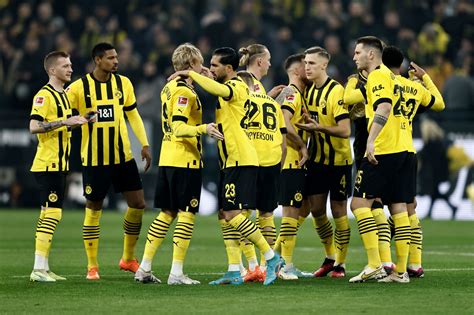
The collar and sleeve designs of FC Köln jerseys also warrant attention. Collars have varied over the years, ranging from traditional polo-style collars to modern V-necks and crewnecks. Each iteration reflects the design trends of its era while staying true to the club's core identity. For instance, retro-inspired kits often feature fold-over collars with red trim, evoking nostalgia for the club's early successes in the 1960s and 1970s. Modern kits, on the other hand, favor streamlined designs with minimal collar detailing, emphasizing functionality and athletic performance. Sleeve cuffs often include red accents or subtle patterns, such as thin red stripes or embossed logos, to add a touch of sophistication and reinforce the club's branding.
Another unique aspect of FC Köln jerseys is their occasional incorporation of special edition designs that celebrate specific events or milestones. For example, kits commemorating anniversaries or significant victories often include additional design flourishes, such as gold accents, commemorative patches, or phrases in the local dialect. These special editions not only serve as collector's items for fans but also highlight the club's willingness to experiment with its visual identity in meaningful ways. One memorable instance was a jersey featuring a stylized representation of the Cologne city skyline, blending urban pride with footballing tradition.
The use of fabric technology in FC Köln jerseys also plays a role in their design. While not immediately visible, the materials used in modern kits are chosen to enhance performance and comfort. Breathable, moisture-wicking fabrics are often paired with sublimation printing techniques to ensure that colors and patterns remain vibrant and durable over time. This technical aspect of the design underscores the club's commitment to providing players and fans with jerseys that are not only visually appealing but also functional for match days and everyday wear.
Finally, the jerseys often include fan-centric elements that deepen the emotional connection between the club and its supporters. For example, some kits feature phrases or mottos in small print, such as "Spürbar Anders" ("Perceptibly Different"), a slogan that encapsulates the club's unique ethos. These subtle touches are often placed near the hem or inside the collar, serving as hidden messages that fans can discover and cherish. Such details demonstrate the club's understanding of its fan base and its desire to create jerseys that are more than just sportswear—they are symbols of identity and community.
In summary, the design elements of FC Köln jerseys are a carefully curated blend of tradition, innovation, and local pride. From the iconic red and white color scheme to the incorporation of the billy goat logo and city-inspired motifs, each kit tells a story that goes beyond the game. These design choices are not arbitrary; they are deliberate efforts to honor the club's history while appealing to modern audiences. Whether through intricate patterns, thoughtful logo placement, or high-performance fabrics, FC Köln jerseys stand as a testament to the club's enduring legacy and its ability to evolve while staying true to its roots.
Cultural Significance of FC Köln Jerseys
The jerseys of FC Köln are more than just sportswear; they are a visual and cultural emblem that encapsulates the identity of the club and its deep-rooted connection to the city of Cologne. To understand the significance of these jerseys, one must delve into the history, symbolism, and the way they serve as a bridge between the football team and the local community.
At the heart of FC Köln's identity is its mascot, the billy goat, which is prominently featured on the jerseys. The goat, known as "Hennes," is not merely a whimsical choice but a symbol steeped in the club's lore. The tradition began in 1950 when a circus gifted a live goat to the team during the Cologne Carnival. This event marked the beginning of a unique mascot legacy, with successive goats—all named Hennes—becoming an integral part of the club's identity. The presence of the goat emblem on the jersey is a nod to this history, reinforcing the idea that FC Köln is not just a football club but a part of Cologne's cultural fabric. The goat symbolizes resilience, humor, and a down-to-earth attitude, traits that resonate with the people of Cologne.
The design of FC Köln jerseys often incorporates the city's colors—red and white. These colors are not arbitrary; they are deeply tied to Cologne's civic identity. Red and white are the traditional colors of the city flag, representing purity (white) and passion or vitality (red). When fans don the jersey, they are not just supporting a football team; they are aligning themselves with the city's heritage. This visual connection fosters a sense of unity and pride among supporters, who see themselves as ambassadors of Cologne's spirit whenever they wear the jersey. In this way, the jersey acts as a unifying symbol that transcends the boundaries of sport, embedding the club in the daily life of the city.
Another layer of cultural significance lies in the way the jerseys are designed to reflect Cologne's ethos of inclusivity and community. Cologne is a city known for its openness, its vibrant carnival culture, and its ability to blend tradition with modernity. The jerseys often feature subtle design elements that pay homage to these aspects. For instance, recent editions of the jersey have included patterns inspired by the Gothic architecture of Cologne Cathedral, one of the city's most iconic landmarks. These design choices are not overt but serve as Easter eggs for fans who recognize the interplay between the club and its urban environment. Such details demonstrate how the jerseys are crafted not just for aesthetic appeal but to tell a story about the symbiotic relationship between FC Köln and its home city.
The connection between the jerseys and the local community is further emphasized by how they are used beyond the football pitch. In Cologne, it is common to see fans wearing FC Köln jerseys during non-sporting events, such as local festivals or even in casual settings like pubs and markets. This practice underscores how the jersey is not confined to the realm of sports but serves as a badge of local identity. It is a way for people to signal their allegiance not just to the team but to the collective spirit of Cologne. This phenomenon is particularly evident during the Cologne Carnival, where the jerseys often appear alongside traditional carnival costumes, blending sports fandom with cultural celebration.
The emotional resonance of the jerseys is also tied to the club's history of ups and downs. FC Köln has experienced periods of glory, including Bundesliga championships, as well as times of struggle in lower divisions. Through these fluctuations, the jersey has remained a constant symbol of hope and perseverance for fans. The act of wearing the jersey during challenging seasons is a declaration of unwavering support, a visual statement that the bond between the club and its supporters is unshakable. This emotional weight makes the jersey more than a piece of merchandise; it becomes a talisman of collective resilience, embodying the city's ability to endure and thrive despite adversity.
Moreover, the jerseys often serve as a medium for storytelling about Cologne's broader cultural landscape. For example, special edition jerseys have been released to commemorate specific events or anniversaries related to the city. These limited-edition designs might incorporate motifs from Cologne's rich history, such as references to its Roman origins or its status as a hub of art and music. By doing so, the jerseys act as a canvas for celebrating Cologne's multifaceted identity, ensuring that the club remains intertwined with the city's narrative.
The jerseys also play a role in fostering a sense of belonging among the diverse fan base of FC Köln. Cologne is a cosmopolitan city, home to people from various cultural and social backgrounds. The jersey becomes a common ground, a shared symbol that allows individuals from different walks of life to find unity in their support for the team. This inclusivity is particularly important in modern football, where clubs often strive to maintain a connection with their local roots while appealing to a global audience. FC Köln's jerseys manage to strike this balance, serving as a bridge between the local and the global while staying true to their core identity.
From a commercial perspective, the jerseys are a tangible representation of the club's brand. However, unlike many football clubs that prioritize global marketing over local authenticity, FC Köln has managed to maintain a distinct local flavor in its jersey designs. This approach not only appeals to die-hard fans in Cologne but also attracts supporters who value authenticity and a strong connection to place. In an era where football is increasingly commercialized, the jerseys of FC Köln stand out as a testament to the idea that a club can remain grounded in its local identity while competing on an international stage.
In summary, the jerseys of FC Köln are a profound expression of the club's identity and its connection to Cologne. They are not merely sportswear but a cultural artifact that embodies the city's history, values, and spirit. Through their design, symbolism, and the way they are embraced by the community, the jerseys serve as a living link between the team and its city. They are a reminder that football is not just a game but a medium through which a city can celebrate its heritage and project its identity to the world.
- The goat mascot "Hennes" symbolizes resilience and humor, reinforcing the club's unique identity.
- The use of red and white reflects Cologne's civic colors and heritage.
- Designs often incorporate local landmarks like Cologne Cathedral, embedding the city's essence into the jerseys.
- The jerseys are worn beyond sports, becoming a symbol of local identity in daily life.
- Special editions celebrate Cologne's history and cultural events, deepening the club's ties to the city.
This interplay of sport, culture, and community ensures that FC Köln jerseys are not just worn but cherished, making them a powerful emblem of the club's enduring bond with Cologne.
Materials and Manufacturing of FC Köln Kits
The materials and manufacturing processes behind FC Köln jerseys are a blend of tradition, innovation, and sustainability. As one of Germany's storied football clubs, FC Köln places significant emphasis on the quality of its kits, not just for performance but also to align with broader environmental and ethical goals. This section delves into the specific materials used in FC Köln jerseys, the steps involved in their production, and how the club and its partners are working to make these processes more sustainable.
The primary material used in FC Köln jerseys is **polyester**, a synthetic fabric widely favored in sportswear for its durability, lightweight nature, and moisture-wicking properties. Modern sportswear polyester is engineered to provide athletes with enhanced comfort and performance. FC Köln jerseys often feature a blend of virgin polyester and recycled polyester. The inclusion of recycled polyester is a key sustainability initiative, as it reduces the reliance on new petroleum-based resources and helps divert plastic waste from landfills and oceans. For instance, many jerseys now incorporate fibers made from recycled PET bottles, a process that transforms waste into high-performance textiles.
While polyester dominates, other materials like **elastane** or **spandex** are often integrated into the fabric to enhance stretch and fit. These additions are particularly important for player comfort, allowing the jersey to move seamlessly with the body during intense physical activity. However, the use of elastane poses challenges in recycling, as it is not as easily separable from polyester in the post-consumer stage. This has prompted manufacturers supplying FC Köln kits to explore alternatives, such as bio-based elastane or designs that minimize its use without compromising functionality.
The **manufacturing process** of FC Köln jerseys is highly specialized and involves several stages. Initially, raw materials—whether virgin or recycled—are converted into yarn through a process called **melt spinning**. In this process, plastic pellets (derived from recycled bottles or new polyester) are melted and extruded into fine threads. These threads are then woven or knitted into fabric. Advanced weaving techniques, such as **circular knitting**, are employed to create a seamless design that reduces chafing and improves aerodynamics for players. This is particularly important in professional football, where even minor improvements in fabric performance can impact player efficiency on the field.
Once the fabric is created, it undergoes **dyeing and printing**. FC Köln jerseys are known for their bold red and white color scheme, often adorned with the club’s crest and sponsor logos. Traditional dyeing methods consume large amounts of water and energy, contributing to environmental degradation. To address this, manufacturers have been transitioning to **waterless dyeing technologies**, such as those using supercritical carbon dioxide or digital printing methods. These innovations not only reduce water consumption but also lower the emission of harmful chemicals into local ecosystems. The club's commitment to showcasing its heritage through vibrant designs does not come at the cost of environmental compromise, as these sustainable dyeing practices are increasingly adopted.
Another critical step in the manufacturing process is **sublimation printing**, used to apply intricate designs, such as player names, numbers, and patterns, onto the jerseys. Sublimation is a preferred method because it embeds the ink directly into the fabric fibers rather than layering it on top, which enhances durability and reduces peeling over time. This technique is also more eco-friendly compared to traditional screen printing, as it generates less waste and uses non-toxic inks. For FC Köln, this ensures that the iconic goat emblem and other design elements remain sharp and intact even after repeated use and washing.
Sustainability efforts in the manufacturing of FC Köln jerseys extend beyond material choices and dyeing processes. The club and its partners have embraced **circular economy principles** in production. For example, excess fabric cuttings from jersey production are repurposed into accessories like scarves or bags, reducing waste. Additionally, some jersey manufacturers have implemented **closed-loop systems**, where offcuts and defective items are collected, broken down, and reintroduced into the production cycle as raw materials. These initiatives not only minimize waste but also support the club’s image as a forward-thinking organization committed to environmental stewardship.
The **supply chain** for FC Köln jerseys also reflects sustainability considerations. Many of the jerseys are produced in facilities that adhere to **Fair Trade** or **WRAP-certified** (Worldwide Responsible Accredited Production) standards. These certifications ensure that workers involved in the production process are treated ethically, with fair wages, safe working conditions, and respect for labor rights. While this may increase production costs slightly, it aligns with FC Köln's ethos of community responsibility, extending the club’s values beyond the pitch and into the global supply chain.
In recent years, FC Köln has also explored **on-demand manufacturing** as a way to reduce overproduction. Traditionally, football clubs produce jerseys in bulk based on projected sales, which can lead to surplus inventory that is either discounted or discarded. By leveraging on-demand production models, FC Köln can produce jerseys as they are ordered, minimizing waste and ensuring that resources are used more efficiently. This approach is facilitated by advancements in digital supply chain management and rapid manufacturing technologies, such as automated cutting and sewing systems.
Another area of focus is the **end-of-life management** of jerseys. FC Köln has partnered with organizations to encourage fans to recycle old jerseys rather than dispose of them. Programs such as "kit recycling" allow fans to return worn-out kits, which are then processed into new materials or donated to communities in need. This initiative not only reduces the environmental footprint of the jerseys but also fosters a sense of fan engagement and shared responsibility for sustainability.

Despite these efforts, challenges remain. For instance, while recycled polyester is a step forward, it is not a perfect solution. The process of recycling PET bottles into fabric still requires energy, and microplastics released during washing can enter waterways. To address this, FC Köln and its partners are investing in research into **biodegradable textiles** and **closed-loop recycling systems** that can fully reclaim materials without downgrading their quality. These efforts aim to create a truly sustainable jersey that can be worn, recycled, and reincarnated without harming the environment.
In summary, the materials and manufacturing of FC Köln jerseys represent a dynamic intersection of performance, tradition, and sustainability. From the use of recycled polyester and waterless dyeing techniques to ethical labor practices and end-of-life solutions, the club is making strides to ensure its kits are not only emblematic of its identity but also reflective of its commitment to a greener future. As technology and innovation continue to evolve, FC Köln’s jerseys may serve as a model for how sports organizations can balance tradition with the urgent need for environmental responsibility.
Sponsorship and Branding on FC Köln Jerseys
The history of sponsors and branding partnerships on FC Köln jerseys offers a fascinating lens into the club's evolution, its commercial strategies, and the broader landscape of football merchandising. Since the introduction of shirt sponsors in German football during the 1970s, FC Köln has navigated the delicate balance between tradition, fan expectations, and the financial imperatives of modern sports branding. This section delves into the key sponsors and branding partnerships that have graced the club’s kits over the years, analyzing their design influence and the ripple effects on the club's identity and fanbase.
FC Köln’s journey with shirt sponsors began in the 1973-74 season, a time when German football was beginning to embrace the commercial potential of kit advertising. The club’s first major sponsor was Effbe, a manufacturer of automotive parts. This early partnership set the stage for what would become a recurring theme in FC Köln’s sponsorship history: partnerships with local and regional businesses. Unlike clubs in larger metropolitan areas like Munich or Berlin, FC Köln has often leaned on sponsors that resonate with the Rhineland region, reinforcing its identity as a club deeply rooted in its local community. Effbe’s logo, though simple by today’s standards, was a significant departure from the unadorned kits of earlier eras. This marked a turning point where the club’s visual identity began to intertwine with corporate branding.
In the 1980s, FC Köln entered into a partnership with DEA, a petrol company, which brought a more prominent and colorful logo to the front of the jersey. This era saw a shift in design philosophy, as clubs across Europe began to experiment with bolder typography and color schemes to accommodate sponsor logos. The DEA logo, with its angular lettering and contrasting colors, influenced FC Köln kits to adopt a more modern aesthetic. However, this shift was not without controversy. Some traditionalist fans expressed concern that the increasing commercialization of the kit was detracting from the club’s heritage. This tension between commercial interests and fan sentiment has been a recurring theme in FC Köln’s sponsorship history, underscoring the challenge of maintaining a balance between revenue generation and preserving the club’s soul.
The 1990s brought further evolution in sponsorship dynamics. FC Köln partnered with REWE, a prominent German supermarket chain, which became one of the club’s longest-standing sponsors. REWE’s association with FC Köln was particularly impactful because of its local roots and widespread brand recognition. The REWE logo, often rendered in bold green and white, complemented the club’s traditional red and white color scheme, creating a harmonious visual identity. This period also saw FC Köln kits experimenting with subtle design changes, such as the inclusion of pinstripes or tonal patterns, to accommodate sponsor logos without overwhelming the shirt’s overall look. The REWE partnership exemplifies how long-term sponsorships can foster a sense of stability and brand alignment, allowing both the club and the sponsor to grow in tandem.
As football entered the 21st century, the commercial landscape shifted dramatically. Sponsorship deals became more lucrative, and clubs like FC Köln had to adapt to the demands of global branding. During this period, the club entered into partnerships with companies such as Toyota and Betway, which represented a departure from the predominantly local sponsors of earlier decades. Toyota’s logo, for instance, introduced a sleek, minimalist design to the kits, reflecting broader trends in global sports branding. However, the arrival of Betway as a sponsor in the mid-2010s sparked debates about the ethics of gambling-related sponsorships in football. This move prompted discussions among fans and administrators about the club’s responsibility to uphold certain moral standards while pursuing financial growth. The inclusion of such sponsors also influenced kit design, as FC Köln had to ensure that the logos were prominently displayed without clashing with the club’s traditional aesthetic.
One of the most intriguing aspects of FC Köln’s sponsorship history is how branding has occasionally extended beyond the front-of-shirt sponsor. For instance, the club has often featured secondary sponsors on the sleeves or back of the jersey. Companies like Sparkasse, a savings bank, and Ford have occupied these spaces, adding layers of complexity to the kit’s design. These additional sponsorships have sometimes posed challenges for kit designers, as they must find ways to integrate multiple logos without creating visual clutter. This has led to creative solutions, such as using smaller, monochromatic versions of logos or placing them in less conspicuous areas of the kit.
The impact of sponsorship on FC Köln’s kit design is not limited to logos alone. Sponsors have also influenced the materials and patterns used in the jerseys. For example, as technical sponsors like Adidas, Puma, and Uhlsport have taken turns outfitting the team, their design philosophies have shaped how sponsor logos are integrated. Puma, for instance, is known for its bold and experimental approach to football kits, which has occasionally led to more daring designs for FC Köln. In contrast, Adidas often emphasizes clean lines and traditional aesthetics, which align well with FC Köln’s historical identity.
The club’s willingness to experiment with sponsor-driven design changes is also evident in special edition kits. For example, FC Köln has occasionally released kits featuring unique branding elements to commemorate anniversaries or special events. These kits often incorporate sponsor logos in unconventional ways, such as embossing them into the fabric or using metallic finishes. While these designs are typically well-received by collectors and fans, they also highlight the growing role of sponsors in shaping not just the financial but also the aesthetic direction of the club.
From a fan perspective, the branding on FC Köln jerseys has often been a point of pride and contention. While many supporters appreciate the financial benefits that sponsors bring—enabling the club to compete at higher levels—others lament the increasing commercialization of football kits. This tension is particularly evident when sponsors change frequently, as it can disrupt the sense of continuity that fans associate with their club’s identity. However, FC Köln has managed to navigate this landscape relatively well, often opting for sponsors that align with the club’s values and regional identity.
In summary, the sponsorship and branding partnerships featured on FC Köln jerseys tell a story of adaptation and evolution. From local businesses like Effbe and REWE to global brands like Toyota and Betway, each sponsor has left its mark on the club’s visual identity. These partnerships have not only shaped the design of the kits but also reflected broader trends in football commerce, such as the shift toward globalized branding and the ethical considerations of sponsorship choices. As FC Köln continues to balance its heritage with the demands of modern football, its jerseys remain a canvas where tradition and innovation coexist.
Fan Engagement and Jersey Popularity
The marketing of FC Köln jerseys is a fascinating case study in how football clubs can strategically leverage merchandise to deepen fan engagement and cultivate a sense of belonging. FC Köln, a club steeped in tradition and regional pride, has long used its jerseys as more than just sportswear—they are symbols of identity, community, and loyalty. This approach is rooted in understanding the emotional connection fans have with the club and its visual representation on the pitch.
One of the key ways FC Köln jerseys are marketed to fans is through **storytelling**. Each season's jersey release is accompanied by a narrative that ties the design to the club's history, values, or local culture. For instance, recent jerseys have featured the club's iconic goat mascot, Hennes, subtly integrated into the design. This is not merely a decorative choice; it serves as a reminder of the club's unique identity and its ties to Cologne's folklore. By embedding such elements into the jersey, FC Köln creates a product that is not just worn but experienced as part of a shared narrative. This kind of storytelling allows fans to feel like they are part of something larger than themselves—a living tradition.
Another critical aspect of fan engagement through jerseys is **limited-edition releases**. FC Köln has successfully used this strategy to generate excitement and exclusivity around their merchandise. Special edition jerseys, such as those commemorating significant milestones like anniversaries or derby victories, are often released in limited quantities. This scarcity not only drives immediate sales but also fosters a sense of urgency and collectability among fans. Owning a limited-edition FC Köln jersey becomes a badge of honor, symbolizing a fan's dedication and connection to the club's most memorable moments. These releases are often accompanied by social media campaigns that tease the design, build anticipation, and encourage fans to share their excitement online, further amplifying the reach of the campaign.
The **role of player endorsements** in jersey popularity cannot be overlooked. FC Köln ensures that its star players are prominently featured in marketing campaigns wearing the latest jerseys. This strategy humanizes the product and allows fans to associate the jersey with their favorite athletes. When fans see players like Jonas Hector or Florian Kainz donning the jersey with pride, it reinforces the idea that wearing the jersey is a way to emulate and support these figures. Moreover, FC Köln often releases behind-the-scenes content showing players involved in the design process or sharing their thoughts on the new kit. This approach not only personalizes the jersey but also gives fans a sense of insider access, making them feel closer to both the players and the club.
In addition to traditional marketing, FC Köln has embraced **experiential marketing** to promote jerseys. The club frequently organizes events where fans can interact with the jerseys in unique ways. For example, they might hold "kit launch parties" at the RheinEnergieSTADION, where fans can purchase jerseys, meet players, and even try on the new designs in a festive atmosphere. These events go beyond transactional sales; they create memorable experiences that fans associate with the jersey. Such experiences foster a deeper emotional attachment, as fans begin to associate the jersey with positive memories of camaraderie and celebration.
The **digital space** has become a powerful tool for FC Köln in amplifying jersey popularity. The club’s website and social media platforms are used not just to showcase the jerseys but to create interactive experiences. For instance, FC Köln has launched virtual try-on features where fans can see how the jersey would look on them using augmented reality (AR). This technology allows fans to engage with the product in a way that feels modern and personalized. Additionally, the club often runs user-generated content campaigns, encouraging fans to post pictures of themselves wearing the jersey with specific hashtags. These campaigns not only boost online visibility but also turn fans into brand ambassadors, organically spreading the appeal of the jersey within their own networks.
A deeper look at the **psychological aspect of jersey design** reveals how FC Köln caters to its fan base. The club often opts for designs that are a blend of tradition and modernity. While the red and white stripes are a constant nod to the club's heritage, subtle updates—such as gradient effects, collar styles, or sleeve patterns—ensure the jerseys feel fresh and relevant. This balance is crucial because it respects the long-standing traditions that older fans cherish while appealing to younger, trend-conscious supporters. The result is a product that can bridge generational divides, uniting fans of all ages under a common visual identity.
Another unique dimension of FC Köln’s jersey marketing is its **focus on local pride**. Cologne is a city with a strong sense of regional identity, and the club capitalizes on this by incorporating local symbols and themes into its jerseys. For example, some designs have included elements inspired by the Cologne Cathedral or the Rhine River. These features resonate deeply with fans who view the club as a representation of their city. By associating the jersey with the cultural landmarks of Cologne, FC Köln positions it as not just a piece of sportswear but a wearable emblem of civic pride.
The **pricing strategy** also plays a role in fan engagement. While high-quality jerseys are priced at a premium, FC Köln ensures accessibility by offering a range of options. Replica jerseys, youth sizes, and even budget-friendly alternatives like scarves or T-shirts featuring the season’s design allow fans with varying budgets to participate in supporting the club. This inclusivity ensures that the jersey is not just a luxury item for a select few but a unifying symbol accessible to a broader fan base. Additionally, the club often runs discount campaigns during key periods, such as the start of the season or before major matches, to encourage more fans to purchase.
Finally, FC Köln jerseys play a pivotal role in **building supporter loyalty** by acting as a conduit for emotional investment. Fans who wear the jersey feel a sense of duty to represent the club, whether at matches, in public, or even in casual settings. This visibility reinforces the club's presence beyond the stadium, turning fans into walking advertisements. Moreover, the act of buying and wearing a jersey is often tied to rituals—such as wearing it on match days or gifting it to fellow supporters—that strengthen the emotional bond between the fan and the club. These rituals are amplified by FC Köln’s consistent messaging that every fan is part of the team, reinforcing the idea that supporting the club is a collective endeavor.
- Storytelling connects fans to the club's history and values through jersey designs.
- Limited-edition releases create excitement and a sense of exclusivity.
- Player endorsements humanize the jerseys and foster fan-player connections.
- Experiential marketing turns jersey launches into communal events.
- Digital engagement leverages AR and social media to personalize fan interactions.
- Local pride is emphasized through designs inspired by Cologne's culture.
- Inclusive pricing ensures broad accessibility for diverse fan demographics.
In conclusion, FC Köln jerseys are not merely products; they are cornerstones of fan engagement. Through a combination of storytelling, exclusivity, player involvement, experiential events, digital innovation, and a focus on local identity, the club has elevated its jerseys into powerful tools for building supporter loyalty. This multi-faceted approach demonstrates how a football club can transform a simple piece of merchandise into a vehicle for emotional connection, community building, and long-term fan allegiance.
Notable FC Köln Jersey Editions
FC Köln, one of Germany's most storied football clubs, has a rich history of jerseys that not only represent the team's identity but also encapsulate moments of triumph, innovation, and cultural significance. Over the years, several FC Köln jersey editions have become iconic or limited-edition pieces, often tied to specific events, players, or design choices that resonate deeply with fans and collectors alike. This section delves into some of the most notable FC Köln jersey editions, exploring their stories and the unique elements that set them apart.
One of the most iconic FC Köln jerseys is the 1977-78 home kit, worn during the club's Bundesliga championship season. This jersey featured the classic red and white stripes that have become synonymous with the team. However, what made this edition stand out was its simplicity and the bold placement of the club's goat emblem—a symbol of the city's resilience and humor. The goat, or "Geißbock," was prominently displayed on the chest, a design choice that symbolized the club's unwavering spirit. This jersey is particularly memorable because it was worn by legendary players like Dieter Müller, who scored a record-breaking six goals in one match during that season. The combination of on-field success and a clean, striking design has made this jersey a favorite among vintage football apparel enthusiasts.
Another limited-edition FC Köln jersey worth noting is the 2017 Karneval kit, a tradition that reflects the club's deep connection to Cologne's famous Karneval celebrations. Released annually around the Karneval season, these jerseys often feature vibrant, playful designs that deviate from the standard home and away kits. The 2017 edition, in particular, was a spectacle of color, with a carnival-inspired motif that included multicolored stripes and intricate patterns mimicking confetti. This jersey was not just a visual treat but also a player-specific design highlight, as it was tailored to feature the names and numbers of key players like Jonas Hector in a stylized font that echoed the festive spirit of the occasion. The jersey was a hit among fans, selling out quickly and becoming a collector's item due to its limited production run. This edition underscored how FC Köln uses its jerseys to bridge football and local culture, creating a sense of community pride.

A more recent example of a player-specific FC Köln jersey is the 2020 Anthony Modeste tribute kit. Designed to honor the French striker's significant contributions to the club, this jersey featured a unique twist: the number 27 (Modeste's squad number) was stylized with an artistic representation of his goal celebrations. The design included subtle graphic elements of his iconic backflip, a moment that had become a fan favorite. This jersey was part of a limited run created to celebrate Modeste's return to the club after a brief stint in China. The emotional connection fans had with this jersey was amplified by the narrative of Modeste's loyalty and impact, making it more than just a piece of merchandise—it was a storytelling medium. Such jerseys demonstrate how FC Köln leverages its kits to honor players while fostering a deeper bond with its supporters.
In the realm of collaborative designs, the 2019 Rewe-sponsored eco-friendly jersey stands out as a forward-thinking edition. This jersey was part of a campaign to promote sustainability in football. Made from recycled materials, it featured a minimalist design with muted red and white tones, emphasizing the club's commitment to environmental causes. The jersey also included a subtle graphic of the Cologne Cathedral on the lower left side, a nod to the city's most famous landmark. What made this edition particularly special was its player involvement; the squad participated in eco-awareness campaigns wearing this kit, further embedding the message into the club's ethos. While not as flashy as some other designs, this jersey marked a shift in how FC Köln approached its branding—merging tradition with modern values.
Another limited-edition release that garnered attention was the 2014 "Effzeh" kit, which celebrated the local nickname for the club ("Effzeh" is how "FC" is pronounced in the Cologne dialect). This jersey was a departure from traditional designs, featuring a bold, graffiti-style "Effzeh" logo emblazoned across the front. The design was a collaboration with local artists, intended to reflect the club's deep roots in the city's urban culture. This jersey was particularly popular among younger fans, as it represented a blend of football and street art aesthetics. It was also worn in a special match against rivals Borussia Mönchengladbach, adding to its significance as a piece of club history tied to a heated derby.
One cannot discuss notable FC Köln jerseys without mentioning the 2000-01 away kit, which is often cited as one of the most unconventional designs in the club's history. This jersey featured a bold black base with striking red and white diagonal stripes, a stark contrast to the typical red-and-white home colors. The design was polarizing at the time, with some fans praising its uniqueness and others critiquing its departure from tradition. However, it gained a cult following due to its association with player-specific moments, such as Carsten Cullmann's memorable performances during away games that season. This kit demonstrated that FC Köln was not afraid to experiment with its visual identity, even if it meant challenging fan expectations.
Finally, the 2021 "Unity Jersey" deserves mention as a jersey that went beyond football to make a social statement. Released during a time of global upheaval, this jersey featured the words "unity" and "gemeinsam" (German for "together") prominently displayed in multiple languages. The design was simple yet powerful, with a plain white base and red accents symbolizing solidarity. This jersey was not tied to a specific player but rather to the collective spirit of the club and its fans. Proceeds from its sales were donated to local charities, further emphasizing the club's role as a community pillar.
These notable FC Köln jersey editions illustrate how the club has used its kits to tell stories—whether through celebrating victories, honoring players, embracing local culture, or making bold statements. From classic championship-era designs to modern, socially conscious releases, each jersey represents a chapter in FC Köln's history. For fans and collectors, these jerseys are more than apparel; they are tangible connections to the club's legacy, its players, and the city of Cologne itself.
- The 1977-78 home kit remains a symbol of the club's golden era.
- The 2017 Karneval kit fused football with Cologne's cultural festivities.
- The 2020 Modeste tribute kit honored a beloved player's legacy.
- The 2019 eco-friendly jersey showcased the club's commitment to sustainability.
- The 2000-01 away kit broke tradition with its unconventional design.
- The 2021 Unity Jersey highlighted the club's role in promoting solidarity.
Through these examples, it is clear that FC Köln jerseys are not just about aesthetics or functionality—they are woven into the fabric of the club's identity, serving as both a reflection of its past and a beacon for its future.
Comparative Analysis with Other Bundesliga Kits
The FC Köln jersey is a distinctive symbol of the club's identity within the Bundesliga, but how does it stack up against the kits of other clubs in Germany's top-flight league? A deep comparative analysis of design, branding, and fan reception reveals both shared traits and unique differentiators that set FC Köln apart in this competitive space. This section explores these dimensions in detail, shedding light on how the club's kit design philosophy aligns—or diverges—from its Bundesliga counterparts.
One of the most recognizable features of the FC Köln jersey is its integration of the club's mascot, the billy goat, into its design. This mascot, representing the club's nickname "Die Geißböcke" (The Billy Goats), is often subtly or prominently featured on the jersey. For instance, recent kits have included embroidered goat motifs or patterns inspired by the animal’s horns. This is a departure from many Bundesliga clubs, such as Bayern Munich or borussia dortmund, which prioritize clean, minimalist designs with strong emphasis on their primary colors—red for Bayern and yellow for Dortmund. While these clubs lean heavily on tradition and simplicity, FC Köln's kits often experiment with more playful or narrative-driven elements, appealing to fans who value a connection to the club’s lore.
In terms of design, FC Köln jerseys are notable for their bold use of red and white stripes, a pattern that has become synonymous with the club. This is in contrast to other Bundesliga teams like RB Leipzig, which often adopt more modern, gradient-heavy designs influenced by their corporate sponsor, Red Bull. Leipzig's kits are often criticized for their perceived lack of tradition, as the club is relatively new and heavily branded by its parent company. In comparison, FC Köln’s striped design exudes a sense of heritage and consistency, harking back to the club's early days in the 1950s. However, this traditional approach can sometimes limit flexibility in design innovation, as seen in the mixed reception of experimental kits like the 2020/21 away jersey, which featured an abstract graphic interpreted as either a modernist take on the city's skyline or, less charitably, as overly busy and distracting.
The branding strategies employed by FC Köln also differ from those of other Bundesliga clubs. While clubs like Eintracht Frankfurt and VfL Wolfsburg prominently feature their sponsors’ logos in a way that often dominates the jersey's visual hierarchy, FC Köln has historically maintained a more balanced approach. For instance, the club’s partnership with insurer REWE has been a long-standing one, and the sponsor logo is integrated in a way that complements rather than overwhelms the design. This subtlety is appreciated by fans who see the jersey as a piece of club memorabilia rather than a billboard. However, this restrained approach can sometimes limit the kits' commercial appeal compared to flashier counterparts. For example, Hertha BSC has occasionally used bold typography and oversized sponsor logos to make their kits stand out in a crowded market, a tactic that appeals to younger, trend-focused fans but risks alienating purists.
Fan reception is another critical area where FC Köln's jerseys differ from those of other Bundesliga clubs. The fan culture in Cologne is deeply rooted in local pride and a strong sense of community, which often translates into high expectations for how the jersey represents the city and its people. FC Köln jerseys are frequently praised for incorporating elements that resonate with the city's culture, such as nods to Cologne Cathedral or the Rhine River in limited-edition designs. This localized approach contrasts with clubs like Werder Bremen, whose kits tend to focus more on universal appeal with abstract patterns or simple color blocking. However, this localized focus can sometimes limit the jersey's broader marketability. For instance, while a kit featuring Cologne-specific motifs might delight local fans, it might not attract as much interest from neutral supporters or international buyers compared to the globally recognized designs of clubs like Borussia Mönchengladbach, whose green-and-black color scheme has a more universal aesthetic.
Another aspect worth examining is the use of third kits and special editions. FC Köln has occasionally released third kits that push boundaries in terms of creativity, such as the 2022 "Carnival Kit," which celebrated the city's famous carnival tradition with vibrant colors and playful patterns. This strategy is shared by clubs like Schalke 04, which has released mining-themed kits to honor its roots in Gelsenkirchen's coal-mining history. However, FC Köln’s third kits often receive more polarized reactions compared to Schalke’s, as the former’s designs can sometimes feel too niche or disconnected from the club's primary identity. In contrast, Schalke’s kits often find a balance between honoring history and maintaining broad appeal.
When it comes to material and functionality, FC Köln kits are on par with other Bundesliga clubs in adopting modern fabric technologies. Jerseys are typically made with moisture-wicking materials and ergonomic fits to enhance player performance, a standard practice across top-tier clubs like Union Berlin and Freiburg. However, where FC Köln sometimes lags is in the fan-focused aspects of kit production, such as offering more inclusive sizing ranges or customizable options. Clubs like Hoffenheim have made strides in this area by providing kits with options for personalized name sets or even eco-friendly materials, which resonate with younger, environmentally conscious supporters. FC Köln could potentially gain an edge by adopting similar practices to broaden its appeal beyond its core fan base.
A final point of comparison lies in the pricing and accessibility of FC Köln jerseys versus those of other Bundesliga clubs. FC Köln kits are generally priced in line with the league average, making them accessible to most fans. However, clubs like Bayern Munich have leveraged their global brand to offer a wider range of merchandise, from high-end player-edition jerseys to affordable replicas, ensuring they capture a broader market segment. FC Köln, while successful in catering to its local fan base, could benefit from expanding its merchandising strategy to include limited-edition collaborations or more affordable options for younger fans, as seen with Mainz 05’s recent efforts to offer budget-friendly kits for school-aged supporters.
In summary, the FC Köln jersey stands out in the Bundesliga for its blend of tradition, localized storytelling, and occasional experimental flair. While it may not have the minimalist elegance of Bayern Munich kits or the bold commercial appeal of Hertha BSC designs, it carves a unique niche by emphasizing heritage and community ties. This approach resonates strongly with its loyal fan base but also presents challenges in reaching a wider audience. By learning from the branding and design strategies of other Bundesliga clubs—while staying true to its identity—FC Köln has the potential to further elevate its kits in both cultural and commercial spheres.
Conclusion and Future of FC Köln Jerseys
The evolution of FC Köln jerseys reflects not only the club's rich history and identity but also the broader trends in football kit design and branding. As we conclude this exploration, it is essential to distill the key takeaways from the journey of FC Köln's kits and project potential future directions for their design and branding strategies. These insights can provide a nuanced understanding of how football clubs can balance tradition with innovation while maintaining a strong connection with their fan base.
One of the most striking takeaways is the role of heritage and symbolism in FC Köln's jersey designs. The club has consistently leaned on its emblematic billy goat mascot and the red-and-white color scheme to evoke a sense of belonging and pride among fans. These elements are not mere aesthetic choices; they are deeply rooted in the club's identity and resonate with the local culture of Cologne. For instance, the billy goat, a symbol of resilience and stubbornness, has been a unifying motif that connects generations of supporters. This demonstrates how jerseys can serve as a visual anchor for a club’s legacy, reinforcing its values and history in a way that transcends the pitch.
Another critical aspect is the commercial evolution of FC Köln jerseys. Over the years, the club has leveraged its kits as a platform for sponsorships and partnerships. From early modest designs with minimal branding to today’s jerseys that prominently feature sponsor logos, the trajectory highlights the growing commercialization of football apparel. However, this shift has not been without challenges. Striking the right balance between monetization and aesthetic appeal is a tightrope walk. While sponsors are necessary for financial sustainability, overloading the jersey with branding can alienate purist fans who value simplicity and tradition. This duality suggests that future FC Köln kits may need to adopt a more strategic approach to sponsorship integration—perhaps through innovative placement or subtle design techniques that allow logos to coexist harmoniously with the kit’s visual identity.
The technological advancements in fabric and manufacturing have also played a significant role in shaping FC Köln jerseys. Modern kits are no longer just about looks; they are engineered for performance. Lightweight, moisture-wicking materials, ergonomic fits, and even eco-friendly production methods have become standard in top-tier football kits. FC Köln has embraced these innovations to some extent, but there is room for further exploration. For instance, the club could experiment with smart textiles that provide real-time performance data or incorporate sustainability initiatives such as jerseys made from recycled ocean plastics. These moves would not only enhance the functionality of the kits but also position FC Köln as a forward-thinking, environmentally conscious brand—appealing to a younger, more eco-aware generation of fans.
Looking ahead, personalization and fan engagement are likely to become central themes in FC Köln's kit strategy. The rise of customizable jerseys—where fans can add their names, preferred numbers, or even unique designs—has been a growing trend across football. FC Köln could take this a step further by introducing limited-edition kits co-designed with fans or local artists, creating a sense of exclusivity and community involvement. Additionally, the use of augmented reality (AR) or QR codes embedded in jerseys could provide fans with interactive experiences, such as accessing exclusive content, match stats, or virtual meet-and-greets with players. This approach would not only boost fan loyalty but also position the club as a tech-savvy organization at the forefront of digital engagement.
Another potential avenue for innovation lies in storytelling through design. FC Köln has occasionally used its kits to tell stories—such as incorporating motifs that celebrate the city of Cologne or commemorate significant milestones. This practice could be expanded in the future by creating kits that narrate specific chapters of the club’s history or honor iconic players and moments. For example, a kit inspired by the 1978 Bundesliga title-winning season or one that pays tribute to legendary figures like Wolfgang Overath could serve as a powerful tool for nostalgia marketing. Such designs would not only appeal to long-time supporters but also educate newer fans about the club’s illustrious past.
The globalization of football also presents both opportunities and challenges for FC Köln's jersey branding. As the club seeks to expand its international fan base, its kits will need to resonate with a diverse audience while staying true to its roots. This might involve incorporating design elements that are universally appealing yet retain a distinct German or Cologne-specific flavor. For example, subtle patterns inspired by Cologne's iconic cathedral or the Rhine River could serve as a visual bridge between local heritage and global appeal. At the same time, the club must be cautious not to dilute its identity in pursuit of broader marketability—a pitfall some clubs have faced when overhauling their kits for international audiences.
In terms of color experimentation, FC Köln has largely stuck to its traditional red and white, with occasional forays into alternative colors like black or gray for away or third kits. While this conservatism is understandable given the strong association of red and white with the club, there is potential for more adventurous color palettes in the future. For instance, the club could explore seasonal or thematic color schemes tied to specific campaigns or events. A neon green kit to symbolize energy and renewal or a deep blue kit inspired by Cologne's nighttime skyline could inject freshness into the lineup without straying too far from the club’s core identity.
Finally, the role of fan input in kit design cannot be overlooked. In an era where fan communities are increasingly vocal and influential, clubs are turning to crowdsourcing and feedback mechanisms to shape their branding decisions. FC Köln could institutionalize this practice by involving fans in the early stages of kit design through polls, workshops, or even design competitions. This not only fosters a sense of ownership among supporters but also ensures that the kits remain closely aligned with fan expectations.
In conclusion, the future of FC Köln jerseys lies at the intersection of tradition, innovation, and fan-centric strategies. While the club must honor its storied past and iconic symbols, it also has the opportunity to push boundaries in design, technology, and engagement. By embracing sustainability, personalization, and storytelling, FC Köln can ensure its kits remain not just sportswear but also cultural artifacts that capture the essence of the club and its community. As football continues to evolve as both a sport and a business, FC Köln’s approach to its jerseys will be a testament to how a club can honor its roots while boldly stepping into the future.
- Jerseys must balance tradition with modern design trends to maintain fan connection.
- Technological and sustainable innovations can enhance both performance and appeal.
- Personalization and interactive features could redefine fan engagement.
- Storytelling through design can celebrate the club’s history and identity.
- Globalization offers opportunities for broader appeal but requires careful identity management.
These considerations paint a picture of a dynamic future for FC Köln jerseys—one where the club can continue to thrive as a symbol of both local pride and global football culture.


