Introduction to the Champions League
The UEFA Champions League, often simply referred to as the Champions League, is the pinnacle of European club football. It stands as one of the most prestigious and widely followed tournaments in the world, drawing massive audiences, both in stadiums and on television screens. To understand its profound impact, we must delve into its origins, evolution, and the unique place it holds in the global football ecosystem.
The tournament traces its roots back to 1955 when it was first introduced as the **European Champion Clubs' Cup**, or informally, the European Cup. The idea was conceived by French sports journalist **Gabriel Hanot**, who proposed a continental competition to determine the best club in Europe. This was inspired by the success of the Copa Latina, a tournament involving clubs from France, Spain, Italy, and Portugal. The European Cup was officially launched by the Union of European Football Associations (UEFA) and initially featured 16 teams invited based on their domestic league performances. The inaugural season saw Real Madrid emerge victorious, setting the tone for what would become a dynasty in the competition's early years.
The format of the European Cup was straightforward in its early days—a straight knockout competition where winners of domestic leagues competed for the title. However, this simplicity belied the tournament's growing influence. By the 1960s and 1970s, the European Cup had established itself as the ultimate prize for clubs across the continent. Teams like **Ajax**, **Bayern Munich**, and **Liverpool** began to assert their dominance, showcasing not just their prowess on the field but also the tactical and cultural diversity of European football. This era also saw the emergence of iconic players whose names are etched in history—**Alfredo Di Stefano**, **Johan Cruyff**, and **Franz Beckenbauer** among them—whose performances elevated the tournament's stature.
The rebranding of the European Cup to the **Champions League** in 1992 marked a significant shift. UEFA sought to modernize the competition to reflect the growing commercialization of football. The new format introduced group stages, which allowed more teams to participate and extended the tournament's duration. This change was partly driven by the need to increase television revenue and global engagement. While purists initially criticized the move as diluting the competition’s exclusivity, the expanded format proved to be a masterstroke. It not only increased the drama and unpredictability of matches but also provided smaller clubs from less prominent leagues a chance to compete on the big stage, even if only in the earlier rounds.
The significance of the Champions League in global football cannot be overstated. It is more than just a competition; it is a theater of dreams where clubs battle not only for trophies but also for prestige, financial rewards, and global recognition. For many clubs, particularly those in smaller leagues, qualification for the Champions League is a financial lifeline. The prize money and exposure from even a single season in the competition can transform a club’s fortunes, enabling investments in infrastructure, youth academies, and player acquisitions. For instance, clubs like **Porto** and **Ajax** have used strong Champions League runs to sustain their operations and punch above their weight in European football.
The tournament also serves as a barometer of a club’s success and ambition. Consistent participation and success in the Champions League are often seen as indicators of a club’s elite status. For example, clubs like **Manchester United**, **Barcelona**, and **Real Madrid** are not just evaluated by their domestic titles but by their European pedigree. This has created a hierarchy in global football, where Champions League success often defines a club’s legacy. For players, the tournament is a platform to showcase their talents to a worldwide audience, often serving as a springboard for individual accolades such as the **Ballon d’Or**. Legends like **Cristiano Ronaldo** and **Lionel Messi** have used Champions League performances to cement their places among the all-time greats.
The global appeal of the Champions League is amplified by its unique blend of **tradition and innovation**. While the competition retains elements of its historic roots—such as the iconic anthem composed by **Tony Britten**, which is played before every match—it has also embraced modern technologies and marketing strategies. From goal-line technology to advanced analytics for fan engagement, the tournament has kept pace with the digital age. This blend of old and new ensures that the Champions League remains relevant across generations of fans.
One of the most fascinating aspects of the tournament’s history is its role in shaping **footballing narratives**. The Champions League has been the stage for some of the most dramatic and memorable moments in the sport. Who can forget **Liverpool’s miraculous comeback** against AC Milan in the 2005 final in Istanbul, or **Manchester United’s last-gasp victory** over Bayern Munich in 1999? These moments are etched in collective memory not just because of their sporting significance but because they embody the unpredictability and emotional intensity that football offers. Such matches have turned the Champions League into a cultural phenomenon, with its highlights discussed in offices, schools, and social media platforms worldwide.
The tournament’s global reach is further underscored by its **economic impact**. Broadcasting rights for the Champions League are among the most lucrative in sports, with networks across the world vying to secure them. This has not only enriched UEFA but also provided clubs with unprecedented financial opportunities. However, this commercial success has also sparked debates about the growing inequality between elite clubs and those in smaller leagues, as the rich get richer through repeated participation and success.
In terms of its **social impact**, the Champions League has become a unifying force in a fragmented world. It brings together fans from diverse cultures, languages, and backgrounds, all bound by their love for the game. The tournament’s ability to foster a sense of community, even among rival supporters, is a testament to the unifying power of sport. For many, the Champions League is more than a competition—it is a shared experience that transcends borders and languages.
The Champions League is also a repository of **statistical intrigue**. From the dominance of certain clubs like **Real Madrid**, which has won the title a record 14 times, to the rise of underdog stories such as **Leicester City’s quarterfinal run in 2017**, the competition offers a wealth of data for analysts and enthusiasts. These stats not only highlight the competitive nature of the tournament but also provide a historical lens through which we can study the evolution of tactics, player roles, and team strategies over decades.
In conclusion, the Champions League is more than just a football tournament; it is a global spectacle that encapsulates the beauty, drama, and unpredictability of the sport. From its humble beginnings as the European Cup to its modern incarnation as a multi-billion-dollar enterprise, the competition has grown in scope and significance. It is a celebration of football’s ability to unite, inspire, and entertain on the grandest stage. For fans, players, and clubs alike, the Champions League represents the highest echelon of achievement in the beautiful game.
Evolution of the Tournament Format
The UEFA Champions League, one of the most prestigious club football tournaments in the world, has undergone significant transformations since its inception. Its evolution in structure reflects not only the growth of European football but also the changing dynamics of competition, commercialization, and globalization. To understand the modern format of the tournament, it is essential to trace its roots and examine how it has adapted over the decades to accommodate the sport's expanding scope and audience.
The tournament began in 1955 as the European Champion Clubs' Cup, a straightforward knockout competition involving only the champions of each European nation's domestic league. This format was simple yet effective for its time, as it pitted the best teams from across Europe in direct head-to-head matches. The inaugural season featured 16 teams, including Real Madrid, who would go on to dominate the early years of the competition by winning the first five titles. The knockout nature ensured high stakes in every match, but it also limited participation to a small pool of clubs, primarily from Western Europe, as travel and logistics were challenging in the mid-20th century.
In the 1960s and 1970s, the tournament began to see subtle changes. While the knockout format remained, the introduction of two-legged ties in each round added an extra layer of strategy. Teams now had to perform consistently across home and away matches, which tested their adaptability and resilience. This change also allowed for more games, increasing the tournament's appeal and revenue potential. However, the exclusivity of the competition remained intact, as only league champions were eligible to participate. This created a clear hierarchy where smaller nations' champions often faced insurmountable odds against established European powerhouses like Benfica, Ajax, and Bayern Munich, who dominated the era.
The 1990s marked a turning point in the tournament's history with the rebranding to the UEFA Champions League in 1992. This change was not merely cosmetic; it signaled a fundamental shift in structure and philosophy. The competition expanded to include not just league champions but also runners-up and, eventually, teams finishing in third and fourth places in stronger leagues. This expansion was driven by commercial interests, as UEFA sought to involve more high-profile clubs to boost television revenues and global viewership. The group stage was introduced in the 1991-92 season, initially as a precursor to the knockout rounds. This innovation allowed for more matches between top teams, creating a "mini-league" dynamic that kept fans engaged over a longer period.
The group stage format has since become a cornerstone of the modern Champions League. Initially consisting of eight teams divided into two groups, it has grown to include 32 teams in eight groups of four. This expansion has allowed for greater inclusivity, with clubs from less dominant footballing nations getting opportunities to compete on the European stage. However, it has also raised criticisms about the dilution of quality and the over-representation of teams from wealthier leagues. For instance, the presence of multiple teams from England, Spain, and Germany often contrasts with the single representative from smaller footballing nations, creating a perceived imbalance.
Another significant change in the modern era is the introduction of the round of 16 as a distinct stage following the group phase. This replaced the second group stage that was used briefly in the early 2000s. The second group stage, while intended to provide more high-profile matches, was criticized for elongating the tournament unnecessarily and causing fixture congestion. The round of 16, with its straightforward knockout format, streamlined the competition and added drama by reintroducing the "winner-takes-all" dynamic earlier in the season.
The financial aspect of the Champions League cannot be overlooked when discussing its structural evolution. The tournament's growth into a multi-billion-euro enterprise has driven changes aimed at maximizing revenue. For example, the allocation of slots to leagues based on UEFA coefficient rankings ensures that top-performing leagues are rewarded with more entries. This has solidified the dominance of "big five" leagues (England, Spain, Germany, Italy, and France) while making it increasingly difficult for clubs from smaller leagues to advance deep into the tournament. The financial disparity has also led to debates about whether the competition is becoming too predictable, with the same handful of clubs—such as Real Madrid, Barcelona, Bayern Munich, and Liverpool—consistently reaching the latter stages.
In recent years, there has been experimentation with the format to address these concerns. Proposals like the Swiss model, which was considered for implementation in 2024, aim to create a more dynamic group stage where teams face a greater variety of opponents. While this idea was met with mixed reactions, it underscores UEFA's willingness to innovate while balancing tradition and commercial imperatives. The push for a European Super League in 2021, though unsuccessful, further highlighted tensions between UEFA's inclusive approach and the desire of elite clubs to create a more exclusive competition.
One of the less discussed but critical aspects of the tournament's evolution is the role of qualification pathways. Over time, the number of preliminary rounds has increased to accommodate the growing number of UEFA member associations. Teams from smaller leagues now face a grueling series of matches just to reach the group stage, while top clubs from major leagues often enter directly into the main draw. This has created a two-tier system within the competition itself, where some teams' journeys are far more arduous than others.
The Champions League's structure has also been shaped by external factors such as globalization and technology. The advent of satellite television and, later, streaming services has made the tournament accessible to a global audience, which in turn has influenced scheduling and match timings to cater to viewers in different time zones. Additionally, the rise of data analytics and sports science has impacted how teams approach the competition, with managers now using detailed performance metrics to plan for the unique challenges of European football.
In summary, the Champions League's structure has evolved from a simple knockout tournament for league champions into a sprawling, multi-phase competition that blends tradition with modernity. Each change—whether driven by inclusivity, commercial interests, or logistical necessity—has left an indelible mark on the tournament's identity. While the core excitement of European club football remains intact, the format will likely continue to evolve as the sport grapples with new challenges, from financial inequality to the demands of an ever-expanding global fanbase.
- The tournament began as a straightforward knockout competition in 1955.
- The group stage was introduced in 1992, revolutionizing the competition.
- The round of 16 replaced the second group stage to streamline the format.
- Financial and commercial factors have heavily influenced recent changes.
- Proposals like the Swiss model hint at further evolution in the coming years.
This deep dive into the Champions League's structural evolution reveals a tournament that has continually adapted to the needs of the time while striving to maintain its prestige and competitive spirit.
Top Performing Clubs in History
The UEFA Champions League is the pinnacle of European club football, a competition that has seen some of the world's most iconic teams etch their names into history. When analyzing the top performing clubs in the competition's history, it is essential to consider not just the number of titles won but also their overall appearances, consistency in reaching advanced stages, and the eras in which they dominated. This section delves into the clubs that have left an indelible mark on the tournament, exploring their historical significance and the factors behind their success.
The most successful club in Champions League history is Real Madrid, with an unparalleled 14 titles to their name. Real Madrid's dominance is not merely a function of their trophy count but also their ability to perform in high-pressure situations. They won the first five editions of the European Cup (1956–1960), a feat that set the tone for their legacy. Their success has spanned multiple eras, from the dominance of Alfredo Di Stefano and Ferenc Puskas in the 1950s to the Galacticos era of Zinedine Zidane, Ronaldo, and Cristiano Ronaldo in the 2000s and 2010s. Notably, Real Madrid has appeared in 17 finals, winning over 82% of them—a testament to their ability to rise to the occasion. Their recent run of four titles in five years (2014–2018) underlines their modern-era consistency, driven by a mix of tactical flexibility and world-class talent acquisition.
Another club that demands attention is AC Milan, which has won the competition seven times. While their most recent title came in 2007, AC Milan's historical significance cannot be overlooked. They were a dominant force in the late 20th century, particularly during the late 1980s and early 1990s under the stewardship of Arrigo Sacchi and later Fabio Capello. This era saw them field some of the most defensively astute teams in history, anchored by the likes of Franco Baresi and Paolo Maldini. AC Milan also holds the record for the most finals appearances without winning (losing five times), which highlights their consistent ability to reach the pinnacle of the competition even when they fell short. Their blend of tactical innovation—such as the use of zonal marking and high pressing under Sacchi—and individual brilliance made them a benchmark for European excellence.
Closely following AC Milan is Bayern Munich, with six titles. Bayern's success is characterized by their dominance in the 1970s, where they won three consecutive titles (1974–1976), and their resurgence in the 2010s and 2020s. The Bavarian giants are unique in their ability to maintain domestic and European success simultaneously, a feat few clubs can match. Their 2020 title run, where they won every single game in the competition, is a modern record that showcases their ruthlessness. Bayern's success is rooted in a strong youth academy, shrewd transfers, and a playing philosophy that emphasizes high-intensity attacking football. Their ability to retain key players like Thomas Müller and Manuel Neuer while integrating new talents ensures they remain a perennial threat in the competition.

Liverpool, with six titles, is another club that stands out for its consistent success in the Champions League. While their first title came in 1977, Liverpool's modern era has seen them become a force under Jürgen Klopp, winning in 2019 and reaching three finals in five years (2018, 2019, 2022). What makes Liverpool unique is their ability to excel in high-drama matches, such as their comeback victories against Barcelona in 2019 and AC Milan in the 2005 final (the "Miracle of Istanbul"). Their European pedigree is bolstered by a passionate fan base and a playing style that thrives under pressure. Liverpool's success is also tied to their knack for developing or signing players who fit their system, such as Mohamed Salah and Virgil van Dijk, who have been instrumental in their recent campaigns.
Barcelona, with five titles, represents a different kind of success story. While their trophy count is slightly lower than some of their rivals, Barcelona's influence on the Champions League is rooted in their philosophical approach to the game. Under managers like Johan Cruyff and Pep Guardiola, Barcelona redefined how football could be played in Europe, emphasizing possession-based "tiki-taka" football. Their 2009 and 2011 triumphs, in particular, were emblematic of a team that not only won but did so with a style that became a global benchmark. Barcelona's consistency in reaching the latter stages of the competition during the 2000s and early 2010s is a reflection of their ability to nurture homegrown talents like Lionel Messi, Xavi, and Andres Iniesta while integrating strategic signings.
It is also worth examining appearances and consistency as metrics of success. Clubs like Manchester United (three titles, five runner-up finishes) and Juventus (two titles, seven runner-up finishes) stand out for their frequent presence in the later stages of the competition. Manchester United's 1999 treble-winning campaign and their dramatic comeback against Bayern Munich in that final remain iconic moments. Juventus, despite their lack of recent success, have appeared in nine finals—more than any other club except Real Madrid and AC Milan—which underscores their historical stature even if they have often fallen short in decisive matches.
When analyzing consistency over time, it is intriguing to note how some clubs have maintained a presence in the competition's advanced stages despite not always lifting the trophy. For example, Chelsea has one of the better records in the modern era, with two titles (2012, 2021) and consistent quarterfinal and semifinal appearances since the mid-2000s. Their 2012 victory, achieved against Bayern Munich in their home stadium, was a triumph of resilience and tactical discipline. Similarly, Ajax, though with only four titles (the last in 1995), had a golden period in the early 1970s and a resurgence in the mid-1990s, where they showcased a model of youth development and attacking football that inspired future generations.
Another layer of analysis involves clubs that have underperformed relative to their resources. For instance, Paris Saint-Germain (PSG) and Manchester City, despite their financial might in recent years, have only one title between them (Manchester City's 2023 victory). This highlights the challenge of translating domestic dominance into European success, as the Champions League demands a different kind of adaptability and mental fortitude.
In conclusion, the Champions League's history is shaped by clubs that have not only won titles but have done so with a blend of tactical innovation, star power, and consistency. Real Madrid stands alone as the most decorated club, but the narratives of AC Milan, Bayern Munich, Liverpool, and Barcelona reveal that success in this competition is multifaceted. Whether through dynasties, tactical revolutions, or moments of sheer drama, these clubs have defined what it means to perform at the highest level in European football.
- Real Madrid: 14 titles, 17 finals, dominance across eras.
- AC Milan: 7 titles, tactical innovation in the 1980s and 1990s.
- Bayern Munich: 6 titles, consistency and record-breaking 2020 campaign.
- Liverpool: 6 titles, comeback specialists with a strong European identity.
- Barcelona: 5 titles, philosophical impact with "tiki-taka" football.
These clubs exemplify the blend of tradition, innovation, and grit required to succeed in the Champions League, making them the benchmarks against which all others are measured.
Legendary Players and Their Contributions
The UEFA Champions League has been a stage for some of the most extraordinary talents in football history. Over the years, certain players have not only performed at the highest level but have also etched their names into the annals of the competition's history through their remarkable contributions. These players have redefined what it means to excel in Europe's premier club competition, blending skill, consistency, and moments of sheer brilliance to leave a lasting legacy.
One of the first names that comes to mind when discussing legendary Champions League performers is **Cristiano Ronaldo**. The Portuguese forward has been synonymous with the tournament, holding the record for the most goals scored in its history—an astonishing 140 goals as of the latest updates. Ronaldo's impact transcends mere statistics; his ability to deliver in high-pressure situations has been unparalleled. Whether it was his hat-trick against Atlético Madrid in 2019 to single-handedly overturn a 2-0 first-leg deficit or his last-minute goals in knockout stages, Ronaldo has consistently been the player for the big occasion. His five Champions League titles with Manchester United and Real Madrid are a testament to his dominance. What sets Ronaldo apart is his adaptability—he evolved from a tricky winger in his early years to a clinical penalty-box predator in his later career, a transformation that allowed him to remain a threat well into his 30s.
Another player who has left an indelible mark is **Lionel Messi**. While his goal tally of 129 is slightly behind Ronaldo's, Messi's influence on the Champions League has been equally profound. His artistry on the ball, combined with a vision that often seems otherworldly, has produced some of the most iconic moments in the competition. Messi's solo goal against Real Madrid in the 2011 semi-final, where he dribbled past multiple defenders before slotting the ball past Iker Casillas, is often cited as one of the greatest goals in Champions League history. Beyond individual brilliance, Messi's role in Barcelona's tiki-taka era was central to their dominance in the late 2000s and early 2010s. With four Champions League titles, Messi has been a cornerstone of Barcelona's success, often orchestrating attacks and delivering when it mattered most. His ability to control the tempo of a game and find spaces in tightly packed defenses has made him a nightmare for opponents.
Moving beyond the modern era, we must acknowledge **Paolo Maldini**, a player whose impact was felt not in goals but in his defensive mastery. Maldini, who spent his entire career at AC Milan, is a symbol of consistency and excellence in the Champions League. He won the competition five times, a feat achieved by only a handful of players. Maldini's reading of the game, impeccable timing in tackles, and leadership on the field were instrumental in Milan's European successes. His performance in the 2003 final against Juventus, where he marshaled the defense to a clean sheet in a tense penalty shootout victory, exemplifies his contribution. Maldini’s longevity—he played in the Champions League across three decades—underscores his unparalleled dedication and skill. It is also worth noting that he scored the fastest goal in a Champions League final, finding the net after just 51 seconds in the 2005 final against Liverpool, a match that would later be remembered for Liverpool's dramatic comeback.
The Champions League has also witnessed the genius of **Zinedine Zidane**, both as a player and later as a coach. As a midfielder, Zidane's elegance and technique were on full display in the 2002 final, where he scored what is arguably the most iconic goal in the competition's history—a left-footed volley from the edge of the box against Bayer Leverkusen. That goal not only secured Real Madrid's ninth European title but also encapsulated Zidane's ability to produce magic in the most critical moments. While his playing career in the Champions League was relatively short compared to others on this list, Zidane’s impact was immense. His vision and ability to dictate play from midfield were vital to Real Madrid's success during his time.
In the realm of goal-scorers, **Raúl González** deserves special mention. The Spanish forward was a talisman for Real Madrid during their dominant years in the late 1990s and early 2000s. With 71 goals in the competition, Raúl was the all-time top scorer before Ronaldo and Messi surpassed him. What made Raúl exceptional was his knack for scoring crucial goals in key matches. He was not just a poacher but a player who combined intelligence, movement, and a relentless work ethic. His three Champions League titles with Real Madrid were a reflection of his consistency and ability to perform under pressure.
No discussion of Champions League legends would be complete without mentioning **Andrés Iniesta** and **Xavi Hernández**, the midfield maestros of Barcelona's golden era. While they may not have the goal tallies of Ronaldo or Messi, their influence on the way the game was played in the Champions League was revolutionary. Iniesta's last-minute goal against Chelsea in the 2009 semi-final is a moment etched in Champions League folklore, a strike that epitomized his calmness and technique under immense pressure. Xavi, on the other hand, was the metronome of Barcelona's possession-based style, dictating play with his pinpoint passing and spatial awareness. Together, they formed the engine of a team that won three Champions League titles in six years, redefining what it meant to control a game at the highest level.
It is also important to highlight players whose contributions might not always be reflected in goals or assists but were crucial to their teams' success. **Clarence Seedorf**, for instance, is the only player to have won the Champions League with three different clubs—Ajax, Real Madrid, and AC Milan. His versatility as a midfielder, combined with his ability to perform in high-stakes matches, made him a unique figure in the competition's history. Seedorf’s ability to blend physicality with technical prowess allowed him to excel in various roles, whether as a box-to-box midfielder or a deep-lying playmaker.
Lastly, we must consider the impact of **goalkeepers** in shaping Champions League history. **Iker Casillas** and **Gianluigi Buffon** stand out as two of the greatest to have graced the competition. Casillas, with his incredible reflexes and ability to make game-changing saves, was a key figure in Real Madrid's three Champions League titles during his tenure. Buffon, despite never winning the trophy, had numerous standout performances, particularly in Juventus' run to the 2017 final. His consistency and leadership in goal were vital to his team's successes, even in defeat.
These players, among others, have defined what it means to leave a legacy in the Champions League. Whether through goals, defensive solidity, or midfield orchestration, their contributions have shaped the competition's history. They have not only won titles but have also provided moments that fans and analysts will discuss for generations. Their ability to rise to the occasion in a tournament as demanding as the Champions League is what separates them from the rest, making them true legends of the game.
- Cristiano Ronaldo: Record goal-scorer and five-time winner, known for clutch performances.
- Lionel Messi: Master of artistry and control, central to Barcelona's dominance.
- Paolo Maldini: Defensive stalwart and symbol of Milan's European success.
- Zinedine Zidane: Midfield genius with unforgettable moments, like his 2002 volley.
- Raúl González: Prolific scorer and leader for Real Madrid in its golden years.
- Andrés Iniesta and Xavi Hernández: Midfield duo that redefined possession football.
- Clarence Seedorf: The only player to win with three different teams, showcasing versatility.
- Iker Casillas and Gianluigi Buffon: Goalkeeping legends who made match-saving contributions.
The Champions League has been a canvas for these players to showcase their greatness, and their stories continue to inspire the next generation of footballers aiming to make their mark in this historic tournament.
Record-Breaking Moments and Milestones
The UEFA Champions League, Europe's premier club football competition, has been a stage for some of the most extraordinary athletic achievements in the sport's history. Within its rich tapestry of matches and seasons, there are moments that stand out not only for their immediate impact but for their enduring place in the record books. This section delves into some of the most remarkable record-breaking moments and milestones that have defined the competition's legacy.
One of the most discussed records in Champions League history is the most goals scored by an individual player. Cristiano Ronaldo holds this record with an astonishing 140 goals (as of recent updates). What makes this feat even more impressive is the consistency with which he has scored across multiple clubs—Manchester United, Real Madrid, and Juventus. Ronaldo's ability to deliver in high-pressure knockout games, including scoring 11 goals in the 2013-14 knockout stages alone, underscores his unparalleled impact. Lionel Messi, his closest rival in this category, has 129 goals. While both players have redefined goal-scoring in modern football, Ronaldo's edge in this statistic is a testament to his longevity and adaptability in different systems and teams.
Another striking milestone is the highest attendance at a Champions League match. This record was set on March 12, 1997, during a quarter-final match between Bayern Munich and Manchester United at the old Olympiastadion in Munich. The crowd of 105,000 spectators packed the stadium, creating an electric atmosphere. This figure stands out not just for its size but for the era in which it occurred—before the widespread modernization of stadiums and their reduced capacities for safety and comfort. The sheer scale of this gathering highlights how the Champions League has historically been a unifying event, drawing fans from across Europe to witness top-tier football. While modern matches rarely approach such numbers due to seating restrictions, this record remains a symbol of the competition's mass appeal in its earlier years.
The longest unbeaten streak in Champions League history is another record that showcases the dominance of certain teams. Between September 2019 and May 2022, Bayern Munich went on an incredible run of 32 games without defeat in the competition. During this streak, they won 28 matches and drew 4, scoring 103 goals while conceding only 26. This unbeaten run included their triumphant 2019-20 campaign, where they won every single match en route to lifting the trophy—a perfect season that no other team has achieved in the Champions League era. Bayern's streak was characterized by their high-pressing style, clinical finishing, and a squad depth that allowed them to rotate without losing effectiveness. This record not only reflects their tactical superiority but also their mental resilience, as maintaining such a streak in a competition as grueling as the Champions League is a rare feat.
While individual and team records are often highlighted, some records are defined by specific matches or events that broke new ground. For instance, the highest-scoring match in Champions League history occurred on November 22, 2000, when Monaco defeated Deportivo La Coruña 8-3. This 11-goal thriller is a rarity in a competition often defined by tight, low-scoring affairs in the later stages. The match was a showcase of attacking football, with Monaco's Dado Pršo scoring four goals—a feat few players have replicated in a single Champions League game. This match serves as a reminder that, even in a tournament known for its defensive solidity, there are moments of unbridled attacking exuberance that captivate audiences.
Another fascinating aspect of Champions League history is the youngest and oldest goal scorers. The youngest player to score in the competition is Ansu Fati, who netted for Barcelona against Inter Milan in December 2019 at just 17 years and 40 days old. This record reflects the increasing emphasis on youth development in top clubs, as younger players are given opportunities to shine on the biggest stage. On the other end of the spectrum, the oldest goal scorer is Francesco Totti, who scored for AS Roma against Manchester City in September 2014 at the age of 38 years and 59 days. Totti's goal is a symbol of experience and enduring quality, showing that age is not necessarily a barrier to performing at the highest level.
In addition to individual and team records, the Champions League has also seen unusual statistical anomalies that add depth to its history. For example, the fastest goal in the competition was scored by Roy Makaay of Bayern Munich against Real Madrid in 2007, finding the net just 10.12 seconds after kickoff. This lightning-fast strike exemplifies how quickly momentum can shift in football and how even the briefest lapse in concentration can be punished. Similarly, the most goals scored in a single season by a team is Liverpool's 47 goals during their victorious 2017-18 campaign. This record reflects not only Liverpool's attacking prowess under Jürgen Klopp but also the evolving nature of the competition, where high-scoring teams are increasingly rewarded for their aggressive playstyles.
Beyond these well-known records, there are lesser-known but equally significant milestones. One such example is the record for the most consecutive clean sheets, held by Arsenal during the 2005-06 campaign. The Gunners, led by goalkeeper Jens Lehmann, went ten consecutive matches without conceding a goal, a defensive masterclass that carried them to the final. While Arsenal ultimately lost the final to Barcelona, their defensive record remains a benchmark for teams prioritizing solidity at the back. This streak also highlights how the Champions League is not solely about attacking brilliance but also about the art of defending under immense pressure.
The competition has also seen remarkable comebacks that have redefined what is possible in football. One of the most famous is Liverpool's turnaround in the 2005 final against AC Milan, now known as the "Miracle of Istanbul." Trailing 3-0 at halftime, Liverpool scored three goals in six second-half minutes and eventually won on penalties. This match not only broke records for the largest halftime deficit overcome in a final but also cemented the idea that no lead is safe in the Champions League. Such moments of drama reinforce the competition's reputation as a stage where history can be written in 90 minutes.

Lastly, the Champions League's evolution over time has seen the emergence of records tied to its structure and format. For instance, Real Madrid's dominance in the early years of the competition—winning the first five editions from 1956 to 1960—set a standard for sustained excellence that has rarely been matched. Their early monopoly of the tournament laid the foundation for their record 14 titles, a mark that underscores their historical significance in European football.
In conclusion, the Champions League's record books are filled with stories of brilliance, resilience, and occasional chaos. From Ronaldo's goal-scoring feats to Bayern's unbeaten runs and historic high-scoring matches, these milestones provide a deeper understanding of what makes the competition so enthralling. They are not just numbers but narratives of human achievement, team dynamics, and the unpredictable beauty of football.
Geographical Dominance and Regional Trends
The UEFA Champions League, Europe's premier club football competition, has witnessed a fascinating evolution in terms of geographical dominance and regional trends since its inception in 1955 as the European Cup. Analyzing the performance of different regions and leagues provides a lens through which we can understand the shifting power dynamics in European football. This examination not only highlights the historical dominance of certain leagues but also reveals underlying factors such as economic growth, infrastructure development, and tactical innovations that have shaped the competition's landscape.
One of the most striking features of the Champions League's history is the dominance of **Western European leagues**, particularly those from Spain, England, Italy, and Germany. These four nations account for the majority of tournament victories. Spain leads the pack with 19 titles, shared primarily between Real Madrid (14 titles) and Barcelona (5 titles). This supremacy can be attributed to the historical strength of La Liga in nurturing both domestic talent and attracting global superstars. Real Madrid's early dominance in the European Cup era—winning the first five editions from 1956 to 1960—set a precedent for Spanish football's prestige. The league's ability to consistently produce teams capable of deep runs in the tournament underscores its structural advantages, including high commercial revenues and a focus on technical, possession-based football.
England's Premier League, while a relative latecomer to sustained success in the Champions League, has become a dominant force in the modern era. With 14 titles spread across clubs like Liverpool (6 titles), Manchester United (3 titles), and Chelsea (2 titles), the Premier League showcases how economic liberalization and global broadcasting deals have elevated its competitiveness. The league's financial clout, driven by lucrative TV rights agreements, has enabled clubs to recruit top-tier talent worldwide. This influx of resources has not only improved squad depth but also facilitated tactical flexibility, allowing English clubs to adapt to various European playing styles. Notably, the 2018–19 season saw an all-English final (Liverpool vs. Tottenham), reflecting the Premier League's growing influence.
Italy's Serie A enjoyed a golden era in the late 20th century, particularly during the 1980s and 1990s. With AC Milan, Inter Milan, and Juventus leading the charge, Italian clubs secured 12 titles. AC Milan's dominance under managers like Arrigo Sacchi and Fabio Capello exemplified a period where Serie A was considered the most tactically advanced league. The adoption of catenaccio and later, more fluid systems, allowed Italian teams to excel in Europe. However, the league's decline in the 2000s—attributable to financial mismanagement, match-fixing scandals, and a lack of investment in infrastructure—has seen its influence wane. Despite this, Serie A's historical contributions remain significant, particularly in demonstrating how a focus on defensive solidity and tactical discipline can yield success in European competitions.
Germany's Bundesliga, while less prolific in terms of total titles (8), has maintained a steady presence through Bayern Munich's six victories. Bayern's consistency is a case study in how a single club can dominate a league and translate that dominance into European success. The Bundesliga's model of financial prudence, coupled with a strong emphasis on youth development and fan-centric policies, has allowed German football to remain competitive without the same level of commercial excess seen in other leagues. This sustainable approach contrasts sharply with the high-spending strategies of some rivals, offering a unique regional trend within the Champions League narrative.
Beyond the "big four" leagues, other regions have had moments of brilliance but lack the sustained success of their Western European counterparts. **Eastern Europe**, for instance, saw early success in the European Cup through clubs like Steaua Bucharest (Romania) and Red Star Belgrade (Yugoslavia), both of whom won titles in the 1980s. However, the fall of the Iron Curtain and subsequent economic challenges led to a decline in Eastern European football's competitiveness. Limited financial resources and player exodus to wealthier leagues have made it difficult for clubs from this region to maintain a foothold in the Champions League. This trend underscores how geopolitical and economic factors can shape a region's footballing trajectory.
The **French Ligue 1** offers an interesting case of intermittent success. With only one title (Marseille in 1993), France has struggled to establish a consistent presence at the highest level of European competition. However, the rise of Paris Saint-Germain (PSG) in the 2010s, fueled by Qatari investment, has shifted the narrative. PSG's repeated deep runs in the Champions League, including a runner-up finish in 2020, highlight the impact of state-backed financial models on regional competitiveness. This trend raises questions about the long-term sustainability of such models and their broader implications for European football's balance of power.
The **Netherlands** is another region with a storied but limited presence in Champions League history. Ajax's golden era in the early 1970s, when they won three consecutive European Cups, remains a high point for Dutch football. Ajax's success was built on the revolutionary Total Football philosophy pioneered by Rinus Michels and Johan Cruyff. However, the financial constraints of the Eredivisie have made it difficult for Dutch clubs to compete consistently with wealthier leagues. This phenomenon illustrates how a league's economic base can limit its ability to sustain success, even when tactical innovation is present.
A deeper dive into **regional trends** also reveals the growing influence of **non-traditional football markets**. The emergence of clubs from **Portugal**, such as Porto and Benfica, demonstrates how smaller leagues can occasionally disrupt the established order. Porto's victories in 1987 and 2004 are notable examples of how shrewd scouting, player development, and tactical acumen can overcome financial disadvantages. Similarly, the rise of clubs from **Turkey** (e.g., Galatasaray's 2000 triumph) and **Ukraine** (Dynamo Kyiv's strong showings in the 1990s) suggests that while these leagues may not dominate annually, they can produce moments of brilliance when circumstances align.
One cannot discuss regional trends without addressing the **globalization of football** and its impact on the Champions League. The influx of international talent into top leagues has blurred regional boundaries, enabling clubs to field teams that are less representative of their domestic player base. This globalization has also intensified competition, as clubs from traditionally weaker regions can now attract world-class managers and players. For instance, the rise of analytics and sports science has leveled the playing field to some extent, allowing teams with fewer resources to compete more effectively.
In summary, the geographical dominance and regional trends in Champions League history reveal a dynamic interplay of economic, tactical, and cultural factors. While Western European leagues have maintained their stronghold, the competition has also seen flashes of brilliance from less dominant regions. These patterns not only tell the story of football's evolution but also provide a roadmap for understanding how future shifts in power might occur. Whether through sustained investment, tactical innovation, or structural reform, the Champions League continues to be a barometer of football's ever-changing regional dynamics.
Economic Impact of the Champions League
The Champions League is not merely a showcase of Europe's top football talent; it is also a colossal economic engine that drives revenue across multiple sectors. From clubs and broadcasters to host cities, the tournament's financial implications are profound and multifaceted. This section delves into the economic impact of the Champions League, unpacking how it reshapes the financial landscapes for its key stakeholders.
For clubs, participation in the Champions League is often a financial game-changer. UEFA's prize money structure is designed to reward performance and progression, with clubs earning significant sums at every stage. For instance, simply qualifying for the group stage can bring a club around €15 million, with additional payouts for wins and draws in the group matches. Reaching the knockout stages, semifinals, and finals brings exponentially higher rewards. For example, the winner of the tournament can earn upwards of €100 million when factoring in market pool shares, which are distributed based on the broadcast deals in a club’s home country. This financial windfall is particularly critical for smaller clubs, as it enables them to invest in infrastructure, player acquisitions, and youth development. A club like Ajax in the 2018-2019 season leveraged its deep run in the tournament to reinvigorate its brand and attract lucrative transfer offers for its young stars, such as Matthijs de Ligt and Frenkie de Jong.
However, the financial stakes are not limited to prize money. Participation in the Champions League enhances a club’s global brand visibility, which in turn boosts sponsorship deals and merchandise sales. Clubs that consistently perform well in the tournament, such as Real Madrid or Bayern Munich, command premium sponsorship rates. For instance, shirt sponsorship deals for top-tier Champions League clubs often exceed €50 million annually. This visibility also allows clubs to expand their fan base internationally, particularly in markets like Asia and North America, where European football has a growing audience. These expanded fan bases contribute to long-term revenue streams through increased ticket sales for friendly matches, higher viewership for domestic league games, and greater engagement on digital platforms.
Broadcasters are another major beneficiary of the Champions League’s economic ecosystem. UEFA’s broadcast rights for the tournament are among the most expensive in the sporting world. In the 2021-2024 cycle, for example, UEFA secured over €9 billion in media rights deals across global territories. This revenue is shared among participating clubs but also underscores the value that broadcasters see in the competition. The Champions League provides broadcasters with a guaranteed audience of millions, particularly for high-stakes matches like the semifinals and finals. These matches often achieve some of the highest television ratings of the year, rivaling major global events such as the Super Bowl or the FIFA World Cup. For pay-TV networks, the tournament is a cornerstone of their programming strategy, allowing them to attract and retain subscribers. Streaming platforms, too, are increasingly vying for a piece of this lucrative pie. Amazon Prime and DAZN, for instance, have started to secure rights in certain regions, signaling a shift in how the tournament is consumed. This competition among broadcasters has led to inflated rights fees, which indirectly benefits UEFA and, by extension, the clubs involved.
The economic impact on host cities is equally noteworthy, though it is often less discussed. Cities that host Champions League matches, particularly the final, experience a significant boost in tourism and local business activity. A city hosting the final can expect an influx of tens of thousands of fans, many of whom stay for several days, spending on accommodation, dining, and local attractions. For example, when Istanbul hosted the 2023 final, the city saw an estimated €50 million in direct economic benefits from visitor spending. Hotels often raise their prices during match weeks, and local vendors capitalize on the opportunity to sell branded merchandise, food, and beverages. Additionally, the global exposure a city receives from hosting such a high-profile event can have long-term benefits. Cities like Kyiv (2018 final host) and Lisbon (2020 host during the pandemic-affected season) gained international attention, which can enhance their appeal for future events, conferences, and tourism campaigns.
However, hosting the Champions League is not without its challenges. Host cities must invest heavily in infrastructure and security to accommodate the event. Stadiums must meet UEFA’s stringent standards, which often require upgrades to seating, lighting, and broadcasting facilities. Security costs can also be substantial, as host cities must manage crowds, ensure public safety, and coordinate with international law enforcement to prevent hooliganism or other disruptions. These costs are often borne by local governments, which may not always see a direct return on investment. Nevertheless, the prestige of hosting the final or key matches often justifies these expenditures in the eyes of city officials, particularly when viewed as part of a broader strategy to position the city as a global destination.
Another layer of economic impact comes from the multiplier effect of the Champions League on ancillary industries. For example, airlines and travel agencies benefit from increased demand for flights to match locations, especially for away fans traveling across Europe. Hospitality sectors in cities with participating clubs often see spikes in bookings during match weeks. Even industries like sports betting see a surge in activity during the tournament, particularly for high-profile matches. This ripple effect underscores how the Champions League’s economic influence extends far beyond the immediate footballing sphere.
It is also worth noting the economic inequalities that the Champions League can exacerbate. While top-tier clubs with consistent participation reap substantial rewards, smaller clubs or those from less commercially attractive leagues often struggle to compete. The growing financial gap between "elite" clubs and the rest has led to debates about the tournament’s role in perpetuating inequality within European football. For instance, the proposed (and later abandoned) European Super League was, in part, a reaction to this disparity, as some clubs sought to secure more guaranteed revenue outside the existing UEFA framework. This dynamic highlights the dual-edged nature of the Champions League’s economic impact—while it enriches many, it also widens the divide between the haves and have-nots of European football.
In conclusion, the Champions League is a financial juggernaut that reshapes the economics of clubs, broadcasters, and host cities. Its ability to generate billions in revenue while enhancing global visibility for its participants makes it one of the most economically significant sporting events in the world. However, this impact is not uniform; it creates winners and losers, enriching established powers while challenging smaller entities to find their footing in an increasingly competitive landscape. As the tournament continues to evolve, its economic footprint will likely grow, further cementing its role as a cornerstone of modern football’s financial ecosystem.
Iconic Matches and Rivalries
The UEFA Champions League has been the stage for some of the most thrilling and historic matches in football history. These games have not only defined seasons but also shaped the legacies of clubs, players, and managers. Alongside these matches, the tournament has seen the rise of intense rivalries that have captivated fans worldwide. This section explores some of the most iconic matches and longstanding rivalries that have etched their place in Champions League history.
One of the most unforgettable matches in Champions League history is the 1999 final between Manchester United and Bayern Munich. Held at Barcelona's Camp Nou, this match exemplified the drama and unpredictability of the competition. Bayern Munich led 1-0 for much of the game, courtesy of a Mario Basler free-kick in the 6th minute. However, in a jaw-dropping turnaround during stoppage time, Manchester United scored two goals—one by Teddy Sheringham and another by Ole Gunnar Solskjær—within two minutes of each other. This miraculous 2-1 victory for United showcased the sheer willpower of Sir Alex Ferguson's team and marked one of the most dramatic comebacks in sports history. The match is often cited as a testament to United's "never-say-die" attitude and remains a painful memory for Bayern fans.
Another match that stands out is the 2005 final between Liverpool and AC Milan, famously known as the "Miracle of Istanbul." Liverpool, trailing 3-0 at halftime, mounted an extraordinary second-half comeback to level the score at 3-3, with goals from Steven Gerrard, Vladimir Šmicer, and Xabi Alonso. The game eventually went to penalties, where Liverpool triumphed 3-2. This match is not just remembered for the scoreline but for the psychological resilience Liverpool displayed under immense pressure. AC Milan, a team laden with stars like Paolo Maldini, Andrea Pirlo, and Andriy Shevchenko, was left stunned. This final underscores how Champions League matches can swing wildly, making it a competition where no lead is truly safe.
Longstanding rivalries in the Champions League often stem from domestic competition but are amplified on the European stage. One such rivalry is between Real Madrid and Barcelona, known as "El Clásico." While their league clashes are legendary, their meetings in the Champions League have added another layer of intensity. A notable example is the 2002 Champions League semi-final, where Real Madrid emerged victorious en route to their ninth European title. The tie was marked by Zinedine Zidane's masterful performances and the backdrop of Barcelona's desire to dethrone their arch-rivals in Europe. These matches are steeped in history, with both clubs representing not just footballing excellence but also regional and cultural pride.
Another rivalry that has defined the modern era of the Champions League is between Barcelona and Chelsea. Their clashes have often been fraught with controversy and drama. The 2009 semi-final second leg is a prime example, where a late Andres Iniesta goal sent Barcelona through to the final amid claims of poor refereeing decisions. However, the 2012 semi-final is perhaps even more iconic. Chelsea, considered underdogs, managed to hold Barcelona to a 2-2 draw at the Camp Nou despite playing with ten men for a significant portion of the match. This resilience, coupled with Fernando Torres' late goal to seal the tie, epitomized the unpredictability of the Champions League and the ability of lesser-favored teams to rise to the occasion.

The rivalry between Bayern Munich and Juventus is another compelling narrative in Champions League history. These two giants of European football have faced off multiple times, with their 2016 quarter-final tie being particularly memorable. After a 2-2 draw in Turin, Bayern Munich overturned a 2-0 deficit in extra time in the second leg to win 4-2. This match highlighted the tactical brilliance of both teams and the sheer will to win that defines Champions League football. Such games are not just battles of skill but also of mental fortitude, as both sides push their limits to secure a place in the later stages of the tournament.
The Champions League has also seen the emergence of modern rivalries, such as that between Manchester City and Paris Saint-Germain (PSG). Both clubs, backed by significant financial investment, have been vying for European dominance in recent years. Their 2021 semi-final clash was particularly significant, as Manchester City won 4-1 on aggregate to reach their first-ever final. This rivalry is emblematic of the shifting power dynamics in European football, where newer financial powerhouses challenge the established elite. These matches are not just about the players on the pitch but also about the broader narratives of ambition, investment, and legacy.
Beyond individual matches, the Champions League has also seen geopolitical rivalries play out on the pitch. For instance, the clashes between Red Star Belgrade and Dynamo Kyiv during the 1990s were laden with political undertones due to the geopolitical tensions of the time. Similarly, the meetings between Celtic and Rangers in European competitions (though rare) carry the weight of their historic "Old Firm" rivalry, which transcends football into cultural and religious dimensions.
What makes these matches and rivalries so enduring is their ability to transcend the sport itself. They are not merely games but narratives of human endeavor—stories of triumph, heartbreak, and redemption. For instance, the 2019 semi-final between Tottenham Hotspur and Ajax is remembered for Lucas Moura's last-gasp hat-trick that sent Spurs to their first-ever final. This match was not just about footballing skill but about the emotional rollercoaster that defines the Champions League. Similarly, the 2004 victory of Porto under José Mourinho against Monaco in the final symbolized the rise of a tactically astute underdog, a theme that resonates deeply with fans who root for the unexpected.
The Champions League is also a stage where individual brilliance often decides the fate of matches. Lionel Messi's mesmerizing performance against Arsenal in the 2010 quarter-final, where he scored four goals, or Cristiano Ronaldo's hat-trick for Juventus against Atlético Madrid in 2019, are examples of how individual genius can overshadow even the most well-drilled teams. These moments elevate the competition beyond mere statistics, turning it into a theater of dreams where anything is possible.
In conclusion, the Champions League is a repository of unforgettable matches and rivalries that have shaped the history of football. From last-minute goals to epic comebacks, from traditional derbies to modern power struggles, the tournament encapsulates the essence of competition. These moments are not just about the scores on the board but about the emotions they evoke, the stories they tell, and the legacies they leave behind. This rich tapestry of history ensures that the Champions League remains the pinnacle of club football, a stage where heroes are made and rivalries are immortalized.
Data-Driven Insights and Trends
The Champions League, as one of the most prestigious football tournaments in the world, offers a vast repository of historical data that can be mined for meaningful insights. By analyzing patterns and trends across decades of matches, we can uncover fascinating dynamics that shape the tournament's outcomes. This section delves into key areas such as goal averages, home advantage, and knockout stage dynamics, using historical data to highlight how these elements have evolved and influenced the competition.
One of the most striking aspects of Champions League history is the evolution of goal averages. Early editions of the tournament, particularly in the 1950s and 1960s, saw relatively high goal averages per game, often exceeding 3.5 goals. This was partly due to the defensive structures of teams being less sophisticated and the attacking emphasis placed on star players like Alfredo Di Stefano and Eusebio. However, as the competition expanded in the 1990s with more teams and a group stage format, goal averages began to stabilize around 2.5 to 2.8 goals per game. This shift can be attributed to several factors, including the professionalization of coaching, the advent of advanced defensive tactics like zonal marking, and the increased physicality of players. In recent years, there has been a slight uptick in goal averages during the group stages, potentially due to the growing disparity between top-tier clubs and lesser-known teams, leading to more lopsided matches. For instance, in the 2019-2020 season, Bayern Munich’s 8-2 thrashing of Barcelona exemplified how attacking football can dominate when there is a clear quality gap.
Another area of interest is home advantage, a phenomenon observed across football but particularly intriguing in the Champions League. Historically, home teams have enjoyed a significant edge, with win percentages in the group stage often exceeding 50% for home sides. This advantage is partly psychological—playing in familiar surroundings with a supportive crowd—and partly logistical, as traveling long distances across Europe can fatigue visiting teams. However, data from the last decade suggests that home advantage has been diminishing. For example, in the 2020-2021 season, the lack of crowds due to COVID-19 restrictions led to a noticeable drop in home win rates, with away teams performing better than usual. This anomaly highlighted how crowd presence is a critical component of home advantage. Additionally, the rise of highly professionalized teams with access to sports science and recovery technologies has mitigated the impact of travel fatigue. Despite this, certain stadiums, such as Anfield (Liverpool) and the Westfalenstadion (borussia dortmund), continue to demonstrate a strong home advantage due to their intense atmospheres, often referred to as the "12th man."
The knockout stage dynamics of the Champions League offer some of the most compelling data-driven insights. Unlike the group stage, where consistency over six matches is rewarded, the knockout rounds are a high-stakes environment where a single mistake can be fatal. Analyzing knockout stage outcomes reveals that teams with strong defensive records often fare better in this phase. For instance, between 2000 and 2020, teams that conceded fewer than 10 goals in the entire tournament had a significantly higher chance of reaching the semi-finals. This underscores the importance of a balanced approach, where a solid defense complements attacking prowess. Furthermore, the away goals rule, which was a defining feature of the knockout stages until its removal in 2021, had a profound impact on match strategies. Teams often adopted cautious approaches in away legs, aiming to avoid conceding while seeking a decisive result at home. The removal of this rule has arguably made the knockout stages more unpredictable, as teams are now less inclined to play for a low-scoring draw away and are more willing to take risks.
A deeper look at knockout stage trends also reveals the importance of experience and squad depth. Teams with a history of success in the Champions League, such as Real Madrid, Barcelona, and Bayern Munich, often perform better in high-pressure situations. Real Madrid’s dominance in the 2010s, including their three consecutive titles from 2016 to 2018, can be partially explained by their ability to remain calm under pressure and capitalize on key moments. Data shows that teams with a higher proportion of players who have previously competed in the latter stages of the tournament are more likely to advance. This experience factor is not just limited to players; managers like Carlo Ancelotti and Pep Guardiola, with their extensive Champions League pedigrees, have demonstrated a knack for making tactical adjustments that tilt the odds in their favor.
Another intriguing trend in the knockout stages is the role of individual brilliance. While football is a team sport, the Champions League has often been decided by moments of genius from standout players. Cristiano Ronaldo and Lionel Messi, for example, have set numerous records in the competition, with Ronaldo holding the record for the most goals in the knockout stages. Their ability to deliver in critical moments—whether through late goals, penalty conversions, or match-winning performances—has often been the difference between progression and elimination. Historical data shows that teams with at least one prolific goal-scorer in their ranks are more likely to navigate the knockout rounds successfully. This trend is particularly evident in matches decided by narrow margins, where a single goal can change the course of a tie.
It is also worth examining how tactical evolution has influenced these patterns. The rise of possession-based football in the 2000s, spearheaded by teams like Barcelona under Guardiola, led to a higher emphasis on ball retention and controlled buildup. This approach often resulted in lower-scoring games in the knockout stages, as teams prioritized control over risk-taking. However, in the 2010s and beyond, there has been a resurgence of counter-attacking football, with teams like Liverpool under Jürgen Klopp and Atletico Madrid under Diego Simeone showcasing how effective a well-organized counter-attacking setup can be. This shift is reflected in the data, with a higher proportion of goals in recent knockout matches coming from fast breaks and transitions rather than sustained periods of possession.
Finally, geographical patterns in Champions League success provide another layer of insight. Historically, clubs from Spain, England, and Italy have dominated the competition, with Spanish teams like Real Madrid and Barcelona leading the way in terms of titles. This dominance can be linked to the financial power of La Liga’s top clubs and their ability to attract world-class talent. However, in the last decade, English clubs have reasserted themselves, with the rise of the Premier League’s financial clout and its emphasis on physicality and tactical flexibility. The 2019 final, an all-English affair between Liverpool and Tottenham, was a testament to this resurgence. Meanwhile, data shows that teams from smaller leagues, such as Porto and Ajax, have occasionally punched above their weight, often relying on cohesive teamwork and tactical discipline to overcome more resource-rich opponents.
In conclusion, the Champions League’s rich history provides a treasure trove of data that can be used to identify patterns and trends. From the evolution of goal averages and the waning influence of home advantage to the high-stakes dynamics of the knockout stages, historical analysis reveals how the competition has evolved over time. These insights not only enrich our understanding of the tournament but also provide valuable lessons for teams and managers seeking to navigate its challenges in the future.
Conclusion and Future Outlook
The history of the UEFA Champions League is a tapestry of thrilling matches, iconic players, and evolving narratives that have shaped the landscape of European club football. As we reflect on its journey, several key takeaways emerge that not only define its past but also provide a lens through which we can speculate about its future.
One of the most striking aspects of the Champions League's history is its **ability to adapt and grow in response to the changing dynamics of football**. From its origins as the European Cup in 1955, a straightforward knockout tournament involving only champions of domestic leagues, to its current incarnation as a multi-phase competition featuring top-tier clubs from across Europe, the tournament has consistently expanded its scope. This evolution was not merely about increasing the number of teams or games but also about embracing a more inclusive and commercially viable model. The introduction of group stages in 1991, for instance, was a watershed moment that allowed for greater participation and revenue generation while maintaining the competition's prestige. This blend of tradition and innovation has been a hallmark of the Champions League, ensuring its relevance across generations of fans and stakeholders.
Another critical takeaway is the **dominance of certain clubs and nations** in the tournament's history. Teams like Real Madrid, FC Barcelona, Bayern Munich, and Liverpool have not only won multiple titles but have also set benchmarks for performance and consistency. Real Madrid's 14 titles, for example, underscore a legacy of excellence that has been difficult for others to match. However, this dominance has also sparked debates about the growing **financial and competitive imbalance** in European football. The rise of superclubs, fueled by massive revenues from broadcasting rights, sponsorships, and global fanbases, has created a scenario where a handful of teams are perennial favorites, while others struggle to compete. This trend has led to discussions about the need for **financial fair play regulations** and mechanisms to level the playing field, such as squad salary caps or revenue-sharing models among participating clubs.
The Champions League has also been a stage for **individual brilliance and tactical evolution**. From the mesmerizing dribbles of Lionel Messi to the strategic masterclasses of managers like Sir Alex Ferguson and Pep Guardiola, the tournament has often been a laboratory for innovation. The increasing emphasis on high-pressing systems, possession-based football, and counter-attacking strategies has shown how the game adapts at the elite level. These tactical shifts are likely to continue, with future iterations of the tournament possibly seeing even more specialized roles for players and greater emphasis on data-driven decision-making. The use of advanced analytics, such as expected goals (xG) and player tracking metrics, is already influencing team strategies, and this trend is expected to deepen as technology improves.
Looking ahead, the **future of the Champions League is poised at a crossroads**. Several potential developments could reshape the competition in the coming decades. One of the most discussed possibilities is the **expansion of the tournament to include more teams**. UEFA has already proposed increasing the number of participants in the group stage, a move that could provide opportunities for clubs from smaller leagues to gain exposure but might also dilute the quality of matches. Critics argue that such expansions risk over-saturating the football calendar, potentially leading to player fatigue and diminished fan interest. Balancing inclusivity with the need to preserve the tournament's elite status will be a key challenge for UEFA.
Another area of speculation is the **impact of globalisation on the Champions League**. As football becomes increasingly global, the tournament could see a shift towards catering to international audiences. This might involve scheduling matches at more globally friendly times, increasing digital engagement through augmented reality (AR) and virtual reality (VR) experiences, or even hosting matches outside of Europe. For instance, pre-season tournaments like the UEFA Super Cup have occasionally been held in non-European venues, and this approach could extend to Champions League fixtures in the future, especially if it aligns with commercial interests. However, such moves would need to be carefully managed to avoid alienating traditional fanbases and diluting the competition's European identity.
The **rise of alternative competitions** also poses a potential challenge to the Champions League's dominance. The short-lived European Super League proposal in 2021 was a stark reminder of how clubs and investors are willing to explore alternatives to the existing structure. While the Super League failed due to widespread backlash, it highlighted a growing sentiment among some clubs that the current system does not adequately reward their contributions. UEFA will need to remain proactive in addressing these concerns, perhaps by offering more lucrative financial incentives or creating additional pathways for clubs to qualify based on performance in domestic leagues rather than historical success.
The **role of technology** in shaping the future of the Champions League cannot be overstated. Video Assistant Referee (VAR) technology, introduced in recent years, has already had a significant impact on how matches are officiated, though it remains a contentious topic among fans and pundits. Future advancements, such as automated offside detection or even AI-driven match analytics provided in real time to viewers, could further enhance the experience. However, these technologies must be implemented with care to avoid overcomplicating the game or undermining the human element that makes football so compelling.
On a broader scale, the **sociopolitical landscape** may also influence the Champions League's trajectory. Issues such as climate change could lead to discussions about reducing the carbon footprint of the tournament, potentially through measures like regionalised group stages or limiting long-distance travel. Similarly, geopolitical tensions or regulatory changes in Europe might impact how clubs qualify or how revenue is distributed. These external factors, while not directly within UEFA's control, underscore the need for flexibility and foresight in planning for the future.
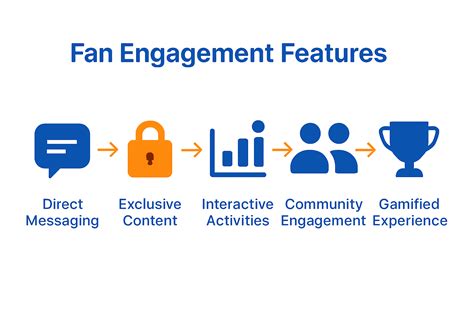
Lastly, the **fan experience** will remain a central focus. The Champions League has always been as much about the spectacle as the sport itself. Innovations in how fans consume the tournament—whether through immersive digital platforms, interactive second-screen experiences, or even the possibility of personalised content tailored to individual preferences—will play a significant role in keeping the competition relevant in an increasingly fragmented media landscape. At the same time, UEFA must address growing concerns about ticket prices, accessibility, and the inclusivity of the matchday experience to ensure the tournament remains a unifying force rather than an exclusive one.
In conclusion, the Champions League's history is a testament to its ability to evolve while staying true to its core identity as a celebration of European club football. As we look to the future, the tournament will likely continue to balance tradition with innovation, addressing challenges related to competitiveness, globalisation, and technology while striving to maintain its status as the pinnacle of the sport. The key will be to navigate these changes in a way that preserves the magic of the Champions League for generations to come, ensuring it remains not just a competition but a cultural phenomenon that captures the imagination of fans worldwide.