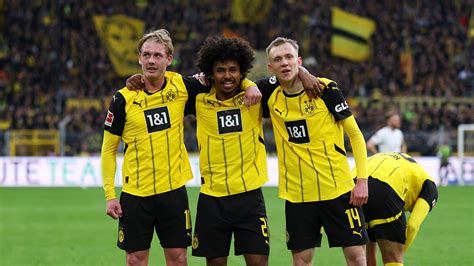
Introduction to Ligue 1 Betting
Ligue 1, the top-tier professional football league in France, is one of the most storied and dynamic competitions in European football. Established in 1932, the league has grown to become a melting pot of tactical diversity, emerging talents, and established stars. While it may not always command the same global attention as the English Premier League or Spain’s La Liga, Ligue 1 has carved out a niche that makes it a fascinating and increasingly popular target for sports bettors. This section delves into the unique characteristics of Ligue 1, its growing popularity, and why it has become an attractive avenue for those engaged in sports betting.
One of the defining features of Ligue 1 is its blend of youth development and high-profile signings. The league is often seen as a proving ground for young players who later transition to top European clubs. For instance, Kylian Mbappé, one of the world’s most electrifying forwards, rose to prominence at AS Monaco before becoming a global superstar. Similarly, Ligue 1 clubs like Lyon and Lille have a reputation for nurturing talent that attracts scouts and bettors alike. This dynamic creates a league where unpredictability is a constant—young players can have breakout seasons, and smaller clubs can upset traditional powerhouses. For sports bettors, this level of unpredictability introduces both risk and opportunity, particularly when wagering on match outcomes or player-specific markets like goalscorers or assists.
The competitive structure of Ligue 1 also plays a role in its appeal to bettors. Unlike some leagues where a small number of teams dominate (such as Bayern Munich in the Bundesliga or Paris Saint-Germain [PSG] in Ligue 1 itself), there is often a competitive mid-table battle and a fierce relegation fight. While PSG has been the dominant force in recent years due to its financial backing and star-studded roster, other teams like Marseille, Monaco, and Lille have managed to challenge for titles or secure European spots. This competitive balance means that betting on outright winners or top-four finishers can offer value, as the odds for non-PSG teams are often more favorable. Moreover, the relegation zone in Ligue 1 is notoriously volatile, with newly promoted teams sometimes defying expectations to survive or even thrive, making relegation bets another area of interest.
Another factor that makes Ligue 1 a target for sports bettors is its distinctive playing style. French football is characterized by a mix of physicality, tactical discipline, and moments of individual brilliance. Teams often prioritize defensive solidity, which can lead to lower-scoring games compared to leagues like the Premier League. This tendency toward tight contests influences betting markets such as under/over goals and both teams to score (BTTS). For example, a typical Ligue 1 match might see a 1-0 or 2-1 scoreline rather than the free-scoring 4-3 thrillers seen elsewhere. Bettors who analyze team statistics—such as average goals conceded or clean sheet percentages—can find patterns that inform smarter wagers. Additionally, the league’s emphasis on set pieces and counterattacks provides opportunities for bettors to explore prop bets related to corner kicks, free-kick goals, or defensive errors.
Ligue 1’s broadcast accessibility has also contributed to its growing popularity among bettors. With matches widely available through streaming platforms and international sports networks, fans and bettors have greater access to live games and real-time data. This accessibility not only enhances engagement but also allows for in-play betting, a rapidly growing segment of the sports betting industry. In-play markets, such as next goalscorer or time of the next goal, are particularly appealing in Ligue 1 due to the league’s tendency for late goals. Teams often push for a result in the final 15 minutes, especially when relegation or European qualification is on the line. This creates scenarios where live odds can shift dramatically, offering opportunities for shrewd bettors to capitalize on momentum shifts.
The league’s economic structure also introduces unique betting dynamics. While PSG’s financial dominance often makes them heavy favorites in individual matches, other teams operate under tighter budgets and rely heavily on player sales to balance the books. This can lead to fluctuations in team performance based on transfers. For instance, if a key player is sold mid-season, a team’s form might dip, creating betting opportunities for those who track such developments closely. Additionally, the league’s revenue-sharing model is less skewed than in some other European leagues, which can result in more evenly matched contests between mid-tier teams. This parity often leads to attractive odds for bettors willing to research team form, injuries, and head-to-head records.
From a betting market perspective, Ligue 1 offers a wide array of options that cater to both casual and experienced bettors. Traditional markets like match winner, double chance, and Asian handicaps are complemented by more specialized options such as player props (e.g., a specific player to score or be carded) and team-specific bets (e.g., clean sheets or first-half performance). The availability of these markets reflects the depth of engagement that Ligue 1 provides. For instance, bettors who study player statistics might notice that certain Ligue 1 strikers have a high conversion rate against specific opponents, creating opportunities for targeted bets. Similarly, the league’s emphasis on youth academies means that young players often debut with lower-profile teams, making them candidates for breakout performances that can influence betting outcomes.
Another reason Ligue 1 attracts sports bettors is its integration into the broader European football ecosystem. As a league that contributes teams to the UEFA Champions League and Europa League, Ligue 1’s performance on the continental stage can influence domestic betting patterns. A team performing well in Europe might experience a dip in domestic form due to fixture congestion, creating scenarios where bettors can exploit overvalued or undervalued odds. For example, a mid-table Ligue 1 team that qualifies for the Europa League knockout stages might struggle in subsequent league games, offering value for bettors backing their opponents.
Finally, the cultural and historical significance of Ligue 1 adds an intangible appeal. French football has a rich tradition, with iconic clubs like Saint-Étienne, Marseille, and Bordeaux holding a special place in the hearts of fans. Matches between these historic rivals often draw significant betting interest, particularly in markets like derby outcomes or player duels. The emotional weight of these fixtures can lead to unpredictable results, which savvy bettors can analyze through factors like home advantage, crowd intensity, and recent form.
In summary, Ligue 1 is a league that combines youthful exuberance, tactical variety, and competitive balance, making it a compelling option for sports bettors. Its unique blend of high-profile stars, emerging talents, and mid-table unpredictability offers a range of betting opportunities that extend beyond the obvious favorites. Whether through match outcomes, player props, or in-play betting, Ligue 1 provides a platform where research, strategy, and a deep understanding of the game can yield profitable results. For those willing to dive into its nuances, Ligue 1 is not just a league—it is a dynamic and rewarding landscape for sports betting.
Understanding Ligue 1 Teams and Dynamics
Ligue 1, France's top-tier football league, is a competitive arena where team dynamics, playing styles, and managerial strategies significantly influence betting outcomes. To make informed bets, it is essential to delve into the unique characteristics of key teams, their tactical approaches, and how these elements interact in the context of match performance. This analysis not only provides a clearer understanding of team behavior but also helps identify patterns that can guide betting strategies.
One of the most dominant teams in Ligue 1 is Paris Saint-Germain (PSG). Known for their financial muscle and star-studded lineup, PSG often sets the benchmark for attacking football in the league. Their playing style is characterized by a high-possession game, rapid transitions, and overwhelming offensive pressure. With players like Kylian Mbappé and Neymar, PSG's attack is designed to break down even the most organized defenses. However, their dominance can sometimes lead to complacency, particularly against lower-ranked teams. This is a critical factor for bettors to consider. While PSG is often heavily favored in odds, their matches against defensively resilient teams (like Lille or Reims in recent seasons) can result in unexpected draws or narrow victories. This unpredictability can create value in betting on underdogs to cover the spread or even secure a draw.
In contrast to PSG's attacking approach, teams like Nice and Lens have adopted more balanced or counter-attacking strategies. Lens, for instance, thrives on a high-pressing system that disrupts opponents' build-up play. Their emphasis on quick, vertical passes and exploiting spaces left by aggressive opponents makes them particularly effective in away games. This style often leads to low-scoring matches, as their defensive organization tends to limit opportunities for both sides. For bettors, this means that under bets on total goals or wagers on Lens to win by a single goal can be profitable, especially when they face teams with weaker midfields or inconsistent defensive lines.
Another intriguing team to analyze is Marseille, a club with a rich history and passionate fan base. Marseille's playing style often oscillates between aggressive, high-energy football and moments of tactical fragility. Under managers like Igor Tudor or Jorge Sampaoli, the team has prioritized intensity and direct play, often relying on wingbacks to provide width and support in attack. However, this high-octane approach can leave them vulnerable to counterattacks, particularly in high-stakes matches against teams like Lyon or Monaco. Marseille's inconsistency in closing out games has been a recurring theme, making them a risky favorite in tight contests. For bettors, this presents an opportunity to explore markets such as both teams to score (BTTS) or draw no bet (DNB) options when Marseille faces teams with strong transitional play.
Teams like Lille and Rennes offer a different dynamic. Lille, the 2020-21 Ligue 1 champions, are known for their disciplined defensive structure and efficient use of set pieces. Their ability to absorb pressure and strike on the break has made them a "giant killer" in matches against top-tier teams. Rennes, on the other hand, is a team that thrives on creativity and youth development. Their emphasis on fluid attacking movements and nurturing young talents like Martin Terrier or Jérémy Doku often results in high-scoring games. This makes over bets on total goals a viable option when Rennes faces teams with leaky defenses. However, their inconsistency in maintaining leads can also open avenues for bets on late-game comebacks by their opponents.
It is also important to consider the role of managerial changes and squad turnover in Ligue 1. For instance, teams like Monaco often experience fluctuating fortunes due to their reliance on selling key players to bigger European clubs. While Monaco has a reputation for producing talented forwards (such as Wissam Ben Yedder), their defensive cohesion can suffer when key players are sold mid-season. This creates betting opportunities in matches where Monaco faces teams with strong attacking units, as their backline may struggle to adapt to new systems or personnel. Conversely, teams with stable squads and consistent management, like Reims under Will Still, can offer more predictable outcomes, particularly in matches where they are slight underdogs.
The role of home and away performance cannot be overlooked in Ligue 1 dynamics. Historically, teams like Strasbourg and Brest have shown a stark contrast in their home and away records. Strasbourg, for example, often performs better at their home ground, Stade de la Meinau, where their vocal supporters create an intimidating atmosphere. This can lead to tighter matches where they punch above their weight against stronger teams. Conversely, their away form is often lackluster, making them less reliable in road games. Bettors can exploit this by focusing on handicap bets or double chance markets when such teams play at home versus when they travel.
Another critical factor is the impact of fixture congestion and European competition. Teams like PSG, who regularly compete in the UEFA Champions League, often experience fatigue during densely packed schedules. This can lead to rotated squads or reduced intensity in Ligue 1 matches, particularly against mid-table or lower-ranked opponents. For example, when PSG plays a midweek Champions League fixture followed by a weekend Ligue 1 match, the likelihood of a less dominant performance increases. Bettors can capitalize on this by exploring draw bets or handicap markets favoring the underdog in such scenarios.
Finally, youth development and squad depth play a significant role in Ligue 1 team dynamics. Clubs like Lyon and Montpellier have historically relied on their academies to produce talented players. However, their reliance on young players can lead to inconsistent performances, particularly in high-pressure situations. For instance, Lyon's tendency to field inexperienced lineups in away games has often resulted in dropped points against organized, defensively sound teams. This presents opportunities for bettors to target markets like half-time/full-time results or team to score first when these dynamics are in play.
In summary, understanding Ligue 1 teams and their dynamics requires a multi-faceted approach. Bettors must consider playing styles, managerial strategies, home and away performance, and the impact of fixture congestion and squad turnover. By analyzing these factors in depth, it becomes possible to identify value bets that go beyond surface-level odds. Whether it’s PSG’s occasional vulnerability, Lens’s counter-attacking efficiency, or Marseille’s inconsistency, each team offers unique insights that can shape successful betting strategies in Ligue 1.
Key Betting Markets in Ligue 1
Ligue 1, France's top-tier football league, offers a dynamic and competitive environment that attracts bettors worldwide. Understanding the key betting markets specific to Ligue 1 is essential for both novice and experienced punters looking to capitalize on the league's unique dynamics. Below, we delve into the most popular betting markets, providing detailed explanations and insights tailored to the characteristics of Ligue 1.
The match winner market is arguably the most straightforward and widely used betting option in Ligue 1. This market involves predicting which team will win a specific match or whether the game will end in a draw. Ligue 1's competitive balance, particularly among mid-table teams, often creates value in this market. For instance, while Paris Saint-Germain (PSG) is typically the dominant force in the league, matches involving teams like Lille, Marseille, or Lyon can be unpredictable. Bettors should pay close attention to home-field advantage, which is particularly pronounced in Ligue 1. Historically, teams like Stade Rennais and Nice have shown stronger home performances compared to their away records. This insight can help bettors identify opportunities where the odds on a home win are higher than they should be, given the team’s track record at their stadium.
Another crucial factor in the match winner market is understanding team form and squad depth. Ligue 1 often sees significant squad rotation, especially among teams participating in European competitions. PSG, for example, may rest key players during less critical league fixtures, which can open the door for upsets. Monitoring injury reports, suspension lists, and recent performance trends is vital for making informed decisions in this market.
The over/under goals market is another popular option for Ligue 1 betting. This market allows bettors to wager on whether the total number of goals in a match will be over or under a specified threshold, such as 2.5 goals. Ligue 1 has a reputation for being slightly more defensive compared to leagues like the Premier League or Bundesliga. However, this generalization can be misleading. Teams like PSG and Monaco often play high-scoring games due to their attacking philosophies, while matches involving relegation-threatened teams can be low-scoring affairs as they prioritize defensive solidity. A unique insight for this market in Ligue 1 is the variation in goal-scoring patterns across the season. Early-season matches tend to see higher-scoring games as teams are still finding their rhythm, while mid-to-late season games often feature tighter contests as teams fight for survival or European qualification.
Additionally, the over/under market can be influenced by weather conditions, particularly in winter months when Ligue 1 fixtures are played in colder, wetter conditions. These factors can slow down the pace of play and reduce the likelihood of high-scoring games. Bettors who track such external variables often gain an edge in this market. For example, a match played in heavy rain at a stadium like Stade Brestois might favor a bet on under 2.5 goals due to the challenging pitch conditions.
The handicap betting market is particularly interesting in Ligue 1 due to the presence of dominant teams like PSG. Handicap betting involves giving one team a virtual advantage or disadvantage to level the playing field for betting purposes. For instance, if PSG is playing against a relegation-threatened side like Ajaccio, the handicap might be set at -2.5 goals for PSG. This means PSG must win by at least three goals for the bet to succeed. While this market can seem risky, it offers excellent opportunities for bettors who understand team motivation and context.
PSG's dominance often leads to inflated handicap lines, especially when they face weaker opponents. However, there are scenarios where these handicaps can be exploited. For example, if PSG has a critical Champions League match midweek, they might not field their strongest lineup in a Ligue 1 game, potentially making the handicap harder to cover. On the other hand, teams like Lens or Marseille, who are vying for European spots, often perform with greater intensity against weaker opposition, making them viable options for handicap betting when they are given a positive line.

A unique aspect of the handicap market in Ligue 1 is the presence of teams with inconsistent form. For example, a mid-table team like Montpellier might perform exceptionally well against top-tier opponents but struggle against similarly ranked teams. This inconsistency can create value in handicap betting, as bookmakers may undervalue or overvalue a team's ability to cover a specific line based on recent results. Bettors who analyze head-to-head records and consider factors like managerial tactics can identify favorable opportunities in this market.
Another intriguing market in Ligue 1 is the both teams to score (BTTS) option. This market involves predicting whether both teams will score at least one goal in the match. Ligue 1's blend of attacking talent and defensive vulnerabilities makes this a compelling option. For instance, while PSG often scores multiple goals in a match, their defensive lapses—particularly when rotating players—can lead to opportunities for the opposition. Similarly, teams in the lower half of the table, such as Clermont or Lorient, often adopt a more open style of play to compensate for their limited resources, increasing the likelihood of both teams finding the net.
When analyzing the BTTS market, it is essential to consider recent goal-scoring and conceding trends. Some Ligue 1 teams are notorious for leaking goals even in matches they win, such as Bordeaux in past seasons. Additionally, the impact of new signings can influence this market. A newly promoted team might initially struggle to adapt defensively, making them a candidate for BTTS bets early in the season. Conversely, teams with newly acquired defensive reinforcements might see a reduction in goals conceded as the season progresses.
The correct score market, while riskier, is another avenue for experienced bettors in Ligue 1. This market requires predicting the exact final score of a match. While inherently challenging, this market can offer high returns due to the long odds associated with specific scorelines. A unique insight here is the tendency of Ligue 1 matches to end in low-scoring draws, particularly among teams in the bottom half of the table. Scores like 1-1 or 0-0 are more common in these fixtures compared to other leagues. Bettors who study historical score patterns for specific matchups can identify recurring trends that might not be immediately apparent.
Finally, the player-specific markets, such as first goalscorer or anytime goalscorer, are gaining traction in Ligue 1. With star players like Kylian Mbappé, Alexandre Lacazette, and Jonathan David, this market offers opportunities to bet on individual performances. However, bettors should be cautious of overreliance on star players, as Ligue 1's competitive nature often sees lesser-known players stepping up in critical moments. Monitoring player rotation and form is crucial here, as a rested Mbappé is far more likely to score than one returning from injury or international duty.
In conclusion, the key betting markets in Ligue 1—match winner, over/under goals, handicap, BTTS, correct score, and player-specific options—each offer unique opportunities shaped by the league's competitive structure, team dynamics, and external factors. By focusing on contextual analysis, such as home advantage, seasonal patterns, and player availability, bettors can approach these markets with greater confidence and precision. Ligue 1’s blend of predictability among top teams and unpredictability in mid-table and relegation battles makes it a fertile ground for strategic betting.
Historical Data and Trends in Ligue 1
When it comes to making informed betting decisions in Ligue 1, historical data and trends serve as a critical foundation. Unlike speculative approaches, leveraging past performance, seasonal patterns, and head-to-head records provides a structured methodology to assess odds and potential outcomes. This section delves into how these elements can be analyzed and applied to enhance the precision of betting strategies in Ligue 1.
One of the most significant aspects of historical data in Ligue 1 is **team performance consistency**. Ligue 1, as one of Europe's top-tier football leagues, has seen clubs like Paris Saint-Germain (PSG) dominate the standings in recent years. However, this dominance is not merely anecdotal; it is backed by data showing PSG's ability to secure high points totals season after season. For instance, between 2012 and 2023, PSG won the league title nine times. This kind of sustained performance can inform bettors about the likelihood of PSG winning individual matches, particularly against mid-table or lower-ranked teams. Bettors can use this trend to identify value bets, such as when bookmakers offer slightly higher odds for PSG due to perceived "tough" away fixtures, even though their historical record suggests they often prevail regardless of venue.
However, it is equally important to recognize that Ligue 1 is not solely about PSG. Teams like **Lyon, Marseille, and Monaco** have historically been competitive, particularly in specific eras. For example, Lyon's seven consecutive titles from 2002 to 2008 underline a period of consistent excellence that could have been exploited by bettors during that time. Understanding such historical ebbs and flows of team dominance is essential for long-term betting strategies. A deep dive into past seasons reveals that while certain teams maintain their elite status, others experience cyclical peaks and troughs. For instance, Lille’s surprise title win in 2020-21 after years of mid-table finishes is a reminder that even underdogs can capitalize on favorable conditions, such as squad cohesion or managerial innovation. Analyzing such outlier seasons can help bettors spot potential value in teams undergoing similar transformations.
Seasonal trends in Ligue 1 also provide a rich source of insights. One observable pattern is the **"early season unpredictability"** versus the **"mid-to-late season stabilization"** of team form. In the first 5-10 matches of the season, newly promoted teams or those with significant squad changes often struggle to find rhythm, leading to unpredictable results. Historical data shows that promoted teams, such as Toulouse in 2022-23, tend to lose more matches in the opening weeks as they adjust to the higher competition level. Bettors can exploit this trend by targeting over/under markets or betting against such teams in their initial fixtures. Conversely, as the season progresses, form lines become clearer, and top teams often pull away from the pack. This stabilization can make outright bets on league winners or top-four finishes more predictable, especially when combined with head-to-head analysis.
Head-to-head records are another invaluable resource for Ligue 1 betting. Certain matchups in the league have demonstrated consistent patterns over the years, which can guide betting decisions. For example, the rivalry between **Marseille and PSG**, often referred to as "Le Classique," has seen PSG dominate in recent years, but Marseille has historically performed well in home fixtures against their rivals. Bettors who analyze these specific matchups can identify opportunities where the odds may not fully account for such nuances. For instance, if Marseille is given long odds for a home game against PSG despite a strong historical home record, this could represent a value bet. Similarly, some lower-profile rivalries, such as **Nantes vs. Rennes**, often produce tight contests with a high frequency of draws. Historical data reveals that these teams have shared points in over 40% of their meetings in the last decade, making a draw bet a potentially profitable option when these teams face off.
Another layer of analysis involves **goal-scoring trends** within specific seasons and between certain teams. Ligue 1 has seen a gradual increase in average goals per game over the past decade, partly due to the influence of high-scoring teams like PSG and the tactical evolution of mid-table sides adopting more attacking philosophies. However, this trend is not uniform across all teams. For instance, teams like **Reims and Nice** have often been associated with lower-scoring games due to their defensive setups. Historical data from the 2021-22 season showed that matches involving these teams had an average of under 2.5 goals in over 60% of their fixtures. Bettors who track such patterns can use this information to place under/over bets with greater confidence, especially when bookmakers set lines based on league-wide averages rather than team-specific tendencies.
In addition to team-specific insights, **managerial changes and their impact on team performance** are worth considering when analyzing historical trends. Ligue 1 has seen instances where a new manager injects fresh energy into a struggling team, leading to a short-term uptick in results. For example, when Christophe Galtier took over Nice in 2021, the team experienced a marked improvement in defensive solidity, which was reflected in their reduced goals conceded per game. Bettors who monitored this trend early could have capitalized on under markets or bets on Nice to keep clean sheets in the initial phase of Galtier's tenure. On the other hand, managerial instability—such as frequent sackings in the bottom half of the table—often correlates with erratic performances, making these teams less reliable for outright win bets but potentially interesting for speculative markets like "both teams to score" or "draw no bet" options.
Seasonal trends also intersect with **fixture congestion and its effect on team performance**. Ligue 1 teams involved in European competitions, such as PSG, Marseille, and Monaco, often experience dips in domestic form during periods of heavy scheduling. Historical data from the 2018-19 season, for example, showed that PSG dropped points in Ligue 1 matches immediately following Champions League group stage games. This trend is not unique to PSG; any team balancing domestic and European commitments is prone to fatigue-induced inconsistencies. Bettors can exploit this by analyzing fixture lists and identifying matches where top teams might be vulnerable, particularly when facing well-rested mid-table opponents.
Finally, **the role of home and away performance disparities** cannot be overlooked. Ligue 1 has a distinct pattern where certain teams perform significantly better at home compared to away. For example, historically smaller clubs like **Metz or Angers** often secure the majority of their points at home, leveraging familiar conditions and supporter momentum. Bettors can use this knowledge to place bets on home wins for such teams, particularly when they face similarly ranked opponents. Conversely, strong away performances by elite teams like PSG can offer opportunities for high-value bets when bookmakers slightly overestimate the home team's chances.
In summary, historical data and trends in Ligue 1 are not just retrospective observations; they are actionable tools for informed betting. By examining past performance, seasonal dynamics, and head-to-head records, bettors can identify patterns and anomalies that bookmakers might overlook. Whether it is recognizing the dominance of perennial champions, understanding the impact of managerial changes, or leveraging fixture-specific insights, historical analysis provides a robust framework for making smarter, data-driven decisions in Ligue 1 betting.
Player Performance and Impact on Betting
In the realm of Ligue 1 betting, understanding the dynamics of player performance and its ripple effects on team outcomes is a critical component for informed wagering. While many bettors focus on overarching team statistics or historical head-to-head results, the granular impact of individual players—particularly star players—can often serve as a game-changer in both the literal and betting contexts. This section delves into how star players, injuries, and transfers shape team performance and subsequently influence betting odds in Ligue 1.
Star players in Ligue 1, such as Kylian Mbappé of Paris Saint-Germain (PSG) or Jonathan David of Lille, are often the linchpins of their teams' attacking prowess. These players do not merely contribute goals or assists; their presence on the field creates a psychological and tactical edge for their team while simultaneously pressuring the opposition. For instance, when Mbappé is in the lineup for PSG, the team's xG (expected goals) tends to increase significantly compared to matches where he is absent or substituted early. This is not merely because of his goal-scoring ability but also due to the space he creates for teammates by drawing defensive attention. Betting odds often reflect this dynamic, with PSG's win probability and over/under goal lines shifting noticeably when Mbappé is confirmed to start versus when he is sidelined. Bettors who track player availability and performance trends can exploit these odds adjustments, particularly in live betting scenarios where early game insights can indicate how a team adapts to the absence of a star.
Injuries are another critical factor that can drastically alter a team's trajectory and betting landscape. Ligue 1, like other top-tier leagues, is physically demanding, and key players are often subjected to high workloads. A star player's injury does not only remove their direct contributions but can also disrupt team cohesion and force tactical adjustments. For example, when Neymar Jr. suffered a long-term injury during the 2021-2022 season, PSG's attacking fluidity was visibly affected. While the team had other talented players to fill the gap, the lack of Neymar's creative playmaking led to a dip in their offensive efficiency, especially in high-pressure matches. Bookmakers are quick to adjust odds when injuries to star players are announced, often lengthening the favored team's odds or reducing the expected goal total for matches involving the injured player's team. However, savvy bettors can identify value in these situations by analyzing how well a team has historically adapted to such absences. For instance, teams with deep squads like PSG may weather the storm better than mid-table teams reliant on a single standout performer.
Transfers, particularly those involving star players moving into or out of Ligue 1, are another dimension that bettors must consider. The arrival of a high-profile player can inject new energy into a team, often leading to an initial surge in performance as the squad adapts to the new dynamic. For instance, Lionel Messi's transfer to PSG in 2021 was accompanied by a wave of optimism, reflected in shorter odds for PSG in both domestic and European competitions. However, the integration of such players is not always seamless. Messi's initial struggles to adapt to Ligue 1's physicality and rhythm led to underwhelming early performances, which created opportunities for contrarian bettors to exploit overvalued odds on PSG. On the flip side, when a star player departs—such as when Nicolas Pépé left Lille for Arsenal in 2019—the team may experience a dip in form as they struggle to replace the lost output. Transfers can create volatility in betting markets, and understanding the context of the transfer—whether it addresses a team's weaknesses or exacerbates existing issues—can help bettors make more informed decisions.
Beyond individual star players, the broader context of team depth and how injuries or transfers impact squad rotation is worth examining. Ligue 1 teams with limited squad depth often suffer more pronounced negative effects when key players are unavailable. For example, a mid-table team like Clermont Foot may rely heavily on a standout striker for the majority of their goals. If that player is injured or transferred, the team's performance metrics—such as shots on target, possession retention, and defensive solidity under pressure—can decline sharply. This often leads to bookmakers overestimating the team's chances in subsequent matches, offering value for bettors willing to back the opposition or explore under bets on total goals.
In addition to direct performance impacts, the psychological aspect of player presence or absence cannot be overlooked. Teams often rally around the narrative of "stepping up" in the absence of a star player, which can lead to short-term boosts in morale and performance. Conversely, the pressure of compensating for a missing star can sometimes lead to overcompensation and tactical disarray. Bettors should pay close attention to recent team form following key player absences, as this can provide clues about how well a team is adapting. For example, after a star striker is injured, if a team begins relying more on set pieces or defensive solidity to grind out results, this can inform wagers on low-scoring games or draws.
Another angle to consider is the impact of player performance on derby matches or high-stakes games. In Ligue 1, matches like the Le Classique (PSG vs. Marseille) or clashes between traditional rivals like Lyon and Saint-Étienne often see heightened emotions and tactical adjustments. Star players in these games are not just expected to perform; their ability to handle pressure can directly influence betting outcomes. A star player returning from injury for a key match might see their team's odds shorten, but if they are visibly off-form or lacking match fitness, this can create opportunities for bettors to back the underdog at favorable odds.
Finally, it is essential to consider how data-driven analysis of player impact can enhance betting strategies. Advanced metrics such as expected goals contributed (xGc), progressive passes, and defensive actions can provide a clearer picture of how a player influences team performance beyond surface-level statistics like goals or assists. For instance, a defender like Marquinhos at PSG may not score often but his ability to neutralize opposition attacks and maintain possession can stabilize his team in tightly contested matches. When such a player is unavailable, the odds for clean sheets or under bets on total goals might shift in ways that are not immediately obvious to casual bettors.
In conclusion, player performance in Ligue 1 is a multifaceted variable that directly impacts betting odds and outcomes. By analyzing star player contributions, injury implications, and transfer dynamics, bettors can gain a nuanced understanding of how these factors shape team performance. Combining this insight with historical data, recent form, and situational context allows for more strategic wagering. Whether exploiting overvalued odds due to a star's absence or identifying undervalued opportunities when a team adapts well to challenges, understanding player impact is a cornerstone of successful Ligue 1 betting.
Advanced Strategies for Ligue 1 Betting
Ligue 1, France's top-tier football league, offers a dynamic betting landscape characterized by a mix of powerhouse teams like Paris Saint-Germain (PSG) and competitive mid-table clubs that often spring surprises. To excel in Ligue 1 betting, bettors must go beyond surface-level strategies and adopt advanced approaches tailored to the league's unique dynamics. This section delves into **bankroll management**, **live betting**, and **value spotting**, providing expert insights that can elevate your betting game.
Bankroll Management: The Foundation of Sustainable Betting Bankroll management is often overlooked by novice bettors, but it is the bedrock of long-term success. In Ligue 1, where the gap between top and bottom teams can sometimes be deceptive, disciplined bankroll management is critical. A common mistake is to over-leverage your bankroll on "sure bets," such as PSG winning at home against a relegation-threatened side. While PSG might be overwhelmingly favored, upsets do occur—recall their shock 2-0 loss to Rennes in the 2020/21 season. To avoid catastrophic losses, consider the following expert tips:
- Use the unit system, where you allocate a fixed percentage of your total bankroll (e.g., 2-5%) per bet. This approach ensures that no single bet can wipe out your funds, even during losing streaks.
- Implement a stop-loss mechanism. If you lose more than 10-15% of your bankroll in a week, take a break to reassess your strategy. Ligue 1’s unpredictability, especially in matches involving mid-table teams like Lille or Lyon, can lead to emotional betting if you don’t set clear boundaries.
- Separate your bankroll into sub-portfolios for different bet types (e.g., match outcomes, over/under goals, or player props). This segmentation allows you to track performance across bet types and identify where you excel or need improvement.
Additionally, consider Ligue 1’s season structure when managing your bankroll. The league often sees a surge in unpredictability during the winter months due to player fatigue and transfer window uncertainties. Adjust your stakes accordingly during these periods to mitigate risks.
Live Betting: Capitalizing on In-Play Opportunities Live betting in Ligue 1 is particularly lucrative because the league often features teams with contrasting styles of play—some prioritize possession (e.g., PSG, Monaco), while others thrive on counterattacks (e.g., Nice, Marseille). These stylistic differences create opportunities for sharp bettors to exploit in-play odds.
Here are some advanced live betting strategies:
- Monitor early game patterns. Ligue 1 matches often see cautious starts, especially when lower-table teams face top-tier opponents. If the underdog holds the top team scoreless for the first 30 minutes, the odds for a draw or even an upset win can become highly favorable. This is an ideal time to place a bet on the underdog or hedge your pre-match bet on the favorite.
- Pay attention to player substitutions. Ligue 1 coaches frequently make tactical changes in the second half to secure a result or chase a goal. For instance, if PSG brings on a star like Kylian Mbappé when trailing, the dynamic of the match shifts, often leading to increased goal-scoring opportunities. Betting on "next team to score" or "total goals over" in such scenarios can yield value.
- Exploit momentum swings. Ligue 1 referees are known for their strict enforcement of rules, which often results in penalties or red cards. A red card can completely alter the match's flow. For example, if a team like Lens is reduced to 10 men while leading 1-0, consider betting on their opponent to equalize or win, as the psychological and tactical impact of being a man down is significant.
To maximize live betting success, use data analytics tools or Ligue 1-specific apps that provide real-time statistics such as expected goals (xG), possession percentages, and shot accuracy. These tools can help you make informed decisions rather than relying on gut feelings.
Value Spotting: Identifying Underrated Opportunities Value spotting is the art of identifying bets where the odds offered by bookmakers are higher than the true probability of an outcome. In Ligue 1, this often involves looking beyond the obvious favorites and understanding the league's nuances.
Here are some expert strategies for spotting value:
- Analyze team form beyond the last 5 matches. While most bettors focus on recent results, digging deeper into a team’s performance over 10-15 games can reveal patterns. For instance, a team like Montpellier might have a poor recent record but consistently performs well against specific opponents due to tactical compatibility. This kind of historical analysis can uncover betting opportunities missed by casual punters.
- Focus on underdogs in home games. Ligue 1 has a strong home-field advantage, particularly for teams with passionate fan bases like Stade Brestois or RC Strasbourg. Bookmakers often overestimate the superiority of visiting favorites, offering inflated odds for home underdogs. For example, in the 2022/23 season, Clermont Foot frequently outperformed expectations at home despite being priced as heavy underdogs against stronger teams.
- Look for mispriced over/under markets. Ligue 1 has a reputation for being a low-scoring league, but this perception can lead to value in over bets when two attack-minded teams meet. Matches involving teams like Monaco or Rennes, known for their offensive flair, often feature higher-than-expected goal tallies, yet the over markets are sometimes undervalued due to the league's overall scoring trends.
- Consider player-specific bets in matches involving PSG. The dominance of PSG often leads to lopsided odds for match outcomes, but player props (e.g., "Mbappé to score first" or "Neymar to assist") can offer better value. Monitor injury reports and lineup announcements closely to identify when key players are rested or substituted early, as this can create mispriced opportunities in prop markets.
Another avenue for value spotting is understanding how Ligue 1 teams approach European competitions. Teams like Marseille or Lille, involved in midweek UEFA matches, might field weaker lineups in domestic games immediately after. This rotation can create value in betting against them or targeting specific markets like "both teams to score" when their defense is weakened.
Lastly, keep an eye on managerial changes, which are common in Ligue 1. A new manager often brings an initial "bounce" effect, with teams performing better in their first few matches under new leadership. For example, when Christophe Galtier took over Nice in 2021, the team saw a marked improvement in defensive solidity, which savvy bettors exploited by backing them in under 2.5 goals markets.
In conclusion, advanced Ligue 1 betting requires a blend of disciplined bankroll management, tactical use of live betting, and a sharp eye for value. By focusing on these areas and leveraging detailed analysis of team dynamics, player roles, and situational factors, you can transform your approach from casual wagering to a calculated, data-driven strategy. Ligue 1’s blend of predictability at the top and chaos in the middle makes it a fertile ground for those willing to put in the work to uncover hidden opportunities.
Role of Analytics and Predictive Models
The role of analytics and predictive models in Ligue 1 betting has become increasingly significant as the sports betting industry evolves. With the advent of big data and machine learning, bettors now have access to a wealth of information that can be leveraged to make more informed decisions. Unlike traditional betting, which often relies on gut feelings or surface-level statistics, the integration of advanced analytics allows for a deeper understanding of team performance, player dynamics, and match outcomes.
One of the primary ways data analytics is used in Ligue 1 betting is through the analysis of **historical performance data**. Ligue 1, like other top-tier football leagues, generates a vast amount of match data, including goals scored, possession percentages, shots on target, and defensive actions. By aggregating and analyzing this data, predictive models can identify patterns and trends that may not be apparent to the casual observer. For instance, a model might reveal that a particular team performs significantly better against opponents who favor a high defensive line, or that a striker is more likely to score when playing at home under specific weather conditions. These insights can be used to identify value bets—situations where the odds offered by bookmakers do not accurately reflect the true probability of an outcome.
Another critical aspect of predictive modeling in Ligue 1 betting is the use of **expected goals (xG) analysis**. xG is a statistical measure that evaluates the quality of scoring opportunities a team creates or concedes. Unlike simple goal tallies, xG takes into account factors such as shot location, angle, and type of assist. For example, a shot from inside the six-yard box has a higher xG value than a long-range effort, even if both result in goals. Predictive models that incorporate xG can provide a more nuanced view of team performance. A team might have won a match 2-1 but conceded a high xG, suggesting they were somewhat fortunate to secure the victory. Bettors armed with this information might decide to bet against that team in their next match, especially if they are facing a high-quality opponent.
In addition to historical and in-game data, **player-level analytics** are increasingly shaping Ligue 1 betting strategies. Advanced models now track individual player performance metrics such as pass completion rates, dribbling success, defensive contributions, and even fatigue levels. This is particularly useful in Ligue 1, where squad rotation and the impact of key players can heavily influence match outcomes. For example, if a team's star striker is nursing an injury or has a low fitness score, predictive models can adjust the probability of that team scoring multiple goals. Similarly, models can assess the impact of new signings or the absence of a suspended player. These granular insights help bettors understand not just how a team might perform overall but how specific lineup changes might affect their chances of success.
The integration of **machine learning algorithms** has further enhanced the predictive power of models used in Ligue 1 betting. Unlike static statistical models, machine learning systems can adapt and improve over time by learning from new data. For instance, a machine learning model might analyze the outcomes of the last five seasons of Ligue 1 matches, incorporating variables such as home-field advantage, referee tendencies, and even crowd noise levels. These models can also account for non-linear relationships, such as how a team's performance might decline after a series of high-intensity matches or how a mid-season managerial change could disrupt team cohesion. This adaptability makes machine learning particularly valuable for long-term betting strategies, as it can identify subtle shifts in team dynamics that might not be immediately obvious.
Another area where analytics provides a significant edge is in **live betting scenarios**. Ligue 1 matches often feature dynamic shifts in momentum, and predictive models can be used to assess the likelihood of certain events occurring in real time. For example, if a team is trailing by one goal with 20 minutes left and their xG suggests they have been creating high-quality chances, a live betting model might suggest a bet on that team to equalize. Similarly, models can evaluate the impact of substitutions, red cards, or injuries during the match, recalculating probabilities on the fly. This real-time application of analytics enables bettors to capitalize on opportunities as they arise, rather than being confined to pre-match bets.
Additionally, **sentiment analysis** derived from social media and news data can complement traditional analytics in Ligue 1 betting. While not a direct predictive tool, sentiment analysis can provide context about team morale, fan expectations, and even the psychological state of players. For instance, if a team has been embroiled in off-field controversies or has a manager under pressure, sentiment analysis might suggest a dip in performance. When combined with hard data, this qualitative insight can help bettors make more holistic decisions, especially in high-stakes matches where psychological factors play a significant role.
It is also worth noting that **market inefficiencies** can be exploited through the use of analytics. Bookmakers often set odds based on public perception and general trends rather than deep statistical analysis. For example, a team with a strong brand reputation, such as Paris Saint-Germain, might consistently have lower odds than their performance metrics suggest, simply because casual bettors favor them. Predictive models can identify these discrepancies, allowing sharp bettors to find value in less popular teams or outcomes. This approach, often referred to as "contrarian betting," relies on the principle that the crowd is not always right, and analytics can provide the evidence needed to support this stance.
However, it is important to recognize the **limitations of analytics** in Ligue 1 betting. While predictive models can provide a significant edge, they are not infallible. Football, like any sport, is inherently unpredictable, and factors such as refereeing decisions, weather conditions, and pure luck can influence outcomes. Moreover, the availability of advanced analytics tools has led to increased competition among bettors, which can erode the edge provided by these models over time. To stay ahead, bettors must continually refine their models, incorporate new data sources, and remain adaptable to the evolving landscape of Ligue 1.
In conclusion, the use of data analytics and predictive models in Ligue 1 betting offers a powerful tool for gaining an edge in a competitive market. From historical performance analysis and xG metrics to machine learning and real-time insights, these tools enable bettors to make more informed, data-driven decisions. While no model can guarantee success, the systematic application of analytics can significantly improve the odds of making profitable bets. For those willing to invest the time and resources into understanding and applying these tools, Ligue 1 betting becomes less about chance and more about strategy.
Common Mistakes to Avoid in Ligue 1 Betting
Ligue 1, France's top-tier football league, offers a wealth of betting opportunities for enthusiasts. However, as with any form of sports betting, there are common pitfalls that can derail even the most well-intentioned strategies. Understanding these mistakes and learning how to avoid them can significantly improve your chances of success in Ligue 1 betting. Below, we examine some of the most frequent errors bettors make and provide actionable insights to help you navigate this dynamic market.
Emotional Betting: Letting Loyalty Cloud Judgment One of the most prevalent mistakes in Ligue 1 betting is allowing emotions to influence decisions. Fans of teams like Paris Saint-Germain (PSG), Marseille, or Lyon might feel compelled to back their favorite club regardless of the odds or circumstances. While it is natural to want your team to win, this approach often leads to poor betting choices. For instance, even if PSG is playing a lower-ranked team, factors such as squad rotation, injury concerns, or midweek European fixtures can impact their performance. Avoid betting based on loyalty alone. Instead, assess each match objectively by analyzing team form, head-to-head records, and other relevant data points. A disciplined approach ensures that your bets are grounded in logic rather than sentiment.
Ignoring Team News and Squad Dynamics Another critical mistake is neglecting to consider team news before placing a bet. Ligue 1 teams often face squad rotation due to the physical demands of a long season, especially those involved in European competitions like the UEFA Champions League or Europa League. For example, if PSG rests key players like Kylian Mbappé or Neymar for a league match ahead of a high-stakes Champions League clash, their performance might not align with their typical dominance. Similarly, injuries, suspensions, or even off-field controversies can disrupt team chemistry. Always check the latest team news before committing to a bet. Reliable sources such as official club announcements, injury reports, and pre-match press conferences can provide valuable insights. Ignoring these details can result in misplaced confidence in a team that is not at full strength.
Over-Reliance on Favorites Many bettors fall into the trap of consistently backing favorites, particularly in a league like Ligue 1 where powerhouses like PSG often dominate. While it is true that top teams win a significant number of matches, over-reliance on favorites can be financially unsustainable. Ligue 1 has seen its share of upsets, particularly when mid-table or relegation-threatened teams adopt a defensive, counterattacking strategy against stronger opponents. For instance, a team like Clermont Foot or Nantes might "park the bus" against PSG, making it difficult for the favorites to break through. Diversify your bets by exploring markets such as double chance, draw no bet, or even backing underdogs when their form and circumstances suggest an upset is possible. This strategy not only mitigates risk but also opens up opportunities for higher returns in cases where the underdog performs unexpectedly well.
Neglecting the Importance of Home and Away Form Ligue 1, like many football leagues, exhibits a strong home-field advantage. Teams often perform significantly better in their home stadiums due to familiar surroundings, vocal fan support, and reduced travel fatigue. However, some bettors overlook this factor and assume that a strong team will perform equally well regardless of venue. For example, a team like Monaco might have an excellent home record at Stade Louis II but struggle to replicate that form on the road. Conversely, some weaker teams might punch above their weight at home but falter away. Analyze home and away performance metrics for both teams involved in a fixture. This data can help you identify value bets, such as backing a struggling team to secure a draw or narrow win when playing at home against a mid-tier opponent.
Failing to Account for Ligue 1’s Unique Characteristics Every football league has its quirks, and Ligue 1 is no exception. One unique aspect of the league is the presence of "feeder" teams that prioritize developing young talent over immediate results. Clubs like Stade Rennais and OGC Nice often field promising but inconsistent young players, which can lead to unpredictable results. Additionally, the league's winter break—a hiatus that typically lasts several weeks—can disrupt momentum for some teams while allowing others to regroup and improve. Factor in these league-specific dynamics when placing bets. For example, avoid assuming that a team on a winning streak before the winter break will automatically continue that form when play resumes. Instead, reassess their form and fitness after the break to make informed decisions.

Chasing Losses and Overbetting Another common mistake is the tendency to chase losses after a few unsuccessful bets. This behavior often leads to overbetting—placing larger wagers than your bankroll can sustain in an attempt to recoup losses quickly. Ligue 1’s unpredictable nature, combined with the wide range of betting markets available, can tempt bettors to place impulsive bets to "get even." Stick to a predefined betting strategy and bankroll management plan. Allocate a fixed percentage of your bankroll for each bet (e.g., 2-5%) and resist the urge to deviate from this plan, even after a string of losses. Discipline is key to long-term success in sports betting, and chasing losses is a surefire way to deplete your funds.
Underestimating the Impact of External Factors External factors such as weather conditions, pitch quality, and even refereeing tendencies can play a significant role in Ligue 1 matches. For instance, heavy rain or a poorly maintained pitch might favor teams with a more physical, direct style of play over those that rely on technical finesse. Similarly, certain referees might have a reputation for being lenient or strict with cards, which can influence the flow of the game and impact markets like "total cards" or "player to be booked." Research these external variables before placing a bet. While they might seem minor, they can provide an edge by helping you anticipate how a match might unfold under specific conditions.
Not Exploring Alternative Betting Markets Many Ligue 1 bettors focus solely on match outcomes (win, lose, or draw) and neglect the wide array of alternative markets available. Options such as "both teams to score," "first goalscorer," "corners," or "player performance" can offer better value and reduce your reliance on predicting the final result. For example, if a match between two defensively solid teams like Lille and Reims is expected to be low-scoring, betting on "under 2.5 goals" might be a smarter choice than picking a winner. Explore diverse markets to find opportunities where your knowledge of team dynamics and playing styles can give you an advantage.
By avoiding these common pitfalls, you can approach Ligue 1 betting with a more strategic and informed mindset. Whether it’s resisting the pull of emotional betting, staying updated on team news, or exploring less conventional markets, each step contributes to a more robust and profitable betting experience. Remember, success in sports betting is not about luck alone—it is about preparation, analysis, and disciplined execution.
Regulatory and Ethical Considerations
The world of sports betting, including Ligue 1 betting, operates within a complex framework of regulations, ethical considerations, and societal expectations. While the thrill of wagering on matches can be enticing, it is imperative to approach this activity with a clear understanding of its regulatory and ethical dimensions. This section delves into the importance of responsible gambling, the necessity of understanding local betting laws, and the role of ethical practices in maintaining a sustainable betting environment.
One of the cornerstones of any discussion about sports betting is responsible gambling. Responsible gambling is not merely a buzzword; it is a critical framework designed to protect individuals from the potential harms associated with excessive betting. Ligue 1, as one of Europe's most-watched football leagues, attracts a global audience, many of whom engage in betting as part of their fandom. However, the line between recreational betting and problem gambling can blur quickly, especially when emotions run high during matches. Studies have shown that individuals who bet impulsively or chase losses are more likely to experience financial strain, mental health issues, and even relationship breakdowns. This underscores the need for operators and bettors alike to prioritize responsible gambling practices.
Operators offering Ligue 1 betting markets have a duty to implement tools that encourage responsible behavior. Features like deposit limits, self-exclusion options, and reality checks (reminders about the time spent on a platform) are not just regulatory requirements—they are lifelines for bettors who might otherwise lose control. For instance, setting a weekly deposit cap can help a bettor maintain a clear boundary between entertainment and overindulgence. Similarly, self-exclusion tools allow individuals to take a break from betting if they feel their habits are becoming problematic. These measures are not just ethical imperatives but also serve to build trust between operators and their customers. A bettor who feels supported is more likely to engage sustainably over the long term, which benefits both parties.
Understanding local betting laws is another vital aspect of engaging in Ligue 1 betting responsibly. Betting regulations vary widely across jurisdictions, and what is permissible in one country might be strictly prohibited in another. For example, in France, where Ligue 1 originates, the Autorité Nationale des Jeux (ANJ) oversees gambling activities and enforces strict rules to prevent underage gambling, money laundering, and other illicit activities. Bettors in France must ensure they use licensed platforms that comply with ANJ standards. In contrast, other countries might have more relaxed or even ambiguous laws, creating gray areas that can lead to legal complications.
Bettors must take personal responsibility for understanding the legal landscape in their region. This involves not only knowing whether Ligue 1 betting is allowed but also familiarizing themselves with nuances such as tax obligations on winnings and restrictions on certain types of bets (e.g., in-play betting or betting on youth matches). Ignorance of the law is not a valid defense, and falling afoul of local regulations can result in fines, account suspensions, or even criminal charges. Moreover, unregulated or offshore betting platforms may seem tempting due to higher odds or bonuses, but they often lack the consumer protections provided by licensed operators. This can leave bettors vulnerable to fraud or disputes without any recourse.
Beyond legal compliance, there is a broader conversation about ethical practices in the betting industry. Ethical betting entails not only adhering to laws but also considering the broader impact of one’s actions on the sport and society. For example, match-fixing and insider betting are serious ethical violations that can undermine the integrity of Ligue 1 and other sports leagues. Bettors should avoid engaging in or supporting activities that could compromise the fairness of matches. This includes refraining from placing bets based on non-public information or attempting to influence match outcomes for personal gain.
Ethical practices also extend to how operators market their services. Aggressive advertising campaigns targeting vulnerable populations, such as young adults or individuals with a history of gambling addiction, raise serious ethical questions. While promotional offers like free bets or enhanced odds can be attractive, they must be presented in a way that does not exploit or mislead customers. Regulators in many countries are increasingly scrutinizing advertising practices, and there is a growing push for operators to adopt more transparent and socially responsible marketing strategies. For instance, some jurisdictions now require operators to include warnings about the risks of gambling in their advertisements, much like health warnings on tobacco products.
Another ethical dimension involves the role of data and analytics in betting. With the rise of advanced statistics and predictive models, bettors now have access to an unprecedented amount of information to inform their wagers. While this can enhance the betting experience, it also raises questions about fairness. For example, should operators or insider groups have access to proprietary data that gives them an edge over regular bettors? Ensuring a level playing field is essential to maintaining trust in the betting ecosystem. Transparency about how odds are set and how data is used can help address these concerns.
From a societal perspective, the impact of Ligue 1 betting on the sport itself cannot be ignored. Excessive focus on betting can shift the narrative away from the beauty of the game and toward financial outcomes. This can lead to situations where fans are more invested in the result of a bet than in the performance of their favorite team. While this is not inherently wrong, it can dilute the communal and emotional experience of supporting a team. Promoting a balanced approach—where betting is seen as a supplement to fandom rather than its primary driver—can help preserve the essence of Ligue 1 as a sport rather than merely a betting market.
Educating bettors about these considerations is also a shared responsibility. Public awareness campaigns by leagues, operators, and advocacy groups can play a significant role in fostering a culture of responsible betting. For example, Ligue 1 itself could partner with operators to run campaigns that highlight the risks of problem gambling while promoting tools and resources for support. Simple measures, such as including helpline numbers on betting platforms or featuring stories of individuals who have overcome gambling addiction, can make a tangible difference.
In conclusion, the intersection of Ligue 1 betting with regulatory and ethical considerations is multifaceted and demands careful thought. Responsible gambling is not just about avoiding addiction but about creating a sustainable and enjoyable experience for all participants. Understanding local betting laws ensures that bettors operate within legal boundaries, protecting both themselves and the integrity of the sport. Finally, ethical practices—whether in marketing, data use, or personal behavior—serve as the bedrock of a trustworthy and fair betting environment. By prioritizing these aspects, the Ligue 1 betting ecosystem can thrive while upholding the values of fairness, transparency, and respect for the sport and its fans.
- Responsible gambling tools like deposit limits and self-exclusion are essential for preventing problem gambling.
- Understanding local betting laws helps bettors avoid legal and financial pitfalls.
- Ethical practices, such as transparent marketing and avoiding match-fixing, protect the integrity of Ligue 1.
- Public awareness campaigns can educate bettors and promote a balanced approach to sports betting.
By embracing these principles, stakeholders in the Ligue 1 betting space can contribute to a healthier, more sustainable betting culture that respects both the sport and its global audience.
Conclusion and Future of Ligue 1 Betting
The landscape of Ligue 1 betting reflects a dynamic intersection of sports enthusiasm, technological innovation, and regulatory evolution. As we conclude this exploration, it is essential to distill the key takeaways that define the current state of Ligue 1 betting while projecting how future developments could shape its trajectory.
One of the most significant takeaways is the increasing globalization of Ligue 1 as a betting market. While historically overshadowed by the Premier League, La Liga, and Serie A in terms of betting interest, Ligue 1 has seen a surge in global attention, particularly due to high-profile signings like Lionel Messi at Paris Saint-Germain (PSG). This influx of star power has not only elevated the league's visibility but also diversified the types of bets available. Prop bets, player-specific wagers, and live betting have become more prominent, driven by the demand to capitalize on individual performances within a league known for its flair and unpredictability. Bettors are no longer confined to simple match outcomes; they are engaging with nuanced markets such as corner counts, player assists, and even heatmaps of gameplay dynamics. This diversification signals a maturing market that caters to both casual and professional bettors.
Another critical aspect is the role of technology in reshaping the betting experience. Mobile applications, real-time data analytics, and AI-driven prediction models have democratized access to betting insights. For instance, platforms now offer live odds updates based on in-game events, allowing bettors to make informed decisions mid-match. Advanced algorithms can predict player fatigue, team strategies, or even weather impacts on gameplay, giving bettors a competitive edge. Additionally, the rise of blockchain technology and cryptocurrencies has introduced new payment methods and betting platforms that promise greater transparency and reduced transaction fees. These innovations are particularly appealing to younger demographics who value convenience and digital-first solutions. However, this technological shift also raises questions about the ethical implications of hyper-personalized betting experiences. Could the ease of access and AI-driven recommendations inadvertently encourage problem gambling? This is a concern that regulators and operators must address as they continue to innovate.
Regulations are another area that will significantly impact the future of Ligue 1 betting. The European regulatory environment is becoming increasingly stringent, with countries like France implementing strict advertising guidelines and limits on bonuses offered by betting operators. These measures aim to protect vulnerable populations and ensure fair play, but they also create challenges for operators looking to expand their user base. For instance, restrictions on in-play advertising during matches could limit the visibility of betting platforms, potentially slowing growth. However, such regulations could also foster a more sustainable betting ecosystem by encouraging responsible gambling practices. One potential avenue for growth lies in partnerships between Ligue 1 clubs and betting operators that emphasize education and community outreach. By aligning betting activities with broader social responsibility initiatives, the league and its stakeholders could mitigate some of the negative perceptions associated with sports betting.
League-specific changes are also poised to influence Ligue 1 betting. The financial disparities within the league—where PSG dominates due to its vast resources—have led to predictable outcomes in many matches, which can dampen betting interest. To counter this, Ligue 1 is exploring reforms such as revenue-sharing models, stricter financial fair play rules, and even expanded competitions like cross-league tournaments with other European leagues. These changes could introduce more parity, making matches less predictable and thus more appealing to bettors. A more competitive league would not only attract higher viewership but also create a more dynamic betting environment with fluctuating odds and unexpected results. Moreover, the potential expansion of women’s Ligue 1 and its integration into mainstream betting markets could open new avenues for engagement, particularly as women’s sports gain greater recognition and commercial backing globally.
Looking ahead, the convergence of augmented reality (AR) and virtual reality (VR) technologies presents an exciting frontier for Ligue 1 betting. Imagine a scenario where bettors can use AR to overlay real-time statistics, heatmaps, and betting odds directly onto their screens while watching a match. VR could take this a step further by immersing users in a virtual stadium experience, where they can place bets as if they were physically present. These technologies could redefine the fan and bettor experience, making it more interactive and engaging. However, such advancements would require robust infrastructure and collaboration between tech companies, broadcasters, and betting operators. The challenge will be to ensure these technologies enhance rather than overwhelm the betting experience, particularly for less tech-savvy users.
Another speculative yet plausible development is the impact of esports and hybrid sports betting. As esports continues to grow in popularity, Ligue 1 clubs are increasingly investing in esports teams and competitions. This convergence could lead to betting opportunities that blend traditional football markets with esports events, such as betting on FIFA esports tournaments featuring Ligue 1 club branding. This hybrid approach could attract a younger, tech-savvy audience while diversifying revenue streams for the league. However, this would require careful integration to avoid alienating traditional football fans who may view esports as a distraction rather than a complementary element.
The future of Ligue 1 betting will also be shaped by macroeconomic and geopolitical factors. Economic downturns or shifts in consumer spending habits could influence how much individuals are willing to wager. Similarly, geopolitical tensions or changes in European sports policies could affect cross-border betting activities. For instance, if the European Union enacts unified betting regulations, it could standardize practices across member states, potentially simplifying operations for operators while ensuring consumer protections. On the other hand, such standardization might stifle innovation by imposing one-size-fits-all rules that fail to account for local nuances.
In conclusion, the future of Ligue 1 betting is both promising and uncertain. The interplay of technology, regulation, and league dynamics will determine whether the market grows sustainably or faces challenges that limit its potential. Key stakeholders—operators, regulators, and league organizers—must work collaboratively to balance innovation with ethical considerations. By embracing technological advancements, fostering league competitiveness, and adhering to responsible gambling principles, Ligue 1 betting can evolve into a vibrant, inclusive, and forward-looking sector. As the league continues to grow in stature, its betting ecosystem will likely mirror this ascent, offering new opportunities for engagement while navigating the complexities of a rapidly changing world.
- Globalization and star power have broadened Ligue 1’s betting appeal.
- Technology is enhancing user experiences but requires ethical oversight.
- Regulations aim to protect users but pose operational challenges.
- League reforms and innovations like AR/VR could reshape engagement.
- Economic and geopolitical factors will play a role in long-term trends.
Ultimately, the trajectory of Ligue 1 betting will depend on how well the ecosystem adapts to these forces, ensuring that it remains a thrilling yet responsible domain for sports enthusiasts and bettors alike.