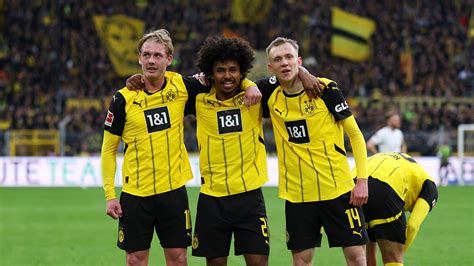
Introduction to Ligue 1 Highlights
Ligue 1, the top-tier professional football league in France, holds a unique place in the global football landscape. Often overshadowed by the likes of the Premier League, La Liga, and the Bundesliga in terms of commercial appeal and global viewership, Ligue 1 has nonetheless carved out a niche as a breeding ground for exceptional talent and a stage for high-caliber football. Its significance is rooted in both its history and its ability to influence the broader football ecosystem. For fans and analysts alike, Ligue 1 highlights serve as a critical tool for understanding the league’s dynamics, appreciating its standout moments, and tracking the evolution of its players and teams.
One of the key reasons Ligue 1 is significant in global football is its role as a talent incubator. The league has produced or nurtured some of the most iconic players in modern football history. Figures like Kylian Mbappé, Zinedine Zidane, and Thierry Henry either began their professional journeys in Ligue 1 or used it as a springboard to global stardom. This consistent output of talent underscores the league's importance not just for French football but for the sport as a whole. Highlights from Ligue 1 games often provide the first glimpses of these emerging stars, giving fans and scouts a chance to witness raw potential and early flashes of brilliance. For instance, Mbappé’s meteoric rise at AS Monaco was punctuated by highlight-reel goals and assists that showcased his pace, technique, and composure—traits that would later make him a global phenomenon at Paris Saint-Germain and with the French national team.
Highlights also play a crucial role in preserving the narrative of Ligue 1’s competitive landscape. While Paris Saint-Germain has dominated the league in recent years due to its financial backing and star-studded roster, Ligue 1 is far from a one-team show. Clubs like Olympique de Marseille, AS Monaco, Olympique Lyonnais, and Lille OSC have all had their moments of glory, challenging PSG and contributing to the league's competitive balance. Highlights serve as a condensed record of these battles, capturing not just the goals and key plays but also the emotional intensity of matches. For example, Lille’s stunning title win in the 2020-21 season over a heavily favored PSG was a story of resilience and tactical brilliance. The highlights of that campaign—showcasing Lille's organized defense and clinical counterattacks—provided a narrative counterpoint to PSG’s seemingly inevitable dominance, reminding fans and analysts that Ligue 1 is capable of producing Cinderella stories.
From an analytical perspective, Ligue 1 highlights are invaluable for dissecting the tactical nuances of the game. The league is known for its blend of styles, ranging from high-pressing, possession-based football (championed by teams like PSG and Lyon) to more pragmatic, counterattacking approaches (seen in teams like Nice or Rennes). Highlights allow analysts to break down critical moments—such as how a team exploits space during a fast break or how a defensive line holds up under sustained pressure. For instance, the way Marseille’s aggressive midfield press disrupts opponents or how Monaco’s wingers stretch play can be better understood through curated highlight reels. These moments are not just entertaining but also educational, offering a window into the strategic decisions made by coaches and the execution by players. This aspect of highlights is especially important for younger fans or aspiring coaches who wish to learn the intricacies of the sport beyond just the spectacle of goals.
Another layer of significance lies in how Ligue 1 highlights cater to the globalization of football fandom. With the advent of streaming platforms and social media, football consumption has become more fragmented yet more accessible. Fans no longer need to watch full 90-minute matches to stay connected with the league; instead, they can rely on well-produced highlight packages to get a sense of the action. This is particularly relevant for Ligue 1, which has a diverse fan base spread across Europe, Africa, and parts of Asia. For fans in regions where live matches are not easily accessible due to time zones or broadcast limitations, highlights are a lifeline. They distill the essence of a match into digestible segments, allowing fans to stay engaged with their favorite teams or players without committing to full game coverage. This accessibility also fosters a sense of community among fans who might not otherwise have the opportunity to discuss or celebrate the league’s moments in real time.
For analysts and content creators, Ligue 1 highlights are a treasure trove of data and storytelling material. Modern football analysis often blends traditional storytelling with data-driven insights, and highlights provide the raw material for both. A well-curated highlight package can showcase not just the final result but also the process—how a goal was constructed through a series of passes, how a defensive error led to a counterattack, or how a goalkeeper made a series of saves to keep their team in the game. Analysts can use these moments to explore deeper themes, such as the effectiveness of a particular formation, the impact of a new signing, or the influence of a tactical shift mid-game. For example, the rise of teams employing a back-three system in Ligue 1 has been a notable trend in recent years, and highlights often illustrate how this formation adapts to different opponents and scenarios.
Furthermore, Ligue 1 highlights are a window into the cultural and stylistic identity of French football. The league is often associated with a certain flair and creativity, rooted in the country’s footballing philosophy that emphasizes technical skill and individual expression. This is evident in the way players like Neymar (during his time at PSG) or Dimitri Payet (at Marseille) approach the game—prioritizing artistry and audacity over pure efficiency. Highlights capture these moments of brilliance, from a perfectly executed dribble to a stunning long-range goal, reinforcing the league’s reputation as a place where football is not just a competition but also an art form. For fans, this adds an extra layer of appreciation, as they are not just watching a game but also engaging with a tradition of footballing excellence.
Lastly, Ligue 1 highlights matter because they bridge the gap between the present and the future of the sport. As one of the "big five" European leagues, Ligue 1 is a key player in the global football economy. Its highlights are not just a retrospective of what has happened on the pitch but also a preview of what is to come. Young talents featured in Ligue 1 today may well be the stars of tomorrow’s Champions League or World Cup. Highlights allow fans and analysts to track these trajectories, building a sense of anticipation and investment in the league’s role as a contributor to football’s global narrative. For instance, the rise of players like Eduardo Camavinga (who moved from Rennes to Real Madrid) or William Saliba (who transitioned from Saint-Étienne to Arsenal via loan spells) was first chronicled through Ligue 1 highlights, making them must-watch content for those interested in the sport’s next generation.
In summary, Ligue 1 highlights are far more than just a collection of exciting plays. They are a microcosm of the league’s significance in global football, a tool for fans to stay connected, and a resource for analysts to decode the sport’s evolving dynamics. Whether it’s the thrill of a last-minute winner, the tactical brilliance of a well-executed game plan, or the emergence of a future star, highlights encapsulate why Ligue 1 remains a vital part of the football ecosystem.
Historical Context of Ligue 1
Ligue 1, the top-tier professional football league in France, has a rich and layered history that reflects not only the evolution of the sport within the country but also its influence on European football as a whole. To understand the significance of Ligue 1 highlights, one must first delve into the league's origins and how its narrative has been shaped by key moments, iconic players, and evolving media dynamics.
The league was officially inaugurated in 1932 under the name "National" before being renamed "Division 1" in 1933. This marked France’s formal entry into structured professional football. Early seasons were dominated by clubs like Olympique Lillois and Olympique de Marseille, setting the stage for what would become a competitive and unpredictable league. However, the early days of Ligue 1 were far from the spectacle we associate with modern football. Matches were sparsely attended, and the concept of "highlights" as we know it today was non-existent. Instead, fans relied on written match reports in newspapers or occasional radio broadcasts to follow their teams.
The post-World War II era ushered in a new level of enthusiasm for Ligue 1. The league expanded, and clubs like Stade de Reims began to dominate, bolstered by the emergence of players such as Raymond Kopa and later Michel Platini. This period also saw the league’s first steps into televised broadcasts. While rudimentary by today’s standards, these broadcasts provided fans with their first taste of "highlights." A simple goal replay or a recap of a match’s most dramatic moments became a novelty that captivated audiences. This marked the beginning of how highlights could immortalize key events, turning them into shared cultural touchpoints for fans.
The 1980s and 1990s were transformative for Ligue 1 in terms of both on-field quality and its media presence. Clubs like Olympique de Marseille and Paris Saint-Germain (PSG) began to assert themselves not just domestically but also on the European stage. Marseille’s 1993 UEFA Champions League victory was a watershed moment for French football, bringing unprecedented global attention to Ligue 1. Highlights of this era—such as Basile Boli’s header in the Champions League final or the artistry of players like Eric Cantona—were no longer confined to brief replays. They were compiled into end-of-season videos, sold as VHS tapes, and later distributed via early internet platforms. These highlights served as a bridge between the live experience of matches and the growing fan culture that wanted to relive the drama.
The evolution of Ligue 1 highlights also parallels the technological advancements in media. The 2000s saw the rise of dedicated sports channels like Canal+, which heavily invested in Ligue 1 coverage. With the advent of digital video editing and high-definition broadcasting, highlights became more polished and engaging. Slow-motion replays, multi-angle views, and detailed analyses allowed fans to experience the league’s most thrilling moments in ways that were previously impossible. For instance, Zinedine Zidane’s early career exploits at Bordeaux or Ronaldinho’s magical dribbles for PSG were not just watched—they were dissected, celebrated, and replayed endlessly in highlight reels.
Another critical aspect of Ligue 1’s legacy is how highlights have contributed to the league’s global appeal. While Ligue 1 has often been criticized for being a "one-team league" due to PSG’s dominance in recent years, the emphasis on highlights has helped showcase the depth of talent across the league. For example, the rise of Kylian Mbappé at AS Monaco during the 2016-17 season was captured in highlight packages that went viral worldwide. These moments—his blistering pace, his calm finishes—helped elevate Ligue 1’s profile, even as Mbappé eventually moved to PSG. Similarly, the league’s focus on young talent, such as the emergence of players like Eduardo Camavinga and William Saliba, has been amplified by well-curated highlight reels shared across social media platforms.
The role of social media in the modern era cannot be overlooked when discussing Ligue 1 highlights. Platforms like YouTube, Twitter, and Instagram have democratized access to these moments. A stunning goal by Neymar or a last-minute save by a goalkeeper can be shared globally within minutes of occurring. This immediacy has not only increased Ligue 1’s visibility but also created a new kind of fan—one who consumes football in bite-sized, highlight-driven segments rather than full matches. While this trend has its critics, it has undeniably expanded the league’s reach, particularly among younger audiences who might not have the time or inclination to watch 90-minute games.
The historical context of Ligue 1 highlights also reveals how they have shaped the league’s identity. Unlike the Premier League or La Liga, which often emphasize physicality or technical brilliance respectively, Ligue 1 highlights have often been associated with moments of flair, unpredictability, and youth development. This is partly due to the French football philosophy of nurturing talent through academies like Clairefontaine, which has produced stars such as Thierry Henry and Kylian Mbappé. Highlights of their early Ligue 1 performances often serve as a narrative thread, connecting the league’s past to its present.
Moreover, Ligue 1 highlights have played a role in preserving the league’s legacy beyond the pitch. They document not just goals and saves but also the broader cultural impact of the sport. For instance, the fiery clashes between PSG and Marseille—known as Le Classique—are often remembered through highlight reels that capture not only the football but also the passion of the fans, the controversies, and the sheer intensity of these encounters. These moments are archived and revisited, ensuring that the league’s history is not lost to time.
In recent years, Ligue 1 has faced challenges in maintaining its global standing amidst financial disparities and competition from other leagues. However, the role of highlights remains central to its strategy for relevance. Streaming platforms and partnerships with global broadcasters have ensured that key moments are accessible to fans worldwide. This focus on highlights as a marketing tool reflects how the league understands its legacy—not just as a series of matches but as a collection of stories, emotions, and iconic moments that resonate beyond France’s borders.
In conclusion, the history of Ligue 1 is deeply intertwined with the evolution of its highlights. From grainy black-and-white footage of early matches to the high-definition, multi-platform content of today, highlights have been both a reflection of the league’s growth and a driver of its legacy. They have immortalized players, defined rivalries, and captured the essence of what makes Ligue 1 unique. As the league looks to the future, the continued emphasis on curating and sharing these moments will be vital in maintaining its place in the global football landscape.
Key Features of Ligue 1 Highlights
Ligue 1, the top-tier professional football league in France, has long been recognized as a breeding ground for exciting football talent and distinctive styles of play. When it comes to **Ligue 1 highlights**, there are several key features that set them apart from highlight reels of other leagues such as the Premier League, La Liga, or Serie A. These differences stem from the league's unique approach to football, its star players, and the broader cultural and tactical nuances of French football. This section delves into what makes Ligue 1 highlights a distinct viewing experience for football enthusiasts around the world.
One of the most striking features of Ligue 1 highlights is the **emphasis on youth and technical brilliance**. Ligue 1 has a reputation for nurturing young talent, often showcasing players who are in the early stages of their professional careers. This is largely due to the strong academy systems of clubs like Paris Saint-Germain (PSG), Lyon, and Monaco. Unlike leagues that are dominated by seasoned veterans or physical playstyles, Ligue 1 highlights often feature moments of individual brilliance from teenagers or early-20s players who are unafraid to take risks. For instance, Kylian Mbappé burst onto the scene as a teenager with Monaco, and his early highlight reels are filled with blistering pace, intricate dribbling, and clinical finishing. These moments are not just about goals but also about the audacity and confidence of young players who are given the platform to shine in Ligue 1.
This youth-centric approach contrasts with leagues like the Premier League, where physicality and experience often take precedence, or La Liga, where star power is concentrated in a few elite clubs. In Ligue 1, even mid-table teams like Lille or Rennes regularly produce players who feature prominently in highlight reels due to their technical skills rather than brute force. This creates a highlight reel that is more about finesse and creativity—quick one-twos, unexpected backheels, and moments of improvisation that stand out in a sport often dominated by structured play.
Another unique aspect of Ligue 1 highlights is the **diverse range of playing styles across the league**. While PSG, with its financial dominance, often showcases a possession-heavy, star-studded approach, other teams in the league adopt contrasting styles that make for varied and unpredictable highlights. For example, teams like Marseille and Nice often prioritize high-energy, counter-attacking football, which leads to fast-paced, end-to-end action in their highlight reels. This diversity is less pronounced in leagues like the Bundesliga, where a high-pressing, attacking philosophy is more uniformly adopted across teams. In Ligue 1, you might see a highlight reel from PSG that features patient build-up play and intricate passing triangles, while a reel from a team like Lens might focus on rapid transitions and long-range efforts. This variety provides a richer viewing experience for fans who appreciate different tactical approaches within a single league.

The presence of **star players with unique attributes** also contributes to the distinctiveness of Ligue 1 highlights. While leagues like the Premier League are known for their physicality and the La Liga for its technical precision, Ligue 1 often combines both elements in its star players. Take Neymar during his time at PSG—his highlight reels are a masterclass in flair, combining Brazilian samba-style dribbling with moments of outrageous skill. However, Ligue 1 is not just about global superstars; it also features players like Jonathan David (Lille) or Wissam Ben Yedder (Monaco), who may not have the same worldwide recognition but consistently produce highlight-worthy moments through their efficiency and intelligence on the ball. These players often demonstrate a blend of technical ability and tactical nous, which makes their contributions to highlight reels both subtle and impactful. This balance of global stars and underrated talents gives Ligue 1 highlights a more layered appeal compared to leagues where the spotlight is overwhelmingly on a handful of elite players.
Another key feature is the **focus on set pieces and defensive organization** in Ligue 1 highlights. While other leagues might prioritize open, free-flowing play, Ligue 1 teams are often lauded for their disciplined defending and effectiveness in dead-ball situations. This can lead to highlight reels that include not just stunning goals from open play but also well-executed set pieces—a header from a perfectly delivered corner or a free-kick curled into the top corner. For instance, teams like Nantes and Reims have historically been adept at using set pieces to create goal-scoring opportunities, and their highlight reels often reflect this tactical strength. This contrasts with leagues like Serie A, where defensive solidity is often associated with a more conservative style of play, or the Premier League, where set pieces are often less of a focal point in highlight compilations.
The **cultural emphasis on flair and entertainment** in French football also plays a role in shaping Ligue 1 highlights. French football has a long-standing tradition of valuing artistry on the pitch, which is reflected in the way highlight reels are curated. There is often a focus on aesthetic goals—a perfectly timed volley, a mazy dribble through multiple defenders, or a long-range screamer. This is not to say that other leagues lack such moments, but Ligue 1 highlights often prioritize showcasing these artistic elements over purely functional goals. This cultural preference for "the beautiful game" ensures that even routine matches can produce highlight reels that are visually striking and memorable.
Additionally, the **narrative arcs within Ligue 1** often make its highlight reels more engaging. Unlike the Premier League, where the title race is often confined to a small group of teams, Ligue 1 has seen surprising title challenges from "lesser" clubs like Lille in the 2020-21 season. These underdog stories add an extra layer of drama to the highlights, as they often feature moments of triumph against the odds. A goal scored by a relegation-threatened team against a top-four side carries more weight in Ligue 1 highlights because of the league's competitive balance. This narrative depth is less common in leagues where the hierarchy is more rigid, such as La Liga with its "big three" dominance.
Finally, the **global appeal of Ligue 1 highlights is enhanced by its accessibility and presentation**. With the rise of digital platforms and streaming services, Ligue 1 has made a concerted effort to package its highlights in ways that appeal to international audiences. This includes dynamic editing, slow-motion replays of key moments, and a focus on the personalities of players both on and off the pitch. For instance, PSG's partnership with global brands and its roster of high-profile players ensures that its highlight reels are not just about football but also about the broader entertainment value of the sport. This approach is less pronounced in other leagues, where highlight reels might focus solely on the action rather than the personalities and stories behind it.
In conclusion, Ligue 1 highlights stand out due to their blend of youth-driven creativity, tactical diversity, star power, and a cultural emphasis on flair and entertainment. These elements combine to create a viewing experience that is both dynamic and nuanced, appealing to fans who appreciate not just the goals but the stories and styles that shape them. While other leagues may dominate in terms of global popularity or commercial reach, Ligue 1's highlights offer a unique window into a league that values both the art and the craft of football.
Fan Engagement Through Highlights
The role of highlights in modern sports consumption cannot be overstated, and Ligue 1, as one of Europe's premier football leagues, provides a rich case study in how curated moments of gameplay can transform passive viewership into active fan engagement. Highlights serve as more than just a condensed form of a match; they are a gateway to deeper fan interaction, social media virality, and the cultivation of a vibrant community.
One of the most immediate ways highlights drive fan interaction is by condensing the emotional peaks of a match into a digestible format. A goal, a stunning save, or a dramatic last-minute winner encapsulates the essence of what makes football so captivating. For fans who may not have the time to watch a full 90-minute match, highlights provide an entry point to stay connected with their team. This is particularly crucial in today’s fast-paced world where attention spans are limited. Ligue 1, with its mix of high-profile clubs like Paris Saint-Germain and underdog stories from teams like Lille or Nice, offers a diverse array of highlight-worthy moments that cater to varied fan bases. By offering these snippets, Ligue 1 not only retains the interest of its core audience but also attracts casual fans who might be drawn in by the spectacle of a particular play.
The virality of highlights on social media platforms further amplifies their impact. Platforms like Twitter, Instagram, and TikTok have become battlegrounds for sports leagues to capture audience attention, and Ligue 1 highlights are tailor-made for this environment. A well-timed overhead kick or a nutmeg followed by a goal can quickly become a meme or a widely shared clip. This phenomenon is not accidental; it is a calculated move by content creators and league administrators who understand the power of visual storytelling. For instance, a highlight reel of Kylian Mbappé’s blistering runs or Lionel Messi’s intricate playmaking is not just entertainment—it is content designed to elicit reactions, comments, and shares. Each like, retweet, or comment represents a micro-interaction that strengthens the bond between the league and its global audience. Moreover, the algorithmic nature of social media platforms rewards engaging content, meaning that a single highlight can snowball into thousands or even millions of impressions, drawing new fans into the Ligue 1 ecosystem.
Another layer to this dynamic is the role of highlights in fostering community building. Football is inherently a communal sport, and highlights act as shared experiences that fans can discuss, debate, and relive together. Online forums, fan groups, and even casual conversations are often centered around specific moments from a match. A spectacular goal or a controversial refereeing decision featured in highlights becomes a talking point that unites fans in their passion for the game. This shared experience is amplified when Ligue 1 or its clubs actively curate and promote highlight packages with narratives. For example, if a smaller team like Clermont Foot pulls off an upset against a giant, the league can frame the highlights in a way that celebrates the underdog story. This not only endears the league to neutral fans but also creates a sense of belonging among supporters of less prominent teams, who see their moments of glory elevated to the same platform as those of established powerhouses.
The strategic use of highlights also ties into the concept of fandom as identity. Fans often use sports as a way to express their personal or collective identity, and highlights provide the raw material for this expression. A fan might share a clip of their team’s victory on their social media profile not just to celebrate but to signal their allegiance and pride. This act of sharing transforms passive consumption into active participation. Ligue 1 can leverage this by ensuring that highlights are not just generic but are packaged with context—such as player interviews, fan reactions, or historical comparisons. For instance, showcasing a young player’s first goal for their club alongside archival footage of a similar moment from a club legend creates a narrative that resonates deeply with fans. This approach not only humanizes the players but also reinforces the emotional connection between the fan and the club.
From a business perspective, highlights are a critical tool for audience retention and monetization. Ligue 1 can use highlights to drive traffic to its owned platforms, such as official websites or subscription-based streaming services. By offering exclusive or extended highlight packages, the league can incentivize fans to engage directly with its content rather than relying solely on third-party platforms. Additionally, well-produced highlights can serve as teasers for full match replays or upcoming fixtures, creating a cycle of engagement that keeps fans coming back for more. This strategy is particularly effective when paired with data analytics to understand what types of highlights resonate most with specific audience segments. For example, younger fans might prefer fast-paced, action-heavy clips for social sharing, while older, more traditional fans might appreciate longer, narrative-driven highlight reels that provide context and backstory.
It is also worth noting how highlights contribute to cross-cultural fan engagement. Ligue 1, as a league with global appeal, attracts fans from diverse regions, many of whom may not have access to live matches due to time zone differences or broadcast restrictions. Highlights serve as a bridge, allowing these fans to stay connected to the league despite logistical challenges. By localizing highlight content—such as adding subtitles, culturally relevant commentary, or region-specific social media campaigns—Ligue 1 can deepen its penetration in markets like Asia, Africa, and the Americas. This not only broadens the league’s audience but also creates a sense of inclusivity, where fans from different parts of the world feel seen and valued.
However, the effectiveness of highlights in driving fan engagement is not without challenges. The risk of over-reliance on short-form content is that it might dilute the value of the full match experience. If fans begin to view highlights as a substitute rather than a supplement to live games, it could impact attendance and long-term loyalty. To counter this, Ligue 1 must strike a balance by using highlights as a teaser rather than a replacement. For instance, exclusive post-match analysis or interactive features like “choose your highlight” polls can encourage fans to delve deeper into the full match experience.
In conclusion, highlights are far more than just a recap of a football match; they are a dynamic tool for fan engagement, social media growth, and community building. By leveraging the emotional, visual, and narrative power of key moments, Ligue 1 can not only retain its existing fan base but also attract new audiences and foster a sense of belonging among supporters worldwide. When executed with creativity and strategy, highlights become a cornerstone of the modern sports experience, transforming individual moments into shared memories that sustain the passion of football fandom.
Role of Media Platforms in Highlight Distribution
The distribution of Ligue 1 highlights has evolved significantly in the digital age, with media platforms playing a pivotal role in shaping how fans access and consume content. This section delves into the strategies employed by platforms such as YouTube, TV networks, and club channels to disseminate highlights, focusing on their unique approaches, challenges, and impact on fan engagement.
One of the most prominent platforms for highlight distribution is YouTube. Its global reach and user-friendly interface make it a go-to destination for fans seeking quick access to Ligue 1 action. YouTube's algorithm favors engagement metrics like watch time and likes, which incentivizes content creators—whether official league channels or independent creators—to produce highlight packages that are not only concise but also visually appealing. For instance, Ligue 1's official YouTube channel often curates "Top Goals of the Week" or "Best Saves" compilations, which are designed to maximize viewer retention. These videos often feature dynamic editing, slow-motion replays, and background music tailored to a younger, international audience. However, this approach has its limitations. The platform's monetization model can sometimes restrict the length and depth of highlights available for free, as full match rights are often reserved for premium broadcasters. This creates a delicate balance where YouTube serves as a teaser rather than a comprehensive source for Ligue 1 highlights, driving traffic to subscription-based services or TV networks for more in-depth content.
Traditional TV networks remain a cornerstone of highlight distribution, particularly for older demographics and regions with established broadcast infrastructures. Networks like Canal+ in France and beIN Sports in global markets hold exclusive rights to broadcast Ligue 1 matches and highlights. These networks often package highlights into post-match shows that include expert analysis, player interviews, and tactical breakdowns. Unlike YouTube, TV networks have the advantage of live broadcasts and the ability to integrate highlights into a narrative arc, such as building up a match’s most dramatic moments with pre-game context. However, this model has faced challenges in the streaming era. Cord-cutting and the rise of on-demand services have reduced the captive audience for scheduled TV programming. To adapt, many networks now offer on-demand highlight packages through their own streaming apps or partnerships with over-the-top (OTT) platforms. This hybrid approach allows TV networks to retain their traditional audience while also catering to younger, tech-savvy fans who prefer flexibility in how they consume content.
Another critical player in the ecosystem is club channels, which have grown in prominence as clubs seek to build direct relationships with their fan bases. Clubs like Paris Saint-Germain (PSG) and Olympique de Marseille operate their own media platforms, including YouTube channels, apps, and websites, where they distribute exclusive highlight content. These channels often provide a more personalized experience, focusing on their team’s performance rather than the league as a whole. For example, PSG's highlights might include behind-the-scenes footage of players arriving at the stadium, locker room celebrations, or manager interviews that are not available through broader media outlets. This strategy not only deepens fan loyalty but also serves as a revenue stream through subscription models or sponsored content. However, club channels face the challenge of limited reach compared to league-wide platforms. While a PSG fan might eagerly consume their team’s highlights, neutral fans or those interested in the broader league narrative might overlook these isolated offerings. This has led to collaborations between clubs and the league to cross-promote content, ensuring that highlights are not siloed but integrated into a broader Ligue 1 ecosystem.
A unique insight into the distribution of Ligue 1 highlights is the role of geo-restrictions and licensing agreements. Media platforms must navigate complex rights frameworks that dictate where and how highlights can be shown. For instance, while Ligue 1’s official YouTube channel might offer free highlights in some regions, those same clips might be blocked or delayed in others due to exclusive deals with local broadcasters. This fragmentation can frustrate fans, particularly in the age of globalized fandom where supporters from different countries expect equal access to content. To address this, some platforms have adopted region-specific strategies. For example, Ligue 1 has partnered with platforms like DAZN in certain countries to provide localized highlight packages, ensuring compliance with licensing agreements while still catering to fan demand. These partnerships also highlight the growing importance of regionalization in sports media, where content is tailored not just to the sport but to the cultural and linguistic preferences of the audience.
The rise of short-form content on platforms like TikTok and Instagram has also influenced how Ligue 1 highlights are distributed. While YouTube and TV networks focus on longer, more comprehensive packages, these newer platforms prioritize bite-sized moments—a stunning goal, a dramatic save, or a contentious referee decision. Clubs and the league itself have embraced this trend, creating accounts on these platforms to share highlights in formats optimized for mobile consumption. This approach not only caters to younger audiences with shorter attention spans but also serves as a gateway to deeper engagement. A fan who sees a 15-second clip of a spectacular goal on TikTok might be inspired to seek out the full highlight reel on YouTube or subscribe to a club channel for more content. This multi-platform strategy underscores the interconnected nature of modern media distribution, where each platform serves a distinct purpose in the fan journey.
Another area of innovation is the use of data-driven personalization in highlight distribution. TV networks and digital platforms are increasingly leveraging analytics to understand viewer preferences and deliver tailored content. For example, a fan who frequently watches PSG matches might receive notifications or curated playlists featuring PSG-specific highlights. This level of customization enhances the user experience and fosters loyalty, as fans feel their interests are being directly addressed. However, this approach also raises questions about privacy and the ethical use of data, particularly as platforms collect more granular information about viewing habits.
The competition between free and premium models is another critical dynamic in highlight distribution. While YouTube and social media platforms offer free access to highlights, they often serve as teasers for premium services. TV networks and OTT platforms like Amazon Prime Video (which has secured Ligue 1 rights in some regions) capitalize on this by offering ad-free, high-definition highlight packages as part of their subscription services. This dichotomy creates a tiered ecosystem where free platforms drive discovery and engagement, while premium services monetize the deeper, more immersive experiences that hardcore fans are willing to pay for.

In conclusion, the distribution of Ligue 1 highlights is a complex interplay of traditional and modern media platforms, each catering to different audience segments and consumption habits. YouTube serves as a global teaser platform, TV networks provide structured, narrative-driven content, and club channels offer personalized, team-focused experiences. Together, these platforms create a multi-faceted ecosystem that not only distributes highlights but also shapes how fans interact with and perceive Ligue 1. As the media landscape continues to evolve, the challenge for Ligue 1 and its partners will be to maintain this balance while innovating to meet the ever-changing demands of a global audience.
Analyzing Player Performance in Highlights
In the world of modern football, highlights play a pivotal role in shaping player narratives. Ligue 1, as one of Europe's top-tier leagues, serves as a stage where individual brilliance often steals the spotlight. While team success is celebrated, it is the standout moments of individual players—captured vividly in highlight reels—that often define their marketability and career trajectory. These moments, whether a perfectly executed dribble, a thunderous goal, or a game-changing assist, are not merely entertainment but also critical assets in the broader ecosystem of player branding and professional growth.
One of the most striking aspects of highlights is their ability to compress a player's impact into a digestible format. A 90-minute game can be reduced to a 2-minute clip showcasing a player's best actions. For instance, when Kylian Mbappé scores a solo goal, weaving past three defenders before slotting the ball into the net, that moment is not just a display of athleticism—it is a marketing tool. Such clips are shared across social media platforms, analyzed by pundits, and replayed endlessly by fans. This immediate and widespread exposure creates a direct link between the player and their audience, especially younger fans who are more likely to consume content in bite-sized formats. For players like Mbappé, these highlight-reel moments reinforce their image as dynamic, game-changing athletes, which in turn attracts sponsors, boosts jersey sales, and even increases their transfer value.
The relationship between highlight moments and sponsorship opportunities is particularly noteworthy. Brands are increasingly data-driven in their selection of athlete ambassadors, but the emotional resonance of a highlight can often outweigh raw statistics. A player like Neymar Jr., known for his flair and creativity, might not always top the goal-scoring charts, but his ability to produce moments of magic—such as a no-look pass or an audacious flick—ensures he remains a highly marketable figure. These moments are amplified in highlight reels, which serve as a portfolio of sorts for players. When a brand evaluates whether to partner with a player, they often look beyond the numbers to assess how often and how vividly that player captures public imagination. A well-timed highlight can be the difference between a lucrative endorsement deal and being overlooked in favor of a more "consistent" but less flashy performer.
Moreover, highlights contribute significantly to a player's career growth by influencing perception among key decision-makers. Scouts, coaches, and even club executives often rely on condensed clips to assess a player's potential. While full-game analyses provide a comprehensive view of a player's capabilities, highlights serve as a quick reference point for identifying standout attributes. For example, a Ligue 1 winger who consistently appears in highlight reels for their dribbling ability or precise crosses is more likely to attract attention from bigger clubs. This is especially true for younger players or those in smaller teams, where limited game time or exposure can be mitigated by the virality of their highlight moments. A player like Eduardo Camavinga, who broke into the scene with Rennes, saw his stock rise not just because of his overall performances but because his dynamic midfield play—showcased in highlights—made him impossible to ignore.
However, the impact of highlights is not without its pitfalls and biases. A player's marketability can sometimes be overemphasized by isolated moments that do not reflect their overall contribution to the team. For instance, a striker who scores a spectacular overhead kick might see their highlight reel dominate social media, while their poor defensive work rate or lack of consistency in other matches is overlooked. This can create a skewed perception of their value, particularly among casual fans or less-informed stakeholders. Clubs and agents must navigate this dynamic carefully, ensuring that players are not reduced to a collection of flashy moments at the expense of their broader skill set. For this reason, many players now employ dedicated media teams to curate and promote their highlights in a way that balances spectacle with substance.
Another critical dimension is the role of highlight-driven narratives in international exposure. Ligue 1, while popular, does not always receive the same global attention as the Premier League or La Liga. For players in this league, particularly those outside traditional powerhouses like Paris Saint-Germain, highlights serve as a bridge to broader recognition. A well-timed clip of a young striker from Lille or Marseille scoring a brace against a top-tier opponent can catapult them into the international conversation. This exposure is particularly valuable for players seeking moves to more competitive leagues or aiming to secure spots in national teams. The 2022 FIFA World Cup, for example, saw several Ligue 1 players credited with standout performances, many of which were first noticed through highlight reels shared globally.
The advent of data-driven highlight analysis has further deepened the connection between player performance and marketability. Advanced tracking tools and AI-powered platforms now allow for the creation of "smart highlights," which focus not just on goals or assists but on nuanced actions like defensive interventions, key passes, or off-the-ball movement. These enhanced highlights provide a more holistic view of a player's impact, appealing to both fans and professionals. For instance, a midfielder who may not score often but consistently breaks up opposition attacks or creates space for teammates can now have their contributions distilled into highlight clips that showcase their true value. This development is particularly beneficial for players whose roles are less glamorous but no less critical to team success.
From a psychological perspective, highlights also influence how players perceive themselves and their potential. Being featured prominently in highlight reels can boost a player's confidence, reinforcing their belief in their abilities. Conversely, the absence of such moments can lead to self-doubt or a sense of being undervalued. This psychological aspect is particularly relevant for young players in Ligue 1, where the pressure to perform and be noticed is immense. Highlight-driven recognition can thus act as both a motivator and a stressor, shaping not just their on-field performance but their off-field demeanor and career decisions.
In summary, the role of highlights in Ligue 1 extends far beyond mere entertainment. They are a dynamic tool for player marketability, career advancement, and even psychological reinforcement. While they can sometimes oversimplify a player's contributions, the potential for exposure and growth they offer is unparalleled. For players, the key lies in ensuring that their highlight moments are not just flashes of brilliance but part of a consistent narrative of skill, adaptability, and value. For the league itself, highlights are a gateway to global engagement, turning individual player performances into a collective showcase of Ligue 1's vibrancy and competitiveness.
- Highlights compress a player's impact into a shareable, marketable format.
- They influence sponsorship deals by emphasizing emotional resonance over raw statistics.
- Decision-makers like scouts and coaches use highlights as quick references for player assessment.
- Highlight biases can lead to overemphasis on spectacle rather than holistic performance.
- International exposure for Ligue 1 players is often driven by viral highlight moments.
- Data-driven highlights now offer a more comprehensive view of player contributions.
- The psychological impact of being featured in highlights can shape a player's confidence and career decisions.
By understanding these dynamics, players, clubs, and even leagues can better harness the power of highlights to create a win-win scenario where individual brilliance fuels both personal success and the broader appeal of Ligue 1 as a competitive and exciting football destination.
Impact of Highlights on Sponsorship and Branding
The role of highlights in modern sports extends far beyond mere entertainment or a recap of key moments in a match. For a league like Ligue 1, highlights serve as a strategic tool to amplify sponsorship value, bolster club visibility, and position the league itself as a globally recognized brand. This interplay of content and commerce is particularly significant in an era where digital platforms and social media dominate fan engagement.
One of the most direct ways highlights impact sponsorship is by offering sponsors extended visibility beyond live broadcasts. While traditional sponsorship deals rely heavily on in-stadium advertising—such as LED boards or jersey logos—highlights provide a secondary, often more enduring, platform. For instance, when a match clip featuring a stunning goal or a dramatic save is shared on YouTube, Instagram, or TikTok, the sponsor's logo on the player's jersey or the perimeter advertising boards gains repeated exposure. This phenomenon is amplified by the fact that highlights are often consumed in bite-sized, looped formats, ensuring that sponsor branding is seen multiple times in a short span. For sponsors, this represents a high return on investment (ROI) as their brand is not only associated with the adrenaline of live action but also with the curated, high-impact moments that fans actively seek out.
Moreover, clubs in Ligue 1 leverage highlights to carve out distinct identities in a crowded European football landscape. Clubs like Paris Saint-Germain (PSG), with its star-studded lineup, use highlights to position themselves as a global entertainment brand. A well-edited highlight reel showcasing Neymar’s dribbling or Mbappé’s lightning-fast goal not only emphasizes the club’s on-pitch prowess but also reinforces its brand narrative of glamour and excellence. This is particularly important for Ligue 1 clubs that are competing for international fanbases against leagues like the Premier League or La Liga. By curating highlights that focus on spectacular plays, clubs can create a sense of aspirational association, encouraging fans and potential sponsors to view them as more than just football teams—they become cultural phenomena.
On a broader scale, Ligue 1 as a brand benefits immensely from the strategic use of highlights to project itself as a competitive and exciting league. Unlike the Premier League, which has long marketed itself as "the most exciting league in the world," Ligue 1 has historically struggled to position itself as a top-tier league globally. However, the rise of young talents like Kylian Mbappé and the influx of international stars has provided the league with a treasure trove of highlight-worthy content. These moments are not only shared by the league’s official channels but are also repackaged by broadcasters, influencers, and even rival clubs. For example, a breathtaking goal by a Ligue 1 player might be shared by a Premier League club’s social media team with a comment like "What a strike! Ligue 1 delivering the goods." This cross-pollination of content helps elevate the league’s profile, subtly reinforcing its status as a provider of top-quality football moments.
The advent of data-driven highlight production has further refined how Ligue 1 highlights are used for branding and sponsorship. Advanced analytics tools can now identify which moments in a match are most likely to go viral—be it a last-minute winner, a nutmeg, or a stunning long-range goal. Ligue 1 and its media partners can prioritize these moments in their highlight packages, ensuring that they are not only entertaining but also aligned with the preferences of digital audiences. This approach is particularly effective when paired with sponsor integration. For instance, a highlight reel might include a subtle watermark of a sponsor’s logo or a brief mention in the video description, creating a seamless blend of content and commercial messaging. This strategy not only enhances the sponsor’s visibility but also ensures that the league and clubs remain front-of-mind for fans consuming content on platforms like YouTube or Twitch.
Another key aspect is the globalization of Ligue 1 through highlights. With the proliferation of OTT platforms and social media, Ligue 1 highlights are no longer confined to French or European audiences. Platforms like beIN Sports, which holds broadcasting rights for Ligue 1 in several regions, use highlights to promote the league in markets such as the Middle East, North America, and Asia. In these regions, highlights are often repackaged with localized commentary or subtitles, making them accessible to non-French-speaking audiences. This global reach is invaluable for sponsors looking to expand their brand presence internationally. A sponsor like Qatar Airways, for example, benefits not only from exposure in France but also from the league’s growing appeal in regions where it operates flights, thereby creating a synergistic effect between the sponsor’s business goals and the league’s global ambitions.
The role of player-centric highlights deserves special mention. Ligue 1, like other top leagues, has seen a shift toward player-focused content. Stars like Mbappé, Lionel Messi (during his time at PSG), and other high-profile players are often the centerpiece of highlight reels. This not only serves to promote the players themselves but also indirectly boosts the league and its sponsors. When a highlight of Messi scoring a goal is shared globally, it carries with it the implicit association of Ligue 1 as a league capable of attracting and nurturing world-class talent. For sponsors, this provides an opportunity to align their brand with not just a club or a league but with the individual star power of globally recognized athletes.
However, the effectiveness of highlights in sponsorship and branding is not without challenges. One potential pitfall is the risk of over-saturation. With so much content being produced and shared, there is a danger that highlights lose their impact or become indistinguishable from one another. To counter this, Ligue 1 and its partners must focus on creating unique, story-driven content. For example, instead of simply showcasing goals, highlights could be framed around narratives—such as a young player’s breakthrough performance or a club’s comeback from a losing position. These narratives not only make the content more engaging but also provide sponsors with a richer, more emotionally resonant context for their branding.
Additionally, the rise of user-generated content (UGC) presents both an opportunity and a challenge. Fans often create their own highlight reels, mashups, and montages, which can sometimes dilute the league’s ability to control its branding narrative. However, this can also be harnessed as a strength. Ligue 1 could collaborate with content creators or incentivize fans to use official sponsor tags and hashtags when sharing their own highlight-inspired content. This approach not only extends the reach of highlights but also turns fans into brand ambassadors, further embedding sponsors into the fabric of Ligue 1’s digital presence.
In conclusion, highlights are a cornerstone of Ligue 1’s strategy to promote sponsors, clubs, and the league as a global brand. By leveraging curated, high-impact moments, integrating sponsors seamlessly into digital content, and using data-driven insights to target audiences, Ligue 1 has positioned itself as a league that understands the modern dynamics of fan engagement. This not only enhances the league’s commercial viability but also ensures that its brand—and the brands of its sponsors—remain relevant in an increasingly competitive and digital-first sports landscape.
Technological Advancements in Highlight Production
The production of Ligue 1 highlights has undergone a significant transformation in recent years, driven by rapid technological advancements. These innovations are not only reshaping how fans consume football content but are also streamlining the processes for broadcasters and content creators. From AI-driven editing tools to immersive VR experiences, the way highlights are produced and presented is evolving at an unprecedented pace.
One of the most impactful innovations in highlight production is the adoption of AI-driven editing. Traditional methods of creating football highlights involved manual selection of key moments by editors who would sift through hours of match footage to identify goals, near-misses, and standout plays. This process was labor-intensive and prone to human error or subjective bias. AI tools, however, have introduced automation to this workflow. Using machine learning algorithms, these systems can analyze match data in real time, identifying key events based on predefined parameters such as ball movement, player positioning, and crowd reactions. For instance, AI can detect when a goal is scored by analyzing the trajectory of the ball crossing the line, the referee's signals, and the immediate player celebrations. This not only accelerates the editing process but also ensures a higher degree of objectivity in selecting moments that are statistically or emotionally significant. Additionally, AI can personalize highlights for individual users. Platforms like YouTube or Ligue 1's official app can use AI to curate custom highlight reels tailored to a viewer's favorite team, player, or even specific types of plays, such as long-range goals or skillful dribbles.
Another area of innovation is instant replay technology, which has become more sophisticated in recent years. Traditional instant replays were limited to a few camera angles and often required a delay as editors queued up the footage. Modern systems now use multi-angle capture and cloud-based processing to provide near-instantaneous replays from multiple perspectives. This is particularly valuable in Ligue 1, where the fast-paced nature of the game demands quick turnarounds to keep viewers engaged. For example, during a contentious penalty decision, instant replay systems can provide broadcasters with slow-motion footage from various angles within seconds, allowing commentators to provide detailed analysis. Furthermore, technologies like Hawk-Eye and VAR (Video Assistant Referee) are now integral to both match officiating and highlight production. While their primary role is to assist referees, the data and visuals generated by these systems are often repurposed into highlight packages, offering fans a behind-the-scenes look at how decisions are made. This not only enhances the viewing experience but also builds trust in the sport by providing transparency.
In addition to AI and instant replay, virtual reality (VR) applications are beginning to make their mark on highlight production. VR technology allows for the creation of immersive experiences where fans can feel as though they are part of the action. For instance, VR cameras placed around the stadium can capture 360-degree footage of key moments, enabling viewers to relive a goal as if they were standing on the pitch. Some Ligue 1 clubs have experimented with VR highlight packages that let fans choose their viewpoint—whether from the perspective of a striker slotting the ball into the net or a goalkeeper diving to make a save. This level of interactivity transforms passive viewing into an active, engaging experience. Moreover, VR can be used to create post-match analysis segments where fans can explore plays in detail. Imagine being able to put on a VR headset and watch a replay of a free-kick from multiple angles, with data overlays showing player movement, ball speed, and defensive positioning. Such features not only appeal to hardcore football enthusiasts but also serve as educational tools for aspiring players and coaches.
The integration of real-time data visualization is another technological leap that is enhancing highlight production. Ligue 1 matches generate vast amounts of data, from player performance metrics to team statistics. Innovations in data processing allow this information to be seamlessly integrated into highlight reels. For example, a highlight of a goal might include a small overlay showing the player's sprint speed, the distance covered in the buildup, or the pass accuracy leading to the goal. These overlays not only add context to the action but also cater to the growing demand for analytics-driven content. Fans are increasingly interested in understanding the "why" behind a play, and data-driven highlights provide that depth. Broadcasters are also leveraging augmented reality (AR) to enhance this experience. During live broadcasts or post-match analysis, AR graphics can be used to illustrate player runs, defensive formations, or even heatmaps of where key actions occurred on the pitch. These visual aids make highlights more informative and engaging, particularly for audiences who value a deeper understanding of the game.
One often-overlooked aspect of technological advancement in highlight production is the role of cloud computing and distributed networks. The ability to store, process, and share large volumes of video data in the cloud has revolutionized how content is managed. In the past, producing highlights required physical infrastructure and significant time for file transfers. Now, cloud-based platforms allow editors to access footage instantly from anywhere in the world, enabling faster turnaround times for highlights. This is particularly valuable for Ligue 1, where matches are broadcast globally, and international audiences expect near-instant access to key moments. Cloud technology also supports collaborative workflows, where multiple editors can work on the same project simultaneously, further speeding up the production process.
Despite these advancements, there are challenges to consider. The reliance on AI and automation raises questions about the potential loss of human creativity in highlight selection. While AI can efficiently identify key moments, it may struggle to capture the subtleties of emotion or context that a human editor might prioritize. For example, a last-minute goal in a losing effort might not register as "important" to an algorithm but could be deeply meaningful to fans of the losing team. Striking the right balance between automation and human oversight is crucial to maintaining the emotional resonance of football highlights.
Additionally, while VR and AR technologies are promising, their adoption is still limited by factors such as cost and accessibility. Not all fans have access to VR headsets, and producing high-quality VR content requires significant investment. However, as these technologies become more affordable and widespread, their potential to redefine highlight consumption is immense.
In conclusion, the technological advancements in Ligue 1 highlight production are not just about improving efficiency; they are about redefining how fans interact with the sport. From AI-driven personalization to VR-enabled immersion, these tools are creating new possibilities for engagement and storytelling. As these technologies continue to evolve, they will likely play an even greater role in shaping the future of football content, ensuring that Ligue 1 remains at the forefront of innovation in sports entertainment.
Challenges in Creating Ligue 1 Highlights
Creating highlights for Ligue 1, one of Europe's top football leagues, is not as straightforward as simply selecting the best moments from matches. The process is fraught with challenges that require a delicate balance of creativity, legal compliance, and strategic foresight. In this section, we delve into the key hurdles faced by content creators in producing Ligue 1 highlights, focusing on licensing rights, competition with other leagues, and the imperative to maintain quality.
One of the most significant challenges in creating Ligue 1 highlights is the issue of licensing rights. Broadcasting and distribution rights for football matches are highly regulated and often fragmented across multiple stakeholders. Ligue 1, like other major leagues, sells its broadcasting rights to networks and platforms in various regions. These agreements often include clauses that restrict how match footage can be used, edited, and distributed. For instance, a platform with rights to show full matches might not have the permission to create and monetize highlight reels for specific markets. This fragmentation can lead to legal complications, especially when content creators aim to produce highlight packages for global audiences. A misstep in adhering to these licensing agreements can result in hefty fines or even the loss of future rights to broadcast or create content for the league. Moreover, the rise of social media platforms has added another layer of complexity. While these platforms are excellent for reaching younger, tech-savvy audiences, they often operate in gray areas when it comes to copyright enforcement. Unauthorized highlight clips shared by fans or third-party accounts can dilute the value of officially licensed content, creating friction between rights holders and content creators.
Another major challenge is the competition with other leagues. Ligue 1 is home to iconic clubs like Paris Saint-Germain (PSG) and players such as Kylian Mbappé, but it often struggles to capture global attention compared to the Premier League, La Liga, or the Bundesliga. These rival leagues have established themselves as powerhouses in terms of marketing, global viewership, and star power. For instance, the Premier League's highlights are often more widely shared and discussed due to its broader appeal and English-language commentary, which naturally resonates with a larger international audience. Ligue 1 highlights face the uphill task of not only showcasing the league’s best moments but also convincing a global audience that it is as exciting or competitive as its counterparts. This challenge is compounded by the fact that the league’s narrative is sometimes dominated by PSG’s overwhelming success, which can make the league seem less competitive to casual viewers. Content creators must therefore work harder to identify and amplify storylines beyond PSG—such as the resurgence of traditional clubs like Marseille or the emergence of young talents in smaller teams—to make the highlights more appealing. Additionally, the timing of Ligue 1 matches can pose a problem. With games often scheduled in parallel with those of other top leagues, viewers might prioritize watching highlights from more hyped competitions, further reducing the potential reach of Ligue 1 content.
Maintaining quality in Ligue 1 highlights is another critical issue. In an era where viewers are inundated with short-form content, the expectation for high production value is at an all-time high. A poorly edited highlight reel with low-quality visuals, generic commentary, or an uninspired selection of moments can quickly lose audience interest. However, achieving high-quality highlights is not just about technical proficiency; it also requires a deep understanding of the sport and its audience. For example, a highlight package that focuses solely on goals might miss out on key defensive plays, tactical brilliance, or moments of individual skill that resonate with hardcore football fans. At the same time, creators must strike a balance between catering to die-hard supporters and appealing to casual viewers who might not have the patience for a detailed breakdown of every play. This requires a nuanced approach to editing, where the pacing, music, and narrative arc of the highlight reel are meticulously crafted. Additionally, the rise of platforms like TikTok and Instagram has pushed creators to experiment with ultra-short, punchy highlight formats, which can sometimes compromise the depth and context of the content. While these formats are effective for virality, they risk reducing the richness of the football experience, turning matches into a series of disconnected moments rather than a cohesive narrative.
Another dimension of quality maintenance is the need to localize content for diverse audiences. Ligue 1 has fans across the world, from France to Africa, Asia, and the Americas. Each region has its own preferences for how football content is presented. For instance, African audiences might be more interested in seeing highlights of African players like Seko Fofana or Franck Kessié, while South American fans might want to see how their compatriots like Neymar (when he was in Ligue 1) or Luiz Araújo perform. Localizing content involves not just translating commentary or adding subtitles but also tailoring the selection of moments and the tone of the presentation to suit cultural sensibilities. This requires significant resources and expertise, as poorly localized content can alienate audiences rather than engage them.
A related issue is the pressure to innovate in a crowded content landscape. With so many leagues, teams, and independent creators vying for attention, Ligue 1 highlights must stand out. This has led to the adoption of advanced technologies like augmented reality (AR) overlays, data-driven analysis, and interactive elements in highlight packages. While these innovations can enhance the viewing experience, they also demand higher budgets and technical expertise. Smaller content teams or broadcasters with limited resources might struggle to keep up, leading to a gap in quality between top-tier productions and those with more modest means. Furthermore, the rapid pace of technological change means that what is innovative today might become standard tomorrow, requiring constant reinvention.
Finally, there is the challenge of balancing objectivity and promotion. Ligue 1’s stakeholders, including clubs, sponsors, and broadcasters, often have vested interests in how the league is portrayed. For example, there might be pressure to emphasize PSG’s dominance to attract global viewership or to highlight specific players who are sponsored by certain brands. However, overly promotional content can alienate fans who value authenticity and unbiased coverage. Striking the right balance between showcasing the league’s strengths and maintaining journalistic integrity is a tightrope walk for content creators.
In conclusion, creating Ligue 1 highlights is a multifaceted endeavor that goes beyond simply cutting and pasting match footage. It involves navigating a maze of licensing restrictions, competing for attention in a saturated market, and meeting the high expectations of a diverse and demanding audience. Addressing these challenges requires not only technical expertise but also a deep understanding of the sport, its fans, and the broader media landscape. For Ligue 1 to truly shine in the world of football highlights, content creators must rise to these challenges with innovation, adaptability, and a commitment to quality.
Conclusion and Future of Ligue 1 Highlights
The landscape of Ligue 1 highlight production and consumption is undergoing a rapid transformation, driven by advancements in technology, shifting audience preferences, and the increasing globalization of football as a sport. As we look to the future, several key trends are likely to shape how highlights are produced, distributed, and consumed. These trends not only reflect the evolving nature of media but also the growing expectations of fans who seek more immersive, interactive, and personalized experiences.
One of the most significant future trends in Ligue 1 highlight production is the integration of **artificial intelligence (AI) and machine learning (ML)** into the creation process. AI-powered tools are already being used to automate the selection of key moments in matches, reducing the time and manpower needed to produce highlight reels. For instance, algorithms can analyze player movements, ball possession, and crowd reactions to identify the most exciting or game-changing moments. This not only ensures that highlights are more dynamic but also allows for near-instantaneous production. In the future, we can expect these systems to become even more sophisticated, potentially tailoring highlight packages to individual user preferences. For example, a fan of Paris Saint-Germain might receive a customized reel focusing on their favorite player’s goals and assists, while another fan interested in defensive plays could get a reel showcasing key tackles or saves. This level of personalization could redefine how fans engage with Ligue 1 content, making it more relevant and engaging on a one-to-one level.
Another important trend is the rise of **short-form content platforms** like TikTok, Instagram Reels, and YouTube Shorts. These platforms have fundamentally changed how younger audiences consume sports content. Ligue 1 highlights are no longer confined to traditional television broadcasts or even full-length YouTube videos; they are increasingly being packaged into bite-sized, high-impact clips designed for mobile-first consumption. This shift requires producers to think differently about how they frame and present highlights. For example, rather than focusing on a full 3-minute highlight reel, creators might prioritize 15-second clips of a spectacular goal or a dramatic save, accompanied by dynamic music and on-screen graphics. This trend is likely to grow as platforms continue to favor short, shareable content that can quickly go viral. Ligue 1 stakeholders will need to adapt by working closely with influencers and content creators who understand how to craft engaging, platform-specific content. This collaboration could open new avenues for Ligue 1 to reach younger, more diverse audiences who might not traditionally follow the league.
The **role of augmented reality (AR) and virtual reality (VR)** in highlight consumption is another area with immense potential. While AR and VR technologies are still in their infancy in sports broadcasting, they are poised to revolutionize how fans experience highlights. Imagine a scenario where a fan can use a VR headset to "step into" a key moment from a Ligue 1 match—experiencing the atmosphere of the stadium, hearing the roar of the crowd, and seeing the play unfold from multiple angles as if they were on the pitch. This immersive experience could elevate highlight consumption from passive viewing to active engagement. Additionally, AR overlays could enhance traditional highlight videos by providing real-time statistics, player heatmaps, or tactical analyses directly within the video frame. These features could appeal to both casual fans and more analytically minded viewers who want deeper insights into the game. As AR and VR hardware becomes more accessible and affordable, Ligue 1 has an opportunity to position itself as a leader in this space, offering fans a futuristic way to connect with the league.
The **globalization of Ligue 1’s audience** also presents unique challenges and opportunities for highlight production. With the league’s increasing popularity in markets like Asia, Africa, and North America, there is a growing need to localize highlight content. This could involve producing highlights with multilingual commentary or culturally tailored narratives that resonate with specific regional audiences. For instance, a highlight reel for fans in North Africa might emphasize the performances of Algerian or Moroccan players in the league, while a reel for fans in Southeast Asia could focus on the contributions of Thai or Vietnamese players. Furthermore, the rise of over-the-top (OTT) streaming platforms means that Ligue 1 highlights are no longer tethered to traditional broadcast schedules. Fans can now access highlights on-demand through services like Amazon Prime Video (which has a broadcasting deal with Ligue 1 in France) or dedicated league apps. This shift necessitates a more flexible approach to highlight production, where content is not only produced quickly but is also optimized for different time zones and audience segments.
Another critical aspect of the future of Ligue 1 highlight consumption is the **integration of interactive and gamified elements**. Fans are no longer satisfied with merely watching highlights; they want to engage with them in meaningful ways. This could take the form of interactive quizzes or polls embedded within highlight videos, allowing fans to test their knowledge of the game or vote for the “goal of the week.” Similarly, gamification could involve rewarding fans with points or badges for watching highlights, sharing content, or participating in discussions. These features not only increase engagement but also foster a sense of community among fans. Platforms like Twitch, which blend live streaming with interactive chat features, could serve as a model for how Ligue 1 might incorporate real-time fan interaction into highlight consumption. For example, fans could watch a live compilation of the week’s best goals while chatting with other supporters or even voting on which play deserves the top spot in a ranking system.
The **ethical and legal considerations** surrounding highlight production are also worth examining. As highlights become more accessible and shareable, issues around copyright, licensing, and revenue sharing will become more pronounced. Ligue 1 and its broadcast partners will need to navigate these challenges carefully, ensuring that highlight distribution does not undermine the league’s revenue streams while still meeting fan demand for free or low-cost content. One potential solution is the use of **non-fungible tokens (NFTs)** to monetize exclusive highlight content. For instance, fans could purchase limited-edition digital collectibles of iconic Ligue 1 moments, such as a last-minute winning goal or a record-breaking performance. This approach could create new revenue streams while also offering fans a unique way to own a piece of Ligue 1 history.
Finally, the **sustainability of highlight production** is an emerging concern. As the demand for high-quality, real-time content grows, so too does the environmental impact of data centers, cloud storage, and streaming services. Ligue 1 and its partners will need to consider how they can produce highlights in a way that minimizes their carbon footprint. This might involve investing in energy-efficient servers, optimizing video compression technologies, or even exploring decentralized content delivery networks that reduce the strain on traditional infrastructure.
In conclusion, the future of Ligue 1 highlight production and consumption is poised to be shaped by a confluence of technological innovation, audience evolution, and global market dynamics. From AI-driven personalization to immersive AR/VR experiences, the league has an opportunity to redefine how fans interact with its content. However, this future also comes with challenges—balancing monetization with accessibility, navigating ethical concerns, and ensuring sustainability. By staying ahead of these trends and embracing innovation, Ligue 1 can not only enhance its appeal to existing fans but also attract new audiences, solidifying its place as one of the most exciting and forward-thinking football leagues in the world.