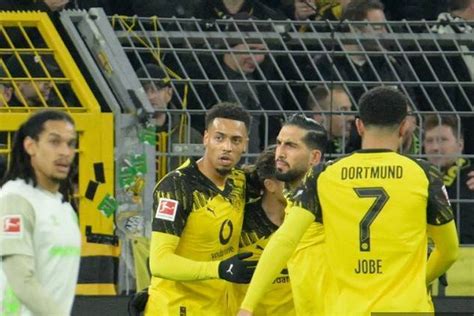
Introduction to the Revierderby
The Revierderby is one of the most storied and intense rivalries in German football, pitting two of the Ruhr region's most iconic clubs against each other: borussia dortmund and FC Schalke 04. This fixture is not merely a contest of athletic prowess but a representation of the deep cultural, historical, and socio-economic fabric of the region known as the Revier or the Ruhr area. To understand the significance of the Revierderby, one must delve into the intertwined narratives of industrialization, community identity, and the broader evolution of German football.
The term "Revierderby" literally translates to "the derby of the mining area," a nod to the Ruhr's long-standing association with coal mining and steel production. This industrial backdrop is crucial to the rivalry's context. During the late 19th and early 20th centuries, the Ruhr region became the industrial heart of Germany, drawing workers from across the country and beyond. These workers, often living in tight-knit communities tied to specific mines or factories, found solidarity and identity in local football clubs. Borussia Dortmund and Schalke 04 emerged as symbols of this working-class pride, with their matches becoming more than just games—they were expressions of communal loyalty and rivalry.
Borussia Dortmund, founded in 1909, and Schalke 04, established in 1904, grew in parallel with the region's industrial boom. Schalke, in particular, enjoyed immense success in the 1930s and 1940s, a period often referred to as their "golden era." They were known for their innovative WM formation and a team nicknamed "Die Knappen" (the miners), reflecting the club's deep ties to the working class. Dortmund, while initially overshadowed, began asserting itself post-World War II, particularly as German football modernized and transitioned into the Bundesliga era in 1963. This historical juxtaposition of early Schalke dominance and Dortmund's later rise forms a key subtext of the Revierderby's intensity—it is not just about the present but about decades of shifting power dynamics.
The socio-economic decline of the Ruhr area in the late 20th century further intensified the derby's emotional weight. As coal mines closed and the region faced economic hardships, football remained a unifying force and a source of pride. For fans of both clubs, the Revierderby became a way to cling to a sense of identity amid broader societal changes. This is evident in the passionate displays of support in the stadiums, where chants, banners, and rituals often reference the region's industrial heritage. For example, Dortmund fans frequently invoke the imagery of the Westfalenstadion as a fortress of the people, while Schalke supporters emphasize their club's historical connection to Gelsenkirchen's working-class roots.
The rivalry is also significant because of its unpredictability and high stakes. Over the years, matches between Dortmund and Schalke have produced some of the most memorable moments in German football history. One of the most famous instances is Schalke's 6-1 victory in 1982, which is still celebrated by their fans as a defining moment of superiority. Conversely, Dortmund's dominance in the 1990s and 2000s—particularly during their Bundesliga title-winning campaigns—has swung the pendulum of bragging rights. The derby's ability to produce dramatic turnarounds, such as Schalke coming back from a 4-0 deficit to draw 4-4 in 2017, underscores its reputation as a fixture where form and logic are often secondary to passion and grit.
Another layer of significance lies in the clubs' contrasting philosophies and fan cultures. Schalke has long prided itself on its "family club" ethos, with a focus on tradition and loyalty. Their fanbase is known for its unwavering support, even during periods of underperformance. Dortmund, on the other hand, has cultivated a reputation for dynamic, attacking football and a vibrant, youthful energy embodied by their "Yellow Wall"—the massive standing terrace at Signal Iduna Park, which is one of the largest and most intimidating in Europe. These differences in approach and identity add a layer of ideological competition to the Revierderby, making it not just a clash of teams but of footballing philosophies.
The Revierderby's importance also extends to its role in shaping the narrative of German football. The Ruhr region has historically been a talent hotbed, producing players who have gone on to represent Germany at the highest level. Both Dortmund and Schalke have contributed significantly to this legacy, with players like Michael Zorc, Marco Reus, Manuel Neuer, and Mesut Özil emerging from the rivalry. The derby has often served as a stage for young talents to announce themselves, further embedding its importance in the sport's developmental landscape.
From a broader historical perspective, the Revierderby reflects the evolution of football as a cultural phenomenon. In the early days, matches were local affairs attended primarily by those within the Ruhr. However, as German football gained international prominence—particularly after the 1954 World Cup victory and the establishment of the Bundesliga—the Revierderby became a fixture watched by millions. Its significance is amplified by the global reach of modern media, with fans worldwide tuning in to witness the passion and drama of this regional clash. This evolution highlights how the Revierderby is not just a local rivalry but a microcosm of football's ability to transcend borders while remaining deeply rooted in its origins.
The derby also serves as a barometer for the health and competitiveness of German football. When both Dortmund and Schalke are performing well, the league benefits from the added intensity and narrative depth. However, Schalke's recent struggles—including their relegation in 2021—have raised questions about whether the Revierderby can retain its luster if one side consistently underperforms. Despite this, the rivalry's historical weight ensures that even in periods of imbalance, the matches are charged with emotion and meaning.
In summary, the Revierderby is more than a football match; it is a living chronicle of the Ruhr area's history, culture, and resilience. It encapsulates the pride of a region that has weathered industrial decline, celebrated sporting glory, and found unity in the face of rivalry. As one of the most enduring and emotionally charged fixtures in football, the Revierderby stands as a testament to how sport can embody and amplify the identity of a place and its people.
- The Revierderby represents the socio-economic and cultural history of the Ruhr region.
- It showcases the contrasting fan cultures and footballing philosophies of Dortmund and Schalke.
- The rivalry has produced some of the most dramatic and memorable moments in German football.
- It serves as a symbol of pride and identity for a region that has faced significant challenges.
By understanding the Revierderby in this depth, one can appreciate why it holds a unique place not just in German football but in the global tapestry of the sport.
Historical Origins of the Rivalry
The Revierderby, one of the most fiercely contested rivalries in German football, pits two of the Ruhr region's most storied clubs against each other: Borussia Dortmund and FC Schalke 04. To understand the historical origins of this rivalry, one must delve into the socio-economic, cultural, and sporting dynamics of the Ruhr region during the late 19th and early 20th centuries. This period laid the foundation for a competition that transcends football, rooted in industrial identity, local pride, and the shared struggles of a working-class population.
The Ruhr region, often referred to as the "Revier" (a colloquial term for the area), was the heart of Germany's industrial revolution. Coal mining, steel production, and heavy industry dominated the landscape, drawing workers from across Germany and neighboring countries to the area. This influx of labor created densely populated towns and cities where local identities were forged around workplaces, neighborhoods, and eventually, football clubs. Both Borussia Dortmund and Schalke 04 were born in this environment, but their origins reflect slightly different facets of the region's industrial character.
Borussia Dortmund was founded in 1909 by a group of young men dissatisfied with the dominion of a local Catholic church youth group over their sporting activities. The club's name, "Borussia," is derived from the Latin name for Prussia, symbolizing a sense of regional pride even in its early days. Dortmund's rise as a football club was closely tied to the city's working-class ethos. The team represented the aspirations of a community that saw itself as self-made, resilient, and independent. Dortmund's supporters often identified with the club as a symbol of their own struggles against external control, whether from church authorities in their early days or later from economic and political forces.
Schalke 04, on the other hand, was established in 1904 in Gelsenkirchen, a city equally shaped by coal and steel but with a distinct identity. Schalke's early success was heavily influenced by its connection to the local mining community. The club became synonymous with the "Knappen" (a term for miners), and its players were often drawn directly from the pits. This association gave Schalke a deeply ingrained working-class identity, and its early dominance in German football during the 1930s and 1940s—a period when they won six national championships—was seen as a reflection of the region's industrial might. Schalke's style of play, characterized by discipline and efficiency, mirrored the structured and methodical nature of mining work.
The rivalry between these two clubs began to take shape not just on the pitch but in the broader social fabric of the Ruhr. While both teams represented the working class, their fan bases were often delineated by geography and local allegiances. Dortmund, as a larger city, had a more diverse and outward-looking identity compared to Gelsenkirchen, which was more insular and closely tied to its mining heritage. This geographical and cultural divide created a natural friction. Matches between the two teams were not just sporting contests but opportunities for communities to assert their dominance and pride in the region.
Another layer to the rivalry lies in the historical context of World War II and its aftermath. The Ruhr region was a critical industrial hub for the Nazi war effort, and both Dortmund and Gelsenkirchen suffered heavily from Allied bombings. In the post-war period, the region faced economic devastation, and football became an emotional outlet for communities grappling with rebuilding their lives. Both clubs symbolized resilience in this era, but their rivalry intensified as they vied for regional supremacy in a time of shared hardship. The proximity of the two cities—just about 30 kilometers apart—meant that bragging rights were always at stake, and every derby match carried the weight of local honor.
The rivalry also has a unique dimension tied to class and identity politics within the Ruhr. Schalke, with its deep-rooted mining identity, was often seen as more traditional and inward-focused, while Dortmund, with its slightly more cosmopolitan character, represented a club that was willing to embrace change and modernity. This dichotomy is evident in the way the clubs approached their development. Dortmund, for instance, was quicker to modernize its stadium and adopt commercial strategies in the later 20th century, while Schalke retained a more traditional, community-focused approach. These differences fueled not only competition on the field but also a sense of ideological contrast between the two sides.
The economic decline of the Ruhr region in the late 20th century added another dimension to the rivalry. As coal mines closed and steel mills shuttered, the area faced high unemployment and social challenges. Football became one of the few sources of collective joy and identity for the people of the Ruhr. In this context, the Revierderby took on even greater significance. For many fans, supporting their team was not just about football but about holding onto a sense of pride and continuity in a rapidly changing world. The matches became a way to relive the glory days of industrial dominance, even as the economic realities of the region shifted beneath their feet.
The rivalry is also marked by memorable moments that have deepened its intensity over the years. One of the most iconic episodes occurred in 1947 during the "Schalke collapse" match, where Dortmund overcame a 3-0 deficit to win 3-4. This result was a turning point in how the two teams viewed each other—no longer just competitors but genuine antagonists. Similarly, Schalke's dominance in the 1930s and 1940s created a sense of historical imbalance that Dortmund fans have long sought to overturn, fueling their desire to outperform their rivals in modern times.
It is also worth noting the role of regional identity in sustaining the rivalry. Unlike other derbies in Germany, such as the one between Bayern Munich and 1860 Munich, the Revierderby is not just about two clubs but about representing an entire region. The Ruhr is a patchwork of towns and cities with shared industrial histories but distinct local loyalties. Dortmund and Schalke, as the two most prominent clubs, became the standard-bearers for this collective identity. Their matches are seen as a microcosm of the region's competitive spirit, where success on the pitch is equated with validation of one's place in the Ruhr's storied history.
In summary, the roots of the Revierderby rivalry lie in a complex interplay of industrial heritage, geographic proximity, class identity, and post-war resilience. It is not merely a clash of football teams but a reflection of the Ruhr region's soul—a place where coal dust and steel forged not only industry but also the passions of its people. This deep-seated rivalry continues to thrive because it represents more than sport; it embodies the enduring spirit of a region that has faced adversity together yet remains divided in its loyalties on match day.
- The rivalry stems from the industrial history of the Ruhr region, where both clubs were born out of working-class communities.
- Geographic proximity and cultural differences between Dortmund and Gelsenkirchen heightened the competition.
- Post-war struggles and the economic decline of the Ruhr added emotional weight to the matches.
- Memorable moments, such as Dortmund's comeback in 1947, have cemented the derby's legendary status.
The Revierderby is, therefore, not just a football rivalry but a living chronicle of the Ruhr's history, identity, and resilience.
Teams Involved: Borussia Dortmund and Schalke 04
The Revierderby, one of the most fiercely contested football rivalries in Germany, pits two of the Ruhr region's most iconic clubs against each other: **Borussia Dortmund** and **Schalke 04**. This rivalry extends beyond the pitch, rooted in the industrial history, cultural identity, and local pride of the region. To understand the significance of this clash, one must delve into the profiles of these two teams, their historical trajectories, and their specific roles in shaping the intensity of the Revierderby.
**Borussia Dortmund**, founded in 1909, is one of Germany’s most successful and widely supported clubs. The team’s name derives from a local church, "Dortmund-Borussia," and the club's early history was marked by modest ambitions. However, Dortmund’s rise to prominence began in the mid-20th century, when they won their first German championship in 1956. Since then, Dortmund has become a symbol of the working-class ethos of the Ruhr area, drawing support from a broad demographic that reflects the region’s industrial backbone. Dortmund’s **Westfalenstadion** (now Signal Iduna Park) is the largest stadium in Germany, with a capacity exceeding 80,000, and it serves as a cauldron of yellow-and-black fervor during Revierderby matches.
The club's modern identity is shaped by its **commitment to attacking football** and its ability to nurture young talent. Under managers like Jürgen Klopp, Dortmund embraced a high-pressing, dynamic style of play that brought them domestic and European success, including Bundesliga titles in 2011 and 2012 and a UEFA Champions League final appearance in 2013. This approach not only elevated Dortmund’s status but also intensified their rivalry with Schalke, as both teams often competed for regional dominance and European qualification. Dortmund’s fan base, known as the **"Die Gelbe Wand"** (The Yellow Wall), represents one of the most vocal and visually striking supporter groups in world football, further cementing the club’s role as a bastion of the Revierderby’s emotional core.

In contrast, **Schalke 04**, founded in 1904 in Gelsenkirchen, represents a slightly different facet of the Ruhr region’s identity. While both clubs share working-class roots, Schalke’s history is deeply intertwined with the coal mining industry that dominated Gelsenkirchen in the early 20th century. The club’s nickname, **"Die Knappen"** (The Miners), reflects this heritage. Schalke experienced its golden era in the 1930s and 1940s, winning six German championships between 1934 and 1942. This period established Schalke as a footballing powerhouse, and the club’s early dominance gave it a psychological edge in the early years of the Revierderby.
However, Schalke’s more recent history has been characterized by **fluctuating fortunes**. While the club has won the DFB-Pokal five times and the UEFA Cup in 1997, it has not secured a Bundesliga title since 1958. This lack of recent league success has not diminished Schalke’s role in the Revierderby; if anything, it has amplified the stakes for their supporters. Schalke’s home ground, the **Veltins-Arena**, with its modern facilities and a capacity of over 62,000, serves as a fortress where the blue-and-white faithful rally to challenge Dortmund’s dominance. The club’s **"Ultras Gelsenkirchen"** group is known for its passionate displays, often engaging in vibrant tifo presentations that underscore the derby’s emotional weight.
The **historical rivalry** between the two clubs is not merely about football but also reflects deeper socio-economic and cultural divides. Dortmund, with its larger population and more cosmopolitan image, often portrays itself as the progressive, ambitious face of the Ruhr. Schalke, by contrast, embodies a sense of tradition and grit, rooted in its mining past and a community that fiercely defends its identity. This dynamic plays out in the Revierderby, where every match is viewed as a **battle for regional supremacy**. The proximity of the two cities—just 30 kilometers apart—ensures that bragging rights are not abstract but deeply personal, felt in workplaces, schools, and neighborhoods across the Ruhr.
The **on-field history of the Revierderby** further underscores the teams' contrasting roles. Dortmund has often been the more successful side in the modern era, particularly from the 1990s onward. Their ability to attract top talent and compete at the highest levels of European football has sometimes cast Schalke as the underdog in this clash. However, Schalke’s occasional triumphs—such as their 4-2 victory in 2019 during a period of Dortmund’s resurgence—highlight the unpredictable nature of this rivalry. These moments serve as a reminder that the Revierderby is not solely about league positions or form but about **pride, legacy, and the sheer unpredictability of football**.
Both teams have also played pivotal roles in **shaping the Bundesliga’s narrative**. Dortmund’s financial recovery from near-bankruptcy in the early 2000s and their subsequent rise under innovative management serve as a case study in sustainable club growth. Schalke, despite their struggles in recent years (including a relegation in 2021), remain a symbol of resilience. Their fan base’s unwavering loyalty, even during challenging times, reinforces the idea that the Revierderby is as much about **community solidarity** as it is about sporting competition.
The **player dynamics** in the Revierderby also add layers of intrigue. Over the years, players have crossed the divide, with mixed receptions. For instance, when former Schalke goalkeeper Jens Lehmann moved to Dortmund in 1999, it caused uproar among Schalke fans. Similarly, players like Michael Skibbe and Kevin-Prince Boateng have represented both clubs, illustrating how the rivalry can blur lines while intensifying emotions. These player transfers, though rare, add a personal dimension to the derby, as former heroes can quickly become villains in the eyes of their old supporters.
Beyond the players and matches, the **cultural significance of the Revierderby** extends to its role in German football lore. Both Dortmund and Schalke are among the **"Big Five" clubs in Germany** (alongside Bayern Munich, Hamburger SV, and Werder Bremen) that have shaped the league's history. Their clashes are not just games but events that capture the imagination of fans nationwide. The Revierderby is often cited as a representation of the broader **regional pride and competition** that defines German football, where local identity often trumps national or international aspirations.
In summary, the profiles of Borussia Dortmund and Schalke 04 reveal two teams with distinct yet complementary identities. Dortmund represents ambition, modernity, and a global fanbase, while Schalke stands for tradition, resilience, and a deep connection to its roots. Together, they create a rivalry that is as much about the **spirit of the Ruhr region** as it is about football. The Revierderby, therefore, is not merely a fixture on the calendar but a **celebration of the shared and divided history** of two clubs that embody the heart of German football’s industrial heartland.
Key Matches and Moments
The Revierderby, contested between Borussia Dortmund and Schalke 04, is one of the most fiercely competitive and emotionally charged rivalries in German football. Spanning decades, this fixture has produced some of the most memorable matches, goals, and turning points that have shaped not only the fortunes of these two clubs but also the broader narrative of the Bundesliga. This section delves into some of the standout moments that have defined the Revierderby over the years.
One of the most iconic matches in the history of the Revierderby took place on **November 20, 1997**, when Schalke 04 hosted Borussia Dortmund at the Parkstadion. This match is remembered as the "**Schalke Miracle**" because of its dramatic conclusion. Schalke, trailing 0-2 at halftime, mounted an incredible comeback in the second half. Goals from **Marc Wilmots** and **Erik Meijer** leveled the score, and the match ended in a 2-2 draw. What made this match so significant was not just the comeback but the context: Schalke was in the midst of a challenging season, while Dortmund was the reigning UEFA Champions League winner. This result underscored Schalke's resilience and served as a reminder that form often goes out the window in derbies.
Another unforgettable moment occurred during the **2006–07 season**, in a match that became known as the "**Huntelaar Derby**." Schalke had signed Dutch striker **Klaas-Jan Huntelaar** in the winter transfer window, and his impact was immediate. In the Revierderby on **April 14, 2007**, Huntelaar scored a brace to secure a 3-1 victory for Schalke. His first goal, a clinical finish from inside the box, showcased his predatory instincts, while his second was a header that left Dortmund's defense reeling. This match was pivotal because Schalke was in a title race, and the win helped them maintain their position at the top of the table. Although they ultimately finished as runners-up that season, the Huntelaar Derby symbolized Schalke's ambition and ability to rise to the occasion in high-stakes games.
The **2017–18 season** brought one of the most lopsided Revierderby results in recent memory. On **November 25, 2017**, Borussia Dortmund demolished Schalke 4-4 in a match that defied logic. Dortmund raced to a 4-0 lead within 25 minutes, with goals from **Pierre-Emerick Aubameyang**, **Benjamin Stambouli's own goal**, and strikes by **Mario Götze** and **Raphaël Guerreiro**. However, Schalke staged an astonishing second-half resurgence, scoring four unanswered goals to salvage a draw. This match is often cited as a prime example of the unpredictability of the Revierderby. It also highlighted the psychological toll such games can take; Dortmund's collapse was as much a result of their overconfidence as Schalke's determination.
Turning points in the Revierderby timeline are not limited to individual matches but are often defined by **goal-scoring legends** who have left their mark. **Franz Brungs** of Schalke is one such figure. In the 1960s, Brungs was a consistent thorn in Dortmund's side, scoring crucial goals that often swung the momentum in Schalke's favor. His performances epitomized the physical and tactical battles that characterized early derbies. On the Dortmund side, **Michael Zorc**, a club legend who played over 500 games for Borussia Dortmund, was instrumental in several derbies during the 1980s and 1990s. Zorc's ability to control the midfield and deliver key passes often neutralized Schalke's attacking threats, making him a symbol of Dortmund's dominance in certain eras.
One of the most emotionally charged turning points came in the **2003–04 season**, when Schalke won the Revierderby 1-0 at the Westfalenstadion. The lone goal was scored by **Marcel Rath**, a relatively unknown player who found himself in the right place at the right time. This victory was particularly significant because Schalke was struggling in the league, while Dortmund was a stronger side on paper. The win gave Schalke fans a rare moment of joy in an otherwise bleak season and served as a reminder of the derby's ability to produce underdog victories.
The **2010s** saw the Revierderby take on new dimensions with the rise of **youthful talent** on both sides. Dortmund's **Jadon Sancho** and Schalke's **Weston McKennie** became emblematic of a new generation of players who brought flair and unpredictability to the fixture. A notable match from this era was the **April 27, 2019** encounter, where Dortmund won 2-4 at the Veltins-Arena. Sancho's performance, including a goal and an assist, showcased his emergence as a game-changer. This match also had broader implications, as Dortmund was in a tight title race with Bayern Munich. The win kept their hopes alive, even if they ultimately fell short.
Beyond individual matches, the Revierderby has also been shaped by **off-field narratives** that add layers of intensity to the rivalry. For instance, the **1990s saw a shift in power dynamics** as Dortmund began to establish themselves as a European force under manager **Ottmar Hitzfeld**, while Schalke was rebuilding after a period of mediocrity. This era marked a psychological shift where Dortmund began to view themselves as the "big brother" in the rivalry, a perception that Schalke fans have vigorously contested ever since. The **2001 UEFA Cup semi-final**, where Schalke eliminated Dortmund en route to winning the trophy, was a moment of catharsis for Schalke fans, proving that they could compete on the biggest stages despite their domestic struggles.
The Revierderby has also seen its share of **controversial moments** that have fueled the rivalry. The **2012–13 season** featured a highly contentious match where Dortmund won 2-1, but the result was marred by a disputed penalty awarded to Dortmund. Schalke fans felt aggrieved, and the incident added another chapter to the long-standing animosity between the clubs. Such moments, while divisive, are integral to the derby's appeal, as they amplify the emotional stakes for players and supporters alike.
In summarizing the key matches and moments of the Revierderby, it is evident that this fixture is more than just a football match—it is a **battle of identities**, a clash of communities, and a stage for heroes and villains to emerge. From dramatic comebacks to lopsided victories, from legendary players to controversial decisions, the Revierderby has consistently delivered moments that are etched in the annals of German football history. These matches and turning points not only define the rivalry but also serve as a microcosm of the passion and unpredictability that make football the beautiful game.
Cultural Impact of the Revierderby
The Revierderby, contested between Borussia Dortmund and FC Schalke 04, is more than a football rivalry; it is a cultural phenomenon that deeply shapes the local identity of the Ruhr region in Germany. This derby is not just about 90 minutes of play on the pitch but represents a clash of communities, histories, and shared experiences that have evolved over decades. Its impact on local culture, fan traditions, and community identity is profound, making it one of the most significant derbies in world football.
The Ruhr region, often referred to as "Revier," is a densely populated industrial heartland that has long been shaped by coal mining and steel production. The economic and social fabric of this area has been intrinsically linked to the rise and fall of these industries. Both Dortmund and Schalke emerged as clubs rooted in working-class communities, with their early fan bases comprising miners, factory workers, and their families. This shared industrial heritage gives the Revierderby a unique cultural underpinning. Unlike derbies in other regions that may hinge on geographical proximity alone, the Revierderby is deeply tied to the collective memory of industrial labor and post-war recovery. For fans, supporting their team is not merely a pastime but a way of honoring their ancestors' struggles and resilience.
One of the most striking aspects of the Revierderby's cultural impact is how it reinforces a sense of belonging for local communities. In an era where globalization and commercialization have diluted the local essence of many football clubs, the Revierderby stands as a bastion of regional pride. Fans of Dortmund and Schalke often identify more strongly with their club than with national or even international football narratives. This is evident in the way the derby is discussed in local pubs, workplaces, and family gatherings. It is not uncommon for entire families to align themselves with one side of the rivalry, creating a generational loyalty that extends beyond the sport. Children grow up hearing stories of iconic matches, legendary players, and the emotional highs and lows of derby days. These shared experiences solidify the derby as a unifying cultural touchstone, even as it divides supporters on match days.
Fan traditions associated with the Revierderby are another area where its cultural significance is most visible. Both Dortmund and Schalke boast some of the most passionate and vocal supporters in Germany, and their pre-match rituals are steeped in local customs. For instance, Schalke fans are known for their "Steigerlied", a traditional miners' song that is sung with fervor before games. This song, rooted in the region's mining history, symbolizes the deep connection between the club and its working-class roots. Dortmund fans, on the other hand, are famous for their Yellow Wall—the massive standing terrace in Signal Iduna Park that creates an intimidating atmosphere for visiting teams. The Yellow Wall is not just a visual spectacle but a symbol of Dortmund's community-driven support system, where fans stand shoulder to shoulder, literally and figuratively, to back their team.
The rivalry also plays a role in shaping the broader identity of the Ruhr region. While Dortmund and Schalke are fierce competitors on the field, their fans share a common bond in their pride for the region. This duality is reflected in how the derby is often used as a platform to celebrate the Ruhr's unique cultural heritage. Local businesses, for example, capitalize on the derby by creating themed merchandise, food, and events that cater to fans of both sides. Street art in cities like Gelsenkirchen and Dortmund often features murals of players or iconic moments from the derby, blending football with urban culture. These expressions of art and commerce demonstrate how the rivalry extends beyond the stadium and seeps into everyday life, creating a shared narrative that transcends individual club allegiances.
Another fascinating dimension of the Revierderby is its role in community identity during periods of social change. The decline of the coal and steel industries in the late 20th century left many in the Ruhr region grappling with economic uncertainty and a loss of traditional identity. In this context, the derby became a unifying force, a way for people to cling to something constant amid upheaval. The clubs provided not just entertainment but a sense of purpose and pride. For instance, Schalke's "Knappen" nickname, which refers to miners, serves as a reminder of the region's industrial past, while Dortmund's emphasis on youth development and grassroots football reinforces its image as a club of the people. These narratives are not accidental; they are carefully cultivated by the clubs to maintain their cultural relevance in a changing world.
The emotional intensity of the Revierderby also fosters unique fan behaviors and traditions. For example, the build-up to a derby often involves weeks of banter, friendly wagers, and even community events where supporters from both sides come together in a show of regional solidarity before resuming their rivalry on match day. This interplay of competition and camaraderie is a hallmark of the Ruhr's football culture. Unlike some derbies that are marked by animosity and violence, the Revierderby is generally characterized by a mutual respect for the shared history and struggles of the region. While there are occasional flare-ups of tension, the overarching spirit of the rivalry is one of passionate but respectful competition.
The derby also has a profound impact on youth and local football development. Both Dortmund and Schalke invest heavily in their academies, not just to produce future stars but to ensure that the next generation of fans and players remains connected to the clubs' traditions. Youth programs often include educational components about the history of the rivalry, ensuring that even young supporters understand its significance. This focus on legacy-building ensures that the cultural impact of the Revierderby is not lost as time goes on.
In terms of media and storytelling, the Revierderby occupies a unique space in German football lore. Matches between Dortmund and Schalke are often framed as battles for regional supremacy, with media outlets amplifying the stakes through dramatic narratives. This storytelling not only heightens the emotional stakes for fans but also reinforces the derby's place in the collective imagination of the Ruhr. Documentaries, books, and even local theater productions have explored the rivalry, further embedding it in the cultural landscape.
In summary, the Revierderby is not just a football match; it is a living expression of the Ruhr region's identity. Its impact on local culture, fan traditions, and community identity can be seen in the way it bridges generational divides, preserves industrial heritage, and fosters a sense of pride and belonging. For the people of Dortmund and Schalke, the derby is a reminder of who they are and where they come from—a celebration of their shared history and a testament to the enduring power of football to shape and reflect the soul of a community.
Fan Dynamics and Rivalry Atmosphere
The Revierderby, contested between Borussia Dortmund and FC Schalke 04, is one of the most fiercely contested rivalries in German football. This clash is not merely a game of football but a representation of the deep-seated regional pride, historical narratives, and cultural identities of the Ruhr region. At the heart of this spectacle are the fans, whose passion and energy create an atmosphere that is both electrifying and unparalleled. To understand the dynamics of this rivalry, one must delve into the fan bases, their chants, and the unique atmosphere that defines Revierderby matches.
The fan bases of Borussia Dortmund and Schalke 04 are rooted in the industrial heritage of the Ruhr area. Dortmund, with its working-class ethos, has cultivated a fan base that often identifies with the grit and resilience of their city. Schalke, hailing from Gelsenkirchen, represents a similar blue-collar identity but with a slightly more localized pride. These identities are not just geographic but are steeped in a shared history of coal mining and steel production, industries that once defined the region. This shared history creates a paradoxical duality: while the teams are rivals, their fans often share a mutual respect for their common roots. However, when matchday arrives, this respect is overshadowed by an intense desire to assert dominance, both on and off the pitch.
One of the most striking aspects of the Revierderby is the chants and songs that echo through the stadiums. Dortmund's Yellow Wall, the Süd Tribune at Signal Iduna Park, is renowned for its synchronized chants and visually stunning displays of tifo. Chants like "You’ll Never Walk Alone" resonate with an emotional intensity that unites the Dortmund faithful. This chant, while not unique to Dortmund, takes on a different dimension in the Revierderby, as it becomes a rallying cry to assert their superiority over their rivals. On the other hand, Schalke fans are known for their defiant and often humorous chants, such as "Steht auf, wenn ihr Schalker seid" (Stand up if you're Schalke fans). These chants are not merely expressions of support but are also tools of psychological warfare, aimed at unsettling the opposition and their supporters. The back-and-forth of chants between the two sets of fans creates an almost theatrical quality to the matches, where the stands become as much a battlefield as the pitch itself.
The atmosphere during Revierderby matches is shaped by the unique blend of tension, anticipation, and raw emotion. Unlike other derbies that might be fueled by geographic proximity alone, the Revierderby is fueled by a sense of competition that extends beyond football. For instance, the economic decline of the Ruhr region in the late 20th century added a layer of poignancy to the rivalry. Both clubs became symbols of hope and resilience for their respective cities during tough times. This historical context infuses the matches with an almost existential significance—it’s not just about three points; it’s about pride, survival, and the right to claim regional supremacy. This intensity is palpable in the air during the build-up to the game, with fans arriving hours early to engage in pre-match rituals, from communal singing to banner displays that often carry biting humor or pointed jabs at the opposition.
A unique feature of the Revierderby atmosphere is the role of ultra groups in shaping the fan experience. Dortmund’s The Unity and Schalke’s Ultras Gelsenkirchen are among the most vocal and organized groups in German football. These groups are responsible for orchestrating elaborate choreographies, including massive banners, flares, and coordinated flag-waving. Their presence adds a layer of theatricality to the matches, turning the stadiums into cauldrons of sound and color. However, this intensity is not without its controversies. The use of pyrotechnics, for example, has been a point of contention, with authorities often clashing with fan groups over safety concerns. Despite this, the ultra groups remain integral to the identity of the Revierderby, as they embody the unfiltered passion of the supporters.
Another aspect worth noting is the impact of the rivalry on neutral spectators and even players. For those unfamiliar with the intricacies of German football, the Revierderby often serves as an introduction to the emotional depth of the sport. The sheer volume of noise, the visible tension among players, and the palpable hostility in the air make it a spectacle that transcends sport. Players, especially those new to the fixture, often speak of the unique pressure they feel. Former Dortmund striker Pierre-Emerick Aubameyang once remarked on the "wall of sound" created by the Yellow Wall during his first Revierderby, emphasizing how it both motivated and intimidated him. This emotional weight is a testament to the power of the fan dynamics in shaping the narrative of the game.
The rivalry atmosphere is also shaped by the unpredictability of the matches themselves. Historically, the Revierderby has produced moments of high drama, from last-minute winners to unexpected upsets. These moments are often magnified by the fans, who react with an outpouring of joy or despair that is almost visceral. A Schalke victory at Dortmund’s home ground, for instance, is celebrated with a fervor that borders on the religious, as it represents not just a win but a symbolic reclaiming of regional pride. Similarly, Dortmund fans view victories over Schalke as a reaffirmation of their dominance in the modern era of German football. This ebb and flow of fortunes adds a layer of unpredictability to the atmosphere, ensuring that no two Revierderbies feel the same.
In addition to the in-stadium dynamics, the digital and social media presence of fans has added a new dimension to the rivalry. Platforms like Twitter and Instagram serve as battlegrounds for pre- and post-match banter. Memes, videos, and hashtags often trend in the days leading up to the match, with fans engaging in a virtual war of words. While this digital engagement lacks the physicality of the stadium atmosphere, it underscores the extent to which the rivalry permeates every facet of fan life. It also serves as a means for younger fans, who might not yet attend matches in person, to participate in and contribute to the rivalry’s lore.
In summary, the fan dynamics and rivalry atmosphere of the Revierderby are a microcosm of the broader cultural and historical forces at play in the Ruhr region. The chants, tifo displays, and ultra-led choreographies are not mere embellishments but are central to the identity of the fixture. They transform a football match into a communal experience that is as much about collective emotion as it is about sport. For fans of both teams, the Revierderby is a moment to assert their identity, to celebrate their heritage, and to revel in the unique camaraderie and competition that only this rivalry can offer. It is this blend of passion, history, and spectacle that makes the Revierderby one of the most iconic fixtures in world football.
Statistical Overview of the Rivalry
The Revierderby, a football rivalry between Borussia Dortmund and FC Schalke 04, is one of the most storied and intense rivalries in German football. Rooted in the industrial heartland of the Ruhr region, this matchup has produced moments of high drama, joy, and despair for both sets of fans. To fully appreciate the depth of this rivalry, a statistical overview provides a lens through which we can analyze its historical significance and recurring patterns. This section delves into win-loss records, top scorers, and other intriguing data points that illustrate the competitive dynamics of the Revierderby over the years.
The **win-loss records** of the two teams in the Revierderby reveal a closely contested history. As of the most recent data (up to 2024), Borussia Dortmund has secured **37 wins** in Bundesliga matches against Schalke 04, while Schalke has clinched **32 victories**. A total of **33 matches** have ended in draws. This slight edge for Dortmund underscores their dominance in recent years, particularly during the 2010s when Dortmund was a consistent title contender under managers like Jürgen Klopp and later Lucien Favre. However, Schalke's successes often came during periods of resurgence, such as their strong performances in the early 2000s and mid-2010s. These numbers highlight the ebb and flow of dominance within the rivalry, with neither team establishing an overwhelming upper hand over the long term.
When examining **home and away performances**, a fascinating trend emerges. Dortmund has been particularly dominant at their home ground, Signal Iduna Park, where the famous Yellow Wall provides an intimidating atmosphere for visiting teams. Dortmund has won over **55% of their home matches** in the Revierderby, compared to Schalke's **40% win rate at the Veltins-Arena** against Dortmund. This disparity suggests that the psychological and environmental factors of home support play a significant role in the outcome of these matches. However, Schalke has occasionally defied the odds with away wins at Dortmund, such as their memorable 4-2 victory in 2018, which showcased the unpredictability inherent in derby matches.
The **top scorers** in the Revierderby offer another layer of insight into the rivalry's history. For Dortmund, Lothar Emmerich and Pierre-Emerick Aubameyang are among the most prolific goal-scorers in these matches. Emmerich, a Dortmund legend from the 1960s, netted several crucial goals in derbies, symbolizing the physical and direct style of play prevalent in that era. Aubameyang, a modern Dortmund icon, contributed significantly during his tenure (2013–2018), often using his pace and clinical finishing to exploit Schalke's defensive vulnerabilities. On Schalke's side, Klaas-Jan Huntelaar stands out as a talismanic figure. The Dutch striker, active for Schalke during the late 2000s and 2010s, scored multiple goals in derbies, often serving as the focal point of Schalke's attack in critical moments. The presence of such standout performers emphasizes how individual brilliance often tips the scales in tightly contested matches.
Beyond individual goal-scorers, **team statistics** provide a broader perspective on how these matches have been played. Dortmund has historically been associated with a high-pressing, attacking style of football, particularly under Klopp's leadership. This approach has resulted in Dortmund outscoring Schalke in aggregate goals across their Bundesliga encounters. However, Schalke has often prided itself on a more pragmatic and defensive setup, especially in away fixtures. This contrast in styles has led to matches that are not only high-scoring thrillers but also tense, low-scoring affairs where a single goal can decide the outcome. For instance, the average goals per game in the Revierderby hovers around **2.8**, slightly above the Bundesliga average, indicating the attacking intent both teams often bring to these matches.
Another interesting data point is the **frequency of clean sheets** in the Revierderby. Both teams have struggled to consistently shut out their opponents, with clean sheets occurring in only about **30% of matches**. This statistic underscores the attacking nature of the rivalry and the difficulty of maintaining defensive solidity in such emotionally charged games. Notably, there have been periods where Schalke's defense, bolstered by players like Manuel Neuer in the late 2000s, managed to frustrate Dortmund's forwards. Conversely, Dortmund's backline has had its share of vulnerability, particularly in the early 2000s when Schalke's attacking midfielders and wingers often found space to exploit.
The **historical context of seasons** also provides unique insights. For example, during the 2019–2020 season, Schalke was mired in a relegation battle while Dortmund was competing for a Champions League spot. Despite the disparity in league positions, Schalke managed to secure a draw in the Revierderby, showcasing the "anything can happen" nature of this fixture. Such results demonstrate that form and league standings often hold little sway in derbies, where motivation, pride, and the weight of local bragging rights can override objective measures of team quality.
One cannot discuss the Revierderby without mentioning **red cards and disciplinary records**. The intensity of this rivalry often spills over into aggressive play, and the statistics reflect this. Over the years, there have been **more than 20 red cards** shown in Bundesliga Revierderby matches, with both teams contributing almost equally to this tally. This highlights the combative nature of the fixture, where players are often willing to push boundaries to gain an edge. Additionally, yellow cards are a common feature, with an average of **4–5 bookings per match**, further emphasizing the physical and emotional toll these games take on the players.
In terms of **attendance and fan engagement**, the Revierderby consistently draws some of the highest crowds in German football. Dortmund's Signal Iduna Park, with a capacity of over 80,000, often operates at full capacity for these matches, while Schalke's Veltins-Arena similarly sees near-sellout crowds. The passion of the fans is reflected not just in attendance figures but also in the vocal support, tifos, and chants that characterize the derby atmosphere. This fervor has occasionally led to off-field incidents, but it is a testament to how deeply ingrained the rivalry is in the cultural fabric of the Ruhr region.
A less commonly analyzed aspect of the Revierderby is the **impact of managerial tenures** on match outcomes. Managers like Jürgen Klopp for Dortmund and Huub Stevens for Schalke have had significant influence on their respective teams' performances in derbies. Klopp's high-energy philosophy often overwhelmed Schalke during his tenure, while Stevens' disciplined approach occasionally neutralized Dortmund's attacking threats. The managerial chess match adds another dimension to the rivalry, as tactical setups and in-game adjustments often determine the outcome.
Finally, **historical milestones** in the Revierderby deserve mention. One of the most iconic matches was the **2007 encounter** where Schalke, in a title-chasing season, defeated Dortmund 1-0 in a match that had significant implications for the Bundesliga standings. Another milestone was Dortmund's **2017 4-4 draw** after being 4-0 up at halftime, a result that stunned fans and became a symbol of the unpredictability of football. These moments are etched in the lore of the rivalry, illustrating how the Revierderby often produces narratives that transcend mere statistics.
In conclusion, the statistical overview of the Revierderby reveals a rivalry defined by its closeness, intensity, and unpredictability. From win-loss records to top scorers and disciplinary incidents, the data paints a picture of two teams locked in a perpetual battle for supremacy in the Ruhr region. While Dortmund may hold a slight edge in recent years, the history of the Revierderby shows that no team can rest on past glory—every match is a new chapter in this enduring saga.
Media and Wiki Coverage of the Revierderby
The **Revierderby**, the storied football rivalry between Borussia Dortmund and FC Schalke 04, is one of the most intense and well-documented rivalries in German football. Its online presence, particularly on platforms like Wikipedia, serves as a microcosm of how sports rivalries are chronicled in the digital age. This section delves into the nature of the **media and wiki coverage** of the Revierderby, analyzing its depth, accuracy, community involvement, and the evolving dynamics of how such events are presented in an increasingly interconnected world.

Wikipedia, as a crowdsourced encyclopedia, is often the first stop for anyone seeking information about the Revierderby. The **Revierderby Wikipedia page** is a notable example of how sports events are documented with a mix of historical detail, statistical data, and fan-contributed insights. A cursory glance at the page reveals a well-structured layout that includes sections on the history of the rivalry, key matches, notable players, and cultural significance. However, what stands out is the **collaborative nature of the content**. Wikipedia’s open-editing model means that fans, historians, and even neutral contributors can add or modify information. This leads to a dynamic document that evolves with each significant match or event. For instance, after a particularly dramatic match, such as Schalke’s 4-4 draw with Dortmund in 2017 after being down 4-0, the page saw a flurry of edits to include detailed accounts of the game, player reactions, and its impact on the league standings.
The **accuracy and neutrality** of Wikipedia entries for events like the Revierderby are often scrutinized. While the platform has policies to ensure factual correctness and neutral point of view (NPOV), sports rivalries inherently invite bias. Editors affiliated with either Dortmund or Schalke may attempt to frame the narrative in a way that favors their team. This is evident in edit wars where contributors dispute the wording of match summaries or the emphasis placed on certain historical moments. For example, Dortmund fans might emphasize their team’s dominance in recent years, while Schalke supporters might highlight their historical victories or moments of resilience. Wikipedia’s moderation system, including the role of administrators and the “talk page” discussions, often resolves such disputes, but the process can be slow and contentious. This dynamic illustrates how sports documentation on Wikipedia is not merely a static record but a living, contested space where fandom and objectivity collide.
Beyond Wikipedia, the Revierderby’s online presence extends to **fan-made wikis, blogs, and social media platforms**. These spaces often provide a more subjective and emotionally charged perspective compared to Wikipedia’s structured approach. Fan wikis, for instance, might include detailed player biographies, match anecdotes, and even speculative content about future derbies. Blogs and forums like Reddit’s r/soccer or dedicated German football communities often serve as platforms for fans to share their personal experiences of attending derbies, recounting the atmosphere in stadiums like Signal Iduna Park or Veltins-Arena. While these sources lack the rigor of Wikipedia, they offer a **richer emotional texture** that captures the passion and tribalism of the rivalry. For instance, a fan blog might describe the tension in the air during the walk to the stadium or the chants that reverberate through the stands, details that a neutral encyclopedia like Wikipedia would not typically include.
The **role of social media** in documenting the Revierderby cannot be overlooked. Platforms like Twitter, Instagram, and YouTube have become indispensable tools for real-time coverage and post-match analysis. Hashtags like #Revierderby trend globally during match days, with fans, journalists, and even the clubs themselves contributing to the conversation. YouTube channels dedicated to football often produce detailed match reviews, highlight reels, and even historical retrospectives of the rivalry. These videos often garner hundreds of thousands of views, underscoring the global appeal of the Revierderby. However, the ephemeral nature of social media content means that much of this documentation is **fragmented and transient**. Unlike Wikipedia, which serves as a long-term repository, tweets and Instagram posts are often lost in the deluge of new content, making them less reliable as historical records.
Another interesting aspect of the Revierderby’s online presence is the **interplay between official and unofficial sources**. Clubs like Borussia Dortmund and Schalke 04 maintain official websites and social media accounts that provide curated content about the rivalry. These sources focus on promoting their teams’ achievements, sharing match highlights, and engaging with fans through behind-the-scenes footage or player interviews. However, the official narrative is often complemented—or challenged—by unofficial fan-generated content. For example, a fan-made wiki might include critical commentary on a club’s management decisions or highlight controversies that official channels might downplay. This interplay creates a **multi-layered narrative** where the official and unofficial voices coexist, each offering a different lens through which the rivalry is viewed.
One unique insight into the wiki coverage of the Revierderby is the **globalization of its audience**. While the rivalry is rooted in the Ruhr region of Germany, its documentation on platforms like Wikipedia reflects its growing international fanbase. The page is available in multiple languages, including English, German, Spanish, and even Japanese, indicating the derby’s appeal beyond its home country. This globalization is also evident in the types of contributions made to the page. For instance, an English-speaking editor might add a section about how the Revierderby compares to other global football rivalries like El Clásico or the Old Firm, broadening the context of the event. This cross-cultural engagement enriches the wiki coverage but also introduces challenges in maintaining consistency and depth across different language versions.
A critical examination of the wiki coverage also reveals the **limitations of digital platforms** in capturing the full essence of the Revierderby. While Wikipedia and other online sources provide extensive details about matches, players, and cultural significance, they often lack the **nuance of lived experience**. For instance, the emotional weight of the rivalry—rooted in the industrial history of the Ruhr region, where coal and steel workers were divided by their loyalty to Dortmund or Schalke—is difficult to convey through text alone. This is where multimedia elements, such as embedded videos of iconic goals or fan chants, can enhance the wiki experience. However, these elements are underutilized on Wikipedia due to its text-centric nature and restrictions on media uploads.
In conclusion, the **media and wiki coverage of the Revierderby** is a fascinating study in how sports rivalries are preserved and presented in the digital era. Wikipedia offers a structured, if somewhat contested, repository of information, while social media and fan-generated content provide emotional depth and immediacy. Together, these platforms create a **multi-faceted digital tapestry** that reflects both the historical significance and the living, breathing nature of the Revierderby. However, as online documentation continues to evolve, there is room for improvement in bridging the gap between objective records and the subjective, human elements that make the rivalry so compelling.
Economic and Commercial Influence
The Revierderby, the fiercely contested football match between Borussia Dortmund and FC Schalke 04, is more than a sporting event; it is a cultural and economic phenomenon that reverberates far beyond the pitch. This section delves into the economic and commercial influence of the Revierderby, particularly its impact on **ticket sales**, **sponsorships**, and **local economies**, showcasing how this rivalry serves as a catalyst for financial activity in the Ruhr region of Germany.
One of the most immediate economic effects of the Revierderby is seen in **ticket sales**. Both Borussia Dortmund and Schalke 04 boast some of the highest average attendances in European football, and the derby often pushes these figures to their limits. The Signal Iduna Park, Dortmund's home stadium, has a capacity of over 80,000, while Schalke's Veltins-Arena accommodates around 62,000. For derby matches, tickets are often sold out within hours of release, regardless of the teams' positions in the league table. This high demand is driven by a mix of local loyalty, national interest, and even global viewership. For instance, the resale market for Revierderby tickets often sees prices inflated by 200-300% compared to regular season games. This phenomenon is not merely about fan enthusiasm; it represents a significant revenue stream for the clubs. Season ticket holders, who are guaranteed access to the derby, often view this as a key perk of their investment, while clubs capitalize on the scarcity of available seats to drive membership programs and loyalty schemes. Moreover, the sheer scale of ticket revenue for a single match can account for a noticeable percentage of a club's matchday income for the season, underscoring the derby's outsized role in club finances.
Beyond ticket sales, the Revierderby has a profound influence on **sponsorships** for both clubs. Sponsors are drawn to the heightened visibility of this fixture, knowing that it garners not just local but international attention. The Ruhr region, historically an industrial heartland, has a deeply ingrained football culture, and companies with roots in the area—such as Evonik (a Dortmund sponsor) and Gazprom (a former Schalke sponsor)—often use the derby as a platform to enhance their brand visibility. For these sponsors, the derby is not just another game; it is an event that guarantees millions of viewers both in Germany and abroad. Broadcast rights for the Revierderby are among the most expensive in the Bundesliga, with networks leveraging the match's appeal to secure advertising deals. This creates a feedback loop where clubs can negotiate higher sponsorship fees based on the derby's guaranteed audience. For example, Dortmund and Schalke often include clauses in sponsorship contracts that highlight the derby's marketing potential, such as exclusive branding opportunities during the match or co-branded campaigns leading up to the event. These deals are not confined to large multinationals; local businesses in the Ruhr area also benefit. From pubs and restaurants to merchandise vendors, the derby creates opportunities for smaller enterprises to align themselves with the event, either through direct partnerships with the clubs or by tapping into the surge of consumer activity surrounding match day.
The **local economies** of Dortmund and Gelsenkirchen, the cities that host these teams, experience a palpable economic boost during derby weekends. Hotels in both cities report occupancy rates nearing 100% as fans from across Germany and even internationally travel to attend the match. This influx of visitors translates into increased spending on accommodation, dining, and transportation. Local pubs and bars, in particular, see a surge in patrons, with many establishments hosting special events or offering derby-themed promotions. For instance, pubs in Dortmund's city center often report a 50-70% increase in revenue on derby days compared to regular weekends. Additionally, the sale of team merchandise spikes, with fans eager to don their colors for the big game. This is not limited to jerseys and scarves; smaller items like flags, stickers, and even food branded with team logos see heightened demand. Vendors around the stadiums, as well as those operating in the city centers, capitalize on this temporary economic boom. The economic spillover is not confined to match day itself; the anticipation of the derby often leads to increased foot traffic in the weeks prior, as fans prepare for the event by purchasing tickets, merchandise, or making travel arrangements.
Another dimension of the Revierderby's economic influence lies in its role as a **regional identity marker**. The Ruhr region has faced economic challenges in the post-industrial era, with the decline of coal and steel industries leaving a void in local pride and economic activity. The Revierderby fills this void by serving as a unifying event that brings attention and investment to the area. Local governments and tourism boards often collaborate with the clubs to promote the region during derby season, using the match as a hook to attract visitors who might explore other cultural or historical attractions in the area. For instance, the city of Dortmund has leveraged the Revierderby to promote its broader tourism strategy, highlighting not just the football but also the region's museums, parks, and historical sites. Similarly, Gelsenkirchen uses the derby as an opportunity to showcase its own attractions, such as the Zoom Erlebniswelt zoo and the city's revitalized industrial heritage sites. This synergy between football and regional promotion underscores how the Revierderby acts as a vehicle for economic regeneration in a region that has had to reinvent itself in the face of industrial decline.
The economic ripple effects of the Revierderby also extend to **broadcasting and media rights**. The global appeal of the derby means that it is broadcast in dozens of countries, with international networks paying a premium for rights to air the game. This global audience not only benefits the clubs and the Bundesliga but also reinforces the region's profile as a footballing hotspot. The exposure can attract further investment in local infrastructure, such as upgrades to stadiums or transportation networks, as both cities seek to maintain their status as premier football destinations. Additionally, the derby's commercial success has inspired other clubs and regions to emulate its model of leveraging local rivalries for economic gain, demonstrating its influence as a case study in sports-driven economic development.
It is also worth noting the **psychological and social capital** generated by the Revierderby, which indirectly supports economic activity. The sense of pride and community fostered by the rivalry encourages local businesses to invest in the event, whether through sponsorships, advertising, or simply by creating derby-themed products and services. This communal energy can lead to long-term benefits, such as increased civic engagement and a more vibrant local business ecosystem. For example, small businesses that thrive during derby season might reinvest their profits into year-round improvements, creating a positive cycle of economic growth tied to the event.
In summary, the Revierderby is not just a football match; it is a commercial engine that drives **ticket sales**, **sponsorships**, and **local economic activity** in the Ruhr region. Its ability to draw massive crowds, attract sponsors, and stimulate local businesses highlights how deeply embedded the event is in the economic fabric of Dortmund and Gelsenkirchen. Beyond the 90 minutes of play, the derby's influence extends into the broader socio-economic landscape, making it a cornerstone of the region's identity and a critical contributor to its economic vitality.
Future of the Revierderby
The Revierderby, the storied clash between Borussia Dortmund and FC Schalke 04, stands as one of German football's most intense and emotionally charged rivalries. As the football landscape continues to evolve—driven by globalization, technology, and shifting fan dynamics—it is worth exploring how this rivalry might adapt and transform in the coming decades. The future of the Revierderby is not merely a question of maintaining its heated atmosphere but understanding how external forces might reshape its essence while potentially amplifying its significance.
One of the most significant shifts in modern football is the increasing globalization of the sport. Leagues like the Bundesliga are no longer confined to their domestic audiences; they are broadcast worldwide, attracting fans from every corner of the globe. For the Revierderby, this means that its appeal is no longer limited to the Ruhr region or even Germany. New generations of fans in Asia, North America, and Africa are becoming acquainted with the rivalry through digital platforms and streaming services. This globalization could lead to a dilution of the local flavor that defines the derby. However, it also presents an opportunity to cultivate a broader fanbase that views the Revierderby as a cultural touchstone of German football. Clubs might respond by creating more international fan engagement initiatives, such as virtual watch parties, tailored merchandise, or even friendly matches in foreign markets to sustain and grow this global interest.
At the same time, technology is redefining how fans experience football. Augmented reality (AR), virtual reality (VR), and immersive streaming are already beginning to change how supporters interact with matches. Imagine a future where fans can don VR headsets to "sit" in the Yellow Wall at Signal Iduna Park or experience the atmosphere of the Veltins-Arena as if they were physically present. These technologies could deepen the emotional connection for distant fans while also providing new revenue streams for clubs. However, there is a double-edged sword here: while technology can enhance engagement, it risks creating a divide between traditional, stadium-going fans and those who experience the derby primarily through screens. Clubs will need to strike a balance, ensuring that the visceral, in-person energy of the Revierderby is not overshadowed by its digital simulacra.
Another critical factor is the financial evolution of football. The rise of state-backed clubs, super leagues, and the increasing commercialization of the sport could influence how the Revierderby is positioned within the Bundesliga and European football at large. Dortmund and Schalke, while historically competitive, have faced varying degrees of financial stability. If one club were to experience sustained success—perhaps through investment or a golden generation of talent—it could alter the competitive dynamic of the rivalry. For instance, if Schalke were to rise again as a consistent title contender, or if Dortmund were to establish dominance akin to Bayern Munich, the emotional stakes of the Revierderby might shift. Rather than being a battle of equals in the mid-table or for regional bragging rights, it could become a contest of survival for one side or a statement of supremacy for the other.
Fan engagement is also undergoing a transformation. The rise of social media and fan-driven platforms has given supporters a louder voice than ever before. In the context of the Revierderby, this could mean that fan-created content—memes, chants, and digital art—becomes as much a part of the rivalry as the matches themselves. Clubs might find themselves needing to actively collaborate with fan communities to co-create content, ensuring that the spirit of the derby is preserved even as its expression evolves. However, this also raises questions about how clubs handle controversies stemming from fan behavior. The Revierderby has often been marred by incidents of hooliganism or unsavory chants. As fan interactions become more visible and permanent through digital platforms, there will be increased pressure on clubs to manage these issues responsibly while still allowing the passion of the rivalry to flourish.
Environmental and societal concerns are also likely to play a role in shaping the future of the Revierderby. The Ruhr region, once defined by its coal and steel industries, is now grappling with post-industrial transformation. Both Dortmund and Schalke have deep ties to this heritage, and their fanbases often see the clubs as symbols of resilience and identity in a changing economic landscape. As sustainability becomes a more pressing issue in football—from carbon-neutral stadiums to eco-friendly travel for away fans—the Revierderby could become a showcase for how traditional rivalries can adapt to modern challenges. For example, both clubs might collaborate on initiatives like green energy projects or community outreach programs, using the derby as a platform to highlight shared values beyond football.
One intriguing possibility is the potential for cross-club collaboration in non-competitive areas. While the on-pitch rivalry will always be fierce, there is room for Dortmund and Schalke to work together in areas like youth development, community programs, or even joint marketing campaigns that emphasize the uniqueness of the Ruhr region. Such collaborations could help both clubs navigate the challenges of modern football while reinforcing the idea that, despite their differences, they are united by a shared cultural and geographical identity. This kind of partnership might seem counterintuitive given the animosity of the rivalry, but it is not without precedent; clubs in other regions have found ways to cooperate on initiatives that benefit their communities without compromising their competitive edge.
Finally, the role of younger generations in shaping the Revierderby cannot be overlooked. As younger fans grow up in a world where football is increasingly digital, global, and commercialized, their expectations of what the derby represents may differ from those of older generations. They might prioritize inclusivity, sustainability, and interactive experiences over the raw, unfiltered passion that has traditionally defined the fixture. Clubs will need to adapt their messaging and engagement strategies to appeal to this demographic while still honoring the derby's roots. For instance, incorporating gamified experiences or esports tie-ins could help younger fans feel connected to the rivalry in ways that resonate with their digital-first worldview.
In summary, the future of the Revierderby is likely to be shaped by a complex interplay of globalization, technology, financial dynamics, and societal shifts. While the core of the rivalry—its emotional intensity and regional pride—will endure, the way it is expressed and experienced will undoubtedly evolve. Clubs, fans, and stakeholders must navigate these changes thoughtfully, ensuring that the Revierderby remains not just a fixture of the football calendar but a living, breathing embodiment of the Ruhr region's identity in an ever-changing world.