Introduction to Stadium Dynamics
The concept of a stadium full of fans is more than just a visual spectacle of thousands of people gathered in one place. It represents a complex interplay of human emotions, social dynamics, economic forces, and cultural significance that extends far beyond the boundaries of the sporting event itself. A stadium filled to capacity is a microcosm of society, where individual and collective identities merge, where local pride and global commerce collide, and where the intangible energy of a crowd can influence outcomes both on and off the field.
At its core, a stadium full of fans is a celebration of community. Whether it is a local high school football game or an international soccer championship, the act of coming together in a shared space to support a team or an event is deeply rooted in human psychology. This phenomenon can be traced back to ancient amphitheaters and coliseums, where crowds would gather not just for entertainment but to affirm their belonging to a group. The modern stadium is an evolution of this tradition, providing a physical embodiment of shared purpose and collective identity. Fans don team colors, chant in unison, and engage in rituals that reinforce their sense of unity. This cultural significance is amplified in the digital age, where the experience of being part of a stadium crowd is often shared in real time through social media, extending the community beyond the physical space.
From an economic perspective, a stadium full of fans is a powerhouse of activity. The revenue generated by ticket sales, merchandise, concessions, and sponsorships underpins not just the sports industry but also local economies. A single game day can inject millions of dollars into nearby businesses, from hotels and restaurants to transportation services and souvenir vendors. For example, the Super Bowl is estimated to generate over $500 million in economic impact for its host city. Beyond direct revenues, the "halo effect" of hosting large events in stadiums can boost tourism, real estate values, and even long-term investments in infrastructure. Cities often compete fiercely to host major events precisely because of these economic benefits. However, this economic engine comes with challenges, such as the strain on public resources, the cost of stadium maintenance, and debates over whether public funding for stadium construction truly benefits the broader community.
The scope of this white paper is to explore the multifaceted nature of a stadium full of fans, delving into the layers of meaning and impact that such an event holds. This includes an analysis of the sociocultural dynamics at play—how fan behavior is shaped by traditions, rivalries, and modern influences like fantasy sports and esports. It also examines the economic ecosystem that surrounds stadiums, from the role of corporate sponsorships to the rise of dynamic pricing models for tickets. Additionally, the white paper will address the technological advancements that have transformed the stadium experience, such as augmented reality (AR) enhancements, mobile ticketing, and real-time data analytics used to manage crowd flow and security.
One unique insight into the dynamics of a stadium full of fans is the concept of emotional contagion. Studies in social psychology suggest that the energy of a crowd can be self-reinforcing. When fans cheer or boo in synchrony, they create a feedback loop that can influence not only the atmosphere of the event but also the performance of the athletes. This phenomenon has practical implications for team strategies; for instance, home-field advantage is partially attributed to the psychological boost players receive from a supportive crowd. Conversely, hostile or disengaged crowds can demoralize players, underscoring the power of fan presence. Stadiums are designed with this in mind—architects often incorporate features like steep seating arrangements and acoustics that amplify crowd noise to heighten the emotional impact of the event.
Another critical aspect is the evolution of fan engagement in the digital era. While the traditional image of a stadium full of fans involves physical attendance, the boundaries of "being there" have blurred. Virtual attendance through livestreams, augmented reality experiences, and even metaverse-hosted events now allow fans to participate in the energy of a stadium without being physically present. This shift raises questions about the future of stadiums—will they remain central to the fan experience, or will virtual platforms begin to supplant them? The white paper will explore how stadiums are adapting to these changes, offering hybrid models that blend physical and digital elements to maintain their relevance.
The environmental impact of a stadium full of fans is another area of focus. Large gatherings inevitably produce significant waste, consume vast amounts of energy, and contribute to carbon emissions through travel and infrastructure use. Modern stadiums are increasingly adopting sustainable practices, such as solar panels, water recycling systems, and incentives for fans to use public transportation. These efforts are not just about corporate social responsibility but also about meeting the expectations of a fan base that is increasingly conscious of environmental issues. For example, the construction of "green stadiums" like the Mercedes-Benz Stadium in Atlanta, which achieved LEED Platinum certification, showcases how sustainability can be integrated into the stadium experience without compromising its grandeur.
Furthermore, stadiums are often symbols of identity and pride for cities and nations. Iconic venues like Wembley Stadium in London or the Maracanã in Rio de Janeiro are more than just sports venues—they are landmarks that carry historical and cultural weight. Hosting a stadium full of fans for a major event can elevate a city’s global profile, as seen with the 2022 FIFA World Cup in Qatar, where the event was as much about showcasing the country’s ambitions as it was about soccer. However, this symbolism can also be a double-edged sword, as controversies around funding, labor practices, and inclusivity often accompany such projects.
In terms of scope and limitations, this white paper will not only celebrate the positives of a stadium full of fans but also critically examine its challenges. Issues like crowd management, security risks, and the potential for hooliganism or violence are inherent to large gatherings. Moreover, the white paper will address how the COVID-19 pandemic reshaped our understanding of stadium dynamics, forcing organizers to rethink crowd density, hygiene protocols, and even the necessity of in-person events. These challenges highlight the need for a balanced view that considers both the aspirational and pragmatic aspects of stadium culture.
To conclude this introduction, the concept of a stadium full of fans is a rich and multidimensional topic that intertwines culture, economics, technology, and sustainability. It is not merely about sports or entertainment but about the human need for connection, competition, and celebration. By exploring these dimensions in depth, this white paper aims to provide a comprehensive understanding of what it means to fill a stadium—not just with bodies, but with purpose, passion, and possibility.
Historical Evolution of Stadiums and Fan Engagement
The concept of a stadium as a dedicated space for large gatherings of spectators dates back to ancient civilizations, where the interplay between architecture, community, and entertainment laid the foundation for what we now recognize as modern sports venues. The historical evolution of stadiums is not merely a tale of physical structures but also a narrative of how human societies have used these spaces to foster identity, competition, and collective experience. Similarly, fan engagement has undergone a transformation from passive observation to active, immersive participation, driven by technological, cultural, and societal shifts.
The earliest examples of stadiums can be traced to ancient Greece, where the stadium at Olympia was built around the 8th century BCE to host the Olympic Games. These venues were simple yet purposeful, designed as long, narrow tracks surrounded by earthen embankments for seating. The focus was on the athletes, with little emphasis on the comfort or engagement of the spectators. However, even in these rudimentary settings, the act of gathering to witness athletic prowess served a deeper purpose—to unite city-states in a shared cultural experience. This early form of fan engagement was rooted in the communal identity of the polis, where spectators were participants in a ritual that celebrated physical excellence and divine favor.
The Roman era marked a significant leap in stadium design and fan interaction. The Colosseum, completed in 80 CE, exemplified the grandeur of Roman engineering and the empire's emphasis on public spectacles as tools of social control. Unlike Greek stadiums, Roman amphitheaters were built to accommodate a wider range of events, from gladiatorial combats to chariot races. Seating arrangements were stratified by social class, with elites seated closer to the action while the lower classes occupied higher tiers. This design not only reflected the hierarchical nature of Roman society but also introduced a form of hierarchical fan engagement, where proximity to the spectacle symbolized one's status. The use of elaborate stagecraft, such as trapdoors and hydraulic systems, enhanced the theatricality of events, captivating audiences and setting a precedent for future innovations in fan experience.
The Middle Ages saw a decline in dedicated stadium-like structures as public entertainment shifted toward jousting tournaments, fairs, and informal gatherings. However, the Renaissance brought renewed interest in public spaces for entertainment, influenced by the revival of classical ideals. By the 19th century, the Industrial Revolution and the rise of organized sports in Europe and North America spurred the construction of modern stadiums. Venues like Lord's Cricket Ground (1814) and the Melbourne Cricket Ground (1853) were among the first to cater specifically to team sports, with seating arrangements and ticketing systems that formalized spectator experiences. These stadiums were often utilitarian, but they began to reflect a growing awareness of the economic potential of fan engagement—selling tickets, refreshments, and merchandise to a burgeoning middle class with disposable income.
The 20th century marked the golden age of stadium development, driven by the explosion of professional sports leagues and mass media. The advent of broadcast technology in the 1920s and 1930s allowed fans who could not attend events in person to experience them vicariously through radio and, later, television. This development paradoxically increased the importance of stadiums as physical spaces; they needed to offer something that broadcasts could not—a sense of being there. Architects responded by designing venues with better sightlines, larger capacities, and amenities like concessions and restrooms. The concept of the home team also became central to fan identity, with stadiums serving as communal gathering points for local pride and rivalry.
In the latter half of the 20th century, stadiums began to evolve into multi-purpose venues capable of hosting diverse events, from concerts to political rallies. The Houston Astrodome (1965), dubbed the "Eighth Wonder of the World," was one of the first fully enclosed, climate-controlled stadiums, signaling a shift toward comfort and year-round usability. However, these multipurpose designs often sacrificed the intimacy and specificity of purpose that earlier stadiums offered. This trade-off led to a backlash in the late 20th and early 21st centuries, as teams and cities began prioritizing purpose-built stadiums tailored to specific sports and fan experiences.
The digital age has ushered in a new era of fan engagement, characterized by interactivity and personalization. With the proliferation of smartphones and social media, fans are no longer passive observers but active participants in the event narrative. Stadiums now incorporate Wi-Fi, apps, and augmented reality features that allow fans to access real-time statistics, order food from their seats, or participate in live polls and games. For example, the NBA's use of the "Kiss Cam" or interactive light shows during halftime demonstrates how technology can turn a passive crowd into an engaged, synchronized community. These innovations are not merely gimmicks but responses to the demand for experiential value—fans now expect to be entertained not just by the game but by the entire stadium environment.
Another significant trend is the focus on sustainability and inclusivity in modern stadium design. Venues like the Mercedes-Benz Stadium in Atlanta are designed with energy-efficient systems, rainwater collection, and public transit integration, reflecting a growing awareness of environmental impact. Inclusivity efforts have also expanded, with features like sensory rooms for neurodiverse fans, accessible seating, and gender-neutral facilities. These changes signal a broader shift in how stadiums are perceived—not just as venues for entertainment but as spaces that must cater to diverse audiences and uphold ethical standards.
The evolution of fan engagement also extends beyond the physical stadium. Virtual and augmented reality now allow fans to experience games from home as if they were in the stands, complete with 360-degree views and interactive elements. This hybrid model of engagement, blending in-person and virtual experiences, has been accelerated by global events like the COVID-19 pandemic, which temporarily emptied stadiums but underscored the importance of maintaining a connection with fans through digital means.
Looking forward, the trajectory of stadium development suggests a continued emphasis on personalization and immersion. Technologies like AI and IoT (Internet of Things) may enable hyper-personalized experiences, such as tailored concession recommendations or real-time translations for international fans. Meanwhile, the rise of esports is challenging traditional notions of what a "stadium" can be, as virtual competitions draw massive online audiences and redefine the boundaries of fan engagement. In this context, the stadium of the future may not just be a physical space but a hybrid platform that blurs the line between the real and the virtual.
In summary, the historical evolution of stadiums and fan engagement reveals a dynamic interplay between architecture, technology, and societal values. From the communal rituals of ancient Greece to the high-tech, inclusive spaces of today, stadiums have always been more than just venues—they are mirrors of the societies that build them. As fan expectations continue to evolve, the challenge for stadium designers and event organizers will be to balance tradition with innovation, ensuring that these spaces remain vibrant hubs of collective experience for generations to come.
The Psychology of Crowd Behavior in Stadiums
The phenomenon of a stadium full of fans is not merely a gathering of individuals but a dynamic interplay of psychology, energy, and collective behavior. When thousands of people congregate in a shared space with a common purpose—whether to cheer for a sports team, enjoy a concert, or witness a grand event—their individual psyches often merge into a larger, more cohesive entity. This section delves into the psychological aspects of crowd dynamics, exploring how group energy, emotions, and collective behavior shape the experience of being part of a stadium crowd.
One of the most striking features of crowd behavior in stadiums is the concept of **group energy**. This energy is not a tangible force but a psychological phenomenon rooted in the amplification of individual emotions within a collective setting. When a person enters a stadium, they are immediately influenced by the atmosphere created by the crowd. This is partly due to **emotional contagion**, a process where emotions spread from one individual to another. For instance, when a fan cheers enthusiastically after a goal, their excitement can ripple through nearby spectators, creating a wave of shared elation. This effect is further enhanced by the physical closeness of individuals in a stadium, where body language, vocal expressions, and visual cues are easily observed and imitated. The result is a feedback loop where individual enthusiasm fuels collective energy, and vice versa.
The concept of **social identity theory** plays a significant role in understanding crowd dynamics. According to this theory, individuals in a crowd often adopt the identity of the group they are part of—be it as supporters of a particular team or attendees of a specific event. This shift in identity can lead to a sense of **depersonalization**, where personal inhibitions are reduced, and individuals feel more inclined to act in ways they might not in isolation. For example, a normally reserved person might find themselves shouting, chanting, or even engaging in synchronized movements like the "wave." This depersonalization is not inherently negative; it can foster a sense of belonging and unity. However, it can also lead to behaviors such as **herd mentality**, where individuals conform to the group’s actions without critical thought, sometimes resulting in rowdy or even dangerous behavior.
Emotions in a stadium crowd are highly **contagious and amplified**. Psychologists have noted that the sheer size of a crowd can create a **heightened emotional state**. This is because humans are wired to respond to the emotional cues of others, particularly in high-energy settings. When a crowd roars in unison after a dramatic play, the collective emotion can feel almost tangible. This shared emotional experience is often described as **"electric"** or **"infectious,"** and it is one of the primary reasons people are drawn to stadium events. The psychological term for this is **empathic arousal**, where individuals experience heightened emotions simply by being in proximity to others who are similarly affected. Interestingly, this phenomenon can also explain why even neutral or mildly interested attendees might find themselves swept up in the fervor of the crowd, despite having no strong personal attachment to the event.
Another key aspect of crowd behavior is **collective behavior theory**, which examines how individuals in a group can act in ways that differ from their usual behavior. In a stadium, this can manifest in several ways. For instance, **synchronized actions** such as chanting, clapping, or singing create a sense of cohesion and solidarity. These actions are not random; they often stem from **ritualized behaviors** that fans learn through socialization, such as team chants or traditional cheers. This synchronization serves a dual purpose: it reinforces the group identity and provides a psychological release. Chanting or cheering in unison can act as a form of **catharsis**, allowing individuals to express emotions—such as stress, joy, or frustration—that they might not feel comfortable expressing in other contexts.
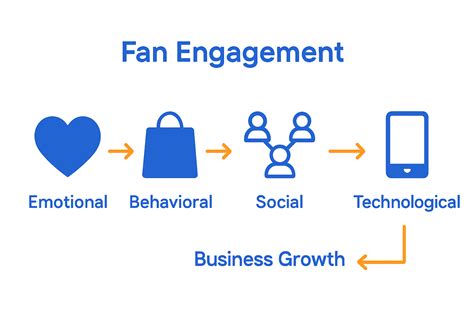
However, the psychology of crowd behavior is not solely positive. The **anonymity** provided by being part of a large group can sometimes lead to **antisocial behavior**. This is tied to the **bystander effect** and the **diffusion of responsibility**, where individuals feel less accountable for their actions because they are one of many. In extreme cases, this can result in crowd violence, hooliganism, or destructive actions. Researchers have found that when individuals feel anonymous and part of a larger collective, they are more likely to engage in behaviors they would ordinarily avoid, such as aggression or vandalism. This dark side of crowd psychology underscores the importance of **stadium management and crowd control measures** to maintain order and safety.
The **role of leaders and influencers** within a crowd is also worth examining. In any large gathering, certain individuals or groups often emerge as **opinion leaders** or **cheerleaders** who set the tone for the group’s behavior. These individuals might be team mascots, enthusiastic fans, or even event organizers who use jumbotrons or loudspeakers to direct the crowd’s energy. Their influence can shape the overall mood of the stadium. For instance, a well-timed chant led by a charismatic fan can energize an otherwise subdued crowd, while a negative or aggressive leader can incite hostility. This highlights the **power of suggestion** in crowd dynamics and the importance of **positive leadership** to steer collective behavior in constructive directions.
Another fascinating aspect of stadium psychology is the **impact of environmental factors** on crowd behavior. The design of the stadium itself—such as its acoustics, seating arrangement, and visibility—can significantly influence how fans interact and behave. For example, stadiums with steep, enclosed seating arrangements often create a sense of **intimacy and intensity**, amplifying the crowd’s energy. Similarly, the use of lighting, music, and visual effects can manipulate the emotional state of the audience. A sudden dimming of lights followed by a spotlight on a player can create a sense of **anticipation and drama**, further heightening the crowd’s emotional investment. These environmental cues are carefully orchestrated to maximize engagement and create a memorable experience for attendees.
Finally, it is important to consider the **after-effects of crowd participation**. Once the event concludes, individuals often carry the emotional high of the experience with them. This is tied to the concept of **peak-end rule**, a psychological principle stating that people judge an experience largely based on its emotional peak and its end. For many fans, the collective euphoria of a stadium event—whether from a victory, a thrilling performance, or simply the camaraderie of being part of a massive group—can leave a lasting impression. This emotional residue often fuels their desire to return to similar events, reinforcing the cycle of crowd participation and collective energy.
In conclusion, the psychology of crowd behavior in stadiums is a complex interplay of individual and collective dynamics. From the amplification of emotions through group energy to the influence of social identity and environmental design, stadiums serve as a unique Petri dish for studying human behavior. While these settings can foster unity, joy, and shared purpose, they also carry the potential for negative outcomes if not managed thoughtfully. Understanding these psychological mechanisms not only enriches our appreciation of stadium events but also provides valuable insights for event organizers, psychologists, and sociologists seeking to harness the power of collective energy while mitigating its risks.
Economic Impact of Stadium Events on Local Communities
Stadium events, whether they are high-profile sports matches, concerts, or large-scale conventions, are often heralded as economic boons for the communities that host them. However, the financial impact of these events is not as straightforward as the influx of ticket sales or merchandise revenue might suggest. A deeper analysis reveals a nuanced interplay of benefits and challenges that stadiums bring to local economies, with particular emphasis on tourism, job creation, and the ripple effects on surrounding businesses.
One of the most visible economic benefits of stadium events is the boost to tourism. When a stadium hosts a major event, it often draws attendees from outside the local area, including out-of-state or international visitors. These visitors typically spend money on accommodations, dining, transportation, and other leisure activities, which can create a multiplier effect in the local economy. For instance, a study by the University of Michigan found that a single NFL game in a mid-sized city could generate over $10 million in visitor spending. This spending not only benefits hotels and restaurants but also extends to less obvious sectors like local tour operators, souvenir shops, and even ride-sharing services. The presence of a stadium can thus position a city as a destination hub, particularly if the venue is known for hosting recurring high-profile events.
However, the tourism boost is not without its challenges. Critics argue that the economic benefits of stadium tourism are often overestimated because much of the spending might simply displace other local entertainment expenditures rather than adding net new revenue. For example, a family that attends a concert at a stadium might forgo a night out at a local theater or restaurant. Additionally, the seasonal nature of many stadium events means that the economic impact is not evenly distributed throughout the year. A city that relies heavily on stadium tourism might experience economic peaks and troughs, creating instability for businesses that depend on steady patronage.
Another key area of focus is job creation. Stadiums are often touted as engines of employment, providing opportunities ranging from construction and maintenance to event-day staffing. For example, the construction of a new stadium can create thousands of temporary jobs in fields like engineering, architecture, and skilled trades. Once operational, stadiums require a workforce for roles such as security, ticketing, concessions, and facility management. According to a report by the Brookings Institution, a typical stadium employs anywhere from 1,000 to 3,000 people on event days, with an additional several hundred employed in year-round maintenance and administration. This employment can be particularly impactful in communities with high unemployment rates, offering both direct income and indirect benefits like skill development for workers.
That said, the quality and sustainability of these jobs are often debated. Many stadium jobs are low-wage, part-time, or seasonal, which limits their ability to provide long-term economic stability for workers. For instance, a concession stand worker might only be employed for the duration of a sports season or a specific event series. Moreover, the construction jobs associated with new stadium projects are inherently temporary, leaving a gap in employment once the building phase is complete. This has led some economists to question whether the public funding often allocated to stadium construction—frequently subsidized through taxpayer dollars—provides a sufficient return on investment in terms of sustainable job creation.
The indirect economic impacts of stadium events on local businesses are also worth exploring. Surrounding restaurants, bars, and retailers often experience a surge in customers during event days. A stadium located in a downtown area can act as a catalyst for urban revitalization, encouraging the development of nearby hotels, entertainment venues, and mixed-use spaces. For example, the construction of Atlanta’s Mercedes-Benz Stadium spurred significant investment in the surrounding neighborhoods, including new residential developments and retail spaces. However, this development is not guaranteed and can sometimes lead to gentrification, displacing existing residents and small businesses that cannot keep up with rising property values and rental costs. Local governments must therefore carefully manage the balance between encouraging economic growth and protecting community interests.
One challenge that is often overlooked is the opportunity cost of public funding for stadiums. Many stadiums are built or renovated with significant financial support from local governments, often justified by the promise of economic benefits. However, studies have shown that the actual economic returns rarely match the projections used to secure this funding. For instance, a 2017 paper published in the Journal of Sports Economics found that the net economic impact of stadiums is often neutral or even negative when factoring in the diverted public funds that could have been used for other purposes, such as education or infrastructure. This raises important questions about whether the economic benefits of stadiums are worth the trade-offs, particularly when the burden of funding falls on taxpayers who may not directly benefit from the events.
Another layer of complexity is the social and cultural capital that stadiums can bring to a community. Beyond the financial metrics, stadiums often serve as symbols of civic pride and identity. Hosting major events can enhance a city’s reputation on the national or global stage, which can attract future investments, businesses, and even new residents. For example, cities like Barcelona and Sydney have leveraged their stadiums and associated events (such as the Olympics) to position themselves as global cities. However, this intangible benefit is difficult to quantify and does not always translate into measurable financial gains for the local economy.
It is also important to consider the environmental and infrastructural costs associated with stadium events. Large crowds can strain local transportation systems, leading to increased traffic congestion and the need for additional public services like policing and waste management. These costs are often borne by the local government, which may not fully recoup them through event-related revenues. For instance, a city might need to invest in new public transit routes or road improvements to accommodate stadium traffic, further adding to the financial burden on taxpayers.
In summary, the economic impact of stadium events on local communities is a complex equation of benefits and trade-offs. While stadiums can drive tourism, create jobs, and stimulate local businesses, they also present challenges related to job quality, public funding, and long-term sustainability. Cities that host stadium events must carefully weigh these factors and adopt policies that maximize the positive impacts while mitigating the negative ones. Strategic planning, such as diversifying the types of events hosted at stadiums or ensuring that public investments are paired with community benefits agreements, can help ensure that the economic promise of stadiums is realized in a way that benefits both the local economy and its residents.
Logistical Challenges of Managing a Full Stadium
Managing a stadium full of fans is a complex operation that requires meticulous planning, coordination, and execution. Each aspect of crowd control, safety, ticketing, and facility management presents unique logistical challenges that can impact the overall experience of attendees and the reputation of the event organizers. Below, we explore these operational aspects in detail, focusing on the intricacies and best practices required to ensure smooth functioning.
One of the most critical aspects of managing a full stadium is crowd control. Stadiums are designed to accommodate thousands, sometimes tens of thousands, of people in a confined space. This creates a high-density environment where the movement of individuals can quickly become chaotic without proper systems in place. Effective crowd control begins well before the event starts. Pre-event communication, such as clear signage, digital maps, and detailed instructions on entry points and seating arrangements, is essential. Modern stadiums often use real-time crowd monitoring systems equipped with AI-driven analytics to track crowd density in various zones. These systems can predict bottlenecks and redirect foot traffic dynamically to prevent overcrowding in specific areas.
Another layer of crowd control involves queuing strategies. Traditional linear queues are increasingly being replaced by staggered or zoned entry systems. For instance, ticketholders might be assigned specific time slots or gates to reduce the pressure on any one entry point. This strategy not only minimizes wait times but also enhances security by allowing for more thorough checks. However, implementing such systems requires robust communication with fans beforehand to ensure compliance and avoid confusion. Failure to do so can lead to frustrated attendees and potential safety risks as large crowds gather unpredictably.
Safety measures in a full stadium are multi-faceted and extend beyond physical security. While visible measures like metal detectors, bag checks, and security personnel are standard, less obvious but equally important aspects include fire safety, medical preparedness, and emergency evacuation protocols. Stadiums must comply with local and international safety regulations, which often mandate features like adequate emergency exits, fire suppression systems, and clearly marked evacuation routes. A unique insight here is the role of scenario simulations. Many modern stadiums conduct live drills involving staff, security, and even volunteer attendees to test the efficiency of their evacuation plans. These drills often uncover unexpected bottlenecks, such as narrow corridors or poorly positioned emergency equipment, which can then be addressed before a real event.
Additionally, medical facilities must be scaled to accommodate the sheer number of people present. This includes not only having a sufficient number of first-aid stations but also ensuring rapid access to ambulances and nearby hospitals for more serious cases. Event organizers often partner with local health authorities to create contingency plans for mass casualty scenarios, such as heatstroke during summer events or stampedes in overcrowded areas. These partnerships are particularly critical in stadiums with limited onsite medical resources.
The ticketing process is another area fraught with logistical challenges. In the digital age, most stadiums have transitioned to e-ticketing systems to streamline entry and reduce the risk of fraud. However, this shift brings its own set of complications. For instance, network outages or technical glitches in mobile ticketing apps can lead to long delays at entry points. To mitigate this, many stadiums maintain a hybrid system where physical tickets are available as a backup. Furthermore, dynamic pricing models—where ticket prices fluctuate based on demand—can cause confusion among fans if not communicated clearly. Organizers must ensure that pricing structures are transparent and that customer support channels are readily available to address issues in real time.
Another ticketing challenge is the management of unauthorized reselling. Scalpers and bots can exploit high-demand events, purchasing large numbers of tickets and reselling them at inflated prices. This not only alienates genuine fans but also creates a logistical headache for organizers, as they must monitor and block suspicious transactions. Advanced ticketing platforms now incorporate AI-based fraud detection to identify and block such activities, but this requires constant updates to stay ahead of increasingly sophisticated scalping techniques.
When it comes to facility management, the sheer scale of a full stadium operation is staggering. From restrooms and food concessions to parking lots and seating areas, every aspect of the stadium must function seamlessly to avoid negative fan experiences. A unique challenge here is the dynamic nature of demand. For instance, during halftime or intermissions, there is a sudden surge in demand for restrooms and food outlets. To address this, many stadiums employ predictive analytics to anticipate peak times and allocate resources accordingly. For example, concession stands may be stocked with higher quantities of popular items before halftime, and additional staff may be deployed to manage the rush.
Parking is often an overlooked yet significant logistical challenge. A full stadium can attract tens of thousands of vehicles, creating traffic congestion and parking shortages. Innovative solutions include shuttle services from remote parking areas, partnerships with ride-sharing apps, and even the use of dynamic parking allocation systems that guide drivers to available spots in real time. Some stadiums are also experimenting with incentivized carpooling programs to reduce the overall number of vehicles arriving at the venue.
Another often-ignored aspect of facility management is waste management. A full stadium generates an enormous amount of trash, from food wrappers to beverage containers. Effective waste management involves not only having enough bins and recycling stations but also educating fans about proper disposal practices. Some stadiums have implemented green initiatives, such as offering discounts on merchandise for fans who use reusable cups or segregating waste at source to improve recycling efficiency. These measures not only reduce the environmental impact but also align with growing public expectations for sustainable event management.

Finally, the integration of technology plays a pivotal role in addressing many of these challenges. For instance, mobile apps can provide fans with real-time updates on parking availability, restroom queues, and even seat upgrades. Similarly, IoT-enabled infrastructure can automate tasks like lighting adjustments based on crowd movement or temperature control in different sections of the stadium. These technologies not only improve operational efficiency but also enhance the fan experience by reducing friction points.
In conclusion, managing a full stadium is a logistical feat that requires attention to detail across multiple operational domains. From crowd control and safety measures to ticketing and facility management, each element must work in harmony to ensure a positive experience for fans while maintaining operational efficiency. The adoption of advanced technologies, scenario planning, and clear communication with attendees are key to overcoming these challenges and setting a benchmark for large-scale event management.
Technology's Role in Enhancing Fan Experience
The modern stadium experience has evolved far beyond simply watching a game in person. With the advent of cutting-edge technologies, fans now expect a dynamic, immersive, and personalized experience that goes beyond the boundaries of the physical venue. Technology plays a pivotal role in enhancing fan engagement by offering innovative ways to connect with the event, the team, and fellow fans. This section explores how augmented reality (AR), mobile applications, and smart stadium infrastructure are transforming the way spectators interact with live sports.
One of the most exciting advancements in fan engagement is augmented reality (AR). AR overlays digital content onto the physical world, creating opportunities for fans to experience games in entirely new ways. For instance, AR applications can allow fans to point their smartphones at the field and see real-time player statistics, heat maps of player movements, or even animated replays of key moments. Imagine sitting in the stands and using your phone to view a 3D visualization of a player's speed or the trajectory of a ball during a crucial play. This not only enriches the fan's understanding of the game but also adds a layer of interactivity that traditional viewing cannot provide. Teams and stadiums are also experimenting with AR-enhanced merchandise, such as jerseys that come to life with animations or video highlights when viewed through an AR app. These features turn passive viewers into active participants, deepening their emotional connection to the event.
Another critical component of modern fan engagement is the role of mobile applications. Stadiums and sports organizations have invested heavily in developing apps that serve as a one-stop shop for everything a fan might need. These apps provide features like digital ticketing, which eliminates the hassle of paper tickets and allows for seamless entry through QR codes. Beyond ticketing, mobile apps offer real-time updates on game schedules, player lineups, and live scores. Some apps even integrate with wearable devices to provide personalized notifications, such as when your favorite player is about to take the field or when a goal is scored. A standout feature of these apps is the ability to order food and beverages directly from your seat. Fans no longer need to miss part of the action waiting in long concession lines; instead, they can place an order and have it delivered or ready for pickup at a designated counter. This convenience not only improves the fan experience but also increases revenue for stadium vendors by streamlining the purchasing process.
Moreover, mobile apps are increasingly incorporating social features to foster a sense of community among fans. For example, apps might include live chat rooms or forums where fans can discuss the game in real time, share reactions, or even participate in polls about the next play. Some apps use gamification techniques, such as offering rewards for checking in at the stadium or predicting game outcomes, which encourages repeated engagement. These features create a sense of belonging and make fans feel like they are part of a larger, connected community, even if they are sitting alone in the stands.
The concept of smart stadiums takes the integration of technology to an even higher level. Smart stadiums leverage IoT (Internet of Things) devices and advanced data analytics to optimize the fan experience. For instance, sensors embedded throughout the venue can monitor crowd density and provide real-time updates on restroom availability or parking lot congestion. This data can be displayed on digital boards or within the mobile app, helping fans make informed decisions about their movements within the stadium. Additionally, smart stadiums use facial recognition and biometric systems to enhance security while reducing wait times at entry points. Fans can enter the venue with a quick facial scan, eliminating the need for physical tickets or ID checks. While privacy concerns are a valid consideration, the convenience and speed offered by these systems are highly appealing to many attendees.
Smart stadiums also focus on personalization through data-driven insights. By analyzing data from ticket purchases, app usage, and in-stadium behavior, teams can tailor promotions and offers to individual fans. For example, if a fan frequently purchases team merchandise, the app might send them exclusive discounts on new items during the game. Similarly, if a fan often buys snacks at halftime, the stadium might offer a time-sensitive deal to encourage additional purchases. This level of personalization not only boosts fan satisfaction but also drives revenue for the organization by creating targeted marketing opportunities.
Another area where smart stadiums shine is in enhancing the audiovisual experience. High-definition video boards, surround sound systems, and even 360-degree cameras are becoming standard features in modern venues. These technologies allow fans to see replays from multiple angles, feel the roar of the crowd in immersive audio, and even view live feeds of the coach’s strategy discussions (when permitted). Some stadiums are experimenting with "connected seats" that include built-in screens or AR glasses, enabling fans to access supplementary content without taking their eyes off the game. This creates a multi-sensory environment that makes attending a live event feel like a premium experience.
It is also worth noting how 5G connectivity is playing a crucial role in enabling these technological advancements. High-speed, low-latency networks are essential for supporting AR applications, real-time data streaming, and the vast number of connected devices in a stadium. With 5G, fans can seamlessly stream live video, share their experiences on social media, and use bandwidth-intensive features like AR without worrying about lag or connectivity issues. This infrastructure ensures that the technology-enhanced experience is not limited to a select few but is accessible to the majority of attendees.
However, the implementation of these technologies is not without challenges. Cost is a significant barrier for many stadiums, as deploying AR systems, IoT devices, and high-speed networks requires substantial investment. Additionally, there is a learning curve for fans who may not be familiar with using these technologies. Stadiums must provide clear instructions and user-friendly interfaces to ensure that these tools enhance rather than complicate the experience. There is also the question of inclusivity; not all fans may have access to the latest smartphones or be comfortable using advanced tech features. Addressing these concerns requires a balance between innovation and accessibility to ensure that the enhancements benefit as many fans as possible.
In conclusion, technology is revolutionizing the way fans experience live sports. Augmented reality brings games to life in ways previously unimaginable, mobile apps offer unparalleled convenience and community-building features, and smart stadiums create environments that are safer, more efficient, and deeply personalized. While there are challenges to overcome, the potential for these technologies to redefine fan engagement is immense. As stadiums continue to adopt and refine these tools, the line between being a spectator and being part of the action will continue to blur, making every visit to the stadium a memorable and immersive event.
Environmental and Sustainability Concerns in Stadiums
Large gatherings in stadiums, such as sporting events, concerts, and festivals, are a hallmark of modern entertainment and community engagement. However, they also present significant environmental and sustainability concerns that warrant detailed examination. Stadiums are resource-intensive facilities, consuming vast amounts of energy, water, and materials while generating considerable waste and emissions. Addressing these challenges requires a multi-faceted approach that combines innovative technologies, policy interventions, and behavioral changes among both operators and attendees.
One of the most pressing environmental impacts of stadiums is their energy consumption. Stadiums often require high-powered lighting systems for night events, massive HVAC systems to maintain comfortable temperatures for thousands of spectators, and electronic displays that are operational for extended periods. Traditional energy sources for these systems are predominantly fossil fuel-based, contributing significantly to greenhouse gas emissions. To mitigate this, many modern stadiums are transitioning to renewable energy solutions such as solar panels, wind turbines, and energy storage systems. For instance, the Mercedes-Benz Stadium in Atlanta is powered by a 4,000-panel solar array, which not only reduces its carbon footprint but also serves as a visible commitment to sustainability. Additionally, the adoption of energy-efficient LED lighting and smart energy management systems can further optimize energy use by tailoring output to actual demand rather than running systems at full capacity indiscriminately.
Another significant concern is the water usage associated with stadium operations. Large crowds necessitate extensive sanitation facilities, irrigation for green spaces, and food preparation areas, all of which consume substantial water resources. In regions where water scarcity is a pressing issue, this can exacerbate local environmental strains. Sustainable water management strategies include the installation of low-flow fixtures in restrooms, the use of greywater recycling systems to repurpose water from sinks and showers for non-potable uses like landscaping, and the implementation of permeable surfaces in parking lots to reduce stormwater runoff. Some stadiums have even explored innovative approaches such as rainwater harvesting systems, which can collect and store precipitation for later use, ensuring that water is used more efficiently and sustainably.
Waste generation is a third critical area of concern. Stadiums often produce enormous quantities of waste, ranging from food packaging and beverage containers to promotional materials and discarded merchandise. Much of this waste ends up in landfills, where it decomposes and emits methane, a potent greenhouse gas. To address this, stadiums are increasingly adopting zero-waste initiatives. These involve the use of compostable or recyclable materials for food service, clear signage to guide attendees on proper waste disposal, and partnerships with waste management companies to ensure high diversion rates. For example, the Levi’s Stadium in California has achieved over 90% waste diversion by implementing comprehensive recycling and composting programs. Additionally, some venues are experimenting with reusable cup systems, where fans return cups after use to be sanitized and reused, significantly reducing single-use plastic waste.
Transportation to and from stadiums also contributes heavily to their environmental impact. With thousands of fans traveling to events, often in private vehicles, the resulting traffic congestion and emissions are considerable. Strategies to mitigate this include the promotion of public transportation options, such as shuttle buses or partnerships with local transit authorities to offer discounted or free rides on event days. Some stadiums are also investing in bicycle infrastructure, including secure bike parking and designated bike lanes, to encourage fans to use eco-friendly modes of transport. In addition, the rise of electric vehicle (EV) charging stations at stadium parking facilities supports the transition to cleaner transportation alternatives. These efforts not only reduce emissions but also enhance the overall fan experience by alleviating traffic-related frustrations.
Beyond operational concerns, the design and construction of stadiums themselves can have long-term environmental implications. Traditional stadium construction often involves the use of energy-intensive materials like concrete and steel, which have high embodied carbon. However, there is a growing trend toward sustainable architecture in stadium design. This includes the use of low-carbon materials such as cross-laminated timber, the incorporation of green roofs to improve insulation and support biodiversity, and the integration of passive design principles to maximize natural ventilation and lighting. For example, the Singapore Sports Hub was designed with a focus on energy efficiency and includes features like a movable roof that minimizes the need for artificial climate control. Such innovations demonstrate how stadiums can serve as showcases for sustainable design while maintaining functionality and aesthetic appeal.
Behavioral change among fans is another critical component of sustainable stadium operations. While infrastructure and technology play a significant role, the actions of individuals attending events can either support or undermine these efforts. For instance, encouraging fans to bring reusable water bottles and providing water refill stations can reduce the need for single-use plastic bottles. Similarly, promoting carpooling or ride-sharing can help reduce the number of vehicles on the road. Some stadiums have also introduced educational campaigns to inform fans about the environmental impact of their choices and how they can contribute to sustainability goals. These campaigns often use gamification or rewards systems to incentivize participation, such as offering discounts on merchandise for fans who recycle or use public transport.
Finally, it is worth considering the broader role of stadiums in community sustainability. Beyond their immediate operations, stadiums can act as hubs for environmental education and innovation. For example, they can host sustainability-focused events, such as eco-fairs or workshops, to engage the local community in discussions about environmental stewardship. Some stadiums have even repurposed their spaces during off-seasons to support urban farming initiatives or serve as emergency shelters equipped with sustainable energy systems. These dual-purpose uses not only extend the utility of stadiums but also embed them within broader community resilience strategies.
In conclusion, the environmental and sustainability concerns associated with stadiums are substantial but not insurmountable. By adopting a combination of technological innovation, policy support, and community engagement, stadiums can transition from being environmental liabilities to models of sustainable operation. This shift not only benefits the planet but also enhances the reputation of stadium operators and fosters a sense of shared responsibility among fans. As large gatherings continue to play a central role in society, the environmental stewardship demonstrated in stadiums can serve as a blueprint for other industries grappling with similar challenges.
Marketing and Branding Opportunities in Stadium Events
Stadium events, with their electrifying atmosphere and captive audiences, present a goldmine of opportunities for brands to connect with consumers in ways that are both impactful and memorable. From high-profile sports matches to concerts and cultural gatherings, these venues are not just about the event itself—they are platforms for marketing, sponsorships, and immersive fan experiences that can define a brand’s presence in the minds of thousands, if not millions, of attendees and viewers.
One of the most obvious ways brands leverage stadium events is through sponsorships. Sponsorship deals often go beyond mere logo placement on banners or screens. Modern sponsorships are about integration into the event experience itself. For instance, a beverage brand might not only have its logo on the LED screens but could also provide branded cups for drinks sold at concession stands. This creates a dual-purpose impact: fans physically interact with the brand while also seeing it prominently displayed. Such integration ensures that the brand is not just seen but felt, which is a key differentiator in an era where consumers are bombarded with advertisements across multiple channels.
Another layer of sponsorship involves exclusive naming rights. Brands like Emirates, Allianz, and Barclays have tied their names to stadiums, ensuring that every mention of the venue in media coverage, ticketing, and fan discussions reinforces their identity. This strategy works particularly well for long-term brand visibility, as the association with a stadium can last for decades. However, it requires careful alignment between the brand and the type of events hosted at the stadium to avoid dissonance. For example, a tech company sponsoring a stadium known for hosting e-sports events would resonate more than a brand with no connection to the digital world.
Beyond static visibility, brands are increasingly focusing on creating interactive and immersive fan experiences within the stadium. Technology plays a central role here. Augmented reality (AR) activations, for example, allow fans to use their smartphones to scan QR codes or interact with AR features that bring the brand to life. A sportswear brand might create an AR booth where fans can "try on" virtual jerseys of their favorite players or see themselves in a simulated game environment. This not only entertains fans but also provides the brand with user-generated content that can be shared on social media, amplifying its reach beyond the stadium walls.

Sponsors also tap into the emotional highs of live events by offering exclusive merchandise or limited-edition products available only at the stadium. For instance, a sneaker brand could release a stadium-exclusive colorway of a popular shoe during a championship game. This tactic not only drives sales but also creates a sense of urgency and exclusivity, making fans feel part of something special. The emotional connection formed in such moments can turn casual attendees into loyal brand advocates.
The role of data-driven marketing in stadium events cannot be overlooked. With the advent of smart stadiums equipped with Wi-Fi, mobile apps, and IoT-enabled devices, brands can gather real-time data about fan behavior. For example, a stadium app might track which food stalls a fan visits or which promotions they click on. This data can be used to tailor future marketing efforts, such as offering personalized discounts or sending push notifications about nearby brand-sponsored activities during the event. The granularity of this data allows brands to move beyond broad demographic targeting and create highly personalized campaigns that resonate on an individual level.
Another innovative approach is the use of experiential marketing zones within the stadium. These are dedicated areas where fans can engage with a brand in a hands-on way. For example, an automotive brand might set up a virtual driving simulator where fans can test drive a new model in a digital environment. Similarly, a food brand might host a tasting station featuring new products. These zones not only provide entertainment but also allow brands to gather direct feedback from consumers, which can inform product development or marketing strategies.
Brands also capitalize on the broadcast reach of stadium events. A football match or concert in a packed stadium might attract tens of thousands of in-person attendees, but the televised or streamed audience often numbers in the millions. Savvy brands design their stadium activations with this dual audience in mind. For instance, a halftime show sponsored by a tech company might include a drone light display that not only wows the live audience but also creates a visually stunning moment for TV viewers. This ensures that the brand’s investment pays off not just in the stadium but in the broader media landscape.
Social media is another critical component of stadium marketing. Brands often design campaigns that encourage fans to share their experiences online. For example, a beverage company might set up a photo booth with branded props and backdrops, encouraging fans to post their pictures with a specific hashtag. This not only generates organic content but also allows the brand to track engagement metrics in real time. The rise of influencer marketing has further amplified this strategy, as brands often invite popular influencers to stadium events to document their experiences, thereby reaching their sizable online followings.
An often-underestimated aspect of stadium marketing is the community-building potential. Brands that align themselves with causes or local initiatives during stadium events can create a deeper emotional connection with fans. For instance, a brand sponsoring a charity run within a stadium might set up booths where fans can learn about the cause and contribute directly. This not only enhances the brand’s image but also fosters goodwill among attendees, who are more likely to remember a brand that stands for something beyond profit.
Finally, brands are exploring the potential of post-event engagement. Stadium events are not just about the day itself; they are opportunities to build long-term relationships with fans. By offering follow-up content such as behind-the-scenes footage, exclusive interviews with athletes or performers, or discounts on future purchases tied to the event, brands can keep the momentum going. This approach ensures that the brand remains top of mind even after the cheers have faded.
- Sponsorships integrate brands into the event experience, from branded merchandise to exclusive naming rights.
- Interactive technologies like AR and experiential zones provide hands-on engagement opportunities.
- Broadcast and social media extend the brand’s reach far beyond the stadium.
- Community-focused initiatives and post-event engagement build lasting connections with fans.
In conclusion, stadium events are not just about the spectacle on the field or stage—they are dynamic environments where brands can experiment, innovate, and connect with audiences in ways that traditional advertising cannot achieve. By leveraging sponsorships, immersive experiences, and data-driven strategies, brands can turn a stadium full of fans into a vibrant ecosystem of marketing opportunities that resonate long after the final whistle or encore.
Case Studies of Iconic Stadium Moments
The concept of a "stadium full of fans" is more than just a physical gathering; it is a phenomenon that encapsulates the collective energy, emotion, and cultural significance of sports and entertainment events. Stadiums serve as arenas not only for athletic competition but also for moments that define eras, shape fan cultures, and elevate global recognition of the venue, the teams, and the events themselves. This section explores case studies of iconic stadium moments and their profound impact on fan culture and the world at large.
One of the most enduring examples of a stadium moment is the 1966 FIFA World Cup Final at Wembley Stadium. Wembley, already a symbol of British sporting pride, became the stage for England’s 4-2 victory over West Germany. This match is remembered not just for the game itself but for the way it cemented Wembley’s status as a global sporting mecca. The roar of 98,000 fans as Geoff Hurst scored his controversial second goal in extra time—a goal still debated for its legitimacy—illustrates how a stadium can amplify the drama of a moment. The event not only galvanized English football fans but also introduced the world to the idea of the stadium as a place where history is made. The cultural ripple effect was immense; the image of Bobby Moore lifting the trophy became a symbol of national unity during a post-war era when Britain was redefining its identity. This moment elevated the importance of stadium events as unifying forces capable of transcending sports to influence national sentiment.
Another compelling case is the 1980 Winter Olympics "Miracle on Ice" at the Olympic Center in Lake Placid. While not a traditional stadium, the ice hockey arena became a microcosm of global tensions during the Cold War. The United States’ amateur team, made up of college players, defeated the heavily favored Soviet team in front of a roaring crowd of 8,500 fans. This event was not just about sports; it was a David-versus-Goliath narrative played out in real time. The fans’ chants of "U-S-A!" reverberated through the arena, symbolizing a collective defiance against the perceived invincibility of the Soviet Union. The moment had a profound impact on fan culture, as it demonstrated how a stadium event could serve as a proxy for larger societal struggles. The "Miracle on Ice" became a touchstone for American resilience and patriotism, with the venue itself becoming a pilgrimage site for those who wanted to relive the energy of that night. This case study underscores how stadium moments can act as catalysts for collective memory, embedding the venue in the annals of both sports and history.
Shifting to a different kind of energy, the 1985 Live Aid concert at Wembley Stadium provides a stark contrast to traditional sports events but is no less impactful. This global charity concert, attended by 72,000 fans and broadcast to an audience of 1.9 billion worldwide, redefined the role of stadiums as spaces for social activism. The event featured performances by icons like Queen, whose electrifying set—particularly Freddie Mercury’s ability to command the crowd—has been heralded as one of the greatest live performances in history. Beyond the music, the event showcased how a stadium could serve as a platform for global solidarity. The sight of fans waving, singing, and donating to alleviate famine in Ethiopia highlighted the power of mass gatherings to inspire collective action. This moment transformed Wembley into more than a sports venue; it became a symbol of global interconnectedness and the potential of stadium events to drive humanitarian efforts. The cultural impact was immense, as it normalized the idea of stadiums as venues for causes beyond entertainment, blending the worlds of sports, music, and philanthropy.
In the realm of club football, the 1999 UEFA Champions League Final at Camp Nou offers a study in the sheer unpredictability and emotional intensity of stadium events. Manchester United faced Bayern Munich in a match that seemed all but decided with Bayern leading 1-0 as the game entered stoppage time. What followed was one of the most dramatic comebacks in football history, with Manchester United scoring two goals in injury time to win 2-1. The sight of Bayern players slumped on the field while Manchester United fans erupted in disbelief and joy captured the essence of what makes stadiums so special: they are spaces where narratives of triumph and tragedy unfold in real time. This moment not only elevated Manchester United’s global brand but also reinforced the idea that stadiums are theaters of emotion, where the collective experience of fans can turn a game into a shared cultural touchstone. The global recognition of this event also emphasized how modern media—live broadcasts, replays, and post-match analyses—can amplify the significance of stadium moments, making them accessible to audiences far beyond the physical venue.
A more recent example is the 2016 NBA Finals Game 7 at Oracle Arena, where the Cleveland Cavaliers faced the Golden State Warriors. The Cavaliers, led by LeBron James, overcame a 3-1 series deficit to win the championship in a thrilling finale. The reaction of the 20,000 fans in attendance, combined with the millions watching globally, underscored how modern stadiums are not isolated entities but nodes in a vast network of fan engagement. Social media exploded with reactions, memes, and videos of fans in Cleveland and beyond celebrating the win. This case study illustrates how the digital age has transformed the impact of stadium moments. Fans no longer need to be physically present to feel connected to the energy of the event; instead, stadiums act as epicenters of a global conversation. The visual of LeBron James collapsing to the floor in tears after the win became an iconic image, shared and dissected across platforms, further embedding the stadium as a space where individual and collective narratives converge.
These examples demonstrate that the impact of stadium moments extends far beyond the immediate event. They shape fan culture by creating rituals, chants, and shared experiences that bind communities. The "Miracle on Ice" chant or the collective gasp at Wembley during Hurst’s goal are cultural artifacts passed down through generations. Stadiums also play a role in global recognition, as they become synonymous with the events they host. Wembley, Camp Nou, and Oracle Arena are not just venues; they are brands in their own right, recognized worldwide because of the moments that unfolded within their walls.
Moreover, these moments reveal the evolution of stadium dynamics. Older moments like the 1966 World Cup Final relied heavily on the physical presence of fans to create atmosphere, while modern examples like the 2016 NBA Finals show how digital platforms extend the reach and longevity of these moments. This evolution suggests that while the essence of a stadium—a space for collective experience—remains constant, its role in shaping culture and recognition is continually adapting to technological and societal changes.
In conclusion, iconic stadium moments are not just about the games or performances; they are about the fusion of place, people, and emotion. Whether it is the roar of a crowd at Wembley, the chants of "U-S-A!" in Lake Placid, or the global broadcast of Live Aid, stadiums serve as vessels for human connection and cultural memory. These case studies illustrate how such moments can redefine fan culture, elevate global recognition of venues, and leave an indelible mark on history, proving that a stadium full of fans is not just a gathering—it is a phenomenon with the power to shape the world.
Conclusion and Future of Stadium Fan Experiences
The evolution of stadium fan experiences has been shaped by a combination of technological advancements, shifting audience expectations, and the need to create more inclusive, dynamic, and memorable events. As we look toward the future, it is evident that the intersection of physical and digital realms will play a pivotal role in redefining how fans interact with sports and entertainment venues. This section explores the key insights gained from current trends and predicts the trajectory of stadium design, fan interaction, and event innovations.
One of the most significant insights from recent years is the growing importance of **personalization** in fan experiences. Stadiums are no longer just venues for passive spectatorship; they are becoming immersive environments tailored to individual preferences. For instance, mobile apps now allow fans to customize their in-stadium journey, from selecting seats with optimal views to ordering food and merchandise delivered directly to their location. These apps also provide real-time updates on game statistics, player insights, and even augmented reality (AR) overlays that enhance the viewing experience. This trend is likely to deepen as **AI-driven personalization** becomes more sophisticated. Future stadiums may employ AI systems that analyze fan behavior—such as purchasing patterns, engagement with in-app features, or even biometric data like heart rate during exciting moments—to offer highly targeted recommendations or exclusive experiences. Imagine a scenario where a fan’s wearable device signals excitement levels, prompting the stadium to offer them a discount on team merchandise or a VIP seat upgrade in real time.
Another key insight is the emphasis on **sustainability and smart infrastructure** in stadium design. Modern stadiums are increasingly designed with eco-friendly materials, energy-efficient systems, and renewable energy sources like solar panels and wind turbines. For example, the Mercedes-Benz Stadium in Atlanta is a LEED Platinum-certified venue that incorporates a retractable roof designed to optimize natural light and air circulation. Looking ahead, we can expect **net-zero stadiums** to become the standard rather than the exception. These venues will integrate smart technologies to monitor and reduce energy consumption, manage waste more effectively, and even repurpose resources like rainwater for irrigation or cooling systems. Additionally, the concept of **modular stadiums** is gaining traction. These adaptable structures can be reconfigured for different events, reducing construction waste and extending the lifespan of the facility. This approach aligns with the broader push toward circular economies and sustainable urban planning.
The future of **fan interaction** will also be heavily influenced by the blending of physical and virtual spaces. The COVID-19 pandemic accelerated the adoption of **hybrid event models**, where fans could participate remotely through virtual platforms while still feeling connected to the live action. Technologies like 5G, AR, and virtual reality (VR) are enabling stadiums to offer **immersive remote experiences**. For instance, fans at home might don VR headsets to experience the thrill of sitting courtside or on the 50-yard line, complete with crowd noise and player-perspective views. Meanwhile, in-stadium fans could use AR glasses to access player stats, replays, or interactive games layered onto their field of vision. This hybrid approach not only expands the audience reach but also creates new revenue streams for stadiums through subscription-based virtual access or exclusive digital content. However, a challenge will be ensuring that these virtual experiences do not dilute the communal energy of being physically present at an event. To address this, stadiums may experiment with **mixed-reality zones**, where fans can toggle between physical and virtual interactions seamlessly, such as using holographic displays to "bring" remote fans into the live crowd.
Innovations in **event design** are also poised to transform how fans experience games and performances. Traditional stadium layouts are giving way to more **dynamic and flexible spaces** that cater to diverse event types. For example, esports arenas are setting a precedent with their focus on high-tech, versatile environments that prioritize both player and spectator engagement. This trend could inspire traditional sports stadiums to incorporate features like modular seating, interactive LED floors, and even **multi-purpose zones** for concerts, gaming tournaments, or community gatherings. The idea of a stadium as a **year-round hub** rather than a seasonal venue is becoming more appealing, particularly as cities look to maximize the ROI of these massive investments. Future stadiums might house co-working spaces, retail outlets, or even residential areas, turning them into **multi-use urban centers** that serve the local community beyond game days.
Another emerging trend is the focus on **inclusive design** to accommodate fans of all abilities and demographics. Stadiums are beginning to prioritize features like sensory rooms for neurodiverse fans, enhanced accessibility for wheelchair users, and gender-neutral facilities. These efforts reflect a broader societal shift toward inclusivity and signal that future stadium designs will need to go beyond surface-level accommodations. For example, stadiums might integrate AI-powered navigation systems to guide fans with visual impairments or provide real-time translations for international visitors through AR interfaces. This focus on inclusivity not only broadens the fan base but also reinforces the stadium’s role as a space for community building.
The increasing role of **data analytics** in stadium operations and fan engagement cannot be overlooked. Stadiums are already using data to optimize crowd flow, reduce wait times at concession stands, and enhance security measures. However, the next frontier lies in **predictive analytics** that can anticipate fan needs before they arise. For instance, if an AI system detects a surge in foot traffic near a particular entrance, it could dynamically adjust staffing or open additional gates to prevent bottlenecks. Similarly, predictive models could help event organizers tailor pre-game entertainment based on the demographic makeup of the attending crowd. This data-driven approach will not only improve operational efficiency but also create a more seamless and enjoyable experience for fans.
Looking further ahead, we can anticipate the rise of **autonomous and robotic technologies** in stadium management. From robotic cleaners maintaining hygiene to drone-based security surveillance, these innovations could redefine the operational backbone of stadiums. Additionally, autonomous vehicles might play a role in transporting fans to and from venues, reducing traffic congestion and enhancing accessibility. While these technologies are still in their infancy, their integration could become a hallmark of next-generation stadiums.
Finally, the **emotional and communal aspect** of stadium experiences will remain central to their appeal. Despite the rise of digital alternatives, the visceral thrill of being part of a live crowd—cheering, singing, and sharing moments of collective joy or disappointment—cannot be replicated. Future stadium designs will need to balance technological innovation with the preservation of this communal essence. Features like **immersive sound systems** that enhance the roar of the crowd or **interactive fan zones** where attendees can engage in team-themed activities will help maintain this connection. At the same time, stadiums may experiment with **nostalgia-driven experiences**, such as retro-themed game days or holographic reenactments of iconic moments in sports history, to deepen emotional ties with fans.
In conclusion, the future of stadium fan experiences is a blend of cutting-edge innovation and timeless human connection. By leveraging personalization, sustainability, hybrid models, inclusivity, and data-driven insights, stadiums can evolve into dynamic spaces that cater to diverse audiences while maintaining their core identity as communal gathering places. As technology continues to push boundaries, the challenge will be to ensure that these advancements enhance rather than overshadow the essence of what makes live events so special. The stadium of the future is not just a venue—it is a **living ecosystem** that adapts to the needs of its fans while continuing to inspire awe and excitement.


