Introduction to Defending Champions
The concept of "defending champions" is one that resonates across a wide array of competitive domains, from sports and business to academic and even personal challenges. At its core, the term refers to individuals, teams, or entities that have previously achieved a pinnacle of success in a particular field and are now tasked with maintaining their position against new and emerging competitors. This dynamic introduces a unique set of pressures, expectations, and strategic considerations that distinguish defending champions from first-time contenders. To fully grasp the significance of this role, it is essential to explore its manifestations across different fields and the psychological, strategic, and cultural dimensions that come into play.
In sports, the idea of defending champions is perhaps the most visible and celebrated. A team or athlete who has won a championship is often adorned with the title of "defending champion" in the subsequent season or tournament. This status carries with it an aura of respect and a target on their back. For instance, in soccer, a team like Liverpool, having won the UEFA Champions League, enters the next season not just as a participant but as the benchmark for excellence. Every other team views them not merely as an opponent but as the standard to surpass. This creates a dynamic where the defending champion must not only prepare for their own performance but also contend with the psychological weight of being the one to beat. The pressure to repeat success can lead to both heightened motivation and, paradoxically, vulnerabilities, as opponents study their strategies more intensely and aim to exploit any weaknesses.
One of the less discussed but critical aspects of being a defending champion in sports is the adaptation to change. Sports are inherently dynamic; players age, team dynamics shift, and new talents emerge. A defending champion often faces the challenge of maintaining their edge while adapting to these changes. For example, after winning the NBA championship, a team like the Golden State Warriors had to navigate injuries to key players and the departure of role players in subsequent seasons. This underscores how the title of "defending champion" is not merely about reliving past glory but about proving resilience and adaptability in the face of evolving competition.
The significance of defending champions extends to the realm of business, where market leaders often find themselves in a similar position. A company that has dominated its industry—such as Apple in consumer electronics or Amazon in e-commerce—must constantly innovate and defend its market share against aggressive competitors. Much like in sports, the business world is replete with examples of companies that, after achieving market leadership, face intense scrutiny and competition. The "defending champion" in business must not only sustain their product or service quality but also anticipate and counteract the strategies of rivals. This often involves heavy investment in research and development, marketing, and customer retention strategies. A notable example is Netflix, which, after disrupting the DVD rental market and becoming a leader in streaming, had to defend its position against new entrants like Disney+ and HBO Max. The company's pivot to original content production can be seen as a defensive strategy to maintain its competitive edge.
In business, the concept of defending champions also ties into the idea of brand equity. A defending champion in the corporate world often has a reputation to uphold. This reputation can be both an asset and a liability. While customers may gravitate toward a proven leader, there is also the risk of complacency. Defending champions in business must guard against the "innovator's dilemma," where focusing on existing success can blind them to disruptive innovations from smaller, agile competitors. This dynamic illustrates how the role of a defending champion is not static but requires constant vigilance and reinvention.
Beyond sports and business, the idea of defending champions is also relevant in academic and intellectual pursuits. Consider a debate team or a researcher who has established themselves as a leader in a particular field. Once recognized as the authority or the "champion" of a specific domain, they are expected to defend their theories, findings, or arguments against new challengers. This is particularly evident in fields like theoretical physics or economics, where groundbreaking theories are often debated and tested by emerging scholars. For instance, when Albert Einstein proposed the theory of relativity, he became a "champion" of modern physics, and subsequent generations of physicists have sought to either build upon or challenge his work. The role of a defending champion in such fields is not just about holding onto a title but about contributing to the ongoing evolution of knowledge.
The psychological aspect of being a defending champion is worth exploring in greater depth. Across all domains, the pressure to maintain one's status can be both a motivator and a burden. Psychologists often refer to this as the "champion's paradox"—the tension between the confidence that comes from past success and the fear of falling short in the future. Defending champions may experience impostor syndrome, where they question whether their initial success was a fluke, or they may feel the weight of external expectations. This psychological dimension is particularly evident in individual sports like tennis, where players like Serena Williams have had to navigate the dual challenge of maintaining physical performance and dealing with the mental strain of being consistently in the spotlight.
Another layer of complexity in the concept of defending champions is the role of cultural and societal expectations. In many competitive fields, the defending champion is not just an individual or team but a symbol of broader values or narratives. For instance, in international competitions like the Olympics, a defending champion often carries the hopes of their nation. Their performance is not just about personal achievement but about upholding a collective identity. This adds another dimension of responsibility, as they are seen as ambassadors of their country or community. Similarly, in business, a company that is a market leader may be viewed as a standard-bearer for ethical practices or innovation, further amplifying the stakes of their performance.
It is also worth noting that the title of "defending champion" can have different connotations depending on the context of competition. In some fields, such as esports or online gaming, the rapid pace of change means that the concept of a defending champion is more fluid. A player or team that dominated one season may find their strategies obsolete in the next due to game updates or meta shifts. This creates an environment where the role of a defending champion is less about resting on laurels and more about constant reinvention.
In summary, the concept of defending champions is a multifaceted one that extends far beyond the simple idea of "holding a title." It encompasses the interplay of psychological resilience, strategic adaptation, and the weight of external expectations. Whether in sports, business, or intellectual pursuits, defending champions are not just participants in a competition—they are symbols of sustained excellence and the embodiment of the challenges that come with maintaining success in a competitive world. Their journey is a testament to the fact that victory is not a destination but an ongoing process of evolution and reinvention.
Historical Context of Defending Champions
The concept of "defending champions" carries a weight of expectation, legacy, and the pressure to sustain excellence. Across sports and other competitive arenas, the title of "defending champion" is both a badge of honor and a psychological burden. To understand this dynamic, we must delve into the historical context of defending champions, tracing their evolution and examining iconic examples that have left indelible marks on their respective fields.
In the realm of sports, the idea of defending a title is as old as organized competition itself. Ancient Greek Olympians, for instance, were celebrated not only for their initial victories but for their ability to return and prove their dominance in subsequent games. However, the modern notion of defending champions is more closely tied to the advent of structured leagues and repeatable tournaments in the 19th and 20th centuries. One of the earliest and most iconic examples is boxing, where champions were required to defend their titles against challengers in high-stakes bouts. Figures like Jack Dempsey in the 1920s exemplified the defending champion ethos—his aggressive style and ability to fend off challengers cemented his legacy not just as a great fighter but as a symbol of resilience under constant threat of usurpation.
In team sports, the historical trajectory of defending champions is equally fascinating. Consider soccer, where the FIFA World Cup has seen teams like Brazil (1958 and 1962) achieve back-to-back victories. This feat, accomplished by legends such as Pelé, underscores the rarity of sustained dominance in a sport characterized by the ebb and flow of team dynamics. Brazil’s success was not merely about individual brilliance but also about the ability to adapt as a collective unit despite changes in personnel and the heightened expectations that come with being champions. Their example illustrates a key challenge for defending champions: the psychological and tactical adjustments required to fend off opponents who are now better prepared to counter their strategies.
The NBA provides another compelling case study. The Boston Celtics of the 1960s stand out as one of the most dominant defending champions in history, winning eight consecutive titles from 1959 to 1966. This era, led by Bill Russell, highlights how a team can create a culture of excellence that transcends individual seasons. The Celtics’ success was rooted not only in their talent but in their innovative use of teamwork, defensive strategies, and a relentless focus on continuity. However, their dominance also bred a unique kind of fatigue—both for the players and for the league, as other teams scrambled to dethrone them. This dynamic is a recurring theme for defending champions: they often face not just physical opponents but the collective will of an entire field determined to end their reign.
Moving beyond sports, the idea of defending champions extends to intellectual and creative arenas. In chess, for instance, the World Chess Championship has seen defending champions like Garry Kasparov (1985–2000) who not only had to maintain their skill but also adapt to evolving competitors and new generations of players equipped with advanced preparation tools. Kasparov’s reign is particularly instructive because it showcases how defending champions in non-physical domains must continually reinvent themselves. His famous matches against Deep Blue in the late 1990s highlighted the intersection of human ingenuity and technological advancement, forcing him to defend his title not just against human challengers but against the specter of machine learning and artificial intelligence.
In the world of academia and innovation, defending champions take on a different hue. Consider the Nobel Prize winners who, after receiving their laurels, are often under immense pressure to produce further groundbreaking work. While the title of "defending champion" is not formally used in this context, the expectation to replicate or surpass prior achievements is a parallel pressure. For instance, Marie Curie, after becoming the first woman to win a Nobel Prize (in Physics, 1903), went on to win another in Chemistry in 1911. Her ability to defend her intellectual "championship" across disciplines is a testament to the sustained effort required to remain at the pinnacle of one’s field, even when the world’s eyes are fixed upon you.
Another intriguing example comes from business and technology. Companies like Apple, after launching groundbreaking products like the iPhone, faced the challenge of defending their position as industry leaders. Each subsequent iteration of their flagship product was not just a new release but a defense of their status as innovators. The iPhone’s evolution from 2007 to the present demonstrates how a "defending champion" in business must not only maintain quality but also anticipate and outpace competitors. This analogy extends to other tech giants like Google and Amazon, where the pressure to defend market dominance is akin to a sports team fending off rivals season after season.
A deeper exploration of defending champions also reveals the psychological toll of the title. History shows us that the burden of expectation can sometimes be a double-edged sword. For instance, the New York Yankees in baseball, with their 27 World Series titles, are often seen as perennial defending champions. However, this legacy has also made them a target of intense scrutiny and resentment from fans of other teams. The "curse of the champion" is a phenomenon where the very success that elevates a team or individual also isolates them, as they are seen as the standard to beat. This dynamic is evident in other fields too—authors who win prestigious awards like the Pulitzer or Booker often face harsher criticism for their subsequent works, as the world now measures them against their own past excellence.
One cannot discuss defending champions without acknowledging the paradox of legacy. While the title confers prestige, it also creates a historical lens through which all future performances are judged. This is perhaps most evident in individual sports like tennis. Roger Federer, after dominating the early 2000s with multiple Grand Slam victories, faced relentless questions about his ability to defend his status as the "greatest of all time" as new contenders like Rafael Nadal and Novak Djokovic emerged. Federer’s career is a masterclass in how defending champions must balance the weight of history with the need for reinvention—adapting their game while retaining the essence of what made them champions in the first place.
In summary, the historical context of defending champions is rich with stories of triumph, adaptation, and the human struggle to maintain excellence under pressure. Whether in sports, intellectual pursuits, or business, the journey of a defending champion is a microcosm of the broader human experience—where past success is both a springboard and a challenge. From the ancient arenas of Olympia to the modern chessboards, courtrooms, and boardrooms, defending champions are not just participants in their fields; they are symbols of what it means to strive for continuity in an ever-changing world.
- Defending champions in sports often face heightened expectations and psychological pressures.
- Examples like Brazil in soccer and the Boston Celtics in basketball showcase team dynamics and adaptability.
- Non-sports arenas, such as chess and business, reveal how defending champions must innovate to stay ahead.
- The paradox of legacy means that past success can both elevate and isolate champions.
This historical lens not only celebrates the achievements of defending champions but also invites us to reflect on the universal challenge of sustaining greatness in the face of relentless competition and change.
The Psychological Pressure of Defending Titles
The pursuit of excellence in sports, business, or any competitive arena often culminates in the attainment of a championship title. However, the journey does not end with the raising of a trophy or the conferral of a title. For many, the real challenge begins when they are tasked with defending their title. This endeavor is not merely about physical preparation or strategic planning; it is deeply intertwined with the psychological and emotional pressures that come with the expectation to replicate past success.
One of the most profound mental challenges faced by defending champions is the weight of expectation. When an individual or team achieves a championship, they are often placed on a pedestal, not just by fans or stakeholders but also by themselves. This creates an internalized pressure to meet or exceed the high standards set during their previous success. Unlike first-time contenders, who may approach a competition with a sense of discovery and freedom, defending champions often feel as though they are competing not just against their opponents but also against their own legacy. This self-imposed benchmark can lead to a phenomenon psychologists refer to as the "paradox of success," where the very achievement that elevated them becomes a source of stress rather than motivation. The fear of falling short—of tarnishing their reputation or disappointing those who have placed them on a pedestal—can create a cycle of doubt that erodes confidence.
Another significant challenge is the shift in opponent dynamics. When a team or individual becomes a champion, they are no longer seen as underdogs or dark horses; they are the target. Competitors who previously may have underestimated them now bring their A-game, fueled by the desire to dethrone the reigning champions. This shift means that every match, every project, or every performance is met with heightened resistance. For example, in sports, underdog teams often play with less pressure because the onus of winning is not on them; they can take risks and experiment. In contrast, defending champions are expected to perform flawlessly, leaving little room for error. This dynamic can lead to a sense of being "chased," which can induce anxiety and a sense of being cornered. The psychological toll of constantly being in a defensive stance—rather than playing with the freedom of an unknown contender—can dull the edge that made them champions in the first place.
The concept of impostor syndrome also plays a role in the mental landscape of defending champions. Despite their proven track record, many champions privately grapple with feelings of unworthiness or the belief that their success was a fluke. This is particularly true in fields where outcomes are influenced by factors beyond individual control, such as injuries, market conditions, or even luck. A champion might think, "What if I was just lucky last time?" or "What if I’m not actually as good as people think I am?" These thoughts can be exacerbated by external criticism or comparisons to other champions who have failed to retain their titles. This self-doubt can manifest in overtraining, overpreparation, or an inability to make decisive moves during critical moments, as the champion second-guesses their instincts.
Additionally, there is the challenge of maintaining motivation. For many champions, the initial title was the culmination of years of hard work, sacrifice, and a burning desire to prove themselves. However, once that goal is achieved, the question arises: What now? The absence of a new, equally compelling goal can lead to complacency or a lack of drive. Some champions may struggle to find the same level of passion that fueled their initial rise, especially if the journey to the top was grueling and exhausting. This can result in what is colloquially known as a "champion's slump," where the individual or team appears to lose their edge not because of a lack of skill but because of a diminished sense of purpose. This is why many sports psychologists emphasize the importance of setting new, meaningful goals after a major win—goals that are not merely about retention but about growth or legacy-building.
The isolation of being at the top is another often-overlooked aspect of defending a title. While the journey to becoming a champion often involves a sense of camaraderie and shared struggle, the position of a defending champion can feel lonelier. Former peers may view them as rivals rather than allies, and the champion may feel the need to distance themselves to maintain focus. This isolation can be emotionally taxing, as the support systems that once provided encouragement may now feel distant or even resentful. Moreover, the champion might hesitate to share their struggles openly, fearing that it could be perceived as a sign of weakness. This lack of emotional outlet can compound stress and lead to burnout.

There is also the impact of public scrutiny to consider. In the age of social media and instant analysis, every misstep by a defending champion is magnified. A single loss, a poor performance, or even an off-day can lead to a barrage of criticism, speculation about decline, and questions about their ability to sustain success. This constant evaluation can create a "spotlight effect," where the champion feels as though every action is being dissected under a microscope. The mental energy required to block out this noise and stay focused on the task at hand is immense. For some, this pressure can lead to a phenomenon known as "choking," where the fear of failure becomes so overwhelming that it disrupts their ability to perform at their usual level.
To mitigate these challenges, mental resilience training has become an integral part of preparation for defending champions. Techniques such as mindfulness, visualization, and cognitive-behavioral strategies are increasingly used to help individuals reframe their relationship with pressure. For instance, instead of viewing the defense of a title as a burden, champions are encouraged to see it as an opportunity to reaffirm their greatness or to grow in new ways. Setting process-oriented goals—such as focusing on consistent improvement rather than solely on outcomes—can also help alleviate some of the external pressures. Additionally, building a strong support network of coaches, mentors, and peers who understand the unique challenges of defending a title can provide much-needed emotional grounding.
Finally, it is worth noting that the experience of defending a title is not universally negative. For some, the psychological pressure can act as a catalyst for growth. The realization that they are no longer chasing but are now the ones being chased can inspire a new level of determination. This "defender’s mindset" can lead to innovative strategies, deeper self-awareness, and a renewed sense of purpose. However, this outcome often depends on the champion’s ability to embrace the challenge rather than resist it.
- The weight of expectation can create self-doubt and a fear of failure.
- Opponents are more motivated and prepared when facing a champion.
- Impostor syndrome can undermine confidence despite past success.
- Maintaining motivation after achieving a major goal is a common struggle.
- Isolation and public scrutiny add to the emotional burden.
In conclusion, the psychological pressure of defending a title is multifaceted and deeply personal. It is not merely about physical prowess or technical skill but about navigating the intricate web of emotions, expectations, and external forces that come with being at the top. Understanding and addressing these challenges is crucial for any individual or team seeking to retain their champion status, as the battle is often won or lost in the mind before it is played out in the arena.
Strategies for Sustained Success
Defending champions in any competitive arena face a unique challenge: maintaining their edge while contending with heightened expectations, increased scrutiny, and the relentless pursuit of rivals aiming to dethrone them. To sustain success, these champions often rely on a combination of proven and innovative strategies that address not only their physical and technical capabilities but also their mental resilience and adaptability. This section delves into the nuanced approaches that enable defending champions to remain at the pinnacle of their fields.
Training Regimens: Balancing Consistency and Evolution One of the hallmarks of defending champions is their ability to maintain rigorous training regimens while introducing incremental improvements. For instance, in sports, teams or athletes often stick to the core principles that brought them success—strength training, skill drills, and tactical rehearsals—while simultaneously identifying areas for innovation. A football team that won a championship due to its robust defensive structure might double down on its defensive drills but also experiment with advanced data analytics to fine-tune player positioning. Similarly, in esports, a defending team might retain its core practice schedule of scrimmages and strategy reviews but incorporate new meta-analysis tools to adapt to evolving game patches.
This balance between consistency and evolution is critical. Champions understand that overhauling their training entirely can disrupt the muscle memory and team cohesion that contributed to their success. However, resting on laurels is equally perilous. A useful example is the Golden State Warriors in the NBA, who, after their initial championship win, introduced more small-ball lineups and experimented with unconventional player rotations to stay ahead of copycat strategies employed by opponents. This approach emphasizes that training is not just about physical repetition but also about intellectual adaptation to the competitive landscape.
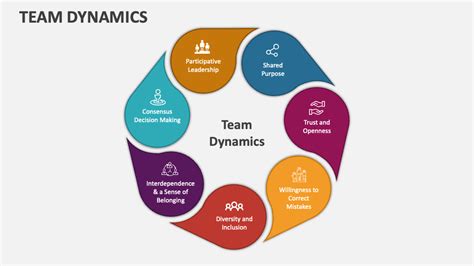
Team Dynamics: The Glue That Sustains Success While individual brilliance often garners attention, team dynamics are the unsung heroes of sustained success. Defending champions prioritize maintaining a cohesive unit, even as external pressures—such as lucrative offers for star players or internal conflicts—threaten to destabilize the group. A key strategy here is fostering a culture of accountability and mutual respect. Champions often implement regular team-building exercises, not as superficial morale boosters but as mechanisms to reinforce trust and shared purpose.
In corporate contexts, companies that dominate their industries often emphasize cross-functional collaboration to sustain innovation. For instance, a tech giant like Apple, after launching a groundbreaking product, ensures that its design, engineering, and marketing teams continue to work in sync rather than siloing their efforts. This collaborative ethos helps them anticipate market shifts and deliver iterative improvements to their product lines. In sports, similar dynamics are evident in teams like the New Zealand All Blacks rugby squad, which places immense emphasis on collective responsibility through rituals like the "sweep the sheds" tradition, where even star players clean the locker room after games to reinforce humility and teamwork.
Additionally, defending champions often invest in leadership continuity. While roster changes are inevitable, retaining key leaders or mentors within the team provides a stabilizing influence. These individuals act as conduits of institutional knowledge, helping new members assimilate into the team culture while ensuring that the ethos of success is not diluted. This is particularly evident in franchises like the New England Patriots under Bill Belichick, where a consistent leadership philosophy has enabled multiple championship runs despite roster turnover.
Innovation: Staying Ahead of the Curve Innovation is perhaps the most challenging yet rewarding strategy for defending champions. The very nature of competition ensures that what worked yesterday may not work tomorrow. To counter this, champions often invest heavily in research and development (R&D) or scouting for emerging talent and technologies. In Formula 1, for example, teams like Mercedes-AMG Petronas do not rest on their technical superiority after a championship win. Instead, they aggressively pursue advancements in aerodynamics, tire strategies, and engine efficiency to outpace rivals who are rapidly closing the gap.
Innovation also extends to psychological preparation. Some champions employ sports psychologists or performance coaches to help players manage the unique pressures of being at the top. These professionals work on mitigating the "champion's curse," where the weight of expectations can lead to complacency or mental fatigue. Techniques like visualization, mindfulness training, and even virtual reality simulations are used to prepare athletes for high-stakes scenarios. For instance, tennis champion Novak Djokovic has credited his mental conditioning routines, including meditation and breathing exercises, as a key factor in his ability to rebound from setbacks and maintain dominance.
Another avenue of innovation lies in leveraging data and technology. Defending champions often use advanced analytics to identify patterns in their own performance and that of their competitors. In baseball, the use of sabermetrics by teams like the Chicago Cubs after their 2016 World Series win allowed them to optimize player utilization and predict opponent strategies more effectively. Similarly, in business, companies like Amazon use predictive analytics to anticipate customer needs and maintain their market-leading position. This analytical edge ensures that champions are not merely reacting to challenges but proactively shaping the competitive environment.
Adapting to External Challenges Sustained success also requires defending champions to navigate external challenges, such as rule changes, economic pressures, or unexpected disruptions. For instance, in the wake of a global event like the COVID-19 pandemic, sports teams and businesses alike had to rethink their operational models. Champions who adapted quickly—such as the Los Angeles Lakers, who adjusted their training and recovery protocols during the NBA bubble—demonstrated that flexibility is a cornerstone of long-term success. This adaptability often stems from a mindset of viewing challenges as opportunities rather than threats.
In some cases, external challenges force champions to redefine their identity. A tech company that dominated the market with a flagship product might pivot to a subscription-based model when consumer preferences shift. Similarly, sports teams may need to evolve their playing style when new rules or formats are introduced. The ability to embrace change while staying true to core principles is a hallmark of champions who endure.
Learning from Failure Paradoxically, one of the strategies employed by defending champions is learning from failure—both their own and that of others. Teams or individuals who have tasted success often study their near-misses or defeats in previous seasons to identify vulnerabilities. This introspection allows them to shore up weaknesses before opponents can exploit them. For example, after losing a key match in a tournament, a chess grandmaster might analyze their opening choices and adjust their repertoire to address exploitable patterns.
Moreover, champions often study the downfall of previous titleholders to avoid similar pitfalls. This could involve understanding how overconfidence, internal strife, or a lack of innovation contributed to their predecessors' decline. By doing so, they arm themselves with a roadmap of what to avoid, ensuring that their path to sustained success is as informed as it is ambitious.
In conclusion, the strategies employed by defending champions are multifaceted and deeply interconnected. They require a delicate balance of consistency and innovation, a strong emphasis on team cohesion, and an unwavering commitment to adaptability. Whether in sports, business, or any other competitive domain, the key to staying on top lies in recognizing that success is not a destination but a dynamic process that demands constant refinement and reinvention.
Case Studies of Successful Defenders
The concept of "defending champions" is not merely about maintaining a title but embodies resilience, innovation, and adaptability in the face of heightened expectations and competition. This section delves into detailed case studies of champions who successfully defended their titles, exploring the unique approaches that set them apart and allowed them to sustain excellence.
One of the most celebrated examples of a successful title defense is the New Zealand All Blacks in rugby. The All Blacks are a team synonymous with dominance in international rugby, and their back-to-back World Cup victories in 2011 and 2015 offer a masterclass in sustaining high performance. Their approach can be broken down into three key elements: culture of accountability, focus on continuous improvement, and psychological resilience.
The All Blacks place a significant emphasis on their team culture, encapsulated in their mantra "better people make better All Blacks." This philosophy emphasizes personal growth and responsibility, which translates into a cohesive team dynamic. For instance, after their 2011 victory, the team did not rest on their laurels. Instead, they implemented a rigorous review process to identify areas of improvement, even though they had just won the World Cup. This included incorporating younger players into leadership roles and experimenting with positional flexibility to adapt to different playing styles. Their focus on incremental gains ensured that complacency never set in. Additionally, the All Blacks employed sports psychologists to help players handle the immense pressure of being favorites. This mental conditioning allowed them to perform under the weight of expectations, a challenge many defending champions struggle with.
Another fascinating case study is Serena Williams in tennis, particularly her defense of the Wimbledon title in 2016. Serena's success as a defending champion can be attributed to her strategic physical conditioning and adaptability in gameplay. Unlike many athletes who peak early and decline due to injuries or burnout, Serena leveraged a combination of high-intensity interval training (HIIT) and recovery-focused regimens to maintain her physical edge. This included a tailored diet plan and an emphasis on flexibility training to reduce the risk of injuries. Her performance in 2016 showcased how she adapted her aggressive baseline game to counter opponents who had studied her patterns from previous tournaments. For example, she incorporated more slice shots and net play to disrupt her opponents' rhythm, demonstrating a willingness to evolve her style rather than rely solely on past successes.
In addition to physical and tactical evolution, Serena's mental fortitude played a critical role. She often spoke about the importance of visualization techniques to prepare for high-stakes matches. By mentally rehearsing scenarios where she was down in the scoreline or facing break points, she conditioned herself to stay calm under pressure. This mental edge was evident in her semifinal and final matches, where she overcame challenging opponents with poise and precision. Serena’s ability to embrace change while staying true to her core strengths is a blueprint for any defending champion.
Shifting to the world of esports, Team OG’s back-to-back victories at The International (TI) in Dota 2 in 2018 and 2019 provide a unique perspective on defending champions in a highly dynamic and unpredictable environment. Unlike traditional sports, esports titles are subject to frequent updates and patches that can completely alter the meta (dominant strategies). Team OG’s success stemmed from their innovative drafting strategies and team chemistry.
OG’s approach was unconventional. Instead of sticking to "meta" picks—heroes and strategies considered optimal by the community—they often chose off-meta heroes that suited their playstyle. This was particularly evident in their use of heroes like Io and Tiny in unconventional roles, catching opponents off guard. Their willingness to take risks was rooted in a deep trust among team members, built through years of playing together. This trust allowed them to execute high-risk, high-reward strategies that other teams avoided. Furthermore, their focus on psychological resilience was evident in how they handled losses during the group stages. Rather than succumbing to pressure, they used these moments to recalibrate their strategies and maintain a positive team environment. This case study underscores the importance of innovation and adaptability in defending a title in a rapidly changing competitive landscape.
In the corporate world, Apple’s defense of its market leadership in smartphones after the launch of the iPhone offers another dimension to this discussion. While not a traditional "champion" in the sporting sense, Apple’s ability to maintain its dominance in the face of aggressive competition from Samsung, Huawei, and others highlights a different kind of title defense. Apple’s approach combined product innovation with brand loyalty cultivation. After the groundbreaking success of the iPhone, Apple did not simply iterate on the same design. Instead, they introduced features like Retina Display, Face ID, and the App Store ecosystem, ensuring that each new version of the iPhone offered tangible value to consumers. This approach kept competitors on the back foot, as they struggled to match Apple’s blend of hardware and software integration. Moreover, Apple invested heavily in customer experience, from seamless device integration across its product line to exceptional after-sales service. This holistic strategy ensured that customers remained loyal even as alternatives entered the market.

A less conventional but equally instructive example is the Spanish national football team’s defense of their Euro Championship in 2012. After their 2008 and 2010 successes, Spain faced the challenge of sustaining their "tiki-taka" style of play, which relied on possession and precision passing. Critics argued that their approach had become predictable, yet Spain’s ability to refine rather than abandon their philosophy is a lesson in strategic refinement. They introduced subtle variations, such as utilizing a "false nine" system with Cesc Fàbregas in place of a traditional striker, which added an element of unpredictability to their gameplay. This case study highlights how even established strategies can be defended through nuanced innovation rather than wholesale reinvention.
These case studies reveal common threads among successful defenders: a commitment to continuous improvement, the ability to adapt to changing circumstances, and a focus on mental and physical resilience. Whether it is the All Blacks’ culture of accountability, Serena Williams’ adaptability, OG’s risk-taking, Apple’s customer-centric innovation, or Spain’s refined strategy, each example demonstrates that defending a title is not about clinging to past glory but about evolving to meet new challenges. This insight is particularly relevant for organizations, teams, and individuals aiming to sustain success in competitive environments.
- Champions must embrace a growth mindset, constantly seeking areas to improve even after victory.
- They should invest in mental conditioning to handle the unique pressures of being a target for competitors.
- Innovation, whether through tactical adjustments or strategic risks, is a recurring theme.
- Finally, team cohesion and trust are non-negotiable for sustained success.
These lessons are not confined to sports or esports; they are applicable across industries where the challenge of maintaining leadership is ever-present. By studying these champions, we gain a deeper understanding of what it takes to not just win once, but to build a legacy of excellence.
Challenges and Pitfalls of Defending a Title
Defending a title is often seen as a validation of a champion's prowess, but the journey is fraught with unique challenges that can test even the most seasoned competitors. While the glory of victory is celebrated, the path to retaining a title is less glamorous and more complex. This section delves into the specific obstacles that defending champions face, focusing on complacency, increased competition, and external expectations.
One of the most insidious challenges for defending champions is complacency. After achieving success, there is a natural human tendency to relax, to believe that the same level of effort or intensity that brought them to the top will sustain them. This psychological trap can manifest in several ways. For instance, athletes or teams might reduce their training intensity, assuming that their established routines are sufficient. A classic example is seen in sports where a team wins a championship and subsequently fails to maintain the same level of physical conditioning in the offseason. This can lead to a slower start in the new season, leaving them vulnerable to early defeats that erode confidence. In business, complacency might appear as over-reliance on past strategies that worked in a different market context. A company that dominated its sector last year might fail to innovate, assuming its brand loyalty or product superiority will shield it from new entrants. The key insight here is that success can breed a false sense of security, and champions must actively guard against this by continuously setting higher personal or organizational benchmarks.
Another significant obstacle is increased competition. When a champion emerges, they inadvertently become a target for every competitor in their field. Rivals are motivated not just by their own ambitions but also by the desire to dethrone the incumbent. This dynamic is particularly evident in sports, where underdogs often elevate their performance when facing a reigning champion. For example, in tennis, players who might not usually pose a threat to a top seed often find an extra gear when playing against a defending Grand Slam winner. This phenomenon is not just psychological but also tactical; competitors study the champion's strategies, weaknesses, and patterns more closely than ever before. In business, this translates to competitors innovating aggressively to outmaneuver the market leader. A tech company that introduced a groundbreaking product last year might find itself outpaced by rivals introducing cheaper, faster, or more feature-rich alternatives. The lesson here is that champions must anticipate and adapt to an environment where they are no longer the hunter but the hunted. This requires not only a defensive mindset to protect their position but also an offensive strategy to stay ahead of the curve.
External expectations also weigh heavily on defending champions. When a team, individual, or organization achieves success, the world watches with bated breath for their next move. The pressure to replicate or surpass past achievements can be overwhelming. This is particularly true in high-profile fields like entertainment, where a critically acclaimed movie or album sets an almost impossible standard for follow-up projects. In sports, media scrutiny amplifies this pressure, with every misstep analyzed and every loss magnified. For instance, a football team that wins the league one season might face questions about their form after a string of draws, even if their performance is statistically sound. Similarly, in corporate settings, a company celebrated for record profits one year might face investor disappointment if growth slows slightly the next year, even if the results are still strong by objective standards. The challenge here lies in managing external narratives while staying focused on internal goals. Defending champions must learn to filter out noise and maintain a clear sense of purpose, rather than being swayed by public opinion or external validation.
A less discussed but equally critical challenge is the erosion of team cohesion that can occur after a major success. In team-based contexts, the euphoria of winning can sometimes lead to internal friction. Players or employees who felt instrumental to the victory might demand greater recognition, higher compensation, or more prominent roles. This can create tensions within the group, particularly if some members feel overshadowed or undervalued. For example, a championship-winning sports team might see key players leave for better contracts elsewhere, or a business team might experience turnover as star performers are poached by competitors. The lesson for champions is to prioritize team dynamics and foster a culture of shared purpose, ensuring that success is seen as a collective achievement rather than an individual one. This requires strong leadership to remind the group that defending a title is a new challenge that demands unity, not division.
Another nuanced pitfall is the risk of overcorrection. After winning a title, champions might feel compelled to fix what isn’t broken. For instance, a sports team might overhaul its playstyle or roster in an attempt to "stay ahead," only to disrupt the very formula that brought them success. In business, this might look like a market leader abandoning a proven product line to chase trends that don’t align with their core strengths. The key insight is that champions must distinguish between necessary evolution and reckless change. While adaptation is essential, it must be grounded in a deep understanding of what made them successful in the first place. This balance between innovation and consistency is a tightrope walk that many champions struggle to navigate.
External factors also play a role in complicating the defense of a title. These can include injuries, economic downturns, or shifts in consumer preferences. For example, a sports champion recovering from an injury might find it harder to regain peak performance in time for the new season. In business, a defending market leader might face supply chain disruptions or changing regulations that were not factors during their initial rise. These external variables are often beyond the champion's control, but their ability to respond with resilience and adaptability can make the difference between retaining the title and losing it. This underscores the importance of building systems and strategies that are robust enough to weather external shocks.
Finally, there is the psychological weight of legacy. Defending champions often carry the burden of being compared to their past selves. This can create a sense of existential pressure, particularly for individuals or teams with a history of consistent success. For instance, a tennis player with multiple Grand Slam titles might feel that anything less than another win is a failure, even if reaching the finals is an extraordinary achievement in itself. This pressure can lead to self-doubt or a fear of failure that hampers performance. The antidote to this is to reframe success as a journey rather than a destination, focusing on growth and learning rather than rigid outcomes. This mental shift is critical for sustaining longevity as a champion.
In summary, the challenges of defending a title are multifaceted and often underestimated. From the internal threat of complacency to the external pressures of competition and expectations, champions must navigate a complex landscape to retain their status. By understanding these pitfalls and proactively addressing them—whether through renewed focus, strategic adaptation, or team cohesion—defending champions can increase their chances of sustaining their success. The true mark of a champion is not just winning once but demonstrating the resilience and adaptability to win again.
Role of Leadership in Sustaining Championship Status
Effective leadership is the cornerstone of any team or organization striving to maintain its position at the pinnacle of success. For defending champions, the challenge is not merely to replicate past achievements but to evolve in a way that anticipates and counters the heightened expectations, competition, and external pressures that come with their status. Leadership in this context must go beyond the tactical and delve into the psychological, strategic, and cultural dimensions of team management.
One of the most critical aspects of leadership for defending champions is the ability to maintain a balance between continuity and change. A championship-winning team often faces the temptation to rest on its laurels, believing that what worked before will continue to work indefinitely. However, effective leaders recognize that success breeds imitation. Rivals study the strategies, tactics, and even the cultural ethos of champions to find weaknesses or adapt their own approaches. This means that a leader must foster an environment where innovation is not only encouraged but institutionalized. For instance, in sports, a team might need to evolve its playstyle to counter new defensive schemes developed specifically to neutralize their strengths. In business, a market leader might need to diversify its product offerings or enter new markets to stay ahead of competitors.
Leadership also involves managing the psychological impact of success on team members. Defending champions often experience a phenomenon known as the "champion's burden," where the weight of expectations can lead to complacency, overconfidence, or even fear of failure. Leaders must actively address these issues by setting clear, forward-looking goals rather than dwelling on past glories. This requires a nuanced approach—celebrating the achievements of the past to build morale while emphasizing that the next challenge is distinct and requires renewed effort. For example, in a corporate setting, a CEO of a market-leading company might frame the next fiscal year not as a defense of market share but as an opportunity to redefine industry standards.
Another area where leadership is pivotal is in retaining and nurturing talent. Championship teams often face the risk of key players or employees being poached by competitors eager to replicate their success. Effective leaders must create a culture where individuals feel valued not just for their contributions to past success but for their potential to drive future growth. This involves personalized development plans, transparent communication about career trajectories, and creating opportunities for emerging leaders within the team. A sports team manager might identify younger players ready to step into leadership roles on the field, while a business leader might groom mid-level managers to take on executive responsibilities. This not only mitigates the risk of talent drain but also reinforces the idea that the organization is invested in long-term success rather than short-term results.
Effective leaders also recognize the importance of reinforcing a championship culture. Culture is often the intangible glue that holds teams together during periods of adversity. For defending champions, this means ensuring that the values, work ethic, and collaborative spirit that contributed to their success remain intact. Leaders can achieve this by being visible and active participants in the day-to-day activities of the team. Walking the talk is crucial—if a leader preaches discipline and resilience, they must exemplify those traits in their own behavior. This consistency reinforces trust and sets a standard for others to follow. In a sports context, a coach who maintains high fitness standards for themselves can inspire players to do the same. In a corporate setting, a leader who prioritizes ethical decision-making sets the tone for the entire organization.
A less discussed but equally important aspect of leadership is the ability to navigate external pressures. Defending champions often face scrutiny from fans, stakeholders, media, and even internal team members. Leaders must act as a buffer, absorbing external criticism and ensuring that it does not disrupt the internal focus of the team. This requires emotional intelligence and the ability to communicate effectively under pressure. For instance, a sports team manager facing media criticism after a string of losses must reassure players that the broader vision remains intact while addressing specific areas of improvement. Similarly, a business leader might need to manage shareholder expectations during a period of market volatility without causing panic within the organization.
Strategic decision-making is another domain where leadership plays a decisive role. Defending champions often face dilemmas about whether to stick with proven methods or take risks to stay ahead. Here, leaders must be adept at balancing data-driven analysis with intuition. For example, a sports team might rely on advanced analytics to identify underperforming areas, but the leader's intuition about team dynamics might guide personnel decisions. In business, a CEO might use market research to inform product development while trusting their gut instinct about emerging consumer trends. The ability to synthesize these inputs and make bold yet calculated decisions is what separates great leaders from merely good ones.
Leadership also extends to fostering resilience in the face of setbacks. No champion remains undefeated forever, and how a team responds to losses often defines its legacy. Effective leaders use setbacks as opportunities for growth, emphasizing lessons learned and framing losses as part of a larger journey. This requires a mindset shift from seeing losses as failures to viewing them as feedback. A leader might hold a post-mortem meeting after a loss, not to assign blame but to collaboratively identify what went wrong and how to improve. This approach not only builds resilience but also reinforces the idea that the team is a learning organization committed to continuous improvement.
Finally, communication is a linchpin of effective leadership for defending champions. Leaders must ensure that their vision, strategies, and expectations are clearly articulated to all levels of the organization. This is particularly important when new members join the team or when external circumstances change. A leader must act as a unifying figure, ensuring that everyone—from star players to support staff—understands their role in the broader mission. Transparent communication also helps to preempt rumors or misunderstandings that can erode trust and cohesion.
In summary, the role of leadership in sustaining championship status is multifaceted and demanding. It requires a leader to be a strategist, a psychologist, a talent manager, a cultural steward, and a communicator. By balancing continuity with innovation, reinforcing a strong culture, managing external pressures, and fostering resilience, leaders can guide their teams through the unique challenges of defending their title. Ultimately, effective leadership is not about resting on past success but about using it as a foundation to build an even more enduring legacy.
The Legacy of Defending Champions
The concept of "defending champions" carries a weight that extends far beyond the immediate thrill of victory. It embodies a narrative of resilience, adaptability, and the relentless pursuit of excellence. When an individual, team, or organization successfully defends a title, they are not merely repeating success—they are cementing their place in history and shaping a legacy that resonates across time. This dynamic is especially pronounced in competitive arenas, where the stakes are high, and the pressure to maintain supremacy can often be as formidable as the initial challenge of achieving it.
One of the most compelling aspects of defending a title is the psychological dimension it introduces. For individuals, the act of defending a championship tests not only their physical or technical prowess but also their mental fortitude. Consider athletes like Serena Williams in tennis or Michael Jordan in basketball—figures who have not only won multiple titles but have done so in consecutive years. Their ability to sustain peak performance under the weight of expectations speaks to a legacy that is rooted in consistency. This consistency is not accidental; it is the product of an unwavering focus on improvement, even when at the top. Defending champions often face opponents who are specifically motivated to dethrone them, making their victories a testament to their ability to adapt to evolving competition.
For teams, the legacy of defending a title often transcends individual contributions and becomes a collective symbol of culture and cohesion. Teams that successfully defend championships, such as the New England Patriots in the NFL or Barcelona in European football during their peak years, demonstrate an organizational ethos that prioritizes teamwork, strategy, and long-term vision. These teams are often characterized by strong leadership—both on and off the field—and a system that supports not just the stars but also the role players who ensure stability. A successful title defense by a team often reveals an infrastructure that values preparation, innovation, and the ability to respond to adversity. For instance, when Barcelona defended their UEFA Champions League title in 2011, their tiki-taka style of play was not merely a strategy but a philosophy embedded in their identity, one that required every player to buy into a collective vision.
Organizations, too, face unique challenges when defending their dominance in their respective fields. In business or technology, companies like Apple or Google have had to defend their market-leading positions against aggressive competitors. In these contexts, defending a "title" often means maintaining innovation leadership, customer loyalty, and market share. For example, Apple's ability to consistently deliver groundbreaking products like the iPhone while fending off competitors has contributed to its legacy as a pioneer in consumer technology. Here, the act of defending is less about a singular event and more about a sustained effort to redefine industry standards. This kind of legacy-building requires not just technical superiority but also a deep understanding of market dynamics and consumer behavior.

Another layer to the legacy of defending champions is the way it shapes public perception and cultural impact. A single victory can be seen as a stroke of luck or a moment of brilliance, but repeated success transforms perception. It moves the narrative from "they got lucky" to "they are the standard." This shift is particularly evident in sports, where dynasties like the New York Yankees or Manchester United are remembered not just for their individual titles but for their ability to dominate over extended periods. Such legacies often give rise to a sense of inevitability—opponents enter competitions not just battling the current team but the weight of their history. This psychological edge can be as potent as any tactical advantage.
However, the journey of defending a title is fraught with unique challenges that can either enhance or tarnish a legacy. One of the most significant is the phenomenon of the "champion's curse," where the pressure to repeat success leads to complacency, overconfidence, or burnout. History is replete with examples of defending champions who faltered under the weight of expectations—such as Brazil's shocking exit in the 2006 FIFA World Cup after entering as heavy favorites. These instances serve as cautionary tales, reminding us that legacy is not guaranteed by past success but must be actively nurtured. Successful defenders often display a humility and hunger that keeps them grounded, recognizing that each title defense is a new battle requiring fresh strategies.
The legacy of defending champions also extends to how they handle defeat. Not all champions successfully defend their titles, but those who lose with grace and learn from their setbacks often enhance their legacy in unexpected ways. For instance, when the Golden State Warriors lost the 2019 NBA Finals after winning back-to-back championships, their response—rebuilding and returning to contention—demonstrated that legacy is not solely about winning but about resilience in the face of adversity. This aspect of legacy-building is often overlooked but is critical in understanding how defending champions contribute to their stories over time.
In some cases, the act of defending a title redefines the very nature of competition. When Usain Bolt defended his sprint titles in multiple Olympic Games, he did more than win races—he elevated the sport itself. His dominance not only inspired a generation of athletes but also set a new benchmark for what it meant to be a champion. In this way, defending champions often become standard-bearers for their disciplines, pushing boundaries and inspiring others to aim higher. Their legacies are not confined to trophies or medals but extend to the broader impact they have on their sports or industries.
Finally, the legacy of defending champions is deeply intertwined with the stories they create. Every title defense adds a chapter to their narrative, one that fans, historians, and competitors will analyze and discuss for years to come. These stories often include moments of triumph, but also of struggle, adaptation, and even failure. For instance, when Rafael Nadal defended his French Open title year after year, his legacy was not just about his mastery of clay courts but about his ability to overcome injuries, age, and a new generation of challengers. This narrative richness is what separates fleeting success from enduring greatness.
In conclusion, the legacy of defending champions is multifaceted, encompassing psychological resilience, organizational strength, cultural impact, and the ability to inspire. It is not merely about holding onto a title but about using each defense as an opportunity to deepen one’s story and influence. Whether in sports, business, or any competitive arena, successfully defending a title is a powerful statement—one that says, "We are not here by accident, and we are not done yet."
Comparative Analysis: One-Time vs. Repeat Champions
The concept of "defending champions" evokes a sense of prestige and accomplishment in any competitive arena, whether in sports, business, or other fields of endeavor. However, a deeper examination of one-time champions versus repeat champions reveals stark differences in their attributes, trajectories, and the underlying factors that contribute to their success. This comparative analysis explores these dynamics to uncover what distinguishes those who achieve fleeting glory from those who sustain dominance over time.
One-time champions often emerge as a result of a confluence of favorable circumstances. These include peak physical or mental performance, a well-timed opportunity, or even a temporary dip in the competition's quality. For instance, in sports, a one-time champion might capitalize on an injury to a key rival or a particularly favorable draw in a tournament. In business, a startup might ride the wave of a first-mover advantage in a new market. While these factors are not to diminish their achievement, they often lack the systemic qualities that enable repeat success.
In contrast, repeat champions exhibit a pattern of consistency that suggests a deeper, more ingrained set of attributes. They tend to possess a blend of resilience, adaptability, and a long-term strategic approach. For example, in team sports like basketball or soccer, repeat champions often have a core group of players who have developed a high level of chemistry and trust over multiple seasons. This cohesion allows them to navigate the pressures of defending a title, which are often more intense than those faced by first-time winners. The psychological burden of expectation can be debilitating, but repeat champions seem to thrive under this pressure rather than crumble beneath it.
Another key differentiator is the role of continuous improvement. One-time champions may rest on their laurels after their initial success, assuming that the formula that worked once will continue to do so. Repeat champions, however, are often characterized by a culture of innovation and self-reflection. They scrutinize their past performances, identify weaknesses, and adapt their strategies. A classic example is seen in Formula 1 racing, where teams like Mercedes have dominated for years not because they had the best car every season, but because they consistently evolved their technology, driver training, and race strategies to stay ahead of competitors.
The mental fortitude of repeat champions also sets them apart. One-time champions may experience a "champion's slump" after their victory, a phenomenon where the emotional high of success leads to complacency or even a loss of motivation. Repeat champions, by contrast, often display a relentless hunger for more. This is evident in athletes like Serena Williams or teams like the New England Patriots, who have built dynasties by maintaining a mindset of constant pursuit rather than basking in past glory. This mindset is often cultivated through disciplined routines, strong leadership, and a support system that reinforces the importance of sustained excellence.
From a trajectory perspective, one-time champions frequently face a steeper decline after their moment of triumph. Without the systems in place to sustain high performance, they may struggle to replicate their initial success. This is particularly evident in individual sports, where physical decline or a lack of ongoing mentorship can lead to a sharp drop-off. For example, a tennis player who wins a Grand Slam title early in their career but fails to adapt their game to evolving competition may find themselves eclipsed by younger, hungrier opponents. Repeat champions, on the other hand, often have a well-established infrastructure—be it a coaching staff, a robust training regimen, or a corporate strategy—that ensures they remain at the top of their game.
The role of external factors cannot be ignored in this analysis. One-time champions may benefit from a "perfect storm" of external conditions that are difficult to replicate. For instance, market conditions in business or favorable rule changes in sports can create a temporary advantage. Repeat champions, however, demonstrate an ability to weather unfavorable external conditions. They are often better prepared for adversity because they have faced it before and have built systems to mitigate its impact. This adaptability is a hallmark of their success and a key reason why they can defend their titles under varied circumstances.
Another critical aspect is the psychological profile of one-time versus repeat champions. Research into high-performance individuals suggests that one-time champions may exhibit traits of "destination thinking," where the focus is on achieving a singular goal. Once that goal is reached, the drive diminishes. Repeat champions, however, are more likely to adopt a "journey-oriented" mindset. They see each title as part of a larger narrative of excellence rather than an isolated event. This perspective allows them to remain motivated and focused even after reaching the pinnacle of success.
In terms of organizational or team dynamics, repeat champions often benefit from a culture of accountability and shared purpose. For instance, in corporate settings, companies that dominate their industries over decades—like Apple or Google—tend to have a strong organizational ethos that prioritizes innovation, collaboration, and long-term thinking. One-time success stories in business, such as companies that experience a meteoric rise but fail to sustain it, often lack this cohesive culture. They may rely too heavily on a single product, leader, or market trend, leaving them vulnerable when those factors change.
It is also worth noting the role of competition in shaping the trajectories of one-time versus repeat champions. One-time champions may emerge in a field where the competitive landscape is less intense or where their rivals are in a transitional phase. Repeat champions, however, often face increasingly fierce competition as their success attracts challengers eager to dethrone them. This dynamic forces repeat champions to continually elevate their game, making their achievements even more impressive.
Finally, legacy and impact differentiate the two groups. One-time champions are often remembered for a singular moment of brilliance, while repeat champions leave a legacy that extends beyond their individual achievements. They become symbols of sustained excellence, influencing future generations and setting benchmarks for others to aspire to. For example, Michael Jordan's six NBA championships with the Chicago Bulls are not just a testament to his skill but also to his ability to lead a team to repeated success under immense pressure.
In summary, while one-time champions often benefit from favorable timing, peak performance, or external advantages, repeat champions are defined by their ability to sustain excellence through resilience, adaptability, and a culture of continuous improvement. Their trajectories are marked by consistency and strategic foresight, allowing them to navigate the challenges of defending their titles and leaving a lasting impact on their respective domains. Understanding these distinctions provides valuable insights into what it takes to not just win once, but to build a legacy of sustained success.
Conclusion and Future Outlook
The concept of "defending champions" holds a unique place in the competitive landscape of sports, business, and even intellectual endeavors. It encapsulates the enduring challenge of maintaining excellence while fending off new contenders eager to dethrone the incumbent. As we reflect on the key takeaways from this exploration, it is clear that the dynamics of defending champions are shaped by a blend of psychological, strategic, and systemic factors. These insights not only illuminate the present but also offer a lens through which we can speculate on the future evolution of this phenomenon.
One of the most significant takeaways is the psychological burden of being a defending champion. The title carries both prestige and pressure. Defending champions are often subjected to heightened scrutiny, as their every move is compared to their past triumphs. This can lead to a phenomenon known as the "champion's dilemma," where the drive to replicate success can paradoxically hinder performance. For instance, in sports, athletes who have tasted victory may struggle with overconfidence or, conversely, the fear of failure. This psychological tension is amplified in team settings, where cohesion and morale must be actively managed to avoid complacency or internal discord. In business, companies that dominate a market often face a similar challenge. Market leaders like Apple or Google must constantly innovate to maintain their edge, as competitors are incentivized to disrupt the status quo. The takeaway here is that the mantle of a champion is not merely a reward but a responsibility that demands sustained effort and adaptability.
Another key insight is the strategic evolution required to stay ahead. Defending champions often find themselves in a position where their previous strategies, once groundbreaking, become predictable or even obsolete. In sports, this is evident in the way teams and individuals must continually refine their playbooks or training regimens to counter opponents who have studied their every weakness. A classic example is the "Moneyball" approach in baseball, where underdog teams used data analytics to outsmart richer, more established franchises. This demonstrates that champions must not only defend their position but also disrupt themselves to stay relevant. In the corporate world, this is mirrored in the way incumbents like Netflix transitioned from DVD rentals to streaming, proactively redefining their market rather than waiting to be overtaken. The future of defending champions, therefore, lies in their ability to embrace continuous reinvention—not as a reaction to threats but as a proactive strategy for growth.
The role of external systems and environments also plays a critical part in shaping the trajectory of defending champions. In sports, governing bodies and rule changes can significantly impact the ability of a champion to maintain their dominance. For example, changes in tournament formats, equipment regulations, or even financial incentives can create new dynamics that challenge established hierarchies. Similarly, in technology and business, regulatory shifts or market disruptions (such as the advent of AI or climate change policies) can redefine what it means to be a champion. A company that thrives in one regulatory environment may struggle in another, emphasizing the need for champions to remain agile and attuned to external forces. This suggests that the future of defending champions will increasingly depend on their ability to navigate and influence external systems rather than solely relying on internal excellence.
Looking ahead, the concept of defending champions may evolve in several intriguing ways. One possibility is the increasing democratization of competition. Advances in technology, particularly in fields like AI and machine learning, are lowering barriers to entry in many domains. For example, in esports, where skill can often outweigh physical advantages, new champions can emerge from unexpected corners of the world, challenging the traditional notion of incumbency. This democratization could lead to shorter cycles of dominance, as new tools and platforms enable more rapid skill acquisition and innovation. In such an environment, the idea of a "champion" may shift from being a long-term titleholder to a more fluid concept, where dominance is measured in bursts of excellence rather than sustained periods.
Another potential evolution is the rise of collaborative competition. Traditionally, the concept of a defending champion implies a singular entity or individual fending off rivals. However, as interconnected systems and global networks become more prevalent, we may see champions that are not lone entities but coalitions or ecosystems. For instance, in business, alliances between companies (such as partnerships between tech giants and startups) are already redefining how market leadership is maintained. In sports, we might see more collaborative training models, where athletes from different teams or countries share resources and expertise to push the boundaries of performance. This shift could redefine the narrative around defending champions, emphasizing the importance of shared growth over isolated success.
The role of data and analytics will also play a transformative role in the future of defending champions. As the ability to collect, analyze, and act on data improves, champions will have access to unprecedented insights into their own performance and that of their competitors. In sports, wearables and tracking systems are already providing real-time feedback on athlete performance, enabling micro-adjustments that can mean the difference between victory and defeat. In business, predictive analytics and AI are allowing companies to anticipate market trends and customer needs with remarkable accuracy. However, this also introduces a new challenge: the risk of over-reliance on data. Champions of the future will need to balance the precision of analytics with the unpredictability of human creativity and intuition. A defending champion that becomes too formulaic risks losing the very edge that made them unique.
Finally, the cultural and societal perception of defending champions may shift. In an era increasingly focused on inclusivity and diversity, the traditional narrative of a "lone champion" may give way to a more collective celebration of achievement. This could manifest in sports as greater recognition of teams rather than individual stars or in business as a move toward valuing collaborative success over cutthroat competition. The future defending champion might not be the one who dominates but the one who empowers others to rise alongside them. This could redefine the very essence of what it means to "defend" a title—transforming it from a battle against others into a mission to elevate the entire field.
In conclusion, the concept of defending champions is deeply rooted in the human desire for excellence and the challenges of sustaining it. The key takeaways—psychological resilience, strategic reinvention, adaptability to external systems, and the potential for collaborative and data-driven evolution—point toward a future where the role of a champion is both more dynamic and more inclusive. While the core idea of defending one's position will remain, the ways in which champions are made, challenged, and celebrated are likely to undergo significant transformation. Whether in sports, business, or other competitive arenas, the future of defending champions will be shaped by their ability to not only protect their legacy but also redefine what it means to lead in an ever-changing world.