Introduction to Transfer Gossip Columns
Transfer gossip columns are a distinct and pervasive feature of modern sports journalism, particularly in the realm of football (soccer) and other team sports with active player transfer markets. These columns serve as a bridge between the formal reporting of confirmed transfers and the speculative, often sensationalized, world of player movement rumors. At their core, transfer gossip columns are dedicated spaces within sports media that focus on unverified, speculative, or insider-sourced information about potential player transfers between clubs. While they are not limited to football—similar columns exist in basketball, baseball, and other sports—football's global appeal and its highly active transfer windows make it the primary subject of such content.
To understand the role of transfer gossip columns in sports journalism, it is essential to recognize their dual nature. On one hand, they are a source of entertainment and engagement for fans, offering tantalizing possibilities of "what if" scenarios. On the other hand, they represent a strategic tool for media outlets to drive traffic, spark debates, and maintain relevance in an increasingly competitive digital landscape. This duality often leads to a tension between journalistic integrity and the commercial imperatives of modern media.
The origins of transfer gossip columns can be traced back to the pre-internet era of sports journalism, where print newspapers would occasionally include small sections speculating about player movement. However, the explosion of online media in the early 2000s transformed these occasional features into a full-fledged genre of sports reporting. Websites like BBC Sport, Sky Sports, and Goal.com began dedicating entire sections to transfer rumors, fueled by the insatiable appetite of fans for up-to-the-minute updates. This shift was not merely a result of technological advancements but also a response to the increasing commodification of sports fandom, where fans are no longer passive observers but active participants in the ecosystem of their favorite sport.
One of the defining characteristics of transfer gossip columns is their reliance on unnamed sources, insider whispers, and speculative analysis. Unlike traditional sports reporting, which is grounded in verified events such as match results or official announcements, gossip columns thrive on ambiguity. A typical entry might read, "Sources close to the player suggest he is open to a move," or "Club X is monitoring Player Y's situation." This deliberate vagueness serves multiple purposes. First, it allows media outlets to publish content without the risk of being held accountable for inaccuracies—after all, a rumor that does not materialize can simply be forgotten. Second, it creates a sense of intrigue and suspense, encouraging readers to return for updates. This cyclical nature of speculation and anticipation is a key driver of traffic for sports websites, particularly during transfer windows.
However, the role of transfer gossip columns extends beyond mere entertainment. They play a significant part in shaping public perception and influencing player and club behavior. For instance, persistent rumors about a player being unhappy at their current club can create a feedback loop, where the player's agent uses the media narrative to negotiate better terms or force a move. Similarly, clubs may use gossip columns strategically to test the waters of fan reaction to a potential signing or to mislead rivals about their intentions. This interplay between media, clubs, players, and fans creates a dynamic ecosystem where transfer gossip is not just a byproduct of sports journalism but an active participant in the broader theater of the sport.
The ethical implications of transfer gossip columns are worth exploring. Critics argue that these columns often prioritize sensationalism over substance, prioritizing clicks over accuracy. This can lead to harmful consequences for players and clubs, such as undue pressure on athletes who are subjected to relentless speculation about their future. For example, a young player linked with a high-profile move might experience anxiety or a drop in performance due to the weight of expectations. Additionally, smaller clubs may find it challenging to retain talent when larger clubs are repeatedly linked with their players, even if no formal interest exists. This dynamic underscores the power of transfer gossip columns to shape not just narratives but also real-world outcomes.
From a journalistic perspective, transfer gossip columns present unique challenges. Unlike traditional reporting, where the goal is to provide verified and balanced information, gossip columns often operate in a gray area where the line between fact and fiction is blurred. This has led to debates about whether such content qualifies as journalism at all. Some argue that the speculative nature of these columns undermines the credibility of sports media, while others contend that they are a legitimate form of entertainment journalism tailored to the demands of modern audiences. This tension is particularly evident in the rise of "fake news" accusations in sports media, where poorly sourced or entirely fabricated rumors can damage the reputation of both the outlet and the sport itself.
Despite these criticisms, transfer gossip columns have undeniable value for sports journalism. They serve as a barometer of fan interest and engagement, reflecting the passions and priorities of the audience. For instance, the popularity of certain rumors can indicate which players or clubs are capturing the public imagination at a given moment. Moreover, these columns often act as a starting point for deeper investigative reporting. A persistent rumor about a player's unhappiness might prompt journalists to investigate the underlying issues, such as contract disputes or managerial conflicts, leading to more substantive stories.
The structure of transfer gossip columns has also evolved over time. Initially, they were simple lists of rumors with little context. Today, many outlets provide detailed analysis alongside the rumors, breaking down the likelihood of a move, the financial implications, and the potential impact on the teams involved. This evolution reflects a broader trend in sports journalism toward contextual storytelling, where the focus is not just on what is happening but why and how it matters. Some outlets have even introduced rating systems, such as a "transfer probability meter," to add a layer of credibility and transparency to their reporting.
In summary, transfer gossip columns are a unique and influential aspect of sports journalism, blending entertainment, speculation, and strategic insight. They are more than just a source of idle chatter; they are a reflection of the modern sports landscape, where the boundaries between fact, fiction, and fan engagement are constantly shifting. While they may be dismissed by some as frivolous or irresponsible, their enduring popularity and impact on the sports ecosystem make them a fascinating and important phenomenon to study. As long as there are transfer windows, ambitious clubs, and passionate fans, transfer gossip columns will remain a central feature of sports media, continuing to shape how we consume, interpret, and engage with the world of sports.
Historical Evolution of Transfer Rumors
The concept of transfer gossip has long been intertwined with the fabric of sports journalism, particularly in football (soccer), where player transfers are a cornerstone of the sport's off-field drama. To understand the historical evolution of transfer rumors, it is essential to trace their origins in traditional media and observe how they have adapted and proliferated in the digital age. This section delves into the roots of transfer gossip, its transformation over time, and the impact of technological advancements on its dissemination and consumption.
The origins of transfer gossip can be traced back to the early 20th century when football began to establish itself as a professional sport. Newspapers were the primary medium for sports coverage, and early sports journalists often relied on insider information or speculative reporting to fill columns. Transfer rumors in this era were sparse and often centered around high-profile players or clubs with significant public interest. For instance, in the 1920s and 1930s, rumors about player movements were typically limited to brief mentions in matchday programs or local newspapers. These early instances of gossip were often rooted in factual reporting rather than sensationalism, as the sports media landscape was still in its infancy and lacked the commercial incentives to exaggerate stories for engagement.
The post-World War II era saw a significant expansion in sports journalism, driven by growing public interest in football and the professionalization of leagues. Newspapers began dedicating more space to football coverage, and transfer rumors became a staple feature during the off-season or transfer windows. This period marked the emergence of "transfer deadline day" as a key event in the football calendar, with journalists scrambling to report on last-minute deals. However, the process was still relatively restrained compared to modern standards. Journalistic ethics and limited access to players and club officials meant that rumors were often based on credible sources or at least plausible scenarios. Clubs and players had more control over their narratives, and sensationalism was less prevalent due to the slower pace of information dissemination.
The 1980s and 1990s marked a turning point with the advent of tabloid culture and the commercialization of football. Tabloids, with their focus on sensational headlines and eye-catching stories, began to dominate the transfer gossip landscape. This era saw the birth of the "transfer exclusive," where newspapers would claim to have insider knowledge of a deal before it was officially announced. While some of these exclusives were accurate, many were speculative or entirely fabricated to drive sales. The growing popularity of football leagues like the English Premier League further fueled this trend, as the sport became a global phenomenon with a massive audience hungry for news about player movements. Transfer gossip became not just a journalistic tool but a form of entertainment, blending sports reporting with celebrity-style coverage.
The rise of digital platforms in the late 1990s and early 2000s revolutionized transfer gossip. Websites like BBC Sport, Sky Sports, and later specialized platforms such as Goal.com and Transfer Markt provided fans with 24/7 access to news and rumors. The internet allowed for the rapid spread of rumors, often sourced from obscure blogs, social media accounts, or unverified "in-the-know" (ITK) figures. This shift democratized transfer gossip, as anyone with internet access could contribute to the conversation. While this broadened the scope of transfer news, it also diluted its credibility. A single tweet or forum post could spark widespread speculation, regardless of its accuracy. This era also saw the emergence of "scoop culture," where being the first to report a rumor—regardless of its veracity—became a badge of honor for online journalists and influencers.
Social media platforms like Twitter, Facebook, and later Instagram further accelerated the evolution of transfer gossip. These platforms allowed players, agents, and clubs to communicate directly with fans, bypassing traditional media channels. For example, a player's cryptic social media post—such as changing their profile picture or liking a post about another club—could ignite transfer speculation. Agents, too, began to use social media strategically to drum up interest in their clients or create leverage in negotiations. This dynamic has blurred the lines between genuine transfer news and manufactured hype, as even unsubstantiated rumors can gain traction if they generate enough engagement.
In the current landscape, transfer gossip has become a hybrid of traditional reporting, social media buzz, and data-driven analysis. Platforms like Transfer Markt provide detailed player statistics and market values, while YouTube channels and podcasts dissect rumors with a mix of analysis and entertainment. The rise of "content creators" has added another layer to transfer gossip, as individuals with no formal journalistic training can amass large followings by sharing rumors or creating narratives around potential transfers. This has led to a fragmented media environment where fans must navigate a mix of credible reporting, speculative clickbait, and outright fabrication.
One of the most significant consequences of this evolution is the impact on fan behavior and club strategies. Fans now expect instant updates and are often drawn to the most sensational rumors, regardless of their credibility. Clubs, in turn, have had to adapt by managing their public relations more carefully. Leaks, whether intentional or not, can influence negotiations, player morale, and even fan sentiment. The monetization of transfer gossip has also become a lucrative business, with some platforms charging subscriptions for "insider" access or exclusive content.
A unique insight into this evolution is the role of globalization. The internationalization of football has meant that transfer gossip is no longer confined to local or national contexts. A rumor about a South American prodigy moving to a European giant can originate in Brazil, gain traction in Spain, and be analyzed by pundits in England—all within hours. This interconnectedness has made transfer gossip a truly global phenomenon, but it has also increased the challenge of verifying sources and distinguishing credible news from noise.
In conclusion, the historical evolution of transfer gossip showcases a fascinating journey from modest beginnings in traditional media to its current state as a sprawling, digital-first ecosystem. While the core appeal of transfer rumors—their ability to entertain, speculate, and engage fans—remains unchanged, the methods of their creation and dissemination have undergone seismic shifts. Traditional media laid the foundation, tabloids amplified the drama, and digital platforms globalized and democratized the phenomenon. As transfer gossip continues to evolve, its interplay with technology, fan culture, and the business of football ensures that it will remain a central element of the sport's narrative.
The Role of Transfer Gossip in Fan Engagement
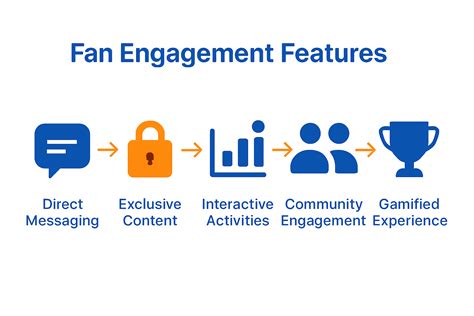
Transfer gossip is a staple of sports media, particularly in the world of football (soccer), where the transfer window is as much a spectacle as the matches themselves. While some dismiss it as mere speculation or "clickbait," the role of transfer gossip in fan engagement is far more nuanced and impactful than it might initially appear. This section explores how transfer rumors serve as a critical driver of audience interest, loyalty, and even community-building in sports media ecosystems.
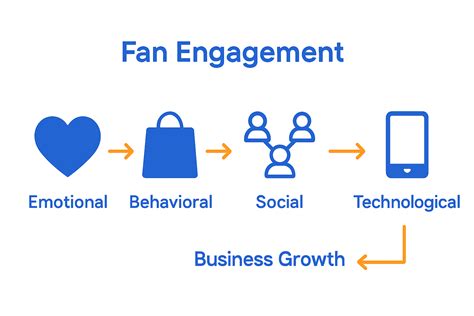
At its core, transfer gossip taps into the emotional investment fans have in their teams. Fans are not passive observers of their clubs; they feel a deep sense of ownership and connection. Transfer rumors amplify this emotional engagement by allowing fans to speculate, dream, and debate about potential new signings. For instance, when a star player is linked to a club, fans imagine how this player might fit into the team's tactics, elevate performance, or even help secure trophies. This engagement is not limited to positive speculation—even rumors of a key player leaving can evoke strong reactions, as fans rally to express their support or opposition. These emotional highs and lows create a cycle of attention that keeps fans coming back to sports media platforms for the latest updates.
One of the key drivers of this phenomenon is the element of unpredictability. Unlike match results, which are bound by the events on the pitch, transfer rumors exist in a gray area of possibility. A rumor might be based on a legitimate source, or it might be entirely fabricated to generate buzz. This unpredictability is a double-edged sword: it frustrates some fans but enthralls others. The uncertainty creates a form of "narrative tension" akin to a serialized drama. Fans tune in not just for confirmation of whether a rumor is true but also to follow the twists and turns of negotiation stories, agent comments, and club denials. This serialized nature of transfer gossip ensures sustained engagement over weeks or even months, far beyond the lifecycle of a single match or tournament.
The role of social media and digital platforms has further amplified the impact of transfer gossip. Platforms like Twitter, Instagram, and YouTube have become hotbeds for rumor dissemination and discussion. Fans no longer rely solely on traditional media outlets for transfer news; they actively participate in the rumor mill by sharing posts, creating memes, and engaging in debates. This participatory culture transforms transfer gossip from a one-way broadcast into a two-way conversation. For instance, when a credible journalist tweets about a potential transfer, the post can spark thousands of replies, retweets, and quote tweets, each adding to the narrative. This dynamic not only increases the visibility of the media platform but also fosters a sense of community among fans who share a common interest in the rumor.
From a business perspective, transfer gossip is a goldmine for sports media organizations. The sheer volume of traffic driven by transfer rumors can be staggering. During transfer windows, websites and apps see significant spikes in user engagement, with fans refreshing pages repeatedly for updates. This traffic is monetizable through advertising, sponsored content, and subscription models. For instance, platforms like The Athletic or Goal.com often use transfer gossip as a hook to drive subscriptions, offering "exclusive insights" or "insider information" to paying users. Even free platforms benefit by increasing their ad revenue through higher page views and longer session durations. This economic incentive ensures that transfer gossip remains a central feature of sports media strategies.

However, the engagement value of transfer gossip extends beyond mere traffic metrics. It also plays a role in fostering brand loyalty. Fans who regularly consume transfer content from a particular platform are more likely to return for other types of sports coverage, such as match analysis, player interviews, or tactical breakdowns. This loyalty is particularly valuable in a competitive media landscape where platforms vie for audience attention. By consistently delivering compelling transfer content—whether through well-sourced rumors or entertaining speculation—media outlets position themselves as trusted sources in the eyes of fans. Over time, this trust can translate into a loyal subscriber base or a dedicated audience that prioritizes one platform over others.
Another interesting aspect is how transfer gossip reinforces fan identity and tribalism. Sports fandom is inherently tribal, with fans aligning themselves with their teams against rivals. Transfer rumors often become a battleground for this tribalism. For example, when a player is rumored to be considering offers from two rival clubs, fans of both teams may engage in heated debates about why their club is the better destination. This dynamic not only fuels engagement within a single fanbase but also creates cross-fanbase interactions, further amplifying the reach of the rumor. In this way, transfer gossip serves as a form of "social currency" among fans, allowing them to assert their knowledge, opinions, and allegiance in online and offline spaces.
The psychological appeal of transfer gossip also lies in its ability to provide a sense of agency and hope. For fans of smaller or underperforming clubs, transfer rumors can offer a glimpse of a brighter future. The possibility of a big-name signing or a promising young talent joining the team can rekindle optimism, even if the rumor ultimately proves false. This hope is a powerful motivator for continued engagement, as fans cling to the idea that their club is "in the running" for a transformative player. Conversely, for fans of top-tier clubs, transfer gossip reinforces their sense of dominance and ambition, as they expect their club to be linked with the best players in the world. Both scenarios highlight how transfer gossip caters to the aspirational nature of sports fandom.
However, it is worth noting that not all transfer gossip is created equal. The credibility of the source plays a significant role in how fans perceive and engage with rumors. A rumor from a well-known journalist with a track record of accurate reporting is likely to generate more serious discussion and engagement than one from an anonymous Twitter account. Media outlets are acutely aware of this dynamic and often position themselves as "insiders" with access to exclusive information. This positioning not only enhances their credibility but also deepens fan trust and engagement. At the same time, the proliferation of unreliable sources has led to a "boy who cried wolf" effect, where fans become skeptical of all but the most credible rumors. This skepticism, paradoxically, can drive even greater engagement as fans seek out multiple sources to verify or debunk a claim.
In conclusion, transfer gossip is far more than idle speculation; it is a carefully cultivated aspect of sports media that drives fan engagement on multiple levels. It leverages emotional investment, fosters community and tribalism, and serves as a business strategy for media platforms. While it may be dismissed by some as frivolous, its ability to sustain interest, provoke debate, and build loyalty makes it an indispensable part of the modern sports media landscape. As long as fans remain emotionally tied to their teams and hungry for news about potential changes, transfer gossip will continue to play a central role in shaping how fans interact with sports media.
Sources and Credibility of Gossip Columns
Transfer gossip columns are a staple of sports media, particularly during the football transfer windows. These columns thrive on speculation, rumor, and insider information about potential player moves between clubs. However, the sources and credibility of such gossip vary widely, leading to significant debate about their trustworthiness. This section delves into the typical sources of transfer gossip, assesses their reliability, and explores the factors that influence their accuracy.
The primary sources of transfer gossip can be categorized into three main groups: media outlets, agents and intermediaries, and club insiders. Each of these sources has distinct motivations and methods for disseminating information, which directly impacts the reliability of the gossip they generate.
Media outlets, including newspapers, websites, and social media accounts, are the most visible purveyors of transfer gossip. These outlets often rely on a mix of journalistic investigation and unnamed sources to craft their stories. For instance, reputable sports journalists may have cultivated relationships with club staff or agents, giving them access to credible leads. However, the pressure to publish exclusive stories often leads to unverified claims being presented as fact. A journalist might report that "a source close to the player" has confirmed interest from a particular club, but this "source" could range from a well-placed insider to a speculative comment from a third party. The lack of transparency about the origin of these claims often undermines their credibility. Additionally, some outlets prioritize clickbait headlines over accuracy, as transfer gossip drives traffic and engagement. This commercial incentive can result in exaggerated or fabricated stories designed to capture attention rather than inform.
Agents and intermediaries form another significant source of transfer gossip. Agents, in particular, have a vested interest in promoting their clients and creating a market for their services. For example, an agent might leak information about interest from multiple clubs to drive up a player’s value or pressure a specific club into offering better terms. This strategy is particularly common when a player is nearing the end of their contract or seeking a move. While such leaks may contain elements of truth, they are often strategic rather than factual. Agents may exaggerate interest or invent rumors to create a sense of urgency. Furthermore, intermediaries who facilitate deals between clubs sometimes use the media to test the waters for potential transfers. If a rumor about a player moving to a certain club gains traction, it can help gauge fan and club reactions before formal negotiations begin. While this approach can provide insight into the transfer market, it also introduces a high degree of subjectivity and self-interest into the gossip.
Club insiders, including staff, scouts, and even players, are often cited as the most reliable sources of transfer gossip. These individuals are privy to internal discussions and negotiations, which theoretically makes their information more credible. However, even club insiders are not immune to leaking misinformation. Clubs may deliberately plant false rumors to mislead rivals or keep their actual transfer targets hidden. For instance, a club might spread rumors about pursuing a high-profile player to distract from their true interest in a less obvious target. This tactic is particularly prevalent in competitive transfer markets where clubs are vying for the same players. Additionally, club insiders might share accurate information that later becomes outdated due to shifting circumstances, such as a change in managerial preference or budget constraints. This fluidity makes even insider gossip prone to inaccuracies.
Another layer of complexity in assessing the credibility of transfer gossip is the role of social media. Platforms like Twitter and Instagram have democratized the spread of rumors, allowing anyone to pose as an "insider" and share unverified claims. While some social media accounts have proven to have legitimate connections to the transfer market—such as journalists or well-connected fans—many are simply aggregators of existing gossip or outright fabricators. The viral nature of social media means that even baseless rumors can gain widespread attention if presented convincingly. This dynamic has further blurred the line between credible reporting and baseless speculation.
The accuracy of transfer gossip is also influenced by the timing of the rumor. During the transfer window, the sheer volume of rumors makes it difficult to separate fact from fiction. Many stories are based on half-truths or preliminary discussions that never materialize into actual transfers. For example, a club might explore the possibility of signing a player, conduct initial talks, and then abandon the idea due to financial or tactical reasons. However, this initial exploration is often reported as a done deal or imminent transfer, leading to disappointment when the move fails to materialize. Conversely, some transfers are completed with little to no prior gossip, as clubs and agents work discreetly to avoid alerting competitors or unsettling players.
To assess the reliability of transfer gossip, it is essential to consider the track record of the source. Reputable journalists with a history of accurate reporting, such as those associated with established outlets like The Athletic or Sky Sports, tend to provide more reliable information. These professionals often prioritize verification and are less likely to publish unsubstantiated claims. On the other hand, lesser-known blogs or social media accounts with no established credibility should be viewed with skepticism. Even within reputable outlets, readers should be wary of reports that rely heavily on anonymous sources without providing context or corroboration.
Another useful approach is to analyze the consistency of the rumor across multiple sources. If a transfer story is reported by several credible outlets with similar details, it is more likely to have some basis in fact. However, even this approach is not foolproof, as coordinated leaks or groupthink among journalists can amplify a single unverified claim. For instance, if one outlet reports a rumor and others follow suit without independent verification, the story may appear more credible than it actually is.
In conclusion, the sources of transfer gossip are varied and often driven by competing interests—be it media engagement, agent strategy, or club tactics. While some sources, such as established journalists and club insiders, can provide reasonably reliable information, the inherently speculative nature of transfer gossip means that much of it should be taken with a grain of salt. Readers and fans should approach these columns critically, considering the motivations of the sources and the context of the rumors. By doing so, they can better navigate the sea of speculation and focus on the transfer stories that are most likely to have substance.
The Economic Impact of Transfer Speculation
Transfer gossip is not merely idle chatter among fans or sensational headlines in sports media; it is a dynamic force that shapes the economics of football at multiple levels. From inflating player valuations to influencing club strategies and even swaying sponsorship deals, the ripple effects of transfer speculation are profound and far-reaching. This section delves into the intricate ways in which the phenomenon of transfer gossip impacts the financial ecosystem of football.
One of the most immediate and visible effects of transfer gossip is its influence on player valuations. When a player is linked with a high-profile move to a top-tier club, their market value often experiences a sharp uptick, even if no formal bid has been made. This is driven by the perceived increase in demand for the player, as clubs may feel pressured to outbid competitors to secure the signing. For instance, when a young prospect is rumored to be on the radar of clubs like Real Madrid or Manchester City, their current club may hastily reevaluate their worth, sometimes attaching a premium to deter potential suitors or to maximize financial gain. This phenomenon is exacerbated by the modern prevalence of social media, where even unverified rumors can gain traction and create a sense of urgency among clubs and agents. The result is an artificial inflation of player prices, particularly for those in emerging markets or those with breakout performances in international tournaments. While this can be advantageous for selling clubs, it often leads to overpayment by buying clubs, skewing the market dynamics and creating an environment where financial prudence is secondary to securing talent.
At the club level, transfer strategies are deeply influenced by the presence of gossip. Clubs must often operate in a reactive rather than proactive manner when speculation about their players surfaces. For example, if a star player is consistently linked with a move away, the club may feel compelled to either secure a new contract to ward off interest or begin scouting for replacements prematurely. This reactive approach can disrupt long-term planning, particularly for clubs with limited resources. Smaller clubs may find themselves in a bind, as they are often forced to sell players earlier than planned to avoid losing them for free when contracts expire. On the other hand, larger clubs with significant financial clout may use transfer gossip as a tool to destabilize rivals. By fueling rumors about interest in key players from competitor clubs, they can create uncertainty and weaken their opponents’ morale and cohesion. This strategic use of gossip underscores how it is not merely a byproduct of the transfer market but a calculated element of club politics.
The economic impact of transfer speculation also extends to sponsorship deals, which are intricately tied to a club’s perceived success and marketability. When a club is frequently mentioned in transfer gossip involving high-profile players, it enhances their brand visibility. Sponsors are drawn to clubs that are seen as ambitious and active in the transfer market because such associations project an image of growth and dynamism. For instance, if a mid-table club is suddenly linked with a marquee signing, their sponsorship appeal may increase as brands anticipate a broader audience and greater media exposure. Conversely, persistent rumors about a club losing its star players can have the opposite effect, making them less attractive to sponsors who prioritize stability and success. This dynamic is particularly significant for clubs in emerging football markets, where transfer gossip can serve as a double-edged sword. While it may temporarily boost their profile, the failure to convert rumors into tangible signings can lead to reputational damage and a loss of credibility with both fans and sponsors.
Another layer of economic impact lies in the role of agents and intermediaries in perpetuating transfer gossip. Agents often use the media to float rumors about their clients to drum up interest or drive up contract renewal terms. This practice not only inflates player valuations but also creates a feedback loop where clubs feel pressured to act swiftly to avoid losing out. For example, when an agent leaks information about multiple clubs being interested in their client, it can trigger a bidding war, even if some of the purported interest is speculative. This tactic has become so ingrained in the transfer market that clubs and agents often engage in a delicate dance of misinformation and counter-messaging to gain leverage. The economic cost of this behavior is borne not just by clubs but also by fans, who may see ticket prices or merchandise costs rise as clubs attempt to recoup overspending on inflated transfers.
The influence of transfer gossip also extends to fan engagement and media revenue, which indirectly affects a club’s economic outlook. Media outlets thrive on transfer speculation because it drives traffic, subscriptions, and advertising revenue. Clubs, aware of this dynamic, sometimes tacitly encourage gossip to maintain fan interest during the off-season or to project an image of ambition. However, this strategy can backfire if rumors remain unfulfilled, leading to fan disillusionment and a perception of incompetence. In this way, transfer gossip becomes a tool for managing expectations and narratives, with economic consequences tied to how well clubs navigate this delicate balance.
A less explored but equally significant aspect is the psychological impact on players, which has indirect economic implications. Players who are constantly linked with moves may experience anxiety or a loss of focus, potentially affecting their on-field performance. This can lead to a decline in their market value if their form suffers, or it can hasten their departure if they feel unsettled. Clubs may then face the added expense of managing the fallout, whether through providing support systems for the player or by expediting their sale to mitigate further disruption. This underscores how transfer gossip, while primarily an economic driver, also has human dimensions that feed back into the financial system.
In summary, the economic impact of transfer speculation is multi-faceted and deeply embedded in the modern football landscape. It influences player valuations by creating artificial demand, club strategies by forcing reactive decision-making, and sponsorship deals by shaping perceptions of ambition and stability. While transfer gossip can be a source of excitement and engagement for fans, its financial implications are far-reaching, often distorting market dynamics and placing pressure on clubs, players, and intermediaries alike. Understanding these dynamics is essential for stakeholders in the football industry to navigate the transfer market effectively and sustainably.
Psychological Effects on Players and Clubs
The world of football is no stranger to the constant churn of transfer gossip, a phenomenon that has become as much a part of the sport as the matches themselves. While fans and media outlets revel in the speculation, the psychological effects of transfer rumors on players, managers, and teams are often overlooked. These rumors, though seemingly innocuous to outsiders, can create a ripple effect of mental and emotional challenges that influence performance, relationships, and long-term career trajectories.
For players, the weight of transfer gossip can be particularly burdensome. Imagine being a young talent, only recently breaking into the first team, and suddenly finding your name linked with a high-profile move to a European giant. On the surface, this might seem like a dream scenario, but the reality is far more complex. Players often experience a mix of anxiety and self-doubt as they grapple with questions about their worth and future. Will the club sell me? Am I good enough to succeed at a bigger stage? These uncertainties can lead to a phenomenon psychologists call impostor syndrome, where players feel they are not deserving of their current status or future opportunities. This mental state can manifest in reduced confidence on the pitch, hesitancy in decision-making, and even a decline in form during critical periods of the season.
On the other hand, for established players who are rumored to be on their way out of a club, the psychological toll can be equally damaging. Consider a scenario where a club legend is linked with a move due to age, form, or financial restructuring. Such rumors can create a sense of rejection or betrayal, especially if the player has invested years of loyalty into the team. This can lead to feelings of isolation within the squad, as teammates may distance themselves—consciously or unconsciously—from a player they perceive as "leaving soon." The emotional strain of being treated as an outsider can erode team cohesion and affect the player’s ability to perform at their best. In some cases, players may retaliate by becoming disengaged or even sabotaging team dynamics, whether intentionally or as a subconscious reaction to perceived slights.
Managers are not immune to the psychological effects of transfer gossip either. A manager’s job is already fraught with pressure, as they must balance the expectations of fans, board members, and players. When transfer rumors swirl around key members of their squad, it complicates their ability to plan and strategize. For instance, if a star striker is heavily linked with a move away in the January transfer window, the manager must decide whether to continue relying on them or to prepare a contingency plan. This dilemma can lead to decision fatigue and a sense of powerlessness, as managers often lack control over the outcomes of transfer negotiations. Furthermore, the constant speculation can strain the manager’s relationship with the player. If a manager publicly expresses support for the player staying, they risk alienating the board or fans if the move eventually happens. Conversely, if they distance themselves from the player to prepare for their departure, it can demoralize the individual and the team.
From the perspective of teams as a collective unit, transfer gossip can act as a destabilizing force. Football is a sport that thrives on chemistry and trust between players. When rumors suggest that a key player might leave, it can sow seeds of uncertainty among the squad. Players might wonder, Will the team still be competitive without them? Who will replace them? This uncertainty can lead to a drop in morale and a lack of focus during training and matches. Moreover, the media frenzy around transfer rumors often creates an environment of distraction. Players and staff are bombarded with questions from journalists, and even casual conversations in the locker room can drift toward speculation. This constant noise can shift attention away from the immediate goal of winning games and instead foster a culture of paranoia and instability.
One unique insight into this issue is the role of social media in amplifying the psychological impact of transfer rumors. In the digital age, players are more exposed than ever to public opinion. A simple rumor about a potential transfer can trigger a barrage of tweets, Instagram comments, and online articles. While some of this feedback is positive, much of it is critical or even hostile. Players are human, and constant exposure to negativity can lead to mental health challenges such as depression or anxiety. For younger players, who may lack the maturity or support systems to navigate this landscape, the effects can be particularly acute. Social media also creates a feedback loop where rumors gain momentum simply because they are being discussed, further entrenching the psychological strain on those involved.
Another often-ignored aspect is the financial and career anxiety that transfer gossip introduces. For players, a move to a new club might mean uprooting their family, adapting to a new culture, and proving themselves in an unfamiliar environment. Even if the move is to a "bigger" club, the pressure to succeed can be overwhelming. For instance, a player moving from a mid-table team to a title-contending side might worry about living up to inflated expectations. Failure to meet these expectations can result in a downward spiral of form and confidence, potentially stalling their career progression. For clubs, the uncertainty surrounding transfers can impact their ability to plan for the long term. If a key player is rumored to leave, the club might hesitate to invest in complementary signings or tactical adjustments, creating a vicious cycle of instability.
There are also less obvious ripple effects on the club’s fanbase and internal dynamics. Fans often form emotional attachments to players, and transfer rumors can create a sense of grief or resentment if a beloved player is linked with a move away. This emotional response can spill over into hostility toward the club’s management or even the player themselves, further fracturing the relationship between the team and its supporters. Internally, clubs may experience tensions between the coaching staff and the board. A manager might prioritize keeping a cohesive squad intact, while the board sees a lucrative transfer fee as a financial necessity. These conflicts can create a toxic environment that trickles down to the players and staff.
To mitigate the psychological effects of transfer gossip, clubs and players must adopt proactive strategies. Open communication between managers, players, and agents is essential to ensure that all parties are aligned on expectations and timelines. Clubs can also invest in mental health support for players, providing access to sports psychologists or counselors to help them navigate the emotional challenges of speculation. Additionally, fostering a strong team culture where players feel valued and supported regardless of transfer links can help maintain morale and focus. For managers, transparency with both players and the media can reduce the perception of instability and allow the team to concentrate on performance rather than rumors.
In conclusion, the psychological effects of transfer gossip are far-reaching and multifaceted. They impact not just the players at the center of the rumors but also managers, teams, and even the broader football ecosystem. By understanding and addressing these effects, clubs and players can better navigate the high-stakes world of modern football, ensuring that the human element of the sport is not lost amidst the noise of speculation.
Ethical Concerns in Reporting Transfer Rumors
The world of football transfer rumors is a fast-paced, high-stakes environment where journalists are often caught between the pressure to break news and the ethical responsibility to report accurately. This tension creates a unique set of ethical dilemmas that can have far-reaching consequences, not just for the credibility of the media but also for the individuals and clubs involved in these rumors. In this section, we will explore the ethical concerns that arise when journalists cover unverified transfer stories, delving into the challenges of balancing immediacy, accuracy, and fairness in a highly competitive and speculative domain.
One of the most significant ethical dilemmas faced by journalists in the transfer gossip column is the **pressure to prioritize sensationalism over verification**. In an era where social media platforms like Twitter and Instagram amplify rumors within seconds, there is immense pressure to publish stories quickly to capture audience attention. This urgency often leads to the dissemination of unverified or thinly sourced claims. While speed can be a competitive advantage in modern journalism, it also risks eroding trust if the story turns out to be false. For instance, a rumor about a high-profile player being "spotted at an airport" can go viral, only for it to be revealed later that the player was simply on a family trip. Such instances not only mislead fans but also damage the reputation of the journalist and the outlet publishing the story. The ethical question here is whether the pursuit of clicks and engagement justifies the risk of spreading misinformation.
Another critical concern is the **impact on the players and clubs involved**. Transfer rumors often involve real people—players, their families, and club staff—who may be subjected to intense scrutiny based on unconfirmed reports. When a journalist reports that a player is "on the verge of a move" without substantiation, it can create unnecessary stress for the player and their loved ones. Players may face questions from teammates, coaches, and fans, even if the rumor is baseless. Clubs, too, can be affected; a false transfer story can disrupt team morale or derail ongoing negotiations. For example, a club negotiating a contract extension with a player might find their efforts undermined if a rumor surfaces about the player being in talks with another team. Here, the journalist faces the ethical question of whether they have a duty of care toward the subjects of their reporting, or whether their primary obligation is to their audience and their outlet's commercial interests.
A related issue is the **use of anonymous sources** in transfer reporting. Many transfer stories rely on "insiders," "close associates," or "sources familiar with the matter" to provide information. While anonymity can be a necessary tool for protecting whistleblowers or confidential informants in some journalistic contexts, its overuse in transfer gossip can lead to abuse. Journalists may be tempted to attribute rumors to anonymous sources without rigorous vetting, knowing that such attributions are difficult to challenge. This practice raises questions about accountability—if a story is later proven false, there is often no way to hold the source or the journalist responsible. Ethical guidelines suggest that journalists should only use anonymous sources when the information is of significant public interest and cannot be obtained through other means. However, in the world of transfer gossip, where much of the "news" is speculative, this principle is often stretched or ignored entirely.
The **role of agents and intermediaries** further complicates the ethical landscape. Agents have a vested interest in using the media to create buzz around their clients, whether to drive up a player’s market value, attract interest from other clubs, or pressure existing clubs into offering better contracts. Journalists may find themselves being used as tools in this process, knowingly or unknowingly. For instance, an agent might leak a story about interest from a big club to generate hype, even if no such interest exists. While it might be tempting for a journalist to run with such a story to attract readers, doing so without verifying the agent's claims can perpetuate a cycle of misinformation. This dynamic forces journalists to ask themselves whether they are complicit in amplifying PR strategies disguised as news.
Another layer of ethical complexity involves the **impact on fans and their emotional investment**. Football fans are deeply passionate about their clubs and players, and transfer rumors often fuel their hopes and anxieties. When journalists report unverified rumors, they are not just conveying information—they are shaping narratives that can have real emotional consequences. A fan who reads that their club is "close to signing a star player" might experience elation, only to feel disappointment or even anger when the deal falls through (or never existed in the first place). While it might be argued that fans should take transfer gossip with a grain of salt, the reality is that many fans treat these reports as credible simply because they are published by established outlets. This places an ethical burden on journalists to consider how their reporting might manipulate or exploit the emotions of their audience.
To address these dilemmas, some outlets have adopted **stricter editorial policies around transfer reporting**. For example, they might require multiple independent sources to corroborate a story before publication, or they might explicitly label certain stories as "rumors" rather than confirmed news. However, even these measures are not foolproof. In a competitive media environment, there is always the temptation to bend the rules to avoid being scooped by rivals. Moreover, the line between a "rumor" and a "report" can be blurry, especially when outlets use ambiguous language to hedge their bets while still capturing attention. This raises the question of whether such policies are sufficient or whether a more fundamental shift in how transfer gossip is covered is needed.
A potential solution lies in **greater transparency with the audience**. Journalists could adopt a practice of openly acknowledging the uncertainty inherent in transfer stories, perhaps by using disclaimers like "this story is based on preliminary reports and has not been independently verified." While this might reduce the perceived authority of the outlet, it could also build trust by showing readers that the journalist is aware of the limitations of their reporting. Additionally, outlets could invest in long-term investigative reporting rather than chasing short-term scoops, focusing on verified stories that offer deeper insights into the transfer market rather than fleeting rumors.
Finally, there is the question of **journalistic integrity versus commercial imperatives**. Media outlets, particularly those reliant on advertising revenue or subscription models, face financial pressures that can incentivize sensationalism. Editors and journalists must navigate the tension between fulfilling their duty to inform and meeting the demands of a business model that rewards high engagement. This is not unique to transfer gossip but is particularly pronounced in this niche due to its speculative nature. Ethical journalists must resist the allure of easy clicks and prioritize their role as watchdogs and storytellers rather than mere amplifiers of hearsay.
In conclusion, the ethical concerns in reporting transfer rumors are deeply rooted in the tension between speed, accuracy, and accountability. While the competitive nature of sports journalism makes it challenging to avoid all ethical pitfalls, journalists have a responsibility to approach transfer gossip with a critical eye and a commitment to fairness. By being transparent, cautious with anonymous sources, and mindful of the broader impact of their reporting, they can navigate these dilemmas in a way that upholds both their professional integrity and the trust of their audience.
The Role of Social Media in Amplifying Gossip
The advent of social media has fundamentally transformed the dynamics of transfer gossip in the world of sports, particularly football. Platforms like Twitter and Instagram have become hotbeds for speculative narratives, player movements, and club rumors, often amplifying and distorting the traditional gossip column ecosystem. This section delves into how these platforms shape and escalate transfer speculation, focusing on their mechanisms, user behaviors, and the broader implications for the sports media landscape.
One of the most significant ways social media amplifies transfer gossip is through its real-time nature. Unlike traditional media outlets, where stories are vetted and published after a delay, platforms like Twitter allow instantaneous sharing of information. A single tweet from a reputed journalist or an insider can spark a wildfire of speculation. For instance, when a credible source hints at a potential transfer, fans and other users retweet, comment, and add their interpretations, creating a ripple effect. This immediacy means that even unverified claims can gain traction before they are fact-checked, leading to a snowball effect where rumors are treated as near-truths by the time mainstream outlets pick them up.
Instagram, on the other hand, plays a slightly different role but is no less influential. Players often use Instagram to post cryptic messages or updates that fans interpret as hints about their future. A player following a new club’s account, liking a post from their manager, or even posting a photo in a location associated with another team can set off a frenzy of speculation. These actions, though often innocuous, are dissected by users who treat them as breadcrumbs leading to transfer confirmations. The visual nature of Instagram also allows for more creative forms of gossip escalation. For example, fan accounts create mock-up images of players in new jerseys or overlay transfer “confirmed” tags on unrelated content, further blurring the line between fact and fabrication.
The role of algorithmic amplification cannot be overlooked. Social media algorithms are designed to prioritize content that generates engagement—likes, shares, comments, and clicks. Transfer gossip, by its very nature, is highly engaging because it taps into the emotional investment of fans. A rumor about a star player potentially moving to a rival club can generate thousands of interactions within minutes. This engagement signals to the platform that the content is valuable, leading to its promotion in users' feeds. As a result, even minor transfer rumors can dominate discourse simply because they are amplified by the platform's design, regardless of their veracity. This creates a self-perpetuating cycle where speculative content is rewarded with visibility, encouraging more users to produce and share similar material.
Another critical factor is the democratization of gossip production. In the pre-social media era, transfer rumors were largely controlled by a handful of journalists and media outlets with access to insider information. Today, anyone with a social media account can contribute to the rumor mill. Fan accounts, bloggers, and even players themselves often post updates or opinions that shape the narrative. While this democratization allows for diverse perspectives, it also leads to a dilution of credibility. A tweet from an anonymous account claiming a “done deal” can spread as widely as a report from a reputable source, especially if it aligns with fans' desires or fears. This dynamic has eroded the traditional hierarchy of information, where verified reports once held greater weight than unsubstantiated claims.

The interaction between journalists and fans on social media has also redefined the transfer gossip landscape. Journalists now use platforms like Twitter to tease stories, drop hints, or even debunk rumors in real time. This direct engagement with fans creates a sense of immediacy and intimacy but also adds fuel to the speculative fire. For example, a journalist might tweet something as vague as “big news coming from [club] soon,” which fans then interpret and expand upon in countless directions. Similarly, fans often tag journalists in posts asking for confirmation or denial of rumors, creating a feedback loop where speculation is both generated and addressed in the same space. This interplay has made social media an active battleground for shaping the transfer narrative, with both sides contributing to its escalation.
There is also the phenomenon of manufactured narratives on social media. Some users and even entities intentionally create or spread false transfer rumors to gain followers, clicks, or engagement. For instance, fabricated stories about a high-profile player being "spotted" at an airport or a club's training ground are common during transfer windows. These stories often include just enough detail to seem plausible—mentioning specific flight numbers or times—but are designed to exploit fans' eagerness for news. This deliberate manipulation underscores how social media can be both a tool for genuine reporting and a breeding ground for misinformation.
The impact of this amplification is not limited to fan discourse; it also affects players and clubs. Players may feel pressured by the constant scrutiny of their social media activity, leading them to alter their online behavior or issue clarifications. Clubs, too, are not immune to the effects of social media speculation. A persistent rumor about a player leaving can destabilize team morale or affect contract negotiations. Conversely, clubs sometimes use social media to their advantage, leaking information to test fan reactions or gauge interest in potential signings. This interplay between clubs, players, and fans on social platforms has made transfer windows a highly interactive and volatile period.
From a psychological perspective, the escalation of transfer gossip on social media can be attributed to the human tendency to seek patterns and validation. Fans often latch onto rumors that align with their hopes or fears about their team’s future. This cognitive bias is exacerbated by the echo chambers created by social media, where users are more likely to encounter content that reinforces their existing beliefs. For example, a fan convinced their club is signing a star player will gravitate toward accounts and posts that support this narrative, further entrenching their belief. This dynamic makes it difficult to separate genuine speculation from wishful thinking, as social media often blurs the line between the two.
Finally, the role of data analytics and tracking tools in transfer gossip cannot be ignored. Platforms like Twitter and Instagram provide detailed metrics on user engagement, allowing clubs, agents, and media outlets to monitor how rumors spread and evolve. This data can inform decision-making, such as when to confirm or deny a rumor or how to manage public perception during a transfer saga. For instance, if a rumor about a player’s potential move is generating significant buzz, clubs might choose to address it directly to maintain control over the narrative. Similarly, agents might use social media trends to gauge interest in their clients and leverage it during negotiations.
In conclusion, social media platforms like Twitter and Instagram have redefined the transfer gossip column by making it more immediate, interactive, and chaotic. While they provide fans with unprecedented access to information and speculation, they also contribute to a landscape where rumors are often elevated beyond their factual basis. This dynamic has profound implications for how transfer stories are consumed, shared, and ultimately understood, highlighting the need for critical media literacy in the digital age.
Case Studies of High-Profile Transfer Gossip
Transfer gossip is a pervasive and often sensational aspect of modern football. It fuels media narratives, fan discussions, and even player decisions. However, beneath the surface of rumors lies a complex web of negotiations, agent machinations, and strategic club positioning. Examining case studies of high-profile transfer gossip can provide a window into how these rumors unfold, their veracity, and their eventual outcomes. This analysis not only sheds light on the dynamics of player transfers but also underscores the role of media, agents, and clubs in shaping the narratives around them.
One of the most infamous examples of transfer gossip in recent memory is the prolonged saga of Neymar's potential return to Barcelona after his world-record move to Paris Saint-Germain (PSG) in 2017. The rumor mill churned relentlessly from 2019 to 2020, with reports suggesting Neymar was unhappy in Paris and eager to reunite with Lionel Messi at Barcelona. This case study is particularly instructive because it illustrates the role of player dissatisfaction in fueling transfer speculation. Neymar's public comments about his dissatisfaction at PSG—coupled with his visible closeness to Barcelona players during international breaks—created a fertile ground for gossip. However, the reality was more nuanced. Barcelona, despite their interest, faced significant financial constraints. PSG, unwilling to lose face after their marquee signing, set an exorbitant asking price. The outcome? Neymar remained at PSG, and the rumors fizzled out. This example demonstrates how transfer gossip can be driven by a mix of genuine intent and posturing from all parties involved, with financial and reputational factors often acting as the ultimate arbiters.
Another fascinating case is the 2021 transfer gossip surrounding Harry Kane's potential move to Manchester City. Reports indicated that Kane, frustrated by Tottenham Hotspur's lack of silverware, was keen to join a club with greater title-winning pedigree. Manchester City, fresh off their Premier League triumph, were said to be willing to break the bank for the prolific striker. This rumor had all the hallmarks of a blockbuster transfer: a top-tier player openly expressing frustration, a club in need of a striker after Sergio Agüero's departure, and a manager (Pep Guardiola) known for his admiration of Kane's abilities. However, what unfolded was a masterclass in how clubs use transfer gossip strategically. Tottenham's chairman, Daniel Levy, is renowned for his tough negotiating stance. The rumors, while seemingly driven by Kane's desire, also served as a tool for Tottenham to demonstrate their player's market value and potentially extract a higher fee. In the end, no transfer materialized, partly due to Tottenham's refusal to budge on their valuation and City's unwillingness to meet it. This case highlights how transfer gossip can be leveraged as a negotiation tactic, with clubs and agents using the media to test waters or apply pressure.
A third example worth exploring is the 2018 transfer saga of Cristiano Ronaldo's move from Real Madrid to Juventus. Unlike the previous examples, this was a case where transfer gossip turned into reality. For months, rumors swirled about Ronaldo's dissatisfaction at Real Madrid, fueled by perceived slights from club president Florentino Pérez and a desire for a new challenge. What made this case unique was the role of controlled leaks. Ronaldo's camp, particularly his agent Jorge Mendes, is known for its ability to use the media to shape narratives. Reports of Juventus' interest were not merely speculative; they were part of a coordinated strategy to ensure Real Madrid understood Ronaldo's seriousness about leaving while also preparing Juventus fans for the financial commitment required. When the transfer was eventually announced, it felt almost inevitable—a stark contrast to the uncertain nature of other high-profile rumors. This case study underscores how transfer gossip can be a deliberate part of a well-executed exit strategy, with all parties working in concert to achieve their objectives.
A more recent and somewhat unconventional example is the 2023 transfer speculation around Jude Bellingham's move from borussia dortmund. Unlike the previous cases, this rumor was less about a player pushing for an exit and more about a media-driven auction. Bellingham, a young English midfielder with immense potential, was linked with virtually every top club in Europe, including Liverpool, Real Madrid, and Manchester City. The sheer volume of reports created a sense of inevitability around his departure, even though Dortmund had no immediate need to sell. This case study reveals how media saturation can create a self-fulfilling prophecy. Clubs, aware of the intense competition, may feel compelled to act decisively to secure a player, even if the initial rumors were exaggerated. Bellingham eventually moved to Real Madrid in a deal worth over €100 million, but the prolonged speculation served to inflate his market value and create a sense of urgency among suitors.
These examples illustrate several key points about transfer gossip. First, the role of the media is often dual-edged: while it serves as a platform for genuine information, it can also be a tool for manipulation by clubs, agents, and players. Second, financial and reputational stakes often dictate the credibility of rumors. A club with financial muscle, like Manchester City or PSG, may use gossip to signal intent, while smaller clubs might use it to drive up a player's price. Third, player agency is a critical factor. While some players, like Neymar or Kane, express their desires publicly, others, like Bellingham, remain silent while their agents and clubs navigate the terrain.
Finally, the outcomes of these rumors vary widely. Some, like Ronaldo's move to Juventus, are the culmination of carefully orchestrated plans. Others, like Neymar's non-return to Barcelona, demonstrate the limitations of even the most persistent gossip when financial and logistical realities intervene. Still others, like the Bellingham case, show how the mere existence of rumors can reshape market dynamics.
In conclusion, transfer gossip is not merely idle speculation; it is a complex interplay of media narratives, club strategies, player ambitions, and financial realities. By analyzing high-profile examples, we gain insight into how these elements interact to shape the football landscape. This understanding is crucial not only for fans and journalists but also for clubs and players seeking to navigate the often murky waters of the transfer market.
The Future of Transfer Gossip Columns
The landscape of transfer gossip columns is poised for significant transformation as advancements in AI, data analytics, and shifting media consumption habits reshape how information is generated, distributed, and consumed. Traditional transfer gossip columns, often characterized by speculative headlines and loosely sourced rumors, are likely to evolve into more sophisticated, data-driven narratives that blend human intuition with machine-generated insights. This shift will not only redefine the role of journalists and content creators but also alter the expectations of fans and stakeholders in the football ecosystem.
One of the most immediate impacts of AI and data analytics on transfer gossip columns is the potential for greater accuracy in rumor validation. Currently, transfer rumors are often fueled by agent leaks, club insiders, or speculative reporting aimed at driving clicks. AI tools can sift through vast amounts of data—player performance metrics, contract details, agent networks, and even social media activity—to identify patterns that might indicate a transfer is genuinely in the works. For instance, an AI model trained on historical transfer data could flag a spike in a player’s mentions across verified club-related accounts or detect unusual travel patterns of agents and scouts. Such insights could supplement human reporting, allowing journalists to focus on verifying leads rather than chasing unsubstantiated claims.
Moreover, AI-powered natural language processing (NLP) tools can analyze the tone and sentiment of news articles, tweets, and even private forums to gauge how likely a rumor is to materialize. For example, if multiple reputable sources use similar phrasing or sentiment when discussing a potential transfer, an AI system could assign a higher probability to the rumor. This would enable transfer gossip columns to move beyond mere speculation and offer readers a more informed perspective. However, this also raises ethical questions about the extent to which AI should be relied upon in journalism. While it can enhance accuracy, over-reliance on automated systems might stifle the human element of storytelling that makes transfer gossip so engaging.
The evolution of media consumption habits will also play a pivotal role in shaping the future of transfer gossip columns. With the rise of short-form content platforms like TikTok, Instagram Reels, and YouTube Shorts, fans are increasingly consuming transfer news in bite-sized, visually engaging formats. This trend is likely to push transfer gossip columns toward more dynamic, multimedia-driven presentations. Instead of static articles listing potential transfer targets, we might see interactive dashboards where fans can explore rumored transfers through data visualizations—such as heatmaps of player performance, network graphs of agent connections, or timelines of contract negotiations. These tools would not only make the content more engaging but also empower fans to draw their own conclusions based on the presented data.
Another critical factor is the growing influence of player-controlled narratives. In the past, transfer gossip was largely driven by clubs, agents, and media outlets. However, social media has given players a direct channel to communicate with fans, bypassing traditional gatekeepers. Players can now drop subtle hints about their future through cryptic posts, emojis, or even live Q&A sessions. AI tools can monitor these channels in real time, identifying patterns or anomalies that might suggest a player is signaling a move. For instance, if a player starts following multiple accounts associated with a specific club or deletes posts related to their current team, these could be interpreted as signals. Transfer gossip columns of the future might integrate such "digital breadcrumbs" into their reporting, offering fans a more nuanced view of player intentions.
However, this shift toward data-driven and player-influenced gossip is not without challenges. One concern is the potential for information overload. As AI and analytics tools generate more transfer-related content, the sheer volume of rumors could overwhelm fans and dilute the value of individual stories. To combat this, transfer gossip columns might adopt a tiered approach, where verified rumors backed by strong data are presented separately from speculative or low-confidence claims. This would allow readers to prioritize high-quality insights while still indulging in the more playful, speculative side of transfer gossip.
Another challenge is the erosion of exclusivity. As AI tools become more accessible, even amateur bloggers or fan accounts could leverage these technologies to produce transfer rumors. This democratization of content creation could blur the lines between professional journalism and fan-generated speculation. To maintain their relevance, traditional transfer gossip columns will need to focus on adding value through expert analysis, exclusive interviews, and deeper storytelling. For instance, instead of simply reporting that a player is linked to a club, a column might explore the potential tactical fit of the player within the new team, supported by AI-generated performance simulations or historical comparisons.
The rise of subscription-based models in sports media also suggests a future where transfer gossip columns could become more exclusive and tailored. Platforms like The Athletic have already shown that fans are willing to pay for high-quality, in-depth reporting. AI and analytics could enable personalized transfer gossip experiences, where fans receive customized updates based on their favorite teams, players, or leagues. For example, a Manchester United fan might receive a weekly digest of transfer rumors involving the club, complete with AI-generated probabilities for each rumor and links to supporting data. This level of personalization could deepen fan engagement while also creating new revenue streams for media outlets.
Finally, the future of transfer gossip columns will likely be shaped by regulatory and ethical considerations. As AI and data analytics become more integrated into journalism, there will be increased scrutiny around issues like data privacy, algorithmic bias, and the potential for misinformation. Transfer gossip columns will need to navigate these challenges carefully, ensuring that their use of AI does not compromise journalistic integrity or mislead fans. Transparency about how AI tools are used—such as disclosing the sources of data or the confidence levels of predictions—will be essential to maintaining trust.
- AI and data analytics will enhance the accuracy of transfer rumors by identifying patterns in player performance, contract data, and agent activity.
- Media consumption trends favor dynamic, multimedia-driven content, pushing transfer gossip columns toward interactive and visually engaging formats.
- Player-controlled narratives on social media will become a key source of transfer gossip, with AI tools monitoring digital breadcrumbs for insights.
- Subscription-based models could offer personalized transfer gossip experiences, deepening fan engagement while creating new revenue opportunities.
- Ethical and regulatory challenges around AI use will require transparency and careful navigation to maintain credibility.
In conclusion, the future of transfer gossip columns lies at the intersection of technology, fan behavior, and journalistic innovation. While AI and data analytics promise greater accuracy and engagement, they also demand a rethinking of traditional practices to ensure that transfer gossip remains both entertaining and credible. As the football world becomes increasingly data-driven, transfer gossip columns must evolve to balance the art of storytelling with the science of analytics, creating a richer, more informed experience for fans while staying true to the essence of the sport.