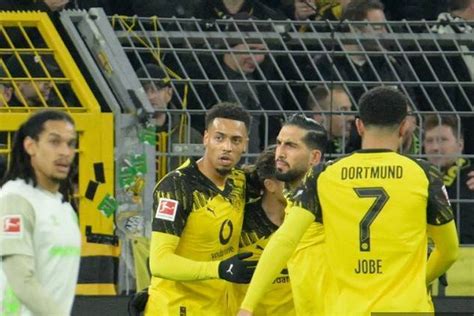
Introduction to Bundesliga Atmosphere
The concept of 'atmosphere' in the context of the Bundesliga refers to the immersive and electrifying environment created by fans, players, and the broader cultural ethos surrounding German football. Unlike mere crowd noise or stadium aesthetics, the atmosphere in the Bundesliga is a dynamic interplay of tradition, passion, and collective energy that defines the matchday experience. It is not limited to the decibels of cheering or the color of coordinated displays but encompasses the deep-rooted cultural significance of how German football fans express their support, loyalty, and love for the game. This atmosphere is both a product of the league's history and a driver of its continued global appeal, making it a cornerstone of Bundesliga's identity in the world of football.
At its core, the Bundesliga atmosphere is shaped by the league's unique fan culture, which is deeply participatory and rooted in a sense of community. German football fans, particularly those in the Bundesliga, are known for their active involvement in the game. From the ultras who choreograph elaborate tifo displays to the regular supporters who sing and chant relentlessly throughout the 90 minutes, the atmosphere is a living, breathing entity. This is not a passive experience where fans are mere spectators; instead, they are co-creators of the event. The Bundesliga's atmosphere is characterized by a sense of ownership—fans feel that the stadium is their space, their domain to shape and energize. This participatory culture stands in stark contrast to other football leagues, where commercialization and corporate influence sometimes dilute the organic connection between fans and the game.
One of the defining features of the Bundesliga atmosphere is its authenticity. Unlike some global football leagues where manufactured entertainment—such as jumbotrons prompting fans to cheer or pre-recorded chants—dominates, the Bundesliga thrives on organic enthusiasm. This authenticity is rooted in Germany's football history, which has long emphasized the role of supporter groups as the heartbeat of the sport. The 50+1 rule, a regulation that ensures club members retain majority ownership of their teams, plays a significant role in preserving this authenticity. By keeping commercial interests in check and prioritizing fan representation, the Bundesliga has maintained a grassroots connection that fuels its vibrant atmosphere. This rule ensures that the fans are not just customers but stakeholders, which naturally enhances their emotional investment in the matchday experience.
The significance of the Bundesliga atmosphere in global football culture cannot be overstated. It serves as a benchmark for what a football atmosphere can and should be. When fans around the world think of iconic football moments, they often recall scenes from Bundesliga stadiums—such as borussia dortmund's Yellow Wall at Signal Iduna Park, a towering terrace of 25,000 standing fans creating a sea of color and sound. These moments are not just visually stunning; they are emblematic of how atmosphere can elevate the sport beyond its technical and tactical dimensions. The Bundesliga's atmosphere is a reminder that football is not just a game of 22 players on a pitch but a communal event where emotions, history, and identity converge.
Another aspect of the Bundesliga atmosphere that sets it apart is its inclusivity and accessibility. Compared to other top-tier leagues, such as the Premier League or La Liga, Bundesliga tickets are relatively affordable, allowing a broader demographic to experience the matchday atmosphere. This affordability fosters a diverse crowd, from families to die-hard ultras, all contributing to the unique energy of the stadiums. Moreover, the Bundesliga has cultivated an environment where away fans are not just tolerated but celebrated. Allocated sections for visiting supporters often become part of the spectacle, with rival chants and banter adding layers of drama to the atmosphere. This inclusivity reinforces the idea that the Bundesliga atmosphere is not exclusive to one group but is a collective phenomenon that welcomes all who wish to participate.
The atmosphere is also deeply tied to the rituals and traditions of German football. From the pre-match march of ultras to the stadium to the synchronized singing of club anthems, these traditions create a sense of continuity and belonging. For instance, the Schalke 04 fans singing "Blau und Weiß, wie lieb ich dich" (Blue and White, how I love you) or the Bayern Munich anthem "Stern des Südens" are not just songs—they are expressions of identity and pride. These rituals are passed down through generations, ensuring that the atmosphere remains a living legacy rather than a fleeting trend. This emphasis on tradition also extends to the use of standing terraces, a feature that is increasingly rare in modern football but remains a staple in Bundesliga stadiums. Standing terraces not only allow for higher capacities but also encourage closer physical proximity among fans, amplifying the collective energy.
The global appeal of the Bundesliga atmosphere lies in its ability to blend modernity with tradition. While the league embraces technological advancements—such as state-of-the-art stadiums and high-quality broadcasting—it has resisted over-commercialization that could erode the organic nature of its atmosphere. This balance is rare in the global football landscape, where many leagues prioritize revenue generation over fan experience. For instance, the Bundesliga's approach to safe standing areas is a case study in how tradition can coexist with safety and innovation. By maintaining standing terraces while adhering to stringent safety regulations, the league demonstrates that atmosphere and security are not mutually exclusive but can be harmoniously integrated.
Furthermore, the Bundesliga atmosphere has a ripple effect on the performance of players and teams. The energy from the stands often translates into on-field intensity, with players frequently acknowledging the role of the crowd in spurring them to greater efforts. This symbiotic relationship between fans and players underscores the intangible yet powerful impact of atmosphere on the sport. It is no coincidence that some of the most memorable Bundesliga matches—such as high-scoring derbies or underdog upsets—are often accompanied by stories of how the crowd played a decisive role in motivating the home team or unsettling the opposition.
In summary, the Bundesliga atmosphere is not merely a byproduct of football matches; it is a cultural phenomenon that embodies the essence of German football. It is defined by its participatory nature, authenticity, inclusivity, and the seamless integration of tradition with modernity. This atmosphere is not just significant within Germany but resonates globally as a model of how football can remain a people-centric sport in an increasingly commercialized world. It is this unique blend of passion, history, and community that makes the Bundesliga atmosphere a vital component of global football culture, setting a standard that other leagues often aspire to replicate but rarely achieve.
- The atmosphere is shaped by active fan involvement and a sense of ownership.
- The 50+1 rule preserves fan representation and grassroots connection.
- Affordable tickets and inclusive practices enhance accessibility.
- Rituals and traditions like anthems and standing terraces amplify the experience.
- The atmosphere influences player performance and match dynamics.
By understanding the Bundesliga atmosphere in this depth, one can appreciate how it transcends the boundaries of sport to become a cultural touchstone, a phenomenon that not only defines German football but also enriches the global football narrative.
Historical Evolution of Bundesliga Fan Culture
The Bundesliga, established in 1963, has grown into one of the most vibrant and celebrated football leagues in the world. Central to its appeal is the unique fan culture that has evolved over the decades. This section delves into the historical evolution of Bundesliga fan culture, tracing how matchday rituals and traditions have developed from the league's early days to the present, shaped by social, political, and technological changes.
In the early years of the Bundesliga, fan culture was relatively modest compared to today's standards. The league was born out of a desire to professionalize German football, which had previously been organized in regional competitions. The creation of a national league brought a new level of visibility and prestige to the sport. However, fan engagement was primarily localized, with supporters often tied to their regional clubs through familial or community connections. The atmosphere in stadiums was more subdued, with chants and songs being less coordinated and more spontaneous. Flags, scarves, and handmade banners were the primary visual elements of fan support, and while passionate, the crowds were not as large or as vocal as they would later become.
One of the defining moments in the evolution of Bundesliga fan culture came in the 1970s and 1980s, as German football began to assert itself on the European stage. Clubs like Bayern Munich, Borussia Mönchengladbach, and Hamburger SV gained international recognition, drawing larger crowds and fostering a sense of collective identity among fans. During this period, ultras groups began to emerge—organized groups of fans who brought a new level of coordination and intensity to matchday atmospheres. These groups introduced synchronized chants, elaborate tifo displays, and a more theatrical approach to supporting their teams. The influence of Italian and English football cultures played a role here, as German fans adopted and adapted elements of these traditions to suit their own context.
The 1990s marked a significant turning point, both for German football and its fan culture. The reunification of Germany in 1990 brought clubs from the former East Germany into the Bundesliga fold, introducing new rivalries and fan dynamics. Simultaneously, the league was undergoing a period of modernization, with improved stadium infrastructure and increased commercialization. However, this era also saw a backlash from traditional fans who feared that the commercialization of the sport would erode its authenticity. The "50+1 rule," which ensures that club members retain majority ownership, became a cornerstone of Bundesliga identity, embodying the fans' desire to preserve their influence over their clubs. This rule has since been a point of pride for Bundesliga supporters, distinguishing the league from others where billionaire owners often dominate decision-making.
The early 2000s saw the rise of what many consider the golden age of Bundesliga fan culture. This period was characterized by a resurgence of fan-led initiatives aimed at creating a more inclusive and dynamic matchday experience. The concept of "safe standing" areas became a hallmark of German stadiums, offering affordable tickets and fostering a sense of camaraderie among fans. These areas, often located behind the goals, became the heart of the stadium atmosphere, where ultras and other vocal supporters congregated. Matchday rituals evolved to include intricate choreographies, where thousands of fans would hold up colored cards or banners to create stunning visual displays. This was also the era when social media began to play a role, allowing fans to share their experiences and coordinate their efforts more effectively.
Another critical aspect of this evolution has been the role of politics and social issues in shaping fan traditions. Bundesliga fans have often used their platforms to address broader societal concerns. For instance, anti-discrimination campaigns, such as "Nazis out of the stadiums," have been championed by fan groups, reflecting the league's commitment to inclusivity and social justice. This activism has deep roots in the 1980s and 1990s when fan groups began to challenge racism and hooliganism within their ranks. Today, these efforts are more visible and coordinated, with clubs and fan organizations working together to promote diversity and tolerance.
The modern Bundesliga atmosphere is a blend of tradition and innovation. While the league has embraced technological advancements—such as giant video screens, augmented reality experiences, and mobile apps for fan engagement—it has also worked to preserve the grassroots elements that make its fan culture unique. The "fan project" initiatives, which provide support and resources for young supporters, are a testament to this balance. These projects aim to nurture the next generation of fans while ensuring that the core values of loyalty, inclusivity, and passion are passed down.
One cannot discuss the evolution of Bundesliga fan culture without mentioning the role of specific clubs in shaping these traditions. Borussia Dortmund's "Yellow Wall" at Signal Iduna Park is perhaps the most famous example of how a single stand can become a symbol of fan passion. With a capacity of over 25,000 standing supporters, the South Stand at Dortmund embodies the energy and unity that Bundesliga fan culture represents. Similarly, clubs like FC St. Pauli have carved out a niche by embracing alternative and countercultural fan identities, appealing to those who see football as more than just a sport.
In recent years, the COVID-19 pandemic posed a unique challenge to Bundesliga fan culture. Empty stadiums and restrictions on gatherings disrupted the vibrant matchday atmosphere that had become synonymous with the league. However, fans adapted by creating virtual watch parties, online chants, and even coordinating tifo displays from home. This period underscored the resilience of Bundesliga fan culture and its ability to adapt to changing circumstances while maintaining its core essence.
Looking ahead, the future of Bundesliga fan culture is likely to be shaped by ongoing debates about commercialization, technology, and inclusivity. While the league has managed to strike a balance between tradition and progress, challenges remain. For example, how can the league continue to foster affordable and accessible matchday experiences while also meeting the financial demands of modern football? Similarly, as global audiences grow, there is a risk of losing the localized, community-driven aspects of fan culture. Bundesliga stakeholders must navigate these challenges carefully to ensure that the league's atmosphere remains as vibrant and authentic as it has been throughout its history.
- The early years of the Bundesliga were marked by localized and spontaneous fan support.
- The emergence of ultras in the 1970s and 1980s brought a new level of intensity and coordination to fan traditions.
- The 1990s saw a clash between modernization and the preservation of fan influence, exemplified by the "50+1 rule."
- The 2000s were a golden age for fan-led initiatives, including safe standing areas and elaborate choreographies.
- Political and social activism has been a consistent thread in Bundesliga fan culture, addressing issues like racism and discrimination.
- The COVID-19 pandemic highlighted the adaptability of Bundesliga fans while reinforcing the importance of in-person matchday experiences.
In conclusion, the historical evolution of Bundesliga fan culture is a story of resilience, creativity, and community. From its humble beginnings in 1963 to the global phenomenon it is today, the league's atmosphere has been shaped by the passion and dedication of its fans. While the methods and tools of fan engagement have changed over time, the underlying spirit of unity and celebration remains a defining feature of the Bundesliga experience.
Role of Stadiums in Shaping Atmosphere
The Bundesliga is renowned for its electrifying atmosphere, a hallmark of German football culture. This vibrancy is not accidental but deeply rooted in the architectural and design features of its stadiums. These venues are meticulously crafted to amplify fan engagement and sound dynamics, creating an environment where the energy of the crowd becomes a central player in the matchday experience. By examining the specific design elements of Bundesliga stadiums, we can uncover how these spaces are purpose-built to enhance the emotional and acoustic connection between fans, players, and the game itself.
One of the most striking features of Bundesliga stadiums is their **proximity of seating to the pitch**. Unlike many international venues where there is a significant buffer zone—often filled with advertising hoardings or running tracks—Bundesliga stadiums prioritize closeness. Seats are positioned as near to the field as safety regulations allow, which has a twofold effect. First, it ensures that fans feel physically connected to the action, as if they are part of the play. This closeness also amplifies their vocal contributions; chants, songs, and cheers are delivered directly to the players without the dilution that comes from greater distances. For instance, the **Mercedes-Benz Arena in Stuttgart** is a prime example of this design philosophy, where the stands rise steeply around the pitch, creating an intimate bowl that traps sound and channels it toward the field.
Another critical aspect is the **steep incline of the stands**. Bundesliga stadiums often feature sharply angled seating arrangements that maximize verticality. This design choice serves two purposes: it improves sightlines for spectators, ensuring that even those seated higher up have an unobstructed view of the action, and it enhances the acoustic properties of the space. Sound waves generated by cheering fans are directed downward and concentrated onto the pitch rather than dispersing into the open air. The **Signal Iduna Park in Dortmund**, home to Borussia Dortmund, exemplifies this with its famous "Yellow Wall" (Südtribüne), a towering single-tier stand that holds over 25,000 fans. This stand is not only a visual spectacle but also a sonic powerhouse, as the steep incline helps create a wall of sound that can reach up to 130 decibels, rivaling the noise of a jet engine at takeoff.
The **open or semi-open roof structures** in many Bundesliga stadiums also play a pivotal role in sound dynamics. Unlike fully enclosed arenas, which can muffle sound or cause echo-related distortions, open designs allow sound to reverberate naturally while still providing some level of containment. For example, the **Allianz Arena in Munich** features a partially open design with a translucent outer shell that allows light and sound to interact dynamically. During evening matches, the interplay of stadium lighting and the roar of the crowd creates an almost theatrical effect, where the atmosphere feels both expansive and intimate. This balance between openness and containment is a deliberate choice to preserve the organic, raw energy of fan noise without artificial enhancement.

In addition to acoustics, **fan-focused design features** are embedded in the architecture to encourage active participation. Many Bundesliga stadiums include **dedicated standing areas**, a nod to the traditional terraces that were a staple of European football culture before the shift to all-seater venues. Standing areas, such as those found in the **Red Bull Arena in Leipzig** or the aforementioned Yellow Wall, are engineered to foster collective enthusiasm. Fans in these sections are more likely to chant, jump, and move in unison, which not only creates a visual spectacle but also generates a rhythmic, pulsating sound that reverberates throughout the stadium. These areas are often positioned behind the goals, a strategic placement that ensures the most vocal supporters are nearest to the opposition players during critical moments like corners or penalty kicks.
The **use of integrated technology** further enhances the atmosphere. Modern Bundesliga stadiums are equipped with sound systems that are calibrated not to overpower the natural noise of the crowd but to complement it. For instance, pre-match playlists and PA announcements are designed to build anticipation rather than drown out fan-led chants. Some stadiums, like the **Veltins-Arena in Gelsenkirchen**, even incorporate retractable roofs that can be adjusted based on weather conditions to maintain optimal sound quality. This technological integration ensures that the stadium atmosphere remains immersive regardless of external factors.
Another often-overlooked element is the **symmetry and uniformity of stadium design**. Many Bundesliga venues are constructed with a bowl-like shape rather than separate, disconnected stands. This continuity of structure allows sound to circulate more effectively, creating a "surround sound" effect. A great example is the **Olympiastadion in Berlin**, where the uniform curvature of the stands ensures that even quieter moments of crowd noise are amplified and distributed evenly across the stadium. This design choice not only enhances the auditory experience for fans but also contributes to the psychological pressure felt by visiting teams, as they are enveloped by a continuous wave of sound.
The **cultural emphasis on fan inclusivity** also influences stadium design. Bundesliga venues are often built with accessibility in mind, ensuring that a diverse range of supporters can contribute to the atmosphere. Features such as **family-friendly zones**, **affordable ticket pricing**, and **safe standing areas** mean that stadiums are not exclusive to a particular demographic but are spaces where a broad spectrum of fans can unite in support of their team. This inclusivity fosters a sense of community, which in turn fuels the intensity of the atmosphere. Fans feel empowered to participate because they see themselves as part of a collective identity, rather than isolated spectators.
Lastly, the **historical and emotional resonance of stadium locations** adds a unique dimension to the atmosphere. Many Bundesliga stadiums are deeply tied to the identity of their cities and clubs. For instance, the **Weserstadion in Bremen** is located near the river, and its open design allows the sounds of the crowd to blend with the natural environment, creating a distinctive sensory experience. Similarly, stadiums like the **RheinEnergieStadion in Cologne** are imbued with decades of history, and this legacy is reflected in the passion of the fans. The design of these venues often incorporates elements that celebrate the club’s heritage, such as murals, memorials, or specific architectural nods to past glories, reinforcing the emotional investment of the supporters.
In conclusion, the role of stadiums in shaping the Bundesliga atmosphere is a masterclass in how architecture and design can be harnessed to elevate the fan experience. From steep stands and proximity to the pitch to open roofs and inclusive design, every aspect is purposefully engineered to create an environment where sound and emotion converge. These features not only enhance the sensory impact of matchdays but also reinforce the Bundesliga's reputation as a league where the fans are as integral to the spectacle as the players on the field.
The Ultras and Their Influence
The Bundesliga is renowned for its electric atmosphere, a hallmark of German football that sets it apart from many other leagues. At the heart of this vibrant energy are the **ultra groups**, organized fan collectives that play a pivotal role in shaping the matchday experience. These groups are not merely spectators; they are the architects of the passion and intensity that define Bundesliga stadiums. Their influence extends beyond the stands, permeating the very culture of the clubs they support.
Ultra groups in the Bundesliga are deeply rooted in the traditions of German football fandom. Unlike the more commercialized fan culture seen in other leagues, the ultras prioritize authenticity, creativity, and collective expression. They are often self-funded and operate independently of club management, which allows them to maintain a sense of autonomy and loyalty to their ideals. This independence is crucial in understanding how they craft the unique chants, banners, and energy that resonate throughout Bundesliga matches.
One of the most visible contributions of ultra groups is the creation of **chants**. These are not random outbursts of noise but meticulously composed anthems that often draw on the history, identity, and ethos of the club. For instance, chants may reference historic victories, legendary players, or even local folklore tied to the city or region. The ultras invest time in rehearsing these chants to ensure synchronization and volume that can drown out opposing fans and galvanize their team. The use of call-and-response techniques and multilingual lyrics (often incorporating German, English, or even regional dialects) demonstrates their effort to engage the entire stadium in a shared experience. This level of organization is a testament to the ultras' commitment to fostering a sense of unity among supporters.
Another striking feature of ultra culture is the production of **banners and tifo displays**. These are not mere decorations but intricate works of art that often carry profound messages. Banners may celebrate club milestones, honor fallen fans, or even serve as a platform for social or political commentary. For example, ultra groups have been known to use their displays to protest against commercialization in football, support grassroots initiatives, or express solidarity with other fan groups across Europe. The creation of these banners is a labor-intensive process that involves design, painting, and logistical planning to ensure they are unveiled at the perfect moment during a match. The visual impact of a well-coordinated tifo—where thousands of fans hold up colored cards to form a giant image—can be awe-inspiring and is often a highlight of televised Bundesliga coverage.
The energy generated by ultra groups is both physical and psychological. Their constant singing, drumming, and flag-waving create a wall of sound that players often cite as a source of motivation. This energy is not limited to home matches; away games see ultra groups traveling in large numbers, sometimes traversing hundreds of kilometers to bring their support to rival stadiums. Their presence in the away end often transforms these sections into mini-fortresses of noise and color, challenging the home team's dominance in their own arena. This phenomenon underscores the ultras' role as not just supporters but as active participants in the matchday narrative.
What distinguishes Bundesliga ultra groups from similar organizations in other leagues is their emphasis on **collective identity over individualism**. While some fan groups in other countries may focus on individual expressions of loyalty, German ultras operate as a cohesive unit. This is evident in their synchronized movements, where entire sections of the stadium rise and fall in unison. Such displays are not spontaneous but the result of rigorous planning and rehearsal. This collective approach fosters a sense of belonging among members and reinforces the idea that the ultra group is a family bound by a shared love for the club.
The influence of ultra groups also extends to the **relationship between fans and clubs**. While tensions can occasionally arise—particularly when clubs make decisions perceived as compromising traditions—ultras often act as guardians of the club's identity. They are vocal in their opposition to measures such as Monday night fixtures, which disrupt fan travel, or partnerships with entities seen as antithetical to football's values. Their protests, whether through silent boycotts, choreographed displays, or direct engagement with club officials, highlight their role as a counterbalance to commercial pressures in modern football. This dynamic illustrates how ultras are not just creators of atmosphere but also stewards of the sport's soul.
It is also worth noting the **regional variations** in ultra culture across the Bundesliga. Each club's ultra group has its own unique flavor, shaped by the local culture, history, and rivalries. For example, the ultras of Borussia Dortmund are famous for their "Yellow Wall" at Signal Iduna Park, a standing terrace that accommodates nearly 25,000 fans and serves as the epicenter of their energy. In contrast, the ultras of FC St. Pauli in Hamburg infuse their displays with a distinctly political edge, often aligning their chants and banners with left-wing causes. These differences enrich the Bundesliga's atmosphere, making each stadium a distinct experience for players and fans alike.
The ultras' impact is not confined to matchdays. They often engage in **community-building activities** outside the stadium, such as organizing charity events, supporting local businesses, or mentoring younger fans. This reinforces their role as more than just creators of energy—they are pillars of the club's extended family. Their influence also shapes the expectations of new generations of fans, who grow up immersed in a culture where active participation is not optional but expected.
However, the role of ultras is not without controversy. Some critics argue that their intense passion can occasionally spill into negative behaviors, such as confrontations with rival fans or excessive use of pyrotechnics, which can pose safety risks. Bundesliga authorities and clubs have worked to strike a balance between embracing the ultras' contributions and ensuring a safe environment for all attendees. Despite these challenges, the overwhelming consensus is that the Bundesliga would lose a significant part of its identity without the ultras' presence.
In summary, the ultra groups of the Bundesliga are the lifeblood of the league's atmosphere. Through their chants, banners, and unrelenting energy, they create an environment that is both intimidating for opponents and inspiring for home teams. Their influence is a blend of artistry, organization, and raw passion, making them indispensable to the Bundesliga's reputation as one of the most atmospheric leagues in the world. Without the ultras, the Bundesliga would not only lose its voice but also a vital part of its soul.
Comparison with Other Football Leagues
The atmosphere in football stadiums is a critical component of the sport's appeal, shaping how fans experience matches and how players perform on the pitch. The Bundesliga, Germany's top-tier football league, is often lauded for its electric and inclusive atmosphere. However, when compared to other top-tier leagues like the Premier League, La Liga, and Serie A, the Bundesliga stands out in several distinct ways. This section delves into the contrasts, focusing on fan culture, stadium design, ticket pricing, and the role of ultras.
One of the most striking differences is the **fan culture** in the Bundesliga compared to its counterparts. The Bundesliga is renowned for its **inclusive and community-driven approach** to supporting football. German clubs often have a strong connection with their local communities, and this is reflected in the high attendance rates across the league. On average, Bundesliga stadiums are filled to over 90% of their capacity, a figure that outpaces the Premier League, La Liga, and Serie A. This is not merely a result of ticket availability but stems from the **affordable pricing structure** that German clubs maintain. For instance, a season ticket for a mid-table Bundesliga team can cost less than a single match ticket for a top Premier League club. This affordability ensures that a broader demographic, including families and younger fans, can regularly attend matches, contributing to a vibrant and diverse crowd.
In contrast, the **Premier League's atmosphere** is often described as intense but more commercialized. While the Premier League boasts some of the most iconic chants and passionate fan bases, the high cost of tickets—coupled with the globalized nature of the league—has led to a more **tourist-heavy crowd** in certain stadiums. This phenomenon can dilute the organic energy of the crowd, as many attendees are there for the spectacle rather than deep-rooted team allegiance. The Bundesliga avoids this pitfall by maintaining a **strong emphasis on local fan bases**, which helps sustain the authenticity of the atmosphere.
The **role of ultras** is another area where the Bundesliga diverges significantly from other leagues. Ultras, organized groups of highly dedicated fans, are a central feature of Bundesliga matches. These groups are responsible for orchestrating chants, displays of banners, and coordinated pyrotechnics that create a visually and audibly stunning experience. While ultras exist in other leagues, such as in Serie A and La Liga, their influence in the Bundesliga is more **structured and accepted**. German clubs often collaborate with ultra groups to ensure safety while preserving the creative freedom of these fan groups. For example, it is not uncommon to see synchronized displays of flags and choreographed songs that engulf entire stands. This level of organization is less prevalent in the Premier League, where strict regulations on standing sections and pyrotechnics have limited the scope of ultra activity. In La Liga, ultras are often associated with political or regional tensions, which can sometimes overshadow the football itself. Serie A has a similar dynamic, with ultra groups sometimes linked to hooliganism or disruptive behavior that contrasts with the Bundesliga's more **harmonious integration** of these groups into the matchday experience.
Another critical factor is **stadium design**. Bundesliga stadiums are often purpose-built with the fan experience in mind, featuring **steep stands that keep supporters close to the action**. This architectural choice enhances the acoustics of the crowd noise, making chants and songs feel more immersive. The Premier League also has modern stadiums, such as Tottenham Hotspur Stadium or the Emirates, but many historic grounds like Anfield or Old Trafford were not originally designed with the same focus on acoustics. In La Liga, stadiums like Camp Nou are vast but can sometimes feel too spacious, leading to a less intimate atmosphere during less significant matches. Serie A stadiums, many of which are older and less maintained, often lack the modern amenities and fan-focused designs seen in Germany. This disparity impacts how sound travels and how fans interact with the game, giving the Bundesliga an edge in creating a **consistently energetic environment**.
The **matchday rituals** in the Bundesliga also stand out. From the **"Nordic walking" marches** of fans to the stadium, often accompanied by flares and songs, to the post-match celebrations where players acknowledge the crowd regardless of the result, the Bundesliga fosters a sense of **shared ownership between fans and teams**. In the Premier League, while there are iconic rituals like Liverpool's "You'll Never Walk Alone," the atmosphere can sometimes feel more segmented due to the influence of corporate hospitality and VIP sections. La Liga and Serie A also have their unique traditions, such as Real Madrid's grandeur or the fiery passion of Napoli fans, but these often lack the **consistent inclusivity** seen in Germany. For instance, Bundesliga clubs often have dedicated family sections and initiatives to welcome new or younger fans, which is less emphasized in other leagues.
Ticket pricing policies further underline the Bundesliga's distinctiveness. A **family of four can attend a Bundesliga match for less than the cost of two tickets in the Premier League**, a stark contrast that underscores the league's commitment to accessibility. This affordability has a direct impact on the atmosphere, as it ensures that the crowd is not dominated by elites or tourists but by genuine fans who are deeply invested in their teams. In La Liga and Serie A, ticket prices vary widely depending on the club, but both leagues have struggled with issues of **declining local attendance** in favor of more lucrative international broadcasting revenues. The Bundesliga's model ensures that the atmosphere remains rooted in **local passion** rather than being driven by global commercial interests.
Another unique aspect of the Bundesliga is its **50+1 rule**, which mandates that club members must hold a majority of voting rights. This rule prevents external investors from taking full control of clubs, preserving their identity and ensuring that decisions prioritize fans over profits. This contrasts sharply with the Premier League, where billionaire owners and commercial imperatives often take precedence, or La Liga, where clubs like Barcelona and Real Madrid operate under a different financial model that sometimes alienates smaller teams. In Serie A, financial instability and ownership issues have led to a less cohesive fan experience across the league. The 50+1 rule indirectly contributes to the Bundesliga's atmosphere by fostering a sense of **stability and trust** between fans and their clubs.
Finally, the **cultural attitude toward football** in Germany plays a role. Football in the Bundesliga is seen as a **community event** rather than a purely commercial spectacle. This is evident in the **lack of over-policing** compared to other leagues. While the Premier League and Serie A have faced criticism for heavy-handed security measures that can stifle fan expression, Bundesliga matches often strike a better balance between safety and freedom. La Liga also has its challenges, with regional tensions (e.g., between Catalonia and the rest of Spain) sometimes spilling into the stands, which can detract from the football-focused atmosphere.
In summary, while each league has its unique strengths, the Bundesliga's atmosphere is distinguished by its **affordability, inclusivity, fan-driven ethos, and organized ultra culture**. These factors create a matchday experience that feels more organic and community-oriented compared to the Premier League's commercialized intensity, La Liga's regional passions, or Serie A's historic yet sometimes chaotic energy. The Bundesliga's ability to maintain this balance is a testament to its deep-rooted philosophy of keeping football as a sport for the people.
Impact of Atmosphere on Player Performance
The atmosphere in the Bundesliga is often described as one of the most electrifying in world football. From the thunderous chants of the "Yellow Wall" at Signal Iduna Park to the rhythmic drumbeats and coordinated displays in other stadiums, the energy generated by Bundesliga crowds is unparalleled. This vibrancy does not merely serve as entertainment for spectators; it has a profound impact on player performance, shaping their motivation, focus, and on-field execution in ways that are both psychological and physiological.
One of the most immediate effects of the Bundesliga atmosphere is its ability to **boost player motivation**. Players often describe the sensation of stepping onto the pitch in front of tens of thousands of passionate fans as exhilarating. The roar of the crowd, particularly in high-stakes matches or derbies, can act as a psychological trigger, instilling a sense of responsibility and pride in representing their team. For instance, when Borussia Dortmund’s players hear the "You’ll Never Walk Alone" anthem sung by 80,000 fans before kickoff, it creates a shared emotional experience that unites the team. This sense of collective purpose can help players push through physical fatigue or moments of self-doubt, particularly in the latter stages of a game when energy levels are waning. Research in sports psychology suggests that external motivators, such as crowd support, can enhance an athlete's drive to perform, even when internal motivation might be low.
However, the impact of such an atmosphere is not solely positive—it can also create **pressure and heightened stress**. While a supportive home crowd can uplift players, the expectations tied to performing in front of such a passionate audience can sometimes backfire. Players may feel an amplified sense of accountability, particularly in situations where their team is trailing or underperforming. This is particularly evident in younger or less experienced players who may struggle to maintain composure under the weight of such intense scrutiny. A missed pass or a defensive error in front of a vocal crowd can lead to a cascade of self-critical thoughts, potentially affecting decision-making and confidence. This duality of motivation and pressure underscores the importance of mental resilience in Bundesliga players, as they must learn to channel the energy of the crowd constructively rather than letting it overwhelm them.
Another fascinating aspect of the Bundesliga atmosphere is its influence on **player focus and concentration**. Unlike quieter or more subdued environments, the constant noise and visual stimuli of a packed German stadium demand a high level of mental discipline from players. For instance, when fans are chanting in unison or creating coordinated displays, players must filter out these distractions to maintain focus on the game. This is where the concept of "inattentional deafness" comes into play—a phenomenon where individuals in high-pressure situations can effectively "tune out" extraneous noise to concentrate on their task. Bundesliga players, especially those who have been in the league for several seasons, often develop this skill as a survival mechanism. Interestingly, studies have shown that athletes in high-energy environments like the Bundesliga may experience a temporary enhancement in reaction times due to the adrenaline surge caused by crowd noise. This can be particularly advantageous in fast-paced matches where split-second decisions are critical, such as counterattacks or defensive recovery situations.
The **home advantage phenomenon** is also heavily influenced by the Bundesliga atmosphere. Numerous studies in sports science have demonstrated that home teams tend to perform better than away teams, and the role of crowd support is a key factor. In the Bundesliga, this effect is amplified by the close proximity of fans to the pitch in many stadiums, creating an almost claustrophobic environment for visiting teams. The noise levels can disrupt communication between players on the opposing team, making it harder for them to coordinate plays or adapt to changing game dynamics. For example, when Bayern Munich faces a mid-table team at the Allianz Arena, the sheer volume of home support can make it difficult for the away team to execute set pieces or maintain possession under pressure. This dynamic often forces visiting teams into a more reactive style of play, which can stifle their creativity and limit their ability to impose their game plan.
Interestingly, the Bundesliga atmosphere can also have a **tangible impact on physical performance**. The adrenaline rush generated by a vociferous crowd can lead to short-term increases in stamina and speed. This is particularly evident in high-intensity moments, such as when a team is chasing a late equalizer or defending a narrow lead. Players often report feeling "superhuman" in these scenarios, as the combination of adrenaline and crowd energy allows them to dig deeper into their physical reserves. However, this effect is not unlimited—prolonged exposure to high-stress environments can lead to fatigue, especially if players are not accustomed to managing the emotional highs and lows of such atmospheres. Coaches and sports scientists in the Bundesliga often work with players to develop strategies for energy management, ensuring that the burst of adrenaline from crowd support does not lead to a crash later in the match.
Another layer to consider is the **psychological edge gained by home teams through crowd intimidation**. While the Bundesliga is known for its largely positive and inclusive fan culture, the sheer intensity of the support can sometimes unnerve visiting players, particularly those unfamiliar with the league. For instance, when a player from a smaller club visits a stadium like the Red Bull Arena in Leipzig, the combination of noise, visual displays, and the reputation of the home team can create a sense of intimidation. This is not merely anecdotal; studies have shown that athletes in hostile or highly charged environments are more likely to make unforced errors or take conservative decisions to avoid risk. This dynamic can swing matches in favor of the home team, even when the technical skill levels of the two sides are closely matched.
It is also worth noting that the Bundesliga atmosphere fosters a **sense of identity and belonging** among players, particularly those who have a strong connection to their club. Many Bundesliga clubs have deep-rooted traditions and fan bases that emphasize loyalty and community. When players feel that they are part of something larger than themselves—a sentiment often reinforced by the energy of the crowd—it can enhance their commitment to the team’s goals. This is especially true for homegrown talents or players who have been with a club for several seasons. For example, when a player like Marco Reus scores a goal for Dortmund in front of the "Yellow Wall," the celebration is not just about the individual achievement but also about the shared joy of the fans who have supported him through highs and lows. This reciprocal relationship between players and fans can create a feedback loop, where the energy of the crowd inspires players to give their best, and their performances, in turn, amplify the crowd’s enthusiasm.
In conclusion, the Bundesliga atmosphere is far more than a backdrop for the beautiful game—it is a dynamic force that shapes player motivation, focus, and on-field performance in nuanced and multifaceted ways. From boosting adrenaline and reaction times to creating both opportunities and challenges in terms of focus and pressure, the vibrant energy of Bundesliga crowds plays a critical role in the league's reputation as one of the most exciting in the world. For players, adapting to and thriving in this environment is not just a skill but a necessity, as the atmosphere becomes both a challenge to overcome and a source of inspiration to excel.
Economic and Commercial Implications
The Bundesliga is renowned for its electric atmosphere, characterized by passionate fans, vibrant chants, and a sense of community that is deeply ingrained in German football culture. This unique atmosphere is not merely a byproduct of the sport but a strategic asset that drives significant economic and commercial benefits for the league, its clubs, and associated stakeholders. Understanding how the atmosphere contributes to ticket sales, TV viewership, and sponsorship opportunities requires a closer examination of the interplay between fan engagement and revenue generation.
One of the most direct economic impacts of the Bundesliga atmosphere is its influence on **ticket sales**. German football stadiums are frequently at or near full capacity, with the league boasting some of the highest average attendance figures in European football. This is no coincidence. The atmosphere created by the fans—particularly in iconic venues like Borussia Dortmund’s Signal Iduna Park, home to the "Yellow Wall," the largest standing terrace in Europe—serves as a magnet for both local and international supporters. The visceral experience of being part of a 80,000-strong crowd, where chants and synchronized displays create a spectacle beyond the game itself, incentivizes fans to purchase tickets not just for the sport but for the event. Clubs capitalize on this by offering season tickets and special packages that enhance the perceived value of attending matches live. For instance, clubs often market their matchday experience as a family-friendly or culturally immersive event, which amplifies demand among diverse demographics. This demand-driven model ensures a steady revenue stream from ticket sales, even in economically challenging times.
The **TV viewership** of Bundesliga matches is another area where the atmosphere plays a pivotal role. Television networks and streaming platforms are increasingly focused on delivering not just the game but the "event experience" to viewers at home. The Bundesliga atmosphere, with its visually striking fan choreographies, coordinated flag-waving, and audible energy, adds a layer of entertainment that enhances the broadcast product. This is particularly important in an era where sports broadcasters are competing with on-demand entertainment platforms. The league’s reputation for high-energy matches, supported by the fans' audible and visual contributions, helps secure lucrative broadcasting deals. For example, international broadcasters are willing to pay a premium for rights to showcase matches that promise not just high-quality football but also an atmosphere that translates well on screen. This synergy between the live experience and televised coverage creates a feedback loop: the better the atmosphere, the more compelling the broadcast, which in turn attracts more viewers and drives higher advertising revenues for networks.
Sponsorship opportunities in the Bundesliga are also deeply intertwined with its atmosphere. Sponsors are not just buying ad space; they are investing in an emotional connection with fans. The Bundesliga’s atmosphere provides a fertile ground for brands to embed themselves in the fabric of the fan experience. For instance, brands like Adidas, Deutsche Telekom, and Volkswagen have long-standing partnerships with Bundesliga clubs, leveraging the league’s reputation for authenticity and fan loyalty. The atmosphere in stadiums acts as a **live activation platform** for sponsors. When fans chant a club song or wave flags featuring sponsor logos, it creates organic brand visibility that is difficult to replicate in other sports environments. Moreover, the communal nature of the Bundesliga atmosphere fosters a sense of loyalty among fans, making them more receptive to sponsor messaging. This is particularly evident in how local and regional businesses sponsor smaller clubs, using the matchday experience to build grassroots connections with their target audience. The atmosphere also enables sponsors to craft campaigns that tap into the emotional highs of matchdays—such as post-goal celebrations or pre-match rituals—creating memorable brand associations.
Another unique aspect of the Bundesliga atmosphere is its role in **international market expansion**. The league has been proactive in promoting itself as a global brand, with the atmosphere serving as a key selling point. When international audiences tune in or visit Germany for matches, they are often drawn to the contrast between the Bundesliga’s fan-driven energy and the more commercialized or restrained atmospheres of other leagues. This distinctiveness helps the Bundesliga carve out a niche in the competitive global football market. For example, the league has successfully marketed itself in Asia and North America by emphasizing the communal and inclusive nature of its fan culture. This has led to increased merchandise sales, higher international TV ratings, and even greater interest from foreign investors looking to associate with the Bundesliga brand. The atmosphere thus becomes a tool for economic outreach, positioning the league as not just a sporting entity but a cultural export.
The economic implications of the Bundesliga atmosphere extend into **secondary revenue streams** as well. Merchandise sales, for example, are bolstered by the emotional resonance fans feel during matches. Scarves, jerseys, and other memorabilia are often purchased as mementos of the experience, with fans eager to take a piece of the atmosphere home. Additionally, the Bundesliga’s fan-driven model encourages clubs to invest in fan-focused initiatives, such as affordable ticket pricing and inclusive fan zones, which further strengthen the economic ecosystem. These efforts not only sustain the atmosphere but also create a virtuous cycle where fan loyalty translates into consistent spending.
It is also worth noting how the Bundesliga atmosphere contributes to **long-term brand equity** for clubs and the league. Unlike leagues where the atmosphere is more subdued or heavily commercialized, the Bundesliga’s fan culture is seen as genuine and rooted in tradition. This authenticity appeals to younger audiences and new fans who are looking for a sports experience that feels less manufactured. Clubs that nurture this atmosphere—through safe standing areas, affordable pricing, and active fan engagement—position themselves as custodians of a unique sporting culture. This reputation has downstream effects on commercial partnerships, as brands are eager to align with entities that embody values like inclusivity, passion, and tradition.
However, the Bundesliga atmosphere is not without its challenges. The league must balance the commercialization of the atmosphere with the preservation of its authenticity. Over-commercialization risks alienating the very fans who create the atmosphere, potentially diminishing its appeal. For instance, excessive advertising or restrictive fan policies could erode the organic energy that makes the Bundesliga unique. Clubs and the league must tread carefully to ensure that economic growth does not come at the expense of the fan-driven ethos that underpins the atmosphere.
In conclusion, the Bundesliga atmosphere is a cornerstone of its economic and commercial success. It drives **ticket sales** by offering an unrivaled live experience, enhances **TV viewership** by adding visual and auditory value to broadcasts, and creates **sponsorship opportunities** by embedding brands in an authentic and emotionally charged environment. This atmosphere is not just a feature of German football but a strategic asset that fuels the league’s growth and global appeal. As the Bundesliga continues to evolve, maintaining this balance between commercialization and authenticity will be key to sustaining its economic momentum while preserving the essence of what makes its atmosphere so special.
Challenges to Maintaining Authentic Atmosphere
The Bundesliga is renowned for its vibrant and authentic atmosphere, often cited as one of the most electrifying experiences in world football. From the thunderous chants of the "Yellow Wall" at Signal Iduna Park to the synchronized displays of flags and banners across various stadiums, the league has long been a symbol of how fan culture can elevate the sport. However, maintaining this atmosphere in the face of modern challenges is no small feat. Several factors, including commercialization, modern stadium restrictions, and evolving concerns about fan behavior, pose significant threats to the organic energy that defines the Bundesliga experience.
One of the most pressing challenges is the impact of commercialization on the traditional fan-driven culture. Over the years, the Bundesliga has seen a growing influx of corporate sponsorships, international broadcasting deals, and a push to appeal to a global audience. While these developments have brought financial stability and increased the league's reach, they have also introduced elements that can dilute the local, grassroots energy. For instance, the commercial emphasis on maximizing revenue often leads to ticket pricing structures that favor corporate clients and wealthier spectators over loyal, working-class fans. This can result in a shift in stadium demographics, where die-hard supporters—the very people who create the atmosphere—are priced out or relegated to less prominent sections. Moreover, the increasing presence of VIP boxes and hospitality zones can create physical and psychological barriers between the most passionate fans and the players, disrupting the sense of unity that fuels the atmosphere.
Another area of concern is the growing influence of modern stadium design and restrictions. While new stadiums are equipped with state-of-the-art facilities, they often prioritize comfort, safety, and revenue generation over the raw, unfiltered energy of traditional venues. For example, many modern stadiums are designed with seating configurations that discourage standing sections, which are central to creating a lively atmosphere. The "safe standing" areas that have historically defined German football culture are increasingly under pressure due to international safety standards and the desire to cater to a broader, more diverse audience. Additionally, strict regulations around pyrotechnics—a controversial but integral part of some fan displays—have led to clashes between supporters and authorities. These restrictions can stifle the creative expressions of fans, such as choreographed displays or spontaneous chants, which are often the lifeblood of the Bundesliga's unique energy. In some cases, the over-sanitization of stadium experiences has led to a sense of sterility, where the atmosphere feels more manufactured than organic.
Fan behavior concerns also present a complex challenge. While the Bundesliga has largely avoided the hooliganism issues that plagued other leagues in the past, there are growing tensions around what is deemed acceptable fan conduct. Instances of political messaging, discriminatory chants, or disruptive protests by certain fan groups have drawn criticism and led to punitive measures, such as partial stadium closures or bans on specific supporter groups. While it is essential to address harmful behaviors, the response to these issues often treads a fine line between necessary regulation and overreach. For example, when authorities clamp down too heavily on fan expressions—even those that are non-violent or rooted in legitimate grievances—it can create a sense of alienation among supporters. This alienation risks driving a wedge between fans and the clubs they love, potentially dampening the communal spirit that underpins the Bundesliga's atmosphere. Furthermore, the increasing presence of social media and instant scrutiny has amplified the consequences of any misstep, making clubs and organizers more cautious about embracing the unfiltered passion of their supporters.
The intersection of globalization and local identity also presents a nuanced challenge. As the Bundesliga seeks to appeal to an international audience, there is a risk of homogenizing the fan experience to make it more palatable to a global market. This can manifest in subtle ways, such as clubs prioritizing English-language branding over German traditions or designing matchday experiences that cater more to tourists than local communities. For example, pre-match entertainment or halftime shows geared toward a broader audience might lack the authenticity that resonates with long-standing supporters. While these efforts are often well-intentioned, they can inadvertently alienate the very fans who are the custodians of the league's atmosphere. Striking a balance between appealing to new audiences and preserving the cultural roots of German football is a delicate task, one that requires careful thought and collaboration with fan groups.
Another critical dimension is the role of technology in shaping the modern matchday experience. On one hand, innovations like augmented reality, in-stadium apps, and high-definition screens aim to enhance fan engagement. However, they can also detract from the raw, communal energy that defines the Bundesliga atmosphere. For instance, if fans are encouraged to interact with apps or watch replays on personal devices, they may become less engaged with the collective rituals—singing, chanting, and cheering—that create a unique in-stadium vibe. There is also the risk of over-reliance on technology to "manufacture" atmosphere, such as piping in crowd noise or using LED light shows to simulate excitement. While these tools can complement the natural energy of the crowd, they should not replace or overshadow it.
Addressing these challenges requires a multifaceted approach. Clubs and league organizers must prioritize dialogue with supporter groups to ensure that commercial and regulatory decisions do not come at the expense of authentic fan culture. Initiatives like subsidized ticket programs for loyal fans, designated standing areas that comply with safety standards, and transparent policies on fan behavior can help maintain the Bundesliga's distinctive identity. Additionally, there is value in celebrating and preserving local traditions—whether through club-specific rituals, fan-curated matchday events, or partnerships with supporter organizations to co-create initiatives that enhance the atmosphere without compromising its authenticity.
Moreover, there is an opportunity to embrace fan education and inclusivity as a means of addressing behavior concerns. Rather than resorting to punitive measures alone, clubs can invest in programs that educate fans about the impact of their actions while fostering a sense of shared responsibility for the matchday environment. This approach can help mitigate tensions while reinforcing the idea that the atmosphere is a collective effort, not just the responsibility of a few.
In conclusion, the challenges to maintaining the Bundesliga's authentic atmosphere are multifaceted and deeply intertwined with broader trends in football and society. From the pressures of commercialization to the constraints of modern stadium design and the complexities of fan behavior, each issue requires a thoughtful and balanced response. By prioritizing the voices of supporters, embracing innovative yet respectful solutions, and remaining rooted in the league's unique cultural identity, the Bundesliga can continue to offer an atmosphere that is not only exhilarating but also deeply authentic.
Case Studies of Iconic Bundesliga Atmospheres
The Bundesliga is renowned for its vibrant and electric matchday atmospheres, which are deeply rooted in the culture and passion of German football fans. This section explores some of the most iconic examples of Bundesliga atmospheres, delving into how specific clubs and their supporters have created unique and unforgettable experiences that resonate beyond the confines of the stadium.
One of the most celebrated examples of Bundesliga atmosphere is Borussia Dortmund's Yellow Wall, officially known as the Südtribüne at Signal Iduna Park. This standing terrace is the largest of its kind in Europe, capable of holding over 25,000 fans. The Yellow Wall is more than just a physical structure; it is a symbol of fan unity and collective energy. When Dortmund plays at home, the wall becomes a sea of yellow and black, punctuated by massive choreographed displays of flags, banners, and tifos. These displays are meticulously planned by fan groups, often weeks in advance, to create a visual spectacle that complements the roar of the crowd. The acoustics of the Südtribüne amplify the chants and songs, making it feel as though the stadium itself is alive. This atmosphere is not spontaneous—it is a product of the club's close relationship with its supporters, who are deeply involved in shaping the matchday experience. For instance, Dortmund's fan initiatives, such as affordable season tickets and active collaboration with ultra groups, ensure that the Yellow Wall remains a bastion of inclusivity and passion. The result is an environment where players often comment on feeling an almost tangible surge of motivation from the stands, particularly during high-stakes matches like the Revierderby against Schalke 04.
Another remarkable case study is FC Köln's carnival-inspired celebrations, which showcase how local traditions can infuse a football atmosphere with distinct character. Köln, based in a city famous for its annual carnival, integrates this cultural hallmark into its football identity. On matchdays around carnival season, the RheinEnergieStadion transforms into a riot of color, with fans donning costumes, face paint, and elaborate outfits that reflect the city's festive spirit. The club's mascot, a goat named Hennes, is paraded around the pitch, embodying the playful yet deeply loyal ethos of Köln supporters. This carnival atmosphere is not merely decorative; it serves as a unifying force for the city and its people. For example, during the 2016-2017 season, when Köln was enjoying a strong campaign, the carnival-themed matches saw record attendance and some of the most spirited renditions of the club anthem, "Mer stonn zo Dir, FC Kölle." The fusion of football and local culture here is a testament to how Bundesliga clubs can draw on their regional identities to foster a sense of belonging among fans. This approach not only enhances the in-stadium experience but also attracts global attention, as international viewers are drawn to the unique blend of sport and tradition.
A deeper analysis of these atmospheres reveals that they are not just about volume or visual appeal—they are rooted in community and identity. For Borussia Dortmund, the Yellow Wall represents the working-class roots of the Ruhr region, where football is seen as a communal outlet for expression and solidarity. The affordability of tickets for the Südtribüne ensures that the stand remains accessible to a broad demographic, reinforcing the idea that the atmosphere is built by and for the people. In contrast, FC Köln's carnival atmosphere reflects the lighter, more whimsical side of German football fandom, where humor and creativity are as important as raw passion. These differences illustrate how Bundesliga atmospheres are shaped by the distinct socio-cultural contexts of each club's region.
Beyond these two examples, other Bundesliga clubs contribute their own flavors to the league's rich tapestry of atmospheres. Union Berlin, for instance, is known for its intimate and community-driven ethos at the Stadion An der Alten Försterei. Here, fans often participate in sing-alongs and even help with stadium maintenance, reinforcing a sense of ownership and pride. Similarly, St. Pauli in Hamburg offers a politically charged atmosphere, with fans championing progressive values and using the stadium as a platform for social activism. These examples demonstrate that the Bundesliga's atmosphere is not monolithic; it is a diverse spectrum of fan expressions, each shaped by the unique history and values of the club.
The impact of these atmospheres extends beyond entertainment—they play a strategic role in the success of Bundesliga teams. Studies have shown that home advantage in the Bundesliga is among the highest in European football, partly due to the intensity of fan support. For instance, Dortmund's Yellow Wall has been credited with intimidating visiting teams, while the carnival spirit at Köln can uplift the home side during challenging moments. This psychological edge is a tangible benefit of cultivating a strong matchday atmosphere, making it a critical component of a club's identity and performance.
However, these atmospheres are not without challenges. The rise of commercialization in football has led to debates about how to balance tradition with modernity. For example, Borussia Dortmund has faced criticism over the years for the increasing number of tourists in the Yellow Wall, which some argue dilutes the authentic supporter culture. Similarly, FC Köln has had to navigate the fine line between maintaining its carnival traditions and ensuring that the atmosphere remains inclusive for all fans. These challenges highlight the need for Bundesliga clubs to strike a balance between preserving their unique atmospheres and adapting to the pressures of a globalized sport.
In summary, the Bundesliga's iconic atmospheres, such as Borussia Dortmund's Yellow Wall and FC Köln's carnival celebrations, are not just byproducts of football fandom—they are carefully cultivated expressions of identity, tradition, and community. These atmospheres are a competitive advantage for the clubs, a source of pride for the fans, and a draw for international audiences. They exemplify how football can serve as a medium for cultural expression, uniting people under the shared banner of their team while showcasing the diversity and vibrancy of the Bundesliga as a league.
- The Yellow Wall at Borussia Dortmund exemplifies mass fan solidarity and energy, driven by affordable access and deep fan involvement.
- FC Köln's carnival-inspired celebrations integrate local culture into football, creating a festive and inclusive environment.
- Other clubs like Union Berlin and St. Pauli offer distinct atmospheres shaped by their community-focused or activist identities.
- These atmospheres contribute to home advantage and are a strategic asset for Bundesliga teams.
- Challenges such as commercialization require clubs to balance tradition with evolution to maintain authenticity.
By examining these case studies, it becomes clear that the Bundesliga's matchday atmospheres are not merely incidental—they are deliberate, dynamic, and deeply intertwined with the cultural fabric of German football.
Conclusion and Future of Bundesliga Atmosphere
The Bundesliga is renowned for its electric atmosphere, a hallmark of German football that sets it apart from other leagues. This vibrancy is rooted in a combination of factors: the passionate fan culture, affordable ticket pricing, safe standing areas, and the close relationship between clubs and their supporters. However, as modernization sweeps through the sport—driven by commercialization, digital transformation, and changing fan demographics—there is a growing need to assess how these changes might impact the Bundesliga's unique atmosphere and what can be done to preserve and enhance it for future generations.
One of the key insights from analyzing the Bundesliga atmosphere is that it thrives on inclusivity and accessibility. Unlike many other top-tier leagues where ticket prices have skyrocketed, the Bundesliga maintains affordability, allowing a broad spectrum of society to attend matches. This inclusivity creates diverse crowds that contribute to a richer, more authentic atmosphere. For instance, the presence of families, young adults, and even pensioners in the stands fosters a communal spirit that is difficult to replicate when football becomes an elite-only experience. Maintaining this accessibility is paramount, even as clubs seek to maximize revenue streams through corporate hospitality and premium seating options. A balanced approach is needed—ensuring that the core fanbase, particularly those in the standing terraces, is not displaced by profit-driven initiatives.
Another insight is the role of fan autonomy and organization in creating the Bundesliga's atmosphere. Ultra groups and supporter clubs are central to orchestrating chants, displays, and the overall energy in the stadium. However, the relationship between clubs and these groups can sometimes be strained, particularly when commercial or regulatory pressures lead to restrictions on fan activities. For example, the debate over pyrotechnics highlights this tension. While safety concerns are valid, outright bans on such displays can alienate fans who view them as an integral part of their matchday experience. Clubs and governing bodies must find compromises—such as controlled, regulated use of pyrotechnics—that respect safety while preserving the emotional weight these traditions carry. Empowering fans to have a voice in decision-making processes, perhaps through structured advisory panels or fan representation in club boards, can help bridge this gap and ensure that modernization does not come at the expense of fan culture.
The impact of digital transformation is another critical area to consider. Streaming services, social media, and virtual fan engagement tools are reshaping how supporters interact with the sport. While these advancements can expand the Bundesliga's global reach, they also risk diluting the in-stadium experience. For instance, if fans feel that the best way to engage with their team is through a screen rather than attending matches, the vibrancy of the live atmosphere could suffer. To counter this, clubs should focus on making matchdays an experience rather than just a game. Enhanced pre-match and post-match activities, such as fan zones with interactive installations, live music, and food festivals, can create a holistic event that draws fans to the stadium. Additionally, integrating augmented reality (AR) or virtual reality (VR) experiences that complement rather than replace the live atmosphere—such as apps that provide real-time stats or immersive replays—can add value without detracting from the live spectacle.
A fourth insight is the need to address generational shifts in fan behavior. Younger fans, often referred to as "digital natives," consume football differently than their predecessors. They are more likely to prioritize convenience, interactivity, and personalization in their experiences. For example, they may prefer mobile ticketing, personalized content streams, or gamified engagement tools. While these preferences should be accommodated, it is equally important to educate younger fans about the traditions and values that underpin the Bundesliga atmosphere. Initiatives like "fan schools" or mentorship programs, where seasoned supporters guide newcomers in the art of chanting, flag-waving, and collective celebration, can help bridge this generational divide. By blending tradition with innovation, the Bundesliga can ensure its atmosphere remains vibrant even as its audience evolves.
To preserve and enhance the Bundesliga atmosphere, several strategies can be proposed. First, infrastructure modernization should prioritize fan experience. While new stadiums and renovations are inevitable, they must retain features that support the Bundesliga's unique identity. Safe standing areas, for example, should not only be maintained but expanded where possible. These areas are not just about affordability; they are symbolic of the communal and egalitarian ethos of German football. Clubs should also invest in acoustics and stadium design that amplify crowd noise, creating an even more immersive experience for both fans and players. For instance, curved stands that direct sound toward the pitch or sound-reflecting materials can enhance the auditory impact of a passionate crowd.
Second, clubs should strengthen their community ties. The Bundesliga's atmosphere is deeply tied to the sense of local identity and belonging that clubs foster. Initiatives like subsidized travel for away fans, community outreach programs, and partnerships with local businesses can reinforce this connection. Moreover, clubs can collaborate with supporters to co-create traditions, such as annual fan-led events or themed matchdays that celebrate the history and culture of the club. This approach not only preserves the atmosphere but also deepens the emotional investment of fans, making them more likely to remain loyal even amid external pressures.
Third, the Bundesliga must embrace sustainability as part of its modernization strategy. Environmental concerns are becoming increasingly important to fans, particularly younger generations. Initiatives such as carbon-neutral matchdays, renewable energy use in stadiums, and waste reduction programs can enhance the league's reputation while aligning with fan values. For example, a "green stadium" certification or eco-friendly fan merchandise can demonstrate a commitment to both tradition and progress. This not only preserves the atmosphere but also positions the Bundesliga as a forward-thinking league that respects its roots while adapting to contemporary challenges.
Lastly, internationalization must be handled with care. As the Bundesliga seeks to grow its global audience, there is a risk of prioritizing commercial appeal over the authenticity of its atmosphere. Broadcasting matches with artificial crowd noise or overly commercialized fan zones can erode the genuine charm of German football. Instead, the league should focus on exporting its atmosphere authentically—through initiatives like international fan clubs, exchange programs for supporters, and "Bundesliga experience" events in other countries. These efforts can showcase the league's unique culture without compromising its essence.
In conclusion, the Bundesliga atmosphere is a delicate ecosystem that requires careful stewardship in the face of modernization. By prioritizing inclusivity, empowering fans, blending tradition with innovation, and maintaining strong community ties, the league can navigate the challenges of the modern era while preserving what makes it special. The future of the Bundesliga atmosphere lies in its ability to evolve without losing sight of its identity—ensuring that the roar of the crowd remains as iconic and enduring as the sport itself.