Introduction to Bukayo Saka
Bukayo Saka is a name that has become synonymous with versatility, skill, and promise in modern football. Born on September 5, 2001, in Ealing, London, Saka's journey from a local prodigy to one of England's brightest talents is a testament to his dedication, raw talent, and the environment that nurtured him. His meteoric rise in the sport is not just a story of individual brilliance but also of the systems and mentors that shaped him. This section delves into the background, early career, and current status of Bukayo Saka, with a focus on how he has carved a niche for himself in the highly competitive world of professional football.
Saka's roots trace back to a Nigerian family, reflecting the multicultural tapestry of London's football scene. His first exposure to the sport came through grassroots football, a common starting point for many young talents in the UK. However, what set Saka apart was his early recognition of his potential. At the age of seven, he joined the Arsenal Academy, one of the most prestigious youth development systems in England. This was not merely a stroke of luck but a result of his evident technical ability and footballing intelligence even at a tender age. The academy provided him with a structured pathway, emphasizing not only physical and technical training but also the psychological and tactical aspects of the game. This early foundation laid the groundwork for his holistic development as a player.
During his time in the Arsenal youth setup, Saka's adaptability became one of his standout traits. While many young players are pigeonholed into specific positions, Saka showcased a rare ability to excel in multiple roles. Whether deployed as a winger, left-back, or central midfielder, he demonstrated a keen understanding of space, movement, and decision-making. This versatility was not just a byproduct of his natural talent but also of his willingness to learn and adapt. Coaches often noted his eagerness to take on feedback and his mental resilience, qualities that are often underappreciated in young players but are critical for long-term success.
Saka's transition from the academy to the first team was accelerated by Arsenal's need for fresh talent during a period of transition in the late 2010s. He made his professional debut for Arsenal on November 29, 2018, in a Europa League match against Vorskla Poltava, becoming one of the youngest players to represent the club in a competitive fixture. This debut was not merely symbolic; it was a clear indication of the trust the coaching staff had in his abilities. In the months that followed, Saka’s appearances became more frequent, and he began to make a tangible impact on games.
What truly distinguishes Saka's early career is how he seized opportunities when they arose. In the 2019-20 season, with Arsenal facing challenges in squad depth and injuries, Saka was thrust into the limelight. Playing primarily as a left-back due to the absence of established options, he not only held his own defensively but also contributed significantly in attack. His ability to deliver precise crosses, coupled with his dribbling and vision, turned him into a dual threat on the flank. This adaptability in high-pressure situations is a rarity among players of his age and experience. By the end of that season, Saka had registered 10 assists in all competitions, a remarkable feat for a teenager.
Saka’s rise was not without its challenges. The 2020-21 season brought increased scrutiny as he became a regular starter for Arsenal. The weight of expectations, combined with the team's inconsistent performances, tested his mental fortitude. However, Saka responded with maturity beyond his years. His performances in the Premier League and European competitions showcased not just his technical skills but also his mental resilience. For instance, in matches where Arsenal struggled to create opportunities, Saka often took on the responsibility of being the team's primary creative outlet. This willingness to shoulder responsibility is a hallmark of players destined for greatness.
At the international level, Saka’s rise has been equally impressive. He made his debut for England in October 2020, and his inclusion in the squad for UEFA Euro 2020 was a significant milestone. Despite the heartbreak of missing a penalty in the final shootout, Saka’s performances throughout the tournament were commendable. His ability to play in multiple positions for England, much like at Arsenal, underscored his value to the team. The aftermath of the penalty miss also highlighted another dimension of Saka’s character—his resilience in the face of adversity. The overwhelming support he received from fans, teammates, and the wider football community was a testament to the respect he commands both on and off the pitch.
In his current status, Saka is not just a key player for Arsenal but also a vital asset for England. His statistics speak volumes—consistently ranking among Arsenal's top contributors in goals and assists over the past few seasons. However, what sets him apart is not just the numbers but the context in which they are achieved. Playing for a team that has undergone significant managerial and squad changes, Saka has been a consistent performer, often carrying the creative burden. His ability to influence games, whether through dribbling past defenders, delivering key passes, or scoring crucial goals, has made him indispensable.
Off the pitch, Saka’s demeanor and conduct have further endeared him to fans and pundits alike. He is often described as humble, grounded, and focused—traits that are increasingly rare in the high-pressure environment of elite football. His commitment to continuous improvement is evident in his work ethic, with reports often highlighting his extra training sessions and eagerness to analyze his performances.
- Saka’s early exposure to a professional academy system gave him a head start in understanding the demands of top-level football.
- His versatility across positions is a rare quality that adds strategic value to any team he plays for.
- Mental resilience, evident in his response to challenges and setbacks, is a key factor in his sustained success.
- His international performances have reinforced his reputation as a player capable of thriving under pressure.
In summary, Bukayo Saka’s journey from a young academy prospect to a pivotal figure in both club and international football is a narrative of talent meeting opportunity and hard work. His background, early career experiences, and current status paint the picture of a player who is not only excelling in the present but also poised for a long and impactful career. As he continues to grow and evolve, Saka represents the next generation of footballers who are redefining what it means to be a modern professional—versatile, resilient, and deeply committed to their craft.
Breakdown of Key Skills and Attributes
Bukayo Saka has emerged as one of the most exciting talents in modern football, demonstrating a blend of technical brilliance, adaptability, and consistency that belies his young age. To fully understand the impact he has on the field, it is essential to break down the key skills and attributes that define his game. This analysis will focus on his technical abilities, speed, dribbling, and versatility, providing a nuanced view of what makes Saka such a unique and valuable player.
One of Saka's most striking attributes is his technical ability. His first touch is consistently clean and controlled, allowing him to maintain possession even under pressure. This quality is particularly evident when he receives the ball in tight spaces, such as along the touchline or in crowded penalty areas. Saka’s ability to trap high-speed passes with ease stems from hours of practice and a natural feel for the ball. Moreover, his passing range is impressive. Whether it’s a short, incisive pass to unlock a defense or a long, cross-field switch to change the point of attack, Saka’s accuracy is a testament to his vision and technique. Unlike many wingers who rely solely on pace to beat defenders, Saka often uses feints, body positioning, and subtle ball rolls to create space. This nuanced approach to ball control showcases a maturity in his technical skill set that is rare for players his age.
Another critical aspect of Saka’s game is his speed. While not the outright fastest player in the Premier League, Saka’s acceleration and top-end speed are more than sufficient to trouble even the best defenders. What sets him apart is how he uses his speed intelligently. Rather than simply sprinting in straight lines, Saka often varies his pace during runs, using sudden bursts to exploit gaps in the opposition’s backline. This unpredictability makes him difficult to mark, as defenders cannot anticipate whether he will slow down to draw them in or accelerate to bypass them. Additionally, his speed is complemented by excellent stamina, enabling him to perform at a high level for the full 90 minutes. This combination of speed and endurance allows Saka to be a constant outlet for his team, whether he is making recovery runs in defense or launching counterattacks in the final third.
Saka’s dribbling is perhaps the most eye-catching element of his play. He possesses a low center of gravity, which gives him exceptional balance when maneuvering past opponents. His close control and ability to shift the ball quickly between feet make him a nightmare for fullbacks. Unlike some dribblers who rely on flashy stepovers or elaborate tricks, Saka keeps his dribbling efficient and purposeful. He often uses subtle changes of direction rather than overcomplicating his movements, which not only conserves energy but also ensures he maintains possession more often than not. A great example of this efficiency is his tendency to dribble diagonally across the field, drawing multiple defenders toward him and creating space for teammates. This selfless approach to dribbling underscores his understanding of team dynamics and his role within the system.
What truly elevates Saka above many of his peers is his versatility. He is capable of playing in multiple positions, including as a winger, fullback, and even as a central attacking midfielder. This adaptability is not merely a result of being slotted into different roles out of necessity; Saka excels in each position because of his well-rounded skill set. As a winger, he combines his dribbling and speed to stretch defenses and deliver dangerous crosses. As a fullback, he demonstrates defensive discipline, timing his tackles well and showing an understanding of when to push forward and when to hold his position. In central areas, his vision and passing come to the forefront, allowing him to link play and create opportunities for others. This versatility is a rare trait in modern football, where specialization often limits players to one or two roles. Saka’s ability to perform across the pitch not only makes him invaluable to his team but also highlights his footballing intelligence and willingness to adapt to the needs of the game.
Saka’s versatility also extends to his mental attributes, which are often overlooked in discussions of technical players. He displays remarkable composure under pressure, whether he is taking a penalty in a high-stakes match or attempting a last-minute through ball. This mental fortitude is closely tied to his work ethic and willingness to learn. Despite his success, Saka remains grounded and open to feedback, which has allowed him to refine his game continuously. His ability to read the game and make split-second decisions is another hallmark of his versatility. For instance, when deployed as a winger, he knows when to cut inside to shoot and when to stay wide to stretch the defense. This situational awareness is a product of both natural talent and a deep understanding of the game’s tactical nuances.
It is also worth noting how Saka’s physical attributes complement his technical skills. While he is not the most physically imposing player, his balance and agility allow him to hold off challenges from stronger opponents. His low center of gravity enables him to twist and turn in ways that larger defenders struggle to handle. Additionally, his stamina ensures that he can maintain his technical output even in the latter stages of a match, a quality that is particularly valuable in the physically demanding Premier League.
Saka’s impact is further amplified by his team-oriented mindset. Unlike some skilled players who prioritize individual glory, Saka consistently prioritizes the team’s success. This is evident in his off-the-ball movement, where he often creates space for teammates by dragging defenders out of position. His willingness to track back and contribute defensively is another example of his team-first approach. In an era where many attacking players shy away from defensive duties, Saka’s work rate stands out as a testament to his professionalism and commitment to the collective cause.
Finally, it is important to consider how Saka’s attributes align with the modern demands of football. The game today requires players who can contribute in multiple phases of play—defensively, in transition, and in the final third. Saka embodies this multifaceted approach. His combination of speed, dribbling, technical skill, and versatility allows him to influence games in ways that few players can. Whether he is breaking down a low block with precise dribbling, stretching play with his pace, or tracking back to support his fullback, Saka’s contributions are both varied and impactful.
In conclusion, Bukayo Saka’s technical abilities, speed, dribbling, and versatility make him a standout player in today’s football landscape. His efficient dribbling style, intelligent use of speed, and adaptability across multiple positions set him apart from his peers. Beyond his obvious talents, Saka’s mental resilience, work ethic, and team-oriented approach further solidify his status as a player with the potential to define his generation. Analyzing these attributes in depth reveals not just a talented footballer but a player whose holistic approach to the game exemplifies the future of the sport.
Performance in Major Competitions
Bukayo Saka's rise as one of Arsenal's most influential players has been marked by his consistent and impactful performances across various major competitions. His versatility, technical ability, and composure under pressure have made him a standout figure in the Premier League, UEFA Champions League, and international tournaments. This section delves into Saka's contributions in these arenas, highlighting specific moments and patterns that define his role in the teams he represents.
In the Premier League, Saka has emerged as a linchpin for Arsenal, especially during their recent resurgence under Mikel Arteta. Since making his debut in the 2018-19 season, Saka has not only adapted to the physical and tactical demands of England's top flight but has also thrived as a key attacking outlet. His ability to operate on either flank or as an attacking midfielder demonstrates his tactical flexibility. Over the last three seasons, Saka has contributed significantly in terms of goals and assists. For instance, in the 2022-23 campaign, he recorded 14 goals and 11 assists in the league, finishing as one of the league's top contributors. This output is particularly impressive given his young age and the weight of expectations placed on him as Arsenal challenged for the title. What stands out is not just the volume of his contributions but their timing—Saka has a knack for delivering in high-stakes matches. For example, his brace against Tottenham in the North London Derby of 2022 showcased not only his technical finishing but also his ability to rise to the occasion in emotionally charged games. His dribbling success rate in the Premier League, often exceeding 60%, underscores his capacity to beat defenders in tight spaces, a skill that is invaluable in breaking down compact defenses typical of the league.
Another aspect of Saka's Premier League performances is his defensive work rate. While primarily an attacker, he is often seen tracking back to support his full-back, especially in Arteta's system, which demands a high press and coordinated team defense. This dual role makes him a complete winger, capable of influencing both ends of the pitch. His heatmaps often reveal significant activity in both the final third and the defensive half, a testament to his stamina and willingness to contribute beyond his primary role. This work ethic has made him a favorite among coaches and fans alike, as it reflects a maturity beyond his years.
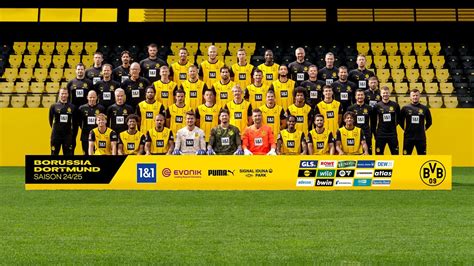
In the UEFA Champions League, Saka's experience is more limited but no less impactful. Arsenal's return to the competition in the 2023-24 season marked Saka's first opportunity to showcase his talents on Europe's biggest stage. Despite the heightened level of competition, he has adapted seamlessly. One of his most notable performances came against PSV Eindhoven in the group stage, where he contributed a goal and an assist in a 4-0 victory. This game highlighted Saka's ability to exploit spaces in European defenses, which are often more technically adept but less physically aggressive than their Premier League counterparts. His ability to combine with teammates like Martin Ødegaard and Gabriel Jesus in intricate passing sequences has been a feature of Arsenal's attacking play in the Champions League. Moreover, Saka's set-piece delivery—particularly corners and wide free kicks—has added another dimension to Arsenal's arsenal in this competition. His crossing accuracy, often hovering around 35-40% in the Champions League, has created numerous scoring opportunities, even against well-organized defenses like Sevilla and borussia dortmund.
However, the Champions League has also exposed areas where Saka can improve. In high-intensity knockout matches, such as the Round of 16 tie against Bayern Munich, Saka faced more aggressive man-marking and physical challenges. While he managed to create moments of brilliance, there were instances where his influence waned under consistent pressure. This is not a criticism but rather an indication of the learning curve he is navigating at the elite level. His ability to adapt to these scenarios will be critical as Arsenal aim to establish themselves as perennial contenders in this competition.
On the international stage, Saka has been a revelation for England. His performances in tournaments like the UEFA Euro 2020 and the FIFA World Cup 2022 have cemented his place as a key figure in Gareth Southgate's squad. At Euro 2020, Saka played a pivotal role in England's run to the final, starting in several key matches, including the semifinal against Denmark. His direct running and ability to stretch defenses were instrumental in creating space for Harry Kane and Raheem Sterling. However, the tournament also brought one of the most challenging moments of his career—missing a penalty in the shootout of the final against Italy. While this could have been a crushing blow for many players, Saka's response has been a masterclass in resilience. He returned to the international setup with renewed determination, delivering standout performances in the 2022 World Cup. His goal against Iran in England's opening match of the tournament was a testament to his mental fortitude and technical skill. In international play, Saka's ability to operate in wide areas and cut inside has complemented England's tactical setup, which often relies on wing-backs and overlapping full-backs to create width.
What makes Saka's international contributions unique is his adaptability to different systems. Whether deployed as a traditional winger in a 4-3-3 or as part of a fluid front three in a 3-4-3, he has shown the intelligence to adjust his positioning and movement. This flexibility is rare for a player of his age and speaks to his footballing IQ. Furthermore, his chemistry with fellow young talents like Jude Bellingham and Phil Foden suggests that England has a golden generation in the making, with Saka at its core.
A deeper analysis of Saka's performances across these competitions reveals a pattern of consistent growth. In the Premier League, he has evolved from a promising youngster to a player who can single-handedly change the course of a game. In the Champions League, he is beginning to establish himself as a player who can shine under the brightest lights. In international football, he has proven his ability to handle pressure and deliver when it matters most. One unique insight into Saka's game is his ability to combine individual brilliance with team-oriented play. Unlike some wingers who prioritize personal statistics, Saka often makes decisions that benefit the collective, whether it's a well-timed pass or a defensive recovery.
Another noteworthy aspect of Saka's game is his durability and consistency. Despite the physical toll of playing in multiple competitions, he has managed to maintain a high level of performance. This is partly due to his disciplined approach to fitness and recovery, as well as his mental resilience. Unlike many young players who experience dips in form due to burnout or external pressures, Saka has shown remarkable stability.
In conclusion, Bukayo Saka's contributions in the Premier League, UEFA Champions League, and international tournaments paint the picture of a player who is not only talented but also incredibly versatile and reliable. His ability to impact games in multiple ways—whether through goals, assists, or defensive work—makes him a rare breed of modern footballer. As he continues to grow, it is clear that Saka is not just a player for the present but a cornerstone for the future of both Arsenal and England.
Comparison with Contemporary Players
When analyzing Bukayo Saka's style and impact in the context of his contemporaries, it is essential to consider both his technical attributes and the broader influence he exerts on the game. Saka, a product of Arsenal's academy, has established himself as one of the most promising talents in world football. His versatility, decision-making under pressure, and ability to influence games from multiple positions set him apart. However, to truly understand his standing, we must juxtapose his profile with other young football talents of his generation, such as Phil Foden, Jude Bellingham, Pedri, and Jamal Musiala.
One of the most striking aspects of Saka's game is his versatility. Unlike many young talents who excel in a single role, Saka has demonstrated proficiency across multiple positions—winger, full-back, and even as a central attacking midfielder. This adaptability is rare among players of his age. For instance, while Phil Foden is primarily deployed as a left-winger or central midfielder at Manchester City, his role is more defined and less fluid compared to Saka's. Foden thrives in tight spaces and intricate passing sequences, often operating in systems where his positional freedom is restricted by Pep Guardiola's structured approach. Saka, on the other hand, is often tasked with covering larger areas of the pitch, whether he is cutting inside from the right wing or overlapping as a full-back. This contrasts sharply with Foden, whose impact is more localized within City's possession-heavy framework.
Another point of comparison is decision-making under pressure. Saka’s ability to maintain composure in high-stakes situations is a hallmark of his play. This is particularly evident in his dribbling and ball retention. When compared to Jude Bellingham, who operates in a deeper role as a box-to-box midfielder, Saka’s decision-making is perhaps less explosive but more consistent. Bellingham, playing for Borussia Dortmund and now Real Madrid, often seeks to break lines with dynamic runs or long passes, which can occasionally lead to turnovers in risky areas. Saka, by contrast, tends to make safer yet equally effective choices, such as releasing the ball quickly to a teammate or using his dribbling to draw fouls in advanced positions. This reliability has made him a trusted outlet for Arsenal in both attacking transitions and defensive recovery.
In terms of direct impact on games, Saka’s goal contributions are noteworthy. Over the past few seasons, he has consistently delivered double-digit goals and assists in the Premier League, a feat matched by only a handful of players in his age bracket. Pedri, the creative lynchpin of Barcelona, offers a different kind of influence. While Saka’s contributions are often measured in tangible outputs like goals and assists, Pedri’s value lies in his ability to control the tempo of games and link play in deeper areas. Pedri is a master of spatial awareness and progressive passing, but he is less of a direct goal threat than Saka. This distinction highlights Saka’s dual role as both a creator and a finisher, a balance that few players of his generation achieve at such a young age. For example, in the 2022-2023 season, Saka was directly involved in 25 goals for Arsenal (14 goals and 11 assists), a statistic that underscores his end product compared to Pedri’s more playmaking-centric role.
Jamal Musiala, a prodigious talent at Bayern Munich, offers an interesting parallel to Saka in terms of playing style. Both players are adept at dribbling in tight spaces and have the technical ability to take on multiple defenders. However, Musiala often operates in more central areas, where his close control and quick turns allow him to bypass midfield lines. Saka, while also capable of operating centrally, is generally more effective in wider areas where he can exploit space behind full-backs. This distinction in preferred zones of operation illustrates how Saka’s game is tailored to the demands of the Premier League, where physicality and pace are often more critical than the slower build-up play seen in the Bundesliga. Musiala’s lower defensive workload compared to Saka also reflects the differing tactical expectations placed on them by their respective teams.
Another dimension to consider is mental resilience. Saka’s ability to bounce back from adversity, such as his penalty miss in the Euro 2020 final, has been a defining trait of his career. This mental fortitude sets him apart from many young players who struggle to recover from high-profile setbacks. While Foden and Bellingham have also shown maturity beyond their years, Saka’s public resilience—coupled with his on-field consistency—has made him a symbol of perseverance. This intangible quality is harder to quantify but is a critical factor in his comparison with contemporaries. For instance, while Musiala and Pedri are lauded for their technical brilliance, they have not faced the same level of public scrutiny or pressure as Saka, particularly in moments of national importance.
From a tactical perspective, Saka’s role in Arsenal’s system under Mikel Arteta deserves mention. He is often the primary outlet for attacking transitions, tasked with stretching defenses and creating overloads on the right flank. This is a more dynamic and physically demanding role than the one played by Pedri at Barcelona, where the emphasis is on ball retention and controlled build-up. Bellingham, while impactful in a more centralized role, does not shoulder the same burden of being his team’s primary attacking outlet. Saka’s ability to combine high work rate with technical proficiency makes him a unique proposition. For example, in games where Arsenal are under pressure, Saka’s willingness to track back and support his full-back is as vital as his ability to break defenses open in the final third.
It is also worth noting Saka’s consistency over multiple seasons. While many young talents experience fluctuations in form as they adapt to the physical and mental demands of top-level football, Saka has maintained a high level of performance since breaking into Arsenal's first team. This reliability contrasts with players like Foden, who has faced periods of rotation at Manchester City due to the depth of their squad. Similarly, while Musiala and Bellingham have had standout moments, their impact has been slightly more intermittent compared to Saka’s steady contributions.
In summary, Bukayo Saka’s style and impact can be distinguished by his versatility, consistency, and resilience. While players like Foden, Bellingham, Pedri, and Musiala each bring their own unique strengths to the game, Saka’s blend of attacking output, defensive work rate, and mental toughness places him in a distinctive category. His ability to influence games across multiple roles and his unwavering reliability make him not just a standout talent of his generation but also a player whose trajectory suggests he could become one of the defining figures of his era in football.
Tactical Role in Team Dynamics
Bukayo Saka's tactical role in team dynamics is a fascinating study of how a modern winger adapts to the evolving demands of football at both club and international levels. At Arsenal and the England national team, Saka is not merely a wide player tasked with dribbling and crossing; he is a multifaceted asset whose positional intelligence, work rate, and technical skills make him integral to the tactical frameworks of both setups.
At Arsenal, Saka operates predominantly as a right-sided winger in Mikel Arteta's 4-3-3 or 4-2-3-1 systems. However, his role extends beyond the traditional winger archetype. Arteta's Arsenal is built on positional play and fluidity, where players are expected to interchange positions and create overloads in specific zones. Saka is often seen drifting infield from the right flank, operating in half-spaces to link up with central midfielders like Martin Ødegaard or Kai Havertz. This movement allows Arsenal to create numerical superiority in central areas, which is a hallmark of Arteta's possession-oriented approach. Saka's ability to combine quick one-touch passes with incisive runs into the box makes him a dual threat—capable of both creating and finishing goal-scoring opportunities.
One of Saka's standout attributes in Arsenal's strategy is his positional adaptability. While he is nominally a winger, he often tucks in to act as an auxiliary playmaker when Arsenal are building attacks. This is particularly evident in games where Arsenal face low-block defenses. Saka's movement into central areas pulls opposition full-backs out of position, creating space for overlapping runs from Arsenal's right-back, typically Ben White or Takehiro Tomiyasu. This interplay between Saka and the right-back is a deliberate feature of Arteta's system, as it stretches the opposition and opens up passing lanes for Arsenal's midfielders. Moreover, Saka's comfort in receiving the ball under pressure enables Arsenal to progress the ball through tight spaces, a critical skill in breaking down organized defenses.
Another dimension of Saka's role at Arsenal is his defensive contribution. Unlike traditional wingers who might shirk defensive duties, Saka is heavily involved in Arsenal's high-pressing system. He often initiates the press from the right flank, using his speed and stamina to close down opposition defenders and disrupt their build-up play. This work rate is not just a bonus but a necessity in Arteta's high-intensity setup. Saka's defensive actions—such as tracking back to support his full-back or making recovery runs—demonstrate his understanding of team dynamics. His willingness to contribute defensively also ensures Arsenal maintain balance when transitioning from attack to defense, a trait that has been vital in their quest for consistency in the Premier League.
In contrast, Saka's role in the England national team under Gareth Southgate is slightly different, shaped by the tactical flexibility required in international football. England often deploy a 4-2-3-1 or 3-4-3 system, where Saka is used either as a right winger or as a right wing-back in a back-three system. In the wing-back role, Saka's responsibilities shift significantly. He is tasked with providing width in attack while also covering the flank defensively. This dual role demands a high level of physical and tactical discipline, which Saka has shown he can handle effectively. His ability to combine attacking runs with defensive recovery makes him a reliable option in Southgate's system, particularly in games where England prioritize defensive solidity over expansive play.
However, in games where England adopt a more attacking approach, Saka is deployed as a traditional winger. Here, his primary objective is to stretch the opposition by hugging the touchline and using his dribbling ability to take on defenders one-on-one. This role is particularly effective when paired with England's overlapping full-backs, such as Kyle Walker or Kieran Trippier. Saka's direct style of play complements the more methodical approach of England's central players like Jude Bellingham or Declan Rice. His tendency to cut inside on his left foot also creates shooting opportunities or through-balls for England's central strikers, such as Harry Kane or Ollie Watkins.
A unique insight into Saka's role in team dynamics is his ability to adapt to different game states. At Arsenal, he is often the focal point of attacking moves when the team is in possession, whereas for England, he is sometimes used as a counter-attacking outlet. This dichotomy highlights Saka's versatility. For instance, in games where Arsenal dominate possession, Saka's role is to probe and create. Conversely, in England's counter-attacking setup during tournaments like the UEFA European Championship or FIFA World Cup, Saka's speed and directness become critical in transitioning quickly from defense to attack. This adaptability underscores his value as a player who can thrive in both possession-heavy and transitional systems.
Another aspect of Saka's contribution to team dynamics is his psychological resilience. Both at Arsenal and for England, Saka has faced high-pressure situations, including penalty shootouts and key matches. His ability to maintain composure and deliver consistent performances under such circumstances is a testament to his mental strength. This resilience is particularly important in team strategies that rely on players to perform in clutch moments. Saka's calmness in one-on-one situations, whether dribbling past a defender or taking a decisive penalty, adds a layer of reliability to both Arsenal and England's tactical setups.
In terms of synergy with teammates, Saka's understanding of space and movement complements the players around him. At Arsenal, his partnership with Gabriel Jesus or Eddie Nketiah often involves intricate link-up play in the final third. Similarly, for England, his chemistry with players like Phil Foden or Marcus Rashford on the opposite flank creates a dynamic attacking front. Saka's awareness of when to hold width and when to drift inside allows him to harmonize with the team's overall strategy, whether it's Arteta's possession-based approach or Southgate's more pragmatic style.
To summarize, Saka's tactical role in team dynamics is defined by his versatility, work rate, and technical proficiency. At Arsenal, he is a creative force who combines playmaking and goal-scoring in a fluid system. For England, he is a Swiss Army knife, capable of adapting to various roles depending on the game plan. His contributions extend beyond attacking output; they encompass defensive diligence, positional intelligence, and mental fortitude. These qualities make Saka not just a key player but a linchpin in the tactical frameworks of both Arsenal and the England national team, showcasing how modern football demands players who can excel in multiple dimensions of the game.
- Saka's movement into half-spaces at Arsenal creates overloads in central areas.
- His defensive work rate supports Arsenal's high-pressing system.
- For England, he adapts to wing-back or winger roles based on game strategy.
- His psychological resilience is a key asset in high-pressure scenarios.
- His synergy with teammates enhances both Arsenal and England's attacking dynamics.
Notable Games and Performances
Bukayo Saka, the dynamic winger for Arsenal and the England national team, has carved out a reputation as one of the most exciting young talents in world football. His ability to influence games with a blend of pace, technique, and intelligence has led to several standout performances that have not only defined key moments in his career but also underscored his growing importance to his teams. This section delves into some of Saka's most notable games and performances, analyzing the context, his contributions, and the broader implications of these matches.
One of Saka's earliest breakthrough moments came in the 2019-2020 season, during Arsenal's Europa League campaign. In the round of 32 second leg against Olympiacos, Saka was deployed at left-back due to injuries in the squad. Despite being just 18 years old and playing out of position, Saka delivered a performance that showcased his adaptability and maturity. He provided a sublime assist for Pierre-Emerick Aubameyang’s goal, showcasing his vision and precision in a high-pressure scenario. Although Arsenal eventually lost the tie on away goals, Saka's display was widely praised for its composure and technical quality. This game was a turning point, as it demonstrated that Saka could not only handle the physical and tactical demands of European football but also thrive in them.
Another defining moment in Saka's career was his performance in the 2020 FA Cup semi-final against Manchester City. Arsenal, then managed by Mikel Arteta, were considered underdogs against a star-studded City side. Saka, operating as a winger, was instrumental in Arsenal’s 2-0 victory. His assist for Aubameyang’s first goal was a masterclass in timing and execution, as he delivered a perfectly weighted pass that split City’s defense. This game was significant not only because it helped Arsenal reach the FA Cup final (which they went on to win) but also because it highlighted Saka’s ability to perform on the big stage. His willingness to take on responsibility in a high-stakes match against one of the Premier League’s best teams was a clear indicator of his mental fortitude and technical prowess.
In the 2021-2022 Premier League season, Saka’s impact was felt in a crucial match against Chelsea at Stamford Bridge. Arsenal had struggled for consistency that season, but Saka’s performance in this game was a statement of intent. He scored a penalty and was a constant threat down the right flank, tormenting Chelsea’s defense with his dribbling and movement. Arsenal won the match 4-2, and Saka’s goal and overall influence were pivotal in securing three points against a top-four rival. This game was emblematic of Saka’s growing stature as a player who could not only create but also finish key chances. His ability to rise to the occasion in a London derby underscored his importance to Arsenal’s attack and his potential to become a leader in the squad.
On the international stage, Saka’s performance in the Euro 2020 tournament was both a highlight and a learning experience. In England’s group stage match against the Czech Republic, Saka was named Man of the Match for his dynamic display on the right wing. He provided energy, directness, and creativity, helping England secure a 1-0 win. His ability to beat defenders one-on-one and link up play with the likes of Harry Kane and Jack Grealish made him a standout performer. This game was particularly significant because it came after a period of scrutiny following his inclusion in the starting lineup over more experienced players. Saka silenced critics with a performance that blended flair and discipline, proving he could handle the pressures of international football.
However, Saka’s most challenging yet impactful moment at Euro 2020 came in the final against Italy. He was one of the players tasked with taking a penalty in the shootout, a moment of immense pressure for any footballer, let alone a 19-year-old. Although Saka missed his penalty, his willingness to step up in such a critical moment spoke volumes about his character. Despite the heartbreak of the loss, this game highlighted Saka’s courage and his role as a player unafraid of taking on responsibility. The aftermath of the final also saw an outpouring of support for Saka, reinforcing his status as a beloved figure among fans and a player with immense resilience.
In the 2022-2023 Premier League season, Saka’s performance in Arsenal’s 3-2 victory over Manchester United was another example of his game-changing ability. He scored two goals, including a late winner, in a match that showcased his knack for delivering in clutch situations. His first goal was a result of clever positioning and a sharp finish, while his second demonstrated his calmness under pressure as he slotted home a decisive penalty. This match was a testament to Saka’s development as a player who could shoulder the burden of being a primary goal contributor for a title-chasing team. It also highlighted his growing consistency and ability to influence games against top-tier opposition.
Beyond individual matches, Saka’s performances in high-stakes derby games have further cemented his reputation. In the North London derby against Tottenham Hotspur, Saka has often been a thorn in Spurs’ side. Whether it’s his dribbling to break defensive lines or his incisive passing to set up teammates, Saka has consistently delivered in these emotionally charged fixtures. For instance, in a 2022 match where Arsenal won 3-1, Saka’s direct running and link-up play with Martin Ødegaard and Gabriel Jesus were central to Arsenal dominating large portions of the game. Such performances in derbies not only endear him to the fanbase but also reinforce his status as a player for the big occasion.
It is also worth noting Saka’s consistent output in less glamorous fixtures. For instance, in matches against mid- or lower-table teams where Arsenal have sometimes struggled for motivation, Saka has often been the catalyst for breaking down stubborn defenses. His ability to create something out of nothing—whether through a solo run, a well-timed cross, or a long-range effort—has been a recurring theme. This reliability in "lesser" games is a hallmark of top players, and Saka’s ability to maintain high standards regardless of the opponent speaks to his professionalism and hunger for success.
From a statistical perspective, Saka’s contributions are equally impressive. As of the 2023-2024 season, he has registered double-digit goal contributions in consecutive Premier League campaigns, a feat that underscores his consistency. His ability to deliver in both goals and assists is rare for a player of his age, and it reflects his well-rounded skill set. Whether it’s a pinpoint cross, a mazy dribble, or a clinical finish, Saka has shown he can influence games in multiple ways.
In conclusion, Bukayo Saka’s career is dotted with games that illustrate his growth from a promising youngster to a key figure for both club and country. From his early days adapting to new positions to his current role as a talisman for Arsenal, Saka’s standout performances are a blend of technical brilliance, mental strength, and a relentless drive to improve. These moments not only highlight his individual excellence but also point to a player who thrives under pressure and embraces the responsibility of being a difference-maker.
Fan and Media Perception
The perception of Bukayo Saka's games, both by fans and the media, has been shaped by his consistent performances, versatility, and the emotional resonance of his journey from a promising academy graduate to a central figure in one of the world's most-watched football leagues. Saka’s growing legacy is not merely defined by his skillset but also by the way he embodies modern football—a blend of technical brilliance, adaptability, and a grounded personality that endears him to diverse audiences.
From the perspective of fans, Saka has become a symbol of hope and resilience, particularly for Arsenal supporters. His emergence during a transitional period for the club coincided with a time when the team was searching for a new identity. Saka’s ability to deliver in high-pressure situations—whether through decisive goals, pinpoint assists, or his work rate in tracking back—has made him a fan favorite. This is evident in the chants, social media buzz, and the palpable sense of anticipation whenever he receives the ball. Fans often celebrate not just his technical contributions but also his demeanor; Saka exudes humility and determination, qualities that resonate strongly in an era where player personas are scrutinized as much as their on-field output. This connection is further amplified by his willingness to take responsibility, such as stepping up for penalties even after the heartbreak of missing one in the Euro 2020 final. This act of courage has only deepened the emotional bond fans feel toward him.
The media narrative surrounding Saka often highlights his dual role as a beacon of positivity in the face of adversity and a symbol of the next generation of English talent. Journalists frequently emphasize his versatility—a player equally comfortable on the wing, at full-back, or even in central attacking roles. This adaptability has led to comparisons with some of the game’s great utility players, though Saka is increasingly seen as more than just a jack-of-all-trades. Experts often point out that his game intelligence, particularly his spatial awareness and decision-making under pressure, is what sets him apart. For instance, his ability to pick out a pass in crowded areas or his knack for timing runs into the box are attributes that are repeatedly dissected in match analyses. Media outlets have also noted how Saka’s performances have helped redefine the perception of young players at top clubs; whereas youth players were once seen as projects or stopgaps, Saka’s consistency has shown that they can be cornerstones of a team’s success.
However, the media’s portrayal is not without its complexities. Saka’s meteoric rise has also subjected him to intense scrutiny. His every touch, decision, and off-field action is analyzed, particularly in the context of his role as a young Black player in a sport that still grapples with issues of racism and online abuse. After the Euro 2020 final, when he and other players faced abhorrent abuse following missed penalties, the media narrative shifted to focus on the broader societal issues Saka inadvertently came to represent. This moment was a turning point in how Saka was perceived—not just as a footballer but as a figurehead for resilience and dignity. The outpouring of support from fans, teammates, and even rival clubs underscored how his personal story had transcended the sport, making him a unifying figure in discussions about inclusivity and the responsibilities of public platforms.
From the lens of experts and analysts, Saka’s technical growth has been a subject of fascination. His dribbling, often characterized by quick changes of direction and close ball control, is a skill that has been likened to some of the best wingers in the game. Yet, what experts find particularly impressive is his efficiency. Unlike some young players who rely on flashy but inconsistent dribbles, Saka often chooses the pragmatic option—whether it’s a simple pass to maintain possession or a direct run that disrupts the opposition’s defensive shape. This maturity in his decision-making is rare for a player of his age and has led to comparisons with seasoned professionals. Analysts also highlight his defensive contributions, which are often overlooked in discussions about attacking players. Saka’s willingness to track back and support his full-back, coupled with his ability to press effectively, adds a layer of tactical value that coaches and pundits frequently praise.
Another dimension of fan and media perception is Saka’s role in shaping Arsenal’s identity under Mikel Arteta. As the team has transitioned to a more possession-based, high-pressing style, Saka has been a key figure in executing this vision. His ability to stretch play on the flank while also cutting inside to link play has been instrumental in Arsenal’s attacking patterns. Media coverage often frames him as a “system player” who thrives within Arteta’s structured approach, yet they also acknowledge his capacity to produce moments of individual brilliance that can change the course of a game. This duality—of being both a system-oriented player and a match-winner—has elevated his standing in the eyes of tactical experts.
Saka’s growing legacy is also tied to his off-field persona. Unlike many modern footballers who cultivate controversial or flamboyant images, Saka is often described as grounded and approachable. This has made him a role model not just for young fans but also for the media, who see him as a refreshing contrast to the stereotype of the entitled superstar. His interviews, where he frequently credits his teammates and coaching staff, reflect a team-first mentality that endears him to both supporters and pundits. This likability factor has also made him a marketable figure, with sponsors and brands keen to associate with his image of humility and excellence.
In the broader context of English football, Saka’s games are viewed as a microcosm of the national team’s evolution. His performances for England have been a testament to his ability to handle the pressures of international football. Fans and media alike view him as a key part of the country’s future, particularly as the national team seeks to blend youth and experience in pursuit of major trophies. Saka’s role in high-profile tournaments, coupled with his ability to perform under the weight of expectation, has cemented his place as a player whose career trajectory is being closely monitored as a barometer of England’s progress.
In summary, the perception of Bukayo Saka’s games is multifaceted. Fans see him as a symbol of hope and joy, media as a story of resilience and versatility, and experts as a player whose technical and tactical growth is redefining expectations for young talent. His legacy, still in its formative stages, is being shaped not just by his on-field exploits but also by the way he navigates the complexities of modern football—balancing personal success with a sense of responsibility to his team, his community, and the sport itself.
Challenges and Criticisms
Bukayo Saka, the young and dynamic winger for Arsenal and the England national team, has experienced a meteoric rise in his career. However, with great success comes significant scrutiny. This section examines the **challenges and criticisms** Saka has encountered, focusing on the high expectations placed upon him and the moments where he has faced intense criticism.
One of the most prominent challenges Saka has faced is the **weight of high expectations**. As a prodigious talent who broke into Arsenal's first team at just 18 years old, Saka was immediately heralded as a beacon of hope for both his club and country. His versatility, technical ability, and composure on the ball made him a standout player in a team often criticized for inconsistency. However, this early promise also created a double-edged sword. Fans and pundits began to view Saka as a savior figure, someone who could single-handedly turn around Arsenal's fortunes or deliver critical performances for England in high-stakes tournaments. This level of expectation is not uncommon for young talents in football, but for Saka, it has been particularly acute due to the lack of other consistent performers in key moments for his teams.
For instance, during Arsenal's 2020-2021 season, when the team was struggling to secure a top-four finish, Saka was frequently the focal point of their attack. At such a young age, he was tasked with carrying the creative burden in a squad that often lacked cohesion. While he delivered several standout performances—his assists and goals were crucial in keeping Arsenal competitive—this also meant that any dip in form was magnified. Critics were quick to point out that while Saka was capable of brilliance, he was not immune to the inconsistencies typical of young players. This created a paradox: Saka was simultaneously praised for being a beacon of hope and criticized for not being the finished article. Such a dynamic is inherently unfair to a player still in the early stages of his development, yet it is a reality he has had to navigate.
Another layer of challenge comes from the **psychological toll of high-profile setbacks**. A notable example is the penalty miss during the UEFA Euro 2020 final. Saka, along with two other young England players, missed their penalties in the shootout against Italy. The backlash was immediate and intense. While the broader football community rallied around Saka, condemning the racist abuse he and his teammates received, the incident nonetheless placed a spotlight on the immense pressure young players face in critical moments. Saka, who had been one of England’s most consistent performers throughout the tournament, found himself at the center of a national conversation about resilience, race, and the unforgiving nature of football fandom. This moment was not just a test of his character but also a turning point in how he would be perceived moving forward.
The criticism Saka faced after the Euro final was not just about the missed penalty but also about the **broader question of whether young players should be placed in such high-stakes situations**. Some argued that Gareth Southgate, England's manager, should not have entrusted such a pivotal moment to a 19-year-old, especially when more experienced players were available. This criticism, while not directly aimed at Saka's ability, indirectly questioned whether he was ready for the responsibility he had been given. For Saka, this added another dimension to the challenge of performing under pressure—not only did he have to contend with his own self-doubt, but he also had to grapple with external narratives about whether he was being "overused" or "overhyped."
In the club context, Saka has also faced **criticism for his role in Arsenal’s tactical setup**. While he is undoubtedly one of Arsenal’s most talented players, his positional versatility has sometimes worked against him. Managers, particularly Mikel Arteta, have deployed him in multiple roles—left-wing, right-wing, and even as a makeshift full-back in emergency situations. While this flexibility is a testament to his adaptability, it has also led to questions about whether he is being utilized optimally. For example, when Saka is played out of position or asked to track back extensively in a defensive role, his attacking output can suffer. Critics have argued that this overreliance on his versatility has sometimes stifled his growth as a specialist winger, a role where his dribbling, crossing, and goal-scoring could be maximized. This tension between his potential and his deployment is a subtle but persistent criticism that Saka has had to endure.
Another area of focus has been Saka’s **physical resilience**. At his age, he has already played a significant number of games for both club and country, often without extended rest periods. This has raised concerns about burnout. In the 2022-2023 season, for instance, Saka played over 50 games across all competitions for Arsenal and England. While his performances remained strong, there were moments where his energy levels visibly dipped, and his influence waned in the latter stages of matches. Critics have pointed to Arsenal’s squad depth issues as a contributing factor, suggesting that Saka has been overplayed due to a lack of adequate backup options. While this is not a direct fault of Saka’s, it is a challenge he faces as a key player in a team that relies heavily on him. The physical and mental toll of such a demanding schedule is not always visible, but it is a legitimate concern for his long-term development.

Furthermore, Saka has had to deal with **comparisons to other young talents** in the Premier League and beyond. Players like Phil Foden, Jadon Sancho, and Mason Greenwood (before his off-field controversies) have often been mentioned in the same breath as Saka, creating an environment where his every performance is measured against his peers. While such comparisons can be motivating, they can also be a source of undue pressure. For example, when Sancho was flourishing at Borussia Dortmund or Foden was excelling in a star-studded Manchester City team, Saka’s quieter games were sometimes viewed through a lens of underachievement. This is not to say that Saka has underperformed—far from it—but the constant juxtaposition with other young stars adds another layer of external expectation that he must contend with.
It is also worth noting that Saka has faced **tactical challenges from opponents**. As his reputation has grown, so too has the attention he receives from opposing defenders. Many teams now deploy specific tactics to neutralize his threat, such as double-teaming him or instructing full-backs to stay tight and aggressive. This has required Saka to adapt his game, developing a greater understanding of how to beat defensive systems rather than relying solely on his individual brilliance. While this is a natural part of a player’s evolution, it is still a challenge that has tested his patience and decision-making in games where space is limited.
Finally, Saka has had to navigate the **complex dynamics of fan and media expectations**. Social media amplifies both praise and criticism, and Saka has not been immune to this. While he is widely adored by Arsenal and England fans, even minor mistakes or off-days are dissected in great detail online. This can create a feedback loop where players feel compelled to perform not just for themselves or their team but also to silence critics or meet the lofty standards set by their supporters. For a player as young and introspective as Saka, this can be both a motivator and a burden.
In summary, the challenges and criticisms Saka has faced are multifaceted. They range from the **psychological weight of high expectations** and the **scrutiny of key moments** like the Euro 2020 penalty miss, to the **physical demands of overuse** and the **positional experimentation** by his managers. While these obstacles are significant, they are also part of the journey for any young player aiming to reach the pinnacle of the sport. What sets Saka apart is his ability to face these challenges with grace and determination, using them as opportunities for growth rather than setbacks. This resilience, combined with his undeniable talent, suggests that he is well-equipped to overcome the hurdles that come his way.
Future Prospects and Legacy
Bukayo Saka's trajectory in football is one of the most intriguing narratives in modern football. At just 22 years old, he has already established himself as a key figure for both Arsenal and the England national team. His versatility, technical skill, and mental resilience set him apart from many of his contemporaries. To predict his future prospects and the legacy he might leave, we must examine his current attributes, potential growth areas, and the broader context of his career trajectory within the sport.
One of Saka's most compelling attributes is his versatility on the field. He has demonstrated the ability to play as a winger, full-back, and even in central attacking roles when required. This adaptability not only makes him a tactical asset for managers but also positions him as a player who can evolve with the ever-changing demands of modern football. As the game increasingly shifts toward systems that prioritize fluidity and positional interchanges, Saka’s ability to operate across multiple roles could ensure his relevance for years to come. For instance, his performances as a winger for Arsenal have often included defensive contributions, showcasing a work ethic and tactical intelligence that could make him a prototype for the "total footballer" in the coming decade.
However, Saka's long-term success will depend heavily on how he navigates the physical and mental challenges of elite football. At his current pace, he is among the most fouled players in the Premier League. While this is a testament to his dribbling ability and the threat he poses in one-on-one situations, it also exposes him to the risk of injury. Managing his workload will be critical. Arsenal and future clubs must ensure that he is not overburdened, particularly in seasons with heavy fixture congestion due to European and international commitments. A carefully managed career path, perhaps involving strategic rest periods or rotational play, could help Saka sustain his peak performance levels well into his late 20s and early 30s.
From a technical standpoint, Saka has room for growth in certain areas that could elevate his game further. His finishing ability, while impressive, can still be refined. Despite scoring consistently, there are moments where his shot selection or composure in front of goal could be improved. If he continues to work on this aspect—perhaps by studying players like Mohamed Salah or Cristiano Ronaldo, who have honed their finishing to near-perfection—he could become a more prolific goal scorer. Additionally, Saka’s ability to deliver consistent set-piece quality could add another dimension to his game. While he has shown glimpses of excellence in dead-ball situations, developing this skill further could make him an even more valuable asset in high-stakes matches.
Another factor in Saka’s long-term reputation will be his impact in high-profile tournaments. While he has already performed admirably for England in European Championships and World Cups, his legacy will be shaped by his ability to deliver in knockout stages and critical matches. Players like Lionel Messi and Cristiano Ronaldo are often judged not just by their club achievements but by their international success. For Saka, leading England to a major trophy or producing iconic moments in Champions League finals could cement his status as one of the greats. Given his age and the quality of the England squad, he is well-positioned to play a central role in such scenarios.
Saka’s off-field persona also plays a role in shaping his legacy. Known for his humility, professionalism, and community involvement, he has already garnered respect beyond his on-field achievements. In an era where players are scrutinized not just for their footballing ability but also for their character, Saka’s reputation as a role model could enhance his standing in the sport. This aspect of his legacy is particularly significant because it ensures he is remembered not just as a great player but as a figure who inspired others. If he continues to use his platform to advocate for causes or mentor younger players, his influence could extend far beyond the pitch.
The club context in which Saka operates will also shape his legacy. Currently, he is a cornerstone of an Arsenal side that is rebuilding under Mikel Arteta, aiming to reclaim its place among Europe's elite. If Arsenal can sustain their recent progress and challenge for Premier League and Champions League titles, Saka will be remembered as a key architect of that success. However, if Arsenal’s project falters or Saka seeks a move to a more established giant like Manchester City, Real Madrid, or Bayern Munich, his narrative could shift. A move to such a club might offer him the platform to win more silverware, but it could also test his ability to adapt to new systems and higher expectations. Either way, his choice of club in the next few years will be a defining factor in how his career is viewed historically.
It is also worth considering how Saka’s career might be viewed in the context of generational comparisons. He is part of a cohort of young talents that includes players like Erling Haaland, Kylian Mbappé, and Pedri. While each of these players has unique strengths, Saka’s combination of versatility, consistency, and likability could set him apart. If he continues to perform at a high level and avoids major career setbacks, he could be seen as one of the defining players of his generation. This would not only enhance his individual reputation but also contribute to the broader narrative of how English football is evolving in the post-Golden Generation era.
Looking further ahead, Saka’s legacy could extend into post-retirement influence. Many great players transition into coaching, punditry, or ambassadorial roles. Given his intelligence and affable nature, Saka could excel in such roles, particularly if he chooses to mentor young players or work in youth development. His experiences as a young prodigy who faced challenges like racial abuse and high-pressure situations could make him a powerful voice in discussions about player welfare and mental health in football. Such contributions would add a profound layer to his legacy, ensuring he is remembered not just for what he achieved on the field but for the impact he had off it.
In summary, Saka’s future prospects are bright, but they are not without challenges. His ability to sustain his physical health, refine his technical skills, and perform in high-stakes environments will determine whether he is remembered as a very good player or as one of the all-time greats. If he can navigate these variables while maintaining his humility and professionalism, his legacy could be one of the most enduring in modern football. Saka has the potential to not only shape his own story but also influence how future generations of players approach the game.
- His versatility across positions ensures adaptability in evolving football systems.
- Managing physical and mental workload will be key to sustaining long-term performance.
- Refining finishing and set-piece delivery can elevate his technical profile.
- Success in international and Champions League tournaments will define his legacy.
- His off-field character and community involvement enhance his reputation beyond football.
- Club success and generational comparisons will shape how he is viewed historically.
- Post-retirement roles could see him influence player welfare and youth development.
By addressing these factors, Saka has the opportunity to craft a career that is not only successful but also transformative in how players of his profile are perceived in the sport.
Conclusion and Takeaways
The games of Bukayo Saka, the young English winger for Arsenal and the England national team, offer a compelling lens through which to examine the evolving dynamics of modern football. His performances are not merely a showcase of individual brilliance but also a reflection of how the sport has adapted to new tactical frameworks, player versatility, and the increasing emphasis on youth development in elite football.
One of the most striking aspects of Saka’s games is his **versatility**. Unlike traditional wingers who are confined to the flanks, Saka seamlessly transitions between multiple roles—playing as a winger, a wing-back, or even as an attacking midfielder. This adaptability is emblematic of modern football, where the rigid positional structures of the past have given way to fluid systems that prioritize players who can operate in multiple zones of the pitch. Saka’s ability to drift inside from the right wing, combine with midfielders, or even drop deeper to support the build-up play underscores how positional fluidity has become a cornerstone of contemporary tactics. Coaches like Mikel Arteta at Arsenal have leveraged this versatility to implement systems that demand players to be comfortable in multiple roles, and Saka exemplifies this trend.
Another key takeaway from Saka’s games is the **importance of technical proficiency in tight spaces**. Modern football, particularly in high-pressing leagues like the Premier League, often subjects players to intense defensive pressure. Saka’s close control, quick decision-making, and ability to execute precise passes or dribbles in crowded areas highlight how technical skills have become non-negotiable for attacking players. This is particularly evident in games where Saka is marked tightly by opposition full-backs or double-teamed. Rather than resorting to speculative play, he often uses subtle feints, body positioning, and rapid changes of direction to escape pressure. These moments are not just individual highlights but also a demonstration of how the modern game rewards players who can maintain composure and technical excellence under duress.
Saka’s games also shed light on the **role of youth in modern football**. At just 22 years old, he has already amassed significant experience at both club and international levels. This is indicative of a broader trend where young players are being trusted with greater responsibilities earlier in their careers. Unlike previous eras where young talents were often eased into first-team football, today’s top clubs and national teams are increasingly reliant on teenagers and players in their early twenties to deliver results. Saka’s consistent performances, despite the weight of expectations, point to the preparedness of young players who are groomed in high-performance academies like Arsenal’s Hale End. His rise also highlights how clubs are now investing heavily in youth development to remain competitive in an era of financial constraints and squad turnover.
The **psychological resilience** Saka has displayed in his games is another critical aspect worth analyzing. Following the missed penalty in the UEFA Euro 2020 final, Saka faced immense public scrutiny and even abhorrent racial abuse. However, his subsequent performances have been characterized by an unwavering focus and determination. This resilience is not merely a personal attribute but a reflection of how modern football demands mental fortitude from its players. The 24/7 media cycle, social media exposure, and the weight of representing top clubs and nations create an environment where mental strength is as crucial as physical ability. Saka’s ability to bounce back and deliver match-winning performances—such as his goals in high-stakes Premier League games or his contributions in Champions League fixtures—serves as a case study in how players must navigate the psychological challenges of the modern game.
From a tactical perspective, Saka’s games reveal the **evolution of attacking patterns in football**. His interplay with teammates, particularly in Arsenal’s system, exemplifies the shift towards positional play and combination football. For instance, his understanding with players like Martin Ødegaard, Gabriel Jesus, and Gabriel Martinelli showcases how modern teams prioritize quick, synchronized movements to break down organized defenses. Saka’s runs off the ball, his ability to time his overlaps, and his capacity to pick out incisive passes are indicative of a player who has been coached to think beyond individual dribbling and focus on collective attacking strategies. This is a departure from earlier eras where wingers were often expected to beat their man and deliver crosses as their primary function. Today, wingers like Saka are integral to intricate build-up play, demonstrating how attacking roles have become more integrated into the team’s overall system.
Additionally, Saka’s games highlight the **impact of data and analytics in football**. His ability to consistently deliver key passes, complete dribbles, and contribute defensively is not accidental but a result of being a player who fits the modern analytical profile. Teams now use advanced metrics to identify players who can contribute in multiple phases of play. Saka’s heatmaps, for instance, often show significant activity in both attacking and defensive thirds, reflecting his work rate and tactical discipline. This is a far cry from the traditional view of wingers as one-dimensional players whose sole responsibility was to attack. Modern football demands that wingers track back, press effectively, and contribute to defensive shape, and Saka’s performances exemplify this shift.
Another layer to consider is the **globalization of football and its influence on player development**. Saka, as a product of Arsenal’s academy and the English system, represents how the sport has become more interconnected. His skill set—combining the directness of English football with the technical subtleties often associated with European or South American players—demonstrates how exposure to diverse coaching philosophies and playing styles can shape a modern footballer. Saka’s ability to adapt to different tactical setups, whether in the Premier League, European competitions, or international tournaments, is a testament to the global nature of player development today.
Finally, Saka’s games offer insights into the **commercial and cultural significance of football stars in the modern era**. His rise to prominence has made him a marketable figure, not just for Arsenal but for sponsors and the broader football ecosystem. This reflects how the modern game intertwines sporting excellence with commercial appeal. Players like Saka are not just athletes but also ambassadors for their clubs, countries, and even social causes. His humble demeanor, coupled with his on-field success, has endeared him to fans and made him a role model for younger generations, further emphasizing the dual role of footballers as performers and influencers in the contemporary landscape.
In conclusion, Bukayo Saka’s games are a microcosm of modern football’s evolution. They reveal the growing emphasis on versatility, technical skill, youth empowerment, psychological resilience, tactical sophistication, and the fusion of sport with commercial dynamics. Beyond his individual brilliance, Saka’s trajectory serves as a barometer for how the sport is adapting to new challenges and opportunities. His games are not just entertainment but also a window into the future of football—a future where adaptability, intelligence, and resilience will define the next generation of stars.
- Saka’s versatility reflects the fluid roles demanded in modern football systems.
- His technical skills under pressure showcase the premium placed on ball mastery in high-intensity environments.
- The trust placed in young players like Saka signals a shift in how clubs approach talent development and deployment.
- His resilience after setbacks highlights the growing importance of mental strength in professional football.
- Tactically, Saka embodies the shift from individualistic wing play to integrated attacking strategies.
- His profile aligns with the data-driven approach to player evaluation in modern football.
- His global appeal underscores the interconnected nature of contemporary football.
Through these takeaways, Saka’s games not only entertain but also educate us about the multifaceted nature of football in the 21st century.