Introduction to Gegenpressing
Gegenpressing, often referred to as "counter-pressing," is a tactical approach in football that has revolutionized the modern game. At its core, gegenpressing is a high-intensity strategy where a team immediately seeks to regain possession of the ball after losing it, rather than retreating into a defensive shape. This approach is characterized by aggressive pressing, coordinated movement, and an emphasis on winning the ball back in the opponent's half. Unlike traditional defensive systems that prioritize positioning and containment, gegenpressing is proactive, dynamic, and inherently aggressive. It represents a shift from reactive football to a system where the transition from attack to defense—and vice versa—becomes a seamless, high-energy process.
The origins of gegenpressing can be traced back to the tactical evolution of football in the late 20th century, particularly in Europe. While pressing has always been a part of football, gegenpressing as a defined system emerged prominently in the 1970s and 1980s in the Dutch school of Total Football. Teams like Ajax and the Netherlands national team under Rinus Michels and later Johan Cruyff employed elements of pressing to disrupt opponents' buildup play. However, gegenpressing as we understand it today was refined and popularized by German coaches in the early 2000s. The term itself is German—"gegen" meaning "against" or "counter," highlighting the immediate counteraction after losing possession.
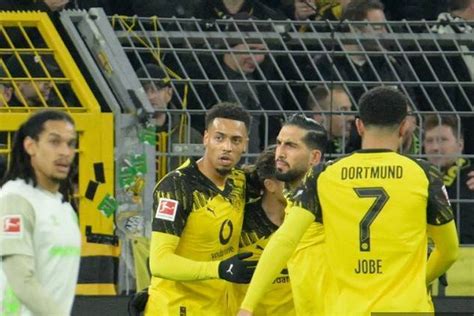
The tactical philosophy of gegenpressing gained significant traction under coaches like Ralf Rangnick and Jürgen Klopp, who are often credited with embedding it into the modern football lexicon. Rangnick, often dubbed the "godfather of gegenpressing," implemented this system during his tenure at clubs like SSV Ulm and VfB Stuttgart. He emphasized the importance of a high defensive line, quick transitions, and collective pressing to suffocate the opposition. Klopp, who adopted and adapted Rangnick’s ideas during his time at Mainz and later borussia dortmund, brought gegenpressing to the global stage. His "heavy metal football," as he described it, encapsulated the relentless energy and coordinated aggression that gegenpressing demands.
One of the key historical underpinnings of gegenpressing lies in its challenge to traditional football hierarchies. In earlier systems, teams often ceded possession to stronger opponents, focusing on compact defensive shapes and counterattacks. Gegenpressing inverted this logic by suggesting that even smaller teams could dominate games by denying space and time to technically superior opponents. This democratization of tactical success is one of the reasons the approach resonated so strongly with coaches working with limited resources. It allowed them to compete by disrupting the rhythm of possession-heavy teams and creating chaos in their buildup play.
The tactical success of gegenpressing can also be linked to the broader evolution of football as a sport. The increasing athleticism of players, advancements in sports science, and the role of technology in analyzing opponents all contributed to the feasibility of such a demanding system. For gegenpressing to work effectively, players must possess exceptional physical fitness, quick decision-making skills, and a deep understanding of their roles within the team structure. This is why gegenpressing is often associated with teams that invest heavily in youth development and physical conditioning—attributes that allow players to sustain the intensity required for 90 minutes.
Another fascinating aspect of gegenpressing's origins is its psychological dimension. The tactic is not merely about regaining the ball; it is about imposing a mentality on the game. By pressing high and aggressively, teams communicate a sense of urgency and dominance to their opponents. This can lead to psychological disarray, especially for teams unaccustomed to such relentless pressure. A well-executed gegenpress can force errors in dangerous areas of the pitch, turning defensive actions into immediate attacking opportunities. This dual-purpose nature—defensive solidity coupled with offensive opportunity—makes gegenpressing an appealing strategy for managers aiming to control games without necessarily dominating possession.
Gegenpressing also represents a departure from the "positional play" philosophies that dominated football in the mid-2000s, particularly in Spain under coaches like Pep Guardiola. While positional play focuses on maintaining structure and exploiting space through patient buildup, gegenpressing thrives on disorder. It seeks to create moments of chaos where the opponent is most vulnerable—immediately after they have won or lost the ball. This contrast has led to fascinating tactical battles between gegenpressing teams and possession-based sides, as seen in matches like Klopp's Liverpool against Guardiola's Manchester City.
The historical lineage of gegenpressing also intersects with the cultural and regional footballing identities of Germany and Austria. German football has long valued physicality, discipline, and collective effort, traits that align naturally with the demands of gegenpressing. This is not to say the tactic is exclusive to German-speaking nations—far from it. Its principles have been adopted globally, from Marcelo Bielsa's high-pressing Leeds United to the aggressive systems of Diego Simeone's Atlético Madrid. However, its German roots give it a distinct flavor, often tied to the country’s footballing ethos of geist (spirit) and kampf (struggle).
In summary, gegenpressing is more than a tactical system; it is a philosophy that redefines how football is played and understood. Its origins lie in the convergence of historical tactical experiments, the physical and psychological demands of modern football, and the innovative minds of coaches who saw an opportunity to disrupt established norms. As we delve deeper into the nuances of gegenpressing in this white paper, it becomes clear that this approach is not merely about winning the ball—it is about winning the battle for control, space, and ultimately, the game itself.
- Gegenpressing emphasizes immediate action after losing possession, challenging traditional defensive setups.
- Its roots can be found in Total Football and were refined by German coaches like Rangnick and Klopp.
- The approach blends physical, psychological, and tactical elements to create a high-energy, disruptive system.
- It represents a shift from containment to proactive disruption, reshaping how teams approach transitions in play.
This deep dive into the origins and definition of gegenpressing sets the stage for a broader exploration of how this tactic has shaped the strategies of gegenpressing managers and influenced the global footballing landscape.
The Pioneers of Gegenpressing
The philosophy of gegenpressing, often described as "counter-pressing," has become one of the most influential tactical approaches in modern football. This high-intensity strategy revolves around the idea of regaining possession immediately after losing the ball, suffocating opponents with aggressive pressing, and transitioning quickly into attack. While gegenpressing has been adopted and adapted by numerous managers across the globe, its origins can be traced back to a few key figures who not only implemented but also refined and popularized this approach. Among these pioneers, Jürgen Klopp and Ralf Rangnick stand out as the most influential architects of gegenpressing, each contributing unique elements to its evolution.
The concept of gegenpressing did not emerge in a vacuum. Its roots can be found in the tactical experiments of German football during the late 1990s and early 2000s. However, it was Ralf Rangnick who first articulated and systematized the gegenpressing philosophy in a way that would influence generations of coaches. Rangnick, often referred to as the "professor" of German football, was heavily influenced by the Dutch totaalvoetbal and the pressing systems of Arrigo Sacchi’s AC Milan. While these systems laid a theoretical groundwork, Rangnick adapted them to the German footballing context, emphasizing collective pressing rather than individual brilliance. His time at SSV Ulm 1846 and later at VfB Stuttgart showcased his belief in a high defensive line, quick transitions, and the importance of immediate ball recovery. Rangnick’s famous 1998 television interview, where he explained the gegenpressing concept to a skeptical audience, marked a turning point. He argued that the team that wins the ball back quickest has the greatest advantage, a principle that would later define his managerial ethos.
Rangnick’s gegenpressing was not just about physical exertion but also about positional intelligence. He emphasized the importance of players understanding their roles in a coordinated system. For instance, when a player pressed the opponent, his teammates would move to cut off passing lanes, creating a "pressing trap." This systematic approach required not only fitness but also a deep understanding of spatial awareness and teamwork. Rangnick’s influence extended beyond his own teams; he became a mentor to younger coaches, including Thomas Tuchel and Julian Nagelsmann, who would carry his gegenpressing principles forward. His work at RB Leipzig, where he served as both manager and sporting director, further cemented his legacy as a gegenpressing innovator, as the club became a beacon of this philosophy in the Bundesliga.
While Rangnick laid the theoretical and practical foundation, Jürgen Klopp took gegenpressing to new heights, blending it with his charismatic personality and a distinctive emotional connection to his players. Klopp’s gegenpressing journey began at Mainz 05, where he transitioned from player to manager and started experimenting with high-pressing systems. However, it was at Borussia Dortmund where Klopp’s gegenpressing truly flourished. Under his leadership, Dortmund became a relentless machine, overwhelming opponents with their energy, speed, and cohesion. Klopp’s version of gegenpressing was less rigid than Rangnick’s and more emotionally charged. He described his style as "heavy metal football," a metaphor that captured the chaotic yet exhilarating nature of his teams’ play. This was gegenpressing infused with passion—players were not just instructed to press but were motivated to do so with an almost fanatical zeal.
Klopp’s gegenpressing at Dortmund was characterized by verticality and directness. Unlike some systems that focused on recycling possession after regaining the ball, Klopp’s teams sought to exploit the disoriented state of opponents by launching rapid attacks. This required not only physical fitness but also players who could think and act quickly under pressure. The likes of Marco Reus, Robert Lewandowski, and Ilkay Gündogan thrived in this system, as they were given the freedom to express themselves in transition. Klopp’s success at Dortmund—including back-to-back Bundesliga titles and a UEFA Champions League final appearance—brought gegenpressing to the global stage. When he moved to Liverpool in 2015, he refined his approach further, incorporating data analytics and sports science to enhance the physical and tactical demands of gegenpressing. Liverpool’s 2019-20 Premier League title win and their Champions League triumph in 2019 were testaments to how Klopp had evolved gegenpressing into a system capable of sustained success at the highest level.
The contrast between Rangnick’s methodical approach and Klopp’s emotional intensity highlights the dual nature of gegenpressing’s pioneers. Rangnick was the theorist, the strategist who laid down the blueprints. Klopp, on the other hand, was the evangelist who brought gegenpressing to life with his infectious energy and ability to inspire players. Both managers, however, shared a belief in the collective over the individual. Gegenpressing, for them, was not about star players dominating games but about the team functioning as a cohesive unit. This philosophy also extended to their recruitment strategies. Both managers prioritized players who were not only physically capable but also mentally attuned to the demands of high-intensity football.
It is also worth noting that gegenpressing’s rise was not isolated to these two managers. Other figures, such as Pep Guardiola and Marcelo Bielsa, have incorporated pressing elements into their systems, albeit with different nuances. However, Rangnick and Klopp remain the most synonymous with gegenpressing because of their direct advocacy and consistent implementation. Rangnick’s role as a mentor and Klopp’s as a global ambassador ensured that gegenpressing was not just a tactical fad but a lasting legacy in football.
Another layer of their influence lies in how gegenpressing has shaped modern football’s broader trends. The success of gegenpressing teams has led to a proliferation of fitness-focused training regimens, increased emphasis on sports science, and even changes in how youth academies teach pressing mechanics. Both Rangnick and Klopp demonstrated that gegenpressing was not merely a reactive tactic but a proactive philosophy that could dictate the tempo of games. This shift has forced other managers and teams to adapt, either by embracing gegenpressing or by developing counter-strategies to neutralize it.
In summary, the pioneers of gegenpressing—Ralf Rangnick and Jürgen Klopp—each brought unique dimensions to this philosophy. Rangnick provided the intellectual framework, emphasizing structure and positional intelligence, while Klopp added emotional energy and verticality to the mix. Together, they transformed gegenpressing from a niche tactical idea into a dominant force in modern football. Their legacy is not just in the trophies their teams won but in how they reshaped the way the game is played and understood. Gegenpressing, as pioneered by these two managers, is a testament to how innovation and adaptability can redefine the boundaries of football strategy.
Core Principles of Gegenpressing
Gegenpressing, often associated with high-intensity football and pioneered by managers like Jürgen Klopp and Ralf Rangnick, is a tactical approach that emphasizes regaining possession immediately after losing the ball. This strategy is not merely about pressing high up the pitch but involves a coordinated and systematic approach to disrupting the opponent's build-up play and exploiting the chaotic moments that follow a turnover. To fully understand the core principles of gegenpressing, it is essential to delve into its key components: high pressing, counter-pressing, and quick transitions.
High Pressing is the foundation of gegenpressing. This involves a team positioning itself high up the pitch to restrict the opponent's ability to play out from the back. The objective is to force the opposition into making hurried decisions, often resulting in errors such as misplaced passes or poor ball control. High pressing is not just about individual effort but requires a collective understanding of space and timing. For instance, the forward line must work in tandem with the midfield to close down passing lanes while simultaneously cutting off deeper options for the opposition defenders. A gegenpressing team often uses a high defensive line to compress the playing area, limiting the space available for the opposition to maneuver. However, this approach demands exceptional fitness levels and spatial awareness because any gaps left behind can be exploited by quick counterattacks. The success of high pressing lies in its ability to deny the opposition time and space while maintaining compactness, ensuring that the pressing unit can quickly shift focus if the ball is played wide or long.
The second key component, counter-pressing, is what distinguishes gegenpressing from traditional pressing systems. Counter-pressing refers to the immediate action taken by the team to win back the ball after losing possession, typically within 5-10 seconds. This is where the "gegen" (German for "counter") aspect comes into play. Unlike high pressing, which is proactive and anticipates the opponent's movements, counter-pressing is reactive and occurs in the immediate aftermath of a turnover. The logic is simple: the team that has just won the ball is often in a vulnerable state, as their players are not yet fully organized to launch an attack. By swarming the player in possession and cutting off passing options, the gegenpressing team aims to create a high-pressure environment that leads to a quick regain of the ball. This requires not only physical intensity but also a high level of tactical intelligence. Players must instinctively know when to press individually and when to hold their position to maintain the shape of the press. A hallmark of effective counter-pressing is the use of "triggers"—specific moments, such as a heavy touch by the opponent or a backward pass, that signal the team to press aggressively. Managers like Klopp have instilled this reactive mindset in their teams, making counter-pressing an almost instinctive behavior among players.
One of the most overlooked aspects of counter-pressing is its psychological impact. When executed well, it not only disrupts the opponent's rhythm but also demoralizes them. Players on the receiving end of relentless counter-pressing often feel as though they have no time to breathe, let alone construct meaningful attacks. This creates a sense of dominance for the gegenpressing team, even if they are not in possession for long stretches of the game. However, counter-pressing is not without risks. If the pressing is poorly coordinated or if players are not fit enough to sustain the intensity, it can leave the team exposed to quick transitions from the opposition. This is why gegenpressing managers often emphasize rotation and squad depth to maintain the energy levels required for this demanding style of play.
Quick transitions form the third pillar of gegenpressing and are closely tied to the success of high pressing and counter-pressing. Once the ball is regained, the gegenpressing team seeks to exploit the disorganization of the opposition by launching rapid attacks. This is often referred to as "transition play," and its effectiveness depends on the speed and precision of decision-making. A common tactic is to have players positioned in such a way that they can immediately exploit spaces left open by the scrambling opposition. For example, wide forwards may push into the channels, while a central striker makes a run behind the defensive line. The midfielders, having participated in the press, are tasked with quickly distributing the ball to these advanced players. The key here is not just speed but also the quality of the pass—a poorly executed transition can squander the advantage gained by winning the ball back.
Quick transitions also require a clear understanding of roles within the team. For instance, full-backs in a gegenpressing system often act as auxiliary wingers during attacks, providing width and support for the forwards. Similarly, central midfielders must be adept at both shielding the defense during the press and contributing to the attack when possession is regained. This dual responsibility underscores the versatility demanded of players in a gegenpressing system. Managers who employ this tactic often prioritize players with high technical ability and physical endurance, as they need to contribute effectively in both defensive and offensive phases of play.
An often-underappreciated nuance of quick transitions is the role of the team's shape. Gegenpressing teams are typically structured to ensure that they can transition from defense to attack (and vice versa) with minimal disruption. This is achieved through a combination of positional play and fluid movement. For example, a team might use a 4-3-3 formation where the wingers stay wide to stretch the play, while the central midfielders provide a solid base for both defensive and offensive actions. This structure ensures that even if the initial counter-attack is repelled, the team can quickly reset into its high-pressing shape without losing momentum.
Another insight into gegenpressing is its adaptability to different contexts. While it is often associated with high-energy, attack-minded teams, gegenpressing can also be used as a defensive tool. For instance, a team trailing in a match might employ gegenpressing to disrupt the opponent's rhythm and force turnovers in dangerous areas. This flexibility makes it a versatile tactic that can be tailored to suit the specific needs of a game or even adapted mid-match based on the flow of play.
In summary, the core principles of gegenpressing—high pressing, counter-pressing, and quick transitions—are interdependent and require a high degree of coordination, fitness, and tactical understanding. High pressing sets the stage by restricting the opponent's options, counter-pressing ensures that any loss of possession is immediately contested, and quick transitions capitalize on the chaotic moments to create scoring opportunities. While gegenpressing demands a lot from players in terms of physical and mental exertion, its rewards are significant when executed well. It not only disrupts the opposition but also instills a sense of control and dominance, making it one of the most influential tactical innovations in modern football.
Gegenpressing vs. Other Tactical Systems
Gegenpressing, often associated with managers like Jürgen Klopp and Pep Guardiola in their earlier iterations, is a tactical system that prioritizes immediate pressure on the opposition after losing possession. This approach is distinct from other dominant tactical systems, such as possession-based and counter-attacking football, in both its philosophy and execution. To understand gegenpressing's unique characteristics, it is essential to dissect how it contrasts with these systems in terms of objectives, player roles, and game flow.
Objectives and Philosophy
At its core, gegenpressing is a high-intensity system designed to win the ball back within seconds of losing it, ideally in the opponent's half. This is rooted in the belief that the period immediately after losing possession is when the opposition is most vulnerable—players are often out of position or unprepared to launch an attack. This philosophy is fundamentally different from possession-based systems, which aim to control the game by retaining the ball for extended periods, suffocating the opposition through sustained pressure and carefully constructed attacks. Possession football, epitomized by Guardiola's Barcelona or Louis van Gaal's Ajax, seeks to minimize risk by limiting the opponent's time on the ball. In contrast, gegenpressing embraces chaos, using the disruption of the opponent’s structure as a weapon rather than avoiding it.
Similarly, counter-attacking systems differ in their approach to transitions. While gegenpressing seeks to regain possession instantly and aggressively, counter-attacking teams often cede possession willingly, opting to absorb pressure and exploit spaces left by an overcommitted opponent. Managers like José Mourinho or Diego Simeone have perfected this style, where defensive solidity is the foundation, and rapid, vertical attacks are the payoff. Gegenpressing, however, does not cede ground; it aggressively challenges the opponent in their own half, making it a hybrid of proactive and reactive football.
Player Roles and Responsibilities
In gegenpressing systems, every player is expected to contribute to the press. Forwards and attacking midfielders are the first line of defense, tasked with harrying defenders and intercepting passes. This is a stark contrast to possession-based systems, where forwards might prioritize maintaining shape and offering passing outlets rather than relentlessly pressing. For example, in Guardiola’s systems, a striker like Sergio Agüero was often more focused on creating space and linking play than on immediate defensive actions. In gegenpressing, however, players like Roberto Firmino at Liverpool were integral not just for their attacking output but for their work rate in disrupting the opposition's buildup.
Counter-attacking systems, by comparison, often assign more specialized roles. Defenders and midfielders are primarily focused on maintaining a compact shape, while forwards are expected to stay higher up the pitch to stretch the opposition. This division of labor is less fluid than in gegenpressing, where the lines between attack and defense blur. A gegenpressing midfielder like N'Golo Kanté exemplifies this fluidity, covering vast areas of the pitch to both press and recover possession while also initiating attacks.
Game Flow and Energy Demands
The game flow in gegenpressing is characterized by short, intense bursts of activity followed by moments of controlled possession or rapid transitions. This is a marked difference from possession-based systems, which prioritize a steady rhythm of play. In possession football, the emphasis is on patience, with teams often circulating the ball to lure opponents out of position before striking. This approach requires technical precision and mental discipline but is less physically demanding than gegenpressing over 90 minutes. Possession systems can afford to "rest" with the ball, whereas gegenpressing demands constant energy and coordination to maintain the press.
Counter-attacking systems, while also reliant on transitions, are less energy-intensive in their defensive phase. Teams like Atlético Madrid under Simeone often sit deep, conserving energy for moments when the ball is won and can be quickly launched forward. Gegenpressing, by contrast, requires players to be in constant motion, both when pressing and when transitioning into attack. This high-energy demand can lead to fatigue over the course of a season, which is why gegenpressing managers often rotate their squads heavily to sustain performance levels.
Spatial Dynamics and Risk Management
Gegenpressing thrives in compact spaces, particularly in the opponent's half. The system relies on players closing down passing lanes and forcing mistakes in areas where the opponent is most vulnerable. This is riskier than possession football, where the ball is often kept in less dangerous areas of the field, and mistakes are less likely to result in immediate threats. For example, a misplaced pass in a gegenpressing setup can lead to a dangerous counter-pressing opportunity for the opponent, whereas in possession systems, such errors are often absorbed by the team's structural integrity.
Counter-attacking systems, meanwhile, exploit space in a different way. They allow the opposition to advance into their half, creating gaps behind their defensive line for quick forward players to exploit. This approach is less about compressing space and more about using it strategically. Gegenpressing, in this regard, is unique because it seeks to eliminate space for the opponent entirely, denying them the chance to build attacks comfortably.
Adaptability and Evolution
One of the criticisms of gegenpressing is its reliance on high energy and synchronization, which can be difficult to maintain over an entire season or against teams that sit deep and deny space. Possession-based systems, while slower, are often more adaptable to different types of opposition. A team like Guardiola's Manchester City can shift from a high-pressing approach to a more measured buildup depending on the opponent. Counter-attacking teams, too, can adjust their defensive lines based on the quality of the opposition’s attack.
Gegenpressing, however, has shown signs of evolution. Modern gegenpressing managers, such as Thomas Tuchel or Julian Nagelsmann, have introduced hybrid models that blend elements of possession and counter-attacking football. For instance, Tuchel’s Chelsea could press aggressively in certain phases but also drop into a low block when needed. This adaptability suggests that gegenpressing is not a rigid system but one that can be tailored to suit specific contexts, making it a dynamic alternative to the more static approaches of possession or counter-attacking football.
Conclusion
Gegenpressing stands out as a system that thrives on intensity, coordination, and immediacy. While possession-based football seeks control and counter-attacking football exploits space, gegenpressing disrupts and dominates through relentless pressure. Each system has its merits, but gegenpressing’s unique blend of proactivity and reactivity makes it a compelling choice for teams with the physical and mental fortitude to execute it. Its success depends not just on the manager’s vision but on the players’ ability to embody its demanding ethos, making it both a challenge and a reward for those who embrace it.
Notable Gegenpressing Managers
Gegenpressing, a high-intensity tactical approach that prioritizes immediate pressure on the opposition after losing possession, has become a defining feature of modern football. While its roots can be traced to earlier innovators like Rinus Michels and Arrigo Sacchi, its contemporary evolution is closely associated with a select group of managers who have not only mastered the system but also adapted it to suit their unique visions of the game. This section delves into the profiles of modern managers, such as Thomas Tuchel and Pep Guardiola, who have successfully employed gegenpressing while leaving their indelible marks on the tactic.
One of the most prominent figures in the gegenpressing pantheon is Thomas Tuchel. Having honed his craft at Mainz 05 and Borussia Dortmund before achieving global recognition at Paris Saint-Germain and Chelsea, Tuchel's gegenpressing philosophy is marked by a meticulous balance between aggression and control. Unlike some managers who use gegenpressing as a non-stop, all-out assault, Tuchel incorporates a more calculated approach. His teams are trained to press in specific zones rather than across the entire pitch, relying on intelligent positioning and player awareness to create numerical advantages in key areas. For instance, during his tenure at Chelsea, Tuchel's gegenpressing was often deployed in the middle third of the pitch, where his midfielders—such as N'Golo Kanté—would swarm opposition players to disrupt build-up play. This zone-focused pressing was instrumental in Chelsea's UEFA Champions League triumph in 2021, as the team neutralized high-caliber opponents like Real Madrid and Manchester City by cutting off passing lanes and forcing errors in dangerous areas.
Tuchel's adaptation of gegenpressing also reflects his emphasis on positional flexibility. He frequently deploys players in hybrid roles, such as wing-backs who act as auxiliary midfielders during pressing phases. This allows his teams to transition seamlessly between pressing and defensive organization. For example, at Chelsea, the use of wing-backs like Reece James and Ben Chilwell in advanced pressing roles created a dynamic where the opposition wingers were often forced into hurried decisions, leading to turnovers. Tuchel's gegenpressing is also characterized by its reactive nature; he adjusts the intensity of pressing based on the opponent's style. Against possession-heavy teams like Manchester City, Tuchel's teams have been seen to press higher up the pitch to disrupt their rhythm, while against counterattacking teams, his pressing is more conservative to avoid leaving vulnerabilities in transition.
Another manager who has redefined gegenpressing is Pep Guardiola, whose interpretation of the tactic is often described as more possession-oriented than its traditional form. While Guardiola's Barcelona and Bayern Munich teams were not initially associated with gegenpressing in its purest sense, his Manchester City tenure has showcased a fusion of possession football and high-pressing principles. Guardiola's gegenpressing is less about immediate recovery of the ball and more about controlling the space after losing it. His teams press with the intent of not just winning the ball back but also regaining positional superiority. This nuanced approach can be seen in how Manchester City players, such as Bernardo Silva and Kevin De Bruyne, press in coordinated waves, ensuring that even if the initial press is bypassed, a second line of players is ready to close down options further up the field.
A key feature of Guardiola's gegenpressing is his use of high defensive lines in conjunction with pressing. By keeping his backline close to the midfield, Guardiola minimizes the space available for opponents to exploit when they break the press. This requires his players to be exceptionally fit and disciplined, as any lapse in coordination can lead to dangerous counterattacks. Guardiola’s gegenpressing also incorporates micro-adjustments based on the opponent. For example, when facing teams that rely on long balls or quick transitions, such as Atlético Madrid or Liverpool, Guardiola instructs his forwards to press in a way that forces the opposition goalkeeper or defenders to play into specific areas where City can regain control. This calculated pressing style has enabled Guardiola to maintain dominance even against teams that traditionally thrive against high-pressing systems.
While Tuchel and Guardiola are often seen as archetypes of gegenpressing, their approaches differ significantly in execution. Tuchel’s system leans toward a reactive and zone-based methodology, where pressing is a means to disrupt and counter. Guardiola, on the other hand, integrates gegenpressing into a broader positional play framework, where the press is a tool to maintain control of the game rather than simply win the ball back. These differences highlight how gegenpressing is not a one-size-fits-all tactic but a flexible system that can be molded to suit a manager's broader philosophy.
Beyond Tuchel and Guardiola, other modern managers have also employed gegenpressing with notable success. Jürgen Klopp, often credited with popularizing gegenpressing in its modern form during his time at Borussia Dortmund, remains a benchmark for the tactic’s aggressive implementation. Klopp’s Liverpool teams exemplify the relentless energy required for gegenpressing, with players like Mohamed Salah and Sadio Mané leading the charge to win the ball back within seconds of losing it. However, Klopp's gegenpressing has evolved over time, incorporating more structured phases to account for the physical toll it takes on players over a long season. This evolution is evident in Liverpool's ability to toggle between high-intensity pressing and more measured defensive setups depending on the game state.
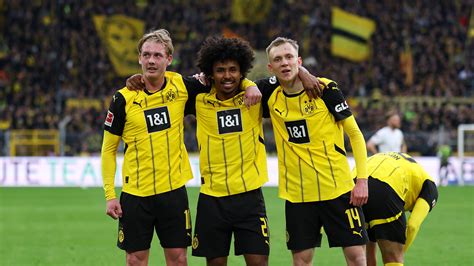
Another noteworthy figure is Julian Nagelsmann, whose time at RB Leipzig and later Bayern Munich has showcased a data-driven approach to gegenpressing. Nagelsmann uses advanced analytics to identify the optimal moments to press, often tailoring his team’s pressing triggers to exploit weaknesses in the opposition's buildup. For instance, his Leipzig teams were known to target opposition full-backs who were slow to distribute the ball, forcing errors that led to quick transitions. This analytical edge has made Nagelsmann’s gegenpressing both efficient and adaptable, a hallmark of the modern manager.
In summary, the profiles of managers like Tuchel, Guardiola, Klopp, and Nagelsmann illustrate how gegenpressing has become a versatile and dynamic system in the hands of innovative coaches. Each manager brings a unique twist to the tactic—whether it is Tuchel’s zone-focused approach, Guardiola’s possession-driven integration, Klopp’s relentless energy, or Nagelsmann’s analytical precision. These adaptations not only demonstrate the tactical depth of gegenpressing but also underscore its enduring relevance in modern football. As the game continues to evolve, it is likely that gegenpressing will remain a cornerstone of tactical innovation, shaped by the creative minds of managers who see it not as a rigid system but as a flexible tool for achieving dominance on the pitch.
Impact on Player Roles and Fitness
Gegenpressing, a high-intensity tactical approach pioneered by managers like Jürgen Klopp and Ralf Rangnick, has revolutionized modern football by emphasizing immediate pressure on the opponent after losing possession. This style of play significantly alters traditional player roles, team formations, and the physical demands placed on athletes, creating a unique dynamic that demands adaptability and peak fitness from players.
One of the most profound impacts of gegenpressing is on **player roles**. In a traditional setup, players are often assigned clear-cut positions with defined responsibilities—defenders defend, midfielders control the game, and forwards attack. However, gegenpressing blurs these lines by requiring players to take on hybrid roles. For instance, a winger in a gegenpressing system is not merely expected to attack and deliver crosses but must also act as the first line of defense when possession is lost. This dual responsibility means that wingers must possess the stamina to sprint forward and track back repeatedly within the same passage of play. Similarly, full-backs in this system are no longer just defensive anchors; they are expected to overlap in attack and recover quickly to shut down counterattacks, essentially functioning as wide midfielders in transition.
The **central midfielders** are perhaps the most affected in a gegenpressing setup. They are the engine of the system, tasked with both initiating attacks and disrupting the opponent's buildup. This dual role demands exceptional technical ability, tactical intelligence, and physical endurance. Players like N'Golo Kanté and Fabinho have thrived in such systems because they can seamlessly switch between shielding the defense and pressing high up the pitch. The box-to-box nature of their role in gegenpressing often leads to them covering more ground than in other systems, with some midfielders logging over 12 kilometers per game in elite competitions.
The **striker's role** is also redefined in gegenpressing. Instead of being a static target man or a pure goal-scorer, the striker often becomes the first point of pressure when the opposition attempts to play out from the back. This requires strikers to be not only physically robust but also positionally aware to cut passing lanes and force errors. The likes of Roberto Firmino at Liverpool exemplify this shift, where the striker's contribution is measured as much by their defensive work rate and ability to win the ball high up the pitch as by their goals.
In terms of **team formations**, gegenpressing often favors flexible and fluid setups rather than rigid structures. While 4-3-3 is a common formation associated with gegenpressing managers, the system is less about the shape on paper and more about the dynamic movement of players. For example, in a 4-3-3, the front three are expected to press as a unit, with the wingers tucking in to support the striker while the midfield trio pushes up to close space in the middle third. This fluidity often results in what appears to be a 2-3-5 or even a 3-2-5 in possession, as full-backs push high and one of the central midfielders drops deeper to facilitate ball circulation. The adaptability of formations in gegenpressing systems means that players must be comfortable operating in multiple roles within the same match, which can be mentally exhausting in addition to being physically taxing.
The **physical demands** of gegenpressing are perhaps its most defining feature. This system requires players to operate at or near their anaerobic threshold for extended periods. A typical gegenpressing sequence involves sprinting to close down an opponent, followed by a brief recovery period before the next high-intensity action. This stop-start nature of play places enormous strain on the players' cardiovascular and muscular systems. Research has shown that teams employing gegenpressing often have higher sprint and high-intensity running metrics compared to teams using more possession-based or counterattacking styles. For example, Liverpool under Klopp consistently ranks among the top teams in the Premier League for distance covered at high intensity.
However, this level of physical exertion comes at a cost. The risk of **injuries** increases due to the repetitive stress on muscles and joints. Players are more susceptible to hamstring strains, ankle ligament injuries, and fatigue-related issues like cramping. To mitigate this, gegenpressing managers often emphasize a rigorous **pre-season conditioning program** focused on building endurance, explosive power, and recovery capacity. Additionally, the use of sports science tools such as GPS trackers and heart rate monitors allows coaches to monitor player workloads and adjust training intensity to prevent overtraining.
Another critical aspect is the **mental toll** on players. Gegenpressing is not just physically exhausting but also mentally demanding. Players must constantly read the game to anticipate when to press and when to hold their position. A mistimed press can leave the team vulnerable to counterattacks, so players must maintain focus for the full 90 minutes. This mental strain is why gegenpressing managers often rotate their squads more frequently, especially during congested fixture schedules, to ensure that players are not overburdened.
The impact of gegenpressing on **youth development** is also worth noting. Young players coming through academies of clubs that employ this style are trained to handle its physical and tactical demands from an early age. This focus on high-intensity play can accelerate the development of athleticism and game intelligence but may also exclude players who lack the physical profile required for such a system. For instance, a technically gifted but slower midfielder might struggle to adapt to the relentless pressing and transition demands of gegenpressing.
The system also influences **squad composition**. Managers who employ gegenpressing often prioritize signing players with specific physical and mental attributes. Speed, agility, and a high work rate are non-negotiable traits. For example, when Klopp took over at Liverpool, he phased out players who did not fit the gegenpressing mold, such as Mario Balotelli, and brought in athletes like Sadio Mané and Mohamed Salah, who could thrive in the system. This focus on physical attributes can sometimes come at the expense of technical nuance, but the trade-off is a team that can dominate games through sheer intensity.
In conclusion, gegenpressing reshapes the traditional understanding of player roles, demanding versatility and adaptability from athletes. It redefines team formations into dynamic, fluid systems that prioritize collective movement over static positioning. The physical toll on players is immense, requiring not just fitness but also a scientific approach to training and recovery. While gegenpressing has its challenges—such as increased injury risk and mental fatigue—its effectiveness in dominating games and creating high-tempo football has made it a cornerstone of modern tactical philosophy. Managers who embrace this style must carefully balance the rewards of its intensity with the need to protect player well-being and long-term performance.
Data-Driven Analysis of Gegenpressing Success
Gegenpressing, a high-intensity tactical approach pioneered by managers like Jürgen Klopp and Ralf Rangnick, has become one of the most influential strategies in modern football. Its core premise is to win the ball back immediately after losing possession, often in the opponent's half, to exploit disorganized defenses. However, the effectiveness of gegenpressing is not merely anecdotal or aesthetic—it can be quantified through **performance metrics** such as expected goals (xG), pressing intensity, and other advanced statistics. This section delves into how these metrics provide a data-driven lens to assess the success of gegenpressing strategies.
One of the primary indicators of gegenpressing success is **pressing intensity**, often measured as the number of pressures applied in specific zones of the pitch, particularly in the attacking third. Tools like **FBref** and **Wyscout** provide detailed data on pressing actions per minute, which can be used to benchmark teams employing gegenpressing against those with more passive defensive setups. For instance, Liverpool under Klopp in their 2019-20 Premier League-winning season averaged over 180 pressures in the middle and attacking thirds per game. This figure was significantly higher than teams employing low-block strategies, such as José Mourinho's Tottenham during the same period. High pressing intensity correlates with a greater likelihood of regaining possession in advanced areas, which directly impacts a team's ability to generate high xG opportunities.
The relationship between gegenpressing and **expected goals (xG)** is particularly compelling. Teams that gegenpress effectively often create high-quality chances because they force turnovers in areas where the opponent is ill-prepared to defend. A key metric to evaluate this is **xG from turnovers**, which measures the quality of chances created within a short time frame after a successful press. Teams like Manchester City under Pep Guardiola, who incorporate gegenpressing elements in their positional play, have shown that regaining the ball within 5 seconds of losing it increases the probability of a shot with an xG value above 0.2. This demonstrates how gegenpressing not only disrupts the opponent but also creates a direct pathway to goal-scoring opportunities.
Another critical aspect of gegenpressing effectiveness is its impact on **defensive solidity**. While gegenpressing is inherently aggressive, its success is not solely measured by offensive output. Teams that press well often reduce the opposition's xG by denying them time and space to build attacks. For example, data from the 2022-23 Bundesliga season shows that Borussia Dortmund, under Edin Terzić, allowed only 0.9 xG per game in matches where their pressing intensity exceeded 200 actions in the middle third. This suggests that gegenpressing can act as a form of proactive defense, reducing the need for reactive clearances or last-ditch tackles in the defensive third. However, this comes with a caveat: teams must maintain **defensive cohesion** to avoid being exposed during transitions if the press is bypassed. This is where the role of player fitness and tactical discipline becomes crucial.
The role of **player fitness and physical output** cannot be overstated when analyzing gegenpressing success. Gegenpressing requires players to cover significant ground at high intensity, often engaging in sprints to close down opponents. Metrics such as **distance covered**, **high-intensity sprints**, and **recoveries per 90 minutes** provide insights into whether a team has the physical capacity to sustain gegenpressing over 90 minutes. For example, Leeds United under Marcelo Bielsa were renowned for their relentless pressing, but their high injury rates and drop-off in performance during the latter stages of games highlighted the physical toll of gegenpressing without adequate squad depth. This underscores the need for managers to balance pressing intensity with squad rotation and conditioning programs tailored to the demands of this style of play.
An often-overlooked dimension of gegenpressing success is its **variability across leagues and contexts**. While pressing metrics might suggest gegenpressing is universally effective, contextual factors such as **opposition style**, **pitch conditions**, and **weather** can influence its impact. For instance, in leagues like Serie A, where many teams adopt low-block, defensively compact systems, gegenpressing managers often face challenges in breaking down opponents who prioritize ball retention over expansive play. In contrast, the Premier League's faster pace and higher average number of transitions per game make it a more conducive environment for gegenpressing to thrive. Data from Opta shows that gegenpressing teams in the Premier League have a higher rate of successful high turnovers (defined as regains in the final third leading to a shot within 20 seconds) compared to Serie A teams employing similar strategies.
Another layer of analysis involves the **synergy between gegenpressing and squad composition**. Not all players are suited to the physical and tactical demands of gegenpressing. Managers like Thomas Tuchel have adapted the gegenpressing framework by incorporating hybrid systems where only specific phases of play involve intense pressing. This adaptability is supported by data showing that teams with a mix of high-pressing forwards (e.g., Sadio Mané, Luis Díaz) and ball-playing defenders (e.g., Virgil van Dijk) can achieve a balanced gegenpressing approach. The use of **passing lane disruption metrics**—such as the number of passes blocked or intercepted in the middle third—reveals how gegenpressing can be tailored to suit the strengths of individual players while maintaining its core principles.
A deeper dive into **game-state dynamics** also sheds light on the situational effectiveness of gegenpressing. Teams often adjust their pressing intensity based on whether they are leading, drawing, or trailing. For example, data from the 2021-22 Champions League shows that gegenpressing teams like Bayern Munich increase their pressing intensity by over 25% when trailing compared to when leading comfortably. This adaptive approach reflects how gegenpressing can be both a proactive and reactive tool, depending on the game state. However, over-reliance on gegenpressing when trailing can lead to **defensive vulnerabilities**, as players may overextend themselves and leave spaces for counterattacks.
Finally, the **long-term sustainability** of gegenpressing strategies warrants scrutiny. While gegenpressing can deliver short-term success, its effectiveness over multiple seasons depends on how well managers evolve their systems to account for player fatigue, opponent adaptation, and changing tactical trends. For instance, Klopp's Liverpool initially thrived on gegenpressing but later incorporated more possession-based elements to reduce the physical strain on players. This evolution is evident in their xG trends, which show a gradual increase in build-up play xG (from sustained possession) alongside high-turnover xG.
In conclusion, the success of gegenpressing can be rigorously analyzed through performance metrics like xG, pressing intensity, and defensive solidity. While the strategy has proven highly effective in creating goal-scoring opportunities and disrupting opponents, its implementation requires careful consideration of squad fitness, contextual factors, and long-term adaptability. Managers who can balance the intensity of gegenpressing with tactical flexibility and player management are more likely to sustain its benefits over time. This data-driven perspective not only highlights the measurable impact of gegenpressing but also underscores the nuanced interplay between strategy, execution, and adaptation in modern football.
Criticisms and Limitations of Gegenpressing
Gegenpressing, a tactical approach pioneered and popularized by managers like Jürgen Klopp and Ralf Rangnick, has been lauded for its high-energy, aggressive style that seeks to win the ball back immediately after losing possession. While gegenpressing has revolutionized modern football and delivered significant success to teams that employ it, the strategy is not without its criticisms and limitations. A closer examination of these reveals that gegenpressing, while effective in certain contexts, can present challenges that managers and teams must navigate carefully.
One of the most frequently cited criticisms of gegenpressing is the burnout risk associated with its demanding physical and mental requirements. Gegenpressing relies on players maintaining an extraordinarily high work rate throughout the match, constantly pressing opponents in their own half and transitioning quickly between defense and attack. This intensity places immense strain on players' physical conditioning. Elite athletes can sustain this level of effort for short bursts or even entire seasons when managed well, but the risk of physical fatigue and injury becomes pronounced over time. Players subjected to gegenpressing systems often experience higher rates of soft tissue injuries, such as hamstring strains, due to the explosive sprints and rapid decelerations required. For example, Liverpool under Klopp in the 2020-2021 season saw a spate of injuries to key players like Virgil van Dijk and Joe Gomez, partly attributed to the cumulative toll of high-intensity play combined with a congested fixture schedule.
Additionally, the physical demands of gegenpressing can lead to mental fatigue among players. The constant need for focus, quick decision-making, and synchronized movement can exhaust players mentally, particularly during long seasons or in scenarios where the team faces frequent high-stakes matches. This mental toll can result in lapses in concentration, which are particularly costly in a system that thrives on precision and cohesion. A gegenpressing team that is mentally drained may fail to execute the system effectively, leaving gaps in defense that opponents can exploit. This was evident in teams like Borussia Dortmund during Klopp's later years, where the physical and mental exhaustion of players contributed to a decline in performance.

Another limitation of gegenpressing lies in its ineffectiveness against certain tactical setups. While gegenpressing excels against teams that aim to play possession-based football or build from the back, it can struggle against opponents who adopt a low block or counterattacking strategy. Teams that sit deep and deny space in their defensive third can neutralize the effectiveness of gegenpressing. Without space to press into, gegenpressing teams often find themselves chasing shadows, expending energy without achieving the intended outcome of regaining possession. This was evident in matches where Liverpool or other gegenpressing teams faced well-organized, defensively compact sides like Atlético Madrid or Burnley. These teams not only resisted the press but also capitalized on the spaces left behind when gegenpressing players committed too aggressively.
Gegenpressing can also be less effective in scenarios where the quality of the opposition exceeds that of the pressing team. Top-tier opponents with technically gifted players can bypass the press through precise passing, positional awareness, and individual skill. For instance, Manchester City under Pep Guardiola has often demonstrated how a well-drilled team with superior technical ability can retain possession under pressure and exploit the vulnerabilities of a gegenpressing system. In these cases, gegenpressing can become a double-edged sword, as the aggressive pursuit of the ball can leave the pressing team exposed to quick counterattacks. This was seen in high-profile matches where Liverpool or other gegenpressing teams were punished for overcommitting players in their attempts to win the ball back.
Another criticism of gegenpressing is its dependency on squad depth and player profiles. Not all squads are built to sustain the gegenpressing style over an extended period. The system requires players with specific physical and technical attributes—high stamina, quick recovery, excellent decision-making under pressure, and the ability to execute precise tackles and passes in tight spaces. Teams with limited squad depth or players who lack these attributes may struggle to implement gegenpressing consistently. For instance, smaller clubs attempting to replicate gegenpressing often find themselves unable to rotate players effectively, leading to diminished performance as the season progresses. This limitation is particularly evident in leagues with lower financial resources, where squads cannot afford the luxury of specialized gegenpressing-ready players across multiple positions.
There is also the question of long-term sustainability of gegenpressing as a philosophy. While gegenpressing can deliver short-term success, its long-term viability depends on a manager's ability to evolve the system. Opponents can study and adapt to gegenpressing over time, developing counter-strategies that exploit its predictability. For example, teams may deliberately play long balls to bypass the initial wave of pressing or target the spaces left by fullbacks who are positioned higher up the pitch. Managers like Klopp have had to tweak their gegenpressing approach to include more positional play and controlled possession phases to address these challenges. However, this evolution can dilute the purity of gegenpressing and potentially alienate fans or stakeholders who associate the manager's identity with this specific style.
Gegenpressing also faces contextual limitations based on league dynamics. While the system has proven highly effective in competitions like the Premier League, where the pace and physicality align well with gegenpressing principles, it may not translate as effectively in leagues with different playing styles. For instance, in leagues where referees are more lenient with physical challenges or where the overall tempo is slower, gegenpressing can appear overly aggressive or even counterproductive. Teams in such environments may find it harder to sustain the gegenpressing ethos without running afoul of referees or exhausting players unnecessarily.
Finally, gegenpressing can be vulnerable to tactical innovations from opposing managers. Football is a constantly evolving sport, and neue gegenpressing-resistant systems are emerging. For example, some managers have experimented with hybrid systems that blend elements of positional play and direct football to exploit the weaknesses of gegenpressing. These adaptations force gegenpressing managers to continually innovate, which can be a challenge for those deeply wedded to the philosophy. A failure to adapt can result in a team being "found out" tactically, as seen in moments when gegenpressing teams experience slumps in form against tactically flexible opponents.
In summary, while gegenpressing has redefined modern football tactics and brought success to many teams, it is not a one-size-fits-all solution. Its risks of burnout, ineffectiveness against certain opponents, and reliance on specific player profiles and contexts highlight the need for managers to approach the system with nuance and adaptability. As the football landscape continues to evolve, gegenpressing may need to be supplemented or modified to remain a viable and dominant strategy in the long term.
Gegenpressing in Different Leagues
Gegenpressing, a tactical approach pioneered by managers like Jürgen Klopp and Ralf Rangnick, is a high-intensity strategy that focuses on winning the ball back immediately after losing possession. Its adaptability to different football leagues is a fascinating study in how tactical systems interact with the cultural, physical, and stylistic nuances of various competitions. While gegenpressing has become a hallmark of modern football, its implementation and success vary significantly depending on the league in which it is employed.
In the English Premier League, gegenpressing has found a natural home due to the league's pace and physicality. The Premier League is known for its end-to-end matches, where teams often prioritize direct play and transitions. Managers like Klopp at Liverpool have successfully adapted gegenpressing to this environment by emphasizing fitness and squad rotation. The league's high tempo suits gegenpressing because players are accustomed to covering large distances at speed. However, the intensity of the Premier League also poses challenges. Teams often face fixture congestion, and gegenpressing requires players to operate at peak physical condition for extended periods. This has led to some managers, such as Thomas Tuchel during his tenure at Chelsea, occasionally tempering the approach to prioritize possession and conserve energy in certain matches.
In contrast, the Spanish La Liga offers a different playing field for gegenpressing. The league is traditionally associated with a more technical and possession-oriented style of play, epitomized by teams like Barcelona and Real Madrid. Gegenpressing in La Liga often requires a nuanced approach because Spanish teams are adept at maintaining possession and can exploit the high defensive line that gegenpressing teams typically employ. Managers like Diego Simeone at Atlético Madrid have occasionally integrated gegenpressing elements but balance it with a more conservative defensive structure to avoid being exposed in transition. This hybrid approach allows teams to press aggressively in specific zones, such as the midfield, while maintaining a disciplined backline. The slower pace of La Liga compared to the Premier League also means that gegenpressing can be more selective, focusing on moments rather than a constant high press.
The Italian Serie A presents yet another challenge for gegenpressing managers. Historically, Serie A has been associated with tactical discipline and a focus on low-scoring, defensively solid matches. Teams in Serie A are often well-organized and capable of neutralizing high-pressing systems through compact defensive structures. However, the rise of managers like Atalanta's Gian Piero Gasperini has shown that gegenpressing can thrive in Italy when adapted to the league's rhythm. Gasperini’s Atalanta is a prime example of how gegenpressing can be blended with positional play to disrupt opponents without overexposing the team defensively. The slower pace of Serie A compared to other top leagues allows for gegenpressing to be used as a surprise tactic rather than a default system, as teams are less accustomed to facing such high-intensity play week in and week out.
In the German Bundesliga, gegenpressing is perhaps most at home. The league’s roots in high-energy, attack-oriented football align closely with the principles of gegenpressing. Managers like Klopp at Borussia Dortmund and later Julian Nagelsmann at RB Leipzig have used gegenpressing as a foundational tactic. The Bundesliga’s emphasis on youth development and physical conditioning makes it easier for teams to sustain the energy levels required for gegenpressing. Additionally, the league’s relatively open style of play—with fewer ultra-defensive teams compared to Serie A or even Ligue 1—allows gegenpressing to flourish. However, the dominance of Bayern Munich, which often controls possession and dictates the tempo, has forced gegenpressing managers in the Bundesliga to find ways to press effectively even against teams that prioritize ball retention.
The French Ligue 1 is an interesting case study for gegenpressing because of the league's mix of high-profile teams like Paris Saint-Germain and smaller clubs with limited resources. Ligue 1 often features teams that prioritize physicality and athleticism, which can make gegenpressing effective. However, the league’s diversity in playing styles—ranging from possession-heavy PSG to more direct, counterattacking teams—requires gegenpressing managers to be flexible. For instance, managers like Christophe Galtier, who implemented gegenpressing at Lille and later at PSG, had to tailor the system to suit squads with varying levels of technical and physical ability. In Ligue 1, gegenpressing is often used as a tool to disrupt opponents' buildup rather than a constant feature of play, as the physical toll of the system can be challenging for squads with less depth.
The rest of the world, including leagues like the Brazilian Série A or the Dutch Eredivisie, provides further insight into how gegenpressing adapts to different footballing cultures. In Brazil, where the game often emphasizes individual skill and flair, gegenpressing can struggle due to the slower pace and less structured defensive setups of many teams. However, managers like Jorge Jesus during his time at Flamengo showed that gegenpressing can work when combined with a focus on technical proficiency and quick transitions. In the Eredivisie, known for its emphasis on youth and attacking football, gegenpressing is more readily adopted. Teams like Ajax have used gegenpressing as part of their DNA, integrating it with their focus on possession and technical development. The Eredivisie's less physically demanding schedule compared to the Premier League or Bundesliga allows teams to maintain the energy levels required for gegenpressing over a season.
One of the key takeaways from studying gegenpressing across leagues is that its success is highly dependent on the contextual factors of each competition. These include the physical attributes of players, the tactical awareness of opponents, and even the cultural expectations of fans and media. For instance, in leagues where fans value entertainment and attacking football, like the Premier League or Bundesliga, gegenpressing is often celebrated. In contrast, in more conservative leagues like Serie A, it can be viewed as a risky or even reckless approach if not executed with precision.
Another insight is the role of player recruitment and development in adapting gegenpressing to different leagues. Managers in leagues with less financial resources, such as Ligue 1 or the Eredivisie, often rely on young, athletic players who can be molded into the high-intensity system. In contrast, top-tier leagues like the Premier League and La Liga allow for more investment in players who are already suited to gegenpressing, such as those with high work rates and technical skills.
In conclusion, gegenpressing is not a one-size-fits-all tactic. Its effectiveness in different leagues depends on how managers tailor the system to the unique characteristics of the competition. Whether it is the physical battles of the Premier League, the technical chess of La Liga, or the tactical discipline of Serie A, gegenpressing must be adapted to fit the league's pace, style, and cultural expectations. This adaptability is what makes gegenpressing both a universal and deeply localized tactical phenomenon in modern football.
The Future of Gegenpressing
The future of gegenpressing is poised to be shaped by the intersection of technological advancements, evolving player training methodologies, and the emergence of new managerial philosophies. This high-intensity, proactive style of play, pioneered by managers like Jürgen Klopp and Ralf Rangnick, has already undergone significant adaptation since its inception. However, as football continues to modernize, gegenpressing must evolve to remain effective and relevant in an increasingly data-driven and physically demanding sport.
One of the most significant factors influencing the evolution of gegenpressing is the role of **advanced analytics**. Today, teams have access to granular data provided by tools like GPS tracking, player load monitoring, and machine learning algorithms that can predict player fatigue and performance patterns. These tools allow coaches to tailor gegenpressing strategies to the specific physical capabilities of their squads. For instance, instead of adopting a one-size-fits-all approach to high pressing, future gegenpressing managers might use real-time data to dynamically adjust their pressing triggers. A team could deploy **context-sensitive pressing**, where the intensity of the press is modulated based on the opposition's buildup patterns, the time left in the match, or even the physical state of key players. This shift would move gegenpressing from being a purely instinctive system to one that is more **algorithmically informed**.
Moreover, the integration of **wearable technology** in training and matches will offer managers deeper insights into how players recover from the physical demands of gegenpressing. Traditionally, gegenpressing has been associated with high energy expenditure and a risk of burnout, particularly over the course of a long season. With wearable devices tracking metrics such as heart rate variability, sprint distance, and recovery times, managers can design training programs that simulate the physical toll of gegenpressing without overloading players. This could lead to the development of **"micro-cycles" of pressing intensity**, where teams alternate between high-press games and more conservative tactical setups to preserve energy. Such a strategy would not only enhance player longevity but also make gegenpressing more sustainable over a 50+ game season.
Another area of evolution lies in **positional play and zonal adaptations**. While gegenpressing has traditionally emphasized man-marking and immediate counter-pressing after losing the ball, future iterations might incorporate more **zonal pressing systems** informed by spatial analytics. Managers could use heat maps and passing network diagrams to identify the most effective areas to apply pressure. For example, instead of focusing on winning the ball back in the opponent's defensive third, gegenpressing might prioritize disrupting central buildup play in the middle third, where turnovers are statistically more likely to lead to high-value scoring opportunities. This zonal focus would require players to develop a more nuanced understanding of space and positioning, which could be taught through **virtual reality (VR) training simulations** that allow players to rehearse pressing scenarios in a controlled environment.
The role of **new managerial philosophies** will also play a pivotal role in gegenpressing's future. As younger coaches influenced by gegenpressing take the helm, they are likely to blend its principles with other tactical systems. For instance, the rise of **positional play ("juego de posicion")**, popularized by managers like Pep Guardiola, emphasizes structured ball retention and patient buildup. A hybrid approach could see teams using gegenpressing not just as a reactive mechanism but as a way to **regain possession in specific zones to launch positional attacks**. This would require a rethinking of how gegenpressing is integrated into the overall game model. Managers might experiment with **"progressive gegenpressing"**, where the aim is not just to win the ball back quickly but to win it in areas that immediately set up vertical attacks, bypassing defensive lines entirely.
Another intriguing possibility is the influence of **artificial intelligence (AI) in match preparation**. AI tools are already being used to analyze opponents' tendencies and predict their likely strategies. In the context of gegenpressing, AI could help managers identify patterns in how opponents attempt to escape the press—whether through long balls, quick lateral passes, or targeted dribbling. Armed with this knowledge, managers could pre-program their teams to adapt their pressing triggers mid-game. For example, if the AI detects that an opponent frequently uses a specific player as an outlet under pressure, the gegenpressing team could assign a "shadow marker" to neutralize that outlet while maintaining the overall structure of the press. This level of tactical flexibility would make gegenpressing less predictable and harder to counter.
Training methodologies are also set to evolve in ways that support gegenpressing's future. The traditional focus on physical conditioning will likely be complemented by an increased emphasis on **cognitive training**. Gegenpressing is as much a mental game as it is a physical one—players must make split-second decisions about when to press, when to hold, and how to coordinate with teammates. Advances in **neurotraining tools**, such as reaction-time drills and decision-making simulators, could help players develop the mental sharpness required for gegenpressing at elite levels. This would allow teams to sustain the intensity of their press even in high-stakes moments, such as late in a match or during Champions League knockout ties.
Additionally, the growing trend of **squad versatility** could reshape how gegenpressing is deployed. Modern squads are increasingly composed of players who can operate in multiple positions and systems. This flexibility could enable managers to switch between gegenpressing and other systems—such as a low block or a mid-block—without losing cohesion. For example, a team might start a match with a high press but transition to a more conservative approach if they take an early lead, using players who are comfortable shifting roles on the fly. This adaptability would make gegenpressing less of a rigid identity and more of a **tactical tool in a broader arsenal**.
Finally, the future of gegenpressing will also depend on how it adapts to **opposition countermeasures**. As gegenpressing has become more widespread, teams have developed ways to neutralize it, such as employing a low block, using quick vertical passes to bypass the press, or targeting weak links in the pressing structure. Managers of the future will need to anticipate these countermeasures and innovate. This might involve **rotational pressing**, where players interchange roles mid-press to confuse opponents, or even **asymmetric pressing formations** that target specific areas of the pitch while leaving others less aggressively covered. Such innovations would require not only tactical creativity but also a deep understanding of how gegenpressing interacts with other systems in the modern game.
In conclusion, the future of gegenpressing lies in its ability to adapt to a rapidly changing football landscape. By leveraging analytics, wearable technology, AI, and new training paradigms, managers can refine gegenpressing into a more nuanced, sustainable, and flexible system. While its core philosophy of intensity and proactivity will remain, the way it is implemented and integrated into broader game models will continue to evolve. Gegenpressing is not just a tactic—it is a philosophy that will persist as long as football rewards teams that can outthink and outwork their opponents.