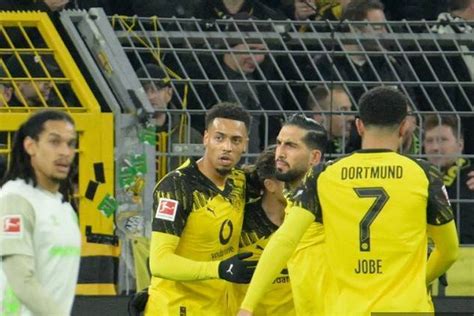
Introduction to the German Supercup
The German Supercup is a prestigious annual football competition in Germany that serves as a curtain-raiser to the new Bundesliga season. It pits the winner of the previous Bundesliga season against the winner of the DFB-Pokal (German Cup) in a one-off match. If the same team wins both the Bundesliga and the DFB-Pokal, the Supercup matchup features the Bundesliga champion and the runner-up of the DFB-Pokal. This competition is not only a spectacle for fans but also a significant event in the football calendar, blending tradition, competition, and the commercial appeal of the sport. Its roots and evolution provide a fascinating lens through which to understand its role in German football and beyond.
The Supercup was first introduced in 1987 as a means to create an additional high-profile event that would bridge the gap between the end of one season and the start of another. Unlike league competitions or knockout tournaments that span months, the Supercup is a single match, making it a concentrated display of skill, strategy, and rivalry. Its purpose is multifaceted: it offers teams a chance to test their form and tactics ahead of the Bundesliga season, provides fans with an early taste of competitive football, and generates media buzz that benefits both clubs and the German Football Association (DFB). While the Supercup may not carry the weight of a league title or a European competition, its symbolic importance lies in its ability to set the tone for the year ahead and offer bragging rights to the victor.
Historically, the German Supercup has undergone several transformations. Initially, it was not considered a formal part of the DFB’s competitions and was organized sporadically. For instance, between 1997 and 2008, the competition was not held due to scheduling conflicts and a lack of commercial interest. However, its revival in 2010 marked a new era, with the DFB officially reintroducing it as a permanent fixture. This resurgence was partly driven by the growing global popularity of football and the need for German football to maintain its competitive edge in the European landscape. The Supercup’s return also coincided with a period of dominance by Bayern Munich, which has used the competition as a springboard for its domestic and international campaigns. Bayern’s frequent appearances and victories in the Supercup have solidified its status as a barometer of the team’s readiness for the season.
From a football history perspective, the German Supercup occupies a unique niche. Unlike the DFB-Pokal, which has a long-standing tradition dating back to 1935, or the Bundesliga, established in 1963, the Supercup is a relatively modern addition. However, its role as a "clash of champions" mirrors similar competitions in other footballing nations, such as the FA Community Shield in England or the Supercoppa Italiana in Italy. These matches share a common purpose: to celebrate the achievements of the previous season while offering a competitive edge to kick off the new one. Yet, the German Supercup stands out for its often high-scoring and dramatic matches, which are a testament to the attacking football ethos prevalent in the Bundesliga.
One of the most intriguing aspects of the Supercup is its ability to highlight emerging narratives in German football. For instance, matches between traditional powerhouses like Bayern Munich and borussia dortmund often serve as microcosms of the broader rivalry between the two clubs. These games are not just about the silverware but also about psychological warfare—proving dominance before the league season even begins. On the other hand, when a smaller club, such as a DFB-Pokal winner that is not a Bundesliga giant, participates, the Supercup offers them a platform to challenge the elite. This dynamic adds a layer of unpredictability and excitement, as these underdog teams often approach the match with nothing to lose and everything to gain.
The competition’s place in football history is also tied to its commercial and cultural significance. Over the years, the German Supercup has become a valuable property for broadcasters and sponsors. The match is often televised internationally, drawing attention from fans outside Germany who are eager to see top-tier players in action after the off-season. This global reach underscores how the Supercup contributes to the Bundesliga’s brand as one of Europe’s most entertaining and high-quality leagues. Additionally, the match serves as a testing ground for new technologies and innovations, such as VAR (Video Assistant Referee) systems or experimental rule changes, which are sometimes trialed in this high-profile setting before being implemented more broadly.
Another unique feature of the Supercup is its venue. Unlike league matches that are tied to specific home stadiums, the Supercup is often hosted in neutral venues or at stadiums that do not regularly host Bundesliga games. This approach allows fans from different regions of Germany to experience top-level football firsthand, fostering a sense of inclusivity and community. For instance, matches have been held in cities like Dortmund, Frankfurt, and Munich, giving local supporters a chance to witness their heroes in action without the need for extensive travel. This regional rotation also aligns with the DFB’s broader goal of promoting football across Germany rather than concentrating its appeal in a few major cities.
The German Supercup’s evolution also reflects broader trends in modern football. In recent years, there has been a growing emphasis on the commercialization of the sport, and the Supercup is no exception. Sponsorship deals, ticket sales, and television rights have turned this once-informal match into a significant revenue generator. However, this commercial focus has also sparked debates about whether such competitions dilute the purity of the sport. Critics argue that the Supercup is more of a marketing exercise than a true test of footballing merit. Proponents, however, counter that it provides a valuable opportunity for teams to engage with fans and experiment with lineups in a low-stakes yet competitive environment.
In summary, the German Supercup is more than just a pre-season match; it is a blend of tradition, competition, and innovation. It serves as a bridge between seasons, a stage for rivalries to play out, and a celebration of German football's enduring appeal. Its history reveals how it has adapted to the changing landscape of the sport, from its early days as a sporadic event to its current status as a key fixture in the football calendar. Whether viewed as a battle for early-season dominance or a commercial spectacle, the Supercup remains a vital component of the German football ecosystem, embodying the sport's ability to evolve while staying rooted in its core values.
Historical Origins and Evolution
The **German Supercup**, known in its current iteration as the DFL-Supercup, is a football competition that pits the winners of the Bundesliga against the victors of the DFB-Pokal in a one-off match. Its **historical origins** and evolution provide a fascinating lens through which to understand the intersection of German football culture, commercial interests, and the broader development of European football traditions. To fully grasp its significance, we must explore its inception, key turning points, and how the tournament has adapted to the changing landscape of the sport.
The **inception of the German Supercup** can be traced back to 1987, though its roots lie in a broader European trend of introducing supercup competitions to celebrate and showcase the achievements of domestic champions. The idea of a supercup—a contest between the league champion and the cup winner—was not unique to Germany. Similar formats existed in countries like Italy (Supercoppa Italiana) and France (Trophée des Champions). However, Germany’s approach was shaped by the distinctive dynamics of its football hierarchy and the desire to add a competitive edge to preseason football.
The first edition of the Supercup was organized by the **Deutscher Fußball-Bund (DFB)** and featured **Bayern Munich**, the Bundesliga champions of the 1986-87 season, against **Hamburger SV**, the DFB-Pokal winners. This inaugural match, held on June 16, 1987, saw Bayern Munich emerge as the winner with a 2-1 victory. This event was not merely a celebration of the previous season's achievements but also a strategic move to create a high-profile event that could generate excitement before the regular season commenced. The format was simple: a single match, often hosted at a neutral venue or at the home ground of one of the participating teams, with the intention of drawing fans and media attention.
During its early years, the **tournament faced challenges in establishing itself as a permanent fixture** in the German football calendar. Between 1987 and 1996, the Supercup was held annually, but its status was somewhat fluid. Unlike the Bundesliga or DFB-Pokal, which had clear sporting and historical weight, the Supercup was perceived by some as a less critical competition. This perception was amplified by the fact that it was not always contested when the same team won both the Bundesliga and the DFB-Pokal in a given season—a scenario that led to the cup runner-up being invited to participate instead. For instance, in 1990, **1. FC Kaiserslautern**, the DFB-Pokal runners-up, faced Bayern Munich because Die Roten had achieved the domestic double.
The **1990s marked a period of flux for the Supercup**, with its format and relevance being questioned. There were years when the competition was not held due to scheduling conflicts or a lack of consensus on its importance. However, by the mid-to-late 1990s, the tournament began to gain traction as part of the broader commercialization of football. This period coincided with the rise of **television rights deals** and the growing influence of sponsorships in European football. The Supercup, while still a preseason event, became a valuable platform for clubs to showcase new signings and test their squads in a competitive environment. It also provided the DFB with an opportunity to experiment with matchday experiences, including new broadcast technologies and fan engagement initiatives.
A **key milestone in the tournament's evolution** occurred in 2010 when the **Deutsche Fußball Liga (DFL)** took over the organization of the Supercup from the DFB. This shift signaled a more professionalized approach to the competition. Under the DFL's stewardship, the Supercup was rebranded as the **DFL-Supercup**, emphasizing its alignment with the professional league structure. The DFL introduced a more formalized framework, including consistent scheduling, improved marketing, and higher financial incentives for participating clubs. This period also saw a renewed focus on making the Supercup a high-profile event that could rival similar competitions in other European leagues.
The **2010s and 2020s have seen the German Supercup evolve into a marquee event** in the football calendar. One of the most significant changes during this time has been the increased global viewership of the competition. With the Bundesliga’s growing international appeal—driven by star players like Robert Lewandowski, Jürgen Klopp’s Borussia Dortmund era, and Bayern Munich’s dominance—the Supercup became a showcase for German football on the world stage. Matches were broadcast in multiple languages, and the DFL leveraged digital platforms to reach fans beyond Germany. This globalization of the Supercup mirrored trends seen in other supercup competitions, such as the UEFA Super Cup, which similarly expanded its reach through digital and broadcast innovation.
Another **notable evolution has been the increasing competitiveness of the matches**. While earlier editions were sometimes seen as friendly-like encounters with experimental lineups, the modern Supercup has become a fiercely contested battle. Teams now approach the competition with a desire to set the tone for the upcoming season. For example, the 2012 Supercup between Borussia Dortmund and Bayern Munich—a clash of two titans during a golden era of German football—was a thrilling 2-1 victory for Dortmund. This match exemplified how the Supercup could serve as a psychological battleground, particularly when the same teams were vying for supremacy in the Bundesliga and European competitions.
The **tournament has also been shaped by key milestones related to its participants**. Bayern Munich has been the most successful team in the history of the Supercup, having won the title multiple times. Their dominance reflects not only their league and cup successes but also their ability to consistently outperform rivals in one-off matches. However, teams like Borussia Dortmund and Werder Bremen have also left their mark, with memorable victories that underscore the unpredictability of the format. The 2014 Supercup, for instance, saw Dortmund thrash Bayern 2-0 in a match that highlighted the tactical acumen of Jürgen Klopp against Pep Guardiola.
From a **cultural perspective**, the Supercup has also played a role in reinforcing the identity of German football. Unlike some other supercup competitions, which are often seen as glorified friendlies, the German Supercup has managed to retain a sense of **competitive legitimacy**. This is partly due to the high stakes involved—winning the Supercup is seen as a psychological advantage heading into the Bundesliga season. Additionally, the tournament has become a symbol of the **continuity and innovation** within German football, where tradition meets modern commercial imperatives.
In terms of **organizational milestones**, the DFL has introduced several innovations to enhance the Supercup experience. For instance, the use of **video assistant referee (VAR) technology** was trialed in Supercup matches before being fully integrated into Bundesliga fixtures. This willingness to experiment with new technologies has positioned the Supercup as a testing ground for innovations that later find their way into regular league play.
Looking ahead, the **future of the German Supercup** will likely be influenced by the ongoing evolution of football as a global entertainment product. As the DFL seeks to further monetize the competition and expand its reach, we may see more experimentation with venues (potentially hosting matches abroad, as seen in other European supercups) or even changes to the format to include additional teams. However, the essence of the Supercup—a celebration of domestic success and a curtain-raiser for the new season—remains intact.
- The tournament began in 1987 as a direct response to European trends in supercup competitions.
- It faced early challenges in establishing its identity but gained stability under the DFL in 2010.
- The Supercup has become a platform for showcasing German football's global appeal and technological innovation.
- Key matches, such as Dortmund vs. Bayern showdowns, have elevated its status as a competitive event.
In conclusion, the **historical origins and evolution of the German Supercup** reveal a tournament that has grown from a modest preseason event into a significant fixture in the German football landscape. Its journey reflects broader trends in the sport, including the commercialization of football, the globalization of domestic leagues, and the quest for innovation. While its format and purpose have evolved, the Supercup remains a compelling blend of tradition and modernity, offering fans a thrilling preview of the battles to come in the Bundesliga season.
Format and Structure of the Tournament
The German Supercup is an annual football competition that serves as a curtain-raiser to the Bundesliga season, pitting the winners of the previous season's Bundesliga against the winners of the DFB-Pokal. In cases where the same team wins both titles, the Bundesliga runner-up is invited to participate. This tournament is not only a celebration of the prior season's achievements but also an opportunity for teams to test their mettle in a high-stakes, one-off match before the rigors of the league campaign begin. The format and structure of the tournament are designed to maximize excitement and showcase the best of German football in a compact, high-profile event.
The participant selection criteria for the German Supercup are straightforward but nuanced. The primary determinant is the outcome of the previous season's domestic competitions. The winner of the Bundesliga, Germany's top-tier league, is automatically qualified as one of the participants. This team represents the pinnacle of consistent performance over a grueling 34-match season. The second participant is the winner of the DFB-Pokal, Germany's premier knockout cup competition. This team often embodies the drama and unpredictability of cup football, where lower-ranked teams occasionally upset giants to claim the trophy. However, a unique aspect of the Supercup's structure arises when a single team secures both titles—a scenario that has occurred multiple times in recent years, particularly with dominant sides like Bayern Munich. In such cases, the Bundesliga runner-up is invited as the second participant. This ensures the competition remains a clash of top-tier teams, maintaining its prestige and competitive edge.
The rules of the German Supercup are aligned with standard football regulations but include specific provisions tailored to its one-off nature. The match is played over 90 minutes, divided into two halves of 45 minutes each. If the score is level at the end of regulation time, the match proceeds directly to a penalty shootout without the inclusion of extra time. This rule is designed to ensure the event concludes within a manageable timeframe, considering its placement as a prelude to the season. Additionally, the competition adheres to FIFA rules for substitutions, allowing teams to make up to five substitutions across three windows (excluding halftime substitutions). This flexibility acknowledges the early-season fitness levels of players and provides managers with the opportunity to experiment with squad depth.
The organization of matches in the German Supercup is distinct compared to multi-round tournaments. As a single-match event, it is hosted at a pre-determined venue, often alternating between the home stadiums of the participating teams or a neutral location. The choice of venue is influenced by logistical considerations, fan accessibility, and the desire to promote football in different regions of Germany. For instance, if Bayern Munich faces Borussia Dortmund, the match might be hosted at the Allianz Arena or Signal Iduna Park to capitalize on the intense rivalry and ensure a packed stadium. In recent years, there has been some exploration of hosting the Supercup in international venues to expand the competition's global appeal, though this remains a controversial topic among traditionalists who view the event as a distinctly German spectacle.
One of the most intriguing aspects of the Supercup's structure is its timing. Scheduled in late July or early August, the tournament serves as a bridge between pre-season friendlies and the competitive season. This timing presents unique challenges for teams. Players returning from international tournaments or extended breaks may not yet be in peak physical condition, while new signings are often still integrating into their squads. This dynamic can lead to unpredictable outcomes, as form and cohesion are not yet fully established. Managers often use the Supercup as a testing ground for new tactics or player combinations, adding an experimental dimension to the match.
The significance of the Supercup's format lies in its ability to distill high-stakes football into a single encounter. Unlike league play or cup competitions, where momentum can build over multiple games, the Supercup demands peak performance in a one-off scenario. This creates a pressure-cooker environment where every decision, from team selection to in-game adjustments, carries heightened importance. For fans, this format offers a condensed spectacle, delivering the intensity of a title-deciding match without the extended narrative of a multi-game series. For players and coaches, it is a chance to claim an early-season psychological advantage, particularly in rivalries like Bayern Munich vs. Borussia Dortmund, where the Supercup often sets the tone for their head-to-head battles in the Bundesliga.
The historical evolution of the tournament's structure is also worth noting. Initially introduced in 1987, the Supercup underwent a hiatus between 1997 and 2009 before being reintroduced in 2010. During its earlier iterations, the competition was less formalized, with some editions played as two-legged affairs. However, the modern single-match format, introduced upon its revival, has proven more appealing to modern audiences and broadcasters. This shift reflects broader trends in football, where condensed, high-impact events are increasingly favored in a saturated sports calendar. The Supercup's current structure also aligns with similar competitions in other European countries, such as the English Community Shield or the Spanish Supercopa, further embedding it within the European football tradition.
An often-overlooked aspect of the Supercup is its role in promoting youth and squad players. Given the early-season timing, managers may opt to rest key players recovering from injuries or international duty, providing opportunities for younger talents or fringe players to showcase their abilities. This dynamic can lead to surprising performances and storylines, as lesser-known players seize the spotlight. For instance, a promising academy graduate might deliver a match-winning performance, earning them a place in the manager's plans for the season ahead. This element of unpredictability adds depth to the tournament's appeal, particularly for analysts and fans interested in the development of emerging talent.
The broadcast and commercial aspects of the Supercup's structure also play a critical role in its organization. As a marquee event, the Supercup attracts significant domestic and international viewership. Broadcasters capitalize on this by offering extensive pre-match coverage, including player interviews, tactical analyses, and historical retrospectives of past Supercup clashes. Sponsors, too, view the event as a prime opportunity to associate their brands with top-tier football. The single-match nature of the tournament ensures a concentrated marketing window, making it an attractive proposition for advertisers and partners.
In summary, the format and structure of the German Supercup are carefully designed to balance tradition, competitiveness, and entertainment. Its rules ensure fairness and excitement, while its participant selection criteria guarantee a clash of the best teams from the prior season. The organization of matches, whether in iconic domestic stadiums or experimental international venues, adds variety and accessibility. Ultimately, the Supercup is more than a mere exhibition—it is a microcosm of German football's competitive spirit, offering a thrilling preview of the battles to come in the Bundesliga and beyond.
Key Teams and Players in Supercup History
The German Supercup, a prestigious annual football competition that pits the winners of the Bundesliga against the DFB-Pokal champions, has seen some of the most thrilling moments in German football history. Over the years, the competition has become a stage for showcasing the best talent in the country, with certain teams and players leaving an indelible mark on its legacy. This section delves into the key teams and players who have shaped the Supercup's history through their skill, consistency, and impact.
One of the most dominant teams in Supercup history is Bayern Munich. The Bavarian giants have participated in the competition more than any other team, reflecting their consistent success in both the Bundesliga and the DFB-Pokal. Since the Supercup's inception in 1987, Bayern has won the trophy a record 10 times (as of 2023). Their dominance is not merely a product of their financial might or squad depth; it is also due to their tactical adaptability and the presence of world-class players who have elevated their game in this competition.
One of Bayern's standout Supercup performances came in 2012 when they faced Borussia Dortmund in a highly anticipated clash. This match showcased the brilliance of Franck Ribéry, whose incisive runs and ability to unlock defenses made him a constant threat. Ribéry's performance in that match—where he scored and assisted—underscored his importance in high-stakes games. Over the years, Ribéry's influence in the Supercup mirrored his larger role in Bayern's golden era, where he combined with players like Arjen Robben to form one of the most feared attacking duos in European football. Ribéry's ability to perform under pressure in the Supercup exemplifies how individual brilliance can tip the scales in a one-off match.
Another key figure for Bayern in Supercup history is Robert Lewandowski. The Polish striker, who has played for both Bayern Munich and Borussia Dortmund, has been a consistent scorer in the competition. Lewandowski's knack for finding the back of the net in critical moments made him a player to watch in the Supercup. For instance, in the 2017 Supercup, Lewandowski scored a brace against his former team, Dortmund, showcasing his ability to remain clinical even against familiar opponents. His Supercup goals are a testament to his positioning, aerial prowess, and composure—traits that have defined his legacy in German football.
While Bayern Munich has been a dominant force, Borussia Dortmund has also left a significant imprint on the Supercup. Dortmund's golden era in the early 2010s, under manager Jürgen Klopp, saw them win the Supercup multiple times, often against Bayern. One of their most memorable victories came in 2013, when they defeated Bayern 4-2. This match highlighted the impact of Marco Reus, a player whose agility, vision, and finishing ability have made him a Supercup standout. Reus's performance in that match, where he scored and created opportunities for teammates, demonstrated how he thrives in high-intensity games. His ability to exploit spaces behind Bayern's defense and his link-up play with players like Robert Lewandowski (before the latter's move to Bayern) made Dortmund a formidable opponent in the competition.
Beyond individual brilliance, Dortmund's success in the Supercup can also be attributed to their high-pressing style of play, which often unsettled Bayern's build-up. This style was particularly effective in the 2014 Supercup, where Dortmund's energetic display led to a 2-0 victory. Players like Pierre-Emerick Aubameyang played a crucial role in this victory. Aubameyang's speed and directness made him a nightmare for Bayern's backline, and his goal in that match was a prime example of how he could exploit even the smallest defensive lapses. Aubameyang's contribution to Dortmund's Supercup campaigns emphasizes how pace and precision can be game-changers in such contests.
Another team that deserves mention in Supercup history is Werder Bremen, who were one of the early powerhouses of the competition. Werder Bremen's victory in the inaugural Supercup in 1987 set the tone for the competition. Led by players like Rudi Völler, Werder Bremen showcased a blend of attacking flair and defensive resilience. Völler's ability to score crucial goals and his partnership with teammates like Klaus Allofs made Werder Bremen a team to be reckoned with in the late 1980s. Their Supercup win was not just a triumph for the club but also a statement about the competitive balance in German football at the time.
In more recent years, RB Leipzig has emerged as a team capable of challenging the traditional powerhouses in the Supercup. Their appearance in the 2022 Supercup against Bayern Munich was a testament to their rapid rise in German football. Although they lost that match, their performance highlighted players like Christopher Nkunku, whose versatility and goal-scoring ability made him a key figure. Nkunku's ability to play across the front line and contribute both goals and assists has made him a modern Supercup standout, even in defeat. His performance underlined how newer teams in the Bundesliga are beginning to carve out their own narratives in the competition.
When discussing key players in Supercup history, it is impossible to overlook Manuel Neuer, Bayern Munich's long-serving goalkeeper. Neuer's impact in the Supercup goes beyond his shot-stopping abilities; his role as a "sweeper-keeper" has often neutralized counterattacks and provided Bayern with an added layer of security. For instance, in the 2020 Supercup against Dortmund, Neuer made several crucial saves that kept Bayern in the game before they eventually secured victory. His calmness under pressure and distribution skills have often been the foundation of Bayern's success in this competition.
Another player who has left a lasting impression is Kevin De Bruyne, who featured for Wolfsburg in the 2015 Supercup. Although Wolfsburg were underdogs against Bayern, De Bruyne's masterful performance, including a goal and an assist, helped his team secure a 5-4 penalty shootout win after a 1-1 draw in regular time. De Bruyne's ability to control the midfield and deliver pinpoint passes showcased how even in a one-off game, a single player's excellence can outweigh collective team strength.
The Supercup has also seen moments of brilliance from less heralded players. For example, in 2008, Grafite of VfL Wolfsburg played a pivotal role in their Supercup victory. Grafite's goal in that match was a reflection of his ability to rise to the occasion, even when Wolfsburg were not considered favorites. Such moments highlight how the Supercup has often provided a platform for players to etch their names into history, even if they are not part of the traditional elite clubs.
In summary, the German Supercup has been shaped by a combination of dominant teams like Bayern Munich and Borussia Dortmund, as well as standout players who have delivered when it mattered most. From the early days of Rudi Völler to the modern exploits of Robert Lewandowski and Marco Reus, the competition has consistently provided a stage for both established stars and rising talents to shine. This rich history of individual and collective excellence ensures that the Supercup remains a vital part of German football's narrative.
The Role of the German Supercup in Football Culture
The German Supercup, an annual fixture that pits the Bundesliga champion against the DFB-Pokal winner, serves as more than just a curtain-raiser for the football season. It occupies a unique space in German football culture, blending tradition, competitive spirit, and fan engagement. While it may not carry the weight of the Bundesliga title or the DFB-Pokal in terms of prestige, the Supercup plays a critical role in reinforcing the broader tapestry of German football traditions and fan culture.
One of the most significant aspects of the German Supercup is its **symbolic role as a bridge between seasons**. Unlike other countries where pre-season matches are largely friendly and experimental, the Supercup is a competitive fixture that sets the tone for the year ahead. For fans, this match serves as a psychological reset, offering a chance to witness their team in action against high-level competition after the summer lull. This is particularly important in Germany, where football is deeply embedded in the national psyche as a communal activity. The Supercup rekindles the collective anticipation of fans who have spent months without meaningful matches, ensuring that football remains a year-round cultural touchstone.
The **historical evolution of the Supercup** also provides insight into its role in German football traditions. First contested in 1987, the competition was initially irregular and sometimes overshadowed by other events. However, its consistent scheduling since 2010 has cemented its place in the football calendar. This regularity reflects a broader trend in German football administration: the emphasis on structured, predictable fixtures that foster a sense of reliability for fans. Unlike some leagues where pre-season competitions are fluid and subject to change, the German Supercup’s fixed place in the schedule underscores the German football ethos of **organizational rigor and respect for tradition**. This predictability is particularly appreciated by German fans, who value a sense of order and fairness in their football experiences.
From a **fan engagement perspective**, the Supercup offers a unique opportunity to connect with supporters at the grassroots level. Tickets for the Supercup are often more accessible than those for high-stakes Bundesliga or Champions League matches, allowing a broader demographic of fans to attend. This inclusivity is a deliberate choice, as it ensures that the event does not become the exclusive domain of corporate sponsors or elite season ticket holders. For example, the Supercup has frequently been hosted in smaller stadiums or neutral venues, which democratizes access and fosters a sense of community. Fans from different regions of Germany—many of whom might not regularly attend matches in larger cities—are given the chance to experience top-tier football in person. This aspect of the Supercup aligns with the German football culture’s emphasis on **fan proximity and accessibility**, principles that have long distinguished the Bundesliga from other European leagues like the Premier League or La Liga.
The **competitive dynamic of the Supercup** also plays into the broader narrative of German football rivalries. Matches often feature storied clubs like Bayern Munich, Borussia Dortmund, or RB Leipzig, teams with large and passionate fan bases. These fixtures amplify the intensity of pre-existing rivalries, particularly when Bayern faces Dortmund—a matchup that epitomizes the modern north-south divide in German football. The Supercup thus serves as a microcosm of the larger competitive landscape, allowing fans to experience the thrill of rivalry in a condensed, high-stakes format. This dynamic not only energizes supporters but also provides younger fans with an introduction to the emotional stakes of football rivalries, reinforcing their connection to the sport.
Another layer to the Supercup’s role in German football culture is its **media and commercial importance**. While not as lucrative as other competitions, the Supercup has grown into a media event that garners significant attention both domestically and internationally. Broadcasters use the match as an opportunity to showcase new signings, team dynamics, and tactical innovations, creating a buzz that extends beyond Germany. For instance, the presence of global stars like Robert Lewandowski or Jude Bellingham in past Supercups has drawn attention from international audiences, particularly in markets where the Bundesliga is actively trying to grow its footprint. This aligns with the German Football Association’s (DFB) strategy of using the Supercup as a **showcase for German football’s appeal**, particularly in an era where leagues compete fiercely for global viewership.
The **charitable and community-focused initiatives** associated with the Supercup also deserve mention. In recent years, the DFB has used the event to promote social causes, such as anti-racism campaigns or youth development programs. For example, proceeds from ticket sales or merchandise have been directed toward initiatives that benefit local communities. This approach aligns with the broader German football ethos of **football as a force for good**. Unlike some other leagues where commercial interests can sometimes overshadow social responsibility, the Supercup demonstrates how German football seeks to balance profit with purpose. This resonates with fans who see football not just as entertainment but as a platform for societal impact.
The **fan rituals and traditions surrounding the Supercup** further embed it in German football culture. Pre-match festivities, such as fan parades, chants, and communal gatherings, are as much a part of the event as the game itself. These rituals are particularly vibrant when the Supercup involves teams with large ultras groups, whose choreographed displays and vocal support add to the spectacle. The Supercup thus becomes a stage for **expressing regional pride and identity**, a cornerstone of German football fandom. Whether it’s Dortmund fans waving their iconic yellow wall flags or Bayern supporters showcasing their red-and-white regalia, the event allows fans to celebrate their club’s unique identity in a national context.
It is also worth noting how the Supercup **fits into the broader ecosystem of German football competitions**. While it is not as historically significant as the Bundesliga or the DFB-Pokal, it serves as a complementary event that enhances the overall season narrative. For instance, a team that wins the Supercup gains early momentum and bragging rights, which can influence morale and media narratives going into the Bundesliga campaign. This early-season competitive edge is particularly meaningful in a league as tightly contested as the Bundesliga, where psychological advantages can often translate into tangible results later in the season.
In summary, the **German Supercup is more than a pre-season exhibition**—it is a cultural artifact that encapsulates the values of German football. Through its blend of tradition, inclusivity, competitive intensity, and community focus, the Supercup reinforces the Bundesliga’s identity as a league that prioritizes fans, fairness, and accessibility. It is a competition that not only kicks off the season but also reminds fans and players alike of the shared passion and purpose that underpin German football culture.
Economic and Media Impact of the Supercup
The German Supercup is more than just a high-profile football match that pits the Bundesliga champions against the DFB-Pokal winners; it is an event with significant economic and media implications that extend far beyond the pitch. As a season opener, it serves as a showcase of German football's commercial vitality and its ability to attract global attention. This section delves into the financial benefits, sponsorship dynamics, and media coverage that make the Supercup a lucrative and strategically important event in the football calendar.
From a financial perspective, the Supercup generates direct and indirect revenue streams that benefit multiple stakeholders. At its core, the event is a revenue driver for the participating clubs. Ticket sales for the match, often hosted in stadiums with capacities exceeding 50,000, contribute significantly to club coffers. While the Supercup might not rival the Champions League final in scale, its localized economic impact is substantial. For example, host cities experience a surge in tourism, with fans traveling to support their teams. Hotels, restaurants, and local businesses see increased patronage, particularly in cities like Dortmund or Munich, which have strong football cultures. The German Football Association (DFB) also benefits directly from broadcast rights and ticket revenues, which are reinvested into the sport's development at grassroots levels.
The event’s sponsorship deals are another critical component of its economic framework. The Supercup attracts top-tier sponsors eager to associate their brands with the prestige of German football. Companies like Adidas, Volkswagen, and Telekom, which already have deep ties to the Bundesliga and the DFB, often use the Supercup as a platform to launch new campaigns or reinforce brand visibility. These sponsorships are not limited to pitch-side advertising; they extend to co-branded merchandise, exclusive fan experiences, and social media activations. For instance, sponsors often negotiate deals that grant them exclusive rights to player interviews, behind-the-scenes content, or in-stadium branding opportunities. This creates a multidimensional sponsorship model where brands are not just passive advertisers but active participants in the event’s narrative.
The Supercup also serves as a testing ground for innovative sponsorship activations. With the rise of digital platforms, brands have leveraged the event to experiment with augmented reality (AR) experiences, interactive fan polls, and social media-driven contests. For example, a sponsor might create a virtual “predict the score” game tied to the Supercup, driving engagement and collecting valuable consumer data. This trend underscores how the Supercup is not just a one-off match but a strategic opportunity for sponsors to test and refine their marketing approaches in a high-profile setting.
The media coverage of the Supercup is equally impactful. As a season opener, the event enjoys heightened media attention as it signals the return of competitive football after the off-season. Broadcasters, both domestic and international, vie for the rights to televise the match, knowing that it draws significant viewership. In Germany, public broadcasters like ARD and ZDF, as well as pay-TV channels such as Sky Deutschland, often secure the rights, ensuring widespread coverage. Internationally, the Supercup is broadcast in over 200 countries, a testament to the global appeal of German football. This extensive reach translates into advertising revenue for broadcasters and increased exposure for the DFB and participating clubs.
What sets the Supercup apart in terms of media value is its role as a narrative-setting event. For clubs like Bayern Munich or Borussia Dortmund, the match is an early opportunity to assert dominance or recover from a disappointing previous season. Media narratives around player transfers, managerial strategies, and team dynamics are amplified during this period. For instance, a strong performance by a new signing in the Supercup can create a wave of positive press, boosting merchandise sales and fan engagement. Conversely, a lackluster showing can prompt critical analysis and set the tone for the season’s media discourse. This dynamic ensures that the Supercup is not just a standalone event but a critical piece of the broader football media ecosystem.
The digital era has further amplified the Supercup's media impact. Social media platforms like Twitter, Instagram, and TikTok play a pivotal role in extending the event’s reach. Clubs and sponsors use these platforms to share real-time updates, highlights, and interactive content. Hashtags like #Supercup or team-specific tags trend globally, creating a digital buzz that complements traditional media coverage. Streaming services and OTT platforms have also entered the fray, offering live streams and on-demand replays to cater to younger, tech-savvy audiences. These digital avenues not only increase the event’s accessibility but also open new revenue streams through subscription models and targeted advertising.
Another dimension of the Supercup’s media impact is its role in promoting German football as a brand. The match serves as a global advertisement for the Bundesliga, showcasing its competitive intensity, high production values, and fan engagement. This is particularly important in markets where the Bundesliga faces stiff competition from the Premier League or La Liga. A well-publicized Supercup can help German football carve out a larger share of the international audience, particularly in regions like Asia and North America where football fandom is rapidly growing.
The event’s indirect economic benefits are also worth noting. For instance, the Supercup often serves as a catalyst for infrastructure investments in host cities. Local governments and stadium authorities may upgrade facilities or enhance public transport systems to accommodate the influx of fans. These upgrades, while initially spurred by the Supercup, have long-term benefits for the community, improving the city’s ability to host future events. Additionally, the Supercup can foster a sense of community pride and identity, particularly in smaller cities that rarely host major sporting events.
It is also important to consider the economic ripple effects on related industries. Merchandise sales surge around the Supercup, with fans purchasing jerseys, scarves, and other memorabilia. Betting companies also see increased activity, as the match is one of the first major fixtures of the season, drawing interest from casual and professional bettors alike. These activities contribute to the broader economic ecosystem surrounding the event.
In conclusion, the economic and media impact of the German Supercup is multifaceted and far-reaching. From direct revenue generation through ticket sales and sponsorships to the broader ripple effects on local economies and global media exposure, the event is a cornerstone of German football’s commercial strategy. Its ability to blend traditional and digital media, experiment with sponsorship innovations, and act as a springboard for the season’s narratives makes it an indispensable part of the football landscape. As the sport continues to evolve in a hyper-connected world, the Supercup’s role as a financial and media powerhouse is only set to grow.
Comparison with Other Supercup Competitions
The German Supercup is a high-profile annual football competition that pits the winner of the Bundesliga against the victor of the DFB-Pokal. While it serves as an exciting curtain-raiser to the German football season, its structure, significance, and format can be compared to similar supercup competitions in other nations and at the continental level, such as the UEFA Super Cup. This comparison provides a nuanced understanding of how the German Supercup fits within the broader landscape of supercup events and what sets it apart.
One of the most direct comparisons can be made with the UEFA Super Cup, which is contested between the winners of the UEFA Champions League and the UEFA Europa League. Unlike the German Supercup, which is a domestic affair, the UEFA Super Cup has a pan-European dimension. This difference in scope is significant. While the German Supercup focuses on the internal rivalry between two top German teams, the UEFA Super Cup often involves clubs from different countries, adding an international flavor. For instance, the 2023 UEFA Super Cup featured Manchester City (Champions League winners) and Sevilla (Europa League winners), showcasing a clash of footballing cultures and styles. The German Supercup, by contrast, remains rooted in a single nation's football ecosystem, emphasizing local bragging rights rather than cross-border prestige.
However, both competitions share a common purpose: to offer a competitive edge at the start of the season. The UEFA Super Cup often serves as a test of a team's preseason preparations against top-tier opposition, while the German Supercup allows Bundesliga and DFB-Pokal winners to gauge their readiness for the domestic campaign. Both tournaments are single-match events, which heightens the stakes and drama, as there is no room for error. Yet, the UEFA Super Cup often garners greater international attention due to its inclusion of Europe's elite clubs. This global spotlight can sometimes make the German Supercup seem like a smaller-scale event, though its importance within Germany is undiminished. For example, the 2022 German Supercup between Bayern Munich and RB Leipzig drew significant domestic viewership, underscoring its role as a key event in the German football calendar.
Another point of comparison is the format and history of the competitions. The German Supercup was first held in 1987, though it was not staged consistently until the 2010s. This intermittency contrasts with the UEFA Super Cup, which has been an annual fixture since 1973. The UEFA Super Cup also benefits from a long-established tradition and the involvement of UEFA's organizational heft, which lends it a more formalized and prestigious reputation. The German Supercup, while prestigious within its context, does not carry the same weight in terms of international visibility. However, this is not necessarily a drawback—it allows the German Supercup to remain a more localized, fan-centric event. For instance, the venues for the German Supercup are often rotated between the home stadiums of the competing teams, creating a sense of intimacy and connection with the fans. In contrast, the UEFA Super Cup is often hosted in neutral venues across Europe, which can dilute the home-field advantage and local enthusiasm.
When looking at other national supercup competitions, such as the FA Community Shield in England or the Supercoppa Italiana in Italy, further distinctions emerge. The FA Community Shield, for example, involves the winners of the Premier League and the FA Cup, similar to the German Supercup's format. However, the Community Shield is often viewed as a less competitive event in England, with managers frequently using it as an opportunity to test squad depth or experiment with tactics. The German Supercup, by contrast, tends to be taken more seriously by the participating teams, as it often features direct rivals like Bayern Munich and Borussia Dortmund. This competitive intensity is a key differentiator. The German Supercup matches are often high-scoring and fiercely contested, reflecting the fierce rivalry between top German clubs.
On the other hand, the Supercoppa Italiana has experimented with staging matches outside of Italy, including in countries like Saudi Arabia and China, to expand its global appeal. This commercial approach is less common in the German Supercup, which remains firmly anchored in Germany. While this decision preserves the competition's domestic identity, it also limits its potential for international growth. The German Supercup could learn from the Italian example in terms of leveraging global markets, but this would require a shift in priorities that might not align with the competition's current ethos.
Another layer of comparison involves the trophy's symbolic value. The UEFA Super Cup is often seen as a symbolic bridge between the Champions League and Europa League, emphasizing the hierarchy of European competitions. The German Supercup, however, represents a more egalitarian dynamic within German football. It is less about asserting European dominance and more about settling a domestic score. For example, when a team like Eintracht Frankfurt (a less frequent Bundesliga champion) wins the DFB-Pokal and qualifies for the Supercup, it creates an opportunity for an underdog narrative. This dynamic is less common in the UEFA Super Cup, where the Champions League winner is almost always the favorite.
Additionally, the role of prize money and commercial incentives differs. The UEFA Super Cup often involves higher financial rewards due to its status as a UEFA-organized event with global broadcasting rights. The German Supercup, while lucrative for the participating teams, does not have the same level of financial backing. This difference reflects the broader economic structures of the competitions—the UEFA Super Cup is part of a multi-billion-euro ecosystem, whereas the German Supercup is a more modest event tied to the Bundesliga's domestic revenue model. However, this disparity does not detract from the German Supercup's appeal; instead, it reinforces its role as a competition rooted in national pride rather than global commercialization.
A final point of comparison is the fan engagement and cultural impact. The German Supercup often benefits from the intense local support for teams like Bayern Munich, Borussia Dortmund, and other Bundesliga heavyweights. Matches are played in packed stadiums with vibrant atmospheres, reflecting the deep-seated passion of German football fans. This contrasts with the UEFA Super Cup, where the neutral venue and international audience can sometimes result in a less charged atmosphere. However, the UEFA Super Cup compensates with its broader reach, attracting viewers from across the globe who tune in to see Europe's best teams clash.
In summary, while the German Supercup shares similarities with other supercup competitions—such as its role as a season opener, its single-match format, and its focus on domestic supremacy—it differs in its scale, commercial approach, and cultural positioning. Unlike the UEFA Super Cup, which operates on a continental stage, the German Supercup remains a distinctly national event with a strong emphasis on local rivalries and fan engagement. This distinction is not a weakness but a feature that allows the German Supercup to carve out its unique identity within the global football landscape.
Memorable Moments and Records
The German Supercup, a clash between the Bundesliga champion and the DFB-Pokal winner (or the Bundesliga runner-up if the same team wins both titles), has long been a stage for thrilling football drama. Since its inception in 1987, the competition has provided some of the most memorable moments in German football history. From edge-of-the-seat matches to individual brilliance and record-breaking feats, the Supercup has cemented its place as a highlight of the pre-season calendar.
One of the most iconic matches in Supercup history took place in 2012 when Borussia Dortmund faced Bayern Munich. This showdown was particularly notable because it came during a period when both teams were at the peak of their rivalry. Dortmund had won back-to-back Bundesliga titles, while Bayern was eager to reassert its dominance. The match was a pulsating affair, ending in a 2-1 victory for Dortmund. The defining moment came when Marco Reus scored a goal that showcased his blistering pace and technical finesse, leaving Bayern's defense scrambling. This win was a statement of intent from Dortmund, reinforcing their status as a force to be reckoned with in German football.
Another unforgettable encounter occurred in 2007 when Nürnberg, a team that had not been considered a favorite, stunned Bayern Munich with a 1-0 win. This result was remarkable because Nürnberg had narrowly avoided relegation in the previous Bundesliga season. Their victory was built on a disciplined defensive performance and a solitary goal by Robert Vittek, who capitalized on a rare Bayern defensive lapse. This match is often cited as a reminder of the Supercup's unpredictability—a single-game format where underdogs can rise to the occasion against more decorated opponents.
When it comes to outstanding individual performances, few can rival those of Robert Lewandowski. The Polish striker has been a Supercup specialist, particularly during his time with Bayern Munich. In 2017, he delivered a masterclass against his former team, Borussia Dortmund, scoring a hat-trick in a 5-4 penalty shootout win after the match ended 2-2 in regular time. Lewandowski's ability to find space in crowded penalty areas and his clinical finishing were on full display. His hat-trick not only sealed the win but also underscored his status as one of the most lethal strikers in Supercup history. To date, he holds the record for the most goals scored in the competition, a testament to his consistency and big-game mentality.
Records in the Supercup often highlight the dominance of certain teams and players. Bayern Munich, for instance, has been the most successful team in the competition, winning the trophy a record 10 times as of 2024. This dominance is partly due to their consistent presence in the final, given their perennial success in the Bundesliga and DFB-Pokal. However, what makes Bayern's Supercup legacy even more intriguing is their occasional vulnerability in this competition. They have lost to teams like Werder Bremen (2010) and Borussia Dortmund (multiple times), proving that the Supercup is not always a foregone conclusion for the favorites.
Another record worth noting is the fastest goal in Supercup history, scored by Pierre-Emerick Aubameyang in 2014. Playing for Borussia Dortmund against Bayern Munich, Aubameyang found the net just 13 minutes into the match. His goal was a display of his trademark speed and positioning, as he latched onto a through ball and calmly slotted it past the goalkeeper. This record exemplifies how the Supercup often rewards players who can make an immediate impact, setting the tone for high-energy matches.
The Supercup has also been a platform for young talents to announce themselves. In 2020, Joshua Zirkzee, then a 19-year-old Bayern Munich forward, scored a crucial goal in a 3-2 victory over Dortmund. Zirkzee’s composed finish in a high-pressure situation highlighted his potential and offered a glimpse of the next generation of talent in German football. Such moments are particularly significant because they often serve as a springboard for young players to gain confidence and establish themselves in their teams.
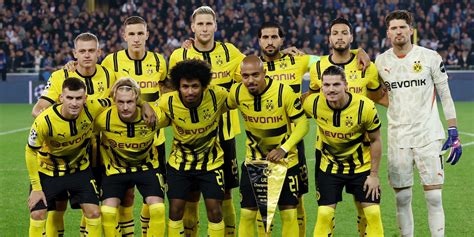
Beyond individual brilliance, the Supercup has also been the stage for record-breaking team achievements. In 2021, Bayern Munich set a record for the highest-scoring Supercup match when they defeated Borussia Dortmund 3-1 in a game that featured end-to-end action. This match was a showcase of attacking football, with both teams prioritizing offense over caution. Bayern's ability to maintain their attacking intensity despite pre-season fitness concerns was a testament to their tactical flexibility and squad depth.
One of the more controversial moments in Supercup history occurred in 2015 when Bayern Munich and Wolfsburg faced off. The match is remembered for Nicklas Bendtner’s last-minute equalizer for Wolfsburg, which sent the game into extra time. However, the drama did not end there. Bayern eventually won 5-4 on penalties, but the match was marred by debates over refereeing decisions, particularly a disputed handball call in the buildup to Bendtner's goal. This match is a prime example of how the Supercup can generate as much discussion off the pitch as it does on it.
Looking at the broader historical context, the Supercup has also been a barometer for the state of German football. For instance, the 1996 edition featured Borussia Dortmund against 1. FC Kaiserslautern in a match that symbolized the growing competitiveness of the Bundesliga. Dortmund, fresh off their UEFA Champions League triumph, was expected to dominate, but Kaiserslautern put up a spirited fight, eventually losing 1-0. This match is often seen as a reflection of the rising standards in German football during the 1990s, with even non-elite teams capable of challenging the established powerhouses.
In terms of statistical milestones, the Supercup has seen its share of unique achievements. For example, Manuel Neuer, Bayern Munich's goalkeeper, became the first player to win the Supercup five times as a player in 2020. Neuer's consistency and ability to perform under pressure in one-off matches have made him a linchpin for Bayern in this competition. Additionally, the 2013 edition saw Dortmund set a record for the most goals scored by a single team in a Supercup match, defeating Bayern 4-2 in a game that showcased their dynamic attacking trio of Reus, Lewandowski, and Henrikh Mkhitaryan.
The Supercup is also a competition where psychological momentum often plays a role. Teams that win the Supercup frequently use it as a springboard for their Bundesliga campaigns. For instance, Dortmund's 2013 Supercup win over Bayern foreshadowed their strong performance in the league that season, where they finished as runners-up. Similarly, Bayern's 2017 Supercup victory came at the start of a campaign where they would secure yet another Bundesliga title, highlighting how this competition can serve as an early indicator of form.
In conclusion, the German Supercup has been a stage for thrilling matches, outstanding individual feats, and record-breaking moments. From underdog victories to the dominance of serial winners like Bayern Munich, the competition encapsulates the unpredictability and excitement of football. Whether it’s a last-minute goal, a record-breaking performance, or a tactical masterclass, the Supercup continues to deliver moments that resonate with fans and shape the narratives of German football.
Challenges and Criticisms of the German Supercup
The German Supercup, an annual football match that pits the winners of the Bundesliga against the DFB-Pokal champions, has become a staple of the German football calendar. However, like many high-profile sporting events, it has not been immune to controversy, logistical challenges, and criticisms. These issues range from debates about its purpose and format to concerns over scheduling and commercialization. A closer examination of these aspects provides a nuanced understanding of the tournament's evolution and the pressures it faces in modern football.
One of the primary criticisms of the German Supercup is its perceived lack of sporting significance. Unlike the Bundesliga or DFB-Pokal, which offer tangible rewards such as league titles or European qualification, the Supercup is often viewed as a glorified friendly. Some argue that it serves more as a ceremonial kickoff to the season rather than a competitive fixture with real stakes. This perception has led to questions about whether the tournament truly adds value to the German football landscape. Critics suggest that the match is more about marketing and revenue generation than about genuine sporting competition. This has occasionally resulted in teams fielding weaker lineups, particularly if the Supercup falls close to other high-stakes matches such as Champions League qualifiers or early Bundesliga fixtures.
Another point of contention is the scheduling of the event. The Supercup is typically held in late July or early August, a time when many players are still recovering from international tournaments or pre-season training. This timing has raised concerns about player welfare. For instance, players returning from the FIFA World Cup or UEFA European Championships often have limited recovery time before being thrust into a competitive environment. This issue came into sharp focus in 2014 and 2018, years following World Cups, when German clubs involved in the Supercup had players who had participated in extended international campaigns. The physical toll on players has been a recurring theme in discussions about the tournament's place in the football calendar. Some have even suggested moving the event to a later date, though this would potentially clash with other fixtures or reduce its novelty as a season opener.
The commercialization of the Supercup has also drawn criticism. As football has become increasingly commercialized, the Supercup has been seen as a vehicle for sponsors and broadcasters rather than a celebration of the sport. Ticket prices for the event are often criticized for being disproportionately high compared to regular season matches, making it less accessible to average fans. Additionally, the event's broadcast rights have been subject to debate, with some arguing that the focus on maximizing revenue has overshadowed the fan experience. For example, pay-per-view models or exclusive streaming deals have limited accessibility for fans who cannot afford premium services. This shift has alienated some traditional supporters who view the Supercup as a money-making exercise rather than a community-focused event.
Logistical challenges have also plagued the tournament. Unlike the Bundesliga or DFB-Pokal, which have fixed venues and schedules, the venue for the Supercup has often rotated between the home stadiums of the participating teams or neutral locations. While this approach aims to distribute the event across Germany, it has sometimes led to operational inefficiencies. For example, hosting the Supercup in smaller stadiums has occasionally resulted in overcrowding or inadequate facilities for media and spectators. Additionally, the decision to hold the match in a neutral venue can create travel burdens for fans, particularly when the two competing teams are geographically distant. This has led to questions about whether the Supercup should adopt a consistent hosting model, such as a permanent venue or a system that alternates between the two competing clubs’ stadiums.
The controversy surrounding its format is another area of debate. Unlike other Supercup competitions in Europe, such as the Spanish Supercup, which has expanded to include four teams in a mini-tournament format, the German Supercup has remained a single-match event. Critics argue that this limits its appeal and scope. Expanding the format could potentially increase its significance and provide more opportunities for clubs to participate, but it would also complicate scheduling and dilute the exclusivity of the event. There is also the question of whether the Supercup should include runners-up from the Bundesliga or DFB-Pokal in cases where the same team wins both titles, as has happened on several occasions. This lack of clarity in the rules has occasionally caused confusion and debate among fans and stakeholders.
Another point of criticism is the perception of favoritism or imbalance in the competition. Since Bayern Munich has dominated both the Bundesliga and DFB-Pokal in recent years, they have frequently been participants in the Supercup. This has led to accusations that the event has become somewhat predictable, with Bayern often facing the same opponents (such as Borussia Dortmund) in what some fans jokingly refer to as a "Bavarian exhibition match." This dynamic has reduced the novelty of the event for neutral fans and has raised questions about whether the format should be adjusted to maintain interest and competitiveness.
Environmental concerns have also emerged as a point of contention in recent years. The carbon footprint of hosting the Supercup, particularly when it involves travel to neutral venues or international locations, has been criticized. For instance, in 2019, the German Football Association (DFB) explored the possibility of hosting the Supercup abroad to expand its global appeal. While this move was intended to grow the tournament's brand, it was met with backlash from environmental activists and fans who argued that such decisions prioritized commercial interests over sustainability. The debate highlights the broader challenge of balancing the global ambitions of football with the growing demand for environmentally responsible practices.
Finally, there is the issue of fan engagement and authenticity. Some supporters feel that the Supercup lacks the emotional weight of other competitions. Unlike the raw passion of a league title race or the drama of a cup final, the Supercup is often seen as a pre-season formality. This perception is compounded by the fact that the match does not always feature the same level of intensity or drama as other fixtures. For instance, players and managers have occasionally downplayed the importance of the Supercup in post-match interviews, reinforcing the idea that it is a lower-priority competition. This has led to calls for the DFB to reimagine the event in a way that better captures the imagination of fans and players alike.
In summary, the German Supercup faces a range of challenges and criticisms that reflect the complexities of modern football. From questions about its sporting value and logistical hurdles to debates over commercialization and environmental impact, the tournament is a microcosm of the broader tensions within the sport. Addressing these issues will require a careful balance between tradition, innovation, and the needs of fans, players, and stakeholders. While the Supercup remains a fixture of German football, its long-term relevance may depend on how effectively these criticisms are addressed in the years to come.
Conclusion and Future Outlook
The German Supercup, an annual fixture that pits the Bundesliga champion against the DFB-Pokal winner (or the Bundesliga runner-up if the same team wins both titles), serves as more than just a ceremonial kickoff to the football season. It is a platform that encapsulates the competitive spirit of German football, offering a blend of tradition, spectacle, and a glimpse into the competitive readiness of top-tier teams. While it may not carry the weight of a league title or a Champions League triumph, the Supercup holds a nuanced significance in the football ecosystem that extends beyond its immediate implications.
One of the key aspects of the Supercup's significance lies in its role as a **barometer of early-season form**. For the teams involved, it is an opportunity to test their preseason preparations against high-caliber opposition. The intensity of the match often mirrors that of a competitive league or cup tie, even if the stakes are somewhat lower. This is particularly evident in how managers approach the game—experimenting with lineups, integrating new signings, and refining tactical setups. For instance, the 2023 Supercup saw Bayern Munich and RB Leipzig employ hybrid formations that hinted at their broader seasonal strategies, showcasing how the match can act as a **proving ground for innovation**.
From a **commercial perspective**, the Supercup has grown into a valuable property for the German Football Association (DFB) and its broadcasting partners. The match not only attracts domestic viewership but also garners international interest, particularly in markets where the Bundesliga seeks to expand its footprint. This is evident in the expanding broadcast deals and social media engagement surrounding the event. The Supercup provides a **platform for brand visibility**, not just for the competing clubs but also for the league as a whole. Sponsors and advertisers capitalize on this event to align themselves with the Bundesliga's prestige, using the Supercup as a springboard for campaigns that run throughout the season. This commercial appeal underscores the event's role in reinforcing the Bundesliga's position as one of Europe's most marketable leagues.
However, the Supercup is not without its **critiques and limitations**. Some argue that its importance is diluted by the fact that it is a one-off match rather than a sustained competition. Unlike Spain's Supercopa de España, which has evolved into a four-team tournament, the German Supercup remains a straightforward contest between two sides. This has led to debates about whether the format could be expanded to include more teams or additional rounds, potentially making it a more comprehensive celebration of German football. Such a shift could elevate the event's profile and provide a more inclusive platform for teams beyond the traditional powerhouses of Bayern Munich and Borussia Dortmund.
Looking to the **future**, the Supercup has the potential to evolve in several meaningful ways. One possibility is the **integration of broader European or global elements**. With the rising trend of cross-border competitions—such as the UEFA Nations League or expanded club tournaments—there is room to consider how the Supercup might connect with similar initiatives. For example, a "European Supercup Series" could see winners of domestic supercups from multiple countries compete in a mini-tournament. This could not only increase the event's prestige but also position the German Supercup as a leader in redefining the role of such fixtures in modern football.
Another avenue for growth lies in the **technological and fan engagement aspects** of the event. The advent of augmented reality (AR), virtual reality (VR), and advanced data analytics in football has opened new possibilities for how fans experience matches. The Supercup could serve as a **testbed for innovative fan experiences**, such as interactive AR overlays during live broadcasts or VR-enabled "virtual attendance" options for fans unable to be physically present. Moreover, the DFB could leverage the event to experiment with **advanced performance analytics**, providing real-time insights into player performance metrics that enhance both the viewing experience and the strategic depth of team preparations.
The **sociocultural role of the Supercup** is also worth considering. As football increasingly becomes a vehicle for social causes, the Supercup could be positioned as a **platform for advocacy and community engagement**. For instance, the match could incorporate themes like sustainability, diversity, or youth development, aligning with broader societal goals. Clubs could use the Supercup to launch initiatives tied to these causes, such as charity drives, youth clinics, or awareness campaigns. This would not only enhance the event's social impact but also deepen its connection with fans who increasingly expect football to play a role in addressing global challenges.
Speculating further, the **competitive landscape of German football** could influence the Supercup's future. The dominance of Bayern Munich in recent years has at times made the event feel predictable, with critics suggesting it lacks the drama of more evenly matched contests. However, the emergence of teams like RB Leipzig, Borussia Dortmund, and even Union Berlin as consistent challengers suggests that the Supercup could become a more dynamic and unpredictable fixture. If the competitive balance in the Bundesliga tightens further, the Supercup could serve as a **bellwether for the league's health**, offering a snapshot of how the league's power dynamics are shifting.
There is also the question of **long-term sustainability**. As football grapples with issues such as fixture congestion, player welfare, and the environmental impact of events, the Supercup will need to adapt. Could the DFB consider hosting the event in neutral venues outside Germany to reduce travel for fans and teams? Might there be an opportunity to align the event with **environmental initiatives**, such as carbon-neutral matchdays or partnerships with green organizations? These considerations are not unique to the Supercup but are increasingly relevant as football seeks to balance tradition with modernity.
In the broader context of **global football trends**, the Supercup could also benefit from closer alignment with digital transformation. The rise of streaming platforms, micro-communities of fans, and personalized content delivery suggests that future iterations of the event might include **hyper-targeted fan engagement strategies**. For example, clubs could offer exclusive behind-the-scenes content tailored to specific fan demographics, leveraging data analytics to deepen their connection with supporters. This approach would not only enhance the event's appeal but also position it as a forward-thinking showcase of how football can evolve in the digital age.
In conclusion, the German Supercup occupies a unique space in the football calendar—a blend of tradition, competition, and opportunity. While its current form is rooted in simplicity, there is ample room for it to grow into a more dynamic and multifaceted event. Whether through format changes, technological innovation, or a stronger emphasis on social impact, the Supercup has the potential to remain relevant and even grow in importance. Its future role in football will likely depend on how the DFB and participating clubs navigate the challenges and opportunities presented by an ever-evolving sport. As German football continues to innovate and expand its global reach, the Supercup could become not just a curtain-raiser for the season but a **symbol of the Bundesliga's ambition and adaptability** in the years to come.