Introduction to the German Supercup
The **German Supercup** is a prestigious annual football competition that marks the beginning of the new season in German football. It is a clash between the winners of the **Bundesliga**, Germany's top-tier league, and the **DFB-Pokal**, the country's primary domestic cup competition. This match serves as a curtain-raiser for the upcoming campaign, pitting two of the most successful teams from the prior season against each other in a high-stakes encounter. While it is not considered as significant as the Bundesliga or DFB-Pokal in terms of long-term prestige, the Supercup holds a unique place in German football culture as a symbol of early-season bragging rights and a test of readiness for the challenges ahead.
The **purpose of the German Supercup** is multifaceted. On one level, it is a ceremonial event designed to celebrate the achievements of the previous season's top performers. The competition provides an opportunity for fans to see their teams in action after the summer break, reigniting the passion for the sport after the off-season. However, beyond the spectacle, the Supercup also serves a **strategic purpose** for the participating clubs. It is a competitive fixture that allows managers to assess their squads under match conditions, test new tactics, and integrate new signings into the team dynamic. For players, it is a chance to stake their claim for starting positions and build momentum before the league campaign begins.
The competition was first introduced in **1987**, though its format and regularity have evolved over time. Initially, it was not a consistent fixture in the German football calendar, with interruptions in the early years due to scheduling conflicts and disagreements over its importance. However, since the **2010s**, the Supercup has been firmly established as an annual event, reflecting the growing commercialization and global appeal of German football. The match is organized by the **German Football Association (DFB)** and is typically held in July or August, before the Bundesliga season kicks off. This timing ensures maximum visibility and audience engagement, as fans are eager to reconnect with the sport after the break.
In terms of its **place in German football**, the Supercup occupies a somewhat paradoxical position. On the one hand, it is not a title that defines a team's legacy in the way that winning the Bundesliga or the DFB-Pokal does. Teams do not build their seasons around winning the Supercup, nor is it considered a "must-win" competition in the broader context of a club's goals. However, on the other hand, the match often carries a **psychological edge**. For instance, if Bayern Munich (a frequent participant due to their dominance in both the Bundesliga and DFB-Pokal) faces borussia dortmund or RB Leipzig, the result can set the tone for their head-to-head battles in the league. A victory in the Supercup can serve as a **confidence booster**, especially for the underdog team, while a loss might prompt introspection and adjustments for the favorite.
The **format of the Supercup** is straightforward: a single match played at a neutral venue or at the home ground of one of the participating teams, depending on logistical considerations. Unlike a two-legged tie or a tournament structure, the Supercup is designed to be a **one-off spectacle**. This approach heightens the drama, as there is no room for error—the winner takes the trophy, and the loser must regroup quickly for the challenges of the league. Over the years, the competition has seen some memorable matches, with high-scoring thrillers and tense penalty shootouts adding to its allure. For instance, the 2013 edition saw Bayern Munich defeat Borussia Dortmund 4-2 in an entertaining clash that showcased the intense rivalry between the two clubs.
One of the more **unique aspects of the German Supercup** is how it reflects the **dynamics of German football**. Unlike other countries where the league champion often faces the cup runner-up if they have won both titles, Germany typically ensures that the **two best-performing teams** from the previous season meet. This creates a more balanced and competitive matchup, as it often features teams with a history of rivalry. For example, the Bayern Munich vs. Borussia Dortmund duels in the Supercup have become a staple of modern German football, embodying the fierce competition between the traditional powerhouse and the ambitious challengers. These matches are not just about the trophy but also about **regional pride**, fan loyalty, and the broader narrative of who holds the upper hand in German football.
Another interesting dimension of the Supercup is its **commercial and media impact**. The match is broadcast internationally, drawing attention from football enthusiasts around the world. This exposure helps promote the Bundesliga brand and its clubs, particularly in markets where German football is growing in popularity. Sponsors and partners of the DFB also view the Supercup as an opportunity to engage with a large audience, often using the event to unveil new campaigns or products. This commercial aspect underscores the Supercup's role not just as a footballing event but as a **business and marketing platform** for the sport in Germany.
From a **historical perspective**, the Supercup has also been a stage for some of German football's most iconic moments. It has seen legendary players like **Franz Beckenbauer**, **Gerd Müller**, and more recently **Robert Lewandowski** and **Erling Haaland**, showcase their talents in this early-season fixture. These players' performances in the Supercup often serve as a barometer for their form and influence in the coming season. For younger talents or new signings, a strong showing in the Supercup can catapult them into the spotlight, making it a **launchpad for individual careers** as well as team success.
The **significance of the German Supercup** can also be understood in the context of its role in **fan engagement**. While it may not carry the weight of a league title, the Supercup provides fans with an early opportunity to celebrate their team's success from the previous season. It also serves as a **community event**, with supporters traveling to the venue or gathering in local fan zones to watch the match together. This communal aspect reinforces the Supercup's role as a unifying moment for football fans across Germany, even if their team is not directly involved.
In summary, the **German Supercup** is more than just a ceremonial kickoff to the football season. It is a **competitive and symbolic event** that blends tradition, rivalry, and commercial appeal. While it may not define a club's entire season, its ability to set the tone, test squad readiness, and provide early bragging rights makes it an integral part of the German football calendar. For players, coaches, and fans alike, the Supercup is a reminder of the excitement and unpredictability that football brings, even in its earliest stages.
Origins and History of the Trophy
The German Supercup is a prestigious football competition in Germany that pits the winner of the Bundesliga against the winner of the DFB-Pokal in a one-off match. While it may not carry the weight of a league title or a cup victory, the Supercup holds a unique place in the German football calendar as a season-opener and a showcase of the country’s top footballing talent. To fully understand the significance of this trophy, it is essential to delve into its origins and history, tracing its roots to its inaugural year and the broader historical context of its establishment.
The German Supercup was first introduced in 1987, making it a relatively modern addition to the landscape of German football compared to other long-standing competitions like the Bundesliga (founded in 1963) or the DFB-Pokal (established in 1935). However, its creation was not an isolated event; it was part of a broader trend in European football during the 1980s to create season-opening matches that would generate excitement among fans and provide a platform for top clubs to test their mettle before the competitive season began. This trend was influenced by the success of similar competitions in other countries, such as the English FA Community Shield (first played in 1908) and the Italian Supercoppa Italiana (introduced in 1988). Germany, as a footballing powerhouse, sought to align itself with this growing tradition of pre-season showpiece events.
The inaugural German Supercup match took place on June 16, 1987, between Bayern Munich, the Bundesliga champions of the 1986-87 season, and Hamburger SV, the DFB-Pokal winners of the same year. The match was held at the Volksparkstadion in Hamburg, and it ended in a 2-1 victory for Bayern Munich. While this first edition was seen as a success in terms of fan engagement, the trophy itself was not yet regarded with the reverence it would later command. At the time, the Supercup was viewed more as an experimental event rather than a deeply rooted tradition. This perception was partly because the competition was not officially organized by the German Football Association (DFB) in its initial years but rather by the clubs involved, which added an informal air to the proceedings.
The historical context of the Supercup’s creation is tied to the evolving commercial landscape of German football in the 1980s. During this decade, German clubs were beginning to experience the early effects of increased television exposure and sponsorship deals. Clubs like Bayern Munich, Borussia Dortmund, and Hamburger SV were not just local entities but were starting to build their brands on a national and even international stage. The Supercup was an opportunity to capitalize on this growing visibility. It provided a high-profile event that could attract sponsors, generate revenue, and serve as a marketing tool for the clubs and the league. Moreover, it allowed German football to experiment with a format that emphasized direct competition between the two most successful teams of the previous season, a concept that resonated with fans eager for early-season drama.
However, the Supercup’s journey was not without challenges. Between 1992 and 1994, the competition was temporarily discontinued due to scheduling conflicts and a lack of consensus among stakeholders about its importance. This hiatus reflects a broader tension in German football during the early 1990s, as clubs and the DFB grappled with how to balance the demands of an increasingly professional sport with the need to preserve the integrity of the domestic calendar. The competition was reinstated in 1995, this time with a clearer structure and greater involvement from the DFB. This marked a turning point in the Supercup’s history, as it transitioned from a somewhat informal event to a more formalized and respected part of the German football calendar.
Another interesting aspect of the Supercup’s history is its trophy design. Unlike the ornate and traditional designs of trophies like the DFB-Pokal or the Bundesliga Meisterschale, the Supercup trophy has a simpler, more modern aesthetic. This design choice reflects the competition’s identity as a forward-looking event rather than one steeped in tradition. The trophy’s sleek appearance symbolizes the dynamism and innovation of German football during the late 20th century, a period when the sport was rapidly modernizing in terms of both on-field tactics and off-field management.
The Supercup also serves as a microcosm of the power dynamics within German football. For instance, Bayern Munich has dominated the competition, winning it a record 10 times as of 2024. This dominance underscores Bayern’s consistent success in both the Bundesliga and the DFB-Pokal, but it also raises questions about the competitive balance of the Supercup. Critics argue that the trophy often becomes a predictable affair when one team, such as Bayern, frequently qualifies due to their dual successes in domestic competitions. However, this dominance also highlights the trophy’s role as a barometer of a team’s ability to sustain excellence across multiple competitions.
In terms of its historical evolution, the Supercup has seen several format changes over the years. For example, in cases where the same team won both the Bundesliga and the DFB-Pokal (a “double winner”), the Supercup would feature the Bundesliga champions and the DFB-Pokal runners-up. This rule ensured that the competition always had two distinct teams, maintaining its competitive appeal. Additionally, there have been instances where the match was played outside Germany, such as in Austria or China, as part of efforts to expand the competition’s global reach and appeal to international audiences. These international editions underscore the Supercup’s role not just as a domestic event but as a vehicle for promoting German football on the world stage.
The 1980s and 1990s were pivotal decades for the Supercup, as they coincided with a period of significant change in German football. The fall of the Berlin Wall in 1989 and the subsequent reunification of Germany in 1990 brought new dynamics to the sport. East German clubs began to integrate into the unified league system, and the Supercup became a symbol of a unified Germany’s footballing ambitions. While no East German teams directly participated in the Supercup during this era, the competition’s growth paralleled the broader integration of German football into a more cohesive and commercially driven structure.
In summary, the origins of the German Supercup are rooted in a combination of footballing tradition, commercial opportunity, and a desire to emulate the success of similar competitions in other countries. Its inaugural year in 1987 marked the beginning of a competition that, while initially informal, has grown into a key fixture of the German football calendar. The Supercup’s history reflects the broader evolution of German football during the late 20th century, as the sport transitioned from a largely regional pastime to a globally recognized and commercially driven enterprise. By tracing its journey from an experimental event to a formalized and celebrated competition, we gain a deeper appreciation of how the Supercup fits into the rich tapestry of German football history.
Trophy Design and Symbolism
The **German Supercup trophy** is a celebrated symbol of football excellence in Germany, awarded to the winner of the annual match between the Bundesliga champions and the DFB-Pokal winners. While the match itself is a thrilling contest, the trophy that represents this achievement is a work of art that embodies both the competitive spirit of German football and the rich traditions of the sport. A deep dive into the **design elements, materials, and symbolic meanings** of the trophy reveals a thoughtful blend of aesthetics, engineering, and historical resonance.
The **design of the German Supercup trophy** is rooted in a modern yet minimalist approach, which contrasts with the ornate, traditional designs of older football trophies like the FA Cup or the UEFA Champions League trophy. This modern aesthetic reflects the evolution of football as a global sport that constantly adapts to contemporary tastes while honoring its roots. The trophy stands approximately 50 cm tall and features a **two-part structure**: a base and a central body. The base is typically crafted from **polished metal**—often silver or a silver alloy—which provides a sturdy foundation. This choice of material is deliberate, as silver has long been associated with prestige and achievement in trophy design. The use of a reflective surface also symbolizes the **mirror of competition**, where teams see their strengths and weaknesses reflected in their performance on the pitch.
The **central body of the trophy** is where the most distinctive design elements are found. It consists of a **dynamic, upward-sweeping form** that resembles a stylized arc or a wave. This shape is not accidental; it represents the **dynamic motion of football**—the arcs of a perfectly struck ball, the surging energy of players sprinting across the field, and the emotional highs and lows of a match. The curvature of the trophy’s body is both elegant and purposeful, evoking the **fluidity and unpredictability** of the game. Unlike static, column-like trophies, this dynamic form suggests that football is not just about victory but about the **journey and effort** that lead to it. The designers have ensured that the trophy feels alive, as though it captures the essence of a match in progress.
The **materials used in the trophy’s construction** are another area of interest. While the base is predominantly silver, the upper portion often incorporates **gold-plated elements**. This combination of silver and gold is symbolic of the **duality in football competition**—the silver representing the challenge and struggle, while the gold signifies triumph and glory. The use of mixed metals in the trophy also reflects the **harmonious coexistence of competition and camaraderie** in football. While teams battle fiercely on the field, the shared experience of the sport unites them in a larger community. This interplay of materials sends a message that success is not an isolated achievement but one that exists within a broader context of mutual respect and shared passion.
One of the most intriguing features of the trophy is the **engraved details** found on its surface. These engravings often include the **logos of the DFB (German Football Association)** and sometimes the names of past winners. This addition serves a dual purpose: it immortalizes the history of the competition while also emphasizing the **continuity of tradition**. Each winner etches their name into the legacy of German football, making the trophy not just a prize for the moment but a **living record of excellence**. The precision of these engravings, often executed with laser technology, underscores the attention to detail and craftsmanship involved in creating the trophy. Such precision mirrors the meticulous nature of football itself, where every pass, tackle, and goal is a product of immense focus and skill.
The **symbolic meanings associated with the trophy** go beyond its physical attributes. The Supercup represents more than just a contest between two top teams—it is a **celebration of German football’s dual pillars**: league excellence (Bundesliga) and cup success (DFB-Pokal). The trophy, therefore, serves as a **bridge between these two domains**, uniting them in a single event. This duality is reflected in the trophy’s design, which often incorporates **symmetrical elements** to signify balance. For instance, the two sides of the trophy’s body may be near-identical, symbolizing the equality of the competing teams before the match begins. This symmetry also alludes to the **fair play ethos** that underpins German football, where competition is fierce but governed by mutual respect and adherence to rules.
Another symbolic aspect of the trophy lies in its **upward-pointing design**. This directionality is often interpreted as a metaphor for **aspiration and ambition**. In football, as in life, the aim is to reach higher and strive for greatness. The trophy’s form encourages this interpretation, suggesting that the Supercup is not merely a reward for past success but a **motivational beacon** for future endeavors. It tells players and fans alike that the pursuit of excellence is an ongoing journey, one that transcends individual matches or seasons.
The **choice of a non-figurative design**—lacking human or animal figures, as seen in some older trophies—also has significance. This abstraction allows the trophy to remain **timeless and universal**, avoiding cultural or era-specific connotations. Instead, it focuses on the **essence of football**: movement, competition, and achievement. This design choice ensures that the trophy feels relevant to both contemporary players and future generations, maintaining its significance as the sport evolves.
A less obvious but equally important aspect of the trophy is its **weight**. While exact specifications are not always publicized, football trophies are often designed to have a **substantial heft**. This weight serves a psychological purpose, giving the winners a tangible sense of their achievement. Holding a heavy trophy conveys the **gravity of their success**, a physical manifestation of the effort required to earn it. In this sense, the German Supercup is not just a visual symbol but a **sensory experience** for the players who lift it.
Finally, the **context of presentation** adds to the trophy’s symbolism. When the Supercup is awarded in a stadium filled with cheering fans, the moment becomes a **shared celebration of German football culture**. The trophy, in this setting, becomes more than an object—it is a **unifying emblem** that brings together players, coaches, supporters, and even rival fans in acknowledgment of the sport’s beauty and intensity. This communal aspect elevates the trophy beyond its physical form, transforming it into a **symbol of collective pride** for German football as a whole.
- The **silver base** symbolizes prestige and the reflective nature of competition.
- The **gold-plated upper elements** signify triumph and glory, emphasizing the reward of victory.
- The **dynamic, upward-sweeping form** represents the energy and fluidity of football.
- The **engravings** preserve the history of the competition and emphasize continuity.
- The **symmetry** in design highlights fairness and balance in the sport.
- The **abstract, timeless form** ensures the trophy remains relevant across eras.
In conclusion, the **German Supercup trophy** is a masterful blend of artistry and meaning. Its design elements—from the choice of materials to its dynamic form—reflect not only the competitive nature of football but also its deeper cultural and symbolic significance. By combining modern aesthetics with traditional values, the trophy stands as a **lasting emblem of achievement** in one of the world’s most beloved sports.
Qualification Criteria for Participation
The German Supercup is a prestigious annual football match that serves as a curtain-raiser for the new season in Germany. It pits the winners of the Bundesliga, the top-tier league in German football, against the winners of the DFB-Pokal, the country’s premier cup competition. Understanding how teams qualify for this event requires a nuanced look at the interplay between these two competitions and the specific scenarios that arise when a single team achieves success in both. This section delves into the qualification criteria for participation in the German Supercup, highlighting the intricacies of the rules and the historical context behind them.
The fundamental principle of the German Supercup is that it involves the two most successful teams from the previous season. These are the Bundesliga champions and the DFB-Pokal winners. However, the qualification process is not as straightforward as it might initially seem. While the Bundesliga champion is always guaranteed a spot, the second participant depends on whether the same team has won both competitions. This creates a dynamic where the rules must account for scenarios of dual success, which is not uncommon in modern football.
To begin with, the Bundesliga champion is determined through a season-long competition involving 18 teams. The team that finishes at the top of the table after 34 matchdays is crowned the league champion. This title is the most direct route to qualification for the Supercup. The Bundesliga champion represents the pinnacle of domestic league success and is automatically slotted into the Supercup as one of the two participants. This is a straightforward aspect of the qualification process and is rarely subject to ambiguity.
The second participant in the Supercup is the DFB-Pokal winner. The DFB-Pokal is a knockout tournament involving teams from various levels of German football, including professional and amateur clubs. Unlike the Bundesliga, which is exclusive to top-tier teams, the DFB-Pokal allows for a broader range of participants, creating opportunities for lower-league teams to compete against giants like Bayern Munich or Borussia Dortmund. The DFB-Pokal winner is determined through a series of single-elimination matches, culminating in a final usually held at the Olympiastadion in Berlin. This winner earns the right to compete in the Supercup, provided they are not the same team as the Bundesliga champion.
Here lies the first point of complexity: what happens if the same team wins both the Bundesliga and the DFB-Pokal? This scenario, known as a "double," is not uncommon, particularly for dominant teams like Bayern Munich, which has achieved this feat multiple times. When a team wins both competitions, the rules of the German Supercup dictate that the slot reserved for the DFB-Pokal winner is instead given to the runner-up of the Bundesliga. This ensures that the Supercup remains a contest between two distinct teams, maintaining its competitive and commercial appeal.
The inclusion of the Bundesliga runner-up in such cases is not merely a fallback option but a deliberate choice to preserve the essence of the Supercup as a clash of champions. The Bundesliga runner-up, having finished second in the league, is considered the next best team in the top-tier competition. This approach acknowledges their strong performance over the season and provides them with an opportunity to challenge the double winners in a high-profile match. From a fan perspective, this substitution often creates intriguing narratives, particularly if the runner-up had a closely contested battle with the Bundesliga champion during the league season.
Another layer of nuance arises when considering the historical evolution of the Supercup's rules. The competition was first introduced in 1987 and has undergone several changes in format and qualification criteria. Initially, the Supercup was not always a formalized event, and its rules were less rigid. However, as the competition gained prominence and became a fixture in the German football calendar, the rules were standardized to ensure clarity and fairness. The current approach of substituting the Bundesliga runner-up when a team achieves a double has been in place for several years, reflecting a mature and well-thought-out framework.
It is also worth exploring the symbolic roles of the Bundesliga and DFB-Pokal winners in the context of German football culture. The Bundesliga champion is often seen as the embodiment of consistency and long-term excellence. Winning the league requires sustained performance over 34 matches, demonstrating a team's ability to navigate challenges across an entire season. In contrast, the DFB-Pokal winner represents the thrill of knockout football, where a single match can determine a team’s fate. This juxtaposition of league consistency versus cup unpredictability adds a layer of intrigue to the Supercup, as it brings together two teams that have excelled in different formats of the game.
The qualification process also has implications for team preparation and motivation. For the Bundesliga champion, the Supercup is often viewed as an opportunity to assert dominance at the start of the new season. For the DFB-Pokal winner or the Bundesliga runner-up, it is a chance to make a statement against the league champions, particularly if they are considered underdogs. This dynamic can lead to highly competitive matches, as teams are eager to set the tone for the upcoming season.
From a logistical standpoint, the German Football Association (DFB) plays a key role in organizing the Supercup and ensuring that the qualification process is transparent. The DFB’s involvement extends beyond merely enforcing the rules; it also works to promote the event as a marquee fixture that captures the attention of fans and media alike. This organizational support underscores the importance of the Supercup not just as a football match but as a celebration of the previous season’s achievements and a preview of the competitive landscape for the new season.
An interesting aspect of the qualification criteria is how they reflect the hierarchical structure of German football. The Bundesliga, as the top-tier league, naturally takes precedence in determining one participant. However, the inclusion of the DFB-Pokal winner—and by extension, the possibility of involving a lower-league team in the Supercup if they win the cup—demonstrates a commitment to inclusivity within the German football ecosystem. While such instances are rare (lower-league teams rarely win the DFB-Pokal), the possibility exists and adds an element of unpredictability to the qualification process.
To illustrate with an example, consider the 2020 Supercup. Bayern Munich, having won both the Bundesliga and the DFB-Pokal that year, faced Borussia Dortmund, the Bundesliga runner-up. This match was not only a clash of two of Germany’s biggest clubs but also a demonstration of how the qualification rules ensure a competitive and high-profile event even in cases of a double winner. Such scenarios highlight the robustness of the qualification framework and its ability to adapt to different outcomes in the two competitions.
In summary, the qualification criteria for the German Supercup are rooted in a clear hierarchy: the Bundesliga champion always participates, and the DFB-Pokal winner (or the Bundesliga runner-up in cases of a double) joins them. This structure reflects the dual importance of league and cup success in German football while accommodating scenarios where one team dominates both competitions. The rules are designed not only to reward excellence but also to create compelling matchups that capture the imagination of fans. Through this lens, the German Supercup serves as both a celebration of past success and a harbinger of the battles to come in the new season.
Significant Matches and Moments
The **German Supercup** has been a stage for some of the most electrifying moments in German football history, where the Bundesliga champions and the DFB-Pokal winners clash in a high-stakes encounter. This competition has provided fans with thrilling matches, standout individual brilliance, and iconic goals that have etched themselves into the annals of the sport. Delving into its history, several matches and moments stand out as defining elements of the Supercup's legacy.
One of the most **memorable matches** in Supercup history occurred in **2012**, when Borussia Dortmund faced Bayern Munich. This was a period when the two teams were at the peak of their rivalry, with Dortmund having secured back-to-back Bundesliga titles and Bayern eager to reassert dominance. The match ended in a **2-1 victory for Dortmund**, but it was the manner of the win that made it so significant. Marco Reus, then a rising star, delivered a masterclass in attacking play. His ability to combine pace, precision, and creativity was on full display as he set up the opening goal for Dortmund. However, the iconic moment came from **Ilkay Gündogan's stunning long-range strike** that sealed the win. This match not only underscored Dortmund's tactical superiority at the time but also served as a harbinger of the intense battles these two giants would have in subsequent years.
Another standout moment came in **2007**, when Nürnberg, a team that had not been a traditional powerhouse, faced off against Stuttgart. Nürnberg had won the DFB-Pokal that year, and their Supercup appearance was seen as somewhat of an underdog story. The match ended in a **4-2 penalty shootout victory for Nürnberg** after a 2-2 draw in regular time. What made this match special was the grit shown by Nürnberg, particularly their goalkeeper, Raphael Schäfer, who made two crucial saves during the shootout. This victory was a testament to the idea that the Supercup can occasionally provide a platform for less-favored teams to shine on a big stage, even if only for one night. It also reinforced the competition's unpredictability, as it often pits teams with vastly different seasonal trajectories against each other.
The **2013 Supercup** is remembered for one of the most dramatic comebacks in the competition's history. Bayern Munich, under new manager Pep Guardiola, faced Dortmund in what was billed as a rematch of their Champions League final from earlier that year. Bayern took an early lead through Arjen Robben, whose knack for scoring in big games was well-established. However, Dortmund, fueled by their home crowd at Signal Iduna Park, staged a remarkable turnaround. Pierre-Emerick Aubameyang, donning a superhero mask after scoring, became the symbol of Dortmund's resilience. His goal, combined with a late equalizer from Marco Reus, forced the match into extra time. Dortmund eventually won **4-2**, showcasing their ability to outplay Bayern even during the Bavarians' era of dominance under Guardiola. This match highlighted how the Supercup often serves as a psychological battleground, setting the tone for the season ahead.
Iconic goals have also played a significant role in elevating the Supercup's prestige. One such goal came in **2014**, when Bayern Munich's Robert Lewandowski, playing against his former club Dortmund, scored a breathtaking volley. The goal was not just technically brilliant but also laden with narrative weight, as Lewandowski had recently made the highly publicized move from Dortmund to Bayern. His celebration, muted yet defiant, encapsulated the tension between player loyalty and professional ambition. This goal is often cited as a turning point in Lewandowski's career, as it marked his full integration into Bayern's system and his emergence as one of the most lethal strikers in Europe.
In **2015**, the Supercup provided another unforgettable moment when Thomas Müller scored a brace for Bayern Munich in their **5-4 penalty shootout win over Wolfsburg**. Müller's first goal was a display of his unique footballing IQ—a poacher's finish from an improbable angle that left the goalkeeper stranded. His second, a well-timed header, demonstrated his aerial prowess. This match is particularly notable because it showcased Wolfsburg's resilience; they had taken the lead twice, with Nicklas Bendtner scoring a late equalizer to force extra time. The match underscored how the Supercup can deliver end-to-end action, even when the stakes are technically lower than in league or European competitions.
A more recent example of Supercup drama came in **2020**, when Bayern Munich and Dortmund met yet again. This match is remembered for Joshua Kimmich's audacious chipped goal over Dortmund's goalkeeper, Roman Bürki. The goal, scored in the 82nd minute, was a blend of skill and audacity, as Kimmich managed to lob the ball over Bürki while off-balance. This moment encapsulated Kimmich's growing reputation as a clutch player for Bayern, someone who could deliver in high-pressure situations. Bayern won the match **3-2**, but the goal itself became a symbol of their relentless pursuit of victory, even when the margins were thin.
Beyond individual goals, the Supercup has also seen standout team performances that have redefined how the competition is viewed. In **1996**, Borussia Dortmund, fresh off their Champions League triumph, faced off against Kaiserslautern. The match ended in a **1-0 victory for Dortmund**, but it was their cohesive team display that stood out. Players like Jürgen Kohler and Matthias Sammer exemplified the disciplined, high-pressing football that had made Dortmund a force in Europe. This match is often cited as a blueprint for how the Supercup can act as a showcase for a team's tactical identity, rather than just an exhibition match.
The competition has also been a stage for **young talents to announce themselves**. In **2019**, Jadon Sancho stole the show in Dortmund's **2-0 victory over Bayern**. His first goal, a composed finish after a mazy run, and his second, a well-placed shot from the edge of the box, highlighted his ability to perform under pressure. At just 19 years old, Sancho's performance signaled his arrival as one of Europe's most promising talents. This match is a prime example of how the Supercup can act as a springboard for emerging stars to gain recognition on a broader stage.
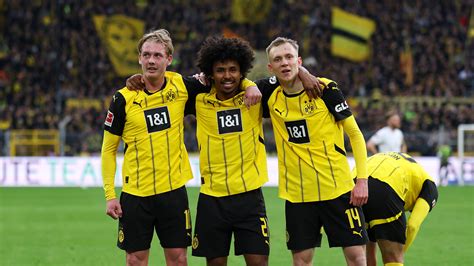
The **German Supercup** has also had its share of controversial moments that have added to its allure. In **2017**, the match between Bayern Munich and Dortmund was decided by a penalty shootout after a **2-2 draw**. The controversy stemmed from a disputed handball decision that led to Bayern's equalizer. While the incident sparked debate, it also reinforced the idea that the Supercup, despite being a one-off match, can carry the same weight of drama and contention as other major fixtures.
In summary, the **significant matches and moments** of the German Supercup are a rich tapestry of drama, skill, and narrative depth. From underdog victories to iconic goals by legends of the game, the competition has consistently delivered footballing spectacles that resonate beyond the final whistle. These moments not only highlight the technical and tactical brilliance of the teams and players involved but also underscore the Supercup's unique place in German football culture—a blend of tradition, rivalry, and the pursuit of early-season glory.
Comparison with Other Supercup Competitions
The German Supercup, a high-profile annual football competition, pits the winners of the Bundesliga against the victors of the DFB-Pokal in a single match that serves as a curtain-raiser for the new season. While this format is similar to other Supercup-style competitions worldwide, such as the English Community Shield and the Spanish Supercup, there are notable differences in structure, history, significance, and cultural context that set the German Supercup apart. A detailed comparison provides insight into how the German competition aligns with or diverges from its counterparts in England and Spain.
One of the most striking comparisons is the **historical evolution** of these competitions. The German Supercup was first contested in 1987, making it a relatively younger event compared to the English Community Shield, which dates back to 1908. The Spanish Supercup, introduced in 1982, falls between the two in terms of age. However, the German Supercup has undergone significant changes in its format and prestige. Initially, it was not always held annually and sometimes included runners-up when the same team won both the Bundesliga and DFB-Pokal. In contrast, the Community Shield has been a more consistent fixture, with its tradition deeply embedded in English football culture. The Spanish Supercup, while older than the German version, has seen radical restructuring in recent years, expanding to a four-team format in 2019 involving the winners and runners-up of La Liga and the Copa del Rey. This shift contrasts with the German Supercup's steadfast commitment to a two-team, single-match format, which underscores its simplicity and focus on direct competition between the top two trophy winners of the previous season.
The **significance of the competition within the football calendar** is another area of divergence. In Germany, the Supercup is often viewed as a high-profile friendly with added stakes rather than a must-win trophy. This perception is partly due to the Bundesliga's dominance by Bayern Munich in recent decades, which has made the Supercup a frequent showdown between Bayern and their closest rivals, such as Borussia Dortmund. While it generates excitement, it does not carry the same weight as the Bundesliga title or the DFB-Pokal. In England, the Community Shield is similarly seen as a pre-season warm-up, but it holds a unique place as a symbolic event that brings together the Premier League and FA Cup winners in a match played at Wembley Stadium. This venue adds gravitas, even if the match itself is not a top priority for clubs. The Spanish Supercup, however, has grown in importance due to its recent expansion and the involvement of high-profile teams like Barcelona and Real Madrid. The competition has been relocated to neutral venues, including Saudi Arabia, which has added commercial allure but also drawn criticism for diluting its traditional domestic appeal. The German Supercup, by comparison, remains a more localized event, often played in German stadiums, which reinforces its role as a celebration of domestic football rather than a commercial spectacle.
The **competitive intensity** of these matches also varies. In Germany, the Supercup often serves as an early test of form for the top teams, with managers using the match to experiment with lineups and tactics. For instance, Bayern Munich's approach to the Supercup has sometimes involved fielding younger players or new signings to gauge their readiness for the Bundesliga campaign. This contrasts with the English Community Shield, where teams are often in a transitional phase of pre-season preparation, leading to mixed lineups and lower stakes. The Spanish Supercup, due to its revised format, often features intense matches because it involves knockout rounds and the possibility of El Clásico showdowns between Barcelona and Real Madrid. This added layer of rivalry elevates the competition's intensity compared to the German Supercup, where the rivalry is strong but less globally marketable.
Another key aspect is the **broader cultural and commercial impact** of these competitions. The German Supercup benefits from the Bundesliga's strong domestic fanbase but lacks the international allure of the Spanish Supercup, which leverages the global appeal of La Liga's top teams. The English Community Shield, while deeply rooted in English football tradition, also struggles to match the Spanish Supercup's commercial reach, as the Premier League's global brand often overshadows the Shield in terms of marketing focus. The German Supercup, while televised internationally, does not command the same level of global viewership as its Spanish counterpart, particularly when played in neutral, high-profile locations like Saudi Arabia. This difference highlights how the German Supercup remains a more insular event, celebrated primarily by German football enthusiasts rather than being positioned as a global showcase.
In terms of **trophy design and symbolism**, the German Supercup trophy is a sleek, modern design that reflects the Bundesliga's emphasis on innovation and efficiency. It contrasts with the Community Shield's traditional, ornate design, which incorporates elements of the FA Cup and Premier League branding. The Spanish Supercup trophy, recently redesigned for its expanded format, has also moved toward a more contemporary aesthetic. However, the German Supercup's trophy design stands out for its simplicity, mirroring the no-frills, performance-focused ethos of German football culture. This minimalist approach contrasts with the more elaborate symbolism seen in the Spanish and English trophies, which often carry historical or royal connotations.
The **role of sponsors and commercial partners** also plays a role in distinguishing these competitions. The German Supercup has seen sponsorship involvement, such as partnerships with telecommunications companies, but it maintains a relatively low-key approach compared to the Spanish Supercup's high-profile deals, including its lucrative agreement with Saudi Arabian organizers. The English Community Shield, while supported by sponsors, tends to emphasize its charitable aspect, with proceeds often donated to community initiatives. The German Supercup strikes a middle ground, balancing commercial interests with a focus on the sporting event itself, which aligns with the Bundesliga's broader ethos of fan-first policies and affordability.
Finally, the **impact on team preparation and fan engagement** offers another lens for comparison. The German Supercup often serves as a platform for teams to introduce new signings and test tactical setups in a competitive yet low-pressure environment. Fan engagement is high domestically, with stadiums often packed for the match, reflecting the Bundesliga's strong local support. In England, the Community Shield similarly draws significant crowds but also faces challenges in maintaining relevance as clubs prioritize European competitions and league campaigns. The Spanish Supercup, with its expanded format and international venues, has arguably moved furthest from its original purpose of engaging domestic fans, prioritizing revenue generation over traditional community involvement. The German Supercup's balance of commercial viability and fan-focused accessibility positions it as a competition that respects its roots while adapting to modern football dynamics.
In summary, while the German Supercup shares structural similarities with the English Community Shield and Spanish Supercup, its unique blend of simplicity, domestic focus, and understated prestige sets it apart. Unlike the commercially driven evolution of the Spanish Supercup or the tradition-laden but pre-season-oriented Community Shield, the German Supercup occupies a middle ground that reflects the Bundesliga's identity: competitive yet community-oriented, modern yet grounded in football's core values. This distinct positioning ensures that the German Supercup remains a meaningful yet distinct part of the global Supercup landscape.
Impact on German Football Culture
The German Supercup is more than a mere prelude to the Bundesliga season; it holds a distinct place in the cultural fabric of German football. While its origins stem from the desire to pit the Bundesliga champions against the DFB-Pokal winners in a high-stakes match, its role in shaping and reflecting German football culture runs much deeper. This section delves into how the Supercup has become a touchstone for fan engagement, club rivalry, and the broader narrative of German football.
One of the most striking aspects of the Supercup's cultural impact is its role as a celebration of competitive intensity. Unlike the more prestigious Bundesliga title or the DFB-Pokal, which are long-haul competitions, the Supercup offers a condensed, high-pressure environment that encapsulates the essence of German football: efficiency, grit, and spectacle. For fans, this match serves as an early litmus test of their team’s preparedness for the season. It is not uncommon for supporters to view the Supercup as a psychological edge—a win here can set the tone for a club’s campaign, especially if it involves a victory over a heated rival like Bayern Munich and Borussia Dortmund. This creates a sense of urgency and excitement among fans that is unique to this competition.
The Supercup also serves as a platform for regional pride, particularly when the match involves teams with strong local followings. For instance, when a team like Borussia Dortmund, with its passionate "Yellow Wall" of supporters, faces Bayern Munich, the event becomes more than a game—it is a symbolic clash of footballing philosophies. Bayern’s dominance and polished professionalism often contrast with Dortmund’s youthful exuberance and counterattacking flair. These matches become microcosms of larger debates within German football about tradition versus innovation, local versus global influences, and the balance between grassroots development and commercial success. Fans are not just rooting for their team; they are rooting for what their team represents in the broader football ecosystem.
Fan engagement around the Supercup is amplified by its timing and format. Held in August, it marks the return of competitive football after the summer break. This period is often characterized by anticipation and speculation among fans about transfers, new managers, and tactical setups. The Supercup acts as a tangible moment of closure to the off-season and a bridge into the new campaign. Stadiums are often filled with fans eager to see their team’s latest signings in action or to gauge how well-established players have adapted to new roles. This creates a unique atmosphere where the stakes feel simultaneously high and experimental—fans are invested, but there is also a sense of exploration and discovery about what the season might hold.
The Supercup also plays a role in reinforcing the communal aspects of German football fandom. German football culture is deeply rooted in the concept of fankultur, where fan groups are not just passive spectators but active participants in the club’s identity. The Supercup provides an opportunity for these groups to reassert their presence after the off-season. Chants, tifos, and coordinated displays in the stands are often at their most creative during this match, as fans use the occasion to rekindle their connection to the team and to each other. This communal energy is particularly evident in matches held at neutral venues, where fans from both sides travel en masse, turning the host city into a temporary hub of football celebration. For many, the Supercup is as much about the journey and the camaraderie as it is about the result on the pitch.
Another layer of significance lies in the Supercup’s ability to spotlight emerging narratives in German football. For instance, when a team outside the traditional "big two" of Bayern and Dortmund wins the DFB-Pokal and earns a spot in the Supercup, it brings attention to the competitive diversity within the Bundesliga. A victory for a team like RB Leipzig, Eintracht Frankfurt, or even a historically smaller club can challenge the narrative of German football being a two-horse race. This dynamic not only excites fans of the underdog but also fosters a sense of possibility and unpredictability in the league. It reminds supporters that while Bayern’s dominance is a recurring theme, the Supercup can momentarily level the playing field and offer a glimpse of what might be possible in the season ahead.
The Supercup’s broadcast and media presence further underscores its importance in German football culture. The match is often one of the first major football events to be televised globally after the summer break, drawing attention not just from German audiences but from international viewers as well. This visibility helps to position the Bundesliga as a league that values spectacle and competition from the outset. Sponsors and brands also see the Supercup as an opportunity to align themselves with the excitement of a new season, further embedding the competition into the commercial ecosystem of German football. For fans, this global spotlight adds to the sense of occasion, as they know their team is not just playing for domestic glory but also representing German football on an international stage.
From a historical perspective, the Supercup has also been a barometer of change in German football. Early iterations of the competition in the 1980s and 1990s were less prominent, often overshadowed by the Bundesliga and European competitions. However, as German football evolved—particularly after the 2006 FIFA World Cup hosted in Germany, which reinvigorated the country’s football infrastructure—the Supercup began to take on greater significance. Modern editions of the competition benefit from improved stadium experiences, advanced broadcasting technologies, and a more interconnected global fanbase. These changes reflect a broader trend in German football culture: a shift toward embracing both tradition and modernity, where the Supercup serves as a bridge between the past and the present.
Finally, the Supercup has a symbolic role in uniting the football community at a time when divisions can emerge. Whether it is debates over financial fair play, the role of foreign ownership, or the pressures of European competition, the Supercup provides a moment of shared focus. For 90 minutes, fans, players, and even rival clubs can set aside their differences and revel in the pure joy of the game. This unifying aspect is particularly important in a football culture as passionate and opinionated as Germany’s, where the sport is not just entertainment but a deeply ingrained part of national identity.
- The Supercup serves as an early test of a team’s competitive edge, influencing fan morale and expectations for the season.
- It amplifies regional and philosophical rivalries, such as those between Bayern Munich and Borussia Dortmund.
- The competition reinforces the communal aspects of fankultur, with fan groups using the match to reassert their identity.
- It provides a platform for underdog teams to challenge the status quo and diversify the competitive narrative of German football.
- Its global visibility reinforces the Bundesliga’s position as a league that values spectacle and competition from the very start of the season.
In conclusion, the German Supercup is not merely a pre-season trophy; it is a cultural event that encapsulates the passion, rivalry, and communal spirit of German football. Its impact extends beyond the pitch, influencing how fans engage with their teams, how clubs position themselves for the season, and how the Bundesliga is perceived both domestically and internationally. In this way, the Supercup is a microcosm of the larger German football landscape—dynamic, competitive, and deeply rooted in the values of its supporters.
Economic and Media Influence
The German Supercup, an annual football match contested between the winners of the Bundesliga and the DFB-Pokal, serves as more than just a ceremonial kickoff to the football season. It plays a pivotal role in the economic and media ecosystem of German football, acting as a revenue-generating event, a platform for sponsorship visibility, and a driver of media engagement. This interplay between the Supercup and its economic and media influence underscores its importance beyond the pitch.
One of the most immediate economic impacts of the Supercup is its ability to generate direct revenue. Ticket sales for the match are a significant contributor, as the game often attracts a near-capacity crowd due to the high-profile nature of the teams involved—usually Bayern Munich, Borussia Dortmund, or other top-tier clubs. While the Supercup is not as financially lucrative as the Bundesliga or Champions League in terms of gate receipts, it still provides clubs and the German Football Association (DFB) with a steady income stream. For instance, hosting the match in stadiums like the Allianz Arena or Signal Iduna Park ensures high attendance, with premium ticket pricing reflecting the event's prestige. Beyond ticket sales, merchandising tied to the event—such as limited-edition jerseys, scarves, and other memorabilia—adds another layer of economic benefit. Fans are often willing to spend on these items as they symbolize their team’s participation in a high-stakes match.
However, the real economic engine of the Supercup lies in its sponsorship deals. The event is a prime opportunity for brands to associate themselves with top-tier football in Germany. Sponsors of the Supercup, such as automotive giants, financial institutions, and tech companies, leverage the match to gain visibility in front of a broad audience. For example, Volkswagen, a major sponsor of German football, benefits from prominent branding during the match, including pitch-side advertising, pre-match promotions, and logo placements in televised broadcasts. These sponsorships are often multi-year agreements, meaning that the Supercup is not just a one-off revenue event but part of a broader sponsorship ecosystem tied to German football. Unlike regular season matches, the Supercup's condensed format—a single match rather than a league—allows sponsors to concentrate their marketing efforts into one high-profile event, maximizing their return on investment.
The Supercup also serves as an entry point for new sponsors looking to test the waters of football sponsorship. Smaller or regional brands might find the Supercup an accessible platform compared to the financial demands of long-term Bundesliga or Champions League sponsorships. This creates a dynamic where the Supercup acts as a gateway for companies to explore partnerships with clubs or the DFB, potentially leading to more extensive collaborations in the future. This aspect is particularly important for the growth of the German football economy, as it diversifies the pool of sponsors and reduces over-reliance on a few major brands.
From a media perspective, the Supercup is a media goldmine. The match is broadcast domestically and internationally, with networks like Sky Deutschland and ARD securing rights to air the game. This wide broadcast reach ensures that the Supercup captures significant viewership numbers, particularly in Germany but also in other European markets and beyond. For instance, the global appeal of clubs like Bayern Munich and Borussia Dortmund means that international broadcasters are keen to secure rights, further expanding the event's media footprint. The media coverage extends beyond live broadcasts; pre-match analyses, post-match discussions, and highlight reels are aired across various platforms, from traditional TV to streaming services and social media.

The Supercup’s media presence is amplified by its role as a narrative driver for the upcoming season. Media outlets often frame the match as a preview of the competitive dynamics between the Bundesliga champion and the DFB-Pokal winner. This narrative is particularly compelling when there is a rivalry involved, such as the frequent Bayern-Dortmund clashes. Journalists and pundits use the Supercup as an opportunity to discuss team strategies, player fitness, and managerial decisions, creating a buzz that sustains interest in football during the off-season lull. This narrative-building not only engages fans but also keeps sponsors and advertisers in the spotlight, as their branding is intertwined with these discussions.
Another critical aspect of the Supercup’s media influence is its role in digital engagement. Social media platforms like Twitter, Instagram, and TikTok see a surge in activity around the Supercup. Clubs, players, and even the DFB actively post content related to the match, from behind-the-scenes footage to match highlights. This digital engagement is not merely incidental; it is a deliberate strategy to maintain fan interest during the off-season and to attract younger, digitally native audiences. For sponsors, this is an invaluable opportunity to reach audiences who might not consume traditional media but are highly active online. The Supercup’s ability to generate viral moments—such as a spectacular goal or a dramatic save—ensures that it remains a focal point of football-related social media conversations.
The economic and media influence of the Supercup is also reflected in its impact on local economies. Host cities benefit from increased tourism, as fans travel to attend the match, book hotel accommodations, and spend on local businesses. While this economic boost is smaller compared to larger events like the Champions League final, it is still a meaningful contribution to the host city’s economy. Local governments and businesses often collaborate with the DFB to promote the event, further integrating the Supercup into regional economic strategies.
Moreover, the Supercup has a demonstrative effect on German football’s global brand. While the Bundesliga and DFB-Pokal are well-established competitions, the Supercup provides a condensed, high-stakes event that can be marketed as a showcase of German football’s quality. This is particularly important in markets where German football competes for attention with the English Premier League, La Liga, and other top leagues. The Supercup’s media coverage and sponsorship visibility serve as a reminder of the Bundesliga’s competitive edge and its ability to produce world-class football entertainment.
In terms of long-term implications, the Supercup’s economic and media influence contributes to the sustainability of German football. Revenue generated from the event can be reinvested into grassroots development, stadium infrastructure, and youth academies. Sponsorship deals secured through the Supercup often have ripple effects, as brands that find success in this space may increase their involvement in other aspects of German football. This creates a self-reinforcing cycle where the Supercup not only benefits from the broader football economy but also actively contributes to its growth.
To summarize, the German Supercup is far more than a preseason spectacle. It is a revenue-generating machine that supports clubs, sponsors, and the DFB while serving as a media catalyst for engagement and storytelling. Its ability to attract audiences, drive sponsorship interest, and amplify German football’s global brand makes it an indispensable part of the sport’s economic and media landscape. By understanding its multifaceted role, stakeholders can better appreciate how the Supercup contributes to the broader ecosystem of German football, ensuring its continued relevance and impact in the years to come.
Controversies and Criticisms
The German Supercup, a competition that pits the Bundesliga champions against the DFB-Pokal winners (or the Bundesliga runners-up if the same team wins both titles), has often been a glittering curtain-raiser to the German football season. However, beneath its celebratory veneer, the competition has not been immune to controversies, criticisms, and debates that question its relevance, format, and impact on the broader footballing landscape. These issues range from its perceived lack of prestige to broader concerns about player welfare and scheduling conflicts.
One of the most enduring criticisms of the German Supercup is its perceived lack of sporting significance. Unlike other domestic supercups in Europe, such as the FA Community Shield in England or the Supercoppa Italiana in Italy, the German Supercup has often been viewed as a less prestigious event in the football calendar. This perception stems partly from its relatively recent reintroduction in 1997 after a hiatus, during which the competition was not held between 1990 and 1996. Critics argue that this discontinuity diluted its historical weight compared to other supercups with uninterrupted traditions. While the competition provides an early-season opportunity for teams to claim silverware, some fans and analysts question whether it truly represents a meaningful contest or merely a glorified friendly match.
A related point of contention is the format of the competition. The German Supercup is a one-off match, often played at a neutral venue or the home ground of one of the participating teams. This has led to debates about fairness. For instance, when the match is hosted at the stadium of the Bundesliga champions, the hosting team enjoys a home advantage that can skew the competitive balance. Critics argue that this undermines the notion of a neutral contest, particularly when the DFB-Pokal winners are from a smaller club with less financial and infrastructural clout. There have been calls to adopt a two-legged format, similar to the UEFA Super Cup, to create a more equitable playing field. However, logistical and commercial considerations have so far prevented this change, reinforcing the perception that the competition prioritizes revenue generation over sporting fairness.
Another major area of debate surrounds the scheduling of the German Supercup and its impact on player welfare. The competition is typically held in late July or early August, a time when many players are still recovering from international tournaments such as the FIFA World Cup or the UEFA European Championship. This has raised concerns about the physical toll on players who are thrust into high-intensity matches with minimal preseason preparation. For example, in 2021, several key players from Bayern Munich and Borussia Dortmund were visibly fatigued, having participated in the rescheduled Euro 2020 earlier that summer. Critics argue that this not only risks player injuries but also compromises the quality of the match itself, as teams are often not at full strength. The German Football Association (DFB) has faced calls to reconsider the timing of the Supercup to better align with players' recovery cycles, though these suggestions have yet to result in substantive changes.
Additionally, the financial disparities between participating teams have sparked criticism about the competition's broader implications for German football. The Supercup often features Bayern Munich, a dominant force in the Bundesliga, against a variety of opponents. In years when Bayern also wins the DFB-Pokal, the Supercup match pits them against the league runners-up, a situation that has occurred frequently in recent years. This dynamic has led to accusations that the competition reinforces Bayern's hegemony rather than promoting competitive balance. For smaller clubs or less financially robust teams, the Supercup can feel like an unequal duel rather than a genuine test of merit. Some have suggested that the format could be adjusted to include additional qualifiers or a more inclusive selection process to give mid-table or lower-tier teams a shot at participating, thereby broadening the competition's appeal and relevance.
The commercialization of the German Supercup has also drawn scrutiny. While the event generates significant revenue through broadcasting rights, sponsorships, and ticket sales, critics argue that this commercial focus sometimes overshadows the sporting aspect. For instance, the choice of venues and scheduling decisions are often influenced by maximizing audience reach and revenue rather than optimizing conditions for players or fans. There have been instances where matches were played in stifling summer heat or in venues that lacked sufficient infrastructure to accommodate large crowds comfortably. These decisions have led to accusations that the DFB prioritizes commercial interests at the expense of the competition's integrity.
A less frequently discussed but nonetheless significant criticism is the symbolic role of the Supercup in German football culture. Unlike the DFB-Pokal or the Bundesliga title, the Supercup does not carry the same weight in the collective imagination of fans. Some argue that this is because the competition is seen as a "bonus" rather than a core objective for teams. This perception is reinforced by the fact that the Supercup winner does not gain direct qualification to any European competitions, unlike the winners of the Bundesliga or DFB-Pokal. As a result, the Supercup can feel like an afterthought for both players and supporters, particularly when compared to similar competitions in other countries where the supercup holds greater cultural significance.
There have also been debates about the Supercup’s role in promoting German football internationally. While the competition is broadcast in several countries, its appeal outside Germany is limited compared to other supercups, such as the Spanish Supercup, which has been revamped in recent years to include a four-team format and played in neutral, often exotic locations. Critics suggest that the German Supercup could benefit from similar innovations to enhance its global profile. However, traditionalists argue that such changes could dilute the competition's identity as a straightforward clash between the top two German teams of the previous season.
Another point of controversy has been the occasional use of the Supercup to experiment with new rules or technologies. For instance, the competition has served as a testing ground for innovations like video assistant referee (VAR) systems before they are implemented in the Bundesliga. While this can be seen as a positive step in advancing the sport, it has also led to frustrations among teams and fans when experimental rules or technologies cause confusion or controversy. For example, in 2017, the introduction of VAR in the Supercup match between Bayern Munich and Borussia Dortmund led to contentious decisions that overshadowed the match itself, sparking debates about whether such experiments should be confined to less high-profile fixtures.
Lastly, there is the question of fan engagement. The German Supercup has sometimes struggled to attract the same level of enthusiasm as league or cup matches. This is partly because the match occurs before the Bundesliga season begins, when fan excitement is still building. Some have suggested that the DFB could do more to market the event as a celebration of German football, perhaps by incorporating fan-focused activities or community initiatives around the match. However, others argue that this would risk overcomplicating what is meant to be a straightforward season opener.
In conclusion, while the German Supercup serves as an exciting prelude to the football season, it is not without its controversies and criticisms. From questions about its sporting significance and format to concerns about player welfare, scheduling, and commercialization, the competition has faced its share of debates. Addressing these issues could help elevate the Supercup's status, making it not just a ceremonial kickoff but a genuinely respected fixture in the German football calendar.
Future of the German Supercup
The German Supercup, a fixture that traditionally pits the Bundesliga champion against the DFB-Pokal winner, has long served as an exciting curtain-raiser for the German football season. However, as the football ecosystem continues to evolve—shaped by commercial interests, technological advancements, and shifting fan engagement paradigms—the competition faces questions about its relevance, format, and long-term sustainability. This section delves into the potential changes, challenges, and future directions of the German Supercup within this dynamic context.
One of the most pressing challenges facing the German Supercup is its perceived lack of competitive urgency compared to other preseason or early-season fixtures. Unlike the UEFA Super Cup, which involves champions from different European competitions, the German Supercup is often seen as a friendly-like match with limited stakes. While it offers bragging rights and a trophy, its impact on a team’s season is minimal. This has led to questions about whether the competition can be reimagined to carry greater weight. A potential solution could involve integrating the Supercup into a broader tournament format, similar to Spain’s Supercopa de España, which expanded in 2019 to include four teams in a mini-competition. Such a change could add layers of drama and unpredictability, making the event more appealing to fans and sponsors alike. Introducing semifinal matches featuring, for instance, the Bundesliga’s top two and the DFB-Pokal finalists could create a multi-day event that generates sustained interest.
Another area of speculation involves the commercial evolution of the Supercup. Currently, the event is primarily a domestic affair, with limited international broadcast appeal compared to competitions like the Community Shield in England or the aforementioned UEFA Super Cup. However, as globalization of football continues, there is an opportunity to position the German Supercup as a more prominent fixture in the international calendar. This could involve hosting the match in neutral venues abroad, particularly in markets where the Bundesliga is actively seeking to grow its fanbase, such as the United States, China, or India. The Premier League and La Liga have successfully experimented with similar strategies for their domestic competitions, and the German Supercup could follow suit. Doing so would not only increase the event's revenue potential but also serve as a platform to showcase German football’s brand to new audiences. However, this approach is not without its logistical challenges, including player fatigue, travel complexities, and the risk of alienating local fans who value the traditional home-and-away format.
The role of technology in shaping the future of the German Supercup is another fascinating area of exploration. As football increasingly incorporates data analytics, augmented reality (AR), and artificial intelligence (AI) into its ecosystem, the Supercup could serve as a testing ground for innovative technologies. For example, AR could be used to create immersive fan experiences, such as virtual trophy lifts or interactive match statistics displayed in real-time on mobile apps. Similarly, AI-driven match analysis could offer fans deeper insights into player performance, potentially transforming how the event is consumed. The use of blockchain technology for ticketing and merchandise authentication could also enhance the fan experience while combating issues like scalping and counterfeiting. While these technologies are still in their infancy in many football contexts, the German Supercup, as a high-profile yet less pressured event, could be an ideal place to experiment without the risk of disrupting more critical fixtures.
The evolving competitive landscape of German football also poses challenges for the Supercup. With the dominance of Bayern Munich in recent years—winning the Bundesliga title 11 times in a row as of 2024—the competition risks becoming predictable. This predictability could diminish its appeal over time, especially if fans and broadcasters view the outcome as a foregone conclusion. To counter this, the German Football Association (DFB) might consider introducing wildcard slots for teams that perform exceptionally well in the Bundesliga or DFB-Pokal despite not winning outright. For instance, a team that finishes as Bundesliga runner-up and reaches the DFB-Pokal semifinals could be given a chance to compete in the Supercup under certain conditions. Such a move would inject variety into the competition and potentially reignite interest among fans who crave fresh narratives.
Another potential area of focus is the social and environmental responsibility of football competitions. In an era where sustainability is a growing concern, the German Supercup could take a leadership role by implementing green initiatives. This might include hosting carbon-neutral matches, using eco-friendly materials for trophies and merchandise, or partnering with local communities to promote social causes. By aligning the Supercup with broader societal values, the DFB could not only enhance the competition’s reputation but also attract a more diverse and conscientious audience. For example, proceeds from the event could be directed toward grassroots football development or environmental conservation projects, reinforcing the idea that the Supercup is more than just a game—it is a force for good within the football ecosystem.
A related consideration is the integration of younger audiences, who are increasingly consuming football in non-traditional ways. The rise of streaming platforms, short-form content, and esports has shifted how younger fans engage with sports. To remain relevant, the German Supercup could explore partnerships with platforms like Twitch or YouTube to create exclusive content around the event, such as behind-the-scenes access, player interviews, or even esports tie-ins where fans can “play” the Supercup match in a virtual setting. Additionally, gamification elements—such as prediction challenges or fantasy football integrations—could help cultivate a sense of involvement among younger demographics who might otherwise view the event as outdated or irrelevant.
Finally, the balance between tradition and innovation will be crucial in determining the Supercup’s trajectory. While it is important to honor the competition’s roots as a celebration of German football’s pinnacle achievements, clinging too rigidly to its current format could risk stagnation. The DFB must strike a delicate balance, ensuring that any changes respect the competition’s history while also addressing the needs of modern fans, players, and stakeholders. This might involve consulting with fans directly through surveys or forums to gauge their expectations and desires for the event’s future.
In conclusion, the future of the German Supercup is ripe with possibilities but also fraught with challenges. Whether through format changes, international expansion, technological integration, or a renewed focus on sustainability and inclusivity, the competition has the potential to evolve into a more dynamic and meaningful part of the football calendar. However, achieving this will require bold thinking, strategic partnerships, and a willingness to experiment. If managed effectively, the German Supercup could not only secure its place as a key fixture in the German football landscape but also serve as a model for how traditional competitions can adapt to the demands of an ever-changing sport.


