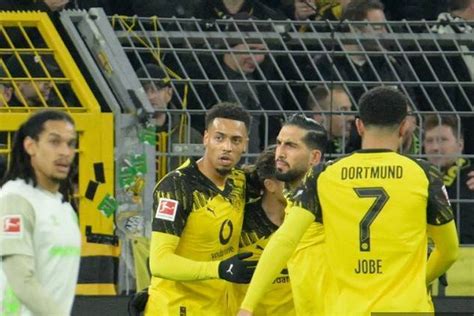
Introduction to Signal Iduna Park
Signal Iduna Park, located in Dortmund, Germany, is more than just a stadium—it is a landmark of football culture and a symbol of the city's identity. Officially opened on April 2, 1974, as the Westfalenstadion, it was constructed to host matches for the 1974 FIFA World Cup. Over the decades, it has evolved into one of the most iconic football venues in the world, synonymous with the passionate fanbase of its primary tenant, borussia dortmund. The stadium's transformation into a modern sporting arena while retaining its historical essence is a testament to its enduring significance in European football.
With a seating capacity of over 81,000 for Bundesliga matches, Signal Iduna Park is the largest stadium in Germany and among the most capacious in Europe. Its design is characterized by four massive yellow pylons that rise above the structure, visible from miles away, serving as a beacon for football enthusiasts. These pylons are not merely functional but emblematic of the stadium's role as a unifying force for the local community and Borussia Dortmund supporters. The venue has undergone several renovations, most notably for the 2006 FIFA World Cup, which expanded its facilities and enhanced its ability to host large-scale international events.
The stadium's name change to Signal Iduna Park in 2005 came as part of a sponsorship agreement with Signal Iduna, a German insurance company. While the rebranding was met with mixed reactions initially—as fans were attached to the "Westfalenstadion" moniker—the financial support enabled critical upgrades to the infrastructure. These changes helped ensure the stadium could remain competitive in hosting top-tier football matches while also catering to the growing expectations of fans and visitors. Despite the name change, the emotional connection fans have with the venue remains undiminished, largely because of the unique atmosphere it fosters.
One of the most striking features of Signal Iduna Park is its role as the home of the "Yellow Wall"—the Südtribüne, or southern stand, which is Europe's largest free-standing grandstand. This area can hold approximately 25,000 standing fans, creating a sea of yellow and black that epitomizes the fervor of Dortmund's supporters. The Yellow Wall is not just a physical structure but a metaphor for the collective energy of the Borussia Dortmund fanbase. It is here that the stadium truly comes alive, with chants, songs, and coordinated displays of support that have become legendary in football circles. This stand is a microcosm of the club's ethos: a blend of community, passion, and an unwavering commitment to the team.
Signal Iduna Park is deeply integrated into the fabric of Dortmund's identity. The city, located in the industrial Ruhr region of Germany, has a rich history tied to coal mining and steel production. The stadium serves as a modern symbol of resilience and pride for a region that has faced economic challenges. Borussia Dortmund, as a club, has often mirrored the city's journey—rising from humble beginnings to achieve great success while weathering financial difficulties. The stadium, therefore, is not just a venue for sport but a space where the community congregates to celebrate their shared heritage and aspirations. Its role extends beyond matchdays; it hosts concerts, corporate events, and even serves as a tourist attraction for those eager to experience its aura.
The architecture of Signal Iduna Park is designed to enhance the spectator experience. The steep incline of the stands ensures that fans are close to the action, creating an intimate atmosphere despite the stadium's vast size. This proximity fosters a sense of connection between the players and the crowd, a dynamic that has been credited with giving Borussia Dortmund a "12th man" advantage during home games. The acoustics of the stadium are also noteworthy; the enclosed design amplifies the noise generated by the fans, making it one of the loudest venues in world football. Studies have shown that the decibel levels during key matches can rival those of a jet engine, underscoring the intensity of the support Borussia Dortmund enjoys.
The stadium's importance is further highlighted by its role in Borussia Dortmund's success story. The club has won multiple Bundesliga titles, the UEFA Champions League, and other honors, many of which were celebrated within the confines of Signal Iduna Park. The venue has witnessed some of the most dramatic moments in German football history, from last-minute goals to title-clinching victories. These moments are etched into the memories of fans and have solidified the stadium's reputation as a theater of dreams for Dortmund supporters.
Beyond its functional and emotional significance, Signal Iduna Park has also been a pioneer in sustainability and innovation. In recent years, the stadium has implemented eco-friendly initiatives, such as energy-efficient lighting and waste management systems, to reduce its environmental impact. Additionally, digital enhancements like high-speed Wi-Fi, advanced ticketing systems, and interactive fan zones have been introduced to improve the overall experience for attendees. These efforts reflect a forward-thinking approach that ensures the stadium remains relevant in an era of rapid technological advancement.
Signal Iduna Park also serves as a hub for Borussia Dortmund's youth development and community outreach programs. The club's academy, which has produced world-class talents like Marco Reus and Nuri Sahin, benefits from the proximity to the stadium, where young players can draw inspiration from the legacy of the venue. Community initiatives, such as programs aimed at integrating refugees and promoting inclusivity, further underscore the stadium's role as a space for social impact.
From a commercial perspective, Signal Iduna Park is a revenue driver for Borussia Dortmund. The stadium's ability to attract large crowds, combined with its premium hospitality offerings, ensures a steady stream of income for the club. Merchandising, guided tours, and event hosting contribute significantly to the club's financial stability, allowing it to compete with wealthier rivals in the Bundesliga and beyond. This economic model is a case study in how a well-managed stadium can support the broader ambitions of a football club.
In summary, Signal Iduna Park is not merely a venue where football is played; it is a living, breathing entity that embodies the spirit of Borussia Dortmund and its supporters. Its history, architecture, and atmosphere are intricately woven into the club's identity, making it a symbol of pride for the city of Dortmund. Whether through the roar of the Yellow Wall, the echoes of historic victories, or its role as a community anchor, the stadium stands as a testament to the enduring power of football to unite and inspire.
- Signal Iduna Park is Germany's largest stadium with over 81,000 capacity for Bundesliga matches.
- The Yellow Wall symbolizes the collective energy and passion of Dortmund's fanbase.
- The stadium has evolved through renovations, including those for the 2006 FIFA World Cup.
- It plays a pivotal role in Borussia Dortmund's success and community integration.
- Innovations in sustainability and technology keep the stadium modern and relevant.
This blend of tradition and modernity ensures that Signal Iduna Park remains not just a place to watch football but a destination that encapsulates the heart and soul of one of Europe's most passionate football cultures.
The Origins of the Yellow Wall
The Yellow Wall of Signal Iduna Park is not merely a stand of seats; it is a living, breathing embodiment of passion, history, and collective identity. To understand its origins, one must delve into the socio-cultural and architectural evolution of Borussia Dortmund and its home ground. This section explores how the Yellow Wall became a symbol of the club’s ethos and a defining feature of Signal Iduna Park.
The story begins in the mid-20th century when Borussia Dortmund, founded in 1909, was establishing itself as a force in German football. The club's rise was intertwined with the industrial history of the Ruhr region, a coal and steel hub that shaped the working-class identity of its supporters. After World War II, Dortmund experienced a resurgence, both economically and in terms of football prominence. The club won its first German championship in 1956, setting the stage for a dedicated fan base that would later demand a stadium capable of housing their fervor.
The construction of the Westfalenstadion (now Signal Iduna Park) was initiated in the early 1970s as part of Germany's preparations to host the 1974 FIFA World Cup. Dortmund was chosen as one of the host cities, and the stadium was designed to accommodate large crowds while reflecting the industrial pragmatism of the region. Initially, the stadium had a capacity of around 54,000, with a mix of seating and standing areas. However, it was the South Stand—what would later be known as the Yellow Wall—that would evolve into something extraordinary.
The South Stand was originally configured as a terraced area, a common feature of European stadiums at the time. Terraces allowed for higher capacities and fostered a sense of communal viewing, where fans could stand, chant, and move in unison. This design was particularly appealing to Dortmund's working-class supporters, who found in football a release from the rigors of industrial labor. The South Stand quickly became the heartbeat of the stadium, a place where the most ardent fans congregated.
The transformation of the South Stand into the Yellow Wall as we know it today was not an overnight phenomenon. It was shaped by two critical factors: the evolution of fan culture in German football and the club's own strategic decisions. In the 1980s and 1990s, German football experienced a wave of modernization. The Bundesliga introduced all-seater stadiums in response to safety concerns following tragedies like the Hillsborough disaster in 1989. Many clubs replaced terraces with seating, which often diluted the atmosphere. However, Borussia Dortmund took a different approach.
In 1995, as part of a stadium expansion to accommodate growing demand, the South Stand was redeveloped. Instead of eliminating standing areas entirely, Dortmund opted for a hybrid model. The South Stand was converted into a massive single-tier standing terrace, capable of holding over 25,000 fans—the largest of its kind in Europe. This decision was both practical and symbolic. Practically, it allowed the club to maintain high attendance while adhering to safety standards. Symbolically, it preserved the communal, working-class spirit of the club’s support base.
The name "Yellow Wall" emerged organically from the visual and emotional impact of this stand. When filled with supporters clad in the club’s iconic yellow and black colors, the stand appeared as a unified, unyielding mass—a "wall" of noise, color, and energy. The term encapsulated not just the physical structure but the psychological barrier it presented to opposing teams. The Yellow Wall became a source of intimidation for visitors and a wellspring of motivation for Dortmund players.
Another key aspect of the Yellow Wall’s development was the rise of ultra groups within Borussia Dortmund’s fan base. Starting in the late 1980s and gaining momentum in the 1990s, ultra groups like The Unity and Desperados brought organized chants, tifo displays, and an unrelenting energy to the South Stand. These groups were instrumental in turning the Yellow Wall into a coordinated spectacle. Their banners, flags, and synchronized chanting elevated the stand from a mere physical space to a cultural phenomenon. This level of organization was rare in European football at the time and set Dortmund apart as a club with a uniquely vibrant atmosphere.
The Yellow Wall also reflects Dortmund’s commitment to affordability and inclusivity. Even after the redevelopment, ticket prices for the South Stand remained comparatively low, ensuring that working-class fans could still afford to attend matches. This accessibility reinforced the Yellow Wall as a symbol of the people—a space where passion outweighed privilege. It was this ethos that further cemented the stand’s reputation as a bastion of authentic fan culture in an era when commercialization was beginning to reshape football.
The historical significance of the Yellow Wall is also tied to Borussia Dortmund’s on-field success in the late 1990s and early 2000s. During this period, the club won multiple Bundesliga titles and the UEFA Champions League in 1997. These triumphs were celebrated with unparalleled intensity on the South Stand, reinforcing its status as the spiritual core of the stadium. The Yellow Wall became synonymous with Dortmund’s identity—a representation of the club’s resilience, unity, and unwavering support.
The architectural design of the stand itself played a role in amplifying its impact. The steep incline of the terrace ensures that every fan has an unobstructed view of the pitch while also maximizing acoustics. This design choice means that the noise generated by 25,000 fans is concentrated and directed toward the pitch, creating an almost overwhelming sonic experience. Opposing players often speak of the psychological toll of playing in front of the Yellow Wall, where the sheer volume and visual density can feel oppressive.
The Yellow Wall’s historical trajectory also mirrors broader changes in German society. Post-reunification Germany saw a renewed emphasis on collective identity and community-building, themes that resonated deeply with Dortmund’s fan base. The stand became a microcosm of these ideals, a place where individuals from diverse backgrounds could unite under a shared passion for their team.
- The Yellow Wall is a product of Dortmund's industrial and working-class roots, embodying the spirit of its supporters.
- Its evolution was shaped by both safety regulations and the club’s deliberate choice to preserve standing terraces.
- The involvement of ultra groups added a layer of organization and spectacle that elevated the stand’s reputation.
- Affordability and inclusivity ensured the stand remained accessible to a broad demographic.
- The stand’s design maximizes both visibility and acoustics, enhancing its role as a fortress of support.
In summary, the Yellow Wall is not just a product of stadium architecture or fan enthusiasm—it is a deliberate fusion of history, culture, and strategy. Its origins lie in the industrial grit of the Ruhr region, the communal ethos of German football, and the club’s visionary approach to fan engagement. Today, it stands as a testament to how a physical space can transcend its functional purpose to become a living emblem of a club’s soul.
Architectural Design and Capacity
The "Yellow Wall" at Signal Iduna Park, home to Borussia Dortmund, is one of the most iconic and awe-inspiring features of modern football stadiums. Known officially as the Südtribüne, this massive terrace has become synonymous with the intense atmosphere and passionate support that characterize matches at the venue. To fully appreciate its impact, it is essential to delve into the **architectural design and capacity** of this structure, which is not merely a seating area but a carefully engineered embodiment of fan culture and energy.
The Yellow Wall is the largest free-standing grandstand in Europe, a fact that underlines its sheer scale and importance. Measuring approximately **25 meters in height** and spanning **100 meters in width**, it dominates the southern end of Signal Iduna Park. This monolithic structure is not just an architectural feat but also a statement of intent—it represents the club's dedication to maintaining a close connection between the team and its supporters. The stand is entirely composed of **safe standing areas**, a design choice that allows for a higher density of spectators compared to seated arrangements, while still adhering to modern safety standards.

The **seating (or rather standing) arrangement** of the Yellow Wall is a key aspect of its design. Unlike traditional grandstands that prioritize individual comfort with spacious, padded seats, the Yellow Wall is built for collective experience. It accommodates **25,000 standing spectators**, making it the largest terrace of its kind in the world. This high capacity is achieved through a tiered layout that maximizes visibility while maintaining proximity to the pitch. The terraces are steeply inclined, with each row positioned at a calculated angle to ensure that even those at the back have an unobstructed view of the action. This steep gradient also contributes to the sense of unity among the crowd, as it physically brings fans closer together, both literally and metaphorically.
One of the most striking features of the Yellow Wall is its **capacity for generating atmosphere**, which is directly influenced by its physical structure. The uninterrupted expanse of standing fans creates a "wall of sound" effect, where chants, songs, and cheers reverberate with incredible intensity. This is amplified by the **acoustic properties** of the stand's design. The high back wall of the terrace and the lack of significant gaps between sections help contain and project sound forward toward the pitch. This architectural consideration is not accidental—it is a deliberate effort to enhance the psychological impact of the crowd on both the home team and visiting opponents. Studies have shown that such an environment can influence player performance, with home teams often drawing energy from the sheer volume and passion of their supporters.
The **construction materials** used in the Yellow Wall also deserve mention. The stand is built primarily with reinforced concrete and steel, materials chosen for their durability and ability to support the immense weight of thousands of fans. The use of these materials also ensures safety, a critical factor given the high-density standing arrangement. The structure is designed to withstand dynamic loads, such as the synchronized jumping and movement of fans during moments of high excitement. Engineers have incorporated **vibration dampening systems** into the design to prevent excessive oscillation, which could otherwise compromise stability. These systems are a testament to the sophistication of the Yellow Wall's engineering, as they balance the need for safety with the desire to preserve the organic, pulsating energy of the crowd.
Another unique aspect of the Yellow Wall's design is its **accessibility and entry points**. Given the high number of spectators it accommodates, the grandstand features multiple wide entrances and exits to facilitate smooth flow during ingress and egress. These entry points are strategically placed to minimize bottlenecks, a design consideration that reflects both practicality and a focus on fan experience. Additionally, the stand includes **dedicated areas for disabled supporters**, ensuring inclusivity without compromising the overall design ethos of the terrace. This thoughtful integration of accessibility features demonstrates how the Yellow Wall is not just a feat of engineering but also a symbol of community and inclusiveness.
The **historical evolution** of the Yellow Wall also sheds light on its current form. Originally constructed in the 1970s, the Südtribüne underwent significant renovations in the 1990s to meet modern safety and capacity requirements. These renovations included the removal of old wooden benches and the introduction of the standing terraces that define the stand today. This transformation was not merely about increasing capacity but about reimagining the role of the stand as a central element of Borussia Dortmund's identity. The Yellow Wall as it exists now is a product of this evolution, a fusion of tradition and innovation that reflects the club's ethos.
From a **capacity perspective**, the Yellow Wall’s ability to hold 25,000 fans in a standing configuration is remarkable, especially when compared to other stadiums where seated arrangements dominate. This high density is not without its challenges, however. Managing such a large number of people in a confined space requires meticulous planning, particularly in terms of crowd control and emergency evacuation procedures. Signal Iduna Park has implemented **advanced crowd management systems**, including designated stewards and digital signage, to ensure that the Yellow Wall remains safe even during high-energy matches. These measures are a critical part of the stand's design philosophy, as they allow the club to prioritize both safety and the unfiltered passion of its supporters.
The **symbolism of the Yellow Wall’s size and layout** extends beyond its physical attributes. Its vastness serves as a visual metaphor for the club's ethos of collective strength and unity. When filled to capacity, the stand appears as a sea of yellow and black, with flags, banners, and flares adding to its visual impact. This spectacle is not merely incidental; it is a deliberate outcome of the stand's design, which encourages fans to participate actively in creating the matchday atmosphere. The lack of individual seating fosters a sense of shared purpose, where every fan is part of a larger whole.
In terms of **comparative analysis**, few other stadiums in the world can rival the Yellow Wall in terms of scale and impact. While other venues, such as Liverpool's Anfield or Boca Juniors' La Bombonera, are renowned for their atmospheres, the Yellow Wall stands apart due to its sheer size and the intentional design choices that amplify its effect. This is not to diminish the uniqueness of other stadiums but to highlight how the Yellow Wall is a product of a specific cultural and architectural vision that prioritizes the collective experience over individual comfort.
In conclusion, the **architectural design and capacity** of the Yellow Wall at Signal Iduna Park represent a harmonious blend of engineering ingenuity and cultural significance. Its size, steep terraces, acoustic properties, and focus on safety and inclusivity make it a standout feature in the world of sports architecture. Beyond its physical attributes, the Yellow Wall is a living, breathing embodiment of Borussia Dortmund's identity—a space where architecture and human passion converge to create something truly extraordinary.
The Role of Fans in Creating the Atmosphere
The Yellow Wall at Signal Iduna Park is not merely a section of the stadium; it is an embodiment of Borussia Dortmund's identity, a physical and emotional manifestation of the club's connection to its fans. This imposing terrace, officially known as the Südtribüne, is the largest free-standing grandstand in Europe, capable of holding over 25,000 standing fans. Its sheer size and the energy it generates play a pivotal role in amplifying fan energy and creating a unique atmosphere that contributes significantly to Borussia Dortmund's home advantage. To understand this phenomenon, one must delve into the psychological, social, and strategic elements that make the Yellow Wall a force to be reckoned with.
One of the most striking aspects of the Yellow Wall is its ability to act as a unifying force for Dortmund supporters. Unlike seated sections where individual experiences can feel isolated, the standing nature of the Yellow Wall encourages a collective experience. Fans are physically close to one another, their movements synchronized by the rhythm of the match. This proximity fosters a sense of camaraderie and shared purpose. When one section of the wall begins a chant, it ripples across the entire stand, creating a wave of sound that is both intimidating for opponents and invigorating for Dortmund players. The psychological impact of this unified energy cannot be overstated—players often remark on how the relentless support from the Yellow Wall pushes them to perform at higher levels, especially in moments of adversity.
The acoustics of the Yellow Wall are another key factor in its effectiveness. The design of Signal Iduna Park, with the Südtribüne positioned as a steep, enclosed structure, naturally amplifies sound. Chants, songs, and cheers reverberate not just within the stand but throughout the entire stadium. This creates a sonic environment that is both immersive for home fans and disorienting for visiting teams. Studies on crowd noise in sports have shown that high decibel levels can affect players' concentration and communication on the field. For Dortmund's opponents, the near-constant roar of the Yellow Wall can make it harder to hear tactical instructions or maintain focus during critical moments of the game. For Dortmund players, however, the sound serves as a motivator, a constant reminder that they are not alone in their battle on the pitch.
The Yellow Wall also serves as a visual spectacle that reinforces Dortmund's reputation as a club deeply rooted in its fan culture. The sea of yellow and black, punctuated by massive tifos, banners, and flags, creates a powerful visual statement. These displays are not random; they are meticulously planned by fan groups who view their role as curators of the matchday experience. When opposing teams walk onto the field and are greeted by this overwhelming display of support, it can instill a sense of intimidation. This is not merely about numbers—it is about the deliberate cultivation of an atmosphere that signals to visitors they are entering a fortress. The psychological edge this provides to Dortmund is subtle but significant. Visiting players often describe the experience of playing in front of the Yellow Wall as one of the most challenging in their careers, not just because of the noise but because of the visual dominance of the home crowd.
Beyond the immediate matchday experience, the Yellow Wall plays a role in shaping Borussia Dortmund's identity as a club. The terrace is a symbol of the club's commitment to affordable ticketing and inclusivity, a philosophy that contrasts sharply with the increasingly commercialized nature of modern football. By maintaining a standing section of this scale, Dortmund has preserved a space where working-class fans can participate in the sport at a reasonable cost. This inclusivity fosters a deep loyalty among fans, many of whom view their support as a lifelong commitment rather than a casual pastime. This loyalty translates into a consistency of energy and presence at home matches, regardless of the team's form. The Yellow Wall is not just loud when Dortmund is winning; it is loud even in defeat, reinforcing the idea that the fans are there for the club, not just the results. This unwavering support can inspire players to fight harder, knowing that their efforts are appreciated irrespective of the scoreline.
The strategic advantage provided by the Yellow Wall extends beyond psychological factors to tactical implications. Dortmund's style of play, particularly under managers who emphasize high pressing and quick transitions, benefits from the energy generated by the crowd. When the team executes a well-timed counterattack or a defensive block, the immediate eruption of noise from the Yellow Wall serves as a form of real-time feedback. This feedback loop between players and fans can enhance performance by reinforcing positive actions. For instance, a Dortmund player making a lung-bursting run to close down an opponent is often met with a surge of applause or a chant, which can spur them to maintain that intensity. Conversely, when the team is under pressure, the wall's unrelenting support can help players regain their composure, knowing that the crowd is behind them even in difficult moments.
It is also worth considering the historical and cultural significance of the Yellow Wall in the context of German football. The Südtribüne is a product of Germany's unique footballing tradition, where standing terraces have long been a staple of the matchday experience. This tradition is tied to the idea of football as a communal activity, one that is accessible and participatory rather than exclusive or passive. The Yellow Wall epitomizes this ethos, and its role in Dortmund's home advantage is deeply tied to this cultural context. The sense of belonging and collective identity that the wall fosters among fans is a direct reflection of the values that German football has historically championed.
To further illustrate the impact of the Yellow Wall, one can look at specific examples from Dortmund's history. Matches against fierce rivals or in high-stakes competitions often see the wall at its most fervent. In these moments, the atmosphere is so charged that it can feel like an additional player on the field. There are countless anecdotes of Dortmund securing late goals or turning around difficult matches, fueled in part by the energy of the Yellow Wall. While it is impossible to quantify this effect in purely statistical terms, the anecdotal evidence is overwhelming. Players and coaches alike have spoken about how the wall's energy can shift the momentum of a game, particularly in the closing stages when fatigue and pressure are at their peak.
In conclusion, the Yellow Wall is more than just a stand; it is a symbol of Borussia Dortmund's soul. Its role in amplifying fan energy and contributing to the team's home advantage is multifaceted, encompassing psychological, social, and tactical dimensions. By uniting fans in a collective experience, creating a sonic and visual environment that intimidates opponents, and reinforcing the club's inclusive ethos, the Yellow Wall stands as a testament to the power of fan culture in shaping the dynamics of football. For Dortmund, it is not just an advantage—it is a cornerstone of their identity and success.
- The Yellow Wall unites fans through its standing design, fostering camaraderie and shared purpose.
- Its acoustics amplify sound, creating an immersive and intimidating atmosphere.
- The visual displays of yellow and black reinforce Dortmund's identity and intimidate visiting teams.
- The wall's inclusivity and affordability nurture deep fan loyalty and consistent support.
- Its energy provides real-time feedback that can enhance player performance and momentum.
Symbolism and Cultural Significance
The Yellow Wall at Signal Iduna Park is not merely a physical structure; it is a living, breathing embodiment of the passion and identity of Borussia Dortmund supporters. This vast, imposing terrace, officially known as the Südtribüne, is the largest free-standing grandstand in Europe, capable of holding over 25,000 fans. Its sheer size and the sea of yellow and black that engulfs it during matches make it a globally recognized symbol of football fandom. However, its significance goes far beyond its physical attributes—it represents a powerful cultural and emotional connection that binds the club, its players, and its supporters in a shared narrative of unity, resilience, and unwavering loyalty.
At its core, the Yellow Wall symbolizes **unity** in a way few other sporting venues can claim. The terrace is a space where individuals from diverse backgrounds, professions, and walks of life come together as one. The act of standing shoulder to shoulder, chanting in unison, and waving flags creates a collective energy that transcends the individual. This unity is not accidental; it is cultivated by the club's ethos of inclusivity and the fans' own commitment to a shared identity. For many, the Yellow Wall is a microcosm of the city of Dortmund itself—a former industrial hub that has faced economic challenges but remains fiercely proud of its heritage. The Yellow Wall encapsulates this spirit of collective strength, where fans find solace and solidarity even in the face of adversity, whether on or off the pitch.
The **passion** exuded by the Yellow Wall is palpable, both to those who experience it in person and to those who witness it through broadcasts. This passion is not just about cheering for goals or jeering at opponents; it is about an almost ritualistic expression of love for the club. The synchronized chants, the rhythmic clapping, and the flares that occasionally light up the terrace are all part of a carefully curated atmosphere designed to inspire both players and spectators. Dortmund fans often refer to the Yellow Wall as the "12th man," a metaphor that underscores its role in motivating the team during critical moments. Studies have even suggested that the noise levels generated by the Südtribüne can reach up to 130 decibels—equivalent to the sound of a jet engine—which can psychologically impact opposing teams and referees. This passion is not performative; it is deeply rooted in the fans' belief that their energy directly contributes to the outcome of the game.
Another layer of the Yellow Wall's symbolism lies in its role as a **beacon of identity** for Borussia Dortmund supporters. Unlike many modern football clubs that have been commercialized to the point of losing their local character, Dortmund has managed to retain a strong connection to its roots. The Yellow Wall is a physical representation of this connection. It is a space where traditions are upheld, from the use of handmade banners that tell stories of the club's history to the preservation of standing terraces in an era where many stadiums have transitioned to all-seater models. These elements serve as a reminder of the club's working-class origins and its commitment to remaining accessible to its fanbase. For instance, ticket prices for the Yellow Wall are deliberately kept affordable, ensuring that the experience remains inclusive rather than exclusive. This deliberate choice reinforces the idea that the Yellow Wall is not just for the affluent or the elite but for anyone who wishes to be part of the Dortmund family.
The cultural significance of the Yellow Wall also extends to its role as a **platform for self-expression**. Supporters use this space to articulate their values, beliefs, and even their frustrations. Political statements, tributes to former players, and messages of solidarity with other fan groups are often displayed in the form of banners and choreographies. These expressions are not just decorative; they are deeply tied to the fans' sense of agency. For example, during the COVID-19 pandemic, when stadiums were empty, the Yellow Wall became a site of virtual tributes, with fans sending messages and images to be displayed on the terrace. This adaptability highlights how the Yellow Wall is not static; it evolves with the times while maintaining its core symbolism.
The Yellow Wall also serves as a **bridge between generations** of Dortmund supporters. Older fans who remember the club's early struggles in the 20th century share the space with younger generations who are experiencing the club's modern successes. This intergenerational exchange fosters a sense of continuity and belonging. Stories of legendary matches, iconic players like Marco Reus or Jürgen Klopp, and historic rivalries with clubs like Bayern Munich are passed down in this communal space. The Yellow Wall becomes a living archive of the club's history, where memories are preserved and new ones are created every matchday.
What makes the Yellow Wall particularly unique is its **global resonance**. While it is undeniably a local phenomenon, its influence extends far beyond Germany. Supporters of other clubs, and even neutral football enthusiasts, often cite the Yellow Wall as a benchmark for what passionate support should look like. This global recognition has turned the Yellow Wall into a symbol not just of Borussia Dortmund but of the broader footballing culture. It represents the idea that football is more than a sport—it is a communal experience that can unite people across borders and languages. Tourists and journalists often make pilgrimages to Signal Iduna Park specifically to witness the Yellow Wall in action, further cementing its place as a cultural icon.
However, the Yellow Wall is not without its **challenges and controversies**. The sheer size and intensity of the terrace can sometimes lead to issues such as overcrowding, safety concerns, or the occasional expression of extremist views by a small minority of fans. These challenges are a reminder that while the Yellow Wall is a symbol of unity and passion, it is also a space that requires careful management to ensure it remains a positive force. The club has taken steps to address these issues, working closely with fan groups to maintain the terrace's integrity while upholding its values.

In summary, the Yellow Wall is more than just a grandstand; it is a **living symbol of Borussia Dortmund's soul**. It embodies the unity of a diverse fanbase, the passion that fuels the club's matches, and the identity of a team deeply rooted in its community. Its cultural significance lies in its ability to bring people together, to amplify the emotions of the game, and to serve as a constant reminder of what football can represent at its best—a shared experience that is greater than the sum of its parts. For Dortmund supporters, the Yellow Wall is not just a place to watch football; it is a place to feel alive, to belong, and to contribute to something far larger than themselves.
- The Yellow Wall fosters **unity** by bringing together fans from all walks of life in a shared experience.
- It exemplifies **passion** through its atmosphere, which inspires both players and spectators.
- It serves as a **beacon of identity**, preserving the club's working-class roots and accessibility.
- It acts as a **platform for self-expression**, allowing fans to articulate their values and beliefs.
- It functions as a **bridge between generations**, connecting the club's past, present, and future.
Through these dimensions, the Yellow Wall stands as a testament to the enduring power of football to create meaning and connection in the lives of those who experience it.
Impact on Football Culture Globally
The Yellow Wall at Signal Iduna Park, home to Borussia Dortmund, is not merely a stand of passionate supporters; it is a phenomenon that has reshaped the very fabric of football culture globally. This imposing mass of fans, officially recognized as the Südtribüne, is the largest free-standing grandstand in Europe, capable of holding over 25,000 standing spectators. Its sheer size, coupled with the unrelenting energy and synchronized chants of its occupants, has made it a beacon of fan culture that has inspired and influenced football clubs far beyond Germany's borders.
The Yellow Wall's impact begins with its embodiment of collective identity. Unlike many modern football stadiums designed with an emphasis on luxury seating and VIP experiences, the Yellow Wall prioritizes the communal experience of the working-class supporter. The affordable pricing of tickets for this section ensures inclusivity, drawing fans from diverse socioeconomic backgrounds. This philosophy has been emulated by clubs worldwide, particularly those seeking to reconnect with their grassroots fanbase. For instance, clubs like Celtic in Scotland and Boca Juniors in Argentina have reinforced their own standing sections or "ultras" culture to recreate the sense of unity and passion that the Yellow Wall exemplifies. These clubs recognize that such stands act as the emotional core of their stadiums, driving the atmosphere and, by extension, the players' performance on the pitch.
Another dimension of the Yellow Wall's influence is its role in redefining stadium design. Traditionally, stadium architects focused on maximizing capacity and comfort, often at the expense of atmosphere. However, the success of the Yellow Wall has prompted a shift in priorities. Modern stadium projects, such as those for Tottenham Hotspur in England and Atlanta United in the United States, now incorporate designated "safe standing" areas. These are not mere imitations but adaptations of the Yellow Wall’s ethos—spaces where fans can stand, chant, and move in unison without compromising safety. The use of rail seating, as seen in these projects, is a direct response to the Yellow Wall’s demonstration that passionate, standing support can coexist with modern safety standards.
The Yellow Wall's visual and acoustic impact has also set a benchmark for fan engagement. Its synchronized displays of banners, flags, and tifos—massive choreographed visuals—have become a global aspiration for supporter groups. Clubs like Liverpool's Kop or Barcelona's Gol Nord have taken cues from Dortmund’s coordinated fan art to amplify their own matchday experiences. The Yellow Wall’s ability to create a psychological advantage for the home team is another aspect that has not gone unnoticed. Visiting teams often speak of the intimidating atmosphere created by the wall of sound and color, which can rattle even the most composed players. This has encouraged other clubs to invest in cultivating their own "12th man" through similar fan-driven initiatives.
Beyond the immediate stadium experience, the Yellow Wall has also influenced global fan movements. In an era where football is increasingly commercialized, the Yellow Wall stands as a symbol of resistance to the corporatization of the sport. Its emphasis on authenticity—fans standing shoulder to shoulder, creating their own chants, and rejecting the sterile atmospheres of some modern stadiums—has inspired fan groups to push back against trends like overpriced tickets, excessive advertising, and disconnection from local communities. For example, fan organizations in England, such as those affiliated with Manchester United's "Green and Gold" campaign, have drawn parallels between their efforts to preserve fan ownership and the Yellow Wall’s role as a bastion of traditional fan values. This has led to a broader conversation about how clubs can balance commercial success with maintaining the soul of their supporter culture.
The global reach of the Yellow Wall is also evident in its impact on youth and international fan engagement. Social media platforms have allowed the Yellow Wall’s theatrics to be broadcast worldwide, turning it into a visual and cultural export of Borussia Dortmund. Young fans in countries with nascent football cultures, such as those in the United States or India, often cite the Yellow Wall as a reason for their fascination with European football. This has led to clubs in these regions attempting to replicate the Yellow Wall’s vibrancy in their own stadiums. For instance, Major League Soccer (MLS) teams like the Portland Timbers and Atlanta United have actively cultivated supporter groups that mimic the coordinated energy of the Yellow Wall, complete with organized chants, tifos, and standing sections.
Moreover, the Yellow Wall has indirectly contributed to a paradigm shift in how clubs view their supporters. Traditionally, fans were seen as passive consumers of the sport, but the Yellow Wall has demonstrated that they can be active participants in shaping the identity of a club. This has encouraged clubs to involve their fanbases in decision-making processes, from kit designs to stadium expansions. For example, fan input in the redesign of Barcelona's Camp Nou included considerations for enhancing the atmosphere in certain sections, a clear nod to the Yellow Wall’s success in blending supporter passion with structural design.
However, the influence of the Yellow Wall is not without its challenges. Some clubs have struggled to balance the raw energy of such supporter sections with the need for commercial viability and inclusivity. For instance, creating standing areas that are both vibrant and safe requires significant investment in infrastructure and fan education. There are also concerns about how to maintain the authenticity of such sections without diluting their essence through over-commercialization. Clubs like Paris Saint-Germain have faced criticism for attempting to manufacture a "Yellow Wall-like" atmosphere in their stadium, only to be met with resistance from fans who view such efforts as inauthentic.
Despite these challenges, the Yellow Wall remains a touchstone for what football culture can aspire to be. Its influence extends beyond Europe, shaping how clubs in Asia, Africa, and South America approach fan engagement. In Japan, for example, clubs like Urawa Reds have adopted standing sections and vibrant displays inspired by the Yellow Wall, blending them with their own cultural traditions to create a unique fusion. This cross-pollination of ideas underscores how the Yellow Wall is not just a localized phenomenon but a global template for reimagining the role of fans in football.
In conclusion, the Yellow Wall at Signal Iduna Park is more than a physical structure; it is a cultural export that has redefined how football clubs and their supporters interact. By prioritizing inclusivity, atmosphere, and authenticity, it has set a standard that resonates across continents. Whether through the adoption of safe standing areas, the emphasis on coordinated fan displays, or the broader push to preserve traditional fan values, the Yellow Wall’s legacy is evident in stadiums and supporter groups worldwide. Its impact is a testament to the enduring power of football as a unifying force, driven by the passion of its most devoted fans.
Memorable Moments at the Yellow Wall
The Yellow Wall at Signal Iduna Park is not merely a stand; it is a phenomenon that embodies the heart and soul of Borussia Dortmund's fan culture. With a capacity of 25,000, it is the largest standing terrace in Europe, and its sheer size and energy make it a focal point of some of the most unforgettable moments in football history. This section delves into specific instances where the Yellow Wall transcended its role as a spectator section to become an active participant in the drama unfolding on the pitch.
One of the most iconic moments involving the Yellow Wall occurred during the **2013 UEFA Champions League quarter-final second leg against Málaga**. Dortmund was trailing 2-1 in the dying minutes of the match, and elimination loomed large. The Yellow Wall, undeterred by the scoreline, roared with unwavering support. The atmosphere was electric, and the players seemed to draw energy from the collective will of the fans. In the 91st minute, Marco Reus equalized, and seconds later, Felipe Santana scored a dramatic winner amid scenes of pandemonium. The Yellow Wall erupted not just in celebration but in a display of raw, unfiltered emotion that showcased how deeply interconnected the fans and the team are. Analysts later noted that the sheer noise and intensity of the stand likely contributed to Málaga's defensive lapses in those final moments, emphasizing the psychological impact of such a charged environment.
Another defining moment came during the **2011 Bundesliga title-clinching match against Nürnberg**. Dortmund was on the cusp of its first league title in nine years, and the Yellow Wall was buzzing with anticipation. The team delivered a commanding 2-0 victory, but what stood out was the post-match celebration. The Yellow Wall became a sea of yellow and black as fans held aloft banners, scarves, and flags, creating a visual spectacle that symbolized unity. Players climbed the fences to join the fans in celebration, breaking down the barrier between spectator and athlete. This moment encapsulated the unique relationship between Dortmund and its supporters—one of mutual respect and shared triumph. The Yellow Wall was not just a backdrop; it was the stage upon which this narrative of collective achievement was performed.
The Yellow Wall has also played a pivotal role in **moments of resilience during adversity**. A striking example is the **2014-15 season**, when Dortmund endured a disastrous first half of the campaign, languishing at the bottom of the table. Despite the team's struggles, the Yellow Wall remained packed and vocal, refusing to abandon their side. During a home match against **Augsburg**, where Dortmund was trailing 0-1, the fans' unrelenting chants and rhythmic clapping spurred the team to a late comeback, culminating in a 3-2 victory. This match is often cited as a turning point in the season, and the role of the Yellow Wall in maintaining morale and belief cannot be overstated. It was a testament to the stand's ability to galvanize not just the players but the entire club during its darkest hours.
Beyond individual matches, the Yellow Wall has been instrumental in **creating a unique pre-match atmosphere that sets the tone for the game**. One of the most visually stunning examples of this was the **2016 DFB-Pokal semi-final against Hertha Berlin**. Before kick-off, the Yellow Wall orchestrated a tifo display featuring a massive banner with the words "Echte Liebe" (True Love) emblazoned across it, surrounded by a sea of flares and coordinated flag-waving. This display was not just for show; it was a deliberate act of psychological warfare aimed at intimidating the opposition while energizing the home team. Hertha's players later remarked on how daunting it felt to play in front of such a fervent crowd. The match ended in a 3-0 victory for Dortmund, and while the players delivered on the pitch, the Yellow Wall's contribution in setting the stage for dominance was undeniable.
The Yellow Wall has also been a platform for **social and cultural statements** that extend beyond football. During the **2020 COVID-19 pandemic**, when matches were played behind closed doors, the absence of the Yellow Wall was palpable. To compensate, fans organized a "cardboard cutout" initiative, where thousands of life-sized images of supporters were placed in the stand. While this was a creative workaround, it underscored how central the Yellow Wall is to the identity of Signal Iduna Park. When fans eventually returned for the **2021-22 season opener against Eintracht Frankfurt**, the Yellow Wall welcomed the team with a thunderous reception that highlighted just how much the physical presence of fans had been missed. This moment was less about the scoreline (a 5-2 win for Dortmund) and more about the symbolic return of a crucial element of the club's identity.
Another fascinating aspect of the Yellow Wall is its role in **amplifying the impact of young talents**. Dortmund has a reputation for nurturing young players, and the support of the Yellow Wall often serves as a confidence booster for these budding stars. A prime example is Erling Haaland's debut in January 2020 against Augsburg. Haaland came on as a substitute and scored a hat-trick within 20 minutes, with the Yellow Wall chanting his name in a manner that made it clear he was already embraced as one of their own. Such moments illustrate how the stand serves as a crucible for player development, where the adulation and energy of the fans can elevate performances to extraordinary levels.
It is also worth noting the Yellow Wall's influence in **high-stakes rivalries**, particularly against Bayern Munich. In the **2012 Bundesliga title decider**, Dortmund faced Bayern at home in a match that would determine the league champion. The Yellow Wall was in full force, creating an atmosphere so intense that it visibly rattled Bayern's players. Dortmund won 1-0, with the goal coming from a counterattack that was celebrated as much by the fans as by the players. Post-match analysis highlighted how the Yellow Wall's relentless noise likely disrupted Bayern's usually composed style of play, showcasing how fan engagement can directly influence tactical outcomes.
The Yellow Wall is not without its controversies, but even these moments underscore its significance. During the **2017 Champions League match against Real Madrid**, the stand was criticized for unsanctioned pyrotechnics. However, this incident also highlighted the unwavering passion of the fans, who saw such displays as an extension of their devotion to the team. While authorities took a dim view of these actions, they were a reminder of how the Yellow Wall is more than a passive observer—it is an active, sometimes rebellious, force that shapes the narrative of matches.
In summary, the Yellow Wall at Signal Iduna Park is not just a physical structure; it is a living, breathing entity that has played a pivotal role in some of football's most memorable moments. Whether through last-minute comebacks, title celebrations, or acts of solidarity during adversity, the stand has proven time and again that it is an indispensable part of Dortmund's identity. Its ability to influence matches, uplift players, and create an atmosphere that is both intimidating and inspiring makes it a cornerstone of fan engagement in modern football.
Challenges and Sustainability
The "Yellow Wall" at Signal Iduna Park is not just a symbol of Borussia Dortmund's passionate fan base but also a testament to the enduring legacy of traditional stadium atmospheres in modern football. However, with its grandeur comes a set of challenges that must be addressed to ensure its sustainability in an era of evolving stadium dynamics, safety regulations, and changing fan expectations. These challenges range from physical safety concerns to the pressures of adapting to modern stadium trends without diluting the essence of what makes the Yellow Wall unique.
One of the most pressing challenges is safety and crowd management. The Yellow Wall, with a capacity of approximately 25,000 standing spectators, is one of the largest terraces in European football. While this creates an unparalleled atmosphere, it also poses significant risks. Standing terraces, by their nature, can be more difficult to evacuate in emergencies compared to seated areas. Incidents such as crowd surges, stampedes, or even minor altercations can escalate quickly in such a densely packed space. Dortmund has implemented measures like designated entry and exit points, trained stewards, and clear communication systems, but these must constantly evolve. For instance, advances in crowd-monitoring technology, such as real-time heat mapping or AI-driven behavior analysis tools, could be explored to preemptively identify and mitigate potential safety issues. However, introducing such technologies must be done carefully to avoid infringing on the sense of freedom and spontaneity that defines the Yellow Wall experience.
Another challenge is the tension between tradition and modernization. As stadiums across the world embrace trends like all-seater policies, luxury boxes, and digital fan engagement, the Yellow Wall stands as a bastion of traditional football culture. Many modern stadiums are shifting toward revenue-maximizing features, such as premium seating or interactive fan zones, which can feel at odds with the raw, communal energy of a standing terrace. The Yellow Wall risks becoming an anachronism in this landscape if it does not find ways to align with these modern trends while preserving its identity. For example, some clubs have experimented with hybrid models, such as retractable seating that can switch between standing and seated configurations. While this could theoretically allow the Yellow Wall to adapt to UEFA regulations for European matches (which mandate all-seater stadiums), it also risks alienating fans who view the terrace as non-negotiable.
A related issue is generational shifts in fan behavior. The Yellow Wall thrives on the energy of young, vocal supporters who create its iconic atmosphere. However, as younger generations increasingly consume football through digital platforms rather than in-person attendance, there is a risk of diminished enthusiasm for such communal experiences. Streaming services, social media, and virtual reality experiences offer convenience and customization that physical attendance cannot always compete with. To counter this, Borussia Dortmund must find ways to make the Yellow Wall more appealing to younger fans. This could include integrating technology in non-intrusive ways, such as augmented reality apps that enhance the matchday experience without detracting from the communal vibe. Additionally, initiatives like discounted tickets for students or partnerships with local schools to promote live attendance could help sustain the vibrancy of the Yellow Wall for years to come.

The economic sustainability of the Yellow Wall is another area of concern. While the terrace tickets are priced lower than seated sections to maintain accessibility, this model can strain the club's finances in an era where revenue generation is increasingly tied to premium offerings. Clubs are under pressure to maximize matchday income through high-priced tickets, corporate sponsorships, and exclusive experiences. However, increasing the cost of Yellow Wall tickets could erode its inclusivity and alienate the very fans who make it special. A potential solution lies in diversifying revenue streams without directly impacting the terrace. For instance, the club could create branded merchandise specifically tied to the Yellow Wall or offer exclusive digital content for fans who attend matches in this section. These initiatives could generate additional income while reinforcing the emotional connection fans have with this space.
Environmental sustainability is also a growing concern in modern stadium management. Large crowds generate significant waste, and the Yellow Wall, given its size, is no exception. Plastic cups, food packaging, and other debris can quickly accumulate, posing both logistical and ecological challenges. While Signal Iduna Park has made strides in sustainability—such as recycling programs and water-saving measures—there is room for improvement specific to the Yellow Wall. For example, the club could implement innovative waste management systems tailored to standing terraces, such as reusable cup deposit schemes or designated waste zones that are easy to access in a crowded space. Furthermore, educating fans about sustainability practices could foster a sense of collective responsibility, turning the Yellow Wall into a symbol of environmental consciousness alongside its footballing legacy.
Another challenge lies in maintaining inclusivity and diversity within the Yellow Wall. While the terrace is a unifying space for Dortmund supporters, it is not immune to issues like discrimination or exclusionary behavior. Incidents of racism, sexism, or other forms of intolerance can tarnish the reputation of the Yellow Wall and alienate potential fans. To address this, the club must take proactive steps, such as implementing strict codes of conduct, offering diversity training for stewards, and actively promoting inclusivity campaigns. The Yellow Wall could also serve as a platform for social initiatives, such as campaigns against discrimination or partnerships with local organizations that promote equity in sports. These measures would not only safeguard the terrace's reputation but also enhance its role as a unifying force in the community.
Finally, there is the challenge of balancing commercial interests with fan authenticity. As football becomes increasingly commercialized, clubs face pressure to cater to global audiences and corporate sponsors. This can sometimes come at the expense of local fan culture. For the Yellow Wall, this means resisting the temptation to "sanitize" its atmosphere to appeal to a broader, more sanitized audience. For instance, excessive branding or overly curated fan experiences could dilute the organic energy that makes the terrace so special. Dortmund must walk a fine line here, ensuring that any commercial partnerships or global outreach efforts respect the grassroots nature of the Yellow Wall.
In conclusion, the challenges facing the Yellow Wall are multifaceted, ranging from safety and economic pressures to the need for inclusivity and environmental responsibility. Addressing these issues requires a delicate balance between preserving the terrace's unique identity and adapting to the realities of modern football. By embracing innovative solutions, fostering community engagement, and staying true to its roots, Borussia Dortmund can ensure that the Yellow Wall remains not only a symbol of passion and tradition but also a sustainable and forward-looking part of the sport's future.
Marketing and Branding Leverage
The "Yellow Wall" at Signal Iduna Park is not merely a physical structure or a collection of seats; it is a symbol of Borussia Dortmund's identity, a living embodiment of the club's ethos, and a powerful tool in its marketing and branding arsenal. This imposing stand, officially known as the Südtribüne, is the largest free-standing grandstand in Europe, capable of holding over 25,000 passionate fans. Its sheer size, combined with the vibrant energy of Dortmund supporters clad in yellow and black, creates a visually and emotionally striking spectacle that Borussia Dortmund has masterfully leveraged to enhance its brand and drive marketing campaigns.
At its core, the Yellow Wall serves as a visual anchor for Borussia Dortmund's brand identity. The club has consistently positioned itself as a team of the people, rooted in the working-class traditions of the Ruhr region. The Yellow Wall, with its unrelenting support and collective passion, reinforces this narrative. Dortmund uses imagery of the Yellow Wall extensively in its marketing materials, from social media posts to promotional videos. The sight of thousands of fans standing as one, chanting in unison, waving flags, and creating a sea of yellow and black is a compelling visual metaphor for unity and passion. This imagery is not accidental; it is deliberately curated to communicate that Borussia Dortmund is more than a football club—it is a community, a movement, and an experience.
One of the most effective ways the club uses the Yellow Wall is through storytelling. Marketing campaigns often feature stories of lifelong fans who have stood in the Südtribüne, emphasizing the emotional connection between the club and its supporters. For instance, Dortmund has produced short films and documentaries that explore the history of the Yellow Wall, showcasing how it has evolved from a simple terrace into a global icon of fan culture. These narratives are designed to humanize the brand, making it relatable to both local fans and international audiences who may never have set foot in Signal Iduna Park but are drawn to the idea of being part of something bigger than themselves.
The Yellow Wall is also a centerpiece of Borussia Dortmund's experiential marketing strategy. The club frequently invites influencers, journalists, and VIPs to experience a match from the Südtribüne, knowing that the energy and atmosphere are unparalleled. This strategy not only generates organic content—as visitors often share their experiences on social media—but also reinforces the idea that Borussia Dortmund offers something that other clubs cannot replicate. The Yellow Wall is portrayed as a must-see phenomenon, a bucket-list experience for any football fan. By framing it this way, Dortmund positions itself as a destination club, one that offers not just football but an immersive cultural experience.
In addition to its role in experiential marketing, the Yellow Wall plays a critical part in global brand expansion. Dortmund has a strong international following, particularly in Asia and North America, where the club has worked to grow its fanbase. The Yellow Wall is often used as a centerpiece in campaigns aimed at these markets. For example, during pre-season tours or international friendlies, the club incorporates Yellow Wall-themed events, such as fan zones where supporters can recreate the atmosphere of the Südtribüne. This approach allows Dortmund to export the essence of its home stadium to fans who may never visit Germany, creating a sense of inclusion and belonging even from afar. Merchandising also plays a role here; Dortmund sells Yellow Wall-branded apparel and memorabilia, further embedding the concept into its commercial strategy.
Another unique aspect of the Yellow Wall's marketing leverage is its association with Dortmund's youth development ethos. The club is renowned for nurturing young talent, and the energy of the Yellow Wall is often linked to this philosophy. Marketing materials frequently showcase how the unwavering support of the Südtribüne helps young players perform under pressure, turning the stand into a symbol of mentorship and growth. This narrative not only appeals to fans who value the club's commitment to youth but also serves as a subtle pitch to potential sponsors and partners who see Dortmund as a forward-thinking organization with a clear identity.
The Yellow Wall is also a tool for competitive differentiation in a crowded football market. While many clubs tout their stadiums or fanbases, few can claim a structure as iconic and universally recognized as the Yellow Wall. Dortmund uses this to its advantage in sponsorship negotiations, emphasizing the stand's visibility and emotional impact. For instance, when negotiating partnerships with global brands, the club can point to the Yellow Wall as a guaranteed spotlight for any branding placed in or around the Südtribüne. The stand's prominence in televised matches and highlight reels ensures that it is not just a local phenomenon but a global stage for advertisers.
Beyond its direct marketing applications, the Yellow Wall is also a cultural export that enhances Dortmund's brand on an intellectual level. The stand is frequently referenced in discussions about football fandom and stadium design, positioning Borussia Dortmund as a thought leader in the intersection of sport and culture. This has allowed the club to participate in broader conversations about the role of fan culture in modern football, using the Yellow Wall as a case study for how supporter passion can be harnessed to create a unique brand identity. Such positioning elevates Dortmund beyond the realm of mere sports entertainment, framing it as a cultural institution with global relevance.
Moreover, the Yellow Wall is a counterpoint to the commercialization of football. At a time when many fans feel alienated by the increasing corporatization of the sport, the Südtribüne stands as a bastion of authenticity. Dortmund's marketing often contrasts the Yellow Wall with the sterile atmospheres of other modern stadiums, emphasizing the organic, grassroots nature of its support. This contrast not only endears the club to fans disillusioned by the direction of the sport but also serves as a subtle critique of rivals who may lack such a distinctive and authentic feature.
To further capitalize on the Yellow Wall's appeal, Borussia Dortmund has also integrated it into digital campaigns. Interactive content, such as virtual tours of the Südtribüne or augmented reality experiences that let fans "stand" in the Yellow Wall, has been used to engage younger, tech-savvy audiences. This approach blends tradition with innovation, ensuring that the Yellow Wall remains relevant to new generations of fans while preserving its historical significance.
In summary, the Yellow Wall is far more than a grandstand for Borussia Dortmund; it is a multifaceted marketing asset that encapsulates the club's values, amplifies its brand identity, and differentiates it in a competitive landscape. Through a combination of visual storytelling, experiential marketing, global outreach, and cultural positioning, Dortmund has turned the Yellow Wall into a cornerstone of its brand strategy. It is not just a place to watch football—it is a living, breathing embodiment of what Borussia Dortmund stands for, and the club has leveraged this to great effect in its quest to build a globally recognized and deeply resonant brand.
Conclusion and Future Prospects
The Yellow Wall of Signal Iduna Park is not merely a physical structure or a section of seating; it is a living, breathing embodiment of the passion and collective spirit of football fandom. Its legacy is rooted in the way it has redefined the experience of attending a match, blending the visceral energy of thousands of supporters into a unified force that can influence the very outcome of games. This section explores the enduring legacy of the Yellow Wall and speculates on how it might shape the future of football fandom in a rapidly evolving sporting landscape.
The enduring legacy of the Yellow Wall lies in its ability to encapsulate the essence of what it means to be a fan. It represents a communal experience that transcends individual allegiances, creating a shared identity among those who stand within its ranks. The Yellow Wall has become synonymous with Borussia Dortmund, not just as a football club but as a cultural institution. Its sheer size—capable of holding 25,000 standing fans—makes it the largest free-standing grandstand in Europe, but its impact goes far beyond its physical dimensions. It symbolizes a philosophy of inclusivity and intensity, where every supporter, regardless of background, can contribute to the roar of the crowd. This inclusivity is a key part of its legacy, as it has inspired other clubs and stadiums to reconsider how they design spaces for fans. The Yellow Wall has shown that a football match is not just about the players on the pitch but also about the energy and atmosphere generated by the crowd.
One of the most significant aspects of the Yellow Wall’s legacy is its role in redefining home-field advantage. The psychological impact of 25,000 fans standing as one, chanting, waving flags, and creating a wall of sound is immense. Studies have shown that players often perform better when supported by such an environment, and opponents can feel intimidated by the sheer intensity of the atmosphere. This phenomenon has been a critical factor in Borussia Dortmund’s success over the years, particularly in high-stakes matches where the Yellow Wall has acted as a twelfth man. Its legacy is therefore not just symbolic but also practical, as it has directly contributed to the club’s competitive edge. This is a lesson that other clubs and leagues can learn from, particularly as they seek to enhance the matchday experience in an era where digital distractions and declining attendance are real challenges.
The Yellow Wall also serves as a beacon for fan culture in an increasingly commercialized sport. In a time when many stadiums are criticized for being too sterile or overly focused on corporate hospitality, the Yellow Wall stands as a reminder of what football fandom can and should be. It is a space where spontaneity, creativity, and raw emotion are not only allowed but encouraged. The tifos, chants, and coordinated displays are not manufactured by the club but are organically created by the fans themselves. This authenticity is part of what makes the Yellow Wall so revered, not just in Germany but across the world. As football continues to globalize and commercialize, the Yellow Wall offers a model of how to maintain the soul of the sport amidst the pressures of modern business.
Looking to the future, the Yellow Wall’s role in football fandom is likely to evolve in fascinating ways. One area of speculation is how technology might interact with this iconic space. Augmented reality (AR) and virtual reality (VR) are already beginning to reshape how fans experience sports, and it is not hard to imagine a scenario where the Yellow Wall becomes a testing ground for new fan engagement technologies. For example, AR could allow remote fans to feel as though they are part of the Yellow Wall, even if they are watching from thousands of miles away. This could open up new revenue streams for clubs while also expanding the reach of the Yellow Wall’s influence. However, there is a delicate balance to be struck here—any technological enhancements must not dilute the raw, unfiltered nature of the experience that makes the Yellow Wall so special.
Another area of future speculation is the role of the Yellow Wall in advocating for fan-driven initiatives within football. As the sport grapples with issues like rising ticket prices, the influence of billionaire owners, and the threat of breakaway leagues such as the European Super League, the Yellow Wall could become a symbol of resistance and solidarity among fans. Its history of vocal opposition to measures that threaten the integrity of the game—such as protests against Monday night fixtures in the Bundesliga—demonstrates its potential to be a platform for activism. In the future, the Yellow Wall might play a central role in mobilizing fans to demand greater transparency, fairness, and inclusivity in football governance. This is particularly relevant as younger generations of fans, who are more attuned to social justice issues, begin to assert their influence in the sport.
The Yellow Wall could also inspire innovations in stadium design across the world. As clubs seek to replicate the magic of Dortmund’s atmosphere, we may see more standing sections, safer terraces, and fan-centric designs that prioritize atmosphere over profit. This could lead to a renaissance of fan culture in countries where seated-only stadiums have become the norm. For instance, the English Premier League has already begun to experiment with safe standing areas, a move that can be traced back to the success of the Yellow Wall. If this trend continues, we may see a shift back toward the communal, standing-room-only spaces that defined football in its earlier years.
There is also the question of how the Yellow Wall will adapt to demographic and cultural shifts in football fandom. As the global audience for football diversifies, the Yellow Wall will need to find ways to remain inclusive while also preserving its unique identity. This might involve embracing multilingual chants, incorporating digital fan participation for those who cannot attend in person, or finding ways to welcome fans from different cultural backgrounds without losing the distinctively German and Dortmund-centric character of the Wall. These challenges are not insurmountable, but they will require thoughtful engagement from both the club and its supporters.
Finally, the Yellow Wall’s future prospects are tied to the broader question of how football will navigate the tension between tradition and innovation. While the Yellow Wall is a bastion of tradition, it must also find ways to remain relevant in a world where fan engagement is increasingly mediated through digital platforms. This might mean leveraging social media to amplify the Wall’s voice, using data analytics to better understand fan behavior, or even creating hybrid experiences that blend the physical and virtual worlds. Whatever the future holds, the Yellow Wall’s ability to adapt while staying true to its roots will be a key factor in its continued relevance.
In conclusion, the Yellow Wall is more than just a grandstand; it is a symbol of football’s enduring power to unite, inspire, and transform. Its legacy is one of passion, inclusivity, and authenticity, and its future prospects are intertwined with the ongoing evolution of the sport. Whether through technological integration, advocacy for fan rights, or the reimagining of stadium design, the Yellow Wall has the potential to remain at the forefront of football fandom for decades to come. As long as it continues to stand as a testament to the collective spirit of supporters, it will serve as a beacon for what football can and should represent in the modern era.