Introduction to Bundesliga and Sky Sports Partnership
The partnership between the Bundesliga and Sky Sports represents one of the most enduring and strategically significant collaborations in European football broadcasting. This relationship is not merely a transactional arrangement for airing matches but a deeply interwoven commercial and cultural synergy that has shaped how football is consumed, promoted, and valued across multiple markets. To understand the depth of this partnership, it is essential to explore its historical roots, the commercial imperatives driving its evolution, and the mutual benefits that have cemented its longevity.
The Bundesliga, Germany’s top-tier football league, has long been regarded as one of the most competitive and well-organized leagues in the world. Established in 1963, the Bundesliga quickly gained a reputation for its high-quality football, passionate fan base, and emphasis on youth development. By the 1990s, as the global sports broadcasting landscape began to shift towards privatization and pay-TV models, the Bundesliga found itself at the center of a rapidly growing demand for live football content. This was a period when broadcasters like Sky Sports, a subsidiary of Sky Group, were aggressively expanding their portfolios to secure exclusive rights to premium sports properties. Sky Sports, which had already established itself as a dominant player in the UK sports broadcasting market, saw an opportunity to position itself as a gateway to European football for its audience.
The commercial courtship between the Bundesliga and Sky Sports began in earnest during the late 1990s and early 2000s. At this time, Sky Sports was building its brand as the home of live football, leveraging its ability to provide comprehensive coverage of the English Premier League. However, as consumer appetite for diverse football content grew, Sky Sports recognized the Bundesliga as a complementary asset. The league offered a unique blend of technical excellence, tactical variety, and a high average goals-per-game ratio—attributes that resonated with football purists and casual fans alike. For the Bundesliga, this was an opportunity to expand its international footprint, particularly in English-speaking markets where Sky Sports had a strong presence.
The first major broadcasting deal between the two entities was not merely a rights acquisition but a strategic alignment. Sky Sports brought to the table its expertise in production quality, multi-platform delivery, and audience engagement. For instance, Sky Sports introduced features such as in-depth match analysis, player interviews, and highlight packages tailored to appeal to both German and international audiences. This marked a shift from merely broadcasting games to creating an immersive viewing experience. For the Bundesliga, this was a critical step in enhancing its brand identity beyond Germany, particularly as it sought to compete with the marketing juggernaut of the Premier League.
One of the key drivers of this partnership has been the commercial upside for both parties. For Sky Sports, the Bundesliga provided a steady stream of high-quality content that could be monetized through subscriptions and advertising. The league's appeal was particularly strong in markets where there was a demand for top-tier football outside of the Premier League. This allowed Sky Sports to diversify its content offering and reduce dependency on a single league. For the Bundesliga, the revenue generated from broadcasting rights was reinvested into the league, supporting infrastructure, youth academies, and competitive balance among clubs. This symbiotic relationship ensured that both entities could grow their respective brands while meeting their financial and strategic objectives.
Over time, the partnership has evolved in response to changing market dynamics. The advent of digital streaming and the proliferation of over-the-top (OTT) platforms introduced new opportunities and challenges. Sky Sports, like other broadcasters, had to adapt to a landscape where younger audiences were increasingly consuming content on mobile devices and through non-traditional channels. The Bundesliga, for its part, has been at the forefront of embracing digital innovation. Together, the two entities have explored initiatives such as on-demand match highlights, interactive fan engagement tools, and localized content for specific regions. This adaptability has helped maintain the relevance of their partnership in an era where viewer preferences are in constant flux.
Another dimension of this relationship is the cultural exchange it has fostered. Sky Sports has played a significant role in promoting the Bundesliga's unique fan culture, which is characterized by affordable ticket prices, vibrant stadium atmospheres, and a strong emphasis on community. Through its broadcasts, Sky Sports has highlighted features such as the "50+1 rule," which ensures that club members retain majority ownership, a stark contrast to the more commercialized models seen in other leagues. This has helped position the Bundesliga as a league that balances commercial success with fan-centric values—a narrative that resonates with audiences disillusioned by the perceived greed of other football institutions.
The partnership has also had a ripple effect on the broader football ecosystem. By broadcasting Bundesliga matches, Sky Sports has indirectly contributed to the league's ability to attract top talent from around the world. Players are drawn not only by the competitive nature of the league but also by the exposure they receive through Sky Sports' extensive reach. This exposure has, in turn, elevated the Bundesliga's standing as a pathway for young players, particularly from South America and Africa, to gain visibility before potentially moving to other top European leagues.
From a historical perspective, the partnership has also weathered challenges. The COVID-19 pandemic, for instance, disrupted live sports globally and forced both Sky Sports and the Bundesliga to innovate. Sky Sports introduced virtual fan experiences and enhanced digital offerings to keep audiences engaged during a period of empty stadiums. The Bundesliga, meanwhile, was one of the first major leagues to resume play under strict health protocols, a move that was widely covered and broadcast by Sky Sports. This period underscored the resilience of their partnership and their shared commitment to delivering football to fans under unprecedented circumstances.
In terms of future prospects, the Bundesliga and Sky Sports relationship is poised to adapt further as the sports broadcasting landscape continues to evolve. The rise of artificial intelligence in content personalization, the potential for augmented reality in match coverage, and the growing importance of sustainability in sports are all areas where this partnership could deepen its impact. Additionally, as the Bundesliga seeks to close the gap with the Premier League in terms of global viewership and revenue, Sky Sports remains a critical ally in amplifying its reach and appeal.
In summary, the historical and commercial relationship between the Bundesliga and Sky Sports is a testament to the power of strategic alignment in sports broadcasting. It is a partnership rooted in mutual growth, driven by a shared vision of delivering high-quality football to a global audience. While the specifics of their agreement have evolved over time, the core principles of innovation, audience engagement, and commercial synergy have remained constant. This dynamic has not only benefited the two entities but has also enriched the experience of football fans worldwide, solidifying the Bundesliga-Sky Sports collaboration as a benchmark for sports broadcasting partnerships.
The Role of Highlights in Modern sports media
Match highlights have become a cornerstone of modern sports media, playing a pivotal role in how fans consume and engage with their favorite sports. In the context of the Bundesliga and its association with Sky Sports, highlights serve as both a storytelling medium and a strategic tool for driving viewership. This section delves into the multifaceted importance of match highlights in modern sports media, with a focus on their ability to engage fans, amplify the reach of live events, and create new revenue opportunities for broadcasters and leagues.
One of the most immediate impacts of match highlights is their role in extending the lifespan of a live event. A football match, especially in a league as competitive as the Bundesliga, is a transient spectacle—it unfolds over 90 minutes and then fades into memory for those who did not watch it live. However, highlights allow key moments—goals, saves, controversial decisions, and dramatic comebacks—to be encapsulated into a digestible format. This means that even fans who missed the live broadcast can still experience the emotional highs and lows of the game. For Sky Sports, which holds exclusive rights to Bundesliga coverage in certain regions, this is crucial. By offering well-curated highlights packages, they can cater to a broader audience that includes not just die-hard fans who watch every match live but also casual viewers who may only have time for a quick recap.
The psychological impact of highlights on fan engagement is another area worth exploring. Research in sports psychology suggests that condensed content, like highlights, can elicit strong emotional responses by focusing on peak moments of action. A stunning goal or a last-minute winner triggers dopamine release in the viewer, reinforcing their connection to the sport and the teams involved. For Sky Sports, this emotional engagement is invaluable. When fans watch Bundesliga highlights, they are not just consuming content—they are being immersed in the league's narrative. This emotional investment can lead to increased loyalty to the Bundesliga brand and, by extension, to Sky Sports as the primary provider of its coverage. For instance, a well-produced highlight reel showcasing a player like Erling Haaland scoring a hat-trick not only celebrates the athlete but also positions Sky Sports as the go-to platform for experiencing such moments.
Another critical aspect is the role of highlights in the era of social media and short-form content. Platforms like Twitter, Instagram, and TikTok have redefined how sports content is consumed, with younger audiences particularly drawn to bite-sized, shareable clips. Bundesliga highlights distributed through Sky Sports' digital channels can be tailored for these platforms, ensuring that the league remains relevant in an age of diminishing attention spans. A 30-second clip of a stunning free-kick or a rapid counter-attack can go viral, drawing in viewers who might not otherwise tune into a full match. This strategy not only broadens the audience base but also serves as a form of advertising for the full-length broadcasts. When fans see an exhilarating highlight on social media, they are more likely to seek out the full match or subscribe to Sky Sports for comprehensive coverage.
Moreover, highlights are instrumental in creating a narrative arc for the league. The Bundesliga, like any sports league, thrives on its storylines—rivalries, underdog triumphs, and the pursuit of the title. Highlights serve as the building blocks of these narratives, allowing broadcasters to craft a compelling storyline that keeps fans invested over the course of a season. For example, Sky Sports can use highlights to emphasize the rise of a young team challenging the dominance of perennial champions like Bayern Munich. By selectively showcasing key moments from matches involving these teams, they can amplify the drama and intrigue of the league. This narrative-building not only keeps existing fans hooked but also attracts new ones who are drawn to the human drama and competition encapsulated in the highlights.
From a commercial perspective, highlights are a powerful driver of revenue. They can be monetized in several ways, such as through sponsorship deals where brands pay to have their logos featured in highlight packages or pre-roll ads that play before highlight videos on digital platforms. Additionally, Sky Sports can use highlights as a teaser to upsell subscriptions or pay-per-view options. For instance, a fan who watches a free highlight reel of a thrilling match might be enticed to purchase access to the full game or sign up for a seasonal subscription. This dual role of highlights—as both a standalone product and a promotional tool—makes them an integral part of the media ecosystem.
It is also worth noting the technological advancements that have enhanced the production of highlights. Modern AI-driven tools allow for the automatic generation of highlight reels based on algorithms that detect key events like goals, fouls, or crowd reactions. Sky Sports can leverage such technologies to produce highlights faster and more efficiently, ensuring that they are available to fans almost immediately after the final whistle. This speed is particularly important in a landscape where immediacy is prized; fans want to relive the action while the adrenaline of the match is still fresh. Quick turnaround times for Bundesliga highlights not only satisfy this demand but also position Sky Sports as a cutting-edge provider in the sports media space.
However, the effectiveness of highlights is not without its challenges. One potential pitfall is the risk of oversimplification. By focusing solely on the most dramatic moments, highlights can sometimes misrepresent the broader context of a match. A team that dominated possession but lost due to a single defensive error might appear less competent in a highlight reel than they truly were. This is where the editorial judgment of Sky Sports becomes crucial. They must strike a balance between creating engaging, fast-paced content and maintaining the integrity of the match's narrative. Providing complementary analysis or extended highlights can help address this issue, offering fans a more nuanced view of the game while still catering to those seeking quick thrills.
In addition, the globalization of sports media has amplified the importance of highlights. The Bundesliga has a growing international fan base, with viewers tuning in from Asia, Africa, and the Americas. For these audiences, highlights are often the primary way they interact with the league. Time zone differences make live viewing difficult for many, so Sky Sports' ability to deliver high-quality, localized highlight packages is essential for maintaining the Bundesliga's global appeal. Features like multilingual commentary or culturally tailored packages can further enhance this reach, making the league feel more accessible and inclusive to a diverse audience.
In conclusion, match highlights are far more than just a condensed version of a football match—they are a strategic asset for modern sports media. For Sky Sports and the Bundesliga, they serve as a means of engaging fans, prolonging the life of live events, driving revenue, and building the league's global brand. As technology and audience preferences continue to evolve, the role of highlights will likely grow even more significant, requiring broadcasters to innovate and adapt while staying true to the essence of what makes sports so compelling: the stories, the drama, and the shared experience of competition.
Audience Demographics and Bundesliga Content Consumption
The audience for Bundesliga highlights on Sky Sports represents a diverse and dynamic group of football enthusiasts, shaped by the league's global appeal and Sky Sports' positioning as a premium sports broadcaster. To understand this audience, it is essential to examine their **demographic makeup**, **geographic distribution**, and **content consumption patterns** in detail. These factors not only inform how Bundesliga content is packaged and delivered but also reveal opportunities for deeper audience engagement.
One of the defining characteristics of the Bundesliga audience is its **international scope**. While the league is rooted in Germany, its fanbase extends far beyond national borders. Sky Sports caters to this global audience by offering Bundesliga highlights in multiple languages and time zones. A significant portion of the audience hails from **Europe**, particularly neighboring countries like Austria, Switzerland, and the Netherlands, where the Bundesliga enjoys strong regional popularity. However, there is also a growing viewership in **Asia**, particularly in China, Japan, and South Korea, driven by the presence of high-profile Asian players in the league, such as Son Heung-min and Takumi Minamino. Additionally, the Bundesliga has made inroads into **North America**, where a subset of football fans seek alternatives to the dominance of the Premier League and La Liga in mainstream sports media.
The **age demographics** of Bundesliga highlight viewers are particularly noteworthy. While traditional football audiences skew older, Sky Sports has successfully tapped into a younger demographic thanks to its digital-first approach. **Millennials and Gen Z viewers** are a key target group, as they are more likely to consume sports content in short, digestible formats like highlight reels. These younger viewers often access content via **mobile apps**, social media platforms, and on-demand services rather than linear TV broadcasts. This trend aligns with broader shifts in media consumption, where convenience and immediacy are prioritized. For instance, Sky Sports' use of **short-form video clips on Instagram and TikTok** has proven effective in capturing the attention of younger audiences who may not commit to full match broadcasts but still want to stay updated on key moments.
In terms of **gender dynamics**, the Bundesliga audience is gradually becoming more inclusive. While football has historically been male-dominated in terms of viewership, there is evidence of increasing female engagement with Bundesliga content. This shift is partly due to **grassroots efforts to promote women's football** and the visibility of female commentators, analysts, and presenters on Sky Sports. Moreover, the **family-friendly nature of Bundesliga matches**—often scheduled at accessible times and featuring a festive, community-oriented atmosphere—has attracted a broader audience base, including parents and younger children.
The **viewing habits** of Bundesliga highlight consumers are heavily influenced by **digital transformation**. Unlike traditional sports fans who might tune in for full-length matches on TV, many Bundesliga highlight viewers prefer **snackable content** that can be consumed during commutes, work breaks, or leisure time. Sky Sports has capitalized on this trend by offering **curated highlight packages** that showcase not just goals but also key plays, tactical moments, and player interviews. This approach caters to fans who may not have the time or inclination to watch entire matches but still want a comprehensive understanding of the game's narrative.
Another critical aspect of consumption patterns is the **role of social media**. Platforms like YouTube, Twitter, and Instagram are central to how Bundesliga content is discovered and shared. Sky Sports leverages these platforms to deliver **instant replays, goal compilations, and post-match analysis**. For example, a particularly stunning goal or a dramatic comeback often goes viral within minutes of occurring, drawing in viewers who might not have initially sought out Bundesliga content. This phenomenon underscores the importance of **real-time content delivery** and the power of **user-generated engagement**, such as fans sharing clips or commenting on standout moments.
A unique insight into the Bundesliga audience is their **preference for storytelling** over raw statistics. Unlike some other football leagues where individual star power often takes center stage, Bundesliga fans are drawn to the **collective narratives** of teams and the league's emphasis on youth development and underdog stories. For example, the rise of teams like Union Berlin or Freiburg, who challenge traditional powerhouses like Bayern Munich, resonates with viewers who appreciate **stories of grit and perseverance**. Sky Sports can enhance this appeal by producing highlight packages that emphasize these narratives, such as focusing on a young player's breakthrough performance or a team's journey from relegation danger to European qualification.

Another factor influencing content consumption is the **time sensitivity** of highlights. Bundesliga matches are often played in the afternoon European time, which can be challenging for audiences in regions like Asia or the Americas due to time zone differences. To address this, Sky Sports offers **time-shifted highlight packages** and **on-demand services** that allow fans to catch up at their convenience. This flexibility is particularly important for maintaining engagement among international audiences who might otherwise feel excluded from live viewing experiences.
The **technological preferences** of the audience also play a significant role. A growing segment of Bundesliga highlight viewers are **cord-cutters** or **cord-nevers**, meaning they do not rely on traditional cable subscriptions. Instead, they access content through **streaming services**, **OTT platforms**, or **mobile-first solutions**. Sky Sports has adapted to this trend by offering Bundesliga highlights through its **Sky Go app** and partnering with digital-only services to expand its reach. This strategy ensures that the league remains accessible to tech-savvy fans who prioritize flexibility and device agnosticism.
From a **psychographic perspective**, Bundesliga highlight viewers often exhibit a mix of **passion for the sport** and **pragmatism in consumption**. They are not just passive consumers of content but active participants in online communities, engaging in discussions about match outcomes, player transfers, and tactical debates. This level of engagement presents an opportunity for Sky Sports to foster **community-driven content**, such as interactive polls, fan Q&A sessions with players, or behind-the-scenes footage that humanizes the league and its participants.
Finally, it is worth noting the **economic considerations** of the audience. While premium sports packages on Sky Sports may appeal to dedicated fans willing to pay for exclusive access, there is also a sizable audience that seeks **free or low-cost options** for Bundesliga highlights. This dichotomy requires Sky Sports to balance its **premium offerings** with **freemium models** or partnerships with platforms like YouTube, where ad-supported content can attract a wider audience without alienating paying subscribers.
In summary, the audience for Bundesliga highlights on Sky Sports is characterized by its **global reach**, **technological adaptability**, and **diverse preferences**. By understanding these nuances, Sky Sports can tailor its content strategy to meet the needs of a broad yet specific group of viewers. Whether through **short-form highlights**, **narrative-driven storytelling**, or **platform-agnostic delivery**, the key to success lies in aligning content with the evolving habits and expectations of modern football fans.
Content Delivery Strategies by Sky Sports
Sky Sports has established itself as a premier broadcaster of football content, and its approach to delivering Bundesliga highlights is a testament to its commitment to engaging diverse audiences across platforms. The strategy employed by Sky Sports to package and deliver these highlights is a blend of innovation, accessibility, and audience-centric design. This deep dive explores the nuanced methods used to ensure that Bundesliga highlights are not only widely available but also tailored to meet the expectations of modern sports fans.
One of the core elements of Sky Sports' content delivery strategy is **multi-platform distribution**. Bundesliga highlights are not confined to traditional television broadcasts; instead, they are disseminated across a range of platforms including the Sky Sports app, website, social media channels, and on-demand services. This multi-platform approach acknowledges the fragmented nature of media consumption today. Viewers no longer rely solely on live TV; they expect content to be available when and where they want it. For example, Sky Sports uses its app to deliver short, digestible highlight reels that cater to mobile users who may prefer quick updates during their commute or work breaks. These highlights are often segmented into key moments—goals, saves, and pivotal plays—allowing users to quickly access the most exciting parts of a match without needing to watch an entire game summary.
The **curation of highlight packages** is another area where Sky Sports excels. Unlike generic highlight reels, the broadcaster tailors its content to emphasize the most dramatic or significant events of a match. This involves not only selecting the best clips but also adding contextual narration and graphics to enhance the viewing experience. For instance, when delivering a highlight package for a match like Bayern Munich vs. borussia dortmund, Sky Sports ensures that the rivalry's intensity is captured in the narrative. The use of dynamic graphics, such as player stats overlaid on clips or heat maps showing player movement, enriches the content and provides viewers with more than just raw footage. This approach demonstrates that Sky Sports is not merely delivering video but curating a story around the match, which resonates with fans who are emotionally invested in the league.
Sky Sports also leverages **social media as a primary delivery channel** for Bundesliga highlights. Platforms like Twitter, Instagram, and YouTube are used to share bite-sized clips, often within minutes of a match's conclusion. These platforms are particularly effective for reaching younger, tech-savvy audiences who may not subscribe to traditional TV packages. A unique insight here is how Sky Sports optimizes content for each platform. On Instagram, for example, highlights are presented in vertical video format with quick transitions and vibrant captions to grab attention in a scroll-heavy environment. On YouTube, longer highlight packages are uploaded, often accompanied by expert commentary or post-match analysis. This platform-specific tailoring ensures that the content is not only accessible but also native to the user experience of each channel.
Another critical aspect of Sky Sports' strategy is the integration of **personalization features** in its digital offerings. Through the Sky Sports app and website, users can customize their experience by selecting their favorite teams or players. This allows the platform to push Bundesliga highlights that are most relevant to individual users. For example, if a user follows Borussia Mönchengladbach, they might receive push notifications or curated playlists featuring that team's key moments. This level of personalization not only enhances user engagement but also fosters a sense of loyalty, as fans feel that the content is being delivered with their preferences in mind.
The broadcaster also employs **time-sensitive delivery strategies** to maximize engagement. Bundesliga highlights are often made available in near real-time, particularly for high-profile matches. This rapid turnaround is crucial in an era where fans are accustomed to instant updates via social media and other digital sources. Sky Sports ensures that its highlight packages are ready to go live shortly after the final whistle, capitalizing on the immediate post-match buzz. Additionally, the broadcaster often teases upcoming highlights with short previews or "goal of the day" clips on social media, creating anticipation and driving traffic to its platforms.
Sky Sports also recognizes the importance of **exclusive content** in differentiating its offerings. While some highlights are available broadly, the broadcaster often reserves certain premium content for its paying subscribers. This might include extended highlight reels, behind-the-scenes footage, or interviews with players and coaches. By offering exclusive access, Sky Sports incentivizes users to subscribe to its services, creating a tiered content model that caters to both casual fans and die-hard Bundesliga enthusiasts. This strategy not only drives revenue but also reinforces the value proposition of Sky Sports as the go-to destination for comprehensive football coverage.
Another innovative approach is the use of **interactive and immersive technologies**. Sky Sports has experimented with augmented reality (AR) and virtual reality (VR) elements in its coverage, particularly for flagship matches or end-of-season highlights. For instance, AR graphics can allow users to view a goal from multiple angles or simulate being in the stadium. While these features are not yet mainstream for Bundesliga highlights, they represent a forward-looking strategy to keep audiences engaged in an increasingly competitive sports media landscape. Such innovations position Sky Sports as a leader in adopting cutting-edge technologies to enhance the fan experience.
The role of **data-driven insights** in content delivery cannot be overlooked. Sky Sports utilizes analytics to understand viewer behavior and preferences. Metrics such as watch time, click-through rates, and engagement on social media posts inform the types of highlights that are prioritized. For instance, if data shows that fans are particularly interested in long-range goals or last-minute winners, these moments are given more prominence in highlight packages. This data-informed approach ensures that the content remains relevant and appealing to the target audience.
Finally, Sky Sports integrates **partnerships and collaborations** to expand the reach of Bundesliga highlights. Collaborations with the Bundesliga itself, as well as with clubs and players, allow for co-branded content that amplifies the league's visibility. For example, Sky Sports might work with a club like RB Leipzig to create a "goal of the month" feature that is shared across both entities' platforms. Such collaborations not only broaden the audience base but also add authenticity to the content, as they often include direct input from players or club representatives.
In summary, Sky Sports' content delivery strategies for Bundesliga highlights are a sophisticated blend of technological innovation, audience understanding, and strategic partnerships. By leveraging multi-platform distribution, personalization, time-sensitive delivery, and exclusive content, the broadcaster ensures that its offerings remain relevant and engaging. This comprehensive approach not only satisfies the immediate needs of football fans but also positions Sky Sports as a leader in sports media, setting a benchmark for how highlights can be packaged and delivered in the digital age.
Impact of Digital Platforms on Highlight Accessibility
The evolution of digital platforms has significantly transformed how sports content, including Bundesliga highlights on Sky Sports, is consumed and distributed. This shift has not only expanded the accessibility of highlights but also redefined the way fans interact with and experience football content. Streaming services, mobile applications, and social media platforms have become central to this transformation, offering new avenues for distribution that cater to the modern fan’s expectations of immediacy, convenience, and interactivity.
One of the most impactful changes has been the rise of streaming services as a primary medium for sports content. Traditional television broadcasts, while still popular, are no longer the sole gatekeepers of sports highlights. Platforms like Sky Sports have adapted to this trend by offering on-demand streaming options that allow fans to access Bundesliga highlights anytime, anywhere. This flexibility is particularly valuable in a globalized audience where time zones often make live viewing impractical. Streaming services provide curated highlight packages tailored to specific matches or players, enabling fans to focus on what matters most to them without the need to sift through full-length replays. Moreover, these platforms often incorporate features such as multi-angle replays, slow-motion analysis, and interactive timelines, enhancing the depth of engagement for viewers who want more than just a quick recap.
The role of mobile applications in distributing Bundesliga highlights cannot be overstated. Sky Sports and similar broadcasters have invested heavily in app development to ensure that users can access highlights directly from their smartphones or tablets. These apps often include push notifications for key moments, such as goals or red cards, which prompt users to view short clips almost immediately after they happen. This real-time distribution strategy capitalizes on the "fear of missing out" (FOMO) phenomenon, keeping fans engaged even when they are not actively watching a live match. Additionally, many apps now use personalization algorithms to recommend highlights based on a user’s favorite teams, players, or historical viewing patterns. This level of customization ensures that fans are not inundated with irrelevant content, fostering a sense of loyalty to the platform.
Social media platforms have emerged as another critical player in the distribution of Bundesliga highlights. Platforms like Twitter, Instagram, and TikTok have become go-to destinations for short, shareable clips that capture the most exciting moments of a match. These platforms thrive on virality, and sports highlights are perfectly suited to this format. A stunning goal or a dramatic save can be clipped, shared, and viewed by millions within minutes of occurring. Sky Sports and other broadcasters often partner with these platforms to ensure their content reaches a broader audience. For instance, short-form videos on Instagram Reels or TikTok often include overlays of match statistics, player reactions, or fan commentary, adding an extra layer of context that traditional highlight reels might lack. This approach not only appeals to younger, digitally native audiences but also serves as a form of marketing for the broadcaster, driving traffic back to their subscription-based services.
The integration of social media influencers and fan-generated content has further amplified the reach of Bundesliga highlights. Fans often create their own highlight montages, reaction videos, or analytical breakdowns and share them across platforms. While this might seem like competition for official broadcasters, it often works as a symbiotic relationship. Broadcasters can leverage this user-generated content by featuring it in their own promotional materials or even partnering with popular creators to co-produce content. This strategy not only increases the visibility of Bundesliga highlights but also fosters a sense of community among fans who feel their voices and perspectives are valued.
Another significant development is the use of data-driven insights in highlight distribution. Streaming services and apps now employ advanced analytics to determine which moments are most likely to attract viewer interest. For example, if a particular player is trending on social media due to a strong performance, platforms can prioritize highlights featuring that player. Similarly, machine learning algorithms can analyze viewing patterns to understand when fans are most likely to engage with highlights—whether it is immediately after a match, during their commute, or in the evening. This data-driven approach ensures that Bundesliga highlights are not only accessible but also presented at the most opportune moments to maximize engagement.
However, this shift toward digital platforms is not without challenges. One concern is the fragmentation of content. While streaming services and social media offer unparalleled accessibility, they also create a landscape where highlights are spread across multiple platforms. A fan might need to check Sky Sports for official highlights, Twitter for viral clips, and TikTok for creative fan content. This can lead to a disjointed experience, particularly for fans who prefer a centralized source of information. To address this, some platforms are experimenting with aggregator models that pull highlights from various sources into a single interface, though this approach is still in its infancy.
Another challenge is the monetization of digital highlights. While social media platforms provide free access to short clips, they often lack the revenue-generating mechanisms of subscription-based services like Sky Sports. This has led to debates about how to balance free accessibility with the need to fund high-quality production. Some broadcasters have experimented with ad-supported models for social media clips or exclusive, premium highlight packages for paying subscribers. These experiments highlight the tension between catering to a broad, cost-sensitive audience and maintaining the financial viability of sports content production.
The impact of digital platforms on highlight accessibility also raises questions about global reach and inclusivity. Streaming services and apps have made it possible for fans in remote or underserved regions to access Bundesliga highlights, breaking down geographical barriers that once limited sports consumption. However, this global accessibility often comes with regional restrictions due to licensing agreements. For instance, a fan in one country might have full access to Sky Sports highlights on their app, while another in a different region might face geo-blocking. This has spurred the rise of VPN usage among fans seeking to bypass these restrictions, creating additional complexities for broadcasters and platform providers.
In conclusion, the role of digital platforms in distributing Bundesliga highlights has been transformative. Streaming services, mobile apps, and social media have not only made highlights more accessible but have also enriched the viewing experience through personalization, real-time updates, and innovative content formats. However, this shift also presents challenges related to content fragmentation, monetization, and regional restrictions. As the digital landscape continues to evolve, it will be crucial for platforms like Sky Sports to strike a balance between innovation and accessibility, ensuring that Bundesliga highlights remain both engaging and widely available to a diverse, global audience.
SEO and Marketing Tactics for Bundesliga Content
Sky Sports, as a leading sports broadcaster, employs a range of SEO and digital marketing tactics to promote Bundesliga highlights effectively. These strategies are designed to maximize visibility, engagement, and retention of football fans who are eager to consume content related to one of Europe's most competitive leagues. Understanding how Sky Sports integrates these approaches provides valuable insights into the intersection of sports broadcasting and modern digital marketing.

One of the primary ways Sky Sports optimizes its content for search engines is by leveraging keyword research and placement. For Bundesliga highlights, the broadcaster identifies high-traffic keywords such as "Bundesliga goals," "latest Bundesliga matches," and "player performance analysis." These keywords are strategically embedded in titles, meta descriptions, and URLs of their web pages and video content. For instance, a typical video title might read "Watch: Top 5 Goals from Bundesliga Matchday 10 | Sky Sports," which not only targets search intent but also entices users to click. Additionally, Sky Sports ensures that long-tail keywords like "how to watch Bundesliga on Sky Sports" or "best Bundesliga moments this season" are incorporated into blog posts, match previews, and post-match analysis articles. This approach caters to users searching for more specific or detailed content, thereby expanding the reach of their SEO efforts.
Another critical tactic is the use of rich snippets and structured data. Sky Sports often includes detailed metadata for their Bundesliga highlight videos, such as match dates, team names, and player statistics. This enables search engines to display enhanced search results, such as carousels or video previews, which are more likely to capture user attention. For example, if a user searches for "Borussia Dortmund vs. Bayern Munich highlights," Sky Sports' content might appear with a thumbnail preview and additional context like the final score or key moments. This not only improves click-through rates but also establishes Sky Sports as a trusted source for Bundesliga content.
In the realm of content marketing, Sky Sports uses a multi-channel approach to promote Bundesliga highlights. Their social media strategy is particularly noteworthy. Platforms like Twitter, Instagram, and YouTube are leveraged to share short, engaging clips of goals, saves, and controversial moments. These clips are often accompanied by hashtags such as #BundesligaOnSky or #MatchdayHighlights, which increase discoverability and encourage user interaction. Sky Sports also employs user-generated content (UGC) by encouraging fans to share their reactions or predictions, which are then featured in their stories or posts. This not only fosters a sense of community but also amplifies organic reach as fans share and comment on the content.
The use of email marketing is another layer in their promotional strategy. Subscribers to Sky Sports newsletters often receive personalized updates about upcoming Bundesliga matches, exclusive highlight reels, and expert commentary. These emails are tailored based on user preferences—for example, a fan who frequently watches Bayern Munich content might receive a newsletter emphasizing Bayern-related highlights. This level of personalization ensures higher open rates and engagement, as the content feels relevant to the recipient.
Sky Sports also excels in cross-promotion by integrating Bundesliga content into broader football narratives. For instance, during major European competitions like the Champions League or Europa League, they create comparative content that juxtaposes Bundesliga teams' performances against those from other leagues. This strategy not only keeps Bundesliga in the spotlight but also positions Sky Sports as a comprehensive source for football analysis. Articles such as "How Bundesliga Teams Stack Up Against Premier League Giants" are optimized for SEO and shared across multiple platforms to drive traffic back to their Bundesliga-specific pages.
The role of video optimization cannot be overlooked. Bundesliga highlight videos on Sky Sports' platforms are often accompanied by engaging thumbnails featuring star players, dramatic moments, or key statistics. These thumbnails are designed to capture attention in a sea of content. Furthermore, Sky Sports ensures that their videos are properly tagged with metadata, including player names, team names, and match events. This allows YouTube's algorithm to recommend their content to users who have previously engaged with similar Bundesliga or football-related videos. Additionally, Sky Sports often includes timestamps in the video descriptions, enabling users to jump directly to specific moments like "Goal by Haaland at 12:34" or "Red card incident at 45:12." This feature improves user experience and increases watch time, a critical metric for YouTube's ranking algorithm.
Another innovative approach is Sky Sports' focus on localization and multilingual SEO. While their primary audience is English-speaking, they cater to a global fan base by creating content in multiple languages or including subtitles for non-English speakers. For instance, match analysis or player interviews might be presented in both English and German, appealing to both native Bundesliga fans and international viewers. This localization effort ensures that their content is accessible to a wider audience, boosting their search rankings in diverse geographical regions.
Sky Sports also invests in data-driven marketing to refine their promotional efforts. By analyzing user behavior on their website and apps, they can identify which Bundesliga highlights generate the most engagement. Metrics such as time spent on page, video completion rates, and social shares guide their content creation process. For example, if a particular highlight reel featuring young talents like Jude Bellingham receives high engagement, Sky Sports might prioritize similar content in future campaigns. This iterative approach ensures that their marketing remains aligned with audience preferences.
An often-overlooked aspect of their strategy is partnership marketing. Sky Sports collaborates with Bundesliga clubs, players, and even fan communities to co-create content. For example, exclusive interviews with players or behind-the-scenes footage from training sessions are promoted as part of their Bundesliga package. These partnerships not only provide unique content but also leverage the social media followings of clubs and players to drive traffic back to Sky Sports' platforms. A tweet from a Bundesliga star sharing a Sky Sports highlight clip can significantly amplify its reach.
Finally, Sky Sports employs retargeting and programmatic advertising to keep Bundesliga content in front of potential viewers. If a user visits their website to watch highlights but does not subscribe to their service, they might later see targeted ads on other platforms promoting Bundesliga packages or matchday passes. This ensures that Sky Sports remains top-of-mind for users who have already shown interest in their content.
In conclusion, Sky Sports' approach to promoting Bundesliga highlights is a blend of sophisticated SEO practices, multi-channel marketing, and audience-centric content creation. By combining keyword optimization, rich media strategies, social media engagement, and data-driven insights, they not only attract new viewers but also retain existing ones. This comprehensive approach underscores the importance of aligning content strategy with audience behavior and technological advancements in the digital age.
Competitor Analysis in Sports Highlight Distribution
The distribution of sports highlights, particularly for a high-profile league like the Bundesliga, is a competitive arena where broadcasters and streaming platforms vie for audience engagement, brand loyalty, and revenue generation. In this context, Sky Sports' approach to Bundesliga highlights can be analyzed alongside competitors such as BT Sport and DAZN to identify key differentiators, strengths, and potential areas for improvement.
Sky Sports has long positioned itself as a dominant player in sports broadcasting, leveraging its established brand and extensive reach across the UK and beyond. Its approach to Bundesliga highlights is characterized by a mix of traditional linear TV broadcasts and on-demand digital content. This hybrid model ensures that Sky Sports caters to both the traditional TV audience and the growing segment of digital-first viewers. One of Sky Sports' notable strengths is its integration of Bundesliga highlights into its broader football ecosystem, which includes Premier League, EFL, and international football coverage. This cross-promotion allows Sky Sports to capture a diverse audience and keep Bundesliga content visible even to fans primarily interested in other leagues.
In contrast, BT Sport has taken a more league-specific approach to its Bundesliga coverage. While BT Sport also holds rights to other football leagues, its emphasis on the Bundesliga is often framed within a niche strategy aimed at appealing to dedicated German football enthusiasts. This targeted approach has allowed BT Sport to build a loyal audience base for Bundesliga content, but it also means that its reach is somewhat limited compared to Sky Sports. Where Sky Sports integrates Bundesliga highlights into multi-league highlight reels or studio discussions, BT Sport often dedicates standalone slots or programs specifically for the Bundesliga. This can be seen as both an advantage and a limitation—while it provides focused content for hardcore fans, it may not attract casual viewers who are more inclined to consume a variety of football highlights in one place.
DAZN, as a relatively newer entrant in the sports broadcasting space, has disrupted traditional models with its streaming-first strategy. Its approach to Bundesliga highlights is heavily digital, with a strong emphasis on mobile accessibility, short-form content, and personalized user experiences. DAZN's use of AI-driven recommendations and push notifications for Bundesliga highlights sets it apart from both Sky Sports and BT Sport. For example, DAZN might send a user a notification about a key moment in a Bundesliga match they expressed interest in, even if the user did not actively seek out highlights. This proactive engagement strategy is particularly effective in capturing younger, tech-savvy audiences who expect content to be delivered to them rather than actively searched for. However, DAZN's focus on digital-only delivery can alienate older or less tech-inclined audiences who still prefer traditional TV viewing, an area where Sky Sports has a clear edge.
One of the critical aspects of Sky Sports' strategy is its emphasis on studio analysis and expert commentary around Bundesliga highlights. Sky often pairs highlight packages with pre- and post-match analysis from seasoned pundits, creating a narrative around the games that goes beyond the raw footage. This approach not only enhances the viewing experience but also positions Sky Sports as a thought leader in football coverage. BT Sport also employs a similar strategy but tends to focus more on match-specific storytelling rather than broader league insights. DAZN, while offering some analysis, often relies on bite-sized clips and user-generated content to supplement its highlight offerings, which can feel less immersive compared to the deep-dive studio discussions provided by Sky Sports.
Another area of differentiation is the distribution model for on-demand content. Sky Sports leverages its Sky Go and NOW platforms to make Bundesliga highlights accessible across multiple devices, blending convenience with brand consistency. However, the platform's reliance on subscription tiers can sometimes limit accessibility for casual viewers who might prefer free or ad-supported models. BT Sport, while also subscription-based, has experimented with flexible packages tailored to specific leagues, which can be appealing to Bundesliga fans who do not want to pay for a full suite of sports content. DAZN, on the other hand, has adopted a flat-fee, all-access model that includes Bundesliga highlights as part of a broader sports package. This approach simplifies the decision-making process for consumers but may not provide the same level of perceived value for someone solely interested in Bundesliga content.
From a content delivery perspective, Sky Sports benefits from its longstanding partnerships with traditional media outlets and its ability to cross-promote Bundesliga highlights through news programs, sports columns, and even radio broadcasts. This multi-channel presence ensures that Bundesliga content is not siloed within the Sky Sports ecosystem but is instead part of a larger sports conversation. BT Sport, while also active in multi-channel promotion, does not have the same level of integration with non-sports media, which can limit its ability to reach audiences outside its immediate subscriber base. DAZN, being a digital-native platform, focuses almost exclusively on online channels, which can restrict its visibility among audiences who consume sports content through traditional media.
When it comes to user experience and engagement metrics, Sky Sports has an advantage in its ability to blend live and on-demand content seamlessly. For instance, a viewer watching a live Premier League match on Sky Sports might be shown a brief Bundesliga highlight package during halftime, subtly encouraging cross-league engagement. BT Sport and DAZN, while also capable of such integrations, often lack the same level of fluidity in their user journeys. However, DAZN's emphasis on short-form, easily shareable content gives it an edge in social media virality. Clips of Bundesliga goals or saves are often widely shared on platforms like Twitter and Instagram, where DAZN has a strong presence. Sky Sports, while active on social media, tends to prioritize its paid platforms over free social engagement, which can limit its reach among younger, non-subscribing audiences.
A final point of comparison is the localization and cultural adaptation of content. Sky Sports, as a UK-based broadcaster, often tailors its Bundesliga coverage to appeal to British audiences, incorporating familiar commentators and cultural references. This can sometimes dilute the authenticity of the Bundesliga experience for hardcore fans who prefer a more German-centric presentation. BT Sport, while also UK-focused, has made efforts to include German-language commentary options and culturally relevant storytelling, which can resonate more deeply with dedicated Bundesliga fans. DAZN takes a more global approach, offering multilingual options and region-specific content, but this can sometimes result in a lack of cohesion in its Bundesliga highlight packages.
In summary, Sky Sports' approach to Bundesliga highlights combines the strengths of traditional broadcasting with digital adaptability, positioning it as a versatile competitor. However, it faces challenges from BT Sport's niche focus and DAZN's innovative digital strategies. While Sky Sports excels in integration, studio analysis, and multi-channel presence, it could benefit from adopting some of DAZN's personalization features and BT Sport's league-specific dedication to deepen its engagement with Bundesliga fans. This competitive landscape underscores the need for continuous innovation in sports highlight distribution to maintain audience loyalty and capture emerging viewer segments.
Revenue Generation Through Highlight Packages
The monetization of Bundesliga highlight packages represents a significant revenue stream for broadcasters like Sky Sports, as well as for the league itself. With the global popularity of football and the Bundesliga's status as one of the top-tier leagues in the world, the strategic packaging and distribution of highlights offer multiple avenues for revenue generation. This section explores the key monetization strategies employed in this domain, including licensing deals, subscription models, advertising, and digital platform integration.
One of the primary methods of monetizing Bundesliga highlight packages is through **licensing agreements**. Sky Sports, as a broadcaster with exclusive rights to the Bundesliga in many regions, negotiates licensing deals with other platforms and networks to distribute highlight content. These agreements can involve sublicensing to regional broadcasters or online platforms such as YouTube, which may pay a fee to access curated highlight reels. For example, Sky Sports might sublicense a package of "top goals of the week" to a free-to-air channel in a non-core market, enabling them to penetrate audiences who do not subscribe to Sky Sports directly. This approach not only generates direct revenue from the sublicense fees but also indirectly benefits Sky Sports by increasing the league's visibility and driving interest back to their premium subscription services.
The second strategy revolves around **subscription-based models**. Sky Sports often bundles Bundesliga highlights as part of a larger subscription offering, such as a sports package that includes live matches, pre- and post-game analysis, and on-demand content. This model leverages the inherent value of highlights as a supplementary product. Fans who may not have the time to watch full matches can opt for a condensed, high-quality highlight reel that encapsulates the most exciting moments of a game or a matchday. By integrating highlights into subscription tiers, Sky Sports ensures a steady stream of recurring revenue from fans who value convenience and curated content. Moreover, the ability to offer "catch-up" highlights as part of on-demand services adds further appeal to digital subscription packages, which can be marketed as flexible and user-friendly alternatives to traditional TV viewing.
Another critical aspect of monetization is **advertising and sponsorship integration**. Highlight packages are prime real estate for advertising, as they attract a large and engaged audience. Sky Sports can sell ad slots within highlight videos or create sponsored segments, such as "Goal of the Month presented by [Brand]." This approach is particularly lucrative in digital spaces, where pre-roll ads, mid-roll ads, and banner ads can be targeted to specific demographics. For instance, a highlight reel featuring a star player like Harry Kane might attract advertisers looking to target fans of English players or the Premier League crossover audience. This targeted advertising not only maximizes revenue potential but also enhances the viewer experience by aligning ad content with audience interests. Additionally, Sky Sports can collaborate with brands for exclusive sponsorship deals tied to highlight distribution. For example, a car manufacturer might sponsor a "Matchday Recap" segment, embedding their branding into the visual and narrative structure of the content.
The rise of **digital platforms and social media** has introduced new dimensions to highlight monetization. Platforms like YouTube, Instagram, and TikTok allow Sky Sports to reach younger, tech-savvy audiences who consume content in bite-sized formats. While some highlight clips are offered for free to drive traffic and engagement, platforms like YouTube also enable monetization through ad revenue sharing. A well-produced Bundesliga highlight video with millions of views can generate substantial income from ad impressions alone. Furthermore, Sky Sports can use these platforms to experiment with **freemium models**, where basic highlight content is free, but premium or extended versions (e.g., a 10-minute "extended highlights" package) are available exclusively to paying subscribers. This strategy not only diversifies revenue streams but also serves as a funnel to convert casual viewers into paying customers.
Another innovative approach is the use of **data-driven personalization** in highlight distribution. With advancements in analytics and AI, Sky Sports can create personalized highlight packages tailored to individual user preferences. For instance, a fan of Borussia Dortmund might receive a custom highlight reel focused on their team's goals, key plays, and player interviews. This personalization can be monetized through premium subscriptions or microtransactions, where users pay a small fee for access to highly customized content. Additionally, data collected from user interactions with highlights can inform future content strategies, enabling Sky Sports to refine their offerings and maximize user retention.
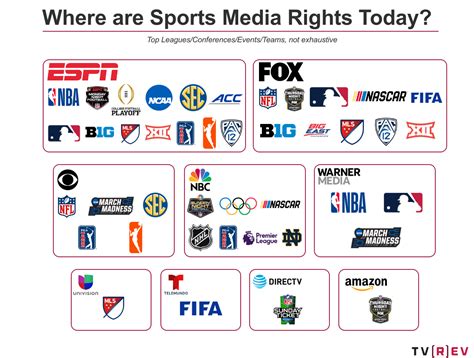
The **international market** also plays a pivotal role in the monetization of Bundesliga highlights. While the league has a strong domestic fan base, its global appeal—particularly in regions like Asia, North America, and Africa—presents opportunities for localized highlight packages. Sky Sports can partner with regional broadcasters or OTT platforms to distribute tailored highlight content that resonates with local audiences. For example, in markets where full matches are less popular due to time zone differences, condensed highlight packages can serve as an entry point for new fans. These packages can be monetized through regional advertising, pay-per-view models, or even collaborations with local brands seeking to associate themselves with the Bundesliga's prestige.
A less obvious but increasingly relevant strategy is the **creation of non-fungible tokens (NFTs) tied to highlight moments**. While still an emerging trend, the concept of selling digital collectibles of iconic Bundesliga moments—such as a last-minute winner or a record-breaking goal—can open new revenue streams. Sky Sports, in partnership with the league, could offer exclusive NFT packages that include access to high-definition highlight reels, behind-the-scenes content, and even interactive elements like voting for the "Highlight of the Season." This approach not only caters to tech-forward fans but also positions the Bundesliga as an innovator in the sports media space.
Finally, **partnerships with betting and fantasy sports platforms** provide another avenue for monetization. Highlight packages can be integrated into betting apps or fantasy league platforms, where users are incentivized to watch key moments to make informed decisions about their bets or fantasy team selections. Sky Sports could negotiate revenue-sharing agreements with these platforms, leveraging the Bundesliga's fast-paced and goal-rich nature to drive engagement. This strategy not only generates direct revenue but also reinforces the league's position as a source of high-stakes, high-excitement football content.
In summary, the monetization of Bundesliga highlight packages is a multi-faceted endeavor that combines traditional broadcasting models with modern digital strategies. From licensing and subscription services to advertising, personalization, and even NFTs, Sky Sports and the Bundesliga have a wealth of opportunities to capitalize on the demand for condensed, high-quality football content. These strategies not only drive direct revenue but also enhance fan engagement, expand the league's global footprint, and position Sky Sports as a leader in sports media innovation.
Future Trends in Sports Highlight Consumption
The way fans consume sports highlights is undergoing a transformation driven by emerging technologies. For a league as dynamic and globally popular as the Bundesliga, innovations in **AI** and **AR** (augmented reality) are poised to redefine how highlights are delivered, personalized, and experienced. These technologies are not just add-ons but are becoming integral to creating immersive and tailored viewing experiences that cater to modern fan expectations.
One of the most significant shifts is the role of **AI in curating personalized highlight reels**. AI algorithms are already being used to analyze vast amounts of match data in real time, identifying key moments such as goals, saves, or tactical brilliance. However, the future lies in how these systems can adapt to individual viewer preferences. For instance, if a fan primarily follows a specific team like Bayern Munich or Borussia Dortmund, AI can prioritize highlights featuring their preferred players or match scenarios. This could extend to more granular personalization—such as focusing on defensive plays for fans interested in tactical analysis or showcasing skillful dribbles for those who enjoy flair. The Bundesliga's partnership with platforms like Sky Sports could utilize AI to integrate user behavior data (e.g., which moments are replayed or shared most often) to refine these highlight packages further.
Another promising area is **AI-driven contextual storytelling**. Beyond simply presenting goals or near-misses, AI could weave a narrative around the highlights. For example, if a player scores a last-minute winner in a high-stakes match, the AI system could pull in historical data about similar moments in Bundesliga history, player performance stats, or even fan reactions from social media. This would elevate the viewing experience from a series of disjointed clips to a cohesive, emotionally engaging story. For Sky Sports, this could mean offering "smart highlight packages" that not only entertain but also educate fans about the broader context of the match or season.
**Augmented reality (AR)** is another game-changer for how highlights are consumed. Imagine a scenario where a fan watching Bundesliga highlights on their smartphone or AR glasses can overlay interactive elements directly into their environment. For instance, during a replay of a goal, AR could project a 3D visualization of the player's movement, showing their position relative to defenders or the goalkeeper. This kind of spatial understanding can provide fans with a deeper appreciation of the skill and strategy involved. Sky Sports could leverage this by offering "AR highlight Rooms" where fans can virtually step into key Bundesliga moments, exploring them from multiple angles or even simulating what it feels like to be on the pitch during those moments.
AR could also transform how highlights are shared and discussed. Fans might use AR-enabled devices to create **interactive highlight mashups**, layering their commentary or adding visual effects before sharing with friends. This democratization of content creation could turn passive viewers into active participants, fostering greater engagement with Bundesliga content. For instance, a fan might create an AR replay of a spectacular save, adding a virtual "heatmap" of the goalkeeper's movements during the match to emphasize their performance.
The integration of **real-time data visualization** is another area where AR and AI converge. During highlight playback, fans could see live statistics such as expected goals (xG), pass accuracy, or sprint speeds overlaid on the screen. This not only enhances the technical understanding of the game but also appeals to the growing segment of fans who value data-driven insights. For Sky Sports, this approach aligns with the trend of catering to "smart fans" who want more than just entertainment—they want to understand the "why" and "how" behind the action.
The rise of **immersive viewing platforms** is also set to reshape Bundesliga highlight consumption. With the advent of technologies like **virtual stadiums**, fans could experience highlights as though they were in the stadium itself. Using AR or VR (virtual reality), Sky Sports could offer "virtual seats" where fans can watch a condensed version of the match from different vantage points—behind the goal, in the stands, or even from the perspective of a player. This could be particularly appealing for international fans who cannot attend matches in person but still want a sense of immersion. These virtual experiences could also include interactive features, such as the ability to "replay" a moment from a specific camera angle or access instant replays with enhanced graphics showing player trajectories.
Another intriguing possibility is the use of **predictive AI** to enhance highlight consumption. AI models could analyze in-game data to predict which moments are likely to become highlights even before they happen. For example, if a team is mounting a late comeback and the AI detects high-pressure situations or increased attacking intent, it could flag these as "potential highlight moments" for fans to watch live or prioritize in post-match recaps. This predictive capability could also extend to post-match analysis, where AI identifies patterns or trends in highlight-worthy plays that human editors might overlook, such as an under-the-radar assist or a tactical shift that led to a goal.
The integration of **voice and gesture-based controls** could further enhance the highlight experience. Imagine a fan saying, "Show me all goals by Haaland this season," and their device instantly curates a reel of Erling Haaland's best moments. Gesture controls could allow users to pause, rewind, or zoom into specific plays with simple hand movements, making the interaction more intuitive and engaging. For Sky Sports, implementing such features could position them as leaders in user-friendly, cutting-edge sports content delivery.
There are also ethical and accessibility considerations to address. As AI and AR technologies become more sophisticated, there is a risk of **over-personalization**, where fans are only exposed to content that aligns with their existing preferences, potentially limiting their exposure to new teams, players, or styles of play. Bundesliga and Sky Sports will need to strike a balance between personalization and discovery, perhaps by incorporating features like "surprise me" options that introduce fans to unexpected or lesser-known highlights.
From a business perspective, these technologies open up new **revenue streams**. AR-enhanced highlights could be monetized through premium subscriptions, offering exclusive interactive features or early access to AI-curated content. Sponsors could also benefit, with AR enabling branded overlays or virtual product placements within highlight experiences. For instance, a sports drink brand could sponsor an AR replay showing a player's hydration levels during a match-winning sprint.
In conclusion, the future of Bundesliga highlight consumption on platforms like Sky Sports will be defined by the seamless integration of AI and AR technologies. These innovations will not only enhance the technical and emotional appeal of highlights but also redefine how fans interact with and share their passion for the game. As these technologies mature, they will likely blur the lines between passive viewing and active participation, creating a richer, more dynamic experience for Bundesliga fans worldwide.
Conclusion and Strategic Recommendations
The analysis of Bundesliga highlights on Sky Sports reveals a dynamic landscape where audience engagement is shaped by the interplay of content delivery, user preferences, and technological capabilities. To remain competitive and drive sustained growth in highlight engagement, Sky Sports must embrace a multi-faceted strategy rooted in data-driven insights, enhanced user experiences, and innovative content presentation.
One of the key insights from the study is the importance of personalization in content consumption. Modern football fans are not passive consumers; they seek curated experiences tailored to their specific interests. Sky Sports can capitalize on this by implementing advanced machine learning algorithms to analyze user behavior patterns. For instance, a fan who frequently watches highlights of Borussia Dortmund may be presented with more Dortmund-centric content, player interviews, or tactical breakdowns. This level of personalization fosters a sense of loyalty and ensures that users feel their preferences are being acknowledged, which can significantly increase repeat visits and engagement metrics.
Another critical finding is the role of immediacy in highlight delivery. The Bundesliga is known for its fast-paced matches and dramatic moments, and fans expect to access highlights almost instantaneously after the final whistle. While Sky Sports has made strides in this area, there is room for improvement in reducing latency between live events and highlight availability. A strategic recommendation here is to invest in cloud-based editing and distribution systems that allow for the rapid creation and dissemination of highlight packages. This could involve partnerships with tech providers to streamline workflows or even the use of AI-driven tools to auto-generate short clips of key moments during live matches. Such an approach not only meets fan expectations but also positions Sky Sports as a leader in real-time sports content delivery.
The integration of social media platforms into highlight strategies is another area of opportunity. Highlights are often shared and discussed on platforms like Twitter, Instagram, and TikTok, yet Sky Sports’ presence on these channels could be more dynamic. A recommended approach is to create platform-specific highlight reels. For example, short, high-energy clips optimized for TikTok with engaging captions and trending audio can attract younger audiences who may not traditionally engage with Sky Sports’ primary platforms. Similarly, Instagram Stories or Reels can feature "goal of the week" polls or interactive quizzes related to highlight content, fostering a sense of community and interactivity. These initiatives not only broaden the audience base but also drive traffic back to Sky Sports’ core platforms, creating a synergistic content ecosystem.
A related point is the need to diversify highlight formats. While traditional 2-3 minute highlight packages are effective, there is a growing appetite for more immersive and alternative content. Sky Sports could experiment with "director’s cut" highlight reels that include behind-the-scenes commentary, player reactions, or even fan-submitted analysis. Another idea is to introduce "tactical highlights," where key moments are broken down with expert analysis to appeal to the growing segment of fans interested in the strategic nuances of the game. This approach not only caters to die-hard football enthusiasts but also positions Sky Sports as a thought leader in football education and storytelling.
The monetization of highlight content also warrants strategic attention. While highlights are often seen as a value-add for subscribers, there is potential to create premium highlight experiences that offer additional value. For instance, Sky Sports could introduce a "highlights+ subscription tier," where users gain access to extended highlight packages, exclusive interviews, or 4K quality content. This not only provides an upsell opportunity but also reinforces the perceived value of Sky Sports as a premium service provider. Additionally, partnerships with brands for sponsored highlight segments—such as "goal of the match brought to you by [Brand]"—can provide an additional revenue stream without compromising user experience, provided the integrations are seamless and non-intrusive.
Another area of focus is the leveraging of data analytics to understand audience drop-off points. By analyzing when and why users stop engaging with highlight content, Sky Sports can identify pain points in the user journey. For example, if users tend to disengage after viewing the first goal in a highlight reel, this might indicate a need for more engaging transitions or a reordering of content to maintain momentum. Implementing A/B testing for highlight reel structures—such as testing chronological versus "best moments first" ordering—can provide actionable insights into what resonates most with the audience. This iterative approach ensures that Sky Sports is continually refining its offerings based on real-world user feedback.
In addition to technological and content-focused strategies, community-building initiatives can play a pivotal role in enhancing engagement. Football is inherently a communal experience, and Sky Sports can foster this by creating digital spaces where fans can discuss highlights. For example, integrating live chat or discussion boards alongside highlight content can encourage user interaction. Additionally, hosting virtual watch parties or Q&A sessions with football analysts post-match can deepen fan engagement and provide a sense of exclusivity. These initiatives not only enhance the user experience but also position Sky Sports as more than just a broadcaster—it becomes a hub for football fandom.
Finally, exploring cross-promotional opportunities can further amplify highlight engagement. Sky Sports has a vast portfolio of sports content, and there is potential to create crossover content that appeals to fans of multiple sports. For example, a "sports weekend recap" feature could include Bundesliga highlights alongside Premier League or Formula 1 content, appealing to fans with broader sporting interests. This approach not only diversifies the audience base but also creates a holistic sports entertainment experience that keeps users engaged across multiple touchpoints.
In conclusion, the path to enhancing Bundesliga highlight engagement for Sky Sports lies in a blend of technological innovation, audience-centric design, and strategic diversification. By prioritizing personalization, immediacy, and platform diversity, Sky Sports can not only meet the evolving expectations of football fans but also set new benchmarks in sports content delivery. The recommendations outlined here—ranging from AI-driven personalization to immersive highlight formats and community-building efforts—are not merely enhancements but necessary adaptations in a rapidly changing media landscape. With these strategies in place, Sky Sports can secure its position as the go-to destination for Bundesliga highlights while fostering deeper connections with its audience.