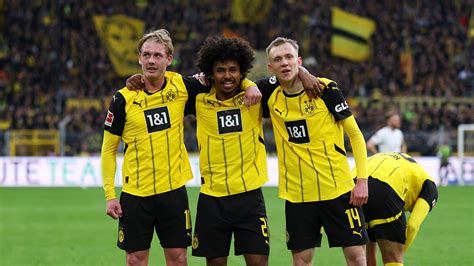
Introduction to French Football Players
French football players have left an indelible mark on the global football landscape, contributing not only to the sport's evolution but also to its cultural and competitive fabric. Their influence extends far beyond the boundaries of France, shaping how the game is played, perceived, and celebrated worldwide. To understand the significance of French players in global football history, one must delve into their unique blend of technical prowess, tactical innovation, and the broader socio-cultural dynamics that have fueled their rise.
The story of French football players begins in the early 20th century, a time when the sport was gaining traction in Europe. France, as one of the founding members of FIFA in 1904, played a pivotal role in institutionalizing football at an international level. However, it was not until the mid-20th century that French players began to assert themselves on the global stage. This period saw the emergence of players like Raymond Kopa, who became one of the first Frenchmen to achieve international recognition. Kopa's success with Real Madrid in the 1950s, including three European Cups, highlighted the potential of French talent to thrive in elite club environments outside their home country. This early success set a precedent for future generations of French players to aim for excellence beyond domestic leagues.
A deeper examination of French football history reveals that the significance of its players is rooted in a unique confluence of colonial heritage and multicultural integration. France's colonial past in Africa, the Caribbean, and Southeast Asia brought a diverse pool of talent to the nation. Players of African and Arab descent, such as Just Fontaine—who holds the record for the most goals scored in a single World Cup (1958)—began to redefine what it meant to be a French footballer. This multicultural dimension became a hallmark of French football, creating a dynamic where players brought not only their athletic abilities but also their cultural identities to the pitch. This diversity has been both a strength and a challenge, as it has often required French football to navigate complex questions of identity and belonging.
The 1980s and 1990s marked a turning point for French football, as the nation began to produce players who would become global icons. The rise of Michel Platini exemplifies this era. As a midfielder of extraordinary vision and technique, Platini led France to their first major international trophy, the 1984 European Championship, while also dominating at club level with Juventus. Platini's style of play—combining elegance, intelligence, and a knack for decisive goals—became a template for aspiring French midfielders. His influence extended beyond his playing career, as he later served as UEFA president, further embedding French football in the administrative and strategic layers of the sport.
However, the true zenith of French football's global impact came with the 1998 World Cup, hosted and won by France. This tournament was not just a sporting triumph but a cultural milestone. The team, often referred to as Les Bleus, was a reflection of France's multicultural society. Players like Zinedine Zidane, a son of Algerian immigrants, and Lilian Thuram, born in Guadeloupe, became symbols of how football could transcend national and cultural boundaries. Zidane's masterful performances in the World Cup, particularly his two headers in the final against Brazil, cemented his status as one of the greatest players of all time. This victory was not merely about football; it was a statement about the power of inclusivity and the potential of a diverse team to achieve greatness.
The success of French players in the modern era can also be attributed to the structural development of French football academies. The famed Clairefontaine academy, established in 1988, has been instrumental in nurturing talent. This institution has produced a steady stream of world-class players, including Thierry Henry, Kylian Mbappé, and Paul Pogba. These players are not just skilled athletes but also embodiments of the rigorous training and technical education that French football infrastructure provides. The academy system has ensured that France remains a consistent producer of talent capable of competing at the highest levels of club and international football.
French players have also been at the forefront of tactical evolution in football. The "French school" of football is often associated with a blend of technical finesse and tactical flexibility. Players like Didier Deschamps, who captained France to World Cup glory in 1998 and later managed the team to another World Cup win in 2018, exemplify this approach. Deschamps was not the most technically gifted player, but his reading of the game, leadership, and adaptability made him indispensable. This emphasis on tactical intelligence has become a defining characteristic of French players, enabling them to excel in various systems and roles across different leagues.
Another unique aspect of French football players is their ability to redefine positions. For instance, Thierry Henry transformed the role of the modern striker, combining blistering pace with elegant ball control and clinical finishing. His time at Arsenal under Arsène Wenger, another French figure who revolutionized English football, showcased how French players could adapt and excel in foreign leagues while retaining their distinctive style. Similarly, Kylian Mbappé, in the present day, is redefining the expectations of a forward with his combination of speed, skill, and maturity at a young age. His performances for Paris Saint-Germain and the French national team highlight how French players continue to push the boundaries of what is possible in football.
It is also worth noting the impact of French players in shaping club football dynasties. From Platini at Juventus to Zidane at Real Madrid (both as a player and later as a manager) and Mbappé at PSG, French players have been integral to the success of some of the most storied clubs in the world. Their ability to perform under pressure and deliver in critical moments has made them invaluable assets to their teams.
French football players have also played a role in globalizing the sport. Through their participation in leagues across Europe, South America, and beyond, they have carried the French football ethos to new audiences. This globalization has not only elevated the profile of French players but has also fostered a two-way exchange of ideas and playing styles, enriching the global football ecosystem.
In summary, the significance of French football players in global football history lies in their ability to blend individual brilliance with collective success, rooted in a diverse and dynamic sporting culture. From the pioneering days of Kopa to the modern exploits of Mbappé, French players have consistently demonstrated their ability to shape the sport's narrative. They are not just participants in football history; they are architects of its most memorable chapters.
- French players have been instrumental in both playing and administrative roles, influencing the sport's evolution.
- Multiculturalism has been a defining feature of French football, adding layers of complexity and richness to its legacy.
- The success of academies like Clairefontaine underscores the systematic approach France has taken to talent development.
- French players have redefined positions and tactics, leaving a lasting impact on how the game is played.
This deep-rooted influence ensures that the story of French football players is not just a national tale but a global one, resonating across generations and geographies.
The Origins of French Football
The origins of football in France are deeply intertwined with the country's social and cultural evolution during the late 19th and early 20th centuries. While football as a sport has global roots, its introduction and development in France were shaped by a combination of local traditions, international influences, and the country's unique approach to integrating sport into its cultural fabric. To understand how football became a cornerstone of French athletic identity, it is essential to explore its early adoption, the role of key institutions, and the way it resonated with French societal values.
Football arrived in France during a period of rapid industrialization and urbanization in the late 1800s. The sport was initially brought to the country by British expatriates and students who had encountered it in the United Kingdom, where it was already gaining popularity. These early adopters established informal matches in cities like Le Havre and Paris, often playing in open fields or makeshift pitches. Le Havre Athletic Club, founded in 1872, is widely regarded as the first football club in France. Originally a club for rugby and association football, it played a pivotal role in popularizing the sport among French locals. This early period of football in France was marked by a blend of British influence and French curiosity, as the sport was seen as both exotic and intriguing to the local population.
One of the most significant factors in the development of football in France was its alignment with the burgeoning idea of physical education during this era. The French government and educational institutions began to emphasize physical fitness as a means of building national strength and character following the Franco-Prussian War (1870-1871). This defeat had left a sense of national vulnerability, and there was a collective push to instill discipline and resilience through sports. Football, with its combination of strategy, teamwork, and physical exertion, fit neatly into this framework. Schools and youth organizations began incorporating football into their curricula, ensuring that the sport reached a wide demographic of young people. This institutional support was instrumental in embedding football into French society beyond its initial status as a foreign import.
However, the cultural roots of football in France were not solely shaped by external influences or pragmatic goals. The sport also found resonance in the French concept of fraternité—one of the pillars of the French Republic. Football provided a space for social bonding and collective identity, particularly in working-class neighborhoods where the sport was most accessible. Unlike more exclusive pastimes like tennis or horse racing, football was a game that could be played with minimal equipment and in urban settings. This accessibility allowed it to become a unifying activity for people from diverse socioeconomic backgrounds. In this sense, football became a microcosm of French ideals of equality and community, even as it was still finding its footing as a structured sport.
The early 20th century saw the formal organization of football in France, marked by the establishment of the Fédération Française de Football (FFF) in 1919. This organization was a turning point, as it provided a centralized structure for leagues, competitions, and player development. Before this, football in France was largely informal, with regional variations in rules and organization. The FFF's creation signaled a shift toward professionalism and standardization, which were necessary for France to compete on an international stage. This period also saw the rise of local clubs like Olympique de Marseille and Racing Club de France, which would go on to play pivotal roles in the country’s football history. These clubs not only fostered local pride but also served as vehicles for regional identities within the broader national football landscape.
Another fascinating aspect of football's early development in France was its intersection with colonial history. As France expanded its empire in the late 19th and early 20th centuries, football was introduced to colonies such as Algeria, Morocco, and Senegal. Players from these regions often migrated to France, bringing with them unique playing styles and cultural perspectives. This exchange enriched the French football scene, creating a blend of techniques and strategies that would later contribute to the country's distinctive approach to the game. For instance, the fluid, skill-oriented style associated with many French players has roots in the influence of North African and West African football traditions.
The cultural significance of football in France also extended to its role in shaping public entertainment. As the sport grew in popularity, matches began to draw large crowds, particularly in urban centers. This was not merely about the game itself but about the communal experience it offered. Football matches became social events where people from different walks of life could gather, share emotions, and express collective joy or frustration. This communal aspect of football mirrored broader French traditions of public gathering, such as festivals and markets, reinforcing its place in the national culture.
It is also worth noting the role of literature and media in popularizing football during this period. French writers and journalists began to romanticize the sport in their works, portraying it as a metaphor for struggle, perseverance, and the human spirit. This literary framing elevated football from a mere game to a symbolic activity that embodied French values. For example, early 20th-century sports journalism often portrayed football players as modern-day heroes, emphasizing their courage and skill. This narrative not only increased the sport's appeal but also helped to solidify its place in the national imagination.
In addition to its societal impact, the early development of football in France was marked by challenges. The sport faced resistance from traditionalists who viewed it as a foreign intrusion or a distraction from more "refined" pursuits. Furthermore, the lack of infrastructure and funding in the early years meant that many clubs struggled to sustain themselves. However, the persistence of enthusiasts and the gradual acceptance of football as a legitimate sport allowed it to overcome these hurdles. By the time France hosted the 1938 FIFA World Cup—one of the earliest global football tournaments—the sport had firmly established itself as a national pastime.
- The arrival of football in France was catalyzed by British expatriates and students, but its growth was driven by French institutions and societal needs.
- Football's accessibility and alignment with physical education initiatives made it a tool for national cohesion and character-building.
- The sport's integration with colonial dynamics added diversity and innovation to French football culture.
- Media and literature played a key role in elevating football's status from a game to a symbol of national identity.
In conclusion, the early development of football in France was not a linear or isolated process. It was shaped by a confluence of historical, cultural, and institutional factors that made the sport uniquely French. From its humble beginnings as a British import to its role in fostering national pride and community spirit, football in France reflects the country's ability to absorb external influences while imbuing them with its own character. This rich history laid the foundation for the global success and cultural significance of French football in the decades to come.
Rise of French Football Talent
The rise of French football talent is a fascinating narrative that intertwines cultural, social, and institutional developments in France with the global evolution of the sport. To understand how French players began to gain international recognition, it is crucial to examine key periods that served as turning points in their journey to prominence. These periods are marked by the emergence of exceptional players, the influence of systemic changes in football infrastructure, and France's ability to integrate diverse talents into a cohesive national framework.
One of the earliest and most significant periods in this trajectory began in the **late 1950s and early 1960s**, with the emergence of Just Fontaine and the French team's performance in the 1958 FIFA World Cup. Fontaine, a striker of unparalleled scoring ability, set a record that still stands—13 goals in a single World Cup tournament. This was a time when French football was not yet considered a global powerhouse. However, Fontaine's exploits put France on the map as a nation capable of producing world-class attacking talent. His success was not an isolated phenomenon but rather indicative of a broader trend: the increasing professionalization of French football. Clubs like Stade de Reims, where Fontaine played, were beginning to adopt more structured training regimens and compete in European competitions, such as the European Cup, which exposed French players to higher levels of competition and visibility.
However, the true **inflection point for French football came in the 1980s**, a decade that laid the foundation for modern French football excellence. This period saw the rise of Michel Platini, arguably the first French player to achieve global superstardom. Platini's technical brilliance, vision, and goal-scoring prowess for both Juventus and the French national team elevated him to a status few players of his era could match. His leadership during France's victory in the 1984 UEFA European Championship was pivotal. The tournament, hosted in France, showcased not only Platini but also a generation of skilled players such as Jean Tigana, Alain Giresse, and Luis Fernandez—collectively known as the "Magic Square" midfield. This era demonstrated that French football was not just about individual brilliance but also about the ability to build a team with tactical sophistication and technical depth. The success of the 1980s was underpinned by the establishment of the Clairefontaine National Football Institute in 1988, a state-of-the-art training center designed to identify and nurture young talent. This long-term investment in youth development would bear fruit in subsequent decades.
The **1998 World Cup victory** marked another watershed moment for French football. This was not merely a triumph on the field but a symbolic event that showcased the power of diversity and integration in French society. The team, captained by Didier Deschamps and featuring stars like Zinedine Zidane, Thierry Henry, and Patrick Vieira, was a reflection of France's multicultural identity. Many of these players were products of the post-war immigration wave, particularly from North Africa, the Caribbean, and sub-Saharan Africa. Zidane, born to Algerian immigrants, became a global icon after his two-goal performance in the final against Brazil. This victory was not just about football; it was a statement about how France could harness its diverse talent pool to achieve greatness. The 1998 team also highlighted the impact of the **French academy system**, which had begun to produce technically gifted and tactically aware players in large numbers. Players like Henry and Vieira, who emerged from the Clairefontaine system, were emblematic of this new wave of talent.

The success of the 1998 generation had a ripple effect, leading to the **golden era of the early 2000s**. This period saw French players dominating European club football. Zidane's move to Real Madrid in 2001 and his iconic volley in the 2002 UEFA Champions League final underscored the growing influence of French players in elite competitions. Simultaneously, Thierry Henry became one of the most prolific goal scorers in the English Premier League with Arsenal, setting records and earning a reputation as one of the best strikers of his generation. The presence of French players in top-tier clubs across Europe—from Lilian Thuram and Marcel Desailly in defense to Patrick Vieira in midfield—signaled a shift in how French football was perceived globally. These players were no longer just participants in European football; they were leaders and game-changers.
Another critical factor in the rise of French football talent was the **globalization of the sport and the role of the French diaspora**. The late 1990s and early 2000s saw an increasing number of French-born players of immigrant backgrounds choosing to represent France rather than their parents' countries of origin. This was facilitated by France's inclusive policies in football and the opportunities provided by its well-organized youth academies. The diverse backgrounds of these players brought a unique blend of styles to French football—a mix of African flair, Caribbean creativity, and European tactical discipline. This diversity became a competitive advantage, as seen in the fluid, attacking football displayed by the national team during this era.
The **2010s ushered in a new wave of French talent**, characterized by players who combined physical athleticism with technical finesse. This period is exemplified by the rise of Kylian Mbappé, Paul Pogba, and N’Golo Kanté, who were central to France's 2018 World Cup victory. Unlike earlier generations, these players were products of a fully matured academy system and had access to global football exposure from a young age. Mbappé, for instance, was already a star at Paris Saint-Germain and in the Champions League before he turned 20. His speed, dribbling, and composure mirrored the attributes of past legends like Henry but with a modern edge shaped by advancements in sports science and analytics. The 2018 World Cup win was also notable for the seamless integration of players from diverse backgrounds, showcasing how France had perfected the art of blending individual brilliance into a collective unit.
It is also worth noting the role of **French managers and coaches** in elevating the profile of French players. Figures like Arsène Wenger at Arsenal and Zinedine Zidane at Real Madrid not only nurtured French talent but also advocated for their inclusion in high-profile teams. Wenger's emphasis on developing young players and Zidane's ability to manage star-studded squads reinforced the perception of French football as a breeding ground for excellence.
In summary, the rise of French football talent can be attributed to a combination of individual brilliance, systemic investment in youth development, and cultural integration. From the pioneering days of Just Fontaine to the global dominance of players like Zidane and Mbappé, French football has consistently adapted to the demands of the modern game. Key periods such as the 1980s, 1998 World Cup era, and the 2010s stand out as moments when French players not only gained international recognition but also redefined the standards of excellence in the sport. This trajectory is a testament to France's ability to blend tradition with innovation, creating a legacy that continues to shape the global football landscape.
Iconic French Football Players
French football has a rich history of producing some of the most iconic players in the sport's global landscape. Among them, certain names stand out not only for their individual brilliance but also for their profound impact on the game, both in France and internationally. This section delves into the profiles of **Zinedine Zidane**, **Thierry Henry**, and **Michel Platini**, exploring their unique contributions, playing styles, and legacies that continue to influence football today.
**Zinedine Zidane**, often referred to as "Zizou," is perhaps the most celebrated French footballer of all time. Born in Marseille in 1972 to Algerian immigrants, Zidane's journey from the streets of La Castellane to the pinnacle of world football is a testament to his talent and determination. His playing style was characterized by an exquisite first touch, unparalleled vision, and a calm yet authoritative presence on the field. Zidane’s ability to control the tempo of a game was unmatched, making him the focal point of teams like Juventus and Real Madrid, where he won numerous domestic and European titles. However, it was his performances for the French national team that elevated him to legendary status. In the 1998 World Cup, hosted by France, Zidane scored two headers in the final against Brazil, leading Les Bleus to their first-ever World Cup victory. This moment not only cemented his place in football history but also symbolized the unifying power of sport in a multicultural France.
Beyond his technical brilliance, Zidane’s career was also marked by moments of controversy, most notably his infamous headbutt on Marco Materazzi in the 2006 World Cup final. While this incident tarnished his final match, it also humanized him, showing the emotional intensity that drove his performances. Zidane’s legacy extends beyond his playing days; as a manager, he led Real Madrid to three consecutive UEFA Champions League titles, showcasing his deep understanding of the game. His influence on modern midfielders, particularly in how they blend creativity with control, is undeniable.
**Thierry Henry**, another giant of French football, represents a different archetype of player—a dynamic and explosive forward who redefined the role of a striker in the modern era. Born in 1977 in the Parisian suburb of Les Ulis, Henry began his career at AS Monaco before making a name for himself at Arsenal under the guidance of Arsène Wenger. At Arsenal, Henry became the club's all-time leading scorer, with 228 goals in all competitions. His playing style was a blend of blistering pace, clinical finishing, and an ability to score from almost any angle. Unlike traditional strikers who relied on physicality, Henry’s game was built on intelligence, agility, and an almost artistic approach to goal-scoring.
Henry’s impact on the French national team was equally significant. He was a key figure in the 1998 World Cup-winning squad and played a pivotal role in France’s victory at the 2000 European Championship. What set Henry apart was his versatility; he could operate as a lone striker, a winger, or even drop deep to create opportunities for teammates. His partnership with players like David Trezeguet and later with players at Barcelona (where he won the treble in 2009) highlighted his adaptability. However, Henry’s career was not without its challenges. His handball incident in a World Cup qualifying match against Ireland in 2009 sparked widespread debate about sportsmanship, but it also underscored the immense pressure top athletes face. Today, Henry is remembered not just for his goals but for his influence on a generation of forwards who emulate his fluid movement and technical precision.
**Michel Platini**, a name synonymous with elegance and creativity, represents an earlier era of French football. Born in 1955 in Jœuf, Platini was a playmaker whose vision and goal-scoring prowess from midfield were ahead of his time. He is best remembered for his time at Juventus, where he won three consecutive Ballon d'Or awards (1983–1985), a feat that underscored his dominance in European football. Platini’s ability to dictate play, combined with his knack for scoring crucial goals—especially from free kicks—made him a complete midfielder. His leadership of the French national team during the 1980s was instrumental in their success, including their victory at the 1984 European Championship, where he scored nine goals in five matches—a record that still stands.
Platini’s style of play was deeply rooted in intelligence and technique rather than physicality. He had an uncanny ability to find space in crowded areas and deliver pinpoint passes that unlocked defenses. This made him not just a scorer but also a creator, a dual threat that few players in history have matched. However, Platini’s legacy is somewhat overshadowed by his later role as UEFA president, where his tenure was marred by controversy. Despite this, his impact as a player remains untarnished, and he is often cited as a benchmark for creative midfielders.
What unites these three players is not just their French heritage but their ability to transcend the sport. Each of them brought something unique to the game: **Zidane’s grace under pressure**, **Henry’s electric dynamism**, and **Platini’s cerebral mastery**. They also embody the diversity of French football, reflecting the country’s ability to integrate talent from varied backgrounds and turn it into a collective force. Their careers also highlight the evolution of French football, from Platini’s era of tactical innovation to Zidane and Henry’s contributions during the globalization of the sport.
Another aspect worth noting is how these players influenced the identity of French football. Zidane’s success helped elevate the status of players from immigrant backgrounds, showing that football could be a platform for social integration. Henry, with his global appeal during his time at Arsenal and Barcelona, became a symbol of French football’s exportability. Platini, meanwhile, represented the traditional European style of play that was both artistic and effective.
Their legacies are also evident in how they shaped future generations. Players like Kylian Mbappé and Antoine Griezmann often cite Zidane and Henry as inspirations, emphasizing the continuity of excellence in French football. This intergenerational connection is a testament to the enduring impact of these iconic figures.
- Zidane: A maestro of control and elegance, he redefined midfield play with his vision and composure.
- Henry: A forward who blended speed and artistry, setting new standards for goal-scoring versatility.
- Platini: A midfield genius who combined goal-scoring with playmaking in a way few have replicated.
In conclusion, the profiles of Zinedine Zidane, Thierry Henry, and Michel Platini reveal not just their individual greatness but also the broader narrative of French football’s journey. These players are more than just athletes; they are cultural symbols who have left an indelible mark on the sport, both in France and on the world stage. Their stories serve as a reminder of how football can transcend boundaries and inspire generations.
The Role of French Academies
The success of French football on the global stage can be attributed, in large part, to the structured and highly effective youth development system anchored by academies like Clairefontaine. This institution, officially known as the Institut National du Football de Clairefontaine, is not merely a training ground but a crucible where raw talent is refined into world-class skill. Its impact on French football is profound, and understanding its role requires delving into the academy's methodology, philosophy, and the ripple effects it has created in the sport.
Clairefontaine, established in 1988, is part of a network of regional academies under the umbrella of the French Football Federation (FFF). Unlike traditional club academies, Clairefontaine functions as a centralized hub for identifying and nurturing exceptional talent across France. It primarily focuses on players aged 13 to 15, a critical period in a footballer's development. What sets Clairefontaine apart is its selective and intensive program, which prioritizes not just physical and technical training but also mental fortitude, tactical awareness, and academic education. This holistic approach ensures that players are well-rounded individuals capable of thriving under the pressures of professional football.
One of the academy's most significant contributions is its emphasis on technical excellence. French football has long been associated with a style that blends flair, creativity, and technical precision. Clairefontaine reinforces this identity by focusing on ball mastery, close control, and decision-making in tight spaces. For instance, players are subjected to drills designed to enhance their first touch, passing accuracy, and ability to maneuver under pressure. This focus on technique is not accidental; it is rooted in the belief that a technically proficient player can adapt to various tactical systems and styles of play. The academy's influence is evident in players like Thierry Henry and Kylian Mbappé, whose ability to combine speed with sublime technique has roots in the training they received during their formative years.
Another key aspect of Clairefontaine's success is its regional inclusivity. France is a geographically diverse country, and talent is not confined to major urban centers like Paris. The academy's decentralized scouting network ensures that players from rural or underrepresented areas are given opportunities to showcase their skills. This inclusivity has democratized access to elite training, breaking down barriers that might otherwise exclude promising talent. For example, players like Nicolas Anelka, who grew up in the suburbs of Paris, and Paul Pogba, who hailed from a modest background in Lagny-sur-Marne, were scouted and developed through this system. The academy's ability to identify and elevate players from diverse socioeconomic and geographic backgrounds has been instrumental in creating a national team that reflects the multicultural fabric of modern France.
The academy's role is also shaped by its short-term residency model. Unlike club academies where players live and train year-round, Clairefontaine operates on a weekly schedule where selected players train at the facility while still playing for their local clubs on weekends. This model strikes a balance between specialized training and continuity with their home environments. It prevents the "burnout" often associated with overtraining young athletes and allows them to remain grounded in their community roots. This approach is particularly effective in nurturing players who are not only skilled but also psychologically resilient. The ability to transition seamlessly between different environments is a trait seen in many Clairefontaine graduates, who often adapt quickly to the demands of high-level club football and international competition.
Clairefontaine's influence extends beyond individual player development; it has played a pivotal role in shaping the collective identity of the French national team. The academy has fostered a generation of players who are not only technically gifted but also tactically versatile. This is evident in France's triumphs in the 1998 World Cup, 2000 European Championship, and 2018 World Cup, where players trained in the Clairefontaine system formed the backbone of the squad. The academy’s philosophy of fostering adaptability and teamwork has been instrumental in creating squads that can switch formations and strategies mid-game without losing cohesion. For example, the 2018 World Cup-winning team featured players like N’Golo Kanté, Antoine Griezmann, and Raphaël Varane, all of whom exemplify the academy's emphasis on blending individual brilliance with collective discipline.
It is also worth noting the long-term impact of Clairefontaine's methodologies on club academies. Many French clubs, inspired by the success of the national program, have adopted similar training philosophies. Clubs like AS Monaco, Olympique Lyonnais, and Paris Saint-Germain have invested heavily in their youth setups, often replicating the technical and tactical focus seen at Clairefontaine. This synergy between the national academy and club systems creates a pipeline of talent that ensures French football remains competitive at both domestic and international levels. The success of these club academies in producing players like Eduardo Camavinga and William Saliba is a testament to how Clairefontaine's influence has permeated the broader football ecosystem in France.
However, the academy is not without its challenges and critiques. Some argue that the intense focus on technical training can sometimes come at the expense of physical robustness, particularly when players transition to the more physically demanding environments of senior football. Additionally, the pressure of being labeled a "Clairefontaine graduate" can weigh heavily on young players, creating expectations that are difficult to meet. Despite these challenges, the academy's track record of success far outweighs its shortcomings, as evidenced by the consistent production of players who excel at the highest levels of the sport.
The role of Clairefontaine is also indicative of a broader trend in French football: the institutionalization of talent development. Unlike countries where talent identification and development are left largely to individual clubs, France has taken a centralized approach through its academies. This system ensures that even players who do not make it to the highest level benefit from exposure to top-tier coaching and facilities. The ripple effect of this approach is seen in the depth of talent available to the French national team, which often fields multiple world-class players in every position.

In conclusion, the role of youth academies like Clairefontaine in shaping world-class talent cannot be overstated. Through its selective scouting, holistic training philosophy, and emphasis on technical and tactical development, the academy has become a cornerstone of French football's success. Its ability to identify talent from diverse backgrounds, nurture it through a balanced program, and feed it into both club and national systems has created a sustainable model for producing elite footballers. As French football continues to evolve, the lessons and legacy of Clairefontaine will undoubtedly remain a benchmark for how youth academies can shape the future of the sport.
French Players in Major Competitions
French football players have left an indelible mark on major competitions, showcasing their technical skill, tactical intelligence, and versatility across World Cups, Euros, and the Champions League. Their contributions are not merely anecdotal but are deeply rooted in statistical excellence and memorable moments that have shaped the history of these tournaments.
In the **World Cup**, French players have been instrumental in their national team's success, particularly in the modern era. The 1998 World Cup, hosted by France, is a prime example of how a core group of French players can dominate a tournament. Players like **Zinedine Zidane**, **Thierry Henry**, and **Didier Deschamps** were not just participants but key architects of France's victory. Zidane's two headers in the final against Brazil are etched in football lore, but it is worth noting the role of defensive players like **Laurent Blanc** and **Lilian Thuram**, whose solidity provided the foundation for attacking brilliance. In 2018, a new generation of French players, including **Kylian Mbappé**, **Paul Pogba**, and **Antoine Griezmann**, replicated this success in Russia. Mbappé's explosive pace and clinical finishing were complemented by Pogba's ability to control midfield transitions. What stands out in these World Cup campaigns is the seamless integration of French players into cohesive systems, whether through the possession-oriented approach of 1998 or the counter-attacking style of 2018. This adaptability highlights the versatility of French players, who can excel in both structured and fluid tactical setups.
The **Euros** have also been a stage where French players have shone, though the team's success here has been slightly more inconsistent compared to the World Cup. The 1984 Euros, held in France, saw **Michel Platini** deliver one of the most dominant individual performances in tournament history, scoring nine goals in five matches. This was a display of technical mastery and positional intelligence that few players have matched. In 2000, the French team, led by Zidane and supported by players like **Patrick Vieira** and **Thierry Henry**, clinched the title with a golden goal in the final against Italy. This victory underscored the importance of French midfield maestros in dictating the tempo of games. However, the 2016 Euros, where France reached the final only to lose to Portugal, revealed a curious vulnerability. Despite having players like **Griezmann** (who won the Golden Boot) and **Dimitri Payet** in excellent form, the team struggled to close out games under pressure. This suggests that while French players often excel individually, their collective mental resilience in high-stakes situations can sometimes falter.
In the **Champions League**, French players have been consistent performers for clubs across Europe, demonstrating their ability to adapt to different playing styles and leagues. A striking trend is the prominence of French forwards in this competition. **Karim Benzema**, for instance, has been a lynchpin for Real Madrid in multiple Champions League campaigns. His ability to link play, hold up the ball, and score crucial goals was central to Real Madrid's dominance in the 2010s. In the 2021-2022 season, Benzema's hat-tricks against Paris Saint-Germain and Chelsea showcased his big-game temperament. Similarly, **Thierry Henry** was a talisman for Arsenal in the early 2000s, though he never lifted the trophy. His performances, particularly in the 2006 final where Arsenal lost to Barcelona, highlighted the influence of French strikers in shaping attacking play in the competition.
Defensive contributions by French players in the Champions League are equally noteworthy. **Raphaël Varane**, during his time at Real Madrid, was part of a backline that won four Champions League titles between 2014 and 2018. Varane's composure under pressure, aerial prowess, and ability to read the game made him an invaluable asset in high-stakes matches. Another example is **N'Golo Kanté**, whose performances for Chelsea in the 2021 Champions League run were nothing short of extraordinary. Kanté's tireless work rate, ability to break up play, and knack for launching counter-attacks exemplify the modern French midfielder's versatility. His dominance in the final against Manchester City was a masterclass in how a midfielder can control the game without needing to score goals.
A unique insight into the performance of French players in these competitions lies in their **dual identity as products of France's exceptional youth development system and as global football nomads**. The **Clairefontaine academy** has been a breeding ground for many of these talents, emphasizing technical proficiency and tactical awareness from a young age. However, the global nature of modern football means that French players often ply their trade in diverse leagues—La Liga, Premier League, Serie A, and Bundesliga—before making their mark in major competitions. This exposure equips them with a broader footballing education, enabling them to adapt to the demands of different competitions. For instance, **Paul Pogba's time at Juventus** honed his ability to operate in a midfield trio, a skill he brought back to the French national team and Manchester United.
Another fascinating aspect is the **role of French players in multicultural teams**. France's national team and many top European clubs benefit from the diasporic nature of French football talent. Players like **Samuel Umtiti**, **Benjamin Mendy**, and **Kingsley Coman** represent the blend of African and European heritage that enriches French football. This diversity often translates into a unique playing style that combines physicality, flair, and tactical discipline. However, it also brings challenges, as seen in the occasional friction within teams due to differing cultural expectations and communication barriers.
Statistically, French players have been among the **top goal contributors in World Cups and Euros**. For example, Griezmann's six goals in the 2016 Euros and Mbappé's four goals in the 2018 World Cup underline their impact in front of goal. In the Champions League, French players have regularly featured in the top assist charts, with **Franck Ribéry** being a standout during his Bayern Munich days. Ribéry's ability to combine with teammates like **Arjen Robben** showcased how French players can thrive in systems that prioritize interplay and movement.
One cannot overlook the **managerial influence of French players** in these competitions. **Didier Deschamps**, a World Cup-winning captain in 1998, transitioned into a successful managerial role, leading France to World Cup glory in 2018. His understanding of the French player mentality—balancing individual brilliance with collective responsibility—has been a key factor in the national team's recent successes. This dual perspective as a player and manager is a testament to the deep footballing culture in France.
In summary, French players have consistently proven their mettle in World Cups, Euros, and the Champions League through a combination of individual brilliance and adaptability to team dynamics. Whether it is Zidane's artistry, Henry's lethal finishing, or Mbappé's emergence as a global superstar, French players have not only contributed to their teams' successes but have also redefined how the game is played at the highest level. Their legacy is not just in trophies won but in the inspiration they provide to future generations of footballers.
Diversity and Inclusion in French Football
France's football identity is deeply rooted in its multicultural society, a dynamic that has shaped not only the national team's composition but also its style of play and global perception. The story of diversity and inclusion in French football is one of convergence—of cultures, traditions, and histories blending on the pitch to create something uniquely French yet undeniably global. This influence extends beyond the sport itself, reflecting broader societal shifts and challenges in France's approach to multiculturalism.
One of the most striking aspects of French football is the representation of players with diverse ethnic and cultural backgrounds. From Zinedine Zidane, whose Algerian heritage is as celebrated as his technical genius, to Kylian Mbappé, whose Cameroonian and Algerian roots symbolize the modern face of French football, the national team has long been a microcosm of the country's immigrant communities. These players are not merely participants; they are emblematic of France's ability—or at times, struggle—to integrate its diverse population into a cohesive national identity. This dynamic is particularly evident during major tournaments like the FIFA World Cup, where the team's success often becomes a unifying force for a country grappling with questions of assimilation and belonging.
The origins of this multicultural influence can be traced back to France's colonial history. Many of the players who have represented Les Bleus hail from former French colonies in Africa, the Caribbean, and the Middle East. This pipeline of talent was formalized in the mid-20th century when France began actively recruiting players from its overseas territories. For instance, players like Just Fontaine and Roger Piantoni, stars of the 1958 World Cup squad, were born in French-administered territories. This tradition continued into the modern era, with the emergence of players like Lilian Thuram (Guadeloupe), Patrick Vieira (Senegal), and Samuel Umtiti (Cameroon). These athletes brought not only their physical talents but also the unique playing styles and tactical sensibilities rooted in their regions of origin. The result is a French team that is tactically versatile, blending the physicality of African football with the technical elegance often associated with European play.
However, this diversity has not been without its challenges. The integration of players from immigrant backgrounds has at times exposed the fault lines in French society. The 1998 World Cup victory, famously celebrated under the slogan "Black, Blanc, Beur" (Black, White, Arab), was seen as a moment of national unity. Yet, in the years that followed, the same players who were cheered on the pitch faced scrutiny and criticism off it. The "quota scandal" of 2011, where French football officials were accused of considering the imposition of limits on the number of dual-nationality players in youth academies, underscored the tensions surrounding identity and inclusion. This incident revealed a discomfort in some quarters with the idea that France's football success was increasingly reliant on players who did not fit a traditional, Eurocentric image of Frenchness.
Despite these challenges, French football has often served as a platform for social progress. The national team has been a space where players from marginalized communities can achieve visibility and success, challenging stereotypes and inspiring younger generations. For instance, Karim Benzema's rise from the suburbs of Lyon to becoming one of the world's most prolific strikers is a testament to the opportunities football can provide. Similarly, the meteoric rise of players like Paul Pogba and N'Golo Kanté highlights how talent from diverse backgrounds can reshape the sport's hierarchy. These players are not just athletes; they are symbols of what is possible when barriers are broken down.
The influence of multiculturalism extends beyond the players themselves to the team's style of play. French football has long been associated with a blend of physicality, creativity, and tactical intelligence. This is partly due to the incorporation of playing styles from different regions. For example, the technical dribbling and flair often attributed to African football have complemented the structured, possession-based approaches more common in European training systems. This fusion has made the French national team unpredictable and adaptable, capable of excelling in high-pressure situations. It is no coincidence that France has won two World Cups (1998 and 2018) and reached multiple finals with squads that are among the most diverse in international football.
In addition to the players, the role of coaches and administrators in embracing diversity cannot be overlooked. Figures like Arsène Wenger, who managed Arsenal with a keen eye for scouting talent from Africa and France's overseas departments, have been instrumental in normalizing the presence of players from non-traditional football backgrounds. Wenger's philosophy of giving opportunities to players based on skill rather than origin helped pave the way for a more inclusive approach in French football. This philosophy has since been adopted by other coaches and clubs, creating a more level playing field for athletes of all backgrounds.
The impact of this diversity is also evident in the way French football engages with its fan base. The multicultural makeup of the national team resonates with France's urban youth, many of whom see the team as a reflection of their own experiences and aspirations. This connection is particularly strong in neighborhoods like Seine-Saint-Denis, where many football academies are located and where a significant proportion of players are scouted. These academies serve as incubators not just for athletic talent but also for social mobility, offering a pathway out of economic hardship for many young people.
Yet, the story of diversity in French football is not just one of triumph. It is also a reminder of the work that remains to be done. Issues such as racism in stadiums, disparities in access to high-quality training facilities for players from underprivileged areas, and the broader societal debate over what it means to be French continue to shape the narrative. The French Football Federation has taken steps to address these issues, including anti-racism campaigns and initiatives to improve access to the sport for marginalized communities. However, true inclusion requires more than symbolic gestures; it demands sustained effort to ensure that the opportunities afforded to players like Mbappé and Benzema are available to the next generation of talent, regardless of their background.
In conclusion, the story of diversity and inclusion in French football is a complex one, reflecting both the successes and struggles of a society navigating its multicultural identity. The national team's ability to integrate players from varied origins has not only enriched its footballing style but also provided a platform for broader conversations about belonging and representation. As France continues to field teams that are as diverse as its society, the sport remains a powerful lens through which to examine the country's progress—and its potential—in embracing the full spectrum of its people.
Global Influence of French Players
The global influence of French football players extends far beyond their individual achievements on the pitch. Over the decades, French players have not only dominated in their respective clubs and national teams but have also played a pivotal role in shaping football styles and strategies worldwide. This influence can be attributed to a combination of factors, including the diversity of their playing styles, the French football academies' emphasis on technical excellence, and the adaptability of French players in integrating into different football cultures.
One of the most significant ways French players have impacted football is through their **technical sophistication and versatility**. French players are often products of a rigorous training system rooted in the country's football academies, such as Clairefontaine. These academies prioritize ball control, spatial awareness, and tactical intelligence from a young age. Players like Zinedine Zidane exemplify this ethos. Zidane's ability to dictate the tempo of a game, his close control under pressure, and his vision for long and short passes redefined the role of an attacking midfielder. His influence extended to how teams began to value players who could not only score but also act as playmakers, orchestrating attacks with precision. This style has been emulated globally, with modern players like Kevin De Bruyne and Luka Modrić adopting similar roles in their teams, albeit with their own unique twists.
Another area where French players have left an indelible mark is in **the evolution of counter-attacking football**. The French national team of the late 1990s and early 2000s, which included players like Thierry Henry, Patrick Vieira, and Lilian Thuram, showcased a brand of football that blended speed, power, and technical finesse. Their success in the 1998 World Cup and Euro 2000 demonstrated how a team could transition quickly from defense to attack while maintaining control of the ball. This counter-attacking style became a blueprint for many teams, particularly those with a mix of athletic and technical players. For instance, the rise of teams like Liverpool under Jürgen Klopp owes some of its DNA to this approach. The French influence is evident in how modern full-backs and wingers are expected to contribute both defensively and offensively—a role players like Bixente Lizarazu pioneered during his time.
French players have also been instrumental in **bridging different footballing philosophies**. The diversity of backgrounds among French players—many of whom have roots in Africa, the Caribbean, and other parts of the world—has allowed them to adapt to and blend various playing styles. For example, players like Claude Makélélé revolutionized the role of the defensive midfielder. Makélélé's ability to read the game, intercept passes, and provide a stable foundation for attacking players became so critical that the term "Makélélé role" was coined. This position has since become a staple in modern football, with players like N'Golo Kanté continuing to redefine it. Kanté’s performances in Leicester City’s title-winning campaign and later at Chelsea showed how a player in this role could not only disrupt opponents but also initiate attacks, a dual responsibility that has become a hallmark of successful teams.

The impact of French players is not limited to their on-field contributions but also extends to **the globalization of football tactics**. French managers and coaches, many of whom were former players, have exported their understanding of the game to leagues worldwide. Arsène Wenger, for instance, brought a distinctly French approach to Arsenal, emphasizing possession-based football, youth development, and a focus on technical skills over physicality. Wenger's influence extended beyond Arsenal, as his philosophy inspired a generation of coaches and players to prioritize ball retention and fluid movement. This approach has since been adopted in various forms by teams across Europe, Asia, and even South America.
The role of French players in **popularizing versatility in positions** is another area worth exploring. French players are often trained to be adaptable, capable of excelling in multiple roles within a team. A prime example is Karim Benzema, whose ability to drop deep, link play, and finish with clinical precision has redefined the traditional striker's role. This adaptability has influenced how modern teams structure their attacks, with forwards now expected to contribute to build-up play rather than simply being goal poachers. Similarly, players like Kylian Mbappé have shown how speed and dribbling can be combined with intelligent off-the-ball movement, forcing teams to rethink their defensive strategies.
French players have also had a profound effect on **the tactical use of set pieces and defensive organization**. The French team's success in major tournaments often hinges on their ability to be disciplined in defense while being creative in attack. Players like Raphaël Varane and N'Golo Kanté exemplify this balance. Their contributions to both club and international football have shown how a well-organized defense can provide the platform for attacking freedom. For example, Varane's time at Real Madrid under various managers showcased how a center-back could not only defend but also initiate attacks with precise long balls, a trait that has influenced how modern center-backs are expected to play.
It is also worth noting how French players have **shaped the global transfer market and player development pathways**. The success of French players in top European leagues has made them highly sought after, leading to increased scouting and investment in French academies by clubs worldwide. This has, in turn, created a pipeline of talent that benefits not only France but also the leagues where these players ply their trade. The presence of French players in leagues like the Premier League, La Liga, and Serie A has introduced new dynamics, as their technical abilities often force teams to adapt their strategies to counteract or harness their skills.
In conclusion, the influence of French football players on global football styles and strategies is both deep and multifaceted. From redefining positions and roles to contributing to the evolution of tactical systems, French players have consistently pushed the boundaries of what is possible in football. Their adaptability, technical prowess, and ability to integrate into diverse footballing cultures have made them not just participants but **architects of modern football's evolution**. As the sport continues to globalize, the legacy of French players will undoubtedly remain a cornerstone of its development, inspiring future generations to innovate and adapt.
Challenges Faced by French Players
French football players have long been at the forefront of global football, contributing significantly to both club and international success. However, their journeys are not without challenges. From controversies that test their public image to physical and mental obstacles that threaten their careers, the lives of these athletes are fraught with complexities. This section delves into the specific challenges faced by prominent French players, focusing on controversies, injuries, and other obstacles that shape their professional trajectories.
One of the most prominent aspects of challenges faced by French players is the media scrutiny and controversies that often accompany their fame. Players like Karim Benzema and Paul Pogba have been embroiled in high-profile controversies that not only affected their careers but also their personal lives. Benzema, for instance, faced a lengthy exclusion from the French national team due to his alleged involvement in a blackmail scandal involving teammate Mathieu Valbuena. This controversy not only tarnished his reputation but also disrupted his international career for years. Such incidents highlight how off-field issues can have a ripple effect on a player's mental health and on-field performance. Similarly, Pogba has faced criticism for his inconsistent form and was recently embroiled in allegations of extortion by his own brother. These controversies demonstrate how French players, due to their high-profile status, are often subjected to intense public and media judgment, which can weigh heavily on their ability to perform under pressure.
Another significant challenge is the physical toll of injuries, which has sidelined many French players at critical points in their careers. A notable example is Ousmane Dembélé, whose early years at Barcelona were marred by a series of hamstring injuries. These injuries not only limited his playing time but also raised questions about his durability and long-term potential. Similarly, N'Golo Kanté, widely regarded as one of the best midfielders of his generation, has struggled with recurrent injuries in recent years. His absence during key matches for Chelsea and the French national team underscores how injuries can disrupt the rhythm of even the most talented players. Injuries are particularly challenging for French players because they often operate in physically demanding leagues like the Premier League or La Liga, where the intensity of matches and training can exacerbate existing vulnerabilities. Moreover, the pressure to return quickly to the field often leads to incomplete recovery, which can result in chronic issues.
In addition to media controversies and injuries, mental health struggles are an often-overlooked challenge for French players. The expectation to perform at the highest level, coupled with the weight of national and club expectations, can take a significant toll. A striking example is the case of Kylian Mbappé, who, despite his meteoric rise, has spoken about the mental pressure he faces. As a young player thrust into the global spotlight after his breakout performance in the 2018 World Cup, Mbappé has had to navigate the dual pressures of being a role model for aspiring players and meeting the lofty expectations of fans and critics. This pressure is compounded by social media, where even minor missteps are magnified. For instance, his perceived dissatisfaction during the 2022 World Cup, where he was seen as frustrated with team dynamics, became a focal point of media narratives. Such instances reveal how the mental health of players is often sacrificed at the altar of success, with little room for vulnerability in a hyper-competitive environment.
Another layer of challenge is the cultural and identity-related obstacles that some French players face. France's diverse squad often reflects the country's multicultural fabric, but this diversity has also been a source of tension. Players of immigrant backgrounds, such as Samir Nasri and Hatem Ben Arfa, have at times felt alienated or misunderstood within the national team setup. Reports of cliques forming along ethnic or cultural lines have occasionally surfaced, suggesting that unity within the team is not always a given. This dynamic can create friction, as players may feel they need to overcompensate to prove their loyalty to the French identity, a burden that players from more homogenous backgrounds do not face. These challenges are further exacerbated when players are criticized for perceived lack of patriotism, as seen in the backlash against players who chose not to sing the national anthem or were seen as disengaged during international matches.
The expectation of success at major tournaments is yet another obstacle. French players are often expected to deliver on the world stage, given the country's rich footballing history, including World Cup victories in 1998 and 2018. However, this expectation can be a double-edged sword. The French team's failure to advance past the group stage in the 2010 World Cup is a prime example of how high expectations can backfire. Internal team conflicts, including player revolts against then-manager Raymond Domenech, were widely publicized and contributed to their dismal performance. Such episodes highlight how team dynamics, leadership issues, and external pressures can derail even the most talented squads. For individual players, being part of a losing campaign can lead to long-term reputational damage, as they are often scapegoated for collective failures.
Additionally, financial and contractual disputes have been a recurring challenge for French players. Many top players negotiate high-stakes contracts that come with their own set of complications. Antoine Griezmann's protracted transfer saga between Atlético Madrid and Barcelona is a case in point. The financial intricacies of such deals, coupled with the public nature of negotiations, can create stress for players who are already under immense pressure to justify their value on the field. Furthermore, younger players emerging from France's renowned youth academies, such as Clairefontaine, often face the dilemma of choosing between staying in France to develop or moving abroad for higher wages and exposure. This decision can shape their entire career trajectory, with some players thriving under the challenge while others struggle to adapt to new environments.
Lastly, the post-retirement transition is a challenge that looms for all players but is particularly acute for those who have experienced the highs of international stardom. French players like Thierry Henry and Zinedine Zidane have successfully transitioned into coaching or punditry roles, but not all players are equipped to handle life after football. The lack of structured support systems for retiring athletes can leave them vulnerable to financial mismanagement, mental health struggles, or a sense of loss of purpose. This is particularly true for players who have not diversified their interests or investments during their active careers.
In summary, the challenges faced by French football players are multifaceted and deeply intertwined with the demands of their profession. From the weight of controversies and injuries to the pressures of mental health, cultural identity, and post-retirement transitions, these athletes navigate a complex web of obstacles. While their talent often shines brightly on the field, the off-field battles they fight are equally significant in shaping their legacies. Addressing these challenges requires not only individual resilience but also systemic support from clubs, federations, and society at large to ensure that the players can thrive both on and off the pitch.
Conclusion and Future Outlook
The legacy of French football players is one that has left an indelible mark on the global game. From the earliest days of French football to the modern era, players from France have consistently been at the forefront of innovation, skill, and influence in the sport. This enduring legacy is rooted in a combination of cultural richness, institutional support, and individual brilliance that has produced some of the most celebrated athletes in football history.
One of the most striking aspects of French football's legacy is its **diversity**. French players have often been emblematic of the country's multicultural society, blending styles and techniques from various backgrounds. Players like Zinedine Zidane, Thierry Henry, and Kylian Mbappé exemplify how French football has embraced and elevated talent from immigrant communities. This diversity is not merely a footnote but a central pillar of French football's success. It has allowed the national team, Les Bleus, to adopt a fluid, adaptable style of play that can transition between technical finesse and physical power depending on the opponent. This adaptability has been a hallmark of French teams in major tournaments, from their 1998 World Cup win on home soil to their triumph in 2018.
The **institutional framework** of French football also deserves significant credit for its role in shaping this legacy. The Clairefontaine academy, established in the 1980s, is often cited as a model for player development. This centralized training facility has produced a steady stream of world-class players by focusing on technical skill, tactical awareness, and psychological resilience. The success of Clairefontaine has inspired other nations to invest in similar systems, but the French model remains unique in its ability to identify and nurture talent from underprivileged areas. This focus on inclusivity has ensured that players like Mbappé, who grew up in the Parisian suburb of Bondy, can rise to global prominence regardless of their socioeconomic background.
Another critical element of the French legacy is the **philosophy of play** that has been instilled in generations of players. French football has historically blended a commitment to technical excellence with tactical discipline. This is evident in the way players are trained to value ball control, spatial awareness, and team cohesion. For instance, Zidane's ability to dictate the tempo of a game with his close control and vision or Henry's explosive pace and clinical finishing were not isolated talents but products of a system that emphasized these attributes. This philosophy has not only shaped individual players but has also influenced how French managers approach the game, with figures like Didier Deschamps and Arsène Wenger exporting this style to club football worldwide.
As we look to the **future outlook** for French football, several trends are worth noting. First, the **pipeline of talent** shows no signs of slowing down. The success of the Clairefontaine model and the broader network of youth academies across France suggest that the country will continue to produce elite players. However, there is an emerging challenge: **global competition for young talent**. Countries like England, Germany, and Spain have invested heavily in their own academies and scouting networks, often poaching promising players from France or competing directly for their development. This means that French football must not rest on its laurels but instead innovate further to maintain its edge. One possible avenue is to expand the reach of its academies to incorporate even younger age groups and to focus on **data-driven player development**.
The rise of **analytics in football** is another area where France can adapt and thrive. While the sport has traditionally relied on subjective assessments of talent, the use of advanced metrics such as expected goals (xG), player tracking data, and biomechanical analysis is becoming more prevalent. French academies could leverage these tools to identify players with unique physical or technical profiles earlier in their development. For example, predictive analytics could help spot a young defender with exceptional anticipation skills or a midfielder with an unusually high pass completion rate under pressure. This approach would not only refine talent identification but also prepare players for the increasingly tactical demands of modern football.
Another trend to consider is the **globalization of football careers**. French players are no longer confined to Ligue 1 or even Europe when seeking opportunities. The success of players like Mbappé, who has become a global icon while still in his early 20s, highlights how French talent is now a commodity in the global marketplace. This globalization presents both opportunities and risks. On one hand, exposure to different leagues and playing styles can enhance a player’s development. On the other hand, there is a risk of young players being overhyped or moved too quickly into high-pressure environments. French football authorities must work to ensure that players are supported not just in their technical growth but also in their **mental and emotional resilience** as they navigate this global stage.
A related area of focus is the **role of French managers and coaches** in shaping the future of the sport. While players like Zidane and Deschamps have transitioned successfully into coaching roles, there is room to cultivate more diverse leadership within French football. Encouraging former players from diverse backgrounds to take up coaching or administrative roles could help sustain the multicultural ethos that has been so central to France's success. Additionally, promoting **women’s football** in France is an area with significant potential. The women's national team has shown promise in recent years, and greater investment in this area could create a more holistic legacy for French football that extends beyond the men's game.
Looking ahead, **technological integration** will play a pivotal role in the development of French football. Virtual reality (VR) training, for instance, could allow young players to simulate match scenarios and improve decision-making under pressure. Similarly, wearable technology that monitors player performance in real time could provide coaches with actionable insights to fine-tune training regimens. These innovations, if adopted strategically, could give French players a competitive edge in an increasingly data-driven sport.
Finally, we must consider the **cultural impact** of French football players on future generations. As role models, French players have inspired millions of young athletes not just in France but across the world. The stories of players like Mbappé, who actively engage in philanthropy and community work, demonstrate how football can be a force for social good. This aspect of the legacy is perhaps the most important for the future. French football must continue to emphasize the values of **inclusion, perseverance, and excellence** to ensure that its players are not only great athletes but also ambassadors for positive change.
In conclusion, the legacy of French football players is a rich tapestry of individual brilliance, institutional innovation, and cultural significance. While the sport evolves, France is well-positioned to remain a powerhouse of talent development. However, this will require a proactive approach to addressing new challenges, from global competition to technological change. By continuing to invest in its academies, embrace innovation, and uphold the values that have defined its footballing identity, France can ensure that its players not only sustain their legacy but also shape the future of the game in ways that are as dynamic and influential as their past achievements.