Introduction to Aubameyang
Pierre-Emerick Aubameyang, a name synonymous with blistering pace, clinical finishing, and a charismatic personality, has carved a niche for himself in the world of professional football. Born on June 18, 1989, in Laval, France, Aubameyang's journey into the sport is as unique as his on-field flair. His background is a blend of cultural diversity and an early immersion in football that shaped his trajectory as one of the most recognizable strikers of his generation.
Aubameyang's roots can be traced to a family deeply connected to football. His father, Pierre Aubameyang, was a Gabonese international defender who played for various French clubs during the 1980s and 1990s. This familial link to the sport provided young Aubameyang with an early exposure to the rigors and rewards of professional football. Growing up in a household where football was not just a passion but a way of life, he was surrounded by the discipline and tactical understanding that his father embodied. However, what stands out in Aubameyang's early life is not just the influence of his father but also the multi-cultural environment he was raised in. Laval, a town in northwest France, offered a melting pot of influences that would later define his adaptable and cosmopolitan approach to life and sport.
Despite his father's professional background, Aubameyang's entry into football was not handed to him on a silver platter. He had to navigate the competitive youth systems in France, starting his journey at AC Laval, a local club. Even at a young age, his raw athleticism and speed were evident, but these attributes were complemented by an insatiable work ethic. Unlike many young players who rely solely on natural talent, Aubameyang displayed an early understanding of the importance of discipline. This was perhaps instilled by his father, who emphasized the need for hard work to succeed in a sport as demanding as football. His progression through youth teams was marked by a willingness to learn and adapt, traits that would later make him a versatile forward capable of playing across multiple positions.
Aubameyang's entry into professional football was catalyzed by his move to the academy of AC Milan in 2007. This transfer was a significant turning point, as it exposed him to the high-pressure environment of one of Europe's most storied clubs. However, his time at Milan was not as straightforward as it might seem. Despite being part of their youth setup, Aubameyang did not break into the first team. This period is often overlooked in discussions about his career, but it is crucial in understanding his resilience. While many young players might have been disheartened by the lack of first-team opportunities at such a prestigious club, Aubameyang used this phase to refine his skills. He was loaned out to several French clubs, including Dijon, Lille, Monaco, and Saint-Étienne, where he began to showcase his potential. These loan spells were not just about gaining match experience; they were a test of his mental fortitude. Playing for different teams with varying styles and expectations helped him develop a chameleon-like ability to adapt to different tactical setups, a quality that would serve him well in his later career.
One of the most intriguing aspects of Aubameyang's early career is how he transitioned from being a winger to a central striker. Initially deployed on the flanks due to his pace and dribbling ability, he gradually honed his instincts as a goal-scorer during his time at Saint-Étienne. This evolution was not accidental but a result of his determination to expand his skill set. While many young players are content to stick to their comfort zones, Aubameyang demonstrated a hunger to grow. His breakout season at Saint-Étienne during the 2012-2013 campaign, where he scored 19 goals in Ligue 1, was a testament to this evolution. It was during this period that he began to attract attention from top European clubs, signaling his readiness to take the next step in his career.
Another layer to Aubameyang's early life and professional entry is his dual identity as a player of Gabonese descent born in France. This duality shaped not only his personal identity but also his approach to the game. Choosing to represent Gabon internationally, despite being eligible for France, was a decision rooted in a deep sense of heritage and responsibility. This choice highlighted his desire to honor his father's legacy while also carving out his own path. His performances for Gabon, particularly in the Africa Cup of Nations, showcased his commitment to elevating the profile of African football on the global stage. This decision also underscores a trait often seen in Aubameyang—the ability to make bold choices that align with his values rather than conforming to expectations.
Aubameyang's personality off the pitch also played a role in his early development. Known for his flamboyance, whether through his goal celebrations or his fashion sense, he brought a sense of joy and individuality to the sport. This exuberance, however, was always balanced by a professional attitude. His coaches and teammates often noted his infectious energy and positive influence in the dressing room, qualities that made him not just a talented player but also a unifying figure within teams. This blend of individuality and team spirit is a rare combination, particularly in a sport where egos can often clash.
Looking at Aubameyang's early life and entry into professional football through a broader lens, it is clear that his journey was shaped by a combination of nature and nurture. His athletic genes, inherited from his father, provided the foundation, but it was his own determination, adaptability, and willingness to take risks that propelled him forward. His story is not one of overnight success but of gradual progression, marked by setbacks and learning experiences. This makes him a compelling figure in the world of football—a player who embodies the idea that talent must be paired with perseverance to truly shine.
- His father's influence instilled both technical understanding and a strong work ethic.
- The multicultural environment of Laval contributed to his adaptability.
- Loan spells in France were instrumental in shaping his mental and tactical maturity.
- His evolution from a winger to a striker showcases his commitment to self-improvement.
- His choice to represent Gabon highlights his sense of identity and responsibility.
In summary, Pierre-Emerick Aubameyang's early life and professional entry reveal a player who was not only gifted but also driven to maximize his potential. His story serves as a reminder that the path to success in football is rarely linear and often requires a blend of innate ability, external support, and personal resilience. This foundation would later enable him to thrive at the highest levels of the sport, but it all began with the lessons learned in his formative years.
Rise to Prominence
The journey of Pierre-Emerick Aubameyang from a promising youth talent to a standout player in European leagues is a story of determination, adaptability, and an unrelenting pursuit of excellence. His rise to prominence is marked by key moments in his development, strategic career choices, and an innate ability to evolve his game to meet the demands of top-tier football. This section delves into the formative years of his career, the challenges he faced, and the milestones that set him apart as one of the most dynamic forwards of his generation.
Aubameyang's footballing roots can be traced back to his early years in Laval, France, where he was born into a family steeped in the sport. His father, Pierre Aubameyang, was a professional footballer who played for clubs in France and Gabon, instilling in his son a deep love for the game. This familial influence was pivotal; young Aubameyang began his footballing education at the local club, ASL Laval, where his raw speed and instinctive finishing first caught the eye of scouts. However, it was his move to the youth academy of AC Milan in 2007 that marked a turning point. At just 18 years old, Aubameyang was thrust into the competitive environment of one of Europe's most storied clubs. While he was part of a talented cohort of youth players, the path to first-team football at Milan was fraught with obstacles, given the club's preference for established stars over young prospects.
During his time in Milan's youth setup, Aubameyang showcased flashes of brilliance, particularly in the 2008-09 season when he scored an impressive seven goals in the Coppa Italia Primavera. Yet, despite these performances, he struggled to break into the senior squad. This period highlighted a critical aspect of his journey: the need to seek opportunities elsewhere to continue his development. Milan's decision to loan him out to a series of French clubs—Dijon, Lille, Monaco, and Saint-Étienne—proved instrumental in shaping his trajectory. These loan spells were not just about gaining first-team experience; they were about Aubameyang learning to adapt to different playing styles, coaching philosophies, and team dynamics. For instance, at Dijon in 2008-09, he began to demonstrate his versatility, playing across the front line and contributing both goals and assists. This adaptability would become a hallmark of his career.
It was at Saint-Étienne, however, where Aubameyang truly began to flourish. Joining the club initially on loan in 2011 before making the move permanent in 2012, he found a platform that allowed him to express his unique talents. Under the guidance of coach Christophe Galtier, Aubameyang was deployed as a wide forward in a system that emphasized counterattacking football. This role suited his attributes perfectly—his blistering pace, intelligent movement off the ball, and clinical finishing made him a nightmare for defenders in Ligue 1. In the 2012-13 season, he scored 19 league goals and provided a number of assists, earning him the Prix Marc-Vivien Foé, awarded to the best African player in Ligue 1. This period was a clear indicator of his potential to excel at a higher level, as he combined raw athleticism with an improving technical repertoire.
One of the most intriguing aspects of Aubameyang's development during this time was his willingness to embrace a multifaceted role. Unlike many young forwards who focus solely on scoring, he worked diligently on his link-up play, defensive contributions, and ability to stretch defenses with his runs. These traits were not just natural gifts but the result of a conscious effort to refine his game. His performances at Saint-Étienne attracted attention from bigger clubs, and in 2013, he made the leap to the Bundesliga, signing for borussia dortmund under the management of Jürgen Klopp.
Aubameyang's arrival at Dortmund coincided with a period of transition for the club, as they sought to rebuild after the departure of key players like Mario Götze and Robert Lewandowski. This environment provided Aubameyang with the opportunity to carve out a niche for himself. Initially used as a wide forward in Klopp's high-pressing system, he adapted quickly, using his pace to exploit spaces behind opposition defenses. However, it was under Klopp's successor, Thomas Tuchel, that Aubameyang's role evolved further. Tuchel recognized his potential as a central striker and gave him the freedom to operate in more advanced positions. This shift paid dividends; in the 2015-16 season, Aubameyang scored an astonishing 39 goals in all competitions, including 25 in the Bundesliga, finishing as the league's second-highest scorer behind Lewandowski. His ability to combine raw speed with improved positioning and composure in front of goal marked him as one of Europe's most lethal finishers.
What set Aubameyang apart during his time at Dortmund was not just his goal-scoring prowess but his ability to perform under pressure. He became known for his consistency in delivering in high-stakes matches, such as his brace in the 2017 DFB-Pokal Final against Eintracht Frankfurt, which secured Dortmund's first major trophy in five years. His celebratory backflips and charismatic persona also endeared him to fans, making him a cult figure at the club. However, his journey was not without its challenges. Reports of disciplinary issues and a desire for a new challenge occasionally cast a shadow over his time in Germany, but these moments were outweighed by his on-field contributions.
Aubameyang's move to Arsenal in January 2018 for a then-club-record fee of £56 million was a testament to his status as a top-tier striker. In the Premier League, he faced new challenges, including the physicality of the league and the demand for a more all-around contribution. Yet, he adapted quickly, scoring on his debut and going on to win the Premier League Golden Boot in the 2018-19 season, sharing the award with Mohamed Salah and Sadio Mané. This achievement underscored his ability to thrive in different leagues, a rare quality among modern forwards.
Looking back at his journey, it is clear that Aubameyang's rise to prominence was not a linear path. From the youth academies of Laval and Milan to his breakthrough at Saint-Étienne and his stardom at Dortmund and Arsenal, his career has been shaped by a combination of natural talent, hard work, and the ability to seize opportunities. His story is a reminder that even the most gifted players must navigate setbacks, adapt to new environments, and continually evolve to reach the pinnacle of their profession.
- His early exposure to football through his father laid the foundation for his career.
- Loan spells in France provided the platform to hone his skills and adaptability.
- His time at Saint-Étienne showcased his ability to perform consistently at a high level.
- At Dortmund, he transitioned from a wide forward to a central striker, cementing his reputation as a prolific scorer.
- His move to Arsenal demonstrated his ability to succeed in the competitive Premier League.
Aubameyang's rise is not just a tale of individual brilliance but also a study in resilience and the importance of seizing the right moments in a footballer's career. His journey serves as an inspiration for young players navigating the complexities of modern football.
Key Clubs and Career Highlights
Pierre-Emerick Aubameyang's career has been defined by his electric pace, clinical finishing, and ability to deliver in high-pressure situations. His time at Borussia Dortmund, Arsenal, and Barcelona encapsulates a journey of individual brilliance interspersed with team success, though each chapter of his career brought its unique challenges and highlights.
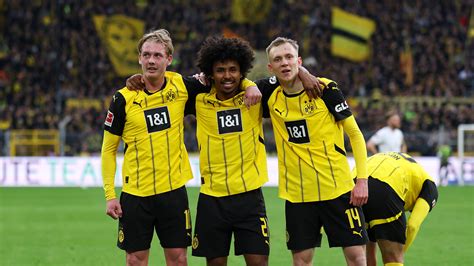
Aubameyang's tenure at Borussia Dortmund (2013–2018) was where he first rose to global prominence. Signed from Saint-Étienne, he initially played as a winger under Jürgen Klopp before transitioning to a central striker role. His adaptability and explosive speed made him a nightmare for Bundesliga defenses. During his time at Dortmund, Aubameyang scored an impressive 141 goals in 213 appearances across all competitions. A key moment in his Dortmund career came in the 2016–2017 season when he won the Bundesliga Golden Boot with 31 goals, outpacing rivals like Robert Lewandowski. This was a testament to his consistency and ability to find the back of the net in varied situations—be it through lightning-fast counterattacks or poacher's finishes in the box. Another pivotal moment was his role in Dortmund's 2017 DFB-Pokal victory, where he scored the winning goal in the final against Eintracht Frankfurt. This trophy underscored his importance to the team, as he often shouldered the burden of goal-scoring in a squad that was in transition after Klopp's departure. However, his time at Dortmund was not without controversy; disciplinary issues occasionally surfaced, hinting at a player whose individual brilliance sometimes clashed with team dynamics.
In January 2018, Aubameyang made a high-profile move to Arsenal for a then-club-record fee of £56 million. His arrival in the Premier League was met with significant anticipation, as Arsenal sought a talisman to replace the departing Alexis Sánchez. Aubameyang did not disappoint. In his first full season (2018–2019), he shared the Premier League Golden Boot with Mohamed Salah and Sadio Mané, scoring 22 goals. This achievement was particularly impressive given Arsenal's inconsistent form and lack of a cohesive midfield to supply him with regular chances. Aubameyang's ability to create something out of nothing—whether through solo runs or instinctive finishes—became a hallmark of his time in North London. A defining moment of his Arsenal career was the 2020 FA Cup final against Chelsea, where he scored both goals in a 2-1 victory. This performance not only secured Arsenal's only major trophy in recent years but also showcased his big-game mentality. However, as Arsenal's form waned under Mikel Arteta, Aubameyang's role began to shift. His captaincy was stripped in late 2021 due to disciplinary breaches, marking a sour end to what had been a largely productive spell. Despite this, his impact on Arsenal cannot be understated; he provided a goal-scoring outlet during a turbulent period for the club, often carrying the team's attack on his shoulders.
The next chapter of Aubameyang's career took him to Barcelona in early 2022, following a mutual termination of his Arsenal contract. At Barcelona, he found a new lease on life under Xavi Hernández. While his time at the Camp Nou was relatively brief (lasting only half a season before moving to Chelsea), it was marked by moments of brilliance. Aubameyang scored 13 goals in 23 appearances for Barcelona, including a memorable hat-trick against Valencia in La Liga. His performances helped Barcelona secure a top-four finish during a challenging transitional period for the club. What stood out during his time in Spain was his seamless integration into Barcelona's possession-based style. Unlike at Arsenal, where he often had to create his own opportunities, Aubameyang benefited from the service of players like Ousmane Dembélé and Pedri. This stint also highlighted his versatility; he was deployed as a winger at times, demonstrating his adaptability even in the latter stages of his career. However, Barcelona's financial constraints and the emergence of younger talents like Ansu Fati and Ferran Torres meant that Aubameyang's time at the club was short-lived.
Across these three clubs, key themes emerge in Aubameyang's career. First, his goal-scoring consistency is undeniable. Whether in the Bundesliga, Premier League, or La Liga, he has proven himself as one of the most lethal finishers of his generation. His ability to find space in tight areas and his knack for scoring in clutch moments—such as cup finals or decisive league matches—set him apart. Second, his career reflects a player who thrives when he is the focal point of a team's attack. At Dortmund and Arsenal, he was often the primary source of goals, which sometimes placed undue pressure on him when the team's overall structure faltered. At Barcelona, he enjoyed a more balanced setup, which allowed him to flourish without carrying the entire burden.
However, challenges also punctuated his journey. At Dortmund, disciplinary issues occasionally overshadowed his performances. At Arsenal, his later years were marred by a falling out with Arteta, raising questions about his professionalism. At Barcelona, while he was effective, his tenure was too brief to establish a lasting legacy. These moments suggest a player who, while immensely talented, sometimes struggled with the off-field expectations of being a leader and role model.
In terms of trophies and impact, Aubameyang's career features a mix of individual accolades and team success. His 2017 DFB-Pokal win with Dortmund, 2020 FA Cup victory with Arsenal, and his contribution to Barcelona's top-four push in 2022 are standout achievements. Yet, it is worth noting that he never won a league title at any of these clubs, which might be seen as a gap in an otherwise illustrious career. This is not necessarily a reflection of his abilities but rather the circumstances of the teams he played for during transitional phases.
Analyzing Aubameyang's career through these lenses provides a nuanced understanding of his legacy. He is a player who has delivered spectacular moments—goals that have won trophies, matches, and hearts—but also one whose career trajectory has been shaped by the teams and managers around him. His time at these clubs reveals a player who is both a product of his environment and a force capable of elevating those around him. While he may not be remembered as a one-club legend, his ability to adapt and excel across different leagues and systems cements his place as one of the most dynamic strikers of his era.
- At Dortmund, he was a prolific scorer and won the DFB-Pokal, showcasing his ability to thrive in a high-pressing system.
- At Arsenal, he was a match-winner in key moments, particularly in the FA Cup, despite the team's broader struggles.
- At Barcelona, he demonstrated adaptability and contributed significantly during a short but impactful spell.
In summary, Aubameyang's career at these clubs is a study in contrasts—moments of individual brilliance juxtaposed with periods of instability. His legacy is not one of unbroken success but of a player who left an indelible mark wherever he went, defined by his ability to deliver when it mattered most.
Playing Style and Attributes
Pierre-Emerick Aubameyang is a striker whose playing style is defined by a blend of explosive physical attributes, technical precision, and tactical adaptability. His career trajectory across clubs like Borussia Dortmund, Arsenal, Barcelona, and Chelsea offers a rich tapestry of performances that highlight his unique skills. To truly understand Aubameyang’s impact, one must delve into the core elements of his game: his speed, finishing, and versatility on the pitch.
One of Aubameyang's most defining attributes is his speed. Clocking sprint speeds that rival some of the fastest players in modern football, he has often been likened to a sprinter with a football at his feet. This speed is not merely about raw pace; it is about how he uses it intelligently. Aubameyang excels in timing his runs to exploit defensive vulnerabilities. Whether it is a well-timed burst behind the defensive line to latch onto a through ball or a diagonal run to stretch a compact backline, his ability to read the game and position himself for maximum impact sets him apart. This speed also makes him a nightmare for defenders in transition. When teams lose possession against a side with Aubameyang, the threat of a rapid counterattack looms large, as he can cover ground quickly to turn defense into attack. Notably, his speed is complemented by his stamina, allowing him to maintain this threat over the course of 90 minutes.
Another facet of Aubameyang’s arsenal is his finishing. A prolific goal scorer, he has demonstrated a remarkable ability to find the back of the net in a variety of ways. His finishing is characterized by a mix of composure and technique. Whether it is a first-time volley, a delicate chip over an onrushing goalkeeper, or a powerful drive from outside the box, Aubameyang adapts his technique to the situation. A closer look at his goal-scoring patterns reveals an interesting trend: he is particularly lethal in one-on-one situations. This is partly due to his calmness under pressure but also because of his ability to manipulate the ball quickly. For instance, he often uses subtle body feints or slight changes in stride to wrong-foot goalkeepers before slotting the ball home. Additionally, his heading ability deserves mention. Despite not being the tallest striker, Aubameyang has scored numerous goals with his head, often by outpacing defenders to meet crosses with perfect timing. This combination of aerial prowess and ground-based finishing makes him a well-rounded threat in the final third.
While speed and finishing are often the headline attributes for strikers, Aubameyang’s versatility is perhaps his most underrated quality. Throughout his career, he has been deployed in multiple roles across the front line. At Borussia Dortmund, he often operated as a wide forward in a 4-2-3-1 system, where his pace and directness allowed him to stretch play and provide width. However, his move to Arsenal saw him primarily used as a central striker in a 3-4-3 or 4-2-3-1 setup, where his ability to play on the shoulder of the last defender became a focal point of the team’s attacking strategy. This versatility is not just about positional flexibility; it is also about his willingness to adapt his style of play based on the needs of the team. For example, during his time at Barcelona, he showed a greater willingness to drop deeper and link play, showcasing his ability to act as a false nine when required. This adaptability has allowed managers to use him as a tactical wildcard, capable of shifting the dynamics of a game based on the opposition’s setup.
A deeper analysis of Aubameyang’s playing style also reveals his off-the-ball movement as a critical component of his effectiveness. Unlike some strikers who rely on physical presence or hold-up play, Aubameyang thrives on exploiting space. His ability to find pockets of space in behind defenses or drift into wide areas to create overloads is a testament to his footballing intelligence. This movement not only benefits him but also creates opportunities for teammates. For instance, his runs often drag defenders out of position, opening up channels for midfielders or secondary strikers to exploit. This attribute was particularly evident during his partnership with players like Alexandre Lacazette at Arsenal, where their complementary styles allowed for fluid attacking interplay.
However, no examination of Aubameyang would be complete without addressing his weaknesses, as they provide context to his strengths. One critique often leveled at him is his inconsistency in pressing from the front. While he is capable of putting in a shift defensively, particularly in systems that demand high pressing, there are moments where his intensity wanes. This can be attributed to his playing style, which prioritizes explosive bursts of energy over sustained physical output. Additionally, his reliance on pace and movement can sometimes limit his effectiveness in games where space is at a premium, such as against low-block defenses. In these scenarios, his lack of a more robust physical presence or a refined ability to hold up play can be a limitation.
Another intriguing aspect of Aubameyang’s game is his penalty-taking ability. Known for his audacious run-ups and unerring accuracy from the spot, he has often been the designated penalty taker for his teams. This skill not only adds to his goal tally but also underscores his mental fortitude. Taking penalties, especially in high-stakes situations, requires a blend of technique and psychological resilience, both of which Aubameyang has exhibited consistently.
Beyond the technical and physical attributes, Aubameyang’s personality on the pitch also plays a role in his effectiveness. He is a player who thrives on confidence, and his celebrations—ranging from superhero masks to backflips—reflect a player who enjoys the spotlight. This confidence can be infectious, lifting the morale of teammates and energizing crowds. However, it also means that dips in form can sometimes affect his overall performance more noticeably than other players.
In summary, Pierre-Emerick Aubameyang’s playing style is a fascinating study of how a modern striker can combine explosive speed, clinical finishing, and positional versatility to great effect. While he may not fit the archetype of a traditional target man or a playmaking forward, his unique skill set allows him to adapt to various systems and roles. Whether it is tearing through defenses with his blistering pace, calmly slotting home a one-on-one chance, or adapting his game to suit the tactical demands of a match, Aubameyang remains a striker who leaves an indelible mark on the pitch.
- His speed is not just about raw pace but about intelligent timing and transition play.
- His finishing combines composure, technique, and adaptability in various scenarios.
- His versatility allows him to excel in multiple roles, from a wide forward to a false nine.
- His off-the-ball movement creates space for himself and teammates.
- His penalty-taking prowess adds another dimension to his goal-scoring repertoire.
Aubameyang’s career serves as a case study in how a striker can evolve and adapt while staying true to their core strengths, making him one of the most intriguing players of his generation.
Records and Achievements
Pierre-Emerick Aubameyang, a name synonymous with blistering pace, clinical finishing, and an uncanny knack for finding the back of the net, has carved out a remarkable career that is studded with individual accolades, goal-scoring records, and significant team successes. His journey across clubs like Borussia Dortmund, Arsenal, Barcelona, and others has been marked by moments of individual brilliance and collective triumphs that deserve a closer examination.
One of the most striking aspects of Aubameyang's career is his collection of individual awards, which underscore his impact as a forward. In 2015, while playing for Borussia Dortmund, he was awarded the Bundesliga Player of the Year title. This recognition came after a season in which he scored 16 goals and provided 5 assists, showcasing not just his ability to score but also his growing versatility as a player who could contribute to team play. His crowning individual achievement, however, came in 2016 when he won the African Footballer of the Year award. This accolade was a testament to his status as one of the continent's premier talents, beating out competition from the likes of Riyad Mahrez and Sadio Mané. Winning this award placed him in an elite group of African players, including the likes of Samuel Eto'o and Didier Drogba, who had previously claimed the honor. Such recognition highlighted not only his on-field exploits but also his influence as a role model for African players aspiring to make it in Europe's top leagues.
Aubameyang’s goal-scoring records are equally impressive and serve as a cornerstone of his legacy. During his time at Borussia Dortmund, he became one of the most prolific strikers in the Bundesliga. In the 2016-17 season, he set a personal best by scoring 31 league goals, which earned him the Bundesliga's top scorer award. This feat placed him in the company of legends like Gerd Müller and Robert Lewandowski, who had previously dominated the scoring charts. What made this achievement even more remarkable was the fact that he reached this total in just 32 appearances, averaging nearly a goal per game. His efficiency in front of goal was further exemplified by his ability to score in high-pressure situations; for instance, he holds the record for scoring the fastest-ever Bundesliga hat-trick, netting three goals in just 4 minutes and 45 seconds against Hamburg in 2015. This lightning-fast display of finishing prowess encapsulates his ability to turn games on their head in an instant.
When Aubameyang moved to Arsenal in 2018, he continued to rack up impressive statistics. He became the fastest Arsenal player to score 50 Premier League goals, achieving the milestone in just 79 appearances. This record underscored his adaptability to the physical and tactical demands of the Premier League, where he often faced tighter defenses and less space compared to the Bundesliga. His consistency was further highlighted by his role in winning the FA Cup in 2020, where he scored both goals in the final against Chelsea, cementing his status as a clutch performer. Additionally, in his brief stint at Barcelona during the 2021-22 season, he made an immediate impact by scoring 11 goals in 17 La Liga appearances, a remarkable return for a player adapting to a new league and system. This demonstrated that his goal-scoring prowess was not confined to a single league or style of play.
Beyond individual records, Aubameyang has also been instrumental in team successes, albeit in a manner that sometimes goes underappreciated. At Borussia Dortmund, he played a critical role in the team's run to the 2017 DFB-Pokal final, where he scored the winning goal in a 2-1 victory over Eintracht Frankfurt. This trophy was particularly significant as it came during a transitional period for Dortmund, and Aubameyang's ability to deliver in high-stakes matches was pivotal. Similarly, his contributions to Arsenal's 2020 FA Cup triumph were invaluable. In the semi-final and final of that competition, he scored four goals in total, showcasing his ability to rise to the occasion when his team needed him most. These moments of success often came during periods when Arsenal was struggling for form, making his individual brilliance all the more critical to the team's fortunes.
However, it is worth delving into some of the lesser-discussed aspects of his achievements. For instance, Aubameyang’s versatility as a forward often goes unnoticed. While he is primarily known as a central striker, he has often been deployed on the left wing, particularly during his time at Arsenal under Mikel Arteta. This adaptability allowed him to use his pace and movement to stretch defenses, creating space for teammates. His willingness to adapt to different roles speaks volumes about his team-first mentality, even when his personal goal tallies might have suffered slightly due to these tactical shifts.
Another unique insight into Aubameyang’s career is his consistency across different leagues. While many players experience a dip in form when transitioning between leagues with varying styles of play, Aubameyang has managed to maintain a high level of performance. Whether it was the high-pressing, counter-attacking football of Dortmund, the possession-based approach at Arsenal, or the quick, technical style at Barcelona, he has adapted seamlessly. This adaptability is a rare trait among modern forwards and speaks to his intelligence as a player who can read and exploit different systems.
It is also important to note the impact of his leadership on team successes. Aubameyang was named Arsenal captain in 2019, a role that came with its challenges given the club's turbulent period. While his captaincy was not without controversy, particularly toward the end of his Arsenal stint, his ability to galvanize the team during critical matches was evident. For instance, in the 2020 FA Cup run, his leadership on and off the pitch played a significant role in uniting a young and inexperienced squad. His ability to lead by example, particularly in high-pressure games, added another dimension to his contributions beyond just scoring goals.
Aubameyang’s career also includes some unique statistical milestones that set him apart. For example, he is one of the few players to have scored hat-tricks in the Bundesliga, Premier League, and Copa del Rey, showcasing his ability to thrive across different competitions and environments. Additionally, his knack for scoring in London derbies, particularly against Tottenham Hotspur, has made him a fan favorite among Arsenal supporters. These performances in high-stakes rivalries further cement his legacy as a player who thrives under pressure.

In summary, Pierre-Emerick Aubameyang’s career is a tapestry of records and achievements that reflect both his individual brilliance and his contributions to team success. From his Bundesliga dominance to his adaptability in the Premier League and La Liga, he has consistently proven himself as one of the most dynamic and effective forwards of his generation. His awards, goal-scoring feats, and pivotal role in key team victories paint the picture of a player who combines raw talent with a deep understanding of the game. While his career has had its ups and downs, particularly in later years, the sheer weight of his achievements ensures that he will be remembered as one of the most electrifying players to grace the modern game.
Leadership and Influence
Pierre-Emerick Aubameyang's leadership and influence on the teams he has played for extend far beyond his prolific goal-scoring abilities. As a captain, he has often been tasked with not only setting an example on the field but also fostering a sense of unity and resilience within the squad. This section delves into how his captaincy has shaped team dynamics and morale, examining both his successes and the challenges he faced in this role.
One of the most notable aspects of Aubameyang's leadership is his ability to bridge cultural and linguistic divides within diverse squads. Throughout his career, particularly at Arsenal and Borussia Dortmund, he played in teams with players from various nationalities and backgrounds. His multilingual skills—fluent in French, Italian, Spanish, German, and English—allowed him to communicate effectively with teammates, breaking down barriers that often exist in international teams. This ability to connect on a personal level was crucial in maintaining harmony within the dressing room. For instance, at Arsenal, where the squad featured players from South America, Africa, and Europe, Aubameyang's approachable demeanor and humor helped to diffuse tensions during difficult periods, such as the club's struggles in the Premier League under Unai Emery and later Mikel Arteta.
However, leadership is not just about communication; it is also about setting an example. Aubameyang's work ethic and commitment to training often served as a benchmark for younger players. Despite his reputation for being a jovial and lighthearted figure, he demonstrated a fierce determination to succeed. This was evident in his rigorous fitness routines and his willingness to play through minor injuries to support the team. His attitude sent a clear message: leadership requires sacrifice. For instance, during Arsenal's 2020 FA Cup run, where they eventually lifted the trophy, Aubameyang scored crucial goals in the semi-final and final, showcasing not only his individual brilliance but also his desire to lead by example in high-pressure situations. This type of performance under pressure can galvanize a team, as it reinforces the belief that their captain is fully invested in the collective cause.
Yet, Aubameyang’s captaincy was not without its complexities and controversies. At Arsenal, his tenure as captain was marked by moments of brilliance on the pitch but also by disciplinary issues off it. In December 2021, he was stripped of the captaincy due to a breach of club discipline, which involved a late return from an authorized trip. This incident highlighted the challenges of balancing the expectations of leadership with the pressures of being a star player. While some argued that the punishment was harsh, it also underscored the fine line captains must walk—they are not only judged by their performance but also by their adherence to team rules and values. This episode had a tangible impact on team morale; while some players may have viewed the incident as a lapse in judgment, others might have felt disillusioned by the lack of consistency in leadership.
Despite this setback, Aubameyang's influence on team dynamics cannot be overlooked. At Borussia Dortmund, where he was not officially the captain but still a prominent figure, his energy and charisma played a significant role in maintaining a positive atmosphere during a period of transition. Dortmund was undergoing changes in management and squad composition, yet Aubameyang’s ability to remain a constant source of optimism helped the team navigate these challenges. His goal celebrations, often involving choreographed routines with teammates, became symbolic of the camaraderie he fostered. Such gestures may seem superficial, but they are integral to building a sense of togetherness in a high-stakes environment. When players feel connected to one another, they are more likely to perform cohesively on the field.
Another dimension of Aubameyang’s impact lies in his mentorship of younger players. Throughout his career, he has often taken on the role of a mentor, particularly for strikers and wingers. At Arsenal, for example, he was seen guiding younger talents like Bukayo Saka and Emile Smith Rowe, offering advice on positioning, movement, and finishing. This informal leadership role is often underappreciated but is vital in shaping the next generation of players. A captain who invests time in the development of others not only strengthens the team’s immediate prospects but also ensures its long-term sustainability. Aubameyang’s willingness to share his experience indicates a selflessness that is a hallmark of effective leaders.
On the field, Aubameyang’s influence extended to his ability to inspire confidence in his teammates. As a striker known for his speed, agility, and clinical finishing, he often served as the focal point of the attack. His presence alone could shift the momentum of a game. For instance, during his time at Arsenal, there were numerous matches where his early goals injected energy and belief into the team. This psychological impact is a subtle yet powerful aspect of leadership; a captain who can shift the emotional state of the team through their actions is invaluable. However, this also created a dependency in some squads, where the team's performance seemed overly reliant on Aubameyang’s form. This dynamic posed challenges when he experienced dips in performance or was absent due to injury or suspension.
In terms of morale management, Aubameyang’s approach to setbacks is worth examining. Football is a game of highs and lows, and how a captain responds to defeats or poor performances can significantly affect the team’s mindset. Aubameyang was often seen rallying his teammates after losses, encouraging them to focus on the next challenge rather than dwelling on the past. This resilience was particularly evident during Arsenal's turbulent 2020-2021 season, where the team faced a string of disappointing results. While he was not immune to criticism, his ability to maintain a positive outlook in post-match interviews and training sessions helped to stabilize the dressing room during a period of uncertainty.
It is also important to consider the external pressures that come with being a high-profile captain. Aubameyang was not just a leader within the team but also a figurehead for the club in the eyes of fans and the media. This dual role required him to manage expectations and maintain a public persona that aligned with the club’s values. His charismatic and approachable nature made him a fan favorite, but it also meant that his mistakes were scrutinized more heavily. This duality of being both a leader and a public figure added another layer of complexity to his captaincy.
- His ability to connect with teammates across cultural and linguistic barriers was a key strength.
- He set an example through his work ethic and willingness to play through adversity.
- Moments of disciplinary controversy highlighted the challenges of balancing stardom and leadership.
- His mentorship of younger players contributed to the long-term development of the squad.
- His on-field presence and resilience in adversity had a tangible impact on team morale.
In conclusion, Pierre-Emerick Aubameyang’s role as a captain and his impact on team dynamics and morale reveal a multifaceted picture of leadership. While his charisma, work ethic, and on-field contributions often inspired those around him, the challenges he faced—both personal and professional—highlight the nuanced demands of modern football leadership. His legacy as a captain is one of both triumph and imperfection, but it is undeniable that his influence left a lasting impression on the teams he led.
Criticism and Challenges
Pierre-Emerick Aubameyang, a name synonymous with blistering pace and clinical finishing, has had a career that oscillates between moments of brilliance and periods of intense scrutiny. While he has often been lauded for his goal-scoring prowess, criticism and challenges have been an inevitable part of his journey, casting a shadow over his otherwise stellar reputation. This section delves into the controversies, setbacks, and moments of criticism that have punctuated his career, offering a balanced view of the man behind the headlines.
One of the most prominent controversies in Aubameyang's career occurred during his time at Arsenal, where his on-field brilliance was occasionally overshadowed by off-field issues. In December 2021, he was stripped of the captaincy by manager Mikel Arteta following a "disciplinary breach." This incident was not isolated; it was part of a growing narrative of friction between the player and the club. Reports suggested that Aubameyang had repeatedly failed to adhere to team protocols, including tardiness and a perceived lack of commitment to the collective ethos Arteta was trying to instill. While some fans sympathized with the striker, arguing that the punishment was too harsh for the offense, others viewed it as a necessary step to maintain dressing room discipline. This episode highlighted a recurring theme in Aubameyang's career—his tendency to clash with authority figures when his personal freedom or style was perceived to be constrained.
Another significant challenge in Aubameyang's career has been his inconsistent form following high-profile transfers. After leaving Arsenal for Barcelona in January 2022, he enjoyed a brief resurgence, scoring 11 goals in 17 La Liga appearances. However, his move to Chelsea in the summer of 2022 proved to be a misstep. At Chelsea, Aubameyang struggled to adapt to the tactical demands of then-manager Thomas Tuchel and later Graham Potter. His goal output dwindled, and he often found himself on the bench or excluded from matchday squads. Critics argued that his playing style—relying heavily on pace and direct runs—was ill-suited to Chelsea's more possession-oriented system. This period underscored the difficulty of maintaining peak performance across multiple leagues and managerial philosophies, particularly for a player in his early 30s. The criticism was not merely about his performances but also about the perceived lack of due diligence by both the player and the club in ensuring a good fit.
Aubameyang's time at Borussia Dortmund, while largely successful, was not without its controversies. In 2016, he was suspended by the club for an unauthorized trip to Milan, a breach of team rules. Similarly, in 2018, he was left out of the squad for a match against Stuttgart due to "internal reasons," with rumors suggesting he had been late for training. These incidents painted a picture of a player who, while immensely talented, sometimes struggled with the professional discipline expected at elite clubs. Such episodes also fueled whispers about his commitment to team dynamics, with some pundits suggesting that his individualistic streak occasionally undermined collective goals. However, it is worth noting that these moments of criticism often coexisted with his prolific goal-scoring—a duality that makes his career so intriguing.
Beyond club football, Aubameyang has also faced criticism on the international stage. Representing Gabon, he has been a talismanic figure, but the national team's lack of success has often been attributed, fairly or unfairly, to his leadership. Gabon's early exits from the Africa Cup of Nations and their failure to qualify for the FIFA World Cup have led to questions about Aubameyang's ability to inspire his teammates under pressure. Some critics argue that while he is a superstar in club football, he has not fully translated that status into a leadership role for Gabon. This critique is perhaps unfair, given the structural and logistical challenges faced by smaller footballing nations, but it remains a stain on his otherwise impressive legacy.
Another area of challenge has been his adaptability to different tactical systems. Aubameyang is most effective when deployed as a central striker or in a system that allows him to exploit space behind defenses. However, in teams that prioritize a high-pressing game or require their forwards to contribute significantly to build-up play, he has sometimes appeared out of his depth. This was evident during his stint at Chelsea and in certain phases at Arsenal, where his output suffered when asked to drop deeper or link play. Critics have pointed out that while he is a lethal finisher, he lacks the all-around game of some of his contemporaries like Robert Lewandowski or Harry Kane, which limits his effectiveness in certain setups. This has led to debates about whether his skill set is best suited for specific systems rather than being universally adaptable.
It is also important to address the external pressures and expectations that have surrounded Aubameyang. As an African player competing at the highest level, he has often been subjected to a different standard of critique compared to his European counterparts. For instance, his celebrations—flamboyant and often involving masks or choreographed routines—have been both celebrated and derided. While some see them as a celebration of his personality and African heritage, others have criticized them as unnecessary showboating. This duality in perception reflects broader societal biases, where non-European players are often held to account for expressions of individuality in ways that their peers are not. Such external pressures, while not directly related to his on-field performance, have undoubtedly added to the challenges he has faced in navigating his public image.
Aubameyang's career has also been marked by setbacks related to injuries and personal circumstances. In 2021, he contracted malaria while on international duty, which sidelined him for several weeks and affected his physical condition upon his return. Additionally, his father's health issues and the emotional toll of family responsibilities have occasionally been cited as factors affecting his focus. While these are deeply personal matters, they serve as a reminder that athletes, even those at the pinnacle of their sport, are not immune to the vicissitudes of life.
Despite these controversies and setbacks, it is important to recognize that Aubameyang's career is far from defined solely by criticism. His ability to bounce back—whether it was his golden boot-winning season at Arsenal or his brief but impactful stint at Barcelona—demonstrates resilience. However, the challenges he has faced serve as a microcosm of the pressures faced by modern footballers, where the line between hero and villain is often razor-thin.
- His clashes with authority figures, such as at Arsenal and Dortmund, highlight the tension between individual freedom and team discipline.
- The struggles at Chelsea reveal the risks of misaligned transfers in the twilight of a player's career.
- Criticism of his international contributions reflects the weight of expectations placed on star players from smaller nations.
- External perceptions of his personality and style add an extra layer of complexity to his public image.
In conclusion, the criticism and challenges faced by Pierre-Emerick Aubameyang are as multifaceted as his career. While some of the setbacks are self-inflicted, others are the result of external factors or systemic issues within the teams and leagues he has played in. What remains undeniable is that these moments of adversity, while testing, have also been instrumental in shaping the narrative of a player who, for all his flaws, remains one of the most electrifying talents of his generation.
Impact Beyond Football
Pierre-Emerick Aubameyang's influence extends far beyond the boundaries of the football pitch. While his on-field exploits as a prolific striker have made him a household name, his off-field activities reveal a multifaceted personality whose impact resonates in areas such as brand endorsements, community work, and the cultivation of a deeply connected fanbase. These dimensions of his persona contribute to his status as not just a sports figure but also a cultural and social influencer.
One of the most visible aspects of Aubameyang's off-field presence is his association with brand endorsements. His dynamic persona, flamboyant style, and global appeal have made him a magnet for high-profile partnerships. One of his most notable collaborations has been with Nike, the sportswear giant that has leveraged his image to promote products ranging from football boots to lifestyle apparel. Aubameyang’s flair for the dramatic—evident in his goal celebrations and unique fashion choices—aligns perfectly with Nike’s brand ethos of individuality and boldness. For instance, his custom-designed boots, often featuring vibrant colors or personal motifs, serve as a tangible extension of his personality. This synergy between athlete and brand goes beyond mere advertising; it creates a narrative of aspiration for young fans who see him not only as a football icon but also as a style trendsetter. Additionally, Aubameyang has worked with luxury brands like Dolce & Gabbana, showcasing his ability to bridge the gap between sports and high fashion. Such endorsements highlight his marketability and his role in shaping how athletes are perceived in the modern era as multifaceted influencers rather than one-dimensional sports figures.

Beyond the glitz of endorsements, Aubameyang has demonstrated a commitment to community work that often goes underreported but is deeply impactful. During his time at Borussia Dortmund, he was known to engage in local initiatives, particularly those aimed at youth development. For example, he participated in programs that provided underprivileged children with access to football training and equipment. This focus on youth empowerment is not merely symbolic; it reflects a genuine desire to give back to communities that often look up to athletes as role models. In London, during his tenure with Arsenal, Aubameyang was involved in charity events and visited hospitals to spend time with young fans battling illnesses. These gestures go beyond PR stunts; they reveal a personal investment in using his platform to uplift others. Notably, his involvement in campaigns like Arsenal’s "No More Red" initiative, which tackles knife crime and supports safe spaces for young people in London, underscores his willingness to address societal issues. Such efforts position him as an athlete who understands the broader responsibilities that come with fame and influence.
Another dimension of Aubameyang’s off-field impact lies in his relationship with his fanbase. Unlike many athletes who maintain a distant or curated persona, Aubameyang has cultivated a reputation for being approachable and authentic. His social media presence is a case in point. On platforms like Instagram and Twitter, he frequently shares moments of levity, whether it’s showcasing his playful side with teammates or posting heartfelt messages to fans after significant matches. This openness fosters a sense of intimacy between him and his followers, many of whom feel they have a personal connection to him. Moreover, his celebrations—such as the iconic "Spider-Man" mask or the Black Panther-inspired Wakanda salute—have resonated deeply with fans, particularly younger ones who see these acts as a blend of entertainment and cultural relevance. By embracing pop culture references in his celebrations, Aubameyang has bridged the gap between sports and entertainment, making him relatable to a broader audience.
A unique aspect of his fanbase relationship is his ability to transcend club loyalties. While he has played for teams like Dortmund, Arsenal, and Barcelona, his appeal often extends beyond the boundaries of these clubs. For instance, his popularity in Africa is immense, partly due to his Gabonese heritage and his role as the former captain of the Gabon national team. He has used this platform to advocate for African football, highlighting the need for better infrastructure and opportunities for players from the continent. In 2015, he was part of a campaign to promote the Africa Cup of Nations, not just as a tournament but as a celebration of African unity and talent. Such advocacy positions him as a unifying figure who represents more than just his club or country—he embodies a pan-African pride that resonates with millions of fans across the continent.
A deeper look at Aubameyang’s off-field persona also reveals his influence on mental health and self-expression. In a sport where mental health discussions are still gaining traction, Aubameyang has occasionally shared personal struggles, such as dealing with the pressures of fame or the emotional toll of family challenges (such as his father’s health issues). By being open about these experiences, he has inadvertently encouraged fans to view athletes as human beings with vulnerabilities. His bold fashion choices—often criticized by traditionalists—also serve as a statement about self-expression. Whether it’s arriving at a match in a flashy car or donning unconventional outfits, Aubameyang challenges the stereotype of the stoic, conformist athlete. This willingness to be unapologetically himself inspires fans, particularly those who may feel constrained by societal expectations, to embrace their individuality.
Aubameyang’s impact is also evident in the way he has inspired fan-driven initiatives. For example, during his time at Arsenal, fan groups often created banners, chants, and even merchandise inspired by his persona. The "Auba Mask" craze—where fans replicated his goal celebration masks—became a phenomenon that symbolized the symbiotic relationship between player and supporter. Such organic fan expressions demonstrate how Aubameyang’s charisma and individuality have fueled a sense of collective identity among supporters. This dynamic is particularly significant in an era where fan engagement is increasingly digital and global; Aubameyang’s ability to inspire such creativity speaks to his unique place in modern football culture.
In summary, Pierre-Emerick Aubameyang’s influence off the field is as dynamic and multifaceted as his play on it. From leveraging his image in brand endorsements to actively participating in community work and fostering a vibrant, authentic connection with his fanbase, he exemplifies the modern athlete as a cultural force. His actions and choices—whether in fashion, philanthropy, or advocacy—reflect a deep understanding of the platform he occupies and a desire to use it meaningfully. In doing so, he not only enhances his legacy as a footballer but also carves out a space for himself as a role model whose impact transcends the beautiful game.
Comparisons with Contemporary Strikers
When discussing the career of Pierre-Emerick Aubameyang, it is essential to place him within the context of his contemporaries—the elite strikers who have dominated the football landscape during his era. Strikers like Robert Lewandowski, Luis Suárez, Sergio Agüero, and Harry Kane serve as benchmarks for comparison. Each of these players has carved out a unique legacy, and understanding Aubameyang’s trajectory and statistical output against theirs provides a nuanced view of his place in the pantheon of modern forwards.
Aubameyang's career trajectory is particularly interesting because it diverges from the traditional arcs of many top strikers. Unlike Lewandowski, who emerged as a prodigious talent at Lech Poznań before being refined into a world-class striker at Borussia Dortmund and later Bayern Munich, Aubameyang’s early years were less heralded. He began at AC Milan's youth system but failed to break into their first team, spending time on loan at French clubs such as Dijon, Lille, and Monaco. This nomadic start contrasts sharply with the stability seen in the early careers of strikers like Agüero, who was a standout at Independiente before moving to Atlético Madrid, or Suárez, who had a clear upward trajectory from Nacional to Ajax and then Liverpool. Aubameyang’s breakthrough came later, at Saint-Étienne, where he began to showcase his lethal pace and finishing ability, eventually earning a move to Dortmund in 2013.
Statistically, Aubameyang has been prolific, particularly during his prime years. At Dortmund, he scored 141 goals in 213 appearances, a remarkable return that placed him among Europe’s top scorers. This is comparable to Agüero’s output at Manchester City, where he netted 184 goals in 275 Premier League appearances over a similar time frame. However, while Agüero was often the focal point of a dominant City side, Aubameyang operated in a Dortmund team that was transitioning post-Jürgen Klopp, often carrying the attacking burden without the same level of midfield creativity. This context is crucial when evaluating his numbers against those of Lewandowski, who benefited from playing in a Bayern Munich system tailored to maximize his efficiency. Lewandowski, for instance, averaged over 30 goals per season during his peak at Bayern, a consistency that slightly outshines Aubameyang’s peak years, where his goals were more concentrated in specific campaigns rather than spread evenly.
Another point of comparison is Harry Kane, whose career path shares some similarities with Aubameyang’s in terms of shouldering immense responsibility for their teams. Kane, like Aubameyang, was often the primary source of goals for Tottenham Hotspur, yet their styles differ significantly. While Kane is a more rounded forward, contributing heavily in link-up play and dropping deep to create, Aubameyang has always been a more direct, explosive striker. His strength lies in his ability to exploit space behind defenses, a trait that made him one of the fastest players in the Bundesliga and later in the Premier League. This directness is reflected in his statistics; for example, during his first full season at Arsenal (2018-19), Aubameyang shared the Premier League Golden Boot with 22 goals, a feat he replicated the following year. However, unlike Kane, whose contributions often include assists and build-up play, Aubameyang’s impact was more narrowly focused on goal-scoring, which can be both a strength and a limitation when compared to more versatile contemporaries.
The comparison with Luis Suárez is also illuminating. Suárez’s time at Liverpool and later Barcelona showcased a striker who combined technical brilliance with a relentless work ethic. Suárez often operated as a pressing forward, contributing defensively and in build-up play, while still maintaining elite goal-scoring numbers. Aubameyang, by contrast, has been less involved in the broader aspects of team play. His heat maps and involvement metrics often show him operating higher up the pitch, waiting for opportunities to sprint into space or finish chances. This specialization can be seen as both a virtue—his efficiency in front of goal is undeniable—and a limitation when measured against strikers like Suárez, who could influence games even when not scoring.
In terms of consistency over a season, Aubameyang’s numbers are strong but not as dominant as those of Lewandowski or even Agüero in their prime. For instance, Lewandowski’s ability to sustain a goal-per-game ratio over multiple seasons is a marker of his exceptionalism. Aubameyang, while capable of extraordinary bursts of form (such as his 31-goal season for Dortmund in 2016-17), has experienced dips in form, particularly after his move to Arsenal. This can partly be attributed to the differing quality of the teams he played in; Arsenal during his tenure was not as competitive as Bayern or Manchester City, which undoubtedly affected his output. However, this also raises questions about his adaptability compared to strikers like Karim Benzema, who managed to evolve his game to remain relevant even as Real Madrid transitioned away from Cristiano Ronaldo’s dominance.
A deeper look at underlying metrics provides further insight. Aubameyang’s expected goals (xG) and expected goals on target (xGOT) data reveal a striker who often outperformed his xG, particularly in his Dortmund days. This indicates a player with exceptional finishing ability, capable of scoring from difficult chances. However, as he aged and moved to Arsenal, his xG outperformance dwindled, suggesting a decline in sharpness or a shift in role. In contrast, strikers like Kane and Lewandowski have shown more resilience in maintaining their xG performance levels even as they age, adapting their games to remain effective in different systems.
Aubameyang’s career also invites a discussion of big-game impact. While he has had memorable moments—such as his goals in the 2020 FA Cup semi-final and final for Arsenal—his record in high-stakes games is less consistent than that of Agüero or Suárez. Agüero, for example, is remembered for his last-minute winner against QPR to clinch the Premier League title, while Suárez’s performances in Liverpool’s 2013-14 title challenge were transformative. Aubameyang, while capable of rising to the occasion, has not had as many career-defining moments in the biggest fixtures, which is a point of differentiation when evaluating his legacy.
In summary, Pierre-Emerick Aubameyang’s career trajectory and statistics place him in the upper echelon of strikers of his era, but his path and style set him apart. He is a player who thrived on speed, directness, and clinical finishing, excelling in systems where he was the primary attacking outlet. However, when compared to contemporaries like Lewandowski, Agüero, Suárez, and Kane, his career lacks the same level of sustained dominance or versatility. This is not to diminish his achievements but to highlight the unique challenges and contexts he faced. Aubameyang’s legacy will likely be defined by his ability to deliver goals in pivotal moments for teams that were not always at the pinnacle of European football, a testament to his individual brilliance even when the collective framework was less supportive.
Conclusion and Legacy
Pierre-Emerick Aubameyang's career in football has been a blend of electrifying speed, clinical finishing, and an enigmatic persona that has left an indelible mark on the sport. As we reflect on his overall contribution to football, it is essential to dissect not only his statistical achievements but also the nuances of his style, the teams he elevated, and the broader impact he has had on the game.
Aubameyang’s contribution to football can be broadly categorized into three areas: his goal-scoring prowess, his versatility across different leagues, and his influence as a cultural figure within the sport. His prolific goal-scoring record stands as the most tangible evidence of his brilliance. Across his stints at Saint-Étienne, Borussia Dortmund, Arsenal, Barcelona, and Chelsea, Aubameyang consistently delivered goals at an elite level. With over 300 career goals, he has demonstrated a rare ability to find the back of the net in high-pressure situations. His peak years at Borussia Dortmund, where he scored 141 goals in 213 appearances, underscore his ability to thrive in one of Europe's most competitive leagues. At Arsenal, he became a talismanic figure, winning the FA Cup in 2020 and finishing as the Premier League's joint-top scorer in the 2018-19 season. These achievements are not merely numbers; they represent a player who could shoulder the burden of expectation and deliver when it mattered most.
However, Aubameyang’s influence extends beyond raw statistics. His versatility as a forward is often underappreciated. While primarily known as a striker, he has played effectively on the wing and even as a second striker in systems that required fluidity. This adaptability allowed managers like Jürgen Klopp, Unai Emery, and Mikel Arteta to deploy him in roles that maximized his explosive pace and intelligent movement. His time at Dortmund, in particular, showcased how a forward with his skill set could thrive in a high-pressing, counter-attacking system. Similarly, at Arsenal, his partnership with Alexandre Lacazette offered a glimpse of how he could complement other forwards, creating a dynamic attacking duo that balanced individual brilliance with collective play.
Aubameyang’s impact is not confined to club football. On the international stage, he has been a beacon for Gabon, a country with limited footballing pedigree. As captain of the Gabonese national team, he has carried the hopes of a nation, scoring crucial goals in African Cup of Nations tournaments and World Cup qualifiers. While Gabon has not achieved significant success, Aubameyang’s commitment to representing his country speaks to his character and the weight he places on his roots. This loyalty to his national team, even when it might have been easier to prioritize club commitments, adds a layer of depth to his legacy.
Beyond the pitch, Aubameyang has been a cultural figure who has reshaped how players are perceived in the modern game. His flamboyant celebrations, including superhero-themed masks and his charismatic presence on social media, have made him a fan favorite. This approach humanizes athletes in an era where the pressure to conform to a stoic, professional image is immense. Aubameyang’s willingness to embrace his individuality has inspired younger players to express themselves freely, both on and off the field. In this sense, he is not just a footballer but a trailblazer who has contributed to the evolving identity of the modern athlete.
When speculating on Aubameyang’s place in the sport’s history, it is important to consider the context of his career trajectory. Unlike some of his contemporaries—such as Lionel Messi or Cristiano Ronaldo—Aubameyang’s career has not been defined by sustained dominance at the very highest level. He has not won a Ballon d’Or or led a team to a Champions League title. However, this does not diminish his significance. Instead, it positions him as a player who exemplifies the transient brilliance of football’s “nearly greats.” His ability to shine brightly in specific periods and contexts, such as his golden years at Dortmund or his brief but impactful stint at Barcelona, highlights a different kind of greatness—one that is measured not by trophies alone but by the joy and excitement he brought to fans.
Aubameyang’s legacy is also shaped by the challenges he faced later in his career. His departure from Arsenal under contentious circumstances and his subsequent struggles at Chelsea illustrate the fragility of footballing narratives. These moments serve as a reminder that even the most gifted players are not immune to the vagaries of form, management decisions, and the pressures of adapting to new environments. Yet, this does not tarnish his legacy; rather, it humanizes it. Aubameyang’s story is one of resilience and reinvention, a player who adapted to different leagues, managers, and expectations while maintaining his core identity as a goal scorer.
In the broader context of football history, Aubameyang may not be remembered as a generational talent like Messi or Ronaldo, but he will undoubtedly hold a place among the elite forwards of his era. His ability to perform across multiple leagues—from Ligue 1 to the Bundesliga, Premier League, and La Liga—demonstrates a rare adaptability. Few players can claim to have left a mark in such diverse footballing cultures. Moreover, his role as a leader, particularly at Arsenal and with the Gabonese national team, reinforces his status as a player who was not just a scorer but a figure of inspiration.
Aubameyang’s place in football history might also be viewed through the lens of what he represented in an evolving sport. His career coincided with the globalization of football, where players from non-traditional footballing nations could become global stars. As one of Africa’s most recognizable players, he carried the mantle of representing the continent with pride. This aspect of his legacy is perhaps underappreciated but deeply significant. He has inspired a generation of African players to dream big, showing that talent from the continent can thrive in the world’s most competitive leagues.
In conclusion, Pierre-Emerick Aubameyang’s legacy is multifaceted. He is a player who combined explosive athleticism with moments of sheer brilliance, a forward who could light up stadiums with his goals and celebrations, and a figure who transcended the sport through his individuality. While his career may not have been without its lows, the highs were spectacular enough to etch his name into the annals of football history. Whether remembered as a prolific scorer, a cultural icon, or a symbol of African excellence in football, Aubameyang’s contribution to the sport is undeniable. His legacy will likely be one of excitement, adaptability, and the enduring impact of a player who, in his own unique way, redefined what it means to be a forward in the modern game.


