Introduction to Real Madrid Academy
Real Madrid's youth system, famously known as La Fabrica (The Factory), stands as one of the most prolific and historically significant academies in world football. Established in the mid-20th century, La Fabrica has been the breeding ground for some of the sport's most iconic talents, embodying Real Madrid's philosophy of nurturing homegrown players while maintaining its reputation as a global football powerhouse. This section delves into the origins, structure, and impact of Real Madrid's youth system, highlighting its role in shaping the club's identity and contributing to the broader footballing landscape.
The roots of La Fabrica can be traced back to the 1950s when Real Madrid, under the visionary leadership of Santiago Bernabéu, sought to create a sustainable model for long-term success. While the club was already achieving European glory with star-studded signings like Alfredo Di Stéfano, Bernabéu understood the importance of building a pipeline of talent that could supplement and eventually replace high-profile acquisitions. This forward-thinking approach laid the foundation for an academy system designed to produce players who not only possessed technical excellence but also embodied the club's values of discipline, resilience, and a winning mentality.
One of the most striking aspects of La Fabrica is its philosophical emphasis on holistic player development. Unlike some academies that prioritize immediate results or physical attributes, Real Madrid's youth system focuses on shaping well-rounded individuals. Players are not only trained in technical skills such as ball control, passing, and tactical awareness but are also immersed in a culture that emphasizes mental fortitude, teamwork, and adaptability. This multi-faceted approach ensures that academy graduates are equipped to handle the pressures of professional football, particularly at a club where expectations are sky-high.
The historical significance of La Fabrica is underscored by the sheer volume of talent it has produced. Over the decades, the academy has given rise to players who have not only excelled for Real Madrid but have also left indelible marks on international football. Names like Raúl González, who emerged as a symbol of Madridismo in the late 1990s and early 2000s, and Iker Casillas, one of the greatest goalkeepers of his generation, are emblematic of the academy's success. These players were not just products of raw talent; they were molded by the academy's rigorous training regimens and the high standards set by coaches who were often former players themselves, deeply ingrained in the club's ethos.
Another unique feature of La Fabrica is its integration with the first team. Unlike some academies where players are seen as long-term projects with uncertain futures, Real Madrid's youth system is designed to create a clear pathway to the senior squad. This is evident in the club's willingness to give young players opportunities in competitive matches, even in high-stakes environments like La Liga or the UEFA Champions League. For instance, players such as Guti and José María Gutiérrez were given early exposure to first-team football, allowing them to adapt to the demands of top-tier competition while still honing their skills. This strategy not only accelerates player development but also reinforces the academy's role as a critical component of the club's overall strategy.
The academy's success is also a testament to its scouting network, which extends far beyond the borders of Spain. While La Fabrica primarily focuses on identifying and developing local talent, Real Madrid has increasingly looked to recruit promising youngsters from other regions, including South America and Africa. This global outlook has enabled the academy to remain competitive in an era where rival clubs like Barcelona's La Masia and Manchester City's youth setup are also vying for the best young talent. However, what sets La Fabrica apart is its ability to blend these international recruits with the club's distinct playing style and cultural identity, ensuring that even foreign players assimilate into the Madridista way of football.
It is also worth noting the infrastructure and resources that support La Fabrica's operations. The academy is housed within the state-of-the-art facilities of Real Madrid City, a sprawling training complex that includes cutting-edge technology, dedicated coaching staff, and access to sports science experts. This environment ensures that players receive personalized attention, from nutrition plans tailored to their physical needs to video analysis sessions that break down their performances in granular detail. Such investments demonstrate the club's commitment to maintaining La Fabrica as a world-class institution, even as the demands of modern football evolve.
However, La Fabrica is not without its challenges. The sheer competitiveness of Real Madrid's first-team environment means that not every academy graduate can secure a long-term place in the senior squad. Many talented players, such as Juan Mata and Álvaro Morata, have had to seek opportunities elsewhere to find regular playing time. This phenomenon, often referred to as the "loan-and-sell" cycle, is a double-edged sword. While it allows the club to monetize its youth products and reinvest in new talent, it also raises questions about whether the system truly maximizes the potential of every player it produces. Nevertheless, the academy's track record of producing world-class talent speaks for itself, even if not every graduate dons the famous white jersey for an extended period.
In the broader context of Spanish and European football, La Fabrica has played a pivotal role in shaping the sport's landscape. The academy has not only supplied Real Madrid with a steady stream of talent but has also contributed to the Spanish national team's success. Many La Fabrica alumni have been integral to Spain's golden generation, which won the FIFA World Cup in 2010 and the UEFA European Championship in 2008 and 2012. This synergy between club and country underscores the academy's importance beyond the confines of Real Madrid, positioning it as a cornerstone of Spanish football development.
In summary, La Fabrica is more than just a youth academy; it is a symbol of Real Madrid's enduring commitment to excellence and sustainability in football. Its historical significance lies not only in the trophies and accolades won by its graduates but also in its role as a beacon of innovation and tradition in the sport. As the football world continues to evolve, La Fabrica remains a testament to the idea that a strong youth system is not just a luxury but a necessity for any club aspiring to maintain its place at the pinnacle of the game.
- La Fabrica emphasizes holistic player development, blending technical, mental, and tactical training.
- The academy has a proven track record of producing players who excel both for Real Madrid and on the international stage.
- Its global scouting network and integration with the first team set it apart from many other youth systems.
- Despite challenges like limited first-team opportunities, the academy's impact on football is undeniable.
This deep-rooted focus on youth development ensures that Real Madrid's legacy is not only defined by its Galácticos but also by the stars it creates from within its own ranks.
Historical Background of La Fabrica
The origins of Real Madrid's academy, fondly known as La Fabrica (The Factory), can be traced back to the club's early commitment to nurturing homegrown talent. This commitment was not merely a pragmatic response to the need for squad depth but a philosophical belief that the club's future should be built on the bedrock of its own youth system. Established in the mid-20th century, La Fabrica emerged during a period when European football was undergoing significant transformation, and Real Madrid sought to assert itself not only as a dominant force on the field but also as a beacon of sustainable talent development.
The academy's formal inception can be linked to the post-World War II era when Real Madrid, under the presidency of Santiago Bernabéu, began to lay the foundations for what would become one of the most successful football institutions in the world. Bernabéu, a visionary leader, understood that while signing star players was crucial for immediate success, the longevity of the club depended on a pipeline of young players who embodied the values and ethos of Real Madrid. The academy was thus conceived as a structured environment where young players could receive world-class training while being immersed in the club's culture of excellence and discipline.
One of the earliest milestones in the evolution of La Fabrica was the establishment of a dedicated training facility in the 1960s. This marked a shift from ad-hoc youth development to a more systematic approach. The training center provided specialized coaching, academic support, and psychological guidance, emphasizing the holistic development of players. This period also saw the emergence of players like José Martínez "Pirri", who became a symbol of the academy's ability to produce players capable of integrating into the first team and contributing to the club's success at the highest level. Pirri's journey from academy prospect to first-team stalwart exemplified the academy's philosophy of blending technical skill with mental fortitude.
The 1980s and 1990s represented a golden era for La Fabrica, driven by a renewed focus on youth development as Real Madrid faced stiff competition from domestic and European rivals. During this time, the academy was instrumental in producing players who would go on to achieve legendary status. Figures such as Emilio Butragueño, part of the famed La Quinta del Buitre (The Vulture's Cohort), showcased the academy's ability to not only develop individual talent but also create cohesive units that could dominate Spanish football. This group of academy graduates, which included players like Míchel, Martín Vázquez, and Manuel Sanchís, underscored the academy's role in shaping the identity of Real Madrid during a period of intense competition.
A key philosophy that has defined La Fabrica is its emphasis on technical proficiency and tactical intelligence. Unlike some academies that prioritize physical attributes or specialize in producing players for specific roles, Real Madrid's academy has always sought to develop well-rounded players capable of adapting to various systems and styles of play. This philosophy is rooted in the belief that a Real Madrid player must not only excel individually but also contribute to the collective harmony of the team. This approach has been a hallmark of the academy's methodology, from the era of Alfredo Di Stéfano to the modern era of players like Iker Casillas and Raúl González.
The turn of the millennium brought new challenges and opportunities for La Fabrica. As globalization reshaped football, the academy had to adapt to a more competitive landscape where top clubs scoured the globe for young talent. Real Madrid responded by modernizing its facilities and expanding its scouting network. The opening of Valdebebas, the club's state-of-the-art training complex in 2005, was a watershed moment. This facility, equipped with cutting-edge technology and dedicated youth development staff, allowed La Fabrica to maintain its edge in an era where academies like Barcelona's La Masia were also producing world-class talent. Valdebebas became a symbol of Real Madrid's commitment to staying at the forefront of youth development while competing with the best in Europe.
Another significant evolution in the academy's history has been its focus on integration with the first team. While earlier generations of academy players often had to bide their time before earning opportunities, modern practices at La Fabrica emphasize a smoother transition. Coaches at the academy work closely with first-team management to ensure that young players are groomed with the tactical requirements of the senior squad in mind. This shift is evident in the recent success stories of players like Dani Carvajal, Nacho Fernández, and Fede Valverde, all of whom have transitioned seamlessly from La Fabrica to become integral members of the first team.
The academy's evolution has also been shaped by its philosophical adaptability. While the core values of technical excellence and loyalty to the club remain unchanged, La Fabrica has embraced innovation in its training methods. For instance, the use of data analytics and sports science has become a critical component of player development. Real Madrid's academy now employs advanced metrics to monitor player performance, injury prevention, and even psychological well-being. This blend of tradition and modernity ensures that the academy remains relevant in an era where the demands on young players are greater than ever.
It is also worth noting the sociocultural impact of La Fabrica. The academy has long served as a unifying force within the club, symbolizing Real Madrid's commitment to its local community while also acting as a bridge to the wider world. Many academy graduates, even those who do not make it to the first team, carry the values instilled at La Fabrica to other clubs and leagues, spreading the influence of Real Madrid's footballing philosophy.
Key milestones in the academy's history include the production of record-breaking goalkeepers like Iker Casillas, who became a symbol of homegrown success, and the consistent supply of defenders and midfielders who have anchored Real Madrid's teams through various eras. The academy's ability to produce players who not only succeed at Real Madrid but also represent Spain at the international level—such as Sergio Ramos and Álvaro Morata—further underscores its importance in the broader footballing ecosystem.
- The academy's role in producing generational talents has often provided Real Madrid with a competitive edge during periods of financial constraint.
- Its focus on long-term player development has ensured that even in the face of short-term setbacks, the club has a steady stream of talent to draw upon.
- La Fabrica's emphasis on cultural integration ensures that players from diverse backgrounds are instilled with a shared sense of purpose and identity.
In conclusion, the historical background of La Fabrica reveals a journey marked by innovation, resilience, and an unwavering belief in the power of youth development. From its humble beginnings in the mid-20th century to its status as one of the most revered academies in world football, La Fabrica has been a cornerstone of Real Madrid's success. Its evolution reflects not only the changing dynamics of football but also the club's enduring commitment to building from within while striving for excellence on the global stage.
Structure and Training Philosophy
The Real Madrid Academy, often referred to as "La Fábrica" (The Factory), is one of the most prestigious youth development systems in world football. Its reputation for producing elite talent is rooted in a meticulously designed training philosophy that combines technical, tactical, physical, and psychological development. This section delves into the structure and training methods that distinguish the academy from its peers.
At the heart of the academy's success is its holistic approach to player development. Unlike many academies that prioritize immediate results or physical attributes, Real Madrid emphasizes a long-term vision. Players are not just trained to win games at the youth level but are groomed to fit into the senior team's style of play, which demands a high level of technical proficiency, tactical intelligence, and adaptability. This focus on the club's DNA ensures that academy graduates are equipped to handle the pressures of playing for one of the most demanding teams in the world.
The facilities at the academy are state-of-the-art and play a critical role in the training process. Located at Real Madrid City in Valdebebas, the academy boasts over 1.2 million square meters of space dedicated to training and development. Players have access to 12 full-sized pitches, including hybrid and natural grass surfaces that mimic the playing conditions of the Santiago Bernabéu. Additionally, there are specialized areas for strength and conditioning, video analysis rooms, physiotherapy suites, and even dormitories for residential players. This comprehensive infrastructure creates an environment where players can focus entirely on their development without logistical distractions.
One of the unique aspects of the academy's training methodology is its emphasis on individualized training plans. Each player undergoes a detailed assessment when they join the academy, covering technical skills, physical attributes, and psychological traits. These assessments are used to design personalized development programs. For instance, a young winger might focus on improving their dribbling in tight spaces and decision-making under pressure, while a central defender could work on aerial dominance and positional awareness. These plans are not static; they are reviewed and adjusted regularly based on performance data and feedback from coaches.
The coaching approach is another pillar of the academy's success. Coaches at La Fábrica are not just instructors but mentors who guide players through their formative years. Many of them are former players who understand the unique challenges of playing for Real Madrid. They are trained to implement a curriculum that blends the club's traditional values with modern football trends. For example, while the academy upholds the importance of ball control and short passing—hallmarks of Real Madrid's style—it also incorporates contemporary elements like high-pressing systems and positional play. This blend ensures that players are not only technically gifted but also tactically versatile.
A key feature of the training sessions is the focus on game simulation. Rather than repetitive drills in isolation, much of the training is conducted in small-sided games or scenarios that replicate match conditions. For instance, players might practice breaking down a low defensive block or transitioning quickly from defense to attack. These exercises are designed to improve decision-making under pressure, a critical skill for any player aiming to succeed at the highest level. Coaches often use video analysis to review these sessions, providing players with immediate feedback on their performance. This iterative process helps players understand their mistakes and learn from them in real time.
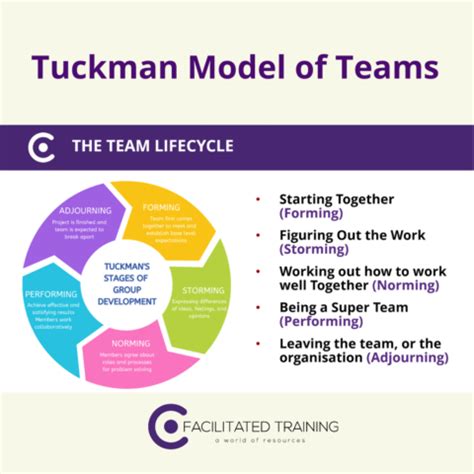
Another distinctive element of the academy is its integration of psychological training. The mental aspect of football is often overlooked in youth development, but Real Madrid places significant emphasis on building resilience, focus, and leadership skills. Players are exposed to mental conditioning programs that include mindfulness training, visualization techniques, and stress management strategies. These programs are particularly important given the high expectations associated with representing Real Madrid. For example, a player might be taught how to handle the pressure of a penalty shootout or how to maintain composure after a mistake in a high-stakes game.
The academy also places a strong emphasis on team cohesion. While individual development is crucial, players are constantly reminded of the importance of working as part of a team. Training sessions often include exercises that require players to communicate and collaborate effectively. This is reinforced by the academy's policy of encouraging players from different age groups to train together periodically. For instance, an Under-17 player might train with the Under-19 squad to experience a higher level of competition and learn from older peers. This approach not only accelerates development but also fosters a sense of belonging and camaraderie among players.
Another standout feature is the academy's focus on academic and personal development. Recognizing that not every player will make it to the professional level, Real Madrid ensures that its young athletes are prepared for life beyond football. Players are required to maintain their academic studies alongside their football training, with dedicated tutors and study facilities available at the academy. This dual focus helps players develop time management and discipline, qualities that are beneficial both on and off the pitch.
The academy also benefits from its close integration with the first team. Unlike some youth systems where there is a clear separation between the senior team and the academy, Real Madrid fosters regular interaction between the two. Young players are often invited to train with the first team, exposing them to the standards and expectations of elite football. This proximity allows academy players to learn directly from world-class professionals and adapt to the intensity of top-tier football. Additionally, the club's scouts and coaches maintain a constant dialogue to identify players who are ready to make the step up, ensuring a seamless transition when the opportunity arises.
A less discussed but equally important aspect of the academy is its scouting network. Real Madrid's scouts are tasked with identifying talent not just in Spain but globally. They look for players who exhibit not only technical ability but also the mental fortitude required to thrive in the high-pressure environment of the club. Once identified, these players are brought into the academy and immersed in its culture, which includes learning the club's history and values. This emphasis on cultural integration ensures that players feel a deep connection to the club, which can be a motivating factor in their development.
In terms of measurable outcomes, the academy's success is evident in the number of players who have graduated to the first team or secured careers at other top clubs. Names like Raúl González, Iker Casillas, and more recently Nacho Fernández and Dani Carvajal are testament to the effectiveness of the training methods employed at La Fábrica. However, what truly sets the academy apart is its ability to produce players who are not just technically proficient but also deeply ingrained with the ethos of Real Madrid—a blend of skill, ambition, and an unrelenting will to win.
- The academy's facilities are among the best in the world, providing players with every resource needed for optimal development.
- The focus on individualized training plans ensures that each player's unique strengths and weaknesses are addressed.
- The integration of psychological training prepares players for the mental challenges of professional football.
- The academy's emphasis on team cohesion and interaction with the first team fosters both individual growth and a sense of belonging.
In conclusion, the structure and training philosophy of the Real Madrid Academy are a blend of tradition and innovation. Its holistic approach, cutting-edge facilities, and focus on both technical and psychological development make it a benchmark for youth football development. This combination of elements ensures that the academy continues to produce players who are not only skilled athletes but also embody the spirit and legacy of Real Madrid.
Notable Alumni and Their Contributions
The Real Madrid Academy, also known as La Fábrica (The Factory), has long been one of the most prolific talent factories in world football. Its reputation for producing technically gifted, tactically astute players is matched by the academy's ability to instill the values of discipline, resilience, and a winning mentality. This section explores some of the most notable alumni of the Real Madrid Academy and their profound contributions to both the club and the broader landscape of global football.
One of the most iconic graduates of the academy is Raúl González. Raúl, who joined Real Madrid at the age of 15, made his first-team debut in 1994 and quickly established himself as a symbol of the club. During his 16-year tenure with Los Blancos, Raúl scored 323 goals in 741 appearances, making him one of the club's all-time leading scorers. His impact extended beyond mere statistics; Raúl embodied the spirit of Real Madrid with his relentless work ethic, leadership, and clutch performances in key matches. He was instrumental in the club's dominance in the late 1990s and early 2000s, winning three UEFA Champions League titles (1998, 2000, 2002) and six La Liga titles. On the global stage, Raúl's influence was equally significant. He became a role model for young forwards, showcasing how intelligence in movement and finishing could redefine the role of a striker. His legacy also includes setting an example for academy players that loyalty and consistency can coexist with individual brilliance.
Another standout alumnus is Iker Casillas, who joined the academy as a nine-year-old and made his first-team debut at just 18. Casillas is widely regarded as one of the greatest goalkeepers in football history, and his rise through the ranks of Real Madrid symbolizes the academy's ability to nurture players in specialized positions. Known as "San Iker" for his miraculous saves, Casillas was a cornerstone of Real Madrid's success during his 25-year association with the club. He won five Champions League titles and three La Liga trophies, often serving as the last line of defense in high-stakes matches. Beyond his club achievements, Casillas's impact on global football is undeniable. He captained Spain to their first-ever World Cup victory in 2010 and was a key figure in their back-to-back European Championship wins (2008, 2012). His calm demeanor under pressure and ability to perform in clutch moments elevated the status of goalkeepers worldwide, proving that academy-trained players could excel even in roles often filled by externally recruited specialists.
The academy's influence is not confined to the past; Álvaro Morata is a more recent example of a La Fábrica product who has made waves both at Real Madrid and in European football. Morata, who joined the academy in 2008, made his senior debut in 2010. Although his time as a regular starter for Real Madrid was limited due to competition from world-class forwards, his contributions were vital in key moments. Morata played a significant role in Real Madrid's 2016-17 Champions League campaign, scoring crucial goals as a substitute. His subsequent moves to Juventus, Chelsea, and Atlético Madrid have demonstrated his adaptability and the high level of training he received at Real Madrid. Morata's journey underscores how academy players, even those who do not become long-term fixtures at the club, can leverage their education at Real Madrid to succeed in diverse football environments.
It is also worth highlighting Guti, a midfielder whose technical prowess and vision made him a unique product of the academy. Guti spent 15 seasons with Real Madrid's first team, winning five La Liga titles and three Champions League trophies. While he was often overshadowed by more high-profile names like Zinedine Zidane or Luís Figo, Guti's creativity and ability to unlock defenses were invaluable. His famous backheel assist against Deportivo La Coruña in 2010 remains a testament to the flair and audacity instilled in players trained at La Fábrica. Guti's career also serves as a reminder that the academy produces not just goal-scorers but also players who can dictate the tempo of a game and provide the creative spark needed in tight situations.
In addition to individual success stories, the academy has produced players who have contributed to team dynamics and tactical evolution. For instance, Dani Carvajal, who rejoined Real Madrid in 2013 after a brief stint at Bayer Leverkusen, is a prime example of how academy graduates can fit seamlessly into modern tactical systems. Carvajal's ability to balance defensive solidity with attacking intent has made him a mainstay in Real Madrid's right-back position. His role in their four Champions League wins between 2014 and 2018 showcases how academy-trained players can adapt to the demands of high-pressure, possession-based football while also contributing to the team's offensive output. Carvajal's journey reflects the academy's focus on producing well-rounded players capable of excelling in multiple facets of the game.
The global impact of Real Madrid Academy alumni is further evident in players like Juan Mata, who, although he left Real Madrid without making a first-team appearance, credits the academy for shaping his technical foundation. Mata went on to achieve success with Chelsea and Manchester United, winning the Champions League, Europa League, and FA Cup. His story illustrates how the academy's training can serve as a launchpad for players who may not fit into Real Madrid's immediate plans but are equipped to thrive elsewhere.
It is also important to recognize the systemic contributions of academy graduates to Real Madrid's identity. Players like Raúl and Casillas not only delivered trophies but also reinforced the club's ethos of fostering homegrown talent alongside marquee signings. This balance has allowed Real Madrid to maintain its status as a global footballing powerhouse while staying true to its roots. Moreover, the presence of academy players in the first team often serves as a source of inspiration for current youth players, creating a self-sustaining cycle of ambition and excellence.
The academy's influence extends to global football trends. Many of its products have become ambassadors for Spanish football's emphasis on technical skill, tactical intelligence, and versatility. For instance, the success of players like Casillas and Raúl has shown that academies can produce not just athletes but leaders who can shape the culture of a team. This has inspired other clubs to invest more heavily in their youth systems, hoping to replicate the success of La Fábrica.
In summary, the Real Madrid Academy has been a breeding ground for players who have left an indelible mark on both the club and the sport. From legendary figures like Raúl and Casillas to modern contributors like Carvajal and Morata, these players have not only achieved individual success but have also shaped the tactical and cultural landscape of football. Their stories highlight the academy's dual role as a producer of talent and a custodian of Real Madrid's legacy, proving that the investment in youth development is as much about building a sustainable future as it is about winning titles.
- Raúl González: Symbol of leadership and scoring prowess.
- Iker Casillas: Redefined the role of goalkeepers globally.
- Álvaro Morata: Showcased adaptability post-academy.
- Guti: Exemplified creativity and technical brilliance.
- Dani Carvajal: Modern embodiment of balanced play.
- Juan Mata: Demonstrated the academy's broader influence beyond Real Madrid.
These players, among others, stand as a testament to the academy's enduring impact on the beautiful game.
Pathway to Professional Success
The journey of academy players at Real Madrid from the youth ranks to the first team or other professional clubs is a highly structured and competitive process. This pathway involves a combination of talent identification, rigorous training, psychological development, and strategic placement in professional environments. Understanding this transition requires examining the systems, challenges, and key factors that contribute to a player's success.
One of the foundational elements of the transition pathway is **talent identification and development**. Real Madrid’s academy, known as La Fábrica (The Factory), is one of the most prestigious in the world. Scouts meticulously evaluate young players as early as 6 or 7 years old, looking for attributes like technical skill, physical potential, mental resilience, and tactical understanding. Unlike many other academies, Real Madrid places a premium on players who exhibit not just raw talent but also the ability to adapt to high-pressure situations. This focus on mental fortitude is a unique aspect of their selection process, as the club understands that the pressures of playing for such a globally recognized team can be overwhelming for young athletes.
Once identified, players are integrated into age-specific teams within La Fábrica. Here, the training regime is designed to mimic the intensity and expectations of the senior team. The emphasis is not just on individual brilliance but on collective play and understanding of Real Madrid’s philosophy. This philosophy revolves around possession-based football, quick transitions, and a winning mentality. Youth coaches are often former players or individuals deeply ingrained in the club's culture, ensuring that players are immersed in the "Real Madrid way" from a young age. This consistency in coaching methodology helps bridge the gap between youth and professional levels.
A critical component of the transition is the **progressive exposure to higher levels of competition**. Players typically start in the Benjamin or Alevín teams and progress through Cadete, Juvenil, and eventually the Castilla team, which serves as the final stepping stone before the first team. The Castilla team, managed with a semi-professional approach, plays in Spain’s lower divisions, offering a hybrid environment where players face adult competitors while still being under the club’s watchful eye. This step is vital because it simulates the physical and tactical challenges of professional football without the immediate scrutiny of the first team.
However, not all academy players make the direct leap to Real Madrid’s first team. The club operates in a highly competitive environment where only the most exceptional talents are promoted. For instance, players like Raúl González, Iker Casillas, and more recently, Federico Valverde, exemplify the small percentage who successfully transition. These players often display a combination of extraordinary skill, adaptability, and the ability to perform under pressure during their time in Castilla or loan spells. Loans are a significant part of the pathway for players who are close to first-team quality but need more experience. Real Madrid often sends players to clubs in Spain’s La Liga or other European leagues to test their readiness in diverse environments.
A unique insight into this process is the **role of loan management and club partnerships**. Real Madrid has established relationships with clubs that align with their style of play and developmental goals. For example, players may be loaned to clubs like Real Sociedad or Getafe, where they can gain first-team experience in La Liga without the overwhelming expectations of playing for Real Madrid immediately. This strategy allows the club to monitor a player’s progress in real-world scenarios while retaining control over their development. For instance, players like Dani Carvajal and Achraf Hakimi were loaned to Bayer Leverkusen and borussia dortmund, respectively, where they honed their skills in high-level European competitions before returning to Real Madrid or being sold at a premium to other top clubs.
Another key aspect of the pathway is the **psychological and cultural preparation** provided to academy players. Real Madrid invests heavily in ensuring that young players are not just technically proficient but also mentally equipped to handle the pressures of professional football. This includes sessions with sports psychologists, mentorship from senior players, and exposure to the club's history and values. For example, academy players are often taken to the Santiago Bernabéu stadium to understand the legacy they are expected to uphold. This holistic approach ensures that players are not just skilled athletes but also ambassadors of the club’s brand.
Despite the structured pathway, the transition is fraught with **challenges and limitations**. The first team at Real Madrid is one of the most star-studded in the world, often featuring global superstars who occupy key positions. This creates a bottleneck for academy players, as opportunities in the starting lineup are limited. For instance, even highly talented players like Martin Ødegaard found it challenging to secure consistent playing time and opted for permanent moves to other clubs where they could flourish. This dynamic underscores a pragmatic reality: not every academy graduate is destined to play for Real Madrid’s first team, but the club’s reputation ensures that those who do not make the cut are highly sought after by other professional teams.
The club’s extensive network of scouts and relationships with other clubs also ensures that players who do not make it to the first team are placed in environments where they can thrive. This is evident in the success stories of players like Álvaro Morata and Marcos Llorente, who were developed at La Fábrica but found their footing at clubs like Atlético Madrid and Juventus. These transitions are not seen as failures but as part of a broader ecosystem where Real Madrid benefits through transfer fees, player development prestige, and the potential for future collaborations.

Finally, the **data-driven approach** to player assessment has become increasingly important in modern football, and Real Madrid is no exception. The academy uses advanced analytics to track player performance metrics such as passing accuracy, sprint speed, and decision-making under pressure. These metrics are shared with coaches and scouts to identify areas of improvement and to determine whether a player is ready for the next step. This analytical rigor ensures that decisions about promotions, loans, or sales are based on objective criteria rather than subjective opinions.
- Real Madrid’s academy is not just a talent factory but a holistic development system that prepares players for professional football at various levels.
- The club’s focus on mental resilience and cultural immersion sets it apart from many other youth systems.
- Loan strategies and partnerships with other clubs play a pivotal role in ensuring players gain experience while remaining within the club’s developmental framework.
- The data-driven approach ensures that decisions are made with precision, balancing the club’s needs with the player’s potential.
In conclusion, the pathway from Real Madrid’s academy to professional success is a multi-faceted process that balances individual talent with systemic support. While the ultimate goal for many players is to wear the iconic white jersey of the first team, the club’s ecosystem ensures that even those who take alternative routes are well-prepared for successful careers in professional football. This comprehensive approach not only benefits the players but also reinforces Real Madrid’s reputation as a global leader in youth development.
Current Crop of Talent
The Real Madrid Academy, often referred to as La Fábrica (The Factory), has long been a breeding ground for world-class talent. Over the years, it has produced players like Raúl, Iker Casillas, and Guti, who have not only graced the hallowed turf of the Santiago Bernabéu but have also left indelible marks on the global football stage. The current crop of academy players continues this legacy, with a blend of skill, versatility, and potential that suggests they could define the future of football in the coming decade. This section profiles some of the most promising talents emerging from the academy today, emphasizing their unique attributes and how they might shape the sport's future.
One of the standout names in the current academy setup is **Álvaro Rodríguez**, a forward whose physical presence and technical ability have drawn comparisons to a young Karim Benzema. At 18 years old, Rodríguez has already made appearances for Real Madrid's first team, showcasing his knack for finding space in the box and his composure in front of goal. What sets him apart is his ability to combine raw power with finesse; his hold-up play and aerial dominance belie his age, while his first touch and dribbling are more reminiscent of a seasoned attacker. Rodríguez's potential lies in his adaptability—he can function as a target man or drift wide to create opportunities for teammates. With Real Madrid's forward line undergoing transitions, he represents a homegrown solution to the club's long-term attacking needs.
Another name garnering significant attention is **Nico Paz**, a versatile midfielder who has been likened to Luka Modrić for his vision and ability to orchestrate play. Paz, an Argentine-Spanish dual national, has a playing style that blends creativity with work rate. His passing range is exceptional, as he can switch play with pinpoint accuracy or thread through balls into tight spaces. What makes Paz particularly intriguing is his defensive contribution; he is not a luxury player content to sit back and dictate play. Instead, he presses aggressively and recovers possession high up the pitch, a trait that aligns with modern football's demand for complete midfielders. At 19, he has already been involved in UEFA Youth League campaigns and has trained with the first team. If he continues to develop his physicality and decision-making under pressure, Paz could well be the heir apparent to Real Madrid's midfield maestros.
In the defensive ranks, **Rafa Marín** stands out as a center-back with the poise and maturity of a player far beyond his years. Marín, 20, is a ball-playing defender who excels in reading the game and initiating attacks from the back. His composure on the ball is a rare trait in young defenders, and his ability to break lines with passes or carry the ball forward adds a progressive dimension to his game. Marín’s aerial prowess and positioning are also noteworthy; he is adept at neutralizing threats in one-on-one situations and commanding the defensive line. With Real Madrid's defense aging in key areas, Marín represents a bridge to the future. However, his development will depend on how he handles the physical and mental demands of top-tier football, particularly in high-stakes matches where concentration is paramount.
The academy also boasts **Noah Aire**, a winger whose explosive pace and trickery have turned heads in youth competitions. Aire, still in his mid-teens, is a player who thrives in one-on-one situations, often leaving defenders flat-footed with his sudden changes of direction. While his end product is still a work in progress—a common challenge for young wingers—his raw potential is undeniable. Aire’s ability to stretch play and create space for teammates could make him a valuable asset in Real Madrid's counterattacking system. However, he will need to refine his decision-making and consistency to transition from a flashy prospect to a reliable first-team player. His journey will also hinge on how the club nurtures his mental resilience, as the spotlight on young wingers at Real Madrid can be particularly unforgiving.
Another player worth highlighting is **David López**, a goalkeeper who has been turning heads with his shot-stopping ability and command of the penalty area. At 17, López is already showing signs of being a well-rounded keeper, combining agility with excellent distribution. In an era where goalkeepers are expected to be as proficient with their feet as they are with their hands, López’s comfort in playing out from the back is a significant advantage. His performances in youth tournaments have drawn comparisons to Thibaut Courtois, particularly in his ability to make crucial saves in clutch moments. While he is still several years away from challenging for a first-team spot, López’s trajectory suggests he could be a long-term solution in a position that demands both technical skill and psychological fortitude.
Beyond individual profiles, what ties these players together is the club’s emphasis on **holistic development**. Real Madrid’s academy places a strong focus not only on technical and tactical growth but also on instilling the values of discipline, teamwork, and resilience. This is evident in how academy players are gradually integrated into the first-team setup through training sessions and occasional matchday inclusions. Such an approach ensures that these young talents are not just skilled players but also mentally prepared for the pressures of representing one of the world’s most demanding clubs.
The **pathway to success** for these players is not without its challenges. Real Madrid’s first team is a highly competitive environment where even the most talented youngsters must bide their time or seek opportunities elsewhere to gain experience. The likes of Dani Ceballos and Fede Valverde, who spent time on loan before cementing their places, serve as examples of how academy graduates can carve out successful careers at the club. For the current crop, the key will be patience and adaptability—whether that means seizing limited opportunities in the first team or gaining experience through loans at smaller clubs.
In conclusion, the current crop of talent at Real Madrid’s academy is a mix of players with diverse strengths and immense potential. From Álvaro Rodríguez’s goal-scoring prowess to Nico Paz’s midfield intelligence, Rafa Marín’s defensive assurance, Noah Aire’s dynamism, and David López’s goalkeeping promise, these players embody the next wave of footballing excellence. While not all of them may don the famous white jersey for years to come, their development will undoubtedly influence the broader landscape of football. Real Madrid’s ability to nurture and integrate these talents will not only shape the club’s future but could also redefine how academies across the world approach player development in the modern era.
- Álvaro Rodríguez: A forward with power, finesse, and adaptability.
- Nico Paz: A midfielder blending creativity, work rate, and defensive contribution.
- Rafa Marín: A ball-playing center-back with composure and aerial strength.
- Noah Aire: A winger with pace, trickery, and room for growth in decision-making.
- David López: A goalkeeper combining shot-stopping and modern distribution skills.
These profiles illustrate why the Real Madrid Academy remains a beacon of hope for the club and a source of inspiration for young footballers worldwide.
Challenges Faced by Academy Players
The journey of a Real Madrid academy player is often romanticized as a dream path to stardom, but the reality is fraught with significant challenges that test their resolve, character, and skill. While the academy provides world-class facilities, coaching, and exposure, the pressures and external challenges these young athletes face are immense. To fully understand the hurdles academy players encounter, it is essential to delve into the intense competition, psychological pressures, and external factors that can either propel them forward or derail their aspirations.
Intense Competition Within the Academy One of the most immediate and persistent challenges for academy players is the sheer level of competition they face within the system. Real Madrid’s academy, La Fabrica, is renowned for being one of the most productive and competitive youth setups in the world. Every year, the academy scouts and recruits some of the most talented young players not just from Spain but globally. This creates an environment where only the best of the best can thrive. For a player, simply being good is not enough; they must consistently outperform their peers who are equally ambitious and skilled.
The competition is not limited to matches or training drills. Players are under constant evaluation—by coaches, scouts, and even their peers. A slight dip in form, a bad game, or even an off-day in training can lead to being overshadowed by another player vying for the same position. This creates a high-pressure atmosphere where players feel they must perform at their peak every single day. Moreover, the academy’s philosophy of "survival of the fittest" means that not all players who enter will make it to the first team. Statistics show that only a small percentage of academy graduates secure a spot in Real Madrid’s senior squad, let alone achieve long-term success. This stark reality forces players to constantly question their worth and fight for visibility in a crowded field.
Psychological Pressures The mental toll on academy players is often underestimated. At such a young age, these athletes are expected to balance the demands of rigorous training schedules, academic responsibilities, and personal development. Many players move away from their families at a young age to join the academy, which can lead to feelings of isolation and homesickness. The pressure to succeed is amplified by the knowledge that their families, coaches, and even their home communities are heavily invested in their success. For some, this creates a sense of obligation that can be emotionally draining.
The psychological challenge is further exacerbated by the club’s high standards and expectations. Real Madrid is one of the most successful clubs in football history, and its ethos of excellence permeates every level of the organization. Academy players are not just tasked with improving their technical skills but are also expected to embody the club’s values of discipline, professionalism, and winning mentality. This can lead to a phenomenon where players feel they are not just playing for themselves but for the legacy of the club. The fear of failure—of letting down the club, their families, or themselves—can lead to anxiety, burnout, or even a loss of passion for the sport.
Another unique psychological challenge is the "comparison trap." Players are often compared not only to their peers but also to legendary figures who have emerged from the academy, such as Iker Casillas, Raúl, or Guti. This creates an unrealistic benchmark for young players who are still in the early stages of their development. The weight of these comparisons can stifle creativity and confidence, as players may feel they need to emulate specific playing styles or achievements rather than developing their unique strengths.
External Challenges Beyond the academy walls, external challenges further complicate the journey of a Real Madrid academy player. One significant factor is the media scrutiny that comes with being part of such a high-profile club. Even at the youth level, players are often in the spotlight, especially if they show early promise. Social media amplifies this exposure, as fans, pundits, and even rival supporters analyze and critique their performances. A single mistake in a youth match can go viral, leading to harsh criticism that a young player may not be equipped to handle. This kind of public scrutiny can erode confidence and create a fear of making mistakes, which is counterproductive to growth.
Another external challenge is the financial lure of other opportunities. While Real Madrid offers top-tier facilities and exposure, the path to the first team is not guaranteed. Many players are tempted by offers from smaller clubs that promise more immediate playing time or financial incentives. For instance, a talented midfielder might leave the academy for a second-division team where they can play regularly rather than waiting years for a chance at Real Madrid, where the competition for places is even fiercer at the senior level. This decision is often influenced by agents or family members who may prioritize short-term gains over long-term development.
Additionally, the globalization of football has introduced another layer of competition. Real Madrid’s academy now competes not just with other Spanish clubs but with academies worldwide. Players from South America, Africa, and Asia are increasingly being scouted and recruited by European clubs, adding to the diversity and depth of talent pools. This means that academy players in Madrid are not only competing against local talent but also against global prospects who bring different playing styles, physical attributes, and cultural approaches to the game.
Injury and Physical Demands The physical demands placed on academy players are immense. At such a young age, their bodies are still developing, yet they are expected to train at professional levels of intensity. This can lead to a higher risk of injuries, particularly overuse injuries or growth-related conditions like Osgood-Schlatter disease. Recovery times for young players are often slower than for fully developed athletes, and the pressure to return quickly to training can sometimes lead to long-term physical setbacks. Injuries not only disrupt a player’s progress but also create mental stress, as they watch their peers advance while they are sidelined.
Moreover, the academy’s focus on physical development often means that players who mature later physically are at a disadvantage. A technically gifted player who is smaller or less physically imposing in their early teens might struggle to compete against taller, stronger peers. While the club emphasizes skill and tactical intelligence, the physical aspect of the game cannot be ignored, particularly in a high-paced league like La Liga.
Balancing Education and Football Academy players are also required to maintain their education alongside their football training. While Real Madrid provides support for academic development, the dual demands of school and sport can be overwhelming. Players often find themselves studying late into the night after a full day of training, which can lead to fatigue and a lack of focus in either area. The club’s expectation of well-rounded individuals means that neglecting academics is not an option, even for those who show exceptional promise on the pitch.
In conclusion, the path for Real Madrid academy players is anything but straightforward. They face relentless competition within a system designed to produce only the elite, psychological pressures that test their mental resilience, and external challenges such as media scrutiny, financial temptations, and the physical toll of the sport. While the academy provides the tools and opportunities for success, the journey is one of constant adaptation, self-belief, and perseverance. Only those who can navigate these challenges with grit and determination have a chance of realizing their dream of donning the famous white jersey of Real Madrid.
Impact on Real Madrid's Success
Real Madrid's academy, often referred to as La Fábrica (The Factory), has been a cornerstone of the club's sustained success both on and off the pitch. While the club is known for its "Galácticos" strategy of signing high-profile players, the contributions of academy graduates to Real Madrid's trophy cabinet and brand value are profound and often underappreciated. This section delves into the tangible and intangible ways these homegrown talents have shaped the club's legacy.
One of the most striking examples of academy impact is seen in Real Madrid's ability to maintain a competitive edge during transitional periods. When the club faced financial constraints or was unable to secure marquee signings, academy players stepped up to fill critical roles. A prime example is the early 2000s, when players like Iker Casillas and Raúl González were instrumental in delivering trophies. Casillas, who made his debut at just 18, became a symbol of reliability in goal, helping Real Madrid secure three UEFA Champions League titles (1999–2000, 2001–2002, and 2013–2014). His performances not only contributed to on-field success but also elevated the club's reputation for nurturing world-class talent. Similarly, Raúl, a product of La Fábrica, became the face of Real Madrid during a period when the club was rebuilding its identity. His 323 goals and leadership in winning three Champions League titles underscored the value of having a dependable homegrown star who resonated with fans and embodied the club's ethos.

The academy's influence extends beyond individual brilliance to team dynamics. Academy players often bring a sense of loyalty and understanding of the club's culture, which can be a stabilizing force in a squad filled with high-profile signings. For instance, during the 2016–2017 season, when Real Madrid won La Liga and the Champions League, academy graduate Nacho Fernández played a pivotal role. Although not a regular starter, his versatility across the backline allowed manager Zinedine Zidane to rotate the squad without compromising quality. This adaptability is a hallmark of academy-trained players, who are often groomed to fit seamlessly into various systems. Such contributions might not always grab headlines, but they are vital for squad depth and long-term success.
In addition to their on-field impact, academy players have played a significant role in enhancing Real Madrid's brand value. The club’s ability to produce players who transition into global stars creates a narrative of excellence and tradition. Take the case of Sergio Ramos, who joined Real Madrid from Sevilla as a teenager but is often associated with the club's identity due to his decade-plus tenure. While not a direct La Fábrica product, his integration into the squad alongside academy players like Casillas reinforced the idea that Real Madrid is not just a destination for bought talent but also a breeding ground for legends. This narrative is critical for the club's global appeal, as it attracts fans who value the blend of homegrown talent and star power.
Another dimension of the academy's contribution lies in its role during financial and competitive pressures. Real Madrid's financial strategy often involves balancing massive transfer expenditures with the need to comply with Financial Fair Play regulations. Here, academy players provide a cost-effective solution. For example, in recent years, players like Dani Carvajal and Lucas Vázquez returned to the club after brief stints elsewhere, proving to be reliable first-team options. Carvajal, in particular, has been a consistent performer at right-back, contributing to multiple Champions League victories. His presence allowed the club to avoid overspending on a position that is often overlooked in transfer priorities but is crucial for team balance. This approach not only saves money but also reinforces the club's image as a sustainable and forward-thinking organization.
The academy's impact is also evident in the long-term strategic vision of the club. Real Madrid has increasingly focused on integrating academy players into its first-team plans as part of a "blend-and-build" philosophy. This approach was evident in the 2021–2022 season when young talents like Fede Valverde and Rodrygo played key roles in the team's Champions League triumph. Valverde, in particular, exemplifies the modern academy graduate—physically robust, tactically versatile, and mentally prepared for high-pressure situations. His performances in big matches, such as the Champions League final against Liverpool, highlight how La Fábrica continues to produce players who can thrive under the club's demanding expectations.
From a brand perspective, academy success stories add a layer of emotional connection for fans. Unlike purchased stars, academy players are seen as "one of their own" by the Real Madrid faithful. This sentiment is particularly strong in Spain, where regional pride and loyalty to local players run deep. When a player like Dani Ceballos or Álvaro Morata (both academy products) returns to the club or features prominently in key matches, it creates a sense of pride and continuity. This emotional resonance translates into higher fan engagement, merchandise sales, and global outreach, as supporters are more likely to invest in a club that showcases its roots alongside its ambitions.
The academy's role in diversifying Real Madrid's appeal cannot be overlooked. While the club is often associated with its pursuit of global superstars, the presence of academy players adds a counter-narrative that appeals to purists and traditionalists. This duality—of being both a destination for the world's best and a developer of local talent—allows Real Madrid to maintain a unique position in the football ecosystem. For instance, the club's ability to field a team with a mix of academy graduates and international stars in competitions like the UEFA Youth League demonstrates its commitment to a sustainable model of success that extends beyond the senior team.
Finally, the success of academy players has a ripple effect on future talent development. When young players see graduates like Casillas, Raúl, or Carvajal achieve success, it inspires the next generation to strive for similar heights. This self-reinforcing cycle ensures that Real Madrid remains a magnet for young talent, both locally and internationally. The club's reputation as a place where young players can grow into champions not only strengthens its scouting network but also enhances its bargaining power in negotiations with promising prospects.
- Academy players like Casillas and Raúl have delivered critical performances during trophy-winning campaigns.
- Homegrown talents provide cost-effective solutions, enabling financial sustainability.
- Their presence enhances team cohesion and loyalty, vital for long-term success.
- They contribute to Real Madrid's brand by embodying tradition and local pride.
- Their success stories inspire future generations of players, ensuring a steady pipeline of talent.
In conclusion, the impact of Real Madrid's academy players on the club's success is multi-faceted. From delivering key performances in high-stakes matches to serving as cost-effective alternatives in financially constrained periods, these players are integral to the club's trophy-laden history. Moreover, their role in shaping Real Madrid's brand as a blend of tradition and modernity ensures that La Fábrica remains a vital part of the club's identity and strategy for years to come.
Comparison with Other Top Academies
When discussing the output and influence of youth academies in football, few institutions rival the prestige and success of Real Madrid's La Fabrica. However, to fully understand its standing, it is essential to compare it with other renowned youth systems like La Masia of Barcelona and the Ajax Youth Academy. These three academies have shaped modern football in distinct ways, but their approaches, philosophies, and outcomes offer fascinating contrasts and parallels.
La Fabrica, which translates to "The Factory," is Real Madrid's youth system, responsible for producing players such as Iker Casillas, Raúl González, and more recently, Dani Carvajal and Nacho Fernández. Its focus has traditionally been on cultivating players who can fit into the high-pressure, high-expectation environment of the Santiago Bernabéu. This means that while technical skill is a priority, the academy also emphasizes mental resilience, tactical adaptability, and an understanding of Real Madrid's "win-at-all-costs" ethos. This approach has yielded a steady stream of players who can integrate into the first team or be sold for significant profit to other top-tier clubs. However, compared to La Masia or Ajax, La Fabrica has often been criticized for not producing as many players who remain long-term fixtures in the senior squad.
In contrast, La Masia, Barcelona's famed academy, has been synonymous with a philosophy rooted in total football and the teachings of Johan Cruyff. Its most celebrated era, particularly in the late 2000s and early 2010s, saw the emergence of players like Lionel Messi, Andrés Iniesta, Xavi Hernández, and Sergio Busquets—players who not only became first-team legends but also defined Barcelona's identity. La Masia's emphasis on positional play, ball retention, and collective understanding has made it a benchmark for academies worldwide. Unlike La Fabrica, which often integrates external signings into its youth ranks, La Masia has historically focused on players who spend their formative years within its system. This creates a deeper sense of identity and continuity in Barcelona's style of play. The academy's influence extends beyond individual players; it has shaped the club's overarching philosophy, with many of its graduates transitioning into coaching roles to perpetuate the system.
The Ajax Youth Academy, often regarded as the gold standard for youth development, takes a slightly different approach. Based in Amsterdam, Ajax has consistently produced players who excel technically and tactically, regardless of the physical demands of modern football. The academy's philosophy is rooted in total football principles, emphasizing versatility, intelligence, and creativity. Players like Johan Cruyff, Frank Rijkaard, Dennis Bergkamp, and more recently, Frenkie de Jong and Matthijs de Ligt, are testaments to this system. Ajax's academy is particularly notable for its integration of players into the first team at a young age, often out of necessity due to the club's financial constraints compared to European giants like Real Madrid or Barcelona. This "necessity as a virtue" approach ensures that young players are given significant responsibilities early, which accelerates their development. Ajax also has a strong track record of exporting talent to top European leagues, a strategy that sustains the club financially while maintaining its reputation as a talent factory.
In terms of output, La Fabrica has produced a high volume of players who have carved out successful careers, but the percentage of these players who remain integral to Real Madrid's first team is lower compared to La Masia or Ajax. For instance, while Real Madrid can boast of world-class talents like Casillas or Carvajal emerging from La Fabrica, the academy has not consistently produced an entire generation of players who define the club's identity in the way La Masia did during Barcelona's golden era. Ajax, meanwhile, has been more prolific in churning out players who not only succeed domestically but also make immediate impacts in top European leagues. The likes of Christian Eriksen, Zlatan Ibrahimović, and Wesley Sneijder are examples of Ajax graduates who transitioned seamlessly into elite football.
One of the key differentiators is the philosophical alignment between the academy and the first team. La Masia's graduates are often seen as a natural extension of Barcelona's first-team ethos, with players seamlessly fitting into the tiki-taka system. Ajax operates similarly, with its academy graduates embodying the club's fluid, attacking style. Real Madrid, however, has a more pragmatic approach. While La Fabrica produces technically gifted players, the club's first-team strategy often prioritizes high-profile signings over promoting youth. This has led to a perception that La Fabrica is more of a "feeder system" for other clubs rather than a direct pipeline to the first team. Players like Álvaro Morata and Juan Mata are prime examples of La Fabrica products who thrived elsewhere due to limited opportunities at Real Madrid.
The influence of these academies can also be measured by their impact on global football. La Masia's influence is perhaps the most profound, as its philosophy has not only shaped Barcelona but has also inspired clubs worldwide to adopt similar development models. Ajax's academy has had a broader geographical influence, particularly in nations like Denmark, Serbia, and South Africa, where the club has scouting networks and partnerships. La Fabrica, while influential in Spain, has not extended its developmental model as broadly. Instead, its focus has been on maintaining Real Madrid's status as a destination for the world's best talents, whether homegrown or acquired.
Another area of comparison is the economic impact of these academies. Ajax's model is arguably the most sustainable, as the club relies heavily on selling academy products to reinvest in infrastructure and scouting. La Masia, during its peak, also provided Barcelona with a cost-effective way to build a world-class team without excessive spending on transfers. Real Madrid, however, often supplements its academy output with high-profile signings, which can dilute the academy's direct influence on the first team. This is not necessarily a weakness but a reflection of Real Madrid's financial power and global brand strategy.
In terms of challenges, all three academies face unique pressures. La Fabrica must contend with the expectation of immediate success at Real Madrid, where young players are often judged harshly if they do not perform at the highest level early in their careers. La Masia has struggled in recent years to replicate its golden generation, partly due to changes in Barcelona's financial and sporting priorities. Ajax, while consistent in its output, faces the constant threat of losing its best talents to wealthier clubs, which can disrupt long-term planning.
In conclusion, while La Fabrica is a highly successful academy in its own right, its comparison with La Masia and Ajax reveals distinct differences in philosophy, integration, and influence. La Masia has been a beacon of identity-driven development, Ajax a model of efficiency and adaptability, and La Fabrica a blend of talent production and strategic pragmatism. Each academy's legacy is shaped by its unique context, but their collective impact on football underscores the critical role of youth systems in shaping the sport's future.
Conclusion and Future Outlook
The Real Madrid Academy, also known as La Fábrica (The Factory), has long been a cornerstone of Real Madrid's success and a beacon of footballing excellence. It has played a pivotal role in shaping not just the club's history but also the broader landscape of global football talent. Over the decades, the academy has produced a steady stream of players who have not only donned the famous white jersey but have also gone on to achieve success at other top-tier clubs worldwide. This section explores the academy's role in shaping football talent and examines its future trajectory in an increasingly competitive and dynamic football ecosystem.
One of the academy's most significant contributions lies in its ability to blend technical proficiency with the mental fortitude required to thrive at the highest level. Unlike many youth setups that focus solely on physical attributes or raw skill, La Fábrica places a premium on instilling a sense of tactical awareness and adaptability in its players. This holistic approach is evident in the academy's emphasis on positional play, decision-making under pressure, and the nuanced understanding of space and movement that defines modern football. Players like Raúl González, Iker Casillas, and more recently, Dani Carvajal and Achraf Hakimi, are testaments to this philosophy. They were not merely talented individuals but well-rounded footballers who could seamlessly integrate into the first team or adapt to the demands of other elite clubs when their paths diverged from Real Madrid.
The academy's success is also rooted in its integration with the club's overarching identity. Real Madrid is a club synonymous with grandeur, a relentless pursuit of excellence, and an unwavering expectation of success. This identity is ingrained in academy players from a young age. They are not just trained to win matches but to embody the ethos of the club—its history, its values, and its ambition. This cultural immersion ensures that even if a player does not make the cut for Real Madrid's first team, they carry with them a professional mindset that makes them highly sought after in the transfer market. This dual focus on talent development and character building is a unique strength of La Fábrica, setting it apart from many other youth academies that prioritize short-term results over long-term player development.
However, the academy operates in a highly competitive environment, both internally and externally. Internally, the pressure to produce players who can break into one of the most star-studded first teams in world football is immense. The presence of globally recognized superstars and the club's penchant for high-profile signings often limit the opportunities for academy graduates to secure regular playing time. Externally, the competition from other elite academies, such as Barcelona's La Masia, Ajax's youth system, and even newer powerhouses like RB Leipzig's Red Bull Academy, has intensified. These academies not only rival Real Madrid in terms of talent production but also innovate in areas such as data analytics, sports science, and individualized training programs. To remain at the forefront, La Fábrica must continue to evolve and embrace new methodologies while staying true to its core principles.
Looking ahead, the future of the Real Madrid Academy will be shaped by several critical factors. First, the club must navigate the challenge of balancing its tradition of promoting homegrown talent with its reliance on marquee signings. The financial realities of modern football often push clubs to prioritize ready-made stars over youth prospects, especially when immediate success is demanded by fans, sponsors, and stakeholders. For La Fábrica to maintain its relevance, the club must find ways to create a more seamless pathway from the academy to the first team. This could involve strategic loan moves, partnerships with lower-tier clubs, or even rotational policies that give young players meaningful exposure in high-stakes matches.
Another area of focus is the globalization of talent scouting. While La Fábrica has traditionally drawn from Spain's rich pool of young players, the academy must now cast a wider net to remain competitive. The success of players like Vinícius Júnior and Rodrygo, both recruited from Brazil as teenagers, highlights the potential of expanding the academy's horizons. Investing in scouting networks across untapped regions such as Africa, Southeast Asia, and even North America could yield a new generation of diverse talent. However, this approach comes with its own set of challenges, including the need to provide tailored support for young players adapting to life in a foreign country and culture. Real Madrid must ensure that its academy does not become a conveyor belt of talent but a nurturing environment where players feel supported and valued.
The role of technology in shaping the academy's future cannot be understated. As football increasingly leans on data-driven insights, La Fábrica must integrate advanced analytics into its training regimens. Tools such as wearable tech, video analysis software, and AI-driven performance modeling can provide coaches with a granular understanding of each player's strengths and areas for improvement. These technologies can also help tailor training programs to individual needs, reducing the risk of injuries and optimizing player development timelines. Moreover, the rise of e-sports and digital fan engagement offers new opportunities for the academy to connect with younger audiences and build a global brand around its youth system.
Speculating further, the academy's role in Real Madrid's sustainability strategy is worth considering. As clubs face mounting pressure to operate within financial fair play regulations and manage rising costs, homegrown talent offers a cost-effective alternative to expensive transfers. A well-functioning academy not only reduces the need for external recruitment but also enhances the club's long-term financial health by producing assets that can be sold for significant profit if they do not make the first team. This dual economic and sporting benefit positions La Fábrica as a critical component of Real Madrid's strategy in a post-pandemic, financially constrained football world.
Finally, the competitive landscape of European football is shifting. With the emergence of new leagues, such as the Saudi Pro League, and the potential for expanded formats in UEFA competitions, the demands on players are evolving. The academy must prepare its players not just for the physical and tactical rigors of top-tier European football but also for the possibility of competing in diverse environments with varying styles of play. This adaptability will be key to ensuring that Real Madrid remains a global leader in talent production.
- The academy's focus on holistic player development sets it apart from many of its peers.
- It must balance tradition with innovation to stay competitive in a rapidly changing football landscape.
- Global scouting and technology integration are essential for its continued success.
- Homegrown talent offers both sporting and financial advantages in an era of financial constraints.
In conclusion, the Real Madrid Academy is not just a pipeline for football talent; it is a strategic asset that underpins the club's long-term vision. While challenges abound, from internal pressures to external competition, the academy's storied history and adaptability suggest it is well-equipped to navigate the future. By embracing innovation, expanding its reach, and remaining true to its identity, La Fábrica can continue to shape the next generation of football stars while reinforcing Real Madrid's position as a titan of the sport. The academy's role in this competitive landscape is not just about producing players—it is about sustaining a legacy and ensuring the club's place at the pinnacle of global football for years to come.


