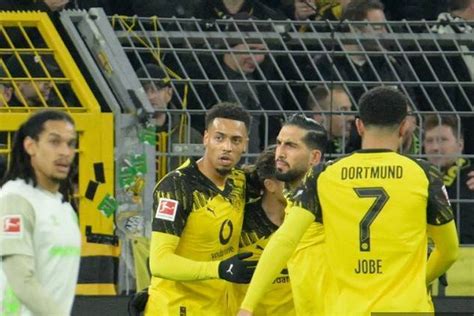
Introduction to Yellow Wall Dortmund
The **Yellow Wall Dortmund** is one of the most iconic and visually striking features of European soccer culture. Located in Signal Iduna Park, the home stadium of borussia dortmund, it is the largest free-standing grandstand in Europe, holding approximately 25,000 standing spectators. This massive, vibrant section of the stadium is more than just a physical structure; it is a symbol of the club's identity, a representation of fan culture, and a testament to the unyielding passion that defines soccer in Germany. To understand the Yellow Wall is to delve into the heart of what makes Borussia Dortmund unique among soccer institutions worldwide.
The Yellow Wall, officially known as the Südtribüne (South Stand), is so named because of its striking yellow color, which mirrors the club’s primary branding. This sea of yellow is not just an aesthetic choice but a deliberate embodiment of the club's ethos. Borussia Dortmund has long positioned itself as a club of the people, emphasizing community, inclusivity, and a deep connection with its supporters. The Yellow Wall epitomizes this philosophy, serving as a physical and emotional anchor for fans who see themselves as integral to the team’s success. Unlike many modern stadiums designed primarily for comfort and revenue generation, the Yellow Wall prioritizes the collective experience of the fans over individual convenience, reinforcing a sense of unity that is increasingly rare in contemporary sports.
One of the most significant aspects of the Yellow Wall is its role as a **symbol of fan power**. Standing tickets are a key feature of German soccer culture, contrasting sharply with the seated arrangements prevalent in many other countries, particularly in England and the United States. The ability for fans to stand en masse creates an atmosphere of intensity and energy that is almost unparalleled. This standing tradition harks back to the roots of soccer as a working-class sport, where affordability and accessibility were paramount. In the Yellow Wall, fans are not passive spectators; they are active participants in the game. Their synchronized chants, rhythmic clapping, and coordinated displays of banners and flags transform the stand into a living, breathing entity that directly influences the energy on the pitch. Players often remark on how the roar of the Yellow Wall can lift their spirits during challenging moments or intimidate opponents into submission.
The Yellow Wall is also a **cultural phenomenon** that extends beyond soccer. It has become a focal point for studies on fan behavior, stadium design, and the intersection of sports and identity. Researchers and enthusiasts alike are fascinated by how this stand fosters a sense of belonging among its attendees. For many, attending a match at the Yellow Wall is not merely about watching 90 minutes of soccer; it is about being part of a collective ritual. Fans often arrive hours before kickoff to prepare their displays, rehearse chants, and soak in the pre-match atmosphere. This pre-game buildup is as much a part of the experience as the match itself. It underscores how the Yellow Wall is not just a place to watch soccer but a space to express identity, loyalty, and solidarity.
Another unique feature of the Yellow Wall is its **impact on Borussia Dortmund’s playing style and philosophy**. The club is renowned for its high-energy, attacking soccer, which often mirrors the intensity of its supporters. Coaches and players at Dortmund are acutely aware of the expectations that come with performing in front of such a passionate crowd. The Yellow Wall demands not just effort but a certain style of play—dynamic, fearless, and entertaining. This symbiotic relationship between the team and its fans has shaped the club’s identity over decades. Dortmund’s commitment to developing young talents, often plucked from obscurity and nurtured into world-class players, is partly driven by the understanding that the Yellow Wall will embrace players who show heart and determination, even if they are not yet fully polished.
The Yellow Wall also serves as a **counterpoint to the commercialization of modern soccer**. In an era where many clubs are criticized for prioritizing profits over fan engagement, the Yellow Wall stands as a bastion of traditional values. Its affordable ticket prices—significantly lower than those in comparable sections of other major stadiums—ensure that the stand remains accessible to a broad demographic. This inclusivity is a deliberate choice by Borussia Dortmund to maintain its connection with its working-class roots. While other clubs may chase global branding and high-net-worth individuals, Dortmund’s focus on the Yellow Wall demonstrates a commitment to its local fanbase and the broader community. This approach has not only endeared the club to its supporters but has also made it a beacon for those disillusioned by the increasing corporatization of the sport.
However, the Yellow Wall is not without its **challenges and controversies**. The sheer size and passion of the crowd can sometimes lead to logistical and safety concerns. Managing such a large group of standing fans requires meticulous planning, particularly in emergencies. Additionally, the Yellow Wall has occasionally been associated with incidents of hooliganism or politically charged displays, which have drawn criticism from both the club and external observers. Borussia Dortmund has worked diligently to address these issues, implementing measures to ensure that the stand remains a safe and inclusive space while preserving its unique atmosphere. These efforts highlight the delicate balance between maintaining tradition and adapting to the demands of modern sports governance.
The Yellow Wall is also a **source of inspiration for other clubs and fan groups** around the world. Its success in creating an atmosphere that is both electric and inclusive has prompted other teams to reconsider their approach to fan engagement. For instance, some clubs in the Premier League have experimented with safe standing areas, drawing direct inspiration from the Yellow Wall. This global influence underscores the stand’s significance not just within German soccer but in the broader landscape of international sports culture. It serves as a reminder that stadiums are not just venues for games but platforms for community building and collective expression.
In the context of **soccer culture**, the Yellow Wall is a microcosm of what makes the sport so compelling. It is a place where individual identities are subsumed into a greater whole, where the boundaries between player and supporter blur, and where the line between sport and art becomes indistinct. The synchronized movements of 25,000 fans, their voices rising in unison, create a spectacle that is as much about human connection as it is about athletic competition. This dynamic encapsulates why the Yellow Wall is not just a grandstand but a living embodiment of what soccer can represent at its best—a unifying force that transcends boundaries of class, nationality, and background.
In summary, the Yellow Wall Dortmund is far more than a section of a stadium; it is a **cultural and emotional epicenter** of one of soccer’s most passionate communities. Its significance lies in its ability to embody the spirit of Borussia Dortmund, to amplify the energy of the game, and to stand as a symbol of what is possible when a club and its fans are deeply interconnected. For those who have experienced it, the Yellow Wall is not just a place to watch soccer—it is a place to feel alive, to be part of something greater than oneself, and to understand why soccer is often called "the beautiful game."
Historical Origins of the Yellow Wall
The "Yellow Wall" at Signal Iduna Park in Dortmund is one of the most iconic and intimidating spectacles in modern football. This standing terrace, officially known as the Südtribüne, is home to Borussia Dortmund's most passionate supporters, creating an atmosphere that is both visually stunning and acoustically overwhelming. To understand the origins of the Yellow Wall, one must delve into the socio-cultural and institutional dynamics that shaped its establishment and early development. This section explores how the Yellow Wall evolved from a mere section of a stadium into a symbol of fan culture and collective identity.
The roots of the Yellow Wall can be traced back to the 1960s and 1970s, a period when European football was undergoing significant transformation. Post-World War II Germany saw the re-emergence of football as a unifying force, particularly in the industrial heartlands like the Ruhr region, where Dortmund is located. The city of Dortmund, with its working-class ethos, found in football a source of pride and communal expression. Borussia Dortmund, founded in 1909, had already established itself as a prominent club by the mid-20th century, but the growing popularity of the sport demanded larger venues to accommodate the swelling crowds.
In 1974, as part of preparations for the FIFA World Cup hosted by West Germany, Signal Iduna Park (then known as the Westfalenstadion) was constructed. This modern stadium was designed to reflect the ambitions of German football and provide a fitting stage for the national team and top-tier clubs. The Südtribüne, the southern stand of the stadium, was initially just one of four stands, but its unique characteristics began to take shape due to the club's ethos and the nature of its supporters. Unlike other parts of the stadium, the Südtribüne was designated for general admission, allowing for a larger number of standing spectators. This decision was not merely logistical but also cultural—standing terraces were seen as more egalitarian and accessible, aligning with the working-class identity of Dortmund's fan base.
The term "Yellow Wall" did not emerge immediately. In its early years, the Südtribüne was simply a place where fans gathered to support their team. However, the 1980s marked a turning point in the stand's evolution. During this decade, Borussia Dortmund experienced both on-field success and off-field challenges. The team's performances in domestic and European competitions drew larger crowds, while economic difficulties in the Ruhr region deepened the emotional connection between the club and its supporters. This period saw the rise of ultra groups, organized fan collectives that brought a new level of coordination and passion to matchdays. These groups, such as The Unity and Desperados, played a pivotal role in transforming the Südtribüne into a cohesive and visually striking mass of support.
The use of yellow and black—Borussia Dortmund's club colors—became a unifying visual element. Fans began to coordinate their attire, creating a sea of yellow and black that was both a show of solidarity and a psychological tool to intimidate visiting teams. This visual identity was reinforced by the physical layout of the Südtribüne, which, with a capacity of over 25,000 standing spectators, became the largest free-standing terrace in Europe. The sheer scale of the stand, combined with the synchronized movements and chants of the fans, gave birth to the metaphor of a "wall," a seemingly impenetrable force of support.
Another critical factor in the development of the Yellow Wall was the broader cultural shift in German football during the 1980s and 1990s. This was a time when fan culture in Germany was becoming more expressive and organized. The terraces were not just places to watch football; they became arenas for collective identity and resistance. In Dortmund, this was particularly pronounced. The city's industrial decline and the economic struggles of its people found a parallel in the struggles of the football club, which faced financial difficulties in the late 1980s. The fans' unwavering support during these years solidified the idea of the Südtribüne as a symbol of resilience and community.
The early 1990s saw the formalization of the Yellow Wall as a concept. This was partly due to the increasing media attention on Borussia Dortmund's passionate fan base. Television broadcasts highlighted the vibrant atmosphere of the Südtribüne, and the term "Yellow Wall" began to be used in both local and international coverage. This period also saw the club embrace the terrace as a marketing tool. Dortmund's management recognized that the unique atmosphere of the Südtribüne was not just a byproduct of fan enthusiasm but a competitive advantage. The club began to actively promote the Yellow Wall as part of its brand identity, using it to attract both local and global audiences.
The early development of the Yellow Wall was also influenced by the club's philosophy of inclusivity. Unlike some other clubs that prioritized revenue through seating arrangements, Dortmund maintained the Südtribüne as a standing terrace, even as other stadiums transitioned to all-seater models in response to safety regulations following events like the Hillsborough disaster in 1989. This decision underscored the club's commitment to its roots and its supporters, many of whom viewed the standing terrace as a sacred space for authentic fan expression.
The Yellow Wall's early development was not without challenges. Safety concerns, crowd management issues, and the occasional backlash against ultra groups tested the club's ability to balance passion with pragmatism. However, these challenges were met with innovative solutions, such as improved stewarding and collaboration between the club and fan organizations. These efforts ensured that the Yellow Wall could grow as a controlled yet vibrant expression of fan culture.
- The Südtribüne's origins lie in the practical need for a large standing terrace to accommodate Dortmund's growing fan base.
- The influence of ultra groups in the 1980s added a layer of organization and visual impact to the stand.
- Economic and cultural struggles in the Ruhr region deepened the emotional bond between the club and its supporters.
- The club's decision to retain the standing terrace in the face of regulatory pressures reinforced its identity as a people's club.
By the late 1990s and early 2000s, the Yellow Wall had become synonymous with Borussia Dortmund. Its historical origins are deeply intertwined with the club's identity as a working-class institution and the socio-economic context of the Ruhr region. The stand is not merely a physical space but a living embodiment of the club's values—passion, resilience, and unity. Understanding the Yellow Wall's early development requires recognizing it as a product of both deliberate design and organic growth, shaped by the interplay of football, society, and the unwavering dedication of Dortmund's supporters.
The Architecture of Signal Iduna Park's South Stand
The South Stand of Signal Iduna Park, famously known as the **Yellow Wall**, is an architectural marvel that embodies the passion and energy of Borussia Dortmund's fan culture. This massive terraced stand is not just a physical structure but a symbolic embodiment of the club’s identity. At a capacity of approximately 25,000 standing spectators, it is the largest free-standing grandstand in Europe, and its design reflects both practical engineering and a deep understanding of how to harness the collective energy of a crowd.
The **Yellow Wall** is built as a single-tier structure, a deliberate choice to maximize the sense of unity and proximity among fans. Unlike multi-tiered stands that can create a fragmented experience, the single-tier layout ensures that every fan in the stand is part of a continuous, unbroken mass of supporters. This design choice fosters a sense of community and shared purpose, which is central to the atmosphere during matches. The stand measures approximately **328 feet (100 meters) in width and 131 feet (40 meters) in height**, dwarfing most other stands in modern stadiums. Its sheer scale is awe-inspiring, and it dominates the southern end of Signal Iduna Park, making it a focal point both visually and acoustically.
One of the most striking features of the Yellow Wall is its **steep incline**. The seats—or rather, the standing spaces—are arranged at a pitch that is much steeper than most modern stadium designs. This steepness serves a dual purpose. First, it allows fans at the back of the stand to have an unobstructed view of the pitch, despite being positioned far from the action. Second, it amplifies the visual impact of the crowd when seen from the field or broadcast cameras. When filled with supporters clad in Dortmund’s iconic yellow and black, the stand appears as a living, moving entity, almost like a tidal wave of color and sound.
The **materials used in the construction** of the Yellow Wall are a blend of modern engineering and cost-effective design. The stand is primarily constructed from reinforced concrete, which provides the necessary stability to support such a large mass of people in a confined space. However, the use of steel framework in key areas ensures flexibility and resilience, particularly under the dynamic loads created by thousands of jumping and cheering fans. This combination of concrete and steel not only supports the physical weight of the structure but also dampens vibrations, ensuring safety without compromising the energetic experience.
The **acoustic properties** of the Yellow Wall are another area where its design shines. The stand acts as a natural amplifier due to its enclosed shape and the density of the crowd. Sound waves generated by chanting, singing, and cheering bounce off the high back wall of the stand and are contained within the space, creating a reverberation effect. This phenomenon is not accidental; it is a result of careful architectural planning. Engineers and stadium designers understood that the physical layout of the stand could enhance the psychological impact of the crowd on both the players and the opposing team. Dortmund’s players often speak of the motivational boost they receive from the roar of the Yellow Wall, while visiting teams frequently describe the stand as intimidating.
The **standing-only design** of the Yellow Wall is another deliberate choice that harks back to the traditional football culture of Germany. While many modern stadiums have shifted to all-seater configurations due to safety regulations and commercial considerations, the Yellow Wall retains its standing terraces as a nod to the roots of fan culture. This choice is not without its challenges—standing areas require rigorous crowd management and safety measures—but the club has implemented systems to ensure that the stand operates smoothly. For instance, the terraces are divided into sections with clear entry and exit points, and stewards are positioned throughout to maintain order. These measures balance the raw, energetic nature of a standing crowd with the need for safety and accessibility.
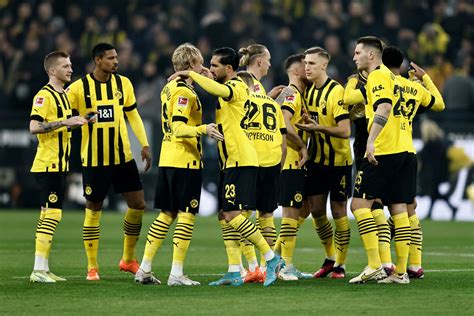
Another unique aspect of the Yellow Wall is its **proximity to the pitch**. Unlike some modern stadiums where the stands are set back to accommodate VIP boxes or advertising hoardings, the Yellow Wall is positioned close to the field. This proximity creates an intense atmosphere where players can almost feel the collective breath of the crowd. For spectators, this closeness enhances the immersive experience, as they are not just observers but active participants in the unfolding drama of the match. This design choice reflects a philosophy that prioritizes the fan experience over commercial exploitation of space.
The **infrastructure supporting the Yellow Wall** includes a network of access routes, staircases, and concourses designed to handle the rapid movement of such a large number of people. Given that the stand can hold 25,000 fans, efficient crowd flow is critical to avoid bottlenecks or safety risks. The architects incorporated wide entry points and strategically placed stairwells to ensure smooth ingress and egress. Additionally, the stand is equipped with modern amenities such as refreshment kiosks and restroom facilities, which are distributed in a way that minimizes disruption during events. These design elements demonstrate that the Yellow Wall is not just a spectacle but a functional space that has been meticulously planned.
From a **symbolic perspective**, the Yellow Wall is more than just a stand; it is a representation of Borussia Dortmund’s ethos. The name itself evokes imagery of solidarity and strength—a "wall" of supporters standing together as one. This symbolism is reinforced by the sea of yellow that fills the stand during matches, a visual statement of the club’s identity. The stand is also a platform for fan expression, where banners, flags, and choreographed displays are a common sight. These visual elements are not incidental but are facilitated by the stand’s open design, which allows for large-scale fan-driven visuals that contribute to the stadium's legendary atmosphere.
The **Yellow Wall’s influence on stadium design** extends beyond Dortmund. It has inspired similar single-tier stands in other stadiums around the world, as clubs seek to replicate the electric atmosphere it generates. However, what sets the Yellow Wall apart is not just its size but its integration into the broader stadium ecosystem. Signal Iduna Park was designed with the South Stand as its centerpiece, ensuring that the energy of the Yellow Wall radiates throughout the venue. This integration is a testament to the thoughtfulness of the stadium's overall architecture.
In conclusion, the **architecture of the Yellow Wall** is a masterclass in blending form and function. Its physical structure—steep, imposing, and unified—serves to amplify the emotional and sensory experience of a football match. The materials, layout, and proximity to the pitch are all tailored to create an environment where fans and players alike are enveloped in the intensity of the game. Beyond its practical design, the Yellow Wall stands as a monument to the enduring power of football culture, a place where architecture and human passion converge to create something truly iconic.
- The single-tier design fosters unity and an unbroken visual and emotional connection among fans.
- The steep incline ensures unobstructed views and amplifies the visual impact of the crowd.
- Reinforced concrete and steel provide stability while managing dynamic loads from cheering fans.
- The stand’s acoustic properties are enhanced by its enclosed shape and density of spectators.
- Proximity to the pitch intensifies the immersive experience for both players and fans.
- Efficient crowd management systems balance energy with safety.
This combination of thoughtful design and cultural significance makes the Yellow Wall not just a part of Signal Iduna Park but a defining feature of Borussia Dortmund’s identity.
Role in Borussia Dortmund's Identity
The Yellow Wall, known in German as "Die Gelbe Wand," is one of the most iconic and visually striking features of Borussia Dortmund’s Signal Iduna Park. This immense southern stand, capable of holding approximately 25,000 standing spectators, is not merely an architectural marvel but a living, breathing embodiment of the club’s ethos and identity. Its role in shaping Borussia Dortmund’s global image is multifaceted, rooted in its ability to intertwine the club’s history, fan culture, and competitive spirit into a singular, unforgettable experience.
At its core, the Yellow Wall is a physical representation of Dortmund’s fan-first philosophy. Unlike many modern football clubs that prioritize corporate hospitality and luxury seating, Dortmund has preserved the essence of the traditional football experience. The Yellow Wall is Europe’s largest standing terrace, a deliberate choice that harks back to the roots of football fandom before the era of all-seater stadiums. This choice reinforces the club’s identity as one that remains deeply connected to its working-class origins. Dortmund, a city shaped by industrial history, has long prided itself on the grit and resilience of its people. The Yellow Wall mirrors this ethos, serving as a collective symbol of the fans’ unwavering support and passion, even in the face of adversity. This commitment to accessibility and inclusivity sets Dortmund apart in the increasingly commercialized world of football and contributes to its reputation as a club of the people.
The Yellow Wall is also a visual and auditory spectacle that has become synonymous with Borussia Dortmund on the global stage. When the stand is filled to capacity, it creates an imposing sea of yellow and black, the club’s colors, which ripple with energy as fans chant, wave flags, and jump in unison. This visual impact is amplified by the stand’s sheer size and the proximity of the fans to the pitch, creating an atmosphere that is both intimidating for opposing teams and inspiring for Dortmund players. Television broadcasts often focus on the Yellow Wall during key moments of matches, ensuring that its vibrancy is beamed into living rooms worldwide. This consistent exposure has cemented the Yellow Wall as a global brand asset for Dortmund, one that distinguishes the club from its competitors. For instance, when analysts or fans discuss the most electric atmospheres in world football, the Yellow Wall invariably features in the conversation, placing Dortmund in the same echelon as clubs like Liverpool (with its Kop) or Boca Juniors (with La Bombonera).
Another critical aspect of the Yellow Wall’s contribution to Dortmund’s identity is its role as a cultural incubator. The stand is not just a place to watch football; it is a space where fan traditions are preserved and new ones are born. The chants, songs, and coordinated displays of support orchestrated by the fans in the Yellow Wall are a testament to the creativity and camaraderie of Dortmund’s supporter base. These traditions often spill over into the club’s broader identity. For example, the famous "You’ll Never Walk Alone" anthem, though not unique to Dortmund, is sung with such fervor in the Yellow Wall that it has taken on a distinctly Dortmund flavor. This cultural output reinforces the idea that Dortmund is not just a football club but a community with shared values and a collective voice. The Yellow Wall becomes a microcosm of this community, showcasing how a football club can serve as a platform for cultural expression.
From a competitive standpoint, the Yellow Wall plays a tangible role in Dortmund’s on-field success. The psychological impact of playing in front of such an electrifying crowd is well-documented. Opposing teams often speak of the intimidation factor posed by the wall of noise and color that greets them at Signal Iduna Park. For Dortmund players, the support of the Yellow Wall serves as a twelfth man, providing an extra surge of motivation during critical moments. This dynamic has contributed to Dortmund’s reputation as a formidable opponent at home, particularly in high-stakes matches in the Bundesliga or European competitions. The Yellow Wall’s influence on match outcomes is not merely anecdotal; studies have shown that home-field advantage is statistically significant in football, and Dortmund’s home record over the years underscores the stand’s role in bolstering this advantage.
The Yellow Wall also serves as a symbol of resistance in the evolving landscape of modern football. As the sport becomes increasingly dominated by billionaire owners, global investment funds, and profit-driven decisions, the Yellow Wall stands as a reminder of football’s roots as a working-class game. Dortmund’s commitment to affordable ticket prices for the Yellow Wall—ensuring that even younger or less affluent fans can experience matches—reinforces its image as a club that resists the homogenization of football culture. This stance has resonated globally, particularly among fans disillusioned by the commercial excesses of other clubs. Dortmund’s ability to maintain this stance while remaining competitive at the highest level of the sport enhances its brand as a principled and authentic institution.
Moreover, the Yellow Wall has played a role in attracting and retaining talent at Borussia Dortmund. Players often cite the atmosphere created by the stand as a reason for joining the club or choosing to stay despite offers from wealthier teams. Former players like Jürgen Klopp, who managed Dortmund during one of its most successful periods, have spoken about how the energy of the Yellow Wall fueled their passion for the game. This feedback loop—where the atmosphere created by fans inspires players, who in turn deliver performances that energize the fans—creates a unique synergy that is integral to Dortmund’s identity. It positions the club not just as a place to play football but as a destination where players can feel part of something larger than themselves.
In terms of global marketing and branding, the Yellow Wall has become a cornerstone of Dortmund’s outreach strategy. The club leverages its iconic stand in promotional materials, social media campaigns, and partnership activations. For instance, Dortmund’s collaborations with sponsors often feature imagery of the Yellow Wall, ensuring that its visual impact is tied to the club’s commercial endeavors. Additionally, the stand has become a pilgrimage site for football fans from around the world. Tourists and neutral supporters often include a visit to the Yellow Wall on their bucket lists, further amplifying Dortmund’s reach beyond Germany. This global appeal is not accidental; it is the result of years of consistent branding that positions the Yellow Wall as a must-see spectacle in the football world.
In summary, the Yellow Wall is far more than a stand in a stadium; it is a living symbol of Borussia Dortmund’s identity. It encapsulates the club’s history, fan culture, competitive edge, and resistance to the commercialization of football. By serving as a visual and cultural touchstone, it has elevated Dortmund’s brand globally, making the club not just a participant in the sport but a beacon of what football can represent at its best. The Yellow Wall is not just part of Dortmund’s story—it is the story, told in 25,000 voices, every matchday.
Fan Dynamics and Atmosphere Creation
The "Yellow Wall" at Signal Iduna Park, home to Borussia Dortmund, is more than just a stand; it is a living, breathing entity that epitomizes the essence of fan-driven soccer culture. This 25,000-capacity terraced section, the largest of its kind in Europe, serves as the beating heart of the stadium and a symbol of the club's unwavering support. To understand how the Yellow Wall generates one of the most electric atmospheres in soccer, we must delve into the unique dynamics of its fans, their rituals, and the psychological impact they have on players, opponents, and even neutral spectators.
At its core, the Yellow Wall is fueled by a deep sense of community and collective identity. The fans who populate this section are not passive spectators; they are active participants in the match. This active engagement stems from a tradition of organized support, where fan groups like The Unity and Desperados play pivotal roles in orchestrating chants, displays, and tifo presentations. These groups are not merely casual collectives but structured organizations with a clear hierarchy and purpose. They plan weeks in advance for home matches, coordinating everything from the massive banners that drape the stand to the synchronized songs that echo throughout the stadium. This level of preparation ensures that the atmosphere is not left to chance but is a deliberate and powerful expression of support.
One of the most striking features of the Yellow Wall is its visual impact. The sheer size of the stand allows for the creation of tifo displays that are both awe-inspiring and intimidating. These displays often feature intricate designs, messages of solidarity, or playful taunts aimed at opponents. For example, during high-stakes matches, the Yellow Wall might unveil a banner that stretches across the entire stand, depicting the club’s iconic black and yellow colors in a way that feels almost like a battle flag being raised. This visual dominance serves a dual purpose: it energizes Dortmund players, who feel supported by a literal wall of fans, and it intimidates visiting teams, who must run out onto the pitch confronted by this overwhelming display of loyalty and passion.
The auditory dimension of the Yellow Wall is equally significant. The chants and songs that emanate from this section are not random bursts of noise but carefully curated soundscapes that ebb and flow with the rhythm of the game. Dortmund fans are known for their repertoire of anthems, such as "You'll Never Walk Alone," which is sung with a fervor that can send shivers down the spine of even the most stoic observer. What sets the Yellow Wall apart is the sustained intensity of their vocal support. Unlike many other stadiums where the volume dips during lulls in play, the Yellow Wall maintains a near-constant hum of energy. This is partly due to the terraced nature of the stand, which allows sound to travel and amplify in ways that seated sections cannot replicate. The acoustics of Signal Iduna Park further enhance this effect, creating a sonic environment that feels almost tribal in its intensity.
Another unique aspect of the Yellow Wall is its psychological effect on players. Studies have shown that home-field advantage in soccer is often linked to crowd support, and the Yellow Wall exemplifies this phenomenon. Dortmund players frequently speak about how the energy from the stand motivates them to push harder, even in challenging moments. There is a palpable sense that the fans are not just watching the game but are in the game with the team. This dynamic is particularly evident during comebacks or high-pressure situations, where the Yellow Wall’s unrelenting support can serve as a psychological lifeline for players. For opponents, the experience can be disorienting. The constant noise, the sea of yellow and black, and the knowledge that every mistake will be amplified by 25,000 voices can create a sense of unease that affects performance.
The Yellow Wall also benefits from a cultural alignment with Borussia Dortmund’s ethos. The club has long positioned itself as a working-class team with a gritty, never-say-die attitude, and this identity resonates deeply with the fans in the stand. Unlike some modern soccer clubs that have become commercialized to the point of alienation, Dortmund has maintained a strong connection to its roots. This authenticity fosters a sense of loyalty and pride among the Yellow Wall’s members, who see themselves as guardians of the club’s spirit. This alignment is evident in the way fans celebrate not just victories but also the effort and resilience displayed by the team, even in defeat. Such a mindset creates an atmosphere where the focus is on collective experience rather than individual glory, further amplifying the stand’s electric vibe.
The rituals and traditions associated with the Yellow Wall also contribute to its legendary status. Before matches, fans often gather in nearby pubs and public spaces to build anticipation, sharing stories, songs, and camaraderie. On match days, the approach to the stadium is marked by a sea of yellow and black, with fans waving scarves, flags, and banners. Inside the stadium, the pre-match rituals—such as the collective singing of club anthems and the synchronized waving of flags—serve to unify the stand and set the tone for the match. These rituals are not just for show; they are a way of reinforcing the bond between the fans and the team, creating a sense of shared purpose that is rare in modern sports.
The global influence of the Yellow Wall should not be overlooked. In an era where soccer is increasingly globalized, the Yellow Wall has become a benchmark for what passionate fan support can look like. Visitors from other clubs and countries often remark on the uniqueness of the experience, with some even adopting elements of Dortmund’s fan culture in their own stadiums. This influence extends beyond soccer; the Yellow Wall has been studied by sociologists and sports psychologists as a case study in how collective energy can be harnessed to create a transformative atmosphere. It is a testament to the power of organized fandom when rooted in authenticity and passion.
However, the Yellow Wall is not without its challenges. The intense atmosphere can sometimes spill over into unsavory behavior, such as the use of pyrotechnics or clashes with rival fans. Club officials and fan groups have worked to address these issues, emphasizing the importance of maintaining a positive image while preserving the stand’s vibrancy. This balance is a delicate one, as the raw energy that makes the Yellow Wall so special can also be its Achilles' heel if left unchecked.
In conclusion, the Yellow Wall is a microcosm of what makes soccer such a deeply emotional and communal sport. Its ability to generate an electric atmosphere stems from a combination of organized fan culture, visual and auditory impact, psychological influence on players, and a deep connection to the club’s identity. For those who have experienced it firsthand, the Yellow Wall is not just a stand—it is a phenomenon that embodies the very best of what soccer fandom can achieve. For Borussia Dortmund, it is both a source of pride and a competitive edge, a living testament to the power of collective passion in shaping the beautiful game.
Cultural and Social Impact of the Yellow Wall
The Yellow Wall at Signal Iduna Park, home to Borussia Dortmund, is more than just a vibrant display of fan support during soccer matches. It represents a cultural phenomenon that transcends the boundaries of sport, influencing social dynamics, community identity, and even global perceptions of collective action. While its primary role is to create an electrifying atmosphere for Dortmund's home games, the Yellow Wall has evolved into a symbol with far-reaching implications, shaping how people understand fandom, solidarity, and the power of communal spaces in modern society.
One of the most striking aspects of the Yellow Wall's cultural impact lies in its ability to embody **collective identity**. With a capacity of over 25,000 standing spectators, it is the largest free-standing grandstand in Europe, and this scale alone makes it a physical manifestation of unity. Unlike seated sections where individual experiences might dominate, the Yellow Wall fosters a sense of belonging that is inherently communal. This phenomenon has ripple effects beyond soccer, as it demonstrates how large groups of people can come together to create something greater than the sum of their parts. In a world increasingly atomized by digital interactions, the Yellow Wall serves as a reminder of the power of physical proximity and shared purpose. It is not merely a backdrop for cheering; it is a living, breathing example of how people can coalesce around a common goal—supporting their team—while also reinforcing a broader sense of community.
The Yellow Wall also plays a role in **reshaping narratives around fandom**. Traditionally, soccer fans have been portrayed in media as rowdy, chaotic, or even problematic. However, the disciplined yet passionate energy of the Yellow Wall challenges these stereotypes. It shows that fandom can be a force for good—an organized and creative expression of loyalty rather than a source of disruption. This has inspired other fan groups and communities worldwide to rethink how they engage with their teams and public spaces. For instance, fan sections in other sports, such as basketball or baseball, have drawn inspiration from the Yellow Wall’s ability to blend intensity with inclusivity. By setting a standard for what passionate yet respectful fandom can look like, the Yellow Wall has contributed to a global shift in how fan culture is perceived and celebrated.
Beyond sports, the Yellow Wall has become a **symbol of resistance and social solidarity**. Dortmund, as a city, has a working-class history, and the club itself has deep roots in this identity. The Yellow Wall, with its affordable ticket prices and emphasis on standing rather than seated luxury, reinforces this connection to the people. It is a space where economic barriers are minimized, allowing a diverse cross-section of society to participate. This inclusivity has made the Yellow Wall a platform for social commentary and activism. For example, during matches, the wall has displayed banners addressing issues such as racism, inequality, and even political controversies. These moments illustrate how the Yellow Wall can act as a megaphone for causes that resonate with its community. In this way, it extends its influence into the realm of social justice, showing that sports venues can be sites of meaningful discourse rather than apolitical entertainment zones.
The Yellow Wall also serves as a **case study in the psychology of group dynamics**. Researchers and sociologists have often studied the behavior of crowds in sports settings, and the Yellow Wall offers a unique opportunity to observe how large groups self-organize and sustain energy over extended periods. The synchronized chants, coordinated movements, and collective emotional highs and lows are not accidental—they are the result of a deeply ingrained culture of participation. This has implications far beyond soccer. For example, the Yellow Wall demonstrates how large-scale communal spaces can be used to foster a sense of agency and empowerment among individuals. Whether it is a political rally, a protest, or a cultural festival, the lessons learned from the Yellow Wall’s dynamics can be applied to other contexts where mass mobilization is required. Its success in maintaining order while channeling passion provides a blueprint for how organized groups can function effectively without losing their sense of individuality.
Another intriguing aspect of the Yellow Wall’s social impact is its influence on **urban identity and tourism**. Dortmund is not one of Germany’s largest or most iconic cities, yet the Yellow Wall has put it on the map for millions of soccer fans and travelers worldwide. Visitors to Signal Iduna Park often describe the experience of standing in the Yellow Wall as transformative, not just because of the soccer but because of the sheer energy and camaraderie they feel. This has turned Dortmund into a destination for those seeking to experience a unique blend of sport, culture, and community. Local businesses, hotels, and even the city’s branding have benefited from this association. The Yellow Wall, in this sense, acts as a cultural ambassador for Dortmund, showcasing how a city can leverage its local institutions to project a global identity. This dynamic is particularly relevant in an era where cities compete to attract tourism and investment through their cultural offerings.
The Yellow Wall also highlights the **intersection of tradition and modernity**. While it is rooted in the long-standing tradition of European soccer fandom, particularly the terraces of the past, it has adapted to the modern era in ways that keep it relevant. For instance, the use of social media to amplify the Yellow Wall’s messages and moments has allowed its influence to extend far beyond the physical space of the stadium. Videos of its chants, tifos, and celebrations often go viral, reaching audiences who may never set foot in Dortmund. This blend of old and new demonstrates how cultural phenomena can evolve while retaining their essence. It also underscores the Yellow Wall’s role as a bridge between generations—a place where older fans who remember the terraces of the 20th century can stand alongside younger fans who experience fandom in a digital age.
Finally, the Yellow Wall exemplifies the **potential of sports as a unifying force in fragmented societies**. In an age of polarization, where divisions along political, economic, and social lines seem to grow deeper, the Yellow Wall stands as a counterpoint. It is a space where differences are set aside in favor of a shared passion. Whether a fan is rich or poor, young or old, local or visiting, the experience of being part of the Yellow Wall is designed to be inclusive. This universality is a powerful reminder of how sports can act as a neutral ground for building connections. While the Yellow Wall is specific to Borussia Dortmund, its broader message is one that resonates across cultures and geographies: that collective spaces, when designed with intention and inclusivity, can serve as catalysts for social cohesion.
- The Yellow Wall redefines fandom by showing that it can be both intense and respectful.
- It serves as a platform for addressing social issues like racism and inequality.
- Its inclusivity challenges economic barriers often associated with sports.
- It contributes to Dortmund's global identity as a city of culture and community.
- The Yellow Wall offers insights into group dynamics that can be applied beyond sports.
In conclusion, the Yellow Wall is not just a section of a stadium; it is a cultural and social force that extends its influence into areas far removed from soccer. It challenges stereotypes, fosters inclusivity, and provides a model for how communities can organize themselves in ways that are both passionate and purposeful. As a symbol of unity, resistance, and identity, the Yellow Wall represents the best of what sports can offer to society—a space where people come together not just to watch a game, but to feel part of something larger than themselves.
Challenges and Criticisms Faced by the Yellow Wall
The Yellow Wall at Signal Iduna Park, the famed south stand of Borussia Dortmund's stadium, is celebrated as one of the most vibrant and intimidating spectacles in world football. With a capacity of over 25,000 standing fans, it creates an atmosphere that is as much a part of Dortmund's identity as the team itself. However, this iconic fan section is not without its share of controversies, safety concerns, and criticisms. To fully understand the challenges associated with the Yellow Wall, it is essential to explore the nuanced issues that have arisen over the years.
One of the most significant criticisms of the Yellow Wall revolves around **safety and crowd management**. The sheer size of the stand, combined with its standing-only arrangement, inherently poses logistical challenges. In moments of intense celebration or frustration—such as a last-minute goal or a controversial refereeing decision—the tightly packed nature of the stand can lead to **crowd surges**. These surges, though often spontaneous and fueled by emotion, can result in injuries. Reports of fans being trampled or suffering from dehydration in the dense, high-energy environment have occasionally surfaced. While Borussia Dortmund has implemented measures such as improved steward presence and clear emergency exit routes, the inherent design of the Yellow Wall remains a point of contention for those concerned with public safety.
Another area of focus is **security and crowd behavior**. The Yellow Wall, despite its reputation for passionate support, has been criticized for instances of **unsportsmanlike conduct** and even **violence**. Certain matches have seen flares or smoke bombs being set off within the stand, which not only disrupts the game but also poses a direct threat to the safety of those nearby. While such incidents are not unique to Dortmund and are often associated with a small minority of fans, they have tarnished the Yellow Wall's image. UEFA and local authorities have on occasion imposed fines or partial stadium bans as a result of these behaviors. This raises a broader question about how such a large, energized group can be effectively policed without stifling the very passion that defines it.
Critics also point to the **exclusionary nature of the Yellow Wall's culture**. While the stand is a symbol of unity and inclusivity for many fans, there have been allegations of **discriminatory chants** or behaviors by some sections of the crowd. For example, homophobic or xenophobic slurs have occasionally been reported, which not only contradict the values of modern football but also place Dortmund in a difficult position as a club that prides itself on its progressive stance. The club has taken steps to address this, including awareness campaigns and stricter measures against offensive behavior, but the challenge lies in balancing the raw, unfiltered passion of the stand with the need for accountability and respect.
A related issue is the **commercialization and gentrification of football fandom**. The Yellow Wall is often viewed as a last bastion of traditional, affordable football support in an era where rising ticket prices and corporate influence have alienated many working-class fans. However, even the Yellow Wall is not immune to these pressures. Tickets for the stand are in high demand, and there have been accusations that some fans are priced out due to **scalpers or secondary market exploitation**. Furthermore, the stand's reputation has made it a magnet for **tourists and casual spectators** who may not share the same deep-rooted loyalty as long-standing supporters. This has led to debates about whether the Yellow Wall risks losing its authenticity as a symbol of grassroots fandom.
The **relationship between the Yellow Wall and club management** has also been a source of tension. While the stand is undeniably a key part of Dortmund's identity, there have been moments when the club's leadership has clashed with fan groups over issues such as **ticket pricing**, **matchday policies**, or **political expressions**. For instance, the Yellow Wall has historically been a platform for fan-led protests against issues like the commercialization of football or specific club decisions. In some cases, the club has viewed these protests as disruptive to its operational goals, leading to friction. This dynamic underscores the delicate balance between allowing fans the freedom to express themselves and maintaining the club's broader commercial and reputational interests.
Another criticism is the **environmental impact** of such a large, energized crowd. The Yellow Wall generates enormous amounts of waste, from discarded food packaging to banners and flags left behind after matches. While the club has made efforts to promote sustainability—such as recycling initiatives and partnerships with local environmental groups—the scale of the problem remains significant. The environmental footprint of thousands of fans congregating in one space every matchday is a challenge that extends beyond Dortmund and is part of a larger conversation about the sustainability of modern stadium experiences.
One of the more **philosophical criticisms** of the Yellow Wall pertains to its **role in modern football's narrative**. Some argue that the stand has become so mythologized that it risks becoming a **caricature of itself**. The expectation for the Yellow Wall to deliver an unparalleled atmosphere every match can place undue pressure on fans to perform, so to speak. This can lead to a sense of **artificiality**, where the spontaneity and organic nature of fan support are overshadowed by the weight of expectations. Additionally, the stand's prominence in media coverage and marketing materials has led some to accuse the club of **exploiting the Yellow Wall's image** for commercial gain, potentially diluting its authenticity.
There are also **legal and ethical dilemmas** tied to the Yellow Wall's operations. For example, the stand's all-standing configuration is a throwback to an era before the **Taylor Report** in the UK, which mandated all-seater stadiums following the Hillsborough disaster. While standing sections are still permitted in Germany, they remain a point of debate in terms of **liability and risk management**. Critics argue that in the event of a major incident, the Yellow Wall's design could be seen as negligent by modern safety standards. Dortmund has worked to ensure compliance with local regulations, but the debate over standing sections in large stadiums is far from resolved.
Finally, the Yellow Wall has faced **external criticisms tied to its political symbolism**. The stand has been a site for displays of solidarity with various causes, ranging from anti-racism campaigns to protests against specific football governance policies. While many of these demonstrations are lauded, they have also drawn criticism from those who believe that football should remain apolitical. This tension is particularly evident when the Yellow Wall's actions are seen as aligning with or opposing broader societal or political movements, creating a polarizing effect that can alienate certain segments of the fanbase or the wider public.
In summary, while the Yellow Wall is a symbol of passion, unity, and the unfiltered joy of football fandom, it is not immune to the complexities and controversies of modern sport. From safety concerns and security challenges to debates about inclusivity, commercialization, and political expression, the stand embodies both the strengths and vulnerabilities of Borussia Dortmund's fan culture. Addressing these issues requires a nuanced approach that respects the stand's legacy while ensuring it evolves in a way that aligns with contemporary expectations of safety, ethics, and inclusivity.
Global Influence and Inspiration
The "Yellow Wall" of Borussia Dortmund, officially known as the Südtribüne, is one of the most iconic and imposing spectacles in global sports. With a capacity of over 25,000 standing fans, it is the largest free-standing grandstand in Europe, creating an atmosphere that is both visually and acoustically overwhelming. Beyond its role as a symbol of Dortmund's passionate support for their team, the Yellow Wall has become a touchstone for fan culture worldwide, influencing how supporters in other sports and regions approach fandom, community-building, and the creation of an immersive matchday experience.
One of the most striking ways the Yellow Wall has inspired fan culture globally is through the **physical design and layout of stadiums**. Traditional European football stadiums were often designed with a mixture of seating and standing areas, but the Yellow Wall stands out for its sheer scale and the intensity of its standing-only section. This has prompted a resurgence of interest in safe standing areas in stadiums across Europe and beyond. For instance, in the English Premier League, clubs like Tottenham Hotspur and Manchester United have explored or implemented safe standing zones in response to growing demand from fans who want to replicate the communal energy seen in Dortmund. The Yellow Wall serves as a proof of concept that standing sections can be both safe and electrifying when properly managed, challenging the post-Hillsborough shift toward all-seater stadiums in some countries.
In **North America**, where sports like basketball, baseball, and American football dominate, the influence of the Yellow Wall is seen in efforts to cultivate more vocal and visually striking supporter sections. Major League Soccer (MLS) teams, in particular, have drawn inspiration from Dortmund’s model. The "Timbers Army" of the Portland Timbers and the "Viking Army" of the New York Red Bulls are examples of supporter groups that have embraced the idea of a unified, visually dynamic fan block. These groups often adopt coordinated chants, tifo displays, and synchronized movements that mirror the Yellow Wall’s ability to act as a single, pulsating entity. While the scale may not match Dortmund’s, the intent to create a "wall of sound" and visual impact is a direct nod to the Südtribüne’s influence.
The Yellow Wall has also influenced **non-football sports**, particularly in regions where team sports have traditionally been more subdued in their supporter culture. In **ice hockey**, for example, European leagues such as the Kontinental Hockey League (KHL) and Sweden’s SHL have seen fan groups adopt Dortmund-style chants and synchronized displays to energize their arenas. The use of large flags, banners, and coordinated singing in hockey arenas like those of HC Spartak Moscow or Frölunda HC can be traced back to the Yellow Wall’s example of how fan participation can create a fortress-like home advantage. Even in **cricket**, a sport with a vastly different pace and audience demographic, the Indian Premier League (IPL) has seen teams like the Chennai Super Kings and Mumbai Indians experiment with designated "loud zones" in stadiums, inspired by the unified energy of Dortmund’s supporters.
Another area of influence is the **community-building aspect** of the Yellow Wall. The Südtribüne is not just a place to watch football; it is a space where fans feel a deep sense of belonging and collective identity. This has encouraged other fan bases to prioritize inclusivity and shared purpose in their own supporter groups. In **Australian Rules Football**, for instance, the Melbourne Demons’ cheer squad has taken cues from Dortmund in creating a more unified and participatory atmosphere during matches. They have introduced chants and rituals that aim to make every fan feel like they are part of something larger than themselves—a philosophy rooted in the Yellow Wall’s ethos of collective passion.

The **digital age** has also amplified the Yellow Wall’s reach and influence. Social media platforms allow fans from around the world to observe and emulate the Yellow Wall’s practices. Videos of Dortmund’s tifo displays, synchronized chants, and the sheer visual impact of 25,000 fans moving as one have gone viral, serving as a template for fan groups in less prominent leagues. For example, in **Japan’s J-League**, teams like Urawa Reds have used Dortmund’s approach to fan engagement as a benchmark for creating their own "ultras" culture. The Yellow Wall has shown that fan culture is not just about supporting a team but about crafting an identity that extends beyond the sport itself—something that resonates with fans in Japan, where group harmony and collective expression are highly valued.
The **symbolism of the Yellow Wall** has also transcended sports to inspire political and social movements. The idea of a unified, unstoppable force—embodied by the mass of yellow-clad supporters—has been co-opted in other contexts to represent solidarity and resistance. In **Latin America**, football fan groups known as "barra bravas" have adopted some of the Yellow Wall’s visual and auditory elements to amplify their own presence in stadiums. While these groups often operate in a more chaotic and sometimes controversial manner, the underlying principle of using collective energy to assert identity and dominance is a clear parallel. Similarly, in **political protests**, particularly in Europe, the imagery of a "human wall" has been used to evoke the same sense of solidarity and strength that the Yellow Wall embodies during matches.
From a **commercial perspective**, the Yellow Wall has shown how fan culture can be monetized without diluting its authenticity. Dortmund’s ability to market the Südtribüne as a unique experience—through merchandise, branded content, and even stadium tours—has inspired other clubs and sports organizations to highlight their own supporter sections as a key part of their identity. For instance, the NBA’s "Clipper Nation" and NFL’s "12th Man" campaigns by the Seattle Seahawks borrow from the idea of elevating the fan base as a central part of the team’s brand. This approach not only fosters loyalty but also creates a marketable narrative around the power of collective support.
One of the less obvious but equally significant impacts of the Yellow Wall is its role in **shaping the expectations of visiting teams and fans**. The psychological effect of facing such an imposing and unified supporter section has influenced how other teams prepare for high-stakes matches. In sports like rugby and even esports, where crowd noise and visual intimidation can play a role in player performance, there is a growing emphasis on creating "home fortress" atmospheres. Teams and leagues are investing in ways to make their venues more imposing, whether through acoustics, lighting, or designated fan zones that channel the Yellow Wall’s energy.
Finally, the **globalization of fan culture** means that the Yellow Wall’s influence is not limited to direct emulation. It has become a symbol of what is possible when fans are empowered to take ownership of their role in the sporting experience. This has spurred a broader conversation about the role of fans as co-creators of the spectacle, rather than passive consumers. Whether in the form of safe standing initiatives, coordinated displays, or the cultivation of a collective identity, the Yellow Wall has set a standard for what modern fandom can achieve when passion and organization intersect.
- The resurgence of safe standing areas in stadiums worldwide is a direct result of the Yellow Wall’s example.
- Non-football sports, from ice hockey to cricket, have adopted elements of Dortmund’s fan culture to energize their own arenas.
- The Yellow Wall’s community-building ethos has inspired inclusivity and collective identity in supporter groups across different sports.
- Globalization and social media have allowed the Yellow Wall’s practices to influence even niche or geographically distant fan bases.
- The commercial potential of fan culture, as demonstrated by Dortmund, has encouraged other teams to market their supporter sections as a core part of their brand.
In conclusion, the Yellow Wall is more than just a grandstand; it is a cultural phenomenon that has redefined how fans engage with sports. Its influence extends far beyond Dortmund, shaping fan culture in regions and sports where such intensity was previously uncommon. By setting a benchmark for what a passionate, unified fan base can achieve, the Yellow Wall continues to inspire and challenge the global sports community to think bigger about the role of fans in creating unforgettable experiences.
Economic Contributions of the Yellow Wall
The Yellow Wall at Borussia Dortmund's Signal Iduna Park is not merely a symbol of passionate fandom but also a significant economic driver for both the club and the city of Dortmund. This 25,000-capacity standing terrace, the largest of its kind in Europe, has become synonymous with the club's identity. However, its contributions extend far beyond the emotional and cultural dimensions, offering tangible economic benefits that bolster Borussia Dortmund's financial health and the local economy.
One of the most direct economic benefits of the Yellow Wall is its role in boosting matchday revenue. Standing tickets for this section are priced significantly lower than seated tickets in other parts of the stadium, making it accessible to a broader demographic of fans. Despite the lower ticket prices, the sheer volume of spectators in this section translates into substantial income. For instance, if the average ticket price in the Yellow Wall is €20 and the section accommodates 25,000 fans per game, this alone generates €500,000 per match. Over the course of a 17-game home season in the Bundesliga, this amounts to approximately €8.5 million in revenue from this section alone. This revenue stream is critical for Borussia Dortmund, especially given the club's reliance on matchday income as part of its diversified revenue model.
Beyond ticket sales, the Yellow Wall enhances merchandising opportunities. Fans in this section are often the most vocal and visible supporters, proudly donning club jerseys, scarves, and other paraphernalia. The vibrant atmosphere created by the Yellow Wall encourages both local and visiting fans to purchase merchandise as a way to feel connected to the experience. Dortmund's merchandising revenue has seen consistent growth, and while it is challenging to isolate the Yellow Wall's contribution, its role as a visual and cultural centerpiece undoubtedly spurs higher sales. Reports suggest that Borussia Dortmund generates over €50 million annually from merchandising, and the Yellow Wall's magnetism likely accounts for a non-negligible share of this figure.
The Yellow Wall also plays a pivotal role in attracting high-value sponsorships and partnerships. The section's reputation as a symbol of unwavering support and energy makes it a highly marketable asset. Sponsors are keen to associate their brands with the Yellow Wall because of its global visibility during televised matches and its association with Dortmund's unique fan culture. For instance, televised shots of the Yellow Wall roaring in unison are frequently used in match broadcasts, providing free advertising for sponsors whose logos are displayed around the stadium. This visibility enhances the value of sponsorship deals for Borussia Dortmund, which reported sponsorship and advertising revenues of over €100 million in recent financial years. The Yellow Wall's prominence ensures that Dortmund can command premium rates for these partnerships, as brands are eager to be linked with such a dynamic and globally recognized entity.
Another often-overlooked economic contribution of the Yellow Wall is its impact on local businesses and tourism. Dortmund is not a major metropolitan hub like Berlin or Munich, but the presence of Borussia Dortmund and its iconic Yellow Wall transforms the city into a destination for football tourists. Fans traveling from across Germany and even internationally to experience the atmosphere of the Yellow Wall contribute significantly to the local economy. Hotels, restaurants, bars, and transport services all see increased demand on matchdays. A study by the German Football League (DFL) estimated that each Bundesliga match brings an average of €1.3 million in economic activity to the host city. Given the Yellow Wall's role in drawing fans who might not otherwise attend matches due to its affordability and allure, it likely amplifies this figure for Dortmund. Additionally, the city benefits from increased exposure as a football tourism hub, which can lead to long-term growth in visitor numbers even outside of matchdays.
The Yellow Wall also indirectly supports job creation in Dortmund. The demand for matchday staff—such as security personnel, food vendors, and maintenance workers—rises in proportion to the stadium's attendance. With the Yellow Wall accounting for a significant portion of the stadium's capacity, its existence necessitates additional staffing to manage the large crowds safely and efficiently. This not only provides employment opportunities for locals but also supports ancillary industries that supply goods and services to the stadium. For example, local catering companies and transport providers experience a surge in business, further embedding the Yellow Wall's economic impact into the city's ecosystem.
Moreover, the Yellow Wall has a psychological and branding effect that contributes to Borussia Dortmund's market value. The section embodies the club's ethos of inclusivity and passion, which enhances its global appeal. This branding power allows Dortmund to position itself as a "people's club," attracting fans and investors who value its unique identity. The club's market capitalization and ability to secure high-profile player transfers are bolstered by this intangible yet critical aspect of its reputation. For instance, Dortmund's ability to remain competitive in the transfer market despite not having the financial resources of clubs like Bayern Munich or Paris Saint-Germain can be partly attributed to its strong brand, of which the Yellow Wall is a cornerstone.
The Yellow Wall also has a long-term economic ripple effect on Dortmund's urban development. The club's success and the draw of the Yellow Wall have encouraged infrastructure investments in the city. Improved transportation links, better stadium facilities, and even local cultural initiatives tied to football have been spurred by the club's prominence. These developments not only benefit Borussia Dortmund but also enhance the overall quality of life and economic prospects for Dortmund's residents. For example, the revitalization of areas around Signal Iduna Park, driven in part by the club's success, has led to increased property values and business opportunities in the vicinity.
It is also worth considering the social capital generated by the Yellow Wall, which has indirect economic implications. The sense of community and belonging fostered by this section strengthens fan loyalty, which translates into long-term support for the club. Loyal fans are more likely to renew season tickets, purchase merchandise, and advocate for the club in their networks. This loyalty reduces the risk of revenue volatility for Borussia Dortmund, providing a stable economic foundation even during less successful seasons on the pitch.
In summary, the Yellow Wall is far more than a section of passionate supporters; it is a multifaceted economic engine for Borussia Dortmund and the city of Dortmund. From driving matchday revenues and enhancing merchandising opportunities to attracting sponsorships, boosting tourism, and supporting local businesses, its impact is both broad and deep. Furthermore, its role in job creation, urban development, and brand-building underscores its importance as a cornerstone of the club's and the city's economic ecosystem. While the Yellow Wall is celebrated for its atmosphere and symbolism, its economic contributions are equally worthy of recognition, making it a vital asset in Dortmund's football and civic landscape.
Conclusion: The Legacy of the Yellow Wall
The Yellow Wall of Borussia Dortmund is not merely a stand in a stadium; it is a living, breathing embodiment of passion, community, and the unyielding spirit of soccer fandom. As one of the most iconic and visually striking features of modern soccer, the Yellow Wall—officially the Südtribüne at Signal Iduna Park—has etched its name into the annals of soccer history. Its enduring legacy lies not just in the sheer size of the terrace or the volume of its chants but in the way it represents the intersection of culture, identity, and the evolution of fan culture in the sport.
At its core, the Yellow Wall is a symbol of collective energy. With a capacity of 25,000 standing spectators, it is the largest free-standing grandstand in Europe. This scale is not incidental; it is a deliberate design choice that amplifies the psychological and emotional impact of the crowd. When the Yellow Wall roars, it creates an almost palpable wave of sound and movement that can unsettle even the most composed opponents. This phenomenon is not just about intimidation; it is about creating an environment where the team and the fans are inextricably linked. Dortmund's players often speak of drawing strength from the wall, particularly in high-stakes matches. This dynamic transforms the Yellow Wall into more than a passive audience—it becomes an active participant in the game, a twelfth man on the field.
The legacy of the Yellow Wall is rooted in its democratic ethos. Unlike many modern stadiums that prioritize luxury seating and corporate boxes, the Südtribüne remains a bastion of affordable, accessible fandom. Tickets for the Yellow Wall are priced lower than most equivalent seats in other major European stadiums, ensuring that the stand is populated by a diverse cross-section of society. This inclusivity has helped Dortmund maintain a reputation as a "people's club," one that prioritizes the connection between the team and its community over profit margins. In an era where soccer is increasingly commodified, the Yellow Wall serves as a counterpoint to the commercialization of the sport, reminding us that the heart of soccer lies in its fans, not its financials.
Another aspect of the Yellow Wall's legacy is its role in shaping the identity of Borussia Dortmund. The club is often associated with a gritty, working-class ethos, and the Yellow Wall embodies this spirit. The chants, banners, and tifos displayed by the fans are not just expressions of support but are deeply intertwined with the club's history and the city's industrial roots. Dortmund, a city that has faced economic hardships and resurgence, finds a mirror in its soccer team and its supporters. The Yellow Wall is a physical manifestation of resilience—a space where fans come together to celebrate victories, endure defeats, and reaffirm their commitment to the club. This sense of shared struggle and triumph has made the Yellow Wall a beacon for fans worldwide who see in it a model of how fandom can transcend the boundaries of sport and become a form of cultural expression.
The future prospects of the Yellow Wall are equally compelling. As soccer continues to evolve in the face of globalization and digital transformation, the Yellow Wall represents both a challenge and an opportunity. On one hand, there is the risk that the commodification of soccer could dilute the authenticity of fan experiences. Rising ticket prices, increased commercialization, and the push for all-seater stadiums in the name of safety could threaten the unique standing-terrace culture that defines the Yellow Wall. However, the enduring popularity and symbolic power of the Yellow Wall suggest that it will not fade quietly into obsolescence. Instead, it is likely to become a rallying point for those who wish to preserve the traditional values of soccer fandom.
One promising avenue for the Yellow Wall's future is its potential role in advocating for fan-first policies in soccer governance. The global soccer community has seen increasing tensions between fans and governing bodies, particularly in light of controversies like the European Super League proposal. The Yellow Wall, with its massive and vocal support base, could serve as a platform for Dortmund and other clubs to push back against trends that prioritize profits over people. By leveraging the Yellow Wall's cultural significance, Dortmund has the opportunity to position itself as a leader in the movement to protect the integrity of the sport.
Additionally, the Yellow Wall could play a role in shaping the next generation of soccer fans. As younger audiences are introduced to the sport through digital platforms and esports, the physical, communal experience of standing in the Yellow Wall offers a stark contrast to the virtual world. Initiatives to engage younger fans—such as affordable youth tickets, educational programs about the history of the stand, and interactive fan experiences—could ensure that the Yellow Wall remains relevant to new generations. This is not just about maintaining attendance figures; it is about preserving the intangible magic of being part of a collective in an increasingly fragmented world.
The Yellow Wall also has a role to play in global soccer diplomacy. As one of the most recognizable symbols of European soccer, it has the potential to act as a bridge between cultures. When international fans visit Signal Iduna Park, they are not just witnessing a match; they are immersing themselves in a tradition that is uniquely Dortmunder. This exchange of cultures, facilitated by the Yellow Wall, could help foster a sense of global solidarity among soccer fans. In an era where divisions are often highlighted, the Yellow Wall stands as a reminder of how sports can unite people across borders.
Looking ahead, the Yellow Wall will also need to navigate the challenges of sustainability and modernization. While its standing-terrace format is a cherished tradition, there are ongoing debates about how to balance this with modern safety standards and environmental considerations. Innovations such as eco-friendly infrastructure, improved crowd management technologies, and hybrid seating-standing models could allow the Yellow Wall to evolve without losing its essence. These adaptations would not only ensure the stand's longevity but also position it as a model for how tradition and progress can coexist in the modern sporting landscape.
In conclusion, the legacy of the Yellow Wall is one of enduring passion, inclusivity, and cultural significance. It is a testament to how a simple terrace can become a global icon, representing the best of what soccer fandom can achieve. Its future prospects are tied to its ability to adapt while staying true to its roots—a space where the roar of the crowd is not just heard but felt, where the past and present of soccer converge, and where the spirit of the game is kept alive by those who stand together in yellow and black. The Yellow Wall is not just a part of Borussia Dortmund's history; it is a beacon for the future of soccer, a reminder that the soul of the sport lies not in the goals scored on the pitch but in the hearts of those who cheer for them.
- The Yellow Wall symbolizes collective energy and fan-team synergy.
- It represents a democratic and inclusive approach to fandom.
- It serves as a cultural and historical anchor for Borussia Dortmund.
- Its future lies in balancing tradition with modernization and advocacy for fan-first policies.
- It has the potential to act as a global ambassador for soccer unity.
As soccer continues to navigate the complexities of the 21st century, the Yellow Wall will remain a touchstone—a reminder of the power of community, the beauty of shared experiences, and the unbreakable bond between a team and its supporters.