Introduction
The UEFA Champions League (UCL) is the pinnacle of European club football, a stage where the world's most talented players compete to etch their names into the annals of sporting history. Among the various statistical metrics that define greatness in this tournament—goals, clean sheets, match-winning performances—assists stand out as a particularly nuanced measure of a player's impact. While goals often steal the spotlight, assists are the invisible threads that weave together the fabric of attacking brilliance. They are not merely about setting up a goal; they represent the art of vision, timing, and the ability to enhance the effectiveness of one’s teammates. In this context, the players who lead the assist charts in UCL history are not just playmakers but architects of some of the most memorable moments in the competition’s storied past.
Assists in the UCL are a barometer of a player's holistic contribution to their team’s success. Unlike goals, which can sometimes be the product of individual brilliance or opportunism, assists require a deep understanding of the game’s rhythms, an ability to read space, and the technical precision to deliver the ball where it needs to be. This is why the players who rack up assists in the UCL are often those who redefine what it means to be a playmaker. They are not just passers but creators who can change the course of a match with a perfectly weighted through ball, a pinpoint cross, or a clever flick. Their role goes beyond personal glory; it is about elevating the collective performance of their team in the most high-stakes environment in club football.
The significance of assists in the UCL is amplified by the tournament’s unique pressures. Unlike domestic leagues, where a team might have 38 games to accumulate points, the UCL is a condensed, high-intensity competition. Each match, particularly in the knockout stages, carries immense weight. A single assist in a tightly contested quarterfinal or semifinal can be the difference between progression and elimination. This makes the role of a playmaker even more critical. The ability to consistently deliver in such scenarios separates the greats from the merely good. It is no coincidence that the players who lead the assist charts in UCL history—names like Lionel Messi, Cristiano Ronaldo, and Ryan Giggs—are also synonymous with clutch performances and legendary status.
Furthermore, assists in the UCL serve as a lens through which we can analyze the evolution of football tactics. In the early years of the competition, when formations were more rigid and play was often centered around a target man or a dominant striker, assists were less emphasized. However, as the game evolved, particularly in the late 1990s and early 2000s, with the rise of total football and later tiki-taka, the role of the playmaker became more pronounced. Teams began to prioritize fluid movement, quick interchanges, and positional play, all of which elevated the importance of players who could thread the needle in crowded midfields and final thirds. Assists thus became not just a statistic but a reflection of how football was being played at the highest level.
It is also worth noting that assists in the UCL often highlight the synergy between players. A great assist is rarely the work of one individual alone; it is the culmination of coordinated movement, off-the-ball runs, and an almost telepathic understanding between the assister and the finisher. For instance, the partnership between Xavi Hernández and Lionel Messi during Barcelona’s golden era or the link-up play between Roberto Carlos and Ronaldo Nazário in the early 2000s are prime examples of how assists are as much about chemistry as they are about individual skill. This dynamic underlines why the players with the most assists in UCL history are often part of teams that dominated the competition during their era—they were not just individuals excelling but cogs in well-oiled machines.
Another layer of significance lies in how assists contribute to the narrative of playmaking legends. While goal scorers are often celebrated for their ability to seize the moment, playmakers are celebrated for their ability to create those moments. A player like Mesut Özil, who might not have the goal tally of a Ronaldo or a Messi, is still remembered for his vision and the elegance of his passes. Similarly, Kevin De Bruyne’s recent exploits in the UCL showcase how modern playmakers are redefining the role with their ability to control games through both short and long-range passing. Assists, therefore, are not just numbers; they are stories of influence, of players who can dictate the tempo of a game and shape its outcome without necessarily being the one to put the ball in the net.
The role of assists also ties into the psychological impact on both teams. A well-timed assist can demoralize the opposition, especially in a tournament as mentally taxing as the UCL. For the team receiving the assist, it often serves as a morale boost, a sign that their creative engine is firing. For the defending team, it can expose vulnerabilities, forcing them to adapt their strategy mid-game. This dual effect makes assists a critical component of match dynamics, particularly in a competition where margins are razor-thin.
From a historical perspective, the players who lead the assist charts in UCL history also provide insight into how the competition has changed over time. Early leaders in this metric, such as Cristiano Ronaldo, reflect the era of wingers and forwards who were as much creators as they were finishers. In contrast, modern leaders like Thomas Müller or Angel Di Maria highlight the shift toward more fluid positions and hybrid roles, where a player might operate as a false nine, a wide forward, or even a deep-lying playmaker. This evolution underscores how the concept of an assist has expanded to include not just the final pass but also the pre-assist—the pass that sets up the assist itself—further enriching the narrative of playmaking in the UCL.
Assists also serve as a bridge between generations of footballers. While the names at the top of the assist leaderboard might change over time, the essence of what they represent remains constant: the ability to influence a game through creativity and selflessness. This makes the assist not just a statistical category but a legacy metric, one that connects the playmaking maestros of the past with those of the present and future. It is a tangible way to measure how players across eras have contributed to the beauty and complexity of the game in the UCL.
In summary, assists in the UEFA Champions League are more than a statistic; they are a testament to the art of playmaking and the role of visionaries in shaping the competition’s history. They define not just individual brilliance but also the collaborative essence of football at its highest level. By examining the players with the most assists in UCL history, we gain a deeper understanding of what it means to be a legend in this tournament—not just through scoring goals but through the selfless act of creating them for others. This is the true mark of a playmaking legend, and it is why the assist will always hold a special place in the story of the Champions League.
Overview of the UEFA Champions League
The UEFA Champions League (UCL) is not merely a tournament; it is the pinnacle of European club football, a stage where legends are forged and narratives of skill, strategy, and supremacy unfold. Established in 1955 as the European Cup and rebranded as the Champions League in 1992, the competition has evolved into a global phenomenon watched by millions. Its history is steeped in moments of brilliance, from iconic goals to tactical masterclasses, but one aspect of player performance often overlooked in casual discussion is the assist—a metric that encapsulates a player's ability to influence the game beyond scoring.
The UCL's prestige lies in its exclusivity and the caliber of competition it attracts. Only the elite clubs from Europe's top leagues qualify, ensuring that every match is a high-stakes battle of technical and physical prowess. This exclusivity has created a platform where players are not only judged by their goals but also by their ability to orchestrate play. Assists, in this context, are a direct reflection of a player’s vision, creativity, and teamwork—qualities that often distinguish the great from the merely good. Unlike goals, which can sometimes result from moments of individual brilliance or opportunism, assists require a deeper understanding of the game. They demand the ability to read the field, anticipate movements, and execute precise passes that set up scoring opportunities.
Assists as a key metric of player influence can be understood through the lens of the UCL’s tactical evolution. In the early days of the European Cup, football was more direct, with an emphasis on physicality and straightforward attacking play. However, as the game modernized, particularly after the 1990s, tactical systems became more nuanced. The introduction of formations like the 4-2-3-1 and 4-3-3 emphasized fluidity and interplay between midfielders and forwards. This shift elevated the importance of players who could create chances rather than just finish them. Assist records, therefore, serve as a barometer of how well a player adapts to the demands of modern football, where collaboration and spatial awareness are as critical as raw skill.
The Champions League’s format also magnifies the significance of assists. Unlike domestic leagues, where a team might dominate weaker opponents, the UCL pits Europe’s best against each other in a compressed schedule of group stages and knockout rounds. This environment rewards players who can consistently deliver under pressure. A well-timed assist in a tightly contested match can be as decisive as a goal, especially when it unlocks a stubborn defense or breaks the deadlock in a high-stakes knockout tie. Consider, for instance, the role of players like Lionel Messi or Cristiano Ronaldo in UCL history. While their goal tallies often steal the spotlight, their assists have been equally pivotal in shaping their teams' successes. Assists in such a competitive arena are not just about individual brilliance but about understanding how to complement teammates and exploit the opposition's weaknesses.
The history of the UCL is littered with examples of players whose assist records underscore their influence. Take Ryan Giggs, who holds the record for the most assists in UCL history. His longevity and adaptability at Manchester United allowed him to remain a creative force across different eras of the tournament. Giggs’ ability to deliver pinpoint crosses, through balls, and set-piece deliveries highlights how assists are not just about raw numbers but about versatility in execution. Similarly, players like Luis Figo and Xavi Hernández used their vision and technical precision to redefine what it meant to be a playmaker in the UCL. Their assist records are not just statistics but narratives of how they shaped the flow of games and enabled their teams to thrive in Europe's most challenging competition.
Another layer to the importance of assists in the UCL is their role in team dynamics. Football is inherently a team sport, and while goals might win matches, assists are often the unseen threads that knit a team’s attack together. A player with a high assist tally is often the one pulling the strings, dictating the tempo, and enabling others to shine. This is particularly evident in the UCL, where the margins between success and failure are razor-thin. A perfectly weighted pass that leads to a goal can be the difference between progressing to the next round or being eliminated. This dynamic underscores why assist records are not just a measure of individual achievement but a testament to a player’s impact on their team’s overall performance.
The evolution of assist tracking itself is also worth noting. In the early years of the European Cup, such statistics were not formally recorded or emphasized. However, as data analytics became integral to football in the 21st century, assists gained prominence as a quantifiable measure of a player’s creative output. This shift has allowed for a more granular understanding of player contributions, particularly in tournaments like the UCL, where every action is scrutinized. Today, assists are not only celebrated but also analyzed in terms of their context—whether they came from open play, set pieces, or moments of individual ingenuity.
Assists also highlight the growing emphasis on collective play in the UCL. While individual brilliance can win games, sustained success in the tournament often hinges on cohesive team play. Players who rank high in assist records are typically those who thrive in systems that prioritize collaboration. This is evident in the rise of teams like Barcelona under Pep Guardiola or Liverpool under Jürgen Klopp, where the emphasis on quick passing and positional play has made assists a cornerstone of their attacking philosophy. Players in such systems are not just expected to score but to create—a responsibility that reflects the UCL’s demand for well-rounded performers.
In summary, the UEFA Champions League is a competition that transcends mere footballing excellence; it is a theater of innovation, strategy, and legacy-building. Assists, as a metric, are deeply intertwined with this legacy. They reflect not only a player’s technical ability but also their tactical intelligence and capacity to elevate their team. By examining assist records in the UCL, we gain insight into the players who have not only scored goals but have also shaped the very fabric of the game’s most prestigious club competition. This deep connection between assists and influence is what makes them a vital part of understanding the history and prestige of the Champions League.
Criteria for Assists in UCL
Assists in football are often celebrated as a key metric to measure a player's creativity and influence on the game. In the context of the UEFA Champions League (UCL), assists are not just a statistic but a nuanced aspect of match analysis that requires a clear understanding of how they are defined and recorded. This section delves into the **criteria for assists in UCL matches**, highlighting the official rules, the role of secondary assists, and the intricacies that differentiate an assist from a mere contribution to a goal-scoring play.
The definition of an assist in UCL matches is governed by **UEFA's official guidelines**, which align closely with general football conventions but include specific nuances tailored to the competition. An assist is credited when a player makes the final pass or action that directly leads to a goal. This means the recipient of the pass must score directly from the action or within a sequence that does not involve significant intervention from opposing players or a loss of possession. For example, if a midfielder plays a through ball to a striker who scores, the midfielder is awarded an assist. However, this seemingly straightforward rule has layers of complexity when examined in detail.
One key aspect to consider is the role of **intent and execution**. An assist is not merely about the pass leading to a goal but also about the quality and purpose of the action. For instance, a defender might unintentionally deflect a ball into the path of a teammate who scores. In such cases, UEFA's match analysts evaluate whether the action was deliberate and contributed meaningfully to the goal. If the deflection is deemed accidental or if the player's action did not demonstrate clear intent to set up the goal, the assist may not be awarded. This subjectivity introduces a layer of interpretation by UEFA's technical observers, who review each goal-scoring sequence to ensure consistency in assist attribution.
Another important consideration is the concept of **secondary assists**, which are sometimes informally tracked but are not officially recognized in UCL statistics. A secondary assist refers to a pass or action that sets up the player who provides the final assist. For example, if Player A passes to Player B, who then delivers the final ball for Player C to score, Player A might be considered as having a secondary assist. While this metric is not part of UEFA's official records, some data analysts and football statisticians use it to evaluate deeper patterns of play and team dynamics. In UCL matches, where high-stakes games often hinge on intricate build-up play, secondary assists can provide valuable insights into how teams construct their attacks. However, the lack of formal recognition means that such data is not standardized across all match analyses.
The recording of assists in UCL matches also involves a distinction between **direct and indirect contributions**. A direct assist occurs when the player's action immediately precedes the goal, such as a pinpoint cross or a well-timed through ball. An indirect assist, on the other hand, might involve a player drawing defenders away to create space for a teammate or making an initial pass in a longer sequence of play. While indirect assists are not credited in the official statistics, they are often discussed in post-match analysis to highlight a player's broader impact. For instance, a winger who drags two defenders out of position, allowing a midfielder to receive the ball and deliver the final pass, is making a significant contribution even if no assist is formally recorded. This distinction underscores the limitations of assists as a standalone metric and the need for a more holistic view of a player's creative role.
One of the more **contentious areas in assist criteria** is the involvement of set pieces. In UCL matches, free kicks, corners, and even long throw-ins can result in assists if they directly lead to a goal. For example, a player who delivers a corner kick that is headed into the net by a teammate is awarded an assist. However, the rules become more nuanced when the set piece involves multiple touches. If the initial delivery is controlled or redirected by another player before the goal is scored, the assist may be credited to the player making the secondary action rather than the original set-piece taker. This can lead to debates about whether the set-piece taker deserves recognition for initiating the opportunity or whether the player making the decisive touch should be the sole recipient of the assist credit.
The advent of **advanced tracking technologies** has also influenced how assists are analyzed in UCL matches. With tools like player tracking systems and video assistant referee (VAR) reviews, match officials and statisticians can now scrutinize goal-scoring sequences with greater precision. For instance, if a player's pass slightly deflects off an opponent but still reaches the scorer in a manner consistent with the player's intent, VAR can confirm whether the assist should stand. This level of detail was not possible in earlier years of the competition, where assists were often recorded based on immediate observations rather than post-match analysis. The integration of technology has not only improved the accuracy of assist records but also sparked discussions about whether certain actions that were previously overlooked should now be credited.
It is also worth noting that the concept of assists in UCL matches is influenced by the **philosophy of attacking football** that permeates the competition. Unlike some domestic leagues where defensive solidity might take precedence, the UCL often rewards teams and players who prioritize creative, attacking play. This emphasis can lead to a higher frequency of assists being recorded, as teams are more likely to attempt incisive passes and take risks in the final third. However, this also means that assists in UCL matches are sometimes viewed through a lens of **contextual importance**. A simple square pass in the penalty area that leads to a tap-in might be recorded as an assist, but analysts might question whether it reflects the same level of creativity as a 40-yard through ball that splits an entire defense.
Another layer of complexity arises when considering **own goals** in relation to assists. If a player's pass or cross forces an opposing defender to score an own goal, no assist is awarded. This rule is consistent across most football competitions, including the UCL, as own goals are attributed solely to the defending team's mishap. However, the player who created the opportunity might still be informally recognized for their role in forcing the error, particularly if their action was particularly incisive or pressured the defender into the mistake.
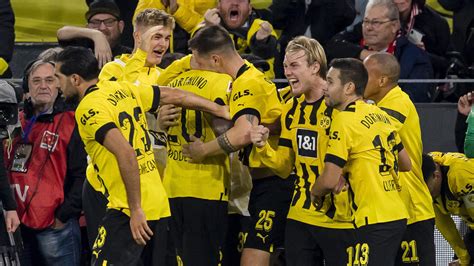
In summary, the criteria for assists in UCL matches are shaped by a blend of **official rules, subjective interpretation, and evolving analytical tools**. While the primary definition revolves around the final pass or action leading to a goal, the nuances of intent, set pieces, secondary contributions, and technological interventions add depth to how assists are understood and valued. This multi-faceted approach reflects the dynamic and fluid nature of football, where creativity and teamwork are as important as individual brilliance. By understanding these intricacies, we gain a deeper appreciation of how assists serve as both a statistical measure and a narrative tool to highlight the artistry of play in Europe's premier club competition.
Top 5 Players with Most Assists
Assists in the UEFA Champions League (UCL) are a testament to a player's vision, creativity, and ability to elevate their teammates' performances. While goals often steal the limelight, it is the architects of those goals—the players who craft opportunities—who often define the legacy of a team. In this section, we delve into the top 5 players with the most assists in UCL history, exploring their career statistics, key moments, and the unique skills that set them apart in this elite competition.
The players listed here are not just prolific passers; they are game-changers who have redefined how we perceive playmaking in Europe's premier club competition.
1. Lionel Messi (40 assists)
- UCL Matches Played: 163
- Goals Scored: 129
- Teams Represented: Barcelona, Paris Saint-Germain
Lionel Messi tops the list with 40 assists, a figure that underscores his dual threat as both a scorer and a creator. What makes Messi's assist tally extraordinary is how seamlessly it complements his goal-scoring prowess. His ability to drift into pockets of space, draw defenders, and release pinpoint passes has been a hallmark of his game. A key moment came in the 2014-15 season when Messi provided a hat-trick of assists in a group stage match against APOEL, showcasing his unselfish side even as he chased personal records. His understanding with players like Dani Alves and Luis Suárez amplified his assist numbers, as he often played in systems that prioritized quick interchanges and positional fluidity.
Messi's assists often come from his left foot, but his versatility is evident in how he uses his weaker right foot and his head to set up goals. His stats reflect not just volume but also impact—many of his assists have come in high-stakes knockout matches, where his ability to unlock stubborn defenses has been pivotal.
2. Cristiano Ronaldo (42 assists)
- UCL Matches Played: 187
- Goals Scored: 141
- Teams Represented: Manchester United, Real Madrid, Juventus
Cristiano Ronaldo, with 42 assists, is a close competitor to Messi in this category. While Ronaldo is often celebrated for his aerial dominance and goal-scoring records, his assist tally highlights his underrated playmaking ability. A key insight into Ronaldo’s assist repertoire is his adaptability across different teams and systems. At Real Madrid, his partnership with Gareth Bale and Karim Benzema (the famed "BBC" trio) saw him frequently delivering crosses and through balls. Later, at Juventus, he adapted to a more central role, often dropping deeper to link play.
One standout moment was in the 2017 UCL final against Juventus, where Ronaldo not only scored but also provided an assist for Marco Asensio’s goal, exemplifying his big-game mentality. Ronaldo's assists are often a product of his physicality—he can hold off defenders, turn, and deliver a killer pass. His aerial ability also allows him to set up headed goals for teammates, a dimension that few other players in this list can match.
3. Ángel Di María (38 assists)
- UCL Matches Played: 105
- Goals Scored: 22
- Teams Represented: Real Madrid, Manchester United, Paris Saint-Germain
Ángel Di María may not have the same global recognition as Messi or Ronaldo, but his 38 assists in the UCL are a testament to his creative genius. Di María's assists are characterized by his exceptional dribbling and ability to deliver curling crosses and through balls. His time at Real Madrid, particularly during their 2013-14 UCL-winning campaign, was a showcase of his peak form. In the final against Atlético Madrid, Di María provided the assist for Gareth Bale’s decisive goal in extra time, a moment that encapsulated his knack for delivering under pressure.
What sets Di María apart is his versatility—he has played as a winger, attacking midfielder, and even a central midfielder in certain setups. This adaptability has allowed him to create from multiple areas of the pitch. His low center of gravity and quick feet make him a nightmare for defenders in tight spaces, often resulting in opportunities for his teammates.
4. Ryan Giggs (37 assists)
- UCL Matches Played: 151
- Goals Scored: 30
- Team Represented: Manchester United
Ryan Giggs, a one-club legend, amassed 37 assists in the UCL over a career that spanned decades. His longevity and consistency in Europe’s top competition are remarkable. Giggs’ assists were often a blend of traditional wing play and intelligent positioning. During Manchester United’s treble-winning season in 1998-99, Giggs provided critical assists in both the semi-final and final stages, including a last-gasp pass to set up Ole Gunnar Solskjær’s winner in the final. His ability to adapt his game as he aged—transitioning from a rapid winger to a central playmaker—allowed him to remain relevant in the UCL even in his later years.
Giggs’ assists often came from his ability to exploit space on the flanks and deliver early, incisive crosses. His understanding of the game and his calmness in high-pressure scenarios made him a trusted creator for Manchester United in their most successful European campaigns.
5. Xavi Hernández (35 assists)
- UCL Matches Played: 157
- Goals Scored: 11
- Team Represented: Barcelona
Xavi Hernández, the midfield metronome of Barcelona’s golden era, recorded 35 assists in the UCL. His style of play epitomized the tiki-taka philosophy, where short, precise passes and spatial awareness were paramount. Xavi’s assists were not just about quantity but also about their role in Barcelona’s dominance. He often acted as the link between defense and attack, dictating the tempo of the game and threading passes that split defenses open. A standout moment was in the 2009 UCL final against Manchester United, where his precise through ball set up Lionel Messi’s headed goal—a rare sight given Messi’s height.
Xavi’s assists were often understated but highly effective. His ability to maintain possession under pressure and find the right pass at the right time made him indispensable in Barcelona’s system. His assists were often the result of a deep understanding of his teammates' movements, particularly those of Messi and Andrés Iniesta.
These five players represent different styles of play and eras, but they share a common thread: their ability to influence games beyond scoring. Whether it’s Messi’s artful dribbles, Ronaldo’s physical dominance, Di María’s flair, Giggs’ endurance, or Xavi’s intelligence, each player has left an indelible mark on UCL history through their assists. Their contributions not only highlight individual brilliance but also underscore the importance of teamwork and synergy in achieving success at the highest level of European football.
While the UCL continues to evolve, the legacy of these players serves as a benchmark for future generations of playmakers. Their stats and key moments are not just numbers but narratives of how football’s most prestigious club competition has been shaped by those who create as much as they score.
Impact of Playmakers on Team Success
The UEFA Champions League (UCL) is a stage where the world's most talented footballers showcase their abilities, but it is often the players who blend individual brilliance with team-oriented play that leave the most lasting impact. Among these, playmakers with high assist counts stand out as architects of success. Their ability to read the game, deliver pinpoint passes, and create opportunities for their teammates has been a cornerstone of many UCL-winning teams. This section delves into how such players have shaped their teams' performances and contributed to UCL victories, emphasizing their unique role beyond mere statistics.
High assist counts in the UCL are not merely a reflection of a player’s technical skill but also of their ability to elevate the collective performance of their team. Consider players like Xavi Hernández, Andrés Iniesta, and Kevin De Bruyne—playmakers who have consistently ranked among the top assist providers in UCL history. Their contributions go beyond the simple act of setting up goals; they dictate the rhythm of the game, control possession, and often serve as the link between defense and attack. For instance, Xavi’s role in Barcelona’s UCL triumphs in 2009, 2011, and 2015 was pivotal. His ability to find space and deliver incisive passes allowed forwards like Lionel Messi to thrive. In the 2009 final against Manchester United, Xavi provided the assist for Messi’s header, a goal that underscored how his playmaking unlocked defensive structures.
One of the key ways playmakers influence team success is through their ability to break down compact defenses. In the modern UCL, where teams often adopt low-block strategies to stifle attacking play, playmakers become indispensable. They possess the vision to spot gaps that others cannot and the technical precision to exploit them. For example, Toni Kroos during Real Madrid’s dominant run in the mid-2010s was instrumental in breaking down stubborn defenses. His long diagonal balls and short, sharp passes in tight spaces were a hallmark of Real Madrid’s play. In the 2016 final against Atlético Madrid, Kroos’ ability to maintain possession under pressure and deliver key passes helped Real Madrid control the tempo, eventually leading to their victory in penalties. This highlights how playmakers not only create goals but also sustain attacking momentum, which is critical in high-stakes knockout games.
Another dimension of their impact is seen in how they complement the strengths of their teammates. Playmakers often act as enablers for prolific goal scorers. Cristiano Ronaldo’s record-breaking goal tally in the UCL was heavily supported by the creative genius of players like Mesut Özil at Real Madrid and Ángel Di María at Manchester United. Özil, for instance, provided 20 assists in his first three UCL seasons with Real Madrid, often threading passes into spaces where Ronaldo could utilize his speed and finishing. Similarly, Di María’s assist for Ronaldo in the 2014 final showcased how playmakers can directly contribute to decisive moments in the biggest games. This synergy between playmaker and scorer exemplifies how their presence can amplify the effectiveness of a team’s attacking unit as a whole.
The influence of playmakers is also evident in how they shape team dynamics and morale. A player who consistently provides assists is often seen as a catalyst for confidence within the squad. When teammates know they are playing alongside someone who can reliably set them up, it fosters a sense of trust and cohesion. Iniesta’s role in Barcelona’s 2015 UCL campaign is a case in point. His assists often came in high-pressure situations, such as his pass to Neymar in the semi-final against Bayern Munich. This not only secured crucial goals but also reinforced the belief within the team that they could overcome any challenge. Such moments of brilliance from playmakers can galvanize a team, especially in the knockout stages where psychological resilience is as important as technical ability.
It is also worth examining how playmakers with high assist counts contribute to tactical flexibility. Teams that rely on playmakers often adapt their systems to maximize their creative output. For instance, Pep Guardiola’s Manchester City has leaned heavily on Kevin De Bruyne’s ability to operate in multiple roles—as a traditional central midfielder, a false nine, or even a wide playmaker. In the 2023 UCL campaign, De Bruyne’s assists often came from unorthodox positions, such as his cross-field ball to Riyad Mahrez in the quarter-finals. This adaptability not only keeps opponents guessing but also allows the team to adjust its strategy mid-game. Playmakers who can thrive in diverse roles ensure that their teams remain unpredictable and difficult to defend against, a trait that is often the difference between a UCL contender and a champion.
However, the impact of playmakers is not without its challenges. Teams that overly depend on a single creative force can become predictable if opponents devise strategies to neutralize them. This was evident in the 2019 UCL, where Liverpool targeted Juventus’ reliance on Miralem Pjanić to disrupt their play. Pjanić, while a skilled playmaker, found it difficult to influence the game when marked out of possession. This highlights the need for balanced team structures where playmakers are supported by versatile midfielders and fullbacks who can share the creative burden. Players like Dani Alves, who often provided secondary assists from the right flank, exemplify how distributing creative responsibilities can mitigate this risk.
From a statistical perspective, the correlation between high assist counts and UCL success is compelling. A study of UCL-winning teams over the past two decades reveals that nearly all featured at least one player in the top five for assists in that season’s competition. This is not a coincidence but rather a testament to the causal relationship between creativity and success in Europe’s premier club competition. Playmakers do not just contribute assists; they engineer the sequences of play that lead to goals, often starting with a well-timed interception, a visionary through ball, or a perfectly weighted cross.
In conclusion, the role of playmakers with high assist counts in UCL history is multifaceted and deeply influential. They are not merely providers of goals but strategic linchpins who shape the flow of matches, enable their teammates, and often determine the outcome of critical moments. Their ability to combine individual skill with a team-first mentality has been central to the success of legendary teams like Barcelona, Real Madrid, and Bayern Munich. As the UCL continues to evolve, the importance of playmakers will only grow, underscoring their status as indispensable architects of victory in the world’s most prestigious club competition.
- Playmakers break down compact defenses with vision and precision.
- They complement goal scorers, amplifying team effectiveness.
- Their presence fosters trust and morale within the squad.
- Tactical flexibility around playmakers enhances team unpredictability.
- High assist counts are strongly correlated with UCL success.
By analyzing these facets, it becomes clear that playmakers are not just contributors to team success but often the driving force behind it in the UCL.
Evolution of Playmaking in UCL
The role of playmakers in the UEFA Champions League (UCL) has undergone significant transformation over the decades, reflecting broader changes in football tactics, player specialization, and the global evolution of the sport. From the traditional orchestrators of the mid-20th century to the dynamic, multi-functional creators of today, playmakers have shaped the narrative of the competition in ways that extend beyond mere statistics such as "most assists in UCL history." This evolution is not just about the individuals but also about how teams have adapted their strategies to leverage playmaking brilliance in pursuit of European glory.
In the early years of the European Cup, which later evolved into the UCL, playmakers often operated as central figures in rigid, structured systems. Teams like Real Madrid in the 1950s and 1960s relied on players such as Alfredo Di Stéfano, who, while not a traditional playmaker by modern standards, embodied the creative hub of the team. These players were tasked with dictating play from deeper or central positions, often operating in a 2-3-5 or WM formation. The emphasis was on methodical build-up play, with playmakers expected to maintain possession, thread long passes, and occasionally contribute goals. However, the assists metric was not yet formalized, and their contributions were measured more in influence than quantifiable output.
The 1970s and 1980s saw the emergence of more defined playmakers who operated in a "number 10" role. Legends like Michel Platini and Zinedine Zidane exemplified this era. Platini, for instance, combined exquisite vision with a knack for delivering incisive through balls, which directly contributed to his team's attacking success. Zidane, though often deployed slightly deeper or wider in his early UCL campaigns, showcased an ability to control the tempo of a game with his close control and spatial awareness. These playmakers were often the focal point of their teams, with systems built around their ability to unlock defenses. However, the game was still largely compartmentalized, with playmakers given license to roam while other players adhered to more rigid positional roles.
The turn of the millennium marked a shift in how playmakers were utilized in the UCL. The emergence of tactical systems like tiki-taka, pioneered by Barcelona under Pep Guardiola, redefined the playmaker's role. Players like Xavi Hernández and Andrés Iniesta blurred the lines between playmaker and midfielder. Rather than operating as isolated creators, they were part of a collective system where possession and positional play were paramount. Assists became a more emphasized statistic as these players excelled in short, quick passes that broke down defenses. Their playmaking was less about individual moments of genius and more about sustained, systematic creativity. This era also saw the rise of "false 9s" and inverted wingers, such as Lionel Messi and Cristiano Ronaldo, who contributed assists but were not traditional playmakers in the conventional sense.
By the 2010s, the role of playmakers evolved further as the game became more physically demanding and tactically fluid. The advent of high-pressing systems and counter-attacking football required playmakers to be more versatile. For instance, players like Kevin De Bruyne and Luka Modrić exemplify this modern iteration of the playmaker. They are not confined to operating in central areas or behind a striker; instead, they often drop deep to collect the ball from defenders, drive forward with the ball at their feet, or switch play with long diagonal passes. Their assist numbers are bolstered by their ability to adapt to multiple phases of play—breaking lines with passes, delivering set-piece opportunities, and even contributing in defensive transitions. This adaptability has made them indispensable in teams aiming for UCL success.
Another key development in this era is the increasing reliance on full-backs and wide players as secondary playmakers. Traditional playmakers are no longer the sole creators in a team. For example, Trent Alexander-Arnold at Liverpool often registers assist numbers comparable to midfield maestros, thanks to his ability to deliver pinpoint crosses and set-piece deliveries. This shift reflects how modern football has democratized the role of the playmaker, spreading creative responsibility across the pitch rather than centralizing it in one position.
The evolution of playmaking in the UCL is also influenced by the globalization of the sport and the influx of diverse playing styles. South American playmakers like Ronaldinho and Kaká brought a flair and unpredictability that contrasted with the methodical approach of their European counterparts. Ronaldinho's assists often came from moments of individual brilliance—a backheel pass or a no-look through ball—while Kaká’s surging runs from midfield in AC Milan’s 2007 UCL-winning campaign showcased how playmakers could dominate games with physicality as well as technique.
In recent years, data analytics and advanced scouting have further refined how playmakers are identified and deployed. Teams now look for players who can not only create chances but also contribute to pressing schemes, recover possession, and maintain defensive solidity. This has given rise to hybrid playmakers like Bruno Fernandes, who combines traditional creative output with high work rates and versatility. The increasing use of dual playmakers in some systems, such as Manchester City’s pairing of De Bruyne and İlkay Gündoğan under Guardiola, highlights how teams are experimenting with multiple creative outlets to overwhelm opponents.
The metrics used to evaluate playmakers have also evolved. While assists remain a key indicator, modern analysis includes expected assists (xA), progressive passes, and key passes to provide a more nuanced understanding of a player’s impact. For instance, Thomas Müller, often described as a "raumdeuter" or space interpreter, may not always top the assist charts but consistently ranks highly in creating opportunities through his movement and positioning. This demonstrates how the definition of a playmaker in the UCL has expanded beyond direct goal involvement to include influence on team dynamics and space creation.
- Early playmakers were central figures in rigid systems, valued for their ability to control games through vision and passing.
- The 1970s and 1980s saw the rise of the "number 10" role, with players like Platini and Zidane becoming focal points of their teams.
- The 2000s introduced systemic creativity, with tiki-taka emphasizing collective playmaking over individual brilliance.
- The 2010s brought versatility, with playmakers expected to contribute in multiple phases of play.
- Modern playmakers are often supported by secondary creators, such as full-backs or wide players, spreading creative responsibility across the team.
In conclusion, the evolution of playmaking in the UCL is a microcosm of football's broader development. From the solitary maestros of earlier eras to the multifaceted creators of today, playmakers have adapted to meet the demands of an ever-changing game. Their contribution to the "most assists in UCL history" is not just a reflection of individual skill but also of how the sport has reimagined the art of creation on its grandest stage. This ongoing evolution ensures that the role of the playmaker will continue to be a central narrative in the Champions League's storied history.
Comparison with Goalscorers
The UEFA Champions League (UCL) is a stage where legends are born, and the narratives of individual players often revolve around their contributions to the most critical moments of the competition. While goalscorers have long been the focal point of this narrative, assist leaders—though integral to the process—often find themselves in a more subdued spotlight. This contrast in recognition and legacy between the two categories of players reveals fascinating insights into how the sport values different types of impact.
At first glance, the disparity in recognition seems rooted in the nature of the two roles. A goal is a definitive, often climactic event in a match—a moment of triumph that resonates with fans and commentators alike. Goalscorers are the architects of these moments, and their names are etched into history with an almost mythic quality. Consider Cristiano Ronaldo and Lionel Messi, who not only lead the all-time UCL goalscoring charts but are also celebrated as the competition's most iconic figures. Their goals are replayed endlessly, analyzed in depth, and form the backbone of their enduring legacies.
Assists, by contrast, are subtler. They are the prelude to the goal, the unseen craftsmanship that often goes unnoticed in the immediate frenzy of a scored goal. Players like Luis Figo, Ryan Giggs, and Thomas Müller, who feature prominently in the assist leaderboards of UCL history, are celebrated for their vision and creativity. However, their contributions are frequently framed as secondary to the finisher's act of scoring. This perception is reinforced by the way assists are recorded and discussed. While goals are standalone statistics with clear emotional weight, assists are contextual—they depend on the finisher’s ability to convert the opportunity. This interdependence can dilute the perceived value of the assist itself.
The legacy of goalscorers is also amplified by the way media and fan culture prioritize individual milestones. A player who scores 100 UCL goals is celebrated with banners, documentaries, and widespread acclaim. This focus on goalscoring feats is partly because they are easier to quantify and market. A goal is a clear, binary event—it either happens or it doesn’t—whereas an assist requires context and interpretation. For instance, a perfectly weighted through-ball may go unrewarded if the forward misses the chance, yet a scrappy goal from a deflection might still count toward a goalscorer’s tally. This imbalance leads to a perception that goalscorers exert more control over their legacy, even when the assist leader’s role is equally vital.
However, this dynamic overlooks the strategic importance of assist leaders. A player who consistently creates opportunities for teammates often has a more profound impact on a team's overall success than a prolific goalscorer who relies heavily on service from others. For example, Xavi Hernández and Andrés Iniesta were not prolific goalscorers in the UCL, but their ability to dictate play and provide key assists was central to Barcelona’s dominance in the late 2000s and early 2010s. Their legacy, while not as immediately visible as that of a goalscorer like Ronaldo, is embedded in the team's collective success. This raises the question: why is the legacy of a player who facilitates goals less celebrated than one who finishes them?
Part of the answer lies in the narrative bias of sports storytelling. Goals are dramatic, easily digestible moments that fit neatly into highlight reels and social media clips. Assists, on the other hand, require a deeper understanding of the game to appreciate fully. A casual viewer might remember the sight of a ball hitting the back of the net but overlook the intricate build-up play that made it possible. This disparity is further exacerbated by the way awards like the Ballon d’Or or UCL Player of the Tournament are often skewed toward goalscorers. Even when a playmaker like Luka Modrić breaks through to win such accolades, it is often after a tournament where their team’s success was so overwhelming that their creative role could not be ignored.
Another factor is the variability in how assists are valued across different eras and teams. In teams with a clear focal point—such as Barcelona with Messi or Real Madrid with Ronaldo—assist leaders are often seen as enablers rather than primary stars. For example, Mesut Özil provided a staggering number of assists during his time at Real Madrid, yet his legacy in UCL history is overshadowed by the goalscoring exploits of his teammates. Conversely, in teams without a dominant goalscorer, assist leaders might gain more recognition. A case in point is Angel Di Maria, whose creative output for teams like Manchester United and PSG has often been a lifeline in the absence of a consistent goalscorer.
The contrast also extends to how players are remembered in the context of team dynamics. Goalscorers are often seen as the heroes of the moment, while assist leaders are viewed as the architects of the system. This is particularly evident in the way legacy is discussed for players like Roberto Carlos, whose thunderous free kicks and goals are more frequently recalled than his numerous assists from the left flank. Similarly, David Beckham, known for his pinpoint crosses and set-piece delivery, is often remembered more for his goals than for the numerous opportunities he created for others.
Interestingly, this disparity in recognition has begun to shift in recent years with the rise of data-driven analysis in football. Advanced metrics like expected assists (xA) and heatmaps now allow fans and analysts to quantify the impact of creative players in ways that were previously impossible. This has led to a growing appreciation for players who excel in the “pre-assist” phase or who contribute to team success through their ability to break down defenses. For instance, Kevin De Bruyne is often lauded not just for his assists but for his ability to unlock defenses with visionary passing. This shift suggests that the legacy of assist leaders may be on the path to greater parity with that of goalscorers, as the sport evolves to value all types of contributions more equally.
Despite this progress, the cultural inertia around goalscoring persists. Fans still flock to stadiums and tune into broadcasts hoping to witness a goal, not an assist. This inherent bias is unlikely to disappear entirely, as the emotional payoff of a goal is unmatched. However, the growing emphasis on team play and collective success in modern football may help elevate the status of assist leaders. After all, football is increasingly seen as a sport where the sum of the parts matters more than individual brilliance.
In conclusion, while assist leaders in UCL history may not enjoy the same immediate recognition or legacy as top goalscorers, their role is no less vital to the competition’s narrative. The contrast between the two is not merely about statistics but about how the sport chooses to frame and celebrate its heroes. As football continues to evolve, perhaps the legacy of players like Thomas Müller or Ryan Giggs will be reevaluated, not as secondary figures but as pivotal architects of the beautiful game’s most iconic moments.
- Assists are often undervalued due to their dependence on the finisher’s success.
- Goalscorers benefit from media and fan focus on dramatic, standalone moments.
- Team-oriented playmakers like Xavi and Iniesta showcase the deeper impact of assist leaders.
- Modern analytics are helping to bridge the recognition gap between goalscorers and assist creators.
This evolving dynamic suggests that the footballing world is slowly moving toward a more balanced appreciation of all contributions, even if the cultural preference for goalscoring heroics remains deeply ingrained.
Memorable Assists in UCL History
The UEFA Champions League (UCL) has been a stage for some of the most iconic moments in football history, where the brilliance of individual players often shines brightest. While goals are celebrated as the ultimate achievement, assists—the art of setting up those goals—are equally significant. An assist can be a moment of genius, a perfectly weighted pass, a deft flick, or a visionary through-ball that changes the course of a match. In this section, we explore some of the most memorable assists in UCL history and delve into their significance in key games.
One of the most celebrated assists in UCL history came in the 1999 final between Manchester United and Bayern Munich. With the game deep into stoppage time and Bayern leading 1-0, United's hopes of a treble seemed to be slipping away. Then came **David Beckham's corner kick** in the 91st minute, a delivery that found the head of **Teddy Sheringham**, who guided the ball into the net to equalize. This assist was not just about the quality of the cross—it was about the timing, the pressure, and the context. Beckham's ability to deliver under immense stress showcased his technical precision and mental fortitude. Moments later, another Beckham corner led to **Ole Gunnar Solskjær's winner**, sealing one of the most dramatic comebacks in UCL history. This assist underlined how set-piece mastery can turn the tide of a match, especially in high-stakes finals.

Moving to more recent times, **Lionel Messi's assist for Sergi Roberto's goal** in Barcelona's historic 6-1 victory over Paris Saint-Germain in 2017 is etched in UCL folklore. Barcelona, trailing 4-0 from the first leg, needed a miracle in the second leg at the Camp Nou. With the score at 5-1 in the dying moments of the match, Messi, operating in a deep role, delivered a precise lob over the defense to find **Neymar**, who controlled the ball and set up Sergi Roberto for the winner. This assist was a masterclass in vision and execution. Messi, surrounded by defenders, had the composure to pick out a pass that few could see, let alone execute. The assist symbolized Barcelona's refusal to accept defeat and became a defining moment of their "Remontada" (comeback). It also demonstrated how assists can encapsulate the collective belief of a team in the face of insurmountable odds.
Another unforgettable assist came from **Zinedine Zidane** in the 2002 UCL final. Playing for Real Madrid against Bayer Leverkusen, Zidane provided a moment of sheer artistry in the build-up to one of the competition's greatest goals. In the 45th minute, with the score at 1-1, Zidane received a looping cross-field pass from **Roberto Carlos**. Instead of controlling the ball, Zidane let it drop over his shoulder and, with a first-time left-footed volley, sent the ball into the top corner. While Zidane is remembered for the goal, the assist from Roberto Carlos deserves equal praise. The Brazilian's ability to pick out Zidane with a 40-yard diagonal pass under pressure was a feat of technical brilliance. This assist exemplified how a well-timed, long-range pass can unlock a defense and create opportunities for world-class finishers. It also highlighted the synergy between two players at the peak of their powers, making it a moment of collective genius rather than individual brilliance alone.
In the 2005 final, often referred to as the "Miracle of Istanbul," **Steven Gerrard's header** for Liverpool against AC Milan was set up by a pinpoint cross from **John Arne Riise**. With Liverpool 3-0 down at half-time, the match seemed all but over. However, Riise's delivery in the 54th minute found Gerrard, whose header sparked Liverpool's comeback. Riise's assist was significant not just for its technical quality but for its psychological impact. It gave Liverpool a lifeline and galvanized their belief. This assist serves as a reminder that even in the most dire circumstances, a well-executed pass can reignite a team's spirit. Liverpool eventually drew 3-3 and won on penalties, with Riise's assist playing a pivotal role in one of the most improbable comebacks in UCL history.
A more unconventional but equally iconic assist came from **Andrés Iniesta** in the 2009 semifinal between Barcelona and Chelsea. The match was tense, with Chelsea leading 1-0 on the night and the aggregate score level at 1-1. In the 93rd minute, Iniesta, known more for his goals than his assists, unleashed a first-time shot from outside the box that found the top corner. However, the build-up to this goal involved a critical pass from **Lionel Messi** to Iniesta. Messi, under intense pressure from Chelsea's defense, managed to slip a short, incisive pass to Iniesta, who did the rest. This assist was emblematic of Messi's ability to create space and opportunities in the tightest of situations. It also underscored how assists in high-pressure knockout games often require not just skill but an understanding of the moment—knowing when to take a risk and when to trust a teammate's ability to finish.
Another assist of note came in the 2013 semifinal between borussia dortmund and Real Madrid. **Robert Lewandowski's** four-goal performance was made possible by a series of assists, but one stands out: **Marco Reus' through-ball** for Lewandowski's second goal. Reus, with his back to goal and surrounded by defenders, executed a perfectly timed back-heel pass that split Real Madrid's defense. This assist demonstrated the value of improvisation and quick thinking in tight spaces. Dortmund went on to win 4-1, with Reus' assist exemplifying how creativity and unpredictability can dismantle even the most organized defenses.
In the 2018 final, **Gareth Bale's stunning overhead kick** for Real Madrid against Liverpool was made possible by an assist from **Marcelo**. Marcelo's cross, delivered with his weaker left foot, was not just accurate but also unexpected. The Brazilian full-back had a habit of drifting into attacking positions, and his ability to provide such a delivery in a high-stakes final showcased his versatility. This assist was significant because it came at a time when the match was evenly poised at 1-1. Bale's goal, facilitated by Marcelo's assist, swung the momentum decisively in Real Madrid's favor, helping them secure a 3-1 victory.
Assists in the UCL are not always about the spectacular; sometimes, they are about the subtlety of a player's understanding of space and timing. For instance, **Xavi Hernández's through-ball** for **Samuel Eto'o's opener** in the 2009 final against Manchester United was a lesson in simplicity and precision. Xavi, with a calmness that defined his career, split United's defense with a pass that allowed Eto'o to score. This assist was a testament to Xavi's role as Barcelona's midfield metronome, dictating play and creating opportunities with minimal fuss.
These moments of brilliance in the UCL illustrate how assists are not merely about setting up goals but about shaping the narrative of a match. Whether it is **Beckham's corners**, **Messi's visionary passes**, or **Zidane's collaborations**, each assist tells a story of technique, timing, and tactical awareness. They remind us that football is as much about the players who create opportunities as it is about those who finish them. In the annals of UCL history, these assists stand as monuments to the art of playmaking, proving that sometimes, the pass is as glorious as the goal it leads to.
Current Players Chasing Records
The UEFA Champions League (UCL) is a stage where the world's best footballers showcase their talent, and assists are a key metric that highlights a player's creativity and influence. While records like most goals often steal the limelight, the assist leaderboard reveals players who have mastered the art of setting up their teammates. As we explore the section on Current Players Chasing Records, it is important to identify those active players who are within striking distance of the historic assist records and analyze their potential trajectory to surpass or join the elite group.
The all-time assist leader in UCL history is Lionel Messi, with over 40 assists as of recent records. Close behind him is Cristiano Ronaldo, another modern great whose tally is a testament to his longevity and ability to contribute in multiple ways. However, as these legends near the twilight of their careers, the spotlight shifts to active players who are building their own legacies in Europe's premier club competition. Among them, several stand out for their consistent ability to create goal-scoring opportunities for their teams.
One of the most prominent names in this category is Kevin De Bruyne of Manchester City. The Belgian midfielder has been a creative force in the UCL, amassing over 20 assists in his Champions League career so far. Known for his precise through balls, whipped crosses, and ability to unlock defenses, De Bruyne is already in the conversation for being one of the best playmakers of his generation. At 32 years old, he is in the prime of his career and has regularly featured in deep UCL runs with Manchester City, including their historic treble-winning campaign in 2023. His trajectory suggests that if he continues to play at this level for another 2-3 seasons, he could easily surpass 30 assists, bringing him closer to the top five assist providers in UCL history. His consistency in knockout stages, where assists are often harder to come by due to tighter defenses, makes him a strong candidate to challenge the record books.
Another player worth mentioning is Luis Díaz of Liverpool. While Díaz is not yet a household name in the assist charts, his recent performances in the UCL indicate a player on an upward trajectory. With Liverpool's attacking style and Díaz's role as a winger who frequently cuts inside to deliver key passes, he has shown flashes of brilliance that could see him climb the assist rankings. Díaz has already provided critical assists in high-stakes games, such as his contributions during Liverpool's run to the 2022 final. At 26 years old, he has time on his side, and with Liverpool's emphasis on attacking football under Jürgen Klopp, Díaz could accumulate assists at a faster rate in the coming seasons. However, his challenge will be maintaining this form over multiple campaigns, especially as Liverpool faces increased competition in the UCL.
A slightly unconventional but intriguing name is João Cancelo, a versatile full-back who has played for Manchester City and Bayern Munich in recent years and is now on loan at Barcelona. Cancelo's ability to operate as an inverted full-back gives him a unique positional advantage in creating assists. He often finds himself in advanced positions, delivering incisive passes or whipping in dangerous crosses. Cancelo has provided approximately 10 assists in the UCL so far, but his versatility and involvement in attacking plays make him a dark horse in this race. If he secures a permanent move to a top-tier UCL team and continues to feature regularly, his assist numbers could see a sharp rise. At 29, he is at a critical juncture where his next two to three seasons will determine whether he can enter the conversation for all-time assist leaders.
One cannot discuss potential record-breakers without mentioning Kylian Mbappé of Paris Saint-Germain. While Mbappé is primarily known for his goal-scoring exploits, his ability to provide assists is often underrated. With over 15 assists in the UCL already at just 24 years old, Mbappé is on a trajectory that could see him challenge the record books in multiple categories. His blistering pace and ability to draw defenders create space for his teammates, and his vision has improved significantly in recent years. If Mbappé continues to feature in PSG's UCL campaigns—and possibly moves to a more balanced team where he is not solely relied upon for goals—his assist tally could grow exponentially. Given his age and the likelihood of playing in the UCL for another decade, Mbappé is arguably the player with the highest ceiling among current contenders.
Another name to watch is Vinícius Júnior of Real Madrid. The Brazilian winger has been a revelation in recent UCL campaigns, particularly during Real Madrid's victorious run in 2022. With over 10 assists in the competition at just 23 years old, Vinícius combines raw speed with improving decision-making in the final third. His partnership with Karim Benzema (and now potentially other forwards at Real Madrid) has shown that he can be both a scorer and a creator. As he matures and refines his playmaking abilities, Vinícius could easily reach 25-30 assists within the next five seasons. His youth and the fact that Real Madrid consistently features in the latter stages of the UCL give him a clear advantage in accumulating assists against top-tier opposition.
It is also important to consider the role of team dynamics in a player's ability to rack up assists. Players like De Bruyne and Mbappé benefit from playing in systems that prioritize attacking football and provide them with a wealth of opportunities to create. Conversely, players in less attack-oriented teams may struggle to maintain high assist numbers despite their individual talent. For instance, Bruno Fernandes of Manchester United has shown fantastic creative ability in domestic competitions but has yet to fully replicate this form in the UCL due to his team's inconsistent participation and performance in the competition. If Manchester United regains its status as a UCL heavyweight, Fernandes could emerge as a serious contender in the assist race.
Looking at the broader landscape, younger talents such as Jude Bellingham (now at Real Madrid) and Jamal Musiala of Bayern Munich are players to watch in the coming years. While their assist numbers in the UCL are still modest, their early integration into top-level football and their roles in attacking midfields suggest they could become prolific creators. Bellingham, in particular, has already shown glimpses of his ability to contribute assists in high-pressure games, and his move to Real Madrid positions him in a setup that historically maximizes the potential of creative players.
In conclusion, while the all-time assist records in the UCL are currently held by legends like Messi and Ronaldo, the next generation of players is poised to challenge these benchmarks. Kevin De Bruyne, Kylian Mbappé, and Vinícius Júnior are among the most promising active players with the potential to etch their names into UCL history. Their trajectories will depend on factors such as team success, individual consistency, and the evolving dynamics of the competition. As the Champions League continues to be a stage for innovation and excellence, these players represent the vanguard of a new era of creative brilliance.
Conclusion
The concept of assists in football is often overshadowed by the glamor of goal-scoring, yet it represents a deeply nuanced and essential aspect of the sport's artistry. Assists are not merely about setting up a goal; they are a testament to a player's vision, technical ability, and understanding of the game's flow. In the context of the UEFA Champions League (UCL), where the stakes are higher and the competition fiercer, the ability to consistently deliver assists becomes a marker of a player’s enduring impact on the game. The legacy of UCL assist leaders is not just a collection of numbers but a narrative of how football’s creative forces shape the outcomes of matches and, by extension, the history of the tournament itself.
Assists are an embodiment of football's collaborative nature. While goals often steal the headlines, the assist is the unseen thread that weaves together moments of brilliance. To lead the assists chart in UCL history is to have mastered the art of reading the game—anticipating movements, exploiting spaces, and executing passes with precision under immense pressure. Players like Lionel Messi and Cristiano Ronaldo, who feature prominently in this record, exemplify how assists are intertwined with their broader influence on the pitch. Their ability to not only score but also create opportunities for teammates underscores their multifaceted genius. Assists, therefore, are not secondary to goals but complementary, showcasing a different dimension of footballing excellence.
The importance of assists as a measure of football artistry can be understood through their inherent complexity. Unlike goals, which are often the culmination of individual brilliance or a team’s collective effort, assists require a player to think beyond themselves. A perfectly weighted through-ball, a deftly delivered cross, or a subtle layoff demands not just skill but also an acute awareness of teammates' positioning and the opponent's defensive structure. This is particularly true in the UCL, where defensive systems are often highly organized and leave little margin for error. The assist leaders in UCL history have demonstrated an ability to break down these systems with creativity and intelligence, often turning matches in their team’s favor through their ingenuity.
Moreover, assists reveal the intangible qualities of leadership and selflessness. A player who prioritizes setting up a teammate over personal glory embodies the spirit of teamwork that defines successful football squads. This is especially significant in the UCL, where the margins between victory and defeat are razor-thin. For instance, Ryan Giggs, one of the early leaders in UCL assists, was renowned not just for his technical prowess but for his ability to elevate the performance of those around him. His assists were often the result of a deep understanding of Manchester United’s tactical setup and a willingness to adapt his playstyle to the needs of the team. This legacy of assist leaders highlights how football is as much about enabling others as it is about personal achievement.
The legacy of UCL assist leaders also provides a window into the evolution of football tactics. In earlier eras, assists were often the domain of traditional playmakers—players like Xavi Hernandez or Andrea Pirlo—who operated in deeper roles and dictated the tempo of the game. Their assists were borne out of control, patience, and an almost architectural approach to building attacks. However, as football has evolved into a more dynamic and high-pressing sport, the role of assist providers has expanded. Modern assist leaders, such as Kevin De Bruyne or Thomas Müller, thrive in systems that emphasize fluidity and rapid transitions. Their contributions reflect how the game has adapted to emphasize verticality and quick decision-making, while still valuing the craft of playmaking.
The record for most assists in UCL history is not just a statistical milestone; it is a reflection of how football’s greats have adapted to the demands of the era while leaving an indelible mark on the tournament. Assists tell stories of key moments—the perfectly timed pass that unlocked a stubborn defense in a knockout tie, the cross that led to a last-minute equalizer in a group stage thriller, or the visionary through-ball that decided a final. These moments are etched in the memories of fans and contribute to the rich tapestry of UCL history. They also serve as a reminder that football’s beauty lies not only in the act of scoring but in the build-up, the anticipation, and the shared joy of a well-executed team move.
Another layer to this discussion is the global appeal of the UCL and how assist records contribute to the tournament's narrative. The UCL is a stage where the world’s best players converge, and the assist leaders are often those who have transcended their domestic leagues to become global icons. Their ability to perform consistently at this level cements their place in football lore. For instance, Lionel Messi’s assists in the UCL are not just numbers; they are part of a broader story of his influence on Barcelona’s golden era and his role in redefining what it means to be a creative forward. Similarly, Cristiano Ronaldo’s assists highlight his evolution from a winger to a more central, all-encompassing attacking presence. These records are not just personal achievements but markers of how these players have shaped the identity of their teams and the tournament itself.
It is also worth considering how assists contribute to the broader legacy of UCL assist leaders in terms of mentorship and inspiration. Younger players often look up to these figures not just for their goal-scoring prowess but for their ability to create opportunities. This mentorship extends beyond the pitch—assist leaders often become role models for the next generation of footballers, teaching them the value of vision, teamwork, and selflessness. Their records serve as a benchmark for aspiring players, who aim not only to score goals but to leave their mark as creators and enablers.
In conclusion, the measure of assists in UCL history is a profound indicator of football artistry. It captures the essence of what makes the sport beautiful—creativity, collaboration, and the ability to influence the game in ways that go beyond individual glory. The legacy of UCL assist leaders is a celebration of players who have not only contributed to their teams’ successes but have also enriched the tournament with moments of tactical brilliance and creative genius. As the game continues to evolve, the records set by these players will remain a benchmark of excellence, a reminder of how football is as much about the passes that lead to goals as it is about the goals themselves. In this sense, the assist is not just a statistic but a symbol of the sport's enduring artistry and the indelible impact of its most creative minds.