Introduction
Santiago Bernabéu Yeste is a name synonymous with the grandeur and legacy of Real Madrid, a club that stands as one of the most iconic institutions in football history. While many know him as the president who transformed Real Madrid into a global powerhouse, his influence extends far beyond administrative prowess. To understand his significance, one must delve into the man’s life, his vision, and the indelible mark he left on the sport. Santiago Bernabéu Yeste was not merely a figurehead; he was a visionary who redefined what a football club could achieve, blending ambition, strategy, and an unwavering commitment to excellence.
Born on June 8, 1895, in Almansa, Spain, Bernabéu’s early life was rooted in a Spain that was undergoing significant social and political change. His family moved to Madrid when he was young, and it was in this bustling capital that his love for football began to take shape. As a player, Bernabéu joined Real Madrid in 1912, at a time when the club was still in its infancy. He was not just a participant but a dedicated athlete who understood the game from the ground up. Over the course of his playing career, which spanned until 1927, he became a central figure in the team, known for his tenacity and leadership on the field. This early immersion into the club’s culture gave him a unique perspective that would later inform his presidency.
However, Bernabéu’s true legacy began after he hung up his boots. In 1943, he was elected president of Real Madrid, a position he would hold until his death in 1978. This was a tumultuous period for Spain, as the country was recovering from the Spanish Civil War and grappling with the authoritarian rule of Francisco Franco. Football, like many other aspects of Spanish society, was deeply influenced by the political climate. Yet, Bernabéu saw an opportunity to use the sport as a unifying force and a symbol of national pride. His presidency was not just about winning trophies but about creating an institution that transcended the boundaries of sport.
One of Bernabéu’s most significant contributions was his role in professionalizing football management. At a time when many clubs were run in an amateurish manner, he introduced a level of organization and foresight that was revolutionary. He understood that success on the field required more than talented players; it needed infrastructure, strategy, and a clear vision. Under his leadership, Real Madrid built a robust scouting system to identify and recruit the best talent from across the globe. This approach was instrumental in assembling teams that could compete at the highest level, a philosophy that continues to define the club to this day.
The most striking example of Bernabéu’s forward-thinking approach was his focus on stadium development. In 1947, he oversaw the construction of the Estadio Santiago Bernabéu, a state-of-the-art facility that became a symbol of Real Madrid’s ambition. The stadium was not merely a venue for matches; it was a statement of intent. By creating a world-class arena, Bernabéu ensured that Real Madrid had a platform to host high-profile matches and attract global attention. This move was ahead of its time, as few clubs in the mid-20th century viewed stadium development as a strategic asset. Today, the Estadio Santiago Bernabéu remains one of the most iconic football venues in the world, a physical embodiment of the man’s vision.
Equally important was Bernabéu’s role in shaping Real Madrid’s identity as a club that pursued excellence without compromise. He famously declared, “Real Madrid is not just a football team; it is an ideology.” This statement encapsulates his belief that the club should strive for more than mere sporting success. Under his guidance, Real Madrid became synonymous with a style of play that was both elegant and effective. The club’s dominance in the European Cup (now the UEFA Champions League) during the 1950s and 1960s—winning the trophy five times in a row from 1956 to 1960—was a direct result of Bernabéu’s emphasis on recruiting the best players and fostering a culture of winning.
It is impossible to discuss Bernabéu’s impact without mentioning his role in bringing Alfredo Di Stéfano to Real Madrid. The signing of Di Stéfano in 1953 was a masterstroke that changed the course of the club’s history. Di Stéfano’s arrival marked the beginning of an era of unprecedented success, with the Argentine forward becoming the linchpin of a team that would dominate European football. This signing was not just about acquiring a great player; it was a manifestation of Bernabéu’s belief in the power of individual brilliance within a well-structured team framework. His ability to identify and secure talent set a precedent for how modern football clubs operate in the transfer market.
Beyond the trophies and the star players, Bernabéu’s influence extended to the broader footballing ecosystem. He was instrumental in the establishment of the European Cup in 1955, working closely with other football visionaries to create a tournament that would showcase the best teams on the continent. This competition not only elevated Real Madrid’s profile but also transformed European football into a more interconnected and competitive arena. Bernabéu’s advocacy for international competitions underscored his belief that football should be a unifying force that transcended national borders.
Another aspect of Bernabéu’s legacy that often goes underappreciated is his emphasis on financial sustainability. While he was willing to invest heavily in players and infrastructure, he was equally focused on ensuring that the club operated within its means. This balance between ambition and prudence allowed Real Madrid to weather economic challenges and maintain its status as a financially stable institution. In this sense, Bernabéu was not just a dreamer but a pragmatist who understood the long-term implications of his decisions.
It is also worth noting Bernabéu’s role in fostering a sense of identity and belonging among Real Madrid supporters. He viewed the club as a community, one that extended beyond the players and staff to include fans, members, and even the city of Madrid itself. His efforts to engage with supporters and make them feel part of the club’s journey helped create a loyal and passionate fanbase that remains a cornerstone of Real Madrid’s success.
In retrospect, Santiago Bernabéu Yeste’s significance in football history lies in his ability to see the bigger picture. He was not content with simply managing a football club; he sought to build an institution that would endure for generations. His legacy is evident in Real Madrid’s continued dominance in global football, its ability to attract the world’s best talent, and its standing as a symbol of excellence. Yet, perhaps his greatest achievement was his ability to instill a sense of purpose and identity in the club, ensuring that it would remain relevant and revered long after his time.
- He professionalized football management at a time when it was largely amateur.
- He oversaw the construction of the Estadio Santiago Bernabéu, a landmark in football infrastructure.
- He played a pivotal role in the creation of the European Cup, setting the stage for modern continental competitions.
- His signing of Alfredo Di Stéfano exemplified his knack for strategic recruitment.
- He balanced financial sustainability with ambitious goals, a rare feat in football history.
In summary, Santiago Bernabéu Yeste was not just a president of Real Madrid; he was its architect. His vision, leadership, and unwavering belief in the potential of football to inspire and unite set the stage for the modern era of the sport. To understand his significance is to appreciate how one man’s dedication and foresight can shape not just a club, but the very fabric of football history.
Early Life and Background
Santiago Bernabéu Yeste, a name synonymous with the legacy of Real Madrid, was not merely a figurehead of one of the world's most iconic football clubs but a man whose early life and background laid the foundation for his extraordinary contributions to the sport and its administration. To understand the roots of his passion for football and his innate leadership qualities, one must delve into the circumstances of his upbringing, the values instilled by his family, and the formative experiences that shaped his character.
Born on June 8, 1895, in Almansa, a small town in the province of Albacete, Spain, Bernabéu was the second of six children in a family that valued discipline, hard work, and a sense of community. His father, Juan Bernabéu, was a military officer, and this background introduced young Santiago to a structured and hierarchical environment from an early age. The military ethos of his father's profession emphasized loyalty, teamwork, and the importance of strategic thinking—traits that would later define Bernabéu's approach to both football and leadership. Despite the rigidity of his father's profession, the family maintained a warm and supportive atmosphere, which allowed Santiago to explore his interests freely while learning the value of responsibility.
The family moved to Madrid when Santiago was still a child, a relocation that would prove pivotal in his exposure to the burgeoning football culture of the capital. Madrid in the early 20th century was a city in transition, with football beginning to take root as a popular pastime among the youth. For Bernabéu, this move was not merely a change of scenery but an immersion into an environment where the sport was gaining momentum. As a boy, he was drawn to the energy and camaraderie of local football matches, often played in makeshift fields or open spaces. These early experiences of watching and participating in informal games ignited a deep-seated love for the sport. Unlike many children who viewed football as mere recreation, Bernabéu saw it as a microcosm of life—a space where strategy, passion, and perseverance converged.
His family's support played a crucial role in nurturing this passion. While some parents of the era might have dismissed football as a distraction from academic or professional pursuits, the Bernabéu family recognized Santiago's enthusiasm and encouraged his involvement. This encouragement was particularly significant because it came at a time when organized football was still in its infancy in Spain. The lack of structured leagues or professional pathways meant that pursuing football required not just talent but also a sense of self-belief and persistence. Santiago’s early exposure to this unstructured yet passionate football culture gave him a unique perspective: he understood the sport not as a polished, institutionalized activity but as something raw, communal, and deeply human.
As he grew older, Bernabéu’s involvement in football became more formal. He joined local youth teams, where his natural leadership qualities began to surface. Those who played alongside him often noted his ability to inspire and organize his teammates, even in the absence of a formal coach or structured training. This was not merely a result of his physical prowess on the field but also his ability to read the game and communicate effectively. Such early instances of leadership were not accidental; they were rooted in his family’s emphasis on responsibility and his exposure to the disciplined environment of his father’s military career. For Bernabéu, football was not just about scoring goals but about creating a cohesive unit that could outthink and outmaneuver opponents.
Another key influence on Bernabéu’s early life was the socio-political climate of Spain during his youth. The early 20th century was a period of upheaval in Spain, with tensions between traditional and modern values, as well as economic challenges that affected many families. In this environment, football emerged as a unifying force—a way for communities to come together and find solace or joy amidst uncertainty. For Bernabéu, this context deepened his understanding of the sport’s potential to transcend individual ambition and serve as a collective endeavor. He saw football not just as a game but as a vehicle for fostering unity and pride, a perspective that would later inform his vision for Real Madrid as a club that represented more than just athletic success.
Education also played a role in shaping Bernabéu’s character. He attended the Institución Libre de Enseñanza (Free Educational Institution), a progressive school in Madrid known for its emphasis on critical thinking, creativity, and ethical values. This education contrasted with the rigid structures of his father’s military background and provided Bernabéu with a broader worldview. The school’s philosophy of encouraging students to question norms and think independently likely contributed to his later willingness to challenge conventional approaches in football administration. For instance, his eventual decision to invest in a new stadium and professionalize the club’s operations was a bold move that reflected both his innovative thinking and his belief in the transformative power of football.
A lesser-known but equally significant aspect of Bernabéu’s early life was his experience during the Spanish Civil War. The conflict, which raged from 1936 to 1939, disrupted every facet of Spanish society, including football. Bernabéu, who had already established himself as a player for Real Madrid by this time, found himself in a position where his beloved sport was overshadowed by the chaos of war. This period tested his resilience and reinforced his belief in the importance of football as a symbol of hope and normalcy. After the war, when much of Spain was in ruins, Bernabéu’s determination to rebuild Real Madrid was not just a professional goal but a personal mission to restore a sense of pride and unity to a fractured society.
It is also worth noting the influence of his older brother, Marcelo, who was also involved in football. Marcelo’s involvement in the sport provided Santiago with a role model and a direct connection to the footballing world. The sibling dynamic likely fostered a sense of friendly competition and mutual encouragement, further fueling Santiago’s desire to excel both as a player and later as an administrator. This familial support system underscores how Bernabéu’s passion for football was not an isolated trait but one nurtured within a network of relationships that valued ambition and collaboration.
In summary, Santiago Bernabéu Yeste’s early life was a tapestry of influences—from his father’s military discipline to his family’s encouragement, from the vibrant yet unstructured football culture of early 20th-century Madrid to the socio-political challenges of his time. These elements combined to shape a man who viewed football not as a mere pastime but as a profound force capable of uniting people, fostering leadership, and symbolizing resilience. His upbringing and early experiences were not just a backdrop to his later achievements but the very soil from which his vision for Real Madrid and the broader footballing world would grow.
Playing Career
Santiago Bernabéu Yeste's playing career for Real Madrid is a cornerstone of the club's early history, laying the foundation for its emergence as one of the most iconic football institutions in the world. While his name is often associated with his transformative presidency of the club, his time as a player was equally significant. He was not just a participant in the team's formative years but a driving force on the field, embodying the grit, determination, and skill that would later define Real Madrid's ethos.
Bernabéu began his association with Real Madrid in 1909, joining the club as a teenager. His early years were marked by the club's struggle to establish itself in Spanish football. At the time, Real Madrid was far from the powerhouse it would become; it was a modest team competing in a league system that was still in its infancy. However, Bernabéu's entry into the squad as a forward brought a spark of promise. Playing primarily as a center-forward, he possessed a rare combination of physicality and technical ability that set him apart in an era when football was more about endurance and less about finesse.
One of the key moments of Bernabéu's playing career came during the 1917 Copa del Rey, Spain's most prestigious football competition at the time. Real Madrid had been striving to assert its dominance in the tournament, and Bernabéu played a pivotal role in their campaign. Though the team did not win the trophy that year, his performances were widely noted for their intensity and goal-scoring prowess. His ability to position himself effectively in the box and capitalize on crosses was a testament to his understanding of the game. This tournament showcased not only his individual brilliance but also his growing influence as a leader within the team.
Bernabéu's versatility was another hallmark of his playing style. While he was primarily deployed as a center-forward, he was equally comfortable dropping deeper into midfield when required. This adaptability was particularly valuable in an era when squad depth was limited, and players were often expected to fill multiple roles within a match. His willingness to track back and support the defense highlighted his commitment to the team's success over personal glory. This selflessness was a trait that would later inform his approach to leadership both on and off the field.
Another defining aspect of Bernabéu's playing career was his consistency. In an era when football was played on uneven pitches and under rudimentary rules, he maintained a high level of performance. His goal tally, while not as extensively documented as those of modern players, was impressive for the time. He had a knack for scoring in high-stakes matches, which endeared him to the growing base of Real Madrid supporters. This ability to deliver under pressure was not just a reflection of his skill but also of his mental fortitude—a quality that would become synonymous with the club he would later lead.
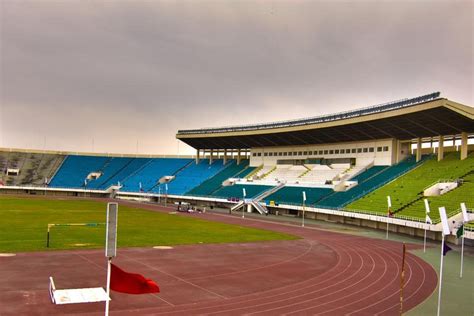
It is also worth noting that Bernabéu played during a period of intense rivalry with Barcelona, a dynamic that has persisted to this day. Matches between the two clubs in the 1910s and 1920s were fiercely contested, and Bernabéu often found himself at the heart of these battles. His duels with Barcelona's defenders were a spectacle, as he combined physical strength with clever movement to outwit opponents. These matches were not just about points but about pride, and Bernabéu's contributions in these fixtures reinforced his status as a player who could rise to the occasion.
During his time as a player, Bernabéu also witnessed and contributed to Real Madrid's first major successes. The club won its first official title, the Campeonato Regional Centro, in 1913, and Bernabéu was a key figure in this achievement. This competition, which pitted Real Madrid against other regional teams like Atlético Madrid and Athletic Club, was a precursor to the national league system. Bernabéu's role in these early triumphs cannot be overstated; he was not just a scorer but a unifying presence in the squad, helping to instill a sense of purpose and ambition in a team that was still finding its identity.
Another notable contribution of Bernabéu was his ability to mentor younger players. Even as a player, he displayed a keen sense of responsibility for the development of the team. He was known to take younger teammates under his wing, offering advice and guidance. This mentorship was not formalized in the way it is today, but it demonstrated his innate understanding of what it meant to build a cohesive and competitive team. This early investment in team culture would later manifest in his presidency, where he prioritized the recruitment and nurturing of talent.
Off the field, Bernabéu's playing career was shaped by the socio-political context of Spain in the early 20th century. The country was undergoing significant changes, and football was beginning to emerge as a unifying force. Bernabéu, through his performances and presence, contributed to making Real Madrid a symbol of resilience and ambition during a time of uncertainty. His ability to connect with the fans—through his passion and dedication—helped to build a loyal following for the club, even before it achieved the global recognition it enjoys today.
It is also important to consider the evolution of football tactics during Bernabéu's playing years. The sport was transitioning from a more chaotic, individualistic style to one that emphasized teamwork and strategy. As a forward, Bernabéu adapted to these changes by developing a deeper understanding of spatial awareness and combination play. While he was not a proponent of the highly structured systems that would emerge later, his ability to read the game and anticipate movements was ahead of his time. This foresight would serve him well when he transitioned to administrative roles, where he would advocate for innovations in training and team organization.
In summary, Santiago Bernabéu Yeste's playing career was characterized by consistency, versatility, and a deep sense of responsibility to his team. His time on the field laid the groundwork for his later achievements as a club president, as he understood the game from the perspective of a player who had fought for every victory. His contributions as a forward, leader, and mentor were instrumental in Real Madrid's early successes and set the stage for its ascent to greatness. While his presidency often overshadows his playing days, it is clear that his time on the pitch was just as impactful, offering a blueprint for the values that would define Real Madrid for decades to come.
- He played primarily as a center-forward but adapted to midfield roles when needed.
- His performances in the Copa del Rey and regional competitions were standout moments.
- He was a consistent scorer in high-stakes matches, endearing him to fans.
- His mentorship of younger players showed early leadership qualities.
- He contributed to Real Madrid's first major title, the Campeonato Regional Centro in 1913.
Bernabéu's legacy as a player is not just about the goals he scored or the matches he won but about the ethos he brought to the team—an ethos of resilience, adaptability, and ambition that would become the bedrock of Real Madrid's identity.
Transition to Leadership
Santiago Bernabéu Yeste's transition from a celebrated player to a visionary administrator is a fascinating study of how personal qualities, circumstances, and an innate understanding of the game can shape an individual's legacy beyond the pitch. While many great players struggle to find their footing in leadership roles post-retirement, Bernabéu's journey was marked by a seamless shift, underpinned by his deep understanding of football's intricacies and his unwavering commitment to the growth of Real Madrid.
As a player, Bernabéu was known for his tenacity, tactical intelligence, and leadership on the field. He played as a forward for Real Madrid during the 1910s and 1920s, a period when football in Spain was still finding its professional footing. His ability to read the game and inspire his teammates was evident even then. However, it was not merely his skill with the ball that set him apart; it was his relentless focus on the collective good. This trait would later become central to his administrative philosophy. When he retired from playing in 1927, the footballing world had yet to see the full extent of his influence.
The transition to leadership was not immediate for Bernabéu. The Spanish Civil War (1936–1939) disrupted not only his personal life but also the broader landscape of Spanish football. During this tumultuous time, Bernabéu served in the military and experienced firsthand the devastation wrought by the conflict. This period of adversity likely deepened his sense of responsibility toward rebuilding institutions—a mindset he would carry into his administrative role at Real Madrid. When he returned to the club after the war, it was in a state of disarray. Facilities were damaged, the team lacked direction, and the club's finances were precarious. It was in this challenging environment that Bernabéu's leadership qualities began to shine.
One of the most striking aspects of Bernabéu's transition was his ability to envision a future for Real Madrid that went beyond the immediate challenges. While others might have focused solely on short-term recovery, he saw an opportunity to redefine the club's identity. He understood that football was not just a sport but a cultural and economic force capable of uniting people and projecting a club's influence globally. This vision required qualities that are often underappreciated in leaders: patience, long-term thinking, and an almost obsessive attention to detail. For instance, he spearheaded the reconstruction of the Santiago Bernabéu Stadium, a project that symbolized not only physical rebuilding but also the club's ambition to stand as a beacon of excellence.
Bernabéu's leadership was also characterized by his pragmatic yet ambitious approach to team-building. Unlike some administrators who might have been content with incremental progress, he set out to create a team that could dominate both domestically and internationally. This required a keen eye for talent and a willingness to take calculated risks. One of his most significant moves was the signing of Alfredo Di Stéfano in 1953, a decision that would prove transformative for Real Madrid. Di Stéfano became the linchpin of a team that would go on to win five consecutive European Cups. While the signing itself is often celebrated, what is less discussed is Bernabéu's role in navigating the complex negotiations and bureaucratic hurdles involved. This demonstrated his ability to balance bold decisions with meticulous execution—a hallmark of effective leadership.
Another key aspect of Bernabéu's administrative success was his focus on institutional stability. He recognized that a football club, like any organization, needed a strong foundation to thrive. He implemented structural reforms that professionalized Real Madrid's operations, ensuring that the club was not solely dependent on the performance of its players or the charisma of its leaders. For example, he established clear hierarchies, improved training facilities, and emphasized the importance of youth academies—a forward-thinking approach that laid the groundwork for Real Madrid's sustained success. This focus on infrastructure and systems is a quality often associated with great leaders in any field, and Bernabéu exemplified it.
What made Bernabéu a natural leader, however, was his charismatic yet grounded personality. Those who worked with him often described him as approachable yet firm, a man who could inspire loyalty without resorting to authoritarianism. This balance is rare in leaders, particularly in the high-pressure world of football. His ability to connect with people at all levels—players, staff, fans, and even rival administrators—allowed him to build a network of support that extended far beyond the walls of the Santiago Bernabéu Stadium. This relational aspect of his leadership is often overlooked but was critical to his success. For instance, his ability to negotiate sponsorship deals and forge partnerships with other clubs was rooted in his interpersonal skills as much as his business acumen.
It is also worth noting that Bernabéu's leadership was deeply rooted in his love for the game and his club. Unlike some administrators who approach their roles with a primarily commercial mindset, Bernabéu's decisions were guided by a genuine passion for football and a desire to see Real Madrid excel. This authenticity resonated with fans and stakeholders alike, reinforcing his authority and credibility. In an era when football was becoming increasingly commercialized, his ability to maintain this focus on the sport's essence was both refreshing and effective.
A lesser-known but equally important quality that facilitated Bernabéu's transition was his adaptability. The post-war period saw significant changes in how football was organized and consumed, from the rise of televised matches to the increasing professionalization of the sport. Bernabéu was not resistant to these changes; instead, he embraced them, understanding that adaptation was key to staying relevant. For example, he was an early proponent of using European competitions like the newly formed European Cup (now the UEFA Champions League) as a platform to showcase Real Madrid's prowess. This willingness to evolve with the times ensured that the club remained at the forefront of innovation.
In summary, Santiago Bernabéu Yeste's transition from player to administrator was not a mere career shift but a profound evolution of his role within the sport. His journey was shaped by a combination of personal attributes—vision, pragmatism, charisma, and adaptability—and external circumstances that demanded resilience and foresight. His ability to balance short-term needs with long-term goals, coupled with his deep understanding of football's cultural and economic dimensions, made him a natural leader. In many ways, his legacy as an administrator eclipses even his achievements as a player, underscoring the idea that true leadership is not confined to the field of play but extends to shaping the very future of the institutions one serves.
Presidency of Real Madrid
Santiago Bernabéu Yeste's presidency of Real Madrid, which spanned from 1943 to 1978, is widely regarded as one of the most transformative periods in the history of the club. His leadership not only elevated Real Madrid to a position of dominance in European football but also laid the foundation for its modern identity as a global sports institution. To understand the magnitude of his impact, it is essential to examine the key decisions and reforms he implemented, as well as the broader context of the club's evolution under his stewardship.
One of Bernabéu's most significant contributions was his vision for infrastructure development. Upon assuming the presidency in the aftermath of the Spanish Civil War, Real Madrid was a club in disarray. The Estadio Chamartín, the team's home ground, was in poor condition, and the club lacked the resources to compete at the highest level. Recognizing that a strong physical foundation was crucial for sustained success, Bernabéu spearheaded the construction of the Estadio Santiago Bernabéu, which opened in 1947. This stadium was not merely a venue for matches but a symbol of ambition and scale. Its capacity and modern facilities allowed Real Madrid to host high-profile matches and generate revenue through ticket sales and events, setting a precedent for how football clubs could monetize their home grounds.
Beyond the physical infrastructure, Bernabéu was a pioneer in player recruitment and squad building. During his tenure, he introduced a philosophy of signing world-class players who could elevate the team's performance on the global stage. This approach was epitomized by the acquisition of Alfredo Di Stéfano in 1953, a move that would change the course of Real Madrid's history. Di Stéfano became the centerpiece of a team that would dominate European football in the 1950s, winning the first five European Cups (1956–1960). This success was not accidental; Bernabéu had a keen eye for talent and understood the importance of assembling a squad capable of playing attractive, attacking football that would captivate fans and intimidate opponents. His strategy of blending local talent with international stars set a template for how top-tier clubs approach squad composition today.
Another hallmark of Bernabéu's presidency was his emphasis on institutional autonomy and financial independence. At a time when many football clubs were heavily reliant on external funding or government support, he worked to ensure that Real Madrid operated as a self-sustaining entity. This involved not only increasing revenue streams through ticket sales and sponsorships but also fostering a sense of financial discipline within the club. Under his guidance, Real Madrid avoided the pitfalls of overspending or mismanagement that plagued other clubs. This focus on financial stability ensured that the club could weather economic challenges and invest in long-term projects, such as youth academies and training facilities, which would bear fruit in later decades.
Bernabéu also played a critical role in shaping Real Madrid's identity as a symbol of excellence and global appeal. He believed that the club should not only win trophies but also represent a certain ideal of sportsmanship and prestige. This philosophy was evident in his approach to European competition. The launch of the European Cup in 1955 provided a platform for Real Madrid to showcase its dominance, and Bernabéu was instrumental in ensuring the club embraced this opportunity. His commitment to European success was not just about winning titles but about positioning Real Madrid as a beacon of football excellence. This approach helped cement the club's reputation as a leader in the sport, a status that endures to this day.
In addition to his focus on the first team, Bernabéu recognized the importance of youth development. While he prioritized signing established stars, he also laid the groundwork for a robust youth system that would produce future generations of players. This dual approach—investing in both ready-made talent and homegrown prospects—ensured that Real Madrid had a steady pipeline of players who could step into the first team when needed. This balance between short-term success and long-term sustainability is a hallmark of Bernabéu's strategic thinking.
The cultural and political context of Bernabéu's presidency also warrants attention. Operating in post-war Spain under the regime of Francisco Franco, Bernabéu navigated a complex landscape where football often intersected with national identity and politics. While some critics argue that Real Madrid benefited from favorable treatment during this era, Bernabéu's focus was on building a club that transcended local or national boundaries. His vision was global, and he worked to position Real Madrid as a club that could appeal to fans across Europe and beyond. This forward-thinking approach helped the club become one of the first truly international football brands.
One of the less discussed but equally important aspects of Bernabéu's presidency was his focus on institutional reform. He professionalized the club's management structure, introducing modern administrative practices and creating specialized roles within the organization. This shift from an amateurish, loosely organized setup to a more streamlined and professional operation allowed Real Madrid to operate with greater efficiency and effectiveness. For instance, he established clear lines of responsibility within the club's hierarchy, ensuring that decisions were made with a long-term perspective rather than being driven by short-term whims.
The legacy of Bernabéu's presidency is perhaps best understood by examining the club's trajectory after his tenure. The foundations he laid—a world-class stadium, a commitment to signing elite talent, financial prudence, and a global brand identity—enabled Real Madrid to remain competitive and relevant even as the football landscape evolved. Clubs around the world have since emulated many of the strategies he pioneered, from investing in infrastructure to prioritizing European success.
To summarize the reforms and decisions under Bernabéu's presidency:
- Infrastructure: The construction of the Estadio Santiago Bernabéu provided a modern home for the club and a revenue-generating asset.
- Player Recruitment: Signing players like Di Stéfano revolutionized the team and set the stage for European dominance.
- Financial Independence: Emphasizing self-sustainability ensured the club's long-term stability.
- Global Branding: Positioning Real Madrid as a symbol of excellence and prestige on the world stage.
- Youth Development: Balancing star signings with investment in homegrown talent.
- Institutional Reform: Professionalizing the club's management to ensure efficient operations.
In conclusion, Santiago Bernabéu Yeste's presidency was characterized by a rare combination of vision, pragmatism, and ambition. He transformed Real Madrid from a regional club into a global powerhouse, not through luck or circumstance but through deliberate and forward-thinking leadership. His tenure is a case study in how a leader can reshape an organization to not only achieve short-term success but also create a legacy that endures for generations. By focusing on both the tangible (stadiums, players, finances) and the intangible (identity, prestige, global appeal), Bernabéu ensured that Real Madrid would remain a benchmark for excellence in world football.
The Santiago Bernabéu Stadium
The Santiago Bernabéu Stadium stands as a colossus in the landscape of global football, a structure that is not merely a venue for matches but a living embodiment of Real Madrid's ethos, ambition, and grandeur. Named after Santiago Bernabéu Yeste, a man who redefined the club's trajectory during his presidency from 1943 to 1978, the stadium is more than a physical space—it is a monument to his vision and the club's relentless pursuit of excellence.
The significance of the stadium begins with its construction, which was a bold and forward-thinking initiative in post-war Spain. Inaugurated on December 14, 1947, as the Nuevo Estadio Chamartín, it replaced the aging Estadio Chamartín. At the time, the decision to build such a large and modern stadium was seen as audacious. Spain was recovering from the devastation of the Spanish Civil War, and resources were limited. However, Bernabéu’s determination to create a world-class venue symbolized his belief in the power of football to unite and elevate. Initially designed to seat around 75,000 spectators, the stadium was one of the most advanced of its time, featuring a fully enclosed structure that enhanced acoustics and atmosphere—a deliberate choice to create an intimidating environment for visiting teams.
Over the decades, the stadium has undergone numerous renovations, each reflecting Real Madrid's ambition to stay at the forefront of innovation. The most significant transformation came in the 1980s when it was refurbished for the 1982 FIFA World Cup, increasing its capacity and modernizing its facilities. Today, with a seating capacity of over 81,000, it is not only one of the largest stadiums in Europe but also a venue that seamlessly blends tradition with cutting-edge technology. The integration of a retractable roof, state-of-the-art pitch maintenance systems, and premium hospitality areas underscores the club's commitment to excellence in every aspect of its operations.
The Santiago Bernabéu Stadium's role in Real Madrid's identity is profound. It is not just a venue where matches are played; it is the stage where the club's legendary history has been written. This is the ground where the Galácticos—stars like Alfredo Di Stéfano, Ferenc Puskás, Cristiano Ronaldo, and others—have dazzled the world. The stadium has hosted some of the most iconic moments in football history, from Real Madrid's five consecutive European Cup victories in the 1950s to the dramatic late-night comebacks in the UEFA Champions League. These moments are etched into the collective memory of fans worldwide, and the stadium serves as their sacred theater.
One of the most striking aspects of the Santiago Bernabéu is how it reflects the symbiotic relationship between the club and its president. Santiago Bernabéu Yeste was not just a president; he was a visionary who understood that a club’s success is deeply tied to its infrastructure. By building a stadium of this magnitude, he ensured that Real Madrid had a home befitting its global ambitions. The stadium became a revenue engine, enabling the club to invest in top talent and maintain its status as one of the most successful teams in the world. The naming of the stadium after Bernabéu in 1955 was not just an honorific gesture but a recognition of how deeply intertwined his legacy is with the club’s physical and symbolic home.
The stadium also plays a critical role in the economic ecosystem of Real Madrid. It is not merely a place for football but a hub of commercial activity. The venue hosts tours, events, and exhibitions, drawing millions of visitors annually. Its location in the heart of Madrid, coupled with its iconic status, makes it a magnet for tourists and a symbol of the city itself. Real Madrid has leveraged the stadium’s brand to create a global identity, with the Santiago Bernabéu becoming synonymous with excellence, success, and prestige. This commercialization has allowed the club to sustain its financial dominance, funding ambitious transfers and infrastructure projects that keep it competitive in an ever-evolving football landscape.
In the context of fan culture and community, the Santiago Bernabéu is a unifying force. For Real Madrid supporters, the stadium is a pilgrimage site. The atmosphere on match days is electric, with the crowd’s chants and energy creating a spectacle that is as much a part of the experience as the game itself. The stadium’s design, with its steep stands and close proximity of fans to the pitch, ensures that the connection between the team and its supporters is visceral. This synergy between the physical space and the emotional energy of the fans has made the Santiago Bernabéu one of the most intimidating venues for opposing teams.
A lesser-discussed but equally important aspect of the stadium's significance is its role in Spanish and global football history. During Bernabéu's presidency, Real Madrid became a symbol of Spain’s reintegration into the international community after years of isolation under Franco’s regime. The stadium hosted matches that were not just sporting events but cultural milestones, projecting Spain’s image to the world. This duality of local pride and global representation is a theme that continues to this day. The Santiago Bernabéu is not just Real Madrid's stadium—it is a stage where Spain’s passion for football is showcased to the world.
The ongoing renovation project, launched in 2019, is perhaps the most ambitious chapter in the stadium’s history. The club is transforming the venue into a "digital stadium of the future," with features like a 360-degree screen, luxury suites, and a retractable pitch that can be stored underground to allow for multi-purpose use. This redevelopment is not just about modernizing the facility but about cementing its place as a global benchmark for sports venues. It is a testament to how Real Madrid views the Santiago Bernabéu not as a static monument but as a dynamic entity that must evolve to meet the demands of the modern era.
The stadium's architectural and symbolic weight also extends beyond football. It is a space where history, culture, and commerce intersect. For instance, the Santiago Bernabéu has been used for concerts, political events, and even as a COVID-19 vaccination center during the pandemic, underscoring its versatility and importance to the broader community. This adaptability reflects the forward-thinking mentality that Bernabéu himself embodied—an insistence that the stadium should serve not just the club but the wider society.
- The stadium is a physical manifestation of Real Madrid's ambition, from its ambitious post-war construction to its ongoing modernization.
- It serves as a revenue engine, funding the club's global dominance while acting as a cultural and commercial hub.
- The Santiago Bernabéu is a symbol of unity for fans and a beacon of pride for the city of Madrid.
In conclusion, the Santiago Bernabéu Stadium is far more than a venue for football matches. It is a living tribute to Santiago Bernabéu Yeste’s vision, a space where Real Madrid’s past, present, and future converge. Its construction and evolution mirror the club’s journey from a regional team to a global powerhouse. As a venue that has hosted historic moments, generated immense revenue, and become a cultural icon, the Santiago Bernabéu is not just a stadium—it is the heart of Real Madrid’s identity, a place where dreams are chased, legends are made, and history is written.
Impact on European Football
Santiago Bernabéu Yeste's impact on European football is both profound and multi-faceted, with his legacy deeply intertwined with the rise of Real Madrid as a dominant force in the sport. To understand his influence, one must look beyond the individual and into the systems, strategies, and cultural shifts he catalyzed. His tenure as president of Real Madrid from 1943 to 1978 coincided with a transformative period in European football, and his vision extended far beyond the confines of his club.
One of Bernabéu's most enduring contributions to European football was his role in shaping the European Cup (now the UEFA Champions League) into the pinnacle of club competition. When the tournament was conceived in 1955, it was a novel idea—a pan-European competition designed to pit the continent's best clubs against one another. While the concept was exciting, it required strong leadership and an ambitious club to give it credibility. Real Madrid, under Bernabéu's stewardship, became that club. They won the first five editions of the European Cup (1956–1960), a feat that not only established their dominance but also validated the tournament's importance. This early success was not merely a result of luck or individual brilliance but a deliberate strategy to position Real Madrid as the standard-bearer of European excellence.
Bernabéu understood that success in this new competition required more than just a strong team; it demanded a global outlook. He invested heavily in scouting and recruitment, bringing in players like Alfredo Di Stéfano, Ferenc Puskás, and others who would become legends of the game. These signings were not just about assembling talent; they were symbolic of Bernabéu's belief in creating a team that transcended national borders. By fielding a squad of diverse nationalities, he demonstrated that European football could be a unifying force in the post-war era, where the continent was still healing from the scars of conflict. This approach not only elevated Real Madrid but also set a precedent for how clubs could leverage the European Cup to build their global identity.
The institutional foresight Bernabéu displayed was equally critical. He recognized that for Real Madrid to maintain its dominance, the club needed infrastructure that matched its ambitions. He spearheaded the development of the Santiago Bernabéu Stadium, which became a symbol of Real Madrid's grandeur and a venue that could host high-profile European matches. This investment in facilities underscored his understanding that physical infrastructure was as important as on-field success in cementing a club's legacy. The stadium became a theater for some of the most iconic European Cup matches, reinforcing the idea that Real Madrid was not just a club but an institution central to the European football narrative.
Beyond Real Madrid, Bernabéu's influence extended to the broader philosophy of competition in European football. The European Cup's early years were characterized by a sense of experimentation, with clubs and organizers grappling with how to balance sporting integrity with commercial viability. Bernabéu's insistence on professionalism and high standards helped shape the competition's identity. For instance, he was a proponent of fair play and sportsmanship, values that were critical in establishing the European Cup as a competition that transcended mere rivalry. His approach to governance—emphasizing long-term planning, ethical management, and respect for opponents—served as a model for other clubs and administrators across Europe.
It is also worth noting how Bernabéu's leadership influenced the competitive landscape of European football. Real Madrid's dominance in the European Cup during its formative years forced other clubs and leagues to adapt. The pressure to compete with Real Madrid spurred investment in youth academies, player development, and tactical innovation across Europe. Clubs like Benfica, Bayern Munich, and Ajax would later rise to prominence, partly as a response to the benchmark set by Bernabéu's Real Madrid. This ripple effect exemplifies how one man's vision could reshape the competitive dynamics of an entire sport.
Another dimension of Bernabéu's impact lies in his role as a diplomat of the game. He was instrumental in fostering relationships between clubs and football associations across Europe. His ability to navigate the political and cultural intricacies of post-war Europe allowed him to position Real Madrid—and by extension, the European Cup—as a unifying symbol. For instance, his advocacy for inclusivity in the tournament ensured that clubs from smaller nations had a platform to compete, even if they were unlikely to win. This approach not only broadened the appeal of the European Cup but also reinforced its role as a competition that celebrated the diversity of European football.
Bernabéu's influence can also be seen in the way he elevated the commercial aspect of the sport. While the European Cup was initially a sporting endeavor, Bernabéu recognized its potential as a commercial entity. Under his leadership, Real Madrid became one of the first clubs to actively market its brand internationally. This foresight laid the groundwork for the modern football economy, where revenue from broadcasting rights, sponsorships, and merchandise plays a central role. By positioning Real Madrid as a globally recognized brand, Bernabéu set the stage for the commercial explosion of European football in the decades to come.
It is also important to consider how Bernabéu's era at Real Madrid shaped the mythology of the European Cup. The club's early dominance created a narrative of invincibility that became part of the competition's lore. This narrative not only elevated Real Madrid but also imbued the European Cup with a sense of prestige that it retains to this day. The idea of the European Cup as the ultimate prize in club football can be traced back to those early years when Real Madrid's triumphs under Bernabéu captured the imagination of fans across the continent.
In evaluating Bernabéu's broader influence, one must also consider his role in institutionalizing European football. He was a key figure in the early discussions that led to the establishment of UEFA and the standardization of rules and regulations for international club competitions. His ability to work within the framework of European football governance while advocating for Real Madrid's interests demonstrated a rare blend of pragmatism and vision. This dual role as a club president and a contributor to the sport's institutional framework highlights the depth of his impact.
In summary, Santiago Bernabéu Yeste's influence on European football is best understood as a combination of strategic brilliance, institutional development, and cultural impact. His leadership transformed Real Madrid into a symbol of European dominance, but more importantly, it helped shape the very structure and ethos of the sport. From the European Cup's inception to the modern Champions League, Bernabéu's legacy is evident in the competition's enduring prestige and global appeal. His vision extended beyond Real Madrid, influencing how football is organized, played, and consumed across Europe. In this sense, his legacy is not just about trophies won but about the foundation he laid for the sport's modern era.
Philosophy and Vision
Santiago Bernabéu Yeste, the legendary president of Real Madrid, is often remembered for his transformative impact on the club, but at the heart of his achievements lies a deeply ingrained philosophy and vision that shaped not only the destiny of Real Madrid but also the broader landscape of football. His approach was not merely about winning trophies; it was about establishing a legacy that would endure for generations. This philosophy was rooted in a mix of ambition, innovation, and an unwavering belief in the power of football as a unifying force and a vehicle for excellence.
At the core of Bernabéu's management philosophy was the idea of institutional independence and self-sustainability. When he assumed the presidency of Real Madrid in 1943, the club was in a state of post-war recovery, both economically and reputationally. Bernabéu recognized that for the club to thrive, it needed to operate as a self-sufficient entity, free from excessive reliance on external patronage or political influence. This was a bold stance in an era when many clubs were beholden to local governments or wealthy individuals. He envisioned Real Madrid as a club that could stand on its own two feet, driven by revenue generated through its activities, particularly ticket sales, merchandising, and eventually broadcasting rights. This approach laid the foundation for what would later become one of the most financially robust football clubs in the world.

Bernabéu's vision extended beyond mere financial prudence. He saw football as a spectacle, a form of entertainment that could captivate audiences far beyond the borders of Spain. To achieve this, he emphasized the importance of attracting world-class talent. In an era when player transfers were less globalized, Bernabéu was one of the first club presidents to actively seek out players from other countries, particularly South America. His signing of Alfredo Di Stéfano in 1953 is a prime example of this philosophy in action. Di Stéfano was not just a player; he was a statement of intent—a symbol of Real Madrid's ambition to dominate European football. This focus on signing the best players was not just about winning matches but about creating a team that could embody the club's ethos of excellence and artistry on the pitch.
Another key aspect of Bernabéu's vision was the emphasis on infrastructure development. He understood that for Real Madrid to sustain long-term success, it needed a home that reflected its stature. Under his leadership, the Santiago Bernabéu Stadium was constructed and later expanded to become one of the most iconic venues in world football. This was not merely a functional decision; it was a symbolic one. The stadium became a physical manifestation of the club's ambitions—a place where history would be made, where fans could gather to witness greatness, and where the club's identity would be etched into the fabric of the sport. The investment in infrastructure was also a forward-looking move; Bernabéu anticipated that a modern, well-equipped stadium would attract larger crowds, enhance revenue streams, and provide a competitive edge in hosting high-profile matches.
Bernabéu's philosophy also extended to the concept of a global brand. While the term "branding" was not as prevalent in his time as it is today, his actions demonstrated a clear understanding of how a football club could transcend its local roots to become a global entity. He believed that Real Madrid should not just be a Spanish club but a club that represented excellence on an international stage. This vision was realized through the club's dominance in the newly formed European Cup (now the UEFA Champions League). Real Madrid's early success in this competition—winning the first five editions from 1956 to 1960—was no accident. It was a direct result of Bernabéu's focus on assembling a team capable of not just competing but dominating at the highest level. This success helped cement Real Madrid's reputation as a global powerhouse, a status it has maintained to this day.
Central to Bernabéu's approach was his belief in the values of hard work, integrity, and sportsmanship. While he was uncompromising in his pursuit of success, he also emphasized the importance of playing the game the right way. This was not just about results; it was about the manner in which those results were achieved. He wanted Real Madrid to be known not only for its trophies but for its style of play—a blend of flair, creativity, and relentless determination. This emphasis on values extended to how the club was run off the pitch. Bernabéu was known for his no-nonsense leadership style, ensuring that the club operated with transparency and discipline. He set high standards for everyone involved, from players to staff, instilling a culture of professionalism that became a hallmark of Real Madrid.
Another critical element of Bernabéu's vision was his focus on long-term planning. He was not interested in short-term fixes or quick wins. Instead, he sought to build a club that could sustain success over decades. This required a holistic approach that considered not just the first team but the entire club ecosystem. He invested in youth development, understanding that a steady pipeline of homegrown talent was essential for long-term stability. While he was willing to spend big on star players, he also ensured that the club had a strong foundation of young players who could step up when needed. This balance between star power and youth development is a philosophy that many successful clubs have emulated in the decades since.
Bernabéu's vision also aligned with the sociocultural context of post-war Spain. He saw Real Madrid as more than a football club; it was a symbol of national pride and resilience. In a time when Spain was rebuilding after the Spanish Civil War and seeking to reassert itself on the global stage, Bernabéu positioned Real Madrid as a beacon of excellence that could help elevate the country's image. This alignment of club and national identity was not overtly political but rather a natural consequence of his belief in the transformative power of football. By making Real Madrid a symbol of success and unity, he helped foster a sense of collective pride among fans and the broader public.
The alignment of Bernabéu's philosophy with long-term success is perhaps best exemplified by the club's sustained dominance in European competitions. Real Madrid's ability to consistently perform at the highest level, even decades after Bernabéu's tenure, can be traced back to the systems and values he put in place. His focus on infrastructure, global talent acquisition, and a clear vision of what the club should represent allowed Real Madrid to weather challenges and adapt to changing circumstances. Even as football evolved, the principles he established—ambition, self-sustainability, and a commitment to excellence—remained relevant.
In summary, Santiago Bernabéu Yeste's philosophy and vision were deeply intertwined with his understanding of football as both a sport and a business. He saw Real Madrid not as a fleeting entity but as an institution that could transcend time. His emphasis on independence, talent acquisition, infrastructure, and values provided a blueprint for success that extended far beyond his presidency. By aligning his vision with the club's long-term goals, Bernabéu ensured that Real Madrid would not just be a club of his era but a legacy that would endure for generations. This deep-rooted approach to management and strategy is a testament to his foresight and remains a guiding light for football administrators and leaders today.
Legacy and Recognition
Santiago Bernabéu Yeste's legacy extends far beyond his tenure as the president of Real Madrid. His influence on football, particularly in Spain and on the global stage, is a testament to his visionary leadership and unwavering dedication to the sport. To understand his enduring impact, one must look at how his contributions shaped the identity of Real Madrid, transformed European football, and left an indelible mark on the broader sporting world.
One of the most profound aspects of Bernabéu's legacy is his role in elevating Real Madrid to a global football powerhouse. When he assumed the presidency in 1943, the club was in a period of relative obscurity compared to its modern stature. Bernabéu's vision was not merely to rebuild the club but to redefine what a football institution could achieve. Under his leadership, Real Madrid transitioned from a regional team to a symbol of excellence and ambition. He prioritized the recruitment of world-class talent, a strategy that would become a hallmark of the club. Players like Alfredo Di Stéfano, Ferenc Puskás, and Raymond Kopa were brought in, forming the core of teams that would dominate European competitions. This focus on acquiring the best players was not just about winning trophies but about establishing Real Madrid as a beacon of footballing artistry and success. The club's five consecutive European Cup victories between 1956 and 1960 stand as a direct result of Bernabéu's philosophy and are a cornerstone of his legacy.
Bernabéu’s approach to football management was revolutionary for its time. While many clubs operated with a short-term focus, he envisioned a long-term strategy that blended sporting success with institutional growth. He oversaw the expansion of the Santiago Bernabéu Stadium, which became a symbol of the club's ambition and a venue that could host major international events. The stadium's development was not just a practical measure to accommodate growing crowds but a statement of intent—Real Madrid was not just a football club; it was an institution with global aspirations. This emphasis on infrastructure as a pillar of success is a lesson that modern football clubs still emulate.
The posthumous honors bestowed upon Bernabéu further underscore his significance. The renaming of Real Madrid's stadium to Estadio Santiago Bernabéu in 1955, while he was still alive, is a rare and telling gesture. It reflects the deep respect and admiration he commanded within the club and the wider football community. This act was not merely symbolic; it was a recognition of his transformative impact while he was still actively shaping the club’s destiny. After his death in 1978, tributes poured in from across the football world. FIFA, UEFA, and various national football associations acknowledged his contributions, often citing him as a pioneer of modern football management. His induction into the FIFA Order of Merit and the establishment of awards and tournaments in his name serve as reminders of his global influence.
Beyond the institutional and infrastructural achievements, Bernabéu is remembered for his philosophy of football as a unifying force. In the aftermath of the Spanish Civil War and during the early years of Francoist Spain, football provided a space for collective identity and hope. Bernabéu understood this and used Real Madrid's success to project an image of Spain that transcended political divisions. While some critics argue that the club’s success was co-opted by the regime, Bernabéu’s personal ethos was rooted in the idea of football as a universal language. This perspective is reflected in Real Madrid’s approach to European competition, where the club became a symbol of Spain’s reintegration into the international community. His belief in the power of sport to bridge divides is a subtle yet significant part of his legacy.
In the broader context of football history, Bernabéu is often credited with laying the foundations for the modern European game. The establishment of the European Cup (now the UEFA Champions League) in 1955 was a direct result of his advocacy. Alongside other visionary leaders, he saw the need for a pan-European competition that would bring together the continent’s best teams. This competition not only elevated the profile of clubs like Real Madrid but also created a template for the globalized football landscape we see today. Bernabéu’s insistence on the importance of international competition was rooted in his belief that football should be a stage for the world’s best to compete, and this vision has shaped the sport’s evolution over the decades.
Another dimension of his legacy is the way he is remembered by those who worked with him and those who came after. Former players, coaches, and administrators often speak of Bernabéu as a mentor and a leader who inspired loyalty and excellence. His hands-on approach to management, coupled with his ability to instill a sense of purpose in those around him, made him a figure of reverence. This personal touch is often overlooked in discussions of his professional achievements but is a critical part of how he is remembered. Stories of his direct involvement in negotiating player contracts, his presence at training sessions, and his unwavering support for the club in times of crisis humanize his legacy and make it resonate beyond statistics and trophies.
In contemporary football, Bernabéu’s influence is still palpable. Real Madrid’s continued success, its global brand, and its ability to attract the world’s best talent can all be traced back to the foundation he laid. Modern club presidents and administrators often look to his example when navigating the complexities of running a football institution in the 21st century. His emphasis on blending tradition with innovation, maintaining financial stability while pursuing sporting glory, and fostering a sense of community among fans are principles that remain relevant.
The way Bernabéu is remembered in football history is multifaceted. He is celebrated as a leader who transformed a club into a global institution, as a strategist who redefined the parameters of success, and as a visionary who saw football as more than a game—it was a vehicle for ambition, unity, and cultural expression. His name is synonymous with excellence, and his story is a case study in how one individual’s passion and foresight can ripple through generations. In an era where football is increasingly commercialized, Bernabéu’s legacy serves as a reminder of the values that should underpin the sport: integrity, ambition, and a commitment to excellence.
- He redefined Real Madrid’s identity, turning it into a global brand.
- His focus on long-term strategy and infrastructure set a precedent for modern football clubs.
- His belief in football as a unifying force extended Real Madrid’s influence beyond Spain.
- The European Cup’s creation and Real Madrid’s dominance in its early years are directly linked to his vision.
- Posthumous honors, including the stadium renaming and FIFA recognition, highlight his unparalleled impact.
In sum, Santiago Bernabéu Yeste is not just a figure from football’s past; he is a foundational pillar of its present and future. His legacy is one of transformation, innovation, and an unrelenting pursuit of greatness. As football continues to evolve, his name will remain a touchstone for what it means to lead with vision and purpose.
Conclusion
The legacy of Santiago Bernabéu Yeste extends far beyond the boundaries of Real Madrid or even the sport of football. His contributions to sports and leadership have had a profound and enduring impact, shaping not only the institutions he directly influenced but also the broader cultural and organizational frameworks of modern sports. To reflect on his broader implications, we must consider how his vision, principles, and actions resonate in the interconnected worlds of athletics, business, and societal influence.
One of the most striking aspects of Bernabéu's legacy is his ability to transform a football club into a global institution. When he assumed the presidency of Real Madrid in 1943, the club was a respected entity but lacked the infrastructure, vision, and resources to compete on an international stage. Under his leadership, Real Madrid became synonymous with excellence, not merely as a team that won trophies but as a symbol of what a sports organization could achieve when ambition met meticulous planning. This transformation was not accidental; it was the result of Bernabéu’s strategic foresight. He understood that a sports club could be more than a local entity—it could embody a universal ideal of greatness. This insight has implications far beyond football. It demonstrates how a leader can use a specific domain, in this case, sports, to project values like perseverance, unity, and international collaboration onto a global stage.
Bernabéu’s emphasis on institutional excellence is another area where his impact is felt across disciplines. He was not content with merely assembling a talented squad of players; he sought to build an ecosystem that could sustain success over decades. This included investing in state-of-the-art facilities, such as the eponymous Santiago Bernabéu Stadium, and fostering a culture of professionalism among players, coaches, and staff. In doing so, he set a precedent for what modern sports organizations should aspire to be: not just competitive teams but holistic entities capable of driving economic, social, and cultural value. This approach has been emulated by clubs and franchises worldwide, from the NFL to the NBA and even esports organizations. His model underscores the idea that leadership in sports is not just about on-field success but about creating a sustainable, multi-faceted organization that serves as a pillar of its community and industry.
The concept of leadership through vision is another area where Bernabéu's influence is particularly instructive. He was not merely reactive to the challenges of his time but proactive in anticipating the future needs of the sport and his club. For instance, he championed the European Cup (now the UEFA Champions League) at a time when international club competitions were in their infancy. This was not just about expanding Real Madrid's trophy cabinet but about elevating the entire sport to a new level of prestige and global engagement. His belief in the power of competition to unite people and nations is a lesson in how sports can serve as a unifying force in a fragmented world. In today’s context, where sports are increasingly viewed as platforms for social change and global outreach, Bernabéu’s forward-thinking approach serves as a blueprint for leaders who seek to use their platforms to inspire and connect.
Another dimension of Bernabéu’s impact lies in his approach to mentorship and empowerment. He was known for trusting and supporting talented individuals, whether they were players like Alfredo Di Stéfano or coaches like Miguel Muñoz. This willingness to delegate and empower others is a hallmark of effective leadership, and it has broader implications for how we think about team dynamics in any field. In an era where leadership is often associated with control, Bernabéu’s style of fostering trust and enabling others to excel offers a counterpoint. It suggests that true leadership is about creating an environment where others can thrive, rather than imposing one’s will at every turn. This philosophy has parallels in modern corporate leadership, where the most successful organizations are often those that prioritize collaboration and shared purpose over hierarchical control.
On a societal level, Bernabéu’s work at Real Madrid also had implications for post-war recovery and identity. Emerging in the aftermath of the Spanish Civil War and during the early years of Franco’s regime, his leadership of Real Madrid offered a form of escapism and pride for a nation grappling with profound challenges. While it is important to acknowledge the complexities of this era, including the political undertones of Real Madrid’s success, Bernabéu’s focus on excellence provided a unifying narrative for a country in need of hope. This aspect of his legacy is a reminder of how sports can serve as a healing force in times of crisis, offering not just entertainment but a sense of collective purpose. In this regard, his work is a case study in how leaders can use their platforms to inspire resilience and optimism in their communities.
The economic implications of Bernabéu’s contributions are also worth examining. By professionalizing Real Madrid and turning it into a commercial powerhouse, he laid the groundwork for the modern sports industry. His understanding of the financial potential of football—through ticket sales, sponsorships, and media rights—was ahead of its time. This vision has shaped the economic landscape of football, where clubs are now multi-billion-dollar enterprises with global reach. Bernabéu’s ability to balance sporting ambition with financial acumen is a lesson for leaders in any field: success requires not just passion but also a clear understanding of the economic forces at play. This duality of vision—prioritizing both the artistry of the game and the pragmatism of business—is a lesson that resonates in today’s world of high-stakes sports management.
Finally, we must consider Bernabéu’s impact on the philosophy of sports itself. He believed in the idea of football as a form of art, where skill, creativity, and beauty were as important as results. This ethos is evident in the style of play he encouraged at Real Madrid, particularly during the era of the “Galácticos,” where the team was not just expected to win but to do so with flair and elegance. This emphasis on the aesthetic dimension of sports has influenced how we view athletics today. Modern fans and analysts often critique teams not just for their results but for their style of play, a perspective that can be traced back to Bernabéu’s belief in the higher purpose of sports. His legacy challenges us to think about sports not merely as competitions but as expressions of human potential and creativity.
In conclusion, Santiago Bernabéu Yeste’s contributions to sports and leadership are multifaceted and far-reaching. He was not just a president of a football club but a visionary who redefined what a sports organization could be. His emphasis on global ambition, institutional excellence, visionary leadership, empowerment, and the unifying power of sports has left an indelible mark on the world. Whether through the lens of business, culture, or community building, his legacy serves as a reminder of how a single individual’s dedication and foresight can shape not just an industry but the way we think about leadership and success. As we reflect on his lasting impact, we are reminded that the true measure of a leader is not just in what they achieve during their tenure but in how their principles and actions continue to inspire generations long after they are gone.
- He transformed Real Madrid into a global symbol of excellence.
- His focus on institutional sustainability set a benchmark for modern sports organizations.
- His belief in the unifying power of sports has parallels in today’s use of athletics for social change.
- He balanced sporting ambition with economic pragmatism, shaping the modern sports industry.
- His emphasis on the aesthetic dimension of football elevated the philosophical understanding of sports.
These insights illustrate why Santiago Bernabéu Yeste remains a towering figure not just in the annals of football history but in the broader narrative of leadership and innovation.