Introduction to the Treble Triumph
The 1998-99 season for Manchester United is etched into football history as a campaign of unparalleled drama, resilience, and triumph. Winning the treble—comprising the Premier League, FA Cup, and UEFA Champions League—was not just an achievement; it was a seismic event that redefined what was possible for a football club in a single season. This section delves into the context, build-up, and early indicators of Manchester United's treble-winning journey, emphasizing its significance as a turning point in both the club's legacy and the broader landscape of European football.
To fully appreciate the treble triumph, one must first understand the landscape of English and European football in the late 1990s. Manchester United, under the stewardship of Sir Alex Ferguson, had already established themselves as a dominant force in the Premier League, having won five titles in seven seasons leading up to 1999. However, the elusive European glory had evaded them since their 1968 triumph under Sir Matt Busby. This gap was not merely a statistical anomaly but a psychological burden. The treble was not just about trophies; it was about cementing Manchester United's place among the pantheon of Europe's elite clubs, a status that had been questioned despite their domestic success.
The season began with a sense of unfinished business. The previous year, United had been knocked out of the Champions League in the quarter-finals by AS Monaco, a result that stung given their domestic dominance. Ferguson, ever the strategist, used this setback as a catalyst for change. He reinforced the squad with key signings like Dwight Yorke, whose partnership with Andy Cole would become one of the most lethal in Europe, and Jaap Stam, a rock-solid defender who added much-needed solidity to the backline. These additions were not just about improving the team on paper but about addressing specific weaknesses that had been exposed in prior European campaigns.
The Premier League campaign of 1998-99 was anything but straightforward. United faced stiff competition from an Arsenal side managed by Arsène Wenger, who had guided the Gunners to a domestic double the previous season. The title race was a relentless back-and-forth, with both teams exchanging the top spot multiple times. United's ability to grind out results in high-pressure situations, such as their dramatic 2-1 win over Liverpool in stoppage time at Anfield in March, showcased a mental fortitude that would become a hallmark of their treble run. This was not a team that relied on flair alone; they were pragmatic, determined, and, above all, resilient.
In the FA Cup, United's journey was similarly fraught with challenges. A semi-final replay against Arsenal at Villa Park is often cited as one of the defining moments of the season. With the game tied 1-1 deep into extra time, Ryan Giggs produced a moment of individual brilliance, dribbling past several Arsenal defenders to score a goal that is still celebrated as one of the greatest in FA Cup history. This victory was symbolic of United's season—finding ways to win when the odds seemed stacked against them. The FA Cup win was not just a step toward the treble; it was a testament to their ability to perform under the most intense scrutiny.
However, it was in the Champions League where United's mettle was truly tested. The group stage had been a mixed bag, with United needing a late comeback against Juventus in the final group game to secure progression. This set the tone for their knockout stage performances, which were characterized by late drama and an almost supernatural ability to snatch victory from the jaws of defeat. The semi-final against Juventus was a microcosm of their season. Trailing 2-0 in the second leg in Turin, United produced a comeback for the ages, with goals from Roy Keane, Dwight Yorke, and Andy Cole securing a 3-2 win on the night and a 4-3 aggregate triumph. Keane's performance, in particular, was emblematic of the team's spirit—he played through the pain of a yellow card that would rule him out of the final, yet his leadership on the pitch was undiminished.
The treble was not just about the players on the field but also about the management philosophy of Sir Alex Ferguson. His ability to rotate the squad, trust in youth players like David Beckham, Paul Scholes, and Phil Neville, and maintain a cohesive team dynamic despite the pressures of competing on three fronts was nothing short of masterful. Ferguson's man-management skills were evident in how he kept the squad motivated and focused, even when the physical and mental toll of the season began to show. This was a team that operated as a well-oiled machine, with every player understanding their role and the collective goal.
The cultural and historical significance of the treble cannot be overstated. In the broader context of football history, the 1999 treble was a rarity. At the time, only one other club—Celtic in 1967—had achieved this feat in Europe. For Manchester United, it was not just about joining an exclusive club but about doing so in a manner that captured the imagination of fans worldwide. Their style of play, a blend of attacking verve and gritty determination, resonated with a global audience. The treble was also a moment of redemption for English football, which had struggled to assert itself in Europe following the ban on clubs after the Heysel Stadium disaster in 1985. United's triumph signaled a resurgence of English clubs on the continental stage.
The season's climax at the Camp Nou in the Champions League final against Bayern Munich is perhaps the most iconic chapter of the treble story. Trailing 1-0 as the game entered stoppage time, United produced two goals in injury time—from substitutes Teddy Sheringham and Ole Gunnar Solskjær—to snatch victory in the most dramatic fashion. This was not just a win; it was a narrative of defiance, of refusing to accept defeat even when the clock seemed to be their enemy. The images of Ferguson's jubilant celebration and the players' disbelief encapsulated the emotional weight of the achievement.
The treble was also a moment of unity and identity for Manchester United. The squad, a mix of seasoned veterans and emerging talents, embodied the ethos of the club—ambitious, relentless, and unafraid of challenges. This was a team that did not just win; they won in a way that inspired future generations. Their legacy is not confined to the trophies but extends to the spirit they instilled in the club and its supporters.
In retrospect, the 1999 treble was more than a series of victories; it was a cultural phenomenon. It set a new benchmark for what a football team could achieve in a single season and elevated Manchester United to a status of global reverence. The treble was not just a triumph of skill and strategy but a story of human endeavor, of a group of individuals coming together to achieve something that had seemed almost mythical. As we look back, the introduction to this treble triumph is not just about recounting events but about understanding how Manchester United's 1999 season became a cornerstone of football lore, forever remembered as a year when the improbable became immortal.
The Road to the Treble: Key Matches
The 1998-99 season for Manchester United is etched in football history as the year they achieved the unprecedented treble—winning the Premier League, the FA Cup, and the UEFA Champions League. This remarkable feat was not the result of a single moment of brilliance but a series of pivotal matches across all three competitions that showcased resilience, tactical mastery, and the unyielding spirit of the team. Analyzing these key matches provides a deeper understanding of how United navigated the pressures of a long and demanding season to claim their place in history.
In the Premier League, the title race was fiercely contested, with Arsenal posing the most significant challenge. One of the defining matches of the campaign was the clash against Liverpool at Anfield on March 14, 1999. At this stage, the league was tightly balanced, and a loss could have derailed United's momentum. The match was a microcosm of United's season—fraught with tension and decided by late heroics. Liverpool took the lead in the first half through a goal by Michael Owen, and for much of the game, United struggled to find their rhythm. However, the introduction of Ole Gunnar Solskjær and Andy Cole off the bench proved transformative. In the 88th minute, Dwight Yorke equalized, and deep into stoppage time, Solskjær pounced on a loose ball to secure a dramatic 2-1 victory. This match exemplified United's never-say-die attitude and their ability to perform under immense pressure. It also reinforced the importance of squad depth, as substitutes played a critical role in turning the tide.
Another crucial Premier League fixture was the away match against Tottenham Hotspur on May 16, 1999, the penultimate game of the season. United trailed 1-0 at halftime, and Arsenal were poised to capitalize on any slip-up. However, the second half saw a masterclass in determination and tactical adjustments. David Beckham's equalizer and Andy Cole's winner in the 89th minute ensured a 2-1 victory. This result kept United in pole position and eliminated Arsenal's hopes of overtaking them. These matches highlighted United's ability to snatch victory from the jaws of defeat, a trait that became synonymous with their treble-winning campaign.
In the FA Cup, the path to glory was no less dramatic. The semi-final replay against Arsenal on April 14, 1999, stands out as one of the most iconic matches of the season. The original tie had ended in a 0-0 draw, and the replay at Villa Park was a tense affair. Arsenal, the defending champions, were determined to retain their title. The game was marked by controversial moments, including a saved penalty by Peter Schmeichel from Dennis Bergkamp in extra time. This save was a turning point, as it kept United in the game. Moments later, Ryan Giggs scored what is widely regarded as one of the greatest goals in FA Cup history—a mazy run past several Arsenal defenders followed by a thunderous finish. This 2-1 victory not only secured United's place in the final but also dealt a psychological blow to Arsenal, their closest rivals in both the league and cup competitions. The match underscored the individual brilliance of players like Giggs and the collective resilience of the team in high-stakes situations.
The FA Cup final against Newcastle United on May 22, 1999, was less dramatic but equally important. United won 2-0 with goals from Teddy Sheringham and Paul Scholes, ensuring they remained on track for the treble. While this match may not have had the same nail-biting intensity as others, it demonstrated United's ability to handle the weight of expectation and deliver when it mattered most.
The UEFA Champions League campaign was perhaps the most challenging leg of the treble journey. United's group stage performance was inconsistent, and they only secured qualification for the knockout stages on the final matchday with a 3-0 win over Brøndby. However, the quarter-final second leg against Inter Milan on April 21, 1999, was a defining moment. Having won the away leg 2-0, United faced intense pressure at Old Trafford. Inter were a formidable opponent, but United's disciplined defense and counterattacking prowess saw them secure a 1-1 draw, advancing to the semi-finals. This match highlighted their tactical flexibility and the ability to manage games under pressure.
The semi-final against Juventus was arguably the most demanding test of United's European campaign. In the first leg at Old Trafford, United managed a 1-1 draw, leaving the tie delicately balanced. The second leg in Turin on April 21, 1999, was a true test of character. Juventus took a 2-0 lead within the first 11 minutes, and United were on the brink of elimination. However, inspired by Roy Keane's heroic performance, United mounted a stunning comeback. Keane scored a crucial header to halve the deficit, followed by goals from Yorke and Cole to secure a 3-2 victory. This match was a testament to United's mental fortitude and their ability to rise to the occasion in the face of adversity. It also showcased the leadership of players like Keane, whose influence extended beyond the pitch.
The Champions League final against Bayern Munich on May 26, 1999, at the Camp Nou is the stuff of legend. United trailed 1-0 for most of the match after Mario Basler's early free-kick goal. As the game entered stoppage time, United were seconds away from defeat. What followed was one of the most dramatic finishes in football history. Substitute Teddy Sheringham equalized in the 91st minute, and seconds later, fellow substitute Ole Gunnar Solskjær scored the winner. This 2-1 victory was not just a triumph of skill but of belief and perseverance. The ability to score twice in stoppage time against a top-tier team like Bayern encapsulated the spirit of the treble-winning side.
Across these competitions, several themes emerge. Late goals were a recurring feature, reflecting United's physical conditioning, mental resilience, and tactical substitutions. Squad depth was another critical factor—players like Solskjær, Sheringham, and Scholes often made the difference when introduced. Additionally, managerial acumen played a role, with Sir Alex Ferguson's ability to motivate and adapt tactics proving instrumental in navigating the challenges of multiple competitions.
The road to the treble was not a smooth one. United faced 10 matches in 30 days during April and May, a grueling schedule that tested their endurance and focus. Each victory, whether a last-minute winner or a dominant performance, contributed to the momentum that carried them through. Matches like the Anfield comeback, the Giggs wonder goal, and the Camp Nou miracle are not just highlights of a season but chapters in a narrative of determination, skill, and collective belief.
In conclusion, the treble was not won in isolation but through a series of battles that tested every facet of Manchester United's character. These key matches in the Premier League, FA Cup, and Champions League were not just games; they were milestones that defined a season and solidified United's legacy as one of the greatest teams in football history.
The Team Dynamics: Players and Manager
The treble-winning season of Manchester United in 1998-99 is often regarded as one of the most extraordinary achievements in football history. To understand the dynamics behind this success, it is essential to delve into the roles of the key players and the manager who orchestrated this triumph. The interplay between individual brilliance, collective effort, and Sir Alex Ferguson's leadership was the cornerstone of this historic campaign.
At the heart of Manchester United's treble-winning side was a blend of youth, experience, and a shared hunger for victory. David Beckham, Ryan Giggs, and Peter Schmeichel were not just star players; they were pivotal figures who embodied the ethos of the team. Each brought a unique set of skills and intangibles that complemented the broader strategy laid out by Sir Alex Ferguson.
Let us begin with David Beckham, whose right foot was as much a weapon as it was a symbol of precision and creativity. Beckham's role extended beyond his iconic crosses and set-piece mastery. He was a workhorse on the right flank, tirelessly tracking back to support his full-back while also spearheading attacks. His ability to deliver pinpoint crosses under pressure turned routine set pieces into scoring opportunities. For instance, in the FA Cup semi-final replay against Arsenal, Beckham's persistence and technique were evident as he played a critical role in United's comeback. However, what often goes unnoticed is his mental resilience. After being vilified following his red card at the 1998 World Cup, Beckham used the treble season as a platform to reassert his value to the team. This maturity under pressure was a testament to Ferguson's man-management, which allowed Beckham to channel criticism into performance.
Complementing Beckham's efforts on the opposite wing was Ryan Giggs, whose explosive pace and dribbling made him a nightmare for defenders. Giggs's standout moment of the season came in the FA Cup semi-final replay against Arsenal, where his solo goal—a mazy run past several defenders capped with a thunderous finish—has been etched into football folklore. Beyond this moment of individual brilliance, Giggs was a versatile player who adapted to various positions when required. His willingness to play as a central midfielder or even as a makeshift forward during injury crises highlighted his selflessness. This adaptability was a reflection of Ferguson's trust in Giggs's footballing intelligence. Moreover, Giggs's longevity and consistency were indicative of the high standards set by the manager, who instilled a belief in his players that no challenge was insurmountable.
In goal, Peter Schmeichel was the last line of defense and a vocal leader on the pitch. Schmeichel's presence was immense, both literally and figuratively. His shot-stopping ability, command of the penalty area, and distribution were unparalleled. The treble season was particularly poignant for Schmeichel, as it marked his final campaign with the club. His experience and leadership were crucial in high-stakes matches, such as the Champions League final against Bayern Munich. In that game, United were under siege for much of the match, but Schmeichel's saves—particularly in the dying minutes—kept his team in contention. His role extended beyond saves; he was a motivator, often seen organizing the defense and rallying his teammates during tense moments. Ferguson's decision to retain Schmeichel as captain for European games underscored the goalkeeper's importance not just as a player but as a figure of authority within the squad.

While the contributions of these players were vital, the architect of their success was undeniably Sir Alex Ferguson. His leadership was characterized by a blend of tactical acumen, psychological insight, and an unrelenting drive for excellence. Ferguson had a knack for identifying and nurturing talent, but equally important was his ability to manage egos and foster a sense of unity. He created an environment where competition for places was fierce but never divisive. For example, the rotation of strikers like Andy Cole, Dwight Yorke, Ole Gunnar Solskjær, and Teddy Sheringham could have caused friction, but Ferguson ensured that every player felt valued. This was evident in the Champions League final, where substitutes Solskjær and Sheringham scored the decisive goals.
Ferguson's tactical flexibility was another hallmark of the treble season. United were not a team wedded to a single system; they adapted to the demands of each game. In the Premier League, they often overwhelmed opponents with high-tempo attacking football, leveraging the width provided by Beckham and Giggs. In Europe, however, Ferguson recognized the need for a more pragmatic approach, emphasizing defensive solidity and exploiting moments of transition. This adaptability was a direct result of Ferguson's ability to read the game and instill a belief in his players that they could win in multiple ways.
The manager's psychological edge was perhaps his greatest asset. Ferguson had an uncanny ability to motivate his players, often using what he called the "hairdryer treatment" to address underperformance. However, he also knew when to offer reassurance and build confidence. This balance was particularly evident in the Champions League campaign, where United often found themselves on the brink of elimination. Ferguson's calm yet assertive demeanor in the dressing room ensured that the players never lost faith, even when the odds seemed stacked against them.
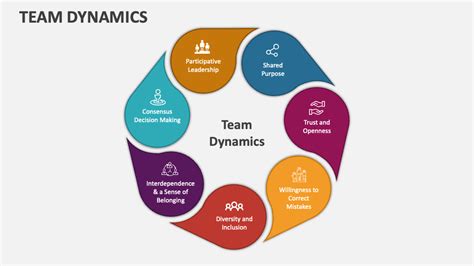
Another aspect of the team dynamics was the camaraderie fostered by Ferguson. He often spoke of the importance of a "team spirit" that went beyond individual talent. This was evident in how the players celebrated each other's successes and supported one another during setbacks. For instance, after Beckham was subjected to public criticism, his teammates rallied around him, demonstrating the unity that Ferguson had cultivated. This collective spirit was not accidental; it was a deliberate outcome of Ferguson's philosophy that no individual was bigger than the team.
The treble season also showcased the depth of United's squad. While Beckham, Giggs, and Schmeichel were standout performers, the contributions of players like Roy Keane, Paul Scholes, and Jaap Stam were equally significant. Keane's leadership in midfield, Scholes's creativity, and Stam's defensive solidity provided the foundation upon which the attacking players could thrive. Ferguson's ability to integrate these elements into a cohesive unit was a masterclass in squad management.
In summary, the treble-winning Manchester United team was a symphony of individual brilliance and collective harmony, orchestrated by Sir Alex Ferguson. Beckham, Giggs, and Schmeichel were not just players; they were pillars of a system that thrived on discipline, adaptability, and an unyielding belief in their manager's vision. Ferguson's leadership was the glue that held everything together, ensuring that each player understood their role in the grander scheme of things. This synergy between players and manager is what transformed a talented group into a team for the ages, achieving what no English club had done before.
Tactical Innovations and Strategies
The 1998-1999 season, in which Manchester United achieved the historic treble, is often remembered for its dramatic moments and iconic goals. However, beneath the surface of these memorable events lay a foundation of **tactical innovations and strategic adaptability** that set the team apart. This section delves into how Sir Alex Ferguson and his coaching staff employed nuanced approaches to overcome high-pressure situations and varied opposition styles, emphasizing the adaptability that became a hallmark of this legendary campaign.
One of the most striking aspects of Manchester United's tactical framework that season was their **flexibility in formations**. While the team primarily operated in a 4-4-2 system—a standard for English football at the time—they were not rigidly bound to it. For instance, in high-pressure games, particularly in the UEFA Champions League, Ferguson often adjusted the shape of the team to a 4-3-3 or even a 4-5-1 in specific scenarios. This was evident in their away fixtures against European giants like Juventus and Bayern Munich. In these matches, the inclusion of an extra midfielder, such as **Nick Butt or Jesper Blomqvist**, provided additional cover in central areas, allowing the team to absorb pressure while maintaining a platform for quick counterattacks.
A key component of their success in adaptability was the **role of wingers**. David Beckham and Ryan Giggs were not just providers of width but were instrumental in dictating the tempo of games. Beckham's ability to deliver pinpoint crosses from deep positions often stretched opposition defenses, while Giggs' direct running and dribbling forced opponents to commit fouls in dangerous areas. In games where United were under sustained pressure, these wingers were instructed to drop deeper, effectively forming a five-man midfield. This was particularly evident in the FA Cup semi-final replay against Arsenal, where Giggs' deeper starting position helped United neutralize Arsenal's midfield dominance before his iconic solo goal sealed the win.
Another critical element was the **dynamic use of the double pivot in midfield**. Roy Keane and Paul Scholes were the engine room of the team, but their roles were not static. In games where United needed to dominate possession, Scholes would push higher up the pitch to link play with the forwards, while Keane held a deeper position to shield the defense. However, in high-pressure away games, particularly in Europe, their roles were reversed. Keane would step into more advanced areas to disrupt the opposition's build-up play, while Scholes provided a steadying presence in front of the back four. This fluidity allowed United to control games even when they were not the dominant side in terms of possession.
The **forward line's interchangeability** was another area where tactical nuance shone through. The partnership of Dwight Yorke and Andy Cole is often lauded for its telepathic understanding, but what is less discussed is how their movement was tailored to exploit specific defensive weaknesses. In games where opponents deployed a high line, Yorke would drop into the "number 10" space to pull center-backs out of position, creating gaps for Cole to run into. Conversely, against compact defenses, both strikers would play closer to the touchline, stretching the opposition and creating space for midfield runners like Scholes or Beckham to exploit. This tactical flexibility was particularly evident in the Champions League quarter-final against Inter Milan, where United's forwards constantly rotated positions to confuse a defense that struggled to track their movement.
In high-pressure games, **set-piece strategies** were a critical tool in United's arsenal. Ferguson's team was well-drilled in both attacking and defensive set pieces. On the attacking side, Beckham's delivery was complemented by the aerial presence of players like Jaap Stam and Ronny Johnsen, while Yorke and Cole often made late runs into the box to capitalize on second balls. Defensively, United employed a zonal-marking system with man-marking adjustments for key opposition threats. This hybrid approach was particularly effective in the FA Cup final against Newcastle, where United nullified the aerial threat of Alan Shearer while still posing a danger from their own set pieces.
What truly distinguished Manchester United that season was their **mental resilience combined with tactical discipline**. This was perhaps best exemplified in the Champions League semi-final second leg against Juventus. Trailing 2-0 early in the game, United could have easily succumbed to the occasion. However, Ferguson's half-time adjustments—shifting to a more aggressive pressing system and encouraging his full-backs to push higher—allowed United to regain a foothold. Goals from Keane, Yorke, and Cole not only turned the tie around but also demonstrated how United could adapt mid-game to overturn deficits. This ability to shift gears under pressure was a direct result of Ferguson's emphasis on **mental preparation and in-game problem-solving**.
It is also worth noting the **role of squad rotation** in maintaining freshness and tactical flexibility. Ferguson managed his squad masterfully, ensuring that key players were rested for less critical matches while giving opportunities to squad players like Ole Gunnar Solskjær and Teddy Sheringham. These players were not mere backups; they were tactically astute and capable of stepping into high-stakes games without disrupting the team's rhythm. Solskjær's impact as a "super-sub" is well-documented, particularly his contribution in the Champions League final, but his ability to adapt to different roles—whether as a lone striker or a wide forward—was a microcosm of the team's overall flexibility.
Finally, United's success in high-pressure situations can be attributed to their **counterattacking efficiency**. While they were capable of controlling games through possession, they were equally lethal when absorbing pressure and hitting teams on the break. This was particularly evident in the Champions League final against Bayern Munich. Despite being outplayed for large portions of the game, United's disciplined defensive shape allowed them to stay in the contest. When the opportunities arose—often through quick transitions involving the pace of Giggs and the vision of Scholes—they were ruthless. The two injury-time goals that secured the treble were not just moments of individual brilliance but the culmination of a season-long focus on exploiting transitional phases.
In summary, Manchester United's treble-winning season was not just about individual brilliance or moments of magic. It was underpinned by **a tactical framework that emphasized adaptability, discipline, and innovation**. Whether it was shifting formations to counter specific threats, leveraging the versatility of their players, or maintaining mental resilience in the face of adversity, the team's success was a testament to the strategic depth of Ferguson's approach. This season serves as a case study in how a team can blend traditional strengths with modern tactical flexibility to achieve historic success.
The Psychological Edge: Mental Resilience
The 1999 treble-winning Manchester United team is often celebrated for their dramatic victories and ability to snatch triumph from the jaws of defeat. Beyond the physical prowess and tactical brilliance, a central pillar of their success lay in their **mental fortitude**—a quality that set them apart in high-pressure situations. This psychological edge was perhaps most evident in their **comeback victories**, none more iconic than the Champions League final against Bayern Munich. To understand this resilience, we must delve into the mindset of the players, the culture instilled by the coaching staff, and the collective belief that enabled them to thrive under extreme duress.
The Champions League final of 1999 was a masterclass in **mental resilience**. United entered the match as underdogs in many respects, facing a Bayern Munich side that had dominated the Bundesliga and boasted a disciplined, well-organized structure. Within six minutes, United found themselves a goal down, courtesy of Mario Basler's free-kick. For many teams, conceding so early in a final—especially against a team of Bayern's caliber—would have been a psychological blow too severe to recover from. However, United's reaction to this setback was telling. Rather than succumbing to panic or frustration, the team demonstrated an almost stoic calmness. This can be attributed to the **culture of resilience** that Sir Alex Ferguson had cultivated over years of management.
Ferguson was a master of **psychological preparation**. He instilled in his players the belief that no game was ever truly lost until the final whistle. This philosophy was not merely rhetorical; it was embedded in the team’s training and matchday routines. United players were accustomed to **scenarios where they were required to chase games**, often orchestrated by Ferguson in training sessions designed to test their response to adversity. These drills, combined with Ferguson’s famous “hairdryer treatment” and his ability to inspire belief, created a team that was mentally conditioned to handle setbacks. In the final, this preparation was evident. Instead of crumbling under the weight of Bayern's early goal, United maintained their shape, continued to probe, and refused to let the scoreline dictate their mentality.
A key aspect of United’s mental resilience was their **refusal to internalize failure**. Comeback victories, particularly in high-stakes games, often hinge on a team’s ability to compartmentalize mistakes or setbacks without letting them snowball into a crisis of confidence. In the final, United’s players exhibited this trait by not allowing Bayern’s early dominance to rattle them. They remained focused on the **process rather than the outcome**. This is a subtle but crucial distinction—while Bayern may have been content to defend their lead and play conservatively, United kept their eyes on the bigger picture, trusting that their persistence would eventually yield opportunities. This mindset is a hallmark of teams with strong mental frameworks; they do not allow the immediacy of a negative event to cloud their long-term objectives.
The role of **leadership on the pitch** cannot be overstated in this context. Players like Roy Keane and Peter Schmeichel were not just skilled athletes but also **psychological anchors** for the team. Keane, despite being suspended for the final, was a vocal presence in the buildup, reinforcing the belief that United could overcome any obstacle. Schmeichel, as captain for the night, was a visible source of calm and authority. His ability to organize the defense and exude confidence, even when United were trailing, played a significant role in maintaining the team's composure. Leadership of this nature is infectious; it reassures teammates and creates a collective sense of purpose. In moments of doubt, having such figures on the field can be the difference between capitulation and resurgence.
The **turning point** in the match—and a testament to United’s mental resilience—came in the final minutes. With the clock ticking down and Bayern seemingly set to lift the trophy, United engineered two goals in stoppage time. Teddy Sheringham and Ole Gunnar Solskjær’s strikes were not just products of physical effort or tactical adjustments; they were the result of a **refusal to accept defeat**. This speaks to a deeper psychological trait: the ability to maintain **hope and belief** even when logic and time suggest otherwise. United’s players did not play as though they were chasing a lost cause; instead, they played as though victory was inevitable. This is a rare quality, one that separates great teams from merely good ones. It reflects a collective mental toughness that had been forged over a season of comebacks, including dramatic late goals in the Premier League and FA Cup.
It is also worth examining the **role of momentum** in United’s psychological edge. Comebacks are often fueled by a shift in energy, where a team senses vulnerability in their opponent and seizes the opportunity to capitalize. In the final minutes against Bayern, United’s players seemed to tap into a collective surge of adrenaline and belief. This was not accidental; it was the culmination of a season in which they had repeatedly trained their minds to **thrive under pressure**. The psychological impact of scoring one goal often spills over into greater confidence, and United exploited this to the fullest. Bayern, who had been in control for much of the match, suddenly found themselves on the back foot, their mental resolve shaken by the rapid turn of events.
Another fascinating element of United’s mental resilience is their ability to **embrace chaos**. In high-stakes football, matches rarely go according to plan, especially in finals where the stakes are highest. Many teams falter when confronted with the unpredictability of such moments, but United seemed to thrive in disorder. Their late goals were not the result of a meticulously rehearsed plan but of **instinct, adaptability, and a willingness to take risks**. This adaptability is a psychological trait often overlooked in discussions of mental resilience. It suggests that the team was not just disciplined but also flexible, capable of thinking on their feet and adjusting to the flow of the game.
Finally, we must consider the **role of external factors** in shaping United’s mental edge. The sheer weight of expectation from fans, the legacy of the club, and the desire to honor the memory of the Busby Babes all added layers of pressure. Yet, rather than being overwhelmed by these external forces, United used them as fuel. Ferguson often spoke of the importance of **playing for something greater than oneself**, and this ethos was evident in the team’s performance. They were not just playing for a trophy; they were playing to etch their names into history. This sense of purpose can be a powerful motivator, particularly in moments of adversity.
In conclusion, the mental resilience of Manchester United during their treble-winning season, particularly in the Champions League final, was a combination of **cultivated belief, strong leadership, adaptability, and an unyielding refusal to accept defeat**. Their ability to stage comebacks was not a matter of luck or isolated moments of brilliance; it was a reflection of a deeply ingrained psychological edge. This edge allowed them to maintain focus under pressure, recover from setbacks, and ultimately achieve one of the most remarkable feats in football history. It is a lesson in the power of mental fortitude—a quality that, when harnessed effectively, can turn even the most improbable situations into moments of triumph.
Impact on Football Culture and Legacy
The treble-winning season of 1998-99 is etched into the annals of football history as one of the most remarkable achievements by any club. For Manchester United, this triumph was not merely a culmination of a successful campaign but a transformative moment that reshaped the club's global identity and solidified its position in football lore. The impact of this achievement reverberates far beyond the boundaries of Old Trafford, influencing Manchester United's brand, its cultural resonance, and its enduring legacy in the sport.
At the core of the treble win's influence is the way it elevated Manchester United from being a dominant English club to a globally recognized football powerhouse. Before 1999, Manchester United was already a storied institution with a rich history, but the treble win acted as a catalyst for the club's internationalization. The dramatic nature of their victories—particularly the last-gasp goals in the UEFA Champions League final against Bayern Munich—captured the imagination of a worldwide audience. This was not just a win for Manchester United; it was a win that epitomized the romanticism of football, where David Beckham's pinpoint crosses, Ole Gunnar Solskjær's poacher's instinct, and the resilience of a team under Sir Alex Ferguson became emblematic of what the sport could offer at its pinnacle.
The treble win established Manchester United as a template for modern football success. In the late 1990s, the global football landscape was undergoing a seismic shift due to increased commercialization, the advent of the Premier League's global broadcasting deals, and the growing influence of UEFA competitions. Manchester United's treble win positioned the club as a benchmark for how a football team could blend on-field excellence with off-field brand-building. The club's ability to attract sponsors, expand its merchandising reach, and capture new fanbases in Asia, North America, and beyond was significantly bolstered by the aura of invincibility that the treble win conferred. This period marked the beginning of Manchester United's transformation into a global brand, with the club's revenue streams diversifying and its fanbase expanding at an unprecedented rate.
Beyond the commercial implications, the treble win also deepened Manchester United's place in the collective memory of football fans. The narrative of that season—featuring come-from-behind victories, the tactical genius of Sir Alex Ferguson, and the emergence of a squad that combined seasoned veterans like Peter Schmeichel with dynamic young talents like David Beckham and Ryan Giggs—became a story of perseverance and belief. This narrative resonated with fans not just in Manchester but across the world. It created a sense of universal appeal, where even neutral spectators could find inspiration in the team's never-say-die attitude. The treble win thus became a cultural touchstone, a moment that fans of all allegiances could look back on as a demonstration of football's capacity to deliver the extraordinary.
The treble win also had a profound impact on Manchester United's identity as a club rooted in tradition yet forward-looking. Sir Alex Ferguson's management during that season exemplified a blend of old-school grit and modern adaptability. His ability to rotate his squad effectively, trust in youth academy products, and maintain a steely focus on multiple competitions set a precedent for how elite clubs should approach the demands of a grueling season. This approach not only enhanced Manchester United's reputation as a club capable of achieving the impossible but also influenced how other clubs structured their squads and strategies in subsequent years. The treble win, in this sense, became a blueprint for ambition, showing that a club could compete on all fronts without compromising its core values.
Another dimension of the treble win's legacy lies in its role in shaping Manchester United's rivalries and narrative arcs in football history. The victory over Bayern Munich in such dramatic fashion added a layer of mythos to the club's European exploits. It also intensified rivalries, particularly with domestic competitors like Arsenal and Liverpool, who now faced a Manchester United side that had achieved something no English club had before. This win elevated the stakes of every subsequent encounter, as Manchester United was no longer just a rival to be beaten but a standard to be surpassed. The treble win thus became a psychological edge in the club's favor, a feat that opponents were constantly reminded of in the years that followed.
The cultural impact of the treble win can also be seen in how it inspired a new generation of Manchester United supporters. For many young fans, particularly those who came of age in the late 1990s, the treble season was their introduction to the club's greatness. This moment became a recruitment tool for fandom, as the dramatic and emotional nature of the victories made Manchester United an attractive proposition for new supporters. The club's global tours, merchandise sales, and digital presence all benefited from the halo effect of the treble win, as it provided a tangible marker of excellence that could be marketed to audiences unfamiliar with the club's earlier history.
From a football lore perspective, the treble win positioned Manchester United as a club capable of achieving the extraordinary. While other clubs have since won trebles or achieved similar feats, the circumstances of Manchester United's 1999 campaign—particularly the narrow margins and late-game heroics—have given their achievement a unique place in the sport's collective consciousness. The treble win is often cited as a moment that encapsulates the spirit of football: the unpredictability, the emotional highs and lows, and the belief that no cause is lost until the final whistle. This has made Manchester United a reference point in discussions about the greatest teams and seasons in football history.
In addition to its immediate impact, the treble win also laid the groundwork for Manchester United's long-term cultural footprint. The club's ability to leverage this success into sustained dominance throughout the early 2000s demonstrated how a single season of unparalleled achievement could serve as a springboard for continued success. The treble win was not an isolated event but part of a broader era of excellence under Sir Alex Ferguson, reinforcing the idea that Manchester United was not just a club of the moment but a team with a legacy of sustained greatness.
In summary, the treble win of 1999 was more than a trophy haul for Manchester United; it was a seminal moment that redefined the club's place in football culture and history. It expanded the club's global reach, deepened its narrative appeal, and set a standard for what a football team could aspire to achieve. The ripples of this achievement are still felt today, as Manchester United's treble-winning legacy continues to influence how the club is perceived and how it navigates its role as one of football's most iconic institutions.
Comparisons with Other Treble Winners
Manchester United's treble-winning season in 1998-99 remains one of the most iconic achievements in football history. While several clubs have accomplished the treble—winning their domestic league, domestic cup, and the UEFA Champions League in a single season—each journey is distinct. Comparing Manchester United's feat with other treble winners reveals unique aspects of their journey that set them apart in terms of style, adversity, and legacy.
The first point of comparison is the **competitive landscape** during the treble-winning campaigns. Manchester United's treble came in an era where the Premier League was arguably at its most competitive. Teams like Arsenal, Chelsea, and Liverpool were formidable opponents, and the league title was fiercely contested. In contrast, some other treble winners, such as Barcelona in 2008-09 or Bayern Munich in 2012-13, operated in leagues where their dominance was more pronounced. For instance, Barcelona under Pep Guardiola often overwhelmed La Liga opponents with their tiki-taka style, and Bayern Munich's treble season saw them win the Bundesliga by a staggering 25 points. United, however, won the Premier League by just a single point over Arsenal, underscoring the razor-thin margins they navigated domestically.
This leads to the **nature of their victories**. Manchester United's treble was characterized by late, dramatic comebacks. The Champions League final against Bayern Munich is the most famous example, where they scored two injury-time goals to snatch victory from the jaws of defeat. This "never-say-die" attitude was a hallmark of their season. Comparatively, other treble winners like Inter Milan in 2009-10 often relied on defensive solidity and efficiency rather than last-minute heroics. Inter's treble was built on a pragmatic approach under José Mourinho, with a focus on stifling opponents and capitalizing on limited opportunities. United's style, by contrast, was more dynamic and unpredictable, with a blend of grit and flair that made their matches must-watch events.
Another unique aspect of United's treble is the **squad composition and rotation**. Sir Alex Ferguson's team did not have a starting XI that was head-and-shoulders above the rest in terms of star power compared to some other treble-winning squads. For example, Barcelona in 2014-15 boasted a front three of Lionel Messi, Luis Suárez, and Neymar—arguably one of the most lethal attacking trios in history. Similarly, Bayern Munich in 2019-20 had Robert Lewandowski in peak form, supported by a deep and talented squad. United's treble-winning squad, while talented, was more balanced and less reliant on a few superstars. Players like Ole Gunnar Solskjær, a super-sub, and Teddy Sheringham, who played supporting roles, stepped up in critical moments. This speaks to Ferguson's ability to foster a team ethos where every player felt integral, rather than depending on a handful of world-class individuals.
The **managerial influence** also provides an interesting point of divergence. Sir Alex Ferguson's ability to adapt and innovate throughout the season was a defining feature of United's success. Unlike treble-winning managers like Pep Guardiola at Barcelona, whose philosophy was rooted in a highly specific, possession-based system, or Jupp Heynckes at Bayern Munich, who benefited from a well-oiled machine, Ferguson was a pragmatist. He adjusted tactics depending on the opponent, whether deploying a more defensive setup in Europe or an all-out attacking approach in domestic cup ties. This adaptability is a stark contrast to the more rigid systems employed by some other treble-winning managers.
The **psychological challenges** faced by Manchester United were also unique. Their treble run was fraught with moments of extreme pressure. They were chasing Arsenal in the Premier League for much of the season and had to overcome a two-goal deficit against Juventus in the Champions League semifinal. Other treble winners, like Ajax in 1994-95, had younger squads that played with a sense of fearlessness, unburdened by the weight of expectation. United, as a globally recognized club with a history of success, carried the burden of expectation in a way that younger or less storied teams did not. This psychological aspect of their journey—constantly playing under the shadow of their own legacy—adds a layer of complexity to their achievement.
The **role of key individuals** also stands out when comparing treble winners. While every treble-winning team has its heroes, Manchester United's reliance on Roy Keane's leadership and Peter Schmeichel's goalkeeping was particularly pronounced. Keane's performance in the semifinal second leg against Juventus, where he played through injury and scored a crucial goal despite knowing he would miss the final due to suspension, is often cited as one of the greatest individual displays in Champions League history. This kind of individual sacrifice and heroism is less frequently seen in other treble-winning campaigns, where success is often attributed to collective brilliance rather than individual moments of defiance.
Another dimension is the **historical context** of Manchester United's treble. They were the first English club to achieve this feat, which carries additional significance given the storied history of English football. While other clubs like Celtic in 1966-67 and Ajax in 1971-72 were trailblazers in their own right, United's treble came at a time when the modern, globalized version of football was taking shape. Their success helped redefine what was possible for English clubs in European competition after years of underachievement following the Heysel Stadium disaster and subsequent ban of English clubs from European tournaments.
Finally, the **legacy and cultural impact** of United's treble is worth examining. Unlike some treble winners who were part of dominant dynasties (such as Barcelona's era under Guardiola or Bayern's recent dominance), United's treble was somewhat of a singular, lightning-in-a-bottle moment. While they remained competitive for years afterward, they never replicated the treble. This contrasts with teams like Barcelona (2009 and 2015 trebles) or Bayern Munich (2013 and 2020 trebles), where treble success was part of a broader era of sustained excellence. United's achievement feels more like a singular, extraordinary season rather than a predictable outcome of a dominant system.
In summary, Manchester United's treble stands out for its **dramatic nature**, **squad balance**, **managerial adaptability**, and **psychological resilience**. While other treble winners have their unique stories, United's blend of adversity, late-game heroics, and the weight of their historical context makes their achievement particularly remarkable. Their treble is not just a statistical accomplishment but a narrative of defiance, adaptability, and the relentless pursuit of glory in the face of overwhelming odds.
Media and Fan Reactions
The treble-winning season of Manchester United in 1998-99 is etched in football history as one of the most dramatic and iconic achievements in the sport. The media and fan reactions to this unprecedented triumph were a blend of awe, elation, and an almost mythic sense of pride. This was not merely a win; it was the culmination of a season that defied logic, tested nerves, and redefined what was possible for a football team. The reactions from both the media and the fans were emblematic of the moment’s magnitude, with each group contributing their own unique flavor to the narrative of this historic achievement.
The media coverage of Manchester United’s treble win was unlike anything seen before in English football. Newspapers, radio stations, and television networks were awash with hyperbolic headlines and celebratory editorials. The Daily Mirror famously ran a front-page headline that simply read, “United 3-Peat: Treble Dream Comes True,” encapsulating the sheer disbelief and joy that permeated the coverage. Sports journalists, often known for their measured tones, abandoned all pretense of objectivity in their praise. Writers like Henry Winter of The Telegraph described the team’s exploits as “a symphony of grit, genius, and glory,” while others likened the achievement to a Hollywood script too fantastical to be believed. The treble was not just a sporting accomplishment; it was framed as a cultural event, a moment where Manchester United transcended football to become a symbol of national pride.
One of the most memorable media reactions came in the form of match commentary during the UEFA Champions League final against Bayern Munich. The images of United scoring two injury-time goals to snatch victory from the jaws of defeat were accompanied by some of the most iconic lines in sports broadcasting. Clive Tyldesley’s exclamation, “Can Manchester United score? They always score!” as Teddy Sheringham equalized, and his subsequent roar when Ole Gunnar Solskjær netted the winner, became part of the treble’s lore. These moments were replayed endlessly in the days and weeks that followed, with media outlets using them as the centerpiece of their coverage. The dramatic nature of the win amplified the emotional resonance of the media’s storytelling, turning the treble into a tale of destiny rather than mere chance.
The fan reactions were equally profound, though deeply personal and varied. For Manchester United supporters, this was not just a victory; it was vindication. The club had long been a dominant force in English football, but the treble represented a new pinnacle. Fans took to the streets of Manchester in their tens of thousands, creating scenes of unbridled celebration. The city center was a sea of red, with chants of “We’ve won it three times” echoing through the air. Flags, banners, and impromptu parades marked the streets, as fans young and old basked in the glory of their team’s success. For many, this was the ultimate affirmation of their loyalty and dedication to a club that had provided them with countless highs and lows over the years.
A particularly striking aspect of fan reactions was the emotional connection to specific players and moments. The treble was not just about the team as a collective; it was about individuals who had become legends in the span of a season. David Beckham, Ryan Giggs, Paul Scholes, and the indomitable Roy Keane were lionized by fans, who saw them as embodiments of the club’s spirit. Giggs’s wonder goal in the FA Cup semifinal replay against Arsenal, a solo run that seemed to defy physics, was replayed endlessly on fan forums and social gatherings. Similarly, the image of Peter Schmeichel, United’s goalkeeper and captain for the Champions League final, lifting the trophy became a symbol of leadership and resilience. Fans often spoke of these players not as distant athletes but as extensions of their own hopes and dreams.
The global nature of Manchester United’s fanbase also played a significant role in the treble’s reception. Supporters from Asia, Africa, and the Americas joined in the celebrations, often in ways that showcased the universal appeal of the club. In countries like India and China, where United had a burgeoning fanbase, local newspapers ran special editions dedicated to the treble, while fan clubs organized viewing parties that turned into all-night celebrations. This global outpouring of support underscored how Manchester United’s success was not confined to England; it was a moment that resonated across continents, uniting fans in a shared sense of triumph.
Beyond the immediate euphoria, the treble also sparked philosophical and analytical discussions in the media. Pundits debated whether this was the greatest achievement in club football history, with some arguing that the manner of the victories—particularly the last-minute heroics in the Champions League final—made it unparalleled. Others questioned whether such a feat could ever be repeated, given the physical and mental toll it took on the players. This analytical depth added a layer of seriousness to the celebratory atmosphere, as fans and experts alike grappled with the implications of what they had witnessed.
One of the more unexpected reactions came from rival fans and clubs. While jealousy and bitterness were inevitable, there was also a begrudging respect for what Manchester United had accomplished. Arsenal manager Arsène Wenger, whose team had been United’s fiercest rivals that season, acknowledged the achievement with a mix of frustration and admiration, saying, “They have done something truly special, and we must tip our hats to them.” This acknowledgment from a competitor added a layer of legitimacy to the treble, elevating it beyond partisan rivalry.
The long-term impact of the treble on fan culture and media narratives is also worth noting. In the years that followed, the treble became a touchstone for Manchester United’s identity. It was not just a past achievement but a standard to which future teams were held. Media retrospectives on the treble often framed it as the zenith of Sir Alex Ferguson’s reign, a moment that encapsulated his genius as a manager. For fans, the treble became a rite of passage, a story they could pass down to younger generations as proof of their club’s greatness. The celebrations of 1999 were not just a moment in time; they became a cornerstone of Manchester United’s mythology.
In summary, the media and fan reactions to Manchester United’s treble win were as multifaceted as the achievement itself. The media provided a mix of breathless excitement and thoughtful analysis, while fans expressed their joy through both collective celebration and deeply personal reflections. From the dramatic match commentary to the global outpouring of support, the reactions to the treble were a testament to its significance. This was not just a victory for a football team; it was a moment that transcended sport, leaving an indelible mark on the hearts and minds of those who witnessed it.
The Long-Term Effects on Manchester United
The treble-winning season of 1998-99 remains one of the most iconic achievements in football history, and for Manchester United, it was a watershed moment that would reverberate through the club's future. Beyond the immediate glory of lifting the Premier League, FA Cup, and UEFA Champions League trophies in a single campaign, the long-term effects of this success were profound and multifaceted. They shaped not only the club's identity but also its operational strategies, recruitment policies, and the weight of expectations placed upon successive generations of players and managers.
One of the most immediate and enduring impacts of the treble win was the elevation of Manchester United's global brand. The club, already a giant in English football, became a household name worldwide. This newfound global appeal was not merely symbolic; it had tangible financial and strategic consequences. The treble win unlocked unprecedented commercial opportunities, allowing United to secure lucrative sponsorship deals, expand merchandising reach, and position itself as a premier destination for top-tier talent. The club's revenue streams grew exponentially, enabling it to invest heavily in infrastructure, youth development, and player acquisitions in the years that followed. This financial muscle gave United a competitive edge in a rapidly commercializing football landscape, where success on the pitch was increasingly intertwined with off-pitch business acumen.
However, the treble win also set a daunting benchmark for future success. The expectation of consistent excellence became a double-edged sword. While the achievement solidified the club's reputation as a serial winner, it created a pressure cooker environment where anything less than a trophy-laden season was perceived as a failure. This was particularly evident in the years immediately following the treble. Manager Sir Alex Ferguson, the architect of this triumph, faced the challenge of maintaining momentum while navigating the inevitable squad transitions. Key players like Peter Schmeichel departed after the treble season, and the task of replacing such influential figures was fraught with difficulty. United's recruitment strategy in the early 2000s reflected this challenge—there was a clear emphasis on signing players who could handle the immense pressure of playing for a club now synonymous with winning at the highest level.
Recruitment post-treble took on a more calculated approach. While United had previously been known for blending academy graduates with shrewd signings, the treble win necessitated a shift toward signing players with proven experience in high-stakes competitions. This was evident in the signings of players like Ruud van Nistelrooy and Juan Sebastián Verón, who were brought in not just for their technical abilities but for their mental fortitude. The club's scouting network was recalibrated to identify individuals who could thrive under the unique pressures of playing for a treble-winning side. This shift, while necessary, sometimes led to mixed results. High-profile signings like Verón struggled to adapt to the Premier League's physicality and pace, underscoring the difficulty of maintaining the treble-era standard in an evolving football landscape.
Another significant effect of the treble win was its influence on youth development and the club's philosophy. The "Class of '92" had already demonstrated the value of nurturing homegrown talent, but the treble season reinforced this ethos. The presence of players like David Beckham, Paul Scholes, and Gary Neville in the treble-winning squad served as a testament to the club's ability to produce world-class talent. In the years that followed, United doubled down on its commitment to youth development, integrating academy products into the first team wherever possible. This was not merely a nod to tradition but a strategic decision to ensure long-term sustainability amid the financial pressures of competing at the top. The treble win became a symbol of what could be achieved when youth and experience were harmoniously blended, and this philosophy continued to inform United's approach to squad building for years.
The treble also had a profound impact on the club's managerial expectations. Sir Alex Ferguson's ability to guide the team to such an unprecedented achievement cemented his legacy as one of the greatest managers in football history. However, it also created an almost insurmountable standard for his successors. When Ferguson eventually retired in 2013, the shadow of the treble loomed large over every manager who followed. The weight of expectation to replicate or surpass the treble's success became a recurring theme in the club's narrative, often leading to impatience with managers who failed to deliver immediate results. This was evident in the tenures of David Moyes, Louis van Gaal, and even José Mourinho, all of whom faced intense scrutiny as they grappled with the legacy of 1999.
From a tactical perspective, the treble win also influenced how Manchester United approached the game in subsequent seasons. The dramatic, come-from-behind victories that defined the treble campaign—such as the last-gasp goals in the Champions League final against Bayern Munich—instilled a belief in the "United way" of playing. This was characterized by a never-say-die attitude, attacking football, and a willingness to take risks in pursuit of victory. While this style was exhilarating for fans, it also placed a heavy burden on players and managers to consistently deliver high-octane performances. The treble win entrenched the idea that United should always play with flair and ambition, a philosophy that sometimes clashed with the pragmatic approaches of later managers who sought to balance entertainment with results.
The treble's legacy also extended to the club's relationship with its fanbase. The euphoria of 1999 created a generation of supporters who viewed Manchester United as a club that could achieve the impossible. This sense of invincibility, while inspiring, also bred a sense of entitlement among some fans. The treble win raised the bar for what was considered acceptable performance, and any period of underachievement was met with heightened criticism. This dynamic was particularly evident during the post-Ferguson era, where the club's struggles to maintain its dominance were often framed against the golden standard set in 1999.
In terms of long-term strategy, the treble win also underscored the importance of infrastructure investment. Old Trafford underwent significant upgrades in the years following the treble, and the club's training facilities at Carrington were further enhanced to maintain a competitive edge. These investments were not just about keeping pace with rivals like Arsenal and later Manchester City; they were about ensuring that United remained a beacon of excellence in all aspects of its operations. The treble win served as a catalyst for thinking beyond the immediate season, encouraging the club to adopt a more holistic approach to its growth.
In conclusion, the treble win of 1999 was not just a moment of sporting glory for Manchester United; it was a transformative event that reshaped the club's trajectory. It elevated the club's global stature, influenced its recruitment and youth development policies, and set a benchmark for success that would both inspire and burden future generations. The treble win became a touchstone for what Manchester United represented—a club capable of achieving the extraordinary but also one tasked with living up to an almost mythical legacy. This duality continues to define the club's identity, making the treble not just a historic achievement but a perpetual challenge to uphold.
Conclusion: A Defining Moment in Football
The treble-winning season of Manchester United in 1998-99 is not merely a highlight in the club's storied history; it is a moment that transcends the boundaries of football and establishes itself as a touchstone for what excellence in sports can look like. This achievement, unparalleled in English football at the time, is more than the sum of its parts—it represents a confluence of strategy, resilience, and an almost mythical sense of destiny that continues to inspire players, coaches, and fans across generations.
To understand the enduring legacy of Manchester United's treble win, one must first consider the context in which it occurred. The late 1990s were a period of intense competition in European football. The UEFA Champions League was becoming a battleground for clubs with vast resources and global ambitions. Domestic leagues, particularly the Premier League, were fiercely contested, with teams like Arsenal, Chelsea, and Liverpool vying for supremacy. In this environment, Manchester United's ability to secure the Premier League title, the FA Cup, and the UEFA Champions League crown in a single season was not just impressive—it was revolutionary. It redefined what was possible for a football team and set a new standard for ambition and execution.
At the heart of this achievement was the culture of resilience that Sir Alex Ferguson had instilled in his squad. The treble was not won through dominance alone; it was earned through moments of extraordinary grit. Consider the Champions League final against Bayern Munich at Barcelona's Camp Nou. Trailing 1-0 as the game entered stoppage time, United produced two goals in the dying minutes to snatch victory from the jaws of defeat. This was not luck; it was the culmination of a season-long ethos where no challenge was insurmountable. The mental fortitude displayed in those moments has become a case study in sports psychology, illustrating how belief and determination can bend the arc of a match—and history—in one's favor.
Another critical aspect of the treble's legacy is its role in shaping the modern footballing blueprint. Manchester United's success demonstrated the importance of squad depth and adaptability. The team relied not just on star players like David Beckham, Ryan Giggs, and Roy Keane but also on role players who stepped up when it mattered most. Ole Gunnar Solskjær's last-minute winner in the Champions League final is emblematic of this. His role as a "super-sub" underscored the value of having a well-rounded squad where every player understood their contribution to the larger goal. This approach has since been emulated by other clubs aiming for similar glory, with managers prioritizing squad rotation and tactical flexibility as essential components of long-term success.
The treble win also had a profound impact on the global brand of Manchester United. Before 1999, the club was already one of the most recognizable names in football, but the treble elevated them to a different stratosphere. It turned Manchester United into a symbol of what a football club could achieve when ambition met execution. The commercial implications were enormous. Sponsorships, merchandise sales, and international fan bases grew exponentially. This success not only benefited the club but also set a precedent for how football organizations could leverage on-field achievements to build off-field empires. Today, the business models of clubs like Manchester City, Paris Saint-Germain, and even non-European giants like the LA Galaxy owe a debt to the trail blazed by United's treble-winning campaign.
From a fan perspective, the treble is more than a statistic or a line in the history books; it is an emotional touchstone. For supporters, the season encapsulated the highs and lows of fandom—the tension of close matches, the euphoria of last-minute victories, and the shared sense of belonging that comes from being part of something historic. This emotional resonance is part of why the treble remains a defining moment not just for Manchester United but for football as a whole. It serves as a reminder that sports are not just about the technicalities of the game but about the stories they create and the memories they leave behind.
The treble win also serves as a benchmark for excellence in sports because it highlights the importance of vision and leadership. Sir Alex Ferguson's role in orchestrating this success cannot be overstated. His ability to manage egos, inspire players, and make bold tactical decisions under pressure exemplifies what it means to lead a team to greatness. This is a lesson that extends beyond football. Whether in business, education, or other competitive arenas, the treble win stands as a testament to the power of clear goals, unwavering focus, and the ability to adapt to challenges without losing sight of the ultimate objective.
Moreover, the treble has become a symbol of aspiration for future generations of footballers and teams. Young players growing up in the shadow of that achievement often cite it as a source of motivation. They dream of replicating the feats of their heroes, not just in terms of trophies but in the way those victories were achieved—through teamwork, determination, and a refusal to accept defeat. This aspirational quality is what makes the treble more than a historical event; it is a living legacy that continues to shape the ambitions of those who follow in its wake.
It is also worth noting the ripple effects of the treble on the broader footballing landscape. The season forced rival clubs to reassess their own strategies. Arsenal's "Invincibles" of 2003-04 and Liverpool's recent domestic and European successes can be seen, in part, as responses to the standard set by United in 1999. The treble win raised the bar, compelling other teams to innovate and push their limits in pursuit of similar glory. This competitive ripple effect has contributed to the overall elevation of the sport, making it more dynamic and globally appealing.
In a broader sense, the treble win is a reminder of football's capacity to unite and inspire. The scenes of celebration at Camp Nou, the open-top bus parades through Manchester, and the global viewership of those pivotal matches all point to the unifying power of sport. The treble was not just a victory for Manchester United; it was a moment of collective joy for fans of the game, a reminder of why football holds such a special place in the hearts of millions. This universal appeal is part of why the treble remains relevant even decades later—it is a story that resonates beyond the confines of club loyalty or national borders.
In conclusion, Manchester United's treble win in 1999 is not just a milestone in football history; it is a defining moment that redefined excellence. Its legacy is multifaceted, encompassing cultural, commercial, and competitive dimensions. It serves as a benchmark for what teams can achieve when they combine talent, strategy, and an indomitable spirit. More than two decades later, the treble remains a shining example of what it means to strive for greatness and a reminder that, in sports as in life, the pursuit of excellence can leave an indelible mark on the world.