Introduction to the UEFA Champions League
The UEFA Champions League (UCL) stands as the pinnacle of club football competitions, a tournament that encapsulates the drama, skill, and global appeal of the sport. Its name alone evokes images of roaring crowds, unforgettable goals, and the glittering silver trophy hoisted by the world's most elite teams. To understand the significance of the UCL and its trophy winners, it is essential to delve into its origins, structure, and the unparalleled role it plays in shaping the narrative of global football.
The UCL was inaugurated in 1955 as the European Champion Clubs' Cup, a brainchild of the French sports newspaper L'Équipe and its editor at the time, Gabriel Hanot. The concept was simple yet revolutionary: to create a competition where the best clubs across Europe could compete to determine a continental champion. This was a bold move in an era when international club football was largely restricted to friendly matches or sporadic tournaments. The inaugural season featured 16 teams, including iconic clubs like Real Madrid, AC Milan, and Stade de Reims. Real Madrid's dominance in the early years—winning the first five editions—set the stage for the competition's prestige and laid the foundation for its evolution into the modern UCL.
The tournament underwent a significant transformation in 1992, rebranding as the UEFA Champions League. This change was more than cosmetic; it marked a shift in structure and philosophy. The competition expanded to include not just domestic league champions but also top-performing teams from stronger leagues, increasing its competitiveness and commercial appeal. Group stages were introduced alongside knockout rounds, ensuring more matches and higher stakes. This evolution mirrored the growing commercialization of football, with television rights, sponsorships, and global viewership becoming central to its success. Today, the UCL is not merely a sporting event but a multi-billion-dollar industry that drives the ambitions of clubs, players, and stakeholders worldwide.
The significance of the UCL in global football cannot be overstated. It serves as the ultimate test of a club's quality, strategy, and resilience. Unlike domestic leagues, where consistency over a season determines success, the UCL demands peak performance in high-pressure, one-off scenarios. This dynamic has produced some of the most iconic moments in football history—from Liverpool's miraculous comeback against AC Milan in the 2005 final to Barcelona's tiki-taka mastery in 2011. These moments are etched into the collective memory of fans and reinforce the UCL's reputation as a stage where legends are made.
The tournament's global reach is another facet of its importance. While rooted in Europe, the UCL transcends geographical boundaries, drawing viewers from every corner of the globe. Matches featuring clubs like Manchester United, Bayern Munich, or Paris Saint-Germain are broadcast in over 200 countries, making it one of the most-watched annual sporting events. This reach is amplified by the international makeup of teams, where players from diverse nations come together, creating a melting pot of styles, cultures, and footballing philosophies. For instance, the 2023 final between Manchester City and Inter Milan was not just a contest between two clubs but a showcase of European and South American tactical influences, embodied by managers Pep Guardiola and Simone Inzaghi.
The trophy itself is a symbol of excellence and aspiration. Designed by Jürg Stadelmann, the cup features a distinctive "big ears" design, a nickname derived from its large, rounded handles. Weighing 7.5 kg and standing 73.5 cm tall, it is one of the most coveted prizes in sports. For players, winning the UCL is often considered a career-defining achievement. The list of UCL trophy winners reads like a who's who of football royalty—Real Madrid leads with 14 titles, followed by AC Milan (7), Bayern Munich (6), and Liverpool (6). These clubs are not just frequent winners but institutions that have shaped the competition's history through their consistent excellence and innovation.
The UCL's impact extends beyond the field of play. It has a profound influence on club economics and player development. Qualification for the tournament is a financial windfall for clubs, with prize money, sponsorship deals, and increased marketability offering a pathway to sustainability and growth. For example, a deep run in the UCL can transform mid-tier clubs into major players in the transfer market, as seen with clubs like Ajax and Porto in recent years. Moreover, the competition serves as a showcase for emerging talents. Players like Kylian Mbappé, Erling Haaland, and Vinícius Júnior have used the UCL platform to announce their arrival on the world stage, often leading to high-profile transfers and global stardom.
In the broader context of football, the UCL is a barometer of the sport's evolution. It reflects trends in tactics, technology, and globalization. The rise of data analytics, for instance, has reshaped how teams approach UCL matches, with managers leveraging detailed performance metrics to gain an edge. Similarly, the competition has been at the forefront of debates around financial fairness, as seen in discussions about the proposed European Super League and the growing disparity between elite clubs and smaller teams. These challenges highlight the UCL's dual role as a driver of progress and a mirror of football's complexities.
From a cultural standpoint, the UCL is more than a competition; it is a shared global experience. The anthem, composed by Tony Britten and inspired by Handel's Zadok the Priest, is instantly recognizable and evokes a sense of occasion. The sight of players lining up before a match, the floodlights illuminating the pitch, and the collective silence before the first whistle are rituals that unite fans in their love for the game. This cultural resonance is part of what makes the UCL not just a tournament but a phenomenon that defines the rhythm of the football calendar.
In summary, the UEFA Champions League is a celebration of football's highest ideals—competition, excellence, and unity. Its inception as a modest European tournament has grown into a global spectacle that shapes the sport's identity. The UCL trophy winners are not just teams that have conquered a tournament; they are symbols of footballing greatness, etching their names into history. As the competition continues to evolve, its legacy remains rooted in its ability to inspire, entertain, and unite fans across the world.
- The UCL began as the European Champion Clubs' Cup in 1955.
- It rebranded in 1992 to include group stages and a broader participant base.
- The trophy is a physical and symbolic representation of football excellence.
- The competition's global reach and cultural impact make it a unifying force in football.
This deep dive into the UCL underscores why it remains the most prestigious club competition in football, a title earned through decades of unforgettable matches, legendary performances, and the unrelenting pursuit of glory by its participants.
Historical Evolution of the Tournament
The UEFA Champions League (UCL), as it stands today, is a globally revered tournament that captivates millions of football fans every season. However, its origins are rooted in a much simpler and less expansive competition known as the **European Cup**. To understand the historical evolution of the UCL, we must delve into its transformation from an invitational club competition in the 1950s to the modern, multi-stage spectacle that defines contemporary European football.
The **European Cup** was conceived in 1955, inspired by the success of the South American Copa Libertadores and the need for a pan-European club competition. The idea was championed by the French sports newspaper L'Équipe, which proposed a tournament where the champion clubs of European nations could compete to determine the best team on the continent. The inaugural season in 1955-56 featured 16 teams, all champions of their respective domestic leagues, including iconic names like Real Madrid, AC Milan, and Stade de Reims. The format was straightforward: a knockout competition with home-and-away legs leading to a final. Real Madrid dominated this early era, winning the first five editions of the European Cup, a feat that set the tone for their storied history in the competition.
One of the defining features of the early European Cup was its **exclusivity**. Only league champions were eligible to participate, which gave the tournament a sense of prestige. However, this also meant that many strong clubs from larger leagues, such as runners-up or cup winners, were excluded. The European Cup was not a UEFA-organized event at first; it was managed by the participating clubs and national associations. This lack of centralized governance often led to logistical challenges and inconsistencies in qualifying criteria.
The 1960s and 1970s saw the tournament grow in popularity, but the format remained largely unchanged. Clubs like Benfica, Ajax, and Bayern Munich began to assert their dominance, reflecting the shifting power dynamics in European football. During this time, the competition also began to face criticism for its limited scope. Non-champions were barred, and the absence of a group stage or other mechanisms to include more teams left many fans and stakeholders wanting a more inclusive structure.
The turning point came in the 1990s, driven by the commercialization of football and the vision of UEFA to modernize the competition. The introduction of the **Champions League** in 1992 was not merely a rebranding exercise but a fundamental shift in the tournament’s structure. For the first time, non-champions from top-ranked leagues were allowed to participate, reflecting the growing influence of television rights and sponsorship deals. This change was partly motivated by the need to include high-profile clubs like Manchester United and AC Milan, even if they were not domestic champions in a given season. The shift also introduced a group stage format, which allowed more matches, greater revenue, and broader fan engagement. The group stage, initially comprising eight groups of four teams, was a stark departure from the pure knockout nature of the European Cup.
The modern UCL format evolved further in the late 1990s and early 2000s. UEFA expanded the number of teams participating in the group stage and introduced a multi-round qualification process for smaller leagues. This ensured that while the biggest clubs had a near-guaranteed path to the group stage, teams from less prominent footballing nations still had a chance to compete. The addition of a round of 16 after the group stage added another layer of excitement and drama, as teams vied for a spot in the quarter-finals. This period also saw the rise of "super clubs" like Barcelona, Manchester United, and Real Madrid, whose regular appearances in the latter stages of the competition reinforced the tournament's elite status.
Another significant change was the financial incentive structure that accompanied the modern UCL. Prize money and television revenue grew exponentially, creating a financial gulf between clubs that consistently participated in the Champions League and those that did not. This financial disparity has been both a boon and a point of contention. While it has enabled top clubs to attract the best talent and maintain their dominance, it has also been criticized for widening the gap between football’s elite and smaller clubs. For instance, the marketability of the UCL has made it a key driver of player transfers and club strategies, with many teams prioritizing UCL qualification above domestic success.
The evolution of the UCL also brought about tactical and stylistic changes in how the game is played. The increased frequency of matches against top-tier opponents required clubs to adopt more flexible and innovative strategies. The rise of possession-based football, high-pressing systems, and counter-attacking styles can be partly attributed to the demands of the modern Champions League, where every match is a high-stakes encounter. For example, the success of teams like Pep Guardiola’s Barcelona and Jürgen Klopp’s Liverpool showcased how tactical evolution could thrive in the UCL’s competitive environment.
In recent years, there has been debate about further expanding the UCL to include even more teams or to restructure the competition entirely. Proposals such as the controversial European Super League in 2021 were, in part, a response to the perception that the UCL format had become too predictable, with the same small group of clubs dominating the latter stages year after year. While the Super League idea was widely rejected by fans and stakeholders, it underscored the tension between tradition and commercial ambition in the tournament’s ongoing evolution.
A look at the trophy itself also provides insight into the tournament’s transformation. The European Cup trophy, with its iconic large handles and streamlined design, symbolized the competition's initial simplicity. When the Champions League was introduced, the trophy retained its essence but became a symbol of a grander, more inclusive tournament. The modern UCL trophy is not just a physical prize but a representation of the global reach and prestige of the competition, with its annual tour and the ceremonial handover to the host city of the final.
The journey from the European Cup to the UCL is also a story of globalization. What began as a tournament primarily watched in Europe is now a worldwide phenomenon, with fans in Asia, Africa, and the Americas tuning in for matches. The introduction of digital platforms, social media engagement, and streaming services has only amplified this global appeal. Matches are no longer just sporting events but cultural touchpoints that unite diverse audiences.
In conclusion, the transformation of the UCL from the European Cup to its current form is a testament to football’s ability to adapt to changing times. What started as a modest competition for league champions has grown into a behemoth of sport and commerce, balancing tradition with innovation. The historical evolution of the tournament reflects not just the growth of European football but also the broader dynamics of globalization, commercialization, and the enduring allure of competition at the highest level.
- The European Cup began in 1955 as a knockout competition for domestic champions.
- The 1992 rebranding to the Champions League introduced a group stage and allowed non-champions to participate.
- Financial incentives and global reach have reshaped the tournament’s identity.
- The modern UCL is both a sporting and commercial juggernaut, though it faces challenges of predictability and inclusivity.
This deep dive into the historical evolution of the UCL reveals how a simple idea born in the mid-20th century has grown into one of the most prestigious and complex sporting events in the world.
Profiles of Top UCL Trophy Winners
The UEFA Champions League (UCL) is the pinnacle of European club football, a tournament that has seen some of the most iconic teams etch their names into history. When discussing the most successful teams in this competition, certain clubs stand out not only for their trophy count but also for their sustained excellence, tactical innovation, and ability to dominate across eras. This section profiles these top UCL trophy winners, delving into their records and key seasons of dominance.
The first name that inevitably comes to mind is Real Madrid. With an astonishing 14 UCL titles to their name, Los Blancos are the undisputed kings of this competition. Their dominance is not merely about quantity but also the manner in which they have achieved their success. Real Madrid's golden era in the UCL began in the 1950s when they won the first five editions of the tournament (1956–1960). This early supremacy was built around legendary players like Alfredo Di Stefano and Ferenc Puskas, who exemplified a blend of artistry and ruthlessness. However, their modern resurgence is equally noteworthy. Between 2014 and 2018, Real Madrid achieved an unprecedented feat by winning the trophy four times in five seasons, including a three-peat under manager Zinedine Zidane. This era was characterized by a mix of world-class talent such as Cristiano Ronaldo, Sergio Ramos, and Luka Modric, coupled with a never-say-die attitude in knockout stages. Their record of 14 titles is not just a statistic; it is a testament to their ability to reinvent themselves while maintaining a winning culture.
Another giant of the UCL is AC Milan, with 7 titles to their credit. The Italian side’s dominance was most pronounced in the late 20th century, particularly during the era of Arrigo Sacchi in the late 1980s. Sacchi’s Milan revolutionized football with their high-pressing, cohesive team play, spearheaded by the iconic Dutch trio of Marco van Basten, Ruud Gullit, and Frank Rijkaard. Their back-to-back triumphs in 1989 and 1990 are often cited as some of the most dominant performances in UCL history. However, Milan’s ability to sustain excellence is also evident in their later triumphs, such as the 2007 victory over Liverpool, which avenged their dramatic loss in the 2005 final. This resilience and tactical evolution across generations make AC Milan a standout name in UCL history.

No discussion of UCL success would be complete without mentioning Bayern Munich, who have lifted the trophy 6 times. The German powerhouse has been a model of consistency, particularly in the modern era. Their most dominant season came in 2019-2020, where they won every single game in the tournament—a perfect campaign culminating in an 8-2 thrashing of Barcelona in the quarterfinals and a 1-0 win over Paris Saint-Germain in the final. Bayern’s success is rooted in their ability to blend homegrown talent like Thomas Müller and David Alaba with world-class signings such as Robert Lewandowski. Their tactical flexibility, often switching between possession-based and counter-attacking styles, has allowed them to remain competitive even as the football landscape evolves.
Liverpool, with 6 UCL titles, is another club that has left an indelible mark on the competition. The Reds are synonymous with dramatic comebacks and high-stakes drama. Their 2005 victory in Istanbul, where they came back from a 3-0 halftime deficit against AC Milan to win on penalties, is one of the most iconic moments in UCL history. More recently, under manager Jürgen Klopp, Liverpool has reestablished itself as a European force. Their 2019 triumph was built on a high-energy, counter-pressing style that overwhelmed opponents. The partnership of Mohamed Salah, Sadio Mané, and Roberto Firmino symbolized their attacking prowess, while their defensive solidity under Virgil van Dijk gave them a balanced edge. Liverpool’s ability to thrive in adversity, particularly in knockout games, sets them apart as a team that embodies the spirit of the competition.
Barcelona, with 5 UCL titles, represents a unique blend of artistry and effectiveness. Their most dominant period came under Pep Guardiola (2008–2012), when they won the trophy twice (2009 and 2011). This Barcelona side, led by Lionel Messi, Xavi, and Andrés Iniesta, is often regarded as one of the greatest teams in football history. Their style of play, characterized by tiki-taka—short passes, positional play, and overwhelming ball control—redefined modern football. The 2011 final against Manchester United, where Barcelona delivered a masterclass in a 3-1 win, is often cited as a blueprint of tactical perfection. However, Barcelona’s UCL journey also underscores the challenges of sustaining dominance, as their recent struggles highlight the difficulty of maintaining such high standards over time.
Beyond these giants, Ajax deserves mention for their unique place in UCL history. While they have “only” won the tournament 4 times, their impact is disproportionately large given their relatively smaller resources compared to other top clubs. Ajax’s golden era in the early 1970s, led by Johan Cruyff, saw them win three consecutive titles (1971–1973). Their philosophy of Total Football, which emphasized fluid positioning and collective brilliance, left a lasting legacy. Even in the 1990s, under Louis van Gaal, a young Ajax side featuring talents like Patrick Kluivert and Edwin van der Sar won the 1995 title, showcasing how a well-structured youth system can compete at the highest level.
It is also worth noting the records and patterns that emerge when analyzing these top teams. For instance, Real Madrid’s ability to perform in finals is unparalleled—they have won 14 out of 17 finals they have played. Contrast this with Bayern Munich’s perfect season in 2019-2020, a feat that no other team has achieved in the modern era. Similarly, Liverpool’s knack for comebacks and Barcelona’s stylistic dominance point to how different teams have carved out their legacies in distinct ways. These nuances reveal that success in the UCL is not just about accumulating trophies but also about leaving a stylistic and cultural imprint on the sport.
Another layer of insight comes from examining key seasons of dominance. For example, the 1990s saw a shift from the dominance of Italian and Spanish teams to a brief period where English clubs like Manchester United (1999) began to assert themselves. The 2000s and 2010s, however, were marked by the emergence of a more globalized football landscape, where clubs from multiple leagues—such as Chelsea, Inter Milan, and even Porto in 2004—could challenge the established elite. This diversity underscores how the UCL is not just a stage for the usual suspects but also a platform where underdogs can occasionally shine.
In conclusion, the profiles of top UCL trophy winners reveal a rich tapestry of footballing excellence. From Real Madrid’s unparalleled trophy haul to AC Milan’s tactical revolutions, Bayern Munich’s modern consistency, Liverpool’s dramatic flair, Barcelona’s artistic brilliance, and Ajax’s underdog genius, each team has contributed to the competition’s legacy in unique ways. Their records and key seasons of dominance serve as a reminder that the UCL is not just a tournament—it is a stage where football history is written, rewritten, and celebrated.
Breakdown of Trophy Distribution by Clubs
The UEFA Champions League (UCL) is one of the most prestigious club football competitions in the world, and the trophy serves as the ultimate symbol of dominance in European club football. A detailed analysis of the **trophy distribution by clubs** reveals fascinating patterns about which teams have consistently excelled and the broader geographical dynamics at play. This section dissects the historical data to provide a comprehensive understanding of how the UCL has been monopolized by certain clubs and regions over the years.
To begin with, the **most successful clubs** in UCL history are a small, elite group that has consistently outperformed their competitors. At the top of this list is **Real Madrid**, which has won the trophy an astonishing 14 times. This dominance is unparalleled and underscores Real Madrid's status as the most decorated club in the competition's history. Their first victory came in the inaugural European Cup in 1956, and they have maintained a near-constant presence in the latter stages of the tournament ever since. What sets Real Madrid apart is not just the sheer number of wins but also their ability to perform in high-pressure situations, such as their three consecutive titles from 2016 to 2018—a feat not achieved by any other club in the modern era of the Champions League.
Following Real Madrid is **AC Milan**, with 7 titles. While AC Milan’s recent form in the UCL has been less impressive, their historical achievements place them firmly in the upper echelon of European football. The club’s golden era in the late 20th century, particularly under managers like Arrigo Sacchi and Fabio Capello, saw them dominate the competition with star-studded squads. However, the geographical contrast is notable here—Real Madrid hails from Spain, a country with a rich footballing tradition, while AC Milan represents Italy, another football powerhouse. This dichotomy highlights how the UCL has often been a battleground between Spain and Italy in terms of club success.
The next tier of clubs includes **Bayern Munich** (6 titles), **Liverpool** (6 titles), and **Barcelona** (5 titles). Bayern Munich, representing Germany, has been a model of consistency, particularly in the last decade. Their victories are often characterized by a blend of tactical discipline and individual brilliance, with players like Franz Beckenbauer, Gerd Müller, and more recently, Robert Lewandowski, playing pivotal roles. Liverpool, on the other hand, is the most successful English club in the UCL. Their victories are often associated with dramatic comebacks and a never-say-die attitude, as exemplified by their 2005 triumph in Istanbul. Barcelona, while slightly behind in total wins, has redefined football aesthetics with their tiki-taka style under managers like Pep Guardiola, making their titles not just a measure of success but also of innovation in gameplay.
When we look at the **geographical distribution** of UCL winners, a clear pattern emerges. **Spain** leads the way with 19 titles (14 for Real Madrid and 5 for Barcelona), making it the most successful country in the competition. This dominance can be attributed to the strong domestic leagues in Spain, which have historically provided a platform for clubs to build world-class squads. The financial muscle of La Liga, coupled with the global appeal of Spanish clubs, has helped them maintain this edge over time.
Italy comes second with 12 titles, shared among three clubs: AC Milan (7), Inter Milan (3), and Juventus (2). However, the geographical spread within Italy is narrower compared to Spain, as these three clubs have largely been the flagbearers for the country in European competitions. This concentration suggests that while Italy has been a strong contender historically, its dominance is less distributed across multiple clubs compared to Spain.
England ranks third with 14 titles, but these are spread across five clubs: Liverpool (6), Manchester United (3), Nottingham Forest (2), Chelsea (2), and Aston Villa (1). This dispersion is unique because it demonstrates how the English Premier League’s competitive nature has allowed multiple clubs to rise to European prominence at different times. Unlike Spain or Italy, where a small number of clubs have monopolized success, England’s UCL victories are a testament to the league's depth and unpredictability.
Germany, with 8 titles (all won by Bayern Munich), is an interesting case. While Bayern’s dominance is unquestioned, the lack of other German clubs winning the UCL highlights a potential gap in the broader competitiveness of the Bundesliga compared to other leagues like the Premier League or La Liga. This raises questions about whether the Bundesliga’s structure supports the development of multiple top-tier clubs capable of challenging in Europe.
Beyond the traditional powerhouses, a few clubs from other nations have managed to etch their names on the trophy. **Portugal** has won the UCL 4 times, all through **Benfica (2)** and **Porto (2)**. These victories are significant because they showcase how smaller leagues can occasionally produce champions, often through a combination of tactical nous and exceptional individual performances. Similarly, the Netherlands has 6 titles, shared between **Ajax (4)** and **Feyenoord (1)**, but most of these victories occurred in the early years of the European Cup, suggesting a shift in power toward larger leagues over time.
The **evolution of trophy distribution** also reveals how the competition has become more exclusive over time. In the early years of the European Cup, a wider variety of clubs from diverse leagues had a shot at winning. However, as the tournament evolved into the Champions League format in the 1990s, the financial and structural advantages of top-tier leagues became more pronounced. This has led to a situation where the same handful of clubs—primarily from Spain, England, Italy, and Germany—dominate the latter stages of the competition year after year. For instance, since 1992, only clubs from these four countries have won the UCL, with the exception of Porto’s victory in 2004.
Another interesting trend is the **impact of financial globalization** on trophy distribution. Clubs like Chelsea and Manchester City, backed by significant financial investment, have entered the fray as serious contenders in recent decades. Chelsea’s two titles (2012 and 2021) and Manchester City’s maiden win in 2023 are indicative of how money can reshape the competitive landscape. This trend suggests that the geographical distribution of UCL winners may continue to shift as new financial powerhouses emerge in football.
A deeper look at the data also uncovers some **underrepresented regions**. For instance, France has only one UCL title (won by Marseille in 1993), despite the country’s strong footballing culture and the presence of a club like Paris Saint-Germain, which has come close but failed to secure the trophy. Similarly, no club from Eastern Europe has won the UCL since the tournament's inception, reflecting the challenges faced by clubs from less financially robust leagues in competing at the highest level.
In summary, the breakdown of UCL trophy distribution by clubs illustrates a clear hierarchy of success dominated by a few elite teams, primarily from Spain, Italy, England, and Germany. While these nations have consistently produced winners, the geographical concentration of success also underscores the challenges faced by clubs from smaller leagues in breaking through. The competition’s history is not just a story of footballing excellence but also of how economics, infrastructure, and league structures influence the distribution of success in European club football.
- Spain leads with 19 titles, driven by Real Madrid and Barcelona.
- Italy and England follow with 12 and 14 titles, respectively, but with different patterns of club success.
- Germany’s success is almost entirely attributed to Bayern Munich.
- Smaller nations like Portugal and the Netherlands have had sporadic success, often in earlier eras.
This analysis not only highlights the historical dominance of certain clubs and regions but also provides a lens to understand the evolving dynamics of European football and the factors that contribute to sustained success in the UCL.
Key Matches That Defined UCL History
The UEFA Champions League (UCL) is more than a tournament; it is a stage where footballing legends are forged, and history is written in the crucible of high-stakes matches. Some games have transcended their immediate context to become touchstones of the sport's lore. These matches not only decided titles but also redefined how the world views the game. In this section, we explore some of the most iconic finals and knockout matches that have shaped the UCL’s enduring legacy.
One of the most unforgettable finals in UCL history is the 1999 final between Manchester United and Bayern Munich at Barcelona's Camp Nou. This match encapsulated the essence of drama and unpredictability. Bayern Munich led 1-0 for most of the game, thanks to Mario Basler's early free-kick. The German side seemed destined to lift the trophy, dominating proceedings and weathering Manchester United's attacks. However, in a stunning turnaround during injury time, United scored twice in quick succession—first through Teddy Sheringham and then through Ole Gunnar Solskjær. This victory was not just a triumph of grit but a testament to Sir Alex Ferguson's belief in his team's never-say-die attitude. The match is often cited as a prime example of how football can hinge on moments of sheer will and fortune, solidifying the UCL’s reputation as a tournament where anything is possible.
Another final that left an indelible mark was the 2005 showdown between Liverpool and AC Milan in Istanbul, famously dubbed "The Miracle of Istanbul." AC Milan, boasting a star-studded lineup including Andrea Pirlo, Kaká, and Andriy Shevchenko, stormed to a 3-0 lead in the first half. Many spectators and pundits believed the match was over. Yet, Liverpool, led by Steven Gerrard's inspirational performance, mounted an improbable comeback in the second half, scoring three goals in six minutes. The match went to penalties, where Liverpool triumphed. This final is a masterclass in resilience and psychological fortitude. It also underscored how a team's belief and tactical adjustments—such as Rafa Benítez's halftime changes—can overturn even the most dire situations. This game is a beacon for underdog narratives in UCL history.
In the realm of knockout stages, few matches rival the intensity of the 2017 quarter-final between Barcelona and Paris Saint-Germain (PSG). After losing the first leg 4-0 in Paris, Barcelona faced what seemed like an insurmountable deficit. Yet, in the second leg at the Camp Nou, they achieved the unthinkable, winning 6-1 to advance on aggregate. The match was a rollercoaster of emotions, with Barcelona scoring three goals in the final seven minutes, including a 95th-minute winner by Sergi Roberto. This game redefined the boundaries of what is achievable in a two-legged tie. It also highlighted the psychological toll of such comebacks on the losing side, as PSG's collapse became a case study in how pressure can unravel even the most talented squads.
The 1998 final between Real Madrid and Juventus is another match that deserves mention for its historical significance. This was Real Madrid's first UCL title in 32 years, marking the beginning of their modern dominance in the competition. Predrag Mijatović's 66th-minute goal secured a 1-0 victory, but the match was about more than the scoreline. It symbolized Real Madrid's reawakening as Europe's premier club, setting the stage for their subsequent dominance in the 21st century. This final also marked the emergence of a new era where the UCL became a critical battleground for club prestige and financial growth, as the tournament's global viewership and commercial appeal began to skyrocket.
Knockout matches have also provided some of the most tactical and dramatic contests in UCL history. The 2019 semi-final between Tottenham Hotspur and Ajax is a prime example. Ajax, a young and dynamic team, had captured the imagination of neutrals with their fearless style of play. After winning the first leg 1-0 and leading 2-0 at halftime in the second leg, Ajax seemed poised to reach the final. However, Lucas Moura's second-half hat-trick—culminating in a 96th-minute winner—propelled Tottenham to an away-goals victory. This match showcased the UCL’s ability to produce narratives of hope and heartbreak in equal measure. It also highlighted how smaller clubs, even without the financial muscle of their rivals, can compete at the highest level through tactical innovation and sheer determination.
Equally compelling was the 2004 semi-final between Chelsea and AS Monaco, a match that underscored the fine margins in knockout football. Monaco, a team with limited resources compared to Chelsea's billionaire-backed squad, advanced to the final after a 5-3 aggregate win. This result was a stark reminder that the UCL is not solely the domain of financial powerhouses. Monaco's journey that season, culminating in a final appearance, demonstrated how effective squad management and a clear tactical identity could bridge the gap between "big" and "small" clubs in the tournament.
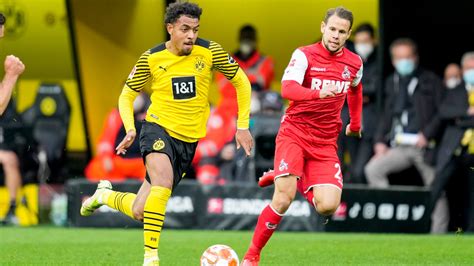
Some matches are remembered not just for their outcomes but for the individual brilliance on display. The 2013 semi-final second leg between borussia dortmund and Real Madrid is a case in point. Robert Lewandowski's four-goal performance in the first leg had given Dortmund a commanding lead, but Real Madrid, spearheaded by Cristiano Ronaldo, nearly overturned the deficit in the second leg, winning 2-0. Dortmund held on by the slimmest of margins, but the match showcased how individual brilliance can almost—but not quite—overcome collective resilience. This game is a microcosm of the UCL’s dual focus on star power and team cohesion.
Finally, the 2020 final between Bayern Munich and Paris Saint-Germain stands out as a modern classic. Played amid the backdrop of the COVID-19 pandemic in an empty stadium, this match was a clash of two footballing models—Bayern's well-oiled machine versus PSG's star-studded project. Kingsley Coman's headed goal was the difference, but the match was a showcase of tactical discipline and high-pressure football. It also symbolized the growing presence of state-backed clubs like PSG in the UCL landscape, raising questions about the tournament's future dynamics.
These matches are more than isolated events; they are chapters in the UCL’s evolving narrative. From miraculous comebacks to tactical masterclasses, they illustrate how the tournament has grown into a global spectacle. Each game has contributed to the UCL’s identity as a competition where history is written not by predictability but by moments of sheer brilliance, resilience, and occasionally, sheer luck. These matches are not just games; they are the defining moments that keep the tournament’s legacy alive.
Impact of UCL Success on Club Legacies
The UEFA Champions League (UCL) is more than just a prestigious football competition; it is a crucible where club legacies are forged and elevated. Winning the UCL is not merely a trophy added to a cabinet—it is a transformative event that reshapes a club's identity, reach, and influence in the global football ecosystem. This section delves into how UCL victories impact a club's reputation, fanbase, and commercial growth, offering nuanced insights into the ripple effects of this elite achievement.
A club's reputation is one of the most immediate and enduring areas influenced by UCL success. The Champions League is widely regarded as the pinnacle of club football, and triumphing in this competition signals that a team is among the best in the world. Clubs like Real Madrid, Barcelona, and Liverpool have built their global reputations partly on their consistent success in the UCL. For instance, Real Madrid's record 14 titles have cemented its status as the "Kings of Europe," a moniker that resonates with fans and rivals alike. This reputation extends beyond the football pitch; it becomes part of the club's brand, influencing how it is perceived in non-sporting circles. A UCL win often elevates a club to a symbol of excellence, ambition, and resilience, qualities that transcend sports and appeal to a broader audience.
The fanbase of a club is another area profoundly affected by UCL success. A victory in this tournament often acts as a magnet for new supporters, particularly in regions where football fandom is highly fluid and influenced by success. For example, after Chelsea's maiden UCL win in 2012, the club saw a surge in its global fanbase, especially in Asia and Africa, where the visibility of European success plays a significant role in shaping allegiances. Social media amplifies this effect; a UCL win generates millions of interactions, creating a digital footprint that attracts casual fans and converts them into loyal supporters. Moreover, the emotional resonance of a UCL victory—often accompanied by dramatic narratives like last-minute goals or underdog triumphs—strengthens the bond with existing fans. This emotional connection is a powerful driver of long-term loyalty, as fans associate the club with moments of joy and pride that are etched into memory.
From a commercial growth perspective, UCL success is a financial game-changer. The direct monetary rewards of winning the tournament are substantial, with prize money, television rights, and performance bonuses often exceeding €100 million for the champion. However, the indirect benefits are even more significant. A UCL win enhances a club's marketability, making it a more attractive partner for sponsors and advertisers. Brands are eager to associate themselves with winners, as the exposure and prestige of the competition provide unparalleled marketing opportunities. For example, after Liverpool's 2019 UCL victory, the club signed several high-profile sponsorship deals, including a lucrative kit deal with Nike. This commercial momentum is not limited to sponsorships; merchandise sales often skyrocket following a UCL win. Jerseys, scarves, and other memorabilia become hot commodities, especially when adorned with the "Champions of Europe" branding. Clubs also leverage their success to negotiate better broadcasting deals and expand their global reach through pre-season tours in new markets.
Another critical aspect of UCL success is its role in talent acquisition and retention. Winning the Champions League signals to players that a club is a destination for elite competition and success. This can be a decisive factor for top-tier players considering their next move. For instance, after Bayern Munich's 2020 UCL triumph, the club was able to attract and retain world-class talent, reinforcing its squad depth and competitiveness. Additionally, UCL success often leads to an influx of young prospects eager to be part of a winning culture. This dynamic creates a virtuous cycle where success breeds further success, as talented players contribute to sustained excellence on the field.
UCL victories also have a profound effect on a club's infrastructure and long-term planning. The prestige and financial windfall from winning the tournament often enable clubs to invest in state-of-the-art training facilities, youth academies, and stadium upgrades. For example, Manchester City's recent investments in its Etihad Campus were partly fueled by its ambition to compete consistently at the highest level of European football. A UCL win validates these investments, demonstrating to stakeholders—fans, investors, and sponsors—that the club is on the right track. This validation can lead to further growth, as stakeholders are more likely to support ambitious projects when success is evident.
However, the impact of UCL success is not universally positive. For some clubs, the pressure to replicate success can lead to overextension and financial instability. Take the case of clubs like AC Milan in the late 2000s or Valencia in the early 2000s, which struggled to maintain their dominance after UCL victories due to unsustainable spending and mismanagement. The expectation to consistently perform at the highest level can strain resources, particularly for clubs without the financial safety net of state ownership or massive commercial revenues. This underscores the dual-edged nature of UCL success: while it can elevate a club, it also raises the stakes for continued performance.
Beyond the club itself, UCL success often has a regional and national impact. A club's victory can elevate the stature of its home league, drawing attention to the quality of football played in that country. For instance, Porto's unexpected UCL win in 2004 not only boosted the club's profile but also highlighted the competitiveness of the Portuguese league. This can lead to increased investment in football infrastructure at the national level, as governments and federations seek to capitalize on the global spotlight.
In conclusion, the impact of UCL success on a club's reputation, fanbase, and commercial growth is multifaceted and far-reaching. While the immediate rewards are tangible—financial gains, global recognition, and enhanced marketability—the long-term effects are even more significant. A UCL victory can redefine a club's trajectory, embedding it in the annals of football history while opening doors to sustained growth and influence. However, this success also comes with challenges, as clubs must navigate the heightened expectations and pressures that come with being crowned champions of Europe. Ultimately, the UCL is not just a competition; it is a catalyst for transformation, shaping the destiny of clubs in ways that extend far beyond the final whistle.
Role of Star Players in Winning the Trophy
The UEFA Champions League (UCL) is a tournament that has seen some of the most remarkable displays of skill, determination, and teamwork in the history of football. However, beneath the surface of every successful UCL campaign lies the undeniable influence of star players whose performances often transcend the ordinary. These players do not just contribute goals or assists; they embody the spirit of their teams, elevate the collective effort, and often deliver when the stakes are highest. This section explores the role of legendary players in shaping UCL victories, focusing on how their individual brilliance often becomes the cornerstone of a team's success.
One of the most striking aspects of star players in UCL campaigns is their ability to perform consistently at the highest level. Take, for instance, Cristiano Ronaldo, who has won the trophy five times and is the all-time leading goal scorer in the competition. Ronaldo’s influence extends beyond his goal tally. In key moments, such as his hat-trick against Atletico Madrid in the 2019 round of 16 for Juventus or his last-minute penalty for Real Madrid against Juventus in 2018, he has shown an almost supernatural ability to rise to the occasion. This is not merely about physical skill but also about mental fortitude. Ronaldo’s relentless work ethic, combined with his knack for delivering in high-pressure situations, has often tipped the balance in favor of his team. His presence alone instills confidence in teammates and fear in opponents, creating a psychological edge that is as valuable as his on-field contributions.
Similarly, Lionel Messi has left an indelible mark on the UCL with his performances for Barcelona. Messi’s role in Barcelona’s 2009, 2011, and 2015 triumphs was not just about his goals—though his solo run against Manchester United in the 2011 final is etched in memory—but also about his ability to orchestrate play. Messi’s vision and playmaking often unlocked stubborn defenses, creating opportunities for teammates. His influence was not limited to attack; he frequently dropped deep to retrieve the ball, showcasing a blend of individual brilliance and team-oriented play. This duality is a hallmark of star players who win the UCL. They are not just finishers but also creators, capable of adapting their game to the needs of the moment. Messi’s performances often forced opponents to devise specific game plans to neutralize him, which in turn opened spaces for other players, underscoring how a star player can shape the dynamics of an entire match.
Another dimension of star players’ influence is their ability to inspire teammates. Zinedine Zidane, for example, was not just a masterful midfielder during his playing days but also a figure of calm and composure. His volley in the 2002 final against Bayer Leverkusen is often cited as one of the greatest goals in UCL history. However, Zidane’s impact was not confined to that moment. His ability to control the tempo of the game, combined with his elegant style of play, gave Real Madrid a sense of assurance. Teammates often played with greater freedom knowing that Zidane could dictate the flow of the game. This intangible quality—of being a leader through performance—is a recurring theme among star players in UCL-winning teams. They set a standard that others strive to meet, creating a ripple effect of elevated performance across the squad.
It is also worth examining how star players adapt to the evolving demands of the tournament. The UCL has become increasingly competitive, with teams employing sophisticated tactics and high-pressing systems. Andres Iniesta and Xavi Hernandez were pivotal in Barcelona’s dominance in the late 2000s and early 2010s. Their ability to retain possession under pressure and find pockets of space in tightly marked games was instrumental. Iniesta’s last-minute goal against Chelsea in the 2009 semi-final epitomized how star players can deliver when the margin for error is razor-thin. These players were not just skilled individuals but embodiments of a system—a system that relied on their intelligence, technique, and understanding of space to outmaneuver opponents. This synergy between player and system highlights how star players are often the linchpins of tactical success in UCL campaigns.
The role of star players is not limited to attacking positions. Defenders and goalkeepers have also played decisive roles in UCL victories. Paolo Maldini, for instance, was a stalwart in AC Milan’s backline during their UCL triumphs in 2003 and 2007. His reading of the game, impeccable timing in tackles, and leadership at the back provided a sense of security that allowed Milan’s attacking players to focus on their roles without fear of being exposed defensively. Similarly, Gianluigi Buffon and Iker Casillas have shown how a goalkeeper’s heroics can be the difference between victory and defeat. Casillas’ saves in the 2002 and 2014 finals for Real Madrid, and Buffon’s performances in Juventus’ runs to the final, underscore how star players in defensive roles can be as influential as their attacking counterparts. Their ability to make game-changing interventions often goes unnoticed but is no less critical to a team’s success.
A closer look at recent UCL campaigns reveals how modern star players have adapted to the pressures of social media, global scrutiny, and the commercialization of the sport. Erling Haaland and Kylian Mbappe represent a new generation of players who are not just talented but also acutely aware of their roles as ambassadors of their teams. Haaland’s explosive performances for Manchester City in the 2022-2023 season, where he scored 12 goals en route to the title, showcased how a player’s physical attributes—pace, strength, and finishing—can redefine what it means to be a star in the modern UCL era. Mbappe’s ability to carry Paris Saint-Germain on his shoulders in key matches, despite the team’s occasional struggles in Europe, highlights the burden star players often bear in less cohesive setups.
However, the influence of star players is not without its challenges. Teams that become overly reliant on a single individual can suffer when that player is marked out of the game or unavailable due to injury. This was evident in Barcelona’s struggles after Messi’s departure and in Juventus’ inability to convert domestic dominance into European success despite having Ronaldo. This dynamic underscores the need for star players to be part of a well-rounded team rather than standalone saviors. The most successful UCL campaigns often feature a blend of individual brilliance and collective strength, where star players complement rather than overshadow their teammates.
In conclusion, the role of star players in winning the UCL trophy is multifaceted. They are not just goal scorers or playmakers but also leaders, motivators, and standard-bearers for their teams. Their ability to perform under pressure, adapt to evolving challenges, and inspire those around them often determines the outcome of a campaign. From Ronaldo’s clutch goals to Zidane’s elegance and Maldini’s defensive mastery, star players have shaped the narrative of the UCL in ways that go beyond statistics. They are the catalysts who turn promising campaigns into legendary ones, proving time and again that while football is a team sport, the influence of a truly great player can be the defining factor in the quest for European glory.
Managerial Strategies Behind UCL Triumphs
The UEFA Champions League (UCL) has long been the pinnacle of club football, a tournament where tactical brilliance and leadership excellence often determine the outcome. Behind every UCL triumph lies a manager who not only crafts winning strategies but also instills a belief system within the team. Examining the **managerial strategies** of successful UCL-winning managers reveals a blend of tactical innovation, adaptability, and an acute understanding of human psychology.
One of the most striking aspects of UCL-winning managers is their ability to **tailor tactics to the strengths of their squad**. For instance, **Pep Guardiola's Manchester City** in the 2022-2023 season showcased a system built around positional play and fluidity. Guardiola’s insistence on high pressing and maintaining possession is well-documented, but what set this campaign apart was his use of a hybrid fullback system. Players like John Stones were deployed in dual roles—shifting between center-back and midfield—allowing City to dominate the central areas while maintaining width. This approach required not just technical proficiency but also a deep trust in the players’ adaptability, a hallmark of Guardiola’s leadership style. His obsessive attention to detail in training sessions ensured that even complex systems were executed with near-perfection in high-stakes matches.
In contrast, **Zinedine Zidane’s Real Madrid** (2016-2018) offers a different perspective on managerial success. While Guardiola is often associated with meticulous planning, Zidane’s approach leaned heavily on **simplicity and man-management**. His Real Madrid teams were not always the most dominant in terms of possession or tactical sophistication, but they were ruthlessly efficient in knockout stages. Zidane’s ability to keep star-studded squads motivated and united was a critical factor. He often relied on a core group of experienced players, such as Sergio Ramos and Luka Modrić, to lead by example. Moreover, his rotational policy—resting key players during less critical league matches—ensured that the team peaked during UCL fixtures. This pragmatic approach underscored the importance of **squad management and psychological readiness** over rigid systems.

Another fascinating case is **Jürgen Klopp's Liverpool**, particularly their 2018-2019 triumph. Klopp’s philosophy of **gegenpressing**—an aggressive, high-energy style of play aimed at winning the ball back immediately after losing it—was central to their success. However, what often goes unnoticed is how Klopp evolved this system to include more controlled buildup play as the team matured. The signing of players like Fabinho and the development of Trent Alexander-Arnold into a creative force from right-back were not accidental; they were part of a deliberate strategy to add layers to Liverpool’s play. Klopp’s charismatic leadership style, often described as a mix of passion and empathy, played a pivotal role in fostering a sense of unity. His famous "heavy metal football" was not just about physical intensity but also about creating a collective identity where players felt they were part of something greater than themselves.
A less-discussed but equally important aspect of UCL triumphs is how managers handle **tactical flexibility in high-pressure situations**. Take **Carlo Ancelotti**, one of the most decorated managers in UCL history. His teams, whether AC Milan in 2003 and 2007 or Real Madrid in 2022, have often been characterized by a **calm, adaptive approach**. Ancelotti’s ability to read the flow of a game and make decisive substitutions or formation changes mid-match is a testament to his experience. For example, in the 2022 final against Liverpool, he adjusted his midfield setup to nullify Liverpool’s press, using the experience of players like Toni Kroos and Luka Modrić to control the tempo. Ancelotti’s calm demeanor in post-match interviews often belies the calculated risks he takes during matches, showcasing how **emotional intelligence and tactical acumen** can coexist.
The role of **data and analytics** in modern UCL campaigns cannot be ignored. Managers like **Thomas Tuchel**, who led Chelsea to victory in 2021, have embraced analytics to fine-tune their strategies. Tuchel’s switch to a 3-4-2-1 formation after taking over midway through the season was not just a stylistic choice but a data-driven decision to address Chelsea’s defensive vulnerabilities. The system allowed players like César Azpilicueta and Antonio Rüdiger to excel in a back-three setup, while the wing-backs provided both defensive cover and attacking width. Tuchel’s emphasis on detailed video analysis and individualized player feedback exemplifies how **modern tools can complement traditional leadership**.
However, no discussion of UCL-winning managers is complete without acknowledging the **psychological battles** they wage. **Sir Alex Ferguson**, whose Manchester United teams won the trophy twice, was a master of **mind games**. His ability to instill a "never-say-die" attitude in his players was evident in iconic comebacks, such as the 1999 final against Bayern Munich. Ferguson’s teams were often outplayed for large portions of matches but found ways to win through sheer belief and late surges. This was not merely luck but a result of Ferguson’s relentless focus on building a winning mentality, often through public challenges to his players and a refusal to accept complacency.
It is also worth noting how **cultural and contextual factors** influence managerial strategies. For example, **Diego Simeone’s Atlético Madrid** in 2014 and 2021 thrived on a **defensive, counterattacking style** that reflected the club’s identity as underdogs. Simeone’s leadership was less about expansive football and more about instilling a sense of resilience and collective grit. His teams were often outspent by rivals like Real Madrid and Barcelona, yet they punched above their weight by perfecting a system that prioritized discipline and efficiency. This approach highlights how **contextual constraints can shape a manager’s philosophy**.
In summary, the managerial strategies behind UCL triumphs are as diverse as the managers themselves. From Guardiola’s intricate systems to Zidane’s man-management, Klopp’s emotional intensity, Ancelotti’s adaptability, Tuchel’s analytical edge, Ferguson’s psychological mastery, and Simeone’s underdog mentality, each approach offers unique lessons. What unites these managers is their ability to **blend tactical innovation with an understanding of human dynamics**, proving that success in the UCL is not just about the Xs and Os but about creating an environment where players can thrive under immense pressure.
- Guardiola’s focus on positional play and hybrid roles exemplifies tactical sophistication.
- Zidane’s simplicity and rotational policy highlight the importance of squad management.
- Klopp’s evolution of gegenpressing shows how systems can mature over time.
- Ancelotti’s calm game management underscores the value of experience.
- Tuchel’s use of analytics demonstrates the modern manager’s toolkit.
- Ferguson’s mind games reveal the psychological edge required in UCL football.
- Simeone’s defensive resilience reflects how context shapes strategy.
These insights reveal that the road to UCL glory is paved not just with talent but with the vision, adaptability, and leadership of those who guide their teams to the summit of European football.
Economic and Cultural Impact of UCL Wins
Winning the UEFA Champions League (UCL) is not merely a triumph on the football pitch; it is a seismic event that reverberates through the economic and cultural fabric of the clubs, their cities, and even the global sports ecosystem. The financial rewards and cultural significance of a UCL win are profound, shaping narratives, bolstering club prestige, and creating ripple effects that extend far beyond the final whistle.
From a financial standpoint, the immediate rewards of winning the UCL are staggering. The tournament's prize money structure is designed to incentivize success at every stage. For the 2023-2024 season, the total prize pool exceeded €2 billion, with the champions taking home a significant share. A club that wins the UCL can expect to receive upwards of €100 million when factoring in performance bonuses, market pool shares, and television rights. This sum is often a game-changer for clubs, particularly those outside the traditional "superclub" hierarchy. For instance, when Porto won the UCL in 2004 under José Mourinho, the financial windfall allowed them to reinvest in infrastructure, scouting networks, and player development, solidifying their status as a force in European football for years to come.
However, the financial impact of a UCL win extends beyond direct prize money. The exposure gained from competing in—and winning—the tournament enhances a club's global brand value. Sponsorship deals often see a dramatic uptick post-victory. For example, after Liverpool's 2019 UCL win, their shirt sponsorship deal with Standard Chartered was renegotiated at a significantly higher rate. Additionally, merchandise sales surge as fans worldwide rush to own a piece of history. Jerseys emblazoned with "UCL Winners" or player names become hot commodities, and clubs often release limited-edition kits to capitalize on the moment. This merchandising boom not only pads the coffers of the club but also strengthens fan loyalty and engagement, creating a virtuous cycle of financial and emotional investment.
The cultural significance of a UCL win is equally transformative. Football is often described as a universal language, and a UCL victory elevates a club to a position of global reverence. The tournament’s format—featuring the best teams from across Europe—ensures that the winner is seen as a standard-bearer of excellence. This prestige can redefine how a club is perceived both domestically and internationally. For example, when Chelsea won their first UCL title in 2012, it marked a shift in how the club was viewed. Previously seen as a wealthy but somewhat peripheral entity in European football, the victory cemented their place among the elite. This cultural elevation often manifests in how the club is represented in media, how players are marketed, and even how the city itself is portrayed. Cities like Madrid, Barcelona, and Munich are intrinsically linked to their clubs' UCL successes, with the victories becoming part of their identity.
The cultural impact also extends to the players. A UCL win often acts as a career-defining moment for athletes. It is not uncommon for players who perform exceptionally in the tournament to see their market value soar. Take, for instance, the case of Gareth Bale after his pivotal role in Real Madrid’s 2018 UCL final. His marketability and transfer appeal were at an all-time high following his memorable performance. Furthermore, UCL success often becomes a key factor in players’ decisions when choosing their next club. The allure of playing for a team with a history of European success can outweigh even the most lucrative contract offers from less storied clubs. This dynamic reinforces the "winning mentality" associated with UCL-winning clubs, as they attract top talent eager to etch their names into history.
Beyond the club and player level, the cultural ripple effects of a UCL win are felt in the broader football community. The tournament’s global audience—estimated at over 4 billion viewers annually—ensures that the winning club becomes a focal point of international attention. This attention often spills over into other areas, such as youth development and grassroots football. Clubs that win the UCL frequently see an influx of young talent eager to join their academies, inspired by the glamour and success associated with the trophy. This phenomenon is particularly evident in regions where football is still emerging as a dominant sport. For example, after Bayern Munich’s 2020 UCL win, there was a noticeable uptick in interest in football academies across Asia, where the club’s global outreach programs capitalized on their newfound exposure.
Another dimension of the cultural significance is the way a UCL win can unite diverse fan bases. Football fandom is often fragmented by local rivalries, but a UCL victory transcends these divides, at least temporarily. When a club like Liverpool or Manchester United wins the trophy, the celebratory atmosphere extends beyond the club's immediate supporters to the wider city and even the nation. Parades, public viewings, and communal celebrations create a sense of collective pride that can have lasting social benefits. In some cases, this unity has been leveraged for philanthropic efforts. Clubs often use their elevated platform post-victory to launch charitable initiatives, further embedding themselves in the cultural consciousness of their communities.
However, it is important to note that the economic and cultural impact of a UCL win is not without its challenges. The pressure to replicate success can lead to unsustainable spending, as clubs attempt to "chase the dragon" of European glory. This phenomenon, often referred to as "champions' curse," has seen teams overspend on transfers and wages in a bid to remain competitive, only to face financial instability. Examples like AC Milan in the late 2000s serve as cautionary tales of how the economic spoils of a UCL win must be managed with care.
In summary, the economic and cultural impact of winning the UCL is multi-faceted and profound. Financially, it provides a substantial boost through prize money, sponsorship, and merchandising opportunities, while culturally, it elevates a club’s prestige, influences player careers, and fosters a sense of unity and identity among fans and communities. Yet, the true measure of a UCL win’s impact lies in how clubs navigate the opportunities and challenges it presents. For some, it is a springboard to sustained success; for others, it is a fleeting moment of glory. Either way, the legacy of a UCL victory is etched not just in trophies but in the broader economic and cultural tapestry of the sport.
Conclusion and Future Prospects
The UEFA Champions League (UCL) stands as one of the most prestigious and captivating competitions in global football, embodying the pinnacle of club-level achievement. Its enduring appeal lies in its ability to consistently deliver high-stakes drama, technical brilliance, and moments of unparalleled emotion that resonate with fans across continents. This allure is not merely a product of its format or the caliber of teams involved but is deeply rooted in the competition's history, its ability to adapt to modern football dynamics, and the stories it weaves season after season.
One of the key factors contributing to the UCL's lasting charm is its inclusivity within elite football. Unlike domestic leagues, which often see the same few teams dominate due to financial and infrastructural advantages, the UCL offers a stage where even underdogs can rise to prominence. Consider the fairy-tale runs of teams like Ajax in 2019 or Monaco in 2017—these instances remind us that the competition is not solely the domain of traditional powerhouses. This unpredictability, juxtaposed with the dominance of serial winners like Real Madrid, Barcelona, and Bayern Munich, creates a dynamic tension that keeps the audience invested year after year.
Another aspect of the UCL's appeal is its global reach. The tournament is not confined to Europe; it is a spectacle watched by millions worldwide. The advent of digital streaming and social media has further democratized access to matches, highlights, and player narratives. This has amplified the competition’s cultural footprint, turning UCL nights into global events. For instance, the iconic "Champions League anthem" is now instantly recognizable even to casual fans, underscoring how the tournament has embedded itself in the collective consciousness of football enthusiasts.
The competition’s format also plays a critical role in sustaining its allure. The group stage offers a mix of predictable outcomes and surprise upsets, while the knockout rounds are designed to maximize tension. The away-goals rule, though recently removed, added layers of strategy and suspense, while the single-leg finals in neutral venues often produce matches that are as much about mental fortitude as technical skill. These structural elements ensure that the UCL remains a blend of calculated strategy and raw emotion, a combination that few other tournaments can replicate.
Looking ahead, the UCL's future prospects are deeply tied to the evolution of football itself. Emerging contenders are reshaping the competitive landscape, challenging the hegemony of traditional giants. Clubs like Manchester City, Paris Saint-Germain (PSG), and RB Leipzig have risen to prominence in recent years, fueled by significant investment and modern footballing philosophies. These teams represent a new breed of contenders—organizations that prioritize data analytics, youth development, and aggressive transfer strategies to compete with established elites.
Manchester City, for example, under the stewardship of Pep Guardiola, has redefined what it means to dominate possession and control games. Their UCL triumph in 2023 was not merely a culmination of financial power but a testament to a meticulously built system that blends tactical innovation with individual brilliance. Similarly, PSG’s pursuit of European glory, despite falling short multiple times, highlights how ambition and resources can elevate clubs from less traditional footballing nations into the upper echelons of the sport. However, their struggles also serve as a reminder that money alone cannot guarantee success in a tournament as unpredictable as the UCL.
Another intriguing development is the rise of clubs from "less glamorous" leagues. Teams like Napoli and Porto have shown that tactical discipline and a cohesive team ethic can bridge the gap between leagues with varying financial clout. Napoli’s scintillating run in the 2022-23 season, for instance, demonstrated how a well-drilled squad with a clear identity can outperform teams with more star-studded rosters. This trend suggests that the UCL's future may see a broader range of contenders, as clubs from "smaller" leagues adopt innovative approaches to compete on the grand stage.
The specter of new tournament formats also looms large over the UCL's future. Proposals for an expanded Champions League, including more group-stage matches and a revised qualification system, have sparked debates about accessibility versus exclusivity. While these changes aim to increase revenue and engagement, there is a risk of diluting the competition's prestige. Striking the right balance will be crucial to maintaining the UCL's status as the most coveted club trophy in football. Any misstep in this regard could see the tournament lose some of its magic, as fans and purists may view an overly commercialized structure as a departure from the competition's roots.
Additionally, the role of technology and analytics in shaping future UCL narratives cannot be overlooked. Clubs are increasingly leveraging data to identify undervalued talent, optimize performance, and refine in-game strategies. This shift is evident in how teams like Liverpool and Bayern Munich have used advanced metrics to maintain their competitive edge. As this trend continues, we may see a new wave of "smart" contenders—clubs that prioritize efficiency and innovation over sheer financial outlay. This could level the playing field further, potentially ushering in an era where tactical acumen and adaptability trump raw spending power.
The role of young talent in shaping the competition’s future is also worth considering. The UCL has long been a stage for emerging stars to announce themselves to the world. Players like Kylian Mbappé, Erling Haaland, and Vinícius Júnior have already left indelible marks on the tournament, signaling a generational shift. As academies and scouting networks become more sophisticated, we can expect even more young prodigies to emerge, potentially from regions previously underrepresented in European football. This influx of fresh talent will not only invigorate the competition but also challenge established hierarchies, keeping the UCL dynamic and unpredictable.
Finally, the UCL’s enduring appeal is also tied to its symbolic value. For players, winning the trophy is often seen as the ultimate validation of their careers. For clubs, it is a marker of institutional success and legacy. For fans, it is an emotional journey that transcends the 90 minutes of play. This deep-seated connection ensures that the competition will remain relevant even as football evolves. However, the challenge for the UCL will be to preserve its essence while adapting to the pressures of modernization and commercialization.
In conclusion, the UEFA Champions League’s appeal is rooted in its ability to balance tradition with innovation, offering a stage where history meets ambition. As emerging contenders rise and the footballing landscape shifts, the tournament’s future prospects remain bright, provided it continues to prioritize the elements that have made it iconic. Whether through the emergence of new powerhouses, the integration of technology, or the elevation of young talent, the UCL is poised to remain the pinnacle of club football—a beacon of excellence that captures the imagination of millions.