Introduction
Erling Haaland's ascent in the world of football has been nothing short of meteoric, a narrative that has captivated fans, analysts, and clubs across the globe. Born on July 21, 2000, in Leeds, England, Haaland's journey to becoming one of the most talked-about athletes in modern football is a blend of innate talent, relentless work ethic, and a series of strategic career moves that have positioned him as a global phenomenon. At just 24 years old, he has already shattered records, redefined expectations for a modern striker, and become a subject of intrigue not only for his performances on the pitch but also for the way he embodies the evolving dynamics of football in the 21st century.
Haaland’s story begins with a unique blend of heritage and environment. His father, Alf-Inge Haaland, was a professional footballer who played for clubs like Leeds United and Manchester City, providing young Erling with early exposure to the sport's intricacies. While this familial connection to football is often cited as a starting point, what truly sets Haaland apart is the way he has transcended the shadow of his father’s career. Unlike many progenies of footballers who struggle under the weight of expectations, Haaland has carved out a distinct identity. His physical attributes—standing at 6’4” with blistering pace and strength—combine with a razor-sharp footballing intelligence that belies his age. This combination has made him a prototype of the modern striker, a player who can dominate physically while maintaining the finesse and tactical adaptability required in today’s game.
What truly underscores Haaland’s meteoric rise is the speed with which he has accumulated milestones. His professional debut came at the age of 15 for Bryne FK in Norway, but it was his move to Molde under the tutelage of Ole Gunnar Solskjær that first brought him into the limelight. At Molde, Haaland displayed a knack for scoring goals that was both prolific and versatile—he could score with his left foot, right foot, or head, and he demonstrated an ability to find space in crowded penalty areas. This early promise was validated when he moved to Red Bull Salzburg in 2019, where he announced himself on the European stage. In the UEFA Champions League, he became the first teenager to score in five consecutive matches, a feat that put him on the radar of every major club in Europe. His hat-trick in just 23 minutes during his Champions League debut was a statement of intent, one that signaled the arrival of a player who was not just talented but also ruthlessly efficient.
The move to borussia dortmund in January 2020 marked a pivotal moment in Haaland’s career. Dortmund, known for nurturing young talent, provided the perfect platform for Haaland to refine his craft in one of Europe’s top leagues. His impact was immediate and staggering—he scored a hat-trick within 20 minutes of his debut as a substitute. Over the next two and a half seasons, he would go on to score 86 goals in 89 appearances for the club, a statistic that speaks to his consistency and lethal finishing. However, it was not just the volume of goals that caught attention but the manner in which he scored them. Haaland’s ability to combine raw power with precision, his instinctive positioning, and his seemingly unstoppable runs behind defenses made him a nightmare for opponents. This period also saw him develop a reputation for being a “big-game player,” someone who thrived under pressure and delivered when it mattered most.
Haaland’s transfer to Manchester City in 2022 was a natural progression in his career trajectory, but it also represented a fascinating case study in how a player of his profile adapts to a new system. Under the guidance of Pep Guardiola, a coach known for demanding tactical flexibility and positional discipline, Haaland has not only maintained his goal-scoring prowess but has also shown a willingness to evolve. Critics who once questioned whether his style would suit Guardiola’s possession-based, intricate system have been silenced by his record-breaking Premier League season, where he scored 36 goals in 35 appearances, setting a new benchmark for a single season. This adaptation is a testament to Haaland’s footballing IQ and his ability to integrate into different systems without losing his core strengths.
Beyond the statistics and accolades, what makes Haaland a subject of global interest is the way he represents a new era of football stardom. In an age where data analytics, sports science, and media exposure play an increasingly significant role, Haaland is a player who seems tailor-made for this landscape. His physical attributes are often analyzed through advanced metrics—top speeds, distance covered, and shot conversion rates—that highlight his efficiency. His personality, too, has contributed to his appeal. Unlike many of his contemporaries who embrace flamboyance or controversy, Haaland maintains a focused, almost stoic demeanor. His interviews are rarely flashy, and his social media presence is understated, yet his on-field exploits ensure that he remains a central figure in football discourse. This duality—of being a record-breaking athlete while maintaining a low-key persona—has only heightened the intrigue around him.
Another dimension of Haaland’s global appeal lies in his marketability and cultural significance. He is not just a footballer but a brand in himself, representing the intersection of athletic excellence and modern celebrity. His Norwegian roots add an element of uniqueness—he hails from a country not traditionally associated with producing world-class strikers, yet he has become a flag-bearer for Norwegian football. This aspect has endeared him to a global audience that sees in him a symbol of breaking barriers and redefining norms. His popularity is also amplified by the way he resonates with younger fans, many of whom view him as a video-game-like character come to life, a player whose feats seem almost unreal in their consistency and impact.
The global interest in Haaland is also fueled by the broader context of football’s evolving landscape. As the sport becomes increasingly globalized, players like Haaland serve as focal points for discussions about the future of the game. His career trajectory—moving from a small Norwegian club to dominating the Premier League—reflects the opportunities and challenges faced by young talents in an era of hyper-competitive football. His success also raises questions about the sustainability of such rapid rises and the pressures that come with being a player of his caliber in the modern game. How he navigates these challenges—both physical and mental—will be a key narrative in the coming years.
In summary, Erling Haaland’s rise is a multifaceted phenomenon that extends beyond the realm of mere goal-scoring. It is a story of talent meeting opportunity, of a player who has not only adapted to but thrived in the demands of modern football. His journey is a microcosm of the sport’s evolution, where physical prowess, tactical adaptability, and marketability converge to create a global icon. As he continues to break records and set new standards, Haaland’s story is far from complete—it is a narrative that will likely shape the future of football for years to come.
Early Life and Background
Erling Haaland's journey to becoming one of football's most prolific strikers is deeply rooted in a combination of nature and nurture. His early life and background reveal a young athlete shaped by a unique blend of family influence, an environment steeped in sporting excellence, and an inherent passion for the game. To understand Haaland's meteoric rise, one must delve into the formative years that laid the foundation for his exceptional career.
Born on July 21, 2000, in Leeds, England, Erling Braut Haaland entered the world at a time when his father, Alf-Inge Haaland, was plying his trade as a professional footballer in the Premier League. Alf-Inge, a Norwegian international who played for clubs like Leeds United, Manchester City, and Nottingham Forest, provided an early connection to football that would become a cornerstone of Erling's upbringing. The family’s relocation to Bryne, a small town in Norway, when Erling was just three years old marked a shift from the bustling football culture of England to a quieter, yet equally influential, setting in his father’s homeland.
Alf-Inge's influence on Erling was profound, though not in the stereotypical "pushy parent" manner often associated with sports prodigies. Instead, Alf-Inge emphasized balance. He allowed Erling to explore various sports, including handball, golf, and track and field, which contributed to his physical development and athletic versatility. However, football was always a central theme in the Haaland household. Alf-Inge’s career had been marked by both success and adversity—most notably, a knee injury inflicted by a notorious tackle from Roy Keane—and this duality of triumph and challenge instilled in Erling a sense of resilience. The stories of his father’s experiences on the pitch served as both inspiration and cautionary tales, teaching Erling the value of hard work, humility, and the unpredictability of a footballer's life.
Erling's mother, Gry Marita Braut, also played a significant role in shaping his early years. A former women’s heptathlete, she brought an athletic pedigree to the family that complemented Alf-Inge’s football background. Her influence extended beyond genetics; she emphasized discipline and a strong work ethic, traits that would become evident in Erling’s approach to training and competition. The family’s collective focus on physical fitness and holistic development created an environment where Erling could thrive, not just as a footballer but as a well-rounded athlete.
Early exposure to football came naturally to Erling, thanks to his father’s legacy and the local football culture in Bryne. He joined Bryne FK, the local club, at the age of five, where he began honing his skills on the pitch. Unlike many young players who are immediately identified as prodigies, Erling’s early development was steady rather than explosive. Coaches at Bryne noted his physical attributes—his height, speed, and strength were evident even as a child—but they also observed a raw, unpolished talent that needed refinement. This period of his life was characterized by a mix of natural ability and an eagerness to learn, as he absorbed coaching advice and experimented with different positions on the field.
One unique insight into Haaland’s early football education is his exposure to diverse playing styles. Norway’s footballing landscape, while less competitive than England’s or Spain’s, provided a space where young players like Erling could experiment without immense pressure. At Bryne, he was encouraged to play in various roles, including midfield and defense, before eventually settling into a striker position. This versatility gave him a deeper understanding of the game, allowing him to anticipate plays and exploit spaces with a maturity beyond his years. It is worth noting that this multi-positional experience is a rarity among modern strikers, many of whom are groomed exclusively for attacking roles from a young age.
Erling’s early exposure to professional football also came through his father’s network. Alf-Inge’s connections within the sport meant that Erling was often in environments where he could observe and learn from seasoned professionals. Whether it was attending matches, visiting training grounds, or simply listening to his father’s anecdotes, Erling was immersed in a world where football was both a profession and a passion. This proximity to the professional game likely fueled his ambition and provided him with a realistic understanding of what it takes to succeed at the highest level.
Another critical aspect of Haaland’s early life was his exposure to Norwegian football philosophy, which places a strong emphasis on teamwork, physical endurance, and tactical awareness. While Norway may not have the same global footballing prestige as countries like Brazil or Germany, its approach to youth development often focuses on creating well-rounded players who can adapt to different systems. This philosophy influenced Erling’s early training, encouraging him to prioritize collective success over individual glory—a mindset that would later set him apart in a sport increasingly dominated by individualistic superstars.
Erling’s competitive nature was also evident in his participation in other sports. His involvement in track and field, for instance, helped him develop explosive speed and endurance—qualities that would become hallmarks of his playing style. In one anecdote from his youth, he reportedly set a world record for the standing long jump for his age group, leaping an impressive 1.63 meters at just five years old. While this record has since been broken, it underscores the natural athleticism that Haaland possessed even before he became a household name in football.
Family life in Bryne was also characterized by a sense of normalcy that is often absent in the lives of young athletes with professional aspirations. Erling grew up in a supportive yet grounded environment where education and personal growth were prioritized alongside sports. This balance likely contributed to his ability to handle the pressures of professional football with a level of maturity that belies his age. Unlike many young talents who struggle with the sudden fame and expectations that come with success, Haaland has often credited his family for keeping him anchored.
As he progressed through the youth ranks at Bryne, Haaland’s potential began to shine more brightly. By the age of 15, he was already making waves in the club’s junior teams, scoring goals with a frequency that hinted at his future prowess. However, his journey was not without challenges. Early scouting reports often described him as "gangly" or "awkward," and there were doubts about whether his physical attributes would translate into consistent performance at higher levels. These early critiques, rather than discouraging him, seemed to fuel his determination to prove his worth.
- Erling’s multi-sport background contributed to his physical versatility and mental adaptability.
- His father’s career provided both inspiration and a realistic understanding of the football world’s challenges.
- The balanced upbringing in Bryne allowed him to develop without the overwhelming pressure faced by many young talents.
In summary, Erling Haaland’s early life and background reveal a confluence of factors that shaped him into the player he is today. From the influence of his athletically gifted parents to the nurturing environment of Bryne FK, his upbringing was both rooted in tradition and forward-looking in its approach. The blend of natural talent, disciplined training, and a supportive yet realistic family dynamic created the perfect storm for his development. This early chapter of his life is not just a story of a young boy with a ball at his feet but a narrative of how environment, opportunity, and personal drive can converge to produce a footballing phenomenon.
Breakthrough Moments
Erling Haaland's meteoric rise to football stardom is marked by a series of breakthrough moments that not only showcased his raw talent but also cemented his status as one of the most exciting prospects in the sport. These key matches and performances reveal a pattern of explosive impact, tactical intelligence, and an almost insatiable hunger for goals that set him apart from his contemporaries.
The first major highlight in Haaland's career came during the 2019 FIFA U-20 World Cup, where he represented Norway. While the tournament itself was not a stage where Norway excelled as a team, Haaland's individual brilliance was impossible to ignore. In a group stage match against Honduras, he scored a staggering nine goals in a single game, leading Norway to a 12-0 victory. This performance was not just about the number of goals but the variety of finishes—close-range tap-ins, powerful strikes, and clinical headers. It was a display of versatility that hinted at his potential to dominate at higher levels. While this was a youth tournament, the audacity of such a feat brought global attention to a then 18-year-old Haaland, signaling that he was not just another promising youngster but a player with world-class potential.
However, it was his move to Red Bull Salzburg in 2019 that provided the platform for Haaland to make waves in European club football. His breakthrough in the UEFA Champions League is perhaps one of the most defining chapters of his early career. On September 17, 2019, in Salzburg's opening group stage match against Genk, Haaland announced himself to the elite stage by scoring a first-half hat-trick. This was not just any hat-trick; it was achieved with a blend of power, precision, and poise that belied his age. His first goal, a left-footed strike from inside the box, showcased his ability to find space in crowded areas. The second, a well-timed header, underscored his aerial prowess. The third, a composed finish after a through ball, demonstrated his calmness under pressure. Scoring three goals in your Champions League debut is rare, but doing so at 19 years old was extraordinary. This performance made him the third-youngest player to score a Champions League hat-trick, behind only Raúl and Wayne Rooney—a testament to his precocious talent.
Haaland's impact in the Champions League did not stop there. In the subsequent group stage matches, he continued to impress, particularly against Liverpool and Napoli, two of Europe's top teams. Although Salzburg did not progress from the group, Haaland's eight goals in six games—including a memorable strike against Liverpool at Anfield—were enough to make Europe's top clubs take notice. His ability to perform against high-caliber opposition in pressure-filled environments marked him as a player who thrived under the spotlight rather than shrinking from it.

The winter transfer window of 2020 saw Haaland make a move to Borussia Dortmund, a club renowned for nurturing young talent. His debut for Dortmund on January 18, 2020, against Augsburg was nothing short of sensational. Coming on as a second-half substitute with his team trailing 3-1, Haaland turned the game on its head by scoring a 23-minute hat-trick. This was not just about the goals but the context—Dortmund needed a savior, and Haaland delivered with a mix of brute force and finesse. His first goal was a powerful left-footed shot from outside the box, while his second and third goals showcased his predatory instinct in the penalty area. This match was a microcosm of what Haaland brought to the table: the ability to change the course of a game in an instant.
Another key moment in Haaland's Dortmund tenure was his performance in the 2020-21 DFB-Pokal final against RB Leipzig. Haaland scored two goals in a 4-1 victory, securing Dortmund's first trophy in four years. What stood out in this match was not just the goals but the manner in which he imposed himself physically and mentally on the game. His first goal, a blistering run behind the defense followed by a composed finish, highlighted his speed and timing. The second goal, a powerful strike after shrugging off a defender, showed his strength and determination. This performance solidified his reputation as a big-game player, capable of delivering when it mattered most.
One cannot discuss Haaland's breakthrough moments without mentioning his exploits against Bayern Munich, Dortmund's fiercest rival. In the 2021 Bundesliga season, Haaland scored a brace in a thrilling 4-2 loss to Bayern. While Dortmund did not win the match, Haaland's goals—particularly his second, a sensational solo effort where he outpaced and outmuscled defenders before slotting the ball past the goalkeeper—were a reminder of his ability to shine even in defeat. These performances against Bayern, a team often considered the benchmark in German football, further elevated his profile as a player who could challenge the very best.
Beyond club football, Haaland's impact for the Norwegian national team has also been significant. His first senior international goal came in a Euro 2020 qualifier against Malta in September 2019. While this was not a high-profile match, it was a milestone that marked the beginning of his journey as a key figure for Norway. Since then, he has consistently delivered for his country, including a memorable performance in a World Cup qualifier against Gibraltar in March 2021, where he scored a hat-trick. Such performances for Norway, though not always in the most competitive fixtures, have reinforced his status as a player who can rise to the occasion regardless of the stage.
It is also worth noting that Haaland's breakthrough moments are not solely defined by goals. His movement off the ball, link-up play, and ability to draw defenders have often created space and opportunities for teammates. For instance, in Dortmund's 3-2 win over Sevilla in the 2020-21 Champions League round of 16, Haaland scored twice but also played a pivotal role in setting up Marco Reus for a crucial goal. This holistic contribution to the team dynamic underscores his growth as a complete forward rather than just a goal poacher.
In summary, Erling Haaland's breakthrough moments are a tapestry of explosive performances that highlight his versatility, mental fortitude, and ability to deliver in high-stakes scenarios. From his nine-goal spectacle in the U-20 World Cup to his Champions League heroics with Salzburg, his transformative impact at Dortmund, and his growing influence for Norway, each moment has been a stepping stone in his journey to becoming one of football's most feared strikers. These matches and performances are not just milestones in his career but a clear indication of a player destined for greatness.
Playing Style and Attributes
Erling Haaland is a phenomenon in modern football, blending an extraordinary combination of physical prowess and technical finesse that sets him apart from his contemporaries. To understand his playing style and attributes, one must delve into the unique physical and technical skills that define his game. These attributes not only make him a prolific goal scorer but also a player who can influence matches in diverse ways.
One of Haaland's most striking features is his physicality. At 6 feet 4 inches tall, he possesses a frame that is both imposing and agile. Unlike many tall strikers who rely solely on their height for aerial dominance, Haaland combines his stature with explosive speed. His ability to accelerate from a standing start is comparable to players much smaller in size, such as Kylian Mbappé. This speed is not just a function of his natural athleticism but is also honed through his training regimen, which emphasizes sprint mechanics and power output. For instance, Haaland has been clocked at speeds exceeding 36 km/h during matches—a figure that places him among the fastest players in elite football. This attribute allows him to outrun defenders in one-on-one situations, often leaving them trailing as he bursts into space behind the defensive line.
However, speed alone does not define Haaland’s effectiveness. His finishing ability is perhaps his most celebrated trait. What makes Haaland’s finishing unique is its versatility. He is equally comfortable scoring with his left foot, right foot, or head, which makes him a nightmare for defenders to anticipate. His finishing technique is characterized by a blend of precision and power. Haaland often strikes the ball with a clean, low trajectory, ensuring that his shots are difficult for goalkeepers to handle. This is particularly evident in his first-time finishes, where he demonstrates exceptional ball control and composure. A closer look at his goals reveals that many of them are scored in high-pressure situations, such as in crowded penalty areas or against top-tier goalkeepers. This suggests that Haaland not only has the technical ability to finish but also the mental fortitude to execute under pressure. His calmness in these moments is reminiscent of great strikers like Ronaldo Nazário, who similarly combined physical power with a razor-sharp finishing instinct.
Another critical aspect of Haaland’s playing style is his positional intelligence. While he is often labeled as a traditional number 9, his movement off the ball is anything but conventional. Haaland has an innate ability to find pockets of space in and around the penalty area, often drifting wide or dropping deeper to pull defenders out of position. This movement is not random; it is calculated to exploit the opposition's defensive structure. For example, when playing in a system like Manchester City’s, where the wingers and midfielders frequently overload one side of the pitch, Haaland often positions himself on the opposite side of the field. This creates a dilemma for defenders: do they stay tight to him and risk leaving space elsewhere, or do they shift to cover the overload and leave Haaland isolated against a single defender? His ability to read these situations and make the right run is a testament to his game intelligence.
Haaland’s off-the-ball movement also extends to his timing. Unlike some strikers who rely on constant activity to create opportunities, Haaland is a master of selective movement. He conserves energy by staying relatively static when the play is developing in less dangerous areas, only springing into action when the ball is in a zone where he can be most effective. This approach not only allows him to remain fresh throughout a match but also makes his runs more unpredictable. A classic example of this is his habit of starting a run slightly behind the defensive line before accelerating at the precise moment the ball is played. This split-second timing often catches defenders flat-footed, giving him the crucial yard of space needed to receive and finish.
Another dimension of Haaland’s technical skill set is his link-up play. While he is primarily a goal scorer, he is not a one-dimensional player. Haaland has shown an ability to participate in build-up play, particularly when his team needs to transition quickly from defense to attack. His first touch is surprisingly refined for a player of his size, allowing him to control long passes or lofted through balls with ease. Moreover, his strength enables him to hold off defenders and lay off the ball to onrushing teammates. This trait is particularly valuable in teams that prioritize possession and quick interchanges, such as Manchester City under Pep Guardiola. Haaland’s link-up play is not as prolific as that of a false nine like Roberto Firmino, but it is effective enough to ensure he is not a liability when his team is not in the final third.
Haaland’s physical endurance and stamina are also worth noting. Despite his size, he is capable of maintaining a high work rate over 90 minutes. This is partly due to his disciplined approach to fitness, which includes a focus on recovery, nutrition, and tailored training programs. His stamina allows him to press defenders when required, a trait that is increasingly important in modern football systems that demand a high pressing intensity from all players. While he may not press as relentlessly as someone like Roberto Lewandowski, Haaland’s ability to close down defenders in key moments disrupts the opposition’s build-up and often leads to turnovers in dangerous areas.
Additionally, Haaland’s mental attributes deserve mention. His hunger for goals is almost insatiable, and this is reflected in his body language and demeanor on the pitch. He exudes a relentless desire to score, often reacting with visible frustration when chances are missed. This mindset is not just about personal glory; it reflects a deep-seated competitiveness that drives him to improve constantly. Haaland is also highly adaptable, as seen in his seamless transition from the Bundesliga to the Premier League, two leagues with starkly different styles of play. His ability to thrive in both environments speaks to his versatility and willingness to evolve his game based on the demands of his team and league.
To summarize, Erling Haaland’s playing style and attributes can be best described as a fusion of raw physical power, technical brilliance, and tactical intelligence. His speed allows him to exploit space, his finishing ensures he capitalizes on opportunities, and his positional awareness ensures he is always in the right place at the right time. These attributes, combined with his mental resilience and adaptability, make him one of the most complete strikers in the modern game. While comparisons to other greats are inevitable, Haaland’s unique blend of skills suggests that he is carving out a legacy that is distinctly his own.
Club Career Journey
Erling Haaland's club career journey is a testament to his meteoric rise from a promising young talent in Norway to becoming one of the most feared strikers in world football. His progression through clubs like Molde, Red Bull Salzburg, Borussia Dortmund, and Manchester City reveals not just his physical and technical evolution but also his ability to adapt to increasingly demanding environments. Each step of his journey has been marked by significant milestones that have shaped his trajectory as a player.
Haaland began his professional career at **Molde FK** in 2017 under the stewardship of Ole Gunnar Solskjær, a former Manchester United striker who recognized the young Norwegian's raw potential. At just 16 years old, Haaland made his debut for Molde in a match against VfB Stuttgart II in the Norwegian Cup. While he was far from the finished product, his physical attributes—tall, strong, and fast—were evident even in those early days. However, what set him apart was his hunger for goals. In his first full season, Haaland scored 4 goals in 20 appearances, a modest return but one that hinted at greater things to come. It was in 2018, during his second season at Molde, that he truly announced himself. He scored 16 goals in 30 appearances across all competitions, including a memorable four-goal haul in just 21 minutes against Brann. This performance showcased his clinical finishing and explosive pace, qualities that would become his trademarks. Molde provided Haaland with the platform to develop his game in a less pressurized environment, allowing him to make mistakes and learn without the weight of global scrutiny. This period was crucial in building his confidence and honing his instinctive movement in the box.
In January 2019, Haaland made the move to **Red Bull Salzburg**, a club renowned for its ability to nurture young talent. Salzburg's high-intensity, attacking style of play was a perfect fit for Haaland's aggressive and direct approach. Here, he was exposed to European competition for the first time, featuring in the UEFA Champions League. His impact was immediate and staggering. In his first Champions League campaign, Haaland scored 8 goals in his first 5 matches, including a hat-trick against Genk. This made him the first teenager to score in five consecutive Champions League matches. What stood out during his time at Salzburg was not just the volume of goals but the variety. He scored with his left foot, right foot, and head, demonstrating a well-rounded attacking repertoire. Salzburg also emphasized a high-pressing system, which helped Haaland develop his off-the-ball work rate. This phase of his career was pivotal in transitioning him from a promising striker to a player capable of performing on the European stage. His time at Salzburg was brief but explosive, lasting only a year, during which he scored 29 goals in 27 appearances. This period solidified his reputation as a goal-scoring phenomenon and attracted the attention of Europe's elite clubs.
The next step in Haaland's journey came in December 2019 when he joined **Borussia Dortmund** in the German Bundesliga. Dortmund, a club with a history of developing young talents like Robert Lewandowski and Pierre-Emerick Aubameyang, offered Haaland the opportunity to test himself in one of Europe's most competitive leagues. Dortmund's fast-paced, counter-attacking style suited Haaland's skill set perfectly. In his debut match against Augsburg, he came off the bench to score a 23-minute hat-trick, a feat that encapsulated his ability to make an instant impact. At Dortmund, Haaland's game evolved further. He was no longer just a poacher; he became a more complete forward. Under the guidance of coaches like Lucien Favre and later Marco Rose, Haaland worked on his link-up play, hold-up ability, and defensive contributions. His partnership with players like Jadon Sancho and later Jude Bellingham highlighted his adaptability in different tactical setups. Over two and a half seasons at Dortmund, Haaland scored an astonishing 86 goals in 89 appearances. This period also saw him face the pressures of being a key player in a top-tier club, including the expectations of delivering in high-stakes matches against rivals like Bayern Munich. While he was prolific, he also encountered physical challenges, including injuries that tested his resilience. Haaland's time at Dortmund was defined by his ability to perform consistently under pressure, cementing his status as one of the most sought-after players in the world.
In the summer of 2022, Haaland made the high-profile move to **Manchester City**, a club that had just won the Premier League under Pep Guardiola. This transfer was seen as a natural progression for a player of his caliber, moving to a team that could provide him with the platform to compete for the highest honors in club football. Manchester City's possession-based, intricate style of play initially posed a challenge for Haaland, as it required him to adapt to a system where he was not always the focal point of attacks. However, he quickly dispelled any doubts about his suitability for Guardiola's system. In his debut Premier League season, Haaland shattered records, scoring 36 goals in 35 matches to set a new single-season scoring record. His ability to adapt to a team that often prioritized collective play over individual brilliance was a testament to his intelligence and work ethic. At City, Haaland has also shown growth in his ability to contribute to build-up play, often dropping deeper to link with midfielders like Kevin De Bruyne and Phil Foden. His Champions League performances for City have been equally impressive, reinforcing his reputation as a big-game player. What makes his time at Manchester City unique is the way he has integrated into a squad brimming with world-class talent, yet still managed to stand out as the primary goal threat.
Haaland's journey through these clubs illustrates a pattern of exponential growth. At **Molde**, he was a raw talent with potential; at **Salzburg**, he became a prolific scorer on the European stage; at **Dortmund**, he matured into a consistent performer in one of Europe's toughest leagues; and at **Manchester City**, he has reached the pinnacle of his career so far, competing for and winning major trophies. Each club has contributed to his development in distinct ways. Molde provided the foundation, Salzburg offered the springboard, Dortmund added the polish, and City has given him the stage to showcase his world-class abilities. What is particularly striking about Haaland's progression is how he has managed to retain his core attributes—explosive speed, lethal finishing, and a relentless desire to score—while continually refining other aspects of his game.
His club career journey is not just a story of personal success but also a case study in how modern football nurtures and transitions young talents through different systems and cultures. Haaland's ability to thrive in diverse environments—from the quieter shores of Norway to the high-stakes arenas of the Premier League—highlights his mental fortitude and adaptability. As he continues to break records and set new benchmarks, his journey through these clubs will be remembered as a blueprint for how a modern striker can ascend to greatness.
- At Molde, he learned the fundamentals of professional football under Solskjær's mentorship.
- At Salzburg, he showcased his European pedigree and versatility in front of goal.
- At Dortmund, he honed his ability to perform consistently in a competitive league.
- At Manchester City, he has reached the zenith of his career, breaking records and winning trophies.
Haaland's club career is a masterclass in progression, a journey that reflects not just his individual brilliance but also the systems and environments that have shaped him into the player he is today.
Statistical Dominance
Erling Haaland's rise to prominence in the world of football has been nothing short of meteoric. At just 23 years of age, the Norwegian striker has carved out a reputation as one of the most prolific goal scorers in modern football. His ability to consistently deliver high-impact performances has not only elevated his teams but has also redefined what statistical dominance means in the sport. To truly understand the extent of Haaland's impact, it is essential to delve into his key performance statistics, goals-per-game ratios, and the records he has shattered along the way.

One of the most striking aspects of Haaland's career is his goals-per-game ratio, a metric that often serves as the gold standard for assessing a striker's efficiency. Across his stints at Red Bull Salzburg, Borussia Dortmund, and Manchester City, Haaland has maintained an extraordinary average. At Salzburg, where he first caught global attention during the 2019-2020 season, Haaland scored 29 goals in 27 appearances across all competitions, averaging approximately 1.07 goals per game. This was a clear indication of his raw talent, but it was at Borussia Dortmund where he began to cement his reputation. In 89 appearances for the German club, he scored 86 goals, translating to a goal-per-game ratio of 0.97. Such consistency at a top-tier club is rare for players of any age, let alone one in his early twenties.
Since joining Manchester City in 2022, Haaland has taken his goal-scoring exploits to an even higher level. In his debut season (2022-2023), he scored a staggering 52 goals in 53 appearances across all competitions, including 36 in the Premier League—a record for a single season. This gave him a goals-per-game ratio of 0.98, a figure that is almost unheard of in one of the most physically demanding leagues in the world. What makes this even more impressive is the context: the Premier League is known for its defensive solidity and tactical diversity, yet Haaland has managed to outperform expectations with apparent ease. His ability to adapt to a new league, a new system under Pep Guardiola, and the physical challenges of English football underscores his versatility and adaptability as a striker.
Beyond raw numbers, Haaland's efficiency in front of goal is further highlighted by his shot conversion rate. During his time at Manchester City, he has consistently converted over 30% of his shots into goals, a figure that places him in the upper echelons of elite strikers. This is particularly significant because Haaland is not just a poacher who relies on tap-ins; he scores a variety of goals—headers, long-range efforts, and one-on-one finishes—demonstrating a well-rounded skill set. His aerial prowess, combined with his blistering pace and strength, makes him a nightmare for defenders, and his conversion rate reflects this multifaceted threat.
Haaland's statistical dominance is not confined to club football. On the international stage, he has been equally impressive. For Norway, he has scored 28 goals in 33 appearances as of 2024, maintaining a goals-per-game ratio of 0.85. While Norway has not qualified for major tournaments during his time, Haaland's individual performances in UEFA Nations League and World Cup qualifiers have been exceptional. His ability to deliver for his country, even without the support of a world-class midfield like those at Manchester City or Dortmund, speaks volumes about his self-sufficiency as a goal scorer.
Another area where Haaland stands out is his record-breaking achievements. In the 2022-2023 Premier League season, he shattered the previous record of 34 goals in a 38-game season, held jointly by Alan Shearer and Andy Cole, by scoring 36 goals. This feat is particularly noteworthy because the previous record was set in the 1990s when the Premier League had a higher-scoring environment. Haaland's ability to outdo legends of the game in a more defensively oriented era is a testament to his unique skill set. Additionally, he became the fastest player to reach 10, 20, and 30 goals in the Premier League, achieving these milestones in record time. His efficiency in breaking records is not just about volume but also about the speed at which he accomplishes these feats.
Haaland has also made his mark in European competition. In the UEFA Champions League, a tournament often considered the pinnacle of club football, he has scored 35 goals in 29 appearances across his time at Salzburg, Dortmund, and Manchester City. This gives him a goals-per-game ratio of 1.21 in the Champions League, a competition where defenses are typically more organized and opponents are of the highest caliber. To put this into perspective, Cristiano Ronaldo and Lionel Messi, widely regarded as the greatest players of their generation, took significantly more games to reach similar goal tallies in the Champions League during their early careers. Haaland's ability to dominate in this arena at such a young age suggests that he is on a trajectory to challenge, if not surpass, the records set by these legends.
A deeper analysis of Haaland's records also reveals his impact in high-pressure situations. For instance, he has a knack for scoring in key matches—derbies, knockout games, and title-deciding fixtures. During Manchester City's treble-winning season in 2023, Haaland contributed critical goals in the latter stages of the Champions League and in pivotal Premier League matches. His ability to perform under pressure is a hallmark of true greatness, as it separates players who thrive in regular games from those who rise to the occasion when it matters most.
Haaland's dominance is also reflected in team-level impact. At Manchester City, his presence has transformed the team's attacking dynamics. In the 2022-2023 season, the team's goals-per-game average increased significantly compared to the previous season, a direct result of Haaland's integration into the squad. His ability to stretch defenses with his runs in behind allows midfielders like Kevin De Bruyne and Bernardo Silva to exploit the spaces he creates. This synergy between Haaland and his teammates has not only elevated his personal statistics but has also contributed to Manchester City's overall success.
It is also worth noting the consistency of Haaland's output over time. Unlike some players who experience peaks and troughs in form, Haaland has maintained a steady stream of goals across different leagues and competitions. This consistency is a rare quality, particularly for young players who often face challenges such as injuries, adaptation to new environments, or the mental pressure of high expectations. Haaland's ability to deliver week in and week out suggests a level of mental fortitude and physical durability that is uncommon in players of his age.
In conclusion, Erling Haaland's statistical dominance is not merely about the numbers he puts up but about the context in which he achieves them. His goals-per-game ratios, shot conversion rates, and record-breaking feats across multiple leagues and competitions paint the picture of a player who is redefining the boundaries of what a modern striker can achieve. Whether it is his efficiency in front of goal, his ability to perform in high-pressure scenarios, or his impact on team dynamics, Haaland's statistical profile is a masterclass in excellence. As he continues to evolve, it is clear that his name will be etched in the annals of football history as one of the most dominant goal scorers the sport has ever seen.
Impact on Team Dynamics
Erling Haaland's impact on the teams he has played for extends far beyond his prolific goal-scoring record. While his ability to find the back of the net is undeniably transformative, his presence has had a deeper, more nuanced effect on team dynamics—both tactically and culturally. This section explores how Haaland's unique attributes have reshaped the tactical frameworks of his teams and fostered a cultural shift that often elevates collective performance.
From a tactical perspective, Haaland's arrival at any team necessitates a rethinking of how the squad is structured and how the game is approached. His physical attributes—towering height, blistering pace, and exceptional strength—make him a focal point for attacks. At Borussia Dortmund, for instance, the team transitioned from a more possession-oriented style under Lucien Favre to a more direct, counterattacking system that leveraged Haaland's ability to exploit space behind defenses. This shift was not merely a reaction to his individual skill set but a deliberate adaptation to maximize his effectiveness. His runs in behind compelled midfielders like Jude Bellingham and Marco Reus to play quicker, more incisive passes rather than over-elaborating in midfield. This change not only optimized Haaland's output but also improved the team's overall tempo and efficiency in the final third.
At Manchester City, under Pep Guardiola, Haaland's integration required a different kind of tactical evolution. Guardiola's system, known for its intricate passing and positional play, initially seemed at odds with Haaland's more direct style. However, the Norwegian's adaptability allowed him to thrive in a system that demanded more than just goals. His off-the-ball movement, particularly his ability to drag central defenders out of position, created space for midfielders like Kevin De Bruyne and Phil Foden to exploit. This interplay transformed City's attacking structure, making it less reliant on false-nine rotations and more direct when necessary. Notably, Haaland's presence also encouraged Guardiola to adapt his high-pressing strategy. With Haaland's work rate and physical dominance, City could press higher up the pitch with greater assurance, knowing that their striker could disrupt opposition build-ups and win aerial duels in advanced areas.
Beyond tactical adjustments, Haaland's cultural impact on his teams is equally profound. His personality and work ethic set a benchmark for professionalism that resonates throughout the squad. At Dortmund, he was often seen as a leader despite his young age. His dedication to training, recovery, and improvement served as an example for younger players like Gio Reyna and Youssoufa Moukoko. This cultural shift was not just about individual excellence but about instilling a hunger for success. Haaland’s relentless drive to better his own records—whether it was chasing Bundesliga scoring milestones or European goals—created an environment where mediocrity was unacceptable. This attitude helped Dortmund maintain a competitive edge in a league where Bayern Munich’s dominance often demoralizes rivals.
At Manchester City, Haaland’s integration into a squad filled with seasoned winners like De Bruyne, Ilkay Gündogan, and Bernardo Silva brought a new dimension to the team’s mentality. While City were already a dominant force in English football, Haaland’s arrival injected a fresh sense of ambition. His insatiable appetite for goals complemented the team’s existing culture of excellence, but it also introduced a sense of healthy competition within the squad. For instance, players who previously contributed goals sporadically, such as Riyad Mahrez or Jack Grealish, were spurred to improve their output to complement Haaland’s staggering numbers. This dynamic not only diversified City’s attacking threats but also reinforced a collective belief that every player had a role to play in achieving unprecedented success.
Another aspect of Haaland's cultural influence is his ability to bridge gaps within teams. His affable nature and down-to-earth demeanor make him approachable despite his superstar status. This has been particularly evident in how he interacts with teammates from diverse backgrounds. At Dortmund, he formed close bonds with players like Emre Can and Axel Witsel, transcending age and experience gaps. At City, his camaraderie with players like Phil Foden and Julian Alvarez demonstrates how he fosters unity in a team where egos could easily clash given the high level of talent. This cultural glue is often underestimated but is critical in maintaining harmony in high-pressure environments.
Haaland’s impact is also evident in how he inspires confidence in his teammates. A striker of his caliber inherently reassures the team that goals will come, even in tightly contested matches. This psychological edge is invaluable in tight title races or knockout competitions. For instance, during Manchester City's 2022-23 Champions League campaign, Haaland’s ability to deliver in clutch moments—such as his brace against Real Madrid in the semi-finals—galvanized the team. His presence on the pitch gave midfielders the freedom to take risks, knowing that missed chances were less likely to be fatal with Haaland lurking. This psychological safety is a subtle yet critical aspect of team dynamics that often separates great teams from merely good ones.
Moreover, Haaland’s influence extends to the managerial level. Coaches who work with him often find themselves rethinking their tactical blueprints to accommodate his unique skill set. This is not a one-way street; Haaland is known for being receptive to feedback and willing to adapt his game to suit the team’s needs. This mutual adaptability creates a symbiotic relationship between player and coach, where both parties are elevated. Guardiola, for example, has often praised Haaland’s willingness to work on aspects of his game, such as link-up play and defensive contributions, that were not initially his strongest suits. This willingness to grow not only enhances Haaland’s individual value but also reinforces the team’s collective identity as one that is constantly evolving.
In summary, Erling Haaland’s impact on team dynamics is multi-faceted. Tactically, he forces teams to rethink their approach, whether through direct play, counterattacking strategies, or enhanced pressing systems. Culturally, he sets a standard of excellence and fosters unity, while also inspiring confidence and healthy competition among his peers. These combined effects make him not just a goal-scoring machine but a transformative figure whose influence extends well beyond the pitch. Teams that have had the privilege of featuring Haaland have often found themselves not just improved in results but fundamentally altered in their approach to the game and their collective identity.
Global Recognition and Awards
Erling Haaland's meteoric rise in the world of football has not only been marked by his unparalleled goal-scoring prowess but also by the numerous accolades and recognitions that have cemented his status as one of the most promising talents in the sport. His ability to dominate games, coupled with his consistency across multiple leagues, has garnered him widespread acclaim. This section delves into the awards and recognition he has received, with a particular focus on major honors such as the Golden Boy award and others that highlight his global impact.
The Golden Boy award, presented annually by Italian sports newspaper Tuttosport to the best under-21 player in Europe, is often seen as a barometer of emerging talent. Haaland won this prestigious accolade in 2020, a year that saw him transition seamlessly from Red Bull Salzburg to Borussia Dortmund. At Salzburg, he had already announced himself on the European stage with a Champions League hat-trick against Genk and a flurry of goals that caught the attention of top clubs. However, it was his move to Dortmund in January 2020 that truly showcased his adaptability and elite mentality. In his first half-season in Germany, Haaland scored 16 goals in 18 appearances, a feat that not only underlined his raw talent but also positioned him as a standout candidate for the Golden Boy. His win was significant not just for the individual honor but for what it represented: a shift in the perception of young strikers, with Haaland embodying a blend of physicality, technique, and clinical finishing rarely seen in players so young.
Beyond the Golden Boy, Haaland’s trophy cabinet includes recognition that underscores his influence at both club and international levels. For instance, he has been a regular feature in the UEFA Champions League Squad of the Season. In the 2020-21 campaign, where he scored 10 goals in just eight matches for Dortmund, he was included in this elite selection. This recognition is particularly noteworthy because the Champions League is a stage where only the best thrive, and Haaland’s ability to deliver consistently in high-pressure scenarios against Europe’s top defenses sets him apart. His Champions League record is staggering—he became the fastest player to reach 20 goals in the competition, achieving this milestone in just 14 games, breaking the previous record held by Harry Kane. Such milestones not only highlight his individual brilliance but also place him in a historical context, drawing comparisons with legends like Cristiano Ronaldo and Lionel Messi during their early years.
On the domestic front, Haaland has been a dominant figure in the Bundesliga, where his goal-scoring exploits have earned him multiple Player of the Month awards. In the 2020-21 season alone, he won this accolade twice, a testament to his ability to maintain peak performance over extended periods. These monthly awards are decided by a combination of fan votes, expert opinions, and statistical analysis, making them a holistic recognition of a player's impact. Haaland’s ability to win such awards in a league as competitive as the Bundesliga—home to some of the world’s best defenders—demonstrates his ability to outperform expectations and adapt to varied tactical setups.
Another layer of Haaland’s recognition comes from his role in team successes. While individual awards often dominate discussions about his career, his contributions to team achievements cannot be overlooked. For example, during his time at Dortmund, he played a pivotal role in helping the team secure the DFB-Pokal in 2021. His brace in the final against RB Leipzig was a microcosm of his importance to the team—not just as a scorer but as a player who elevates those around him. This ability to perform in decisive matches is a hallmark of great players, and Haaland’s knack for stepping up in finals and knockout games has further elevated his global standing.
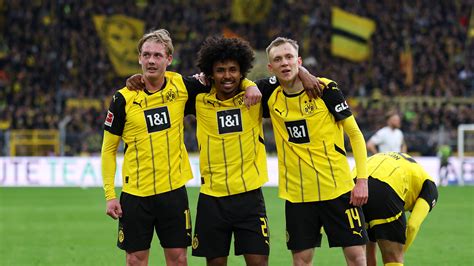
It is also worth examining Haaland’s impact at the international level, where he has been a beacon for Norway despite the team’s struggles to qualify for major tournaments. While Norway has not had significant success in recent years, Haaland’s performances have drawn attention to the team. He has been named Norway’s Player of the Year multiple times, a recognition of his role as the face of Norwegian football. His goal-scoring record for the national team is impressive—as of 2024, he has scored over 20 goals in just 25 appearances. This kind of efficiency at the international level is rare, especially for a player representing a nation that does not consistently compete at the highest level. Haaland’s presence has not only boosted Norway’s profile but has also inspired a new generation of Norwegian players who see him as a role model.
Haaland’s recognition extends beyond formal awards to the realm of statistical achievements and records. He has been included in the FIFA FIFPRO World 11 nominations, an honor determined by votes from fellow professional players. This inclusion is a reflection of how his peers view him—not just as a prolific scorer but as a player who embodies the modern striker’s role. His combination of speed, strength, and an almost preternatural sense of positioning has redefined what is expected of top-tier forwards. Moreover, his inclusion in these lists at such a young age places him in an exclusive group of players who have been recognized by their contemporaries as world-class before reaching their mid-20s.
Another unique insight into Haaland’s global recognition is the way he has been embraced by fans and media across different cultures. His popularity is not confined to Europe; he has a massive following in Asia, the Americas, and even Africa. This widespread appeal can be attributed to his charismatic personality, his engaging social media presence, and, of course, his on-field exploits. For instance, his transfer to Manchester City in 2022 was one of the most talked-about moves in football, not just because of the fee and the club’s stature but because of what Haaland represented—a generational talent capable of reshaping the Premier League’s competitive landscape. His immediate success in England, where he broke the record for the most goals in a Premier League season, only amplified his global recognition.
In addition to formal awards, Haaland has been the subject of numerous special features and documentaries produced by platforms like Netflix, Amazon Prime, and UEFA. These pieces often explore his upbringing, his unique training regimen, and his mental approach to the game. Such media attention is reserved for players who are not just talented but also intriguing figures who capture the imagination of a global audience. Haaland’s story—from his early days in Bryne to his dominance in Europe’s top leagues—resonates because it is both aspirational and relatable.
In summary, Erling Haaland’s accolades and recognition are a reflection of his extraordinary talent and his ability to transcend the ordinary. From the Golden Boy award to his inclusion in elite squads and his impact on the pitch for both club and country, Haaland’s journey is one of sustained excellence. His awards are not just trophies on a shelf but markers of a player who is redefining the boundaries of what a modern striker can achieve.
Brand Value and Marketability
Erling Haaland has rapidly emerged as one of the most marketable athletes in the world, blending exceptional on-field performance with a carefully cultivated off-field persona. His meteoric rise in football has not only solidified his position as a top-tier striker but also transformed him into a global brand with significant influence across various sectors. This section delves into the elements that contribute to Haaland's brand value and marketability, focusing on endorsements, his social media presence, and the exponential growth of his fanbase.
One of the primary drivers of Haaland's brand value is his **association with high-profile endorsements**. Unlike many athletes who take time to attract major sponsors, Haaland's stellar performances at RB Salzburg, Borussia Dortmund, and now Manchester City have made him a magnet for top-tier brands. Nike, one of the most iconic sportswear companies, secured Haaland as a brand ambassador early in his career. This partnership showcases Haaland not just as a footballer but as a symbol of athletic excellence and youthful energy. Additionally, his deal with Hyperice, a recovery technology company, highlights his appeal to brands looking to tap into the wellness and performance optimization market. These endorsements are not merely transactional; they align with Haaland's image as a disciplined, forward-thinking athlete who prioritizes both performance and recovery.
What sets Haaland apart in the endorsement space is his **selective approach to partnerships**. Unlike some athletes who sign with a wide array of brands to maximize short-term revenue, Haaland has been strategic. This selective nature enhances his credibility and ensures that his brand associations remain authentic. For instance, his collaboration with Samsung in Norway emphasizes his connection to his home country while appealing to a global tech audience. Such partnerships not only elevate his personal brand but also demonstrate his ability to balance local and international appeal—a rare trait in modern sports marketing.
Haaland's **social media presence** is another cornerstone of his marketability. With over 35 million followers across platforms like Instagram, Twitter, and TikTok, he has cultivated a digital persona that resonates with fans worldwide. His posts often blend humor, behind-the-scenes glimpses of his training regimen, and celebratory moments from matches. This mix keeps his content relatable while maintaining an aspirational quality. For example, his use of quirky captions or light-hearted interactions with teammates humanizes him, making him more approachable to younger fans. At the same time, his posts showcasing intense workouts or match-winning goals reinforce his image as a dedicated professional, which appeals to older, more traditional football enthusiasts.
An interesting aspect of Haaland's social media strategy is his **engagement with trends and memes**. He has occasionally embraced viral moments, such as his now-famous meditation celebration after scoring goals. This celebration was quickly turned into a meme by fans and became a symbol of his calm yet dominant presence on the field. By leaning into such moments, Haaland not only amplifies his visibility but also ensures that his brand remains culturally relevant. This adaptability is a key reason why his social media growth has outpaced many of his contemporaries, even those with similar levels of on-field success.
The **growth of Haaland's fanbase** is perhaps the most telling indicator of his marketability. His appeal transcends club loyalties, attracting fans who admire his playing style, goal-scoring prowess, and charismatic personality. Unlike players who are primarily supported due to their association with a specific club, Haaland has managed to build a fanbase that follows him regardless of where he plays. This phenomenon can be attributed to several factors. First, his performances in the UEFA Champions League, where he has consistently delivered standout performances, have given him a platform to shine on the biggest stage in club football. Second, his ability to break records—such as becoming the fastest player to score 20 Champions League goals—has drawn attention from even casual football viewers. These milestones are not just celebrated by hardcore fans but are also widely reported in global media, further expanding his reach.
Another aspect of Haaland's fanbase growth is his **cross-demographic appeal**. While he is a favorite among younger audiences due to his energetic playing style and social media presence, he also appeals to older generations who appreciate his traditional striker qualities—physicality, lethal finishing, and a no-nonsense approach to the game. This dual appeal ensures that his fanbase is not only large but also diverse, encompassing different age groups, geographies, and levels of football fandom.
It is also worth noting the role of **globalization in football** in amplifying Haaland's marketability. As the sport continues to grow in regions like Asia, North America, and Africa, players with a strong personal brand and international visibility are in high demand. Haaland’s performances in the Premier League, one of the most-watched football leagues worldwide, have given him unparalleled exposure. His move to Manchester City, a club with significant global reach and a massive fanbase, has only accelerated this process. The club’s extensive marketing machinery, combined with Haaland’s individual appeal, has created a synergy that benefits both parties. For instance, Manchester City’s social media posts featuring Haaland often garner millions of views and interactions, underscoring his pull as a global figure.
Haaland’s marketability is also enhanced by his **unique personality traits**. Unlike some athletes who maintain a guarded or serious public image, Haaland exudes a sense of authenticity and approachability. He is often seen smiling in interviews, engaging with fans, and showing genuine enthusiasm for the game. This authenticity makes him a relatable figure for fans and a desirable partner for brands seeking a trustworthy ambassador. Moreover, his Scandinavian roots add an element of exoticism for fans in regions less familiar with Norway, further enhancing his appeal as a global figure.
In terms of **long-term potential**, Haaland’s marketability is poised for even greater heights. At just 23 years old, he is at the beginning of what could be a decade-long dominance in football. His ability to maintain consistency, coupled with his clean image and lack of controversies, positions him as a safe and lucrative investment for brands. Additionally, as he continues to break records and compete for major trophies, his visibility will only increase. This trajectory suggests that Haaland could eventually rival or even surpass the brand value of current football icons like Cristiano Ronaldo and Lionel Messi, particularly as the sport’s global audience continues to expand.
In conclusion, Erling Haaland’s brand value and marketability are the result of a perfect storm of factors: exceptional on-field performance, strategic endorsements, a dynamic social media presence, and a rapidly growing fanbase. His ability to balance local and global appeal, coupled with his authentic persona, ensures that he is not just a footballer but a **cultural and commercial phenomenon**. As he continues to evolve both as a player and a brand, Haaland is set to redefine what it means to be a marketable athlete in the modern era.
Future Prospects and Legacy
Erling Haaland's meteoric rise in football has been nothing short of extraordinary. At just 23 years old, he has already etched his name into the annals of the sport with record-breaking performances and an almost machine-like efficiency in front of goal. However, the question that looms large is not just about his present dominance but about his future prospects and the legacy he is likely to leave behind. To speculate on Haaland's trajectory and his potential place among the all-time greats, we must examine several dimensions of his career, his environment, and the broader context of football history.
One of the most compelling aspects of Haaland's future is his physical and technical attributes. Standing at 6'4" with blistering pace, exceptional strength, and a predatory instinct for goals, he possesses a combination of attributes rarely seen in a single player. His athleticism is complemented by a work ethic that has been widely praised by coaches and teammates. This suggests that, barring major injuries, Haaland has the physical foundation to sustain a long and impactful career. Yet, the challenge for players of his ilk lies in maintaining peak performance over a decade or more. Historically, players with such explosive physicality—like Ronaldo Nazário or Michael Owen—have faced challenges with injuries as their careers progressed. For Haaland, the key will be in how he adapts his game as his physical peak wanes. Players like Cristiano Ronaldo have extended their careers by evolving from explosive wingers to goal-poaching forwards. Haaland, already positioned centrally, may need to develop a more nuanced approach to goal-scoring, relying on positioning, intelligence, and set-piece prowess as his speed inevitably diminishes.
Another critical factor in Haaland's career trajectory is his choice of clubs and leagues. Currently at Manchester City, he is thriving under Pep Guardiola in a system that maximizes his goal-scoring potential. However, the Premier League's physical demands and high-intensity schedule can take a toll over time. If Haaland wishes to diversify his legacy, he might consider moves to other leagues, such as La Liga or Serie A, where technical and tactical challenges differ. A stint in these leagues could enhance his adaptability and broaden his appeal as a player capable of excelling in multiple footballing cultures. Moreover, success in the UEFA Champions League—a competition where he has already shone brightly—will play a pivotal role in cementing his status. While domestic titles are important, the Champions League is the stage where legends are truly made. Haaland’s ability to lead a team to multiple European triumphs will be a decisive factor in how history remembers him.
When considering Haaland’s long-term impact on football, it is essential to look beyond his individual achievements and consider his influence on the next generation of players. Haaland represents a new archetype of the modern striker—a hybrid of physical dominance and technical precision. His success could inspire a wave of young players to emulate his style, focusing on a blend of athleticism, efficiency, and versatility. Furthermore, his presence in the game could shift how clubs scout and develop young talents. Coaches may prioritize identifying players with similar physical profiles and training them to adopt Haaland-esque traits. This ripple effect could reshape the striker position in the coming decades, much as Lionel Messi and Cristiano Ronaldo redefined expectations for attacking players in the 2000s and 2010s.
In terms of his place among the all-time greats, Haaland’s journey is still in its early stages, but the signs are promising. To be considered among the likes of Pelé, Diego Maradona, Lionel Messi, and Cristiano Ronaldo, he must achieve sustained excellence over a prolonged period. These players are not just remembered for their statistics but for their ability to define eras and elevate their teams to historic heights. Haaland’s numbers are already staggering—he has broken goalscoring records in the Premier League and Champions League at a pace few could match. However, greatness is also measured by contextual impact. For instance, Messi and Ronaldo dominated during an era of intense competition, consistently outperforming their peers in ways that transcended mere numbers. Haaland must not only maintain his scoring rate but also demonstrate his ability to carry teams in high-pressure situations, much like Messi did for Barcelona in the 2009 and 2015 Champions League campaigns or Ronaldo for Real Madrid in their three-peat from 2016 to 2018.
One potential hurdle in Haaland's path to all-time greatness is the team-centric nature of his current environment. At Manchester City, he is part of a meticulously constructed system under Guardiola, where his role is optimized within a collective framework. While this has yielded incredible results, it also means that Haaland’s individual brilliance is somewhat intertwined with the team’s overall success. To be considered an all-time great, he may need to prove his ability to elevate a less dominant team, as Messi did with Argentina in the 2022 World Cup or Ronaldo with Portugal in the 2016 European Championship. A future move to a club where he is the undisputed focal point—or even a national team triumph with Norway, a country without a deep footballing legacy—could add a new dimension to his legacy.
It is also worth considering how Haaland fits into the evolving landscape of football. The sport is increasingly influenced by data analytics, sports science, and globalized competition. Haaland’s career is unfolding in an era where players are scrutinized not just for their performances but for their underlying metrics—expected goals (xG), distance covered, and pressing efficiency. His ability to consistently outperform these metrics positions him as a player tailor-made for this analytical age. However, as the game evolves, so too will the criteria for greatness. Haaland may need to adapt to new tactical trends, such as systems that de-emphasize traditional strikers or the rise of AI-driven opposition analysis that could neutralize his strengths.
Finally, we must address the intangible aspect of charisma and cultural impact. The all-time greats are not just remembered for their on-field exploits but for their ability to capture the imagination of fans worldwide. Haaland, with his affable personality, distinctive celebrations, and Norwegian roots, has the potential to become a global icon. However, he will need to cultivate a narrative that extends beyond goals—perhaps through philanthropy, leadership, or a defining moment on the international stage. Players like Zinedine Zidane and Ronaldo Nazário are remembered not just for their skills but for the stories they embodied.
In conclusion, Erling Haaland’s future prospects and legacy are shaped by a combination of his physical gifts, tactical environment, and the broader evolution of football. While he has the tools to rank among the all-time greats, his journey will depend on how he navigates challenges such as injuries, team dynamics, and the need to diversify his impact. If he can sustain his current trajectory while adding layers of adaptability, international success, and cultural resonance, Haaland has the potential to not only redefine the striker role but to carve out a place in football history as one of its most iconic figures.