Introduction to Fan-Owned Clubs
The concept of fan-owned clubs represents a paradigm shift in how sports organizations are structured and governed. Unlike traditional sports clubs owned by wealthy individuals, corporations, or consortiums, fan-owned clubs are either fully or partially controlled by their supporters. This model emphasizes collective ownership, where fans hold shares, vote on key decisions, and actively participate in the club’s management. The growing popularity of this approach stems from its potential to foster a deeper connection between fans and their teams, address financial sustainability, and uphold the ethos of community-driven sports.
The origins of fan-owned clubs can be traced back to grassroots movements and the cooperative ethos that emerged in the early 20th century. In Europe, particularly in countries like Germany and Spain, the idea of community-driven sports organizations took root. For example, FC Barcelona and Real Madrid are member-driven organizations where supporters elect the club's president and board. Similarly, in Germany, the 50+1 rule in the Bundesliga ensures that club members retain a majority of voting rights, even if external investors are involved. These models were not merely about financial control but also about preserving the cultural identity of the club and ensuring that decisions aligned with the interests of the fanbase rather than profit-driven motives.
In contrast, the rise of fan-owned clubs in other regions, such as the United Kingdom, was driven by crises. The late 20th and early 21st centuries saw numerous football clubs facing financial ruin due to mismanagement, over-leveraging, or the whims of profit-oriented owners. Clubs like AFC Wimbledon and Wrexham AFC became emblematic of fan-led rescues. When AFC Wimbledon was formed in 2002 after the controversial relocation of Wimbledon FC to Milton Keynes, its supporters banded together to create a new club from scratch, emphasizing democratic governance and community ownership. Such initiatives demonstrated that fans could step in not only to save their clubs but also to create sustainable, values-driven organizations.
The growing popularity of fan-owned clubs in the sports industry can be attributed to several factors. First, there is a disillusionment with traditional ownership models. High-profile controversies, such as the failed European Super League proposal in 2021, underscored how profit-driven decisions could alienate fans. Supporters felt increasingly sidelined as clubs prioritized global branding and revenue over local community ties. Fan-owned clubs offer an antidote to this by embedding fans in the decision-making process, ensuring their voices are heard and their interests prioritized.
Second, the digital era has played a pivotal role in democratizing access to club ownership. Platforms like crowdfunding and blockchain technology have enabled fans to pool resources and invest in their clubs in ways that were previously impossible. For instance, Sunderland AFC’s partial fan ownership model and the role of platforms like Socios in tokenizing fan influence showcase how technology can bridge the gap between supporters and club governance. These innovations allow even small-scale contributors to feel a sense of ownership and accountability, which can be transformative for fan engagement.
Another key driver is the desire for long-term sustainability. Traditional ownership models often prioritize short-term gains, such as lucrative player transfers or commercial deals, which can destabilize clubs in the long run. Fan-owned clubs, by contrast, tend to adopt a more conservative approach to finances. Their focus on community and grassroots development often results in more measured spending and a greater emphasis on youth academies, local talent, and sustainable revenue streams. This model not only protects clubs from financial collapse but also aligns with the growing societal emphasis on ethical and inclusive business practices.
The community-centric nature of fan-owned clubs is perhaps their most defining feature. These organizations often see themselves as custodians of local culture and identity. For example, clubs like Ebbsfleet United, which experimented with a model where fans voted on team selection via an online platform, demonstrate how fan ownership can extend beyond financial stakes to include active participation in operational decisions. While not all experiments have been successful, they illustrate the potential of fan-owned clubs to redefine the relationship between sports organizations and their communities.
It is also worth noting the global appeal of this model. While Europe has been a traditional stronghold for fan-owned clubs, the concept is gaining traction in other parts of the world. In the United States, for instance, MLS Next Pro teams and lower-tier soccer clubs are exploring fan ownership as a way to build grassroots support. Similarly, in countries like India and Africa, where sports infrastructure is still developing, fan-ownership models could provide a way to foster local investment and participation, reducing reliance on external sponsors or government funding.
However, fan-owned clubs are not without challenges. The model requires a high degree of organizational coordination and can be vulnerable to internal conflicts or a lack of expertise among fan representatives. Additionally, the financial clout of fan-owned clubs often pales in comparison to those backed by billionaire owners or corporate sponsors, which can limit their competitiveness in highly commercialized leagues. Despite these hurdles, the growing interest in fan-owned clubs suggests that supporters are willing to trade off immediate success for long-term stability and ethical governance.
The psychological and emotional appeal of fan-owned clubs cannot be overstated. For many supporters, sports are not just entertainment but a deeply personal and communal experience. Being able to say “we own this club” rather than “we support this club” creates a profound sense of belonging. This emotional investment often translates into higher attendance, more vocal support during matches, and a willingness to contribute time and resources to the club’s success. In an era where fan loyalty is increasingly tested by commercialization, fan-owned clubs offer a way to rekindle the romance of sports.
In summary, fan-owned clubs are more than a novel experiment in sports governance; they are a response to the evolving dynamics of the sports industry. Their origins in community-driven initiatives and their growth in the face of modern challenges highlight their potential to reshape how we think about sports ownership. Whether through preserving cultural identity, leveraging digital tools, or fostering sustainable practices, fan-owned clubs represent a compelling alternative to traditional models. As the sports industry continues to grapple with questions of inclusivity, accountability, and long-term viability, the fan-ownership movement offers both a critique of the status quo and a vision for the future.
Historical Context and Evolution
The concept of fan ownership in sports clubs has deep historical roots that trace back to the late 19th and early 20th centuries when sports were beginning to formalize as organized activities. During this period, many clubs were established as local community initiatives, often with members pooling resources to create teams that represented their towns or neighborhoods. This cooperative model was less about profit and more about collective pride and shared ownership of a communal asset. Early examples of this can be seen in clubs like Barcelona, where the ethos of being "more than a club" (més que un club) was rooted in its foundation as a representation of Catalan identity and community spirit rather than a commercial enterprise.
In the early days of football (soccer), particularly in Europe, many clubs were formed as cooperatives or associations where members had voting rights and direct influence over club decisions. This was a natural extension of the social and economic conditions of the time, where working-class communities sought collective ways to organize leisure activities. For instance, clubs in industrial towns of England, such as Rochdale FC, were often tied to broader cooperative movements that emphasized mutual benefit and democratic governance. These clubs were not just places to play sports but also social hubs that fostered a sense of belonging and solidarity among their members.
However, as football grew in popularity and commercial potential in the mid-20th century, the landscape began to shift. Clubs that were once tightly knit to their local communities started to professionalize, attracting investment and sponsorships that often diluted the influence of fans. This marked a significant turning point, where the balance of power began to favor profit-driven models over the original cooperative ideals. The rise of television deals, corporate sponsorships, and the global appeal of leagues like the English Premier League and La Liga pushed many clubs toward a business-first approach. While this brought financial growth and international exposure, it often came at the cost of fan influence and community connection.
Despite this shift, the spirit of fan ownership persisted in pockets of resistance. One of the most iconic modern examples is FC Barcelona, which remains one of the largest fan-owned clubs in the world. Its structure as a socios-driven organization allows its members (socios) to elect the club president and have a say in major decisions. This model has allowed Barcelona to maintain a strong connection to its roots, even as it has grown into a global brand. The socios system is not merely symbolic; it ensures that the club's identity and ethos are anchored in the will of its supporters rather than the whims of external investors. This model has been emulated by other clubs in Spain, such as Real Madrid and Athletic Bilbao, though none have achieved the same scale of fan engagement as Barcelona.
In contrast to the large-scale examples like Barcelona, the evolution of fan ownership also took a grassroots turn in response to crises faced by smaller clubs. A poignant example is AFC Wimbledon, formed in 2002 by fans of the original Wimbledon FC after the club was relocated to Milton Keynes by its owners—a highly controversial move that alienated its supporter base. Disillusioned fans decided to create their own club, starting from the ninth tier of English football. This was a bold act of reclaiming ownership and agency, demonstrating how fan-owned models could arise not just as a historical tradition but as a direct response to the perceived failures of commercial football ownership. AFC Wimbledon’s rise through the leagues to eventually rejoin the Football League is a testament to the resilience and determination of fan-driven initiatives.
The rise of fan ownership in the 21st century has also been influenced by broader societal trends, such as the growing disillusionment with hyper-commercialized sports and the desire for more ethical and community-focused alternatives. For instance, the Supporters Direct initiative in the UK, established in 2000, has played a pivotal role in supporting fan-owned clubs by providing resources, guidance, and advocacy for this model. This movement has helped fan ownership evolve from isolated cases to a more organized and recognized approach to sports club governance. Similarly, in Germany, the "50+1 rule" in the Bundesliga ensures that club members retain a majority of voting rights, even if external investors are involved. This legal framework has preserved a degree of fan influence in German football, contrasting sharply with the more laissez-faire ownership structures seen in other countries like England.
Another dimension of fan ownership's evolution is its intersection with technology and crowdfunding. Platforms like Tifosy and WeFunder have enabled fans to invest directly in clubs or specific projects, such as stadium renovations or youth academy funding. This fusion of traditional cooperative ideals with modern digital tools has opened new possibilities for fan ownership to thrive in an era of globalized sports. For example, clubs like Ebbsfleet United experimented with allowing fans to buy shares and vote on team decisions through online platforms, though such experiments have had mixed success due to logistical and financial challenges.
The historical trajectory of fan ownership also reveals interesting contrasts between regions. In South America, for instance, clubs like Boca Juniors and River Plate have long operated with member-driven systems similar to Barcelona’s socios model. However, the socio-political context in these countries often meant that fan ownership was intertwined with broader movements of resistance or identity politics. In Argentina, for example, clubs have often served as symbols of local pride in the face of political and economic instability, reinforcing the idea that fan ownership is not just about sports but also about community and cultural preservation.
One of the challenges of fan ownership, however, lies in its scalability and sustainability. While it works well for clubs with strong local support bases or those in lower leagues, it can be difficult to maintain in the face of the financial pressures of top-tier professional sports. Clubs like Barcelona, despite their fan-ownership model, have faced criticism for accumulating massive debts while trying to compete at the highest level. This raises questions about whether fan ownership can truly coexist with the demands of modern elite sports or whether it is better suited to smaller, community-focused clubs.
In summary, the history of fan ownership reveals a dynamic interplay between tradition, innovation, and resistance. From the cooperatives of industrial England to the socios of Barcelona and the revival of AFC Wimbledon, fan ownership has adapted to changing times while retaining its core ideals of collective governance and community connection. As sports continue to evolve in the 21st century, the fan-owned model serves as both a reminder of the past and a potential blueprint for a more inclusive and sustainable future in sports.
- Early cooperatives were tied to local community pride and mutual benefit.
- The professionalization of sports in the mid-20th century diluted fan influence.
- Modern examples like FC Barcelona and AFC Wimbledon showcase different scales of fan ownership.
- Technology and crowdfunding have introduced new avenues for fan-driven initiatives.
- Regional differences, such as Germany’s "50+1 rule," highlight varied approaches to fan ownership.
These examples and insights underscore that fan ownership is not merely a nostalgic ideal but a living, evolving concept that continues to shape the intersection of sports, community, and commerce.
Benefits of Fan Ownership
Fan ownership of sports clubs is a model that has gained traction in recent years as a viable alternative to traditional ownership structures dominated by wealthy individuals or corporate entities. This approach places the power of decision-making and club management into the hands of the fans, who are often the most passionate and invested stakeholders in the club's success. The benefits of fan ownership extend far beyond mere sentimentality; they offer tangible advantages that can transform the way sports clubs operate and sustain themselves over time. This section delves into three key areas where fan ownership shines: community engagement, financial transparency, and long-term stability.
One of the most compelling advantages of fan ownership is the deep level of community engagement it fosters. Unlike traditional ownership models where decisions are made by a small, often detached group of individuals, fan-owned clubs prioritize the collective voice of their supporters. Fans are not just customers or spectators; they are co-owners with a vested interest in the club’s well-being. This dynamic creates a unique sense of belonging and pride among the community. For instance, fan-owned clubs often organize local events, charity drives, and youth development programs that directly involve the surrounding community. These initiatives are not merely public relations exercises but are deeply rooted in the club's mission to serve its people. When fans feel they have a say in the club’s direction, they are more likely to attend matches, purchase merchandise, and advocate for the club within their networks. This grassroots support can lead to increased attendance and revenue, creating a virtuous cycle where the club thrives because the community feels intrinsically connected to its success.
Moreover, fan ownership often prioritizes inclusivity. Decisions about ticket pricing, matchday experiences, and even player recruitment can be influenced by fan input, ensuring that the club remains accessible and aligned with the values of its supporters. For example, clubs like FC Barcelona, which operates on a member-ownership model, regularly hold elections for club presidents and allow members to vote on significant issues. This participatory approach not only strengthens the bond between the club and its fans but also ensures that the club’s identity and traditions are preserved over time. In an era where commercialization can sometimes dilute a club’s heritage, fan ownership acts as a safeguard against such erosion.

The second major advantage of fan ownership is financial transparency. Traditional sports club ownership often involves opaque financial practices, where fans are left in the dark about how funds are allocated or how club revenues are spent. This lack of transparency can lead to mistrust, particularly when clubs face financial difficulties or are sold to investors with questionable intentions. In contrast, fan-owned clubs are typically structured as cooperatives or societies where financial records are open to scrutiny by members. This level of transparency builds trust and accountability, as fans can see exactly how their contributions—whether through ticket sales, memberships, or donations—are being used to support the club.
For example, consider the case of Ebbsfleet United in the UK, which experimented with fan ownership through the MyFootballClub initiative. While the experiment had its challenges, one of its standout features was the transparent budgeting process where members could vote on how funds were allocated. Although this model was not without its flaws, it demonstrated the potential for fans to hold club leadership accountable in ways that are not possible under traditional ownership. Financial transparency also helps prevent the kind of reckless spending or mismanagement that has plagued many clubs under private ownership. When fans are the owners, there is a natural inclination to prioritize sustainable spending over speculative investments, as the fans themselves bear the risk of financial failure.
This leads to the third key benefit: long-term stability. Fan-owned clubs are often more resistant to the boom-and-bust cycles that characterize clubs under private or corporate ownership. Private owners may prioritize short-term gains, such as achieving immediate success by overspending on players or facilities, only to leave the club in financial ruin when those ambitions are not met. Fan-owned clubs, by contrast, are driven by a collective desire to ensure the club’s survival and growth over generations. Decisions are made with a long-term perspective, focusing on sustainable development rather than quick wins.
This stability is particularly evident in clubs like Germany’s Bundesliga, where the “50+1” rule ensures that fans retain a majority stake in their clubs. This rule has contributed to the Bundesliga’s reputation for financial prudence and fan-friendly policies. Clubs are less likely to fall into debt or face existential crises because the ownership model discourages risky financial behavior. Instead, fan-owned clubs often focus on gradual improvements, such as investing in youth academies, building community facilities, and maintaining affordable ticket prices. These strategies not only ensure the club’s financial health but also create a stable foundation for future success.
Another dimension of long-term stability is the resilience of fan-owned clubs during times of crisis. For example, during the COVID-19 pandemic, many fan-owned clubs were able to weather the financial storm better than their privately owned counterparts. This was largely due to the unwavering support of their fan bases, who stepped up with donations, membership renewals, and other forms of financial assistance. In a fan-owned model, the club is not beholden to the whims of a single owner or investor who might withdraw support during tough times. Instead, the collective power of the fan base provides a safety net that can sustain the club through difficult periods.
It is also worth noting that fan ownership can act as a counterbalance to the growing commercialization and globalization of sports. In an era where many clubs are being bought by foreign investors or turned into global brands, fan ownership preserves the local identity and cultural significance of a club. This is not to say that fan-owned clubs cannot grow or compete at higher levels—examples like Barcelona and Bayern Munich prove otherwise—but they do so in a way that prioritizes their roots and the interests of their supporters. This balance between ambition and authenticity is a rare quality in modern sports.
In summary, the benefits of fan ownership are multifaceted and deeply impactful. Community engagement ensures that the club remains a unifying force within its locality, fostering a sense of pride and purpose among its supporters. Financial transparency builds trust and accountability, reducing the risk of mismanagement and fostering a healthier relationship between the club and its stakeholders. Finally, long-term stability safeguards the club against the volatile nature of private ownership, ensuring that it can thrive for generations to come. While fan ownership is not without its challenges—such as the need for effective governance structures and the potential for internal disagreements—its advantages far outweigh its drawbacks. For clubs seeking a model that prioritizes sustainability, inclusivity, and community-driven growth, fan ownership represents a compelling path forward.
Challenges and Limitations
Fan-owned clubs represent an intriguing model of sports organization, where supporters hold a stake in the club's ownership and often have a say in its operations. While this approach fosters a sense of community and shared purpose, it is not without its challenges. The concept faces several hurdles that can limit its effectiveness and long-term viability. These include funding constraints, decision-making bottlenecks, and scalability issues, each of which requires careful consideration to understand the practical limitations of fan-owned clubs.
One of the most immediate and persistent challenges is funding constraints. Unlike traditional sports organizations backed by wealthy individuals, corporations, or institutional investors, fan-owned clubs often rely on contributions from a large but financially diverse group of supporters. This model inherently limits the pool of available capital. While crowdfunding and membership fees can provide some financial backing, these sources are typically insufficient for high-cost endeavors such as player acquisitions, stadium upgrades, or competing at higher levels of competition. For instance, when a fan-owned club aspires to move up a league or invest in high-profile talent, the collective financial power of its members may fall short compared to the deep pockets of privately owned clubs. This disparity can create a competitive disadvantage, as fan-owned clubs may struggle to attract top-tier players or maintain facilities that meet the standards of professional sports leagues. Additionally, the revenue streams of fan-owned clubs are often less diversified. They may rely heavily on matchday ticket sales, merchandise, and small-scale sponsorship deals, leaving them vulnerable to economic downturns or shifts in fan engagement. A club that depends on its supporters for funding might also find it difficult to secure loans or attract external investment, as traditional lenders and investors might view the model as less stable or profitable.
Another significant challenge lies in decision-making bottlenecks. In a fan-owned club, decisions are often made through democratic processes, such as member votes or committee discussions. While this approach aligns with the ethos of inclusivity and shared ownership, it can lead to inefficiencies. For example, routine operational decisions—like approving a transfer budget or negotiating a sponsorship deal—might require extended deliberation among members who may have varying levels of expertise in sports management. This can slow down critical processes, particularly in time-sensitive scenarios such as transfer windows or contract renewals. Moreover, the diversity of opinions among fans can lead to gridlock. Supporters may prioritize different objectives—some might emphasize short-term success, while others focus on long-term sustainability or community engagement. These conflicting priorities can result in fragmented decision-making, where no clear direction emerges. In contrast, privately owned clubs often benefit from a centralized authority, such as a chairman or board of directors, who can make swift and decisive choices. The lack of such streamlined authority in fan-owned clubs can hinder their ability to respond to challenges or capitalize on opportunities quickly. There is also the risk of polarization within the fan base. Disagreements over key issues, such as managerial appointments or ticket pricing, can lead to factionalism, eroding the unity that is supposed to be a hallmark of fan-owned clubs.
Scalability presents yet another significant limitation. While the fan-owned model works well for smaller or semi-professional clubs with modest ambitions, it becomes increasingly difficult to scale as the club grows in size and scope. Scalability issues arise because the administrative and operational demands of a larger organization often outpace the capacity of a volunteer-driven or member-managed structure. For example, a fan-owned club that starts in a local league might find it manageable to coordinate decisions among a few hundred members. However, as the club gains prominence and attracts more supporters, the complexity of managing thousands—or even tens of thousands—of stakeholders becomes daunting. Voting systems, communication channels, and administrative processes must evolve to accommodate this growth, often requiring professional management and technology solutions that strain the club's limited resources. Furthermore, as fan-owned clubs expand, they may face pressure to professionalize their operations to compete at higher levels. This often necessitates hiring experienced staff, such as coaches, analysts, and administrative personnel, which can strain budgets and dilute the "grassroots" nature of the organization. There is also the question of whether the fan base itself can grow proportionally to support the club’s ambitions. A club that outgrows its local or regional fan base may struggle to maintain the same level of engagement and financial support from a more dispersed or less personally invested group of supporters.
An often-overlooked aspect of scalability is the psychological shift that occurs as a club grows. In the early stages, the fan-owned model thrives on a sense of intimacy and direct connection between the supporters and the club. However, as the club becomes more professionalized and its operations more complex, this connection can weaken. Fans who once felt they had a tangible impact on the club’s direction might feel alienated by the growing bureaucracy and the perceived distance between themselves and the decision-makers. This can lead to disillusionment and reduced participation, which in turn undermines the very foundation of the fan-owned model.
Additionally, there are external challenges that fan-owned clubs face in a landscape dominated by privately owned entities. For instance, regulatory and competitive pressures from leagues and governing bodies can pose obstacles. Many sports leagues are structured in ways that favor clubs with significant financial backing, as they are seen as more likely to sustain high-level competition. Fan-owned clubs may face stricter scrutiny or less favorable treatment when it comes to issues like revenue sharing, broadcast rights, or league entry requirements. This can create an uneven playing field, where fan-owned clubs are at a systemic disadvantage compared to their privately funded counterparts.
Another dimension of the challenge is the risk of mission drift. As fan-owned clubs grow and face the pressures of competition and financial sustainability, there is a danger that their original purpose—empowering fans and fostering community—might take a backseat to more pragmatic concerns. For example, a club might prioritize revenue generation over fan engagement, leading to decisions that alienate the very supporters who are its lifeblood. This tension between idealism and pragmatism is a recurring theme in fan-owned clubs, and navigating it requires a delicate balance that is not always easy to achieve.
In summary, while the concept of fan-owned clubs is appealing for its emphasis on inclusivity and shared purpose, it is fraught with practical challenges. Funding constraints limit their ability to compete financially, decision-making bottlenecks can slow their responsiveness, and scalability issues make it difficult to sustain growth without compromising the model's core principles. Addressing these challenges requires innovative solutions, such as hybrid ownership models that blend fan involvement with professional management or leveraging technology to streamline decision-making and engagement. Without such adaptations, the fan-owned club model risks remaining a niche experiment rather than a scalable and sustainable alternative to traditional sports ownership.
Case Studies of Successful Fan-Owned Clubs
Fan-owned clubs represent a fascinating alternative to the traditional corporate or private ownership models that dominate modern sports. These clubs are governed or partially owned by their supporters, often through cooperative structures or shared equity models. This approach not only fosters a deeper connection between fans and their teams but also introduces unique operational dynamics. To understand the potential and challenges of this model, it is instructive to examine successful case studies of fan-owned clubs, such as the Green Bay Packers, Ebbsfleet United, and other notable examples.
The Green Bay Packers, a storied NFL franchise, is perhaps the most famous example of fan ownership in professional sports. Established in 1919, the Packers are unique in that they are the only community-owned, non-profit team in the National Football League. The team is supported by over 537,000 shareholders who collectively own more than 5 million shares. However, these shares are not tradeable like traditional stocks; they are symbolic of fan commitment and do not confer dividends or control over team operations in a traditional sense. Instead, the shareholders elect a board of directors who oversee the team's management. This structure has allowed the Packers to remain financially stable while rooted in their small-market home of Green Bay, Wisconsin—a city with a population of just over 100,000. The success of the Packers demonstrates that fan ownership can coexist with high-level competitiveness. The team has won 13 league championships, including four Super Bowls, proving that fan ownership does not preclude on-field success. Moreover, the Packers' model ensures that the team is unlikely to relocate, as the bylaws of their ownership structure prevent any individual or entity from owning a majority stake, effectively anchoring the franchise to its community. This permanence is a key advantage of fan ownership, as it prioritizes local identity over profit-driven relocation or sale.
Another intriguing example is Ebbsfleet United, a non-league football club in England that gained international attention in 2007 when it was purchased by MyFootballClub, a web-based community of over 30,000 members who each paid £35 to own a share of the club. This experiment in collective ownership was one of the first of its kind, leveraging the internet to democratize decision-making processes. Members were given the opportunity to vote on key decisions, such as player transfers and lineup selections. While the initial enthusiasm was high, the model faced significant challenges. Over time, membership dwindled, and the practicalities of managing a football club through direct fan input proved difficult. For instance, some managerial decisions were delayed due to the need for collective consensus, and the club struggled financially as the novelty wore off. However, the Ebbsfleet United case is still valuable for what it reveals about the limits of fan ownership. It highlights the need for a balance between fan involvement and professional expertise. While the idea of fans making every decision is appealing in theory, the reality often requires a hybrid approach where fans influence broader strategic direction while leaving day-to-day operations to experienced professionals. Despite its challenges, the Ebbsfleet United experiment underscored the potential of fan ownership to attract global interest and create new revenue streams through innovative engagement models.
Beyond these well-known examples, other instances of fan ownership provide additional insights. In Spain, for instance, many football clubs operate under the socios model, where members (or "socios") own and govern the club. FC Barcelona and Real Madrid are two of the most prominent examples of this system. While these clubs are not fully fan-owned in the cooperative sense like the Green Bay Packers, their socios have significant influence over major decisions, including the election of club presidents. This model has allowed these clubs to maintain strong ties to their local communities while competing at the highest levels of European football. The socios model demonstrates that fan ownership can scale to support globally recognized brands without sacrificing competitive edge. However, it also comes with challenges, such as the risk of politicization within the membership base and the potential for short-term thinking when decisions are driven by popular vote rather than long-term strategy.
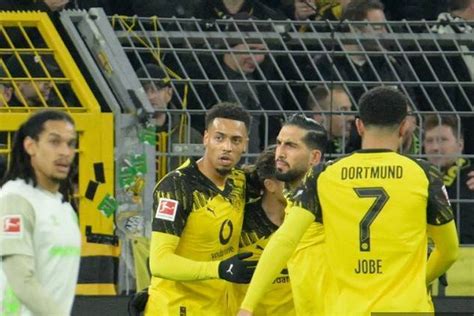
In Germany, the 50+1 rule in the Bundesliga offers another variation of fan-oriented ownership. This rule requires that a majority of voting rights in a club must remain with its members, effectively preventing external investors from taking control. Clubs like borussia dortmund and FC St. Pauli exemplify how this rule fosters a strong fan culture and affordable ticket prices, which are often cited as benefits of fan-oriented models. However, the 50+1 rule is not without its critics, as it can limit the influx of capital needed for high-stakes competition in an era of billionaire-backed clubs. Nonetheless, the sustained success of German clubs under this model—both in terms of financial stability and fan satisfaction—provides a compelling case for the viability of regulated fan influence in sports governance.
A less conventional but equally notable example is AFC Wimbledon, a club formed in 2002 by supporters of the original Wimbledon FC after its controversial relocation and rebranding as MK Dons. AFC Wimbledon was built from scratch by fans who raised funds, secured a stadium, and worked their way up through the lower leagues of English football to eventually rejoin the Football League. This case is a testament to the power of collective action and grassroots organizing in fan ownership. Unlike the high-profile examples of Green Bay or Barcelona, AFC Wimbledon’s success is rooted in sheer determination and community solidarity. It serves as a reminder that fan ownership is not just about financial models or governance structures but also about the emotional and cultural investment fans have in their clubs.
These case studies reveal several key themes. First, fan ownership can foster unparalleled loyalty and community engagement, as seen in the Packers and AFC Wimbledon. Second, success often depends on striking a balance between fan involvement and professional management, as the challenges faced by Ebbsfleet United illustrate. Third, regulatory frameworks like Germany’s 50+1 rule can help institutionalize fan influence while maintaining competitive viability. Finally, fan ownership is not a one-size-fits-all solution; its effectiveness depends on the specific context, including the size of the club, the local sports culture, and the broader economic environment.
In conclusion, the success stories of fan-owned clubs offer valuable lessons for the broader sports industry. While the model is not without its risks—such as financial instability or inefficiencies in decision-making—it has proven capable of fostering deep community ties, preserving local identity, and even achieving competitive success. As sports continue to evolve in the face of globalization and commercialization, the examples of Green Bay Packers, Ebbsfleet United, and others serve as a reminder that fan ownership is not just a nostalgic ideal but a viable and dynamic alternative worthy of serious consideration.
Economic Models of Fan-Owned Clubs
Fan-owned clubs represent a distinct economic model in the sports industry, rooted in collective ownership and participatory governance. Unlike traditional ownership structures, where a single entity or a small group of investors controls the club, fan-owned clubs derive their financial and operational sustainability from a broad base of members. This section explores the revenue streams, membership structures, and operational sustainability mechanisms that underpin this model, with a focus on how they differ from conventional approaches.

One of the primary revenue streams for fan-owned clubs is **membership fees**. These fees are often structured as annual or seasonal contributions from fans who wish to hold a stake in the club. Unlike ticket sales or merchandise purchases, which are transactional in nature, membership fees represent a deeper commitment—they are not just about access to games but about ownership and influence. This revenue stream provides a predictable and recurring source of income, which can be used to cover operational costs such as player salaries, facility maintenance, and administrative expenses. However, the challenge lies in setting fee levels that are affordable for fans while still generating sufficient funds. Clubs like FC Barcelona, through its "socios" system, have demonstrated how a tiered membership structure can balance inclusivity with financial viability, allowing fans to choose levels of engagement and contribution.
Another significant revenue stream is **crowdfunding and share issues**. Many fan-owned clubs leverage their supporter base to raise capital for specific projects, such as stadium upgrades or youth academy development. Platforms like Tifosy and other dedicated sports crowdfunding services have facilitated this process, allowing clubs to tap into the emotional investment of their fans. For example, when AFC Wimbledon needed to fund their return to Plough Lane, they raised over £5 million through a combination of fan share schemes and crowdfunding. This approach not only generates funds but also deepens the sense of community ownership. However, this model requires transparent communication and trust, as mismanagement of funds can erode supporter confidence and long-term participation.
In addition to these direct financial inputs, fan-owned clubs often rely on **merchandise and ticket sales**, though these are typically less lucrative compared to traditional clubs with larger budgets for marketing and sponsorship. Here, the focus is often on **localized and niche appeal**. Fan-owned clubs may emphasize limited-edition merchandise tied to club history or fan culture, which resonates strongly with their supporter base. For instance, clubs like Ebbsfleet United have experimented with offering personalized jerseys or experiences that are exclusive to members, creating a unique value proposition. However, this model is inherently limited by the scale of the fan base, making it less scalable than the global merchandising strategies of elite clubs.
Sponsorships and partnerships also play a role, though they are often tailored to align with the ethos of fan ownership. Unlike traditional clubs, where sponsorships may prioritize maximum revenue regardless of brand alignment, fan-owned clubs are more likely to seek partnerships with companies that share their values. For example, a club might partner with local businesses or ethical brands, reinforcing their identity as community-driven organizations. While this approach may result in lower sponsorship revenues compared to deals with global corporations, it ensures that the club’s economic activities remain consistent with its mission of inclusivity and community representation.
The **membership structure** of fan-owned clubs is a critical determinant of their economic model. Most fan-owned clubs operate as cooperatives or associations, where each member has an equal say in key decisions, such as electing the board or approving major expenditures. This egalitarian structure can foster a strong sense of belonging but also introduces challenges in decision-making efficiency. For instance, if a club needs to make a rapid financial decision—such as signing a high-profile player or addressing an unexpected cost—the need for member approval can slow down the process. To address this, many fan-owned clubs delegate day-to-day operational decisions to a professional management team while reserving strategic decisions for member votes. This hybrid approach allows for both agility and democratic accountability.
Sustainability in fan-owned clubs often hinges on **cost control and community integration**. Unlike traditional ownership models, where profitability is a primary goal, fan-owned clubs prioritize financial stability and long-term viability. They tend to operate with leaner budgets, focusing on player development rather than high-cost transfers. This approach can limit competitive success in the short term but fosters resilience by avoiding the debt traps that have plagued many traditionally owned clubs. A notable example is Germany’s "50+1 rule," which ensures that members retain a majority stake in their clubs, preventing external investors from prioritizing profit over fan interests.
Fan-owned clubs also benefit from **non-traditional revenue streams** such as grants, donations, and volunteer labor. Many clubs actively engage their communities to support their operations through volunteer-run initiatives, from matchday operations to fundraising events. This not only reduces costs but also strengthens the bond between the club and its locality. Additionally, some clubs pursue **social enterprise models**, where revenue is generated through activities like running community programs, renting out facilities, or hosting events. These activities align with the club’s mission to serve as a social hub while diversifying income sources.
Compared to traditional ownership models, fan-owned clubs face unique challenges in sustaining operations. Traditional owners often have deep pockets and can inject capital during periods of financial strain, whereas fan-owned clubs must rely on their collective resources. This can lead to a **trade-off between ambition and sustainability**—fan-owned clubs may struggle to compete at the highest levels of professional sports without external investment. However, this limitation is often seen as a feature rather than a bug, as it ensures that the club remains rooted in its community rather than being subject to the whims of profit-driven owners.
In summary, the economic model of fan-owned clubs is characterized by a reliance on diverse, community-driven revenue streams and a commitment to financial prudence. While this model may not produce the same level of commercial success as traditional ownership, it offers a more inclusive and stable framework for long-term operation. By prioritizing member engagement, ethical partnerships, and localized strategies, fan-owned clubs demonstrate that sports organizations can thrive without sacrificing their identity or alienating their most loyal supporters. This model is not just an alternative to traditional ownership—it is a statement about the role of sports in fostering collective empowerment and shared purpose.
The Role of Technology and Social Media
The advent of digital platforms has revolutionized the way fan-owned clubs operate, offering new avenues for engagement, funding, and streamlined operations. In the context of fan-owned clubs, technology and social media are not mere tools but essential enablers that allow these organizations to thrive in a competitive sports landscape. This section delves into how these platforms facilitate fan engagement, crowdfunding, and operational efficiency, with a focus on the unique dynamics of fan-driven organizations.
One of the most transformative aspects of technology in fan-owned clubs is its ability to **enhance fan engagement**. Unlike traditional clubs where engagement is often top-down and limited to match days or official announcements, fan-owned clubs leverage social media platforms like Twitter, Instagram, and Discord to create a two-way dialogue with their community. For instance, fan-owned clubs often use live streams, Q&A sessions, and polls to involve members directly in decision-making processes. A club might post a poll on Twitter asking fans to choose the design of next season's kit or host a Discord AMA (Ask Me Anything) with the club's board. This level of interaction not only fosters a sense of belonging but also ensures that fans feel their voices are heard. Such engagement is particularly crucial in fan-owned clubs, where the emotional investment of members often outweighs the financial stakes.
Moreover, **social media algorithms play a critical role in amplifying the reach of fan-owned clubs**. Platforms like TikTok, with its virality-driven content model, allow clubs to showcase behind-the-scenes content, match highlights, or even grassroots stories that resonate deeply with fans. A small club might post a video of a local player's journey from obscurity to the first team, which can garner millions of views and attract global attention. This organic reach is often unattainable for traditional clubs that rely heavily on paid promotions. The democratization of content distribution means that even smaller fan-owned clubs can build a global fan base, provided they can craft content that is authentic and emotionally compelling.
Crowdfunding is another area where **technology has been a game-changer** for fan-owned clubs. Platforms like Kickstarter, GoFundMe, and specialized sports crowdfunding sites enable clubs to raise funds directly from their supporters for specific projects. For example, a fan-owned club might launch a campaign to renovate its stadium or purchase new training equipment. These platforms allow clubs to set clear goals, provide regular updates, and offer tiered rewards for different levels of contribution. A unique insight here is how fan-owned clubs often tie crowdfunding campaigns to **narrative-driven initiatives**. Instead of merely asking for money, they frame the campaign around a story—such as "Help us bring back the glory days of our historic stadium" or "Support our youth academy to nurture the next generation of talent." This storytelling approach not only increases donor engagement but also reinforces the emotional connection fans have with the club.
The operational efficiency of fan-owned clubs is also significantly improved through **digital tools and platforms**. Clubs can use cloud-based management systems to handle memberships, track finances, and coordinate volunteer efforts. For instance, tools like Trello or Asana can help club administrators assign tasks to volunteers, while accounting software like QuickBooks ensures transparent financial management—a critical aspect for fan-owned clubs where members demand accountability. Additionally, **data analytics tools** are increasingly being used to understand fan behavior and preferences. By analyzing social media engagement metrics or ticket purchase patterns, clubs can tailor their offerings, such as providing discounted tickets for midweek matches if data shows lower attendance on those days. This data-driven approach is particularly valuable for fan-owned clubs operating on limited budgets, as it ensures resources are allocated effectively.
Another unique aspect of technology in fan-owned clubs is the role of **blockchain and tokenization**. Some clubs have experimented with issuing fan tokens or non-fungible tokens (NFTs) to give supporters unique ownership experiences. For example, a fan token might grant voting rights on minor club decisions, such as the choice of a pre-match song or the design of a commemorative jersey. While this is still an emerging trend, it points to how technology can deepen the sense of ownership and participation among fans. However, it is worth noting that this approach comes with challenges, such as ensuring inclusivity for fans who may not be tech-savvy or addressing concerns about the environmental impact of blockchain technologies.
The use of **collaborative platforms** also enables fan-owned clubs to operate in a more decentralized manner. Clubs often have geographically dispersed members, and tools like Slack or Microsoft Teams allow committees and working groups to coordinate efforts without the need for physical meetings. This is particularly important for clubs that operate on a global scale, with members contributing from different time zones. For example, a club might have a marketing team based in Europe, a merchandise team in North America, and a match-day operations group in its home city. These platforms ensure seamless communication and collaboration, which is vital for maintaining operational momentum.
Social media also serves as a **cost-effective marketing channel** for fan-owned clubs. Traditional advertising methods, such as billboards or TV spots, are often out of reach for smaller organizations. However, platforms like Facebook and YouTube allow clubs to create highly targeted ads at a fraction of the cost. A fan-owned club might run a campaign targeting local residents with ads promoting season tickets or use geotargeting to attract tourists visiting the area for a match. This targeted approach not only saves money but also ensures that the club's marketing efforts are reaching the right audience.
It is also worth exploring how **analytics-driven fan engagement** can lead to long-term benefits. Many fan-owned clubs are beginning to use tools like Google Analytics or social listening platforms to monitor fan sentiment and identify trends. For instance, if a club notices a spike in negative sentiment after a controversial decision, it can proactively address the issue through social media posts or direct communication. This level of responsiveness is often lacking in larger, more bureaucratic clubs and underscores the agility that technology affords fan-owned organizations.
In summary, the role of technology and social media in fan-owned clubs is multifaceted and deeply intertwined with their operational model. From fostering **authentic fan engagement** to enabling **innovative crowdfunding campaigns** and streamlining **operational processes**, digital platforms are indispensable. However, their effectiveness hinges on the club's ability to use these tools strategically—balancing innovation with inclusivity and ensuring that the human element of fan ownership is not overshadowed by technology. As fan-owned clubs continue to grow, their ability to harness these tools will likely determine their success in carving out a unique space in the sports industry.
Legal and Regulatory Considerations
Establishing and maintaining a fan-owned club involves navigating a complex web of legal and regulatory frameworks that vary significantly across jurisdictions. These considerations are critical to ensuring the club operates within the bounds of the law while upholding the principles of democratic ownership and community involvement. This section delves into the legal structures, governance models, and compliance requirements necessary for fan-owned clubs to thrive sustainably.
One of the first steps in creating a fan-owned club is determining the appropriate **legal structure**. This choice is influenced by the club's goals, scale, and the level of fan involvement desired. Common structures include **cooperatives**, **nonprofit organizations**, and **community interest companies (CICs)**. In many countries, cooperatives are a preferred model because they inherently align with the ethos of fan ownership. For instance, in the UK, clubs like AFC Wimbledon operate as industrial and provident societies, a form of cooperative that allows members to have a say in decision-making proportional to their investment. Cooperatives are governed by specific laws, such as the Cooperatives Act in various countries, which mandate democratic member control, open membership, and economic participation by members. These legal frameworks ensure that the club remains accountable to its supporters rather than external investors.
Alternatively, some fan-owned clubs adopt a **nonprofit structure**, particularly in regions where sports clubs are recognized as community assets. Nonprofits are bound by strict rules regarding the reinvestment of profits into the organization rather than distributing them to members or shareholders. This structure can be advantageous for fan-owned clubs focused on community development and long-term sustainability. However, it also imposes limitations on commercial flexibility, as the club must prioritize its mission over profit generation. For example, in Germany, the "50+1 rule" in the Bundesliga requires clubs to retain majority ownership by their members, effectively embedding a nonprofit-like governance model into the league's regulatory structure.
Another key consideration is the **regulatory compliance** associated with operating a sports organization. Fan-owned clubs must adhere to national and international sports regulations, such as those set by FIFA, UEFA, or national football associations. These bodies often have rules regarding club ownership, financial transparency, and governance. For instance, UEFA's Financial Fair Play (FFP) regulations require clubs to demonstrate financial stability and avoid excessive debt. Fan-owned clubs, which often rely on member contributions and crowdfunding, must carefully manage their finances to meet these standards. Failure to comply with such regulations can result in penalties, including fines or exclusion from competitions, which could severely impact the club's reputation and viability.
The **governance model** of a fan-owned club is another area requiring meticulous attention. A well-structured governance framework ensures that the club operates efficiently while maintaining its democratic principles. Typically, this involves establishing a **board of directors** or a similar leadership body elected by the members. The board is responsible for strategic decision-making, financial oversight, and ensuring compliance with legal and sporting regulations. To maintain transparency and accountability, many fan-owned clubs implement mechanisms such as **annual general meetings (AGMs)**, where members can vote on key issues, review financial reports, and hold the board accountable. For example, FC Barcelona, though not entirely fan-owned in a legal sense, operates under a socios model where members elect the president and influence major club decisions.
However, the democratic nature of fan ownership can pose challenges. Disagreements among members, particularly on issues like player transfers, stadium development, or sponsorship deals, can lead to gridlock or factionalism. To address this, clubs often adopt **bylaws** or **charters** that outline clear procedures for decision-making, conflict resolution, and member participation. These documents should specify the rights and responsibilities of members, the process for electing leadership, and how major decisions are approved. For example, some clubs require a supermajority vote for decisions that significantly impact the club's future, such as selling the stadium or entering into long-term sponsorship agreements.
Another critical aspect is **taxation and financial oversight**. Fan-owned clubs often benefit from tax exemptions or reduced rates due to their community-focused nature. However, this benefit comes with the obligation to maintain detailed financial records and demonstrate that funds are used for the intended purposes, such as player development, facility maintenance, or youth programs. Regulatory bodies may audit the club's finances to ensure compliance. For instance, in the United States, nonprofit sports organizations must file Form 990 with the IRS to provide a detailed account of their financial activities. Failure to maintain this transparency can result in the revocation of tax-exempt status, which could be catastrophic for a fan-owned club reliant on public and member support.
The **transfer of ownership** is another area fraught with legal complexity. Unlike traditional clubs owned by wealthy individuals or corporations, fan-owned clubs often face restrictions on how ownership can change hands. For instance, many fan-ownership models include clauses that prevent the club from being sold to private investors without member approval. This ensures that the club remains a community asset rather than a commodity to be traded for profit. However, such restrictions can sometimes conflict with the need for external investment, particularly when the club faces financial difficulties. Balancing these competing interests requires robust legal agreements and clear communication with members about the long-term vision for the club.
Additionally, **intellectual property (IP) rights** are a significant consideration. Fan-owned clubs must protect their brand, including team logos, colors, and other identifiers, to prevent unauthorized use and maintain their identity. This involves registering trademarks and ensuring that any commercial partnerships align with the club's values and member expectations. For example, if a fan-owned club enters into a sponsorship deal with a company that conflicts with the ethical stance of its members (e.g., a fossil fuel company for an environmentally conscious club), it could lead to member discontent and reputational damage.
Finally, **local and national laws** can impose additional requirements on fan-owned clubs. For instance, zoning laws may affect the ability to build or renovate stadiums, while employment laws govern the hiring of staff and players. Clubs must also navigate consumer protection laws when engaging with members, particularly if membership fees are involved. Ensuring that these legal obligations are met not only protects the club from litigation but also reinforces trust among its supporters.
- Key takeaway: The legal structure of a fan-owned club must balance democratic principles with operational flexibility and compliance with sports and financial regulations.
- Governance models should prioritize transparency, member participation, and clear decision-making processes to avoid internal conflicts.
- Financial oversight is essential to maintain tax benefits and meet regulatory standards, particularly in jurisdictions with strict nonprofit or cooperative laws.
- IP protection and ethical sponsorship policies are vital to preserving the club's identity and member trust.
In conclusion, the legal and regulatory landscape for fan-owned clubs is both an enabler and a challenge. While the frameworks provide mechanisms to uphold the club's community-driven ethos, they also demand a high degree of diligence and adaptability. Clubs that invest in robust legal and governance structures are better positioned to navigate these complexities, ensuring their long-term viability and alignment with the values of their supporter base.
Future Prospects of Fan Ownership
The concept of fan-owned clubs represents a paradigm shift in the traditional model of sports ownership, where control is typically concentrated in the hands of wealthy individuals or corporate entities. As this model gains traction, its future prospects suggest a transformative impact on sports leagues, policy frameworks, and the global sports ecosystem. By reimagining the relationship between fans and clubs, fan ownership could reshape the very foundations of how sports are organized, governed, and experienced.
One of the most significant ways fan-owned clubs could reshape sports leagues is by introducing a more equitable distribution of power. In many professional sports leagues today, financial inequities between clubs are a persistent issue. Wealthier teams often dominate due to their ability to attract top talent and secure lucrative sponsorship deals. Fan-owned clubs, by their very nature, prioritize long-term sustainability over short-term profit maximization. This focus could lead to greater competitive balance within leagues, as fan-owned entities are less likely to engage in reckless spending or prioritize commercial interests over community engagement. Over time, leagues may adopt policies that incentivize or even require a certain proportion of clubs to adopt fan ownership models to maintain this balance, particularly if fan-owned clubs prove to be more resilient during economic downturns or crises like the COVID-19 pandemic.
In addition to competitive balance, fan-owned clubs could influence policy at both local and international levels. These clubs are often deeply embedded in their communities, with a governance structure that emphasizes transparency and accountability. This could push sports organizations to adopt more stringent ethical standards, particularly around issues such as financial transparency, ticket pricing, and the treatment of players. For instance, fan-owned clubs may advocate for league-wide caps on ticket prices to ensure that attending games remains accessible to a broader demographic. Moreover, as fan-owned clubs gain prominence, they could become lobbying forces for changes in sports governance. Organizations like FIFA or UEFA might face increased pressure to include fan representatives in decision-making processes, particularly when it comes to issues such as tournament hosting, broadcasting rights, and player welfare.
The influence of fan ownership is not limited to governance; it also has the potential to redefine the global expansion of sports leagues. Traditional ownership models often prioritize profit-driven expansion into new markets, sometimes at the expense of local fan bases. Fan-owned clubs, however, are inherently tied to their communities and are less likely to abandon their roots for financial gain. This could lead to a more organic form of global expansion, where fan-owned clubs inspire the creation of similar models in other regions. For example, a successful fan-owned football club in Europe might encourage the establishment of fan-driven baseball teams in the United States or cricket teams in India. This grassroots approach to expansion could foster a sense of global interconnectedness among fans, creating networks of shared ownership and mutual support across different sports and geographies. In this scenario, sports leagues might evolve into more decentralized and inclusive entities rather than being dominated by a handful of markets or franchises.
Another area where fan-owned clubs could have a profound impact is in the democratization of sports media and technology. As digital platforms and streaming services continue to disrupt traditional broadcasting models, fan-owned clubs are well-positioned to leverage these tools to their advantage. By owning a stake in the club, fans are more likely to engage with direct-to-consumer streaming services, exclusive content, and interactive experiences offered by their team. This could lead to the development of fan-driven media ecosystems, where clubs produce and distribute content independently of major broadcasters. Such a model not only reduces reliance on third-party platforms but also ensures that revenue generated from media rights is reinvested into the club and its community. Over the coming decades, this shift could challenge the monopoly of large media conglomerates and create a more fragmented yet diverse sports media landscape.
The role of technology in enabling fan ownership should not be underestimated. Blockchain technology, for instance, offers a robust framework for transparent and secure fan ownership structures. Through tokenization, fans could own digital shares in their clubs, participate in decision-making processes through smart contracts, and even receive dividends based on the club’s performance or revenue. This level of integration between technology and fan ownership could make the model more scalable and appealing to younger, tech-savvy audiences. Moreover, as artificial intelligence and data analytics become more prevalent in sports, fan-owned clubs could use these tools to involve fans in strategic decisions, such as player transfers, match tactics, or even stadium designs. This participatory approach could deepen fan loyalty and create a sense of collective ownership that is unparalleled in traditional sports models.
On a broader scale, the global expansion of fan-owned clubs could also challenge the dominance of commercialized sports culture. In regions where sports are seen as vehicles for community development rather than profit-making, fan ownership aligns closely with local values. For example, in parts of Africa or Latin America, where grassroots sports are often underfunded, fan-owned clubs could serve as a model for self-sustaining sports initiatives. These clubs could attract international support through crowdfunding or partnerships with global fan networks, creating a new avenue for sports development in underrepresented regions. This could lead to a more equitable distribution of resources in global sports, where smaller or less commercially viable regions are not left behind in the race for investment and visibility.
However, the future of fan-owned clubs is not without challenges. Scalability remains a key concern—while the model works well for smaller or mid-sized clubs, it may struggle to compete with the financial clout of billionaire-owned franchises in high-stakes leagues. Additionally, the risk of factionalism among fans could pose governance challenges, particularly when decisions involve contentious issues like player transfers or stadium relocations. To address these challenges, fan-owned clubs will need to develop robust governance frameworks that balance inclusivity with efficiency. Education and training programs for fan representatives could also play a role in ensuring that these clubs are equipped to navigate the complexities of modern sports management.
In conclusion, the future prospects of fan-owned clubs are both promising and complex. They have the potential to reshape sports leagues by promoting competitive balance and ethical governance, influence policy by advocating for fan-centric reforms, and expand globally through grassroots and technology-driven initiatives. While challenges remain, the trajectory of fan ownership suggests that it could become a cornerstone of sports in the coming decades, offering a compelling alternative to the commercialized and often exclusionary models that dominate today. As fans increasingly seek meaningful engagement with the teams they support, fan-owned clubs stand as a beacon of what sports could become when communities, not capital, are at the heart of the game.
Conclusion and Call to Action
The concept of fan-owned clubs represents a transformative approach to sports management, one that aligns the financial and emotional stakes of sports with the people who are most invested in its success—the fans. Throughout this exploration, we have seen that fan ownership is not merely an idealistic notion but a practical and increasingly viable model for sports sustainability. By placing the locus of control in the hands of supporters, fan-owned clubs can foster greater accountability, community engagement, and long-term resilience in an industry often plagued by short-termism and financial instability.
One of the most significant key takeaways from this discussion is the inherent synergy between fan ownership and sustainability. Traditional sports club ownership models, particularly those driven by private investors or corporations, often prioritize profit maximization over the well-being of the club or its community. This focus can lead to decisions that alienate fans, such as exorbitant ticket prices, unsustainable player transfer policies, or even the relocation of teams to chase larger markets. In contrast, fan-owned clubs are anchored by a core principle: the club exists to serve its community and its supporters. This model inherently discourages exploitative practices because the fans, as owners, have a vested interest in preserving the club's legacy and ensuring its accessibility to future generations.
Another critical insight is the role of democratic governance in fan-owned clubs. Unlike traditional models where decisions are made by a small, often opaque group of stakeholders, fan-owned clubs operate on principles of inclusivity and transparency. Members typically have voting rights on major decisions, such as board elections, budget allocations, and even strategic directions like stadium upgrades or league participation. This democratization not only empowers fans but also instills a sense of responsibility among them. When fans are directly involved in decision-making, they are more likely to contribute time, resources, and expertise to the club's success, creating a self-reinforcing cycle of engagement and accountability.
However, fan ownership is not without its challenges. Critics often point to the financial limitations of this model, particularly in an era where the sports industry is dominated by billionaire investors and global sponsorship deals. It is true that fan-owned clubs may lack the deep pockets of their privately owned counterparts, but this apparent weakness can also be a strength. Fan-owned clubs are often more prudent in their financial management, avoiding the kind of reckless spending that has led to the collapse of high-profile teams. Moreover, the rise of crowdfunding, community investment schemes, and digital platforms has opened new avenues for fan-owned clubs to raise capital without compromising their values. For example, platforms like Socios and other blockchain-based initiatives allow fans to invest in their clubs while maintaining a collective stake in decision-making processes. These innovations demonstrate that fan ownership can adapt to the modern financial landscape without sacrificing its core principles.
From the perspective of investors and policymakers, fan ownership offers a unique opportunity to reimagine the sports ecosystem. For investors, supporting fan-owned clubs can be a way to align their portfolios with ethical and community-focused initiatives. While the returns may not be as immediate or as high as those from traditional investments, the social capital and goodwill generated by such investments can have long-term benefits, particularly in building brand loyalty and public trust. Policymakers, on the other hand, have a role to play in creating an environment where fan-owned clubs can thrive. This could include tax incentives for community-owned sports organizations, regulatory frameworks that protect fan ownership structures, and public funding to support grassroots sports initiatives. By recognizing fan-owned clubs as a legitimate and valuable component of the sports industry, policymakers can help level the playing field and ensure that this model is not overshadowed by the dominance of profit-driven entities.
For fans, the call to action is clear: embrace and advocate for fan ownership as a means of reclaiming the soul of sports. Too often, modern sports have become detached from their roots, with clubs and leagues prioritizing commercialization over the experiences of their most loyal supporters. Fan ownership offers a way to reverse this trend, giving fans a direct say in how their clubs are run and ensuring that their voices are heard. This is not to say that fan ownership is a panacea for all the ills of modern sports, but it is a step toward a more inclusive and sustainable future. Fans must also be willing to take on the responsibilities that come with ownership—whether that means contributing financially, volunteering time, or participating in governance. The success of fan-owned clubs depends on the active participation of their members, and this is a challenge that fans must rise to meet.
It is also worth considering the broader cultural and social implications of fan ownership. Sports are more than just entertainment; they are a unifying force that can bring communities together, foster social cohesion, and even address societal challenges like inequality and mental health. Fan-owned clubs, by their very nature, are deeply embedded in their local communities and are therefore well-positioned to act as catalysts for positive change. They can serve as platforms for education, youth development, and social outreach, creating a ripple effect that extends far beyond the boundaries of the sport itself. This potential for social impact should not be underestimated, and it is yet another reason why fan ownership deserves serious consideration as a model for the future of sports.
Finally, we must acknowledge that the transition to fan ownership is not an overnight process. It requires a shift in mindset, not just among fans but also among club administrators, investors, and even players. There will be resistance, particularly from those who benefit from the status quo. However, the growing discontent among fans with the current state of sports—evidenced by protests against excessive commercialization, Super League proposals, and other controversies—suggests that the time is ripe for change. Fan-owned clubs represent a tangible alternative to the prevailing models, one that is rooted in community, sustainability, and shared purpose.
In conclusion, fan ownership is not just a romantic idea; it is a pragmatic and forward-looking approach to sports management. It offers a way to address the financial, social, and ethical challenges facing the sports industry today. For fans, it is an opportunity to take ownership of the clubs they love. For investors, it is a chance to align financial interests with social good. For policymakers, it is an opportunity to support a model that prioritizes community over profit. The path forward will require collaboration, innovation, and perseverance, but the rewards—a more sustainable, inclusive, and meaningful sports landscape—are well worth the effort. The question is not whether fan ownership can work, but whether we are willing to embrace it. The time to act is now.
- Fan ownership fosters sustainability by aligning club priorities with community interests.
- Democratic governance empowers fans and promotes accountability.
- Financial challenges can be mitigated through modern tools like crowdfunding and blockchain.
- Investors and policymakers have roles in supporting and enabling this model.
- Fans must actively participate to ensure the success of fan-owned clubs.
- The model has potential for significant social and cultural impact beyond sports.
Let us not view fan ownership as a radical departure from tradition but as an evolution of it—one that brings sports back to its essence as a unifying and community-driven endeavor. The future of sports sustainability may well depend on our willingness to explore and support this model.