Introduction to Fan-Owned Clubs
The concept of fan-owned clubs represents a profound shift in the traditional ownership models of football clubs, challenging the dominance of corporate and billionaire-backed entities. At its core, a fan-owned club is one where the majority stake or decision-making power lies with the supporters, typically through memberships, cooperatives, or trusts. This model prioritizes community engagement, long-term sustainability, and a sense of collective ownership over profit-driven objectives. While not a new phenomenon, fan-owned clubs have gained increasing prominence in modern football, particularly as dissatisfaction with commercialization and financial inequalities in the sport grows.
The origins of fan-owned clubs can be traced back to grassroots movements and local football culture, particularly in countries like Germany and Spain. In Germany, the "50+1 rule" ensures that club members retain a majority of voting rights, even if external investors are involved. This has fostered a sense of democratic ownership, where fans actively participate in club governance. In Spain, the model has been embodied by clubs such as FC Barcelona and Real Madrid, which are owned by their socios (members) who elect the club president and influence major decisions. These examples highlight how fan ownership is deeply embedded in the cultural fabric of football in certain regions, but its application in La Liga has seen a more nuanced evolution, particularly among smaller or less prominent clubs.
The growing relevance of fan-owned clubs in modern football can be attributed to several interconnected factors. First, there is a backlash against the commodification of football. The rise of state-owned clubs, venture capital investments, and billionaire takeovers has alienated many traditional fans who feel that the sport is drifting away from its roots. Fan ownership offers a counter-narrative, emphasizing football as a communal activity rather than a business venture. For instance, clubs like SD Eibar in La Liga have embraced fan-driven models to maintain their identity and connection to their local communities, even as they compete at the highest level. This approach resonates with supporters who value authenticity over commercial spectacle.
Another driving force is the economic vulnerability of smaller clubs. Many lower-tier or mid-table La Liga clubs have faced financial instability, with some teetering on the brink of bankruptcy. In these cases, fan ownership can serve as a lifeline. When commercial owners or external investors withdraw, supporters often step in to pool resources, restructure debts, and ensure the club’s survival. This was evident in the case of Real Oviedo, where fans worldwide contributed to a crowdfunding campaign to save the club from insolvency in 2012. Such instances underscore how fan ownership can act as a stabilizing force in times of crisis, rooted in passion and collective responsibility rather than profit motives.
The democratic ethos of fan-owned clubs also aligns with broader societal trends toward inclusivity and accountability. In an era where transparency in sports governance is increasingly demanded, fan-owned clubs provide a model where decisions are made collectively, and members have direct access to financial and operational information. This contrasts sharply with the opaque dealings of some privately owned clubs, where fans are often left in the dark about critical decisions such as player transfers, stadium developments, or sponsorship agreements. For example, clubs with fan ownership often hold regular general assemblies where members can question the board, propose initiatives, and vote on key issues. This participatory approach not only fosters trust but also ensures that the club’s actions are aligned with the values of its supporter base.
Moreover, fan-owned clubs in La Liga and beyond are increasingly seen as a response to the threat of globalization and cultural homogenization in football. As the sport becomes more globalized, there is a risk of clubs losing their local identity in favor of appealing to international markets. Fan ownership acts as a bulwark against this trend by anchoring clubs to their communities. A fan-owned club is less likely to relocate, rebrand, or make decisions that alienate its local supporters because its stakeholders are directly tied to the region. For instance, while some La Liga clubs have pursued strategies to attract global fanbases, fan-owned clubs often prioritize local engagement through youth development programs, community outreach, and affordable ticket pricing.
The challenges of fan ownership should not be overlooked, however. While the model is idealistic, it is not without its limitations. Smaller fan-owned clubs often struggle to compete financially with wealthier, privately owned counterparts. The lack of significant external investment can limit their ability to attract top-tier talent or invest in state-of-the-art facilities. Additionally, the administrative burden on volunteers and fan representatives can be overwhelming, particularly for clubs without professional management structures. Despite these challenges, the resilience of fan-owned clubs in La Liga demonstrates that this model can thrive when there is a strong sense of purpose and collective will.
Another unique insight into the growing relevance of fan-owned clubs is their potential to bridge the gap between grassroots and professional football. In Spain, the football pyramid is structured in a way that allows smaller clubs with strong community support to rise through the ranks. Fan-owned clubs like Unionistas de Salamanca CF have leveraged their supporter base to climb from regional leagues to the professional tiers, proving that fan ownership can be a viable pathway to success. These clubs often embody a romantic ideal of football as a sport where passion and perseverance can overcome financial disparities.
The digital age has also played a role in amplifying the appeal of fan-owned clubs. Online platforms and social media have made it easier for clubs to engage with a global audience of supporters who are willing to contribute financially or advocate for the club’s cause. Crowdfunding campaigns, membership drives, and digital voting mechanisms have expanded the reach of fan ownership, allowing even small clubs to build a diverse and committed support network. This digital dimension has made fan ownership more feasible and scalable in the modern era, particularly for clubs looking to compete in leagues like La Liga, where financial pressures are intense.
In La Liga’s context, fan-owned clubs represent both a throwback to traditional values and a forward-looking alternative to the hyper-commercialized football landscape. They challenge the notion that success in football must come at the cost of identity and community. While they may not dominate the league in terms of trophies or revenue, their presence serves as a reminder of what football can represent when driven by the people who love it most. As La Liga continues to evolve in the face of global competition and financial pressures, the role of fan-owned clubs will likely remain a critical point of discussion, offering a blueprint for how football can remain rooted in its origins while adapting to the demands of the modern era.
- Fan-owned clubs prioritize community over profit, offering a counter-narrative to commercialized football.
- They provide stability for financially vulnerable clubs, as seen in cases like Real Oviedo.
- The model aligns with demands for transparency and inclusivity in sports governance.
- Fan ownership helps preserve local identity in an increasingly globalized sport.
- Digital tools have expanded the feasibility and reach of this ownership model.
In summary, the concept of fan-owned clubs in La Liga is not merely a nostalgic nod to the past but a viable and increasingly relevant model for the future of football. It encapsulates the enduring belief that football belongs to its fans, and their active participation can shape the sport in ways that honor its history while embracing its evolution.
Historical Context of Football Ownership in Spain
The ownership landscape of football clubs in Spain, particularly in La Liga, has deep historical roots that reflect broader societal and economic shifts over the decades. Understanding the evolution of ownership models provides a critical backdrop to the emergence of fan-owned clubs, which represent a significant departure from traditional structures. This section delves into the historical context of football ownership in Spain, focusing on how traditional models have shaped the modern sporting landscape.
In the early 20th century, Spanish football clubs were predominantly established as **community-driven initiatives**. Small groups of enthusiasts, often from working-class neighborhoods, pooled resources to form clubs that were more akin to social organizations than commercial entities. Clubs like Athletic Bilbao and Barcelona were founded with strong local and regional identities, emphasizing a sense of belonging rather than profit. These clubs were often run by boards of members or socios, who held voting rights and a say in club governance. This model was inherently inclusive, as it allowed fans to feel directly connected to their team's success or failure.
However, as football grew in popularity and began to attract larger crowds in the 1920s and 1930s, the financial stakes increased. Clubs needed more robust funding to compete at higher levels, which led to the gradual professionalization of the sport. The establishment of La Liga in 1929 marked a formalization of Spanish football as a commercial enterprise. While the socios model persisted, the need for external investment became apparent. Wealthy individuals and local businesses began to play a more prominent role in club ownership, providing the capital required for stadium expansion, player acquisitions, and operational costs. This marked the first significant shift away from purely fan-centric governance toward a more hybrid model where external financial influence began to grow.
The post-Civil War era (1939 onwards) brought further changes to football ownership in Spain. Under the Franco regime, football was used as a tool for national unity and propaganda. Clubs with strong regional identities, such as Barcelona and Athletic Bilbao, were tolerated but often faced restrictions. Meanwhile, clubs like Real Madrid, which aligned closely with the regime's vision of a centralized and globally prominent Spain, received preferential treatment in terms of resources and visibility. This era entrenched a dichotomy in Spanish football: while some clubs retained their fan-driven ethos, others became increasingly tied to political and economic elites. The socios model survived but was often overshadowed by the growing influence of patrons who could secure state support or favorable deals.
By the 1980s and 1990s, the global commercialization of football had reached Spain. The advent of television rights deals and sponsorship agreements transformed La Liga clubs into lucrative businesses. Clubs like Real Madrid and Barcelona, with their massive global fan bases, were at the forefront of this shift. However, this period also saw a growing disparity between the "big two" and the rest of La Liga. Smaller clubs, unable to compete with the financial muscle of the elites, often struggled to maintain their traditional ownership structures. The socios model, while still present in many clubs, began to face practical limitations. For instance, fan ownership worked well for clubs with strong local support but was less effective for those needing significant external investment to remain competitive.
The turn of the 21st century brought a wave of **privatization and foreign investment** in Spanish football. The 1990 Spanish Sports Law allowed clubs to convert from member-owned organizations (asociaciones) to public limited sports companies (sociedades anónimas deportivas, or SADs). This transition was framed as a way to professionalize club management and attract much-needed investment. However, it also introduced a significant risk: clubs could now be bought and sold like any other business asset. While some traditional clubs, such as Barcelona and Real Madrid, opted to remain as socios-run organizations, many others transitioned to the SAD model. This shift often diluted the influence of fans in decision-making processes, as control shifted to shareholders and investors.
The rise of SADs had mixed outcomes. On one hand, clubs like Atlético Madrid and Valencia leveraged this model to secure significant investment and achieve competitive success. On the other hand, it led to instances of mismanagement and financial instability. Smaller clubs, in particular, were vulnerable to predatory ownership or bankruptcy when speculative investors failed to deliver sustainable growth. This period also saw the emergence of **foreign ownership**, with wealthy individuals and consortiums from outside Spain acquiring stakes in clubs. While this brought new resources, it often alienated local fans who felt disconnected from the club's identity and decision-making.
Against this backdrop, the concept of **fan-owned clubs** began to re-emerge as a counterpoint to the commercialization and privatization trends. While not widespread in La Liga, examples such as Real Oviedo and Unión Deportiva Salamanca (before its dissolution) highlighted how fan mobilization could save clubs from financial ruin. These initiatives often involved crowdfunding campaigns where fans bought shares or contributed directly to club operations. Such models harkened back to the early 20th-century ethos of community-driven football but were now framed as a resistance to the perceived excesses of modern football capitalism.
The evolution of ownership models in La Liga reflects a broader tension between tradition and modernity. Traditional models rooted in local identity and fan participation have had to adapt to the pressures of globalization, commercialization, and economic inequality within the league. While fan ownership has historically been a cornerstone of Spanish football, the practical challenges of maintaining this model in an era of billion-euro transfer fees and global broadcasting deals have been significant. At the same time, the persistence of clubs like Barcelona and Real Madrid as socios-run entities demonstrates that the model is not entirely obsolete—it is simply under strain.
In recent years, there has been a growing movement to revisit and revitalize the socios model, particularly among smaller clubs and those facing financial difficulties. This has been driven by a combination of nostalgia for football's communal roots and a rejection of the perceived excesses of modern football ownership. The rise of fan-owned clubs in other European leagues, such as the Bundesliga's 50+1 rule, has also provided inspiration for Spanish football stakeholders to consider alternative ownership structures that prioritize fan involvement over profit maximization.
In summary, the historical context of football ownership in Spain reveals a dynamic interplay between community-driven models, external investment, and the pressures of commercialization. While traditional models like the socios system have endured in some form, they have been increasingly challenged by economic realities and the global nature of modern football. The emergence of fan-owned clubs in La Liga can be seen as both a response to these challenges and a reaffirmation of the sport's roots in local identity and collective passion.
- Early clubs were community-driven and fan-centric, emphasizing local identity.
- The professionalization of football in the 1920s and 1930s introduced external financial influences.
- The Franco era reinforced a dichotomy between regionally rooted clubs and state-favored entities.
- The 1990 Sports Law and SAD model marked a shift toward privatization and foreign investment.
- Recent trends show a rekindled interest in fan ownership as a counterpoint to commercial excesses.
This historical trajectory underscores why the concept of fan-owned clubs in La Liga is both a throwback to earlier ideals and a potential path forward in an era where fans are increasingly seeking a voice in the sport they love.
The Emergence of Fan Ownership in La Liga
The concept of fan ownership in football clubs has gained traction globally, but its presence in La Liga, Spain's top-tier football league, is both intriguing and complex. While fan ownership is often associated with clubs like FC Barcelona and Real Madrid due to their socios (members) model, newer and smaller clubs in La Liga have also explored this structure, albeit with distinct origins and challenges. This section explores the emergence of fan ownership in La Liga, focusing on specific examples, their formation, and the unique hurdles they face in a highly competitive and commercialized league.
One of the most prominent examples of fan ownership in La Liga is Real Oviedo. The club, based in Asturias, faced financial ruin in 2012 after years of mismanagement. On the brink of dissolution, Real Oviedo turned to its supporters and the wider football community for help. Through a crowdfunding campaign, the club offered shares to fans worldwide at €10.75 each, a move that not only saved the club but also made it a symbol of fan-driven revival. Over 20,000 people from more than 60 countries invested, raising €2 million in just a few weeks. This unprecedented success demonstrated how fan ownership could mobilize global support to rescue a club from the brink. However, Real Oviedo's journey highlights a key challenge: sustaining fan-driven momentum in the face of ongoing financial pressures. While the initial investment saved the club, maintaining competitive performance in La Liga requires consistent funding, which is often difficult for fan-owned clubs to secure without external investment or significant commercial success.
Another example is SD Eibar, a club that epitomizes the underdog spirit of fan-owned football. Eibar, a small club from the Basque Country with a stadium capacity of just over 8,000, was promoted to La Liga in 2014. However, La Liga regulations required the club to increase its share capital to €2.1 million to compete at the top level. To meet this demand, Eibar launched a share issue campaign, inviting fans and supporters globally to purchase shares. The campaign was a success, with Eibar not only meeting the required capital but also reinforcing its identity as a community-focused club. Unlike larger clubs with wealthy backers, Eibar's fan ownership model underscores the importance of grassroots support. Yet, the club faces a perennial challenge: competing against financially superior teams while adhering to its ethos of fiscal responsibility. Eibar's reliance on its socios and small-town identity makes it vulnerable to relegation risks, which can destabilize fan-owned clubs due to the loss of TV revenue and sponsorship opportunities.
The emergence of fan ownership in La Liga is not limited to rescue missions or financial necessity. Some clubs are founded with fan ownership as a core principle. Unionistas de Salamanca CF, formed in 2013 by fans of the defunct UD Salamanca, is a prime example. This club was established as a democratic, member-owned entity with a clear mission to preserve the legacy of its predecessor while operating transparently and inclusively. Unionistas operates on a one-member, one-vote system, ensuring that decisions about the club's direction are made collectively. While this model fosters a deep sense of community and belonging, it also presents challenges. Decision-making can be slow, especially when contentious issues arise, such as sponsorship deals or infrastructure investments. Additionally, fan-owned clubs like Unionistas often lack the commercial leverage of larger clubs, making it harder to attract high-profile players or secure lucrative sponsorship agreements.
A common thread among these fan-owned clubs is their reliance on a strong sense of identity and community. Unlike corporate-owned clubs, where profitability often takes precedence, fan-owned clubs prioritize their supporters' values and long-term sustainability. This approach can be both a strength and a limitation. For instance, while fan ownership fosters loyalty and a unique connection between the club and its supporters, it can also restrict growth. La Liga's commercial landscape is dominated by clubs with significant financial backing, such as Barcelona and Real Madrid, whose global appeal and revenue streams dwarf those of smaller, fan-owned entities. This disparity creates an uneven playing field, where fan-owned clubs must often choose between competing at the highest level and staying true to their principles.
One of the most significant challenges for fan-owned clubs in La Liga is competing in a league driven by commercialization. TV rights deals in La Liga are heavily skewed toward the top-performing clubs, leaving smaller clubs with a fraction of the revenue. For fan-owned clubs, this means limited budgets for player transfers, stadium upgrades, and youth development programs. For example, SD Eibar's annual budget is a fraction of what clubs like Atlético Madrid or Sevilla spend, yet they must compete in the same league. This economic imbalance often forces fan-owned clubs to be creative in their approach, such as focusing on player development, scouting underrated talent, or leveraging digital platforms to engage fans and boost revenue.
Another challenge is balancing tradition with modernization. Fan-owned clubs often have deep historical and cultural roots, which can sometimes clash with the need to modernize operations. For instance, while Real Oviedo's crowdfunding success was a triumph of community spirit, the club has had to navigate the complexities of professional football management, including hiring experienced executives and adopting data-driven strategies. This tension between tradition and innovation is a recurring theme. Clubs must find ways to honor their fan-driven ethos while also professionalizing their operations to remain competitive in La Liga.
There are also regulatory and structural challenges unique to fan-owned clubs in Spain. La Liga's financial fair play rules, while designed to ensure clubs operate within their means, can be particularly restrictive for fan-owned clubs with limited revenue streams. Additionally, the socios model, while empowering, can sometimes lead to fragmented decision-making. Clubs must ensure that their members are well-informed and engaged, which requires robust communication channels and transparency. Failure to do so can result in internal conflicts or a lack of consensus on critical issues, such as managerial appointments or financial strategies.
Despite these challenges, fan-owned clubs in La Liga offer a compelling alternative to the commercialized football model. They demonstrate that football can still be rooted in community values, collective decision-making, and a sense of shared purpose. While their presence in La Liga may be limited compared to the giants of the league, their existence serves as a reminder of football's potential to unite people beyond profit margins. Clubs like Real Oviedo, SD Eibar, and Unionistas de Salamanca are not just teams; they are movements that embody resilience, inclusivity, and the enduring power of fan passion.
- Fan-owned clubs in La Liga, such as Real Oviedo and SD Eibar, showcase how grassroots support can overcome financial adversity.
- These clubs face unique challenges, including limited budgets, regulatory constraints, and the need to balance tradition with modernization.
- Despite their struggles, fan-owned clubs offer a sustainable and community-focused model that contrasts with the profit-driven nature of modern football.
In conclusion, the emergence of fan ownership in La Liga is a testament to the enduring appeal of football as a sport driven by its supporters. While these clubs face significant hurdles, their stories are a beacon of hope for those who believe in a more inclusive and community-oriented approach to the beautiful game. As La Liga continues to evolve, the role of fan-owned clubs may expand, offering lessons in resilience and innovation for the wider football ecosystem.
Benefits of Fan Ownership
Fan ownership in football clubs, particularly in La Liga, represents a paradigm shift from the traditional corporate or billionaire-backed models. This approach, where fans collectively own and govern a club, offers several distinctive advantages that can reshape the way football operates at both the local and global levels. By examining the benefits of fan ownership through the lenses of community engagement, financial transparency, and long-term sustainability, we can better understand why this model is gaining traction and its potential to redefine club dynamics in one of the world's most competitive leagues.
One of the most profound benefits of fan ownership is its ability to foster community engagement. In a fan-owned club, supporters are not mere spectators or customers; they are active stakeholders with a direct say in the club's direction. This dynamic creates a deeper emotional connection between the club and its community. For instance, fan-owned clubs in La Liga could host regular town hall meetings, where members discuss everything from ticket pricing to youth academy investments. Such inclusivity ensures that the club remains rooted in the values and aspirations of its local supporters rather than being swayed by external financial or branding interests. This engagement can also extend to broader community initiatives. Fan-owned clubs often prioritize projects that benefit the local area, such as youth sports programs, charity drives, or infrastructure improvements. Unlike profit-driven entities, fan-owned clubs are more likely to view their role as stewards of the community, ensuring that the club serves as a unifying force rather than a commercial enterprise detached from its roots. This approach can help retain a club's identity, particularly in smaller towns or regions where football is a cultural cornerstone rather than just a business.
Another critical advantage of fan ownership is financial transparency. Traditional football clubs operated by wealthy owners or corporations often face criticism for opaque financial practices. Whether it is undisclosed sponsorship deals, inflated transfer fees, or questionable player contracts, the lack of transparency can alienate fans and erode trust. In contrast, fan-owned clubs operate under a model where financial records are typically open to scrutiny by members. This transparency serves as a safeguard against mismanagement or corruption. For example, if a fan-owned club in La Liga considers a multi-million-euro signing, members can demand a detailed breakdown of how the funds are being sourced and whether the expenditure aligns with the club's long-term strategy. This level of accountability also discourages reckless spending, a common issue in football where clubs chase short-term success at the cost of financial health. Moreover, fan ownership often prioritizes sustainable budgeting. Since fans are unlikely to endorse risky financial gambles that could jeopardize the club's existence, decisions are made with a focus on prudence. This is particularly relevant in La Liga, where financial fair play regulations and the league's centralized revenue-sharing model demand responsible fiscal management. By involving fans in financial decision-making, clubs can avoid the boom-and-bust cycles that have plagued many traditionally owned teams.
The third pillar of fan ownership's appeal is its emphasis on long-term sustainability. Unlike corporate or billionaire owners who may view a club as a short-term investment or a vanity project, fan-owned clubs are inherently focused on endurance. Fans, by definition, have a vested interest in the club's survival and success across generations. This perspective often leads to decisions that prioritize stability over immediate glory. For instance, fan-owned clubs are more likely to invest in youth development programs rather than relying solely on expensive transfers. This approach not only nurtures local talent but also reduces dependency on external markets, which can be volatile and cost-prohibitive. In La Liga, where clubs like Barcelona and Real Madrid dominate due to their global appeal and financial might, fan-owned clubs can carve a niche by emphasizing grassroots growth and organic success. Additionally, fan ownership fosters resilience during challenging times. In moments of financial hardship, fan-owned clubs can rally their members for support, whether through crowdfunding initiatives, increased season ticket sales, or volunteer efforts. This collective commitment can help weather economic downturns or unexpected crises, such as the COVID-19 pandemic, which severely impacted football revenues worldwide. In a traditional ownership model, clubs might resort to selling star players or taking on unsustainable debt to stay afloat, but fan-owned clubs are more likely to adopt a community-driven approach to problem-solving.
Fan ownership also introduces an element of democratic decision-making, which ties closely to the benefits mentioned above. In a fan-owned structure, members often vote on key issues such as board appointments, sponsorship deals, or even managerial hires. This democratic process ensures that the club's leadership is accountable to its supporters rather than a small group of executives or external stakeholders. While this system is not without challenges—such as potential disagreements or slower decision-making—it fosters a sense of collective responsibility. In La Liga, where football is deeply ingrained in the cultural fabric, this model can help preserve the sport's authenticity by keeping power in the hands of those who care most about its future.
It is also worth noting that fan ownership can act as a counterbalance to commercialization in modern football. La Liga, like other top-tier leagues, has seen a surge in global branding efforts, from lucrative broadcasting deals to partnerships with multinational corporations. While these initiatives bring financial benefits, they can sometimes alienate local fans who feel the club is prioritizing profit over tradition. Fan-owned clubs, by their nature, are less likely to succumb to such pressures. They are more inclined to protect the club's heritage, ensuring that the identity of the team—its colors, crest, and ethos—remains intact. This preservation of identity can be a significant draw for fans disillusioned by the increasingly commercial nature of football.
Furthermore, fan ownership can serve as a model for innovation in football governance. While the concept is not new—clubs like Barcelona and Real Madrid have member-ownership structures—its application in smaller or mid-tier La Liga clubs could introduce fresh perspectives. For example, fan-owned clubs might experiment with digital platforms to enhance member participation, such as using blockchain for transparent voting or creating apps that allow fans to propose and vote on club initiatives in real time. These innovations can set a precedent for other clubs in La Liga and beyond, demonstrating how technology and fan engagement can coexist to modernize the sport without losing its essence.
In conclusion, the benefits of fan ownership in La Liga clubs extend far beyond sentimental appeal. By promoting community engagement, clubs can strengthen their local ties and cultural significance. Through financial transparency, they can build trust and ensure responsible management. And with a focus on long-term sustainability, they can protect the club's future while fostering organic growth. While the model is not without its challenges—such as the need for robust organizational structures and member education—its potential to reshape football in Spain and beyond is undeniable. Fan ownership represents not just an alternative but a forward-thinking approach to preserving the soul of the beautiful game in an era increasingly dominated by commercial interests.
Challenges Faced by Fan-Owned Clubs
Fan-owned clubs in La Liga face a unique set of challenges that distinguish them from their corporate-backed counterparts. While the concept of fan ownership embodies the romantic ideals of community-driven football, the practical realities often reveal significant hurdles. These challenges can be broadly categorized into financial constraints, competition with corporate-backed teams, and operational complexities.
One of the most pressing issues for fan-owned clubs is financial constraints. Unlike clubs owned by wealthy individuals or corporate entities, fan-owned clubs typically rely on a combination of member contributions, ticket sales, and modest sponsorship deals to sustain their operations. This model inherently limits their access to large-scale capital investments. For instance, while clubs like Real Madrid and Barcelona can secure multi-million-euro sponsorship deals with global brands, fan-owned clubs often struggle to attract sponsors willing to commit significant funds. This is partly due to the smaller audience reach of these clubs and their lower visibility in international markets. Additionally, fan-owned clubs often lack the financial buffers that allow them to absorb losses or invest in long-term projects such as youth academies or stadium upgrades. This can lead to a vicious cycle where limited resources result in underperformance on the field, which in turn diminishes fan engagement and revenue streams.
Another layer of financial difficulty arises from the regulatory environment in La Liga. The league imposes strict financial fair play (FFP) rules to ensure clubs do not overspend relative to their income. While these rules are designed to promote sustainability, they can inadvertently disadvantage fan-owned clubs. Corporate-backed teams often have the flexibility to secure external loans or equity investments to meet FFP requirements, whereas fan-owned clubs must rely on organic growth in revenue. This disparity is exacerbated when fan-owned clubs face unexpected financial shocks, such as relegation or a global event like the COVID-19 pandemic, which can drastically reduce matchday income and sponsorship revenue. Without a deep-pocketed owner to bail them out, such clubs are often forced to make painful cuts, including selling key players or reducing staff, which can further weaken their competitive position.
The second major challenge is competition with corporate-backed teams. La Liga is home to some of the world's most financially powerful clubs, such as Real Madrid, Barcelona, and Atlético Madrid. These clubs not only have access to vast financial resources but also enjoy significant brand equity that allows them to dominate media coverage, attract top-tier talent, and command higher broadcasting revenues. For fan-owned clubs, this creates an uneven playing field. While they may have passionate and loyal supporters, their ability to compete in terms of player acquisitions, salaries, and infrastructure development is severely limited. For example, a fan-owned club might identify a promising young player but find themselves outbid by a corporate-backed rival offering higher wages and better facilities. Over time, this talent drain can erode the club's ability to remain competitive, leading to a cycle of mid-table finishes or relegation battles.
There is also the issue of media representation in the league. Corporate-backed teams often have the leverage to negotiate more favorable broadcasting deals, either directly or through their influence in league-wide agreements. This means that fan-owned clubs receive a smaller share of the broadcasting pie, further limiting their ability to invest in the team. Moreover, the global appeal of star-studded squads fielded by corporate-backed clubs often overshadows the community-driven narratives of fan-owned clubs, making it harder for the latter to build a broader fan base or secure lucrative international partnerships.
The third challenge lies in operational complexities. Fan-owned clubs are typically governed by a democratic structure where decisions are made collectively by members or elected boards. While this model fosters inclusivity and accountability, it can also lead to inefficiencies. Decision-making processes in fan-owned clubs are often slower compared to the streamlined hierarchies of corporate-backed teams. For example, if a fan-owned club needs to make a quick transfer market decision during a critical window, the requirement for member approval or consensus can delay action, potentially costing the club an opportunity. This is in stark contrast to corporate-backed teams, where a CEO or owner can make swift, unilateral decisions.
Additionally, volunteer-driven operations are common in fan-owned clubs, particularly in lower tiers of La Liga or for clubs recently promoted to the top flight. While this approach can reduce costs, it also introduces variability in the quality of management and execution. Volunteers may lack the professional expertise needed to handle complex tasks like contract negotiations, marketing campaigns, or compliance with league regulations. This can result in missed opportunities or even penalties for non-compliance. For instance, if a club fails to meet stadium safety standards due to inadequate oversight, it risks fines or even temporary bans from hosting matches—a scenario that is far less likely in a professionally managed corporate-backed club.
Another operational challenge is the balancing act between commercial interests and community values. Fan-owned clubs are often deeply rooted in their local communities and are expected to uphold certain ethical standards, such as affordable ticket pricing or prioritizing local talent. However, the pressure to remain financially viable can sometimes conflict with these ideals. For example, a fan-owned club might face criticism from its members for signing a lucrative sponsorship deal with a company that does not align with the club's values. Conversely, resisting such deals could mean forgoing much-needed revenue, further straining the club's finances.
A related issue is the fragmentation of ownership. In some fan-owned clubs, the sheer number of members can lead to conflicting priorities. While one group of members might prioritize short-term success and advocate for aggressive spending, another group might emphasize long-term sustainability and caution against overspending. Resolving these tensions requires skilled leadership and clear communication, which are not always present in volunteer-driven or democratically governed structures.
To illustrate these challenges, consider the example of a mid-table fan-owned club in La Liga. If the club is relegated, it not only loses the significant broadcasting revenue associated with top-flight status but also faces the prospect of reduced ticket sales and sponsorships. Unlike a corporate-backed team that might use this as an opportunity to rebuild with injections of capital, a fan-owned club might be forced to cut costs drastically, potentially alienating fans and damaging its long-term prospects. This dynamic underscores the precarious position of fan-owned clubs in a league dominated by financially muscular competitors.
In summary, while fan-owned clubs in La Liga embody a noble vision of football as a community asset, they face significant financial constraints, competitive disadvantages against corporate-backed teams, and operational inefficiencies rooted in their democratic structures. Addressing these challenges requires innovative strategies, such as leveraging digital platforms to expand their global fan base, forming alliances with like-minded clubs to share resources, or advocating for league-level reforms that provide more equitable support for smaller clubs. Without such measures, the dream of fan-owned clubs thriving in La Liga risks being overshadowed by the harsh realities of modern football's financial and operational landscape.
Case Studies: Successful Fan-Owned Clubs in La Liga
Fan-owned clubs in La Liga represent a unique model of sports organization where supporters have a direct stake in the club's operations, governance, and financial sustainability. While this model is more commonly associated with lower-tier leagues or smaller clubs, a few notable examples in La Liga demonstrate how fan ownership can thrive even at the highest level of professional football. This section delves into case studies of fan-owned clubs, analyzing their achievements and the factors that contribute to their distinctiveness.
One of the most prominent examples of a fan-owned club in La Liga is **Real Oviedo**. The club faced a near-catastrophic financial crisis in 2012, teetering on the brink of dissolution due to mounting debts. However, an innovative and community-driven approach turned the tide. The club launched a global crowdfunding campaign, inviting fans worldwide to purchase shares in the club for as little as €10. This initiative not only raised over €2 million but also attracted high-profile investors like Carlos Slim, who saw value in the club's passionate fan base. The success of this campaign was rooted in **transparency and inclusivity**—supporters were not just passive donors but active stakeholders with a say in the club's future. Real Oviedo's revival showcases the power of collective action and how fan ownership can serve as a lifeline for clubs in distress. Since then, the club has stabilized financially and maintained its presence in professional football, a testament to the resilience of its fan-driven model.
Another compelling case is **CA Osasuna**, a club that has long been associated with its fan-first ethos. Unlike many modern football clubs driven by profit-maximization strategies, Osasuna operates as a **socio-owned entity**, where members (socios) elect the club's president and have a direct influence on major decisions. This model fosters a deep sense of community and accountability. One of Osasuna's most significant achievements under this structure is its consistent focus on **youth development**. The club's renowned youth academy, Tajonar, has produced talented players like Raúl García and César Azpilicueta, demonstrating that fan-owned clubs can prioritize long-term development over short-term financial gains. Moreover, Osasuna's financial prudence is noteworthy. The club has maintained a balanced budget and avoided the excessive debt that plagues many top-tier clubs, a direct result of its fan-driven governance emphasizing **sustainability over extravagance**. This dedication to responsible management has allowed Osasuna to remain competitive in La Liga without compromising its values.
What sets fan-owned clubs like Real Oviedo and Osasuna apart is their **emphasis on community identity**. Unlike investor-backed clubs that often prioritize global branding and commercial appeal, fan-owned clubs tend to anchor themselves in local traditions and fan culture. For instance, Osasuna's home stadium, El Sadar, underwent a redevelopment project in 2020 that was heavily influenced by fan input. Members were given the opportunity to vote on the design and features of the upgraded stadium, ensuring that the space reflected the collective vision of its supporters. This participatory approach not only strengthens fan loyalty but also creates a unique atmosphere that distinguishes fan-owned clubs from their corporate counterparts.
A third example worth exploring is **FC Barcelona**, which, while not entirely fan-owned in the traditional sense, operates under a **socios model** that aligns closely with the principles of fan ownership. Barcelona's socios elect the club's president and have a significant role in shaping its strategic direction. The club's success on and off the pitch—including its numerous La Liga titles and its global brand presence—can be attributed in part to this model. However, Barcelona's case also highlights the **challenges of scaling fan ownership** at the elite level. The club's financial struggles in recent years, including its reliance on mechanisms like the Spotify sponsorship and the controversial European Super League proposal, reveal the tension between maintaining fan-driven ideals and competing in an increasingly commercialized football landscape. Despite these challenges, Barcelona's continued emphasis on its **socio-centric governance** offers lessons on how fan-owned structures can adapt to modern pressures while retaining their core identity.
One of the key differentiators of fan-owned clubs is their **resilience in times of adversity**. Unlike investor-backed clubs that may prioritize short-term financial returns or cut costs during downturns, fan-owned clubs often exhibit a **long-term perspective**. This is evident in how these clubs navigate crises. For example, during the COVID-19 pandemic, many fan-owned clubs like Osasuna were able to lean on their supporter base for financial and moral support, rather than resorting to drastic measures such as player sales or staff layoffs. This solidarity is a direct outcome of the **mutual trust and shared purpose** that fan ownership fosters.
Another factor that makes fan-owned clubs stand out is their ability to **prioritize fan experience over profit**. While commercial clubs often hike ticket prices or alienate local supporters in favor of global audiences, fan-owned clubs like Osasuna and Real Oviedo maintain affordable ticket pricing and prioritize local engagement. This approach not only ensures accessibility for traditional supporters but also strengthens the club's ties to its community. For instance, Real Oviedo's initiatives to involve local schools and businesses in club activities demonstrate how fan ownership can extend beyond the pitch to create a **holistic community impact**.
However, fan-owned clubs in La Liga are not without their challenges. One of the primary criticisms is their **limited access to capital** compared to clubs backed by wealthy investors. This can restrict their ability to compete for top-tier talent or invest in state-of-the-art facilities. Yet, clubs like Osasuna and Real Oviedo have found creative ways to address this limitation. For instance, Osasuna has leveraged its **strong youth academy** as a cost-effective alternative to expensive transfers, while Real Oviedo's crowdfunding success highlights how fan ownership can unlock alternative funding streams. These examples show that while fan-owned clubs may lack the financial muscle of their corporate peers, they often excel in **ingenuity and resourcefulness**.
In summary, the case studies of Real Oviedo, CA Osasuna, and FC Barcelona illustrate the diverse ways in which fan ownership can manifest in La Liga. These clubs stand out for their **community-driven ethos**, **financial prudence**, and **innovative approaches to sustainability**. While each club faces unique challenges—ranging from limited resources to the pressures of modern football—their successes underscore the viability of fan-owned models even in a highly competitive and commercialized league. These examples provide valuable insights into how fan ownership can not only preserve the soul of football but also offer a sustainable and inclusive alternative to the prevailing investor-driven paradigm.
Comparison with Other Leagues
The concept of fan-owned clubs is a fascinating aspect of modern football, where the traditional power dynamics between owners, investors, and supporters are reimagined. In the context of La Liga, fan-owned clubs like Real Oviedo and FC Barcelona stand out as examples of how supporter involvement can shape a club’s identity and operations. However, when we compare this phenomenon to other European leagues, such as the Bundesliga and the Premier League, stark contrasts and unique dynamics emerge. This section delves into the prevalence and success of fan-owned clubs in La Liga compared to these leagues, exploring the structural, cultural, and economic factors at play.
In La Liga, fan ownership is not the dominant model but is prominently represented by clubs like FC Barcelona and Real Oviedo. FC Barcelona operates under a socios system, where thousands of members (socios) hold voting rights to elect the club’s president and influence major decisions. This model has allowed Barcelona to maintain a strong connection with its fan base while also achieving global success. The socios system has been instrumental in preserving the club’s Catalan identity and has contributed to its ability to sustain a competitive edge in both domestic and European competitions. However, this model is not without challenges. For instance, the club’s reliance on fan-driven governance has occasionally led to financial mismanagement, as seen in Barcelona’s recent struggles with debt and the controversial activation of economic levers to stay competitive. Real Oviedo, on the other hand, is an example of a smaller fan-owned club that was saved from financial collapse by a crowdfunding campaign led by its supporters. While these examples highlight the potential for fan ownership to foster loyalty and community, they also illustrate the financial fragility that can accompany this model in La Liga, where commercial pressures and global competition are intense.
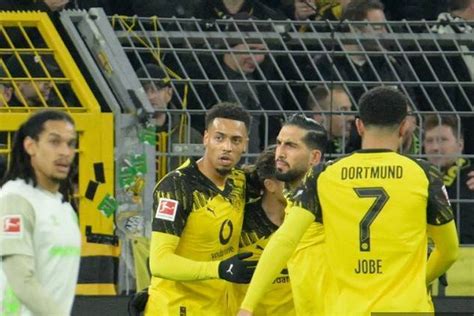
In contrast, the Bundesliga provides a more systematic and widespread adoption of fan-centric ownership structures. The German league’s “50+1 rule” ensures that club members retain a majority of voting rights, effectively making most Bundesliga clubs fan-owned. This rule has fostered a unique environment where clubs like Bayern Munich and borussia dortmund maintain close ties to their supporters while also achieving consistent success on and off the pitch. The 50+1 rule acts as a safeguard against external investors taking over clubs for profit-driven motives, and this has resulted in more affordable ticket prices, higher stadium attendance rates, and a stronger sense of community ownership. However, the success of this model is not merely symbolic—it translates to tangible results. Bundesliga clubs are often lauded for their financial stability and the high level of fan engagement. For example, Borussia Dortmund’s Westfalenstadion regularly boasts some of the highest attendance figures in Europe, a direct result of fan-friendly policies and affordable access. While the Bundesliga’s fan-ownership model is more entrenched than La Liga’s sporadic examples, it is worth noting that this system has its critics. Some argue that the 50+1 rule limits the ability of German clubs to attract significant foreign investment, potentially capping their growth in the increasingly globalized football market. Nonetheless, the Bundesliga’s fan-ownership structure is a clear contrast to La Liga, where fan-driven governance is less institutionalized and more club-specific.
The Premier League, by comparison, represents a stark departure from the fan-ownership ethos seen in La Liga and the Bundesliga. The Premier League is characterized by a highly commercialized and investor-driven model, where clubs are often owned by wealthy individuals, consortiums, or state-backed entities. Fan ownership in the Premier League is virtually nonexistent, with a few exceptions like Exeter City, which operates as a fan-owned club in the lower divisions but is far removed from the top-tier dynamics. The Premier League’s focus on revenue generation and global branding has led to unprecedented financial growth, with clubs like Manchester City and Newcastle United benefiting from significant external investment. However, this model often alienates traditional supporters, as ticket prices soar, and the local fan base is sometimes overshadowed by a global audience. The lack of fan-ownership in the Premier League has also sparked movements like the “Against Modern Football” campaign, where supporters protest against the commercialization and perceived loss of community identity. While the Premier League’s financial success is undeniable—it is the most-watched and richest league in the world—this comes at the cost of reduced fan influence over club decisions. Compared to La Liga, where fan-owned clubs like Barcelona still wield considerable influence, the Premier League’s model prioritizes profitability over communal ownership, creating a sharp dichotomy in how clubs are governed and sustained.
One of the key takeaways from this comparison is the role of regulatory frameworks in shaping the prevalence of fan-owned clubs. The Bundesliga’s 50+1 rule is a legislated mechanism that enforces fan ownership, whereas La Liga relies on club-specific traditions and grassroots efforts, such as Barcelona’s socios system or Real Oviedo’s crowdfunding success. The Premier League, in contrast, operates in a largely deregulated environment where market forces and investor interest dominate. This regulatory contrast underscores why fan-owned clubs thrive in the Bundesliga but struggle to gain a foothold in the Premier League.
Another critical dimension is the cultural context of football in these leagues. In Spain, football is deeply intertwined with regional identity, particularly in clubs like Barcelona, where the socios system is as much about preserving Catalan heritage as it is about football. This cultural emphasis on community and identity creates a natural affinity for fan-ownership models, even if they are not widespread across La Liga. In Germany, the cultural emphasis on collective ownership and egalitarian principles aligns with the Bundesliga’s fan-centric approach. Meanwhile, the Premier League’s globalized and profit-driven ethos reflects the broader economic and cultural trends of English football, where commercial success often takes precedence over traditional supporter involvement.
From a success perspective, fan-owned clubs in La Liga have had mixed results. FC Barcelona’s global dominance and cultural resonance are undeniable, but the club’s recent financial woes highlight the limitations of fan-driven governance in an era of astronomical player wages and commercial pressures. Real Oviedo’s survival story is inspiring but limited in scale compared to the consistent success of Bundesliga clubs under the 50+1 rule. In the Premier League, the absence of fan-ownership has not hindered the league’s ability to achieve unparalleled commercial success, but this comes at the expense of supporter satisfaction and long-term community ties. The Bundesliga, with its blend of fan ownership and financial stability, arguably strikes the most balanced approach, achieving both competitive success and fan satisfaction.
In summary, the prevalence and success of fan-owned clubs in La Liga are unique but limited compared to the institutionalized fan-ownership model of the Bundesliga and the starkly commercial model of the Premier League. While La Liga showcases the potential for fan ownership to preserve identity and foster community, its sporadic implementation contrasts with the Bundesliga’s systematic approach. The Premier League, meanwhile, represents an alternative path where financial growth often overshadows fan influence. Each league’s model reflects its cultural, regulatory, and economic priorities, making fan ownership a lens through which we can understand the diverse philosophies underpinning European football.
The Role of Technology and Social Media
The advent of technology and the proliferation of social media platforms have fundamentally transformed the way fan-owned clubs in La Liga operate and thrive. These tools are no longer just optional add-ons but essential mechanisms for fan engagement, fundraising, and visibility enhancement. In this context, technology empowers fan-owned clubs to bridge geographical divides, democratize access to club operations, and create a sense of ownership that extends well beyond the boundaries of traditional sports club management.
One of the most significant ways digital platforms enable fan-owned clubs to connect with supporters is through real-time communication and interaction. Unlike traditional clubs where decisions are often made behind closed doors by a small group of stakeholders, fan-owned clubs rely on transparency and inclusivity. Platforms like Twitter, Instagram, and dedicated club apps allow for instant updates on match results, upcoming events, or even financial milestones. For instance, clubs can use live streams on YouTube or Instagram to host Q&A sessions with club officials or players, giving fans direct access to the inner workings of the organization. This level of openness not only builds trust but also reinforces the idea that fans are true stakeholders in the club’s success. The immediacy of these interactions helps fan-owned clubs maintain a sense of community, even when supporters are spread across the globe.
Beyond communication, crowdfunding and fundraising are areas where technology has proven to be a game-changer for fan-owned clubs. Platforms like Patreon, GoFundMe, and even bespoke club-specific apps enable these organizations to raise funds directly from their supporter base. Unlike large corporate-backed clubs that rely on sponsorship deals or wealthy owners, fan-owned clubs often operate on tighter budgets. Social media campaigns can be used to launch initiatives such as “Buy a Brick” programs, where fans contribute to stadium renovations, or season ticket pre-sales that double as membership drives. An excellent example of this is how some fan-owned clubs have utilized blockchain technology to issue fan tokens. These tokens, purchasable through cryptocurrency or traditional payment methods, give fans voting rights on certain club decisions, such as kit designs or charity partnerships. This not only provides a new revenue stream but also deepens the emotional connection between the club and its fans by offering tangible influence over club operations.
Another area where digital platforms shine is in enhancing the visibility of fan-owned clubs. La Liga is one of the most competitive and globally watched football leagues, but smaller or less resourced clubs often struggle to compete for attention against giants like Barcelona or Real Madrid. Here, social media acts as a great equalizer. Clubs can craft viral content—such as behind-the-scenes footage, player interviews, or even humorous skits—that resonates with younger, digitally native audiences. TikTok, for example, has become a powerful tool for clubs to produce short, engaging videos that showcase the human side of the team. A well-timed meme or a creative hashtag campaign can generate millions of impressions, drawing attention to the club without the need for expensive advertising campaigns. This democratization of visibility means that even a relatively small fan-owned club can punch above its weight in terms of public profile, provided it uses these platforms effectively.

Additionally, data analytics and fan insights gathered through digital platforms play a critical role in shaping how fan-owned clubs interact with their audience. Social media platforms provide clubs with detailed metrics on post engagement, audience demographics, and content performance. By analyzing this data, clubs can tailor their messaging to specific segments of their fan base. For example, if analytics show a strong following among younger fans in Latin America, the club might prioritize Spanish-language content or highlight players with connections to that region. Similarly, clubs can identify which types of posts—match highlights, community outreach efforts, or player spotlights—generate the most engagement and adjust their content strategy accordingly. This data-driven approach ensures that fan-owned clubs remain responsive to their audience’s preferences, creating a feedback loop that strengthens the bond between the club and its supporters.
The role of collaborative platforms and fan forums should not be overlooked either. Websites like Discord, Reddit, or even dedicated club-run forums provide spaces where fans can discuss strategies, share ideas, and even vote on club-related matters. These platforms serve as digital town halls where the collective voice of the fan base can be heard. For instance, some fan-owned clubs have used online polls to decide on ticket pricing structures or charitable causes the club should support. This not only reinforces the democratic ethos of fan ownership but also ensures that fans feel their voices matter. Such collaborative decision-making processes can also help clubs avoid controversies or missteps by ensuring decisions are aligned with the values and expectations of their supporter base.
Moreover, technology-enabled partnerships are opening new avenues for fan-owned clubs to grow their reach. Clubs can use digital platforms to collaborate with influencers, content creators, or even other fan-owned organizations to cross-promote initiatives. For example, a fan-owned club might partner with a popular football YouTuber to create a docuseries about the club’s journey, giving it exposure to audiences who might not have been aware of its existence. These partnerships are often more cost-effective than traditional advertising and allow clubs to tap into niche but highly engaged communities.
It is also worth noting how augmented reality (AR) and virtual reality (VR) are beginning to play a role in fan engagement for these clubs. While still in its nascent stages, AR and VR technologies can provide immersive experiences for fans who cannot attend matches in person. Imagine a fan in another country being able to "walk" through the stadium using a VR headset or interact with a virtual version of their favorite player through an AR app. These technologies, while not yet widespread, hold enormous potential for fan-owned clubs to offer unique experiences that set them apart from larger, more impersonal organizations.
Finally, the global nature of digital platforms allows fan-owned clubs to cultivate an international fan base. While traditional clubs often rely on local or regional support, fan-owned clubs can use social media to connect with supporters in other countries who share their values of inclusivity and collective ownership. Clubs can host virtual watch parties for international fans, create multilingual content, or even organize meetups in different cities through coordinated online efforts. This global outreach not only diversifies the club’s revenue streams but also positions it as a truly modern, forward-thinking organization.
In conclusion, technology and social media are not just tools for fan-owned clubs in La Liga—they are enablers of a new paradigm in sports management. From fostering real-time communication and driving innovative fundraising methods to enhancing visibility and leveraging data for better decision-making, these platforms allow fan-owned clubs to compete in a landscape traditionally dominated by well-funded entities. By embracing these technologies, fan-owned clubs not only survive but thrive, proving that the collective power of a digitally connected fan base can rival even the most established football institutions.
Future Prospects for Fan Ownership in La Liga
The concept of fan-owned clubs in La Liga represents a departure from the traditional corporate and billionaire-owned models that dominate modern football. While fan ownership is not entirely new—clubs like Real Oviedo and FC Barcelona have elements of member-driven governance—its potential to reshape the football landscape in Spain is an intriguing prospect. Looking ahead, fan-owned clubs in La Liga could experience significant growth, adapt to evolving challenges, and exert a transformative influence on the broader football ecosystem in Spain. This section explores these dynamics in detail.
One of the most promising areas for growth lies in the **democratization of club governance**. Fan-owned clubs inherently prioritize inclusivity and accountability, which can attract a more diverse supporter base. In an era where younger generations are increasingly skeptical of profit-driven sports models, fan ownership offers an alternative that aligns with values of community, transparency, and collective decision-making. For instance, a fan-owned club might implement digital platforms where members can vote on key decisions such as ticket pricing, sponsorship deals, or even player transfers. This level of engagement not only strengthens fan loyalty but also creates a sense of ownership that can drive long-term financial sustainability through increased merchandise sales, memberships, and match attendance.
However, for fan-owned clubs to truly grow in La Liga, they must **adapt to the financial pressures of modern football**. Unlike traditional ownership models, where external investment can quickly inject capital, fan-owned clubs often operate on tighter budgets. To address this, these clubs will need to innovate in revenue generation. One potential avenue is the **leveraging of digital assets**. NFTs, blockchain-based fan tokens, and subscription-based streaming services tailored for global supporters could provide new income streams. For example, a fan-owned club could partner with a tech company to create a platform where fans worldwide can purchase exclusive digital collectibles tied to club history or matchday experiences. This approach not only diversifies revenue but also globalizes the club's brand, potentially attracting international supporters who may never set foot in the stadium but feel connected through digital engagement.
Another critical area of adaptation is **strategic partnerships and alliances**. Fan-owned clubs in La Liga could form coalitions with similarly structured clubs across Europe, such as Germany's member-driven clubs like FC St. Pauli or England's AFC Wimbledon. These alliances could share best practices in governance, marketing, and financial management. Moreover, lobbying collectively for policy changes within UEFA or La Liga itself could help fan-owned clubs advocate for rules that reduce the competitive advantage of state-backed or billionaire-owned clubs. For instance, they might push for stricter financial fair play regulations or caps on transfer spending to level the playing field. Such collaborations could also lead to joint marketing campaigns that highlight the unique appeal of fan-owned clubs as bastions of tradition and community in an increasingly commercialized sport.
The **influence on the broader football ecosystem** could be profound. Fan-owned clubs have the potential to act as a counterbalance to the growing trend of "super clubs" fueled by state financing or private equity. In Spain, where the dominance of Real Madrid and Barcelona often overshadows smaller clubs, fan ownership could provide a model for sustainable competition. By prioritizing long-term stability over short-term success, these clubs might inspire a shift in how success is measured—not just in trophies but in community impact, youth development, and fan satisfaction. This could lead to a subtle but significant redefinition of what it means to be a "successful" club in La Liga.
Moreover, fan-owned clubs could play a role in **reconnecting football with its roots**. In recent years, the sport has faced criticism for becoming detached from its working-class origins, with skyrocketing ticket prices and commercialization alienating traditional fan bases. Fan-owned clubs, by their very nature, prioritize accessibility and community engagement. They could pioneer initiatives like subsidized tickets for local residents, youth programs in underprivileged areas, or even partnerships with local businesses to create a symbiotic relationship between the club and its surrounding community. These efforts would not only enhance the clubs' social license to operate but could also set an example for larger clubs to follow, potentially mitigating some of the discontent expressed by fans during movements like the European Super League backlash.
However, challenges remain. Scaling fan ownership in a highly competitive league like La Liga is no small feat. Clubs must navigate the tension between maintaining their democratic ethos and competing with financially dominant rivals. One possible solution is the introduction of hybrid ownership models, where a significant percentage of the club is fan-owned, but a smaller portion is open to external investment under strict conditions. This could allow fan-owned clubs to access the capital needed for infrastructure improvements or player acquisitions without compromising their core identity. For example, a club might allocate 60% of its shares to members while reserving 40% for ethical investors who agree to non-voting rights and a focus on long-term sustainability rather than profit extraction.
Another challenge is **maintaining fan engagement and unity**. As clubs grow, the risk of internal divisions among members increases, particularly when difficult decisions—such as whether to sell a star player or increase membership fees—must be made. To mitigate this, fan-owned clubs could adopt robust communication strategies, including regular town hall meetings, transparent financial reporting, and the use of online tools to ensure every member has a voice. Education campaigns about the realities of football finances could also help temper unrealistic expectations and foster a more pragmatic yet passionate supporter culture.
In the long term, fan-owned clubs in La Liga could **reshape the narrative of Spanish football** by becoming symbols of resilience and innovation. As the global sports industry grapples with issues like climate change, fan-owned clubs might lead the way in adopting sustainable practices, such as reducing carbon footprints through greener stadium operations or promoting local food vendors at matches. These initiatives would not only enhance their reputations but also position them as leaders in the broader movement toward ethical sports management.
In conclusion, the future prospects for fan-owned clubs in La Liga are promising but contingent on their ability to grow, adapt, and influence. By embracing digital innovation, forging alliances, and prioritizing community-driven values, these clubs could carve out a unique space in Spanish football. Their success would not only benefit their own sustainability but also challenge the status quo of football ownership, potentially inspiring a more equitable and inclusive ecosystem across La Liga and beyond.
Conclusion and Call to Action
The concept of fan-owned clubs in La Liga represents a transformative shift in how football clubs are managed and sustained. Unlike the traditional models dominated by private ownership or corporate stakeholders, fan ownership emphasizes community involvement, collective decision-making, and a sense of shared responsibility. This model has the potential to redefine the football landscape in Spain, creating a more inclusive and participatory culture around the sport.
One of the key takeaways from examining fan-owned clubs is their ability to foster a deeper connection between the club and its supporters. In fan-owned setups, fans are not merely consumers of the product on the pitch but active participants in the club's governance. This dynamic can lead to greater transparency in financial management, as supporters are directly invested in ensuring the club's long-term viability. For instance, clubs like Real Oviedo and SD Eibar, which have elements of fan ownership or heavy fan influence, have demonstrated resilience in the face of financial challenges. Their survival and growth are testaments to the power of community-driven initiatives where fans rally together to preserve their club's identity and heritage.
Another significant insight is the potential of fan ownership to mitigate some of the inequalities present in modern football. La Liga, like many top-tier leagues, has seen a growing divide between the financial powerhouses—such as Real Madrid and Barcelona—and the smaller clubs struggling to compete. This disparity often leads to a homogenization of competition, where only a handful of clubs can realistically contend for titles. Fan ownership offers an alternative pathway by prioritizing sustainability over speculative spending. Clubs owned by fans are less likely to engage in reckless financial practices, such as overleveraging to sign high-profile players, because their primary motivation is to serve the community rather than maximize profits for external investors. This approach could help level the playing field, even if incrementally, by encouraging clubs to focus on organic growth and youth development rather than chasing short-term glory.
Fan ownership also has the potential to reinvigorate local identities in an era where globalized football often erases regional nuances. In Spain, football clubs are deeply tied to their local communities, serving as symbols of regional pride and cultural heritage. However, the commercialization of football has sometimes led to a dilution of these identities, as clubs cater to international audiences and sponsors. Fan-owned clubs can resist this trend by embedding themselves more firmly in their local contexts. Decisions about branding, community outreach, and even player recruitment can reflect the desires and values of the fan base rather than the demands of distant stakeholders. This localized focus not only preserves the unique character of each club but also strengthens the emotional ties between fans and their teams, which is vital for long-term loyalty and engagement.
However, it is important to acknowledge the challenges and limitations of fan ownership. The model requires a high degree of organization, trust, and active participation from the fan base. Smaller clubs may struggle to mobilize sufficient resources or expertise to compete at the highest levels without external investment. Additionally, fan ownership does not inherently shield clubs from financial hardship; poor management or lack of strategic planning can still lead to crises. These challenges highlight the need for a balanced approach—one that combines the strengths of fan ownership with mechanisms for professional management and external support when necessary. For instance, hybrid models that blend fan ownership with strategic partnerships or minority private investments could offer a middle ground, allowing clubs to benefit from fan-driven ethos while accessing the resources needed to compete in La Liga.
The call to action for stakeholders in Spanish football is clear: it is time to explore the potential of fan ownership as a viable and meaningful alternative to the status quo. For club administrators, this means considering how fan-driven models can be integrated into existing structures, whether through partial fan ownership, advisory roles for supporter groups, or community-focused initiatives. For policymakers and league officials, there is an opportunity to create frameworks that support fan-owned clubs, such as tax incentives for community-based ownership models or regulatory protections to ensure clubs remain rooted in their localities. These measures would not only encourage experimentation with fan ownership but also signal a commitment to preserving football's role as a unifying social institution rather than merely a commercial enterprise.
For fans themselves, the call to action is equally important. Active engagement is the lifeblood of fan-owned clubs. This means not only buying season tickets or merchandise but also participating in decision-making processes, attending general assemblies, and contributing to the club's strategic direction. Fans must recognize that ownership comes with responsibilities as well as rights—it requires a collective willingness to prioritize the club's long-term health over immediate gratification. Education and awareness campaigns could help fans understand the intricacies of club management and empower them to take on these roles effectively.
From a broader societal perspective, fan ownership aligns with the growing global movement toward more inclusive and equitable systems in various sectors. Football, as one of the most popular and influential cultural phenomena, has a unique opportunity to lead by example. By embracing fan ownership, La Liga clubs can demonstrate that football is not just about profit margins and global branding but also about fostering community, preserving traditions, and creating spaces where diverse voices can be heard. This shift could inspire other leagues and sports organizations to consider similar models, amplifying the impact of this approach beyond Spain's borders.
In conclusion, fan-owned clubs in La Liga offer a compelling vision for the future of football—one that prioritizes inclusivity, sustainability, and community over profit-driven excesses. While the model is not without its challenges, the potential rewards are significant. Stakeholders across the football ecosystem—from club executives to fans, policymakers to sponsors—must recognize the value of this approach and take proactive steps to explore its feasibility. By doing so, they can help shape a football culture that is not only more equitable but also more deeply connected to the people who love and support the game. The time to act is now, and the opportunity to redefine football for the better is within reach.
- Fan ownership fosters a deeper connection between clubs and their supporters, emphasizing transparency and shared responsibility.
- It has the potential to address inequalities in La Liga by encouraging sustainable practices over speculative spending.
- Fan-owned clubs can preserve local identities and resist the homogenizing effects of globalized football.
- Challenges such as resource mobilization and management expertise must be addressed through hybrid models or external support mechanisms.
- Stakeholders must actively explore and support fan ownership to create a more inclusive football culture in Spain and beyond.
The future of La Liga could very well hinge on its ability to adapt and innovate. Fan ownership is not just a nostalgic throwback to earlier days of football but a forward-looking strategy to ensure the sport remains relevant, resilient, and rooted in the communities it serves. Let this be the catalyst for a new era of football—one where the fans truly own the game.