Introduction to Fan-Owned Clubs
The concept of fan-owned clubs represents a transformative approach to sports ownership, where the traditional model of private or corporate control is replaced by collective ownership by supporters. This model is rooted in the principle of democratizing sports institutions, allowing fans to have a direct say in the governance, strategy, and even the day-to-day operations of their beloved clubs. While fan-owned clubs exist in various forms across the globe, their significance in Italy offers a particularly intriguing case study due to the country's rich footballing culture and the challenges its clubs have faced in recent decades.
At its core, a fan-owned club operates on the premise that the supporters—often organized through cooperatives, associations, or trust funds—hold a majority or significant stake in the club. This structure ensures that decisions are made with the long-term interests of the club and its community in mind, rather than prioritizing short-term financial gains that are often the focus of corporate owners. The model has gained traction in countries like Germany, where the "50+1" rule mandates that clubs retain majority ownership by their members, and in England, where organizations like the Supporters Direct initiative have supported the establishment of fan-owned teams. However, in Italy, the concept of fan ownership is still emerging and faces unique cultural, economic, and structural hurdles.
Italy’s football landscape is deeply intertwined with its social and political history. Clubs such as Juventus, AC Milan, and Inter Milan are emblematic of corporate or family ownership, often tied to influential industrial dynasties or media moguls. These structures have historically provided financial stability and international success but have also exposed clubs to the whims of private owners whose priorities may not align with the fan base. For instance, the controversial takeover of AC Milan by Chinese investors in 2017 and its subsequent financial struggles highlight the risks of prioritizing profit over sustainability. Against this backdrop, fan-owned clubs in Italy represent a grassroots counter-narrative, emphasizing community-driven governance and a return to the sport's roots as a unifying social force.
One of the most notable examples of fan-owned clubs in Italy is Associazione Sportiva Dilettantistica Calcio Venezia, which underwent a period of fan-led revival after financial collapse in the early 2000s. While the club is no longer fully fan-owned, the episode demonstrated how grassroots efforts could breathe life into a struggling institution. Similarly, clubs like US Anconitana and FC Messina have seen fan collectives step in to stabilize operations when private ownership faltered. These examples underscore a growing sentiment among Italian football fans that traditional ownership models are not immune to mismanagement or external exploitation.
The global significance of fan-owned clubs lies in their ability to foster a sense of shared responsibility and long-term sustainability. Unlike profit-driven entities, fan-owned clubs often prioritize affordability for supporters, investment in local talent, and community outreach programs. In Italy, this approach has additional resonance because of the country's strong regional identities and the deep emotional connection fans have with their local clubs. A fan-owned structure can act as a safeguard against the alienation that occurs when clubs are treated as commodities by distant owners. For instance, when Parma Calcio faced bankruptcy in 2015, the subsequent fan-driven efforts to rebuild the club—albeit not fully fan-owned—reflected a desire to restore the club’s connection to its supporters and its city.
However, the adoption of fan ownership in Italy is not without its challenges. The Italian football ecosystem is heavily influenced by commercial interests, media rights deals, and a hierarchical league structure that often rewards clubs with significant financial backing. Smaller fan-owned clubs may struggle to compete with the deep pockets of corporate-backed teams, particularly in Serie A, where the financial disparity is stark. Additionally, Italy’s legal and administrative frameworks are not as conducive to cooperative ownership models as those in countries like Germany. There is limited institutional support for fan-led initiatives, and the bureaucratic hurdles can deter even the most passionate groups of supporters from taking on ownership responsibilities.
Another critical factor is the economic disparity within Italy itself. While northern regions like Lombardy and Piedmont have stronger economic bases that could support fan-ownership models, southern clubs often face greater financial instability due to systemic underinvestment and economic challenges. This regional divide can make it harder for fan-owned clubs in less affluent areas to gain traction, as they may lack the resources needed to sustain operations or attract sufficient membership.
Despite these challenges, the rise of fan-owned clubs in Italy is a reflection of broader global trends in sports governance. The 21st century has seen fans increasingly vocal about their dissatisfaction with the commercialization of football, epitomized by events such as the backlash against the proposed European Super League in 2021. This event, which saw backlash from fans across Europe, including Italy, underscored the growing demand for more inclusive and community-focused ownership structures. Fan-owned clubs in Italy, though few in number, are part of this larger movement toward reimagining the role of supporters in the sport.
Fan-owned clubs also present an opportunity to address some of the systemic issues within Italian football, such as match-fixing scandals, financial mismanagement, and the erosion of trust between clubs and their supporters. By giving fans a direct stake in decision-making, these models can promote greater transparency and accountability. For example, fan-owned clubs often implement mechanisms like open meetings, regular financial reporting, and member voting on key decisions, which can restore faith in the institution and its leadership.
In Italy, the potential of fan-owned clubs extends beyond football. As a country with a strong tradition of cooperatives in sectors like agriculture and retail, there is a cultural precedent for collective ownership models. This tradition could be leveraged to support the growth of fan-owned clubs, particularly if paired with government incentives or partnerships with local businesses. Moreover, the digital age offers new tools for fan engagement, such as crowdfunding platforms and social media, which can be harnessed to build support and financial backing for fan-ownership initiatives.
In conclusion, fan-owned clubs in Italy are both a response to the challenges of modern football and a nod to the sport's communal origins. While the model is still in its infancy compared to other European nations, it holds immense potential to reshape the Italian football landscape. By prioritizing community over commerce, fan-owned clubs can serve as a beacon of hope for supporters disillusioned by the excesses of modern sports capitalism. Their success, however, will depend on overcoming structural barriers, fostering greater awareness, and building coalitions that can advocate for a more inclusive and sustainable future for Italian football.
- Fan-owned clubs democratize sports governance, prioritizing long-term sustainability over short-term profit.
- Italy’s football culture, with its regional loyalties, provides a fertile ground for this model despite economic and legal challenges.
- Examples like Venezia and Anconitana show how grassroots efforts can stabilize clubs in crisis.
- The model aligns with global trends demanding greater fan involvement in sports governance.
As Italy navigates the intersection of tradition and innovation in its football culture, fan-owned clubs could emerge as a vital force in preserving the sport’s integrity and deepening its connection to the communities it serves.
Historical Context of Italian Football
The historical evolution of Italian football is a fascinating journey that intertwines with the socio-economic and cultural fabric of the nation. To understand the emergence and impact of fan-owned clubs in Italy, it is essential to explore how traditional ownership models shaped the landscape of Italian football over the decades. These models not only defined the operational frameworks of clubs but also influenced fan culture, regional identity, and the broader commercialization of the sport.
Italian football, or calcio, has its roots in the late 19th century when the sport was introduced by British expatriates and enthusiasts. Early football clubs were informal and community-driven, often formed by local groups of students, workers, or social organizations. However, as the sport gained popularity in the early 20th century, particularly after Italy's first national championship in 1898, the structure of club ownership began to formalize. Wealthy local patrons and industrialists saw football as a means of community engagement, regional pride, and even political influence. This period marked the rise of the padrone model, where affluent individuals or families took ownership of clubs, often treating them as extensions of their personal or business empires.
The post-World War II era saw Italian football undergo significant transformation. The economic boom of the 1950s and 1960s allowed clubs to grow in scale and ambition. Families like the Agnellis at Juventus and the Morattis at Inter Milan became synonymous with their respective clubs, blending their business interests with football. These owners were not merely financial backers; they were custodians of a club's identity, often deeply embedded in the local community. For instance, the Agnelli family's ownership of Juventus was not just about winning titles but also about reinforcing the industrial and cultural hegemony of Turin in the Italian economy. This model of patronage ownership ensured that clubs were deeply rooted in their regions, with a strong sense of loyalty from fans who identified the club as a symbol of local pride.
However, this traditional model also had its limitations. While the patronage system fostered strong emotional ties between clubs and their communities, it also concentrated power in the hands of a few individuals. Decision-making was often opaque, and clubs were vulnerable to the financial or personal misfortunes of their owners. For example, when a wealthy owner decided to withdraw support or faced economic challenges, clubs could spiral into financial instability. This was evident in cases like Fiorentina's bankruptcy in 2002, which highlighted the risks of over-reliance on a single benefactor.
The 1980s and 1990s marked a shift toward a more commercialized approach to football ownership in Italy. The advent of television rights and the global reach of the sport brought unprecedented revenue streams. Clubs began to adopt corporate structures, with shares being sold to investors and even floated on stock exchanges. This era saw the emergence of società per azioni (S.p.A.) models, where clubs were run like businesses rather than community organizations. While this shift brought financial stability and allowed clubs to compete at the highest levels of European football, it also created a growing disconnect between fans and the ownership. Supporters, who had long viewed their clubs as communal assets, now found themselves marginalized as decisions were driven by profit rather than tradition or fan sentiment.
This commercialization also exacerbated existing issues within Italian football, such as match-fixing scandals and financial mismanagement. The Calciopoli scandal of 2006, which implicated several top clubs in corruption, underscored the vulnerabilities of a system where club ownership was often tied to opaque networks of power and influence. Fans, disillusioned by these developments, began to question the sustainability of the traditional and corporate ownership models. This disenchantment laid the groundwork for alternative approaches, including the rise of fan-owned clubs as a counter-narrative to the commercialized and often exploitative structures of modern football.
Another critical aspect of this historical evolution is the role of regionalism in Italian football. Italy's highly fragmented socio-political landscape has always meant that football clubs are seen as embodiments of their cities or regions. Clubs like Napoli, for instance, carry the weight of representing the South against the perceived dominance of Northern clubs like Juventus or Milan. This regional identity was often exploited by traditional owners to galvanize support, but it also made fans acutely aware of how their clubs' fortunes were tied to broader economic and political dynamics. When traditional ownership models failed to prioritize community interests, it deepened the sense of alienation among supporters, particularly in smaller or less affluent regions.
- The patronage model was rooted in local pride but often lacked financial transparency and long-term sustainability.
- The shift to corporate ownership in the late 20th century prioritized profitability, often at the expense of fan engagement and regional identity.
- Regional rivalries and socio-economic disparities further complicated the relationship between clubs, owners, and supporters.
The historical context of Italian football reveals a dichotomy: while traditional ownership models provided stability and a sense of identity in their early years, they also sowed the seeds of discontent as the sport became more commercialized. This tension is particularly relevant when examining the rise of fan-owned clubs in Italy. These clubs, such as A.S. Livorno Calcio 1915 and Cava United FC, represent a return to the community-driven ethos of early Italian football. They seek to reclaim the sport from the pressures of corporate greed and reestablish the fan as the central stakeholder. This movement is not merely a reaction to modern football's excesses but a continuation of Italy's long-standing tradition of viewing football as a communal and cultural endeavor rather than merely a business.
In conclusion, the evolution of Italian football's ownership models reflects a broader narrative of how sport interacts with society. From the patronage of local elites to the corporate structures of the late 20th century, each phase of this evolution has left its mark on the Italian football landscape. The emergence of fan-owned clubs can be seen as both a critique of past models and a reimagining of what football could be—a sport rooted in community, inclusivity, and shared purpose. Understanding this historical context is crucial for appreciating why fan-owned clubs in Italy are not just a trend but a deeply rooted response to the challenges and opportunities of the sport's evolution.
Rise of Fan Ownership in Italy
The rise of fan-owned clubs in Italy is a phenomenon rooted in a complex interplay of socio-economic and cultural dynamics. While the concept of fan ownership has existed in various forms across Europe, particularly in countries like Germany and Spain, its emergence in Italy is particularly notable due to the country's unique footballing landscape and historical context. This section delves into the factors driving this shift, with a particular focus on the financial crises that have plagued Italian football and the growing disillusionment with corporate ownership structures.
One of the primary drivers of fan ownership in Italy is the **series of financial crises** that have rocked the football industry over the past two decades. Italian football, once a dominant force in European competitions during the 1980s and 1990s, has faced a steady decline in financial stability. Many clubs, particularly those outside the elite tier of Serie A, have struggled to maintain sustainable revenue models. This is partly due to the **mismanagement of funds by club owners**, who often prioritized short-term success over long-term financial health. For instance, clubs like Parma and Fiorentina faced bankruptcy in the early 2000s, a stark reminder of how unchecked spending and poor governance can lead to institutional collapse. These events not only eroded trust in traditional ownership models but also pushed fans to consider alternative ways of sustaining their beloved clubs.
The **global financial crisis of 2008** further exacerbated these issues. As Italy grappled with economic stagnation, many football clubs found it increasingly difficult to attract investment or secure sponsorship deals. Smaller clubs, in particular, were left vulnerable, as they lacked the global appeal of giants like Juventus or AC Milan. This economic strain led to a wave of club insolvencies and forced sales, often to foreign investors or hedge funds with little connection to the local community. Fans, witnessing the commodification of their clubs, began to feel alienated. They saw their teams as more than just businesses—they were cultural institutions deeply tied to local identity. This sentiment fueled a desire for a model where fans could have a direct say in how their clubs were run, ensuring that decisions aligned with community values rather than profit-driven agendas.
Another critical factor is the **disillusionment with corporate ownership**, which has become increasingly prevalent in Italian football. While corporate ownership brought financial resources and global exposure to some clubs, it also introduced a level of detachment between the club and its supporters. Corporate owners, often motivated by profitability and brand visibility, prioritized decisions that maximized revenue—such as selling star players, increasing ticket prices, or rebranding club crests and jerseys to appeal to international markets. These actions frequently clashed with the emotional and cultural expectations of fans, who viewed their clubs as communal assets rather than profit-generating entities.
A notable example of this disillusionment can be seen in the backlash against foreign owners who have taken over Italian clubs in recent years. For instance, the acquisition of clubs like AC Milan by Chinese investors initially promised financial stability and growth. However, when these owners failed to deliver on their ambitious plans—often due to mismanagement or lack of genuine commitment to the club's heritage—fans felt betrayed. This has led to a growing sentiment that **local, community-driven ownership is a safer and more authentic alternative**. Fan-owned clubs, by contrast, are seen as a way to preserve the soul of the team, ensuring that decisions are made with the fans' best interests at heart.
The **role of ultra groups** in Italian football also cannot be overlooked in understanding the rise of fan ownership. Ultras, the highly organized and passionate supporter groups that are a hallmark of Italian football culture, have long been vocal critics of corporate greed and mismanagement. These groups often act as the moral compass of their clubs, rallying against decisions they perceive as betrayals of the club's identity. In some cases, ultra groups have taken the initiative to form or support fan-owned initiatives, seeing this model as a way to reclaim control over their clubs. For example, the establishment of clubs like A.S.D. Barivecchia 1908, which was founded by fans disillusioned with the corporate direction of their original team, highlights how grassroots movements are actively reshaping the football landscape in Italy.

Another dimension to consider is the **regulatory environment** in Italy, which has indirectly supported the viability of fan-owned clubs. Unlike Germany, where the "50+1" rule ensures that fans retain a majority stake in their clubs, Italy has no such legal mandate. However, the financial struggles of many Italian clubs have created a vacuum that fan-ownership models are well-suited to fill. In some cases, local governments and community organizations have stepped in to support fan-ownership initiatives, recognizing the cultural and social value of keeping clubs alive. This has created an environment where fan ownership is not just a romantic ideal but a practical solution to the challenges facing Italian football.
The **rise of digital platforms and crowdfunding** has also played a pivotal role in enabling fan-owned clubs to thrive. In the past, organizing and funding a fan-owned club was a logistical challenge. However, the advent of online platforms has made it easier for fans to pool resources, coordinate efforts, and even vote on key decisions. For instance, platforms like WeFunder and Tifosy have been used by Italian fan groups to raise capital for club acquisitions or operational expenses. This democratization of club ownership through technology has lowered the barriers to entry, allowing even smaller communities to participate in the ownership of their local teams.
Additionally, the **cultural shift toward greater transparency and accountability** in sports has resonated with Italian fans. In an era where scandals such as match-fixing and financial irregularities have tarnished the reputation of Italian football, fan ownership offers a model of governance that prioritizes ethical practices and community engagement. Fans are increasingly demanding a seat at the table, not just as passive spectators but as active stakeholders in the clubs they love. This shift aligns with broader societal trends toward participatory governance and collective action, further legitimizing the fan-ownership model.
It is also worth noting that fan-owned clubs in Italy often serve as **symbols of resistance** against the commercialization of football. In a landscape where the richest clubs dominate resources and attention, fan-owned clubs represent a counter-narrative—one that emphasizes solidarity, local pride, and sustainability over profit. This is particularly evident in lower leagues, where fan-owned clubs like C.S. Lebowski have gained prominence not for their on-field success but for their commitment to ethical practices and community engagement. These clubs are not just football teams; they are **social movements**, challenging the status quo and offering a vision of what football could be if it were reclaimed by the people who love it most.
In conclusion, the rise of fan-owned clubs in Italy is a response to a confluence of factors—financial instability, corporate mismanagement, and a yearning for authenticity in an increasingly commercialized sport. By empowering fans to take ownership of their clubs, this model not only addresses the immediate challenges of Italian football but also reimagines its future as a more inclusive and community-driven endeavor. While the road ahead is fraught with challenges, the growing popularity of fan ownership in Italy signals a profound shift in how football is perceived and managed, offering hope for a more sustainable and equitable future for the sport.
Case Studies of Fan-Owned Clubs in Italy
Fan-owned clubs represent a unique model of sports organization where supporters hold a direct stake in the club's operations and decision-making. In Italy, this model has gained traction as a response to the financial instability and mismanagement that has plagued many traditional football clubs. Among the most successful examples of fan-owned clubs in Italy are Società Sportiva Campobasso and other clubs that demonstrate the viability and impact of this approach. This section delves into their structures, operational models, and the broader implications of their existence within the Italian football landscape.
One of the most prominent cases is Società Sportiva Campobasso, a club based in the Molise region. After years of financial turmoil and mismanagement under private ownership, the club was relaunched as a fan-owned entity in 2021. This transition was facilitated by a group of dedicated supporters who formed "Lupi della Molise," a collective that raised funds to acquire the club's rights. The structure of Società Sportiva Campobasso is built on a cooperative model, where members—primarily fans—contribute financially and democratically elect a board of directors. This ensures that the club operates with transparency and accountability, as decisions are made collectively rather than by a single owner or investor.
The impact of this model on Campobasso has been profound. First, the club has seen a resurgence in community engagement. Fans feel a deeper sense of ownership and responsibility, which has translated into higher attendance at matches and increased merchandise sales. Moreover, the cooperative structure has enabled the club to prioritize long-term sustainability over short-term profit. For instance, rather than overspending on player transfers, the club focuses on developing local talent and building a strong youth academy. This not only reduces financial risk but also fosters a sense of pride among supporters who see homegrown players representing their team.
Another notable example is Associazione Sportiva Dilettantistica Palermo, which adopted a fan-ownership model after the collapse of its predecessor, U.S. Città di Palermo, in 2019. The new club was formed by a group of fans under the name "Palermo Football Club" and operated as a cooperative. This rebirth was not without challenges; the club had to start from the lower tiers of Italian football. However, the fan-ownership structure allowed for a grassroots rebuilding process. Supporters contributed both financially and through volunteer efforts, such as organizing events and maintaining club facilities. This hands-on involvement has created a tight-knit community around the club, which has fueled its steady ascent through the leagues.
One unique aspect of Palermo's fan-ownership model is its emphasis on social responsibility. The club actively engages in initiatives aimed at promoting inclusivity and supporting local charities. For example, it has partnered with organizations to provide free match tickets for underprivileged families and has launched programs to involve migrant communities in football activities. This approach demonstrates how fan-owned clubs can extend their impact beyond the pitch, using their platform to address social issues and foster a sense of solidarity within the community.
A third example worth exploring is F.B.C. Unione Venezia, which, while not entirely fan-owned in its current form, has a history that includes significant fan involvement during its revival. After financial collapse in 2005, the club was re-established with the help of a supporters' trust, "Venezia United." Although the club later transitioned to a more traditional ownership structure, the initial phase of fan-driven revival showcased the power of collective action. Venezia United played a pivotal role in securing funding, organizing events, and building a sense of identity for the club during its most vulnerable period. This case highlights how fan-ownership can act as a stabilizing force during times of crisis, even if the model is not sustained in the long term.
The success of these clubs points to several key advantages of the fan-ownership model in Italy. First, it provides a buffer against financial mismanagement. In traditional setups, clubs often rely on wealthy individuals or corporate entities whose priorities may not align with the long-term health of the team. In contrast, fan-owned clubs are less likely to engage in reckless spending or speculative ventures because their stakeholders are primarily focused on the club's survival and community impact rather than profit maximization.
Second, fan-owned clubs tend to have a stronger connection to their local identity. Unlike clubs owned by distant investors, fan-operated teams are deeply rooted in their communities. This is particularly evident in smaller towns like Campobasso, where the club serves as a symbol of regional pride. The direct involvement of local supporters ensures that the club's activities align with the values and needs of the area, rather than being dictated by external commercial interests.
However, the model is not without its challenges. Financial limitations are a recurring issue for fan-owned clubs, as they often lack the deep pockets of privately funded competitors. This can restrict their ability to compete at higher levels of Italian football, where financial resources play a significant role in success. For instance, while Campobasso and Palermo have seen relative success in their respective leagues, their growth is constrained by the need to balance budgets and avoid over-leveraging. This trade-off between financial modesty and competitive ambition is a key tension within the fan-ownership model.
Another challenge is the administrative burden placed on supporters. Running a football club requires expertise in areas such as marketing, finance, and legal compliance, which may not always be readily available within a fan base. Clubs like Palermo have mitigated this by hiring professionals to handle certain aspects of operations, but this still requires careful oversight to ensure that the club's ethos is not compromised.
Despite these challenges, the case studies of Società Sportiva Campobasso, Associazione Sportiva Dilettantistica Palermo, and the early efforts of Venezia United demonstrate the potential of fan-owned clubs to thrive in Italy. These examples show how the model can rejuvenate struggling clubs, foster community engagement, and promote sustainable practices. Moreover, they serve as a proof of concept for other clubs considering a transition to fan ownership, particularly in the lower leagues where financial pressures are most acute.
In conclusion, the fan-ownership model in Italy is not just a reaction to the failures of traditional ownership structures; it is a forward-looking approach that reimagines the role of football clubs in society. By placing fans at the center of decision-making, these clubs create a more inclusive and resilient framework for the sport. While the model has its limitations, the success of clubs like Campobasso and Palermo underscores its potential to redefine how football is managed and experienced in Italy.
Economic and Social Benefits
Fan-owned clubs in Italy represent a unique model of sports organization that diverges from the traditional corporate or investor-driven ownership structures prevalent in modern football. This model, where supporters hold a significant stake in the club, has profound implications for the economic and social fabric of the communities they serve. By examining the economic and social benefits of fan ownership, we can understand how this approach fosters local development, strengthens community ties, and encourages sustainable management practices.
One of the most direct economic benefits of fan-owned clubs is their contribution to **local economies**. Unlike externally owned clubs that may prioritize profits funneled to distant stakeholders or parent companies, fan-owned clubs often reinvest revenues into the local community. For instance, ticket sales, merchandise, and local sponsorships are more likely to circulate within the region when the club is rooted in fan ownership. Small businesses, such as nearby cafes, restaurants, and shops, benefit significantly on match days as fans congregate in the area. This localized economic multiplier effect is particularly vital in smaller towns or economically depressed regions of Italy, where a football club can act as a cornerstone of the local economy. For example, clubs like UC Sampdoria or AS Livorno, when influenced by fan-driven initiatives, often ensure that even minor operational decisions—such as sourcing team kits or food vendors—prioritize local suppliers over large, external corporations.
Additionally, fan-owned clubs tend to be more **financially prudent**, which can have long-term economic stability benefits. Since fans are inherently invested in the club’s survival rather than short-term gains, there is often a stronger emphasis on sustainable budgeting. This contrasts sharply with the high-risk, high-spending strategies sometimes seen in investor-owned clubs, which can lead to financial crises when revenues fail to meet expectations. Fan-owned clubs in Italy often adopt a “bottom-up” approach to financial planning, where members vote on key expenditures, ensuring that resources are allocated responsibly. This model discourages speculative spending on high-profile players or facilities that might overextend the club’s means. Instead, funds are directed toward grassroots development, such as youth academies or community outreach programs, which have a more enduring impact on both the club and the local area.
The **social benefits** of fan ownership are equally profound. Fan-owned clubs foster a sense of **community engagement** that is often absent in commercially driven organizations. When fans have a direct stake in the club, they are more likely to participate in its activities beyond match days. This can include volunteering for club-organized events, participating in local charity drives, or even contributing to the physical upkeep of the stadium. In Italy, where football is deeply embedded in the cultural identity of many towns and cities, fan ownership strengthens this connection by making the club a shared communal asset rather than a profit-driven entity. For example, fan groups in fan-owned clubs often organize events such as local festivals, youth training camps, or charity matches that bring people together and reinforce the club’s role as a community hub.
Moreover, fan ownership can help **preserve the cultural heritage** of a club. In Italy, where football clubs are often seen as extensions of a city’s identity, the risk of clubs being rebranded, relocated, or exploited for profit by external owners is a real concern. Fan-owned clubs, by their very nature, are resistant to such changes because their members value the club’s history and traditions. This preservation of identity can be seen in cases like Associazione Calcistica Perugia Calcio, where fan involvement has helped maintain the club’s connection to its city despite financial challenges. Such preservation not only protects the club’s legacy but also reinforces the sense of pride and belonging among local residents, particularly in smaller communities where the football club may be one of the few symbols of collective identity.
Fan ownership also promotes **sustainable club management** by aligning the club’s goals with the long-term interests of its community. Sustainability in this context refers not only to financial stability but also to environmental and social responsibility. Fan-owned clubs in Italy are increasingly adopting environmentally friendly practices, such as reducing stadium waste, implementing energy-efficient systems, or supporting local green initiatives. For instance, some fan-owned clubs have introduced recycling programs at their stadiums or partnered with eco-friendly businesses for sponsorships. These efforts not only reduce the club’s ecological footprint but also set an example for the community, encouraging sustainable practices at a broader level.
Another key aspect of sustainability in fan-owned clubs is their focus on **grassroots development**. Unlike investor-owned clubs that might prioritize importing talent from abroad, fan-owned clubs often emphasize nurturing local talent through youth academies. This approach has a dual benefit: it reduces the club’s reliance on expensive transfers while providing opportunities for young players from the region to develop their skills. Over time, this can create a pipeline of talent that strengthens both the club and the national football ecosystem. For example, fan-owned clubs in lower leagues often serve as launching pads for players who might otherwise be overlooked by larger, commercially driven organizations.
Fan ownership also enhances **democratic decision-making** within the club, which can lead to more inclusive and community-focused policies. When members have a say in the club’s direction, there is a greater likelihood of decisions that reflect the values and needs of the local population. This participatory model can extend to issues such as ticket pricing, stadium accessibility, or even the club’s stance on social issues like racism or gender equality. For instance, fan-owned clubs in Italy have been at the forefront of campaigns against discrimination, using their platforms to promote inclusivity and social justice. This active engagement with broader societal issues helps position the club as a force for positive change within the community.
However, it is important to acknowledge that fan ownership is not without challenges. Clubs must balance the democratic nature of their structure with the need for professional management to remain competitive. Yet, when this balance is achieved, the benefits often outweigh the drawbacks. The **synergy between economic reinvestment, social cohesion, and sustainable practices** makes fan-owned clubs in Italy a compelling model for the future of football. They demonstrate that a club can thrive not by prioritizing profit above all else but by embedding itself as a living, breathing part of its community.

In conclusion, fan-owned clubs in Italy offer a blueprint for how sports organizations can serve as catalysts for local economic growth, community engagement, and sustainable management. By prioritizing the collective good over individual profit, these clubs exemplify a model where football is not just a business but a shared passion that enriches the lives of those it touches. This approach not only ensures the survival of clubs in economically challenging times but also reinforces the idea that football, at its best, belongs to the people.
Challenges of Fan Ownership
Fan-owned clubs in Italy represent a unique and idealistic approach to football management, rooted in community spirit and collective decision-making. However, this model is not without its **significant challenges**. While the concept of fans having a direct stake in their club is appealing, the practical realities of operating within the competitive and financially demanding world of football often expose vulnerabilities in this structure. This section delves into the key obstacles faced by fan-owned clubs, particularly limited funding, governance complexities, and the uphill battle against larger, more resource-rich clubs.
One of the most pressing challenges for fan-owned clubs is **limited funding**. Unlike privately owned clubs, which often have deep-pocketed investors or parent companies willing to inject capital, fan-owned clubs rely primarily on contributions from their members, ticket sales, merchandise, and occasional crowdfunding campaigns. While this approach can foster a strong sense of community and shared purpose, it severely restricts the club’s ability to compete financially. For example, consider the case of UC AlbinoLeffe, a club with a fan ownership model that struggled to secure consistent sponsorship deals compared to larger clubs with corporate backers. Without significant revenue streams, fan-owned clubs often find themselves unable to invest in top-tier players, state-of-the-art training facilities, or even basic infrastructure improvements. This funding gap creates a vicious cycle where the club's lack of resources leads to poorer on-field performance, which in turn diminishes fan engagement and further reduces revenue.
Moreover, fan-owned clubs often face difficulties in **accessing external financing**. Traditional lenders and investors are typically wary of extending credit to clubs without a clear profit motive or a robust business model. Unlike privately owned clubs, which can use their brand equity or future revenue projections to secure loans, fan-owned clubs are often seen as high-risk entities due to their decentralized decision-making structures and the absence of a profit-driven leadership. This lack of financial leverage means that even modest ambitions—such as competing in higher divisions or retaining talented players—become Herculean tasks. In some cases, clubs resort to high-interest loans or partnerships with dubious sponsors, which can jeopardize their long-term sustainability.
Another major obstacle is **governance complexities**. While the idea of fan ownership suggests a democratic and participatory approach to running a club, the reality is often far more complicated. Fan-owned clubs typically operate under a framework where decisions are made collectively, either through a board of representatives or direct voting by members. This can lead to **inefficiencies and delays** in critical decision-making processes. For instance, debates over player transfers, coaching appointments, or even day-to-day operational matters can become protracted as members with differing opinions attempt to reach a consensus. This is in stark contrast to privately owned clubs, where a single owner or a small group of stakeholders can make swift, unilateral decisions. The result is a lack of agility, which can be detrimental in the fast-paced and highly competitive football industry.
Additionally, there is the issue of **expertise** within the governance structure. Many fan-owned clubs are managed by individuals who are passionate about their team but may lack the professional experience or business acumen required to run a football club effectively. This can lead to poor strategic decisions, such as overspending on underperforming players or failing to negotiate favorable contracts with sponsors. In some cases, clubs have even seen internal conflicts arise, with factions of fans disagreeing on the club’s direction. For example, in the case of Supporters’ Trusts in Italy, disagreements over ticket pricing or the club’s marketing strategy have sometimes led to public disputes that damage the club’s reputation and unity.
The third major challenge lies in the **competition with larger clubs**. Italian football is dominated by teams like Juventus, Inter Milan, and AC Milan, which benefit from vast financial resources, global fan bases, and extensive commercial partnerships. These clubs operate in a different league—both literally and figuratively—when it comes to attracting talent, securing broadcasting deals, and building brand visibility. Fan-owned clubs, by contrast, often struggle to carve out a niche in this landscape. Their appeal is largely local or ideological, which limits their ability to attract top-tier players or negotiate lucrative sponsorship deals. For instance, while a fan-owned club might pride itself on its grassroots ethos, this very characteristic can deter high-profile players who are looking for lucrative contracts and exposure on bigger stages.
The competitive imbalance is further exacerbated by the **broadcasting revenue disparity** in Italian football. Larger clubs dominate the share of television rights, leaving smaller, fan-owned clubs with a disproportionately small slice of the pie. This disparity not only affects their ability to invest in players but also limits their visibility, making it harder to grow their fan base beyond their immediate community. In a sport where success often breeds more success, this creates a self-reinforcing cycle where fan-owned clubs find it increasingly difficult to close the gap with their wealthier counterparts.
It is also worth noting that fan-owned clubs often face **cultural and societal pressures** unique to Italy. The country’s football culture is deeply tied to tradition and identity, with many fans viewing their club as a symbol of local pride. However, this same attachment can lead to unrealistic expectations. Fans who have invested their money and emotions into the club may demand immediate results, even when the financial and operational realities do not support such ambitions. This tension between idealism and pragmatism can strain the relationship between the club’s leadership and its members, particularly during periods of poor performance or financial strain.
To illustrate these challenges further, consider the following examples:
- Limited commercial appeal: Fan-owned clubs often lack the global branding opportunities that larger clubs exploit. While a club like Juventus can sell jerseys worldwide, a smaller fan-owned club might struggle to sell even within its own region.
- Volunteer-driven operations: Many fan-owned clubs rely heavily on volunteers for roles such as event management, marketing, and even administrative tasks. While this reduces costs, it also introduces inconsistencies and inefficiencies in operations.
- Regulatory hurdles: Italian football regulations often favor established clubs with proven financial stability. Fan-owned clubs may face additional scrutiny or requirements when applying for licenses to compete in higher divisions, further complicating their growth trajectory.
Despite these challenges, it is important to recognize that fan-owned clubs are not inherently doomed to fail. Rather, their struggles highlight the need for **innovative approaches** to funding, governance, and competition. For instance, some clubs have explored hybrid ownership models where a core group of fans retains control while attracting external investors to provide much-needed capital. Others have focused on building strong community ties and leveraging digital platforms to engage fans globally, even if they cannot compete with larger clubs on the field.
In conclusion, the challenges of fan ownership in Italy are deeply intertwined with the broader dynamics of football as a business. While the model embodies a romantic ideal of football as a sport for the people, its practical implementation is fraught with financial, operational, and competitive hurdles. Addressing these challenges requires not only a rethinking of how fan-owned clubs are structured but also a broader acknowledgment of their role in preserving the soul of the game amidst the commercialization of modern football.
Regulatory and Legal Framework
The regulatory and legal framework surrounding fan-owned clubs in Italy is a complex and multifaceted landscape that reflects both the historical traditions of Italian football and the modern challenges of governance, finance, and community involvement. Unlike countries like Germany, where the "50+1" rule ensures that club members retain majority ownership, Italy does not have a singular, overarching legal framework specifically tailored to fan-owned clubs. Instead, the environment is shaped by a combination of national sports laws, corporate regulations, and the broader European Union legal context, all of which influence the feasibility and operation of fan-owned clubs.
One of the primary legal structures that governs football clubs in Italy is their incorporation as società sportive (sports companies). Most professional clubs operate as either società sportive dilettantistiche a responsabilità limitata (SSD a RL) or società per azioni (SpA)—limited liability sports companies or joint-stock companies, respectively. These structures are subject to the Italian Civil Code and specific regulations set by the Italian Football Federation (FIGC) and the Italian National Olympic Committee (CONI). While these frameworks are designed to ensure financial transparency and operational stability, they often pose significant challenges for fan-owned clubs, which typically lack the capital and resources of private investors or corporate entities.
A notable barrier for fan-owned clubs is the capital requirements imposed by FIGC for clubs seeking to compete in professional leagues. To participate in Serie A, Serie B, or even lower professional tiers, clubs must meet stringent financial criteria, including the submission of bank guarantees and proof of solvency. These requirements are particularly onerous for fan-owned clubs, which often rely on member contributions, crowdfunding, and small-scale sponsorship rather than large-scale investment. This financial barrier can discourage fan groups from pursuing ownership or result in precarious operational models where clubs teeter on the edge of insolvency due to insufficient reserves.
Another challenge lies in the ownership concentration rules set by FIGC. While these rules are intended to prevent undue influence by a single entity, they can inadvertently hinder the collective ownership model championed by fan groups. For example, FIGC regulations restrict the number of shares a single entity can hold in a club, which might seem to align with the ethos of fan ownership. However, when fan groups attempt to pool resources to buy a club, the administrative and legal hurdles of forming a consortium that complies with these rules can be daunting. Additionally, the requirement for clubs to have a majority stakeholder or a well-defined ownership hierarchy often clashes with the decentralized, democratic decision-making processes that are central to fan-owned clubs.
Despite these barriers, there are supportive policies and legal precedents that offer some encouragement to fan-owned clubs in Italy. One such example is the concept of società cooperative, which allows clubs to be structured as cooperatives owned and operated by their members. This model has been successfully adopted by a few lower-league clubs, such as US Città di Fasano and FC United of Milan, where members contribute financially and participate in decision-making processes. The cooperative structure aligns well with the principles of fan ownership, as it emphasizes collective governance and community benefit over profit maximization. However, this model is not without its limitations—cooperatives often struggle to attract significant external investment due to their non-profit orientation, which can limit their ability to compete financially with privately owned clubs.
On a broader scale, European Union regulations have also played a role in shaping the environment for fan-owned clubs. EU competition law and state aid rules have influenced how Italian football clubs, including fan-owned ones, interact with public funding and subsidies. For instance, while public funds can sometimes be used to support community-focused initiatives like stadium renovations or youth development programs, such funding must adhere to strict EU guidelines to avoid being classified as anti-competitive state aid. This can be both a barrier and an opportunity for fan-owned clubs, as they may need to demonstrate that their initiatives provide clear social or cultural value to access such funds.
In recent years, there has been a growing recognition of the social value of fan-owned clubs within Italian policymaking circles. This is reflected in initiatives such as the Sport e Periferie program, which provides grants for sports infrastructure in underserved areas. Fan-owned clubs, particularly those rooted in smaller communities or economically disadvantaged regions, can position themselves as beneficiaries of such programs by emphasizing their role in fostering social cohesion and local development. However, the application processes for these grants are often bureaucratic and time-intensive, which can deter smaller fan-owned clubs from pursuing them.
Another area of interest is the role of legislative reforms in potentially easing the path for fan-owned clubs. For example, there have been discussions within the Italian government about introducing tax incentives for sports organizations that prioritize community engagement and sustainability. If implemented, such reforms could provide a much-needed financial boost to fan-owned clubs, enabling them to invest in infrastructure, player development, and operational stability. However, as of now, these discussions remain largely theoretical, and the lack of concrete action highlights the slow pace of legal adaptation to the unique needs of fan-owned clubs.
One of the most significant recent developments in this space is the increasing advocacy by fan organizations for legal reforms that support fan ownership. Groups like Supporters in Campo have been vocal in pushing for policies that would lower financial entry barriers, simplify the process of forming cooperative ownership structures, and provide more robust protections for fan-owned clubs against hostile takeovers by private investors. These advocacy efforts are critical in raising awareness of the challenges faced by fan-owned clubs and in pressuring policymakers to consider targeted interventions.
It is also worth noting the comparative disadvantage Italian fan-owned clubs face when compared to their counterparts in countries with more favorable legal environments, such as Spain (where SD Eibar exemplifies successful fan ownership) or the aforementioned German model. The absence of a unified legal framework that explicitly supports fan ownership in Italy means that these clubs often operate in a gray area, navigating a patchwork of regulations that were not designed with their model in mind.
In conclusion, the Italian legal and regulatory environment for fan-owned clubs is characterized by a tension between traditional corporate structures and the emerging demand for more inclusive, community-driven models of sports governance. While there are supportive policies and frameworks—such as the cooperative model and potential access to public funding—these are often outweighed by financial and administrative barriers. For fan-owned clubs to thrive in Italy, a more targeted and comprehensive legal framework is needed, one that not only recognizes their social and cultural importance but also provides the tools and protections necessary for their long-term sustainability.
Comparison with Other European Models
The concept of fan-owned football clubs has emerged as a compelling alternative to the traditional corporate-driven model in European football. Italy, with its rich footballing history, has seen a gradual rise in fan-led initiatives aimed at reclaiming the sport from commercial interests. However, when compared to similar models in countries like Germany and Spain, the Italian approach reveals both unique characteristics and shared challenges. This section delves into the key differences and lessons that can be drawn from these comparisons.
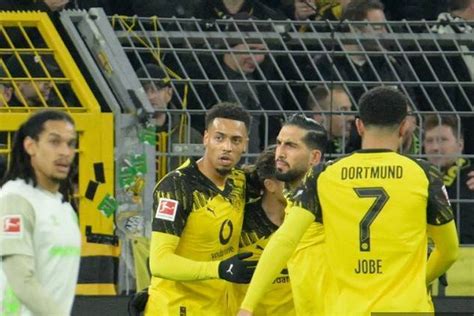
In Germany, the fan-ownership model is deeply rooted in the "50+1 rule," which mandates that club members must hold a majority of voting rights, ensuring that commercial investors cannot take full control of a club. This rule has been instrumental in preserving fan influence over clubs like Bayern Munich and borussia dortmund. While this structure has its critics—particularly for limiting the influx of external investment—it has ensured that German clubs maintain a strong connection to their local communities. Fans are directly involved in decision-making processes, from ticket pricing to stadium development. The German model demonstrates that legally enforced frameworks can effectively prioritize fan interests over profit-driven agendas.
Italy, by contrast, lacks such a robust legal framework to support fan-ownership. While clubs like Cava United and A.S.D. Campobasso 1919 have been revitalized through fan-led efforts, these initiatives are often born out of necessity rather than systemic support. Italian clubs frequently turn to fan ownership when faced with financial collapse or mismanagement by private owners. This reactive approach contrasts sharply with Germany's proactive, rule-based model. Italian fan-owned clubs often operate in a more precarious financial environment, relying heavily on crowdfunding, local sponsorships, and volunteer efforts. This lack of institutional backing can make fan-owned clubs in Italy more vulnerable to economic downturns or missteps in management.
In Spain, the landscape is slightly different, with clubs like Barcelona and Real Madrid being owned by their members (socios). These clubs operate under a membership-driven structure where fans elect the club president and have a say in major decisions. However, the scale and global commercial success of these clubs mean that their fan-ownership model often operates within a highly professionalized and commercialized environment. Spanish fan-owned clubs benefit from a mix of historical prestige, global fanbases, and significant revenue streams, which allow them to balance fan influence with competitive ambitions in European football. This contrasts with Italy, where fan-owned clubs are typically smaller and operate at lower tiers of the football pyramid, making it harder for them to achieve similar levels of financial stability or visibility.
One of the key lessons from the German model is the importance of legal and institutional support for fan-ownership. The 50+1 rule is not just a guideline but a legal requirement that protects clubs from being entirely hijacked by external investors. Italy could learn from this by considering legislative measures to encourage or protect fan-ownership initiatives. For instance, tax incentives for local fan-led clubs or subsidies for community-driven sports projects could provide a much-needed safety net. Without such measures, Italian fan-owned clubs risk being seen as stopgap solutions rather than viable long-term models.
From Spain, Italy can learn the value of leveraging global fanbases to support fan-ownership. While Italian clubs like A.S. Roma or Inter Milan have significant international followings, fan-owned clubs in Italy have yet to fully tap into this potential. Spanish clubs have demonstrated how digital platforms, merchandise sales, and international tours can generate revenue that supports both competitive and community-oriented goals. Italian fan-owned clubs could adopt similar strategies, using their unique narratives of revival and resilience to attract global supporters who are drawn to the romantic ideal of fan-led football.
Another critical difference lies in the cultural context of fan involvement. In Germany, fan culture is deeply intertwined with a sense of collective ownership and responsibility. The concept of "ultras" in Italy, while passionate, often focuses more on vocal support and protest rather than active participation in club governance. This cultural difference means that Italian fan-ownership initiatives sometimes struggle to transition from protest movements to sustainable management structures. Germany’s emphasis on structured fan representation—through bodies like club advisory boards—could serve as a model for Italy to channel fan energy into more productive, organizational roles.
Spain’s model also highlights the importance of balancing tradition with innovation. While Spanish fan-owned clubs honor their traditions (such as Barcelona's "Més que un club" philosophy), they are not averse to embracing modern commercial practices to remain competitive. Italian fan-owned clubs, on the other hand, often lean heavily on nostalgia and local pride, which can limit their appeal to younger, more globally-minded audiences. Embracing digital transformation, as seen in Spain, could help Italian clubs bridge this gap, creating a more dynamic and inclusive fan-ownership experience.
A shared challenge across all three countries is the tension between competitiveness and sustainability. Fan-owned clubs in Germany, Spain, and Italy often face difficulties in competing with privately-owned clubs that have access to significant investment. For instance, while Bayern Munich thrives under the 50+1 rule, it also benefits from lucrative sponsorship deals and a highly professionalized management structure. Similarly, Barcelona’s global brand offsets some of the financial limitations of fan-ownership. In Italy, where fan-owned clubs are smaller and less resourced, this tension is even more acute. Italian clubs must find ways to balance the romantic ideal of fan-ownership with the pragmatic need for financial sustainability, perhaps by forging partnerships with local businesses or exploring hybrid ownership models that allow for limited external investment while retaining fan control.
Another area of comparison is the role of community engagement. In Germany, fan-owned clubs often double as hubs for social initiatives, such as youth programs or local charity work. This not only strengthens the club’s ties to its community but also provides an additional layer of purpose beyond football. Italian fan-owned clubs have shown glimpses of this potential—for example, through initiatives like A.S.D. Barivecchia’s focus on urban regeneration in Bari—but these efforts are often sporadic and lack the systemic integration seen in Germany. Spain, too, has clubs like Athletic Bilbao that emphasize regional identity and community-building, which could serve as a blueprint for Italian clubs to expand their impact beyond the pitch.
In conclusion, while fan-owned clubs in Italy share common goals with their counterparts in Germany and Spain—preserving fan influence, fostering community ties, and resisting commercial overreach—they operate within a less supportive institutional and cultural framework. Germany’s legal protections, Spain’s global commercial savvy, and both countries’ emphasis on structured community engagement offer valuable lessons for Italy. To truly thrive, Italian fan-owned clubs must move beyond reactive survival strategies and adopt proactive measures that blend legal safeguards, global outreach, and innovative management practices. By doing so, they can not only sustain themselves but also redefine what it means to be a fan-driven football club in the modern era.
Future Prospects for Fan Ownership
The concept of fan-owned clubs in Italy has long been a subject of intrigue, blending the passion of football with the democratic ideals of collective ownership. While fan-owned models have faced challenges in scalability and sustainability, the future of such clubs in Italy appears to be at a crossroads shaped by technological advancements, innovative fan engagement platforms, and evolving policy landscapes. These elements are poised to redefine how fan-owned clubs operate, grow, and compete in a rapidly changing football ecosystem.
One of the most significant drivers of change for fan-owned clubs is the integration of technology. As digital tools become more sophisticated, fan-owned clubs can leverage them to streamline operations and enhance fan participation. For instance, blockchain technology offers a transparent and secure way to manage club ownership and voting rights. By tokenizing shares, fans could own a piece of the club with verifiable proof of ownership, enabling them to participate in decision-making processes such as player transfers, budget allocations, or even stadium renovations. This level of transparency could address one of the longstanding criticisms of traditional football club governance—opaque decision-making—while also fostering trust among the fan base.
Moreover, the rise of fan engagement platforms is set to play a pivotal role in the evolution of fan-owned clubs. Platforms like Socios and MyFootballClub have already demonstrated how gamification and digital interaction can deepen the connection between fans and their clubs. In Italy, where football is not merely a sport but a cultural institution, these platforms could be tailored to reflect the unique regional identities of clubs. Imagine a platform that allows fans of a Serie C fan-owned club to vote on matchday playlists, design limited-edition merchandise, or even propose tactical suggestions that are reviewed by the coaching staff. Such initiatives would not only enhance fan loyalty but also create a steady stream of micro-revenue opportunities for clubs, helping them sustain operations in lower divisions where financial resources are often limited.
Another area of technological promise lies in data-driven fan engagement. Clubs can use advanced analytics to understand fan behavior, preferences, and spending habits. For example, Italian fan-owned clubs could employ AI-driven tools to predict which types of content—whether match highlights, behind-the-scenes footage, or player interviews—resonate most with their audience. Personalized content delivery could then be used to attract younger, digitally native fans who are increasingly consuming football through social media and streaming services rather than traditional broadcast channels. By building a robust digital presence, fan-owned clubs can position themselves as forward-thinking entities capable of competing for attention in a crowded media landscape.
Policy changes at both the national and European levels are also likely to shape the trajectory of fan-owned clubs in Italy. Recent discussions around financial fair play (FFP) and the push for greater inclusivity in football governance suggest that there may be a more favorable environment for fan-driven models. For instance, if UEFA or the Italian Football Federation (FIGC) introduces incentives for clubs that prioritize community ownership or demonstrate financial prudence, fan-owned clubs could find themselves in a more competitive position. Additionally, Italy’s legge di stabilità (stability law) has, in the past, provided tax benefits for sports clubs engaging in social initiatives. Fan-owned clubs, with their inherent community focus, could capitalize on such policies to secure grants or subsidies that support infrastructural development or youth academy programs.
A related opportunity lies in the potential for cross-club collaboration. Fan-owned clubs in Italy could form alliances to share resources, negotiate better sponsorship deals, or even pool their fan bases for larger-scale initiatives. For example, a network of fan-owned clubs could collectively launch a streaming platform to broadcast matches, bypassing traditional broadcasters and retaining a greater share of revenue. Such collaborations would not only enhance financial stability but also create a sense of solidarity among fan-owned entities, reinforcing their collective identity as an alternative to the commercialized giants of Serie A.
However, the future of fan-owned clubs in Italy is not without challenges. One key concern is the scalability of the model. While fan ownership works well for smaller clubs with deeply rooted local support, it becomes more complex when applied to larger clubs with global fan bases. The risk of diluting fan influence in larger clubs could lead to tensions between local and international supporters. To address this, Italian fan-owned clubs might need to adopt a hybrid model, where local fans retain a majority stake in decision-making while global fans are offered non-voting shares or other forms of engagement that do not compromise the club’s core identity.
Another challenge is the potential resistance from traditional football stakeholders. Established clubs, leagues, and even some fans may view the rise of fan-owned models as a threat to the existing power structures in Italian football. To counter this, fan-owned clubs will need to position themselves not as disruptors but as complementary entities that enrich the football ecosystem. This could involve collaborating with larger clubs on community projects or youth development programs, demonstrating that fan ownership is not antithetical to the commercial success of football but rather a way to preserve its soul.
Looking further ahead, the integration of esports and virtual experiences could open new avenues for fan-owned clubs. As younger generations increasingly engage with football through virtual platforms, fan-owned clubs could create their own esports teams or host virtual matchday experiences. These initiatives would not only appeal to tech-savvy fans but also provide a revenue stream independent of on-field performance. For example, a fan-owned club could host virtual tournaments where fans compete for prizes, with entry fees contributing to the club’s operational budget. This fusion of physical and digital football experiences could position fan-owned clubs as pioneers in redefining what it means to “support” a team in the 21st century.
In conclusion, the future prospects for fan-owned clubs in Italy are both promising and complex. Technological advancements offer unprecedented opportunities for fan participation and club sustainability, while policy changes could provide much-needed support for this alternative model of ownership. However, success will depend on the ability of fan-owned clubs to adapt to a rapidly evolving landscape, balancing tradition with innovation. By embracing technology, fostering collaboration, and navigating policy shifts with agility, fan-owned clubs in Italy could not only survive but thrive, becoming a beacon for how football can remain rooted in community values even in an era of globalization and commercialization.
Conclusion and Recommendations
The emergence of fan-owned clubs in Italy represents a fascinating shift in the traditional ownership model of football clubs. These clubs, driven by collective ownership structures where supporters hold a significant stake, have shown both promise and challenges in their growth trajectory. This section will summarize the key insights gathered from the analysis of fan-owned clubs in Italy and propose actionable strategies to foster their growth and sustainability in a competitive and often volatile football ecosystem.
One of the most striking insights is the deep emotional connection that fan-owned clubs foster between supporters and their teams. Unlike commercially owned clubs, where decisions are often driven by profit motives, fan-owned clubs prioritize community engagement, local identity, and long-term sustainability. This model has been particularly successful in smaller towns and cities, where the club often serves as a cultural and social anchor. For instance, clubs like US Anconitana and FC United of Brescia have leveraged their fan-ownership model to rebuild after financial crises, relying on the unwavering support of their communities. However, this emotional connection also comes with its challenges—fan-owned clubs often struggle with scalability and the ability to compete financially with larger, commercially backed clubs.
Another key insight is the democratic nature of decision-making in fan-owned clubs. Supporters are actively involved in club governance, which can lead to more transparent and inclusive management. However, this can also result in inefficiencies or slower decision-making processes, particularly when large groups of fans with differing opinions need to reach a consensus. For example, debates over player transfers, ticket pricing, or sponsorship deals can become protracted, which may hinder the club’s ability to respond quickly to market opportunities. This democratic model is both a strength and a potential bottleneck, particularly when clubs need to make swift, high-stakes decisions.
Financial sustainability is another area of focus. While fan-owned clubs often rely on crowdfunding, membership fees, and small-scale sponsorships, these revenue streams are not always sufficient to compete with the deep pockets of commercially owned clubs. In Italy, where football is deeply ingrained in the national psyche, the pressure to perform at a high level often forces clubs to seek external funding or partnerships. However, this can create a tension between maintaining the fan-centric ethos and succumbing to the pressures of commercialization. The case of UC Sampdoria, which has explored fan-ownership models amid financial struggles, highlights the delicate balance between staying true to fan-ownership principles and addressing financial realities.
Moreover, the regulatory landscape in Italy poses unique challenges for fan-owned clubs. Unlike countries like Germany, where the "50+1" rule ensures that fans retain majority ownership of clubs, Italy lacks a similar legal framework to protect or encourage fan-ownership models. This absence of supportive legislation means that fan-owned clubs are often at the mercy of market forces, with little institutional backing to help them navigate financial or operational challenges. Additionally, the lack of a unified platform or association for fan-owned clubs in Italy limits their ability to advocate collectively for policy changes or share best practices.
Given these insights, several actionable strategies can be proposed to foster the growth of fan-owned clubs in Italy:
- Establish a National Association for Fan-Owned Clubs: A centralized organization can serve as a platform for fan-owned clubs to collaborate, share resources, and advocate for policy changes. This association could lobby for legal reforms, such as tax incentives for fan-owned clubs or subsidies for community-focused initiatives. It could also facilitate knowledge-sharing, such as workshops on sustainable financial practices or effective governance models.
- Develop Hybrid Ownership Models: To address the financial limitations of pure fan-ownership, clubs could explore hybrid ownership structures that blend fan control with strategic partnerships. For instance, fan-owned clubs could seek minority investments from ethical investors or local businesses that align with their community-focused values. This approach would provide much-needed capital while preserving the democratic essence of fan-ownership.
- Leverage Digital Platforms for Engagement and Revenue: Fan-owned clubs can harness the power of digital technology to expand their supporter base and generate revenue. Platforms like crowdfunding, subscription-based memberships, and even non-fungible tokens (NFTs) tied to club memorabilia or exclusive experiences can help clubs tap into a global audience. For example, a fan-owned club could offer digital memberships that include virtual access to training sessions, Q&A sessions with players, or voting rights on minor club decisions, thereby increasing fan engagement and revenue.
- Strengthen Community Ties Through Local Partnerships: Fan-owned clubs should prioritize local partnerships to embed themselves further into their communities. Collaborations with local businesses, schools, and municipal authorities can create a network of support that goes beyond football. For example, clubs could host community events, youth training programs, or even non-football-related initiatives like environmental clean-ups, reinforcing their role as a community hub rather than just a sports team.
- Advocate for Policy Change: Fan-owned clubs and their supporters should actively engage with policymakers to push for regulatory support akin to Germany’s "50+1" rule. This could include advocating for tax breaks for fan-contributed funds, subsidies for stadium maintenance, or even guaranteed representation in football governance bodies. A unified voice through a national association would strengthen this advocacy.
- Invest in Long-Term Financial Planning: Fan-owned clubs must prioritize financial literacy and planning to ensure sustainability. This includes diversifying revenue streams, creating emergency funds, and conducting regular financial audits to maintain transparency. Clubs can also benefit from partnerships with financial experts or institutions willing to provide pro bono or low-cost advisory services tailored to the unique needs of fan-owned structures.
Finally, education and awareness are critical components of fostering the growth of fan-owned clubs. Many supporters may not fully understand the implications or responsibilities of owning a stake in a football club. Educational campaigns, both online and offline, can help fans grasp the nuances of club management, the importance of financial contributions, and the long-term benefits of collective ownership. Workshops, seminars, and even partnerships with academic institutions to study the fan-ownership model can provide valuable insights and build a more informed supporter base.
In conclusion, fan-owned clubs in Italy represent a unique and promising alternative to the traditional football ownership model. While they face significant challenges, particularly in terms of financial sustainability, scalability, and regulatory support, these challenges are not insurmountable. By embracing collaborative strategies, leveraging digital tools, and advocating for a more supportive policy environment, fan-owned clubs can not only survive but thrive in Italy’s football landscape. The key lies in balancing the emotional and cultural significance of these clubs with pragmatic, forward-thinking approaches that ensure their long-term viability. Through such efforts, fan-owned clubs can continue to embody the spirit of community, inclusivity, and passion that defines Italian football at its best.