Introduction to World Cup Sponsorship
Sponsorship of the FIFA World Cup represents one of the most significant and high-profile partnerships in the global sports industry. As an event that captures the attention of billions of people across the world, the World Cup serves as a platform for brands to reach diverse, engaged audiences on an unprecedented scale. However, sponsorship goes far beyond mere advertising; it is a complex, multi-faceted relationship that blends marketing strategy, brand alignment, and long-term investment in the event's success. To fully understand the role of official sponsors, it is essential to explore what sponsorship entails, its strategic importance to the World Cup, and the mutual benefits it provides to both the event organizers and the sponsoring entities.
At its core, sponsorship involves a brand providing financial or in-kind support to an event or organization in exchange for visibility, association, and marketing opportunities. In the context of the World Cup, this support can take many forms, including direct funding, product placements, branded content, and exclusive rights to use the World Cup name and imagery in advertising campaigns. For example, sponsors like Coca-Cola, Adidas, and Visa have historically leveraged their official partnerships to create campaigns that tie their brand identity to the excitement and passion of the tournament. These campaigns are not merely about selling products; they aim to establish an emotional connection with audiences by aligning with the universal appeal of football.
The importance of sponsorship to the World Cup cannot be overstated. As a global event, the tournament requires immense resources to execute—from stadium construction and infrastructure development to broadcasting, logistics, and event management. FIFA, the governing body of world football, relies heavily on sponsorship revenue to offset these costs. According to reports, sponsorship accounts for a significant portion of FIFA's revenue stream, often surpassing ticket sales and merchandising. This financial backing is critical not only for the operational success of the tournament but also for FIFA's ability to promote football globally, invest in grassroots programs, and support member associations in developing regions. Without the backing of official sponsors, the World Cup would struggle to maintain its scale and prestige, potentially limiting its reach and impact as a unifying global event.
From the sponsors' perspective, the World Cup offers a unique opportunity to connect with a truly global audience. Unlike other sporting events that may cater to regional or niche markets, the World Cup attracts viewers from every continent, cutting across age groups, cultures, and socioeconomic backgrounds. This diversity provides sponsors with an unparalleled chance to position their brands in front of billions of potential consumers. For instance, during the 2018 World Cup in Russia, it was estimated that over 3.5 billion people tuned in to watch the matches. Such a viewership scale is a marketer's dream, as it allows brands to achieve exposure that would be nearly impossible through traditional advertising channels alone. Moreover, the World Cup’s association with values like teamwork, perseverance, and national pride offers sponsors a chance to craft narratives that resonate deeply with consumers on an emotional level.
However, sponsorship is not without its challenges and complexities. Brands must navigate the delicate balance of aligning their image with the World Cup while avoiding potential controversies that can arise from the event or its host country. For instance, recent World Cups have faced scrutiny over issues such as human rights concerns in host nations, allegations of corruption within FIFA, and environmental impacts of large-scale events. Official sponsors are often placed in a position where they must address or distance themselves from these controversies while still capitalizing on the tournament's visibility. This dynamic underscores the need for sponsors to conduct thorough due diligence and adopt transparent, ethical practices to protect their reputation while benefiting from the association.
Another layer of sponsorship's importance lies in its role in shaping the fan experience. Official sponsors often go beyond traditional advertising by creating interactive fan zones, digital engagement campaigns, and on-site activations that enhance the tournament experience. For example, Coca-Cola has a long history of setting up fan parks where attendees can watch matches on big screens, participate in games, and enjoy branded refreshments. These efforts not only promote the sponsor’s products but also contribute to the overall atmosphere of the World Cup, making it more engaging and memorable for fans. This dual role of sponsors as both financial backers and experience enhancers highlights the symbiotic nature of their relationship with the event.
Sponsorship also plays a critical role in driving innovation and technological advancement in sports marketing. As brands compete for attention in an increasingly crowded media landscape, they are compelled to develop creative and cutting-edge campaigns. The World Cup often serves as a testing ground for new marketing technologies, such as augmented reality experiences, personalized digital ads, and real-time social media engagement. For instance, during the 2022 World Cup in Qatar, several sponsors leveraged data analytics and AI to tailor their messaging to specific audience segments, ensuring higher engagement rates. This drive for innovation not only benefits the sponsors by improving their marketing ROI but also elevates the overall quality of the event, as fans are exposed to more immersive and interactive experiences.
From a long-term brand-building perspective, sponsorship of the World Cup can have a transformative effect on a company’s global presence. Brands that consistently associate themselves with the tournament over multiple editions can achieve a level of recognition and trust that is difficult to replicate through other means. For example, Adidas has been a FIFA partner since 1970, and its association with the World Cup has cemented its position as a leading brand in the football equipment market. This longevity demonstrates how sponsorship is not a one-off marketing tactic but a strategic investment in brand equity that pays dividends over decades.
It is also worth noting the regional and cultural nuances that sponsors must consider when participating in the World Cup. As the tournament rotates between host countries, sponsors must adapt their campaigns to resonate with the local audience while maintaining a global appeal. This requires a deep understanding of cultural sensitivities, consumer behavior, and regional market dynamics. For instance, during the 2002 World Cup co-hosted by Japan and South Korea, sponsors tailored their messaging to reflect the unique cultural characteristics of both nations while still appealing to the broader international audience. This adaptability is a hallmark of effective World Cup sponsorship and illustrates the sophistication required to succeed in this arena.
In summary, sponsorship of the World Cup is a multifaceted endeavor that goes beyond mere financial support. It is a strategic partnership that fuels the event’s operational viability, enhances the fan experience, and provides brands with an unmatched platform for global exposure. At the same time, it demands careful navigation of ethical, cultural, and reputational challenges. For both FIFA and its sponsors, the World Cup represents a shared opportunity to celebrate the unifying power of football while driving business growth and innovation. This dynamic underscores why sponsorship is not just a commercial arrangement but a cornerstone of the World Cup’s identity as a global phenomenon.
History of World Cup Sponsorships
The history of World Cup sponsorships is a fascinating journey that mirrors the growth of both the tournament and the global sports marketing industry. From humble beginnings with limited commercial involvement to the multi-billion-dollar partnerships of today, the evolution of sponsorship deals reflects shifts in audience engagement, media technology, and corporate strategy. This section explores how sponsorship dynamics have shaped—and been shaped by—the World Cup over the decades.
The earliest World Cup tournaments, such as the inaugural event in 1930 hosted by Uruguay, had little to no formal sponsorship. At this stage, the event was primarily a sporting competition rather than a commercial opportunity. Teams were supported by their national football associations, and the financial burden of hosting was borne by the host nation without significant external backing. Brands were not yet seen as integral to the event’s success, and the concept of aligning a company with the tournament for promotional purposes was virtually non-existent. This lack of sponsorship was partly due to the limited global reach of media at the time; radio was the primary means of broadcasting matches, and television had yet to become a household staple.
The post-World War II era marked the first inklings of sponsorship as we understand it today. The 1950 World Cup in Brazil saw some local businesses supporting the event, though these were informal arrangements rather than structured deals. For instance, transportation companies or local food vendors might have provided services in exchange for visibility. However, these were not "official sponsors" in the modern sense, as there was no overarching framework for such partnerships. The focus remained on the sport itself, with commercialization taking a backseat.
The turning point came in the 1970s, a decade that saw the World Cup begin to embrace its potential as a global media event. The 1970 World Cup in Mexico was the first to be broadcast in color, dramatically increasing its appeal to international audiences. This development coincided with the rise of sports marketing agencies and the recognition of football as a lucrative platform for brand promotion. Adidas, for example, became a prominent figure in this era by supplying the official match ball—the iconic Telstar, designed to enhance visibility on black-and-white televisions. While this was not a direct sponsorship of the tournament, it marked the beginning of brands associating themselves with the World Cup in a structured way.
The 1982 World Cup in Spain is often cited as the moment when official sponsorship deals began to take shape. FIFA, recognizing the growing commercial potential of the tournament, introduced a more formalized sponsorship model. Companies like Coca-Cola and MasterCard became early adopters of this model, securing exclusive rights to associate their brands with the World Cup. These deals were groundbreaking because they introduced the concept of "official partners," giving brands exclusive access to promotional opportunities such as stadium advertising, product placement, and co-branded campaigns. This shift was driven by the increasing viewership of the tournament, which had expanded beyond Europe and South America to include audiences in Asia, North America, and Africa, thanks to advancements in satellite broadcasting.
By the 1990s, World Cup sponsorships had become a cornerstone of sports marketing. The 1994 World Cup in the United States marked a significant milestone, as it was held in a country where soccer was not yet a mainstream sport. To maximize exposure, FIFA adopted a tiered sponsorship system, dividing partners into categories such as "FIFA World Cup Sponsors" and "National Supporters." This allowed both global brands (like McDonald’s and Sony) and local companies to participate, creating a diversified revenue stream for FIFA. The tiered system also enabled sponsors to tailor their involvement based on their target markets, a strategy that has persisted to this day.
The turn of the millennium brought even greater sophistication to sponsorship deals. The 2002 World Cup, co-hosted by Japan and South Korea, was the first to be held in Asia, opening new markets for sponsors. Brands like Hyundai and Samsung leveraged their regional presence to connect with a global audience. At the same time, the rise of digital media began to reshape how sponsors engaged with fans. Websites, online campaigns, and interactive content allowed brands to extend their reach beyond traditional advertising channels. For example, Coca-Cola launched digital fan contests and virtual experiences that complemented its on-ground activations.
In the 2010s, the commercial landscape of World Cup sponsorships evolved further with the advent of social media and data-driven marketing. Brands began to focus not just on visibility but on engagement metrics. Companies like Adidas and Nike used the World Cup as a battleground for their own rivalry, creating viral campaigns featuring star players and story-driven content. The 2014 World Cup in Brazil saw record-breaking social media activity, with sponsors capitalizing on real-time marketing opportunities. For instance, when Germany won the tournament, sponsors like Adidas and Beats by Dre released instant congratulatory ads tailored to the moment, demonstrating the power of agile marketing strategies.
Today, World Cup sponsorships are characterized by their scale, exclusivity, and integration across multiple platforms. FIFA’s current sponsorship structure includes three main tiers: FIFA Partners (global brands like Adidas, Coca-Cola, and Visa with year-round association rights), FIFA World Cup Sponsors (brands with tournament-specific rights), and Regional Supporters. The cost of these deals has skyrocketed, with top-tier sponsors reportedly paying hundreds of millions of dollars for the privilege. This is reflective of the World Cup’s status as one of the most-watched sporting events in the world, with the 2022 edition in Qatar reportedly drawing over 5 billion viewers.
Another key trend in modern sponsorships is the emphasis on sustainability and social responsibility. Brands are increasingly expected to align their World Cup campaigns with broader societal goals. For instance, during the 2022 World Cup, several sponsors highlighted initiatives related to environmental impact, inclusivity, and community development. This shift is partly driven by consumer expectations and partly by FIFA’s own push to address criticism of the tournament’s environmental and human rights implications.
The evolution of World Cup sponsorships also reveals how the tournament has become a barometer for global economic trends. Early sponsors were predominantly Western companies, but the growing presence of Asian and Middle Eastern brands in recent years—such as Qatar Airways and Wanda Group—reflects the shifting centers of economic power. These sponsors often use the World Cup as a platform to assert their global ambitions, leveraging football’s universal appeal to build brand equity in new regions.
In summary, the history of World Cup sponsorships charts a course from informal, localized support to a sophisticated, globalized system of partnerships. Each era has brought new innovations, from the advent of televised broadcasts to the rise of digital and social media. What remains constant is the tournament’s ability to attract brands eager to associate themselves with its prestige and reach. As we look to future tournaments, it is clear that sponsorships will continue to evolve, shaped by technological advancements, changing audience behaviors, and the ever-expanding commercial possibilities of the world’s most popular sport.
Types of Official Sponsors
The FIFA World Cup, as one of the most-watched sporting events globally, attracts a wide array of sponsors who play a crucial role in its organization, promotion, and success. These sponsors are not a monolithic group but are instead categorized into distinct types based on their level of involvement, geographical reach, and the nature of their partnership with FIFA. Understanding the different types of official sponsors provides insight into how brands leverage the event to achieve their marketing and business objectives.
Global Partners are the most prominent and high-profile type of official sponsors. These are typically multinational corporations with a vast international presence, such as Coca-Cola, Adidas, and Visa. Their partnerships extend beyond a single World Cup edition, often spanning multiple tournaments as part of long-term agreements with FIFA. Global partners enjoy unparalleled benefits, including exclusive branding rights across all World Cup-related activities, from stadium advertising to official merchandise. For instance, Adidas has been a long-standing partner, supplying the official match ball for every World Cup since 1970. This type of sponsorship not only ensures sustained visibility but also aligns the brand with the prestige of the event. The exclusivity of this tier means that only a limited number of global partners are allowed, which enhances their perceived value. However, this comes at a significant cost—global partnerships often require investments in the hundreds of millions of dollars. These sponsors are expected to contribute not just financially but also operationally, such as by providing infrastructure support or developing co-branded campaigns that amplify the World Cup's global appeal.
Regional Sponsors represent a second tier of sponsorship, tailored to target specific geographical markets. Unlike global partners, regional sponsors focus on engaging audiences in particular continents or countries where they have a strong market presence. For example, during the 2018 World Cup in Russia, regional sponsors like Alfa-Bank (a Russian financial institution) played a key role in local activations, such as providing banking services for fans and promoting the event within the host country. Regional sponsorships are often more affordable than global partnerships, making them accessible to mid-sized companies or those with a strong regional focus. This category also allows FIFA to diversify its revenue streams by tapping into localized markets. For brands, regional sponsorship offers the opportunity to connect with audiences in a more targeted manner. A beverage company might, for instance, use its regional sponsorship to launch limited-edition products tailored to the tastes of fans in Latin America or Africa. While regional sponsors do not enjoy the same level of exclusivity as global partners, they can still achieve significant brand exposure through localized advertising and activations, particularly in host countries where their presence is amplified by FIFA's endorsement.
Product-Specific Sponsors form another distinct category. These sponsors are associated with particular products or services that directly support the World Cup's operations or fan experience. For example, Budweiser has been a product-specific sponsor as the "official beer" of the World Cup, while McDonald's has served as the "official restaurant." This type of sponsorship is highly targeted, focusing on a single product category rather than the overall event. Product-specific sponsors often have well-defined deliverables, such as supplying their products exclusively at stadiums or official fan zones. These partnerships can be particularly effective for brands looking to establish or reinforce their association with a specific consumer need. For instance, during the 2014 World Cup in Brazil, Yingli Solar was the official solar energy sponsor, underscoring sustainability efforts in line with FIFA's broader environmental goals. Product-specific sponsorships can also serve as a gateway for brands to test the waters of sports marketing before committing to larger, more expensive partnerships. However, this category comes with its challenges. Product-specific sponsors must navigate the risk of being overshadowed by the broader branding efforts of global and regional sponsors. To stand out, they often need to craft highly creative campaigns or experiences that resonate with fans on a personal level, such as offering exclusive fan experiences or interactive activations at venues.
Another emerging category is that of Technology Sponsors, which can overlap with global, regional, or product-specific sponsors but deserve separate mention due to their growing importance in modern sports events. Companies like Alibaba, which served as a sponsor for the 2018 World Cup, provide critical technological infrastructure, such as cloud computing services or digital platforms for ticket sales and fan engagement. Technology sponsors are increasingly seen as enablers of the event's operational success, particularly as the World Cup evolves to include more digital and virtual components, such as augmented reality (AR) experiences for fans or advanced data analytics for match statistics. This type of sponsorship not only enhances the event's functionality but also positions the sponsoring company as an innovator in the sports-tech space. For example, a tech company might use the World Cup as a platform to showcase its latest AI-driven solutions for real-time translation services in multilingual fan zones, thereby demonstrating its capabilities to a global audience.
A less conventional but increasingly relevant type of sponsor is the Social Impact Partner. These sponsors focus on leveraging the World Cup's platform to promote social causes, such as sustainability, inclusivity, or community development. For instance, FIFA has partnered with organizations like UNICEF in the past to highlight initiatives related to child welfare. While these sponsors may not have the same level of commercial visibility as global or product-specific sponsors, their association with the World Cup helps them build goodwill and align their brand with values that resonate with modern consumers. Social impact partnerships often involve co-branded campaigns that aim to leave a legacy beyond the tournament, such as funding community sports programs or promoting environmental awareness.
It is also worth noting the role of Host Country Sponsors, which are unique to each World Cup edition. These are local companies or organizations that support the event within the host country, often as part of national pride or economic incentives. For example, during the 2022 World Cup in Qatar, companies like Qatar Airways played a significant role in facilitating travel and logistics for teams and fans. Host country sponsorships are typically negotiated separately from FIFA's global sponsorship framework and serve to integrate the local economy into the event's ecosystem. These sponsors often focus on providing logistical support, such as accommodation, transport, or food services, and their involvement is critical for ensuring the smooth execution of the tournament on the ground.
Each type of sponsor brings a unique value proposition to the World Cup, and their categorization reflects the diverse ways in which brands can engage with this global event. Global partners invest heavily for maximum exposure and prestige, regional sponsors target specific markets to drive localized impact, product-specific sponsors align their offerings with fan needs, technology sponsors enable operational innovation, social impact partners promote values-driven initiatives, and host country sponsors anchor the event in its geographical context. This multi-tiered approach allows FIFA to maximize revenue while offering brands tailored opportunities to connect with audiences worldwide. By understanding these sponsor categories, businesses can better evaluate where they fit within the World Cup's sponsorship ecosystem and how to craft strategies that align with their goals and resources.
Economic Impact of Sponsorships
The economic impact of sponsorships in the context of the World Cup is a multifaceted phenomenon that extends far beyond the immediate visibility of brand logos on stadium banners or player jerseys. Sponsors play a pivotal role in not only underwriting the operational costs of the tournament but also in driving long-term financial benefits for both the event organizers and the host nations. This section delves into the mechanisms through which sponsors contribute to the financial success of the World Cup and examines the ripple effects on host economies.
One of the most direct ways sponsors bolster the financial success of the World Cup is through their substantial financial contributions to FIFA, the governing body of the tournament. These sponsorships often take the form of multi-million-dollar deals categorized into tiers such as FIFA Partners, World Cup Sponsors, and Regional Supporters. For instance, during the 2018 World Cup in Russia, sponsors like Coca-Cola, Adidas, and Visa collectively contributed over $1.6 billion to FIFA. This revenue stream is critical because it allows FIFA to fund the logistical, infrastructural, and promotional aspects of the event without relying solely on ticket sales or broadcast rights. Without this sponsorship backing, the financial burden on host nations to cover shortfalls could be overwhelming, potentially deterring countries from bidding to host the event in the first place.
However, the financial contribution of sponsors is not limited to direct payments to FIFA. Sponsors also invest heavily in local marketing campaigns tied to the World Cup, which inject significant capital into the host nation's economy. For example, during the 2014 World Cup in Brazil, brands like McDonald's and Budweiser launched region-specific advertising campaigns that required partnerships with local media outlets, production houses, and event organizers. These campaigns not only provided employment opportunities for local talent but also spurred demand for goods and services in sectors such as retail, hospitality, and entertainment. A study of the 2006 World Cup in Germany found that sponsors' localized marketing efforts contributed an estimated €2 billion to the German economy through increased consumer spending and business activity.
Another dimension of sponsors' economic impact lies in their role as catalysts for infrastructure development. While FIFA mandates certain infrastructural standards for host nations—such as state-of-the-art stadiums, transportation networks, and hospitality facilities—sponsors often step in to support these efforts indirectly. For instance, brands like Hyundai and Emirates have historically used their sponsorship platforms to fund or co-sponsor projects that enhance urban mobility or airport facilities in host cities. These contributions are not purely altruistic; they serve the dual purpose of improving the fan experience and ensuring smoother logistics for their own operations during the event. This creates a symbiotic relationship where the host nation benefits from upgraded infrastructure that remains as a legacy long after the World Cup concludes, while sponsors gain a tangible association with progress and modernity in the region.
The host nations themselves often experience long-term economic benefits as a result of sponsor-driven activities. A closer look at South Africa's hosting of the 2010 World Cup reveals how sponsors can help position a country as a viable destination for future international events and investments. Sponsors like MTN (a local telecommunications giant) and global brands such as Sony leveraged the World Cup to showcase South Africa's potential as a business hub. The influx of international visitors and media attention, amplified by sponsor-backed promotions, led to a post-tournament boom in tourism and foreign direct investment. According to a report by Grant Thornton, South Africa saw an estimated $2.7 billion in economic activity attributed to the World Cup, with a significant portion driven by sponsor-supported initiatives such as fan parks, branded viewing zones, and hospitality packages.
Sponsors also play a critical role in enhancing the global reach of the host nation's brand. The World Cup is one of the most-watched sporting events in the world, with billions of viewers across multiple platforms. Brands that sponsor the event often integrate host-nation imagery and cultural elements into their campaigns, effectively turning the tournament into a global advertisement for the host country. For instance, during the 2002 World Cup co-hosted by Japan and South Korea, sponsors like Panasonic and Samsung used the event to highlight the technological prowess of their respective nations. This not only boosted their own sales but also elevated the international profile of Japan and South Korea as leaders in innovation. Such exposure can have a lasting impact on a host nation's economy by attracting tourists, investors, and even skilled labor in the years following the tournament.
It is also worth noting the indirect economic benefits that sponsors bring to the table through their support of ancillary events and programs. Many sponsors fund community engagement initiatives, such as youth football clinics, sustainability projects, and cultural festivals, which run parallel to the World Cup. These programs not only enhance the social impact of the event but also create opportunities for local businesses to participate in the supply chain. For example, Adidas' sponsorship of grassroots football programs during the 2018 World Cup included partnerships with local sporting goods suppliers and trainers, generating economic activity at the community level. These smaller-scale initiatives are often overlooked in economic analyses but are crucial for spreading the financial benefits of the World Cup beyond major metropolitan areas.
However, it is important to acknowledge that the economic impact of sponsorships is not without its challenges and critiques. Some argue that the financial windfall from sponsors disproportionately benefits FIFA and large multinational corporations, with limited trickle-down effects for smaller businesses in host nations. Additionally, there is the risk of sponsor fatigue, where the saturation of branded content can dilute the uniqueness of the event and alienate fans who perceive the tournament as overly commercialized. Host nations must carefully manage these dynamics by ensuring that sponsors' activities are aligned with local economic priorities and community needs.
In summary, the economic impact of sponsorships on the World Cup and its host nations is both direct and far-reaching. Sponsors provide the financial backbone that enables the tournament to operate at a global scale, while also driving localized economic activity through marketing, infrastructure support, and community initiatives. Their role in enhancing the host nation's global brand and creating long-term economic opportunities is equally significant. However, for this impact to be fully realized, host nations and FIFA must work collaboratively with sponsors to ensure that the benefits are distributed equitably and sustainably. This balance is essential to maintaining the World Cup's status as a financially successful and socially responsible global event.
Brand Exposure and Marketing Strategies
The FIFA World Cup is one of the most-watched sporting events in the world, drawing billions of viewers across the globe. For brands, this massive audience presents an unparalleled opportunity to enhance visibility and execute targeted marketing campaigns. As **official sponsors of the World Cup**, companies invest heavily to align their brands with the tournament, aiming to capitalize on the emotional connection fans have with the event. This section delves into the strategies sponsors use to maximize brand exposure and create impactful marketing narratives during the World Cup.
One of the most significant ways sponsors leverage the World Cup is through **high-profile brand placement**. Official sponsors secure exclusive rights to display their logos on stadium signage, player jerseys, match balls, and other high-visibility areas. For instance, brands like Coca-Cola and Adidas have historically used this placement to ensure their logos are seen during live broadcasts, replays, and highlight reels. This visual association creates a direct link between the brand and the event in the minds of viewers. The **repetition of exposure**—seeing a brand during every match—reinforces brand recall. Moreover, sponsors often negotiate for **priority placement** in key moments, such as penalty shootouts or goal celebrations, where audience engagement is at its peak.
Another critical strategy involves **digital and social media activation**. Sponsors recognize that the modern World Cup audience is not limited to television viewers; a significant portion interacts with the event through online platforms. Brands harness this by creating **dynamic, shareable content** tailored to social media. For example, during the 2022 World Cup, Budweiser—a long-time sponsor—launched a campaign titled #BringHomeTheBud. This initiative encouraged fans to engage with the brand by posting celebratory content, with the promise of exclusive rewards. Such campaigns are designed to **amplify user-generated content**, turning fans into brand advocates. Additionally, sponsors often collaborate with influencers and football personalities to extend their reach. These collaborations provide a more **authentic connection** to younger, digitally native audiences who might not engage with traditional advertising formats.
Sponsors also invest in **immersive experiences** to deepen fan engagement. For instance, brands like Visa and Hyundai have set up interactive fan zones in host cities, offering activities such as virtual reality experiences, skill challenges, and photo opportunities with branded backdrops. These experiences serve a dual purpose: they enhance the fan experience while subtly embedding the brand into memorable moments. The physical presence of these activations is complemented by **digital extensions**, such as apps or online games that allow fans to participate remotely. This hybrid approach ensures that the brand remains relevant even for fans who are not physically present at the tournament.
A less obvious but highly effective tactic is **storytelling through partnerships**. Sponsors often craft narratives that tie their brand values to the spirit of the World Cup. For example, Nike’s "Write the Future" campaign during the 2010 World Cup was a masterpiece of emotional branding. The campaign featured top athletes in a cinematic ad that emphasized how a single moment on the field could define a player’s legacy. While not an official FIFA sponsor, Nike’s campaign demonstrated how brands can piggyback on the World Cup’s global appeal to tell stories that resonate deeply with fans. Official sponsors, however, have the added advantage of **exclusive rights** to use FIFA branding, logos, and tournament-specific messaging in their campaigns. This exclusivity allows them to craft more **authoritative and credible narratives**, such as Coca-Cola’s long-standing association with the idea of celebration and unity.
Another layer of marketing strategy involves **regional and cultural customization**. The World Cup audience is incredibly diverse, spanning different countries, languages, and cultural contexts. Sponsors tailor their campaigns to resonate with specific markets. For instance, McDonald’s has been known to launch region-specific menu items or promotions during the World Cup to appeal to local tastes. Similarly, brands often release **limited-edition products** tied to the tournament. Adidas, for example, releases World Cup-themed footballs and apparel, which not only serve as collectibles but also reinforce the brand’s connection to the event. This localized approach ensures that the marketing efforts are not one-size-fits-all but instead feel **personal and relevant** to fans in different regions.
Sponsors also capitalize on the **data-driven nature of modern marketing**. The World Cup generates a wealth of audience data, from viewership patterns to social media engagement metrics. Sponsors use this data to fine-tune their campaigns in real time. For example, if a particular player or team becomes a fan favorite during the tournament, sponsors can quickly pivot their messaging to feature that player or team in their advertising. This agility ensures that their campaigns remain **relevant and engaging** throughout the event. Additionally, sponsors often collaborate with FIFA to access **exclusive audience insights**, enabling them to craft highly targeted advertisements. This data-driven approach is particularly effective in the era of programmatic advertising, where brands can serve personalized ads to specific audience segments.
Another fascinating aspect of sponsor strategies is their focus on **cause-related marketing**. Many sponsors use the World Cup as a platform to showcase their commitment to social responsibility. For example, during the 2018 World Cup, Adidas partnered with Parley for the Oceans to create football kits made from recycled ocean plastic. This initiative not only highlighted Adidas’s environmental efforts but also positioned the brand as a forward-thinking, socially conscious entity. Such campaigns resonate particularly well with younger audiences, who are increasingly drawn to brands that demonstrate a commitment to **purpose-driven marketing**.
Finally, sponsors often aim to create **long-term brand associations** rather than short-term gains. While the World Cup is a time-bound event, sponsors work to ensure that their involvement leaves a lasting impression. This is achieved through **consistent branding over multiple tournaments**, as seen with Coca-Cola, which has been a sponsor since 1978. This long-term commitment helps establish the brand as synonymous with the World Cup itself, creating a sense of **tradition and reliability**. Additionally, sponsors often launch campaigns that extend beyond the tournament period, such as post-event recaps or celebratory content that keeps the brand in the public eye even after the final whistle.
In summary, the role of official sponsors in the World Cup extends far beyond mere logo placement. Through a combination of **high-visibility branding, digital engagement, immersive experiences, cultural customization, data-driven tactics, and purpose-driven storytelling**, sponsors craft comprehensive marketing strategies that enhance brand visibility and foster deeper connections with fans. These efforts not only maximize the immediate impact of their investment but also lay the groundwork for sustained brand growth in the years following the tournament.
Case Studies of Prominent Sponsors
The FIFA World Cup, as one of the most-watched sporting events globally, has long been a platform for brands to elevate their visibility and connect with audiences on a massive scale. Major sponsors, such as Coca-Cola and Adidas, have leveraged this opportunity to craft campaigns and initiatives that not only enhance their brand equity but also contribute to the cultural fabric of the event. This section delves into the specific contributions and campaigns of these prominent sponsors, examining how they have shaped their brand narratives and engaged with the World Cup audience.
One of the most enduring partnerships in World Cup history is that of Coca-Cola, which first sponsored the event in 1978. Coca-Cola’s involvement extends beyond mere financial support; the brand has become synonymous with the tournament's celebratory atmosphere. A notable example of their impact is the "World Cup Trophy Tour," initiated in 2006. This campaign involves transporting the FIFA World Cup Trophy to different countries, allowing fans to see and interact with the iconic prize. The tour not only reinforces Coca-Cola’s association with global unity and joy but also serves as a logistical marvel, reaching over 50 countries in some iterations. By aligning itself with such a tangible symbol of football glory, Coca-Cola deepens its emotional connection with fans, particularly in markets where football is a cultural cornerstone.
Coca-Cola’s advertising during World Cup seasons is equally strategic. In 2018, the brand launched the "Be Ready" campaign, which focused on inclusivity and the idea that everyone, regardless of skill level, could participate in the spirit of the game. This campaign included short films, digital activations, and on-ground events that encouraged fans to share their football stories. What set this apart was Coca-Cola’s use of augmented reality (AR) experiences in select markets, where fans could "play" alongside virtual football stars. This integration of technology into their marketing mix demonstrated Coca-Cola’s ability to innovate while staying true to its core message of happiness and togetherness. Such campaigns underscore how Coca-Cola uses the World Cup not just to sell products but to position itself as a brand that embodies the universal joy of the sport.
Another sponsor with a rich history in the World Cup is Adidas, the official sportswear partner since 1970. Unlike Coca-Cola, Adidas’s contributions are deeply embedded in the operational and technical aspects of the tournament. Adidas designs the official match ball for each World Cup, a responsibility that carries both prestige and pressure. For instance, the "Telstar 18" used in the 2018 World Cup was not just a functional piece of equipment but a piece of branded storytelling. The ball’s design paid homage to the original Telstar used in the 1970 World Cup while incorporating modern technology, such as an embedded NFC chip that allowed fans to interact with the ball via their smartphones. This blend of tradition and innovation exemplifies how Adidas uses its sponsorship to maintain its image as a pioneer in sports technology.
Adidas also leverages player endorsements to amplify its presence during the World Cup. In 2022, the brand launched its "Impossible Is Nothing" campaign, featuring some of the world’s top footballers, including Lionel Messi and Mohamed Salah. These athletes were not just showcased as performers but as storytellers, sharing personal journeys that resonated with themes of perseverance and ambition. This approach humanized the brand and positioned Adidas as more than a supplier of gear—it became a symbol of aspiration. Additionally, Adidas’s collaborations with national teams to design kits that reflect cultural motifs (such as the hand-painted design of the Mexico jersey in 2018) demonstrate a nuanced understanding of how to marry global appeal with local relevance. These kits often become collector’s items, further cementing Adidas’s role as a cultural curator within the World Cup ecosystem.
Beyond individual campaigns, both Coca-Cola and Adidas have contributed to the broader legacy of the World Cup through community initiatives. For example, Adidas has partnered with grassroots organizations to provide football equipment and training to underprivileged youth in host countries. These programs not only align with FIFA’s mission to use football as a tool for social change but also allow Adidas to build goodwill in regions where its market presence might otherwise be limited. Similarly, Coca-Cola has supported sustainability efforts, such as recycling programs at World Cup venues. In 2014, the brand spearheaded a campaign in Brazil to collect and recycle bottles from stadiums, turning them into merchandise like jerseys and bags. This initiative not only addressed environmental concerns but also reinforced Coca-Cola’s image as a socially responsible brand.
A lesser-known but impactful example of sponsorship innovation comes from Hyundai, another major World Cup partner. Hyundai’s 2018 campaign, "Goal of the Century," focused on sustainability and environmental awareness. The brand pledged to plant trees for every goal scored during the tournament, tying its sponsorship to a tangible, eco-friendly outcome. This campaign not only appealed to environmentally conscious fans but also differentiated Hyundai from competitors by aligning its brand with a cause that resonated beyond football. Such examples illustrate how sponsors can use the World Cup as a platform to address global issues, thereby enhancing their reputations as socially conscious entities.
The role of sponsors is not without challenges, however. In 2014, Adidas faced criticism for its association with players embroiled in controversies, which highlighted the risks of tying a brand too closely to individual athletes. Similarly, Coca-Cola has navigated backlash for its environmental footprint, particularly in regions where water scarcity is a concern. These examples serve as a reminder that while sponsorship offers unparalleled exposure, it also demands careful management of brand reputation in the face of heightened scrutiny during such high-profile events.
Another layer of analysis involves the digital transformation of sponsorship strategies. In recent years, both Coca-Cola and Adidas have embraced social media as a primary channel for engagement. Adidas’s use of Instagram and TikTok to launch challenges like “#HereToCreate” during the 2018 World Cup allowed fans to create and share user-generated content, further amplifying the brand’s reach. Coca-Cola, meanwhile, has experimented with live-streamed events and interactive polls on platforms like Twitter, ensuring that their campaigns remain dynamic and responsive to real-time fan sentiment.
In summary, the case studies of Coca-Cola, Adidas, and other sponsors reveal a multifaceted approach to World Cup partnerships. These brands go beyond passive advertising to create campaigns that are deeply integrated into the tournament’s ethos. Whether through innovative technology, grassroots initiatives, or culturally resonant storytelling, these sponsors exemplify how strategic alignment with the World Cup can yield both immediate commercial benefits and long-term brand equity. However, as the landscape of sports marketing evolves, sponsors must remain agile, addressing not only the opportunities but also the ethical and operational challenges that come with such high-stakes partnerships.
Challenges Faced by Sponsors
Sponsoring the World Cup is a high-profile endeavor that promises immense brand visibility and global recognition. However, this opportunity is not without its share of **challenges**, which can range from **ethical dilemmas** to **logistical hurdles**. Examining these in detail provides a nuanced understanding of what official sponsors face beyond the surface-level glamour of the event.
One of the most significant **controversies** sponsors face revolves around **human rights issues** associated with host countries. For instance, the 2022 Qatar World Cup was mired in accusations of poor labor practices, including the treatment of migrant workers who built the stadiums. Sponsors like Coca-Cola, Adidas, and McDonald's were criticized for their perceived silence on these matters. While sponsors often aim to remain apolitical to maintain broad appeal, such controversies can tarnish their reputation. This creates a **dilemma**: should sponsors take a stand and risk alienating the host country or its supporters, or should they remain neutral and face backlash from human rights organizations and socially conscious consumers? This dynamic forces sponsors to navigate a **tightrope of public perception**, where inaction can be as damaging as taking the wrong side.
Another ethical concern is the **commercialization of the sport at the expense of its authenticity**. Critics argue that the increasing involvement of corporate sponsors has turned the World Cup into a **branding spectacle** rather than a celebration of football. For example, the prevalence of sponsor logos on jerseys, stadium signage, and even digital overlays during broadcasts can overwhelm the viewer experience. This has led to accusations that sponsors are **commodifying the event**, diluting its emotional and cultural significance. For sponsors, this raises questions about **brand alignment**: how much visibility is too much? Over-saturation can lead to **sponsorship fatigue**, where audiences begin to associate the brand with intrusion rather than partnership. This challenge requires sponsors to carefully calibrate their presence to avoid becoming a symbol of **corporate overreach**.
Logistical challenges are equally daunting. The **global nature of the World Cup** means sponsors must coordinate campaigns across multiple regions, each with its own **cultural sensitivities** and **regulatory environments**. A marketing strategy that resonates in Europe might fall flat in Asia or offend audiences in the Middle East. For example, a campaign featuring alcohol promotion might be perfectly acceptable in some countries but could violate local laws or societal norms in others. This requires sponsors to develop **region-specific strategies**, which are not only costly but also prone to **missteps**. A poorly translated slogan or culturally insensitive imagery can quickly become a **PR disaster**. For instance, during the 2018 World Cup in Russia, a sponsor’s social media post featuring a map that omitted certain territories sparked outrage among local audiences. Such incidents underscore the need for **meticulous research and localization** efforts, which can strain even the most well-resourced marketing teams.
The **digital era** has added another layer of complexity. Sponsors are now expected to engage audiences not just through traditional advertising but also via **social media platforms**, where the stakes for real-time interaction are high. A misjudged tweet or poorly timed post can spiral into a **viral controversy**. For instance, during the 2014 World Cup, a sponsor’s attempt at humor by referencing a match result backfired when fans of the losing team perceived it as insensitive. This highlights the need for sponsors to have a **robust social media strategy** that includes **crisis management protocols**. Moreover, the rise of **influencer marketing** has introduced new ethical concerns. Sponsors often partner with influencers to amplify their reach, but the lack of transparency around sponsored content can lead to accusations of **deceptive advertising**. Regulatory bodies, such as the Federal Trade Commission (FTC) in the United States, require clear disclosure of paid partnerships, and failure to comply can result in **legal repercussions**.
Another pressing issue is the **financial risk** associated with sponsorship. The cost of becoming an official World Cup sponsor runs into **hundreds of millions of dollars**, and sponsors must ensure a **return on investment (ROI)** to justify this expenditure. However, factors beyond their control—such as **political instability**, **economic downturns**, or even **pandemic-related disruptions**—can impact the event’s success and audience engagement. For example, the COVID-19 pandemic cast a shadow over the 2022 World Cup, with reduced in-person attendance and altered viewer habits. Sponsors who had invested heavily in on-ground activations and experiential marketing found their plans disrupted. This unpredictability forces sponsors to build **contingency plans**, which can add to the overall cost and complexity of their involvement.
Sponsors also face **competition within the sponsorship ecosystem**. The World Cup attracts a range of sponsors, from global giants like Visa and Hyundai to regional players. This creates a **crowded marketplace** where brands vie for audience attention. Standing out in this environment requires not just significant financial investment but also **innovative campaigns** that capture public imagination. For instance, Nike’s "Write the Future" campaign during the 2010 World Cup is often cited as a benchmark for how sponsors can create memorable content. However, not all sponsors have the creative resources or risk appetite to attempt such bold moves, leaving them vulnerable to being overshadowed by more aggressive competitors.
There is also the challenge of **measuring impact**. While sponsors can track metrics like social media engagement, website traffic, and sales during the event, attributing these outcomes solely to their World Cup sponsorship is difficult. The **halo effect** of the event means that other marketing activities or external factors might contribute to perceived success. This ambiguity can lead to **internal debates** within organizations about whether the sponsorship was worth the investment, particularly for brands that do not see an immediate uptick in sales or brand equity.
Lastly, sponsors must contend with the **long-term reputational risks** of associating with an event that has faced criticism for its **sustainability practices**. The construction of World Cup stadiums, the carbon footprint of hosting such a large-scale event, and the environmental impact of global travel for teams and fans have all drawn scrutiny. Sponsors that position themselves as environmentally responsible may face accusations of **greenwashing** if their involvement is seen as contradictory to their stated values. For example, a sponsor promoting sustainability while supporting an event criticized for its environmental toll risks **reputational dissonance**, which can erode trust among eco-conscious consumers.
In conclusion, while being an official sponsor of the World Cup offers unparalleled exposure, it also comes with a **complex web of challenges**. From navigating ethical concerns tied to host countries and the commercialization of the sport to managing logistical intricacies and digital-age risks, sponsors must approach their involvement with a **strategic and ethical mindset**. Balancing these challenges requires not just deep pockets but also a commitment to **transparency, cultural sensitivity, and long-term brand stewardship**.
Role of Sponsors in Fan Engagement
Official sponsors of the World Cup play a pivotal role in shaping fan engagement, transcending the traditional boundaries of brand promotion. Their involvement is not merely about visibility but about creating meaningful, immersive, and memorable experiences that resonate with fans across the globe. This section delves into how sponsors leverage events, digital platforms, and exclusive content to deepen the connection between fans and the tournament.
One of the most impactful ways sponsors enhance fan experiences is through **on-ground events and activations**. Sponsors often set up fan zones in host cities, which serve as hubs of activity for supporters who may not have access to stadium tickets. These zones are meticulously designed to replicate the electrifying atmosphere of the matches. For instance, during the 2018 World Cup, Coca-Cola organized fan parks equipped with giant screens, live entertainment, and interactive games. Fans could participate in penalty shootouts simulated with augmented reality (AR) or take photos with virtual recreations of their favorite players. Such activations not only entertain but also give fans a sense of participation, even if they are miles away from the actual matches. These events are often free or affordably priced, ensuring inclusivity and accessibility for a diverse audience.
Sponsors also capitalize on **digital platforms** to extend their reach beyond physical spaces. Social media campaigns are a cornerstone of this strategy, with sponsors crafting interactive and shareable content tailored to the World Cup's global audience. For example, Adidas launched a campaign during the 2014 World Cup called “#allin or nothing,” which encouraged fans to pledge their support for their teams through social media posts. The campaign integrated real-time match data to generate personalized content for users, such as animated graphics showing how their team was performing. This not only fostered a sense of community among fans but also created a feedback loop where engagement with the content directly influenced its evolution. Similarly, sponsors like Visa have used mobile apps to offer real-time updates, exclusive behind-the-scenes footage, and even AR filters that let fans "wear" their team's jersey virtually. These tools transform passive viewers into active participants, allowing them to feel closer to the action.
Another area where sponsors shine is in offering **exclusive content** that fans cannot access through traditional media channels. This content often takes the form of documentaries, mini-series, or interviews with players and coaches. For example, before the 2022 World Cup, Qatar Airways—an official sponsor—released a docuseries titled “The World’s Game,” which provided an intimate look at the preparation journeys of various national teams. Such content serves a dual purpose: it humanizes the players, making them more relatable to fans, and it positions the sponsor as a facilitator of unique insights. Exclusive content also extends to **gamified experiences**, where sponsors design interactive challenges or fantasy leagues. Budweiser, for instance, has run fantasy football competitions tied to the World Cup, offering prizes like VIP match tickets or meet-and-greet opportunities with players. These initiatives not only entertain but also incentivize deeper engagement with the sponsor’s brand.
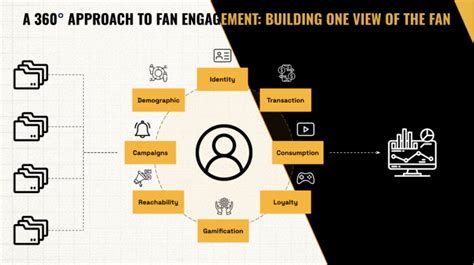
In the realm of **personalization and data-driven engagement**, sponsors are leveraging advanced technologies to tailor their offerings. Through partnerships with data analytics firms, sponsors can analyze fan behavior—such as which teams they support, how they interact with content, and what merchandise they prefer—to craft highly targeted campaigns. A striking example of this was seen during the 2018 World Cup when McDonald's used geolocation data to offer region-specific promotions. Fans in certain countries received push notifications about limited-time discounts on meals themed around their national teams. This hyper-localized approach not only boosted sales but also made fans feel seen and valued as individuals rather than part of a homogeneous crowd.
Sponsors also play a critical role in **bridging cultural divides** through their fan engagement strategies. The World Cup is a global event that brings together people from diverse backgrounds, and sponsors often design campaigns that celebrate this diversity. For instance, during the 2010 World Cup in South Africa, Sony launched the “Sony Fan Messenger” initiative, which allowed fans to send digital messages of support to their teams. These messages were displayed on giant screens in stadiums and shared on social media, creating a sense of unity among supporters worldwide. By aligning their branding with themes of inclusivity and global camaraderie, sponsors can position themselves as enablers of shared experiences rather than mere commercial entities.
Another innovative approach is the use of **immersive technologies** like virtual reality (VR) and mixed reality (MR). Sponsors such as Hyundai have experimented with VR experiences that allow fans to "step into" key moments of the tournament, such as reliving a historic goal or exploring a 360-degree view of the stadium. These technologies not only appeal to tech-savvy younger audiences but also offer a novel way for fans to engage with the event when they are unable to attend in person. Such initiatives demonstrate how sponsors are pushing the boundaries of traditional fan engagement by integrating cutting-edge tools into their strategies.
It is also worth noting how sponsors contribute to **long-term fan loyalty** through their World Cup campaigns. By associating themselves with the tournament’s emotional highs and lows, sponsors create a reservoir of goodwill that extends beyond the event itself. For example, Nike’s “Write the Future” campaign during the 2010 World Cup is still remembered for its cinematic portrayal of how a single moment on the pitch can define a player’s legacy. While the campaign was promotional, it resonated with fans on a deeper level by tapping into their aspirations and emotions. This kind of storytelling ensures that the sponsor’s role is remembered not just as a commercial partner but as a co-creator of the World Cup narrative.
Finally, sponsors are increasingly focusing on **sustainability and social impact** as part of their fan engagement strategy. For the 2022 World Cup, several sponsors partnered with environmental organizations to offset the carbon footprint of their activities. They also launched campaigns encouraging fans to adopt eco-friendly practices, such as reducing waste at fan zones or using digital tickets instead of paper ones. These initiatives not only align with global concerns about sustainability but also enhance the sponsor’s reputation among environmentally conscious fans.
In conclusion, the role of sponsors in fan engagement at the World Cup is multifaceted and evolving. Through a combination of on-ground activations, digital innovations, exclusive content, personalization, cultural inclusivity, and sustainability efforts, sponsors are redefining what it means to support a global sporting event. Their efforts go beyond mere advertising, creating a symbiotic relationship where fans feel more connected to the tournament and, by extension, to the brands that make their experiences richer and more memorable.
Future of World Cup Sponsorships
The landscape of World Cup sponsorships is undergoing a significant transformation as brands adapt to the evolving dynamics of global sports, consumer behavior, and digital innovation. As we look toward the future of World Cup sponsorships, several key trends and innovations are poised to redefine how brands engage with one of the most watched sporting events in the world.
One of the most significant shifts is the increasing emphasis on **data-driven sponsorship strategies**. In the past, sponsorship deals were often sealed based on brand visibility and broad audience reach. However, the rise of big data and advanced analytics is enabling sponsors to craft highly targeted campaigns. For instance, sponsors can now leverage granular data on fan demographics, preferences, and engagement patterns across social media platforms, streaming services, and even in-stadium interactions. This allows for the creation of **hyper-personalized marketing campaigns** that resonate more deeply with specific audience segments. For example, a sponsor might use real-time data to tailor advertisements shown during live broadcasts based on the viewing region, ensuring that the messaging aligns with local cultural nuances or team allegiances.
Another trend is the growing role of **experiential marketing** in sponsorship strategies. While traditional sponsorships focused on logo placement and broadcast advertisements, the future will see brands prioritizing **immersive fan experiences**. Augmented reality (AR) and virtual reality (VR) technologies are already being tested in smaller sporting events, and their integration into World Cup campaigns is a natural next step. Imagine fans using AR apps to "step into" a virtual stadium experience from their living rooms or VR setups that allow them to feel as though they are sitting in the stands during a match. Brands that invest in such technologies can create memorable, shareable experiences that not only enhance fan engagement but also position the sponsor as an innovator in the space. This trend is particularly relevant as younger audiences, particularly Gen Z, value experiences over passive consumption of content.
The **rise of sustainability as a core value** in sponsorship strategies is another area of focus. With global attention on climate change and ethical business practices, brands are under pressure to demonstrate their commitment to sustainability in all aspects of their operations—including sponsorships. Future World Cup sponsors will likely need to align their campaigns with **environmentally conscious initiatives**. This could include offsetting the carbon footprint of their promotional activities, supporting eco-friendly stadium designs, or partnering with organizations that promote sustainable development in host countries. For instance, a sponsor might fund programs to reduce plastic waste in stadiums or promote renewable energy solutions for tournament operations. Such efforts not only enhance the sponsor’s brand image but also align with the values of an increasingly conscientious global audience.
The **integration of cryptocurrency and blockchain technology** is another frontier for World Cup sponsorships. Cryptocurrencies have already made inroads into sports through team sponsorships and fan tokens, and this trend is likely to expand to major tournaments like the World Cup. Sponsors could use blockchain to offer **exclusive digital collectibles** such as NFTs (non-fungible tokens) tied to memorable moments from the tournament. These tokens could serve as a new form of fan engagement, allowing supporters to own a piece of World Cup history while also driving revenue for both the sponsor and the event organizers. Additionally, blockchain could be used to create **transparent ticketing systems** that combat fraud and scalping, offering sponsors an opportunity to position themselves as enablers of fairness and accessibility in the fan experience.
The **influence of social media and content creators** is also set to reshape sponsorship dynamics. While official sponsors have traditionally focused on securing broadcast rights and stadium visibility, the rise of platforms like TikTok, Instagram, and YouTube has shifted the balance of power toward **influencer-driven marketing**. Brands are increasingly collaborating with content creators who have strong followings among soccer fans to produce authentic, engaging content. This approach allows sponsors to tap into niche communities that might not be reached through traditional advertising channels. For example, a brand might partner with a popular soccer influencer to create behind-the-scenes content from training camps or player interviews, providing fans with exclusive access while subtly promoting the sponsor’s products. This trend underscores the importance of **authenticity and relatability** in modern sponsorship strategies.
Another area of innovation is the **blurring of lines between sponsorships and eSports**. As eSports continues to grow in popularity, particularly among younger audiences, there is an opportunity for World Cup sponsors to extend their reach into the gaming world. FIFA, for instance, has its own eSports tournaments, and brands that sponsor the World Cup could also invest in partnerships with eSports teams or influencers. This crossover not only diversifies the sponsor’s audience but also positions them as forward-thinking brands that understand the convergence of physical and digital sports. For instance, a sponsor could host virtual World Cup-themed tournaments in popular games like FIFA or Fortnite, offering fans new ways to engage with the event beyond traditional viewing.
The **future of geo-targeted sponsorships** is also worth exploring. With streaming platforms like YouTube, Amazon Prime, and regional broadcasters offering live coverage of the World Cup, sponsors can optimize their campaigns for **regional specificity**. For example, a sponsor might run different ad campaigns tailored to viewers in Europe, Asia, and South America, each emphasizing localized themes or products. This approach not only increases the effectiveness of marketing spend but also allows brands to build stronger connections with regional fan bases. Furthermore, as 5G technology becomes more widespread, sponsors can experiment with **location-based promotions**, such as offering exclusive discounts or AR experiences to fans in specific geographic areas during the tournament.
Finally, the **role of artificial intelligence (AI) in sponsorship optimization** cannot be overlooked. AI tools are already being used to analyze fan sentiment, predict engagement levels, and even generate creative content for campaigns. In the future, sponsors might use AI to predict which types of activations—whether digital, physical, or hybrid—will yield the highest return on investment. AI could also be used to monitor real-time fan reactions during matches and adjust campaign messaging accordingly. For example, if a particular team or player becomes a fan favorite mid-tournament, AI could help a sponsor quickly pivot their strategy to align with the emerging trend, ensuring that their brand remains relevant and resonant throughout the event.
In summary, the future of World Cup sponsorships will be defined by a shift from broad-spectrum visibility to **precision, innovation, and authenticity**. Brands that embrace data-driven personalization, immersive experiences, sustainability, blockchain technology, and the power of social media influencers will be best positioned to thrive in this evolving landscape. As the World Cup continues to capture the imagination of billions, the sponsors that succeed will be those who not only support the event but also enhance the fan experience in meaningful and innovative ways.
Conclusion and Recommendations
The role of official sponsors in the World Cup is both prestigious and challenging. As a global event that captures the attention of billions, the World Cup offers sponsors an unparalleled platform to amplify their brand visibility, connect with diverse audiences, and establish their presence in new markets. However, with this opportunity comes the responsibility to navigate the complex interplay of commerce, culture, and global values. In this context, the conclusion of this analysis revolves around understanding the key takeaways from past sponsorship efforts and deriving actionable recommendations for future sponsors to maximize their impact while ensuring alignment with the evolving expectations of a global audience.
One of the most critical takeaways is that **visibility alone is not enough**. In previous World Cups, sponsors have often focused heavily on brand exposure—logos on stadiums, player jerseys, and advertisements during matches. While this approach can yield short-term gains in brand recall, it often fails to create lasting emotional connections with audiences. For instance, studies have shown that audiences are more likely to remember and support brands that contribute meaningfully to the event beyond mere advertising. This could involve initiatives like community engagement programs, sustainability efforts, or partnerships with local organizations in host countries. The 2022 World Cup in Qatar, for example, saw mixed reactions to sponsors who failed to address concerns about labor rights and environmental impact, underscoring the need for sponsors to be proactive in addressing such issues rather than remaining silent or reactive.
Another takeaway is the **importance of cultural sensitivity**. The World Cup is a melting pot of cultures, and sponsors must tread carefully to avoid missteps that could alienate audiences or tarnish their reputation. For example, campaigns that rely on stereotypes or fail to consider local customs can backfire spectacularly. A notable example is a sponsor's promotional material in a past World Cup that unintentionally offended a host country's cultural norms. Such incidents highlight the need for sponsors to invest in thorough cultural research and engage local experts to craft campaigns that resonate authentically with diverse audiences. This not only mitigates risks but also enhances the brand's credibility as a thoughtful and inclusive partner.
A third key insight is the **rise of digital and social media as a dominant force** in shaping the perception of sponsors. Unlike traditional advertising, which is often passive, digital platforms allow for two-way engagement. Sponsors who actively participate in conversations, create shareable content, and respond to audience feedback in real time tend to leave a stronger impression. For instance, during the 2018 World Cup, a sponsor's interactive social media campaign that allowed fans to vote for their favorite player moments generated significant buzz and user-generated content. This approach not only amplified the sponsor's visibility but also fostered a sense of community among fans, reinforcing the brand's association with the event in a positive light. Going forward, sponsors should prioritize digital-first strategies that leverage data analytics to understand fan behavior and tailor their messaging accordingly.
With these takeaways in mind, the following **recommendations** can help sponsors maximize their impact while aligning with global values:
- Embrace purpose-driven sponsorship. Today’s consumers, particularly younger demographics, expect brands to stand for something beyond profit. Sponsors should align their campaigns with causes that reflect global values, such as sustainability, inclusivity, and social justice. For instance, a sponsor could pledge to offset the carbon footprint of their involvement in the World Cup or support grassroots soccer programs in underprivileged communities. These efforts not only enhance the brand's image but also create a narrative of shared purpose that resonates with audiences.
- Invest in long-term partnerships with host countries. Rather than treating the World Cup as a one-off marketing opportunity, sponsors should view it as a chance to build enduring relationships with host nations. This could involve funding infrastructure projects, supporting local businesses, or creating programs that leave a lasting legacy after the event concludes. Such initiatives demonstrate a commitment to the host country’s development and can generate goodwill that extends far beyond the tournament.
- Prioritize transparency and accountability. In an era of heightened scrutiny, sponsors must be transparent about their operations and willing to address criticisms head-on. For example, if a sponsor is accused of unethical practices, acknowledging the issue and outlining concrete steps to improve can turn a potential PR disaster into an opportunity to showcase accountability. Transparency also extends to how sponsors engage with the FIFA organization itself—supporting reforms that promote fairness, inclusivity, and ethical governance can position a brand as a champion of positive change.
- Leverage technology to create immersive experiences. The World Cup is not just a sporting event; it is a spectacle that fans want to feel part of. Sponsors can use augmented reality (AR), virtual reality (VR), and other emerging technologies to create unique fan experiences. For example, a sponsor could develop an AR app that allows fans to "step into" iconic World Cup moments or participate in virtual meet-and-greets with players. These innovations not only enhance fan engagement but also position the sponsor as an innovator at the forefront of technology.
- Focus on inclusivity and representation. The World Cup is a global event that should reflect the diversity of its audience. Sponsors should ensure that their campaigns and activations are inclusive, featuring diverse voices and stories that resonate with audiences across different regions and demographics. This could involve spotlighting underrepresented groups in soccer, such as women’s teams or players from smaller nations, and using their platforms to advocate for greater equity in the sport.
- Adopt a multi-channel approach. While digital platforms are crucial, sponsors should not neglect traditional media, on-ground activations, and experiential marketing. A balanced approach that integrates online and offline touchpoints can create a more holistic and impactful campaign. For instance, a sponsor could host live fan zones in major cities while simultaneously running a digital campaign that encourages fans to share their experiences online.
Finally, sponsors must recognize that their role extends beyond the tournament itself. The World Cup is a catalyst for conversations about global unity, competition, and shared humanity. By aligning their efforts with these themes, sponsors can position themselves as more than just advertisers—they can become **stewards of the values that the World Cup represents**. This requires a shift from transactional thinking to a more strategic and values-driven approach. For example, a sponsor could use its platform to initiate dialogues about the role of sports in promoting peace and understanding, thereby elevating its brand to a higher plane of relevance and respect.
In conclusion, the opportunity to be an official sponsor of the World Cup is both a privilege and a responsibility. By focusing on purpose-driven campaigns, cultural sensitivity, digital innovation, and long-term impact, sponsors can not only maximize their return on investment but also contribute meaningfully to the event’s legacy. In doing so, they align themselves with the aspirations of a global audience and ensure that their involvement is remembered not just for the logos they display, but for the positive change they inspire.