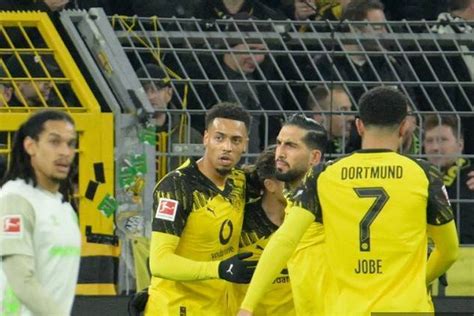
Introduction to Gegenpressing
Gegenpressing, a term that has become synonymous with modern football's high-intensity approach, is more than just a tactical buzzword. It represents a philosophy of play that prioritizes aggressive counter-pressing immediately after losing possession. This section delves into the concept of gegenpressing, its origins, and its transformation into a cornerstone of contemporary football tactics.
At its core, gegenpressing can be defined as a proactive defensive strategy where a team seeks to win the ball back as quickly as possible after losing it, often in the opponent's half. Unlike traditional defensive systems that retreat to reorganize after losing possession, gegenpressing emphasizes immediate pressure on the ball carrier and their nearby options. This aggressive approach disrupts the opponent's ability to transition from defense to attack smoothly. The idea is simple yet profound: the closer a team is to the opponent's goal when regaining possession, the greater the chance of creating a high-value scoring opportunity.
The origins of gegenpressing can be traced back to the tactical evolution of European football, particularly in Germany. While pressing has always been a part of the game, the term "gegenpressing" (German for "counter-pressing") gained prominence through the work of coaches like Ralf Rangnick and Jürgen Klopp in the late 1990s and early 2000s. Rangnick, often referred to as the "godfather of gegenpressing," was instrumental in popularizing this style during his time at clubs like Schalke and Hoffenheim. He believed in the idea of "ball-oriented pressing," where the entire team moves towards the ball rather than maintaining rigid positional structures. This marked a departure from more static defensive setups of the past.
However, gegenpressing truly entered the global football lexicon through Jürgen Klopp's borussia dortmund in the early 2010s. Klopp's interpretation of gegenpressing was not just about pressing intensely but doing so with a clear structure and collective coordination. His teams were designed to hunt in packs, with players swarming the opponent in specific zones of the pitch to force turnovers. This style was both physically demanding and mentally taxing, requiring players to be in peak physical condition and possess a deep understanding of their roles within the system. Dortmund's success in the Bundesliga and their run to the 2013 UEFA Champions League final showcased how gegenpressing could be both effective and aesthetically pleasing.
The rise of gegenpressing as a cornerstone of modern football tactics can be attributed to several factors. First, the evolution of player fitness and conditioning has made it possible for teams to sustain the physical demands of this style over 90 minutes. Advances in sports science, including tailored training regimens and recovery protocols, have enabled players to perform at high intensities consistently. Second, the globalization of football has led to the cross-pollination of ideas, with coaches and players exposed to diverse tactical systems. This has created an environment where gegenpressing can thrive as part of a broader tactical toolkit.
Another key factor is the changing nature of the game itself. Modern football places a premium on transitions—those moments when possession changes hands. The speed at which teams can move from defense to attack (or vice versa) has increased dramatically, thanks to better pitch conditions, lighter equipment, and players with superior technical skills. Gegenpressing exploits this by denying opponents the time and space needed to launch effective counterattacks. In essence, it turns a potential weakness—losing the ball—into an opportunity to regain control in dangerous areas of the pitch.
Gegenpressing also reflects a shift in how success is measured in football. Traditionally, possession-based teams like Barcelona under Pep Guardiola were seen as the epitome of tactical sophistication. While possession football focuses on maintaining control of the ball, gegenpressing flips the script by emphasizing control through regaining the ball. This approach aligns with the growing emphasis on expected goals (xG) and other advanced metrics that value the quality of chances created rather than sheer volume of possession. A well-executed gegenpress can lead to high xG opportunities by forcing turnovers in the final third, where the defending team is most vulnerable.
The tactical flexibility of gegenpressing is another reason for its prominence. While it is often associated with high-pressing teams like Liverpool or RB Leipzig, gegenpressing can be adapted to suit different styles of play. For instance, a team might use gegenpressing selectively, focusing on specific moments in the game rather than maintaining it as a constant feature. This adaptability has made it appealing to coaches across various leagues and levels of competition.
To understand why gegenpressing has become so integral to modern football, it is essential to consider its psychological impact. Teams that employ gegenpressing effectively often impose a sense of urgency and chaos on their opponents. The constant pressure can lead to mistakes, rushed passes, and a breakdown in the opponent's game plan. This not only disrupts the flow of the game but also instills a psychological edge, as players on the receiving end of gegenpressing may feel overwhelmed or fatigued. This dynamic is particularly evident in high-stakes matches, where the ability to impose one's will on the game can be the difference between victory and defeat.
Gegenpressing is also closely tied to the concept of positional play, where players are trained to occupy specific zones of the pitch to maximize their effectiveness during transitions. For instance, a winger might position themselves to cut off passing lanes to the full-back, while a midfielder might anticipate a loose ball in central areas. This level of tactical sophistication requires not only physical effort but also a high degree of coordination and communication among players. It is this blend of physicality, intelligence, and teamwork that makes gegenpressing both an art and a science.
In summary, gegenpressing is not merely a tactic but a philosophy that embodies the relentless pursuit of control in football. Its origins in German football, championed by innovative coaches like Rangnick and Klopp, have laid the foundation for its widespread adoption. By turning the act of losing possession into a strategic advantage, gegenpressing has redefined how teams approach both attack and defense. As football continues to evolve, gegenpressing remains a testament to the game's dynamic nature, where innovation and adaptability are rewarded. It is no surprise, then, that gegenpressing has become a cornerstone of modern football tactics, shaping how the game is played and understood at the highest level.
- Gegenpressing prioritizes winning the ball back immediately after losing it.
- Its origins lie in German football, particularly through coaches like Ralf Rangnick and Jürgen Klopp.
- Advances in sports science and the globalization of football have supported its rise.
- It aligns with the focus on transitions and high-value scoring opportunities in modern football.
- The psychological and tactical advantages of gegenpressing make it a powerful tool for teams.
Historical Evolution of Gegenpressing
The concept of gegenpressing, often referred to as "counter-pressing," is a tactical approach in football that emphasizes immediate pressure on the opponent after losing possession. This strategy has evolved from its nascent roots into a cornerstone of modern football, particularly among top-tier teams. To understand its historical evolution, we must trace its origins, examine key figures who popularized it, and explore how it has been adapted and refined over time.
The roots of gegenpressing can be traced back to the early 20th century, where the idea of pressing was already present in various forms. Teams like the **Hungarian Golden Team** of the 1950s employed a high-pressing style, albeit not as systematized or intense as modern gegenpressing. Their approach focused on disrupting the opponent's rhythm and quickly regaining the ball in advanced positions. However, this was more of an instinctive, collective effort rather than a structured tactical framework. Similarly, the Dutch **Total Football** of the 1970s, pioneered by Rinus Michels and exemplified by Ajax and the Netherlands national team, included elements of pressing. Players were expected to press collectively when out of possession, but the emphasis was more on fluid positional interchange than the immediate counter-press we associate with gegenpressing today.
The true genesis of gegenpressing as a defined strategy can be linked to **Arrigo Sacchi's AC Milan** in the late 1980s. Sacchi's philosophy was revolutionary for its time. He believed that "the ball must be won back as quickly as possible, high up the pitch, when the opponent is still organizzato (organized)." This marked a shift from traditional Italian catenaccio, which prioritized deep defensive structures. Sacchi's Milan trained rigorously to ensure players moved cohesively to close down space when they lost the ball. This was an early iteration of gegenpressing, though it was not yet labeled as such. Sacchi's influence laid the groundwork for future coaches to build upon his ideas of coordinated pressing.
The 1990s and early 2000s saw gegenpressing take a backseat as more defensive and transitional systems dominated European football. However, it was in **German football** during the mid-2000s that gegenpressing began to re-emerge as a distinct tactical identity. Coaches like **Ralf Rangnick** and **Jürgen Klopp** played pivotal roles in this resurgence. Rangnick, often dubbed the "godfather of gegenpressing," was instrumental in introducing structured high-pressing systems in German football. At clubs like Hoffenheim and RB Leipzig, he implemented a style where players were conditioned to win the ball back within seconds of losing it. This required not only physical fitness but also a deep understanding of spatial awareness and team synchronization.
Jürgen Klopp, who was heavily influenced by Rangnick, took gegenpressing to new heights during his time at **Borussia Dortmund**. Klopp's interpretation of gegenpressing, which he famously described as "the best playmaker," became synonymous with his teams' identity. Dortmund's success in the Bundesliga and in European competitions during the early 2010s showcased how gegenpressing could be used not just as a defensive tool but as an attacking mechanism. By winning the ball high up the pitch, Dortmund could launch rapid counterattacks with players like Robert Lewandowski and Marco Reus in advantageous positions. This marked a turning point where gegenpressing transitioned from a niche tactic to a widely recognized and admired approach.
The adoption of gegenpressing by top-tier teams was accelerated by its success in the **Bundesliga**, which became a proving ground for this philosophy. Bayern Munich, under **Pep Guardiola**, incorporated gegenpressing into their possession-heavy style. Guardiola, while not a native proponent of gegenpressing, recognized its utility in regaining possession quickly to maintain control of the game. His hybrid approach blended positional play with moments of intense pressing, further legitimizing gegenpressing as a tactic suitable for elite football.
The global spread of gegenpressing can also be attributed to the influence of **data analytics** and **sports science** in modern football. Teams now have access to detailed metrics on player movement, recovery times, and pressing efficiency. These tools have enabled coaches to fine-tune gegenpressing systems, ensuring that players are deployed in roles that maximize their physical and technical attributes. For instance, Liverpool under Klopp in the late 2010s used gegenpressing not just as a reactive tactic but as a proactive one, with players like Sadio Mané and Mohamed Salah excelling in high-intensity scenarios. The integration of gegenpressing into Liverpool's system helped them achieve domestic and European success, demonstrating its scalability at the highest level.
Another critical factor in the evolution of gegenpressing has been its **cultural adaptability**. While it originated in Europe, particularly in Germany, it has been embraced by teams worldwide. In **South America**, coaches have adapted gegenpressing to suit the more technical and improvisational style of play seen in leagues like Brazil's Série A. Teams such as Flamengo have experimented with gegenpressing while retaining their flair-oriented attacking ethos. Similarly, in the **Premier League**, gegenpressing has been modified to suit the league's physical and fast-paced nature. Coaches like Thomas Tuchel and Mauricio Pochettino have blended gegenpressing with other tactical systems to create hybrid models that suit their squads.
One of the most fascinating aspects of gegenpressing's evolution is how it has **influenced player development**. Modern footballers are now trained from a young age to thrive in high-pressing environments. Academy systems at clubs like Ajax, Barcelona, and Manchester City emphasize the importance of quick recovery and collective pressing. This has created a new generation of players who are not only technically gifted but also tactically astute in executing gegenpressing.
The rise of gegenpressing has also sparked **counter-tactics**, as opponents seek ways to nullify its effectiveness. Deep-lying defensive setups, such as the low block, have been employed by teams to frustrate high-pressing sides. This dynamic has led to an ongoing tactical arms race, where gegenpressing must continually evolve to stay ahead. Coaches now experiment with variations, such as **asymmetric pressing triggers** or **zonal gegenpressing**, to maintain its relevance.
In summary, gegenpressing has undergone a remarkable transformation from its early conceptual roots to becoming a defining feature of elite football. Its development has been shaped by visionary coaches, technological advancements, and the global exchange of ideas. From Sacchi's Milan to Klopp's Liverpool, gegenpressing has proven its adaptability and enduring value. As football continues to evolve, gegenpressing will likely remain a central theme, with teams finding new ways to innovate and refine this dynamic approach to the game.
- The origins of gegenpressing can be linked to early pressing styles seen in the Hungarian Golden Team and Total Football.
- Arrigo Sacchi's AC Milan provided an early framework for organized pressing.
- Ralf Rangnick and Jürgen Klopp were instrumental in defining and popularizing gegenpressing in modern football.
- The tactic has been adapted globally, with variations seen in South America and the Premier League.
- Data analytics and player development have further refined gegenpressing systems.
This deep dive into the historical evolution of gegenpressing underscores its significance as both a tactical innovation and a reflection of football's ever-changing landscape.
Core Principles of Gegenpressing
Gegenpressing, often associated with high-intensity football styles pioneered by coaches like Jürgen Klopp and Ralf Rangnick, is more than just a tactical system—it is a philosophy rooted in proactive, aggressive play. At its core, gegenpressing seeks to regain possession immediately after losing the ball, exploiting the disorganization of the opposition during this brief window. To achieve this, the system relies on three interdependent key components: immediate counter-press, compactness, and coordinated team movement. Each of these elements is not merely a tactic but a principle that defines the success of gegenpressing when executed with precision.
The immediate counter-press is the most visible and defining aspect of gegenpressing. It refers to the act of pressing the opponent as soon as the ball is lost, ideally within the first 5-10 seconds. This rapid response is designed to take advantage of the "transition phase," where the team that has just won possession is often in a state of disarray, with players out of position or not yet mentally prepared to launch their own attack. The logic is simple: the longer the opposition has the ball, the more they can organize and exploit spaces. By counter-pressing immediately, gegenpressing disrupts this process. However, this requires players to be highly fit, mentally alert, and positionally aware. A common misconception is that gegenpressing is about individual hustle; instead, it is a collective effort where players closest to the ball act as the first line of pressure, while others position themselves to cut passing lanes and offer support. For example, if a midfielder misplaces a pass, nearby forwards and midfielders swarm the recipient, while the rest of the team adjusts to ensure no easy outlet pass is available. This creates a "micro-chaos" for the opposition, forcing errors or hurried clearances that can be exploited.
However, the counter-press is only effective if the team maintains compactness. Compactness in gegenpressing refers to the spatial proximity of players both horizontally and vertically on the field. When the team is compact, it reduces the available space for the opposition to operate in, making it harder for them to play through the press. Compactness is not about crowding players into a small area but about maintaining optimal distances between lines (defense, midfield, and attack) so that gaps are minimized without sacrificing coverage of the field. A well-drilled gegenpressing team ensures that when the ball is lost in the attacking third, for instance, the forwards are close enough to the midfielders to apply immediate pressure, while the defenders are positioned to step up and support if needed. This principle also protects against counterattacks—if the press fails and the opposition breaks through, the compact shape allows for quick recovery and reorganization. A good example of this is seen in Liverpool's gegenpressing system under Klopp, where the front three press intensely but are supported by a midfield trio that stays close enough to transition between attack and defense seamlessly. Without compactness, gegenpressing risks leaving large open spaces that skilled opponents can exploit, particularly in wide areas or behind the defensive line.

The third core principle, coordinated team movement, is perhaps the most nuanced and challenging to master. Gegenpressing is not about individual players running blindly to win the ball; it is about synchronized, pre-planned movements that create a "pressing trap." This involves the entire team working in unison to funnel the opposition into specific areas of the pitch where they are most vulnerable. For instance, a gegenpressing team might deliberately allow the opposition to play the ball to a full-back, knowing that their wingers and midfielders are positioned to immediately close down that player and block forward passing options. This requires a high level of communication and understanding among players. Coordinated movement also includes rotations—where players interchange positions dynamically to maintain the press. For example, if a winger steps up to press the full-back, the nearest midfielder might drop slightly to cover the space left behind, ensuring the team remains compact. These rotations demand not only physical fitness but also a deep understanding of each player's role within the system. A common training exercise for gegenpressing teams involves creating scenarios where players must react to ball loss in different zones of the pitch, teaching them to adjust their positions and pressing angles in real time. This level of coordination is what separates elite gegenpressing teams from those that merely chase the ball without purpose.
An often-overlooked aspect of coordinated movement is the role of the goalkeeper in gegenpressing systems. Modern goalkeepers in gegenpressing teams are not passive observers; they are active participants in maintaining the team's shape. When the ball is lost, the goalkeeper's positioning and ability to quickly distribute the ball (or act as a sweeper-keeper) can help the team reset or continue the press. For instance, if the ball is lost in the final third, the goalkeeper might position themselves higher up the pitch to support a quick recovery or to act as an additional passing option if the press succeeds. This integration of the goalkeeper into the pressing structure is a hallmark of advanced gegenpressing systems.
Another insight into gegenpressing is the importance of trigger points in initiating the press. Teams do not press blindly; they identify moments when the opposition is most vulnerable. Common triggers include a misplaced pass, a heavy touch, or a player receiving the ball with their back to goal. These moments are exploited because they force the opponent into slower or riskier decision-making. For example, if an opponent receives a high ball under pressure from a forward, their first touch is likely to be less controlled, giving the pressing team an opportunity to swarm. Recognizing and acting on these triggers is a skill that comes from repetition and drills, emphasizing the importance of training sessions tailored to gegenpressing.
While gegenpressing is often associated with physical intensity, it is equally a mental game. Players must not only be fit enough to sustain high-energy pressing but also disciplined enough to know when to press and when to hold their position. Over-committing can leave the team exposed, especially against technically proficient opponents who can play through the press. This balance between aggression and discipline is what makes gegenpressing so demanding—it is not simply about running more than the opposition but about running smarter.
In summary, the core principles of gegenpressing—immediate counter-press, compactness, and coordinated team movement—form a cohesive system that thrives on synchronization, fitness, and tactical awareness. Each element supports the others: the counter-press relies on compactness to limit space, while compactness is only effective when paired with coordinated movement to create pressing traps. Together, these principles create a dynamic, aggressive style of play that not only seeks to win the ball back quickly but also to dominate the opponent psychologically by denying them time and space. When executed correctly, gegenpressing is not just a means of regaining possession—it is a way of imposing a team's will on the game, turning defense into attack in the blink of an eye.
The Role of Player Roles in Gegenpressing
The success of gegenpressing, a high-intensity tactical approach where a team immediately presses the opponent after losing possession, hinges significantly on the roles and responsibilities of individual players within the system. While gegenpressing is often characterized as a collective effort, the specific contributions of players in different positions—such as midfielders, forwards, and defenders—are what make the strategy effective. This section delves into how these roles interact and why their execution is critical to gegenpressing's success.
Midfielders are arguably the backbone of gegenpressing. Positioned centrally, they act as the link between defense and attack, but in gegenpressing, their role is more dynamic. Their primary task is to close down passing lanes and deny the opposition time to transition from defense to attack. For instance, box-to-box midfielders like N'Golo Kanté are often seen as the archetype for gegenpressing success because of their ability to cover large areas of the pitch and win back possession in advanced zones. However, it is not just about physicality; positional intelligence is equally important. Midfielders must anticipate where the ball will be played next and adjust their positioning to cut off options. This requires a blend of spatial awareness and quick decision-making. Moreover, midfielders often act as the trigger for the press. When a midfielder engages the opponent in a high-press scenario, it signals teammates to follow suit, creating a coordinated press that can overwhelm the opposition.
Forwards, particularly those playing in advanced roles, are the first line of engagement in gegenpressing. Their proximity to the opposition's defensive line makes them pivotal in disrupting build-up play. Strikers or false nines in a gegenpressing system are tasked with harrying center-backs and goalkeepers, forcing hurried clearances or mistakes. A good example of this is Roberto Firmino during Liverpool's gegenpressing peak under Jürgen Klopp. Firmino’s ability to press intelligently—not just chasing the ball but cutting off passing lanes to the full-backs—allowed Liverpool to win the ball high up the pitch. However, forwards in gegenpressing must also exhibit a selfless work ethic. Unlike traditional center-forwards who might prioritize goal-scoring positions, gegenpressing forwards often sacrifice personal glory to press effectively. Their role requires coordination with wide players or attacking midfielders to ensure that pressing is not isolated but part of a cohesive unit. When a forward presses the center-back, for example, wingers must simultaneously close down the full-backs to prevent easy outlet passes.
The role of wingers and wide players in gegenpressing cannot be understated. These players are often responsible for stretching the opposition's shape by pressing high and wide. Their objective is twofold: to deny the opposition's full-backs easy forward passes and to funnel play into central areas where midfielders and forwards can apply more concentrated pressure. Wingers in gegenpressing systems, such as Mohamed Salah or Sadio Mané during Liverpool's title-winning seasons, are also required to track back and support full-backs when possession is lost. This dual responsibility—pressing high and providing defensive cover—demands a high level of fitness and tactical discipline. Wingers who excel in gegenpressing are often those who can read the game quickly, identifying moments when pressing is advantageous rather than chasing lost causes that leave their team exposed.
Defenders in a gegenpressing system, while not the primary pressers, play a supportive yet crucial role. Center-backs, for instance, must be prepared to step into midfield when the team loses the ball to close down gaps and prevent counterattacks. This is especially important in gegenpressing systems that prioritize a high defensive line. Full-backs, on the other hand, must balance their attacking runs with the discipline to recover quickly. In gegenpressing, full-backs are often tasked with pressing the opposition's wingers when the ball is played wide, ensuring the press is maintained across the width of the pitch. Their ability to transition between attack and defense seamlessly is a hallmark of gegenpressing success. For example, Trent Alexander-Arnold’s recovery runs and pressing in Liverpool’s system illustrate how full-backs contribute to the collective effort without compromising the team's shape.
Another often-overlooked aspect of player roles in gegenpressing is the importance of the deep-lying playmaker or holding midfielder. This position acts as a safety net when the press is bypassed. Players like Sergio Busquets or Joshua Kimmich excel in this role by maintaining a positional structure that allows the team to reset and reapply pressure. Their ability to read the game and intercept passes aimed at exploiting the space behind the pressing forwards is vital. Without this layer of security, gegenpressing can become a high-risk strategy prone to exploitation on the counter.
The interplay between positions is what makes gegenpressing more than just a collection of individual efforts. For instance, consider how midfielders and forwards must synchronize their movements to "trap" the opposition in specific zones of the pitch. A common gegenpressing pattern involves forwards pressing the center-backs while midfielders position themselves to block passes to the pivot or full-backs. This creates a pressing trap, where the opposition is forced into making a risky pass or losing the ball in a dangerous area. Such coordination requires not only physical fitness but also a deep understanding of each player’s role within the system.
Additionally, communication and adaptability are key. Players must constantly adjust their roles based on the opposition’s responses. For example, if the opposition deploys a three-man defensive setup, forwards might need to adjust their pressing angles to target the outer center-backs rather than the central one. This flexibility is what distinguishes elite gegenpressing teams from those who struggle to implement the system effectively.
In summary, the success of gegenpressing is deeply rooted in the specialized contributions of player roles. Midfielders provide the energy and intelligence to initiate and sustain the press, forwards act as the first wave of disruption, wingers stretch and funnel the opposition, and defenders offer the structural support needed to maintain shape. Each position has a distinct yet interconnected role, and the synergy between them is what enables gegenpressing to disrupt opponents and regain possession in advantageous areas. Without this intricate understanding of player responsibilities, gegenpressing risks becoming disjointed and ineffective, emphasizing why player roles are the cornerstone of this tactical approach.
Tactical Advantages of Gegenpressing
Gegenpressing, often referred to as "counter-pressing," is a high-intensity tactical approach that focuses on immediately regaining possession of the ball after losing it, typically within seconds. This strategy, popularized by coaches like Jürgen Klopp and Pep Guardiola, has become a hallmark of modern football due to its ability to create dynamic advantages for the team employing it. The tactical advantages of gegenpressing are multifaceted, but two of its most significant benefits are ball recovery in advanced areas and disruption of opponent build-up play. These benefits not only provide immediate opportunities for offensive transitions but also impose psychological and structural challenges on the opposing team.
One of the primary benefits of gegenpressing is the ability to recover the ball in advanced areas of the pitch. Unlike traditional defensive setups, where a team might retreat into a compact shape after losing possession, gegenpressing emphasizes immediate aggression in the opponent's half. When executed effectively, this tactic allows the pressing team to win the ball closer to the opponent's goal, reducing the distance required for a successful attacking move. For instance, if a midfielder or forward loses the ball in the final third, a well-coordinated gegenpress can trap the opponent before they can transition into a defensive shape. This proximity to the goal means that the team regaining possession often has fewer players to beat and more space to exploit, increasing the likelihood of creating high-quality scoring chances. Statistical analyses of teams using gegenpressing, such as Liverpool under Klopp, have shown a higher rate of goals scored from turnovers in the attacking third compared to teams relying on deeper defensive structures.
Moreover, recovering the ball in advanced areas has a psychological impact on the opponent. When a team knows that losing the ball in their own half could immediately lead to a dangerous counterattack, they are more likely to play conservatively or make risk-averse decisions. This can stifle their creativity and force them into long balls or hurried passes, which are easier for the pressing team to intercept. The gegenpress thus becomes not just a mechanism for ball recovery but also a tool for imposing a style of play on the opposition. Teams that excel at gegenpressing often force their opponents into predictable patterns, making it easier to anticipate and counter their moves.
The second major advantage of gegenpressing is its role in disrupting opponent build-up play. Modern football often involves teams attempting to build from the back, using short passes and positional play to progress up the field. Gegenpressing directly challenges this approach by targeting the moments immediately after a turnover, when the opponent is most vulnerable. A well-executed gegenpress focuses on high-value pressing triggers—such as a poor first touch, a square pass, or a defender receiving the ball with limited passing options. By aggressively closing down these scenarios, the pressing team can force mistakes or hurried decisions, leading to turnovers in dangerous areas.
This disruption of build-up play also has a structural effect on the opponent. Teams that aim to build patiently from the back rely on maintaining a rhythm and structure in their passing sequences. Gegenpressing forces them to abandon this rhythm by applying immediate pressure, often leading to a breakdown in their intended patterns. For example, a center-back under pressure from a forward might opt for a long ball rather than a short pass to a full-back, disrupting the team's preferred method of progression. This not only nullifies the opponent's strategic intent but also creates opportunities for the pressing team to win aerial duels or second balls in midfield, further tilting the game in their favor.
Another nuanced benefit of gegenpressing is its impact on spatial control. By aggressively hunting for the ball in the opponent's half, the pressing team effectively compresses the playing area available to the opposition. This compression makes it harder for the opponent to find passing lanes or exploit gaps in the defense. For instance, if a full-back is closed down quickly by a winger and a supporting midfielder, their only viable option might be a backward pass or a risky long ball. This spatial control also limits the time and options available to the opponent's playmakers, who are often the linchpins of their team's attacking strategy. Without the freedom to dictate play, these players are rendered less effective, further tilting the balance in favor of the gegenpressing team.
It is also worth noting that gegenpressing can exploit the physical and mental fatigue of opponents over the course of a match. The relentless nature of this tactic—requiring players to sprint, close down, and reposition repeatedly—can wear down even the most disciplined teams. As the game progresses, opponents may become slower in their decision-making and less precise in their passing, making them more susceptible to turnovers. This is particularly advantageous in the latter stages of a match, where a gegenpressing team can capitalize on the cumulative effect of their high-intensity approach. Teams like Manchester City and Liverpool have often used gegenpressing to dominate the final 15-20 minutes of games, as opponents struggle to maintain their composure under sustained pressure.
However, the success of gegenpressing is not solely dependent on physical exertion; it also requires a high degree of tactical coordination and player intelligence. Effective gegenpressing relies on players understanding their roles within a system of synchronized movements. For example, when a ball is lost, the nearest player must immediately press the ball carrier while teammates cut off passing lanes and position themselves to intercept. This level of coordination ensures that the pressing team does not become vulnerable to counterattacks themselves. Teams that master this aspect of gegenpressing can seamlessly transition from defense to attack, maintaining control of the game even in high-pressure situations.
Additionally, gegenpressing can serve as a form of proactive defense. Rather than waiting for the opponent to approach their defensive third, the pressing team takes the fight to them, reducing the need for last-ditch tackles or deep blocks. This proactive approach not only minimizes the risk of conceding goals but also keeps the team in a position to launch attacks quickly. By winning the ball high up the pitch, the gegenpressing team can maintain a higher line of engagement, keeping their defensive shape closer to the midfield and reducing the space behind their backline.
In conclusion, the tactical advantages of gegenpressing are rooted in its ability to regain possession in advanced areas and disrupt opponent build-up play. These benefits create a cascade of positive effects, from increased goal-scoring opportunities and psychological pressure on opponents to structural advantages in spatial control and fatigue management. While gegenpressing demands high levels of fitness, coordination, and tactical nous, its rewards are significant for teams willing to embrace its intensity and complexity. It is not merely a defensive strategy but a holistic approach that reshapes the dynamics of a football match, making it a powerful weapon in the arsenal of modern coaches and teams.
Challenges and Limitations of Gegenpressing
Gegenpressing, a tactical approach popularized by coaches like Jürgen Klopp and Pep Guardiola, is celebrated for its aggressive style of regaining possession immediately after losing the ball. While it has revolutionized modern football with its high-intensity, proactive nature, it is not without its challenges and limitations. This section delves into the downsides of gegenpressing, with a particular focus on the physical demands it places on players and the vulnerabilities it can expose to well-organized counterattacks.

One of the most immediate and obvious challenges of gegenpressing is the **physical toll it exacts on players**. The system requires an extraordinary level of fitness and stamina. Players are expected to press relentlessly for 90 minutes, often sprinting to close down opponents within seconds of losing possession. This high-intensity effort is not sustainable for every player, particularly over the course of a long season. Elite teams that employ gegenpressing, such as Liverpool or Manchester City, often have squads with exceptional athleticism and access to world-class sports science departments. However, for teams with limited resources or less physically prepared players, attempting to implement gegenpressing can lead to fatigue, injuries, and burnout. Players may struggle to maintain the necessary intensity in the latter stages of games or during congested fixture schedules, particularly in leagues with cup competitions or European tournaments.
Moreover, gegenpressing is not just physically demanding in the moment of execution but also in its preparation and recovery. The high-octane nature of the system necessitates rigorous training regimens focused on short bursts of speed, quick recovery, and anaerobic endurance. This can lead to a higher risk of overtraining, particularly if the coaching staff mismanages the balance between training load and recovery time. Younger or less experienced teams may find it difficult to adapt to this level of physical strain, and even top-tier athletes can suffer from cumulative wear and tear as the season progresses. For instance, a study of Bundesliga teams using gegenpressing found that players in such systems had higher incidences of soft tissue injuries compared to those in possession-based or counterattacking systems.
Another critical limitation of gegenpressing is its **vulnerability to counterattacks**, particularly when the press is not executed with precision. Gegenpressing is predicated on the idea of overwhelming the opponent in their defensive third, but this requires near-perfect coordination and spatial awareness. If one or more players fail to press in sync—perhaps by overcommitting or leaving gaps in the defensive structure—it can create exploitable spaces for the opposition. A well-drilled team, especially one that employs a low-block or counterattacking strategy, can use gegenpressing against itself. For example, if a gegenpressing team loses the ball in an advanced position and fails to regain it quickly, the opposition can launch a rapid counterattack into the space left behind by the pressing players. This is particularly dangerous when fullbacks or wide midfielders are caught high up the pitch, leaving the defensive line exposed.
Teams that excel at exploiting gegenpressing often use a strategy known as **"baiting the press."** This involves deliberately drawing the pressing players out of position by playing short passes in their own half before quickly switching the play to exploit the gaps left behind. A classic example of this is seen when teams like Atlético Madrid or even certain Serie A sides face gegenpressing opponents. They intentionally slow the tempo, lure the pressing team into overcommitting, and then strike with incisive long balls or diagonal passes to fast wingers or forwards. This tactic can be particularly effective against gegenpressing teams that lack defensive balance or have fullbacks who are overly aggressive in their positioning.
The context of the opponent's quality also plays a significant role in the success of gegenpressing. While it can be devastating against teams that are technically inferior or struggle with ball retention, gegenpressing can falter against elite sides that are comfortable playing out from the back. Teams like Manchester City, Barcelona, or Bayern Munich often have players skilled at breaking the press through precise passing triangles, quick one-twos, or the ability to draw pressing players out of position. In such scenarios, gegenpressing can become a double-edged sword: the more intensely a team presses, the more it risks being dissected by technically superior opponents who thrive under pressure.
Another often-overlooked challenge is the psychological aspect of gegenpressing. While the system is designed to instill a sense of relentless aggression and collective responsibility, it can also lead to frustration when it fails to yield results. Players may become demoralized if they are unable to win the ball back quickly, especially against teams that are adept at retaining possession. This frustration can lead to lapses in concentration, poor decision-making, or even a breakdown in team cohesion. For instance, if a gegenpressing team concedes an early goal due to a counterattack, the psychological impact can compound their struggles, as they may feel the need to press even harder to rectify the situation, further exposing themselves to risks.
There is also the question of **suitability to different leagues and playing styles**. Gegenpressing has been most successful in leagues like the Premier League or the Bundesliga, where the pace of the game and the physicality of play align well with its demands. However, in leagues with a more technical or tactical emphasis—such as Serie A or Ligue 1—gegenpressing can face resistance. Teams in these leagues often prioritize positional play, technical skill, and patient build-up, which can neutralize the effectiveness of a high-pressing system. Additionally, referees in certain leagues may be more lenient with physical play, which can either support or hinder gegenpressing depending on how aggressively players are allowed to challenge for the ball.
Finally, gegenpressing can sometimes become a predictable tactic if it is overused or poorly adapted to specific game situations. Opponents who study a team's gegenpressing patterns can prepare countermeasures, such as overloading certain areas of the pitch to draw the press and then exploiting the spaces left behind. This predictability can be mitigated by tactical flexibility, but it requires a coach who is willing to adjust the system based on the opponent. For instance, Liverpool under Klopp has occasionally switched to a more possession-based approach against teams that are comfortable absorbing pressure and counterattacking.
In summary, while gegenpressing is a highly effective and dynamic system when executed well, it is not a one-size-fits-all solution. Its physical demands can strain players, particularly those who are not adequately prepared or supported by sports science. Its vulnerability to counterattacks requires meticulous coordination and discipline, which can break down under pressure or against tactically astute opponents. Furthermore, its effectiveness can vary depending on the quality of the opposition, the league context, and the adaptability of the coaching staff. For teams considering gegenpressing as a core strategy, these challenges underscore the need for a holistic approach that balances intensity with sustainability and tactical nuance.
Gegenpressing in Practice: Case Studies
Gegenpressing, a tactical approach pioneered and popularized by coaches like Jürgen Klopp, is a high-intensity strategy that focuses on winning the ball back immediately after losing possession. This method requires not just physical fitness but also a deep understanding of spatial awareness, coordinated team movement, and rapid decision-making. In practice, gegenpressing has been implemented with remarkable success by several teams across different leagues, providing a rich tapestry of case studies to explore its effectiveness.
One of the most prominent examples of gegenpressing in action is **Liverpool under Jürgen Klopp**. When Klopp took over at Anfield in 2015, he inherited a squad that was talented but lacked the cohesion and intensity required for his preferred style of play. Klopp’s gegenpressing system was not merely about pressing the opponent; it was about **orchestrating a synchronized team press that exploited the moments of transition**. Liverpool’s gegenpressing was built around key principles: immediate counter-pressing within five seconds of losing the ball, maintaining a compact shape to limit passing options for the opposition, and using quick, vertical attacks to exploit the disorganized defense of the opponent.
Under Klopp, Liverpool’s gegenpressing became a cornerstone of their success in winning the **Premier League (2019-2020)** and the **Champions League (2018-2019)**. A critical component of their gegenpressing was the role of the front three—**Sadio Mané, Roberto Firmino, and Mohamed Salah**. These players were not just goal scorers but also the first line of defense. Firmino, in particular, exemplified the gegenpressing ethos. Unlike traditional center-forwards who might linger higher up the pitch, Firmino often dropped deeper to disrupt the opposition’s buildup play. His ability to press intelligently and cut passing lanes allowed Liverpool to win the ball in dangerous areas, often leading to rapid counterattacks. The fullbacks, **Trent Alexander-Arnold** and **Andrew Robertson**, complemented this system by providing width and ensuring that the press could shift seamlessly across the pitch. Their energy and positioning were vital in maintaining the high-intensity press while also offering an outlet for quick transitions.
Another compelling case study is **RB Leipzig under Ralf Rangnick and later Julian Nagelsmann**. Leipzig’s gegenpressing approach differed slightly from Liverpool’s in its emphasis on youth and athleticism. Rangnick, often credited as one of the early adopters of gegenpressing in German football, used Leipzig as a testing ground for this philosophy. The team’s gegenpressing was characterized by **an aggressive high line, quick verticality, and a focus on winning the ball in the middle third**. Leipzig’s squad, often filled with young, dynamic players like **Timo Werner** and **Dayot Upamecano**, thrived in this system. Their gegenpressing was not just about regaining possession but about **creating a psychological edge** over opponents by denying them the time and space to think. This approach helped Leipzig consistently challenge Bayern Munich in the Bundesliga and reach the **Champions League semifinals in 2020**.
A contrasting yet equally instructive example is **Ajax under Erik ten Hag** during their remarkable run to the **Champions League semifinals in 2019**. While Ajax is traditionally associated with a possession-based style rooted in the club’s philosophy of Total Football, ten Hag integrated gegenpressing as a key element of their game plan. This adaptation was particularly evident in their high-pressing approach against teams like Real Madrid and Juventus. Ajax’s gegenpressing was less about sheer physicality and more about **tactical discipline and positional intelligence**. Players like **Frenkie de Jong** and **Donny van de Beek** were instrumental in executing a press that prioritized **cutting off central passing lanes** and forcing opponents wide, where they were less threatening. This nuanced implementation of gegenpressing demonstrated that the tactic could be adapted to fit a team’s broader identity without compromising its core principles.
In Spain, **Atlético Madrid under Diego Simeone** provides an interesting twist on gegenpressing. While Simeone’s teams are often associated with a more defensive, counterattacking style, there are elements of gegenpressing in their approach, particularly in how they defend transitions. Atlético’s gegenpressing is less frenetic than Liverpool’s or Leipzig’s but is equally effective in its **pragmatism and focus on collective organization**. Simeone’s teams often use a mid-block rather than a high press, but when they lose the ball in advanced areas, they swarm the opponent with a compact and aggressive press. This selective use of gegenpressing reflects how the tactic can be tailored to a team’s broader defensive identity while still reaping its benefits.
Another fascinating example comes from **Borussia Dortmund under Klopp** in the early 2010s. Klopp’s Dortmund teams were the first to bring gegenpressing to widespread attention in European football. Their success in winning back-to-back **Bundesliga titles (2010-2011, 2011-2012)** and reaching the **2013 Champions League final** was built on a gegenpressing system that prioritized **sheer work rate and emotional intensity**. Players like **Marco Reus, Robert Lewandowski, and Ilkay Gündogan** were not only skilled but also relentless in their pressing. Dortmund’s gegenpressing was characterized by a **"wave-like" approach**, where the team would press in unison, retreat to regroup, and then press again. This dynamic style overwhelmed slower, more possession-oriented teams like Bayern Munich in domestic competitions.
What these case studies reveal is that gegenpressing is not a one-size-fits-all tactic. Its success depends heavily on **the personnel, the coach’s ability to instill the system, and the team’s adaptability to different contexts**. For instance, Liverpool’s gegenpressing thrived because of the technical and physical qualities of its players, while Ajax’s version succeeded because it was integrated into a possession-based framework. This adaptability underscores the versatility of gegenpressing as a tactical tool.
However, gegenpressing is not without its challenges. Teams that rely heavily on this approach often face issues of **fatigue and burnout**, particularly during congested fixture schedules. Liverpool’s drop in form during the 2020-2021 season, partly due to injuries and fatigue, highlighted how gegenpressing demands not just tactical discipline but also **careful squad rotation and physical conditioning**. Similarly, Leipzig’s struggles in maintaining consistency after their Champions League run pointed to the difficulty of sustaining such a high-energy system over multiple seasons.
In conclusion, the case studies of Liverpool, RB Leipzig, Ajax, Atlético Madrid, and Borussia Dortmund illustrate how gegenpressing can be both a **defining philosophy** and a **flexible tool** depending on the team’s identity and objectives. These examples demonstrate that while gegenpressing requires a high level of coordination and physical exertion, its rewards—in terms of regaining possession in advanced areas and creating goal-scoring opportunities—can be transformative. The diversity of its implementation across different leagues and managerial philosophies speaks to its enduring relevance in modern football.
Training and Implementation of Gegenpressing
Gegenpressing, often referred to as "counter-pressing," is a high-intensity tactical approach that focuses on immediately regaining possession after losing the ball. This strategy demands not only physical fitness but also a deep understanding of spatial awareness, team coordination, and split-second decision-making. Training a team to execute gegenpressing effectively involves more than just running drills; it requires instilling a philosophy of collective responsibility and quick reaction into every player. Below, we explore the key components of training and implementing gegenpressing in a way that ensures its success on the pitch.
The foundation of gegenpressing lies in team cohesion and communication. Without these, the system can collapse into disjointed chaos. Coaches must begin by fostering a mindset where players view the ball as a shared responsibility. This begins in the classroom, where video analysis of successful gegenpressing teams—such as Jürgen Klopp's Liverpool or Pep Guardiola's Manchester City—can be used to demonstrate the principles of compactness, immediate pressure, and the "wave-like" movement of players toward the ball. Players need to understand that gegenpressing is not about individual heroics but about synchronized team efforts to cut off passing lanes and isolate the opponent who has just gained possession.
Once the conceptual groundwork is laid, on-field training can begin. One effective drill is the “3v3+1” possession game, where three players attempt to maintain possession against three defenders, with one neutral player supporting the team in possession. The objective for the defending team is to win the ball back and immediately launch an attack. This drill teaches players to close down space quickly and transition from defense to attack in tight areas. A variation of this drill can include a time limit for regaining possession (e.g., 5 seconds), which simulates the urgency of gegenpressing in match scenarios. Coaches should emphasize the importance of immediate pressure on the ball carrier, as hesitation can allow the opponent to reset and exploit gaps in the press.
Another critical drill is the “rondo with a counter-pressing twist”. In a standard rondo, a group of players in a circle keeps the ball away from one or two defenders in the middle. In this modified version, when the defenders win the ball, they must attempt to pass it out of the circle to a target player positioned outside. The players who lost possession must immediately counter-press to stop this pass. This drill helps players develop the mental trigger for gegenpressing—recognizing the moment of transition from attack to defense. It also trains them to anticipate where the ball might go next and to close down options before the opponent can execute a pass. Coaches should use this opportunity to teach players about body orientation—how to position themselves to block forward passes while being ready to press laterally or diagonally.
A third essential training element is the “wavePress simulation”. This involves setting up a small-sided game where one team is tasked with playing out from the back while the other is instructed to gegenpress as soon as the ball is lost. The simulation should include clear instructions for the pressing team to funnel the opposition into specific areas of the pitch, such as the wings or toward a double-press scenario where two players close in on the ball carrier from different angles. This drill highlights the importance of zonal awareness and the idea of creating numerical superiority around the ball. For instance, if the ball is played to the right back, the nearest midfielder, winger, and forward should instinctively move to surround the area, leaving no easy escape routes. Coaches can use cones or markers to visually represent the "zones of pressure" and rotate players through different roles to ensure everyone understands their responsibilities in various areas of the pitch.
In addition to drills, fitness and conditioning are non-negotiable for gegenpressing. The system demands players to exert maximum effort in short bursts, often requiring them to sprint 10-20 yards to close down an opponent. Coaches should incorporate high-intensity interval training (HIIT) into their regimens, focusing on exercises like shuttle runs, sprint-recover cycles, and small-sided games with minimal rest periods. These sessions not only build the physical stamina needed for gegenpressing but also replicate the mental fatigue players might feel during a match, helping them stay disciplined under pressure. Additionally, recovery strategies should be emphasized to ensure players can sustain this level of intensity throughout a 90-minute game.

Another often-overlooked aspect of gegenpressing is the role of the goalkeeper. In modern gegenpressing systems, the goalkeeper acts as the first line of defense after a turnover. Training sessions should include scenarios where the goalkeeper quickly distributes the ball to restart play if the press is broken or supports the press by acting as an additional passing outlet when possession is regained. For example, a drill where the goalkeeper rolls the ball to a center-back under pressure from two forwards can teach the team how to react collectively when the initial press fails. This reinforces the idea that gegenpressing is a system that involves all 11 players, not just the outfield players in advanced positions.
Strategically, gegenpressing requires flexibility and adaptability. Coaches must train their teams to recognize when to press and when to hold back. For instance, if the opposition has a numerical advantage in a certain area or is adept at playing long balls over the top, a full-team press might not be the best approach. In such cases, coaches can introduce the concept of selective pressing, where only certain zones of the pitch are aggressively targeted. This can be trained through scenario-based exercises, where the coach sets up specific game states (e.g., the opposition has a goal kick or is building up from their own half) and asks the team to decide collectively whether to press high or drop into a mid-block. These exercises help players develop the tactical intelligence needed to adjust their approach based on the opponent's strengths and weaknesses.
Finally, psychological preparation is as important as physical and tactical training. Gegenpressing can be exhausting and demoralizing if not executed correctly, especially when the team fails to win the ball back repeatedly. Coaches must instill a growth mindset in their players, emphasizing that mistakes are part of the learning process. Post-training debriefs and video reviews should focus not only on what went wrong but also on moments where the team successfully disrupted the opponent's buildup or created a turnover. Positive reinforcement of these moments can help players build confidence in the system.
In summary, training and implementing gegenpressing is a multidimensional process that combines technical drills, physical conditioning, tactical education, and psychological reinforcement. Coaches must go beyond surface-level practice and focus on embedding the principles of gegenpressing into the team's identity. By using targeted drills like the 3v3+1 possession game, rondo variations, and wavePress simulations, alongside fitness training and scenario-based learning, coaches can equip their teams to execute gegenpressing with precision and effectiveness. When done right, gegenpressing becomes not just a tactic but a cultural ethos that defines how the team plays and competes.
Gegenpressing vs. Other Tactical Systems
Gegenpressing, often referred to as "counter-pressing," is a high-intensity tactical approach that prioritizes regaining possession of the ball immediately after losing it. This system, popularized by coaches like Jürgen Klopp and Pep Guardiola, is characterized by aggressive pressing and coordinated team movement to disrupt the opponent's ability to transition from defense to attack. In this section, we will explore how gegenpressing differs fundamentally from other tactical systems, such as possession-based play and low-block defenses, by examining their core principles, situational effectiveness, and the tradeoffs involved in their implementation.
One of the most striking contrasts between gegenpressing and possession-based play lies in their approach to ball control and space management. Possession-based systems, epitomized by teams like Barcelona under Guardiola or the Spanish national team during their tiki-taka era, emphasize maintaining control of the ball for long periods. The philosophy here is to starve the opponent of opportunities by monopolizing possession, thus reducing the need for high-intensity defensive actions. Teams playing this way often deploy a high defensive line and rely on short, precise passing triangles to circulate the ball and probe for openings. In contrast, gegenpressing does not prioritize prolonged possession as an end in itself. Instead, it views possession as a means to create quick, vertical attacking opportunities. The focus is on transition moments—specifically, the few seconds after losing the ball, where the opponent is most vulnerable due to their positioning being geared toward attacking rather than defending.
This difference in philosophy manifests in the physical and mental demands placed on players. Possession-based systems require exceptional technical skill, spatial awareness, and patience. Players must be comfortable receiving the ball under pressure and making decisions in tight spaces. Gegenpressing, on the other hand, demands athleticism, coordination, and an almost instinctive understanding of team shape. Players must anticipate where the ball will go when lost and close down passing lanes with split-second timing. While possession play can wear down an opponent mentally through attrition, gegenpressing seeks to exploit immediate lapses in focus or structure. This makes gegenpressing particularly effective against teams that are not disciplined in their transition phases, as it punishes even minor errors with rapid counterattacks.
Another key point of comparison is how these systems handle defensive organization. Low-block defenses, often employed by teams with limited resources or facing superior opposition, focus on denying space in and around their own penalty area. The aim is to absorb pressure, maintain compactness, and frustrate the opposition by forcing them into low-percentage shots or long-range efforts. This system is inherently reactive—it concedes the initiative to the opponent and relies on discipline and resilience to withstand waves of attack. Gegenpressing, by contrast, is inherently proactive. It seeks to deny the opponent the opportunity to even enter their structured defensive shape by pressing high up the pitch. While low-block teams might set up in a 4-4-2 or 5-4-1 formation to clog central areas, gegenpressing often uses fluid formations like 4-3-3 or 4-2-3-1 to ensure players are positioned to press aggressively in all areas of the field.
The effectiveness of gegenpressing versus low-block defenses can depend heavily on the quality of the opposition. Against teams that excel at breaking lines with incisive passing (e.g., Manchester City or Bayern Munich), a low-block system might struggle because it cedes too much of the field and allows skilled players time to pick apart the defense. Gegenpressing, however, disrupts the rhythm of such teams by denying them the time and space needed to execute their intricate passing patterns. However, gegenpressing is not without its vulnerabilities. If the press is broken—for instance, through a well-timed long ball or a player successfully dribbling past the first line of pressure—the team employing gegenpressing can be left exposed. This is because gegenpressing often involves a high defensive line and a stretched formation, which can create opportunities for quick counterattacks if the initial press is bypassed.
In terms of energy expenditure, gegenpressing is arguably the most demanding of the three systems. Players must cover large distances at high intensity, both when pressing and when transitioning from defense to attack. This places a premium on squad depth and physical conditioning. Teams that employ gegenpressing often rotate their squads frequently to avoid fatigue-related drop-offs in performance. In contrast, possession-based play can be less physically taxing during matches because the team in possession dictates the tempo and can slow the game down when needed. Low-block defenses, while less energy-intensive in attack, require immense concentration and positioning discipline over 90 minutes, as even a single lapse can result in a goal against.
Another dimension to consider is how these systems adapt to different contexts and game states. Gegenpressing is most effective when a team is ahead or level in the scoreline, as it allows them to maintain pressure and dictate the flow of the game. However, if a team employing gegenpressing concedes the first goal, they may need to adjust their approach, as pressing high while trailing can leave them even more exposed to counterattacks. Possession-based systems, by contrast, are often better suited to protecting a lead, as they can slow the game down and control the tempo. Low-block defenses are typically deployed when a team is ahead and looking to preserve a result, as their primary goal is to limit space and time for the opposition to create meaningful chances.
There are also philosophical implications in choosing one system over another. Gegenpressing embodies a high-risk, high-reward mentality. It is a system that thrives on aggression, belief, and a willingness to take calculated risks. This resonates with coaches and teams that value dynamism and unpredictability. Possession-based play, by contrast, is often seen as a more "controllable" system, where the emphasis is on minimizing risk and maintaining order. Low-block defenses, while less glamorous, represent a pragmatic approach that acknowledges limitations and seeks to maximize efficiency within those constraints.
In practice, many modern teams blend elements of these systems to suit their personnel and the specific challenges posed by opponents. For example, Liverpool under Klopp might gegenpress intensely in the early stages of a match to unsettle the opponent but shift to a more possession-oriented approach if they establish a comfortable lead. Similarly, a low-block team might adopt gegenpressing selectively—for instance, when the opponent is caught in a high position after a set piece—to create transitional opportunities.
Ultimately, the choice between gegenpressing and alternative systems depends on a multitude of factors, including the team's strengths, the opponent's weaknesses, and the coach's preferred style of play. Gegenpressing excels in its ability to force errors and create high-tempo opportunities, but it requires a level of physical and tactical discipline that not all teams can sustain. Possession-based play offers control and composure, while low-block defenses provide a safety-first approach. Each system has its place in modern football, but gegenpressing stands out for its emphasis on turning defense into attack with lightning speed—a trait that has redefined how many teams approach the game in the 21st century.
- Gegenpressing thrives on transition moments and high-intensity pressing.
- Possession-based play focuses on control and patience to wear down opponents.
- Low-block defenses prioritize compactness and resilience to deny space.
By understanding these distinctions, coaches and analysts can better evaluate when and how to deploy gegenpressing or adapt it in combination with other systems to achieve tactical success.
Future of Gegenpressing in Football
The future of gegenpressing in football is poised to be shaped by a confluence of factors, including advancements in player fitness, the integration of cutting-edge technology, and the evolving trends in how the game is played and managed. Gegenpressing, a high-intensity tactical approach pioneered by managers like Jürgen Klopp and Ralf Rangnick, relies on the immediate pressure applied to the opposition after losing possession. This strategy demands peak physical conditioning, precise coordination, and a deep understanding of spatial dynamics. As football continues to evolve, gegenpressing will need to adapt to remain effective and relevant.
One of the primary drivers of change in gegenpressing will be the continued emphasis on player fitness and recovery science. Modern footballers are already subjected to rigorous training regimens and data-driven performance monitoring. However, as sports science advances, we can expect even greater optimization of players' physical capabilities. For instance, wearable technology such as GPS trackers and heart rate monitors are already providing real-time data on players’ exertion levels, recovery times, and injury risks. In the future, these tools could enable coaches to fine-tune the gegenpressing system by identifying the optimal moments for players to press and when to conserve energy. This could lead to a more dynamic and adaptable gegenpressing approach, where teams alternate between high-intensity pressing and controlled, lower-intensity phases depending on the game state and player fatigue levels.
Moreover, the rise of biometric profiling could reshape how players are selected and trained for gegenpressing. Not all players are naturally suited to the physical and mental demands of this system. Future advancements in genetic and biomechanical analysis might allow clubs to identify players with predispositions for high anaerobic thresholds, rapid recovery rates, and exceptional reaction times—traits that are crucial for gegenpressing success. This could result in a more specialized breed of players who are specifically developed to excel in high-press systems, potentially giving rise to a new positional archetype within teams.
Technology will also play a pivotal role in the evolution of gegenpressing through tactical simulation and machine learning. Currently, video analysis tools like Wyscout and Hudl allow teams to study opponents’ patterns and weaknesses. However, future AI-driven systems could provide real-time insights during matches, offering coaches live recommendations on when to deploy gegenpressing based on the opposition's vulnerabilities. For example, if an AI system detects that an opponent’s center-backs are prone to errors when pressured within the first 10 seconds of possession loss, it could prompt the team to intensify their press in those moments. This kind of data-enhanced decision-making could make gegenpressing not just a philosophy but a dynamically adaptive system that evolves mid-game.
Another area of evolution lies in the integration of gegenpressing with possession-based football. Traditionally, gegenpressing has been associated with teams that prioritize regaining the ball quickly to launch rapid counterattacks. However, as the game becomes more possession-oriented—influenced by managers like Pep Guardiola—there is potential for gegenpressing to blend with possession-heavy styles. Teams might adopt a hybrid model where they press intensely in specific zones of the pitch (such as the middle third) while maintaining composure and control in others. This evolution could see gegenpressing being used not just as a means of winning the ball back but as a tool to dictate the rhythm of the game, forcing opponents into uncomfortable positions even when the pressing team has the ball.
Game trends also suggest that gegenpressing will need to adapt to increasingly compact defenses. As more teams adopt low blocks and counterattacking strategies to neutralize high-pressing sides, gegenpressing may need to become more nuanced. For instance, instead of pressing the entire team, future gegenpressing systems might focus on targeted pressing triggers—such as isolating a single player or exploiting specific passing lanes. This selective approach would require even greater tactical intelligence from players, as they would need to recognize when to press and when to hold their positions. Coaches might also experiment with rotational pressing, where different players take turns leading the press to conserve energy and confuse the opposition.
The role of set-piece gegenpressing could also become more prominent. Set pieces are often seen as moments of respite in gegenpressing systems, as teams reset their shape. However, with the growing importance of set-piece efficiency in modern football, gegenpressing could extend to these scenarios. Teams might develop strategies to press immediately after a set piece is cleared, capitalizing on the disorganization of the opposition during transitional moments. This could add a new layer of complexity to gegenpressing, making it a 360-degree system that operates across all phases of play.
Another intriguing possibility is the globalization of gegenpressing. While the tactic has its roots in European football, particularly in Germany and England, its adoption in other regions could lead to interesting variations. For example, South American teams, known for their technical flair and improvisational play, might adapt gegenpressing to suit their more expressive styles. This could result in a gegenpressing system that is less rigid and more fluid, incorporating elements of dribbling and creative movement into the high-press framework. Similarly, African teams, with their athleticism and endurance, might take gegenpressing to new heights by emphasizing collective stamina and aggressive recovery plays.
Finally, the impact of rule changes and VAR (Video Assistant Referee) could influence the future of gegenpressing. For example, stricter enforcement of fouls and handballs in the attacking third might discourage overly aggressive pressing, as the risk of conceding free kicks in dangerous areas increases. Conversely, if rules are adjusted to favor attacking play—such as limiting backpasses to the goalkeeper—gegenpressing could thrive in an environment where opponents are forced to play out from the back under pressure. These rule-driven shifts could create a more nuanced gegenpressing landscape, where teams must balance aggression with caution.
In summary, the future of gegenpressing in football is likely to be characterized by a blend of technological integration, tactical evolution, and global adaptation. As player fitness improves and technology provides deeper insights into performance and strategy, gegenpressing could become more dynamic, selective, and integrated with other styles of play. At the same time, its principles will need to evolve to counter new defensive systems and adapt to rule changes. While the essence of gegenpressing—intense pressure and rapid transitions—will remain, its application will likely become more sophisticated, making it a continually relevant and evolving facet of modern football.