Introduction to Tactical Analysis Software
Tactical analysis software represents a specialized class of tools designed to support decision-making processes by providing real-time data analysis, visualization, and predictive modeling in complex operational scenarios. Unlike general-purpose analytics platforms, tactical analysis software is tailored to address high-stakes, time-sensitive environments where rapid, informed decisions can mean the difference between success and failure. These tools are widely used across industries such as military operations, emergency response, supply chain management, and even competitive sports, where the ability to assess and adapt to dynamic situations is critical.
At its core, tactical analysis software serves to process vast amounts of structured and unstructured data to identify patterns, anomalies, and actionable insights. Its purpose is twofold: first, to enhance situational awareness by presenting a clear and comprehensible view of the current state of affairs; and second, to enable proactive or reactive strategies based on predictive and prescriptive analytics. For instance, in a military context, this software might analyze drone footage, satellite imagery, and ground sensor data to map out enemy movements and suggest optimal troop deployment strategies. In logistics, it could evaluate real-time traffic, weather, and inventory data to recommend the most efficient delivery routes or redistribution of resources.
The growing relevance of tactical analysis software in modern industries is driven by several key factors. First, the proliferation of Internet of Things (IoT) devices and sensors has generated an unprecedented volume of real-time data. Whether it is wearable technology in sports tracking player performance or smart infrastructure monitoring traffic flow in urban areas, the availability of granular, high-frequency data has made it possible to gain deeper insights into operational dynamics. Tactical analysis software is uniquely positioned to handle this data deluge, offering advanced algorithms capable of filtering noise, identifying correlations, and prioritizing critical information for human operators.
Second, the increasing complexity of modern systems has necessitated more sophisticated tools for analysis. Traditional methods of decision-making, such as manual observation or basic statistical models, are often insufficient in scenarios where variables interact in non-linear ways. For example, in supply chain management, disruptions caused by natural disasters, geopolitical tensions, or sudden shifts in consumer demand can create ripple effects across global networks. Tactical analysis software can simulate these scenarios, offering contingency plans and adaptive strategies to minimize disruptions. Similarly, in emergency response, the software can integrate inputs from multiple sources—such as 911 calls, weather reports, and traffic patterns—to coordinate rescue efforts efficiently during natural disasters or large-scale incidents.
Another factor driving the adoption of tactical analysis software is the advancement of artificial intelligence (AI) and machine learning (ML) technologies. These technologies enable the software to not only process historical data but also learn from it to improve future predictions and recommendations. For instance, in competitive sports, tactical analysis software might use ML models to study past game footage, player statistics, and even biometric data to identify optimal strategies for upcoming matches. Coaches and players can use these insights to fine-tune their approach, whether it involves adjusting formations, exploiting opponent weaknesses, or managing player fatigue. The integration of AI also allows the software to adapt in real time, recalibrating its outputs as new data streams in—a feature particularly useful in dynamic environments like battlefields or live sports events.
A unique aspect of tactical analysis software is its focus on human-machine collaboration. While the software provides data-driven recommendations, its effectiveness often depends on how well it interfaces with human expertise. This is particularly evident in military and law enforcement applications, where field commanders or officers must interpret software outputs within the context of their experience and intuition. For example, a tactical analysis tool might suggest a particular ambush location based on terrain and enemy movement patterns, but the final decision rests on the commander's assessment of other factors, such as troop morale or the risk of civilian casualties. This interplay between machine precision and human judgment underscores the importance of designing software that is not only powerful but also intuitive and adaptable to user needs.
The interdisciplinary nature of tactical analysis software is another factor that sets it apart. It draws from fields such as data science, geospatial analysis, behavioral psychology, and systems engineering to deliver comprehensive solutions. In supply chain management, for instance, the software might combine geospatial data to track shipment locations with behavioral models predicting consumer buying patterns during holiday seasons. This interdisciplinary approach ensures that the software is not limited to a single domain but can address multifaceted challenges across industries.
Moreover, the competitive edge offered by tactical analysis software is becoming a key differentiator in many sectors. Organizations that can harness real-time insights to outmaneuver competitors or respond more effectively to crises are gaining significant advantages. In sports, for example, teams using advanced analysis tools are often able to outperform those relying on traditional scouting methods. In corporate settings, businesses leveraging tactical analysis software for market trend analysis or customer behavior prediction are better equipped to adapt to changing conditions than those relying on static reports. This competitive edge is not just about efficiency but also about innovation—using the software to explore new possibilities, such as untapped markets or novel operational models.
Despite its many advantages, the adoption of tactical analysis software is not without challenges. Organizations must invest in data infrastructure to ensure that the software can access clean, high-quality inputs. They must also address concerns around data security and privacy, particularly in industries like healthcare or defense where sensitive information is involved. Additionally, there is a learning curve associated with using these tools effectively, as operators need to be trained to interpret outputs correctly and avoid over-reliance on automated recommendations. However, these challenges are outweighed by the potential benefits, particularly as the software continues to evolve with advancements in cloud computing, edge processing, and AI integration.
In conclusion, tactical analysis software is a transformative tool that is redefining how organizations approach complex, high-stakes decision-making. Its ability to process vast amounts of data, provide actionable insights, and adapt in real time makes it indispensable in modern industries. From enabling smarter military strategies to optimizing supply chains and enhancing sports performance, the software’s applications are as diverse as they are impactful. As industries continue to grapple with increasing complexity and uncertainty, the role of tactical analysis software will only grow, cementing its place as a cornerstone of strategic innovation.
Key Features and Capabilities
Tactical analysis software has become an indispensable tool for organizations across industries such as sports, military operations, and business strategy. These platforms are designed to transform complex data into actionable insights, enabling users to make informed decisions under dynamic and often high-pressure circumstances. Within the realm of tactical analysis software, several core functionalities stand out as critical to its utility and effectiveness. This section delves into these features, emphasizing their role in enabling precise, efficient, and adaptive decision-making.
One of the most prominent features of tactical analysis software is data visualization. In an era where data is generated at an unprecedented scale, the ability to present this information in an easily digestible format is paramount. Tactical analysis software employs advanced visualization tools such as heatmaps, spider charts, and geospatial overlays to represent patterns, trends, and anomalies. For instance, in sports, a coach can use heatmaps to track player movements during a match, identifying areas of high activity or zones where the team is underperforming. Similarly, in military applications, geospatial overlays allow commanders to visualize troop deployments and terrain features in real time. These visualizations are not merely aesthetic; they serve a functional purpose by reducing cognitive load. Users can quickly grasp relationships between variables, identify outliers, and prioritize actions without wading through raw data tables. This capability is particularly valuable in time-sensitive scenarios where quick comprehension can mean the difference between success and failure.
Another core functionality is predictive modeling, which leverages historical data and machine learning algorithms to forecast future events or behaviors. Tactical analysis software often incorporates predictive models to simulate "what-if" scenarios, helping users anticipate challenges and plan accordingly. For example, in business strategy, predictive modeling can assess the impact of a new product launch by analyzing market trends, consumer behavior, and competitor actions. In sports, predictive models are used to estimate the likelihood of a team winning based on player performance metrics, weather conditions, and opponent strengths. What sets predictive modeling in tactical analysis software apart is its integration of real-time data streams. Unlike static models, these systems continuously update their predictions as new data becomes available, ensuring that forecasts remain relevant even in rapidly changing environments. This dynamic adaptability is a significant advantage, particularly in fields like emergency response or competitive sports, where conditions can shift within seconds.
Closely tied to predictive modeling is the capability for real-time analysis, which enables users to monitor and respond to events as they unfold. Tactical analysis software often integrates with live data feeds, such as IoT sensors, GPS trackers, or social media streams, to provide instant feedback. For instance, in a military context, real-time analysis can track the movement of enemy forces using satellite imagery and sensor networks, allowing commanders to adjust strategies on the fly. In sports, real-time analysis can monitor player fatigue levels through wearable devices, providing coaches with immediate recommendations to rotate players or adjust tactics. The value of real-time analysis lies in its immediacy; it transforms passive observation into active intervention. However, this feature also demands robust computational infrastructure to handle the volume and velocity of incoming data without latency. Tactical analysis software that excels in real-time analysis often employs edge computing or cloud-based architectures to ensure seamless performance even under heavy load.
A less discussed but equally important feature is scenario simulation. Tactical analysis software often includes tools to create and test hypothetical situations, allowing users to explore potential outcomes without real-world risks. For example, in urban planning, scenario simulation can model the impact of a new traffic pattern on congestion and safety before implementation. In sports, coaches can simulate game situations to test alternative strategies, such as how a team might perform with a specific lineup against a particular opponent. These simulations are not limited to theoretical exercises; they often incorporate probabilistic modeling to account for uncertainties, such as weather changes or unexpected player injuries. This feature is particularly powerful because it bridges the gap between planning and execution, enabling users to refine their approaches before committing resources or making irreversible decisions.
Another key capability of tactical analysis software is its focus on collaboration and integration. Modern systems are designed to support multi-user environments, enabling teams to work together on shared data sets and analyses. Features like role-based access control, version tracking, and real-time commenting ensure that teams can collaborate effectively without compromising data security or integrity. For instance, in a military operation, a command center might use the software to coordinate strategies across different units, with each unit contributing its local intelligence to a centralized dashboard. In business, cross-functional teams can use the software to align marketing, sales, and operations around a unified strategy. This collaborative aspect is enhanced by the software’s ability to integrate with other tools and platforms, such as CRM systems, GIS software, or even custom-built APIs. The result is a seamless workflow where data from diverse sources can be synthesized into a coherent analysis, empowering teams to act with greater cohesion and efficiency.
Additionally, automation and workflow optimization are increasingly central to tactical analysis software. These platforms often include features that automate repetitive tasks, such as data cleaning, report generation, or alert triggering. Automation not only saves time but also reduces the risk of human error, particularly in high-stakes scenarios. For example, in supply chain management, the software can automatically flag anomalies in delivery schedules or inventory levels, prompting immediate corrective actions. In sports, automation can generate post-game reports summarizing key performance metrics, freeing coaches to focus on strategic planning rather than administrative tasks. The incorporation of machine learning into these automation workflows further enhances their utility by enabling the software to "learn" from past actions and improve its recommendations over time.
Finally, customizability and adaptability are hallmarks of high-quality tactical analysis software. No two organizations or scenarios are identical, so the software must be flexible enough to accommodate unique requirements. Many platforms offer modular designs, allowing users to select and configure features that align with their specific needs. For instance, a sports team might prioritize player performance metrics, while a business might focus on market segmentation tools. Furthermore, the software’s adaptability extends to its ability to integrate with emerging technologies, such as augmented reality (AR) or blockchain. For example, AR overlays could enhance real-time battlefield visualization, while blockchain could ensure the integrity of data shared between multiple stakeholders in a supply chain. This adaptability ensures that tactical analysis software remains relevant as new challenges and technologies arise.
In summary, the core functionalities of tactical analysis software—data visualization, predictive modeling, real-time analysis, scenario simulation, collaboration, automation, and customizability—form a cohesive ecosystem that empowers users to navigate complexity with precision. Each of these features is not merely a standalone capability but part of a larger framework designed to enhance decision-making in dynamic and uncertain environments. By combining these elements, tactical analysis software not only supports tactical decision-making but also drives strategic innovation, making it a critical asset in a wide range of fields.
Applications Across Industries
Tactical analysis software has emerged as a transformative tool across diverse industries, enabling organizations to make data-driven decisions with precision and agility. Its ability to process vast amounts of real-time and historical data, coupled with advanced visualization and predictive modeling capabilities, makes it a cornerstone of strategic planning in sectors ranging from sports to healthcare.
In the realm of sports, tactical analysis software has revolutionized how teams prepare for and analyze performances. Coaches and analysts use this software to break down game footage, identify patterns, and assess player movements in real time. For instance, in soccer, the software can track player positioning, pass completion rates, and defensive formations to uncover weaknesses in the opposition. This granular level of insight allows teams to devise counter-strategies tailored to specific opponents. Moreover, wearable technology integrated with the software provides biometric data such as heart rate, speed, and fatigue levels, helping teams optimize player fitness and recovery cycles. A unique application in this sector is the use of augmented reality (AR) overlays during training sessions. Players can visualize optimal movement paths or defensive setups directly on the field, blending physical practice with digital simulation.
The military sector leverages tactical analysis software for mission planning, threat assessment, and operational efficiency. Unlike traditional methods that relied heavily on manual intelligence gathering, modern software can integrate data from satellites, drones, and ground sensors to create a unified operational picture. For example, during combat scenarios, the software can simulate various engagement outcomes based on terrain, weather conditions, and enemy movements. This allows commanders to test strategies virtually before deploying troops, reducing risks and improving mission success rates. Additionally, the software supports logistics planning by optimizing supply chain routes and resource allocation in dynamic environments. A notable innovation in this area is the use of machine learning algorithms to predict enemy behavior based on historical patterns, enabling preemptive actions rather than reactive responses.
In business operations, tactical analysis software serves as a critical enabler of process optimization and competitive strategy. Retailers, for instance, use the software to analyze customer foot traffic in stores, shelf placement effectiveness, and purchasing behaviors. By understanding how customers navigate physical spaces, businesses can redesign layouts to maximize sales. Similarly, in supply chain management, the software helps companies monitor inventory levels, predict demand fluctuations, and identify bottlenecks in delivery networks. A unique application in this domain is the use of scenario modeling to test the impact of external disruptions, such as economic downturns or natural disasters, on business continuity. Tactical analysis tools also empower marketing teams by providing insights into campaign performance across digital and physical channels, enabling real-time adjustments to messaging and targeting strategies.
The healthcare industry represents another area where tactical analysis software has profound implications. Hospitals and clinics use this software to optimize patient flow, reduce wait times, and improve resource allocation. For example, emergency departments can analyze patient arrival patterns to predict peak hours and staff accordingly. Surgical teams benefit from pre-operative planning tools that simulate procedures based on patient-specific anatomy derived from imaging data. This not only enhances surgical precision but also reduces the likelihood of complications. In public health, the software is used to track disease outbreaks by integrating data from global health organizations, local clinics, and even social media trends. During the COVID-19 pandemic, for instance, tactical analysis tools were instrumental in modeling the spread of the virus and identifying high-risk populations. One particularly innovative use case involves the integration of AI-driven chatbots with the software to provide real-time health advice and triage services, alleviating the burden on healthcare providers.
What sets tactical analysis software apart in these industries is its ability to adapt to highly specific use cases while maintaining scalability. For example, while the needs of a soccer team differ vastly from those of a military operation, the underlying principles of data aggregation, pattern recognition, and predictive modeling remain consistent. However, each sector introduces unique challenges that require tailored solutions. In sports, the focus is often on individual and team performance metrics, whereas in healthcare, patient privacy and regulatory compliance are critical considerations.
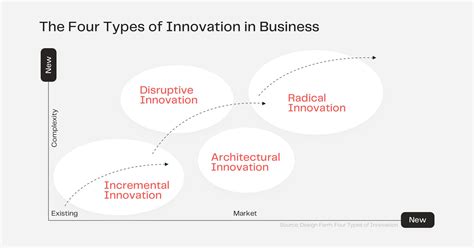
Another distinctive feature of tactical analysis software is its capacity for cross-industry learning. Insights from one sector can often inform practices in another. For instance, the military’s use of predictive modeling to anticipate enemy movements has inspired similar approaches in business for forecasting market trends. Likewise, the healthcare industry’s focus on optimizing resource allocation has influenced logistics strategies in retail and manufacturing. This cross-pollination of ideas underscores the versatility of the software and its potential to drive innovation beyond its original intent.
Despite its many advantages, the adoption of tactical analysis software is not without challenges. In sports, teams may struggle with the cost of implementing advanced systems, particularly at lower levels of competition. In the military, concerns around data security and the ethical use of AI are ongoing debates. In business, the risk of over-reliance on software predictions without human oversight can lead to suboptimal decisions. In healthcare, the complexity of integrating diverse data sources while maintaining compliance with regulations like HIPAA remains a significant hurdle. However, these challenges are not insurmountable and often serve as catalysts for further innovation in the software itself.
Looking ahead, the evolution of tactical analysis software will likely focus on greater integration with emerging technologies such as quantum computing, which could exponentially enhance its processing capabilities. Additionally, as industries become more interconnected, we may see the rise of hybrid tools that combine tactical analysis with other domains, such as environmental monitoring in military operations or personalized medicine in healthcare. These developments will further cement the role of tactical analysis software as an indispensable asset across industries.
- In sports, it enables real-time performance tracking and counter-strategy development.
- In the military, it supports mission planning and threat prediction through advanced simulations.
- In business operations, it optimizes customer experiences and supply chain efficiency.
- In healthcare, it enhances patient care, resource management, and outbreak response.
In conclusion, tactical analysis software is not merely a tool but a paradigm shift in how industries approach complex challenges. By providing actionable insights rooted in data, it empowers decision-makers to act with confidence and precision, regardless of the sector. Its applications across sports, military, business, and healthcare demonstrate not only its versatility but also its potential to reshape the future of strategic planning.
Benefits of Tactical Analysis Software
Tactical analysis software has become a cornerstone in industries ranging from military operations to sports strategy and business logistics. Its ability to process vast amounts of data in real time and present actionable insights is transforming how decisions are made across various domains. This section delves into the specific ways tactical analysis software enhances decision-making speed, accuracy, and resource optimization, offering a comprehensive view of its tangible benefits.
One of the most significant advantages of tactical analysis software is its impact on decision-making speed. In high-stakes environments, such as battlefield operations or live sports matches, the ability to make quick, informed decisions can mean the difference between success and failure. Tactical analysis software excels in this area by leveraging algorithms that can process data streams at unprecedented speeds. For example, in military scenarios, the software can integrate inputs from surveillance drones, ground sensors, and satellite imagery to provide commanders with a near-instantaneous overview of the battlefield. This eliminates the need for manual data aggregation, which might take hours or even days. Instead, decision-makers receive synthesized insights within seconds, enabling them to respond proactively to dynamic situations. Similarly, in business, supply chain managers can use tactical analysis tools to monitor inventory levels, shipping delays, and customer demand trends in real time, allowing for rapid adjustments to avoid bottlenecks or lost opportunities.
The accuracy of decisions is another area where tactical analysis software shines. Traditional decision-making often relies on human intuition or incomplete data sets, both of which are prone to errors. Tactical analysis software mitigates these risks by employing machine learning models and predictive analytics. These systems are trained on historical data to identify patterns and correlations that might not be apparent to human analysts. For instance, in sports, coaches can use tactical analysis software to evaluate player performance based on hundreds of variables, such as movement efficiency, pass completion rates, and defensive positioning. The software can highlight subtle inefficiencies or strengths that a human observer might overlook. This level of granularity ensures that decisions are not only faster but also grounded in objective, data-driven insights. In emergency response scenarios, such as natural disaster management, the software can predict the trajectory of a storm or the spread of a wildfire with a high degree of precision, enabling authorities to allocate resources more effectively and potentially save lives.
Resource optimization is perhaps the most underappreciated yet impactful benefit of tactical analysis software. Efficient use of resources—whether human, financial, or material—is critical in any strategic operation. Tactical analysis software provides a bird’s-eye view of available resources and their current utilization, enabling leaders to make informed decisions about allocation. For instance, in logistics, the software can analyze transportation routes, fuel consumption, and delivery schedules to identify cost-saving opportunities without compromising service quality. A delivery company might use the software to determine the most efficient sequence of stops for its fleet, factoring in traffic patterns, weather conditions, and package priority. This not only reduces fuel costs but also enhances customer satisfaction by ensuring timely deliveries. In the realm of project management, tactical analysis tools can assess the workload of team members, predict potential bottlenecks, and suggest reallocations of tasks to maintain productivity while avoiding burnout. This level of optimization is particularly valuable in industries with limited resources, such as non-profits or small businesses, where every dollar and hour must be used judiciously.
Another unique aspect of tactical analysis software is its ability to simulate scenarios and test potential outcomes before decisions are implemented. This feature is particularly valuable in environments where trial-and-error approaches are impractical or too costly. For example, in urban planning, city officials can use the software to model the impact of proposed infrastructure changes, such as adding bike lanes or rerouting public transport. By running simulations, they can evaluate how these changes might affect traffic flow, air quality, and public satisfaction. Similarly, in sports, coaches can simulate game scenarios to test different strategies without risking actual game outcomes. This capability not only enhances decision accuracy but also fosters a culture of proactive planning rather than reactive problem-solving.
The integration of collaborative features in modern tactical analysis software further amplifies its benefits. Many tools now include cloud-based platforms that allow multiple stakeholders to access, analyze, and discuss data in real time. This is particularly useful in cross-functional teams, where decisions require input from diverse experts. For instance, in a corporate setting, a marketing team might use tactical analysis software to evaluate campaign performance metrics, while the finance team assesses budget implications, and the operations team considers resource availability. The software facilitates seamless communication and ensures that all perspectives are considered, leading to more balanced and effective decisions. This collaborative aspect also reduces the siloing of information, which is a common pitfall in organizations that rely on fragmented systems.
Moreover, tactical analysis software supports continuous learning and adaptation. Unlike static tools or manual processes, these systems are designed to evolve with new data inputs. As more information is fed into the system, the algorithms refine their models, improving their predictive capabilities over time. This adaptability is particularly valuable in fast-changing environments, such as financial markets or competitive sports. A trading firm might use the software to analyze market trends and adjust its investment strategies in response to emerging patterns. Similarly, a sports team can use it to monitor opponent strategies throughout a season, adapting its own tactics to maintain a competitive edge. This iterative improvement ensures that decision-makers are not only reacting to the present but also preparing for future challenges.
Finally, it is worth noting how tactical analysis software contributes to risk mitigation. By providing a clear and comprehensive view of potential outcomes, the software helps decision-makers anticipate and plan for risks. For example, in project management, the software can flag dependencies that might lead to delays or identify resource conflicts that could derail a project. In military applications, it can assess the likelihood of enemy countermeasures and suggest alternative approaches to minimize exposure. This proactive risk management capability ensures that organizations are not caught off guard and can maintain operational continuity even in uncertain conditions.
In summary, the benefits of tactical analysis software are multifaceted and profound. It enhances decision-making speed by providing real-time insights, improves accuracy through data-driven models, and optimizes resources by offering a holistic view of operations. Its ability to simulate scenarios, foster collaboration, and adapt over time further solidifies its role as an indispensable tool in modern strategic planning. As industries continue to embrace digital transformation, the role of tactical analysis software will only grow, enabling organizations to navigate complexity with greater confidence and efficiency.
Technological Foundations
Tactical analysis software has evolved significantly in recent years, driven by the integration of advanced technologies that enable more precise, actionable insights. At the heart of this evolution are three core technological pillars: artificial intelligence (AI), machine learning (ML), and big data integration. These technologies work in tandem to provide the computational power, predictive capabilities, and data-driven decision-making frameworks that make modern tactical analysis tools indispensable for industries ranging from sports to military operations and business strategy.
To begin with, AI serves as the central intelligence engine within tactical analysis software. AI provides the ability to process vast amounts of structured and unstructured data in real time, identifying patterns and anomalies that would be impossible for human analysts to detect at scale. For instance, in sports, AI algorithms can analyze player movements, ball trajectories, and even environmental conditions (like field humidity or wind speed) to assess the optimal strategy for a given scenario. This is achieved through the use of neural networks, which mimic human cognitive processes to recognize complex patterns. In military contexts, AI-driven systems can evaluate battlefield dynamics by simulating thousands of potential outcomes based on historical and real-time data. This capability is not merely about automation but about augmenting human decision-making by offering alternative perspectives derived from a much broader dataset than a human could process alone.
A key subset of AI within tactical analysis software is computer vision, which allows the software to interpret visual data such as video feeds or satellite imagery. Computer vision algorithms can track player positions in sports or monitor troop movements in conflict zones. These systems rely on convolutional neural networks (CNNs), a type of deep learning model specifically designed to process pixel-level data. For example, in soccer, tactical analysis software can use computer vision to identify formations, assess player fatigue based on movement patterns, and even predict the likelihood of certain plays being successful. This level of granularity is only possible because AI can "learn" from annotated datasets—training on thousands of labeled examples of player actions, game states, and outcomes.
Closely tied to AI is machine learning (ML), which underpins the software's ability to improve its performance over time. Unlike traditional software that follows static rules, ML-enabled tactical analysis software adapts and refines its models based on new data inputs. This is particularly important in dynamic environments where the parameters of analysis can change rapidly. For instance, in retail or supply chain strategy, ML algorithms can analyze sales trends, customer behavior, and inventory levels to predict future demand with high accuracy. Here, supervised learning is often used, where the software is trained on labeled datasets (e.g., past sales data mapped to promotional events). However, unsupervised learning also plays a role, particularly in identifying hidden clusters or patterns in the data that were not previously recognized. An example of this would be identifying a previously unnoticed correlation between weather patterns and consumer purchasing behavior in a specific region.
In sports, ML is used for predictive modeling, such as forecasting how a team might perform under different lineups or strategies. For instance, an ML model might use player performance metrics (like speed, endurance, and past injuries) to simulate how a team would fare in a hypothetical match against a specific opponent. This predictive capability is not limited to sports; in military applications, ML can predict enemy movements based on terrain, weather, and historical patterns of engagement. The iterative nature of ML ensures that the software becomes increasingly effective as it is exposed to more data, which is why continuous integration of new datasets is a critical aspect of tactical analysis tools.
The third pillar, big data integration, is what fuels both AI and ML within tactical analysis software. Big data refers to the massive volumes of information generated by sensors, cameras, user devices, and other sources. Tactical analysis software must process and synthesize this data to provide meaningful insights. For example, in sports, wearable devices on athletes can generate data points such as heart rate, speed, and acceleration every second of a game. Similarly, in urban planning or military strategy, sensors embedded in infrastructure or drones can provide geospatial data that must be analyzed in near real-time. The challenge here is not just the volume of data but also its variety and velocity—data comes in different formats (video, text, numerical) and at high speeds, making traditional data processing methods inadequate.
To address this, tactical analysis software leverages distributed computing frameworks like Apache Hadoop or Spark, which can handle petabyte-scale data processing. These systems allow for the aggregation of diverse data sources—such as player performance logs, weather APIs, and social media sentiment analysis—into a unified analytical framework. Additionally, cloud computing has become a key enabler, offering scalable storage and computational power. Cloud-based platforms allow tactical analysis tools to perform resource-intensive tasks like training ML models or simulating complex scenarios without requiring on-premises hardware. This scalability is particularly important for organizations that experience fluctuating data processing needs, such as sports teams during a season or military units during a mission.
Another critical aspect of big data integration is data fusion, where multiple data streams are combined to create a more comprehensive picture. For instance, a military tactical analysis tool might integrate satellite imagery, drone footage, and ground sensor data to provide a holistic view of a battlefield. In sports, data fusion might involve combining player biometrics, video analysis, and even fan sentiment (derived from social media) to inform team strategy. This fusion requires sophisticated algorithms to ensure data consistency and relevance, as not all data points are equally important in every context.
One unique insight into the technological foundations of tactical analysis software is the role of explainability in AI and ML models. While these models are highly effective, their "black box" nature can sometimes make it difficult for users to trust or interpret their outputs. For this reason, modern tactical analysis tools are increasingly incorporating explainable AI (XAI) techniques. These methods ensure that the reasoning behind an AI-generated recommendation—such as a suggested play in sports or a proposed troop movement in combat—is transparent and understandable to human users. This is particularly important in high-stakes scenarios where decisions must be justified and defensible.
In conclusion, the technological foundations of tactical analysis software are deeply rooted in the synergistic integration of AI, ML, and big data. AI provides the intelligence to process and interpret complex scenarios, ML ensures the software adapts and improves over time, and big data integration enables the handling of vast, diverse datasets in real time. Together, these technologies create a robust framework for decision-making that is both predictive and prescriptive, offering users not just data but actionable insights. As these technologies continue to evolve, the potential applications of tactical analysis software will only expand, making it a cornerstone of strategic planning across diverse domains.
Challenges and Limitations
Tactical analysis software has become a critical tool for organizations across industries, offering advanced capabilities for decision-making, resource optimization, and operational efficiency. However, like any technology, it is not without its challenges and limitations. A thorough understanding of these potential drawbacks is essential for organizations to make informed decisions about implementation and use. This section delves into three key areas of concern: high implementation costs, data security concerns, and user adoption barriers.
One of the most immediate challenges associated with tactical analysis software is high implementation costs. Organizations often face significant upfront expenses when adopting such systems. These costs include not only the price of the software itself but also the infrastructure required to support it. For example, many tactical analysis platforms demand high-performance servers, cloud storage solutions, or specialized hardware to process large datasets efficiently. Additionally, there are costs related to system integration. Tactical analysis software rarely operates in isolation; it must interface with existing enterprise systems such as ERP, CRM, or supply chain management tools. The process of integrating these systems can be complex and resource-intensive, often requiring the expertise of external consultants or specialized IT teams. For small to medium-sized enterprises (SMEs), these costs may pose a significant barrier, potentially leading them to opt for less comprehensive solutions or forgo tactical analysis capabilities altogether. Even for larger organizations, the return on investment (ROI) can be uncertain, particularly if the software is not fully utilized or if the organization lacks the internal expertise to derive actionable insights from the data. This financial pressure highlights the need for a clear cost-benefit analysis before committing to such solutions.
Another critical concern is data security. Tactical analysis software often relies on vast amounts of sensitive data to generate insights. This data may include proprietary business information, customer details, operational metrics, and even competitive intelligence. The more data the software processes, the greater the potential risk of a security breach. Organizations must ensure that the software adheres to robust security protocols, including encryption, access controls, and regular vulnerability assessments. However, even with these measures in place, the risk of data breaches remains a persistent threat. Cloud-based tactical analysis platforms introduce additional complexities, as data is stored and processed on third-party servers. While reputable vendors typically offer strong security guarantees, organizations must carefully vet these providers to ensure compliance with industry standards such as GDPR, HIPAA, or ISO 27001. Furthermore, the risk is not limited to external threats; internal vulnerabilities, such as employee negligence or malicious intent, can also compromise security. For instance, if access controls are poorly configured, sensitive data might be exposed to unauthorized personnel within the organization. These concerns necessitate a comprehensive data governance framework, which can itself be a resource-intensive undertaking.
In addition to financial and security challenges, user adoption barriers represent a significant hurdle in the successful implementation of tactical analysis software. Even the most advanced software is ineffective if end-users are unwilling or unable to use it effectively. One common issue is the steep learning curve associated with these tools. Tactical analysis platforms often feature complex interfaces, advanced analytical models, and intricate dashboards that require specialized training to navigate. This can be particularly challenging for organizations with a diverse workforce, where not all employees may have the technical proficiency to use the software confidently. Moreover, resistance to change is a well-documented phenomenon in organizational settings. Employees accustomed to legacy systems or manual processes may view the introduction of new software as a disruption rather than an improvement. This resistance can manifest as skepticism about the software's value, reluctance to participate in training sessions, or outright refusal to adopt the tool. To address this, organizations must invest in change management strategies, including clear communication about the benefits of the software, hands-on training programs, and ongoing support to help users feel comfortable with the new system. Without these measures, user adoption rates may remain low, undermining the software’s potential impact.
Another aspect of user adoption barriers is the misalignment between software capabilities and organizational needs. Tactical analysis software is often marketed as a one-size-fits-all solution, but in practice, it may not align perfectly with an organization's specific operational context. For example, a platform designed for retail analytics may not adequately address the needs of a manufacturing firm, or vice versa. This misalignment can lead to frustration among users who find the software's features either too generic or too narrowly focused. Organizations must therefore prioritize thorough needs assessment and vendor evaluation processes to ensure they select a platform that closely matches their unique requirements. Furthermore, even when the software is well-suited to the organization, there is often a delay in realizing its full potential. Users may take time to explore and master the platform’s features, and during this period, the perceived value of the software can diminish. Organizations must be patient and proactive in fostering a culture of continuous learning and improvement to mitigate this challenge.
Beyond these primary concerns, there are additional limitations that warrant consideration. For instance, data quality issues can undermine the effectiveness of tactical analysis software. If the input data is incomplete, inaccurate, or outdated, the insights generated by the system may be flawed or misleading. This is particularly problematic in dynamic environments where real-time data is critical for decision-making. Organizations must invest in robust data collection and validation processes to ensure the integrity of the information fed into the system. Similarly, there is the challenge of over-reliance on automation. While tactical analysis software can streamline decision-making, it is not a substitute for human judgment. Over-reliance on the software’s recommendations without critical evaluation can lead to suboptimal decisions, particularly in scenarios where contextual nuances or ethical considerations are paramount. Organizations must strike a balance between leveraging the software’s analytical power and maintaining human oversight.
Finally, scalability and long-term adaptability are areas of concern. Tactical analysis software must evolve alongside the organization’s changing needs. As businesses grow or diversify, their analytical requirements may shift, necessitating upgrades or changes to the software. However, not all platforms are equally scalable or adaptable. Some systems may become obsolete as new technologies emerge, or they may struggle to handle increased data volumes and complexity. This can result in the need for costly migrations to newer platforms or the addition of supplementary tools, further compounding the financial and operational burden. Organizations should prioritize solutions that offer modularity and flexibility to accommodate future growth and changing industry landscapes.
In summary, while tactical analysis software offers transformative potential, it is not a panacea. Organizations must navigate high implementation costs, address data security concerns, and overcome user adoption barriers to fully realize the benefits of these tools. By acknowledging these challenges and proactively addressing them through strategic planning, robust security measures, and effective change management, organizations can position themselves to maximize the value of tactical analysis software while minimizing its drawbacks.
Case Studies and Success Stories
Tactical analysis software has become an indispensable tool for organizations across various industries, enabling them to make data-driven decisions, optimize operations, and achieve measurable success. This section delves into real-world case studies and success stories that illustrate how different organizations have leveraged this technology to address specific challenges and achieve transformative outcomes.
One of the most striking examples comes from the **sports industry**, where tactical analysis software has revolutionized coaching and player performance. A prominent soccer team in Europe, let’s call them Team A, was struggling with inconsistent gameplay despite having a talented roster. Their coaching staff implemented a tactical analysis platform that used advanced video tracking and machine learning algorithms to analyze player movements, ball possession patterns, and opponent strategies during matches. The software provided heatmaps of player activity, detailed statistics on pass accuracy, and insights into defensive vulnerabilities. Over a single season, the team saw a **15% improvement in ball retention rates** and a **20% reduction in goals conceded** due to targeted defensive adjustments recommended by the software. This not only boosted their standing in the league but also enhanced player confidence and cohesion, demonstrating how tactical analysis software can provide actionable insights that directly impact performance.
In the **retail sector**, tactical analysis software has proven its worth in optimizing supply chain operations. A global e-commerce giant, Company B, faced challenges in predicting demand fluctuations for seasonal products. Their legacy forecasting models were often inaccurate, leading to overstocking or stockouts, both of which eroded profitability. By adopting tactical analysis software that integrated real-time sales data, regional weather forecasts, and social media sentiment analysis, the company was able to refine its inventory management. The software’s predictive algorithms identified a previously unnoticed correlation between rainy weather in specific regions and increased sales of umbrellas and waterproof gear. Armed with this insight, Company B pre-positioned inventory in these areas, resulting in a **30% increase in sales during the rainy season** and a **10% reduction in inventory holding costs**. This case underscores how tactical analysis software can uncover hidden patterns in data that are otherwise difficult to detect through traditional methods.
Another compelling example lies in the **public safety domain**, where law enforcement agencies have used tactical analysis software to enhance crime prevention strategies. A city police department in the United States faced rising incidents of property theft in high-density urban areas. They deployed a software solution that combined geospatial mapping with historical crime data and real-time incident reporting. The platform used clustering algorithms to identify "hot zones" where thefts were most likely to occur based on time of day, proximity to public transport hubs, and even local events like concerts or parades. By reallocating patrol resources to these hot zones during peak risk periods, the department reported a **25% decrease in property theft incidents** within six months. Additionally, the software enabled officers to visualize crime trends over time, helping them anticipate future crime waves and take proactive measures. This case demonstrates how tactical analysis software can be a force multiplier for organizations tasked with protecting communities.
In the **healthcare industry**, tactical analysis software has played a critical role in improving patient outcomes. A mid-sized hospital chain implemented an analytics platform to address long patient wait times in their emergency departments. The software analyzed patient flow data, staff schedules, and resource utilization to identify bottlenecks. For instance, it revealed that a significant delay occurred during the triage process because nurses were manually inputting patient information into multiple systems. By automating this process and streamlining workflows based on the software’s recommendations, the hospital reduced average wait times by **40 minutes per patient**. Moreover, the platform’s predictive capabilities allowed the hospital to anticipate surges in patient volume during flu season, enabling them to schedule additional staff and resources in advance. This not only improved patient satisfaction but also reduced staff burnout, showcasing how tactical analysis software can address both operational and human-centric challenges in healthcare settings.
The **energy sector** provides another fascinating use case. A renewable energy company, Company C, was grappling with the inefficiency of their wind turbine maintenance schedules. Traditional maintenance relied on fixed intervals, which often led to either premature servicing or unexpected breakdowns. By deploying tactical analysis software equipped with IoT integration and predictive maintenance algorithms, the company was able to monitor turbine performance in real time. Sensors on the turbines fed data into the software, which analyzed vibration patterns, temperature fluctuations, and energy output to predict when maintenance was actually needed. This shift from reactive to proactive maintenance resulted in a **20% reduction in downtime** and a **15% increase in energy output** over a year. Furthermore, the software’s ability to identify underperforming turbines allowed the company to prioritize upgrades, saving millions in potential revenue losses. This example highlights how tactical analysis software can drive efficiency and sustainability in industries reliant on complex machinery.
These examples also highlight a common thread: the importance of **user adoption and customization**. Tactical analysis software is not a one-size-fits-all solution. In each of these cases, success was contingent on tailoring the software to the specific needs of the organization. For instance, Team A worked closely with the software provider to integrate their existing video analysis tools, while Company B invested in training their supply chain managers to interpret and act on the platform’s insights. Such customization ensures that the software delivers maximum value rather than becoming just another underutilized tool in the organization’s arsenal.
Another key takeaway from these case studies is the role of **continuous improvement**. Tactical analysis software is not a static solution; it evolves as organizations gather more data and refine their processes. For example, the police department mentioned earlier expanded their use of the software to include community engagement metrics, such as response times to public complaints, after seeing initial success in crime prevention. Similarly, the hospital chain began using the platform to analyze patient feedback surveys, further enhancing their service quality.
Finally, it is worth noting the **cross-industry applicability** of tactical analysis software. While the examples provided span sports, retail, public safety, healthcare, and energy, the underlying principle remains the same: the ability to turn complex data into actionable strategies. Whether it’s optimizing a soccer team’s formation or streamlining a hospital’s operations, the software serves as a unifying tool for organizations looking to gain a competitive edge.
- In sports, it enhances performance and strategy.
- In retail, it refines inventory management and boosts sales.
- In public safety, it aids in crime prevention and resource allocation.
- In healthcare, it improves patient flow and outcomes.
- In energy, it supports proactive maintenance and efficiency.
These diverse applications demonstrate that tactical analysis software is not limited to a single domain but is a versatile enabler of success across industries. Organizations willing to invest in this technology—and commit to its proper implementation and evolution—can expect to see not just incremental improvements but transformative results that redefine how they operate and compete.
Future Trends in Tactical Analysis
The landscape of tactical analysis software is evolving rapidly, driven by advancements in technology and the increasing demand for real-time, data-driven decision-making across industries such as sports, military operations, and business strategy. As organizations seek to gain a competitive edge, the future of tactical analysis is being shaped by emerging trends that promise to enhance efficiency, accuracy, and adaptability. Among these trends, increased automation, cloud-based solutions, and integration with IoT devices stand out as transformative forces that will redefine how tactical analysis is conducted and utilized.
One of the most significant shifts in tactical analysis software is the move toward increased automation. Traditionally, tactical analysis required manual input and interpretation of data, which was both time-consuming and prone to human error. However, with the advent of machine learning (ML) and artificial intelligence (AI), automation is becoming a cornerstone of modern tactical tools. For instance, AI-powered systems can now process vast amounts of data—such as player movements in sports or sensor readings in military scenarios—and identify patterns or anomalies in real time. This capability not only reduces the workload on analysts but also enables faster and more accurate decision-making. Automated systems can predict outcomes based on historical data and suggest optimal strategies, effectively acting as co-pilots for human decision-makers. In sports, for example, AI can analyze player performance metrics during a game and recommend substitutions or tactical adjustments tailored to the current state of play. Similarly, in military applications, automation can process battlefield data to suggest troop deployments or resource allocations with minimal human intervention. This trend is particularly valuable in high-stakes environments where rapid responses are critical.
Another transformative trend is the adoption of cloud-based solutions in tactical analysis software. The cloud offers unparalleled scalability and accessibility, allowing users to access analytical tools and datasets from anywhere in the world. This shift is particularly impactful for organizations that operate across multiple locations or require collaborative efforts among distributed teams. For example, in the sports industry, coaches and analysts can now use cloud platforms to share game footage, performance metrics, and tactical insights instantly with players and staff, regardless of their physical location. In military or emergency response scenarios, cloud-based systems enable real-time sharing of operational intelligence, ensuring that all stakeholders are working with the most up-to-date information. Additionally, cloud-based solutions reduce the need for expensive on-premises hardware, making advanced tactical analysis tools more accessible to smaller organizations or those with limited budgets. Furthermore, the cloud facilitates the integration of large-scale datasets, such as historical performance records or environmental conditions, which can be analyzed alongside live data to provide a comprehensive view of the situation. However, this trend also comes with challenges, such as data security and privacy concerns. Tactical analysis software providers must invest in robust encryption and compliance measures to address these issues and build trust among users.
The third major trend is the integration of tactical analysis software with IoT (Internet of Things) devices. IoT devices—ranging from wearable sensors in sports to smart sensors in industrial or military settings—are generating an unprecedented volume of real-time data. Tactical analysis software is increasingly designed to interface directly with these devices, enabling the collection and analysis of live data streams. In sports, for instance, IoT-enabled wearables can track an athlete’s heart rate, speed, and movement patterns during training or competition. This data can be fed into tactical analysis software to provide coaches with actionable insights, such as identifying when a player is at risk of fatigue or injury. In military applications, IoT devices like drones, smart cameras, and autonomous vehicles can feed live situational data into analysis platforms, allowing commanders to make informed decisions based on a constantly updated view of the battlefield. Similarly, in industrial settings, IoT sensors can monitor equipment performance or environmental conditions, providing tactical insights for operational efficiency or risk mitigation. The integration of IoT devices with tactical analysis software also opens the door to predictive analytics. For example, by combining IoT data with machine learning models, software can forecast potential equipment failures or anticipate opponent strategies in competitive settings. However, this trend also raises questions about data overload and the need for sophisticated filtering mechanisms to ensure that analysts are not overwhelmed by irrelevant or redundant information.
These trends are also converging in ways that amplify their individual impacts. For example, cloud-based platforms can serve as the backbone for integrating IoT data streams and automating analytical processes. A sports team might use IoT wearables to collect player data during a match, upload this data to a cloud-based platform, and then use AI-driven automation to generate real-time tactical recommendations. Similarly, in military operations, IoT-enabled drones might provide live battlefield data to a cloud system, where AI algorithms analyze the information and suggest strategic responses. This convergence highlights the importance of interoperability—ensuring that different systems, devices, and platforms can communicate seamlessly. Without robust interoperability, the potential of these technologies may be limited by siloed data or incompatible systems.
Another critical consideration in the evolution of tactical analysis software is the role of user experience (UX) design. As these tools become more complex and feature-rich, it is essential to ensure that they remain intuitive and accessible to non-technical users. This is particularly important in fields like sports or emergency response, where decision-makers may not have extensive technical expertise. Providers of tactical analysis software are increasingly focusing on user-friendly interfaces, customizable dashboards, and visualization tools that present complex data in easily digestible formats. For instance, augmented reality (AR) and virtual reality (VR) are being explored as ways to present tactical insights in immersive environments, allowing users to "see" data overlays in real-world contexts.
The future of tactical analysis software is also likely to be influenced by ethical and regulatory considerations. As automation and IoT integration increase the volume of data being collected and analyzed, questions about data ownership, consent, and ethical use will become more pressing. For example, in sports, there is growing concern about how player data is used and whether athletes have control over how their performance metrics are shared or monetized. In military and security contexts, the ethical use of AI and IoT data in surveillance or decision-making processes will require careful oversight to avoid misuse. Providers of tactical analysis software will need to navigate these challenges by adopting transparent practices and adhering to emerging regulations, such as GDPR in Europe or similar frameworks in other regions.

In conclusion, the future of tactical analysis software is marked by a convergence of automation, cloud-based solutions, and IoT integration. These trends are not isolated but are part of a broader shift toward more dynamic, interconnected, and intelligent systems. Organizations that embrace these innovations will gain the ability to make faster, more informed decisions, whether on the sports field, the battlefield, or in the boardroom. However, success will depend on addressing challenges such as data security, interoperability, and ethical concerns. Tactical analysis software is not just a tool for the present—it is a foundation for the future of strategic decision-making in an increasingly data-driven world.
How to Choose the Right Software
Selecting the right tactical analysis software is a critical decision for organizations aiming to enhance their operational efficiency, improve decision-making, and maintain a competitive edge. With a plethora of options available in the market, it is easy to feel overwhelmed. However, a structured approach that focuses on business needs, scalability, and vendor support can help narrow down the choices and ensure a sound investment. This guide provides a detailed framework to evaluate and choose software tailored to your organization's unique requirements.
The first and most important step in the selection process is to clearly define your **business needs**. Tactical analysis software serves a wide range of industries, from military and law enforcement to corporate strategy and sports analytics. Each of these fields has distinct requirements that the software must address. For instance, a company in logistics might prioritize route optimization and real-time tracking, while a sports team may need video playback integration and player performance metrics. Start by identifying the core problems your organization faces that the software should solve. This could include data visualization, predictive modeling, or collaborative reporting capabilities. Create a list of must-have features versus nice-to-have ones; this prioritization will act as a filter when evaluating different solutions.
Once the features are outlined, consider how well the software aligns with your **workflow and existing systems**. Tactical analysis tools often need to integrate with other enterprise software such as customer relationship management (CRM) platforms, enterprise resource planning (ERP) systems, or even proprietary databases. Seamless integration reduces the friction of adoption and ensures that data flows smoothly across departments. Evaluate whether the software supports open APIs or has pre-built connectors for the tools your organization already uses. A lack of integration can lead to siloed data, inefficiencies, and higher costs in the long term. Additionally, assess whether the software supports the file formats and data types relevant to your operations, such as geospatial data, video feeds, or structured datasets.
The second critical factor is **scalability**. Tactical analysis software must grow with your organization. While it is tempting to select a tool based solely on its current fit, it is essential to evaluate its ability to handle increased data volumes, more users, or more complex analyses as your business expands. Scalability can be assessed in terms of both technical performance and licensing models. For instance, does the software support multi-user environments or allow for role-based access controls? Can it process large datasets without significant lag? Cloud-based solutions often offer better scalability compared to on-premise systems because they can dynamically allocate resources based on demand. However, on-premise solutions might be preferable for organizations with stringent data security requirements or those operating in regions with limited internet connectivity. Consider your organization's growth trajectory and choose a solution that can adapt without requiring a complete overhaul in a few years.
Another dimension of scalability is the **user experience**. As your team grows, the software should remain intuitive and manageable for both technical and non-technical users. Look for features like customizable dashboards, role-specific views, and training resources provided by the vendor. A highly scalable system is one that can be used effectively by a small team today and by a larger, more distributed team in the future without a steep learning curve.
The third pillar of selection is **vendor support and service quality**. Even the most advanced software can become a liability if the vendor fails to provide adequate support. Begin by researching the vendor's reputation in the industry. Look for case studies, customer testimonials, and online reviews to gauge their track record. Pay attention to how they handle post-sales support, such as bug fixes, feature updates, and user training. A vendor that offers regular software updates demonstrates a commitment to staying current with technological advancements and addressing user feedback. This is particularly important in tactical analysis, where the landscape of threats, opportunities, and data sources is constantly evolving.
When evaluating vendor support, consider the following questions:
- Does the vendor offer 24/7 customer support, or are their services limited to specific time zones?
- Is there a dedicated account manager or technical support team assigned to your organization?
- What is the average response time for resolving issues or queries?
- Does the vendor provide comprehensive documentation, user guides, and training materials?
- Are there additional costs for support services, or are they included in the subscription or purchase fee?
Answering these questions can help you assess whether the vendor is a true partner in your organizational success or merely a provider of tools.
A related aspect of vendor support is their approach to **customization and flexibility**. Tactical analysis needs can vary significantly even within the same industry. Some vendors offer highly customizable platforms that allow users to build tailored workflows, while others provide standardized solutions that may not adapt well to unique requirements. If your organization has niche needs—such as specialized algorithms or unique data visualization methods—ensure the software can accommodate these through configuration options or modular add-ons. Be wary of vendors that lock you into rigid systems with limited room for adaptation.
Cost is inevitably a factor in the decision-making process, but it should not be the sole determinant. While it is important to stay within budget, organizations should also consider the **total cost of ownership (TCO)** rather than just the upfront price. TCO includes not only the software license but also implementation costs, training expenses, maintenance fees, and potential costs associated with scaling the system. Some vendors offer subscription-based pricing models that include updates and support, which can be more cost-effective in the long run compared to one-time purchase options that may require additional investment for upgrades. Always request a detailed cost breakdown and compare it against the expected return on investment (ROI).
Finally, consider the **security and compliance** features of the software. Tactical analysis often involves sensitive data, whether it is customer information, trade secrets, or operational plans. Ensure the software adheres to industry standards like GDPR, HIPAA, or ISO 27001, depending on your organization's regulatory environment. Ask the vendor about their data encryption protocols, access control mechanisms, and disaster recovery plans. A breach in security could not only result in financial loss but also damage your organization's reputation.
In summary, choosing the right tactical analysis software requires a holistic evaluation of business needs, scalability, and vendor support. By focusing on these areas, organizations can avoid costly missteps and invest in a solution that not only meets current requirements but also supports future growth. A thorough assessment process, combined with clear priorities and a critical eye on vendor capabilities, ensures that the selected software becomes a valuable asset rather than a source of operational friction.
Conclusion and Call to Action
In this white paper, we have explored the multifaceted role of tactical analysis software in modern decision-making processes across industries ranging from sports and military operations to business strategy and urban planning. These tools are not merely conveniences but have become indispensable in a world where data-driven insights can mean the difference between success and failure. By synthesizing vast amounts of information into actionable intelligence, tactical analysis software enables users to anticipate challenges, adapt strategies in real time, and maintain a competitive edge in dynamic environments.
One of the core takeaways from this discussion is the sheer versatility of tactical analysis software. Whether it is used to optimize player performance on a soccer field, streamline supply chain logistics for global enterprises, or enhance situational awareness for first responders, the underlying principle remains the same: these tools transform raw data into strategic clarity. For instance, in sports, the use of player tracking systems and heatmaps has revolutionized coaching by providing granular insights into player movement, stamina, and tactical positioning. Similarly, in military contexts, the integration of geospatial data with predictive analytics allows commanders to simulate scenarios and devise optimal deployment strategies with minimized risk.
Another significant point is the evolution of accessibility in tactical analysis software. Historically, these tools were the domain of large organizations with substantial budgets and dedicated technical teams. However, advancements in cloud computing, user interface design, and machine learning have democratized access. Today, small businesses, local sports teams, and even individual analysts can leverage these platforms without the need for extensive technical expertise. This shift has not only broadened the user base but has also accelerated innovation as more diverse use cases emerge. For example, urban planners in developing regions are now using tactical software to model traffic flows and optimize public transport systems, a task that was once considered out of reach due to cost and complexity.
The impact of real-time capabilities cannot be overstated. Tactical analysis software has moved beyond static reports and post-event evaluations to provide real-time feedback loops. In a business scenario, this might mean adjusting marketing campaigns mid-flight based on consumer behavior analytics. In emergency response, it could involve dynamically rerouting resources to address a sudden surge in demand. The ability to act on live data is particularly critical in high-stakes environments where delays can lead to irreversible consequences. This real-time functionality underscores the software’s role not just as a diagnostic tool but as an active participant in strategy formulation and execution.
However, it is important to acknowledge the challenges and limitations associated with tactical analysis software. One such challenge is the quality of input data. These tools are only as effective as the data they process. Inaccurate, incomplete, or biased datasets can lead to flawed conclusions, which in turn can undermine trust in the software. Additionally, there is the issue of overreliance on automation. While these tools provide powerful insights, they are not infallible. Human judgment remains a critical component in interpreting results and making final decisions. Organizations must strike a balance between leveraging the software’s capabilities and maintaining the human oversight necessary to ensure ethical and contextually appropriate outcomes.
Another area of concern is the need for ongoing training and adaptation. Tactical analysis software is not a "set it and forget it" solution. As industries evolve and new challenges arise, users must continually update their knowledge of the software’s features and integrate new data sources. For example, the rapid adoption of IoT devices has introduced new streams of real-time data that require integration into existing analysis frameworks. Organizations that fail to invest in regular training and system updates risk falling behind competitors who are more agile in adapting to technological shifts.
Despite these challenges, the case for adopting tactical analysis software is compelling. The benefits—ranging from improved efficiency and resource optimization to enhanced strategic foresight—far outweigh the costs and complexities. For organizations still on the fence, it is worth considering the opportunity cost of not adopting these tools. In a competitive landscape where rivals are likely using similar technologies to gain an edge, the absence of tactical analysis software can result in missed opportunities, inefficiencies, and even operational failures. The question is no longer whether such tools are necessary but how quickly and effectively they can be integrated into existing workflows.
To this end, we encourage readers to take the next step by exploring the available options in the market. Begin with a clear understanding of your specific needs and objectives. Are you looking to improve team performance, streamline operations, or gain a competitive edge in a crowded market? Identify the features that are most relevant to your goals, such as real-time analytics, customizable dashboards, or AI-driven predictive modeling. Many providers offer trial periods or demo versions, which can be an excellent way to test the software’s compatibility with your requirements before making a commitment.
Additionally, consider the long-term implications of adopting tactical analysis software. This is not merely a tool for short-term gains but a foundational investment in future-proofing your organization. As the volume and complexity of data continue to grow, those who are equipped with robust analytical capabilities will be better positioned to navigate uncertainty and seize emerging opportunities. Whether you are a coach aiming to refine your team’s strategy, a business leader optimizing supply chains, or a public official improving urban infrastructure, the adoption of tactical analysis software is a step toward greater resilience and adaptability.
Finally, we urge readers to view this not as an endpoint but as the beginning of a journey. The field of tactical analysis is dynamic, with new innovations and applications emerging regularly. Stay informed about the latest developments, participate in industry forums, and engage with communities of practice to share insights and learn from others’ experiences. By doing so, you can not only maximize the value of tactical analysis software but also contribute to its ongoing evolution.
- Summarizing the key points, tactical analysis software is a powerful enabler of data-driven decision-making across diverse domains.
- Its versatility, real-time capabilities, and increasing accessibility make it a transformative tool for organizations of all sizes.
- However, success depends on addressing challenges like data quality, overreliance on automation, and the need for regular training.
- The call to action is clear: evaluate your needs, explore available tools, and take the first step toward integrating tactical analysis software into your operations.
In conclusion, the adoption of tactical analysis software is not just a strategic choice—it is a necessary evolution in how we approach problem-solving and decision-making in an increasingly complex world. The tools are here, the opportunities are vast, and the time to act is now. By embracing these technologies, you position yourself not just to survive in a competitive landscape but to thrive and lead.


