Introduction to Ball Possession
Ball possession in soccer is a fundamental concept that refers to the amount of time a team has control of the ball during a match. It is often expressed as a percentage, indicating how much of the game each team spends in possession of the ball. While the idea seems straightforward, its implications are profound, shaping team dynamics, tactical approaches, and even the philosophy of play. At its core, ball possession is not merely about keeping the ball but about how it is used to dominate the game, create scoring opportunities, and disrupt the opponent's rhythm.
The significance of ball possession in soccer lies in its ability to provide a team with greater control over the flow of the game. A team with high possession can dictate the pace, forcing opponents to adapt to their style rather than imposing their own. This control often translates into psychological advantages—teams with sustained possession can frustrate opponents, leading to mistakes or defensive lapses. Additionally, ball possession minimizes the opponent's chances of launching attacks, as they are relegated to chasing the ball rather than building their own plays. This aspect is particularly crucial in high-stakes matches, where limiting the opposition's opportunities can be as important as creating one's own.
In modern soccer, ball possession has evolved into a central tenet of many successful strategies. Teams like FC Barcelona under Pep Guardiola or the Spanish national team during their dominant period in the early 2010s exemplify how possession-oriented play can become a winning formula. These teams utilized possession not just as a means of attack but as a form of defense. By keeping the ball for extended periods, they reduced the time opponents had to threaten their goal. This approach, often referred to as "tiki-taka," emphasized short, precise passes, quick movement off the ball, and an almost obsessive focus on retaining possession. While this style has been both celebrated and criticized—some argue it can lead to sterile domination without sufficient penetration—it underscores how ball possession can be a tool for imposing a team's will on the game.
However, ball possession is not solely about aesthetics or control; it has practical implications rooted in the physical and tactical demands of the sport. A team that maintains possession effectively can conserve energy by reducing the need for constant defensive recovery. Players spend less time chasing the ball and more time positioning themselves strategically. This energy conservation can be a decisive factor, especially in matches with extra time or during congested fixture schedules. Moreover, possession-oriented teams often deploy players in specific roles to facilitate this style—deep-lying playmakers, box-to-box midfielders, and wingers comfortable in tight spaces are essential cogs in such systems.
The role of ball possession in modern gameplay strategies is multifaceted. One of its key functions is to create spatial dominance. Teams that prioritize possession often aim to stretch the opposition by moving the ball laterally and vertically across the pitch. This stretching forces defenders to cover larger areas, opening gaps that can be exploited by quick, incisive passes or runs. For instance, a team might use a high possession percentage to lure defenders out of position, creating space for a forward to make a penetrating run. This interplay between possession and spatial manipulation is a hallmark of teams that excel in modern soccer.
Another critical aspect of ball possession is its relationship with pressing and counterpressing. Teams that value possession often implement a high-pressing system when they lose the ball. This approach, known as counterpressing or "gegenpressing," involves immediately trying to win the ball back after losing it, typically within seconds. The logic is simple: if a team is structured to maintain possession, they are also better positioned to press cohesively when possession is lost. This synergy between possession and pressing has been a hallmark of teams like Jürgen Klopp's Liverpool, where possession is not just about calm, methodical play but also about aggressive recovery when the ball is lost.
It is also worth noting that ball possession is not universally the "best" strategy in soccer. Counterattacking teams, for example, often cede possession intentionally to exploit spaces left by possession-heavy opponents. This dichotomy highlights an important nuance: ball possession is a means to an end, not an end in itself. A team with 70% possession but no clear chances is no better off than a team with 30% possession that creates multiple opportunities. This has led to debates about the value of possession statistics—while high possession often correlates with success, it is not a guarantee. Teams must balance possession with efficiency, ensuring that their time on the ball leads to meaningful actions such as shots on goal or penetrating passes.
The evolution of analytics in soccer has further deepened the understanding of ball possession. Advanced metrics now allow coaches and analysts to evaluate not just how much of the ball a team has, but how they use it. For instance, metrics like "progressive passes" and "passes into the final third" provide a clearer picture of whether a team's possession is leading to goal-scoring opportunities. These insights have shifted the narrative around possession—it is no longer enough to simply have the ball; teams must use it purposefully. This analytical shift has also led to the rise of hybrid strategies, where teams blend possession play with moments of directness to keep opponents guessing.
Another dimension of ball possession's role in modern soccer is its psychological impact on players and fans. A team that dominates possession often projects an aura of confidence and control, which can demoralize opponents and energize supporters. Conversely, teams that struggle to gain possession may feel a sense of helplessness, especially if they are unable to disrupt the rhythm of the possession-heavy side. This psychological layer adds another dimension to the strategic importance of ball possession, as it can influence not just the players on the pitch but also the broader narrative of the match.
In summary, ball possession in soccer is far more than a statistic—it is a dynamic and multifaceted element of the game that influences tactics, energy management, spatial control, and psychological warfare. While it is not the only path to success, its role in modern gameplay strategies is undeniable. From the intricate passing networks of possession-focused teams to the counterpressing systems that marry control with aggression, ball possession remains a central pillar of soccer's evolving landscape. Understanding its nuances is essential for appreciating how the game is played and won in the contemporary era.
Historical Evolution of Possession-Based Play
The concept of possession-based play in soccer has deep historical roots, evolving over decades to become one of the defining philosophies of the modern game. This approach emphasizes maintaining control of the ball for extended periods, using it as a tool to dictate the tempo, wear down opponents, and create scoring opportunities. To understand its development, we must trace its origins and examine the tactical innovations and influential teams that shaped this style of play.
The earliest iterations of possession-focused soccer can be linked to the **Scottish passing game** of the late 19th century. While soccer in its infancy was characterized by chaotic, individualistic play—often referred to as "kick and rush"—Scottish teams like **Queen's Park** introduced a more methodical, collective approach. They prioritized short, accurate passes and positional awareness over brute force and direct running. This was a radical departure from the prevalent English style of the time, which often involved long balls and physical duels. The Scottish teams demonstrated that retaining the ball and patiently probing for openings could be just as effective, if not more so, in breaking down defenses. This early form of possession play was not as structured as modern systems, but it laid the groundwork for the idea that ball control could be a strategic advantage.
The next significant step in the evolution of possession-based play came during the mid-20th century with the emergence of **Hungary's "Golden Team"** of the 1950s. Coached by **Gusztáv Sebes**, this side revolutionized soccer with their fluid movement and intricate passing patterns. Players like **Ferenc Puskás**, **Nándor Hidegkuti**, and **Sándor Kocsis** were part of a system that relied on keeping the ball and using positional interchanges to confuse opponents. The 6-3 victory over England at Wembley in 1953 showcased this philosophy in full effect. Hungary's ability to maintain possession while constantly shifting their shape made them nearly unplayable. Their success was not just a result of individual brilliance but of a collective understanding of space and ball retention. This era marked the first time possession was seen as a weapon to dominate games rather than merely a byproduct of skillful play.
However, the true zenith of possession-based play as a formalized tactic arrived with **Total Football**, pioneered by the Dutch in the 1970s. Under the guidance of **Rinus Michels** and later refined by **Johan Cruyff**, **Ajax** and the **Netherlands national team** redefined the possibilities of ball retention. Total Football was built on the principle that any outfield player could occupy any position on the field, provided the team maintained its shape and the ball was circulated efficiently. This required an extraordinary level of technical proficiency and spatial awareness. The Dutch teams of this era did not merely keep the ball; they used possession as a means of **disorienting opponents**. Their fluid passing and movement made it nearly impossible for defenders to track players or anticipate attacks. The 1974 World Cup, where the Dutch reached the final, is often cited as the pinnacle of this philosophy. While they did not win the tournament, their influence on possession-oriented soccer was indelible.
The 1990s saw a refinement of possession play through the rise of **Arsène Wenger's Arsenal** and the early work of **Pep Guardiola** as a player under **Johan Cruyff** at Barcelona. Wenger's Arsenal was one of the first teams in the Premier League to prioritize ball retention as a means of controlling games. While not as extreme as Total Football, Wenger's approach emphasized quick, short passing and maintaining a high line to suffocate opponents in their own half. This was a pragmatic adaptation of possession play suited to the physicality of English soccer.
The late 2000s and early 2010s witnessed the most systematic and influential iteration of possession-based play under **Pep Guardiola's Barcelona**. Guardiola, influenced by Cruyff's principles, took ball retention to an almost obsessive level with his implementation of **tiki-taka**. This style was characterized by rapid, short passes, a high defensive line, and an unwavering commitment to keeping the ball. Barcelona's success during this period—winning numerous domestic and European titles—was a testament to the effectiveness of tiki-taka. The team's core philosophy was not just about possession for possession's sake but about using the ball to **control space and time**. Players like **Xavi**, **Iniesta**, and **Lionel Messi** were instrumental in executing this vision, as they combined technical excellence with an almost telepathic understanding of their roles within the system.
It is worth noting that possession-based play has not been without its critics. Some argue that it can lead to **sterile domination**, where teams prioritize keeping the ball over creating clear-cut chances. This criticism became particularly prominent during the later years of Guardiola's Barcelona and during **Spain's dominance** at the 2010 World Cup and Euro 2012. Opponents began to develop counter-strategies, such as **parking the bus** or employing high-pressing systems to disrupt the flow of possession. This dynamic highlights an important evolution: possession play is not static but must adapt to the tactical responses of opponents.
In recent years, possession-focused play has diversified. Teams like **Liverpool under Jürgen Klopp** and **Manchester City under Guardiola** have shown that possession can coexist with high-intensity pressing and direct attacks. Klopp's **gegenpressing** system, for instance, uses possession as a means to set traps for opponents, regaining the ball high up the pitch and launching rapid attacks. This hybrid approach demonstrates that possession is no longer a singular philosophy but a flexible tool within broader tactical frameworks.
The historical development of possession-based play also reflects broader trends in soccer's globalization. As the sport spread across continents, different cultures adapted possession tactics to suit their unique styles. For example, **South American teams** like **Brazil** have often blended possession with individual flair, creating a more expressive form of ball retention. Meanwhile, **African teams** have occasionally used possession as a means of conserving energy in high-stakes tournaments, showing how environmental and cultural factors can shape tactical choices.
In conclusion, the historical evolution of possession-based play in soccer reveals a fascinating interplay between innovation, adaptation, and context. From the Scottish passing game to tiki-taka and modern hybrid systems, possession has been shaped by visionary coaches, exceptional players, and the ever-changing demands of the sport. What began as a simple idea—keeping the ball to control the game—has grown into a complex and multifaceted strategy that continues to define soccer at its highest level.
- The Scottish passing game introduced the idea of collective ball control.
- Hungary's Golden Team showcased possession as a tool for dominance.
- Total Football elevated possession to an art form with fluid movement.
- Tiki-taka brought possession to its most systematic and obsessive form.
- Modern iterations blend possession with pressing and adaptability.
This section provides a comprehensive overview of how possession-focused tactics have evolved, offering unique insights into the teams, coaches, and eras that have shaped this philosophy.
Key Metrics for Measuring Ball Possession
Ball possession in soccer is a critical aspect of gameplay that has evolved from a simple observational metric to a sophisticated analytical tool used by coaches, analysts, and teams to gain a competitive edge. Understanding how possession is quantified and analyzed provides a deeper insight into team dynamics, player performance, and strategic approaches. This section delves into the key metrics that are employed to measure ball possession and explores their implications in professional soccer matches.
The most fundamental metric for measuring ball possession is the **possession percentage**. This is calculated as the proportion of time a team has control of the ball during a match, expressed as a percentage. For instance, if Team A has the ball for 60 minutes in a 90-minute match, their possession percentage is 66.7%. While this metric is straightforward and widely used in broadcasts and match reports, it has limitations. Possession percentage alone does not account for the quality of possession or its impact on the game. A team might have high possession but fail to create meaningful chances, whereas a team with lower possession might dominate through efficient counterattacks. This has led to the development of more nuanced metrics to complement possession percentage.
One such metric is **passing accuracy**, which measures the percentage of successful passes completed by a team. High passing accuracy often correlates with effective ball retention, a key component of possession-based play. Teams like Barcelona under Pep Guardiola exemplified this approach, where maintaining possession through short, accurate passes (the "tiki-taka" style) was central to their strategy. However, passing accuracy must be contextualized—a team might achieve high accuracy by playing safe, lateral passes in non-threatening areas of the field, which does not necessarily translate to effective possession. Analysts often pair this metric with **progressive pass percentage**, which focuses on passes that move the ball significantly closer to the opponent’s goal. This provides a clearer picture of how possession is being used to advance play rather than simply maintaining it.
Another critical metric is **time of possession per possession sequence**. This measures the average duration a team maintains control of the ball during individual sequences of play. Teams with a high average time per possession are often associated with a slow, methodical style of play aimed at wearing down the opposition. Conversely, teams with shorter possession times might focus on rapid transitions and quick attacks. This metric helps distinguish between possession styles—whether a team is playing a possession-heavy "control" game or a more direct "possession with purpose" approach. For example, Manchester City under Pep Guardiola might have long possession sequences to patiently break down a deep-defending opponent, while Liverpool might prioritize shorter, incisive possessions to exploit space behind the defense.
A related but distinct metric is **touches per possession**, which examines how frequently players interact with the ball during a possession sequence. This can reveal patterns in team play. For instance, a high number of touches per possession might indicate a team is prioritizing ball control and intricate passing, while a low number might suggest a focus on quick, direct play. Touches per possession can also highlight player roles—central midfielders in possession-focused teams often have higher touch counts as they act as the pivot for ball circulation, while wingers or forwards in counterattacking teams might have fewer touches but higher impact when involved.

**Zone-based possession metrics** have emerged as a more granular way to analyze possession. These metrics break down where on the field possession occurs. For example, possession in the attacking third is more valuable than possession in the defensive third because it is closer to creating goal-scoring opportunities. Analysts use tools like heatmaps and zone occupancy data to assess not just how much possession a team has, but where they are able to maintain it. A team that dominates possession in their own half might be seen as playing conservatively, while one that controls the ball in the final third is likely applying significant offensive pressure. This approach can also highlight the effectiveness of pressing strategies—teams that force opponents into their own half often have higher defensive third possession percentages for the opposing team, indicating successful territorial control.
Another advanced metric is the **possession value model**, which assigns a numerical value to each possession based on its likelihood of leading to a goal. This model incorporates factors such as the location of the ball, the direction of play, and the pressure applied by opponents. For example, a team holding the ball in the opponent's penalty area will have a higher possession value than a team cycling the ball in their own half. This metric moves beyond raw possession time to assess the quality and potential impact of possession. Possession value models are particularly useful for evaluating teams that prioritize efficiency over sheer volume of possession, such as counterattacking sides that may have lower overall possession percentages but higher average possession value per sequence.
An often-overlooked metric is **turnover rate**, which measures how frequently a team loses possession. While not a direct measure of possession, turnover rate provides context to possession metrics. A team with high possession but a high turnover rate might struggle to maintain control in critical areas, leading to vulnerabilities. For instance, a team that relies on risky, ambitious passes in the final third might have an impressive possession percentage but a high turnover rate, negating the benefits of their possession. Analysts often compare turnover rate with **ball recovery rate** to understand how well a team can regain possession after losing it. Teams that excel in both high possession and low turnover rates are often dominant in controlling the tempo of the game.
Another layer of analysis involves **transition metrics**, which examine how teams behave when possession changes. For example, the time taken to regain possession after a loss (known as **recovery time**) can indicate the effectiveness of a team's pressing or defensive organization. Teams like Atlético Madrid are adept at quickly regaining possession after losing it, often using aggressive pressing to disrupt opponents and maintain their overall control of the game. Conversely, teams with slow recovery times might struggle to sustain possession-based strategies, as they allow opponents to exploit transitional moments.
Finally, **expected possession goals (xP) is an emerging metric that combines possession data with expected goals (xG) models. This metric evaluates how possession contributes to a team's likelihood of scoring. For instance, a team that holds the ball in dangerous areas for extended periods will have a higher xP than a team that dominates possession in less threatening zones. xP provides a bridge between possession and outcomes, offering a clearer link between how a team uses the ball and their ultimate goal-scoring potential. This is particularly valuable in assessing teams that might not have high possession percentages but are highly effective in the possessions they do have.
In conclusion, measuring ball possession in professional soccer requires a multi-faceted approach that goes beyond simple percentages. Metrics like passing accuracy, time of possession per sequence, zone-based analysis, possession value models, turnover rates, and expected possession goals provide a comprehensive framework for understanding how teams use possession to influence the game. These metrics not only quantify possession but also contextualize its quality, efficiency, and impact on match outcomes. By leveraging these tools, teams and analysts can identify strengths, weaknesses, and opportunities for improvement, making possession analysis a cornerstone of modern soccer strategy.
The Relationship Between Possession and Scoring
The relationship between ball possession and goal-scoring efficiency in soccer is one of the most debated topics among coaches, analysts, and fans. At first glance, it seems intuitive to assume that teams with higher possession percentages are more likely to score goals, as they control the ball for longer periods and theoretically create more opportunities. However, the reality is more nuanced, and the correlation between possession and scoring is influenced by multiple factors, including team strategy, player quality, and opposition tactics.
One of the key arguments in favor of high possession leading to better scoring efficiency is the idea of **opportunity creation**. Teams that maintain possession often do so by controlling the midfield and dictating the tempo of the game. This allows them to probe the opposition's defensive structure, looking for weaknesses to exploit. For instance, teams like Barcelona under Pep Guardiola or Manchester City under Pep Guardiola in the modern era exemplify this approach. Their high possession percentages are not merely a statistical curiosity but a deliberate strategy to tire out opponents, force them into mistakes, and create high-quality scoring chances. When a team can string together 20 or 30 passes in succession, it often disrupts the defensive shape of the opposition, creating spaces for forwards to exploit. This is particularly effective against teams that adopt a low defensive block, as the constant movement of the ball can lure defenders out of position.
However, this argument is not without its **counterpoints**. A high possession percentage does not always equate to effective attacking play. Some teams engage in what is colloquially referred to as "sterile possession," where the ball is circulated among defenders and midfielders without any real intent to penetrate the opposition's defense. This type of possession can be a double-edged sword. While it may help a team control the game and reduce the risk of conceding, it can also lead to a lack of urgency in the final third. For example, teams that prioritize maintaining possession at all costs might hesitate to take risks, such as attempting incisive through balls or direct runs into the box. This cautious approach can result in a lower number of shots on goal despite dominating possession.
A deeper analysis of data from top-tier leagues reveals interesting patterns. Studies have shown that while teams with higher possession often score more goals on average, this trend is not universal. For example, in the 2022-2023 Premier League season, teams like Liverpool and Manchester City, known for their high possession games, had strong goal-scoring records. However, counterattacking teams like Newcastle United and Brighton & Hove Albion, which often had lower possession percentages, also scored a significant number of goals. This suggests that **goal-scoring efficiency is not solely dependent on possession** but rather on how a team uses the ball when they have it. Counterattacking teams often prioritize quick transitions and direct play, which can lead to high-value scoring opportunities even with limited possession.
The quality of possession is another critical factor. Teams that maintain possession in the **attacking third** of the field are more likely to score than those who dominate possession in their own half or the midfield. This is because possession in advanced areas naturally creates more goal-scoring opportunities. A team that holds the ball for 60% of the match but rarely advances into the final third is less likely to score than a team with 40% possession that focuses on quick, purposeful attacks. This is why metrics like **passes per defensive action (PPDA)** and **expected goals (xG)** are often used to assess the effectiveness of possession. PPDA measures how aggressively a team presses to regain possession, while xG evaluates the quality of chances created. A team with high possession but low xG might be ineffective in attack, whereas a team with lower possession but high xG could be highly efficient in front of goal.
Another dimension to consider is the role of the **opposition**. Teams that face high-possession opponents often adopt specific defensive strategies to nullify their effectiveness. A common tactic is the "park the bus" approach, where the defending team concedes possession but focuses on maintaining a compact shape to deny space in dangerous areas. This can frustrate possession-heavy teams and force them into predictable patterns of play. For instance, in the 2019 UEFA Champions League semi-final, Liverpool had over 60% possession against Barcelona in the second leg but struggled to break down a well-organized defensive setup. On the other hand, Barcelona’s clinical counterattacks in the first leg demonstrated how a team can score efficiently even with lower possession if they capitalize on transitional moments.
The interplay between **player quality** and possession is also worth exploring. Teams with world-class playmakers and forwards are better equipped to turn high possession into goals. For example, a team like Manchester City benefits from having players like Kevin De Bruyne and Erling Haaland, who can convert possession into clear-cut chances and goals. In contrast, a less skilled team might struggle to convert possession into meaningful attacks, even if they dominate the ball. This highlights the importance of **player decision-making** and **technical ability** in translating possession into scoring efficiency. A team that can quickly transition from possession to penetration—through incisive passing, dribbling, or shooting—will naturally be more successful in scoring goals.
It is also worth noting the psychological impact of possession on both teams. A team with high possession may gain confidence and control, which can lead to more assertive play in the final third. Conversely, a team that is starved of the ball might become fatigued or frustrated, leading to defensive lapses. However, this dynamic can backfire if the possession-dominant team fails to convert their dominance into goals. In such cases, the opposition can grow in confidence during transitions, as seen in famous upsets where low-possession teams have scored on limited opportunities. This underscores the idea that **possession must be paired with effectiveness** to truly influence scoring outcomes.
From a tactical perspective, the rise of **positional play** (or "juego de posicion") has further complicated the possession-scoring dynamic. This approach, championed by coaches like Guardiola and Marcelo Bielsa, emphasizes not just possession for possession's sake but the occupation of specific zones on the field to stretch the opposition. Teams practicing positional play aim to create numerical superiority in key areas, which can lead to better scoring opportunities. However, this requires a high degree of coordination and technical proficiency, which not all teams possess.
In conclusion, while there is a correlation between high possession percentages and goal-scoring efficiency in many cases, it is not a strict causation. The effectiveness of possession depends on how it is used, the quality of the players involved, and the strategies employed by both the possessing team and their opponents. Teams that can balance possession with incisive attacking play—whether through patient buildup or explosive counterattacks—are more likely to achieve scoring success. This nuanced understanding of the possession-scoring relationship challenges simplistic assumptions and highlights the need for a more strategic approach to analyzing soccer performance.
- High possession can create opportunities but may also result in "sterile possession" without intent.
- Possession in the attacking third is more likely to lead to goals than possession in defensive areas.
- Opposition tactics, such as defensive compactness, can neutralize possession-heavy strategies.
- Player quality and decision-making are critical in converting possession into goals.
- Metrics like xG and PPDA provide a more nuanced view of possession effectiveness.
Ultimately, the debate over possession and scoring efficiency reminds us that soccer is a game of complexity, where no single statistic can fully explain success. Teams must adapt their approach based on their strengths, weaknesses, and the context of each match.
Tactical Approaches to Maintaining Possession
Maintaining possession of the ball in soccer is a cornerstone of modern tactical play. Teams that can retain the ball effectively under pressure not only control the tempo of the game but also frustrate opponents and create scoring opportunities. This requires a blend of technical skill, spatial awareness, and coordinated movement. Below, we explore some of the most effective tactical approaches to maintaining possession when facing high-pressure defensive systems.
One of the most widely used strategies is the positional play system, often associated with teams like Pep Guardiola's Manchester City or Barcelona under Johan Cruyff. This approach emphasizes occupying specific zones of the field rather than rigidly sticking to fixed positions. Players are trained to create triangles and diamonds in their positioning, ensuring there are always multiple passing options available. For instance, a central midfielder might drop slightly deeper to form a triangle with the two center-backs, giving them a safe outlet to bypass an aggressive press. This system relies on quick, short passes and players' ability to read the game dynamically. When executed well, it stretches the opposition, creating gaps that can be exploited.
Another critical aspect of maintaining possession under pressure is the use of the third-man concept. This tactic involves a sequence of passes between two players to draw defenders toward them, creating space for a third player to receive the ball in an advanced position. For example, a center-back might pass to a full-back, who then lays the ball off to a midfielder moving into space. This approach requires precise timing and communication, as the third player must anticipate the pass and move into the right area at the right moment. Teams like Liverpool under Jürgen Klopp often use this method to break through a high press, particularly when their full-backs and midfielders coordinate effectively.
The use of the goalkeeper as an additional passing option has become a staple of possession-based teams. Modern goalkeepers are no longer just shot-stoppers; they are integral to building play from the back. By positioning themselves as a safe outlet, they allow the team to recycle possession and switch the play when under pressure. Take Ederson at Manchester City, for example. His ability to receive the ball under pressure and play accurate long or short passes helps his team retain control even when the opposition presses high. This tactic is particularly effective when the goalkeeper has good foot skills and the defenders are comfortable playing in tight spaces near their own goal. However, it requires a high level of trust and composure, as mistakes in this area can lead to dangerous counterattacks.
Another nuanced strategy is rotational movement, where players interchange positions to confuse the opposition. This is particularly effective in the midfield and forward lines. For instance, a winger might cut inside, prompting a full-back to overlap, while a central midfielder drops into the space left by the winger. This constant rotation makes it difficult for defenders to track players effectively, as they are forced to adjust to new threats. Teams like Ajax have historically used this approach to great effect, emphasizing fluidity and unpredictability. Rotational movement also helps in disguising intentions, as the player in possession might appear to be passing to one teammate while actually targeting another who has moved into a better position.
One often-overlooked element of possession retention is the management of tempo. Teams under pressure can deliberately slow down the game by circulating the ball among defenders or midfielders in less contested areas. This not only allows players to regroup and assess their options but also forces the opposition to expend energy chasing the ball. A great example of this is Spain's tiki-taka style during their dominant period in the late 2000s and early 2010s. By patiently passing the ball in non-threatening areas, they lulled opponents into a false sense of security before suddenly accelerating play to exploit gaps. This approach requires immense discipline and patience, as players must resist the urge to force passes when no clear opportunities are available.
Another effective method is the use of overloads in specific areas of the field. Overloads occur when a team positions more players in one zone than the opposition can defend. For instance, if the opposition is pressing high on one side of the field, the team in possession might quickly shift the ball to the opposite flank, creating a 3v2 or 4v3 situation. This not only relieves pressure but also opens up space for forward passes. Overloads are particularly effective when combined with wide play, as wingers and full-backs can stretch the field horizontally, making it harder for the opposition to maintain a compact defensive shape.
Teams also employ body feints and deceptive movements to retain possession in tight spaces. Players like Luka Modrić or Andrés Iniesta have mastered the art of using subtle touches, shoulder drops, and quick changes of direction to evade pressing defenders. These techniques are particularly useful when a player is surrounded by multiple opponents and has limited passing options. By feinting to pass or shoot, they can buy themselves a fraction of a second to find a better outlet. This level of technical skill is often what separates top-tier teams from their competitors in high-pressure situations.

An emerging trend in modern soccer is the emphasis on data-driven possession strategies. Teams now use analytics to identify the most effective areas of the field to retain the ball. For example, analytics might show that maintaining possession in the central third of the pitch is more advantageous than on the wings when under pressure. This insight can inform how players position themselves and where they prioritize their passing lanes. Additionally, teams are increasingly using heat maps and tracking data to identify players who are most effective at receiving and distributing the ball under pressure, allowing coaches to tailor their game plans accordingly.
Finally, psychological resilience plays a significant role in maintaining possession. Teams that can stay calm and composed when surrounded by aggressive opponents are more likely to make good decisions. This is often seen in teams with experienced players who act as on-field leaders, dictating the rhythm of play and encouraging teammates to stay patient. A great example is Sergio Busquets, whose ability to remain unflappable under pressure has been a key factor in Barcelona's possession-based success over the years.
- Positional play creates structured passing networks that stretch the opposition.
- Third-man concept uses coordinated movement to open passing lanes in advanced areas.
- Goalkeeper involvement adds an extra layer of security and flexibility in build-up play.
- Rotational movement confuses defenders and creates space for forward play.
- Tempo management helps teams control the game's pace and conserve energy.
- Overloads exploit numerical advantages to relieve pressure and create opportunities.
- Deceptive movements allow players to escape tight marking situations.
- Data-driven insights optimize positioning and passing strategies.
- Psychological resilience ensures players make calm, calculated decisions under pressure.
In conclusion, maintaining possession under pressure is a multifaceted challenge that requires a combination of technical, tactical, and psychological elements. Teams that excel in this area often blend structured systems with creative improvisation, leveraging the strengths of their players and the weaknesses of their opponents. As soccer continues to evolve, the emphasis on possession retention will likely grow, with new strategies and technologies further enhancing teams' ability to control the game even in the most challenging circumstances.
Counterarguments: When Less Possession Wins
In soccer, the conventional wisdom often suggests that teams with higher ball possession are more likely to dominate matches and secure victories. This belief is rooted in the idea that controlling the ball allows a team to dictate the pace of the game, create more scoring opportunities, and limit the opposition's chances. However, there are numerous scenarios where teams with low possession statistics not only compete effectively but also outperform their high-possession counterparts. This phenomenon, while counterintuitive to some, can be attributed to a combination of tactical ingenuity, player skill, and situational dynamics that challenge the possession-centric narrative.
One of the most compelling examples of low-possession success is seen in **counterattacking strategies**. Teams that adopt this approach often cede possession intentionally, focusing instead on maintaining a compact defensive shape and exploiting moments of transition. A classic case is the 2014 World Cup match between Germany and Brazil. While Germany had 54% possession, Brazil's defensive lapses during Germany's swift counterattacks led to a historic 7-1 defeat. This match underscores how a team can concede possession yet remain lethal by focusing on rapid, vertical play. Low-possession teams often deploy players with exceptional pace and precision in the final third, enabling them to capitalize on even limited opportunities. For instance, a well-timed through ball to a forward like Kylian Mbappé or Pierre-Emerick Aubameyang can negate 70 minutes of an opponent's steady buildup play. This tactical choice requires not just speed but also **positional discipline**, as players must remain alert to exploit the spaces left by high-possession teams pushing forward.
Another scenario where low possession can triumph is when a team employs **high-pressing and aggressive defensive schemes**. These teams prioritize winning the ball in advanced areas of the pitch rather than maintaining prolonged spells of possession. A low-possession team might allow the opposition to circulate the ball in less dangerous zones, such as their own defensive third, and then pounce with coordinated pressing traps. This was a hallmark of Diego Simeone's Atlético Madrid during their title-winning 2013-14 La Liga season. Atlético often had less possession than Barcelona and Real Madrid but thrived by forcing turnovers in midfield and launching quick, direct attacks. The effectiveness of this approach lies in its ability to disrupt the rhythm of high-possession teams, which often rely on a steady flow of passes to build confidence and create openings. When this flow is interrupted, even the most possession-dominant teams can appear disjointed and vulnerable.
A third factor to consider is the psychological and physical toll of maintaining high possession. Teams that prioritize possession often require their players to make constant off-the-ball movements to create passing lanes and retain the ball under pressure. This can lead to **fatigue over the course of a match**, particularly in high-stakes or high-intensity games. Low-possession teams, by contrast, can conserve energy by remaining compact and focusing on selective moments of exertion, such as during defensive transitions or counterattacks. This was evident in Leicester City's remarkable Premier League title win in 2015-16. Under manager Claudio Ranieri, Leicester often had less possession than their opponents but excelled in quick, incisive attacks led by players like Jamie Vardy and Riyad Mahrez. Their ability to remain fresh and focused while their opponents tired from extensive ball circulation played a significant role in their success.
Additionally, **set pieces and dead-ball situations** can level the playing field for low-possession teams. In modern soccer, where analytics and detailed scouting are prevalent, many low-possession teams invest heavily in set-piece optimization. A team might only have 40% possession in a match but create several high-quality chances from corners, free kicks, or long throws. This was a key element of Stoke City's playstyle under Tony Pulis in the late 2000s and early 2010s. Stoke often had less possession than their Premier League rivals but were consistently dangerous from set pieces, using players like Rory Delap to deliver long throws into the box. These moments of direct play can neutralize the advantages of high-possession teams, as even a single well-executed set piece can result in a goal that outweighs 80 minutes of controlled buildup play.
Another intriguing aspect is the role of **opponent overconfidence**. High-possession teams, especially those accustomed to dominating weaker sides, can sometimes fall into a pattern of complacency. They may assume that their superior ball control will inevitably lead to goals, neglecting defensive responsibilities or leaving gaps in their backline. Low-possession teams can exploit this by remaining patient and disciplined, waiting for the right moment to strike. A prime example is Iceland's performance against England in the round of 16 during the 2016 UEFA European Championship. Iceland had only 27% possession but managed a 2-1 victory by remaining organized defensively and capitalizing on England's lack of urgency and cohesion. This result highlighted how a team with limited possession can thrive when their opponent underestimates their threat or fails to adapt tactically.
It is also worth noting the impact of **match context and external factors**. In certain scenarios, such as away games in hostile environments or matches played under extreme weather conditions, low possession can be a deliberate and effective strategy. For instance, playing a defensively solid, low-possession game in torrential rain or on a poor-quality pitch can frustrate technically superior opponents who rely on smooth passing and fluid movement. Teams like Wales under Chris Coleman during their run to the Euro 2016 semi-finals often adapted their style based on the conditions, using low possession to grind out results rather than attempting to outplay their opponents in a possession battle.
Finally, the **quality of possession versus quantity** must be addressed. A team with 65% possession might dominate the ball in non-threatening areas, such as their own half or wide positions, without creating meaningful chances. Conversely, a low-possession team might focus on **efficient use of the ball**, prioritizing direct passes and movements that lead to goal-scoring opportunities. This was evident in the playing style of counterattacking maestros like José Mourinho's Inter Milan during their 2009-10 Champions League campaign. Inter often had less possession than their opponents in key matches but were highly effective in transitioning from defense to attack, with players like Wesley Sneijder and Diego Milito excelling in decisive moments.
In conclusion, while high possession is often associated with dominance and success in soccer, it is not a guaranteed path to victory. Low-possession teams can and do outperform their possession-heavy rivals through a combination of tactical flexibility, disciplined execution, and situational awareness. Whether through counterattacks, high pressing, set pieces, or exploiting opponent weaknesses, these teams demonstrate that success in soccer is not solely about how much of the ball you have but how effectively you use it. This dynamic adds a layer of complexity and unpredictability to the sport, making it a fascinating study of strategy and adaptability.
Role of Player Roles in Possession Strategy
The effectiveness of ball possession in soccer is deeply influenced by the roles and responsibilities of individual player positions. Each position on the field contributes uniquely to the team's ability to retain the ball, and understanding these contributions provides insight into how possession strategies are designed and executed. This section delves into the specific ways different player roles impact ball retention, highlighting the interplay between their technical skills, tactical awareness, and positional discipline.
One of the most critical contributors to ball retention is the **central midfielder**. Often described as the engine of the team, central midfielders are tasked with orchestrating play, distributing the ball, and maintaining structure in the team's shape. Their role in possession is multi-faceted. First, they act as **link players**, connecting defense to attack by receiving the ball under pressure and quickly transitioning it forward. Their ability to use both short and long passes effectively is essential. For example, a midfielder like Xabi Alonso was renowned for his range of passing, which allowed teams to switch play and exploit spaces created by the opposition's pressing. Additionally, central midfielders often use **body feints, shielding techniques, and close control** to retain the ball in tight spaces. Their proximity to both defensive and offensive lines means they must be adept at **reading the game**—anticipating where pressure will come from and positioning themselves to offer an outlet for teammates.
Another key role is that of the **defensive midfielder**, often referred to as the "pivot" or "number 6." This player is a linchpin for ball retention, particularly under high-pressure scenarios. Their primary function is to **shield the defense** while also serving as a safe passing option for defenders. Defensive midfielders often excel in **short, quick passes** that maintain the rhythm of possession and help the team regain composure when under duress. Players like Sergio Busquets exemplify this role by using their spatial awareness to position themselves between the lines, creating a platform for safe ball circulation. Their role often involves **breaking the opposition's press** by drawing opponents toward them and then releasing the ball to a less-marked teammate. This not only retains possession but also disrupts the opponent's shape, creating opportunities for further progression.
The **full-backs** also play a significant role in possession-based strategies, particularly in modern soccer where they are increasingly involved in the build-up play. Full-backs provide **width** to the team's shape, stretching the opposition and creating passing lanes. When in possession, they often position themselves higher up the field to offer an outlet on the flanks. This is especially evident in teams like Manchester City under Pep Guardiola, where full-backs invert into central areas to support the midfield. This movement not only retains the ball but also confuses the opposition's marking scheme. Full-backs must have excellent **ball control and dribbling skills** to navigate tight spaces when they are pressed high up the field. Their ability to **switch play** to the opposite flank is another critical aspect of maintaining possession, as it forces the opposition to cover more ground and potentially lose their compact shape.
The **center-backs**, often overlooked in possession discussions, are foundational to a team's ability to build from the back. In possession-oriented teams, center-backs are required to be comfortable on the ball and capable of **breaking lines** with incisive passes. This is particularly important against teams that deploy a high press. For instance, Virgil van Dijk is known for his ability to play long diagonal passes to wide players, bypassing the opposition's midfield press entirely. Center-backs must also be adept at **circular passing** with the goalkeeper and defensive midfielder to recycle possession when no forward options are available. Their calmness under pressure and **positional discipline** ensure that the team can maintain its shape and avoid panicked clearances that might result in a loss of the ball.
The **forwards**, while primarily associated with scoring goals, also contribute significantly to ball retention. In possession-heavy systems, forwards are often required to **drop deep** into midfield areas to support the build-up play. This is particularly true for players in a "false nine" role, such as Lionel Messi during his time at Barcelona. By dropping deep, forwards draw defenders out of position, creating space for midfielders or wingers to exploit. Their **first touch and ability to hold up the ball** are crucial in these scenarios, as they often receive the ball with their back to goal and under immediate pressure. Additionally, forwards who can combine quickly with midfielders through **one-touch passes** or **give-and-go movements** help maintain fluidity in possession. This is especially important in countering teams that press aggressively in advanced areas.
The **wingers** contribute uniquely by offering both **vertical and horizontal options** for ball retention. In possession, wingers often stretch the field by staying wide, forcing the opposition to cover more ground and potentially creating gaps in the central areas. When the team is under pressure, wingers can tuck inside to support the midfield, offering additional passing options and helping to **overload central zones**. Players like Neymar or Mohamed Salah exemplify this duality—they can hold the width when needed but also drift infield to participate in intricate passing combinations. Their dribbling ability is another asset, as it allows them to retain the ball in 1v1 situations, particularly when the team is transitioning from defense to attack.
Finally, the **goalkeeper** has become an increasingly important figure in possession strategies, particularly in the modern era where the "sweeper-keeper" role is emphasized. Goalkeepers like Ederson or Manuel Neuer are not just shot-stoppers but are integral to **initiating possession** from the back. Their ability to play accurate short and long passes helps the team bypass the opposition's pressing lines. Moreover, their calmness in possession under high-pressure situations ensures that the team can maintain its rhythm without resorting to long, hopeful clearances. This role has redefined how teams approach possession, as the goalkeeper essentially acts as an **11th outfield player** in build-up scenarios.
Beyond individual contributions, the interplay between these roles is equally important. For example, the relationship between the **central midfielder and the full-back** often determines how effectively a team can switch play and retain the ball under pressure. Similarly, the **coordination between center-backs and the defensive midfielder** ensures that the team has a solid base for safe ball circulation. These dynamics highlight how possession is not just about individual skill but about **collective synchronization**.
It is also worth noting that the rise of **data analytics** in soccer has provided teams with detailed insights into how different player roles impact possession. Metrics such as **pass completion rate under pressure**, **progressive passes**, and **ball recovery time** help coaches identify which players are most effective in specific possession scenarios. This data-driven approach allows teams to fine-tune their strategies, ensuring that players are deployed in roles that maximize their ball-retention capabilities.
In conclusion, the role of player positions in ball retention is a blend of technical proficiency, tactical intelligence, and positional discipline. Each position contributes uniquely to the overarching goal of maintaining possession, whether through safe distribution, dynamic movement, or press resistance. Understanding these dynamics allows teams to craft possession strategies that are not only effective but also adaptable to the challenges posed by different opponents. This holistic approach to player roles ensures that ball retention is not a static concept but a dynamic and evolving aspect of modern soccer.
Impact of Possession on Team Morale and Dynamics
The concept of ball possession in soccer extends far beyond merely controlling the ball for extended periods during a match. It is a strategic element that has profound implications on a team’s psychological and interpersonal dynamics. When a team can maintain possession effectively, the ripple effects on team morale and dynamics are tangible, often serving as a silent yet powerful motivator that shapes how players interact, communicate, and trust one another on the field.
One of the most immediate impacts of possession on team morale is the sense of **control** it instills in players. Soccer is a high-stakes, fast-paced game where the absence of control can lead to anxiety and a feeling of being overwhelmed. When a team holds onto the ball, it creates an environment where players feel they are dictating the tempo of the game rather than reacting to the opposition's moves. This is particularly evident in teams that employ possession-based systems like tiki-taka, where the ball is constantly circulated among players. The act of maintaining possession becomes a form of reassurance—players know that as long as they have the ball, the opposition cannot score. This psychological safety net allows players to focus on their roles without the constant fear of defensive lapses, which can be draining over the course of 90 minutes.
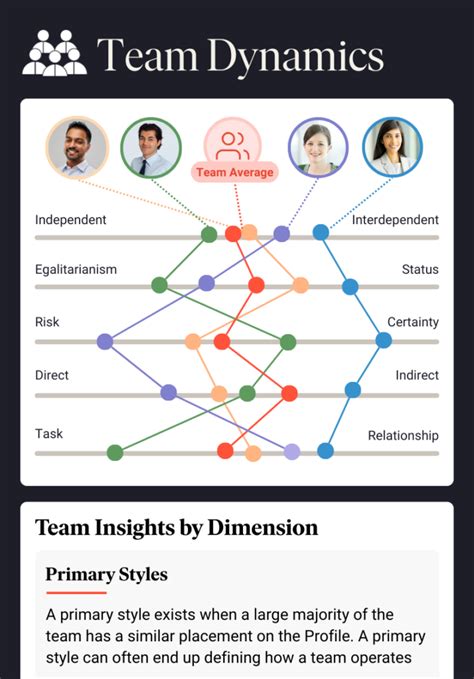
Possession also has a direct influence on **team communication**. Effective possession-based play requires constant, fluid communication between players. For instance, a midfielder maintaining possession in a tight space might call for support from a nearby winger or full-back. This verbal and non-verbal exchange fosters a culture of **collaboration**. Players learn to anticipate each other’s movements and develop an almost instinctive understanding of where their teammates will be. Over time, this improves not just the technical quality of passes but also the trust between players. A winger who knows that a defender will reliably offer a passing outlet is more likely to take calculated risks, such as attempting a dribble or holding the ball under pressure. This trust extends beyond individual moments in a match and contributes to a broader sense of team unity.
The cohesion of a team is another area where possession plays a critical role. In soccer, **cohesion** refers to how well players work together as a unit rather than as isolated individuals. Teams that prioritize possession often train in ways that emphasize small-group dynamics—such as rondo drills, where a group of players keeps the ball away from one or two defenders. These drills are not just about technical skill; they are about learning to function as a cohesive unit under pressure. When this training is translated to a match scenario, players who are accustomed to maintaining possession together tend to move in sync. Their off-the-ball runs, positioning, and decision-making become aligned because they are all working toward the shared goal of retaining the ball. This alignment is particularly important in high-pressure situations, such as during the closing minutes of a tight game, where a cohesive team is more likely to maintain composure and avoid panic-driven errors.
However, the relationship between possession and team dynamics is not without its complexities. A team that focuses too heavily on possession without converting it into meaningful attacking opportunities can experience a phenomenon known as **"sterile domination."** This occurs when a team monopolizes the ball but fails to penetrate the opposition’s defense or create goal-scoring opportunities. In such cases, possession can paradoxically erode team confidence. Players may begin to feel frustrated, questioning the purpose of their efforts if they are not yielding results. This frustration can lead to a breakdown in communication, with players resorting to individualistic play or blaming teammates for a lack of progress. Coaches and analysts often point to sterile domination as a key factor in the unraveling of team morale during matches where possession statistics look impressive but do not translate into tangible outcomes.
On the other hand, when possession is used effectively to create scoring chances, it can have a **galvanizing effect** on team dynamics. A well-executed passing sequence that results in a goal often serves as a collective celebration of the team’s effort and strategy. Players who contribute to these sequences—whether through a key pass, a dummy run, or a decisive finish—feel validated in their roles. This validation is especially important for players in less glamorous positions, such as defensive midfielders or full-backs, who may not always receive the spotlight but play a crucial part in maintaining possession. Recognizing and celebrating these contributions reinforces a sense of inclusivity within the team, ensuring that all players feel valued regardless of their position or the nature of their contributions.
Another nuanced aspect of possession is its impact on **player confidence at the individual level**. A player who consistently receives the ball in possession-heavy systems is inherently given more opportunities to express themselves on the field. This is particularly beneficial for younger or less experienced players who might otherwise feel hesitant to take initiative. When a coach or system prioritizes possession, it sends a message that mistakes made in the pursuit of maintaining control are part of the learning process. This fosters an environment where players are more willing to take creative risks, such as attempting a daring through-ball or holding onto the ball to draw out defenders. Over time, this cultivates a team culture where players feel empowered to experiment and grow, which can have long-term benefits for team performance and morale.
Possession also influences how teams handle **adversity** during a match. When a team loses the ball after a prolonged period of possession, the immediate response can reveal a lot about their cohesion and resilience. Teams that are well-drilled in possession-based systems often have a structured approach to regaining the ball quickly, such as through a high press or coordinated counter-pressing. This collective effort to win the ball back reinforces the idea that possession is a shared responsibility, not just the burden of a few skilled players. The act of working together to recover possession can strengthen team bonds, as players recognize that their individual efforts contribute to a collective goal.
In contrast, teams that lack possession often find themselves in a reactive mindset, which can strain communication and cohesion. Defensive teams may rely on long balls or counterattacks, which can be effective in isolated moments but do not build the same sense of shared purpose as sustained possession. Players in these teams might feel isolated, with forwards feeling disconnected from midfielders and defenders feeling like their primary role is damage control rather than active participation in the game. This can lead to a fragmented team dynamic where players are more focused on individual survival than collective success.
In summary, possession in soccer is far more than a statistic; it is a **cornerstone of team psychology and dynamics**. It influences how players communicate, how they trust one another, and how they respond to both success and failure on the field. While possession alone does not guarantee success—as seen in cases of sterile domination—its proper implementation can create an environment where players feel confident, connected, and motivated to perform at their best. For coaches and teams aiming to build a strong foundation, focusing on possession as a tool for fostering morale and cohesion can be just as important as focusing on technical skill or tactical strategy.
Training Drills for Enhancing Possession Skills
Enhancing ball possession in soccer requires a combination of technical proficiency, tactical understanding, and physical coordination. To build a team capable of maintaining possession under pressure, coaches must design training drills that simulate game scenarios while focusing on both individual and collective skills. Below, we explore a range of drills and exercises tailored to improve possession at both team and individual levels, emphasizing their unique benefits and how they can be integrated into a training regimen.
One of the most effective drills for team possession is the **Rondo**. This exercise involves a group of players in a circle passing the ball to one another while a smaller group of defenders attempts to intercept it. The standard setup is 5v2 or 6v3, but this can be adjusted based on team size and skill level. The key focus of the Rondo is on **quick decision-making**, **passing accuracy**, and **spatial awareness**. Players in possession must learn to move the ball with one or two touches, while those without the ball must position themselves to offer viable passing options. This drill not only sharpens players' technical abilities but also instills a **team-oriented mindset**, where players instinctively seek to support the ball carrier. A variation of this drill involves adding constraints, such as requiring passes to alternate between short and long, which forces players to diversify their passing range and adapt to different game scenarios.
Another valuable exercise is the **Positional Play Drill**, which focuses on maintaining possession in specific zones of the field. This drill simulates in-game situations where teams must control the ball in tight spaces, such as the midfield or defensive third. Players are divided into positional groups (defenders, midfielders, and attackers) and tasked with keeping the ball within their zone while facing active pressure from an opposing group. The drill emphasizes **position-specific responsibilities**—defenders must learn to play out from the back under pressure, midfielders must act as connectors by offering vertical and horizontal passing options, and attackers must create width and depth to stretch the opposition. A unique insight here is the importance of **rotations and overlaps**; for instance, a fullback might push forward to create space for a midfielder dropping deep. This interconnected movement not only improves possession but also enhances a team's ability to break down structured defenses.
At the individual level, **1v1 ball retention drills** are essential for developing close control and composure under pressure. A simple yet effective setup involves two players in a small grid, where one player attempts to keep possession while the other tries to win the ball. The player in possession must use **body feints**, **shielding techniques**, and **changes of pace** to outmaneuver the defender. A variation of this drill involves setting a time limit, challenging the player to retain the ball for as long as possible. This not only improves their **dribbling skills** but also hones their ability to **read the defender's movements** and exploit gaps. A critical insight here is that players must learn to **use their body as a barrier**—positioning their body between the ball and the defender to maintain control even in confined spaces. This skill is particularly important for midfielders and forwards who often find themselves isolated against defenders during transitions.
The **Passing Triangle Drill** is another excellent exercise for improving both individual and team possession. In this setup, three players form a triangle, with one player at each point. The objective is for the players to pass the ball among themselves while maintaining a specific passing rhythm (e.g., one-touch or two-touch). Coaches can introduce **movement constraints**, such as requiring players to switch positions after every three passes, to simulate dynamic in-game scenarios. This drill enhances **passing precision**, **timing of movement**, and **communication** among players. A unique feature of this exercise is its adaptability—it can be scaled up to include more players or modified to incorporate **directional passing**, where the triangle must pass the ball toward a specific target. This variation helps players develop the ability to maintain possession while advancing play, a crucial skill for breaking lines in modern soccer.
To simulate high-pressure scenarios, the **Pressing Resistance Drill** is highly effective. In this exercise, a team of 4-6 players is tasked with maintaining possession against a highly aggressive pressing unit. The pressing team is given clear instructions to close down space quickly and force turnovers. This drill teaches the possessing team how to **manage pressure** by using **supporting angles**, **third-man runs**, and **switching play** to exploit open spaces. A unique insight here is the importance of **tempo control**—players must learn to slow down the game when under intense pressure and speed up when opportunities to break the press arise. This drill also emphasizes the role of **goalkeepers** in possession play; they must act as an additional passing outlet, capable of distributing the ball accurately under pressure. Incorporating the goalkeeper into this drill reinforces the idea of a **collective possession strategy** rather than isolating specific lines of the team.
For younger or less experienced players, the **Four-Goal Game** is an excellent way to encourage possession while introducing a competitive element. In this setup, two teams compete in a small-sided game with four small goals (two at each end). The objective is to score by passing the ball through any of the goals while maintaining possession. This game naturally encourages **wide play**, **patient buildup**, and **awareness of space**, as teams must avoid clustering around a single goal. A unique benefit of this exercise is its focus on **decision-making under limited pressure**; players must learn to assess when to pass backward to reset play or when to attempt a more ambitious forward pass. Additionally, the presence of multiple goals discourages overly direct play, promoting a possession-oriented style that prioritizes control over chaos.
Finally, **Shadow Play** is a drill that combines technical and tactical elements to improve possession at the team level. In this exercise, players move through pre-determined patterns of play without opposition, focusing on maintaining shape and fluidity. For example, a team might practice a sequence where the goalkeeper passes to a center-back, who then plays a diagonal ball to a winger, followed by a layoff to a midfielder, and so on. The absence of defenders allows players to concentrate on **movement off the ball**, **timing of passes**, and **spatial positioning**. A unique insight here is that Shadow Play can be used to **pre-program specific possession sequences** that can later be deployed in matches. For instance, a team might rehearse a sequence where the ball is cycled from the goalkeeper to the fullbacks and then switched to the opposite winger to stretch the opposition. This drill is particularly useful for teams looking to embed a **philosophy of possession-based play** into their style.
In summary, training drills for enhancing possession skills must address both the technical and tactical dimensions of the game. Drills like the Rondo and Positional Play emphasize **team cohesion** and **spatial awareness**, while individual exercises like 1v1 ball retention focus on **close control** and **composure**. By incorporating exercises such as the Pressing Resistance Drill and Four-Goal Game, coaches can ensure that players are prepared to maintain possession in both low- and high-pressure situations. When these drills are implemented consistently and adapted to the team's level of play, they can significantly enhance a team's ability to dominate possession and control the tempo of the game.
Conclusion and Future Trends
Ball possession in soccer has long been a focal point of strategic gameplay, encapsulating not just the ability to control the ball but also to dictate the tempo, manage space, and exploit vulnerabilities in the opposition. Its importance stems from its direct correlation with a team's ability to control the narrative of the match. Teams with higher ball possession often have more opportunities to create scoring chances while simultaneously limiting the opposition's ability to mount attacks. This strategic advantage can be seen in the success of teams like Barcelona under Pep Guardiola or the Spanish national team during their dominant period in the late 2000s and early 2010s. However, as soccer evolves, so too does the role of ball possession, and its future implications are tied to both tactical innovation and technological advancements.
One of the key aspects of ball possession is its psychological impact. A team that consistently maintains possession forces the opponent into a reactive stance, which can lead to fatigue, both mental and physical. This is particularly evident in high-stakes matches where the ability to control the ball can demoralize an opponent, particularly if they are unable to regain control for extended periods. However, the future of ball possession must address its limitations. For instance, "sterile possession" — where a team holds the ball without creating meaningful opportunities — has been criticized as an inefficient use of resources. This has led to a growing emphasis on **positional play**, where possession is not an end in itself but a means to create structured opportunities by manipulating the opponent's defensive shape.
The future of ball possession also lies in its integration with **data-driven insights**. Modern soccer is increasingly reliant on analytics to dissect performance metrics, and ball possession is no exception. Advanced tracking systems, such as those provided by companies like StatsBomb or Opta, can now measure not just how much possession a team has but how effectively they use it. Metrics like **passing accuracy in the final third**, **progressive passes per possession**, and **expected goals (xG) generated during possession sequences** are becoming standard in evaluating the quality of possession. This granular level of analysis allows coaches to identify inefficiencies in their possession-based strategies and refine them for greater impact. For instance, teams might focus on reducing the number of sideways or backward passes in favor of vertical progression, ensuring that possession translates into goal-scoring opportunities rather than stagnation.
Another area of innovation is the role of **artificial intelligence (AI) and machine learning** in redefining how ball possession is used. AI can analyze vast datasets in real time to provide coaches with actionable insights during matches. For example, AI systems might identify patterns in how an opposing team presses when they lose possession and suggest adjustments to a team's build-up play to exploit these tendencies. Additionally, AI could help in the development of **dynamic positioning models**, where players are guided not just by static formations but by real-time suggestions on where to move to maintain optimal possession while creating space for key players. This kind of innovation could lead to a more fluid and adaptive style of play, where ball possession is not static but dynamically adjusted based on the flow of the game.
The rise of **counter-possession tactics** also hints at a future where ball possession might not always be the dominant strategy. Teams like Atlético Madrid under Diego Simeone or Leicester City during their Premier League-winning season demonstrated that a low-possession, high-efficiency approach can be just as effective. These teams prioritize quick transitions and defensive solidity over prolonged ball control. This has created a dichotomy in modern soccer: while possession-heavy teams like Manchester City thrive on control, counter-attacking teams exploit the spaces left behind by possession-focused opponents. The future might see a hybridization of these styles, where teams learn to seamlessly transition between possession-based and counter-attacking play depending on the context of the match. This could lead to a more dynamic interpretation of ball possession, where its value is not in sheer quantity but in its situational effectiveness.
Another intriguing trend is the potential impact of **rule changes and technological interventions** on ball possession. For example, the introduction of VAR (Video Assistant Referee) has already influenced how teams approach ball retention. With stricter enforcement of fouls and offsides, teams are more cautious about committing players forward during possession, knowing that a turnover could lead to a dangerous counter-attack or a VAR-reviewed decision against them. This has led to a more conservative style of possession in some cases, where teams prioritize safe passes over risky ones. In the future, further rule changes — such as modifications to the offside rule or the introduction of new technologies like automated line-calling for throw-ins — could further shift how possession is managed and exploited.
The role of **player development** in shaping the future of ball possession cannot be overlooked. Youth academies are increasingly emphasizing technical skills and spatial awareness from a young age, which directly impacts a player's ability to contribute to possession-based systems. Players are being trained not just to keep the ball but to use it intelligently — understanding when to hold possession to draw out the opposition and when to release it quickly to exploit space. This focus on **holistic player education** could lead to a new generation of soccer players who are equally adept at both maintaining possession and breaking down low-block defenses, blending the best elements of tiki-taka and counter-pressing styles.
Looking further ahead, the integration of **augmented reality (AR) and virtual reality (VR)** in training could redefine how players understand and execute possession-based strategies. AR systems could overlay real-time data onto the field during training sessions, showing players optimal passing lanes or areas of the pitch where possession is most vulnerable. VR simulations could allow players to experience game-like scenarios where they must maintain possession under pressure, helping them develop the mental resilience and technical skills needed for high-level play. These technologies could also democratize access to advanced training methods, enabling smaller clubs or less-resourced teams to compete with elite organizations by leveraging cutting-edge tools.
In conclusion, while ball possession remains a cornerstone of soccer strategy, its role is evolving in response to tactical innovations, technological advancements, and the changing landscape of the sport. The future of ball possession will likely see a move away from one-size-fits-all approaches toward more context-sensitive strategies that balance control with adaptability. Whether through AI-driven insights, rule changes, or player development, the next era of soccer will demand a nuanced understanding of possession — not as a static measure of dominance but as a dynamic tool for shaping the game. This evolution ensures that ball possession will remain a critical, yet ever-changing, aspect of soccer's enduring appeal and innovation.