Introduction
The concept of a "treble" in football refers to a team winning three major trophies in a single season. In the context of the English Premier League (EPL), this typically means achieving success in the league title, one of the domestic cups (such as the FA Cup or EFL Cup), and a European competition (most prestigiously, the UEFA Champions League). While the term "treble" is not exclusive to the EPL and can apply to other leagues and competitions globally, the EPL’s treble winners are particularly notable due to the competitive nature of the league and the historical significance of such an accomplishment. To achieve a treble in the EPL is to etch a team's name into the annals of football history, as it signifies not just skill but also unparalleled consistency, mental fortitude, and tactical brilliance across multiple fronts.
The treble is an extraordinarily rare feat in football, and this rarity is what makes it so significant. In the history of the EPL, only a handful of teams have come close to achieving it, and even fewer have succeeded. The treble requires a team to excel in three distinct arenas—domestic league play, domestic cup competitions, and European competition—each of which presents its own unique challenges. The EPL, widely regarded as one of the most physically demanding and tactically diverse leagues in the world, tests a team’s depth, adaptability, and endurance. Simultaneously competing in the FA Cup or EFL Cup adds a layer of fixture congestion, while the Champions League introduces the pressure of facing Europe’s elite teams. Thus, the treble is not merely about winning matches; it is about managing resources, rotating squads, and maintaining peak performance under sustained pressure over the course of a grueling season.
Achieving a treble in the EPL also carries immense symbolic weight. Football is as much about narratives as it is about results, and a treble represents the pinnacle of what a team can accomplish within a single campaign. It is a statement of dominance across multiple competitions, showcasing a team’s ability to impose its will on opponents in varied contexts. For instance, winning the EPL requires excellence over 38 matches, a marathon that rewards consistency and resilience. The domestic cups, by contrast, are knockout formats that demand a different kind of focus—one where a single mistake can end a campaign. In European competitions, the stakes are even higher, as the Champions League is often seen as the ultimate test of a team’s quality due to the presence of other continental powerhouses. A treble-winning team, therefore, is one that has proven its mettle across all these dimensions, cementing its legacy as not just a champion but a benchmark for greatness.
The significance of a treble in the EPL is further amplified by the league’s global stature. The EPL is one of the most-watched and commercially successful football leagues in the world. Its teams are followed by millions of fans across continents, and the league’s competitive nature is legendary. Unlike some other leagues where one or two teams dominate year after year, the EPL is characterized by a broader pool of contenders. This means that any team aspiring to a treble must navigate not only the quality of its direct rivals but also the unpredictability of mid-table teams capable of springing upsets. For example, a treble-winning team must often overcome "giant-killer" scenarios in domestic cups, where lower-ranked teams are motivated to topple giants. This dynamic adds another layer of difficulty to the pursuit of a treble in the EPL compared to leagues with less parity.
Another unique aspect of treble-winning in the EPL is the historical context. While several European leagues have seen treble winners, the EPL’s relative youth (founded in 1992 after the rebranding of the First Division) means that its treble winners are part of a more modern footballing narrative. This adds a sense of contemporaneity to the achievement. The globalized era of football, with its advanced training methods, analytics, and media coverage, makes trebles in the EPL a product of the sport’s evolution. Teams that achieve this feat are often seen as exemplars of how modern football should be played—combining physicality, technical skill, and strategic innovation. This adds a layer of prestige to the accomplishment, as it reflects not just the quality of the team but also its alignment with the cutting edge of the sport.
It is also worth noting that the treble in the EPL is not just a measure of a team’s footballing prowess but also a reflection of its infrastructure and management. Treble-winning teams are often backed by exceptional coaching staff, robust youth academies, and forward-thinking club hierarchies. For example, squad depth is a critical factor—a team cannot hope to compete on three fronts without a bench capable of stepping up when key players are injured or fatigued. Moreover, the role of managers in orchestrating treble campaigns cannot be overstated. Managers like Sir Alex Ferguson, who led Manchester United to a treble in 1999, are often remembered as much for their ability to inspire and strategize across multiple competitions as for the trophies themselves. This human element of leadership and vision is a key part of what makes treble-winning so extraordinary.
From a historical perspective, treble-winning teams in the EPL also serve as touchstones for future generations. They set a standard that other teams aspire to replicate, creating a legacy that extends beyond the immediate joy of victory. Fans and analysts often look back on treble-winning seasons as benchmarks of what is possible in football. These seasons are studied for lessons in squad management, tactical flexibility, and psychological resilience. For instance, the 1999 treble-winning Manchester United side is frequently cited as a case study in how to balance attacking flair with defensive solidity while maintaining focus across competitions. Such analyses enrich the game’s discourse and provide a template for future contenders.
Finally, the cultural impact of a treble in the EPL cannot be ignored. Football is deeply embedded in the social fabric of England and beyond, and a treble represents more than just sporting success—it becomes a cultural moment. Treble-winning teams often inspire songs, documentaries, and even changes in how the sport is perceived. They create a sense of collective pride among fans and can elevate a club’s global brand. This cultural resonance is part of what makes the treble so significant—it is not just a set of trophies but a story that resonates far beyond the pitch.
- The treble symbolizes dominance across diverse footballing challenges.
- It highlights the unique competitive structure of the EPL, where parity among teams adds to the difficulty.
- Treble-winning teams often embody the evolution of modern football, combining traditional strengths with contemporary strategies.
- The feat has cultural and historical significance, shaping how teams and seasons are remembered.
In conclusion, achieving a treble in the EPL is a monumental accomplishment that transcends the mere accumulation of trophies. It is a testament to a team’s ability to excel under the most demanding circumstances, balancing the physical, tactical, and psychological rigors of modern football. The treble is not just a milestone for the team that achieves it but a moment that enriches the sport’s history, offering lessons, inspiration, and a standard for excellence that future generations strive to match.
Definition of a Treble in Football
The concept of a "treble" in football is one of the most prestigious achievements a club can attain. It refers to winning three major trophies in a single season, a feat that requires not only exceptional skill but also remarkable consistency, mental fortitude, and often a bit of luck. In the context of the English Premier League (EPL) and European competitions, the definition of a treble takes on a specific shape that distinguishes it from other leagues and contexts. This section will explore the criteria for a treble in this framework, delving into the nuances of what qualifies as a treble and why it holds such a revered place in football history.
To begin with, a treble in the EPL context typically involves winning three specific trophies: the Premier League title, the UEFA Champions League (or its predecessor, the European Cup), and one of the two domestic cup competitions—either the FA Cup or the EFL Cup (also known as the Carabao Cup). This combination is what is widely regarded as the "continental treble" when a club competes in both domestic and European competitions. However, it is worth noting that the definition can vary slightly depending on the emphasis placed on domestic versus international success. For instance, some purists might argue that a true treble should include only the most prestigious competitions, which would exclude the EFL Cup in favor of the FA Cup as the third component.
The Premier League title is the first and arguably most challenging component of the treble. Winning the Premier League requires a team to finish at the top of a highly competitive 20-team league over the course of a grueling 38-match season. This involves outperforming rivals like Manchester City, Liverpool, Chelsea, and others who are often equipped with world-class squads and resources. The league title tests a team's ability to maintain form over an extended period, manage injuries, and adapt to the ebb and flow of a season that stretches from August to May. Achieving this requires not just technical brilliance but also a deep squad capable of rotating players without losing momentum.
The second component, the UEFA Champions League, is arguably the most prestigious club competition in the world. Qualifying for this tournament alone is a marker of elite status, as only the top-performing teams from their respective domestic leagues are eligible. Winning the Champions League involves navigating a group stage followed by a knockout phase, where the margin for error is razor-thin. A team must overcome multiple two-legged ties against Europe’s best, often facing tactical diversity, hostile away environments, and the pressure of high-stakes matches. For English teams, balancing the demands of the Premier League with the intensity of midweek European fixtures adds another layer of complexity. This is why only a handful of clubs have managed to win the Champions League alongside domestic titles in the same season.
The third component of the treble, the domestic cup, can be either the FA Cup or the EFL Cup. Here, the choice of which cup "counts" toward the treble is a subject of debate among football enthusiasts. The FA Cup, as the oldest football competition in the world, carries historical weight and prestige. It involves a knockout format that includes teams from various levels of English football, making it unpredictable and prone to "giant-killing" upsets. Winning the FA Cup as part of a treble thus requires not only skill but also the ability to avoid complacency against lower-tier opponents. On the other hand, the EFL Cup, while considered less prestigious, is still a recognized trophy and often serves as an early-season indicator of a team’s form and squad depth. Some teams prioritize this competition as a way to build momentum for the rest of the season, particularly when juggling multiple competitions.
It is important to distinguish the treble in the EPL context from other "trebles" that might be discussed in football. For example, in some countries, a domestic treble might consist of winning the league, the primary domestic cup, and a lesser-regarded secondary cup (such as Scotland’s treble of the Scottish Premiership, Scottish Cup, and Scottish League Cup). However, in the EPL and European framework, the treble is elevated by the inclusion of the Champions League, which adds an international dimension. This makes the achievement far rarer and more difficult than a purely domestic treble.
Another point of distinction is the rarity of the treble in the EPL. As of now, only one English team has achieved the continental treble—Manchester United in the 1998-99 season. Under Sir Alex Ferguson, they won the Premier League, the FA Cup, and the Champions League in a single campaign. This achievement is often held up as the gold standard of English football success. The fact that no other EPL team has replicated this feat underscores how difficult it is to balance the physical, tactical, and psychological demands of competing on three fronts simultaneously. Even teams that have come close, such as Liverpool in 2019 (who won the Champions League and were runners-up in the Premier League while winning the FA Cup), fell just short of the full treble.
The logistical challenges of pursuing a treble are also worth exploring. English teams often face a congested fixture list due to the structure of the football calendar. Unlike some other European leagues, the EPL does not have a winter break, and the festive period in December and January is particularly demanding, with multiple games crammed into a short span. This can lead to player fatigue, which is a significant obstacle when trying to maintain high performance across three competitions. Furthermore, the physical toll of playing in the Champions League knockout stages—often involving travel to different countries—can disrupt a team’s rhythm in domestic games.
There is also a psychological dimension to consider. The pressure of chasing a treble can be both a motivator and a burden. Players and managers are acutely aware of the historical significance of such an achievement, which can lead to added stress in high-pressure situations. For instance, the weight of expectation on Manchester City during their recent dominant seasons has often been cited as a factor in their inability to secure all three trophies in one season, despite their consistent excellence.
In summary, the criteria for a treble in the EPL and European context are clear but demanding: win the Premier League, the Champions League, and one of the two main domestic cups. This combination of domestic dominance and international success represents the pinnacle of club football achievement. The rarity of this feat in the EPL is a testament to the immense challenges involved, from the competitive nature of the Premier League to the intensity of European football. Understanding the specific criteria and the unique obstacles English teams face provides a deeper appreciation of why the treble is so celebrated and why it remains one of the ultimate goals for any ambitious football club.
Historical Overview of Treble Winners
The concept of a "treble" in football refers to a team winning three major trophies in a single season. In the context of the English Premier League (EPL), this typically involves winning the Premier League title, the FA Cup, and either the UEFA Champions League (or its predecessor, the European Cup) or the League Cup. Achieving a treble is an extraordinary feat that showcases a team's dominance across multiple competitions within a season. In the history of the EPL, only a select few teams have managed to accomplish this rare milestone, setting them apart as legends of the game. This section provides a detailed historical overview of the teams that have achieved this distinction, the specific trophies they won, and the context surrounding their achievements.
The most celebrated treble in English football history was achieved by **Manchester United** in the 1998-99 season. Under the management of Sir Alex Ferguson, the Red Devils secured the Premier League title, the FA Cup, and the UEFA Champions League in a campaign that is often described as one of the most dramatic in football history. The Premier League title was won on the final day of the season, edging out Arsenal by a single point. In the FA Cup, Manchester United overcame Newcastle United in the final with a 2-0 victory. However, it was the UEFA Champions League final against Bayern Munich that immortalized this team. Trailing 1-0 until the 90th minute, United scored two injury-time goals through Teddy Sheringham and Ole Gunnar Solskjær to clinch the trophy. This treble was not only a testament to the team's resilience but also highlighted their ability to perform under immense pressure across different formats of the game. It remains the only instance of an English team winning the treble involving the Premier League, FA Cup, and UEFA Champions League.
While Manchester United's 1998-99 treble is the most famous, it is worth noting that other English teams have come close to or achieved trebles of a slightly different composition. For instance, **Liverpool** in the 2000-01 season won what is often referred to as a "cup treble." This involved victories in the FA Cup, the League Cup, and the UEFA Cup (now the Europa League). While this treble did not include the Premier League title, it was nonetheless a remarkable achievement. Liverpool defeated Arsenal in the FA Cup final with a dramatic late goal by Michael Owen, triumphed over Birmingham City in the League Cup final via penalties, and secured the UEFA Cup by beating Deportivo Alavés 5-4 in a thrilling match. This season underscored Liverpool's ability to excel in knockout competitions, even as they finished third in the Premier League. Their treble demonstrated that a team could dominate cup competitions even without being the strongest in the league.
Another notable mention, although not a traditional treble in the EPL sense, is **Manchester City's** domestic treble in the 2018-19 season. Under Pep Guardiola, Manchester City became the first men's team in English football history to win the Premier League, the FA Cup, and the League Cup in the same season. This achievement showcased City's sheer dominance in domestic competitions. They secured the Premier League title in a tightly contested race with Liverpool, finishing with 98 points to Liverpool's 97. In the FA Cup, they routed Watford 6-0 in the final, the largest margin of victory in an FA Cup final since 1903. The League Cup was won earlier in the season with a penalty shootout victory over Chelsea. This domestic treble highlighted Manchester City's tactical excellence and squad depth, as they were able to maintain high performance levels across three different competitions. However, the absence of a European title in this treble distinguishes it from Manchester United's 1998-99 feat.
It is also important to explore teams that have come close to treble success but fell short in one competition. **Chelsea** in the 2009-10 season won the Premier League and the FA Cup but did not secure a European title, having been knocked out of the Champions League in the Round of 16. Similarly, **Arsenal's** "Invincibles" of 2003-04 achieved an unbeaten Premier League season and reached the FA Cup final, winning it, but did not secure a European trophy. These near-treble seasons illustrate how the demands of competing on multiple fronts can stretch even the most talented squads.
The rarity of treble-winning campaigns in the EPL speaks to the immense challenge of balancing three high-stakes competitions in a single season. One factor that distinguishes treble winners is the **managerial acumen** required to rotate squads effectively while maintaining focus and morale. Sir Alex Ferguson's ability to inspire his players during Manchester United's 1998-99 season is often cited as a masterclass in leadership. Similarly, Pep Guardiola's meticulous planning during Manchester City's 2018-19 campaign showcased how a modern, possession-based system could be adapted across different competitions.
Another insight is the role of **squad depth and player versatility**. Treble-winning teams often have players who can perform across multiple positions or step up in critical moments. For instance, Manchester United's treble-winning squad had players like Ryan Giggs, Paul Scholes, and David Beckham, who could influence games in various ways. In contrast, Manchester City's 2018-19 squad boasted a blend of experienced players like Sergio Agüero and young talents like Phil Foden, demonstrating how a mix of youth and experience can be pivotal.
A deeper analysis of treble winners also reveals the **psychological toll** of such campaigns. The pressure of chasing multiple trophies can lead to fatigue, injuries, and moments of doubt. Manchester United's 1998-99 season, for example, saw them navigate a grueling schedule that included a congested fixture list in April and May. Their ability to maintain focus during this period is a case study in mental fortitude.
While the EPL has seen only one instance of the "classic" treble involving the Premier League, FA Cup, and UEFA Champions League, the broader concept of trebles has been achieved in varying forms. This diversity highlights the evolving nature of competition in English football. For example, the introduction of the UEFA Europa Conference League and the increased focus on the League Cup as a pathway for younger players have added new dimensions to what a "treble" might mean in modern football.
In conclusion, the history of treble winners in the EPL is a narrative of exceptional teams that have defied the odds to etch their names in football lore. From Manchester United's historic 1998-99 season to Manchester City's domestic dominance in 2018-19, these achievements serve as benchmarks for greatness. They also provide a lens through which we can appreciate the multifaceted nature of football success—requiring not just skill and strategy but also adaptability, resilience, and a touch of fortune. As the game continues to evolve, the question remains whether another EPL team will join this exclusive club, adding a new chapter to the storied history of treble winners.
- Manchester United (1998-99): Premier League, FA Cup, UEFA Champions League
- Liverpool (2000-01): FA Cup, League Cup, UEFA Cup
- Manchester City (2018-19): Premier League, FA Cup, League Cup
This list encapsulates the teams that have officially achieved treble-winning status in their respective seasons, each bringing a unique flavor to the concept of a treble. Their stories serve as inspiration for future generations of players and managers aiming to replicate such monumental success.
The Role of Management and Coaching
The achievement of a treble-winning campaign in the English Premier League (EPL) is a rare and monumental feat that demands excellence across multiple competitions. While the players on the pitch are the visible performers, the role of management and coaching in orchestrating such success cannot be overstated. Managerial strategies and coaching philosophies serve as the backbone of treble-winning campaigns, shaping team dynamics, tactical approaches, and the ability to sustain high performance over an extended period.
One of the most critical aspects of managerial success in treble-winning teams is the ability to balance short-term goals with long-term vision. Managers of treble-winning sides, such as Sir Alex Ferguson during Manchester United's 1998–99 campaign, demonstrated an acute understanding of how to prioritize competitions without compromising the team's overall momentum. Ferguson's philosophy was rooted in rotational squad management, ensuring that key players were rested for less critical league matches while maintaining a competitive edge in cup games. This approach required trust in the depth of the squad and a clear communication of roles to every player. For instance, younger or less experienced players were often given opportunities in less high-stakes league games, allowing them to gain confidence while keeping first-team regulars fresh for European and domestic cup clashes.
Another key element is the adaptability of coaching philosophies to the strengths and weaknesses of the squad. Pep Guardiola's treble-winning Manchester City side in 2022–23 exemplifies this principle. Guardiola's possession-based, high-pressing style is well-documented, but what set this campaign apart was his willingness to tweak his system mid-season. When opponents began to exploit City's vulnerability to counterattacks, Guardiola introduced a more conservative midfield setup in certain matches, particularly in the Champions League. This shift not only stabilized the team defensively but also allowed creative players like Kevin De Bruyne to operate in more dynamic spaces. Such adaptability underscores how treble-winning managers are not ideologues but pragmatists who can evolve their strategies in response to challenges.
The psychological aspect of coaching also plays a pivotal role. Treble-winning campaigns are marathons that test the mental resilience of players. Managers must instill a sense of belief and focus that prevents complacency or burnout. Jurgen Klopp's Liverpool in 2018–19, though they narrowly missed the Premier League title, showcased how a relentless, high-energy philosophy could sustain a team across multiple competitions. Klopp's "heavy metal football" was not just about physical intensity but also about fostering a collective spirit. His ability to galvanize the squad through emotional appeals, such as emphasizing the importance of leaving a legacy, played a significant role in their Champions League triumph. Managers of treble-winning teams often act as psychologists, using motivational techniques tailored to individual players while maintaining a cohesive team environment.
In addition to adaptability and psychology, attention to detail in preparation is a hallmark of treble-winning managers. This includes meticulous scouting of opponents, data-driven insights, and a keen focus on set-piece strategies. For example, during Chelsea's treble-contending seasons under Jose Mourinho, his teams were renowned for their defensive solidity and ability to exploit opponents' weaknesses. Mourinho's coaching staff would prepare exhaustive video analyses of opponents, identifying patterns in their play that could be exploited. This level of preparation ensured that Chelsea were not just reactive but proactive in their approach to games, particularly in high-pressure knockout matches.
A less discussed but equally important factor is the creation of a winning culture within the club. Treble-winning managers often establish a hierarchy of accountability where players are not only responsible for their individual performances but also for upholding team standards. Sir Alex Ferguson was famous for his "hairdryer treatment," a method of direct and often fiery feedback aimed at keeping players in line. However, this was balanced by his ability to shield the team from external pressures, creating an "us against the world" mentality. This culture of accountability and unity is essential when the physical and mental toll of competing on three fronts begins to show.
Moreover, the role of support staff and backroom teams in executing a manager's vision cannot be ignored. Modern treble-winning campaigns are shaped by the integration of sports science, nutrition, and performance analytics into coaching strategies. For instance, Guardiola's use of data analytics to monitor player workload and recovery times ensured that his squad could endure the physical demands of a treble chase. Similarly, Liverpool's use of throw-in coaches and set-piece specialists under Klopp highlights how innovative coaching philosophies extend beyond traditional roles to include specialized expertise.
Another intriguing insight is the role of transfer strategy in aligning with coaching philosophies. Treble-winning managers often work closely with their clubs' recruitment teams to ensure that incoming players fit the system rather than forcing the system to adapt to new signings. Manchester City's acquisition of Erling Haaland before their 2022–23 treble is a case in point. Haaland's profile as a clinical finisher complemented Guardiola's system, which had previously lacked a traditional number nine. This synergy between recruitment and coaching strategy underscores how treble-winning campaigns are often years in the making, with managers influencing not just on-pitch tactics but also off-pitch planning.
It is also worth noting how handling adversity distinguishes treble-winning managers. Inevitably, such campaigns involve setbacks—injuries, controversial refereeing decisions, or unexpected losses. The ability to navigate these challenges without losing sight of the bigger picture is a testament to a manager's leadership. Ferguson's United, for example, faced a grueling run of fixtures during their treble-winning season but maintained their composure, often snatching late victories through a combination of resilience and tactical nous. This ability to thrive under pressure is a direct reflection of the manager's capacity to keep the team focused and motivated.
Finally, the legacy of treble-winning managers extends beyond the trophies they lift. Their coaching philosophies often leave an indelible mark on the club's identity and future success. Guardiola's emphasis on positional play and tactical fluidity has influenced not just Manchester City but also the broader footballing landscape in England. Similarly, Ferguson's emphasis on youth development and long-term squad building has become a blueprint for sustained success in the EPL. These legacies highlight how managerial strategies in treble-winning campaigns are not just about immediate glory but also about shaping the future of the sport.
In conclusion, the role of management and coaching in treble-winning EPL campaigns is multidimensional, involving strategic foresight, psychological acumen, adaptability, and a relentless pursuit of excellence. These managers are not just leaders of teams but architects of success, blending innovation with tradition to achieve what few have accomplished. Their contributions go beyond the technical and tactical, delving into the realms of culture-building, resilience, and legacy-making, making them central figures in the narrative of treble-winning greatness.
Key Players and Squad Dynamics
The achievement of a treble in the English Premier League (EPL) is a rare and monumental feat that demands exceptional performances from both individual players and the collective squad. To dissect the role of key players and squad dynamics in such success, one must look beyond surface-level statistics and delve into the intricate interplay of talent, chemistry, and squad depth that underpins treble-winning campaigns.
At the heart of any treble-winning team lies a core of star players who consistently deliver match-winning contributions. These players are often the talismans of their squads, capable of turning games on their head with moments of brilliance. For instance, in Manchester United's historic 1998–99 treble-winning season, the trio of Dwight Yorke, Andy Cole, and Ole Gunnar Solskjær provided an unparalleled attacking threat. Yorke and Cole formed one of the most telepathic strike partnerships in EPL history, combining for 53 goals across all competitions. Their understanding of each other's movements and the ability to exploit defensive gaps were pivotal in securing crucial victories. Meanwhile, Solskjær, often deployed as a super-sub, showcased the importance of having impact players who could change the course of a game within minutes—his injury-time winner in the UEFA Champions League final being the most iconic example.
However, treble success is not solely dependent on attacking prowess. The role of a balanced midfield cannot be overstated. In the case of Manchester City's 2022–23 treble, the presence of Kevin De Bruyne as the creative lynchpin was instrumental. De Bruyne's ability to deliver pinpoint passes and control the tempo of games allowed City to dominate possession and create high-quality chances. Alongside him, players like Ilkay Gündogan provided both goals and stability, exemplifying the dual role required of midfielders in high-pressure scenarios. Gündogan's two goals in the final match of the Premier League season to secure the title underscored the importance of players who can rise to the occasion when it matters most.
Defensive solidity is another cornerstone of treble-winning teams. While attackers often steal the limelight, the backline's role in maintaining consistency and minimizing errors is critical. During Liverpool's near-treble season in 2018–19 (where they won the Champions League and came close in the Premier League), Virgil van Dijk emerged as a transformative figure. His composure, aerial dominance, and ability to organize the defense elevated Liverpool's backline to one of the best in Europe. Similarly, Manchester United's treble-winning defense, anchored by Jaap Stam and supported by fullbacks like Denis Irwin, was a blend of physicality and tactical intelligence. These players not only repelled opposition attacks but also initiated counterattacks with precise passing, showcasing the modern defender's multifaceted role in treble success.
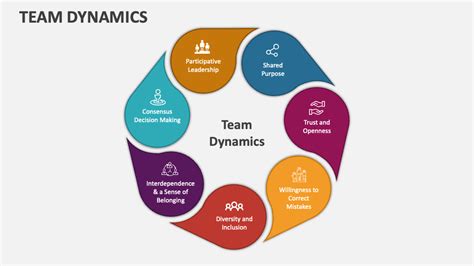
Beyond individual brilliance, team chemistry is a defining factor in treble-winning squads. Chemistry is not merely about players liking each other off the pitch; it is about understanding each other's playing styles, anticipating movements, and seamlessly adapting to tactical shifts during matches. The 1998–99 Manchester United squad exemplified this with their fluid attacking system. The interchanging positions of Yorke, Cole, and midfielders like Paul Scholes and David Beckham created a dynamic frontline that was difficult for opponents to track. This chemistry extended to the bench, where players like Jesper Blomqvist and Teddy Sheringham stepped in without disrupting the team's rhythm, a testament to the trust and cohesion built by manager Sir Alex Ferguson.
Squad depth is another critical element that separates treble-winning teams from the rest. The rigors of competing in multiple competitions—Premier League, FA Cup, and European tournaments—demand that teams have capable replacements who can step in without a drop in quality. Manchester City's 2022–23 season showcased this depth with players like Riyad Mahrez, Phil Foden, and Julián Álvarez providing cover and impact across various competitions. Álvarez, for instance, scored 17 goals despite being a rotational player, highlighting the luxury of having world-class talent even among substitutes. This depth allowed managers to rotate squads without compromising performance, a luxury that non-treble teams often lack due to over-reliance on key starters.
The role of a manager in fostering squad dynamics is also worth emphasizing. Managers of treble-winning teams are often master tacticians who know how to balance egos, motivate players, and adapt strategies mid-season. Pep Guardiola's ability to keep Manchester City's squad motivated and focused during their treble run, despite the weight of expectations, is a case in point. Similarly, Sir Alex Ferguson's man-management skills in 1998–99 were legendary; he knew when to rotate players, when to challenge them, and when to offer support. Such leadership ensures that even when injuries or suspensions occur, the team remains cohesive and competitive.
An often-overlooked aspect of squad dynamics is the role of youth players and academy graduates. These individuals often bring a sense of hunger and fearlessness that can energize a squad. In Liverpool's 2019–20 Premier League-winning season (part of their treble-contending run across two years), the emergence of Trent Alexander-Arnold as a creative right-back added a new dimension to their play. His ability to deliver lethal crosses and set-piece mastery was a product of both individual talent and the trust placed in him by the coaching staff. Similarly, United's treble-winning squad featured young players like Wes Brown, who filled in admirably in high-stakes games, proving that youth can complement experience in treble pursuits.
Finally, the psychological aspect of managing a treble-winning squad cannot be ignored. The pressure of competing on multiple fronts can be overwhelming, and maintaining focus amidst media hype and fan expectations is a challenge. Teams that succeed often have a strong leadership group within the squad—players who take responsibility and set the tone for others. Manchester United's treble-winning captain Roy Keane was the embodiment of this, leading by example with his relentless work ethic and uncompromising attitude. His influence extended beyond his performances, as he held teammates accountable and ensured that complacency never crept in.
In summary, the key players and squad dynamics of treble-winning EPL teams are a blend of individual excellence, collective understanding, and strategic depth. Star players provide the moments of magic, but they are supported by a cohesive unit where every member, from the starting eleven to the bench, plays a role. This synergy, coupled with strong leadership and tactical flexibility, is what enables teams to navigate the grueling journey of a treble campaign. Without these elements working in harmony, even the most talented squads can falter under the weight of such lofty ambitions.
Tactical Evolution in Treble-Winning Teams
The achievement of winning a treble in the English Premier League (EPL) is one of the rarest and most prestigious feats in football. A treble typically involves securing the EPL title, the FA Cup, and a European trophy—most commonly the UEFA Champions League. For a team to accomplish this, they must exhibit not only exceptional talent but also a high degree of tactical adaptability. This section delves into the **tactical evolution of treble-winning teams**, analyzing how these squads adjusted their strategies to excel across multiple competitions in a single season.
One of the most striking features of treble-winning teams is their ability to maintain **consistent performance levels across different formats**. This requires a squad that can not only execute a primary game plan but also adapt to the unique demands of league, domestic cup, and European matches. For instance, Manchester United's treble-winning campaign in 1998-99 under Sir Alex Ferguson is often cited as a masterclass in tactical flexibility. Ferguson employed a blend of **rotational squad management** and **situational tactics** to navigate the grueling schedule. In the EPL, his team often relied on a high-tempo, attacking style spearheaded by the likes of Dwight Yorke and Andy Cole. However, in European matches, particularly against technically adept teams like Bayern Munich in the Champions League final, United shifted to a more **pragmatic, counterattacking approach**. This adaptability was key to conserving energy and exploiting the weaknesses of varied opponents.
A critical component of tactical evolution in treble-winning teams is the emphasis on **positional fluidity**. Modern treble-winning sides, such as Manchester City in 2022-23 under Pep Guardiola, have showcased how dynamic player roles can create an edge. Guardiola’s team operated with a system that blurred traditional positional boundaries. For example, players like John Stones were deployed as a hybrid center-back and midfielder, allowing City to transition seamlessly from defense to attack. This fluidity enabled them to dominate possession in the EPL while also maintaining defensive solidity in high-stakes Champions League matches. The tactical nuance here lies in how Guardiola used **positional interchanges** to outmaneuver opponents who were often forced to chase the game, leading to fatigue and eventual breakdowns in their own structure.
Another aspect worth examining is the use of **high-intensity pressing systems**. Treble-winning teams often implement a **gegenpressing** style or a high defensive line to suffocate opponents and regain possession quickly. Liverpool’s 2018-19 treble-contending season (where they won the Champions League and came within a point of the EPL title) under Jürgen Klopp exemplifies this. Klopp’s **heavy-metal football** required his players to press relentlessly in all competitions. However, what set Liverpool apart was their ability to modulate this intensity. In the EPL, where matches are more frequent and physical, they adjusted their pressing triggers to avoid overexertion. In contrast, in the Champions League knockout stages, they often deployed a more aggressive press to unsettle technically superior teams like Barcelona in their famous comeback at Anfield. This nuanced approach to pressing intensity demonstrates how treble-winning teams balance physical demands with strategic imperatives.
The role of **squad depth and rotational policies** cannot be overstated in the context of treble-winning campaigns. A single season with three major competitions involves upwards of 50-60 matches, which places immense strain on players. Teams that succeed in achieving a treble often have a **well-rounded bench** capable of stepping into key roles without a drop in quality. Manchester United in 1999, for example, had players like Ole Gunnar Solskjær and Teddy Sheringham, who could deliver match-winning performances off the bench. Similarly, Manchester City in 2023 utilized their deep squad, with players such as Riyad Mahrez and Julián Álvarez providing crucial contributions in cup competitions while regulars like Erling Haaland and Kevin De Bruyne were rested or rotated. This ability to distribute game time intelligently while maintaining a winning mentality is a hallmark of treble-winning sides.
Furthermore, treble-winning teams often demonstrate a mastery of **game state management**. This involves understanding how to approach a match depending on the scoreline, time remaining, and the competition's context. For instance, in domestic cup matches where the stakes are high but the opposition might be less formidable than in the EPL or Champions League, treble-winning managers often deploy **controlled possession systems** to conserve energy. In high-stakes league matches or European knockouts, however, they are more likely to switch to **direct, result-oriented football**. This was evident in Chelsea’s 2011-12 campaign, where under Roberto Di Matteo, the team adopted a **defensively resilient approach** in Europe while still managing to scrape through key EPL fixtures to secure a top-four finish. Their tactical shift between a low block in Europe and a more open style domestically underscores the importance of tailoring strategies to the competition's context.
An often-overlooked element of tactical evolution in treble-winning teams is their use of **data-driven insights**. Modern football has seen an explosion in the use of analytics to optimize performance. Teams like Manchester City and Liverpool have employed analysts to study opposition weaknesses, player fatigue patterns, and even set-piece efficiency. This data-driven approach allows managers to make micro-adjustments that can have macro-level impacts. For example, Guardiola’s decision to deploy a false nine in certain matches during the 2022-23 season was informed by analytical models that showed how this tactic could stretch defenses and create space for wide forwards like Phil Foden and Bernardo Silva. Such tactical tweaks are often invisible to casual observers but are integral to maintaining dominance across multiple fronts.
Finally, the psychological aspect of **maintaining morale and focus** across a treble-winning campaign is closely tied to tactical evolution. Managers of treble-winning teams often emphasize **rotational harmony** to prevent squad disharmony. Players who are rotated out of key matches must still feel valued and understand their role in the larger picture. This is where leaders within the squad, such as Vincent Kompany for Manchester City or Steven Gerrard for Liverpool, play a critical role in reinforcing the manager’s vision. Tactical evolution here is not just about on-pitch strategies but also about fostering a **winning culture** that sustains motivation even during the most demanding stretches of the season.
- Rotational squad management ensures freshness and minimizes injuries.
- Positional fluidity allows teams to adapt to different styles of play in various competitions.
- High-intensity pressing is modulated based on the competition and opponent.
- Game state management helps teams prioritize energy and focus on key objectives.
- Data-driven insights enable micro-adjustments that sustain performance.
In conclusion, the tactical evolution of treble-winning teams in the EPL is a multifaceted process that combines flexibility, innovation, and meticulous planning. These teams do not merely rely on superior talent; they craft systems that allow them to excel in diverse scenarios. Whether through positional experimentation, intensity modulation, or psychological reinforcement, treble-winning sides exemplify the pinnacle of football strategy. Their ability to adapt and dominate across multiple competitions serves as a blueprint for future aspirants seeking to etch their names in football history.
Impact on Club Legacy and Global Recognition
Treble victories in the English Premier League (EPL) represent a pinnacle of achievement for football clubs, combining domestic dominance with European or cup success. These rare feats—achieved by winning the league title, a domestic cup, and either the UEFA Champions League or Europa League in a single season—profoundly impact a club's legacy and global recognition. Such triumphs are not merely about the tangible rewards of trophies but also about the intangible elevation of a club’s stature in the annals of football history and the eyes of fans worldwide.
One of the most immediate effects of a treble victory is the enhancement of a club's **domestic reputation**. Winning the EPL title alone is a significant accomplishment, given the league's competitive nature and the presence of other football powerhouses like Manchester United, Liverpool, Arsenal, and more recently, Manchester City. However, coupling this with a domestic cup victory (such as the FA Cup or EFL Cup) and a European title distinguishes a club as not just a league leader but as an all-encompassing force. For instance, when Manchester United secured the treble in 1998-99, they were not only the first English club to do so but also cemented their place as the dominant force in English football at the time. This treble win elevated their legacy beyond their already impressive history, showcasing their ability to excel across multiple competitions under immense pressure. The narrative of "comeback kings" during that season, epitomized by their dramatic Champions League final win against Bayern Munich, reinforced their identity as a team capable of defying odds—a story that resonates with fans and analysts to this day.
The **global recognition** brought by treble victories is even more transformative. Football is a global sport, and success on multiple fronts attracts attention from fans, media, and sponsors across continents. Clubs that achieve this feat are often viewed as trailblazers, setting a benchmark for excellence. For example, after Manchester City's treble win in 2022-23, their global fan base expanded significantly. The win was not just a domestic statement but a proclamation of their ability to compete with and outperform Europe's elite. This kind of success translates into enhanced international brand equity. Sponsors are more inclined to associate with a club that has demonstrated excellence across different competitions, as it provides them with a broader platform for exposure. The club's merchandise sales, social media engagement, and TV rights value often see a marked increase post-treble, as the club’s visibility surges in new markets.
Another critical aspect of treble victories is their role in **recruitment and player appeal**. Clubs that achieve such milestones become magnets for top-tier talent. Players are drawn to the allure of joining a team with proven success across multiple fronts. For instance, after Liverpool's treble-like season in 2000-01 (where they won the FA Cup, League Cup, and UEFA Cup), their reputation as a club capable of competing on multiple fronts grew. This success helped attract key players who wanted to be part of a winning culture. Similarly, Manchester City's recent treble win likely played a role in their ability to attract and retain world-class talent like Erling Haaland, who was motivated by the prospect of being part of a team with ambitions beyond domestic success.
The **psychological impact** on rival clubs and the broader EPL ecosystem is also worth exploring. A treble win creates a sense of awe and, at times, intimidation among competitors. When a club demonstrates the capability to dominate on all fronts, it sets a psychological precedent. Rival teams often find themselves recalibrating their strategies, not just to compete for the league title but to challenge across all competitions. This dynamic can lead to a ripple effect where other clubs invest more heavily in their squads and infrastructure to close the gap. For example, after Manchester United's treble, other EPL clubs began to prioritize European competition more seriously, recognizing that domestic success alone was no longer sufficient to claim global superiority.
From a **historical perspective**, treble victories often serve as defining moments in a club’s timeline. They become touchstones for future generations of fans and players. Manchester United's 1999 treble, for example, is frequently invoked in discussions about the club's golden era under Sir Alex Ferguson. It is not merely remembered as a collection of trophies but as a season that encapsulated the club's ethos of resilience, teamwork, and ambition. Similarly, if Chelsea or Arsenal were to achieve a treble in the future, it would likely redefine how they are perceived in the context of modern football. Such moments become part of the club's lore, used in marketing campaigns, stadium tours, and even player testimonials to reinforce the club's identity as a winner.
The **financial implications** of treble victories are profound. Clubs that achieve this feat often see a surge in revenue from multiple streams. Prize money from winning the Champions League, increased ticket sales from celebratory matches, and higher merchandise demand all contribute to the club's coffers. Additionally, the treble win enhances a club's negotiating power when it comes to sponsorship deals. Brands are willing to pay a premium to associate with a club at the peak of its success. For instance, after Manchester City’s treble, their sponsorship agreements with brands like Puma and Etihad Airways were viewed as even more lucrative, as the club’s global exposure provided these brands with unparalleled visibility.
Moreover, treble victories often lead to **cultural and societal impacts**. Clubs that achieve such success often find themselves at the center of broader cultural narratives. Their stories are told not just through sports channels but through documentaries, books, and even mainstream media. For example, Manchester United's 1999 treble season has been the subject of multiple documentaries, reinforcing the club's legacy as a symbol of peak footballing achievement. This cultural resonance extends internationally, where fans who may not follow the EPL closely still recognize the significance of a treble-winning season. It elevates the club to a status akin to a global brand, much like how the New York Yankees or the Dallas Cowboys are recognized beyond their sports in the United States.
Finally, treble victories contribute to a club's **long-term legacy** by setting new standards for what is possible. They inspire future generations of players, coaches, and fans to aim higher. Clubs that achieve this feat are often remembered not just for their trophies but for the way they achieved them—whether through dramatic comebacks, tactical brilliance, or sheer dominance. This legacy becomes a part of the club’s DNA, influencing how they approach future challenges and how they are perceived by the football world.
- Treble victories enhance a club's domestic reputation by showcasing their ability to excel in multiple competitions.
- They transform a club's global recognition, attracting new fans, sponsors, and media attention.
- They influence player recruitment, making the club a desirable destination for top talent.
- They create a psychological edge over rivals, prompting them to elevate their own ambitions.
- They provide financial windfalls through increased revenue and sponsorship opportunities.
- They cement a club’s place in football history, inspiring future generations.
In summary, treble victories in the EPL are not just about the immediate glory of lifting multiple trophies in a single season. They are about reshaping a club’s identity, amplifying its legacy, and positioning it as a global footballing powerhouse. These achievements go beyond the pitch, influencing how clubs are perceived domestically and internationally, and setting a precedent for what it means to be truly great in the modern era of football.
Challenges Faced by Treble-Winning Teams
Treble-winning teams in the English Premier League (EPL) are often celebrated for their extraordinary achievements, but the path to such success is fraught with challenges that test the limits of both individuals and the collective team. These challenges span physical, mental, and logistical domains, each requiring a unique blend of resilience, adaptability, and strategic foresight. To truly appreciate the magnitude of their accomplishment, it is essential to delve into the specific hurdles these teams overcame during their treble-winning seasons.
One of the most immediate and visible challenges is the **physical toll** on players. A treble-winning season typically involves competing in multiple competitions—the EPL, domestic cups, and often European tournaments like the UEFA Champions League. This means playing upwards of 50-60 high-intensity matches in a single season, often with little recovery time between fixtures. For example, during Manchester United's treble-winning season in 1998-99, the team played 63 matches across all competitions. The physical strain of such a schedule is immense. Players are subjected to prolonged periods of fatigue, increased risk of injuries, and the need for meticulous recovery protocols. Teams often rely on squad depth to rotate players effectively, but even then, key players are frequently pushed to their limits. For instance, the high-pressing style of play adopted by Liverpool in their near-treble season of 2019-20 required immense physical conditioning to sustain over an extended period. Without robust sports science support, including advanced recovery techniques like cryotherapy, physiotherapy, and personalized nutrition plans, sustaining this level of performance would be nearly impossible.
Another critical aspect of the physical challenge is **managing injuries**. Treble-winning teams often face a higher-than-average injury burden due to the sheer volume of games. This forces managers to make difficult decisions about when to rest players and when to risk them in crucial fixtures. A prime example is how Manchester City navigated their treble-winning 2022-23 campaign. Despite injuries to key players like Kevin De Bruyne and Erling Haaland at different points in the season, the team relied on a mix of tactical flexibility and the emergence of younger players to fill gaps. However, this strategy is a double-edged sword; over-relying on a small group of players can lead to burnout, while underutilizing squad depth can result in a lack of cohesion. The balance required to keep players fit and motivated while competing on multiple fronts is one of the most intricate challenges in modern football.
The **mental fortitude** required of treble-winning teams is equally significant. The psychological pressure of chasing three trophies simultaneously can be overwhelming. Each competition brings its own set of expectations, and the weight of history often looms large. For players and managers, the fear of failure can be as motivating as the desire for success. Consider the mental strain of a title race in the EPL, where every point matters, combined with the knockout nature of cup competitions, where a single mistake can end a campaign. During their treble-winning run, Manchester United faced numerous high-stakes scenarios, including their iconic Champions League final comeback against Bayern Munich. The ability to remain composed under such pressure is a testament to the mental resilience cultivated by the team. This resilience is often the result of a strong team culture, where leaders like managers and senior players instill a "never-say-die" attitude. For example, Sir Alex Ferguson’s ability to motivate his squad during critical moments was a defining factor in their success.
Additionally, the **mental challenge of maintaining focus** across different competitions cannot be understated. Treble-winning teams must quickly shift their mindset from one competition to another, sometimes within days. After a grueling league match, they might need to prepare for a high-stakes cup final or a Champions League knockout tie. This requires not just physical recovery but also mental compartmentalization—being able to "reset" emotionally and strategically for the next challenge. Managers play a pivotal role here, often acting as both tacticians and psychologists. Pep Guardiola, for instance, is known for his attention to detail and his ability to keep players motivated even when the season’s demands seem insurmountable.
From a **logistical perspective**, the complexity of managing a treble-winning campaign is staggering. Teams must juggle travel schedules, training sessions, and recovery time while ensuring that players are adequately prepared for each competition. Travel, in particular, can be a major hurdle, especially when European fixtures are involved. Long-haul flights, time zone changes, and unfamiliar environments can disrupt routines and impact performance. For instance, during Chelsea’s treble-contending seasons under José Mourinho, the team had to navigate the logistical complexities of playing in multiple competitions while maintaining their dominance in the EPL. This often involved chartering private flights, optimizing training schedules to account for travel time, and ensuring players had access to recovery facilities even on the road. The role of support staff—physios, nutritionists, and even travel coordinators—becomes critical in these scenarios.
Another logistical challenge is **squad management** in the face of fixture congestion. Managers must decide which competitions to prioritize when clashes occur. This often leads to difficult decisions, such as fielding a weakened team in one competition to preserve energy for another. For example, during Liverpool’s 2021-22 season, Jürgen Klopp had to make calculated choices about resting players in the EPL to focus on their Champions League and domestic cup campaigns. While this approach can help manage player workload, it risks alienating fans or jeopardizing league standings. The ability to make these decisions without losing the trust of the squad or the fanbase is a testament to the managerial acumen required at this level.
Furthermore, **external pressures** add another layer of complexity. Media scrutiny intensifies as teams approach treble-winning opportunities. Every decision, from team selection to tactical adjustments, is analyzed and criticized. This can create a sense of isolation for players and staff, as the weight of public expectation grows. Social media amplifies this pressure, with instant reactions to every result. Treble-winning teams must develop a "bubble" of focus, shielding themselves from external noise while staying attuned to their goals. This often involves fostering a strong internal team dynamic, where players support one another and maintain a collective sense of purpose.
Lastly, there is the challenge of **sustaining momentum** over an extended period. In a treble-winning season, success in one competition can sometimes lead to complacency or overconfidence in another. Managers must constantly find ways to keep the squad motivated and hungry for more, even when trophies are already within reach. This often involves setting short-term goals and emphasizing the importance of each individual match, regardless of its perceived importance in the broader context of the season.
In summary, the journey of treble-winning teams in the EPL is a masterclass in overcoming physical exhaustion, mental pressure, and logistical complexity. These teams do not simply win because of talent; they win because they navigate a labyrinth of challenges with precision, adaptability, and unwavering determination. Their success is a testament to the synergy of players, coaches, and support staff working in unison to achieve something truly extraordinary.
Comparison with Other Leagues' Treble Winners
The concept of a "treble winner" in football refers to a team that wins three major trophies in a single season, typically comprising the domestic league, the primary domestic cup, and a continental competition such as the UEFA Champions League. In the context of the English Premier League (EPL), this feat has been achieved only once, by Manchester United in the 1998-99 season. This rarity underscores the exceptional difficulty of achieving a treble in the EPL, a league known for its physicality, competitive balance, and grueling schedule. To compare EPL treble winners with those from other top leagues like La Liga, Serie A, and Bundesliga, we must examine the structural, competitive, and historical contexts of these leagues.
The **EPL treble** achieved by Manchester United is unique in its composition. The team won the Premier League, the FA Cup, and the UEFA Champions League. This combination is particularly challenging because the EPL is widely regarded as one of the most physically demanding leagues in the world. Its schedule is packed with midweek fixtures, domestic cup runs, and European commitments, often leaving little room for recovery. Moreover, the **competitive parity** in the EPL means that even mid-table teams can pose significant challenges to title contenders. For instance, during the 1998-99 season, Manchester United faced tough competition from Arsenal and Chelsea domestically, while their Champions League path included a nail-biting final against Bayern Munich. This level of competition makes the EPL treble a benchmark of endurance, tactical flexibility, and squad depth.
In contrast, **La Liga treble winners** have had a slightly different experience. Teams like Barcelona (2008-09 and 2014-15) and Real Madrid (2016-17) have achieved this feat. La Liga, while also competitive at the top, has historically been dominated by these two giants. The presence of **fewer title contenders** compared to the EPL allows treble-chasing teams in Spain to conserve energy for European competitions. For example, Barcelona's treble under Pep Guardiola in 2008-09 was characterized by their **tiki-taka style**, which prioritized possession and control, enabling them to dominate weaker domestic opponents while maintaining freshness for European games. Additionally, the Spanish cup competition, the Copa del Rey, often sees top teams fielding rotated squads in earlier rounds, further easing their path. However, this does not diminish the achievement—Barcelona and Real Madrid’s trebles were built on world-class talent and tactical innovation, but the structural advantages of La Liga, such as a less congested fixture list and a clearer hierarchy of teams, provide a different kind of advantage compared to the EPL.
The **Serie A treble winners** are even rarer. Only Inter Milan, under José Mourinho in 2009-10, has accomplished this feat in Italy. Serie A is known for its tactical rigor and defensive emphasis, which often leads to tightly contested matches with low-scoring outcomes. This style of play demands a high level of precision and mental resilience. Inter’s treble was particularly impressive because they had to navigate a league where teams like Juventus, AC Milan, and Roma were perennial challengers. Moreover, the **Coppa Italia**, Serie A’s domestic cup, often involves high-stakes matches even in the early stages, as smaller teams frequently prioritize these games for prestige. Inter’s treble required them to excel in a league where physical and mental endurance were tested weekly, but the overall **lower number of fixtures** in Serie A compared to the EPL (due to fewer teams in the league and no midweek league games) provided a slight reprieve. However, the lack of consistent dominance by any one team in Serie A in recent decades has made treble attempts less frequent than in La Liga or the EPL.
The **Bundesliga treble winners** are synonymous with Bayern Munich, the only German team to achieve this feat (2012-13 and 2019-20). Bayern’s dominance in the Bundesliga is unparalleled, as they have won the league title for 11 consecutive seasons (as of 2023). This **monopoly** at the top creates a unique dynamic: while Bayern faces less domestic competition compared to EPL treble chasers, their treble campaigns are often defined by their ability to **outperform in the Champions League**, where they frequently encounter EPL, La Liga, and Serie A giants. The DFB-Pokal, Germany’s domestic cup, is another area where Bayern benefits from their superior squad depth, often dispatching lower-tier teams with ease. However, the Bundesliga’s **asymmetric competitiveness**—where Bayern’s financial and sporting superiority creates a gap between them and other teams—means their treble is less a product of surviving intense domestic parity and more about excelling in Europe while maintaining focus on the league. This contrasts sharply with the EPL, where even a team as dominant as Manchester City has struggled to balance all three competitions in a single season.
One of the key differences between EPL treble winners and those from other leagues lies in the **fixture congestion and competitive depth**. The EPL’s schedule is arguably the most demanding, with teams often playing two or three matches per week due to the combination of the Premier League, FA Cup, League Cup (which is unique to English football), and European competitions. This is a stark contrast to La Liga and Serie A, where cup competitions are less congested, and the Bundesliga, where Bayern Munich’s hegemony often allows them to rotate players freely in domestic games. The EPL’s **revenue structure** also ensures that more teams have resources to invest in quality players, which sustains the league’s competitive balance. For instance, during Manchester United’s treble-winning season, they had to contend with a resurgent Arsenal side that pushed them to the limit domestically.
Another aspect worth considering is the **role of managerial strategy**. EPL treble winners, like Sir Alex Ferguson’s Manchester United, often relied on a mix of tactical adaptability and squad rotation. In comparison, treble winners in other leagues often had the luxury of a more defined playing style. Barcelona’s treble teams, for example, were built around a core philosophy of possession football, while Bayern Munich’s trebles were underpinned by their financial and sporting dominance. In Serie A, Mourinho’s Inter was a blend of defensive solidity and counter-attacking brilliance, tailored to the league’s tactical nature.
From a **historical perspective**, the EPL’s single treble win stands out as a testament to the league’s unpredictability. Since 1999, several EPL teams have come close—Liverpool in 2000-01 won a cup treble (UEFA Cup, FA Cup, and League Cup) but not the Premier League, while Manchester City has won domestic trebles (Premier League, FA Cup, and League Cup) but failed to secure the Champions League in the same season. This highlights how the EPL’s structure and demands create a higher barrier for treble success compared to other leagues.
In summary, while treble winners in La Liga, Serie A, and Bundesliga have benefited from varying degrees of **domestic dominance** or **tactical specialization**, the EPL’s treble winners stand out for their ability to thrive in a league where **competitive balance** and **fixture intensity** are at their peak. This comparison not only highlights the unique challenges of the EPL but also underscores the exceptional nature of Manchester United’s 1998-99 achievement in the broader context of European football.
Conclusion and Prospects for Future Trebles
The achievement of a treble win in English football—winning the Premier League, the FA Cup, and a European competition (typically the UEFA Champions League)—is a feat of extraordinary rarity and significance. To date, only one English team, Manchester United in the 1998-99 season, has accomplished this milestone in the modern era. This rarity underscores the immense difficulty of maintaining consistent excellence across multiple competitions, each with its unique demands, pressures, and adversaries. The treble is not merely a test of skill but also of squad depth, tactical adaptability, and mental resilience. It requires a near-perfect alignment of talent, timing, and fortune.
The treble is so elusive because it demands mastery in domestic and European arenas simultaneously. The Premier League, known for its physicality and unpredictability, often stretches squads to their limits. Meanwhile, the Champions League pits teams against Europe's finest, where even a single poor performance can derail a campaign. Coupled with the FA Cup, which can serve as a wildcard competition with its knockout format and potential for upsets, the treble demands a team to operate at peak performance across a grueling 9-10 month season. The fact that only one English team has achieved this in over 30 years of the Premier League's existence highlights the near-impossibility of this accomplishment.
Looking at the current landscape of the Premier League, several teams appear to have the potential to challenge for a treble, though the path remains fraught with challenges. Manchester City stands out as the most likely candidate. Under Pep Guardiola, the club has demonstrated a level of dominance that echoes the great treble-winning teams of history. Their financial resources, world-class squad depth, and tactical sophistication make them perennial favorites in all competitions. However, even City has fallen short of the treble, often stumbling in the FA Cup or Champions League despite their Premier League successes. This suggests that even the most well-oiled machines can falter under the weight of treble ambitions.
Other teams like Liverpool and Arsenal have shown flashes of treble-winning potential in recent years. Liverpool, under Jürgen Klopp, came close in the 2021-22 season, winning the FA Cup and the EFL Cup while finishing as runners-up in both the Premier League and the Champions League. Their high-energy gegenpressing style and ability to perform in clutch moments make them contenders. However, Liverpool's recent transitional phase, marked by squad aging and key player departures, raises questions about their ability to sustain treble-level performance across an entire season. Arsenal, rejuvenated under Mikel Arteta, has re-emerged as a title challenger, but their lack of European pedigree in recent years suggests they are still a step behind the treble threshold.
The evolving landscape of football also plays a critical role in shaping the prospects of future treble winners. The financial disparities in the Premier League have grown more pronounced, with top clubs benefiting from massive broadcast deals and state-backed ownership models. This has created a gulf between the "Big Six" and the rest of the league, but it has also intensified competition at the top. While this concentration of resources theoretically increases the likelihood of a treble—as seen with Manchester City's sustained success—it also means that the margins for error are razor-thin. A single injury to a key player, a dip in form, or a contentious refereeing decision can derail a season.
Additionally, the globalization of football talent has made the Premier League a more competitive environment. The influx of top-tier managers and players from around the world means that no team can afford complacency. For instance, the emergence of clubs like Newcastle United, bolstered by new ownership and ambitious projects, adds another variable to the equation. While they are not yet at treble-winning level, their rise exemplifies how the competitive balance in the league could shift unpredictably in the coming years.
Another factor is the increasing physical and mental toll on players due to the congested fixture schedule. The introduction of expanded European competitions, such as the new Champions League format starting in 2024, will add more games to an already packed calendar. This could either dilute the focus of top teams across competitions or force them to prioritize certain trophies over others. Teams with deeper squads and better injury management systems—like Manchester City with their rotational policies—may have an edge in this regard. However, even the best-managed teams can succumb to the cumulative effects of fatigue and burnout.
The role of tactical evolution in football cannot be overlooked when speculating about future treble winners. The game is becoming more dynamic, with an emphasis on high-pressing systems, fluid positional play, and data-driven strategies. Teams that can adapt to these trends while maintaining traditional virtues like defensive solidity and set-piece efficiency will have a better chance of achieving the treble. For example, Arsenal's focus on youth development and positional play under Arteta, or Liverpool's reinvention of their midfield, could position them as dark horses in the treble race if they address their current shortcomings.
It is also worth considering the psychological dimension of treble pursuits. The pressure of chasing multiple trophies can weigh heavily on players and managers. The 1999 Manchester United team is often cited as an example of how belief, camaraderie, and an unrelenting winning mentality can overcome even the steepest odds. Modern teams must cultivate similar mental fortitude, but this is easier said than done in an era of high player turnover and short managerial tenures. A treble-winning team of the future will likely need a core of players who have been together for several seasons, supplemented by strategic signings that fit seamlessly into the system.
In conclusion, while the treble remains an almost mythical achievement in English football, the ingredients for its possibility are present in the modern game. Manchester City appears to be the closest to breaking the treble drought, given their resources and track record, but they are not invincible. Other ambitious clubs like Liverpool and Arsenal, if they can navigate their transitional phases effectively, could also mount serious challenges. However, the evolving landscape of football—characterized by financial stratification, tactical innovation, and physical demands—suggests that the treble will remain an extraordinary rarity. For now, it stands as a benchmark of greatness, a goal that tests the very limits of what a football team can achieve in a single season.
- The treble is a testament to a team's ability to excel across domestic and European competitions.
- Manchester City is the most likely candidate due to their resources and tactical setup.
- Liverpool and Arsenal have potential but face significant hurdles in squad depth and recent form.
- The evolving football landscape, including fixture congestion and tactical shifts, makes treble wins even harder.
- Mental resilience and squad cohesion will be key for any team aspiring to this historic feat.
As the Premier League continues to grow in competitiveness and global appeal, the treble may become even more elusive. Yet, its allure ensures that it will remain the ultimate aspiration for clubs and fans alike, a standard by which true greatness is measured.