Introduction to Champions League Draw Simulators
The UEFA Champions League is one of the most prestigious club football tournaments in the world, drawing attention from millions of fans, analysts, and enthusiasts across the globe. Its knockout stage, in particular, is a high-stakes affair where the drama of matchups is amplified by the randomness of the draw process. This is where a **Champions League draw simulator** comes into play—a tool designed to replicate the official draw mechanism and allow users to explore potential matchups before the actual event. Understanding what this simulator is and why it holds significance can provide valuable insights into its growing relevance in the football community.
At its core, a **Champions League draw simulator** is a digital or software-based application that mimics the process of the official UEFA Champions League draw. The actual draw involves seeded teams, pots, and rules that govern which teams can face each other in the knockout stages. These simulators use the same data—team rankings, group stage results, and UEFA regulations—to generate hypothetical pairings. For example, if a team like Manchester City wins its group, the simulator will ensure it is not paired with another group winner in the round of 16, adhering to UEFA’s rule of avoiding teams from the same group or country in this phase. This level of accuracy makes the simulator not just a fun tool but also a technically precise one for enthusiasts and professionals alike.
The relevance of such a simulator lies in its ability to cater to two primary groups: **football enthusiasts** and **analysts**. For fans, the draw simulator serves as a source of entertainment and speculation. Before the official draw is conducted, fans often engage in debates and predictions about which teams their favorite club might face. A simulator allows them to run multiple scenarios, testing out the "what ifs" of the tournament. For instance, a Barcelona fan might use the simulator to see how their team would fare against a powerhouse like Bayern Munich versus a perceived weaker opponent like Club Brugge. This creates a sense of involvement and excitement, as fans can mentally prepare for potential challenges or dream of favorable matchups.
From an **analytical perspective**, the simulator is a powerful tool for understanding probabilities and trends. Analysts and statisticians often use these tools to study how draw outcomes might affect the tournament's dynamics. For example, a simulator can reveal that certain group winners have a higher likelihood of drawing a "weaker" team from pot two due to the seeding system. This information is not only interesting but also useful for teams and coaches who might strategize their group stage performances to secure a more favorable position in the draw. By running hundreds or even thousands of simulations, analysts can identify patterns, such as whether certain pots consistently produce tougher matchups or if specific teams are statistically more likely to face off due to the seeding system’s constraints.
Another layer of relevance comes from the **educational value** of these simulators. They provide a hands-on way for users to understand the complexities of UEFA’s draw system. Many fans are unaware of the intricate rules that govern the draw—such as the prohibition of teams from the same association facing each other in the round of 16 or the way pot allocations are determined by group stage performance. A simulator demystifies these rules by allowing users to see their practical application in action. For instance, a user might initially wonder why Liverpool cannot be drawn against Manchester United in the first knockout stage and then, through the simulator, learn that this is due to both teams hailing from the English Premier League. This interactivity fosters a deeper appreciation for the tournament’s structure and the thought process behind its organization.
The **technological aspect** of draw simulators is also worth exploring. Most simulators are built using algorithms that incorporate real-time data from UEFA’s official standings and results. These algorithms are designed to ensure that the simulator respects all the constraints of the official draw while also being dynamic enough to account for any last-minute changes, such as a team’s group position being decided by goal difference or head-to-head results on the final matchday. This blend of real-time accuracy and user-friendly design makes simulators a testament to how sports and technology can intersect to enhance the fan experience. Moreover, some advanced simulators even allow customization, enabling users to adjust parameters like seeding rules or hypothetical scenarios (e.g., "What if Team X had won their group instead of Team Y?") to explore alternative outcomes.
From a **psychological standpoint**, the draw simulator taps into the human fascination with unpredictability and control. Football is a sport where outcomes are inherently uncertain, yet fans and analysts crave some semblance of predictability to make sense of the chaos. A simulator provides a controlled environment where users can experiment with the unknown, offering a sense of agency over a process that is otherwise entirely out of their hands. This is particularly appealing in the modern era of football, where data-driven insights and predictive modeling are increasingly prominent. Fans no longer just passively consume the sport; they actively engage with it through tools like simulators, deepening their connection to the game.
Additionally, the **social aspect** of Champions League draw simulators cannot be overlooked. Many simulators are integrated into online platforms or social media, where users can share their simulated results, sparking discussions and friendly rivalries. For example, a fan might post a simulated draw where their team faces a historically challenging opponent, prompting others to comment with their own scenarios or opinions. This communal engagement amplifies the simulator’s appeal, turning it into a shared experience rather than a solitary activity.
The simulator also has **practical implications** for betting and fantasy football communities. In the realm of sports betting, understanding potential matchups can inform decisions about odds and wagers. Simulators help bettors assess which matchups are more likely and how these could influence team performance. Similarly, in fantasy football leagues, participants might use simulated draws to predict which players or teams will have an easier path through the tournament, enabling them to make more informed picks for their fantasy squads.
Finally, the **historical context** of Champions League draws adds another dimension to the simulator’s appeal. Over the years, certain draws have led to iconic matchups that are etched in football history—think Barcelona vs. Paris Saint-Germain in 2017 or Real Madrid vs. Juventus in 2018. Simulators allow users to revisit past draws, re-running them to see how different outcomes might have shaped the tournament’s narrative. This retrospective analysis is not just nostalgic but also instructive, as it highlights how small changes in the draw can lead to vastly different outcomes in the later stages of the competition.
In summary, a **Champions League draw simulator** is far more than a novelty tool—it is a multifaceted resource that blends entertainment, education, and analysis. Whether used by casual fans to fuel their excitement, by analysts to uncover hidden patterns, or by professionals to inform strategies, the simulator serves as a bridge between the structured randomness of the draw and the broader football ecosystem. Its ability to combine technical precision with widespread accessibility makes it an invaluable part of the modern football experience, enriching both the build-up to the tournament and the discourse surrounding it.
The Mechanics of Champions League Draws
The mechanics of the UEFA Champions League draws are a fascinating blend of structured rules, seeding systems, and a touch of ceremonial flair. These draws, held at the beginning of the group stage and before the knockout phase, are designed to ensure fairness while maintaining the competitive balance of the tournament. Understanding the intricacies of these processes requires a detailed look at the seeding system, pot allocations, and the specific rules governing how teams are paired.
The group stage draw is the first major event in the Champions League calendar after the qualification rounds. It determines the composition of the eight groups (A through H), each consisting of four teams. The seeding system plays a critical role here. Teams are divided into four pots based on their UEFA club coefficients, which are calculated using performance in European competitions over the past five seasons, as well as the coefficient of the team's national association. This ensures that stronger teams, based on recent success, are not overly clustered in the same group.
Pot 1 consists of the defending Champions League and Europa League champions, along with the champions of the top six associations based on their coefficients. For example, if Manchester City wins the Premier League and is also the defending Champions League winner, they are automatically placed in Pot 1. The remaining pots are filled sequentially based on club coefficients. This hierarchical arrangement prevents the most successful teams from facing each other in the group stage, though it does not entirely eliminate the possibility of challenging groups due to the variability of Pot 2, 3, and 4 teams.
During the group stage draw, there are strict rules to maintain geographical diversity. Teams from the same association cannot be drawn into the same group. For instance, if Barcelona and Real Madrid are both in the competition, they are guaranteed to be in separate groups. This rule is enforced to maximize television appeal and avoid scheduling conflicts for domestic league matches. Additionally, there are no direct country protections beyond this, meaning that a team from Pot 2 could still face another strong team from their association in later rounds, such as the knockout phase.
The draw ceremony itself is conducted with a combination of physical bowls and digital systems. A representative from UEFA, often assisted by a former player or ambassador, draws one team from each pot to assign them to a group. While this process appears straightforward, it involves complex backend logistics to ensure compliance with the rules. For example, the system must dynamically adjust to prevent scenarios where a group inadvertently violates association restrictions. This real-time validation is a testament to the technological sophistication behind the draw.
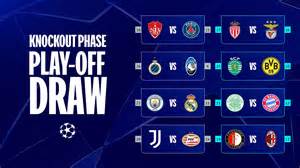
Once the group stage is complete, the knockout phase draws introduce a new layer of complexity. The round of 16 draw is perhaps the most anticipated, as it sets the stage for the business end of the tournament. Here, the seeding system re-emerges but with a twist. The 16 qualifying teams are split into two categories: group winners and group runners-up. Group winners are seeded, while runners-up are unseeded. A seeded team is drawn against an unseeded team, with the seeded team enjoying the advantage of playing the second leg at home. This is a subtle but significant edge, as statistics show that teams playing the second leg at home have a slightly higher progression rate.
There are, however, restrictions in the knockout phase draw. Teams from the same group cannot face each other in the round of 16, nor can teams from the same association be paired at this stage. These restrictions are lifted in subsequent rounds, such as the quarter-finals and semi-finals, where the draw is entirely open. This openness adds an element of unpredictability, as any team can face another regardless of their group stage performance or national affiliation.
The seeding system in the knockout phase serves a dual purpose. First, it rewards teams that performed well in the group stage by giving them a theoretically easier path in the round of 16. Second, it maintains competitive tension by ensuring that the group winners, who are often the stronger teams, do not face each other prematurely. However, this system has been criticized for potentially reducing the excitement of certain matchups. For example, a group runner-up like Paris Saint-Germain might face a group winner like Bayern Munich in the round of 16, leading to an early exit for one of the tournament's heavyweights. This dynamic has sparked debates about whether the seeding system should be revised to allow for more flexibility or randomness.
Another unique aspect of the knockout phase draw is the simultaneous drawing of the quarter-final and semi-final paths. Unlike some other tournaments where pairings for each round are determined sequentially, the Champions League opts for a "chained" approach. After the round of 16 is resolved, a single draw determines not only the quarter-final matchups but also the potential semi-final opponents. This creates a clear roadmap to the final, allowing teams and fans to visualize the journey ahead. While this approach adds drama, it has been argued that it can psychologically impact teams, as they might focus too much on hypothetical future opponents rather than the immediate challenge.
One often-overlooked detail in the draw mechanics is the role of geopolitical and logistical considerations. For instance, UEFA may intervene to avoid pairing teams from regions with political tensions or travel restrictions. While rare, such adjustments are made to ensure the tournament runs smoothly. Additionally, the draw must account for stadium availability and scheduling conflicts, particularly if two teams from the same city (like Milan's Inter and AC) progress to the later stages. These practical concerns highlight the balance UEFA must strike between sporting integrity and operational feasibility.
The seeding and draw systems are not without their controversies. Some critics argue that the heavy reliance on club coefficients can create a self-reinforcing cycle where historically successful teams are continually advantaged. For example, a team like Juventus, even in a down year, might still find itself in Pot 2 due to its strong historical performance, while a rising team with a lower coefficient might be unfairly placed in a tougher pot. This has led to calls for a more dynamic seeding system that incorporates recent form or league performance in the current season.
In summary, the Champions League draw mechanics are a blend of structured rules, seeding hierarchies, and practical constraints. The group stage draw prioritizes diversity and fairness through a tiered seeding system, while the knockout phase introduces strategic advantages for higher-performing teams. Despite occasional criticisms, the system is designed to balance competitiveness, logistical practicality, and the drama that fans crave. These mechanics not only shape the tournament's narrative but also underscore the meticulous planning required to manage a competition of this scale.
- The group stage draw uses a four-pot system based on UEFA club coefficients.
- Association restrictions are enforced to avoid clashes between teams from the same country in the group stage.
- The knockout phase draw separates group winners and runners-up, with seeded advantages for the former.
- Open draws begin in the quarter-finals, increasing unpredictability.
- Geopolitical and logistical factors occasionally influence draw outcomes.
This deep dive into the mechanics of the Champions League draws reveals a system that is both methodical and dynamic, designed to uphold the tournament's prestige while adapting to the complexities of modern football.
How Simulators Work: Algorithms and Logic
Simulators for events like the Champions League draw are fascinating tools that blend **technology**, **mathematics**, and **logic** to replicate the process of a live draw. These simulators aim to provide users with an experience that mirrors the actual event while adhering to the rules and constraints of the tournament. To understand how they work, we must delve into the **algorithms**, **randomness models**, and **seeding logic** that form their backbone.
At the core of any simulator lies the concept of **randomness**. In the context of a Champions League draw, randomness is used to determine which teams are paired against each other within the constraints of the tournament’s rules. For example, in the group stage, no two teams from the same country can be drawn in the same group, and seeded teams are placed in specific pots to avoid early clashes between heavyweights. Simulators must replicate these conditions while maintaining an element of unpredictability.
The **random number generation (RNG)** is the first critical component of a simulator. Most modern simulators use **pseudorandom number generators (PRNGs)**, which are algorithms that produce a sequence of numbers that approximate true randomness. PRNGs are deterministic, meaning they generate the same sequence of numbers given the same starting point or "seed." However, by initializing the PRNG with a variable such as the current timestamp (often referred to as the "seed"), the output appears random to the user. This ensures that each simulation run is unique, even though the underlying logic is consistent.
For instance, a simulator might use a PRNG to shuffle the order of teams within a pot. If Team A, Team B, and Team C are in Pot 1, the PRNG might rearrange them into C, A, B for one run and B, C, A for another. This shuffling is crucial because it introduces variability into the simulation while still respecting the pot structure. Without this step, the simulator would always produce the same group arrangements when the same input conditions are provided, reducing its usefulness.
However, **randomness alone is not enough** to create a realistic Champions League draw. The simulator must also incorporate **seeding constraints**, which are rules defined by UEFA that govern how teams are distributed. These constraints include:
- Pot-based seeding: Teams are divided into pots based on their UEFA coefficients or performance in the previous season. For example, Pot 1 typically contains the defending champion and the league winners of the top-ranked countries. Simulators must ensure that a team from Pot 1 is only paired with teams from Pots 2, 3, and 4, never with another Pot 1 team.
- Geographical restrictions: Teams from the same country are kept apart in the group stage. For example, if Manchester City and Manchester United are both in the draw, the simulator must ensure they are placed in different groups. This is achieved by flagging such teams and running a conditional check during the pairing process.
- Fairness considerations: The draw must avoid scenarios where one group becomes significantly stronger (a "Group of Death") compared to others. While this is not a strict rule, simulators often include optional fairness algorithms to distribute strong and weak teams more evenly across groups. This can involve weighting mechanisms or iterative adjustments to ensure balanced group strengths.
To implement these constraints, simulators often use **conditional logic** and **backtracking algorithms**. For example, consider the process of drawing Team A from Pot 1 into Group 1. The simulator must check whether adding Team A to Group 1 violates any rules (e.g., if Team A's country-mate is already in Group 1). If a conflict arises, the simulator "backs out" of that choice and tries a different arrangement. This is a form of **constraint satisfaction problem (CSP) solving**, a well-known concept in computer science. CSP algorithms explore possible solutions while ensuring all rules are met, and they are particularly useful in scenarios where multiple interdependent constraints exist, as in the Champions League draw.
Another layer of complexity comes from the **visual representation** of the draw. Simulators often aim to mimic the experience of the live event, where balls are pulled from physical pots. To achieve this, simulators may use **animation logic** tied to their RNG output. For instance, when the simulator "picks" Team A, it might visually display an animation of a ball being selected, complete with team names and pot labels. This not only enhances user engagement but also reinforces the perception of fairness and transparency in the simulation process.
Underlying these visual and logical components is a **data structure** that organizes the tournament information. Simulators typically store team data in **arrays or hash maps**, with attributes like team name, pot assignment, country, and seeding rank. These structures allow the simulator to quickly query and validate conditions during the draw process. For example, when drawing a team, the simulator might check an array of "used teams" to ensure no duplicates are selected or verify that a team’s group assignment adheres to seeding rules.
One unique insight into simulator design is the role of **efficiency optimization**. While it might seem straightforward to shuffle teams and assign them to groups, the process can become computationally expensive when dealing with a large number of constraints. For example, in later stages of the tournament (e.g., the knockout rounds), simulators must handle two-legged ties and ensure that group winners play runners-up from other groups. This requires not only RNG but also **weighted probability models** to reflect real-world likelihoods, such as higher-seeded teams having a better chance of progressing. Simulators may use **Monte Carlo methods**—running thousands of simulations to estimate probabilities—to provide users with insights into potential outcomes.
An often-overlooked aspect of simulator design is **user configurability**. Advanced simulators allow users to tweak parameters, such as adjusting the PRNG seed, enabling or disabling specific rules (e.g., ignoring geographical restrictions for a "what-if" scenario), or even simulating draws with hypothetical teams or pots. This flexibility is achieved by modularizing the simulator’s logic so that individual components, like the RNG or constraint checker, can be toggled or replaced without breaking the system.
Finally, the **transparency of algorithms** is a critical factor in building trust among users. Many simulators provide detailed explanations of their logic or even open-source their code. This allows users to verify that the simulator adheres to the official rules and is not biased toward certain outcomes. For instance, some simulators publish their source code on platforms like GitHub, enabling the community to audit and improve the system. This level of openness is particularly important in sports, where fairness and impartiality are paramount.
In conclusion, the technology and algorithms behind a Champions League draw simulator are a blend of **RNG techniques**, **constraint-based logic**, and **data organization**. These tools are not merely about generating random pairings but about recreating a **complex, rule-bound process** in a way that is both engaging and accurate. By leveraging PRNGs, backtracking algorithms, and modular design principles, simulators provide users with a reliable and immersive experience that mirrors the intricacies of the real draw while offering room for exploration and experimentation.
Historical Context of Champions League Draws
The Champions League draw is one of the most anticipated events in European football, setting the stage for thrilling matchups and high-stakes competition among the continent's elite clubs. Over the years, the draw has evolved not only in its format but also in its significance as a moment of speculation, anticipation, and analysis. To understand the role of a **Champions League draw simulator**, it is essential to delve into the historical context of past draws, examining their unique dynamics and how simulators can recreate or predict similar scenarios.
The first Champions League (then known as the European Cup) draws were relatively straightforward compared to today's complex procedures. Early iterations of the tournament involved fewer teams and simpler group structures. However, as the competition expanded in the 1990s to include more clubs and a group stage, the draw became a logistical challenge. Notable draws, such as the one for the 1998-99 season, stand out because they created groups that pitted storied rivals against each other early in the competition. For instance, Manchester United, Bayern Munich, and Barcelona were drawn into the same group that year—a so-called "group of death" that tested the mettle of all involved. Simulators can recreate this scenario by analyzing seeding systems and historical probabilities to generate similarly competitive group configurations.
One of the most fascinating aspects of past Champions League draws is the role of **seeding and pot systems**. Since the introduction of a group stage in 1992, UEFA has used a seeding mechanism to balance perceived strength across groups. Teams are placed into pots based on their UEFA coefficients, which are derived from their performance in European competitions over the previous five seasons. This system has often led to intriguing dynamics. For example, in the 2013-14 draw, Manchester City, despite being a strong team, found themselves in Pot 3 due to a lower coefficient at the time. This placement led to their inclusion in a group with Bayern Munich and CSKA Moscow, creating a scenario where a strong team faced an uphill battle from the outset. A simulator can model such situations by incorporating historical coefficient trends and hypothetical "what-if" scenarios where a team's seeding changes due to slight performance variations.
Another critical element of historical draws is the **geopolitical and commercial considerations** that have occasionally influenced outcomes. UEFA has rules to prevent teams from the same country being drawn against each other in the group stage, as well as restrictions to avoid certain politically sensitive pairings. For instance, in the 2003-04 season, the draw ensured that teams like Arsenal and Chelsea, both from London, did not meet in the group stage. However, in the knockout rounds, such restrictions are lifted, often leading to high-profile domestic rivalries on the European stage. Simulators can account for these rules by implementing constraints that mirror UEFA's draw logic, allowing users to explore how different rule variations might affect group compositions.
The concept of the "group of death" is a recurring theme in Champions League history, and simulators can analyze why certain draws produce these challenging groups. A classic example is the 2007-08 group stage, which included Chelsea, Valencia, and Schalke 04 in Group B—three teams with strong European pedigrees. Such scenarios arise due to the inherent randomness of the draw combined with the limitations of pot placements. Simulators can use Monte Carlo methods to simulate thousands of potential draws, identifying the likelihood of "group of death" formations based on the distribution of team strengths across pots. This not only provides insight into past draws but also helps predict the probability of similar scenarios in future tournaments.
A deeper look at the **randomness versus predictability debate** reveals how simulators can bridge the gap between these two concepts. While the Champions League draw is designed to be as random as possible within its constraints, patterns often emerge. For instance, some fans and analysts have speculated about "favorable draws" for certain clubs, particularly those with strong historical or commercial appeal. Barcelona and Real Madrid, for instance, have often been perceived to benefit from seemingly easier group-stage opponents. While this could be attributed to their high seeding and strong coefficients, simulators can test whether this perception holds up under scrutiny. By running simulations with randomized but rule-bound scenarios, users can determine whether certain clubs are statistically more likely to receive advantageous draws due to the structure of the seeding system.
The evolution of the draw process has also been shaped by **technological advancements**. Early draws were conducted with physical balls and bowls, relying entirely on manual processes. Today, the event is a spectacle featuring automated systems and digital tools to ensure fairness and transparency. Simulators reflect this technological shift by offering users the ability to run simulations that mimic the modern draw's mechanics. For instance, a simulator might incorporate the exact weighting of team coefficients and the order of pot selection to provide a near-authentic recreation of the process. This not only serves as a tool for fans and analysts but also as a way to explore counterfactual scenarios, such as what might have happened if a specific team had been placed in a different pot due to a recalculated coefficient.
Another layer of historical intrigue comes from **unexpected outcomes** that defy the odds. The 2012-13 group stage saw Celtic, a team with a relatively low coefficient, advance from a group containing Barcelona, Benfica, and Spartak Moscow. This outcome was a testament to the unpredictable nature of football, where underdogs can rise to the occasion. Simulators can explore such scenarios by incorporating variables like home-field advantage, historical head-to-head records, and even intangible factors like team form at the time of the draw. By doing so, they provide a platform to study how past upsets might have been predicted or whether they were truly outliers in the broader context of the competition.
Simulators also play a role in understanding the **psychological impact of draws** on teams and fans. A favorable draw can boost morale and set a positive tone for a campaign, while a challenging group can create early pressure. Historical examples, such as Liverpool's challenging group in 2004-05 (which included Monaco, Deportivo La Coruña, and Olympiacos), illustrate how navigating a tough draw can serve as a springboard for eventual success—Liverpool went on to win the tournament that year. Simulators can model these psychological dynamics by allowing users to test how different group compositions might influence team performance trajectories based on historical data.
In conclusion, the historical context of Champions League draws is rich with lessons about seeding systems, randomness, and the interplay of rules and outcomes. A **Champions League draw simulator** serves as more than just a tool for entertainment—it is a means to explore the intricacies of past tournaments, test hypotheses about fairness and predictability, and gain insights into how the competition's structure has shaped its narrative. By recreating or predicting scenarios from history, simulators offer fans, analysts, and even clubs a deeper understanding of the factors that make the Champions League draw one of the most compelling events in global sports.
Applications of Draw Simulators in Football Analysis
The use of Champions League draw simulators extends far beyond mere entertainment or casual curiosity. These tools have become integral to various aspects of football analysis, offering utility in areas such as strategic planning, fan engagement, and predictive modeling. Their applications are rooted in the ability to simulate real-world scenarios with a high degree of accuracy, providing stakeholders—ranging from team managers to broadcasters—with valuable insights.
One of the most significant applications of draw simulators lies in strategic planning for football teams. Coaches and analysts often use these simulators to anticipate potential matchups in the group stages or knockout rounds of the Champions League. By running multiple simulations, teams can identify patterns in possible pairings and prepare for scenarios that might pose the greatest challenge. For example, if a simulator predicts a high likelihood of facing a defensively robust team like Atlético Madrid in the quarterfinals, a manager might prioritize training sessions focused on breaking down low defensive blocks. Similarly, simulators allow teams to assess their own vulnerabilities by testing hypothetical matchups against stronger or weaker opponents. This not only helps in tailoring game plans but also in identifying transfer needs or tactical adjustments before the actual draw is made. The ability to "rehearse" for different scenarios gives teams a competitive edge, particularly in a tournament as unpredictable as the Champions League.
Beyond team-level strategy, fan engagement is another area where draw simulators shine. Football is as much about the fans as it is about the players, and simulators provide an interactive and immersive way for supporters to speculate about their team's journey. Websites and apps that host these simulators often see spikes in traffic during the lead-up to official draws, as fans experiment with possible outcomes. This engagement is not limited to speculation; it often fosters community discussions, predictions, and even betting markets. For instance, a fan might use a simulator to explore how their team’s chances of advancing change depending on whether they are drawn in a "group of death" with powerhouses like Bayern Munich and Paris Saint-Germain or placed in a more favorable group. The interactive nature of these tools encourages repeat usage, as fans tweak parameters such as seeding rules or home-field advantage to see how outcomes vary. This not only keeps fans invested in the tournament but also deepens their understanding of the competition's structure and mechanics. For broadcasters and football organizations, this heightened engagement translates into increased viewership and brand loyalty, as fans are more likely to tune in to watch matches they have "simulated" themselves.
Another critical application of draw simulators is in predictive modeling, a field that has grown exponentially with the rise of data analytics in sports. Predictive models are used to estimate the probability of certain outcomes based on historical data, team performance metrics, and other variables. Draw simulators can serve as a sandbox for testing these models. For example, a data scientist might input team rankings, recent form, and travel distances into a simulator to see how these factors influence the likelihood of progression for different teams. This approach allows analysts to evaluate the robustness of their models by comparing predicted outcomes with actual tournament results. Moreover, simulators can help refine models by identifying biases or oversights. If a model consistently predicts that lower-ranked teams will progress further than they historically do, this might indicate an over-reliance on certain variables, such as recent form, while underestimating the impact of seeding or travel fatigue. By iteratively improving these models through simulation, football organizations and betting companies can make more informed decisions about resource allocation, marketing campaigns, and odds-setting.
A deeper look into predictive modeling reveals how draw simulators also support long-term planning for football clubs. For instance, a club might use a simulator to explore how their chances of reaching the later stages of the tournament are affected by changes in seeding rules or the introduction of new competition formats. This is particularly relevant as UEFA periodically revises the structure of the Champions League. Simulators allow clubs to model the impact of these changes on their revenue streams, as progression to later stages of the tournament often comes with significant financial rewards. By understanding how different draw scenarios affect their odds, clubs can better plan for recruitment, sponsorship deals, and stadium upgrades. This forward-looking use of simulators helps clubs position themselves not just for immediate success but for sustained competitiveness in European football.
The role of draw simulators in broadcasting and media strategy is also worth noting. Media companies often use these tools to create content that speculates on potential matchups, group compositions, and storylines. For example, a broadcaster might run a simulator to generate a "dream draw" featuring high-profile clashes like Real Madrid vs. Manchester City in the group stage, using this as a hook to drive pre-tournament hype. Such content not only attracts casual fans but also provides a platform for in-depth analysis from pundits. Additionally, simulators can be used to create interactive features for live broadcasts, such as allowing viewers to "play along" by running their own simulations during the actual draw event. This kind of engagement enhances the viewer experience and positions the broadcaster as a forward-thinking entity in sports media.
It is also important to consider how draw simulators can be used to address fairness and transparency concerns in football. The Champions League draw process has occasionally been criticized for perceived biases or inconsistencies in how teams are grouped. Simulators allow stakeholders to test the integrity of the draw mechanics by running thousands of iterations and analyzing the distribution of outcomes. For instance, if a simulator shows that certain teams are disproportionately likely to avoid strong opponents due to seeding rules, this could prompt a reevaluation of the rules to ensure a more balanced competition. This use of simulators as a tool for auditing and improving the fairness of the draw process underscores their value beyond entertainment or speculation.
In summary, Champions League draw simulators are far more than a novelty; they are versatile tools with wide-ranging applications in football analysis. From enabling strategic planning for teams to enhancing fan engagement and supporting predictive modeling, these simulators provide a robust framework for exploring the complexities of tournament dynamics. Their ability to blend entertainment with analytical depth makes them an indispensable asset in modern football, bridging the gap between the sport's emotional appeal and its increasingly data-driven nature.
Benefits for Fans and Clubs
The concept of a Champions League draw simulator is more than just a playful tool for fans; it is a multifaceted resource that offers tangible benefits to both supporters and football clubs. While the surface-level appeal of these simulators lies in their entertainment value, their deeper utility extends into areas like engagement, strategy, and scenario planning. This section explores how simulators provide unique value to fans and clubs, delving into the nuanced ways they enhance the overall experience of the tournament.
For fans, the primary appeal of a Champions League draw simulator is entertainment. The unpredictability of the actual draw—where teams are grouped based on seeding, geography, and other UEFA rules—creates an inherent sense of excitement. Simulators replicate this experience, allowing fans to run their own mock draws repeatedly. This interactivity offers fans a sense of agency over an otherwise fixed event. They can hypothesize about dream matchups, nightmare groups, or scenarios that pit their favorite team against a rival. By enabling fans to experiment with different outcomes, simulators provide a form of escapism and engagement that keeps them invested in the tournament long before the first whistle is blown.
One unique insight is how simulators foster community engagement. Fans often share their simulated draws on social media platforms, sparking debates and discussions about potential group stage dynamics. This shared activity creates a virtual space for fans to connect over their passion for the sport. Moreover, simulators can serve as an educational tool for newer or casual fans who may not fully understand the draw mechanics, such as pot allocations or the prohibition of certain pairings (e.g., teams from the same country in the group stage). By interacting with the simulator, these fans gain a clearer understanding of how the tournament structure works, deepening their appreciation for the sport's organizational complexity.
Another benefit for fans is the psychological thrill of anticipation. The Champions League is a high-stakes competition, and the group stage draw is one of its most dramatic moments. Simulators allow fans to experience this drama on-demand. For instance, a fan of a smaller club might use the simulator to envision their team being drawn against a football giant like Real Madrid or Bayern Munich. This creates a rollercoaster of emotions—hope, fear, excitement—that mirrors the actual event. By offering this experience repeatedly, simulators keep fans emotionally connected to the tournament, even during lulls in the football calendar.
From the perspective of clubs, the value of a draw simulator shifts from entertainment to practical utility. For clubs, particularly those with advanced analytics departments, simulators are tools for scenario planning. While the actual draw is outside their control, clubs can use simulators to model potential group stage outcomes and assess their implications. For example, a club might simulate being placed in a group with three strong opponents to evaluate how their squad depth would hold up under intense competition. This kind of planning is especially critical for teams with limited resources or those that rely heavily on a small core of star players.
Simulators also help clubs prepare for logistical challenges. The Champions League involves travel across Europe, and group stage opponents can dictate the ease or difficulty of these logistics. A simulated draw that places a club in a group with teams from geographically distant countries (e.g., Portugal, Ukraine, and Azerbaijan) might prompt the club to assess travel costs, player fatigue, and recovery time between matches. By running multiple simulations, clubs can identify patterns or particularly challenging scenarios and begin strategizing solutions. This proactive approach can give them a competitive edge in managing the non-football aspects of tournament participation.
Another area where simulators prove valuable to clubs is in fanbase engagement and marketing. Clubs can use simulated draws as content for their social media channels, creating polls or quizzes around potential group stage outcomes. This not only keeps their fanbase engaged during the off-season or between matchdays but also positions the club as forward-thinking and digitally savvy. For instance, a club might post a simulated draw where they face a historically significant rival and use it as an opportunity to reminisce about past encounters, driving traffic to their website or merchandise store. This kind of content keeps the club relevant in the minds of fans and sponsors alike.
Additionally, simulators can support competitive analysis. Clubs often use them to assess the strengths and weaknesses of potential opponents. For example, if a simulator suggests a high likelihood of being grouped with teams known for a particular style of play (e.g., possession-heavy or counter-attacking), the club's coaching staff can begin tailoring training sessions to address these specific challenges. While this is speculative, it aligns with the broader trend of data-driven decision-making in modern football. Clubs that embrace such tools demonstrate a willingness to innovate and prepare for all eventualities.
Simulators also serve as a testing ground for fan sentiment analysis. By observing how fans react to different simulated outcomes—whether through social media comments, forum discussions, or direct feedback—clubs can gauge the emotional temperature of their supporter base. This insight can inform how they frame their messaging around the actual draw. For instance, if fans express concern about a tough simulated group, the club might emphasize resilience and underdog narratives in their pre-tournament communication. Alternatively, if fans are excited about a favorable simulation, the club can lean into optimism and ambition in their branding.
From a broader perspective, simulators contribute to the democratization of football analysis. In the past, scenario planning and draw analysis were largely the domain of experts and insiders. Today, simulators allow fans and even smaller clubs to participate in this process. This democratization fosters a more inclusive football culture, where fans feel like active participants rather than passive spectators. Clubs, too, benefit from this trend, as it encourages a more engaged and knowledgeable supporter base that is likely to invest emotionally and financially in the team’s journey.
Finally, simulators can indirectly support sponsorship and partnership opportunities. Brands that sponsor the Champions League or individual clubs can use simulated draws as part of co-branded campaigns. For example, a sponsor might create a “predict the draw” competition using a simulator, offering exclusive rewards for fans who guess the outcome correctly. This not only enhances fan interaction but also strengthens the sponsor's association with the excitement and prestige of the tournament.
In conclusion, Champions League draw simulators are far more than novelties. They are dynamic tools that enrich the fan experience through entertainment, education, and community building while providing clubs with practical advantages in scenario planning, logistical preparation, and fan engagement. By bridging the gap between fun and functionality, simulators exemplify how technology can enhance both the emotional and operational aspects of modern football.
Challenges and Limitations of Simulators
Simulators for events like the Champions League draw are widely used by fans, analysts, and even event organizers to explore potential outcomes or test various scenarios. However, like any computational model designed to mimic complex, real-world processes, these simulators are not without their challenges and limitations. These issues can range from technical inaccuracies in the algorithms to ethical concerns about how the simulations are perceived or used. This section delves into the deeper aspects of these challenges, particularly focusing on the potential inaccuracies, ethical implications, and inherent limitations of such tools in replicating real-world draw scenarios.
One of the most significant technical challenges in developing a Champions League draw simulator lies in accurately replicating the probability distribution of the draw process. The actual draw involves physical or digital systems that adhere to UEFA’s rules for seeding and pot allocation. These rules often include complex constraints, such as geographical restrictions (e.g., teams from the same country cannot face each other in the group stage) or pre-determined seeding hierarchies. Simulators must account for these constraints, which are not always straightforward. For instance, if a simulator uses a naive randomization algorithm without properly weighting these rules, it could produce invalid or highly improbable group configurations. This can mislead users into thinking certain outcomes are more likely than they are in reality. To address this, developers must invest in robust algorithms that incorporate weighted randomness and rule-based logic checks, but even these can fail if the underlying data or assumptions are flawed.
Another layer of complexity arises from the dynamic nature of seeding and team qualifications. The Champions League draw is not static; it depends on the outcomes of qualifying rounds and group stage results, which might not be fully determined when simulators are used. For example, if a simulator is based on early-season projections or historical data, it may overlook late-breaking changes in team performance, injuries, or even unexpected wildcard entries. These factors can lead to a mismatch between simulated outcomes and actual draws, reducing the simulator's utility. Furthermore, simulators often struggle to account for human intervention or procedural quirks in the actual draw. For instance, the physical act of drawing balls from a pot can involve subtle human biases or errors, such as a slightly uneven distribution of ball temperatures (a factor some conspiracy theorists have humorously speculated about). While such quirks are unlikely to significantly impact results, they highlight the challenge of perfectly emulating a process that has both mechanical and human elements.
From an ethical perspective, simulators can sometimes blur the line between entertainment and misinformation. Users might treat simulated outcomes as predictive tools rather than probabilistic explorations. This is particularly concerning when simulators are marketed or used in ways that suggest they can predict the future or influence betting decisions. A poorly designed simulator, or one that is not transparent about its methodology, might inadvertently encourage unrealistic expectations or even gambling risks. For example, if a simulator consistently generates "favorable" draws for popular teams, users might assume these outcomes are more likely, potentially leading to skewed betting behavior. This raises questions about the responsibility of simulator creators to clearly communicate the limitations of their tools. A disclaimer stating that the results are purely hypothetical and not indicative of actual probabilities might mitigate this issue, but it does not entirely remove the ethical burden on developers to ensure their tools are not misused.
There are also limitations in simulating human emotion and perception during the draw. In real-world scenarios, the drama and suspense of the draw are part of its appeal. The randomness of the draw is experienced live, with all its unpredictability and immediate reactions from fans, players, and coaches. Simulators, by contrast, lack this emotional context. They present outcomes as cold, calculated probabilities, which can feel sterile compared to the real event. This limitation is not a technical flaw but rather a fundamental difference in purpose: simulators aim to analyze possibilities, while the actual draw is as much about the experience as the result. However, this difference can lead to disappointment among users who expect the simulator to capture the same sense of anticipation and surprise.
Another challenge is the potential for bias in simulator design. Developers may unintentionally introduce bias by weighting certain factors more heavily than others. For example, if a simulator is designed by a developer who supports a particular team or league, they might inadvertently skew the randomization process to favor scenarios where that team or league benefits. While this is not a widespread issue, it underscores the importance of transparency in simulator design. Open-source simulators or those with publicly available methodologies can help address this concern by allowing users to scrutinize the logic and assumptions behind the tool. However, not all simulators are open-source, and many operate as black boxes, leaving users to trust the integrity of the developers without any means of verification.
A related issue is the limitation of user understanding. Many people who use simulators may not have the technical knowledge to interpret the results critically. For instance, a simulator might display a "10% chance" of a particular group configuration, but users might not understand what this means in practical terms. Does it mean the configuration is genuinely unlikely, or is it simply one of many equally possible outcomes? Without proper educational context, users might misinterpret these figures, which can lead to misinformed discussions or analyses. This is particularly problematic when simulators are used in professional settings, such as by sports journalists or analysts, where inaccurate interpretations could spread widely and influence public opinion.
Finally, there is the question of scalability and adaptability. As the Champions League evolves—introducing new teams, formats, or even expanding its participant pool—simulators must be updated to remain relevant. However, this is not always feasible for smaller developers or hobbyist creators who lack the resources to keep their tools aligned with UEFA's changing rules. This can result in outdated simulators that no longer reflect the current state of the competition. Additionally, simulators that are not regularly maintained may fail to incorporate new constraints, such as adjustments to seeding rules or the introduction of play-in rounds for certain teams. These gaps can make simulators less reliable over time, especially for users seeking up-to-date insights.
In summary, while Champions League draw simulators are valuable tools for exploring hypothetical scenarios, they are not without their challenges and limitations. From the technical difficulties of replicating complex rules and probabilities to the ethical concerns surrounding their use and interpretation, simulators must navigate a range of issues to remain useful and credible. Developers must strive for accuracy, transparency, and user education to address these limitations effectively. Ultimately, while simulators can enhance our understanding of the draw process, they cannot fully replicate the intricacies of the real-world event, reminding us that some elements of sports—like the thrill of the unknown—are best left to chance rather than computation.
Case Studies: Popular Simulators and Their Impact
The concept of a **Champions League draw simulator** has evolved from a niche tool for football enthusiasts into a widely recognized and influential component of the global football community. These simulators, often built with sophisticated algorithms and user-friendly interfaces, serve multiple purposes. They not only entertain fans by allowing them to predict or simulate potential match-ups but also play a role in **analyzing probabilities, fostering engagement, and even influencing betting markets**. This section explores some of the most popular draw simulators and their tangible impact on football communities worldwide.
One of the most well-known examples of a **Champions League draw simulator** is the tool provided by **UEFA's official website** during the competition's group stage and knockout phase. UEFA's simulator is unique because it is directly tied to the official rules and seedings of the tournament. Users can replicate the draw process in real-time, adhering to the actual constraints such as **prohibitions on teams from the same country meeting in early rounds or the avoidance of rematches from the group stage**. This simulator has a **dual purpose**: it educates fans about the intricacies of tournament logistics while also providing a platform for speculation and excitement. For instance, during the 2022/23 season, the simulator was widely used by fan groups and online forums to predict potential "Group of Death" scenarios. The discussions generated by these simulations often spilled over into **social media debates, podcast topics, and even betting trends**, showcasing how such tools can amplify fan engagement.
Another example is **independent third-party simulators** like **Draw Simulator** by Transfermarkt or fan-created applications hosted on platforms like GitHub. These simulators are particularly appealing because they often allow for **customization beyond the official rules**. For example, users might simulate hypothetical scenarios such as "What if the Champions League included teams from South America?" or "What would a draw look like with all-time great teams instead of current squads?". These tools tap into the **creative and speculative side of football fandom**, enabling communities to explore "what-if" scenarios that official platforms cannot provide. A case study from 2021 revealed that a fan-made simulator allowing users to include historical teams like **Ajax 1995** or **AC Milan 1989** in a modern Champions League draw gained viral traction on Reddit. This not only entertained users but also sparked **academic-level discussions about how modern football tactics would fare against legendary squads**, enriching the football discourse.
The influence of these simulators is not limited to casual fan engagement. **Betting communities and data analysts** have also found value in them. Many professional bettors and sports analysts use simulators to assess the **probabilities of specific match-ups** and how these might affect team performance or betting odds. For example, a popular simulator hosted by a sports analytics website during the 2020 Champions League knockout stage provided users with **simulated probabilities of team progressions based on historical performance metrics**. This tool was cited by several betting platforms as a reference point for setting odds. While simulators are not infallible—they rely on past data and cannot account for intangibles like injuries or managerial decisions—they provide a **quantifiable framework** for understanding potential outcomes. This has made them an essential resource for those looking to gain a **statistical edge** in their predictions.

A particularly interesting case study comes from **fantasy football communities**. Platforms like **Fantasy Football Scout** integrated draw simulators into their offerings during the 2019/20 season, enabling users to plan their fantasy team selections based on potential match-ups. For example, if a simulator suggested that **Liverpool was likely to face Barcelona in the quarter-finals**, fantasy managers could prioritize players from these teams in anticipation of high-scoring games. This integration of simulators into **fantasy sports strategy** underscores how these tools can influence not just passive engagement but also **active decision-making** within the football ecosystem. The ripple effect of such engagement is evident in the **increased viewership of specific matches**, as fans aligned their fantasy team choices with real-world outcomes predicted by the simulators.
Another layer of impact comes from the **social aspect** of these simulators. Many football communities host live events or streaming sessions where popular content creators use simulators to conduct mock draws. These events often attract thousands of viewers, particularly during high-stakes stages of the tournament. For example, during the 2021 Champions League semi-final draw, a YouTube channel specializing in football analysis conducted a **live simulator event** where fans could vote on different rule variations (e.g., ignoring country restrictions or simulating an "open draw"). The event garnered over **100,000 live views**, with active participation in the chat and post-event polls. This demonstrates how simulators can act as a **community-building tool**, fostering a sense of collective excitement and speculation that goes beyond the official event.
An often-overlooked aspect of these simulators is their role in **educating younger fans** about the structure of the tournament. For instance, school programs in countries like the UK and Germany have incorporated Champions League draw simulators into their **sports education curriculum** to teach concepts like **probability, seeding systems, and tournament organization**. A simulator designed by a university project in 2022 allowed students to input custom seedings and observe how different rule sets affected the outcomes. This initiative not only made the learning process interactive but also introduced a new generation of fans to the **behind-the-scenes mechanics of football tournaments**, potentially inspiring future sports analysts or event organizers.
However, it is worth noting that simulators are not without their **limitations and controversies**. Some critics argue that the widespread use of simulators can lead to **misinformation or overhyped expectations**. For example, if a simulator predicts a dream match-up between **Real Madrid and Manchester City** in the final, and the actual draw results in less glamorous pairings, it can lead to **fan disappointment**. Additionally, the use of simulators in betting contexts has raised ethical questions about whether they encourage **irresponsible gambling behaviors** by making outcomes seem more predictable than they are. These concerns highlight the need for clear disclaimers and responsible use of such tools within the football community.
In conclusion, **Champions League draw simulators** have carved out a unique space in the football landscape. From official tools that enhance understanding of tournament logistics to third-party platforms that fuel creative speculation, these simulators have a **multifaceted impact**. They entertain, educate, and even inform professional strategies, while also serving as a **social glue** for global football communities. Their influence extends beyond simple entertainment, touching areas like **fan engagement, sports analytics, and education**. As technology continues to evolve, it is likely that simulators will become even more integrated into the fabric of how fans interact with the sport, further cementing their role as a **dynamic and impactful tool** in the world of football.
The Role of Simulators in Modern Football Media
The advent of digital technology has transformed the way football is consumed, analyzed, and discussed. Simulators, particularly those like the Champions League draw simulator, have emerged as powerful tools in modern football media, enabling broadcasters, websites, and social media platforms to craft engaging, interactive, and data-driven content. These simulators go beyond mere entertainment; they provide a framework for storytelling, audience engagement, and strategic content planning in a highly competitive media landscape.
One of the most significant roles simulators play is in **pre-event content generation**. The UEFA Champions League draw is a highly anticipated event, not just for fans but also for media outlets seeking to maximize their audience reach. Before the official draw takes place, simulators allow media platforms to create speculative scenarios, such as "What if Team A faces Team B in the group stage?" or "How would a group of death look this year?" These simulations provide fodder for articles, videos, and social media posts that keep fans engaged in the lead-up to the event. For instance, a well-designed simulator can generate thousands of potential draw outcomes based on seeding rules, allowing writers and content creators to explore hypothetical matchups and their implications. This not only fuels fan curiosity but also positions the platform as a source of informed speculation, increasing its authority in the football space.
Simulators also serve as a **testing ground for predictive analytics**. In modern football media, data-driven insights are a cornerstone of credibility. Websites and broadcasters often employ simulators to analyze the probabilities of certain matchups occurring. By incorporating historical data, seeding mechanics, and even team form into the simulation, these tools can produce statistically grounded predictions. For example, a simulator might reveal that there is a 65% chance of a heavyweight clash between Barcelona and Bayern Munich in the group stage. Such insights can be packaged into articles or segments that appeal to fans who are eager to understand the "science" behind the draw. This approach not only enhances the narrative but also demonstrates the platform's investment in using technology to provide value to its audience.
Another area where simulators excel is in **interactive fan engagement**. Social media platforms, in particular, thrive on user participation, and simulators offer a unique opportunity to involve fans directly in the content creation process. Many platforms have integrated "custom draw" features where users can simulate their own Champions League group stage by selecting teams or running randomized simulations. This interactivity drives shares, comments, and discussions as fans debate the fairness or excitement of the simulated outcomes. For example, a fan might share their simulated group featuring a clash between Liverpool and Paris Saint-Germain with the caption, "This would be an epic group!"—a simple yet effective way to generate organic reach. The virality of such content often stems from the emotional investment fans have in seeing their favorite teams pitted against rivals or underdogs in hypothetical scenarios.
Broadcasters, too, benefit from simulators in **enhancing live coverage**. During the actual draw event, simulators can be used in real-time to provide instant analysis of group compositions as they are revealed. For instance, a broadcaster might use a simulator to immediately calculate the average Elo rating of a newly formed group or to compare it against past group stages for context. These rapid insights not only enrich the viewing experience but also position the broadcaster as a source of deep, real-time expertise. Moreover, simulators can help visualize scenarios that might otherwise be difficult to explain verbally. A graphic showing "possible paths to the final" for a team based on their group placement can be generated instantly, offering viewers a clear and compelling picture of what lies ahead.
Simulators also play a role in **long-term content strategy**. Websites and platforms can use them to create evergreen content that remains relevant even after the official draw. For instance, a simulator might be used to explore "what-if" scenarios for past Champions League draws, such as "How would the 2009 draw look with today’s teams?" This kind of retrospective analysis appeals to both nostalgic fans and newer audiences curious about football history. Additionally, simulators can support the creation of "alternate reality" content, where users explore how different seeding rules or team performances might have altered the tournament landscape. Such content stands out because it combines creativity with technical rigor, offering fans a fresh perspective on familiar events.
From a **monetization perspective**, simulators provide unique opportunities for platforms to integrate sponsorships and branded content. For example, a website might partner with a betting company to offer a "predict the draw" feature powered by the simulator. Users could enter their simulated outcomes into a contest, with prizes sponsored by the partner. This not only drives traffic but also opens up avenues for cross-promotion between the platform and its sponsors. Similarly, simulators can be used to create premium content for subscription-based platforms. A paid feature might allow users to access advanced simulation tools with customizable parameters, such as adjusting seeding rules or exploring specific "what-if" scenarios in greater detail. This approach caters to the growing demand for personalized, high-value content among dedicated football fans.
Simulators also address the **challenge of content saturation** in modern football media. With countless outlets vying for attention, standing out requires innovation. A well-executed simulator provides a unique selling point that differentiates a platform from its competitors. For instance, a website offering an advanced Champions League draw simulator with features like real-time updates, historical comparisons, and detailed probability breakdowns is more likely to attract and retain users than one relying solely on static articles or generic previews. This differentiation is crucial in an era where fans are bombarded with content across multiple channels and have increasingly high expectations for quality and uniqueness.
However, the effectiveness of simulators depends on their **accuracy and transparency**. For media platforms to fully leverage these tools, they must ensure that their simulators are built on robust algorithms that reflect the actual mechanics of the draw. Any perceived bias or error in the simulation can undermine the platform's credibility. Therefore, it is essential for media outlets to collaborate with developers and football experts to create simulators that are not only fun but also technically sound. Transparency about how the simulator works—such as explaining the seeding rules or probability models used—can further enhance trust and engagement.
In conclusion, the role of simulators in modern football media extends far beyond entertainment. They are **content engines** that drive engagement, enhance storytelling, and provide platforms with a competitive edge. Whether used for pre-event speculation, real-time analysis, interactive fan features, or long-term strategy, simulators like the Champions League draw simulator exemplify how technology can enrich the football experience for both creators and consumers. As the football media landscape continues to evolve, simulators will likely play an even greater role in shaping how fans interact with the sport and how platforms differentiate themselves in an increasingly crowded market.
Conclusion and Future of Draw Simulators
The exploration of Champions League draw simulators has highlighted their role as both a practical tool for event organizers and an engaging medium for fans. These simulators, rooted in the principles of randomness and fairness, have evolved from simple algorithmic models to sophisticated platforms capable of replicating the intricacies of real-world draw mechanics. As we conclude this deep dive, it is important to reflect on their current utility and speculate on how future advancements in AI and data analytics could redefine their purpose and impact.
At their core, draw simulators serve a dual purpose: they provide a **transparent mechanism** for event planning while offering **entertainment value** to a global audience. For UEFA and similar organizations, these tools ensure that group stage draws adhere to competition rules—such as seeding, geographical restrictions, and pot assignments—while minimizing human error. For fans, they create a space to speculate, strategize, and immerse themselves in the "what-if" scenarios that make football so compelling. This balance of utility and engagement has cemented draw simulators as a staple in the modern football ecosystem.
However, as we look toward the future, the **convergence of AI and data analytics** presents a transformative opportunity for these tools. Currently, most simulators operate on static probability models. They randomize outcomes within predefined constraints but lack the ability to learn from historical patterns or user behavior. This is where AI can step in to enhance both the **accuracy** and **personalization** of these systems.
One potential evolution lies in **predictive analytics**. Modern AI models, particularly those leveraging machine learning, can analyze vast datasets from past Champions League tournaments to identify trends. For instance, an advanced simulator could consider factors such as team form, historical head-to-head records, and even the likelihood of specific matchups based on seeding dynamics. While purists might argue that this undermines the randomness of the draw, such insights could be used to create **"alternate reality" scenarios**. Fans could toggle between a purely random draw and one influenced by historical tendencies, offering a richer, more interactive experience. Imagine a simulator that tells you, "Based on the last decade of draws, there’s a 75% chance Bayern Munich and Barcelona will end up in the same group this year." This kind of feature could bridge the gap between randomness and informed speculation.
Another area of innovation is **user-driven customization**. With advancements in natural language processing (NLP), simulators could become more interactive. Fans might input specific parameters—like "avoid all-English group stages" or "maximize geographical diversity"—and receive tailored outcomes. This level of interactivity not only caters to individual preferences but also opens the door for **collaborative simulations**. Groups of fans or analysts could work together to design hypothetical tournament structures, testing how different rule changes or pot distributions might affect the competition's dynamics. Such tools could even be used by UEFA itself to experiment with new draw formats before implementing them in official settings.
The rise of **real-time data integration** is another frontier. Draw simulators of the future might pull live data from ongoing matches, player performance metrics, and even injury reports to dynamically adjust probabilities. For example, if a key player from a seeded team is injured before the draw, the simulator could adjust the perceived strength of that team and recalibrate the group stage outcomes accordingly. This would add a layer of **dynamic realism** to what is currently a static process, making simulators feel more like a live, evolving system rather than a one-time tool.
On the technical side, the integration of **blockchain technology** could enhance the **transparency and trustworthiness** of draw simulators. One of the criticisms sometimes leveled at official draws is the perception of bias or manipulation. By using blockchain to log every step of the simulation process—from the initial seeding to the final group assignments—organizations could provide an immutable record of fairness. This would not only reassure fans but also add a layer of **accountability** to the process, particularly in high-stakes scenarios where even the slightest hint of favoritism can spark controversy.
From a broader perspective, the future of draw simulators might extend beyond their current domain. As AI and data analytics continue to permeate sports, these tools could become part of a larger **strategic ecosystem**. For instance, clubs and analysts might use simulators to model potential tournament paths, identifying optimal group stage outcomes that align with their strengths. This could inform everything from transfer strategies to tactical preparations. Similarly, broadcasters and marketers could leverage simulators to predict **audience engagement metrics**. A group stage featuring high-profile rivalries or underdog stories might be simulated in advance to forecast viewership trends, helping networks plan their coverage and promotional campaigns.
However, with these advancements come **ethical considerations**. As simulators grow more sophisticated, there is a risk of blurring the line between **simulation and manipulation**. If AI-driven tools begin to predict outcomes with high accuracy, there is a danger that they could influence decision-making in ways that compromise the integrity of the competition. For example, if a club uses a simulator to deliberately target "easier" group stage paths, it could lead to accusations of gaming the system. Therefore, it will be crucial for developers and stakeholders to establish clear boundaries between **entertainment-focused tools** and those used for strategic advantage.
In addition, the growing reliance on AI raises questions about **accessibility**. While advanced simulators could offer incredible features, they must remain **inclusive**. A future where only elite organizations or wealthy fans can access cutting-edge tools would widen existing disparities in the football world. Ensuring that simulators remain open-source or widely available could foster a sense of community and shared enthusiasm, rather than exclusivity.
Finally, we must consider the **cultural impact** of draw simulators. As these tools become more advanced, they could redefine how fans engage with the sport. No longer passive spectators, fans might see themselves as co-creators of narratives, using simulators to craft their own versions of the Champions League story. This shift could deepen fan loyalty and participation, turning the draw from a ceremonial event into an ongoing, interactive experience.
In conclusion, the Champions League draw simulator is more than a simple tool—it is a reflection of how technology can enhance both the operational and experiential aspects of football. As AI and data analytics continue to evolve, these simulators have the potential to become smarter, more interactive, and more integrated into the broader football landscape. However, their development must be guided by principles of fairness, accessibility, and ethical use. By striking this balance, draw simulators can not only adapt to the future but also play a pivotal role in shaping how we experience and understand the beautiful game.