Introduction to Kylian Mbappé Boots
The world of football is not just about the players or the matches; it is also about the gear that symbolizes the sport's essence. Among the most iconic elements of a footballer's identity are their boots. In this context, Kylian Mbappé's boots have emerged as a cultural phenomenon that transcends mere functionality. They are a blend of performance technology, personal branding, and fan aspiration, making them a significant part of football culture. To understand their appeal, it is essential to delve into how these boots are not just tools of the trade but symbols of a player's legacy, innovation in sports equipment, and the emotional connection they foster among fans and players.
Kylian Mbappé, the French forward who has dazzled the world with his speed, technique, and goal-scoring prowess, is often seen as a modern embodiment of football excellence. His boots, therefore, carry a weight beyond their physical design. They are an extension of his persona on the field—a visual and functional representation of what he stands for. For fans and aspiring players, wearing boots associated with Mbappé means more than just emulating his skills; it is about aligning with his ethos of relentless ambition, precision, and flair. This is why the boots he endorses, particularly those designed in collaboration with major sportswear brands like Nike, have become objects of fascination and desire in the football world.
One of the key aspects of Mbappé's boots is their technological innovation. As a player known for his explosive speed, Mbappé requires footwear that supports his unique playing style. Brands like Nike have tailored boots for him, such as the Nike Mercurial line, which is engineered for agility, lightweight performance, and optimal ball control. These boots often feature advanced materials like Flyknit uppers for a snug fit, aerodynamic designs to reduce drag, and specialized stud configurations for enhanced traction. This focus on performance-enhancing features makes Mbappé's boots not just a product of marketing but a genuine tool for players who want to emulate his style of play. The technological edge of these boots also reflects the evolution of football gear—where boots are no longer just protective wear but precision instruments designed to cater to specific playing dynamics.
Beyond their technical attributes, the design aesthetics of Mbappé's boots play a crucial role in their appeal. Football boots have evolved from being purely utilitarian to becoming fashion statements. Mbappé's collaborations with Nike often feature bold colorways, personalized touches, and motifs that tell a story. For instance, some of his signature boots include elements inspired by his hometown of Bondy, France, or his journey to becoming a global superstar. These design choices are not arbitrary; they are intended to resonate with fans on a deeper level. A young player in Africa, Europe, or South America might see Mbappé's boots not just as a piece of equipment but as a tangible connection to his story—a story of rising from humble beginnings to global stardom. This narrative-driven design makes the boots aspirational, as they symbolize the dream of achieving greatness against the odds.
The emotional resonance of Mbappé's boots extends to the broader football culture. In a sport where idols are often deified, the gear they use becomes part of their mythos. Fans do not just admire Mbappé for his goals or his speed; they also look at his boots as an integral part of his identity. This is evident in the way boot launches featuring Mbappé generate massive attention. Social media campaigns, exclusive releases, and limited-edition designs create a sense of exclusivity and desirability. For instance, when Nike released the "Bondy Dreams" Mercurial Superfly VII inspired by Mbappé's roots, it was not just a boot launch—it was a celebration of his journey. Such events turn the boots into collectibles, reinforcing their cultural significance. Fans who cannot afford the actual boots often seek replicas or even just merchandise associated with them, underscoring how deeply these items are embedded in football fandom.
Another layer of significance lies in how Mbappé's boots influence younger players. As a role model for millions of aspiring footballers, Mbappé's choice of boots sets trends in the sport. Youth academies and amateur leagues often see players opting for similar models, not just for their performance benefits but because they want to feel closer to their idol. This ripple effect is not unique to Mbappé but is particularly pronounced in his case due to his global appeal and marketability. The boots he wears become a bridge between professional football and grassroots players, serving as a unifying element in a sport that thrives on inclusivity and inspiration. This dynamic also highlights the role of sportswear brands in shaping football culture by associating their products with top-tier athletes like Mbappé.
It is also worth noting the commercial implications of Mbappé's boots. As one of the most marketable athletes in the world, Mbappé's association with a particular boot model can drive sales and shape consumer behavior. Sportswear brands invest heavily in player endorsements because they understand that the right athlete can elevate a product from a simple item to a must-have. Mbappé's boots are no exception. They are often positioned as premium products, priced higher than standard models, which adds to their exclusivity. This commercial strategy is not just about profit but about creating a narrative around the boots as a symbol of excellence. When fans or players buy these boots, they are not just purchasing footwear—they are buying into the idea of being part of Mbappé's world, even if only in a small way.
Furthermore, the cultural impact of Mbappé's boots extends to how they are perceived in different regions. In Europe, where football is deeply ingrained in daily life, Mbappé's boots are seen as a marker of cutting-edge performance and style. In emerging football markets like Africa and Asia, they represent the dream of global recognition. In these regions, Mbappé is not just a player; he is a beacon of possibility. His boots, therefore, carry a dual role—they are both a practical tool for players and a symbol of hope for those who see football as a pathway to a better life.
To summarize, Kylian Mbappé's boots are more than just football gear. They are a convergence of technology, design, emotion, and commerce. They encapsulate the spirit of a player who has redefined what it means to be a modern footballer while also serving as a medium through which fans and players connect with his journey. Whether through their innovative features, storytelling designs, or cultural resonance, these boots are a microcosm of football's ability to inspire and unite. For Mbappé, they are tools of his craft; for the world, they are symbols of aspiration and excellence in the beautiful game.
Evolution of Mbappé's Boot Sponsorships
The trajectory of Kylian Mbappé's boot sponsorships is a fascinating case study in how a young athlete's meteoric rise can shape and be shaped by the brands that align with him. From his earliest days as a promising talent to his current status as one of football's most marketable figures, Mbappé's journey with boot sponsors has been both a reflection of his personal growth and a driver of innovation in football footwear.
Mbappé's first significant exposure to the world of boot sponsorships came during his time as a youth player. Like many aspiring footballers, he began wearing Nike boots—a brand synonymous with elite performance and an aspirational image for young players. However, what set Mbappé apart was not just his choice of brand but the rapidity with which his performances began to command attention. By the age of 16, he was already turning heads in Nike's Mercurial line, a boot series designed for speed and agility, qualities that would define his playing style.
In 2016, Mbappé signed his first professional contract with Nike, a milestone that signaled the brand's belief in his potential. This was not merely a standard endorsement deal; it was a calculated move by Nike to secure one of the brightest prospects in football. At the time, Mbappé was playing for AS Monaco, and his explosive performances in the UEFA Champions League—where he showcased blistering pace and clinical finishing—made him a poster child for the Mercurial line. The Nike Mercurial Superfly became synonymous with Mbappé during this period, a boot tailored for players who thrive on speed and quick directional changes. Nike’s decision to feature Mbappé in campaigns alongside established stars like Cristiano Ronaldo underscored their intent to position him as the next global icon.
The evolution of Mbappé's boot design under Nike is particularly noteworthy. Early iterations of the Mercurial boots he wore were part of the broader product line, with no specific customizations unique to him. However, as his influence grew, Nike began incorporating elements that reflected his personality and playing style. For instance, the Nike Mercurial Superfly 360, launched in 2018, coincided with Mbappé's standout performances in the FIFA World Cup. This boot featured a lightweight Flyknit upper and a low-profile soleplate designed to maximize speed. Mbappé’s input in testing and feedback loops with Nike's design team became more pronounced, signaling a shift from being just a brand ambassador to an active collaborator in product development.
One of the most striking examples of this collaboration was the launch of the "Bondy Dreams" Mercurial Superfly in 2019. This limited-edition boot was a tribute to Mbappé's roots in Bondy, a suburb of Paris where he honed his skills. The design incorporated green and gold accents, symbolizing his journey from humble beginnings to global stardom. Such personalized designs were not merely marketing ploys; they represented a deeper narrative of how Mbappé’s identity and heritage were being woven into the very fabric of the products he endorsed. This marked a departure from the generic, one-size-fits-all approach of earlier boot sponsorships and set a precedent for other athletes seeking more personalized partnerships.
Mbappé's influence on Nike's boot design also extended to the Mercurial Superfly 7 and beyond. These boots featured advancements like the Aerotrak soleplate and a more refined upper material, which Mbappé himself tested extensively. His feedback often centered on the need for a balance between lightweight construction and durability—a challenge for designers aiming to cater to players who rely on explosive speed. Mbappé’s insistence on these features not only improved the boots he wore but also influenced the broader Mercurial line, benefiting other athletes who shared similar playing styles.
Beyond the technical aspects, Mbappé's sponsorships have also been a case study in brand storytelling. Nike has leveraged his image not just to sell boots but to tell a story of ambition, heritage, and excellence. Campaigns featuring Mbappé often emphasize his journey from a young boy in Bondy to a World Cup winner, creating an emotional connection with consumers. This narrative-driven approach has been particularly effective in markets where Mbappé’s appeal transcends football, such as North America and Asia, where his global visibility as a Nike athlete has helped the brand penetrate new demographics.
However, Mbappé's relationship with Nike has not been without its complexities. Rumors of interest from rival brands like Adidas and Puma have occasionally surfaced, suggesting that Mbappé’s value as a global ambassador has not gone unnoticed by competitors. While he has remained loyal to Nike, these whispers underscore the high-stakes nature of boot sponsorships in modern football, where brands are not just competing for market share but for cultural relevance.
The influence of Mbappé's boot sponsorships can also be seen in how they have driven trends in the broader football boot market. His preference for lightweight, speed-focused designs has popularized the Mercurial line among a new generation of players who prioritize agility over power. This shift has prompted Nike to invest further in materials like Vaporposite and technologies like Zoom Air units, ensuring that the Mercurial line remains at the cutting edge of boot innovation. Mbappé’s involvement in these developments has positioned him not just as a user of the product but as a co-creator, a role that adds authenticity to his endorsements.
In summary, the history of Kylian Mbappé's boot sponsorships with Nike reveals a dynamic interplay between athlete and brand. From his early days as a promising youngster to his current status as a global superstar, Mbappé has not only benefited from Nike’s technological advancements but has also actively shaped them. His boots are more than tools for performance; they are symbols of his journey, his identity, and his impact on the sport. This evolution highlights how modern athletes are no longer passive recipients of sponsorship deals but active participants in the design and marketing of the products they represent. Mbappé’s story is a testament to how deeply intertwined personal branding and product innovation have become in the world of professional sports.
- Mbappé's early association with Nike was rooted in the Mercurial line, emphasizing speed and agility.
- Customized designs like the "Bondy Dreams" Mercurial Superfly showcased a blend of personal narrative and product innovation.
- His feedback has directly influenced advancements in boot technology, such as the Aerotrak soleplate and Vaporposite materials.
- Nike has leveraged Mbappé’s image to craft emotionally resonant campaigns that extend beyond football.
This deep dive into Mbappé's boot sponsorships demonstrates how his career has been a catalyst for both personal and brand evolution, setting a benchmark for how athlete-brand collaborations can transcend mere endorsements to become platforms for innovation and storytelling.
Technological Innovations in Mbappé Boots
The technological innovations in Kylian Mbappé's signature boots represent a blend of cutting-edge design and performance-driven engineering. These boots are not merely footwear; they are precision tools tailored to enhance the explosive speed, agility, and ball control that define Mbappé's playstyle. By delving into the specific technologies incorporated into these boots, we can better understand how they contribute to the performance of one of the world's most dynamic footballers.
One of the most prominent features in Mbappé's boots is the use of lightweight materials. Modern football boots have shifted away from traditional leather uppers to synthetic materials like Nike's Flyknit or Puma's MatryxSL technology. These materials are engineered to be ultra-light while maintaining durability and flexibility. For instance, the Nike Mercurial Superfly, a boot often associated with Mbappé, employs a Vaporposite+ upper. This material combines grippy mesh with a premium lining to offer a barefoot-like feel when controlling the ball. The lightweight nature of these materials ensures that players like Mbappé can maintain their top speed without being weighed down by their footwear. This is particularly crucial for a player whose game is built on rapid sprints and quick direction changes.
Another key innovation is the focus on grip enhancement technologies. Grip is a critical factor in football, as it directly impacts a player's ability to accelerate, decelerate, and maneuver on the pitch. Mbappé's boots often feature advanced stud configurations designed to provide optimal traction on various playing surfaces. For example, Nike's AeroTrac plate, used in some iterations of the Mercurial line, incorporates chevron-shaped studs that are strategically placed to maximize propulsion. These studs are designed to dig into the ground during forward motion while releasing cleanly to avoid resistance when changing direction. This design minimizes the energy lost in transitions, allowing Mbappé to maintain his explosive pace whether he is sprinting down the wing or darting into the box.
In addition to stud placement, the soleplate technology in Mbappé's boots is a marvel of biomechanical research. Many of his boots include a split soleplate design, which divides the plate into separate sections to enhance flexibility. This feature allows the boot to move more naturally with the foot, reducing strain on the player's muscles and joints during high-speed movements. The split soleplate also contributes to a more responsive feel, as it enables the boot to adapt to the unique pressures exerted during sharp turns or sudden stops. This responsiveness is vital for Mbappé, whose ability to pivot and change direction at high speeds often leaves defenders off-balance.
The integration of dynamic fit collars is another area where Mbappé's boots excel. These collars, often seen in high-top designs like the Mercurial Superfly, extend above the ankle to provide a snug, sock-like fit. This design is not merely aesthetic; it serves a functional purpose by creating a seamless connection between the foot and the lower leg. The dynamic fit collar helps to stabilize the ankle without restricting movement, offering Mbappé the confidence to perform at high speeds without fear of slippage or instability. Additionally, the snug fit reduces the risk of blisters or discomfort, allowing the player to focus entirely on the game rather than adjusting their footwear.

A less obvious but equally important innovation is the use of data-driven design in the development of Mbappé's boots. Manufacturers like Nike and Puma often collaborate with athletes to gather performance data during training and matches. This data is used to fine-tune features such as stud height, upper material elasticity, and even the shape of the boot's toe box. For instance, Mbappé's explosive sprinting style may have influenced the inclusion of slightly elongated toe boxes in some of his signature models. This feature provides extra space for toe-off during sprints, which can enhance acceleration. Similarly, the placement of grip-enhancing textures on the upper might be informed by heat maps showing where players most frequently make contact with the ball.
Another area of innovation lies in the ball control technologies embedded in the upper materials. Modern boots often feature micro-textures or coatings that improve friction between the boot and the ball. For example, Nike's All Conditions Control (ACC) technology ensures consistent ball control in both wet and dry conditions. This is particularly important for Mbappé, who often plays in diverse weather conditions across Europe. The ability to maintain precise control of the ball, whether in a rainy match in Paris or a dry game under the Spanish sun, is a testament to how these technologies cater to the demands of elite-level play.
Furthermore, customization options are becoming a hallmark of signature boots. While not always visible to the public, Mbappé's boots are often tailored to his specific needs. This might include personalized insoles to provide additional arch support or custom stud lengths to suit particular pitch conditions. Such customizations are a testament to the close collaboration between athletes and manufacturers, ensuring that the boots are not just generic products but extensions of the player's physical capabilities.
The focus on sustainability is also beginning to influence the design of Mbappé's boots. While not yet a dominant theme, some manufacturers are experimenting with recycled materials and environmentally friendly production processes. For instance, Nike has introduced boots with uppers made partially from recycled polyester. While these efforts are in their infancy, they point to a future where even high-performance football boots can align with broader environmental goals without compromising on quality or performance.
Lastly, the aesthetic and psychological impact of Mbappé's boots should not be overlooked. While not a "technology" in the traditional sense, the design of his boots often incorporates vibrant colors and striking patterns that reflect his personality and playing style. This visual appeal is not just for show; it can also have a psychological effect on both the player and their opponents. Bright, eye-catching boots can serve as a statement of confidence, signaling to opponents that Mbappé is a force to be reckoned with. Additionally, the sleek, modern designs often resonate with fans, further cementing the boots as iconic pieces of football culture.
In summary, the technological innovations in Kylian Mbappé's signature boots are a testament to the marriage of science and sport. From lightweight materials that enhance speed to grip-enhancing stud configurations that optimize agility, these boots are engineered to meet the demands of one of the game's most electrifying talents. As football continues to evolve, it is clear that the boots worn by players like Mbappé will remain at the forefront of innovation, pushing the boundaries of what is possible on the pitch.
Design Aesthetics and Branding
The design aesthetics and branding of Kylian Mbappé’s football boots are a masterclass in blending personal identity with commercial appeal. Each pair of boots associated with Mbappé is not merely a piece of sports equipment but a symbol of his meteoric rise, his values, and his connection to the global football community. This section delves into the intricate visual elements of Mbappé’s boots, exploring how color schemes, logos, and design motifs serve to reinforce his personal brand while aligning with the broader marketing strategies of the brands he endorses.
One of the most striking aspects of Mbappé’s boots is their color schemes. Nike, his primary sponsor, has consistently used vibrant and bold hues that resonate with his dynamic and youthful energy. For instance, the "Mercurial Superfly Mbappé Rosa" features a striking pink base with black accents. This choice is not random; pink, often associated with boldness and individuality, mirrors Mbappé’s willingness to stand out in a traditionally conservative sport. The contrast with black adds a sense of balance, grounding the design in functionality while still emphasizing flair. Such color choices are deliberate and cater to a younger audience that identifies with Mbappé’s fearless approach to the game. Similarly, the "Bondy Dreams" collection, inspired by his hometown of Bondy, incorporates green and gold tones. These colors reference the lush pitches of his childhood and the aspirational glitter of success, a narrative that Mbappé himself often shares in interviews. This interplay of personal history and visual storytelling makes his boots more than just products—they are extensions of his journey.
The logos on Mbappé’s boots are equally significant. While the prominent Nike swoosh is a given, Mbappé’s boots often feature his personalized branding, such as the "KM" insignia. This monogram is typically placed in a visible area, such as the heel or tongue of the boot, ensuring it captures attention without overshadowing the Nike branding. The "KM" logo is sleek and modern, often rendered in a minimalist style that contrasts with the otherwise bold design of the boots. This duality reflects Mbappé’s own persona—a player who combines explosive speed and agility with a calm, composed demeanor off the pitch. The logo’s understated elegance also aligns with his image as a player who lets his performance do the talking. Moreover, the presence of this personalized element serves a dual purpose: it enhances the exclusivity of the boots, making them desirable to fans, while also reinforcing Mbappé’s status as a standalone brand within the Nike ecosystem.
Another layer of analysis lies in how the boots incorporate symbolism and storytelling. For example, the "Mercurial Superfly 7 Elite SE MBappé Flames" edition features flame motifs along the sides. These flames are not merely decorative; they symbolize Mbappé’s explosive speed and his "on-fire" performances. Such design choices are deeply rooted in the narrative of Mbappé as a player who is unstoppable and incendiary in his impact. This symbolism is further amplified by Nike’s marketing campaigns, where Mbappé is often portrayed as a force of nature. The visual continuity between the boots and their promotional imagery creates a cohesive brand identity that appeals to fans and consumers alike. Additionally, some boots include subtle nods to his inspirations, such as tributes to his idols like Cristiano Ronaldo or nods to French culture. These elements deepen the connection between Mbappé and his audience, as they see not just a product but a story they can relate to.
The collaborative aspect of branding is also worth noting. Mbappé’s boots often emerge as part of limited-edition collections or special releases tied to significant moments in his career. For instance, the "Mbappé x Bondy" pack not only celebrates his roots but also serves as a marketing strategy to position him as a cultural ambassador. This approach leverages Mbappé’s personal story to create a sense of exclusivity and emotional investment among fans. When consumers purchase these boots, they are not just buying footwear; they are buying into Mbappé’s legacy and the idea of being part of something bigger. This strategy is particularly effective in the age of social media, where fans share unboxing videos, showcase their purchases, and amplify the boots’ visual appeal through user-generated content.
It is also important to consider how Mbappé’s boots fit within the larger branding ecosystem of Nike. Nike has a history of tailoring boots to its star athletes, from Ronaldo’s "CR7" series to Neymar’s vibrant designs. However, Mbappé’s boots stand out for their balance between individuality and universality. While they are unmistakably tied to Mbappé’s persona, they also maintain a broad appeal that ensures they are marketable to a global audience. This is a delicate balancing act—too much personalization can alienate general consumers, while too little can fail to capitalize on the athlete’s unique appeal. Nike’s success in this regard lies in their ability to use Mbappé’s boots as a bridge between the player’s individual identity and the universal themes of ambition, speed, and excellence that resonate across cultures.
The materials and finishes of the boots also play a role in their aesthetic appeal. Many of Mbappé’s boots feature metallic or iridescent finishes, particularly in areas like the swoosh or the soleplate. These finishes catch the light during matches, creating a visual spectacle that enhances Mbappé’s presence on the pitch. This is not merely about aesthetics; it is a calculated move to ensure that the boots are as eye-catching in action as they are on the shelf. The use of lightweight, high-performance materials like Flyknit also reinforces the idea that these boots are not just about looks but are built for peak performance, a quality that Mbappé embodies.
Finally, the psychological impact of the design cannot be overlooked. Mbappé’s boots are designed to inspire confidence in the wearer, much like the player himself. The bold colors, dynamic patterns, and personalized touches are intended to make the wearer feel empowered, as though they are stepping into Mbappé’s shoes—both literally and figuratively. This is particularly effective for younger fans who idolize Mbappé and see his boots as a way to emulate his success. The branding here is not passive; it actively invites the consumer to associate themselves with Mbappé’s journey and values.
- The color schemes are bold and reflective of Mbappé’s energy and individuality.
- Logos like the "KM" insignia blend personal branding with Nike’s global appeal.
- Symbolism, such as flame motifs, connects the boots to Mbappé’s on-field persona.
- Collaborative releases tie the boots to specific moments in Mbappé’s career, enhancing their exclusivity.
- High-performance materials and finishes ensure the boots are both functional and visually striking.
In conclusion, the design aesthetics and branding of Kylian Mbappé’s boots are a carefully curated fusion of personal identity, commercial strategy, and emotional storytelling. Each element—from the vibrant color palettes to the symbolic motifs—is purposefully chosen to reflect Mbappé’s journey, his values, and his status as a global icon. These boots are not just tools for the game; they are a visual and emotional extension of Mbappé’s brand, designed to inspire both on and off the pitch.
Performance Features and Player Benefits
The design and engineering of Kylian Mbappé boots are a testament to the fusion of advanced technology and player-centric innovation. These boots are not just a piece of equipment but a tool crafted to amplify the natural abilities of elite athletes like Mbappé, whose game relies heavily on speed, agility, and precise ball control. When analyzing the performance features of these boots, it becomes evident how specific attributes such as stud configurations, fit, and material composition directly contribute to enhanced on-field performance.
One of the most critical aspects of Kylian Mbappé boots is their stud configuration. Modern football boots designed for players of Mbappé’s caliber often feature a hybrid stud pattern that combines conical and bladed studs. This combination serves a dual purpose: conical studs provide 360-degree rotational traction, allowing players to pivot and change direction with minimal resistance. Meanwhile, bladed studs are optimized for forward propulsion, offering a strong grip during explosive sprints. This dual-stud system is particularly advantageous for Mbappé, whose playing style involves rapid directional changes and lightning-fast sprints. For instance, during a counterattack, the ability to pivot on a conical stud while maintaining forward thrust from bladed studs ensures that Mbappé can outmaneuver defenders without compromising his speed. This hybrid approach reduces the risk of slippage while providing the stability needed for high-speed movements, a feature particularly beneficial on both natural grass and artificial turf surfaces.
The fit of the boots is another area where performance is deeply enhanced. Mbappé boots are often designed with a snug, second-skin fit that reduces the gap between the foot and the boot. This tight fit is achieved through materials like knit uppers or advanced synthetics that mold to the shape of the foot. A close fit minimizes internal foot movement within the boot, which is crucial for maintaining control during dynamic actions. When a player like Mbappé dribbles at high speed, even the slightest slippage inside the boot can lead to a loss of ball control or a misstep. The snug fit ensures that the foot remains locked in place, allowing for precise movements. Additionally, many of these boots incorporate adaptive lacing systems that allow players to customize the tightness across different parts of the foot. This adaptability ensures that the boot supports the midfoot for stability while allowing flexibility in the forefoot for quick toe-offs, a feature that directly enhances agility and responsiveness on the pitch.
The upper material of Mbappé boots is also engineered to provide a balance between touch sensitivity and durability. Many of these boots use ultra-thin yet resilient materials such as Nike’s Flyknit or Puma’s evoKNIT. These materials are designed to provide a barefoot-like feel, allowing players to have a heightened sense of the ball. For a player like Mbappé, who relies on quick one-touch passes and intricate dribbling, this feature is invaluable. The thin upper enables better ball feel, which is essential for controlling high-speed passes or executing precise shots. However, the material is not purely about thinness—it is reinforced in key areas to withstand the rigors of professional play. For example, the strike zone of the boot may include a slightly thicker or textured layer to enhance grip on the ball during shots or crosses. This combination of sensitivity and reinforcement ensures that the boots support both finesse and power, two hallmarks of Mbappé’s game.
Another noteworthy feature is the focus on lightweight construction. Mbappé boots are designed to be as light as possible without sacrificing structural integrity. Weight reduction is achieved through innovations such as pebax-based outsoles and minimalist layering in the upper. A lighter boot reduces the energy expenditure required for each step, allowing players to maintain higher speeds for longer durations. This is particularly important for Mbappé, whose explosive acceleration often leaves defenders trailing. A lighter boot also enhances the natural biomechanics of the foot, enabling a more fluid running motion. When a boot is too heavy or bulky, it can create drag or disrupt the natural stride, but Mbappé-designed boots prioritize a streamlined profile that complements the player’s dynamic movements.
The outsole flexibility of these boots is also a key contributor to agility and speed. The soleplate is often designed with a split-toe design or zones of flexibility that mimic the natural movement of the foot. This flexibility allows for a more efficient transfer of energy from the foot to the ground, particularly during rapid changes in direction. For example, when Mbappé performs a quick cut to evade a defender, the flexible soleplate supports the foot’s natural movement rather than resisting it. This reduces strain on the muscles and joints, which can be a significant advantage during a 90-minute match where fatigue can impact performance. Additionally, some boots include stud pressure distribution technology, which ensures that the force exerted during sprints or sudden stops is evenly spread across the foot. This feature not only enhances comfort but also reduces the risk of injuries like metatarsal stress, a common concern for players who rely on explosive speed.
An often-overlooked aspect of Kylian Mbappé boots is their integration of customizable features tailored to individual playing styles. Many of these boots are part of lines that offer options like interchangeable insoles or adjustable components. For instance, some models include removable insoles with varying levels of cushioning to suit different preferences—some players may prioritize shock absorption for high-impact play, while others may opt for a more minimal insole to maximize ground feel. This level of customization ensures that the boots can cater to Mbappé’s specific needs, whether he is focusing on sprint speed in training or ball control during a high-stakes match.
Finally, the aerodynamic design of Mbappé boots deserves mention. While this feature is less tangible than stud configurations or fit, it plays a role in how the boots interact with air resistance during high-speed runs. Boots are often designed with streamlined shapes and smooth surfaces to minimize drag. While the impact of aerodynamics on football performance might seem minimal compared to sports like cycling, at the elite level where milliseconds can make a difference, even slight reductions in air resistance can contribute to Mbappé’s ability to outpace opponents. This design philosophy aligns with the overarching goal of Mbappé boots: to remove any barriers between the player and peak performance.
In summary, the performance features of Kylian Mbappé boots are a masterclass in how footwear can be tailored to enhance specific athletic attributes. From the hybrid stud configurations that support rapid directional changes to the lightweight, second-skin fit that ensures precision and comfort, these boots are engineered to meet the demands of one of the fastest and most skilled players in the world. Each element, whether visible like the upper material or subtle like the soleplate flexibility, works in harmony to create a boot that not only matches Mbappé’s playstyle but actively elevates it. For any player aspiring to emulate Mbappé’s speed, agility, and ball control, these boots offer a blueprint of how design can serve as a direct extension of athletic prowess.

Comparison with Other Signature Boots
When it comes to signature football boots, the designs associated with top-tier players like Kylian Mbappé, Cristiano Ronaldo, and Lionel Messi are not just functional gear but also cultural touchpoints that reflect their personal brands and playing styles. Each of these athletes has partnered with major sportswear brands—Nike for Mbappé and Ronaldo, and Adidas for Messi—to craft boots that are as much a statement of individuality as they are tools of performance. A deep comparison of Kylian Mbappé boots with those of his contemporaries reveals fascinating contrasts in design philosophy, feature prioritization, and market dynamics.
Starting with Kylian Mbappé's boots, the Nike Mercurial Superfly line tailored for him emphasizes speed and agility, aligning perfectly with his explosive playing style. The boots often feature lightweight uppers made of Nike's Vaporposite+ material, which provides a grippy texture for better ball control at high speeds. The soleplate, equipped with Nike's AeroTrac technology, is engineered for rapid acceleration—a key aspect of Mbappé's game. Additionally, Mbappé's boots frequently incorporate vibrant color palettes and designs that nod to his French heritage or personal milestones, such as the "Bondy Dreams" collection inspired by his hometown. These boots are marketed as a fusion of modern innovation and personal storytelling, appealing to younger players who see Mbappé as a symbol of youthful dominance in the sport.
In contrast, Cristiano Ronaldo's signature boots, also under the Nike Mercurial line, lean into power and precision. Ronaldo’s boots, such as the Mercurial Superfly CR7 series, prioritize a slightly different set of features. While speed remains a focus, Ronaldo’s boots often include additional padding in the heel area to support his powerful shooting style and frequent aerial duels. The designs are often bold, with metallic finishes, gradients, and CR7 branding that scream opulence and confidence. For example, the "Safari" or "Chapter" series boots are not just performance-oriented but also serve as collectible items for fans. Ronaldo's boots tend to carry a more global appeal, given his status as one of the most marketable athletes in the world. This broader reach often results in designs that are less tied to a specific cultural narrative and more focused on universal themes like victory and ambition.
On the other hand, Lionel Messi's signature boots from Adidas, such as the Adidas X Speedportal or earlier Nemeziz lines, are built around agility and close control. Unlike Mbappé and Ronaldo's boots, Messi's designs often emphasize a snug fit and flexibility. The laceless construction in some of his boots caters to his preference for a seamless touch on the ball, a critical element of his dribbling-heavy playstyle. Adidas also incorporates technologies like Agilityknit and Speedframe to enhance responsiveness. Messi's boots typically feature more subdued color schemes compared to Ronaldo's flamboyance or Mbappé's youthful vibrancy. The designs often include subtle nods to his Argentine roots or personal achievements, such as gold accents symbolizing his Ballon d'Or wins. This understated aesthetic resonates with Messi's image as a humble yet unstoppable force on the pitch.
From a market reception perspective, each player's boots cater to distinct audience segments. Mbappé's boots are particularly popular among youthful, aspirational players who see him as the face of the next generation of football. His boots are often positioned as a bridge between traditional performance gear and lifestyle fashion, which broadens their appeal beyond pure football enthusiasts. Nike has successfully leveraged Mbappé’s rising star power to create limited-edition releases that sell out quickly, particularly in regions like Europe and Africa, where his influence is strongest.
Ronaldo’s boots, by contrast, have a mass-market appeal that transcends football. The CR7 brand is as much about lifestyle as it is about sport, and this is evident in the way Nike positions his boots in global campaigns. Ronaldo's boots are not just for players; they are for fans who want to emulate his aura of success and luxury. This has made his boots some of the best-selling in the signature football boot market, with particularly strong sales in regions like South America, the Middle East, and Southeast Asia, where his global fanbase is immense.
Messi’s boots, while highly regarded for their technical excellence, appeal to a more specialized audience. They are favored by players who prioritize finesse and control over raw speed or power. Adidas’ marketing for Messi boots often focuses on his legacy and technical mastery, which resonates with fans who view him as the epitome of skillful play. However, this focus on niche appeal sometimes limits their mass-market success compared to Ronaldo's or Mbappé's offerings. Messi's boots perform exceptionally well in markets like Europe and South America but have a less pronounced impact in regions where his brand is less dominant, such as North America.
A key differentiator in the design ethos of these boots lies in how they balance personal branding and universal appeal. Mbappé's boots often feel like a celebration of his journey and individuality, with designs that feel fresh and rooted in his personal narrative. Ronaldo's boots, in contrast, are more about perpetuating an established global brand—CR7—which means they sometimes lack the personal touch seen in Mbappé’s releases. Messi's boots strike a middle ground, focusing on technical innovation while subtly integrating his legacy, but they do not always push the boundaries of boldness in the way Mbappé's or Ronaldo's do.
Another interesting point of comparison is the collaboration process between the players and their respective brands. Mbappé is known to be deeply involved in the design of his boots, often providing input on color schemes and features that reflect his vision. This hands-on approach has resulted in boots that feel intimately connected to his persona. Ronaldo, being a more seasoned collaborator, has a well-established design template that evolves incrementally with each release. Messi, however, has often been seen as less vocal in the design process, with Adidas taking a more proactive role in crafting his boots based on his playing needs rather than his personal aesthetic preferences.
From a technological standpoint, each line of boots incorporates cutting-edge features, but the focus areas differ. Mbappé’s boots prioritize explosiveness, Ronaldo’s emphasize durability and power, and Messi’s are centered on precision and touch. This divergence reflects not just the players' styles but also the brand strategies of Nike and Adidas in carving out unique niches for their flagship athletes.
In summary, while Kylian Mbappé boots stand out for their youthful energy and narrative-driven designs, Cristiano Ronaldo’s boots dominate in terms of mass-market appeal and bold branding, and Lionel Messi’s boots shine in their technical refinement and understated elegance. Each pair reflects not just the player’s on-field attributes but also their off-field personas and the strategic goals of the brands they represent. This triad of signature boots underscores how sportswear companies tailor their products to align with the unique identities of their star athletes, creating not just football gear but cultural artifacts that resonate deeply with fans worldwide.
Market Impact and Consumer Trends
The market impact of Kylian Mbappé boots is a fascinating case study in how athlete endorsements and personal branding can shape consumer purchasing behavior. Mbappé, as one of the most prominent and marketable figures in modern football, has cultivated a global fan base that transcends traditional football demographics. His boots, often released in collaboration with major sportswear brands like Nike, represent more than just functional athletic gear—they are a symbol of aspirational performance, youth, and style. This dynamic creates a ripple effect in consumer markets, especially when examining how different age groups, regions, and player-fan connections influence buying patterns.
One of the most striking aspects of Mbappé boots' popularity is their appeal to younger demographics, particularly those aged 12-24. This group is highly impressionable and often looks to athletes not just as sports figures but as cultural icons. Mbappé, with his youthful energy, record-breaking performances, and humble yet confident persona, embodies the ideal role model for this age group. His boots are not merely purchased for their technical features, such as lightweight materials or grip enhancements, but also for their association with Mbappé's image. For instance, Nike’s "Mercurial Superfly" line, frequently associated with Mbappé, emphasizes speed and agility—traits that resonate with young players who aim to emulate his explosive playing style. This psychological connection between the athlete and the product drives a sense of identity purchase, where consumers feel they are buying into a lifestyle or set of values rather than just a product.
Another key factor in the popularity of Mbappé boots is their regional appeal. While Mbappé is a global star, his boots tend to perform exceptionally well in markets where football is deeply ingrained in the culture, such as Europe, South America, and parts of Africa. In these regions, the boots are not only seen as high-performance gear but also as a way to connect with the broader football community. For example, in France, Mbappé’s home country, his boots are often seen as a point of national pride. Consumers in these areas are more likely to prioritize boots endorsed by a local hero, especially when that athlete represents both excellence and relatability. This regional loyalty is further amplified when Mbappé engages in localized marketing campaigns or charity initiatives, which deepen his connection to fans in specific geographies.
Interestingly, Mbappé boots also have a growing influence on non-football demographics, particularly in the realm of streetwear and fashion. The crossover between sportswear and casual fashion has been a significant trend in recent years, and Mbappé’s boots benefit from this shift. Limited-edition releases, often featuring bold colorways or unique design elements, attract sneakerheads and fashion-conscious consumers who may not play football but appreciate the aesthetic value of the boots. This trend is particularly evident in urban markets like London, Tokyo, and New York, where sportswear is as much about making a style statement as it is about athletic performance. The exclusivity of certain Mbappé boot releases—often tied to collaborations or special events—creates a sense of urgency and FOMO (fear of missing out) among these consumers, further driving sales.
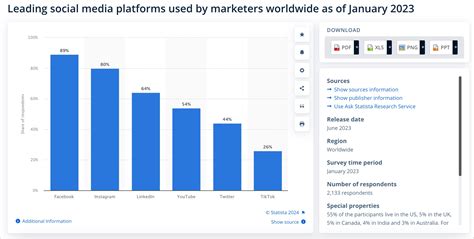
Consumer purchasing behavior is also influenced by the digital ecosystem surrounding Mbappé boots. Social media platforms, particularly Instagram and TikTok, play a critical role in showcasing the boots to a global audience. Mbappé himself is highly active on these platforms, often posting videos of his training sessions, match highlights, or even casual moments where he is seen wearing his signature boots. These posts generate millions of views and interactions, effectively turning Mbappé into a walking advertisement for his own line of products. Additionally, influencers and football content creators often review or showcase the boots in their videos, providing detailed insights into their design, performance, and cultural significance. This digital amplification not only boosts visibility but also creates a community of fans who share their experiences with the boots, further normalizing their purchase as a desirable item.
Another layer of market impact comes from the psychology of aspirational purchasing. Mbappé’s rise to stardom, particularly as a young player who achieved global recognition early in his career, embodies the "underdog-to-champion" narrative that resonates with many consumers. His boots symbolize the idea that anyone, regardless of their background, can achieve greatness with the right tools and mindset. This aspirational element is particularly potent in developing markets, where young players may view Mbappé boots as a tangible connection to their dreams of professional football success. For example, in countries like Nigeria or Brazil, where access to high-quality training facilities may be limited, owning a pair of Mbappé boots can feel like a step closer to the professional leagues, even if only symbolically.
The influence of Mbappé boots on gender-specific purchasing trends is also worth noting. While football boots have traditionally been marketed primarily to male players, Mbappé’s broad appeal has helped bridge the gap in interest among female football players and fans. As women’s football continues to grow in popularity, particularly in light of recent high-profile tournaments like the FIFA Women’s World Cup, Mbappé boots are increasingly seen as a unisex product. Female players, inspired by Mbappé’s skill and charisma, are more likely to invest in his boots as they seek gear that aligns with their own athletic aspirations. This shift is supported by Nike’s broader efforts to create gender-inclusive marketing campaigns, which often feature Mbappé alongside female athletes to promote a message of inclusivity and shared excellence.
From a pricing and accessibility perspective, Mbappé boots occupy a unique space in the market. While high-end versions of his boots can be quite expensive, often retailing at over $200, there are also more affordable models aimed at younger or less affluent consumers. This tiered pricing strategy allows Nike to cater to a wide range of income levels while still capitalizing on Mbappé’s brand appeal. Additionally, second-hand markets and resale platforms have seen a surge in activity around Mbappé boots, particularly for limited-edition releases. This secondary market not only reflects the boots' desirability but also indicates how deeply embedded they are in consumer consciousness as collectible items.
Finally, it is important to consider the long-term sustainability of Mbappé boots' popularity. As Mbappé’s career progresses and he potentially transitions into new roles—such as a mentor, ambassador, or even a brand owner—his boots may evolve to reflect these changes. For instance, future iterations could emphasize sustainability or incorporate smart technology, catering to emerging consumer priorities. Moreover, Mbappé’s influence on younger players who may one day inherit his mantle as a global football icon ensures that his boots will remain a fixture in the market for years to come.
- Mbappé boots appeal strongly to younger demographics due to their association with performance and aspiration.
- Regional loyalty, particularly in football-centric markets, plays a significant role in their popularity.
- The crossover into streetwear and fashion expands their appeal beyond traditional football consumers.
- Social media and digital platforms amplify their visibility and desirability.
- Aspirational purchasing fueled by Mbappé’s underdog-to-champion narrative resonates globally.
- Gender inclusivity in marketing broadens their audience to include female players.
- Tiered pricing and resale markets ensure accessibility and long-term interest.
In summary, the market impact of Kylian Mbappé boots is deeply rooted in their ability to connect with diverse consumer groups through a blend of performance, identity, and aspirational branding. Their influence on purchasing behavior is not merely a result of Mbappé’s fame but also a testament to how modern sportswear marketing leverages athlete personas to shape consumer preferences in a highly competitive landscape.
Cultural and Media Influence of Mbappé Boots
The cultural and media influence of Kylian Mbappé boots extends far beyond their functional purpose as football footwear. These boots, often emblazoned with Mbappé's personal brand elements and sponsored by global sportswear giants like Nike, have become a symbol of modern football's intersection with fashion, celebrity, and consumer culture. In an era where athletes are not just players but also influencers and trendsetters, Mbappé's boots occupy a unique space in the narrative of football aesthetics and identity.
One of the most striking aspects of Mbappé boots in media portrayal is their role as a **visual shorthand for speed and innovation**. Mbappé’s playing style—characterized by blistering pace, agility, and precision—is often mirrored in the design ethos of his signature boots. Media outlets frequently emphasize how the boots are engineered to enhance performance, with features like lightweight materials, aerodynamic silhouettes, and responsive soles. For instance, Nike's marketing campaigns for Mbappé's Mercurial boots often focus on the idea of "explosive speed," directly associating the player's on-field prowess with the product. This portrayal not only reinforces Mbappé's brand as a high-performance athlete but also positions the boots as a must-have for aspiring footballers who want to emulate his style of play.
On **social media platforms**, Mbappé boots are frequently showcased in ways that blend athletic achievement with lifestyle appeal. Mbappé himself is a prolific user of Instagram and Twitter, where he posts images and videos of his boots in action—both during matches and in training. These posts often garner millions of likes and shares, amplifying the boots' visibility to a global audience. What is particularly interesting is how these posts are curated to highlight not just the functional aspects of the boots but also their **aesthetic appeal**. Close-up shots of vibrant colorways, personalized details (such as Mbappé’s logo or the French flag), and sleek designs are common. This strategy taps into the growing trend of "sneakerhead culture" within football, where boots are treated as collectible items with their own fashion cachet. Social media users often comment on the boots’ design, sparking discussions about their uniqueness compared to other football footwear.
The boots also play a significant role in **shaping football fashion trends**. Unlike previous generations where football boots were primarily utilitarian, today's boots are designed to be as much a fashion statement as a performance tool. Mbappé’s boots often debut in eye-catching color schemes—neon greens, metallic silvers, or bold reds—that stand out on the pitch and in promotional material. This deliberate choice of vibrant designs reflects a broader shift in football culture, where players are expected to embody not just athletic excellence but also **personal style**. Media outlets and fashion blogs regularly feature Mbappé’s boots in articles about the "best football boots of the season," blending sports analysis with fashion critique. This crossover appeal has made Mbappé boots a staple in discussions about how football gear influences broader streetwear and athleisure trends.
Another layer of influence comes from the **collaborative storytelling** between Mbappé, Nike, and media platforms. Nike often releases limited-edition Mbappé boots tied to significant moments in his career—such as major tournament victories or personal milestones. These releases are accompanied by carefully crafted narratives in the media, where the boots are positioned as **symbols of Mbappé’s journey**. For example, a special edition boot might feature design elements that reference Mbappé’s hometown of Bondy or his achievements in the World Cup. This approach elevates the boots from mere equipment to **cultural artifacts** that tell a story of ambition, heritage, and success. The media amplifies this narrative by framing the boots as part of Mbappé’s legacy, making them desirable not just for their performance attributes but also for their symbolic value.
The role of **influencers and fan communities** in propagating the appeal of Mbappé boots cannot be overlooked. Social media influencers, particularly those in the football and fashion niches, often review or showcase Mbappé boots in their content. These reviews go beyond technical specifications, delving into how the boots feel, look, and resonate with fans. Fan communities, especially younger audiences, often share user-generated content featuring the boots—whether it’s unboxing videos, matchday photos, or even fan art depicting Mbappé wearing them. This organic engagement further cements the boots' status as a **cultural touchpoint** within the football community, reinforcing their desirability among a demographic that values both performance and style.
It is also worth noting how Mbappé boots contribute to the **globalization of football fashion**. As one of the most marketable athletes in the world, Mbappé’s boots are not just popular in Europe but also in regions like South America, Africa, and Asia, where football is deeply ingrained in local culture. Media coverage in these regions often highlights how Mbappé boots are adopted by local players and fans, sometimes customized with regional motifs or colors. This global reach underscores how the boots serve as a **unifying element** in a sport that transcends geographical boundaries. Mbappé’s status as a role model for young players in diverse cultural contexts means that his boots are not just products but also **vehicles for aspiration** and identity formation.
However, the portrayal of Mbappé boots is not without **critique or complexity**. Some media outlets and commentators have questioned whether the hyper-focus on signature boots detracts from the broader issues in football, such as grassroots development or the commercialization of the sport. For instance, the high price points of signature boots like Mbappé’s can be seen as **exclusive**, catering to a niche market of affluent fans rather than the average player. This critique is particularly relevant in discussions about the accessibility of football gear for underprivileged communities. Nevertheless, the media tends to balance this critique by emphasizing initiatives where Mbappé or Nike have used the boots' popularity to support charitable causes or community programs, softening the perception of exclusivity.
In conclusion, the cultural and media influence of Mbappé boots is multifaceted. They are more than just football footwear; they are **symbols of modernity, aspiration, and global influence**. Through strategic marketing, compelling design, and the star power of Mbappé himself, these boots have become a focal point in the evolving relationship between sports, fashion, and media. Their portrayal in media and social platforms not only reinforces Mbappé’s brand but also shapes how football gear is perceived in the broader cultural landscape, making them a case study in how sports products can transcend their primary function to become **icons of a generation**.
Sustainability and Ethical Manufacturing
The intersection of sports and sustainability has become a critical area of focus in modern consumer culture. As athletes like Kylian Mbappé rise to global prominence, their associated merchandise, including boots, often faces scrutiny regarding their environmental and ethical impact. This scrutiny is amplified by a growing consumer base that prioritizes sustainability and ethical manufacturing. To assess whether Mbappé boots incorporate sustainable practices and how this aligns with modern consumer values, we must delve into the production processes, material choices, and broader brand strategies associated with these products.
One of the primary areas of investigation is the materials used in Mbappé boots. Most high-performance football boots are made from synthetic materials like polyurethane (PU) and thermoplastic polyurethane (TPU), which are derived from petroleum-based sources. These materials are lightweight, durable, and provide the performance characteristics demanded by professional athletes. However, their production is associated with significant carbon emissions and environmental degradation. Brands like Nike and Puma, which have partnered with Mbappé for signature boots, have made strides in incorporating recycled materials into their product lines. For instance, Nike’s Move to Zero initiative aims to use at least 20% recycled content in their footwear. If Mbappé boots are part of this initiative, they likely include elements such as recycled polyester or rubber outsoles made from repurposed materials. This aligns with a growing trend where consumers expect brands to prioritize circular economy principles—reducing waste and reusing resources rather than perpetuating linear production models.
However, the use of recycled materials is only part of the equation. Sustainability in production also involves assessing the energy sources and manufacturing processes. Many sportswear brands operate factories in regions with lax environmental regulations, often relying on fossil-fuel-intensive energy grids. To claim genuine sustainability, the production of Mbappé boots would need to incorporate renewable energy sources or carbon offset programs. While detailed factory-level data for Mbappé-specific boots is not always publicly available, broader brand disclosures suggest mixed progress. For example, Adidas has committed to using 100% renewable energy in its major facilities by 2025, a step that could indirectly benefit Mbappé-endorsed products if manufactured under their umbrella. This lack of transparency in specific product lines, however, leaves room for skepticism among environmentally conscious consumers. Brands must be more forthcoming about the sustainability of individual product lines, especially when tied to high-profile endorsements like Mbappé’s.
Another critical aspect is the ethical dimension of manufacturing. Ethical manufacturing encompasses fair labor practices, safe working conditions, and equitable wages for workers involved in the production process. Football boots are often produced in countries where labor is inexpensive, such as Vietnam, Indonesia, and China. Reports from organizations like the Clean Clothes Campaign have highlighted issues such as excessive working hours and insufficient wages in these supply chains. If Mbappé boots are produced under such conditions, it creates a dissonance between the athlete’s public image—one of youthful dynamism and social responsibility—and the ethical implications of the products bearing his name. Brands have a responsibility to ensure that their celebrity partnerships do not inadvertently endorse exploitative practices. Mbappé, as a UNICEF ambassador and a vocal advocate for youth empowerment, would likely want to align his brand partnerships with ethical manufacturing standards. Publicly available audits or certifications, such as Fair Trade or B Corp, could help reassure consumers that the boots are produced in facilities that meet these standards.
The consumer perspective on sustainability and ethical manufacturing has evolved significantly in recent years. A 2023 survey by McKinsey & Company found that 67% of consumers consider sustainability when making purchasing decisions, with younger demographics—Mbappé’s core fanbase—being particularly attuned to these issues. This generational shift places pressure on brands to not only adopt sustainable practices but also communicate them effectively. Mbappé boots that incorporate sustainable features must be marketed with clear, verifiable claims. For instance, if a boot uses bio-based materials or is produced in a carbon-neutral facility, this should be prominently displayed on packaging and marketing materials. Failure to do so risks alienating a consumer base that increasingly demands accountability.
Moreover, there is an opportunity for Mbappé boots to pioneer innovative sustainable practices in football footwear. For example, some smaller brands have experimented with biodegradable materials like mycelium-based leather alternatives or soles made from natural rubber. While these materials may not yet meet the high-performance requirements of elite football, they represent a frontier that could be explored in collaboration with Mbappé. As a forward-thinking athlete, he could use his platform to push for research and development in this area, thereby setting a precedent for the industry. This would not only enhance the appeal of his boots among environmentally conscious fans but also position him as a leader in the intersection of sports and sustainability.
A related challenge is the lifecycle impact of football boots. These products have a relatively short lifespan due to wear and tear, especially at the professional level where Mbappé operates. Discarded boots often end up in landfills, contributing to environmental pollution. Brands could mitigate this by offering take-back programs where used boots are collected, repurposed, or recycled. While such programs are rare in the sportswear industry, they represent a tangible way for Mbappé boots to stand out. If a take-back initiative were introduced, it could also include community-focused elements, such as donating refurbished boots to underprivileged youth—a gesture that would resonate with Mbappé’s philanthropic efforts.
Finally, we must consider how Mbappé’s personal brand and values influence the sustainability of his endorsed products. As a global icon, Mbappé has the power to demand higher standards from the brands he partners with. Athletes increasingly use their platforms to advocate for causes, and Mbappé’s involvement in sustainability initiatives could set a new benchmark for athlete-brand collaborations. For example, he could negotiate clauses in his endorsement contracts that require brands to meet specific sustainability benchmarks or invest in eco-friendly innovations. This would not only enhance the ethical profile of Mbappé boots but also send a strong message to the industry about the role of athletes in driving change.
In conclusion, the sustainability and ethical manufacturing of Mbappé boots present both challenges and opportunities. While there are promising signs of progress in material innovation and brand-level sustainability initiatives, there is room for greater transparency and proactive measures at the product level. For Mbappé boots to fully align with modern consumer values, they must go beyond surface-level eco-friendly claims and embed sustainability into every stage of their lifecycle—from material sourcing to end-of-life management. In doing so, they can not only meet the expectations of today’s consumers but also set a standard for the future of sports merchandise.
Conclusion and Future Expectations
The legacy of Kylian Mbappé boots is intertwined with the meteoric rise of the player himself. As one of the most dynamic and marketable athletes in modern football, Mbappé has not only redefined speed and agility on the pitch but has also become a symbol of aspirational excellence for fans and players worldwide. His boots, often seen as extensions of his persona, carry a weight of expectation and innovation that transcends mere athletic gear. They are a blend of cutting-edge technology, cultural resonance, and strategic marketing that reflects both the athlete's journey and the evolution of sports footwear as a whole.
When examining the legacy of Mbappé boots, it is essential to acknowledge their role in amplifying the narrative of speed. Mbappé’s association with Nike, particularly the Mercurial line, has cemented these boots as the go-to choice for players who prioritize explosive pace. The Mercurial Superfly and Vapor iterations worn by Mbappé have consistently pushed boundaries in lightweight materials, stud configurations, and upper construction to enhance touch and control at high speeds. This focus on speed is not incidental; it mirrors Mbappé’s playing style—rapid sprints, quick changes of direction, and an ability to outpace defenders. The boots are not just tools for performance but also visual representations of his identity as a player who thrives in moments of acceleration.
From a design perspective, Mbappé’s boots have often incorporated personalized touches that elevate them beyond standard athlete-endorsed products. For instance, limited-edition releases like the "Bondy Dreams" collection pay homage to Mbappé’s roots in the Parisian suburb of Bondy. These designs are more than aesthetic—they are storytelling devices. They weave Mbappé’s personal journey into the fabric of the boots, creating a deeper emotional connection with fans. This approach has set a precedent for athlete-specific boot lines to move beyond generic branding and embrace narratives that resonate with local and global audiences alike. Such storytelling has also opened doors for boots to become collectible items, blending sports performance with cultural memorabilia.
The marketing strategy surrounding Mbappé boots is equally noteworthy. Nike has leveraged Mbappé’s global appeal to target younger audiences, particularly in emerging football markets like Africa, Asia, and the Americas. Through social media campaigns, interactive content, and exclusive drops, the brand has positioned Mbappé as not just a football icon but also a lifestyle influencer. This dual focus on performance and lifestyle is a trend likely to continue as brands recognize the value of athletes as holistic brand ambassadors rather than just sports figures. Mbappé’s boots are central to this strategy, serving as both functional equipment and aspirational products for fans who see themselves in his journey from a young prodigy to a global superstar.
Looking to the future, we can expect several key shifts in the design and marketing of Mbappé boots. One area of innovation is likely to be the integration of smart technology. While smart boots are still in their infancy, there is growing interest in embedding sensors and data-tracking capabilities within footwear. Imagine a pair of Mbappé boots that can measure metrics like sprint speed, ball control efficiency, or even fatigue levels in real time. Such innovations would not only enhance player performance but also appeal to the growing segment of data-driven athletes and coaches. Mbappé, as a forward-thinking athlete, could be at the forefront of endorsing and popularizing such technology, further cementing his boots as tools of the future.
Another area of potential evolution is in sustainability. The sports footwear industry is under increasing pressure to adopt eco-friendly practices, and Mbappé’s boots could become a flagship product in this movement. Nike has already experimented with recycled materials in some of its footwear lines, and it is conceivable that future Mbappé boots could incorporate more sustainable production methods. This shift would align with Mbappé’s public persona as a socially conscious athlete who has spoken about issues like climate change and inequality. A sustainable approach to boot design could not only reduce environmental impact but also enhance the brand’s appeal among environmentally aware consumers.
In terms of design, we might see a greater emphasis on customization. The rise of platforms like Nike By You has already allowed consumers to personalize their footwear, but future Mbappé boots could take this further. For example, fans might be able to design boots that mimic Mbappé’s but with unique elements tailored to their own preferences or playing styles. This would blur the lines between mass-market products and bespoke items, giving fans a sense of ownership and individuality while still being part of the Mbappé brand ecosystem.
From a marketing standpoint, the future of Mbappé boots could involve even more immersive experiences. Augmented reality (AR) and virtual reality (VR) are increasingly being used in product launches and fan engagement. Imagine an AR app that allows users to "try on" Mbappé’s boots virtually or VR experiences that let fans step into Mbappé’s shoes—literally and figuratively—by simulating his movements on the pitch. These technologies could deepen the emotional connection between fans and the product, transforming the act of buying boots into a more immersive and interactive experience.
There is also the possibility of a shift in target demographics. While Mbappé boots are currently marketed heavily toward younger players and fans, future iterations might explore niches such as amateur adult leagues or even non-football audiences. For instance, the aesthetic appeal of Mbappé boots could make them popular among sneakerheads or casual wearers who value the blend of performance and style. This diversification of the target audience could open new revenue streams and expand the cultural footprint of Mbappé-branded products.
Finally, we must consider the role of Mbappé’s own career trajectory in shaping the future of his boots. As Mbappé matures as a player and potentially transitions into roles beyond active play—such as coaching, mentorship, or even entrepreneurship—his boots could evolve to reflect these new dimensions. For example, we might see a line of boots designed not just for speed but for versatility, catering to players who admire Mbappé’s ability to adapt to different positions and roles on the field. Alternatively, if Mbappé takes on a more ambassadorial role in football, his boots might become less about cutting-edge performance and more about heritage, representing a legacy that inspires the next generation of players.
In conclusion, the legacy of Kylian Mbappé boots is a testament to the fusion of athletic prowess, cultural significance, and innovative design. They are more than just products; they are symbols of a player who embodies the dreams of millions. Looking ahead, the future of Mbappé boots will likely be shaped by advancements in technology, sustainability, and personalization, as well as the evolving narrative of Mbappé’s career. These shifts will not only redefine what it means to wear Mbappé boots but also set new standards for how athlete-endorsed products can bridge the gap between performance, identity, and global appeal.