Introduction to the Madrid Derby
The Madrid Derby is one of the most electrifying fixtures in world football, pitting two of Spain's most storied clubs—Real Madrid and Atlético Madrid—against each other in a clash that transcends sport. This rivalry is not merely a contest of athletic prowess but a representation of the socio-cultural and historical dynamics of Madrid itself. To understand the Madrid Derby's significance, one must delve into its origins, the evolution of the two clubs, and the global stage upon which this rivalry now plays out.
The roots of the Madrid Derby trace back to the early 20th century. Real Madrid, founded in 1902, was established as a club with aspirations of grandeur, embodying the elite and aristocratic elements of Spanish society. In contrast, Atlético Madrid, originally founded in 1903 as a branch of Athletic Bilbao before becoming independent, was seen as a club with a more working-class identity. This dichotomy has long fueled the narrative of the Madrid Derby as not just a battle on the pitch but a representation of class struggle within the city. While these distinctions have blurred over time, they remain a subtle undercurrent in the passion that surrounds the fixture.
The rivalry gained prominence in the mid-20th century as both clubs began to assert themselves on the national and European stage. Real Madrid’s dominance in the European Cup during the 1950s and 1960s—winning the trophy five consecutive times from 1956 to 1960—solidified its reputation as a global footballing powerhouse. Atlético, while not as prolific in Europe during that era, built its own identity as a resilient and combative side. This dynamic created a fascinating interplay: Real Madrid as the polished, globally recognized team with a legacy of "Galácticos," and Atlético as the gritty underdog, often punching above its weight to challenge its more illustrious neighbor.
This historical backdrop sets the stage for why the Madrid Derby attracts such global attention today. Unlike other derbies that are confined to regional or national significance, the Madrid Derby has become a microcosm of modern football's globalized appeal. Both clubs have cultivated massive international fan bases, partly due to their success in European competitions. Real Madrid’s 14 UEFA Champions League titles—a record unmatched by any other club—and Atlético’s recent runs to Champions League finals in 2014 and 2016 have elevated the derby's profile. When these two teams meet, it is not just Spain watching; the world tunes in.
The significance of the Madrid Derby also lies in its ability to produce moments that define footballing eras. Matches between Real and Atlético have often been high-stakes affairs, particularly in knockout competitions. One of the most memorable examples is the 2014 Champions League final in Lisbon, where Real Madrid secured "La Décima" (their 10th European title) with a dramatic 4-1 victory over Atlético in extra time. This match is emblematic of the emotional intensity of the rivalry—Atlético was mere seconds away from winning their first Champions League title before Sergio Ramos's last-minute equalizer shattered their dreams. Such moments are etched in the collective memory of football fans and add layers of drama to every subsequent meeting between the two sides.
Another aspect that makes the Madrid Derby unique is the tactical evolution it showcases. Real Madrid, traditionally associated with attacking football and a focus on star power, often contrasts with Atlético’s pragmatic and defensively disciplined approach under manager Diego Simeone. Since Simeone’s appointment in 2011, Atlético has transformed into a side capable of stifling even the most potent attacks, turning matches into chess matches of strategy and resilience. This stylistic clash—flamboyance versus pragmatism—adds a layer of intrigue to the derby, as it represents two distinct philosophies of how football can be played at the highest level.
Beyond the football itself, the Madrid Derby is a cultural event that resonates deeply with the city’s identity. Madrid is a city of contrasts, where the opulence of the Bernabéu—Real Madrid’s home stadium—stands as a symbol of global ambition, while the Wanda Metropolitano, Atlético’s modern yet gritty stadium, reflects a more grounded and community-focused ethos. Tickets for the derby are not merely passes to a game; they are entry points into an experience steeped in history, emotion, and local pride. The demand for these tickets is a testament to how deeply ingrained the fixture is in the fabric of Madrid’s identity.
The global appeal of the Madrid Derby is further amplified by the star players who have graced this fixture. From Real Madrid legends like Alfredo Di Stéfano, Cristiano Ronaldo, and Zinedine Zidane to Atlético icons such as Fernando Torres, Diego Godín, and Antoine Griezmann, the derby has been a stage for some of the sport’s most celebrated talents. These players not only elevate the quality of the matches but also serve as ambassadors for the rivalry on the world stage. When a player switches allegiances—as was the case with Thibaut Courtois moving from Atlético to Real Madrid—it adds fuel to an already fiery dynamic, underscoring the personal and emotional stakes of the fixture.
In recent years, the Madrid Derby has also become a barometer for the shifting power dynamics in Spanish football. While Real Madrid has maintained its status as one of Europe's elite clubs, Atlético has increasingly challenged the duopoly of Real and Barcelona in La Liga. Atlético’s La Liga title win in 2021 was a clear signal of their intent to disrupt the established order, and their performances in the derby have often been a litmus test of this ambition. This competitive balance has reinvigorated the rivalry, making every Madrid Derby a must-watch event for those interested in the broader narrative of Spanish football.
For fans seeking to experience the Madrid Derby live, the allure of tickets is about more than just witnessing a game. It is about being part of a spectacle that encapsulates the essence of football as a unifying yet divisive force. The atmosphere in the stadiums during these matches is electric, with chants, tifos, and the palpable tension between rival supporters creating an environment unlike any other. For many, attending a Madrid Derby is a bucket-list experience, a chance to witness firsthand the passion and intensity that defines this historic clash.
In conclusion, the Madrid Derby is more than a football match; it is a collision of histories, identities, and philosophies. Its significance in football history is rooted in the contrasting trajectories of Real Madrid and Atlético Madrid, while its global appeal stems from the high stakes, iconic moments, and world-class talent on display. Whether one is a die-hard supporter or a neutral observer, the Madrid Derby offers a window into the soul of football—a sport where local pride meets global spectacle, and where every ticket represents a chance to be part of something truly extraordinary.
Historical Context of the Rivalry
The rivalry between Atletico Madrid and Real Madrid, often encapsulated in the term "Madrid Derby," is one of the most storied and intense in football history. While the surface narrative often focuses on their geographic proximity and competition for supremacy in Spain's capital, the roots of this rivalry are deeply embedded in sociocultural, political, and historical dynamics that extend far beyond the football pitch. To understand the origins and evolution of this rivalry, one must delve into the historical underpinnings of both clubs and their interactions over time.
Atletico Madrid was founded in 1903 by a group of Basque students in Madrid who were inspired by the success of Athletic Bilbao. Initially, the club was seen as a subsidiary or "branch" of Athletic Bilbao, which explains its similar name and early affiliations. In contrast, Real Madrid, established in 1902, was a club with a more aristocratic and centralized identity. Its name, "Real" (meaning "royal" in Spanish), was granted by King Alfonso XIII in 1920, symbolizing the club's alignment with the Spanish monarchy and elite establishment. This distinction set the stage for a natural tension between the two clubs—one perceived as representing the working class and outsiders, and the other embodying the establishment and the elite.
The sociopolitical dimension of the rivalry was amplified during the early 20th century, particularly during the Spanish Civil War (1936–1939). Atletico Madrid underwent a significant transformation during this period. The club was merged with a military aviation team, creating **Athletic Aviacion de Madrid**, which later reverted to Atletico Madrid. This merger was not merely administrative but also symbolic of the club's association with the military and the Franco regime, which backed the Nationalist faction in the war. Real Madrid, meanwhile, was seen as a favorite of General Francisco Franco, who used the club's success as a tool for national and international propaganda. This perception of favoritism—whether real or exaggerated—further entrenched the sense of rivalry and resentment between the two clubs and their respective fan bases.
The post-war years saw Real Madrid ascend to global prominence, fueled by their dominance in European competitions, particularly the European Cup (now the UEFA Champions League). Under the leadership of figures like Alfredo Di Stefano and with the support of Franco's regime, Real Madrid became a symbol of Spanish excellence on the world stage. This era of dominance, particularly in the 1950s and 1960s, created a stark contrast with Atletico Madrid, who were often seen as the "underdogs" within the city. While Atletico had their moments of success, such as winning La Liga titles in the 1940s and 1950s, they were overshadowed by Real Madrid's European exploits. This dynamic of one club being the "golden child" of the regime and the other struggling to carve out its own identity fueled animosity and a sense of injustice among Atletico supporters.
The rivalry also evolved through specific moments on the pitch that crystallized the animosity between the two clubs. One such moment was the 1962 European Cup Winners' Cup final, where Atletico Madrid defeated Real Madrid 1-0 in a rare head-to-head victory on the continental stage. This win was significant not just for its competitive implications but also for what it represented—Atletico proving they could challenge their city rivals on an equal footing. However, Real Madrid's continued European success throughout the decade often overshadowed Atletico's domestic achievements, perpetuating a narrative of one club being "greater" than the other.
In the 1970s and 1980s, the rivalry took on a more competitive edge as Atletico Madrid began to assert themselves more consistently. During this period, Atletico won several domestic titles and developed a reputation for a gritty, physical style of play that contrasted with Real Madrid's more fluid and attacking philosophy. This era also saw the emergence of iconic figures like Luis Aragones for Atletico and Juanito for Real Madrid, whose on-field clashes and fiery personalities added fuel to the rivalry. The matches during this period were not just about points or trophies but about pride, identity, and bragging rights in a city where football was a way of life.
The 1990s and early 2000s saw a shift in the narrative as Atletico Madrid experienced a period of instability, including relegation to the second division in 2000. This downturn could have diminished the rivalry, but instead, it deepened the emotional stakes. For Atletico fans, the struggle to regain their place in La Liga and compete with Real Madrid became a symbol of resilience and defiance. When Atletico returned to the top flight, the matches against Real Madrid took on a new layer of intensity—they were not just about football but about survival, identity, and proving that Atletico belonged among the elite once more.
In recent years, the rivalry has taken on a more balanced dynamic, particularly due to Atletico Madrid's resurgence under the management of Diego Simeone since 2011. Simeone's arrival heralded a new era for Atletico, characterized by tactical discipline, defensive solidity, and a never-say-die attitude. This period has seen Atletico challenge Real Madrid not just in domestic competitions but also on the European stage, most notably in the 2014 and 2016 UEFA Champions League finals. Although Real Madrid emerged victorious in both encounters, the very fact that Atletico reached those finals signaled a shifting power dynamic within the city. These matches were not just football games but symbolic battles for supremacy, with Atletico seeking to rewrite the historical narrative of being the "lesser" club in Madrid.
The evolution of the rivalry has also been shaped by off-pitch factors, such as the commercialization of football and the global reach of the sport. Both clubs now compete not only for local bragging rights but also for fans, sponsors, and prestige on a global scale. The construction of state-of-the-art stadiums—Real Madrid's Santiago Bernabeu and Atletico's Wanda Metropolitano—has further intensified the competition, as each club seeks to outdo the other in infrastructure and fan experience.
From a fan perspective, the rivalry is as much about identity as it is about football. Atletico supporters often embrace the label of being the "underdogs" or the "people's club," while Real Madrid fans take pride in their club's global brand and historic success. This dichotomy is reflected in chants, banners, and even the way each club markets itself. For instance, Atletico's motto, "Pupas" (meaning "jinxed" or "unlucky"), reflects a self-deprecating humor that contrasts with Real Madrid's aura of invincibility.
In summary, the Madrid Derby is not just a football match—it is a reflection of over a century of sociocultural, political, and sporting history. The rivalry between Atletico Madrid and Real Madrid is rooted in class distinctions, political affiliations, and moments of triumph and tragedy on the pitch. While Real Madrid may have the edge in terms of global recognition and silverware, Atletico's resurgence has ensured that the rivalry remains as relevant and passionate as ever. For fans of both clubs, the Madrid Derby is more than a game—it is a continuation of a century-old narrative that defines their identity and place in the city they call home.
Ticket Demand and Popularity
The Madrid Derby, a fixture between Real Madrid and Atlético Madrid, is one of the most anticipated matches in the football calendar. This clash between two of Spain's most storied clubs is not just a game—it is a spectacle that draws global attention and local fervor. As such, the demand for Madrid Derby tickets is exceptionally high, driven by a combination of historical rivalry, modern-day football culture, and the unique appeal of the event to both die-hard fans and neutral spectators. Understanding the factors behind this popularity requires a closer look at the historical, cultural, and logistical elements that shape ticket demand.
The historical rivalry between Real Madrid and Atlético Madrid is a cornerstone of the ticket demand. Their matches date back to 1929, the inaugural season of La Liga, and have since become emblematic of the contrasting identities of the two clubs. Real Madrid, often associated with glamour, wealth, and a global brand, represents a polished, winning machine. Atlético Madrid, on the other hand, embodies grit, resilience, and an underdog spirit that resonates deeply with its supporters. This dichotomy fuels the emotional intensity of the derby, making it more than just a game—it is a battle for local pride and identity. Fans on both sides view the match as a chance to assert dominance over their cross-town rivals, and this emotional investment translates directly into ticket demand. The desire to witness this rivalry firsthand, especially in a high-stakes match, creates a sense of urgency among fans to secure seats well in advance.
Another factor contributing to the popularity of Madrid Derby tickets is the globalization of football. Over the past two decades, both Real Madrid and Atlético Madrid have become global brands, with fan bases spanning continents. Real Madrid's success in the UEFA Champions League and Atlético's rise as a consistent challenger in European competitions have elevated their profiles. This global appeal means that the Madrid Derby is no longer just a local event—it is a match watched by millions worldwide. For international fans, attending the derby in person is often seen as a bucket-list experience. The opportunity to be in the stands of the Santiago Bernabéu or the Metropolitano Stadium, surrounded by the chants, atmosphere, and energy of one of football's most iconic rivalries, is a powerful draw. This has led to an increase in demand not just from local supporters but also from tourists and international football enthusiasts who plan trips specifically around derby fixtures.
The modern stadium experience also plays a significant role in the high demand for tickets. Both Real Madrid's Santiago Bernabéu and Atlético's Metropolitano Stadium are state-of-the-art venues that offer more than just a place to watch football. These stadiums are designed to provide an immersive experience, with amenities such as high-quality seating, premium hospitality packages, and cutting-edge technology that enhances the matchday atmosphere. Fans are not just buying a ticket to watch 90 minutes of football; they are purchasing an experience that includes pre-match build-up, halftime entertainment, and post-match analysis. This added value makes derby tickets even more desirable, as fans are willing to pay a premium for the complete package of entertainment and engagement.
The scarcity of tickets is another critical element. Both Real Madrid and Atlético Madrid have massive local fan bases, and their stadiums, despite being among the largest in Spain, cannot accommodate everyone who wants to attend. For instance, the Santiago Bernabéu has a capacity of approximately 81,000, while the Metropolitano Stadium holds around 68,000. Given the popularity of the derby, tickets often sell out within hours of going on sale. This scarcity creates a sense of exclusivity, driving fans to act quickly and, in some cases, pay above face value on secondary markets. The limited supply of tickets relative to the overwhelming demand ensures that the derby remains one of the most sought-after fixtures in Spanish football.
The impact of star players cannot be overlooked when analyzing ticket popularity. Both clubs boast rosters filled with world-class talent, from Real Madrid's Vinícius Júnior and Luka Modrić to Atlético's Antoine Griezmann and Jan Oblak. These players are not just athletes; they are global icons who attract fans eager to see their skills in person. A derby match often features heightened performances from these stars, as the stakes are higher and the atmosphere more electric. This star power adds another layer of appeal to the tickets, especially for younger fans or those who follow specific players rather than teams.
From a sociocultural perspective, the Madrid Derby is deeply ingrained in the fabric of the city. Madrid is a football-obsessed metropolis where the sport is not just a pastime but a way of life. The derby is a communal event that brings the city to a standstill. Bars, restaurants, and public spaces are filled with fans wearing their team's colors, creating a palpable sense of anticipation. For many locals, attending the derby is a tradition passed down through generations. Families and groups of friends often make it a point to secure tickets together, turning the event into a shared experience that strengthens social bonds. This cultural significance ensures that the demand for tickets is not just driven by individual interest but by a collective desire to be part of something larger than oneself.
The financial aspect of ticket pricing also contributes to the perception of high demand. Both clubs understand the economic potential of the derby and often price tickets at a premium. However, this does little to deter fans, as the perceived value of attending such a match far outweighs the cost for many. Additionally, the secondary ticket market thrives during derby weeks, with resellers capitalizing on the scarcity to set higher prices. This dynamic further underscores the popularity of the event, as fans are willing to go to great lengths—financially and logistically—to secure their spot.
Another unique aspect of the Madrid Derby's popularity is its narrative-driven appeal. Each derby carries its own storylines, whether it is a title-deciding match, a grudge match following a previous controversial encounter, or a showdown between two managers with a history of tactical duels. These narratives are amplified by the media, which builds up the hype in the weeks leading up to the game. This constant coverage stokes fan excitement and creates a sense of FOMO (fear of missing out) among those who might hesitate to buy tickets. The psychological effect of wanting to be part of a historic or dramatic moment further elevates ticket demand.
Lastly, the role of social media in promoting the derby cannot be ignored. Platforms like Twitter, Instagram, and TikTok allow fans to share their experiences, from ticket purchasing triumphs to matchday highlights. This digital amplification of the event not only increases its visibility but also reinforces its status as a must-attend fixture. Social media also serves as a marketplace for ticket exchanges and discussions, further fueling the buzz around the derby.
In conclusion, the high demand for Madrid Derby tickets is a multifaceted phenomenon rooted in history, culture, globalization, and modern football dynamics. Whether driven by the emotional intensity of the rivalry, the allure of star players, or the exclusivity of the experience, the derby remains a fixture that captures the imagination of fans worldwide. Its popularity is not merely a reflection of two teams playing a game—it is a testament to the enduring power of football as a unifying and electrifying force.
Pricing and Ticketing Categories
The Madrid Derby is one of the most anticipated fixtures in the football calendar, pitting Real Madrid against Atlético Madrid in a clash that embodies passion, rivalry, and high stakes. For fans looking to attend this iconic match, understanding the ticketing landscape is crucial to securing the right seats and experiences. This section delves into the different pricing tiers, VIP packages, and general admission options available for the match, providing a comprehensive breakdown of what fans can expect when purchasing tickets.
Ticket pricing for the Madrid Derby varies significantly depending on several factors, including the venue, seating location, and demand for the specific match. Both Real Madrid’s Santiago Bernabéu and Atlético Madrid’s Civitas Metropolitano stadiums offer tiered seating options that cater to a range of budgets and preferences. These tiers are typically divided into categories such as general admission, premium seating, and VIP experiences, each offering a distinct level of access and comfort.
The general admission tickets are the most affordable option for fans and are often the first to sell out due to their accessibility. These tickets usually provide seating in the upper tiers of the stadium or in less central areas of the lower tiers. Prices for general admission can range from €50 to €150 depending on proximity to the pitch and the importance of the match within the season. For instance, a mid-season derby might see slightly lower prices compared to a derby that occurs during the final stages of La Liga or in a knockout competition like the Copa del Rey or Champions League. Fans opting for general admission should be prepared for a more crowded and energetic atmosphere, as these seats are often populated by die-hard supporters who bring an intense level of enthusiasm to the stands.
Moving up the pricing ladder, premium seating options provide a middle ground between general admission and VIP packages. These tickets are typically located in the mid-tier sections of the stadium, offering better views of the action compared to general admission. Prices for premium seats can range from €150 to €300. These seats are ideal for fans who want a balanced experience—better sightlines without the high costs associated with VIP tickets. Premium seating often includes small perks such as dedicated entry points or access to slightly upgraded concession areas, making it a popular choice for fans who want to enhance their matchday experience without breaking the bank.
For those seeking a more exclusive experience, VIP packages are the pinnacle of Madrid Derby ticketing. These packages are designed for fans who want to combine the excitement of the match with luxury and comfort. VIP tickets can cost anywhere from €500 to over €2,000, depending on the level of access and amenities included. The most common VIP offerings include seats in the hospitality boxes or executive suites, which are located in prime areas of the stadium with unobstructed views of the pitch. These packages often come with a host of additional benefits, such as:
- Access to private lounges before, during, and after the match, where fans can enjoy gourmet dining and an open bar.
- Dedicated host services to ensure a seamless experience, from guided entry to personalized assistance.
- Complimentary parking near the stadium, a valuable perk given the high traffic and limited parking availability on match days.
- Meet-and-greet opportunities with club legends or access to post-match events, depending on the package tier.
Some VIP packages also include behind-the-scenes access, such as tours of the stadium or the chance to watch the teams warm up from exclusive areas. These experiences are particularly appealing to fans who want to immerse themselves in the culture and history of the clubs. However, it is worth noting that VIP tickets are in extremely high demand and are often sold as part of season ticket holder privileges or through exclusive club partnerships. Fans without existing connections to the clubs may need to purchase these tickets through resale platforms or third-party vendors, which can drive prices even higher due to markup.
Another aspect of ticketing to consider is the dynamic pricing model employed by both clubs. This model adjusts ticket prices based on factors such as demand, time of purchase, and remaining inventory. For high-profile matches like the Madrid Derby, prices can surge as the event date approaches, particularly if the match has significant implications for league standings or trophy contention. Fans are advised to purchase tickets early to secure better pricing and availability. Additionally, both Real Madrid and Atlético Madrid offer membership programs that provide members with early access to tickets and discounted rates. Becoming a member can be a strategic move for fans planning to attend multiple matches or seeking better deals on derby tickets.
For fans unable to secure tickets directly through the clubs, secondary markets and ticket exchanges play a significant role. Platforms like StubHub, Viagogo, and official club resale services offer a way to purchase tickets that have been resold by season ticket holders or other fans. However, these options come with risks, including price gouging and the potential for counterfeit tickets. To mitigate these risks, fans should only use trusted platforms and verify the authenticity of tickets before making a purchase. Some clubs also implement ticket verification systems to help combat fraud, so checking for these features is essential when using secondary markets.
It is also worth noting that ticket availability can be influenced by the stadium capacity and any restrictions in place. For instance, the Santiago Bernabéu, with a capacity of over 80,000, may offer more general admission tickets compared to the Civitas Metropolitano, which holds around 68,000. However, Atlético Madrid’s stadium is often praised for its modern design and superior acoustics, which can make even general admission seats feel closer to the action. Fans should consider these nuances when deciding which venue to prioritize for their derby experience.
Another unique aspect of the Madrid Derby is the presence of themed ticket packages for certain matches. These packages might include special events like anniversary games or charity-focused derbies, where ticket prices might include a donation to a cause supported by the clubs. These packages are often marketed as limited-edition offerings and can include exclusive merchandise or access to commemorative activities. While these tickets are usually priced higher than standard options, they appeal to fans who want to be part of a historic or meaningful occasion.
Lastly, the scalability of ticket options for families or groups is an important consideration. Both clubs offer group ticket discounts for parties of 10 or more, which can be a cost-effective way for friends or families to attend the match together. Additionally, there are often child-specific pricing tiers for younger fans, making it more affordable for families to experience the derby. However, these discounted tickets are usually limited in number and subject to strict eligibility criteria, so early planning is essential for those looking to take advantage of these options.
In summary, the pricing and ticketing categories for the Madrid Derby offer a wide range of choices to suit different budgets and preferences. From the energetic atmosphere of general admission to the opulence of VIP packages, fans have the opportunity to tailor their experience based on their priorities. However, given the high demand and dynamic nature of pricing, early research and strategic purchasing are key to securing the best options. Whether you are a local supporter or an international fan making a once-in-a-lifetime trip, understanding these ticketing nuances ensures that your Madrid Derby experience is as memorable as the match itself.
Where to Purchase Tickets
When it comes to securing tickets for the Madrid Derby, fans are often eager to ensure they have access to the best seats and reliable purchasing platforms. The Madrid Derby, a clash between Real Madrid and Atlético Madrid, is one of the most anticipated fixtures in La Liga, drawing immense global attention. With such high demand, it is crucial to know **where to purchase tickets** to avoid scams or overpriced options. This guide delves into both **official channels** and **trusted platforms**, offering detailed insights into online and offline purchasing options.
The first and most reliable option is to **purchase directly from the official club websites**. Both Real Madrid and Atlético Madrid maintain dedicated ticketing sections on their websites, which are the primary sources for authentic tickets. These platforms allow fans to view seat availability, compare pricing tiers, and select seats based on their preferences. For instance, Real Madrid's official site often releases tickets for home games at the Santiago Bernabéu well in advance, with options ranging from general admission to VIP packages. Atlético Madrid follows a similar approach for matches at the Cívitas Metropolitano stadium. However, there are a few nuances to consider:
- Membership Advantages: Both clubs offer memberships (socio programs) that provide early access to tickets. Members often get priority booking windows, which can be a significant advantage given the derby's popularity. Non-members may find tickets sold out quickly if they wait too long.
- Dynamic Pricing: Ticket prices can vary based on demand, seat location, and timing of purchase. For high-profile matches like the Madrid Derby, prices may increase closer to the event date, so early booking is advisable.
- Season Ticket Holders: Season ticket holders for either club often have the option to resell their seats for games they cannot attend through official club resale platforms. This is another legitimate way to secure tickets, as the clubs verify these resales to prevent counterfeits.
For those unable to navigate the official websites or who miss the early booking windows, **authorized third-party platforms** are a viable alternative. These platforms work in partnership with the clubs or La Liga to offer verified tickets. Examples include:
- StubHub: As an official ticketing partner for many football events, StubHub provides a secure way to purchase Madrid Derby tickets. The platform often lists tickets resold by verified season ticket holders, ensuring authenticity. However, prices here can be higher due to demand-driven markups.
- Ticketmaster Spain: Another trusted name in the ticketing industry, Ticketmaster Spain frequently handles sales for major football matches. Their interface is user-friendly, and they offer clear seat maps to help buyers make informed decisions. One advantage of using Ticketmaster is the guarantee of ticket delivery or digital access, reducing the risk of last-minute issues.
- SeatPick and Live Football Tickets: These aggregate platforms compile listings from multiple sources, including resellers. While they can be a good last-resort option, buyers should exercise caution and verify seller ratings or reviews before committing to a purchase. Prices here can sometimes exceed face value significantly, so comparing options is essential.
Beyond online channels, **offline options** are worth exploring for those who prefer a more traditional approach or who are already in Madrid. **Club box offices** at the Santiago Bernabéu and Cívitas Metropolitano are physical locations where fans can purchase tickets directly. These box offices are particularly useful for last-minute purchases if tickets remain available. However, for high-demand matches like the Madrid Derby, the availability at box offices is often limited, as most tickets are sold online beforehand. Additionally, local **travel agencies** in Madrid may offer ticket-inclusive packages for tourists, which can include match tickets, transportation, and even accommodation. While convenient, these packages often come at a premium and should be vetted for legitimacy.
Another offline avenue is to explore **fan clubs and supporter groups**. Both Real Madrid and Atlético Madrid have official fan clubs (peñas) that sometimes have access to group ticket allocations. Joining or contacting these groups can be a way to secure tickets, particularly for fans traveling from abroad. Fan clubs often have a community-driven approach, and members may be willing to assist fellow supporters in finding tickets. However, this option requires some networking and advance planning, as these groups are not always open to non-members.
A **word of caution** is necessary when considering less conventional methods of purchasing tickets. Social media platforms, online marketplaces like eBay, or unverified resellers often advertise Madrid Derby tickets at seemingly attractive prices. While some of these listings may be legitimate, the risk of counterfeit tickets or scams is high. Fans should prioritize platforms with clear refund policies, secure payment gateways, and verifiable customer support. Buying tickets from strangers or unverified sources without proper authentication can lead to disappointment, as fake tickets are a recurring issue in high-demand fixtures.
For international fans, **travel and sports tour operators** offer another trusted avenue. Companies like Sports Events 365 or Destination Sport specialize in providing packages that include match tickets and travel arrangements. These operators often cater to fans coming from outside Spain, offering convenience and peace of mind. While these packages can be more expensive than buying tickets directly, they are ideal for those who want a hassle-free experience. Many of these operators also provide add-ons such as stadium tours or pre-match events, enhancing the overall experience of attending the derby.
It is also worth noting the role of **La Liga's official app and website** in ticketing. La Liga occasionally provides centralized ticketing options for high-profile matches, including the Madrid Derby. By registering on their platform, fans can receive updates about ticket releases and promotions. This centralized approach ensures that tickets are sourced directly from the league, reducing the risk of fraud. However, these options are not always available for every match, so fans should monitor announcements closely.
In summary, the best approach to purchasing Madrid Derby tickets involves a mix of **proactive planning** and **choosing trusted platforms**. Official club websites should always be the first port of call, particularly for members or those who can act quickly during ticket release windows. Authorized third-party platforms like StubHub and Ticketmaster offer secure alternatives, while offline options such as box offices and fan clubs provide localized solutions. For international fans, tour operators can simplify the process, though at a higher cost. Whatever the method, prioritizing **verified sellers** and avoiding last-minute, unverified deals is key to ensuring a seamless experience. By following this guide, fans can focus on enjoying the electric atmosphere of the Madrid Derby rather than worrying about ticket authenticity or availability.
Tips for Securing Tickets
Securing tickets for the Madrid derby is no easy task, especially given the high demand and limited availability for this iconic clash between Real Madrid and Atlético Madrid. Fans often find themselves scrambling to find ways to attend one of the most electrifying matches in La Liga. However, with the right approach and a bit of insider knowledge, you can significantly improve your chances of getting your hands on those coveted tickets. Below, we outline actionable advice to help fans navigate the ticket-buying process and maximize their opportunities.
Understand the Ticket Allocation System
Before diving into strategies, it’s essential to understand how tickets are allocated for the Madrid derby. Both Real Madrid and Atlético Madrid prioritize their season ticket holders and club members when distributing tickets for high-profile matches. This means that a significant portion of the stadium seats are already reserved before general sale even begins. Additionally, corporate sponsors and VIP packages further reduce the number of seats available to the general public. Knowing this can help you plan better and focus your efforts on avenues that are more likely to yield results.
For instance, if you are not a season ticket holder or club member, you may need to rely on resale platforms, official club resale options, or third-party vendors. However, these routes often come with higher costs or risks of counterfeit tickets, so proceed with caution and only use trusted sources.
Early Booking Is Key
One of the most effective ways to secure Madrid derby tickets is to act early—very early. Both clubs typically announce ticket sale dates well in advance of the match. For marquee games like the derby, tickets can sell out within minutes of going on sale. This is why setting up alerts and monitoring official club websites and social media channels is critical. Clubs often provide members with early access to ticket sales, so becoming a member can give you a head start.
Some fans make the mistake of waiting until closer to the match date, assuming tickets will still be available. This is rarely the case for high-demand games. Set a reminder for the ticket release date and be ready to purchase as soon as sales open. Have your payment details pre-saved and ensure your internet connection is stable to avoid last-minute technical glitches.
Leverage Club Memberships
Both Real Madrid and Atlético Madrid offer memberships that provide fans with exclusive perks, including early access to ticket sales. For example, becoming a socio (member) of Real Madrid or a member of Atlético’s fan club often grants you priority access to tickets before they are made available to the general public. While membership fees vary, they are often a worthwhile investment for fans who plan to attend multiple matches or are specifically targeting high-profile games like the derby.
In addition to early access, memberships can sometimes include discounts on tickets or access to special seating areas. For example, Real Madrid’s higher-tier memberships often come with the option to purchase tickets for the Santiago Bernabéu’s premium sections. Similarly, Atlético Madrid offers its members discounted packages for certain matches. Evaluate the cost of membership against the benefits, especially if you’re a die-hard fan looking to attend the derby.
If you’re not local to Madrid, consider whether the club offers international memberships. Many clubs now provide digital membership options tailored to fans outside Spain, which can still offer perks like early access to ticket sales or exclusive content.
Explore Season Ticket Holder Exchanges
Season ticket holders who cannot attend specific matches sometimes list their seats for resale through official club platforms. Both Real Madrid and Atlético Madrid have systems in place to allow season ticket holders to release their seats back to the club for resale. This is a safer alternative to third-party resale sites because the tickets are verified by the club, reducing the risk of fraud. Keep an eye on the official websites for these resale opportunities, as they are often announced closer to the match date.
However, act quickly when these seats become available, as they are usually snapped up fast. Setting up notifications for when new seats are listed can give you an edge. Additionally, some clubs offer waiting lists for high-demand matches, so signing up for these can put you in the queue if tickets are returned.
Join Supporter Groups and Fan Communities
Another avenue for securing Madrid derby tickets is to connect with local or international supporter groups. These groups often have access to blocks of tickets purchased in bulk or have insider knowledge of where to find available seats. For example, some international fan clubs of Real Madrid or Atlético Madrid organize group trips to Madrid for the derby, which may include ticket packages. While these options might come at a premium, they can be a reliable way to secure tickets without the stress of navigating the general sale frenzy.
Online forums, Reddit communities, and social media groups dedicated to the Madrid teams are also excellent resources. Fans often share tips or even sell spare tickets within these groups. Be cautious, though, and verify the authenticity of any tickets purchased through unofficial channels. Scammers are known to target fans during high-profile matches, so always prioritize verified sources.
Consider Hospitality Packages
If you’re willing to spend more, hospitality packages can be a guaranteed way to secure Madrid derby tickets. Both clubs offer VIP and corporate packages that include match tickets along with additional perks like access to exclusive lounges, food and beverage services, and even meet-and-greet opportunities with club legends. While these packages are significantly more expensive than standard tickets, they are often the best option for fans who want a hassle-free experience and guaranteed entry.
Check the official websites of both clubs for details on hospitality options. Sometimes, local travel agencies or sports tourism companies also partner with the clubs to offer packaged deals that include tickets, accommodation, and transport. These can be especially useful for international fans planning a trip to Madrid for the derby.
Keep an Eye on Resale Platforms—But Be Wary
Resale platforms like StubHub, Viagogo, and SeatGeek often list Madrid derby tickets closer to the match date. While these can be a last-resort option, they come with significant caveats. Ticket prices on these platforms are usually inflated, sometimes reaching several times the face value. Additionally, there is a risk of purchasing counterfeit tickets, which can result in being denied entry at the stadium.
To mitigate these risks, only use platforms that offer buyer protection guarantees. Many official club websites also have partnerships with verified resale services, so prioritize those over independent sellers. If you’re buying from an individual, ask for proof of purchase or ticket authenticity before completing the transaction.
Plan for Away Fan Sections
If you’re a supporter of the visiting team (whether Real Madrid or Atlético Madrid), consider looking into the away fan allocation. Both clubs are required to reserve a small section of the stadium for away fans, and these tickets are distributed through the visiting team’s official channels. Contact your local fan club or the away team’s ticket office to inquire about availability. While the number of away tickets is limited, this can be a viable option if you’re affiliated with the visiting team’s supporter base.
Be Open to Alternative Experiences
If all else fails and you’re unable to secure a ticket, consider alternative ways to experience the Madrid derby. Watching the match at a local sports bar in Madrid can be an incredible experience, as the atmosphere is electric even outside the stadium. Many bars and public viewing areas are packed with fans, creating a communal vibe that captures the spirit of the derby. While it’s not the same as being in the stadium, it can still offer a memorable experience for fans visiting the city.
In conclusion, securing Madrid derby tickets requires a combination of strategy, timing, and sometimes a bit of luck. By understanding the ticket allocation process, acting early, leveraging memberships, and exploring alternative options like hospitality packages or supporter groups, you can greatly improve your chances of being part of this iconic event. With careful planning, you can ensure that you don’t miss out on one of the most thrilling spectacles in European football.
Fan Experience at the Match
Attending the Madrid Derby is an electrifying experience that encapsulates the passion and rivalry between two of Spain's most storied football clubs: Real Madrid and Atlético Madrid. This match is not just a game; it is a cultural event that brings together fans from all walks of life in a shared display of loyalty, energy, and emotion. For anyone considering attending this fixture, understanding what to expect can enhance the experience and ensure it is both memorable and safe.
The stadium atmosphere at the Madrid Derby is unlike any other. Whether the match is held at Real Madrid's Santiago Bernabéu or Atlético Madrid's Wanda Metropolitano, the energy in the stadium is palpable from the moment you approach the gates. Fans of both teams bring an intensity that is rooted in decades of rivalry. Chants, songs, and coordinated displays of support are a hallmark of the event. For instance, Atlético fans are known for their spirited rendition of "Vamos Atleti," while Real Madrid supporters often chant "Hala Madrid y nada más." These vocal expressions are not mere background noise—they are a core part of the event, creating an almost symphonic backdrop to the on-field action. The atmosphere is heightened by the use of flags, banners, and tifos (large-scale visual displays organized by fan groups), which often carry messages of support or playful jabs at the opposition.
Seating in the stadium plays a significant role in how fans experience the match. Both stadiums offer a range of seating options, from premium VIP sections to more affordable general admission areas. At the Santiago Bernabéu, the lower-tier seats closest to the pitch provide an intimate view of the action but can also place fans in the midst of the most vocal supporters. The upper tiers offer a panoramic view of the pitch and are ideal for those who want to take in the full scope of the stadium's grandeur. At the Wanda Metropolitano, the design emphasizes acoustics, meaning even smaller groups of fans can create a thunderous roar. The curved, steep stands ensure that even fans in higher seats feel close to the action. However, it is worth noting that seating in the away supporter sections—typically located in one corner of the stadium—can be more rowdy and intense. Fans sitting in these areas should be prepared for an environment where banter and rivalry are expressed more directly.
One of the unique aspects of attending the Madrid Derby is the cultural diversity of the crowd. While the majority of attendees are local supporters of Real Madrid and Atlético Madrid, the match also attracts a significant number of international fans. This mix creates a melting pot of languages, chants, and traditions. It is not uncommon to hear English, French, or even Arabic spoken in the stands alongside Spanish. This diversity adds to the global appeal of the event but can also mean that first-time attendees might feel slightly overwhelmed. Engaging with fellow fans, particularly those sitting nearby, can help bridge any cultural or linguistic gaps and foster a sense of camaraderie.
In terms of seating arrangements, it is advisable to arrive early to familiarize yourself with the layout of the stadium. Both venues are equipped with clear signage and ushers to assist fans, but the sheer size of the crowds can make navigation challenging. For those with assigned seats, double-checking your ticket details and locating your section beforehand can save time and stress. Additionally, some areas of the stadium, particularly the lower-tier sections near the ultras (the most passionate and vocal fan groups), can become quite crowded. If you prefer a less intense experience, opting for seats in the family-friendly zones or mid-tier areas might be a better choice.
Safety is a critical consideration for any large-scale sporting event, and the Madrid Derby is no exception. Both Real Madrid and Atlético Madrid have robust security measures in place to ensure the well-being of attendees. Bag checks, metal detectors, and ticket verification are standard at entry points. Fans are advised to arrive at least an hour before kickoff to account for these security protocols. It is also important to note that certain items, such as large bags, flares, or offensive banners, are prohibited. Familiarizing yourself with the stadium's rules and regulations beforehand can prevent any last-minute complications.
For personal safety, there are a few practical tips to keep in mind. Stay aware of your surroundings, particularly in densely packed areas like concourses or near the away supporter sections. While the majority of fans are there to enjoy the match in good spirits, emotions can run high, and isolated incidents of heated exchanges can occur. Avoid engaging in verbal or physical confrontations, even if provoked. Instead, alert stadium staff or security personnel, who are trained to handle such situations swiftly.
Another safety consideration is crowd movement. Exiting the stadium after the match can be a slow process due to the sheer number of people leaving at once. It is advisable to wait a few minutes before heading toward the exits to let the initial rush subside. If you are unfamiliar with the area, plan your route back to your accommodation in advance and consider using official transportation options like metro services or pre-booked taxis. Both stadiums are well-connected to Madrid's public transport network, making it relatively easy to get around, even during high-traffic events.
Beyond the practicalities, the emotional intensity of the match itself is something fans should prepare for. The Madrid Derby often features high-stakes play, with both teams vying not just for points but for bragging rights in the city. This can lead to moments of euphoria or disappointment, depending on the outcome. Fans should be ready to experience a rollercoaster of emotions, from the tension of a closely contested first half to the jubilation (or heartbreak) of a last-minute goal. This emotional investment is part of what makes the Derby so special—it is not just about the football; it is about being part of a collective experience that resonates deeply with the people of Madrid.

For those looking to fully immerse themselves in the event, participating in pre-match rituals can add to the excitement. Many fans gather at local bars or fan zones near the stadium to enjoy food, drinks, and lively discussions about the upcoming game. These spaces are a great way to soak up the pre-match energy and connect with other supporters. However, it is important to consume alcohol responsibly, as overindulgence can not only detract from your experience but also lead to safety risks.
In summary, attending the Madrid Derby is an unforgettable experience that combines world-class football with a vibrant and passionate fan culture. From the roaring atmosphere and diverse crowd to the importance of safety and strategic seating choices, the event offers something for every type of fan. Whether you are a die-hard supporter of one of the teams or a neutral observer looking to witness one of football's greatest rivalries, the Madrid Derby promises an experience that is as thrilling as it is intense.
Impact of Ticket Scalping and Resale Markets
The Madrid derby, a high-stakes clash between Real Madrid and Atlético Madrid, is one of the most anticipated fixtures in European football. Its popularity not only draws fans from across Spain but also garners global attention, making tickets highly sought after. However, the intersection of demand and limited supply has created a fertile ground for ticket scalping and resale markets, which significantly impact ticket availability and pricing while posing notable risks for buyers. This section delves into the dynamics of these markets, their influence on the fan experience, and the potential pitfalls associated with them.
Ticket scalping, the practice of purchasing tickets at face value and reselling them at inflated prices, has long been a part of major sporting events. In the context of the Madrid derby, scalpers exploit the limited seating capacity of venues like the Santiago Bernabéu or the Metropolitano Stadium, coupled with the intense rivalry and global fanbase of the two teams. Secondary markets, such as online platforms like StubHub, Viagogo, and even informal social media groups, act as conduits for these transactions. While these platforms claim to offer convenience and accessibility, they often exacerbate the problem by providing scalpers with a scalable way to offload tickets at exorbitant prices.
One of the most immediate effects of scalping is the drastic increase in ticket prices. For instance, a ticket with a face value of €100 might be listed on resale platforms for €500 or more, especially as the match date approaches and supply dwindles. This price inflation disproportionately affects genuine fans who may not have the financial means to compete with wealthier buyers or scalpers. The economic barrier created by this practice can alienate local supporters, many of whom are the lifeblood of the clubs' fan cultures. Instead, tickets often end up in the hands of casual spectators or corporate clients who are less invested in the emotional stakes of the derby, diluting the atmosphere in the stands.
The role of algorithmic bots in ticket scalping cannot be overlooked. Scalpers often use automated software to purchase large quantities of tickets within seconds of their release. This not only reduces the number of tickets available to individual buyers through official channels but also creates artificial scarcity, driving up prices on secondary markets. Clubs and ticket vendors have attempted to combat this issue by introducing CAPTCHA systems, ticket purchase limits, and verified fan programs, but scalpers frequently find ways to bypass these measures. The persistence of bots in this space highlights a technological arms race that clubs and organizers are struggling to win.
Beyond the financial implications, there are significant risks for buyers who turn to resale markets. One common issue is the prevalence of counterfeit tickets. Scalpers operating outside official channels may sell fake or duplicated tickets, leaving buyers stranded at the gates on match day. While some secondary platforms offer buyer protection policies, these are not foolproof and often require lengthy dispute resolution processes. Moreover, buyers may encounter last-minute cancellations or find that the tickets they purchased are invalid due to breaches of terms and conditions set by the clubs or organizers. For example, some clubs explicitly state that tickets resold above face value are subject to cancellation, but enforcement of this policy is inconsistent.
Another risk is the lack of transparency in secondary markets. Buyers often have little information about the original source of the ticket or whether it was legitimately acquired. This opacity can lead to situations where fans unknowingly purchase tickets originally allocated to season ticket holders or club members, potentially leading to disputes or blacklisting by the clubs. In some cases, resale platforms themselves have been accused of colluding with scalpers by taking a cut of the inflated resale prices, further entrenching the problem rather than solving it.
The impact of scalping and resale markets extends beyond individual fans to the reputation of the clubs and the event itself. When stories of exorbitant prices or fraudulent tickets circulate, they can tarnish the image of the Madrid derby as an inclusive and accessible event. This is particularly damaging in an era where clubs are increasingly focused on fan engagement and community-building initiatives. If local supporters feel priced out or exploited, it can erode the sense of loyalty and identity that clubs rely on to maintain their fanbase.
To address these challenges, there are potential regulatory and technological interventions that could mitigate the influence of scalpers. For instance, some leagues and clubs have experimented with dynamic pricing models, where ticket prices adjust in real-time based on demand. While this approach can reduce the incentive for scalpers by aligning face value prices closer to market rates, it has been criticized for further alienating lower-income fans. Another solution is the adoption of blockchain-based ticketing systems, which can create immutable records of ticket ownership and transfer. Such systems could prevent duplication and ensure that tickets are only resold within predefined price limits, effectively curbing the influence of secondary markets.
However, these solutions are not without their own challenges. Dynamic pricing, for example, risks being perceived as exploitative if it results in high prices for in-demand matches like the Madrid derby. Similarly, blockchain solutions require widespread adoption and infrastructure investment, which may not be feasible for all clubs or leagues. In the meantime, education and awareness campaigns can help fans navigate the risks of secondary markets. Clubs could provide clearer guidance on how to identify legitimate resale platforms, warn fans about the dangers of scalping, and promote official resale channels where available.
It is also worth considering the broader ethical implications of scalping. While some argue that scalpers provide a service by making tickets available to those who missed out on official sales, this perspective ignores the exploitative nature of the practice. Scalpers profit not from adding value but from exploiting the passion and loyalty of fans. This dynamic raises questions about whether stricter legal measures, such as anti-scalping legislation like those implemented in some regions, should be extended to high-profile events like the Madrid derby.
In conclusion, the role of scalpers and secondary markets in the ticket ecosystem of the Madrid derby is a complex issue with far-reaching consequences. While these markets offer a way for some fans to access tickets when official channels are exhausted, they do so at a cost—both financial and experiential. The risks of price gouging, fraud, and diminished fan inclusivity highlight the need for a more robust and equitable system of ticket distribution. Addressing this issue requires a multi-pronged approach involving clubs, organizers, technology providers, and regulators to ensure that the Madrid derby remains a celebration of football rather than a battleground for ticket access.
Future Trends in Ticketing for Big Matches
The ticketing landscape for high-profile matches like the Madrid Derby is undergoing a seismic shift, driven by rapid advancements in technology and digital innovation. Traditionally, tickets for such matches were distributed through physical outlets, with fans queuing for hours or relying on scalpers to secure access. However, the future of ticketing is being redefined by a combination of **blockchain technology**, **artificial intelligence (AI)**, **mobile-first platforms**, and **dynamic pricing models** that promise to enhance accessibility, security, and fan engagement.
One of the most transformative trends is the adoption of **blockchain-based ticketing systems**. Blockchain offers a decentralized and immutable ledger that can eliminate many of the pain points associated with traditional ticketing. For instance, counterfeit tickets have long been a challenge for high-demand events. By using blockchain, each ticket is assigned a unique, verifiable digital identity that cannot be duplicated or tampered with. This ensures that only legitimate ticket holders gain entry to the stadium. Furthermore, blockchain allows for **secondary market transparency**. When a ticket is resold, the transaction is recorded on the blockchain, making it possible to track the chain of ownership and enforce rules such as price caps to prevent scalping. This innovation could radically reduce the prevalence of black-market ticket sales for matches like the Madrid Derby, ensuring fairer access for genuine fans.
Another area of significant evolution is the use of **AI and machine learning** in ticketing systems. AI is being leveraged to predict demand for matches based on historical data, social media sentiment, and even weather forecasts. For example, if AI predicts a surge in demand due to a star player’s return from injury or a particularly high-stakes match scenario, ticketing platforms can adjust availability and pricing in real time. This dynamic pricing model not only maximizes revenue for clubs but also helps manage crowd sizes more effectively. For the Madrid Derby, where demand often outstrips supply, AI can ensure that ticket allocation is optimized—prioritizing long-standing season ticket holders or fans with a history of attendance while still offering opportunities for newer supporters to participate. Additionally, AI-powered chatbots are being integrated into ticketing platforms to provide instant support for fans, answering queries about seat availability, pricing tiers, or stadium access protocols.
The rise of **mobile-first ticketing solutions** is also reshaping how fans interact with ticket distribution systems. With the proliferation of smartphones, digital wallets, and contactless technologies, physical tickets are becoming increasingly obsolete. For the Madrid Derby, clubs are likely to adopt **NFC (Near Field Communication)** or **QR code-based tickets** that can be stored in a fan’s mobile device. This approach offers several advantages: tickets can be delivered instantly upon purchase, reducing the logistical challenges of mailing or collecting physical tickets. Moreover, mobile tickets allow for seamless updates—if there is a change in seating arrangements or stadium entry points, fans can receive real-time notifications. From an environmental perspective, this shift also aligns with sustainability goals by reducing paper waste associated with traditional ticket printing.
Another exciting development is the integration of **biometric authentication** into ticketing systems. Imagine a scenario where fans can enter the stadium using facial recognition or fingerprint scanning instead of presenting a physical or digital ticket. This technology is already being piloted in some stadiums around the world and could soon become a standard feature for high-profile matches. For the Madrid Derby, biometric systems would not only streamline entry but also enhance security by ensuring that the person entering the stadium matches the ticket holder’s identity. Such systems could also be linked to loyalty programs, offering perks like faster entry lanes or exclusive merchandise discounts to frequent attendees.
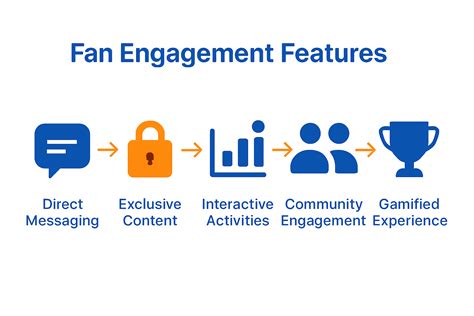
The concept of **fan-centric ticketing experiences** is also gaining traction. Clubs and organizers are recognizing that ticketing is not just about granting access but also about creating a holistic experience for fans. Digital ticketing platforms are beginning to incorporate features like **augmented reality (AR)** to provide interactive stadium maps, guide fans to their seats, or even offer virtual previews of the view from different seating sections before purchase. For the Madrid Derby, AR could be used to enhance pre-match excitement by allowing fans to explore the stadium’s history or view player stats directly through their ticket interface. Additionally, clubs are experimenting with **gamification**—offering fans the chance to earn rewards or unlock exclusive content by engaging with ticketing platforms, such as participating in pre-match polls or trivia.
A critical aspect of future ticketing trends is the focus on **inclusivity and accessibility**. Technology is enabling clubs to cater to a broader audience, including international fans who may not have been able to attend matches in person previously. Virtual reality (VR) ticketing options are emerging, where fans can purchase a "virtual seat" to watch the match in an immersive VR environment. While this does not replace the live experience, it provides an alternative for fans who cannot travel to Madrid. Furthermore, ticket pricing models are being adjusted to include tiered options that cater to different economic groups, ensuring that the Madrid Derby remains accessible to a diverse fan base.
However, these innovations are not without challenges. **Data privacy concerns** are a significant consideration as ticketing systems collect more personal information, from biometric data to purchasing behavior. Clubs and organizers must prioritize robust cybersecurity measures to protect fan data and comply with regulations like GDPR. Additionally, there is the risk of **digital exclusion**—fans who are less tech-savvy or lack access to smartphones may find themselves marginalized in a fully digital ticketing ecosystem. To address this, clubs will need to maintain hybrid systems that offer both digital and assisted ticketing options for those who need them.
Looking ahead, the integration of **smart contracts** could further revolutionize ticketing. Smart contracts, powered by blockchain, could automate ticket refunds or exchanges in case of match postponements or other unforeseen circumstances. This would eliminate the administrative burden on clubs and provide fans with greater peace of mind when purchasing tickets for high-profile events like the Madrid Derby.
In summary, the future of ticketing for big matches is being shaped by a confluence of technological innovations that prioritize security, convenience, and fan engagement. From blockchain’s role in combating fraud to AI’s ability to optimize pricing and allocation, these advancements are not just improving the ticketing process but also redefining the fan experience. For the Madrid Derby, these trends signal a future where attending a match is not just about watching football but about participating in a seamlessly integrated, technologically enhanced event that caters to the needs of modern supporters.
Conclusion and Fan Recommendations
The Madrid Derby is one of the most electrifying fixtures in the football calendar, pitting two of Spain's most storied clubs—Real Madrid and Atlético Madrid—against each other. For fans, attending this match is not just about watching a game; it’s about immersing oneself in the rich history, intense rivalry, and vibrant atmosphere that defines this clash. As we conclude this examination of Madrid Derby tickets, it is essential to distill the key takeaways and offer actionable recommendations for fans eager to experience this event firsthand.
One of the most critical aspects of attending the Madrid Derby is understanding the ticket landscape. Tickets for this match are highly sought after, and demand often outstrips supply. Both clubs prioritize season ticket holders and official members when allocating seats for high-profile matches like this one. This means that general sale tickets are limited and often snapped up within minutes of release. Fans should monitor both Real Madrid’s and Atlético Madrid’s official websites closely in the weeks leading up to the fixture. Additionally, signing up for club newsletters or alerts can provide a competitive edge, as these channels are often the first to announce ticket availability. For those unable to secure tickets directly, authorized resellers or fan exchange platforms are viable alternatives, though they often come with a premium price tag. It is vital to avoid unofficial or black-market sellers, as counterfeit tickets are a persistent issue in high-demand matches.
Another significant consideration is choosing the right seating section. Both the Santiago Bernabéu (Real Madrid’s home ground) and the Cívitas Metropolitano (Atlético Madrid’s stadium) offer vastly different experiences depending on where you sit. At the Bernabéu, the Tribuna sections provide excellent views and a more subdued, corporate atmosphere, while the Fondo Sur is where the most vocal Real Madrid supporters congregate, creating a raucous environment. At the Metropolitano, the Grada de Animación behind the goal is where Atlético’s most passionate fans, known as the Indios, create an intimidating wall of sound. Fans should weigh their preferences for atmosphere versus comfort when selecting seats. If you are a neutral or first-time attendee, opting for a mid-tier seat in the Lateral Este or Lateral Oeste can provide a balanced experience, offering good views without being overwhelmed by the most intense supporter sections.
Logistics are often an overlooked aspect of match attendance, but they are critical for ensuring a seamless experience. Transportation to and from the stadium can be challenging on match day, particularly for a fixture as big as the Madrid Derby. Madrid’s metro system is efficient and well-connected, with stops near both stadiums. However, services can become crowded, and delays are common as thousands of fans converge on the venues. Fans are advised to plan their journey well in advance, factoring in extra time for potential delays. For those staying in central Madrid, consider using ride-sharing services or taxis as a backup, though these can be pricier on match days. Parking near the stadiums is notoriously limited, so driving is not recommended unless you have pre-arranged parking through the club or a nearby facility.
The pre-match experience is another area where fans can enhance their visit. Both stadiums are surrounded by fan zones and local establishments that cater to the football crowd. Around the Bernabéu, the Paseo de la Castellana is lined with bars and restaurants where fans gather to share drinks and banter before the game. Similarly, the area around the Metropolitano has seen significant development, with new bars and food trucks springing up to serve Atlético supporters. Arriving early to soak in this pre-match energy can add an extra layer of enjoyment to the experience. Engaging with local fans, trying traditional Spanish snacks like bocadillos de calamares, and joining in chants or songs can deepen your connection to the event. However, it’s important to remain respectful of rival fans and local customs—while the rivalry is fierce, it is generally good-natured, and overt provocations are frowned upon.
One often-neglected aspect of attending the Madrid Derby is understanding the cultural nuances of Spanish football. Unlike some other leagues, La Liga matches often have a more relaxed start time, with evening kick-offs being the norm for high-profile games. This can impact your planning, especially if you are traveling from outside Spain. Additionally, Spanish fans are known for their passionate but patient support—matches are as much a social event as a sporting one. Arriving with an open mind and a willingness to embrace the slower pace of the build-up can make the experience more enjoyable. On the flip side, the intensity of the match itself can be overwhelming for the uninitiated. The Madrid Derby is characterized by high-energy play, tactical battles, and moments of individual brilliance. Being prepared for the emotional rollercoaster of a tightly contested game is part of the adventure.
For fans traveling from abroad, accommodation and timing play a significant role in the overall experience. Madrid is a bustling city with a wide range of accommodation options, from luxury hotels to budget-friendly hostels. However, prices tend to spike during major football weekends, so booking well in advance is essential. Staying in central areas like Sol or Gran Vía offers the advantage of proximity to tourist attractions and good transport links to the stadiums. If your primary focus is the match, consider staying closer to the stadium area to minimize travel stress on game day. Additionally, fans should consider extending their stay to explore Madrid’s rich cultural offerings, such as the Prado Museum, Retiro Park, or the city’s vibrant food scene. Combining the Madrid Derby with a broader exploration of the city can make the trip more fulfilling.
In terms of final recommendations, here are some practical tips for fans planning to attend the Madrid Derby:
- Purchase tickets as early as possible, either through official channels or trusted resellers, to avoid scams or inflated prices.
- Research seating options carefully to align with your desired atmosphere and budget.
- Plan your transportation in detail, allowing for extra time and potential delays on match day.
- Immerse yourself in the pre-match atmosphere by visiting local fan zones and trying regional food and drinks.
- Stay informed about kick-off times and plan your day accordingly, especially if you are unfamiliar with Spanish football schedules.
- Book accommodations early and consider extending your trip to enjoy Madrid’s other attractions.
Finally, it is worth emphasizing that the Madrid Derby is more than just a football match—it is a cultural event that encapsulates the passion and pride of Madrid’s footballing community. Whether you are a die-hard supporter of one of the teams or a neutral fan drawn by the spectacle, this fixture offers a unique opportunity to witness top-tier football in an atmosphere unlike any other. By preparing thoroughly, respecting the local culture, and embracing the energy of the occasion, fans can ensure that their experience of the Madrid Derby is not just memorable but truly unforgettable.