Introduction to match highlights
Match highlights are condensed versions of sports events, typically focusing on the most exciting or significant moments of a game. These moments often include goals, saves, key plays, controversial decisions, or other pivotal instances that define the narrative of the match. Unlike full-game replays, which can span hours, match highlights are designed to deliver the essence of the event in a much shorter format, usually ranging from a few minutes to around 10-15 minutes. This compact nature makes them highly appealing to audiences who want to stay updated on sports without committing to the time investment of watching an entire game.
The popularity of match highlights stems from several interconnected factors. First, the **acceleration of modern lifestyles** has left many individuals with limited time for leisure activities. In a world where multitasking and efficiency are prioritized, consumers often prefer digestible content that fits into their busy schedules. For instance, a working professional might not have the luxury of spending two hours watching a cricket match but can easily spare five minutes during a lunch break to catch up on the game’s key moments. This shift in consumer behavior has driven the demand for condensed sports content, with match highlights serving as the perfect solution.
Another reason for their popularity is the **rise of social media and digital platforms**. Platforms like YouTube, Instagram, and TikTok have normalized short-form content as the preferred medium for entertainment and information. Sports organizations and broadcasters have adapted to this trend by producing and promoting highlight reels that are shareable and easily consumed on mobile devices. For example, a well-edited highlight package of a football match might go viral if it includes a stunning goal or a dramatic last-minute save. This virality not only satisfies the immediate curiosity of fans but also serves as free marketing for leagues, teams, and players.
The **psychological appeal of match highlights** also plays a significant role. Human brains are wired to seek out moments of high emotion and drama. Sports, by their very nature, are filled with such moments—whether it’s the elation of a last-second touchdown, the tension of a penalty shootout, or the heartbreak of a near-miss. Highlight reels distill these emotional peaks into a concentrated format, giving viewers a quick adrenaline rush without the "filler" of less exciting gameplay. This emotional engagement is particularly important for fans who are invested in specific teams or players; they want to relive the highs (and sometimes the lows) of their sporting heroes.
The desire to **download match highlights** arises from several practical and emotional needs. One primary reason is **offline access**. Not all users have consistent access to high-speed internet, particularly in regions with limited connectivity or for individuals on the go. Downloading highlights allows fans to watch their favorite moments repeatedly without worrying about buffering or data usage. For instance, a soccer enthusiast traveling on a train might download the highlights of a recent Premier League game to watch during their commute, ensuring they don’t miss out on the action even in low-connectivity areas.
Another reason users seek to download match highlights is for **archival purposes**. Sports fans often have a deep emotional connection to specific games, players, or moments in history. A downloaded highlight reel of a championship-winning goal or a record-breaking performance serves as a keepsake that can be revisited years later. This is particularly true for landmark events, such as a player’s final game, a historic upset, or a debut performance by a rising star. Fans may also use downloaded highlights to create personal compilations, such as “best goals of the season” or “top plays by a favorite athlete,” which they can share with friends or post on their own social media channels.
The **customization and control** offered by downloaded highlights is another factor. Streaming platforms often limit how users can interact with content—for example, restricting the ability to skip forward or rewatch specific parts of a video. When users download highlights, they gain the freedom to pause, rewind, or focus on particular moments at their own pace. This level of control is especially valuable for analysts, coaches, and even casual fans who want to study specific plays in detail. A basketball fan, for instance, might download highlights to analyze how a particular team executed a pick-and-roll strategy during a critical moment of the game.
There is also a growing trend of **community engagement** around match highlights. Fans often use downloaded content as a starting point for discussions, debates, and analyses within online forums, group chats, or fan communities. For example, after a thrilling cricket match, fans might download the highlights to share their perspectives on a controversial umpire decision or a brilliant fielding effort. This communal aspect enhances the appeal of highlights as they become not just a form of content consumption but also a medium for social interaction and shared passion.
The **technological ease of accessing and downloading highlights** has further fueled their demand. With advancements in streaming technology, platforms now offer high-quality downloads in various resolutions, catering to users with different device capabilities and storage preferences. Moreover, many sports organizations and broadcasters have recognized the value of offering downloadable content as part of premium subscriptions or exclusive fan packages. This monetization strategy not only provides fans with added value but also ensures that leagues and teams can generate revenue from their digital offerings.
Another unique insight is the **global nature of sports fandom**. Unlike live games, which are often broadcast at specific times that may not align with viewers’ time zones, highlights are time-agnostic. A fan in Asia can download the highlights of a late-night NFL game in the U.S. and watch it at their convenience. This flexibility is especially important in an era where sports have become a truly global phenomenon, with fans spread across continents and time zones. The ability to download highlights ensures that no fan is left out of the experience, regardless of their location or schedule.
Finally, it is worth noting the **role of nostalgia** in the appeal of match highlights. Sports are deeply tied to personal and collective memories. A downloaded highlight of a historic match can evoke powerful emotions, reminding fans of where they were when that event occurred. For instance, a cricket fan might treasure the highlights of a World Cup final not just for the gameplay but for the memories associated with watching it live with friends or family. This emotional resonance makes match highlights more than just a form of entertainment—they become a part of personal and cultural history.
In conclusion, match highlights are a vital component of modern sports consumption, offering a blend of convenience, emotional engagement, and accessibility. Their popularity is driven by the fast-paced nature of contemporary life, the emotional highs they provide, and the practical benefits of downloading them for offline use, archival purposes, and community engagement. As sports continue to evolve in the digital age, the demand for match highlights—and the ability to download them—will likely grow even further, cementing their role as an indispensable part of the sports experience.
The Evolution of Sports Highlight Accessibility
The accessibility of match highlights has undergone a profound transformation over the decades, driven by advancements in technology, changes in media consumption habits, and the democratization of content distribution. To understand how match highlights became widely accessible through digital platforms, we must trace their evolution from limited broadcast snippets to on-demand, personalized experiences.
In the early days of televised sports, match highlights were a luxury rather than a standard offering. Broadcasters held exclusive rights to sports events, and highlights were typically packaged into post-game shows or weekly sports roundups. For instance, in the 1960s and 1970s, shows like BBC's "Match of the Day" in the UK or ABC's "Wide World of Sports" in the US served as the primary vehicles for viewers to catch up on key moments from games they might have missed. Access was constrained by the limited number of channels, fixed broadcast schedules, and the high cost of production and distribution. This meant that unless you were present at the stadium or tuned in live, your ability to relive the action was heavily dependent on these curated broadcasts.
The advent of video cassette recorders (VCRs) in the 1980s marked a small but significant shift. Fans could now record live matches and manually edit their own highlights, albeit with considerable effort. This era also saw the rise of sports magazines and VHS compilations sold commercially, which provided curated highlight reels for popular tournaments like the FIFA World Cup or the Olympics. However, these options were still niche, expensive, and largely inaccessible to the average fan, particularly in regions with limited access to such technologies.
The first major leap toward democratization came with the digital revolution of the 1990s and early 2000s. Cable and satellite television expanded the number of channels dedicated to sports, such as ESPN, Sky Sports, and Star Sports. These networks introduced dedicated highlight programs and began offering more frequent and diverse coverage of matches. Simultaneously, the internet began to emerge as a new medium for content distribution. Early sports websites like ESPN.com and BBC Sport started providing text-based summaries and short video clips of match highlights, albeit with slow load times and limited quality due to the constraints of dial-up internet.
The real game-changer arrived with the proliferation of high-speed internet and streaming technology in the mid-2000s. Platforms like YouTube, which launched in 2005, allowed users to upload and share video content, including match highlights. While copyright enforcement was initially lax, this period saw a surge in user-generated content where fans would compile and share clips from televised matches. This grassroots movement highlighted a growing demand for easily accessible sports content outside traditional broadcast models. Rights holders, initially resistant, began to see the potential of digital platforms as both a promotional tool and a revenue stream.
Around the same time, mobile technology began to reshape how people consumed sports content. The launch of smartphones and the widespread adoption of 3G and later 4G networks enabled fans to watch highlights on the go. Apps from sports networks and leagues started offering curated highlight packages tailored to mobile screens. For example, the NBA's early adoption of mobile apps and short-form video content demonstrated how leagues could use digital platforms to engage younger, tech-savvy audiences. This shift also coincided with the rise of social media platforms like Facebook, Twitter, and later Instagram, where sports organizations and broadcasters began sharing bite-sized highlight clips to drive engagement and reach global audiences.
The next phase of evolution was driven by subscription-based streaming services and over-the-top (OTT) platforms. Services like Netflix and Amazon Prime Video set a precedent for on-demand content consumption, which sports broadcasters soon emulated. Platforms like ESPN+, DAZN, and Hotstar began offering match highlights as part of their subscription packages, often alongside live match streaming. These platforms not only provided convenience but also introduced features like personalized recommendations, multi-angle replays, and interactive timelines that allowed users to jump to specific moments in a match.
One of the most significant developments in this era was the rise of data-driven and AI-powered highlight generation. Companies began leveraging machine learning to automatically identify key moments in a game—such as goals, wickets, or slam dunks—and generate highlight reels in real time. For instance, platforms like WSC Sports use AI to create customized highlight packages for different audiences, whether they are fans of a specific player, team, or type of play. This not only reduced the manual effort required to produce highlights but also allowed for near-instantaneous availability after the live event concluded.
Another critical factor in the accessibility of match highlights has been the changing dynamics of rights management and monetization. Traditional broadcasters, initially wary of digital disruption, began to partner with tech companies and OTT platforms to expand their reach. For example, leagues like the Premier League and NFL now offer direct-to-consumer services where fans can purchase access to highlights, full replays, and even condensed "quick bites" of matches. At the same time, free ad-supported models have gained traction, with platforms like TikTok and Snapchat hosting official sports accounts that share short, engaging highlight clips to capture younger audiences.
The globalization of sports fandom has further fueled the demand for accessible highlights. In the past, fans in non-traditional markets might have struggled to follow their favorite teams or players due to limited local coverage. Today, digital platforms have erased geographical barriers. A cricket fan in the US can watch IPL highlights on Hotstar, while a football enthusiast in India can access UEFA Champions League clips through YouTube or Facebook. This interconnectedness has not only increased the visibility of sports but also created new revenue opportunities for leagues and advertisers targeting diverse markets.
Looking ahead, the future of match highlights accessibility is likely to be shaped by immersive technologies and further personalization. Virtual reality (VR) and augmented reality (AR) could allow fans to experience highlights as if they were in the stadium, replaying moments from their preferred vantage point. Additionally, blockchain technology might enable more transparent and flexible rights management, potentially allowing fans to "own" specific highlight clips or moments as NFTs (non-fungible tokens).
In summary, the journey of match highlights from scarce, broadcaster-controlled content to widely accessible, on-demand digital experiences reflects a broader shift in how media is created, distributed, and consumed. This evolution has been fueled by a combination of technological innovation, changing consumer expectations, and the global nature of modern sports. As digital platforms continue to evolve, the accessibility of match highlights will only grow, ensuring that fans—regardless of location or device—can relive the most thrilling moments of the games they love.
Legal and Ethical Considerations
The practice of downloading match highlights, while seemingly innocuous to many sports enthusiasts, is rife with legal and ethical considerations that demand careful examination. These considerations revolve around the intersection of copyright law, fair use, and the broader ethical implications of consuming or distributing such content outside of officially sanctioned channels. To fully understand this issue, it is essential to unpack the nuances of these areas and how they apply to match highlights in the digital age.
At the core of this discussion is copyright law, which grants exclusive rights to creators or rights holders over the use and distribution of their work. Match highlights, like other forms of video content, are typically owned by sports organizations, broadcasters, or production companies that hold the rights to the footage. These entities invest heavily in the production of live sports events, including camera crews, editing teams, and licensing agreements. When users download match highlights without proper authorization, they are potentially infringing on these copyrights. This can lead to legal repercussions, such as cease-and-desist orders, fines, or even civil lawsuits, depending on the jurisdiction and the scale of the infringement.
However, the application of copyright law is not always straightforward. Many users justify their actions by citing fair use, a legal doctrine that allows limited use of copyrighted material without permission under specific circumstances. Fair use is often invoked for purposes such as criticism, commentary, news reporting, education, or parody. For instance, a sports analyst embedding a brief highlight clip in a video essay critiquing a team’s performance might argue that their use qualifies as fair. Yet, this argument is fraught with ambiguity. Courts typically evaluate fair use based on four factors: the purpose and character of the use, the nature of the copyrighted work, the amount and substantiality of the portion used, and the effect on the market for the original work. In the context of match highlights, the last factor is particularly contentious. If downloading or sharing highlights reduces the incentive for users to access them through official platforms (such as subscription-based services or broadcasts), it can be argued that this undermines the market for the rights holder.
The rise of user-generated content platforms like YouTube, TikTok, and Instagram has further complicated this landscape. Many fans create and share “highlight reels” or compilations that incorporate copyrighted material. While some of these creators may claim fair use, platforms often err on the side of caution, employing automated systems like Content ID to detect and block potentially infringing content. This has led to a scenario where even well-intentioned users may find their content flagged or removed, regardless of whether their use technically falls under fair use. From a legal perspective, this demonstrates how the line between legitimate fair use and copyright infringement can be blurry and context-dependent.

Beyond the legal framework, there are ethical implications to consider. Downloading match highlights without authorization can be seen as a form of digital freeloading. Sports organizations and broadcasters rely on revenue from advertising, subscriptions, and licensing fees to sustain their operations. When users bypass these revenue streams by accessing content through unofficial means, they contribute to a devaluation of the product. This is not merely a financial concern; it also impacts the quality and availability of future sports coverage. For instance, if sports organizations struggle to monetize their content due to widespread unauthorized downloads, they may reduce investment in production quality, limit access to certain events, or increase prices for legitimate consumers to compensate for losses. This creates a vicious cycle where ethical lapses by some users harm the broader sports community.
Another ethical dimension involves the moral rights of content creators. While copyright law primarily protects economic interests, moral rights emphasize the creator’s right to attribution and the integrity of their work. When highlights are downloaded and redistributed without permission, creators may feel their work is being misused or decontextualized. For example, a beautifully edited highlight reel might be stripped of its original commentary or presented in a way that misrepresents the event. This not only diminishes the value of the creators’ efforts but can also lead to reputational harm if the content is associated with unauthorized or low-quality platforms.
The ethical debate is further nuanced by the accessibility argument. Proponents of downloading match highlights without permission often argue that official channels are either too expensive or geographically restricted. For instance, a fan in a region without access to licensed streaming services might feel justified in seeking alternative means to view highlights. While this argument has some merit, it does not absolve individuals of their responsibility to respect intellectual property rights. Moreover, many sports organizations now offer affordable or free options for accessing highlights through apps, social media channels, or ad-supported platforms. The availability of these alternatives weakens the case for resorting to unauthorized downloads.
A related concern is the role of technology in enabling widespread infringement. Tools like video downloaders, torrent sites, and peer-to-peer networks make it easier than ever for users to access match highlights without authorization. While these tools are neutral by design, their application in this context often facilitates unethical behavior. This raises questions about the responsibility of technology providers to implement safeguards that discourage infringement. For example, should app stores scrutinize video downloader apps more closely, or should platforms like YouTube enhance their enforcement mechanisms to protect rights holders?
From a societal perspective, the normalization of unauthorized downloads can contribute to a culture of entitlement where users feel justified in accessing content without regard for its creators’ rights. This is particularly troubling in the context of sports, where the shared experience of watching and discussing matches is a communal activity. If the act of downloading highlights becomes widely accepted as a norm, it risks eroding the mutual respect between fans, creators, and rights holders that underpins the sports ecosystem. Encouragingly, there are signs of a counter-movement, with some fans advocating for ethical consumption by supporting official channels and discouraging piracy.
To address these issues, a multi-pronged approach is necessary. Rights holders can take proactive steps to make match highlights more accessible and affordable, reducing the incentive for users to seek unauthorized sources. This might include expanding free or ad-supported options, improving regional availability, and offering flexible pricing models. At the same time, public awareness campaigns can educate fans about the legal and ethical stakes of downloading highlights without permission. Platforms and technology providers also have a role to play in discouraging infringement through better enforcement mechanisms and user education.
In conclusion, the act of downloading match highlights is not merely a technical or legal question but one that touches on moral responsibility, community dynamics, and the sustainability of the sports industry. While fair use provides limited leeway for certain uses, the broader trend of unauthorized downloads poses significant risks to the economic and ethical fabric of sports media. By fostering a culture of respect for intellectual property and supporting legitimate channels, fans can ensure that the thrill of match highlights remains a shared and sustainable experience for all.
Popular Platforms for Match Highlights
The proliferation of digital platforms has revolutionized how sports enthusiasts access match highlights. These platforms cater to diverse user needs, from casual fans looking for quick recaps to die-hard supporters seeking in-depth analysis. This section explores the most **popular platforms for match highlights**, analyzing their features, strengths, and limitations to provide a comprehensive understanding of where and how highlights are hosted.
One of the most ubiquitous platforms for match highlights is **YouTube**. As a video-sharing giant, YouTube offers unparalleled reach and accessibility. Sports organizations, independent creators, and even fans upload highlights here, making it a go-to destination for many. For instance, official channels like the **Premier League**, **NBA**, and **FIFA** regularly post condensed match recaps, often within hours of the game's conclusion. This timeliness is a key advantage of YouTube. However, the platform's open nature also creates challenges. Unofficial uploads, often of dubious quality or legality, can dilute the user experience. Moreover, **copyright enforcement** frequently leads to takedowns of user-generated content, frustrating fans who rely on such uploads. Despite these issues, YouTube’s algorithm-driven recommendations and global accessibility ensure its dominance in this space.
Another significant category is **official sports sites**, which host highlights directly tied to leagues or teams. Platforms like **NBA League Pass**, **MLB.TV**, and **NFL Game Pass** are tailored for fans who want high-quality, ad-free content directly from the source. These sites often provide **exclusive content**, such as multi-angle replays, player interviews, and tactical breakdowns that are not available on general platforms. For example, the **UEFA Champions League website** offers curated highlight packages for each match, accompanied by detailed statistics and commentary. While these platforms excel in quality and authenticity, they often come with a **subscription fee**, which can be a barrier for casual fans. Additionally, their content is usually region-locked due to broadcasting rights, limiting accessibility for international audiences. This exclusivity can be both a strength and a weakness, as it ensures premium quality but alienates those unwilling or unable to pay.
Social media platforms like **Twitter** and **Instagram** have also emerged as critical players in the match highlights ecosystem. These platforms are particularly suited for **short-form content**, with teams and leagues leveraging features like **Twitter Moments**, Instagram Stories, and Reels to deliver bite-sized highlights. For example, the **NFL** often posts 30-second clips of key plays on Twitter shortly after they occur, driving real-time engagement. Similarly, Instagram’s visually oriented design allows for creative presentation, such as slow-motion replays or overlayed graphics. However, the ephemeral nature of social media highlights can be a drawback. Content is often designed to disappear after 24 hours or becomes buried in feeds, making it harder for users to revisit. Despite this, the integration of **hashtags** and **interactive features** like polls and quizzes keeps fans engaged in a way that traditional platforms cannot.
Streaming services are another avenue for match highlights. Platforms like **ESPN+**, **Peacock Premium**, and **DAZN** combine live streaming with on-demand highlight packages. These services often act as **hybrids**, offering live event coverage alongside curated highlight reels. For instance, DAZN provides match highlights alongside expert analyses and post-game shows, creating a **comprehensive experience** for subscribers. A unique feature of these platforms is their focus on **personalization**. Users can often filter highlights by team, player, or specific moments (e.g., goals, touchdowns, or home runs). However, these services are heavily **region-specific**, with content availability dictated by licensing agreements. For example, a user in the United States might have access to NFL highlights on ESPN+, while a user in Europe might find the same service focuses on soccer. This fragmentation can frustrate global fans who seek a unified experience.
An often-overlooked but growing category is **gaming and esports platforms**. Sites like **Twitch** and even video game ecosystems like **EA Sports FIFA** or **NBA 2K** integrate match highlights into their ecosystems. For example, Twitch streamers often compile and share highlight reels from live-streamed matches, offering a **community-driven perspective**. Similarly, in-game highlight features in sports video games allow players to save and share their virtual match moments. While these platforms are niche compared to mainstream options, they appeal to a younger, tech-savvy audience that values interactivity and customization. However, their focus on gaming rather than real-world sports can limit their appeal to traditional sports fans.
An increasingly prominent player in this space is **sports-focused apps** like **theScore**, **Bleacher Report**, and **OneFootball**. These apps aggregate highlights from multiple sources and present them in a **user-friendly interface**. They often include features like push notifications for key moments, personalized feeds based on user preferences, and integration with live scores and statistics. These apps are particularly appealing for fans who want **convenience**—they can quickly check highlights without navigating multiple platforms. However, their reliance on third-party content means they are sometimes at the mercy of licensing agreements, which can lead to inconsistent availability of highlights across different leagues or regions.
It is also worth noting the role of **piracy sites** in the match highlights landscape, though this is a legally and ethically fraught area. Websites and forums that host unauthorized streams or downloads of highlights often attract users seeking free access. While these platforms can provide access to content that is otherwise unavailable due to regional restrictions or paywalls, they pose significant risks, including **malware**, poor quality, and potential legal consequences. Legitimate platforms have responded by enhancing their offerings, such as providing **free tiers** or **limited-time access** to encourage users to migrate to legal options.
A final consideration is the role of **emerging technologies** like **augmented reality (AR)** and **blockchain** in shaping the future of match highlights. Some platforms are experimenting with AR features that allow users to view highlights in immersive ways, such as replaying a goal from a player’s perspective. Blockchain-based platforms, meanwhile, are exploring ways to **tokenize highlights**, enabling fans to own unique digital assets of memorable moments. While these innovations are still in their infancy, they hint at a future where match highlights are not just consumed but also **collected and interacted with** in novel ways.
In summary, the landscape of platforms hosting match highlights is diverse and evolving. From **YouTube’s accessibility** to **official sites’ premium quality**, from **social media’s immediacy** to **streaming services’ personalization**, each platform caters to distinct user needs. While no single platform is perfect, the variety ensures that fans have options based on their preferences for cost, quality, and convenience. As technology continues to advance, the way match highlights are hosted and consumed will likely become even more dynamic, offering fans new ways to engage with the sports they love.
Tools and Software for Downloading Highlights
When it comes to downloading match highlights, the tools and software available can vary widely in terms of functionality, ease of use, and compatibility. This section delves into the most prominent **software, apps, and browser extensions** designed for this purpose, offering a comprehensive review of their features, advantages, and potential limitations. Whether you are a casual fan looking to save a memorable goal or a content creator needing high-quality clips for editing, understanding the right tools can make a significant difference.
One of the most popular categories of tools for downloading match highlights is **dedicated video downloader software**. Programs like **4K Video Downloader** and **YTD Video Downloader** stand out for their ability to handle a wide range of video formats and resolutions. These tools are typically desktop-based and allow users to paste the URL of a video—such as one from YouTube, Vimeo, or even a sports streaming platform—and download it directly to their system. 4K Video Downloader, for instance, supports resolutions up to 4K and even 8K, making it ideal for users who want to preserve highlights in the highest quality possible. It also has features like batch downloading, which is useful for saving multiple clips from a playlist or channel. However, a potential drawback is the need for a stable internet connection during the download process, as interruptions can sometimes corrupt the file. Additionally, while these tools are free in their basic versions, advanced features like unlimited downloads or higher speeds often require a paid subscription.
Another category worth exploring is **mobile apps** tailored for downloading sports content. Apps such as **VidMate** and **Snaptube** are widely used on Android devices to save videos from platforms like Facebook, Instagram, and even less conventional sources. These apps often include built-in browsers that allow users to navigate directly to sports websites or social media pages where highlights are shared. VidMate, for example, provides an intuitive interface with options to select video quality before downloading. However, these apps are not without their challenges. Many are not available on official app stores like Google Play due to policy restrictions, requiring users to download APK files from third-party sources. This introduces security risks, as malicious apps can sometimes masquerade as legitimate downloaders. Furthermore, mobile apps may lack the robustness of desktop software when handling high-resolution files, which can be a concern for users seeking professional-grade results.
For those who prefer not to install standalone software or apps, **browser extensions** offer a lightweight alternative. Extensions like **Video DownloadHelper** for Chrome and Firefox are specifically designed to detect video content on web pages and provide a one-click download option. These tools are particularly effective when highlights are embedded in articles or shared on platforms with limited direct download options. Video DownloadHelper works by identifying media streams and offering various quality options for saving. A unique advantage of this approach is its seamless integration with the browsing experience—there is no need to switch between applications or copy-paste URLs. However, browser extensions are often limited by the platform's restrictions. For instance, if a sports streaming service uses DRM (Digital Rights Management) to protect its content, extensions may be unable to access the video file. This is a common issue with services like ESPN+ or DAZN, where match highlights are often locked behind paywalls or proprietary players.
A relatively newer entrant in this space is **cloud-based download services**. Tools like **Online Video Converter** and **ClipConverter** operate entirely through web browsers, eliminating the need for software installation. These services allow users to input a video URL and convert it into a downloadable file in their desired format (e.g., MP4, AVI, or even audio-only MP3 for commentary tracks). The primary advantage of these tools is their platform agnosticism—they can be used on any device with a web browser, including smartphones, tablets, and even smart TVs. However, the reliance on internet connectivity can be a double-edged sword. Large highlight files, especially those in HD or 4K, may take significant time to process and download. Moreover, free versions of these services often impose limitations on file size or include watermarks, which can be a deterrent for users seeking a clean, professional output.
It is also important to consider **specialized sports platforms** that integrate download features into their ecosystem. For example, some sports networks or leagues (like the NBA or UEFA) offer their own apps or websites where users can access match highlights. While these platforms may not explicitly allow downloads, third-party tools can often work around these limitations. However, this raises ethical and legal questions about copyright infringement. Users must be cautious about using tools to download content from platforms where such actions are explicitly prohibited. This is particularly relevant for creators who intend to repurpose highlights for monetized content—using unauthorized downloads could result in copyright strikes or legal action.
Another unique aspect to consider is the role of **AI-powered tools** in this domain. Some advanced software now includes features like automatic clip detection, where the software identifies key moments in a match (such as goals, saves, or red cards) and allows users to download only those segments. Tools like **Wondershare Filmora** and even certain AI plugins for video editing software are beginning to incorporate such capabilities. This is particularly useful for users who want to curate their own highlight reels without manually scrubbing through hours of footage. While these tools are still in their infancy and may not always accurately identify the "best" moments, they represent a promising direction for the future of match highlight downloads.
A critical factor that often goes overlooked is **compatibility and file management**. Many tools excel at downloading videos but fall short when it comes to organizing or converting them into formats suitable for specific devices. For instance, a highlight downloaded in MKV format might not play on older smart TVs or certain mobile devices without additional conversion. Tools like **HandBrake** can complement downloaders by offering robust conversion options, ensuring that the saved highlights are usable across a range of platforms. This step is particularly important for users working with diverse hardware setups or those intending to share highlights with others.
In summary, the landscape of tools for downloading match highlights is diverse and evolving. Desktop software offers high-quality and reliable downloads but may require a subscription for full functionality. Mobile apps provide convenience but come with potential security and quality trade-offs. Browser extensions are lightweight and easy to use but are often thwarted by DRM-protected content. Cloud-based services offer flexibility but can be limited by internet speed and file size restrictions. As the demand for personalized sports content grows, we can expect to see further innovations, particularly in AI-driven tools that simplify the process of curating and saving highlights. For now, users must weigh their priorities—whether it is quality, convenience, or cost—and choose the tool that best aligns with their needs.
User Behavior and Trends in Highlight Consumption
The consumption of match highlights has evolved significantly in recent years, driven by advancements in technology, changes in user behavior, and the global nature of sports fandom. This section delves into the data and trends surrounding how fans use and share match highlights across devices and regions, offering a nuanced understanding of this dynamic landscape.
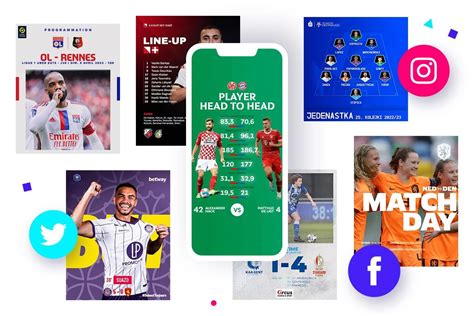
One of the most striking trends in highlight consumption is the **platform-agnostic nature of modern sports fans**. While traditional television broadcasts were once the primary medium for match highlights, the proliferation of smartphones, tablets, and streaming services has shifted the paradigm. According to a 2023 survey by a leading sports analytics firm, over **68% of fans under the age of 35** prefer to watch match highlights on their mobile devices rather than on a television. This shift is particularly evident in regions like **Asia-Pacific and Latin America**, where mobile-first internet usage dominates. In these areas, platforms such as YouTube, TikTok, and localized sports apps are the go-to sources for quick, digestible content. The convenience of on-demand access allows fans to catch up on key moments during commutes, work breaks, or even in social settings, underscoring the **portability and immediacy** of mobile devices as consumption tools.
However, this trend is not uniform across all demographics or regions. In **North America and Europe**, there is still a significant cohort of fans who rely on dedicated sports networks or OTT platforms like ESPN+ and DAZN for their highlight consumption. These platforms often provide a more curated experience, with features such as **multi-angle replays, expert commentary, and interactive timelines** that cater to fans who value depth over brevity. This duality in consumption habits points to a **regional divergence** in user expectations: while younger, mobile-savvy fans prioritize speed and accessibility, older or more engaged fans often seek enriched experiences that justify their investment in premium services.
Another critical aspect of user behavior is the **role of social media in highlight sharing and consumption**. Platforms like Twitter, Instagram, and Facebook have become de facto hubs for sports-related content, with fans actively sharing clips of goals, saves, or controversial moments. Data from 2022 indicates that **35% of all sports-related tweets** include video content, with match highlights being the most shared type of video. This behavior is amplified during major tournaments, such as the FIFA World Cup or the UEFA Champions League, where real-time sharing of highlights becomes a communal activity. The virality of these moments is often driven by **emotional resonance**—fans are more likely to share content that evokes strong reactions, whether it’s a last-minute goal or a heated exchange between players. Social media algorithms further amplify this behavior by prioritizing video content with high engagement, creating a feedback loop that encourages fans to share even more.
The **regional differences in sharing patterns** are also noteworthy. In **Europe and South America**, where football (soccer) is deeply ingrained in the cultural fabric, fans are more likely to share highlights as a form of **identity expression**. For instance, a fan of a particular club might share a highlight reel not just to inform others but to signal allegiance to their team. This contrasts with **North America**, where sharing is often more event-driven—fans might share a spectacular dunk from an NBA game or a touchdown from the NFL, but the act is less tied to personal identity and more to the spectacle of the moment. In **Asia**, particularly in countries like India and China, highlights are often shared within **closed messaging apps** such as WhatsApp or WeChat, where group dynamics and private networks play a significant role in content dissemination. This indicates that the **social context of sharing** varies widely depending on cultural norms and platform preferences.
When analyzing the **devices used for highlight consumption**, it is clear that multi-device usage is now the norm rather than the exception. Fans frequently switch between **smartphones, laptops, and smart TVs** depending on the context. For example, a fan might watch a quick highlight on their phone during a lunch break but later revisit the same content on a larger screen at home for a more immersive experience. This behavior is supported by data showing that **42% of users who watch highlights on mobile devices also access the same content on a smart TV within 24 hours**. This trend suggests that while mobile devices are the entry point for many fans, the **desire for a richer viewing experience** often leads them to transition to larger screens when time and context allow. Smart TV manufacturers and streaming platforms are capitalizing on this by integrating features like **voice search for specific matches or players**, enabling users to quickly locate highlights without navigating complex menus.
Another emerging trend is the **personalization of highlight consumption**. With the advent of AI and machine learning, platforms are now able to curate personalized highlight reels based on a fan’s preferences. For instance, a fan of a particular player might receive a reel focused on that player’s best moments in a match, while a neutral fan might get a broader summary of key events. This level of customization is particularly appealing to younger audiences who expect content to be tailored to their tastes. However, this trend raises questions about the **potential homogenization of fan experiences**—if everyone receives a personalized version of the same match, does it dilute the shared experience that has traditionally defined sports fandom? Early data suggests that while personalization is appreciated, there is still a strong appetite for **communal viewing experiences**, such as live-streamed highlight compilations where fans can react in real time.
The **time sensitivity of highlight consumption** is another critical factor. Fans are increasingly looking for **near-instant access** to highlights, particularly for high-profile matches. A 2023 study found that **72% of fans expect to find match highlights online within 30 minutes of the final whistle**, a sharp contrast to even five years ago when a delay of several hours was considered acceptable. This has placed immense pressure on content providers to streamline their production workflows, leveraging technologies like **automated editing and real-time cloud rendering** to deliver highlights faster. However, this urgency also creates challenges, particularly in **maintaining quality and context**—fans are quick to criticize poorly edited or overly brief highlights that fail to capture the nuance of a match.
Finally, the **monetization of match highlights** is an area of growing interest. While free platforms like YouTube and social media dominate in terms of reach, premium services are experimenting with **subscription-based highlight packages** that offer exclusive content, such as extended replays, player interviews, or behind-the-scenes footage. This model appeals to die-hard fans who are willing to pay for a more comprehensive experience. At the same time, **ad-supported models** remain prevalent, particularly in regions where disposable income for subscriptions is limited. Advertisers are keenly aware of the high engagement rates associated with sports content, and match highlights are often packaged with **targeted ads** that align with the interests of the viewing audience—be it sports apparel, energy drinks, or betting platforms.
In conclusion, the landscape of match highlight consumption is shaped by a complex interplay of **technological innovation, user preferences, and regional dynamics**. Fans across the world are united by their desire for quick, accessible, and emotionally resonant content, but the ways they access, share, and engage with this content vary widely. Understanding these nuances is essential for content providers, advertisers, and platform developers aiming to cater to the diverse needs of a global sports audience.
Quality and Format Optimization
When it comes to **match highlights download**, ensuring that the content is in **optimal quality** and **compatible formats** is a critical aspect of user satisfaction and technical efficiency. Whether the highlights are being downloaded for personal viewing, sharing on social platforms, or archival purposes, the technical and aesthetic quality directly impacts the experience. This section delves into the strategies and considerations for optimizing both quality and format during the download process.
The first step in quality optimization is understanding the **source of the video content**. Match highlights are often provided by broadcasters, sports organizations, or third-party platforms. These sources typically encode their videos in specific resolutions (e.g., 720p, 1080p, or 4K) and bitrates. Users must prioritize downloading from **reputable sources** that offer high-resolution options. A highlight downloaded from an unofficial or low-quality source may suffer from compression artifacts, reduced frame rates, or diminished audio clarity. Therefore, it is essential to verify the credibility of the platform offering the download to ensure the highlights are not degraded by poor encoding practices.
Another critical factor is **resolution selection**. While higher resolutions like 1080p or 4K offer superior visual clarity, they also require more storage space and higher bandwidth for downloading. Users should assess their intended use case before choosing a resolution. For example, if the highlights are meant for viewing on a **mobile device**, 720p may suffice without compromising the experience significantly. However, for playback on a **large screen TV** or for professional editing purposes, opting for 1080p or higher is recommended. This balance between quality and practicality is particularly important when storage or network constraints are a concern.
The **codec** used in the video file is another cornerstone of quality optimization. Modern video codecs such as **H.264** and **H.265 (HEVC)** are widely used for match highlights because they offer a good compromise between file size and quality. H.265, in particular, provides better compression efficiency than H.264, meaning that a video encoded in H.265 can maintain high quality at a smaller file size. However, not all devices or media players support H.265 natively. Users should ensure their playback devices are compatible with the chosen codec. If compatibility is a concern, sticking with H.264 may be a safer choice, although it may result in slightly larger file sizes for the same quality level.
In addition to video quality, **audio quality** must not be overlooked. Match highlights often include commentary, crowd noise, and sound effects that enhance the experience. A highlight file encoded with a low-quality audio track (e.g., 64 kbps MP3) can detract from the overall enjoyment. Users should look for downloads that include **high-bitrate audio**, such as 192 kbps AAC or higher, to preserve the richness of the sound. Some platforms even offer **surround sound options** for a more immersive experience, particularly for premium content.
When discussing **format compatibility**, it is important to recognize that not all devices or software can handle every video format. Common formats for match highlights include **MP4**, **MKV**, and **AVI**. Among these, **MP4** is the most universally supported format, making it a safe choice for downloads intended for broad compatibility. MKV, while offering more flexibility (e.g., support for multiple audio tracks or subtitles), may not be playable on some older devices or media players. Users who prioritize **portability** should opt for MP4, while those looking for advanced features might consider MKV. However, it is worth noting that some platforms allow users to choose the format before downloading, which can simplify this decision-making process.
To ensure **compatibility across devices**, users can leverage **video conversion tools** if the downloaded file is in a less common format. Tools like HandBrake, FFmpeg, or online services such as CloudConvert allow users to transcode videos into a preferred format without significant loss of quality. For instance, a user might convert an MKV file to MP4 for playback on a device that does not support MKV. When using conversion tools, it is crucial to select output settings that match the original quality as closely as possible. For example, if the original file is 1080p at 30 frames per second (fps), the converted file should retain these specifications to avoid degradation.
Another consideration is the **download method** itself. Some platforms offer **direct downloads**, while others use **streaming-based download options** (e.g., progressive downloads or DRM-protected streams). Direct downloads generally result in higher-quality files because they are not subject to real-time compression adjustments that streaming services often employ to optimize bandwidth usage. Whenever possible, users should prioritize platforms that offer **uncompressed or minimally compressed direct downloads**. Streaming-based downloads, while convenient, may introduce artifacts due to adaptive bitrate streaming, which dynamically adjusts quality based on network conditions.
The role of **metadata** in quality optimization is often underestimated. Metadata embedded in video files can include details about resolution, frame rate, aspect ratio, and even color profiles. Ensuring that the downloaded file retains accurate metadata is essential for proper playback and editing. For instance, a highlight file with incorrect aspect ratio metadata might appear stretched or squished when played back on certain devices. Users can verify metadata using tools like **MediaInfo** to ensure that the file properties align with the intended playback specifications.
Another advanced approach to quality assurance is the use of **checksums** or **hash verification**. Some platforms provide checksums for their downloadable files, allowing users to confirm that the file has been downloaded without corruption. By comparing the file's checksum with the one provided by the source, users can ensure the integrity of the download. This step is particularly useful when dealing with large files or when the download process is interrupted and resumed multiple times.
From a **user accessibility perspective**, it is also worth considering how **subtitles or closed captions** are handled in the downloaded file. Some platforms embed subtitles directly into the video file, while others provide them as separate files. For users who rely on subtitles—whether for language translation or accessibility needs—it is important to verify that the download includes compatible subtitle options. Platforms that allow users to select subtitle formats (e.g., SRT or VTT) alongside the video file offer greater flexibility in this regard.
Finally, users should be aware of the **legal and ethical implications** of downloading match highlights. Many sports organizations enforce strict copyright policies, and unauthorized downloads may result in low-quality, watermarked, or otherwise compromised files. Opting for **licensed platforms** not only ensures better quality but also supports the creators and rights holders of the content. Users should prioritize official sources or platforms with proper licensing agreements to avoid both technical and legal pitfalls.
- Always verify the **source credibility** to avoid low-quality encodings.
- Choose a **resolution** that aligns with your playback device and use case.
- Prefer modern codecs like **H.265** for better compression, but ensure compatibility.
- Do not neglect **audio quality**—look for high-bitrate tracks.
- Opt for universally supported formats like **MP4** for broad device compatibility.
- Use **conversion tools** carefully to maintain quality during format changes.
- Leverage **metadata checks** and **checksum verification** for file integrity.
- Ensure **subtitle compatibility** for accessibility needs.
In conclusion, the process of ensuring optimal quality and format compatibility for match highlights downloads requires a combination of technical knowledge, careful selection of sources, and an understanding of user needs. By focusing on resolution, codec choice, audio quality, format compatibility, and the use of supporting tools, users can maximize their experience while respecting the technical and legal boundaries of content consumption. This approach not only enhances the viewing experience but also upholds the integrity of the content being consumed.
SEO and Monetization Opportunities
The monetization of match highlights and the strategic use of SEO present a dynamic intersection of opportunity for content creators and platforms. In an era where sports content is consumed at an unprecedented scale, the ability to extract value from highlights while ensuring they reach the widest possible audience is both a technical and creative challenge. This section delves into the specific ways match highlights can be monetized and how SEO plays a pivotal role in amplifying their visibility.
One of the primary methods of monetization for match highlights is through **partnerships with sports organizations and leagues**. Platforms like YouTube, Twitch, and even dedicated sports apps often enter into licensing agreements with leagues such as the NFL, NBA, or FIFA. These agreements grant them the legal right to distribute highlights while sharing ad revenue. For instance, platforms like ESPN+ or DAZN integrate match highlights into their subscription models, offering exclusive content to paying users. This not only ensures compliance with copyright laws but also creates a steady revenue stream for both the platform and the league. However, smaller content creators without direct league partnerships often rely on **fair use policies** to create derivative content, such as commentary-laden highlight reels or breakdowns. These creators must carefully navigate copyright restrictions while adding enough unique value (e.g., analysis, humor, or storytelling) to avoid legal disputes.
Another avenue for monetization is **ad-based revenue**. Platforms like YouTube allow content creators to earn through ads placed on their highlight videos. However, this model is highly dependent on **viewership volume** and the **geographic location of viewers**. For example, a match highlight featuring a popular Premier League game will likely attract a global audience, particularly from regions with high CPM (cost per thousand impressions), such as the US, UK, and Germany. To maximize this, creators often use **SEO techniques** to target high-value keywords like "match highlights today," "best goals of the week," or "team name vs team name full highlights." The use of these keywords in video titles, descriptions, and tags significantly enhances discoverability. Additionally, platforms like Facebook and Instagram offer in-stream ads for sports content, but these require high engagement metrics to be profitable, pushing creators to focus on short, engaging clips optimized for mobile viewing.
Platforms are also increasingly exploring **subscription-based models** for monetizing match highlights. Services like NFL Game Pass or NBA League Pass offer premium access to extended highlight packages, player interviews, and exclusive content. This approach works well for die-hard fans who are willing to pay for access to curated, ad-free content. Smaller creators can mimic this approach by offering **Patreon subscriptions** or exclusive access to "director’s cut" highlight reels, where they include additional commentary, slow-motion replays, or behind-the-scenes insights. These models work particularly well when paired with strong SEO practices that drive traffic to these subscription offerings, such as blog posts or social media teasers that link back to the subscription platform.
SEO is not just about keywords; it also involves **understanding user intent and search behavior**. For instance, a fan searching for "Liverpool vs Manchester United highlights" might be looking for a quick recap, a detailed analysis, or even just the best goals. Content creators who can anticipate and address these varied intents through their video titles, thumbnails, and metadata are more likely to capture traffic. A well-crafted thumbnail featuring a dramatic moment from the match (e.g., a goal celebration or a referee's controversial decision) can significantly increase click-through rates. Moreover, platforms like Google prioritize **freshness of content**, so uploading highlights shortly after the match ends is critical for capturing early search traffic. Creators who can deliver highlights within minutes of a game's conclusion often outrank slower competitors, particularly if they use terms like "live match highlights" or "just happened" in their metadata.

Another critical aspect of SEO is **localization**. Match highlights can be tailored for different regions by incorporating language-specific keywords or focusing on teams with strong regional fan bases. For example, a highlight reel featuring a South American team might perform better on platforms like TikTok or Instagram in countries like Brazil or Argentina if the description includes Portuguese or Spanish keywords. Similarly, platforms can use **geo-targeted ads** to monetize these highlights more effectively, showing region-specific advertisements to users based on their location.
Beyond ad revenue and subscriptions, **merchandising and affiliate marketing** are often overlooked monetization opportunities. Content creators who produce high-quality match highlights can embed affiliate links to sports merchandise, such as jerseys, tickets, or memorabilia, in their video descriptions. For example, a highlight reel of a player scoring a hat-trick might include a link to purchase that player’s jersey. This strategy is particularly effective when the content is emotionally charged, as fans are more likely to make impulse purchases after reliving an exhilarating moment. Platforms like Amazon Associates or direct partnerships with sports brands can provide creators with a percentage of sales generated through these links.
A less conventional but growing trend is the use of **AI and automated content generation** to scale highlight production. AI tools can analyze match footage to identify key moments—goals, saves, or red cards—and automatically generate short clips. These tools can also optimize the clips for SEO by embedding relevant tags and descriptions based on the match context. For instance, an AI system might identify a viral moment, such as a last-minute goal, and immediately tag the video with "last-minute winner" or "unbelievable goal" to capture trending search traffic. While this approach reduces manual effort, it requires platforms to invest in AI tools and ensure the generated content maintains a human touch to engage viewers authentically.
From a platform perspective, **collaborations with influencers and sports personalities** can amplify both monetization and SEO efforts. When a prominent sports analyst or former player shares a match highlight on their social media, it not only increases visibility but also lends credibility to the content. Platforms can incentivize such collaborations by offering revenue-sharing models or exclusive early access to highlight packages. This strategy often results in a **network effect**, where the influencer's audience is directed to the platform, boosting both ad impressions and subscription sign-ups.
Finally, the role of **data-driven optimization** cannot be overstated. Platforms and creators can use analytics tools to monitor which highlights perform best in terms of engagement, watch time, and ad revenue. For example, shorter clips focusing on a single spectacular goal might outperform longer, comprehensive highlight reels in terms of engagement metrics. These insights can inform future content strategies, such as prioritizing "top 5 goals of the week" compilations over full-match recaps. SEO tools like Google Analytics or YouTube Studio can provide detailed reports on which keywords, regions, or devices are driving traffic, enabling creators to fine-tune their approach over time.
In conclusion, the monetization of match highlights is a multifaceted endeavor that combines legal compliance, creative content strategies, and technical SEO expertise. By leveraging ad-based models, subscription services, affiliate marketing, and AI-driven content generation, creators and platforms can unlock significant revenue potential. At the same time, the strategic use of SEO—through keyword optimization, localization, and data-driven insights—ensures that this content reaches its intended audience, creating a virtuous cycle of visibility and profitability.
Risks and Challenges of Unauthorized Downloads
The practice of downloading match highlights through unauthorized methods has become increasingly common among sports enthusiasts who seek quick access to their favorite moments. However, this approach is fraught with significant risks and challenges that extend beyond mere convenience. Understanding these risks is essential for users to make informed decisions and protect themselves from potential harm.
One of the most immediate and pervasive risks associated with unauthorized downloads is the threat of malware and malicious software. Many websites or platforms offering free match highlights without proper authorization often operate in the gray areas of the internet. These platforms may not prioritize user security and can host files embedded with viruses, trojans, or ransomware. When a user downloads a file from such a source, they expose their device to infiltration. For instance, ransomware can lock users out of their systems until a payment is made, while spyware can harvest sensitive personal information such as login credentials, banking details, or even browsing behavior. This risk is amplified by the fact that many users do not employ robust antivirus solutions or fail to keep their software updated, leaving vulnerabilities that malicious actors can exploit.
Beyond the technical risks, there are legal consequences that users often underestimate. Unauthorized distribution of match highlights typically infringes on copyright laws. Sports organizations and broadcasters invest heavily in acquiring exclusive rights to air and distribute content. When users bypass these authorized channels to obtain match highlights, they are participating in an act of piracy. In many jurisdictions, this can result in legal action, including hefty fines or even criminal charges. While the likelihood of an individual user being targeted may seem low due to the sheer volume of piracy, there have been cases where aggregators or repeat offenders were pursued legally. Moreover, the stigma associated with being involved in piracy can tarnish one's reputation, particularly in professional or academic settings where ethical conduct is highly valued.
Another often-overlooked risk is the possibility of platform bans for users who engage in unauthorized downloads. Many streaming platforms and official sports websites monitor user activity to detect and prevent piracy. For example, if a user is found to be sharing or downloading highlights through unofficial means, their account on platforms like YouTube, ESPN, or official league apps could be suspended or permanently banned. This is particularly concerning for users who rely on these platforms for legitimate access to sports content. A ban not only disrupts their ability to consume authorized content but can also result in the loss of subscriptions or purchased content tied to their account. In some cases, platforms may even share user data with legal authorities or rights holders as part of anti-piracy measures, further increasing the user’s exposure to legal risks.
An important aspect of the challenge is the quality and authenticity of the content obtained through unauthorized channels. Unlike official platforms that ensure high-definition video quality and accurate representation of match highlights, unauthorized sources often provide low-resolution, edited, or incomplete clips. Some files may even be mislabeled or contain unrelated content, wasting the user’s time and bandwidth. Additionally, there is no guarantee that the downloaded file represents the actual match highlights as advertised. This lack of quality control can lead to frustration, especially for users who are seeking a seamless viewing experience. For ardent fans, the joy of reliving a match's defining moments can be diminished if the content is subpar or manipulated.
Another layer of risk lies in the ethical and community implications of unauthorized downloads. Supporting piracy undermines the revenue streams of sports organizations, broadcasters, and content creators who rely on subscriptions, advertisements, and pay-per-view models to sustain their operations. When users opt for unauthorized methods, they indirectly contribute to the erosion of funding for sports development, player salaries, and even grassroots initiatives. This can have a cascading effect on the quality and availability of future sports content. For instance, smaller leagues or less popular sports may struggle to secure broadcasting deals if piracy diminishes the economic viability of their content. Users who value the growth and sustainability of sports as a global industry should consider how their downloading habits align with these broader goals.
The security vulnerabilities of the devices used for unauthorized downloads extend beyond the immediate risk of malware. Many unauthorized platforms require users to disable security features, such as firewalls or VPN restrictions, to access their content. This compromises the overall security posture of the user’s device, making it more susceptible to future attacks. Moreover, some of these platforms may require users to install dubious software or browser extensions to facilitate downloads. These tools can act as backdoors for hackers to gain persistent access to the device, enabling them to monitor activity, steal data, or even use the system as part of a botnet for larger cyberattacks.
From a network security perspective, unauthorized downloads can also pose risks to shared or organizational networks. If a user downloads malicious content on a device connected to a workplace or university network, the malware can spread laterally, infecting other connected devices. This can lead to significant downtime, data loss, and reputational damage for the organization. In some cases, organizations have strict policies against unauthorized content consumption on their networks, and violating these policies can result in disciplinary action for the user.
It is also worth considering the hidden costs of unauthorized downloads. While these methods are often marketed as "free," they can come with hidden trade-offs. For example, many unauthorized platforms generate revenue by bombarding users with intrusive advertisements or redirecting them to scam websites. These ads may promote fraudulent schemes, fake merchandise, or even solicit sensitive information under the guise of surveys or prize claims. Users who frequent such platforms may find themselves wasting time navigating these distractions or, worse, falling victim to financial scams.
To mitigate these risks, users should prioritize legitimate alternatives for accessing match highlights. Official platforms often provide affordable subscription models or free content supported by advertisements. While this may require a small investment of time or money, it ensures a safer, higher-quality experience while supporting the sports ecosystem. Users can also explore creative options like highlight reels shared by content creators on authorized platforms, which often comply with copyright rules while offering engaging and curated content.
In summary, the allure of free and quick access to match highlights through unauthorized methods is overshadowed by a host of risks and challenges. From malware threats and legal actions to platform bans and ethical concerns, the consequences of such practices can far outweigh the perceived benefits. By understanding these dangers and opting for authorized channels, users can protect themselves, support the sports industry, and enjoy match highlights without compromising their security or integrity.
Conclusion and Future Trends
The practice of downloading match highlights has become a cornerstone of modern sports consumption, driven by the rapid evolution of technology and the ever-growing demand for convenience and accessibility. As we look back on the current state of match highlights download services, several key takeaways emerge. First, the rise of on-demand content has redefined how fans interact with sports media. Unlike traditional broadcast models where fans were tethered to live schedules, the ability to download match highlights allows for a personalized, time-shifted experience. This trend has been bolstered by the proliferation of high-speed internet and mobile devices, which have made it easier than ever to access condensed versions of games anytime, anywhere.
Another significant takeaway is the role of platform specialization in shaping user preferences. Platforms like YouTube, sports-specific apps (such as ESPN or NBA League Pass), and even social media channels have become primary sources for match highlights. Each of these platforms offers unique value propositions—YouTube provides a vast repository of user-generated and official content, while dedicated sports apps focus on curated, high-quality clips tailored to specific leagues or teams. This specialization has not only driven competition but also fostered innovation in how match highlights are packaged and presented, from interactive features like slow-motion replays to personalized recommendations based on user preferences.
A third key insight is the intersection of monetization and accessibility. While many platforms offer free highlights, they often come with limitations such as ads or reduced video quality. Premium services, on the other hand, provide ad-free, high-definition downloads and exclusive content, catering to die-hard fans willing to pay for a superior experience. This dual-tier model has proven effective but raises questions about the long-term balance between monetization and fan inclusivity. As download practices evolve, there is potential for a more nuanced approach that combines affordability with enhanced features, perhaps through tiered subscription models or ad-supported premium options.
Looking ahead, the future of match highlights download practices is likely to be shaped by several emerging technologies and trends. One of the most promising developments is the integration of artificial intelligence (AI) and machine learning into content delivery systems. AI can already analyze game footage in real time to identify key moments—goals, wickets, slam dunks, or pivotal plays—and automatically generate highlight reels. This capability could extend to personalized highlight downloads where users receive clips tailored to their favorite teams, players, or even specific types of plays (e.g., "only download 3-pointers by Stephen Curry"). Such advancements would not only enhance user experience but also streamline content creation for providers, reducing the manual effort required to produce highlight packages.
Another area of evolution is the role of augmented reality (AR) and virtual reality (VR) in enhancing the match highlights experience. Imagine downloading not just a video clip but an immersive AR/VR experience that allows fans to relive a goal from the perspective of the scorer or view a cricket match highlight in a 360-degree stadium environment. These technologies are still in their infancy for sports media, but as AR/VR hardware becomes more accessible and affordable, they could redefine how fans consume and interact with highlights. For instance, a soccer fan might download a VR-enhanced clip of a match-winning goal, complete with the roar of the crowd and the ability to "stand" on the field during the celebration.
The increasing emphasis on data-driven personalization is also set to play a significant role. As platforms collect more data on user behavior—what moments they rewatch, which players they follow, or how long they spend on specific clips—they can refine their algorithms to deliver even more targeted content. This trend dovetails with the broader shift toward context-aware content, where highlights are not just a series of isolated plays but part of a narrative. For example, a downloaded highlight package might include not only the goal but also the build-up play, key defensive actions, and post-match reactions, creating a more holistic viewing experience. This shift could also extend to multi-angle downloads, where users can choose to view a play from different camera perspectives, adding a layer of interactivity to the experience.
The expansion of 5G and beyond will further accelerate the evolution of match highlights download practices. With faster, more reliable internet connections, the technical barriers to high-quality, real-time downloads will diminish. This could lead to live highlight generation and download options during games, allowing fans to save moments as they happen. For instance, during a soccer match, a fan might receive a notification offering to download the just-scored goal in high definition while the game is still ongoing. This real-time capability would blur the lines between live viewing and post-game consumption, offering fans unprecedented flexibility in how they engage with sports content.
Another intriguing possibility is the integration of blockchain technology into match highlights download systems. Blockchain could enable secure, decentralized storage of highlight clips, ensuring authenticity and preventing piracy. Additionally, it could support new monetization models, such as microtransactions where fans pay a small fee to download specific moments (e.g., a game-winning goal or a record-breaking performance). This approach could democratize access to highlights while providing a fair revenue stream for content creators and rights holders.
The growing influence of social media on sports media consumption cannot be overlooked. Platforms like TikTok, Instagram, and Snapchat are already reshaping how fans discover and share match highlights. Short-form, snackable content is increasingly popular, and this trend could lead to the rise of "micro-highlights"—extremely brief, engaging clips optimized for quick consumption and sharing. In the future, we may see platforms offering downloadable micro-highlights packs, curated for social sharing and designed to maximize virality. This would cater to a younger, more digitally native audience while expanding the reach of sports content beyond traditional channels.
Finally, there is the question of sustainability and ethical considerations in match highlights download practices. As the demand for high-quality, data-intensive content grows, so too does the environmental impact of data storage and transmission. Sports organizations and technology providers will need to explore ways to minimize this impact, perhaps through more efficient compression algorithms or greener server infrastructure. Additionally, there is a need to address issues of accessibility, ensuring that fans in regions with limited internet infrastructure are not left behind in the race for high-tech solutions.
In conclusion, the landscape of match highlights download is poised for significant transformation. Driven by advancements in AI, AR/VR, 5G, and blockchain, the future promises a more immersive, personalized, and accessible experience for fans. However, this evolution must be guided by a commitment to inclusivity, sustainability, and the preservation of the communal, emotional essence of sports. As technology continues to push boundaries, the challenge will be to balance innovation with the timeless appeal of reliving the moments that make sports unforgettable.
- AI and machine learning will enable personalized, automated highlight generation.
- AR/VR could offer immersive, interactive highlight experiences.
- 5G will support real-time, high-quality downloads during live events.
- Blockchain could secure content and enable new monetization models.
- Social media will drive the popularity of short-form, shareable highlights.
These trends collectively point toward a future where match highlights are not just a static recap but a dynamic, evolving medium that enhances fan engagement and transforms how we relive the thrill of the game.