Introduction to Santiago Bernabeu Tours
The Santiago Bernabeu stadium is not just a venue for football matches; it is a living monument to the sport's history, a shrine for fans of Real Madrid, and a symbol of the club's enduring legacy. Located in the heart of Madrid, this iconic stadium has witnessed some of the most thrilling moments in football history, from dramatic Champions League victories to the rise of football legends like Cristiano Ronaldo, Zinedine Zidane, and Alfredo Di Stefano. A tour of Santiago Bernabeu is not merely an activity for football enthusiasts; it is an immersive experience that offers a deep connection to the sport’s global heritage and the club's unparalleled influence on the game.
The stadium itself, which opened in 1947, has undergone several transformations to maintain its status as one of the most modern and technologically advanced venues in the world. Recently renovated to include state-of-the-art facilities, retractable roofs, and upgraded seating, the Santiago Bernabeu is as much a marvel of engineering as it is a temple of football. This blend of history and innovation makes the stadium tours particularly compelling. Unlike static museum exhibits, the tours offer a dynamic journey through both the physical space and the emotional weight it carries for millions of fans worldwide.
For football fans, the significance of the Santiago Bernabeu lies not just in its architectural grandeur or its role as Real Madrid’s home ground, but in the stories it holds. Every corner of the stadium whispers tales of triumph and heartbreak. The trophy room, for instance, is a treasure trove of silverware that tells the story of Real Madrid's dominance in European and domestic competitions. With 14 Champions League titles—a record unmatched by any other club—the trophy room is a visual representation of the club’s relentless pursuit of excellence. Here, visitors can see up close the European Cups, La Liga trophies, and other accolades that symbolize decades of hard-fought victories. This alone is reason enough for any football fan to prioritize a visit.
The tours also provide a rare glimpse into the behind-the-scenes workings of a world-class football club. Visitors are taken through areas typically reserved for players, coaches, and staff. Walking through the players’ tunnel, one can almost hear the echoes of roaring crowds and feel the adrenaline that surges through athletes as they step onto the pitch. This visceral experience is heightened by the opportunity to sit in the dugout, where managers and substitutes strategize and react to the unfolding drama of a match. For many, this is as close as they will ever get to understanding the pressures and privileges of professional football.
Another unique aspect of the Santiago Bernabeu tours is the access to the locker rooms, where the world’s most celebrated players prepare for battle. While the space is minimalist and functional, it is imbued with an aura of greatness. Imagining the pre-match rituals of legends like Sergio Ramos, Karim Benzema, or even past icons like Raul adds a layer of intimacy to the tour. These spaces, though often overlooked in discussions about stadium attractions, offer fans a chance to connect with the human side of football—where nerves are calmed, strategies are reviewed, and camaraderie is built before the world watches their every move.
The pitch itself is another highlight of the tour. Stepping onto the immaculate grass of the Santiago Bernabeu is a humbling experience. For fans, it is a moment to imagine the roar of 80,000 spectators as a goal is scored or a last-minute save is made. The pristine field, maintained to perfection, symbolizes the club's commitment to excellence not just in performance but in presentation. This attention to detail reflects Real Madrid’s philosophy: every aspect of the club, from its players to its facilities, must embody the highest standards.
Beyond its sporting significance, the Santiago Bernabeu also holds a place in the cultural fabric of Madrid and Spain. The stadium has hosted major events beyond football, including concerts and international ceremonies, cementing its role as a multifaceted venue. For tourists visiting Madrid, the stadium is not just a sports attraction but a piece of the city’s identity. The tour encapsulates this duality, offering insights into how the stadium serves as both a sporting and cultural epicenter. Visitors are often surprised to learn about the stadium’s role in hosting historic events like the 1982 FIFA World Cup matches, further elevating its status as a global landmark.
Why are these tours a must for football fans? The answer lies in the emotional resonance of the experience. Unlike watching a match on television or even attending a live game, the tour provides a more personal connection to the club’s history and ethos. Fans can explore at their own pace, absorbing the atmosphere and reflecting on the moments that have defined Real Madrid’s journey. For younger fans, the tour can be an educational experience, offering a tangible link to the legends and milestones they read about or see in highlight reels. For older fans, it is a nostalgic journey, a chance to relive the glory days and share stories with fellow enthusiasts.
The tours are also a testament to the global appeal of football. Real Madrid is not just a Spanish club; it is a global brand with fans spanning every continent. The Santiago Bernabeu tour attracts visitors from all over the world, creating a unique space where people of different nationalities and backgrounds come together to celebrate their shared love for the game. This universality is part of what makes the experience so enriching. Whether you are a die-hard Real Madrid supporter or a neutral fan curious about football history, the tour offers something for everyone.
Additionally, the tour is designed to be highly interactive and accessible. Modern enhancements, such as augmented reality experiences and multimedia guides, allow visitors to delve deeper into the club’s history. These tools provide context to the physical spaces, offering detailed narratives about key moments, players, and matches. For instance, augmented reality can simulate what it feels like to be in the stands during a heated El Clasico match or to witness a last-minute goal by a Real Madrid legend. Such features make the tours not only informative but also deeply engaging, especially for younger audiences accustomed to digital experiences.
Finally, the Santiago Bernabeu tour is a celebration of football as a unifying force. In a world often divided by politics, geography, and culture, football remains a universal language. The stadium stands as a testament to this unity, a place where rivalries are set aside, and the beauty of the game takes center stage. For football fans, visiting the Santiago Bernabeu is more than a checkbox on a travel itinerary; it is a pilgrimage to one of the sport’s most sacred grounds. It is an opportunity to walk in the footsteps of giants, to feel the weight of history, and to leave with a renewed appreciation for the game and the club that has shaped it so profoundly.
- The trophy room showcases Real Madrid's unparalleled success.
- Access to the players' tunnel and dugout offers a unique, immersive perspective.
- The pitch itself is a symbol of excellence and a space for reflection.
- Augmented reality and multimedia guides enhance the experience for modern audiences.
In conclusion, the Santiago Bernabeu tour is an essential experience for anyone who appreciates football, history, or the intersection of both. It is not merely a walk through a stadium; it is a walk through the annals of football greatness, a chance to feel the pulse of one of the world’s most storied clubs. For fans, it is an opportunity to connect with the sport on a deeper level, and for casual visitors, it is a window into the passion and grandeur that football inspires.
History of the Santiago Bernabeu Stadium
The Santiago Bernabeu Stadium stands as a monumental edifice in the heart of Madrid, not merely as a venue for football matches but as a living testament to the rich history and enduring legacy of Real Madrid. Its story is interwoven with the club's meteoric rise to global dominance, and understanding the stadium's origins provides a deeper appreciation of its cultural and sporting significance.
The idea for the Santiago Bernabeu Stadium was conceived in the aftermath of the Spanish Civil War, a period of profound upheaval for Spain and its institutions. Real Madrid, like many organizations, faced significant challenges during this era. The club's existing stadium, Campo de Chamartín, had become insufficient to meet the growing demands of its fanbase and ambitions. Under the visionary leadership of Santiago Bernabeu Yeste, who became the club's president in 1943, a bold plan was hatched to construct a stadium that would not only accommodate more spectators but also symbolize Real Madrid's aspirations to become a global football powerhouse.
Construction of the Santiago Bernabeu Stadium began in 1944, with the first stone laid on October 27 of that year. The project was ambitious for its time, requiring substantial financial investment and engineering ingenuity. The design called for a capacity of over 75,000 spectators, a figure that was staggering for the mid-20th century. Unlike many stadiums of its era, which were rudimentary in structure, the Santiago Bernabeu was envisioned as a modern facility with better seating arrangements, improved sightlines, and a sense of grandeur befitting Real Madrid's growing reputation.
The stadium was officially inaugurated on December 14, 1947, under the name Nuevo Estadio Chamartín. The opening match saw Real Madrid face off against the Portuguese side Os Belenenses, with the home team emerging victorious in a 3-1 win. This event marked the beginning of a new chapter for the club, as the stadium quickly became a focal point of Real Madrid's identity. However, it was not until 1955 that the stadium was renamed in honor of Santiago Bernabeu, a tribute to the man whose relentless drive and foresight had made its construction possible. This renaming was more than a gesture; it was a recognition of Bernabeu’s role not only as a club president but as a transformative figure in the history of football.
The Santiago Bernabeu Stadium has undergone several renovations and expansions over the decades, each reflecting Real Madrid's evolving needs and ambitions. One of the most significant transformations occurred in preparation for the 1982 FIFA World Cup, hosted by Spain. The stadium's capacity was increased to over 90,000, and a roof was added to shield spectators in the main stand from the elements. These upgrades were not merely functional but also symbolic of Real Madrid's position as a global ambassador for the sport. The stadium’s role in hosting key matches during the tournament, including the final where Italy defeated West Germany, cemented its status as one of the world's premier football venues.
Beyond its physical evolution, the Santiago Bernabeu Stadium has played an indelible role in shaping Real Madrid's legacy. It has been the stage for some of the most iconic moments in football history. From the club's five consecutive European Cup victories between 1956 and 1960—a feat that remains unmatched—to the "Galácticos" era of the early 2000s, the stadium has witnessed triumphs that have defined generations. The echoes of legendary players like Alfredo Di Stéfano, Ferenc Puskás, Cristiano Ronaldo, and countless others still resonate within its walls. Each goal scored, each cheer from the crowd, has contributed to the mythos of the venue as a place where footballing dreams are realized.
The stadium’s role extends beyond football matches. It has become a symbol of Madrid's identity and a hub for cultural and social events. Concerts, charity events, and even papal visits have taken place within its confines, underscoring its versatility and importance to the city. Yet, its primary function remains rooted in football, and its atmosphere on match days is often described as electric. The roar of over 80,000 fans chanting in unison creates a cauldron of passion that has intimidated visiting teams and inspired Real Madrid's players to achieve greatness.
In recent years, the Santiago Bernabeu has embraced modernity with a multi-billion-euro renovation project aimed at transforming it into a state-of-the-art facility. Features such as a retractable roof, a 360-degree video screen, and improved accessibility reflect Real Madrid's commitment to staying at the forefront of stadium innovation. These enhancements are not just about aesthetics or functionality; they are a continuation of Santiago Bernabeu’s original vision to create a venue that encapsulates the club's ambition to lead, both on and off the pitch.
The stadium’s history is also a microcosm of Real Madrid's broader narrative. From its humble beginnings to its current status as one of the most successful clubs in the world, the Santiago Bernabeu has mirrored the club's journey. It has seen periods of dominance and moments of struggle, but through it all, it has remained a constant—a physical embodiment of Real Madrid's resilience and ambition. For fans, the stadium is more than a structure; it is a pilgrimage site, a place where memories are made and where the club's storied past meets its promising future.
- The stadium was initially named Nuevo Estadio Chamartín before being renamed in 1955 to honor Santiago Bernabeu.
- Its construction in the 1940s was a bold move during a time of national recovery post-Civil War.
- Major renovations, such as those for the 1982 World Cup, have kept the stadium relevant and world-class.
- The Santiago Bernabeu is not just a football venue but a cultural landmark for Madrid and global sports.
In conclusion, the Santiago Bernabeu Stadium is more than a collection of steel, concrete, and grass; it is a chronicle of Real Madrid's journey from a regional club to a global institution. Its history is a blend of ambition, innovation, and tradition, mirroring the very ethos of the club it represents. As fans continue to flock to its tours, they are not merely visiting a stadium—they are stepping into a living archive of football history, one that continues to write new chapters with every match played within its walls.
Types of Tour Tickets Available
The Santiago Bernabéu Stadium, home to the legendary Real Madrid football club, offers a range of tour ticket options tailored to meet diverse visitor needs. Whether you are a die-hard football enthusiast, a casual traveler, or part of a large group, there is a ticket option designed to enhance your experience. Understanding the nuances of these ticket types can help you make an informed decision and maximize the value of your visit.
The most common and widely chosen option is the **standard tour ticket**. This ticket provides access to the stadium's key attractions, including the trophy room, the pitch, the players' tunnel, the dugouts, and the dressing rooms. Visitors can also explore the panoramic views of the stadium, which offer a breathtaking perspective of its architecture and scale. The standard tour is self-guided, allowing visitors the flexibility to move at their own pace. This option is ideal for individuals or small groups who want a comprehensive yet cost-effective experience. However, it is worth noting that standard tours do not include any personalized services or behind-the-scenes access, which may limit the depth of interaction for those seeking a more immersive visit.
For those looking to elevate their visit, the **VIP experience ticket** is a premium option that offers exclusive perks. VIP tickets often include a guided tour led by a knowledgeable host who provides detailed insights into the history and significance of the stadium. Visitors on this tour may gain access to restricted areas not available on the standard tour, such as private lounges or sections of the locker room typically off-limits to the public. Some VIP packages also include priority access, allowing ticket holders to skip long queues, which can be particularly advantageous during peak seasons. Additionally, VIP experiences might include a complimentary beverage or snack in one of the stadium's exclusive hospitality areas. This option is particularly appealing to avid Real Madrid fans or those who want to commemorate a special occasion with a unique and luxurious outing.
Another intriguing aspect of the VIP experience is the opportunity to customize the tour to some extent. For instance, some packages allow visitors to focus on specific areas of interest, such as the club’s illustrious history or its modern innovations. This personalization can make the VIP ticket a standout choice for those who want a more tailored experience rather than a one-size-fits-all approach.
Groups visiting the Santiago Bernabéu Stadium are also catered to with **group discount tickets**, which are designed to accommodate parties of a certain size, typically 10 or more people. These tickets are not only more economical but also come with logistical advantages. For example, group tours often include a designated guide to manage the flow of the visit and provide commentary. This can be particularly beneficial for school trips, corporate outings, or tour operators who need a structured experience for their participants. Group discounts are also an excellent way to foster team-building or shared enjoyment among friends and family traveling together. However, it is essential to book these tickets well in advance, as availability can be limited during high-demand periods, such as holidays or match days.
In addition to the standard, VIP, and group options, there are **special event tickets** that are occasionally available. These tickets are tied to unique occasions, such as stadium anniversary celebrations, exclusive exhibitions, or themed tours. For example, during certain times of the year, the stadium might host tours focused on its architectural evolution or its role in hosting major international tournaments like the UEFA Champions League finals. These tickets often come with added features, such as access to temporary exhibits or commemorative merchandise. While these options are less frequent, they provide a distinctive twist for visitors who happen to be in Madrid during such events.
Another notable category is the **combination ticket**, which pairs the Santiago Bernabéu tour with other Madrid attractions. For instance, some tour operators or travel platforms offer packages that include visits to nearby landmarks like the Prado Museum or a guided city tour. This option is excellent for tourists who want to maximize their time in Madrid while benefiting from bundled pricing. However, it is important to evaluate whether the combination ticket aligns with your schedule and interests, as these packages may include attractions that are less relevant to your primary goal of exploring the stadium.
One aspect that often goes unnoticed is the availability of **discounted tickets for specific demographics**. Children, seniors, and students are often eligible for reduced pricing, making the tour more accessible to families and younger visitors. These discounts are typically applied at the point of purchase, either online or at the stadium ticket office, and require valid identification to prove eligibility. While this is not a separate "type" of ticket per se, it is a critical consideration for budget-conscious travelers or those planning a family outing.
It is also worth exploring the **digital ticketing options** available for Santiago Bernabéu tours. Many tickets can now be purchased online, offering convenience and the ability to plan ahead. Digital tickets often come with features like QR codes for seamless entry and detailed itineraries sent via email. Some platforms even provide mobile apps that include augmented reality features, allowing visitors to enhance their tour with interactive content, such as videos of historic matches or 3D models of the stadium’s evolution over time. These technological enhancements are particularly appealing to tech-savvy visitors or younger audiences who expect a more dynamic experience.
Lastly, there are **seasonal and time-specific tickets** that cater to different visitor preferences. For instance, evening tours are sometimes offered, allowing visitors to experience the stadium under dramatic lighting. This can be a particularly enchanting option for photographers or those who want to see the stadium in a less conventional setting. Similarly, early-bird tickets might be available for those who prefer to explore the venue before the crowds arrive. These time-specific options are not always prominently advertised, so it is worth checking the official website or contacting customer support for details.

In summary, the variety of ticket options available for the Santiago Bernabéu tour ensures that there is something for everyone. From the affordability and flexibility of standard tours to the exclusivity of VIP packages, and from group discounts to special event opportunities, visitors can tailor their experience to their interests and budget. By understanding the details of each option—and considering factors like timing, group size, and personal preferences—you can ensure that your visit to this iconic stadium is as memorable and fulfilling as possible.
How to Book Santiago Bernabeu Tour Tickets
Booking Santiago Bernabeu tour tickets can be a straightforward process if you know where to look and what options are available. Whether you're a football enthusiast eager to explore the home of Real Madrid or a tourist looking to experience one of Spain's most iconic landmarks, understanding the booking process is essential to ensure a smooth and enjoyable visit. This guide will walk you through the various methods of booking tickets, including online platforms, ticket offices, and third-party vendors, providing unique insights to help you make informed decisions.
The first and most convenient way to book Santiago Bernabeu tour tickets is through **online platforms**. Real Madrid's official website is the most reliable source for purchasing tickets directly. The site provides a dedicated section for the stadium tour, where you can select your preferred date and time slot. One of the advantages of booking online is the ability to see real-time availability, which is particularly useful during peak seasons like summer or match days when demand surges. Additionally, the website often offers **discounts for members or early bookings**, so it’s worth checking for promotions if you plan ahead. However, a common challenge with the official site is the **limited flexibility in rescheduling** once the ticket is purchased. Be sure to read the terms and conditions to understand cancellation or change policies before finalizing your booking.
Another advantage of the official platform is the option to purchase **combination packages**. For instance, you might find offers that include both the stadium tour and access to the Real Madrid museum, which houses trophies, memorabilia, and interactive exhibits. These packages can enhance your experience and often represent better value for money compared to buying individual components separately. However, **be wary of dynamic pricing**—prices may fluctuate based on demand, so booking well in advance can help you secure the best rates. If you're using a mobile device, the official Real Madrid app also supports ticket purchases, offering a seamless experience for tech-savvy users.
For those who prefer a more traditional approach, **ticket offices at the stadium** are another option. The Santiago Bernabeu has on-site ticket counters where you can purchase tour tickets in person. This method is particularly useful if you're already in Madrid and decide to visit the stadium spontaneously. While this approach eliminates concerns about online scams or technical glitches, it comes with its own set of challenges. **Availability at the ticket office can be limited**, especially during busy periods. Tour slots may sell out quickly, leaving walk-in visitors disappointed. Moreover, ticket offices often have **fixed operating hours**, so it’s important to check the schedule in advance to avoid arriving when the counters are closed. A pro tip for those opting for this method: **arrive early in the day** to increase your chances of securing a spot, particularly if you're visiting during weekends or holidays.
A third option is to use **third-party vendors**, which can include travel agencies, online ticket resellers, or tour aggregators like Viator, GetYourGuide, or TripAdvisor. These platforms often provide a user-friendly interface and may offer **added perks** such as guided tours, transportation to the stadium, or bundled deals with other Madrid attractions. For example, some vendors include a **city tour of Madrid** alongside the Bernabeu tour, which can be a great option for first-time visitors wanting to explore more of the city. However, there are a few things to keep in mind when using third-party vendors.
First, **verify the authenticity of the vendor** before making a purchase. Stick to well-known platforms with verified reviews to avoid fraudulent services. While third-party vendors can sometimes offer tickets at a lower price, they may also add **service fees or hidden charges**, so compare the total cost with the official site. Another consideration is that tickets purchased through third parties might have **less flexibility in terms of rescheduling or refunds**, as these vendors act as intermediaries and are bound by their own policies rather than those of the stadium.
When using third-party platforms, it’s also worth noting that some vendors provide **guided group tours**. These can be particularly beneficial for visitors who want a more in-depth experience, as guides often share unique anecdotes about the stadium’s history, Real Madrid’s legendary players, and memorable matches. However, these guided options may come at a premium price compared to self-guided tours available through the official site. If you value personalized insights and a more structured experience, this could be worth the extra cost.
Another aspect to consider when booking is the **timing of your visit**. The Santiago Bernabeu tour typically includes access to the pitch, locker rooms, press room, and trophy room. However, certain areas may be restricted during **maintenance periods or match preparations**. Booking through the official site usually provides clear information about any temporary closures, but third-party vendors may not always update this information as promptly. If your visit coincides with a major event or match day, be prepared for limited access or even the possibility of tours being canceled altogether. Checking the **Real Madrid match schedule** before booking can help you plan around these potential disruptions.
For international visitors, it’s also worth considering the **language options** available during the tour. The official website and many third-party vendors offer tours in multiple languages, including English, Spanish, and French. If you're booking through a third-party vendor, confirm whether the guided tour you’re purchasing is available in your preferred language. Some vendors may only offer audio guides, so if you prefer a live guide, double-check this detail before completing your purchase.
A less conventional but increasingly popular method of booking is through **mobile apps and travel concierge services**. Apps like Klook or even general travel platforms such as Expedia often list Santiago Bernabeu tours. These platforms sometimes provide **exclusive discounts or last-minute deals**, especially for travelers who are flexible with their schedules. However, these deals might come with stricter terms, such as non-refundable tickets, so weigh the pros and cons carefully.
Finally, it’s important to consider **payment methods and security** when booking tickets. The official website and most reputable third-party vendors support secure payment gateways, including credit cards, PayPal, and sometimes even mobile wallets like Apple Pay or Google Pay. Ensure that the platform you’re using has **SSL encryption** (look for the padlock icon in the address bar) to protect your financial information. If you're booking in person at the ticket office, cash and card payments are typically accepted, but it’s a good idea to carry small denominations to avoid complications with change.
In summary, whether you choose to book through the official website, a ticket office, or a third-party vendor, each method has its advantages and potential drawbacks. Online platforms offer convenience and often the best deals, while ticket offices provide a traditional and immediate option for spontaneous visitors. Third-party vendors can add value with guided tours and package deals but require careful vetting to avoid hidden costs or scams. By understanding these options and planning ahead, you can ensure a hassle-free experience when booking your Santiago Bernabeu tour tickets.
What to Expect During the Tour
The Santiago Bernabéu Tour is a pilgrimage for football enthusiasts and a must-visit attraction for anyone interested in the rich legacy of Real Madrid. This tour offers visitors an immersive experience into the heart of one of the most successful football clubs in history. Beyond the surface-level allure of walking through the stadium, the tour is meticulously designed to showcase the club's history, achievements, and the behind-the-scenes elements that make it a global football powerhouse. Here's a detailed look at what you can expect during the tour, focusing on its key attractions like the trophy room, locker rooms, and pitch access.
One of the tour's most awe-inspiring segments is the trophy room, often referred to as the "Room of Trophies" or the "Sacred Hall." This space is not merely a collection of silverware but a chronicle of Real Madrid's unparalleled success. As you step in, you are greeted by an impressive display of trophies that represent the club's dominance in domestic and international competitions. The European Cups, a record 14 in number, take center stage. Each cup tells a story—whether it’s the first won in 1956 under the legendary Alfredo Di Stéfano or the most recent triumphs under modern stars like Cristiano Ronaldo. The room is designed with interactive displays that allow visitors to delve into the context of each trophy. For instance, touchscreens provide detailed match statistics, video highlights, and anecdotes about the players and coaches who made these victories possible. The lighting in the room is intentionally dramatic, casting a golden glow on the trophies to emphasize their significance. This section of the tour is not just about admiring hardware; it’s about understanding the weight of history and the relentless pursuit of excellence that defines Real Madrid.
Next, the locker rooms offer a fascinating glimpse into the private sanctum of the players. While the locker room may seem like a utilitarian space, it is imbued with a sense of ritual and camaraderie that is central to the team’s success. Visitors can see the individual lockers of star players, each personalized with nameplates and sometimes even small mementos left behind by the players. The locker room tour provides unique insights into the psychology of preparation. For example, the arrangement of the room is optimized for pre-match focus, with spaces for physiotherapy, relaxation, and strategy discussions. Interestingly, the design of the locker room is not static; it evolves based on feedback from players and coaches. This adaptability reflects Real Madrid’s commitment to maintaining a competitive edge, even in the smallest details. During the tour, you may also learn about specific rituals—such as where players sit before big matches or the motivational messages left by managers on the whiteboard. This behind-the-scenes look humanizes the players, showing that even global superstars rely on structure and routine to perform at their best.
A major highlight of the tour is the pitch access, which allows visitors to step onto the hallowed turf of the Santiago Bernabéu Stadium. While you won’t be playing a match, the experience of standing on the pitch is nothing short of surreal. The perfectly manicured grass, the towering stands, and the sheer scale of the stadium create an almost sacred atmosphere. Guides often share anecdotes about how the pitch is maintained to meet the highest standards, including the advanced irrigation and drainage systems that ensure optimal playing conditions regardless of weather. Visitors can also see the dugouts where managers and substitute players sit during matches. This vantage point offers a unique perspective on the stadium’s layout, emphasizing how the proximity of the crowd impacts the players' experience. For many, this moment on the pitch is a chance to imagine the roar of 80,000 fans during a Champions League night or a heated El Clásico. The pitch access is not just about aesthetics; it’s about understanding the physical and emotional space where legends are made.
Another intriguing aspect of the tour is the player tunnel, which connects the locker rooms to the pitch. Walking through this tunnel is designed to mimic the experience of players as they prepare to enter the arena. The tunnel is lined with motivational quotes and images of iconic moments in Real Madrid’s history, serving as a psychological ramp-up for the players. For visitors, this part of the tour is an opportunity to feel the tension and anticipation that players experience before a match. Some tours even include audio simulations of crowd noise to heighten the effect, giving you a sense of what it feels like to emerge into the spotlight of one of football’s most famous stadiums.
The press room is another stop that provides a different dimension to the tour. This is where post-match interviews and press conferences take place, and it’s a space steeped in drama and tension. Visitors can sit in the same seats used by managers and players during media interactions. Guides often share stories about memorable press moments, such as Zinedine Zidane’s calm demeanor after a Champions League victory or the emotional farewells of club legends. The press room underscores the role of media in shaping the narrative of football and offers a chance to appreciate the off-field responsibilities of players and staff.
The tour also includes access to the presidential box, a space reserved for VIPs and dignitaries during matches. This area provides a bird’s-eye view of the stadium and is designed to offer unparalleled comfort and luxury. From here, you can appreciate the stadium's architectural grandeur, including its recently renovated features like the retractable roof and state-of-the-art seating arrangements. The presidential box is not just about luxury; it symbolizes the club’s global stature and its emphasis on providing a world-class experience for its most esteemed guests.
For those interested in the club’s technological evolution, the museum section of the tour includes interactive exhibits that showcase Real Madrid’s embrace of innovation. From virtual reality experiences that let you relive historic goals to augmented reality displays that explain the club’s training methodologies, this part of the tour bridges the gap between tradition and modernity. Visitors can also explore the evolution of the club’s jerseys, boots, and equipment over the decades, providing a tangible sense of how football has changed over time.
One often-overlooked but deeply moving part of the tour is the section dedicated to Real Madrid’s socios (members). This area highlights the role of the club’s supporters in its success. From historical photographs of early members to displays of fan memorabilia, this section emphasizes the symbiotic relationship between the club and its community. It’s a reminder that Real Madrid is not just a football team but a cultural institution deeply rooted in its fan base.
Lastly, the tour provides an opportunity to explore the stadium’s panoramic views from the upper tiers. This perspective allows visitors to appreciate the sheer scale of the Santiago Bernabéu and its integration into the cityscape of Madrid. The view is particularly striking at sunset, when the stadium lights begin to glow against the backdrop of the Spanish capital.
In summary, the Santiago Bernabéu Tour is a multi-faceted experience that goes beyond a simple stadium visit. It is a journey through the history, culture, and innovation of one of football’s most iconic institutions. Whether you are marveling at the gleaming trophies, imagining the adrenaline of match day in the locker room, or standing on the pitch where legends have played, the tour offers a profound connection to the world of Real Madrid. It is not merely a tour; it is an education in what makes football more than just a sport—it is a legacy.
Best Times to Visit the Stadium
The Santiago Bernabéu Stadium, home to the legendary Real Madrid football club, is one of the most iconic sports venues in the world. A visit to this stadium is not just about witnessing its grandeur but also about immersing yourself in the history and passion of one of the most successful football teams in history. However, like any popular tourist destination, timing your visit can significantly impact your experience. Understanding the best times to visit the stadium can help you plan a trip that balances accessibility, crowd management, and optimal enjoyment of the tour.
The stadium operates tours throughout the year, but visitor patterns vary based on the season, day of the week, and even specific times of the day. This section dives into peak seasons, off-peak benefits, and strategies to avoid crowds so you can make the most of your Santiago Bernabéu tour.
### Peak Seasons and Their Challenges
The Santiago Bernabéu tour is most crowded during peak travel seasons, which align with school holidays, major events, and favorable weather conditions. These include:
- Summer (June to August): This is the high season for tourism in Spain. Families from around the world flock to Madrid during their summer breaks. The weather is warm and sunny, making it an attractive time to explore outdoor and indoor attractions. However, this also means that the stadium tours are packed, especially in the late morning and early afternoon when most tourists prefer to visit.
- Christmas and New Year (Mid-December to Early January): Madrid is a popular destination during the holiday season. The Santiago Bernabéu tour often sees increased foot traffic as families and football enthusiasts take advantage of the festive break. Special holiday decorations and themed events at the stadium can add to its allure but also to the crowds.
- Weekends and Match Days: Regardless of the season, weekends and days when Real Madrid has a home match are particularly busy. On match days, parts of the stadium may be restricted, and tour availability can be limited. Additionally, the energy of pre-match excitement can make the atmosphere chaotic for those seeking a calm, immersive experience.
During these times, visitors often face long queues for tickets, crowded viewing areas, and limited opportunities for personalized exploration. For instance, popular spots like the trophy room or the pitch-side photo area can become bottlenecks, reducing the time you have to soak in the experience.
### Off-Peak Benefits: Why They Matter
Visiting during off-peak times can offer a more relaxed and enjoyable experience. Here are some key benefits of planning your visit outside the high-demand periods:
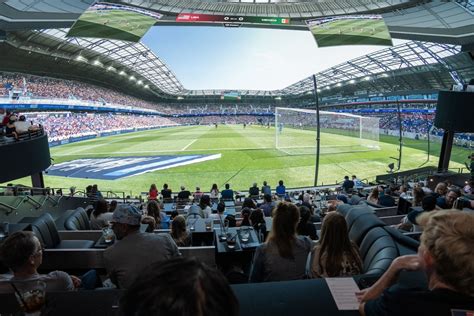
- Reduced Crowds: Visiting during mid-week in spring (March to May) or autumn (September to November) can provide a quieter atmosphere. The weather in Madrid during these seasons is mild, and the city is less inundated with tourists compared to summer or winter holidays.
- Cost Savings: Off-peak periods often come with discounted ticket prices or special promotions. Tour operators and the stadium management may offer deals to encourage visitation during slower times, which can make your trip more budget-friendly.
- Enhanced Accessibility: With fewer visitors, you are more likely to have unobstructed views of the stadium's highlights, such as the presidential box, the players' tunnel, and the panoramic views from the stands. Staff may also be more available to answer questions or provide additional insights during quieter periods.
For instance, visiting on a Tuesday or Wednesday morning in late October can offer a serene experience compared to a Saturday in July. This allows you to explore at your own pace without feeling rushed or overwhelmed by the presence of large groups.
### Strategies to Avoid Crowds
Even during peak seasons, there are ways to minimize the impact of crowds and ensure a smoother visit. Here are some practical tips:
- Book Tickets in Advance: Online booking is a must for the Santiago Bernabéu tour. Not only does it save time at the ticket counter, but it also allows you to select less crowded time slots. Many visitors tend to book for mid-day slots, so opting for an early morning (around 10:00 AM) or late afternoon (after 4:00 PM) tour can help you avoid the busiest periods.
- Avoid Match Days: Check Real Madrid’s schedule before planning your visit. If a match is scheduled, the stadium may close parts of the tour or restrict access entirely. Visiting a day or two before or after a match can still give you a vibrant atmosphere without the logistical challenges.
- Choose Non-Holiday Weeks: Avoid visiting during Spanish public holidays or major international events in Madrid. For example, the first week of May (around Labor Day) or the week of the Madrid Marathon can see an influx of both local and international visitors.
- Opt for Guided or VIP Tours: While slightly more expensive, guided or VIP tours often come with perks like priority access, smaller group sizes, and extended access to exclusive areas. These options can provide a more intimate experience even during busier times.
- Monitor Real-Time Crowd Data: Some travel apps and websites provide real-time data on visitor density at popular attractions. Tools like Google Maps or dedicated stadium tour apps can help you gauge how crowded the stadium is before you arrive.
Another often-overlooked strategy is to combine your visit with other less crowded attractions in Madrid. For example, pairing your stadium tour with a morning visit to lesser-known parks or galleries can help you structure your day to avoid the midday rush at the Bernabéu.
### Unique Insights for Strategic Planning
Beyond seasonality and crowd-avoidance tactics, there are some unique insights that can enhance your visit:
- Consider the Day of the Week: While weekends are naturally busier, Mondays can also be surprisingly crowded because many other Madrid attractions, like the Prado Museum, are closed. This leads tourists to gravitate toward the stadium. If possible, aim for mid-week visits (Tuesday to Thursday) for the calmest experience.
- Weather Considerations: Madrid's climate is a factor to consider. While the stadium is partially indoors, certain sections of the tour, such as the panoramic views and pitch-side areas, are exposed to the elements. Late spring and early autumn offer comfortable temperatures, making these seasons ideal for a more pleasant visit.
- Local Events and Promotions: Keep an eye on local events that might affect visitor patterns. For instance, if there’s a city-wide festival or a major concert in Madrid, the stadium might see a drop in visitors as attention shifts to other happenings. Conversely, during events like Champions League finals hosted in Madrid, the stadium might be a hotspot even outside regular peak seasons.
### Conclusion
Planning your visit to the Santiago Bernabéu Stadium requires a blend of foresight and flexibility. While peak seasons offer vibrant energy and a chance to experience the stadium in its full glory, off-peak visits can provide a more intimate and relaxed experience. By leveraging strategies like advance booking, avoiding match days, and choosing less crowded time slots, you can ensure a visit that is both enjoyable and efficient. Whether you’re a die-hard football fan or a casual traveler, tailoring your visit to these considerations will help you create lasting memories of one of football’s most hallowed grounds.
Pricing and Discounts for Tour Tickets
The Santiago Bernabéu Stadium, home to the legendary Real Madrid football club, is one of the most iconic sports venues in the world. Visitors from across the globe flock to experience its rich history and grandeur through the Santiago Bernabéu tour. However, understanding the **pricing and discounts for tour tickets** can be a crucial aspect of planning your visit. This section delves into the details of ticket costs, available discounts, and special promotions to help you make informed decisions while optimizing your budget.
The **base ticket prices** for the Santiago Bernabéu tour vary depending on the type of experience you choose. Standard adult tickets typically range from **€25 to €30**, depending on whether you book online or purchase at the venue. Children under 14 years of age usually receive a discounted rate, with tickets priced around **€18 to €20**. These prices include access to key areas of the stadium such as the trophy room, the players' tunnel, the pitch-side view, the dressing rooms, and the panoramic views of the stadium. However, prices can fluctuate during peak seasons, such as major football tournaments or holiday periods, so it is advisable to check the official website or authorized ticket vendors for real-time pricing.
One of the most attractive features of the Santiago Bernabéu tour is the **discount structure** for specific groups. Below is a detailed breakdown of these discounts:
- Student Discounts: Students with valid identification cards are eligible for reduced ticket prices. Typically, the discount brings the cost down to around **€20 to €22** per ticket. This is a significant saving, especially for international students who might be traveling on a tight budget. However, it is essential to note that the student discount is often only applicable when tickets are purchased online or through specific platforms that verify student status. Bringing a physical or digital student ID is mandatory to avail of this discount at the venue.
- Family Packages: Families visiting the stadium can benefit from bundled pricing options. For instance, a family of four (two adults and two children) might pay around **€70 to €80** for a combined ticket package, instead of paying individually for each member. This package not only reduces the per-person cost but also simplifies the booking process. Some third-party vendors also offer family-friendly add-ons, such as guided tours or meal deals at nearby restaurants, which can enhance the overall experience. Families should look out for these packages during off-peak times, as they are more likely to be promoted to boost attendance.
- Group Discounts: Groups of 20 or more people can take advantage of **special group rates**, which can reduce the cost per ticket by up to **20-25%**. This is particularly beneficial for school trips, corporate outings, or sports teams visiting Madrid. Group bookings often require advance notice and coordination with the stadium’s management team. Additionally, groups may be offered exclusive perks such as a private tour guide or early access to certain areas of the stadium. These discounts are not always prominently advertised, so it is worth contacting the stadium directly or working with a travel agency specializing in group tours to unlock these savings.
Beyond standard discounts, the Santiago Bernabéu tour occasionally offers **special promotions** tied to events or partnerships. For example, during Real Madrid’s off-season or when the team is playing away matches, the stadium might run limited-time offers such as **"Buy One, Get One Free"** deals or **10% off online bookings** for early birds. These promotions are often communicated via the official Real Madrid app, social media channels, or partner websites like travel agencies and hotel booking platforms. Keeping an eye on these channels can yield unexpected savings. Moreover, visitors who are members of Real Madrid’s fan club or hold season tickets for the team often receive **exclusive access to discounted or free tour tickets** as part of their membership perks. This is a lesser-known benefit that loyal fans can leverage.
Another unique aspect of pricing is the **dynamic nature of online vs. onsite ticket costs**. Booking tickets online in advance almost always results in savings compared to purchasing them at the stadium gate. Online platforms often provide a small discount (around **€2 to €3 per ticket**) as an incentive for pre-booking. Additionally, online booking ensures you avoid long queues at the venue, which can be particularly advantageous during busy times like weekends or match days. Some third-party resellers, such as Viator or GetYourGuide, may also bundle the tour with other Madrid attractions (e.g., a city bus tour or a visit to the Prado Museum) at a slightly higher price but with added convenience.
It is worth noting that **special experiences** within the tour, such as VIP access or guided tours led by former players, come at a premium. These options can cost anywhere from **€50 to €100** per person but provide exclusive perks like access to restricted areas, personalized narratives, or even a souvenir kit. While these are not strictly "discounted" options, they represent value for fans seeking a more immersive or luxurious experience.
For budget-conscious travelers, there are a few strategies to secure the best deals on Santiago Bernabéu tour tickets. First, consider visiting during **midweek or non-peak hours**, as ticket prices are often lower during these times. Second, look for **combination deals** with other Madrid attractions or city passes, which can bundle the tour with public transport or entry to other landmarks at a reduced overall cost. Lastly, monitor the **Real Madrid website** for announcements of **seasonal discounts**, such as Black Friday sales or promotions during less crowded months like January or February.
An often-overlooked aspect of ticket pricing is the **cancellation and refund policy**. Many discounted tickets, especially those purchased through third-party vendors, may have stricter terms compared to standard tickets. For instance, discounted student or group tickets might be non-refundable or require a longer lead time for rescheduling. Always review the fine print to avoid unexpected costs or inconveniences.
In conclusion, the pricing and discount landscape for Santiago Bernabéu tour tickets is multifaceted, offering options tailored to different visitor profiles. Whether you are a student, a family, or part of a large group, there are ways to make the experience more affordable. By leveraging online booking advantages, keeping an eye on promotions, and understanding the nuances of group or family packages, you can enjoy this iconic tour without overspending. Planning ahead and staying informed about the latest deals ensures that your visit to this hallowed ground of football history is both memorable and cost-effective.
Accessibility and Facilities for Visitors
The Santiago Bernabéu Stadium, home to Real Madrid, is not only a monument to football history but also a venue that prioritizes inclusivity and visitor comfort. When planning a visit to this iconic location, understanding the accessibility features and facilities available can greatly enhance the experience for all types of visitors. This section delves into the specific measures the stadium has implemented to ensure that the Santiago Bernabéu tour is accessible to everyone, regardless of physical ability, language barriers, or individual needs.
One of the most notable aspects of the stadium's accessibility is its **wheelchair-friendly design**. The Santiago Bernabéu has undergone significant renovations to meet modern standards of inclusivity. For visitors with mobility challenges, the stadium offers designated **wheelchair-accessible entrances** that are clearly marked and easily identifiable. These entrances are wide enough to accommodate wheelchairs and mobility scooters, ensuring smooth entry without the need for assistance in most cases. Inside the stadium, there are **elevators and ramps** strategically placed to provide access to various levels, including the museum, trophy room, and panoramic viewing areas. This thoughtful design ensures that visitors can move freely and experience the tour without feeling restricted by physical barriers.
Moreover, the stadium provides **dedicated seating areas for wheelchair users** during matches and tours. These spaces are located in prime positions to offer unobstructed views of the pitch and key attractions. Accompanying caregivers or family members are also accommodated in nearby seats, emphasizing the stadium's commitment to inclusive experiences. While these facilities are particularly beneficial during matches, they are equally valuable for tour participants who wish to explore the stadium at their own pace. It is worth noting that visitors with mobility aids are encouraged to book their tour tickets in advance, as this allows the staff to allocate appropriate resources and ensure a seamless experience.
For **non-English speaking visitors**, the Santiago Bernabéu tour offers **multilingual guided tours** to bridge the language gap. While Spanish is the primary language of the guides, the stadium has invested in **audio guides available in multiple languages**, including English, French, German, Italian, and more. These audio guides are equipped with detailed narrations of the stadium's history, architecture, and highlights, such as the trophy room and player locker rooms. This feature ensures that visitors who do not speak Spanish can still immerse themselves in the rich narrative of Real Madrid's legacy. Additionally, the audio guides often include **augmented reality (AR) features**, allowing users to point their devices at specific areas of the stadium to access interactive content, such as videos of historic matches or 3D models of the stadium's evolution over time. This technological enhancement not only caters to non-English speakers but also adds an engaging dimension to the tour for all visitors.
Another key aspect of accessibility is the **support for visitors with sensory needs**. While the stadium is a bustling environment with crowds and noise during events, the tour experience is designed to be more manageable for individuals sensitive to overstimulation. The guided tour routes are planned to avoid overly congested areas during peak times, and the audio guides allow visitors to control the pace and volume of the information they receive. For those who might benefit from a quieter experience, it is advisable to schedule tours during less busy hours, such as early mornings or weekdays. This consideration demonstrates the stadium's awareness of diverse visitor needs beyond physical accessibility.
Beyond the tour itself, the stadium's location in Madrid offers a range of **nearby amenities** that enhance the overall visitor experience. The area surrounding the Santiago Bernabéu is well-developed, with **accessible public transportation options** such as the Metro and buses. The nearest Metro station, Santiago Bernabéu, is equipped with elevators and ramps, making it easy for visitors with mobility challenges to reach the stadium. Additionally, the area is dotted with **restaurants, cafes, and shops** that cater to a variety of dietary preferences and accessibility needs. Many of these establishments have step-free access and offer outdoor seating, creating a welcoming environment for tour-goers looking to relax before or after their visit.
For families visiting with children, the stadium and its surroundings are equipped with **child-friendly facilities**, including baby-changing stations in restrooms and family-friendly dining options nearby. While these amenities are not exclusive to the tour, they contribute to the overall convenience of spending a day at the stadium. Parents with strollers will find the wide walkways and ramp access particularly helpful, both within the stadium and in the surrounding urban area.
The stadium also provides **accessible restrooms** at multiple points along the tour route. These restrooms are designed with spacious layouts to accommodate wheelchairs and include features such as grab bars and low-height sinks. This attention to detail ensures that visitors with disabilities can use the facilities comfortably and independently. Staff members are also trained to assist visitors with specific needs, whether it involves navigating the stadium or understanding the tour's flow. Their presence adds a layer of reassurance for visitors who might require additional support during their visit.
In terms of **digital accessibility**, the Santiago Bernabéu website and ticket booking platform are designed to be user-friendly for individuals with visual or cognitive impairments. The website includes features like **screen reader compatibility** and **easy-to-read fonts**, ensuring that visitors can independently book their tickets and access tour information. Furthermore, the stadium has embraced **mobile app integration**, allowing visitors to download maps, audio guides, and real-time updates about the tour. This digital support is particularly beneficial for non-English speakers and visitors with specific accessibility requirements, as it reduces reliance on in-person assistance.
One unique feature of the Santiago Bernabéu tour is the **customizable experience** it offers. Visitors can choose to explore the stadium independently or opt for a guided group tour. For those who prefer a more personalized approach, private tours can be arranged, often with the option of a guide fluent in the visitor's native language. This flexibility ensures that the tour is not a one-size-fits-all experience but rather one that can be tailored to meet individual preferences and needs. Such customization is a rare offering in stadium tours and underscores the Santiago Bernabéu's commitment to visitor satisfaction.
Finally, the stadium's location in one of Madrid's most vibrant districts means that **cultural and recreational amenities** are readily available. Visitors can extend their day by exploring nearby attractions like the **Paseo de la Castellana**, a grand boulevard lined with shops and green spaces, or visiting the **Museo Nacional de Ciencias Naturales**, which is also accessible and family-friendly. These nearby options allow visitors to combine their stadium tour with other enriching activities, making the trip to Santiago Bernabéu a holistic experience.
In conclusion, the Santiago Bernabéu Stadium excels in providing a wide array of **accessibility features and facilities** that cater to diverse visitor needs. From wheelchair access and multilingual support to nearby amenities and staff assistance, the stadium ensures that every visitor can enjoy the tour comfortably and meaningfully. These efforts not only enhance the experience for individuals with specific needs but also reflect the broader ethos of inclusivity that Real Madrid embodies. For anyone planning a visit, these thoughtful measures make the Santiago Bernabéu tour a truly accessible and enriching adventure.
Tips for Maximizing Your Tour Experience
The Santiago Bernabeu tour is a once-in-a-lifetime experience for football enthusiasts, offering a behind-the-scenes look at one of the most iconic stadiums in the world. To make the most of your visit, it’s important to prepare properly and approach the tour with a plan. Here are detailed, practical tips to help you maximize your Santiago Bernabeu tour experience.
What to Bring

Before setting out for the tour, consider what items will enhance your experience and what might be a hindrance. Here’s a breakdown of essentials:
- A fully charged smartphone or camera: Photography is allowed in most areas of the tour, and you’ll want to capture the panoramic views of the stadium, the trophy room, and other highlights. Bring a portable charger if you plan to take lots of pictures or videos, as you don’t want your device dying mid-tour.
- Your tour ticket or confirmation: While many tickets are digital, having a printed copy as a backup can be helpful in case of technical issues. Ensure your ticket is easily accessible to avoid delays at the entrance.
- A small backpack or bag: This is useful for carrying your essentials, but keep in mind that large bags or luggage are not permitted. Stick to something compact and easy to manage as you move through the stadium.
- A notebook or journal: If you’re a true football aficionado, jotting down observations or trivia during the tour can be a great way to preserve memories and learn more about Real Madrid’s history.
Avoid bringing unnecessary items like large umbrellas, tripods, or food and drinks (except water), as these can slow you down or may not be allowed inside.
What to Wear
Comfort is key when touring the Santiago Bernabeu. The experience involves walking, climbing stairs, and standing for extended periods. Here’s how to dress smartly:
- Wear comfortable shoes: The tour includes a fair amount of walking, including exploring the stands, the pitch, and the museum. Opt for sneakers or other supportive footwear to keep your feet happy throughout the experience.
- Dress in layers: The weather in Madrid can be unpredictable, and while the stadium is partially open-air, some sections of the tour (like the museum or locker rooms) are indoors and climate-controlled. A light jacket or sweater is a good idea, especially if you’re visiting during cooler months.
- Wear Real Madrid gear (optional): While not mandatory, wearing a jersey or other Real Madrid merchandise can add to the fun and may even spark camaraderie with fellow fans.
Avoid overly formal attire or high heels, as these will make the experience less enjoyable and more physically taxing.
Timing Your Visit
The time of day and season you choose for your tour can significantly impact your experience. Here’s how to plan strategically:
- Visit early in the morning or late afternoon: These times are generally less crowded, allowing you to explore at a more relaxed pace and take better photos without large crowds in the background. Weekdays are also less busy compared to weekends.
- Check the match schedule: Tours are sometimes limited or altered on match days or during maintenance periods. If you’re a die-hard fan, consider visiting when no match is scheduled so you can see the pitch in its full, untouched glory. However, if you’re lucky enough to visit just before a game, you might catch some of the pre-match energy and preparations.
- Avoid peak tourist seasons like summer holidays if possible. The stadium can get very crowded during these times, which might detract from the immersive experience.
If flexibility is an option, monitor the official website for updates on tour availability and special events that might enhance your visit, such as temporary exhibits or player-related activities.
How to Navigate the Tour
The Santiago Bernabeu tour is self-guided, which means you have the freedom to explore at your own pace. However, this freedom can be overwhelming without a strategy. Here are some ways to approach the tour effectively:
- Start with the trophy room: This is often considered the highlight of the tour, featuring an impressive collection of silverware, including Champions League trophies. Spending extra time here allows you to fully appreciate the club’s rich history without feeling rushed later.
- Take your time at the pitch-side area: Standing on the edge of the field is a surreal experience. Absorb the atmosphere, imagine the roar of the crowd, and take a moment to sit in the dugout if allowed. This is a great spot for photos that capture the essence of the stadium.
- Don’t skip the locker rooms: While not as glamorous as the pitch, the locker rooms offer a unique glimpse into the players’ routines. Pay attention to the small details, like nameplates or motivational quotes, which add a personal touch to the experience.
- Use the audioguide or app: Many tours offer audioguides or smartphone apps that provide additional context about the exhibits. These tools can enrich your understanding of the club’s legacy and the significance of what you’re seeing.
If you’re traveling with children, keep them engaged by pointing out interactive elements or asking them to spot specific trophies or player memorabilia.
Interacting with Staff and Fellow Visitors
The people you encounter during the tour can enhance your experience. Here’s how to make the most of these interactions:
- Ask staff members questions: Tour guides or stadium staff are often well-versed in the club’s history and can provide fascinating anecdotes or lesser-known facts about the stadium and its legends. Don’t hesitate to ask about specific players, matches, or even the architecture of the stadium.
- Engage with other fans: The Santiago Bernabeu tour attracts visitors from around the world. Sharing your passion for football with others can lead to interesting conversations and even new friendships. You might learn about different cultural perspectives on the sport.
Be respectful of other visitors by not blocking pathways or hogging prime photo spots. A little courtesy goes a long way in ensuring a pleasant experience for everyone.
Post-Tour Activities
The tour doesn’t have to end when you leave the stadium. Here’s how to extend the experience:
- Visit the official store: Located near the stadium, the store is a treasure trove of Real Madrid merchandise. Whether you’re looking for a souvenir jersey, a mug, or a scarf, this is the perfect place to pick up something to remember your visit.
- Explore nearby attractions: The Bernabeu is located in a vibrant part of Madrid. After the tour, consider visiting nearby restaurants or cafes to reflect on your experience. Some local spots even cater to football fans with themed decor or menu items.
- Share your experience on social media: Posting photos and thoughts about your tour can be a great way to relive the experience and connect with other fans online. Use hashtags like #SantiagoBernabeu or #RealMadridTour to join the broader conversation.
Accessibility and Inclusivity
If you or someone in your group has mobility challenges, the stadium is equipped with elevators and accessible routes. However, it’s a good idea to contact the stadium in advance to confirm specific accommodations and ensure a smooth visit. This proactive step can help avoid any last-minute stress.
Bonus Tip: Immerse Yourself in the History
Before your visit, take some time to read up on Real Madrid’s history and key players. Knowing about legendary figures like Alfredo Di Stefano, Cristiano Ronaldo, or the club’s record-breaking Champions League wins can make the tour more meaningful. When you see their jerseys or trophies, you’ll have a deeper appreciation for what they represent.
By following these tips, you can transform your Santiago Bernabeu tour from a simple outing into a rich, immersive journey through football history. Whether you’re a lifelong Real Madrid fan or a casual observer, preparing thoughtfully will ensure you leave with unforgettable memories and a deeper connection to one of the world’s greatest football clubs.
Conclusion and Additional Resources
The Santiago Bernabeu tour is more than just a walk through a football stadium; it is an immersive experience into one of the most storied clubs in the world, Real Madrid. As we conclude this deep dive into securing and maximizing the value of your tour tickets, it is essential to distill the key takeaways and equip you with resources to make your visit seamless and memorable. Whether you are a die-hard football fan or a casual tourist curious about the legacy of one of Europe's most iconic venues, this section will provide a roadmap for preparation and exploration beyond the tour itself.
Key Takeaways from the Santiago Bernabeu Tour The Santiago Bernabeu tour is designed to offer visitors a comprehensive look at the history, architecture, and cultural significance of Real Madrid. Here are the core insights you should carry with you when planning your visit:
- The tour is not merely a passive experience; it is interactive and designed to engage visitors of all ages. From walking through the players' tunnel to sitting in the stands where fans have cheered legendary goals, the tour encapsulates the emotional weight of the stadium's history.
- Purchasing tickets in advance is highly recommended, especially during peak seasons such as summer holidays, weekends, or match days. This minimizes the risk of sold-out slots and ensures you can select a time that fits your itinerary. Many travelers overlook this, assuming walk-in availability is guaranteed.
- The tour often includes access to areas like the trophy room, which houses an awe-inspiring collection of accolades, including multiple UEFA Champions League trophies. This section alone justifies the visit for sports enthusiasts, as it provides a tangible connection to the club's unparalleled success.
- While the stadium is undergoing renovations (part of its modernization project), certain areas may be temporarily inaccessible. However, the club has made efforts to ensure that the visitor experience remains robust, with augmented reality features and temporary exhibits supplementing the traditional tour.
- Understanding the timing of your visit can enhance your experience. For instance, visiting during non-peak hours (early mornings or weekdays) can allow for a more relaxed and less crowded exploration of the facilities.
These takeaways emphasize that the Santiago Bernabeu tour is not just about viewing spaces but about immersing oneself in the narrative of a globally influential football institution. It is an opportunity to step into the shoes of players, coaches, and fans who have contributed to the club's legacy.
Official Resources for Tour Planning To ensure you have the most accurate and up-to-date information, relying on official channels is critical. Here are the key resources you should bookmark and explore:
- Official Real Madrid Website: The Real Madrid website is the primary hub for purchasing tickets, understanding tour inclusions, and checking for any updates regarding renovations or temporary closures. The site also offers a virtual tour preview, which can help set expectations before your visit.
- FAQs Section: The official site includes a detailed FAQ section that addresses common queries such as ticket refund policies, accessibility for individuals with disabilities, and age-specific discounts. This is particularly helpful for families or groups with diverse needs.
- Real Madrid App: The club’s mobile application provides real-time updates on tour availability, stadium news, and even exclusive content like behind-the-scenes videos. For tech-savvy travelers, this app can serve as a handy companion during your visit.
Beyond these resources, it is worth noting that Real Madrid occasionally offers promotions or bundled packages, especially during less busy periods. Checking the official site regularly can help you take advantage of such deals, which might include discounted tickets or add-ons like guided audio tours.
Related Travel Guides and Tips for Tourists While the Santiago Bernabeu tour is a highlight for many visitors to Madrid, it is often part of a broader travel itinerary. To make the most of your time in the city, consider these additional resources and tips:
- Local Travel Guides: Websites like Lonely Planet Madrid and TripAdvisor offer detailed guides on how to pair the stadium tour with other nearby attractions. For example, the Paseo de la Castellana, where the stadium is located, is surrounded by upscale dining options, shopping centers, and green spaces that are perfect for unwinding after the tour.
- Transportation Advice: Madrid’s public transport system is efficient and well-connected. The Santiago Bernabeu has its own metro station (Santiago Bernabeu on Line 10), making it easily accessible from central areas like Puerta del Sol or Gran Via. If you prefer rideshare services like Uber or local taxis, ensure you account for potential traffic during rush hours.
- Combination Tours: Some travel agencies and platforms like GetYourGuide offer combination packages that include the Bernabeu tour alongside other Madrid highlights, such as the Prado Museum or a tapas-tasting experience. These packages can save time and provide a more holistic experience of the city.
- Cultural Context: To fully appreciate the significance of Real Madrid in Spanish culture, consider reading about the club’s history before your visit. Books such as White Angels: Beckham, Real Madrid, and the New Football by John Carlin or documentaries on Real Madrid's "Galacticos" era can provide a richer understanding of what you’ll encounter on the tour.
These resources are invaluable for tourists who want to not only visit the stadium but also understand its place within the broader tapestry of Madrid’s attractions. By combining football history with the city’s vibrant offerings, you can craft a well-rounded travel experience.
Practical Advice for First-Time Visitors First-time visitors to the Santiago Bernabeu often have questions about how to maximize their time and avoid common pitfalls. Here are some practical tips:
- Arrive at least 15-20 minutes before your scheduled tour time to account for security checks and ticket verification. This is particularly important during busy periods when queues can form.
- Wear comfortable footwear, as the tour involves walking through multiple levels of the stadium, including stairs and uneven surfaces in some areas.
- If you are a photography enthusiast, bring a camera with a good zoom lens. Some of the most striking views of the pitch and the surrounding cityscape are best captured from high vantage points in the stands.
- For families with children, consider downloading kid-friendly apps or guides that explain the stadium’s features in an engaging way. This can keep younger visitors entertained and involved throughout the experience.
These small but impactful tips can make the difference between a good visit and a great one, ensuring that logistical hiccups do not detract from the magic of the experience.
Beyond the Tour: Exploring Real Madrid’s Legacy The Santiago Bernabeu tour is just one facet of Real Madrid’s expansive legacy. To deepen your connection with the club, consider exploring these additional avenues:
- Visit the Real Madrid City (the club's training complex) if you have time. While it is located outside the city center in Valdebebas, it offers a more intimate look at the club’s day-to-day operations and future stars in action.
- Attend a live match if your visit coincides with Real Madrid’s home schedule. The energy of a live game at the Bernabeu is incomparable and provides a stark contrast to the quieter ambiance of the tour.
- Engage with local fan communities or forums online. Websites like Managing Madrid offer insights from passionate fans, including travel tips and matchday experiences that can enrich your understanding of the club’s culture.
These avenues allow you to go beyond the surface-level experience of the tour and truly immerse yourself in what it means to be part of the Real Madrid community, even as a visitor.
In conclusion, the Santiago Bernabeu tour is a must-do for anyone visiting Madrid, especially those with even a passing interest in football or sports history. By leveraging official resources, planning ahead, and supplementing your visit with related travel guides, you can ensure a seamless and enriching experience. Whether you are marveling at the gleaming trophies, imagining the roar of the crowd during a match, or simply soaking in the grandeur of the stadium, the tour offers something unique for every visitor. With the tools and insights provided here, you are well-equipped to make the most of this iconic experience and create lasting memories in one of the world’s most celebrated sporting venues.